
The Harmony of the Past: How Andean Structures Integrated with Nature

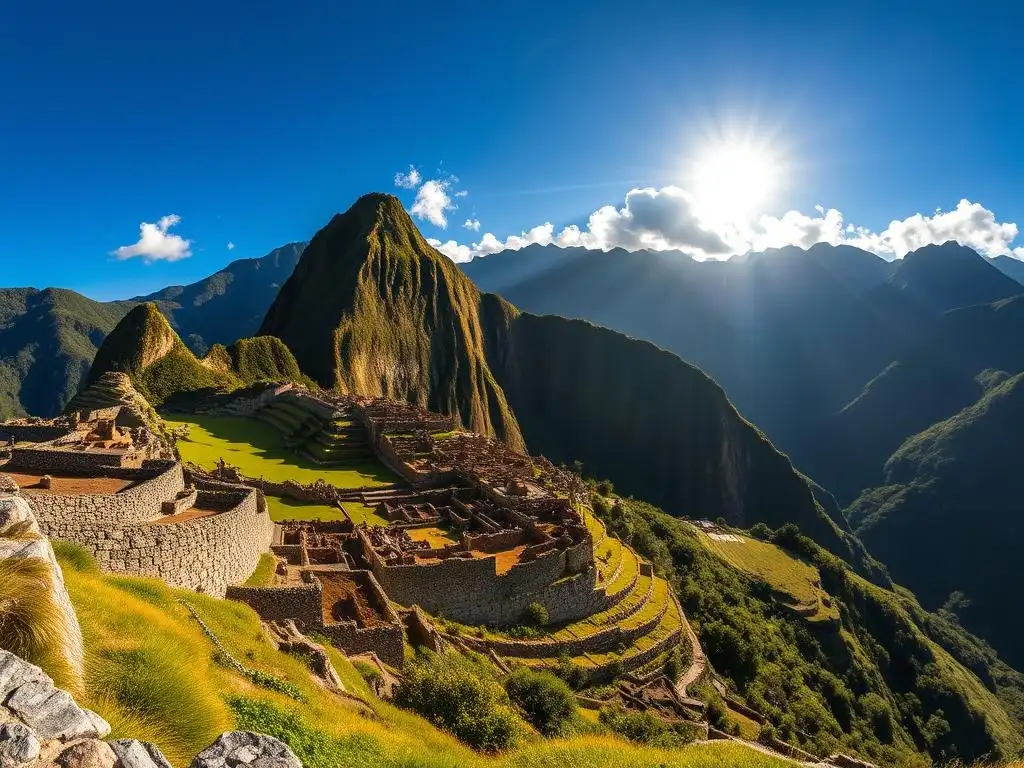
Uncover the secrets whispered by the wind across the Andes! For centuries, the ingenuity of ancient Andean cultures has captivated the world. But have you ever truly considered the breathtaking synergy between their remarkable architecture and the majestic landscapes they inhabited? Journey with us to explore the fascinating world of Andean architecture integration with nature, and discover how these civilizations achieved a harmony between human creation and the natural world that continues to inspire awe. Prepare to be amazed.
The Andes Mountains, a spine of towering peaks and deep valleys stretching along the western coast of South America, served as both a formidable challenge and an inspiring muse for the ancient Andean civilizations. This article delves into the remarkable integration of Andean architecture with its natural environment, exploring how these ingenious builders not only adapted to, but actively harmonized with, their surroundings.
From the intricate stonework of Machu Picchu to the sophisticated irrigation systems of the Nazca, we will examine the ingenious techniques and profound understanding of nature that characterized Andean construction, showcasing how their buildings weren't just structures, but integral parts of the landscape. This exploration will reveal how the concept of "Andean architecture integration with nature" was not merely a practical necessity, but a deeply embedded philosophical principle reflecting their worldview and spiritual beliefs.
We will analyze specific examples, highlighting the sustainable practices and remarkable engineering feats that continue to inspire awe and admiration centuries later.
Adapting to Altitude and Terrain: Ingenious Foundations and Building Materials
Andean architecture demonstrates a masterful adaptation to the challenging terrain and varying altitudes of the Andes. The builders understood the importance of stable foundations, employing techniques that minimized the impact of earthquakes and landslides. They utilized locally sourced materials, such as stone, adobe, and wood, carefully selecting materials best suited to the specific environmental conditions of each location.
For example, in higher altitudes where timber was scarce, stone became the primary building material, showcasing incredible precision in cutting and fitting the blocks. The choice of materials wasn't arbitrary; it was a strategic response to the available resources and the environmental demands, reflecting a deep understanding of the region's geology and climate.
This sustainable approach minimized environmental impact and ensured the longevity of their structures. The precise fitting of stones, sometimes without mortar, is a testament to their advanced understanding of engineering principles and their ability to work in harmony with the natural landscape.
Harnessing Water Resources: Irrigation Systems and Water Management
The efficient management of water resources was crucial for the survival and prosperity of Andean civilizations. Their sophisticated irrigation systems, often carved into the mountainsides, are a testament to their advanced engineering skills and understanding of hydrology. These systems not only provided water for agriculture but also played a vital role in shaping the landscape and influencing the location of settlements. The intricate network of canals, aqueducts, and reservoirs allowed them to cultivate crops in otherwise arid regions, maximizing agricultural productivity and ensuring food security.
The construction of these systems required a deep understanding of water flow, topography, and the seasonal variations in rainfall. The integration of these systems into the landscape wasn't just functional; it was also aesthetically pleasing, demonstrating a harmonious blend of engineering and artistry. [Specific data on the length and complexity of various irrigation systems pending]
Symbiosis with the Landscape: Architectural Integration and Sacred Sites
Many Andean structures, particularly sacred sites, were seamlessly integrated into the natural landscape, blurring the lines between built environment and natural surroundings. The placement of structures was not random; it was carefully considered, often aligning with astronomical events or significant geological features. Machu Picchu, for instance, is a prime example of this symbiotic relationship, where the city's buildings are nestled amongst the mountains, appearing almost as an extension of the landscape itself.
The use of natural stone in various colors and textures further enhanced the integration, creating a visually stunning and harmonious blend of architecture and nature. This careful integration wasn't just aesthetic; it reflected a spiritual connection between the people and their environment, emphasizing the sacredness of the land and the importance of living in balance with nature.
Sustainable Practices: Minimizing Environmental Impact
The Andean civilizations demonstrated a remarkable understanding of sustainable practices, minimizing their environmental impact through careful resource management and innovative construction techniques. Their use of locally sourced materials reduced transportation costs and emissions, while their sophisticated irrigation systems maximized agricultural productivity without depleting water resources. The precise fitting of stones in their structures minimized waste and ensured the longevity of the buildings.
This commitment to sustainability wasn't just a practical necessity; it was a reflection of their deep respect for the environment and their understanding of the interconnectedness of all living things. Their approach offers valuable lessons for contemporary sustainable architecture and environmental stewardship. The longevity of many Andean structures is a testament to the effectiveness of their sustainable building practices.
- Adapting to Altitude and Terrain: Ingenious Foundations and Building Materials
- Harnessing Water Resources: Irrigation Systems and Water Management
- Symbiosis with the Landscape: Architectural Integration and Sacred Sites
- Sustainable Practices: Minimizing Environmental Impact
- How did Andean civilizations integrate their architecture with the environment?
- What specific techniques did Andean builders employ for environmental harmony?
- Did the Incas uniquely integrate architecture and nature compared to other Andean cultures?
- What is the significance of the integration of nature and architecture in Andean civilizations?
- Where can I see examples of Andean architecture's integration with nature today?
Andean Architecture: A Legacy of Natural Integration
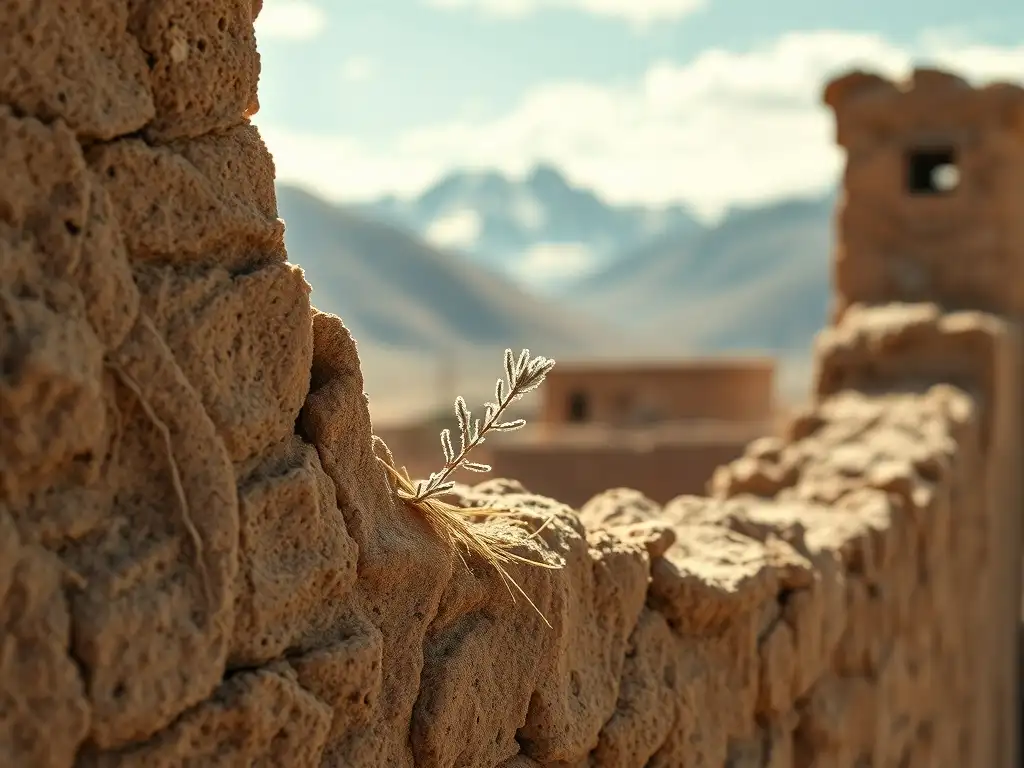
This section delves into the profound connection between Andean architecture and the surrounding environment, showcasing how ancient builders seamlessly integrated their structures with the natural landscape. This wasn't merely a practical consideration; it was a deeply ingrained philosophical approach reflecting a spiritual understanding of the world. Understanding this relationship is crucial to appreciating the ingenuity and sustainability of Andean construction.
The analysis will focus on how the unique characteristics of the Andean landscape – its varied topography, climate, and readily available materials – directly influenced building techniques and design philosophies. We will explore how this integration went beyond mere functionality, shaping cultural beliefs and practices. The keyword, "Andean architecture integration with nature," is central to understanding this remarkable synergy.
Understanding Andean Building Philosophy
Andean building philosophy wasn't about dominating nature, but about harmonizing with it. The concept of ayni, reciprocal exchange, was fundamental. This principle, deeply embedded in Andean cosmology, emphasized balance and interdependence between humans, the environment, and the supernatural realm. Buildings weren't just structures; they were active participants in this reciprocal exchange. Their placement, design, and materials were carefully chosen to minimize environmental impact and maximize the benefits of the natural world.
For example, the orientation of structures often aligned with the sun's path, optimizing solar energy for heating and lighting. This wasn't a random process; it was a meticulous act reflecting a profound understanding of astronomical cycles and their influence on daily life. The use of local materials, like stone and adobe, further minimized the environmental footprint, ensuring buildings blended seamlessly into their surroundings. This approach ensured both the sustainability and cultural significance of the structures.
The Significance of the Andean Landscape in Construction
The diverse Andean landscape significantly impacted construction techniques. The steep slopes and rugged terrain of the Andes dictated the use of techniques like terracing, which not only provided flat surfaces for agriculture but also stabilized slopes and prevented erosion. This is a prime example of how the challenges presented by the landscape spurred innovation. Similarly, the availability of specific materials influenced construction methods.
The abundance of stone in certain regions led to the development of sophisticated stonework techniques, as seen in Inca masonry, while the availability of adobe in other areas resulted in the creation of durable, earth-based structures. The climate also played a significant role. In high-altitude regions, builders adapted their techniques to withstand harsh weather conditions, using materials that provided insulation and protection against extreme temperatures and strong winds. This adaptation showcases a deep understanding of the interplay between climate, materials, and construction techniques, illustrating the sophisticated level of environmental awareness in Andean architectural practices.
The integration wasn't passive; it was an active, responsive process that continually adapted to the unique challenges and opportunities presented by the environment. The resulting structures stand as testaments to this ingenuity and respect for nature. The precise understanding of the relationship between Andean architecture and its integration with nature remains a subject of ongoing research, constantly revealing new facets of this remarkable legacy.
Key Principles of Andean Architectural Harmony
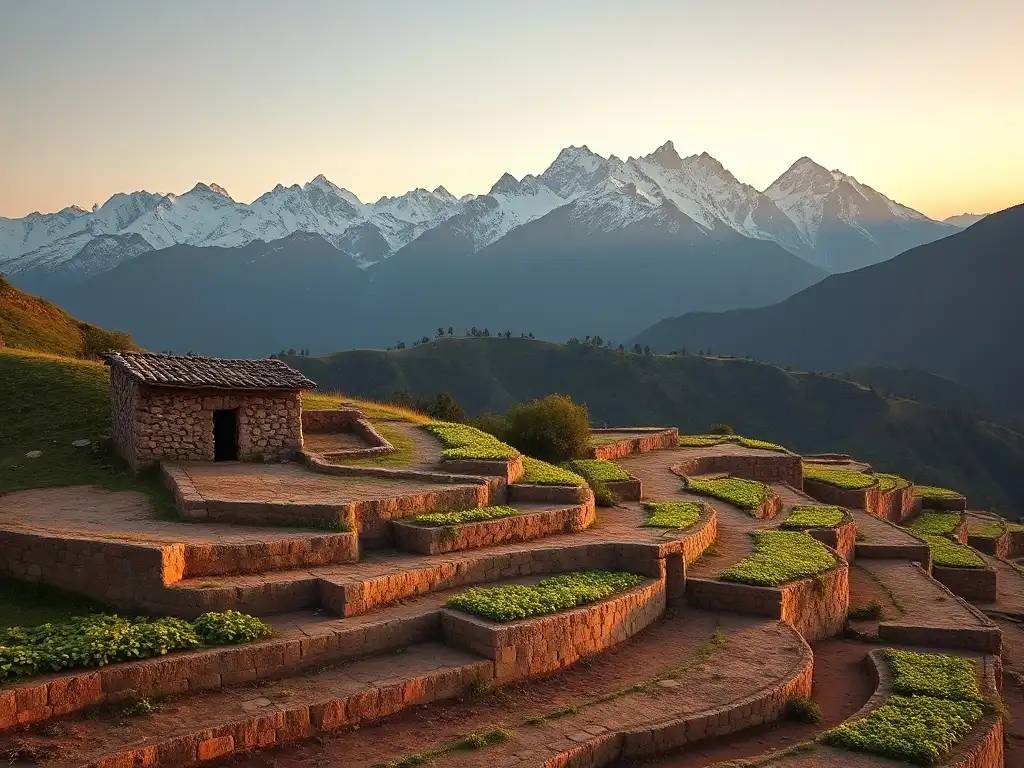
The remarkable achievements of Andean civilizations weren't just about impressive structures; they were about a profound understanding and respect for the natural world. Andean architecture, far from dominating the landscape, seamlessly integrated with it, creating a harmony that is both aesthetically pleasing and ecologically sound. This symbiotic relationship, evident in the construction techniques and design philosophies, showcases a sophisticated approach to sustainable building practices that continues to inspire awe and admiration.
The integration of Andean architecture with nature wasn't a mere coincidence; it was a deeply ingrained principle guiding every aspect of their construction projects. This section explores some key principles that underpinned this remarkable achievement.
Respect for Topography and Terrain
Andean builders exhibited an unparalleled mastery of adapting their constructions to the challenging topography of the Andes Mountains. Instead of imposing structures on the landscape, they skillfully incorporated the natural contours, creating buildings that appeared to grow organically from the earth. This wasn't simply a matter of convenience; it was a fundamental aspect of their worldview, reflecting a deep respect for the power and majesty of the mountains.
Consider the impressive terraces carved into the steep slopes. These weren't just agricultural innovations; they were also integral parts of the architectural landscape, demonstrating a profound understanding of hydrology and soil management. The carefully constructed retaining walls, often made of stone, not only prevented erosion but also created a series of interconnected levels, visually stunning and functionally effective. The integration of these terraces into the broader architectural scheme – often with buildings seamlessly incorporated into the terraced landscape – showcases a holistic approach to design and construction.
The precision and scale of these projects are astonishing, highlighting the advanced engineering knowledge and collaborative efforts required. Furthermore, the strategic placement of settlements and structures within the natural landscape minimized environmental disruption and ensured optimal resource utilization. The Inca road system, for example, expertly navigated the challenging terrain, showcasing adaptability and respect for the existing topography.
Use of Local and Natural Materials in Andean Construction
The Andean civilizations prioritized the use of locally sourced, natural materials in their construction projects. This practice wasn't solely driven by practicality; it was deeply intertwined with their spiritual beliefs and understanding of the environment. Stone, wood, adobe, and thatch were predominantly used, minimizing the need for transportation and reducing the environmental footprint of their constructions.
The selection of materials was far from arbitrary. Stone, for example, was carefully chosen based on its durability, aesthetic qualities, and availability. Different types of stone were utilized depending on their intended purpose and the specific characteristics of the site. The precise fitting of stones without mortar in many structures, such as those at Machu Picchu, is a testament to the builders' skill and knowledge.
This meticulous craftsmanship not only ensured structural integrity but also enhanced the aesthetic appeal of the buildings, creating a harmonious blend of nature and artistry. The use of adobe bricks, particularly in warmer regions, provided excellent thermal insulation, making the structures comfortable and energy-efficient. The integration of organic materials like wood and thatch further enhanced the natural aesthetic and provided additional insulation, showcasing a sustainable approach to building design.
Minimizing Environmental Impact in Andean Design
Andean architectural design prioritized minimizing the environmental impact of construction and occupation. This wasn't a matter of environmental awareness in the modern sense; it was a deeply ingrained practice reflecting a holistic worldview that valued the interconnectedness of all living things. The careful selection of building materials, the integration with the existing topography, and the efficient use of resources all contributed to this environmentally conscious approach.
The concept of ayni, the reciprocal exchange of labor and resources, played a crucial role in minimizing environmental damage. Sustainable practices were not only economically beneficial but also essential for maintaining harmonious relationships within the community and with the environment. The limited use of metal, except in specific ceremonial contexts, further reduced the impact of mining and manufacturing on the ecosystem.
The design of settlements, often strategically located near water sources and agricultural lands, optimized resource utilization and reduced the need for extensive land clearing. Moreover, the cyclical nature of Andean agriculture and construction practices ensured the long-term sustainability of their settlements and minimized the risk of environmental degradation.
The enduring legacy of Andean architecture stands as a testament to the effectiveness of their sustainable building practices. Their approach offers valuable lessons for contemporary architecture and sustainable design, reminding us of the importance of integrating our built environment with the natural world.
Examples of Andean Architecture Integrating with Nature
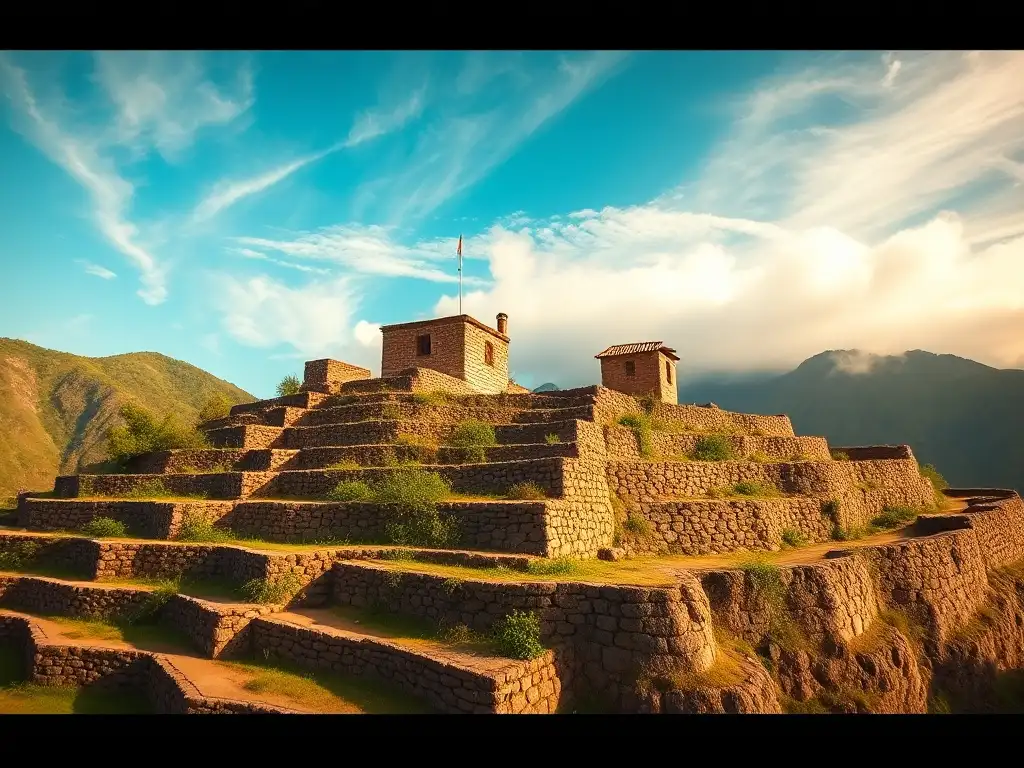
This section delves into specific examples of Andean architecture that masterfully integrated with the surrounding natural environment, showcasing the ingenuity and deep understanding of their ecosystems possessed by ancient Andean builders. The seamless blending of structures with landscapes wasn't merely aesthetic; it was crucial for survival and prosperity, reflecting a profound respect for the environment. We'll explore key examples, highlighting the techniques and principles employed to achieve this remarkable harmony. Understanding this integration is key to appreciating the sophistication of Andean architecture and its enduring legacy. The term "Andean architecture integration with nature" perfectly encapsulates this unique relationship.
Machu Picchu: A Masterpiece of Natural Adaptation
Machu Picchu, the iconic "Lost City of the Incas," stands as a prime example of Andean architecture's harmonious integration with its environment. Its breathtaking location, perched high in the Andes Mountains, wasn't accidental; it was strategically chosen to leverage the natural features of the landscape for both defense and sustainability.
The Strategic Placement of Machu Picchu
The city's placement on a mountain ridge provided natural defenses, making it difficult to access. The builders skillfully utilized the existing topography, adapting the structures to the contours of the mountain. Buildings were constructed on terraces carved into the mountainside, minimizing disruption to the natural landscape. This strategic placement also maximized access to sunlight and fresh water, crucial aspects for daily life. The understanding of the terrain, including seismic activity, is evident in the robust construction techniques.
Stone Carving and Integration with the Mountain
The precision and skill of the stone carving is awe-inspiring. Stones were meticulously shaped and fitted together without mortar, creating structures that appear to grow organically from the mountain itself. The use of local stone, in various colors and textures, further blends the structures with their environment. This wasn't simply about aesthetics; the careful fitting of stones contributed to the stability and longevity of the structures, demonstrating a profound understanding of engineering principles. The integration extended beyond the visual; the very materials used were sourced locally, minimizing environmental impact.
Ollantaytambo: Terraces and Water Management
Ollantaytambo, another significant Inca site, showcases a different facet of Andean architecture's integration with nature: the masterful use of terraces and water management systems. This site, located in a fertile valley, demonstrates a sophisticated understanding of agriculture and water conservation, vital for sustaining a large population.
Andean Terraces as a Form of Natural Integration
The extensive network of agricultural terraces at Ollantaytambo dramatically reshaped the landscape, yet in a way that enhanced its productivity and stability. These terraces weren't simply flat platforms; they were carefully designed to maximize sunlight exposure, minimize soil erosion, and optimize water retention. The terraces followed the contours of the mountainside, creating a visually stunning and ecologically sound agricultural system. The construction itself involved careful consideration of soil type and drainage, showcasing a deep understanding of agricultural principles. The terraces are a testament to the Andean understanding of "Andean architecture integration with nature" as a sustainable agricultural practice.
The Role of Water Canals in Andean Agriculture and Design
The intricate network of canals and irrigation systems at Ollantaytambo is equally impressive. These canals channeled water from mountain streams to irrigate the terraces, ensuring a reliable water supply for crops even during dry periods. The canals were not only functional but also integrated seamlessly into the overall design of the site, demonstrating a holistic approach to architecture and water management.
The precision and efficiency of the system underscore the advanced understanding of hydrology possessed by the Andean builders. This sophisticated water management was integral to the success of their agricultural practices and the sustainability of their settlements. The integration of water systems, terraces, and architecture created a self-sustaining ecosystem reflecting a deep connection between the people and their environment.
Sacsayhuaman: Massive Stones and Landscape Harmony
Sacsayhuaman, a breathtaking fortress located near Cusco, Peru, stands as a testament to the Inca's profound understanding of Andean architecture integration with nature. Its construction, employing massive polygonal stones fitted together with astonishing precision, seamlessly blends with the surrounding landscape. The very placement of the structure, atop a hill overlooking the city, demonstrates a keen awareness of topography and strategic advantage.
This wasn't just about building a fortress; it was about creating a structure that felt intrinsically connected to its environment, almost as if it grew organically from the earth itself. The Inca architects didn't simply impose their structures on the landscape; they worked with it, enhancing its natural beauty and strategic potential. The careful selection of stone, its meticulous shaping, and the overall design all contribute to this harmonious relationship.
The imposing scale of the structure, while undeniably impressive, never feels jarring or out of place within its natural surroundings. This subtle integration is a hallmark of Inca engineering prowess and a testament to their sophisticated understanding of the environment.
The Use of Polygonal Masonry in Natural Settings
The iconic polygonal masonry of Sacsayhuaman is not merely an aesthetic choice; it's a testament to the Inca's mastery of engineering and their deep connection to the natural world. The precisely cut stones, some weighing many tons, fit together without the use of mortar, creating incredibly strong and stable structures. This technique, adapted to the varied topography of the site, allowed the Incas to build walls that followed the contours of the hill, creating a seamless blend between architecture and landscape.
The irregular shapes of the stones, far from being a limitation, allowed for a flexibility and adaptability that facilitated integration with the natural environment. This contrasts sharply with many other architectural styles that impose rigid geometric forms onto the landscape.
The use of polygonal masonry in Sacsayhuaman exemplifies a holistic approach to construction, where the form follows not only function but also the natural contours and the inherent character of the materials available. The stones themselves, sourced from nearby quarries, were carefully selected and shaped to maximize their strength and stability, further highlighting the Inca's intimate understanding of their environment.
Sacsayhuaman's Connection to the Surrounding Environment
Sacsayhuaman's connection to its environment extends beyond its physical integration. The fortress's strategic location, overlooking Cusco and the surrounding valleys, provided both defensive and symbolic significance. The Incas clearly understood the importance of aligning their structures with the natural world, not just for practical reasons but also for spiritual and cosmological ones.
The orientation of the walls, the placement of the structures within the landscape, and even the selection of building materials all suggest a deep understanding of the environment's subtle energies and rhythms. The fortress wasn't simply a military stronghold; it was a sacred space, deeply intertwined with the natural world and the Inca worldview. The use of local materials, the integration with the topography, and the overall design all contribute to a sense of unity and harmony between the built environment and the natural world.
This holistic approach to architecture highlights the profound respect the Incas had for their environment and their ability to seamlessly integrate human creation with the natural landscape. The resulting structure is not just a marvel of engineering; it's a powerful symbol of Andean architecture integration with nature, a testament to a civilization that understood the importance of living in harmony with its surroundings. Understanding this connection provides a richer appreciation for the ingenuity and deep environmental awareness of the Inca civilization.
The Techniques Behind Andean Construction and Nature
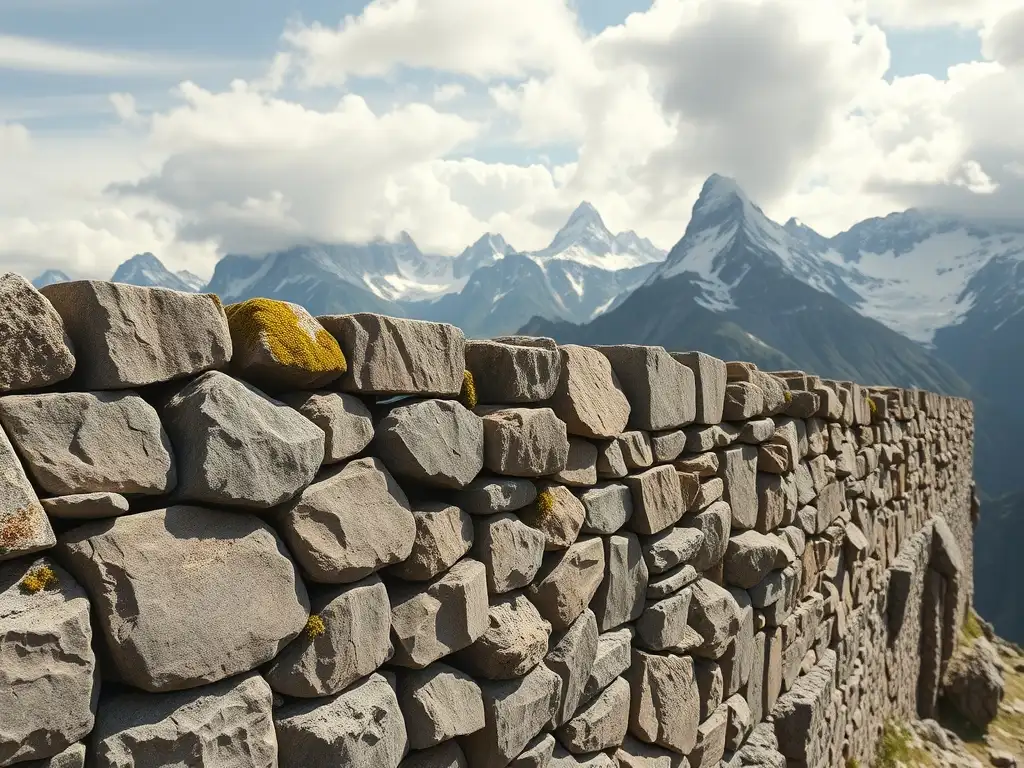
This section delves into the ingenious methods employed by Andean civilizations to seamlessly integrate their architectural marvels with the challenging natural environment. Their success wasn't simply a matter of luck; it was the result of sophisticated understanding of local materials, climates, and topography, coupled with remarkable engineering skills. This holistic approach to building resulted in structures that were not only aesthetically pleasing but also remarkably durable and sustainable.
The harmony between Andean architecture and its environment is a testament to the ingenuity and foresight of these ancient societies, showcasing a deep respect for the land and its resources. Understanding these techniques provides valuable insights into the ingenuity of Andean builders and their profound connection to the natural world. The keyword, "Andean architecture integration with nature," is central to understanding this remarkable achievement.
Andean Masonry Techniques and their Adaptations to the Environment
Andean masonry represents a pinnacle of ancient construction. Instead of relying on mortar, builders often employed a technique known as ashlar masonry, meticulously fitting stones together with such precision that little to no binding agent was needed. This technique, particularly evident in Inca structures, showcased a deep understanding of stone properties and an exceptional level of craftsmanship. The quality of the fit was so precise that it often defied gravity, creating structures of immense stability.
Furthermore, the choice of stone varied depending on the local geology and the intended purpose of the structure. For example, harder, more resistant stones were used for foundations and load-bearing walls, while softer stones might be used for less critical elements. This adaptive approach ensured the optimal use of available resources and maximized the structural integrity of the buildings.
The integration with the environment was further enhanced by the careful selection of stones that blended seamlessly with the surrounding landscape, minimizing the visual impact of the structures. This wasn't merely aesthetic; it also served a practical purpose, reducing the need for extensive earthworks and minimizing disruption to the natural terrain. The precision and adaptability of Andean masonry techniques are key to understanding the successful integration of Andean architecture with nature.
The Use of Earth and Adobe in Andean Structures
Beyond stone, earth and adobe played crucial roles in Andean construction, especially in less mountainous regions. Adobe, a mixture of sun-dried clay and organic materials like straw or dung, offered a readily available and sustainable building material. Its use was widespread, particularly in residential and agricultural structures. The construction techniques involved creating carefully shaped and sized bricks, which were then laid in courses with minimal mortar.
This method allowed for flexibility in design and adaptation to varied terrains. The use of earth and adobe wasn't limited to walls; it was also used for flooring, creating thermally efficient and comfortable living spaces. Interestingly, the very composition of adobe – incorporating organic matter – contributed to its structural strength and resilience. The organic elements acted as binding agents, increasing the overall cohesiveness of the material.
Furthermore, the thermal properties of adobe contributed significantly to the sustainability of Andean structures. The material's ability to regulate temperature, keeping interiors cool in summer and warm in winter, reduced the need for artificial heating or cooling, demonstrating a remarkable understanding of passive environmental control. The ingenuity of using locally sourced earth and adobe showcases the sustainable practices at the heart of Andean architecture's integration with nature.
Sustainable Practices in Ancient Andean Building
The integration of Andean architecture with nature wasn't merely an aesthetic choice; it was a fundamental aspect of a sustainable building philosophy. Several practices highlight this commitment. Firstly, the use of local materials minimized transportation costs and environmental impact. Stones, earth, and wood were sourced from the immediate vicinity, reducing the carbon footprint associated with construction.
Secondly, the design of structures often incorporated features that optimized natural resources. For instance, buildings were often oriented to maximize sunlight in winter and minimize it in summer, utilizing passive solar design principles. Furthermore, the use of materials with high thermal mass, such as stone and adobe, helped regulate internal temperatures, reducing energy consumption for heating and cooling. Finally, the careful consideration of the surrounding landscape minimized environmental disruption.
Structures were often built to blend seamlessly with the terrain, reducing their visual impact and preserving the natural beauty of the environment. This holistic approach to building, prioritizing sustainability and environmental harmony, is a testament to the long-term vision and environmental consciousness of ancient Andean societies. The seamless blend of Andean architecture and its surrounding nature is a testament to sustainable building practices. This holistic approach, characterized by resourcefulness and respect for the environment, remains a valuable lesson for modern construction.
The Spiritual Connection Between Andean Structures and Nature
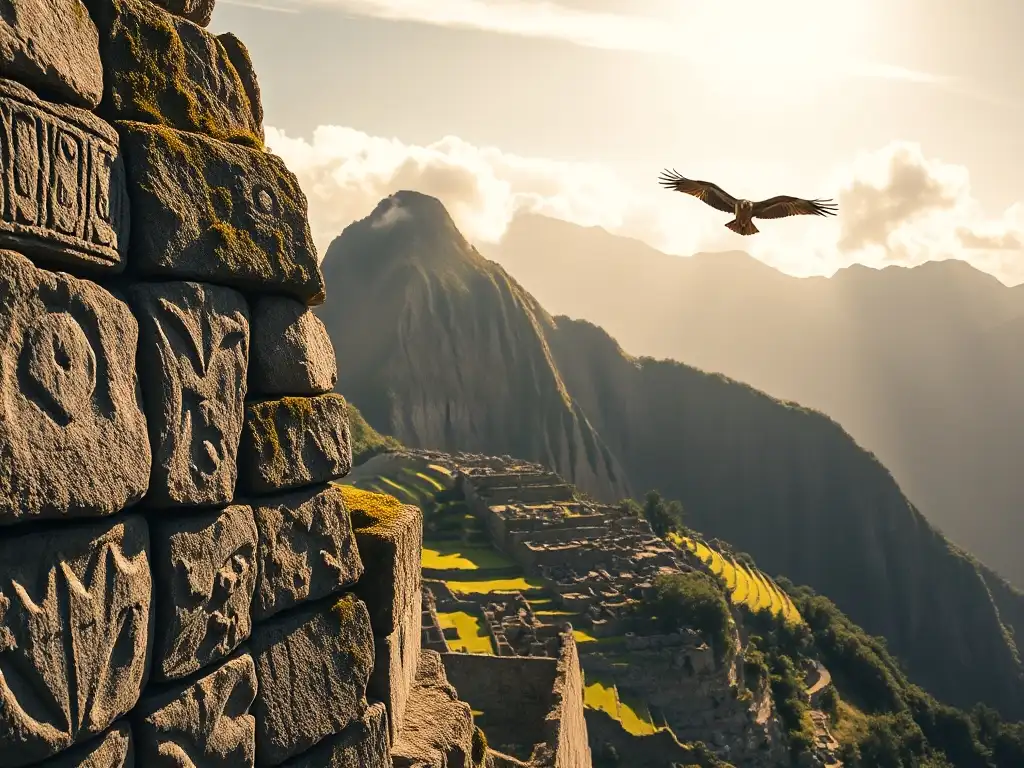
The remarkable achievements of Andean architecture are not solely feats of engineering; they are deeply intertwined with the spiritual beliefs and worldview of the ancient Andean cultures. Understanding this profound connection between built environments and the natural world is crucial to appreciating the ingenuity and holistic approach of Andean builders. The integration of Andean architecture with nature wasn't merely aesthetic; it was a fundamental expression of their cosmovision, a philosophy deeply rooted in the reverence for the natural order.
This section delves into the spiritual underpinnings of Andean construction, revealing how their structures acted as tangible manifestations of their beliefs. We'll examine how this integration directly impacted design, material selection, and the overall spatial organization of their settlements. The successful implementation of these principles showcases a sophisticated understanding of environmental factors and a harmonious co-existence with their surroundings, a testament to their sustainable practices and profound respect for Pachamama.
Andean Cosmovision and Architectural Design
Andean cosmovision, a complex system of beliefs encompassing a holistic view of the universe, significantly influenced architectural design. The universe was perceived as a layered system, with the earthly realm connected to the celestial and subterranean worlds. This three-world concept – Hanan Pacha (upper world), Kay Pacha (earthly world), and Ukhu Pacha (underworld) – is reflected in the verticality of Andean settlements, often built on terraced hillsides.
The architecture mirrored this layered cosmology, with structures designed to connect and interact with these different realms. Temples, for instance, were often positioned to align with celestial events, emphasizing the interconnectedness between the human and divine spheres. Moreover, the use of specific materials, such as stone and adobe, was not arbitrary.
These materials, sourced locally, were believed to possess inherent spiritual properties, further strengthening the bond between the built environment and the natural world. The careful selection of building materials and their symbolic significance reflects a deep understanding of the environment and its intrinsic value.
Sacred Mountains and their Influence on Construction
Sacred mountains, apus, played a pivotal role in shaping Andean settlements and architectural layouts. These mountains were considered divine entities, embodying power and fertility. Cities and towns were often strategically located in relation to these sacred peaks, reflecting a deep respect for their spiritual significance.
The orientation of buildings, the placement of plazas, and even the direction of pathways often followed the lines of sight towards these apus, visually and spiritually connecting the community with the powerful forces of nature. For example, Machu Picchu's breathtaking location nestled among towering mountains is not merely a scenic choice; it's a testament to the Inca's profound understanding of the relationship between human habitation and the sacred landscape.
The integration of Andean architecture with nature, in this context, demonstrates a sophisticated understanding of geomancy and the influence of natural features on the human experience. The precise alignment of structures with celestial bodies and sacred mountains underscores the advanced astronomical knowledge and spiritual depth of Andean cultures.
The Concept of Pachamama and its Reflection in Andean Architecture
Pachamama, the Earth Mother, is a central figure in Andean cosmology, representing the fertile earth and the life-giving forces of nature. The concept of Pachamama profoundly impacted Andean architecture, influencing both the design and construction processes. Structures were often built in harmony with the landscape, minimizing environmental disruption.
Terracing, a hallmark of Andean engineering, not only provided agricultural benefits but also demonstrated a deep respect for the land's integrity. The use of locally sourced materials, minimizing transportation and reducing environmental impact, further exemplifies this philosophy. Furthermore, the incorporation of natural elements, such as stones and plants, into architectural designs served as a visual reminder of the interconnectedness between humanity and Pachamama.
The harmonious coexistence between human settlements and the natural environment, a defining characteristic of Andean architecture, is a direct outcome of this reverence for the Earth Mother. The sustainable practices embedded in Andean construction techniques serve as a valuable lesson in ecological responsibility and respectful co-existence with the natural world. The enduring legacy of Andean architecture is a testament to their profound understanding of the intricate relationship between humanity and nature.
The Enduring Legacy of Andean Architecture's Natural Harmony
Andean architecture stands as a testament to the ingenuity and deep understanding of their environment possessed by ancient Andean cultures. Their structures weren't simply imposed upon the landscape; they were integrated with it, a harmonious blend of human creativity and natural forces. This symbiotic relationship, evident in everything from the precise placement of settlements to the meticulous selection of building materials, ensured the longevity and functionality of their constructions for centuries.
The legacy of this approach continues to resonate today, offering valuable lessons in sustainable design and environmental responsibility. Understanding this enduring legacy is crucial to appreciating the sophistication of Andean civilizations and their profound connection to the land.
Analyzing the techniques employed, the materials utilized, and the overall design philosophy reveals a remarkable level of sophistication in their approach to building, far surpassing simplistic notions of “primitive” construction. The integration wasn't merely aesthetic; it was functional, contributing to the structural integrity, thermal regulation, and overall resilience of their buildings.
Lessons from the Past: Sustainable Construction in the Andes Today
The principles of Andean architecture, characterized by their ingenious integration with the natural environment, are increasingly relevant in contemporary sustainable building practices. Modern architects and engineers are finding inspiration in the resourcefulness and environmental sensitivity demonstrated by ancient Andean builders. For example, the use of locally sourced materials, minimizing transportation costs and environmental impact, mirrors the ancient Andean practice of utilizing readily available stone, adobe, and wood.
Similarly, the emphasis on passive solar design, evident in the orientation and construction of Andean structures, is finding renewed appreciation in contemporary sustainable building initiatives. This includes techniques like optimizing building orientation to maximize sunlight in winter and minimize it in summer, reducing the reliance on energy-intensive heating and cooling systems. Furthermore, the understanding of microclimates and the strategic placement of structures to minimize wind exposure and maximize natural ventilation, techniques refined over millennia in the Andes, provides valuable insights for modern environmentally conscious design.
The study of traditional Andean techniques provides a wealth of knowledge for creating sustainable structures that are both environmentally friendly and culturally relevant. This is particularly relevant in the Andes today, where preserving traditional techniques while addressing modern challenges is paramount.
The Importance of Preserving Andean Architectural Heritage
Preserving Andean architectural heritage is not merely an act of historical preservation; it's a crucial step in safeguarding valuable knowledge about sustainable building practices and a unique cultural legacy. The continued erosion and damage to ancient sites due to factors such as climate change, urbanization, and tourism underscores the urgent need for conservation efforts. These sites represent not just physical structures, but repositories of knowledge about ancient construction techniques, material science, and environmental adaptation.
The loss of these sites equates to the loss of irreplaceable information that could inform future architectural and engineering solutions. Furthermore, the cultural significance of these structures cannot be overstated; they represent the identity and heritage of Andean communities, and their preservation is essential for maintaining cultural continuity and fostering a sense of place.
A multi-faceted approach is needed, combining technological advancements with community involvement and sustainable tourism practices to ensure the long-term preservation of these invaluable sites. This requires collaboration between archaeologists, architects, engineers, local communities, and government agencies to implement effective preservation strategies.
Andean Architecture as an Inspiration for Modern Design
The principles of Andean architecture offer a rich source of inspiration for contemporary design, promoting innovative and sustainable solutions for modern buildings. The emphasis on harmony with the environment, the use of locally sourced materials, and the integration of passive design strategies can be applied to contemporary projects, resulting in structures that are both aesthetically pleasing and environmentally responsible. For example, the integration of green roofs, inspired by the terraced agricultural systems of the Andes, can improve insulation, reduce stormwater runoff, and create green spaces in urban environments.
Similarly, the use of rammed earth construction, a traditional Andean technique, offers a sustainable and energy-efficient alternative to conventional building materials. The unique aesthetic qualities of Andean architecture, characterized by its simplicity, functionality, and integration with the landscape, also provide a valuable aesthetic reference for modern designers seeking to create buildings that are both beautiful and environmentally conscious.
By carefully studying and adapting these time-tested principles, modern architects can create buildings that are not only functional and aesthetically pleasing but also contribute to a more sustainable future. This approach ensures that the legacy of Andean architectural ingenuity continues to inspire and inform design for generations to come.
Frequently Asked Questions
How did Andean civilizations integrate their architecture with the environment?
Andean cultures masterfully integrated their structures with the landscape. They used locally sourced materials like stone and adobe, and strategically positioned buildings to minimize environmental impact and maximize resource use, such as sunlight and water.
What specific techniques did Andean builders employ for environmental harmony?
Andean builders employed techniques like terracing to create arable land on steep slopes, and water management systems such as canals and aqueducts to efficiently distribute water resources. They also adapted building designs to the local climate and topography.
Did the Incas uniquely integrate architecture and nature compared to other Andean cultures?
While the Incas are famous for their grandiose constructions, other Andean cultures like the Nazca and Moche also demonstrated sophisticated integration with their environment. Each culture adapted their building techniques to their specific ecological circumstances.
What is the significance of the integration of nature and architecture in Andean civilizations?
This integration was crucial for survival and prosperity. It reflected a deep understanding of the environment and a spiritual connection to the natural world, showcasing a sustainable approach to construction and resource management.
Where can I see examples of Andean architecture's integration with nature today?
Many sites throughout the Andes showcase this integration. Machu Picchu, Sacsayhuamán, and various terraced agricultural landscapes offer tangible evidence of this remarkable relationship between Andean cultures and their environment.
Final Reflection: Echoes of the Andes: A Legacy of Sustainable Design
The ingenious integration of Andean architecture with its environment remains a potent lesson for sustainable design in the 21st century. We stand at a critical juncture, facing unprecedented environmental challenges, and the wisdom embedded in these ancient structures offers a powerful counterpoint to our often unsustainable practices. Their enduring legacy reminds us that harmony with nature is not merely an aesthetic choice, but a fundamental requirement for long-term survival.
The profound impact of Andean architectural principles extends far beyond the physical structures themselves; it speaks to a deeply ingrained cultural philosophy that prioritized balance and respect for the natural world. This holistic approach, where building materials were sourced locally and construction methods minimized environmental disruption, offers a stark contrast to modern, often exploitative, building practices. The mountains are our mother, the rivers our veins; to harm them is to harm ourselves.
This ancient Andean proverb encapsulates the symbiotic relationship that underpinned their architectural achievements, a relationship we must strive to re-establish.
Consider the implications of this ancient wisdom for your own life. How can you incorporate principles of sustainability and mindful design into your daily choices? From the materials you use to the spaces you inhabit, consider the impact of your decisions on the environment. Let the echoes of the Andes inspire you to build a more harmonious and sustainable future, one where human ingenuity and natural beauty coexist in perfect balance.
Unveil Your Connection to Nature and History!
Thank you for exploring the incredible ways Andean cultures harmonized their structures with nature. You've gained valuable insights into their balanced way of life. Now, let's build on that inspiration!
- **Experience ancient techniques firsthand:** Visit a local museum or Andean cultural site to see these remarkable structures up close.
- **Connect with others:** Share your thoughts and photos on social media using the hashtag #AndeanHarmony and join a community that appreciates this rich heritage.
- **Learn more:** Deepen your understanding by reading about sustainable architecture and how we can integrate these timeless design principles into modern life.
How will you integrate these harmonious practices into your own life and relationship with nature?