
Andean Water Management and its Impact on Regional Trade


Unravel the mysteries of the Andes! Journey back in time to discover how ingenious Andean civilizations water systems shaped not only their daily lives, but also the vast trade networks that connected this remarkable region. From the breathtaking ingenuity of Inca terraces to the sophisticated canals of the Nazca, prepare to be amazed by the architectural marvels and engineering prowess that fueled the rise and fall of these ancient empires. Explore the intricate relationship between water management and regional trade – a story far more complex and fascinating than you ever imagined. Dive in and uncover the secrets!
The ingenuity of the ancient Andean civilizations is profoundly reflected in their sophisticated water management systems. These weren't simply irrigation channels; they were complex networks that shaped societal structures, economic prosperity, and the very fabric of regional trade across the diverse Andean landscape.
This article delves into the remarkable water management techniques employed by cultures like the Incas, Nazca, Moche, and Tiahuanaco, examining how their mastery of hydraulic engineering facilitated agricultural surpluses, population growth, and the flourishing of inter-regional exchange. We will explore how the control and distribution of water, a precious resource in the challenging Andean environment, directly impacted the development and expansion of trade routes and economic power across the region.
Understanding these ancient systems provides valuable insights into the resilience and adaptability of Andean societies and offers a compelling narrative of human ingenuity in the face of environmental constraints. The keyword "Andean civilizations water systems trade" will be explored throughout this article, highlighting the intricate relationship between these three crucial aspects of Andean history.
Introduction to Andean Irrigation and its Importance
The Andes Mountains present a formidable challenge for agriculture. Steep slopes, unpredictable rainfall, and high altitudes create an environment where water scarcity is a constant concern. Yet, the Andean civilizations thrived, developing remarkably effective irrigation systems that allowed them to cultivate crops in otherwise arid or marginal lands.
These systems weren't merely a means of survival; they were fundamental to the civilizations' economic prosperity and social organization. The ability to control and distribute water resources allowed for increased agricultural yields, supporting larger populations and enabling specialization of labor. This, in turn, fueled the growth of regional trade networks, as surplus agricultural products could be exchanged for other goods and resources.
The construction and maintenance of these irrigation systems also served as a powerful symbol of social cohesion, requiring collaborative effort and sophisticated organizational skills. The success of Andean irrigation can be seen as a testament to the combined power of engineering prowess, social cooperation, and a deep understanding of their environment. The impact of these systems extended far beyond mere sustenance, laying the foundation for complex societies and extensive trade networks that shaped the history of the Andes.
Water Management Techniques of Ancient Andean Civilizations
Ancient Andean civilizations employed a variety of ingenious techniques to manage water resources. These techniques varied depending on the specific geography and the needs of the particular culture.
- Canals and Aqueducts: Many civilizations, including the Incas, constructed extensive networks of canals and aqueducts to transport water from rivers and springs to agricultural fields. These were often built along carefully engineered terraces, maximizing water use and minimizing erosion. The precision and scale of these projects are astounding, demonstrating a sophisticated understanding of hydraulic engineering. The Inca empire, for example, boasted a remarkably extensive network of canals, some stretching for kilometers across varied terrain.
- Terracing: Terracing was a crucial technique for creating level agricultural plots on steep slopes. This method not only increased the amount of cultivatable land but also helped to conserve water by slowing runoff and reducing erosion. The terraces themselves often incorporated ingenious drainage systems to prevent waterlogging. The carefully constructed terraces are visually striking, testament to the Andean peoples' skill and dedication.
- Reservoirs and Storage Systems: Many Andean societies built reservoirs and other storage systems to capture and store rainwater or meltwater for use during dry periods. These systems varied in size and complexity, from small cisterns to large reservoirs capable of holding substantial amounts of water. The location and design of these reservoirs often reflected a deep understanding of local hydrology and rainfall patterns. Such foresight allowed for consistent agricultural production, even in the face of environmental variability.
- Subterranean Aqueducts (qanats): Some cultures, notably in the arid coastal regions, utilized subterranean aqueducts, also known as qanats, to access groundwater. These ingenious systems involved digging a network of gently sloping tunnels to tap into underground water sources, bringing water to the surface without significant water loss through evaporation. The construction of qanats required considerable engineering skill and labor, highlighting the value placed on water access in these regions.
The development and implementation of these diverse water management techniques were pivotal to the prosperity and expansion of the Andean civilizations. The efficient use of water enabled the production of agricultural surpluses, which fueled the growth of complex societies, supported larger populations, and ultimately spurred the development of extensive regional trade networks, cementing the vital link between "Andean civilizations water systems trade." Further research into these remarkable systems continues to reveal the sophisticated knowledge and engineering skills of these ancient cultures.
- Introduction to Andean Irrigation and its Importance
- Water Management Techniques of Ancient Andean Civilizations
- How did Andean civilizations manage water resources?
- What role did water play in Andean trade networks?
- Which Andean civilizations were particularly renowned for their water management?
- How did water management impact the trade of specific goods?
- What evidence reveals the importance of water in Andean trade?
The Ingenious Water Systems of the Incas
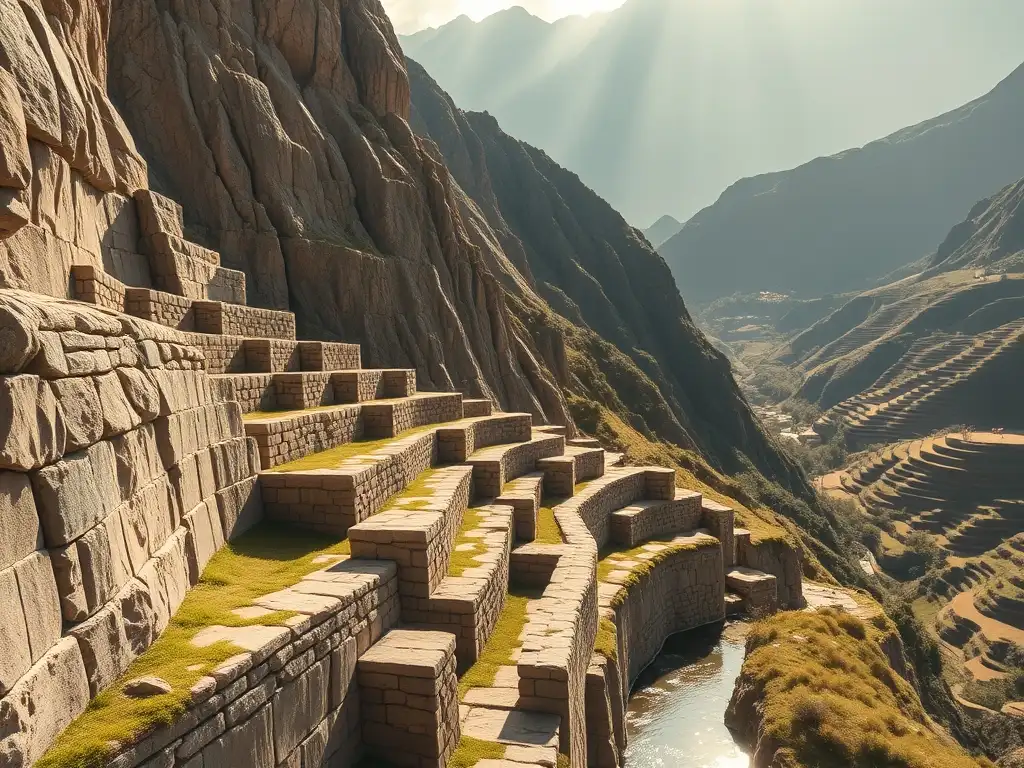
The Inca Empire, a marvel of Andean civilizations, thrived thanks in part to its sophisticated water management systems. These weren't simply irrigation channels; they were integral to the empire's social structure, economic prosperity, and overall success, significantly impacting Andean civilizations water systems trade. Their ingenious solutions to water scarcity in diverse terrains demonstrate remarkable engineering prowess and a deep understanding of their environment.
The Inca's approach to water wasn't merely utilitarian; it was deeply interwoven with their spiritual beliefs, shaping their worldview and societal organization. This intricate relationship between water, society, and trade is a key aspect of understanding Inca success.
Terraced Agriculture and Water Distribution
Inca agricultural practices were profoundly shaped by their mastery of water management. The iconic terraced fields, cascading down mountain slopes, were not just aesthetically pleasing; they were highly efficient systems for water conservation and distribution. These terraces, meticulously carved into the landscape, captured rainwater and channeled it to crops, minimizing runoff and maximizing water absorption. The careful arrangement of terraces also reduced soil erosion, a significant concern in mountainous regions.
The construction of these terraces required enormous labor, a testament to the Inca's centralized organization and ability to mobilize large workforces. This efficient use of water allowed for increased agricultural output, supporting a larger population and contributing significantly to regional trade networks by providing surplus goods for exchange. The surplus agricultural produce, facilitated by their advanced water management, formed the backbone of the Inca's thriving economy and fueled trade routes across the Andes.
Inca Canals and Aqueducts: Engineering Marvels
Beyond terraced agriculture, the Inca Empire developed an extensive network of canals and aqueducts, showcasing their unparalleled engineering skills. These weren't simply ditches; they were sophisticated systems designed to transport water over considerable distances, often across challenging terrain. Some canals were lined with stone to prevent leakage and erosion, demonstrating a high level of technical expertise.
Aqueducts, often constructed using stone and mortar, carried water across valleys and ravines, providing a reliable source of water for settlements and agricultural lands. The precise construction and ingenious design of these water systems are still a source of wonder today. The construction of these impressive systems required meticulous planning, skilled labor, and a deep understanding of hydraulic principles.
This sophisticated infrastructure was crucial for sustaining the Inca empire and its extensive trade networks. The reliable water supply facilitated the growth of urban centers and allowed for the production of surplus goods that were traded throughout the empire and beyond, significantly impacting Andean civilizations water systems trade.
The Role of Water in Inca Society and Economy
Water wasn't just a resource for the Inca; it was a sacred element deeply intertwined with their religious beliefs and social structure. The control and distribution of water were closely monitored and regulated by the state, reflecting the importance of water in the Inca's societal hierarchy and economy. Access to water was essential for survival and prosperity, and the Inca's ability to manage water resources effectively was a key factor in their political and economic dominance.
The state's control over water resources also played a crucial role in regulating trade, as access to irrigation systems often determined agricultural productivity and, consequently, a community's ability to participate in regional exchange. This centralized control ensured equitable distribution (to a degree) and prevented conflicts over water rights, contributing to the stability and prosperity of the empire.
The Inca's meticulous management of water, therefore, was not only an engineering feat but also a cornerstone of their social and economic organization, deeply influencing the dynamics of Andean civilizations water systems trade. The efficient allocation of water resources, coupled with the surplus agricultural output it enabled, allowed for the development of extensive and robust trade networks across the vast Inca empire.
Pre-Inca Water Management Strategies
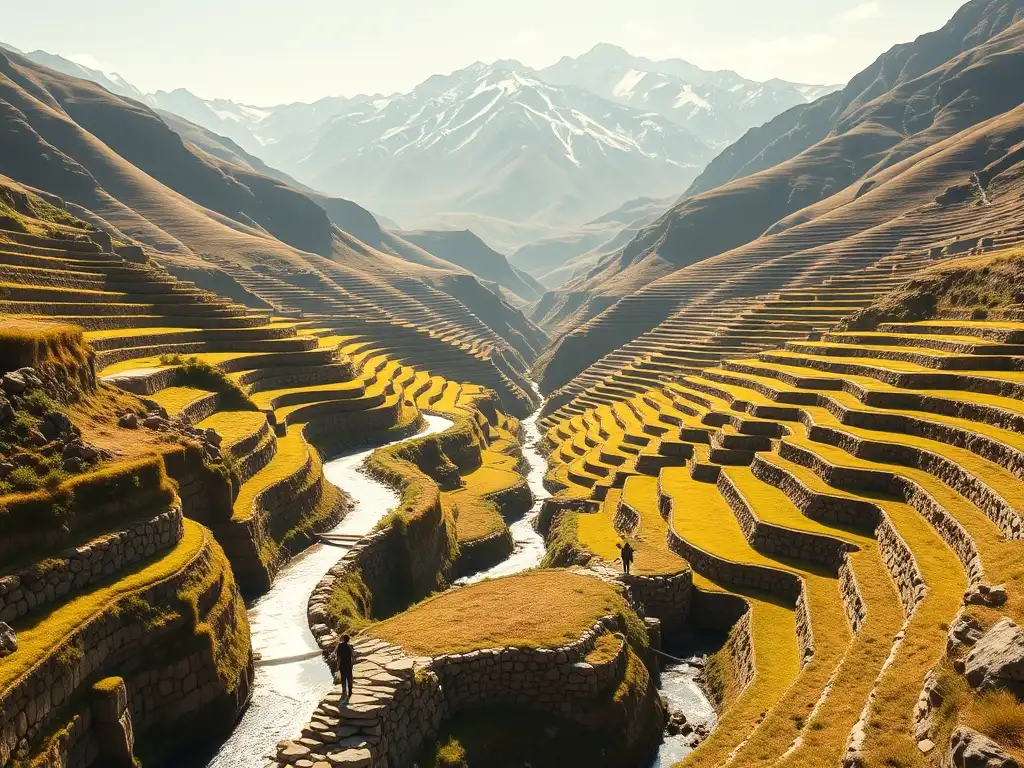
The ingenuity of Andean civilizations in harnessing water resources is a testament to their advanced understanding of hydraulic engineering. Long before the Inca Empire, sophisticated water management systems were crucial for agricultural production and, consequently, for regional trade networks. These pre-Inca strategies, while varying in complexity across different cultures, shared a common goal: maximizing water availability in often arid and challenging terrains.
The success of these systems directly impacted the growth and prosperity of these societies, fostering specialization and facilitating the exchange of goods across vast distances. Understanding these pre-Inca innovations provides invaluable context for appreciating the later achievements of the Inca Empire and the overall impact of water management on Andean civilizations' trade. The development of these systems was not merely a technical achievement; it was a vital component of their social and economic structures.
Moche Irrigation Systems and Hydraulic Engineering
The Moche civilization (circa 100-800 CE), renowned for its intricate pottery and impressive architecture, also possessed a remarkable understanding of hydraulic engineering. Their irrigation systems, carved into the steep slopes of the northern Peruvian coast, were masterpieces of ingenuity. They employed a complex network of canals, ditches, and reservoirs to channel water from rivers and streams to their agricultural fields. This allowed them to cultivate fertile valleys that otherwise would have been unsuitable for farming.
The scale of these projects was significant, requiring coordinated labor and sophisticated planning. Evidence suggests the use of sophisticated surveying techniques to ensure the accurate alignment of canals across uneven terrain. The Moche's mastery of hydraulic engineering wasn't just about sustenance; it fueled their economic prosperity.
Surplus agricultural production generated trade opportunities, leading to the exchange of goods such as cotton, ceramics, and precious metals with other Andean communities. This created a thriving regional economy deeply intertwined with their effective water management. The Moche's success highlights the direct link between sophisticated water management and flourishing trade in Andean civilizations.
Nazca Aqueducts: Underground Water Sources
The Nazca civilization (circa 100 BCE – 800 CE), famous for its enigmatic geoglyphs, developed a unique approach to water management. Facing an even more arid environment than the Moche, the Nazca people constructed a remarkable network of underground aqueducts known as puquios. These ingenious systems tapped into underground water sources, channeling water through a series of carefully constructed shafts and tunnels to the surface.
The puquios were not simply simple channels; they were complex engineering feats, demonstrating a deep understanding of hydrology and subsurface water flow. The construction involved intricate stonework, and the maintenance of these systems required ongoing community effort. The puquios enabled the Nazca to cultivate crops in an extremely challenging environment, contributing significantly to their survival and societal development.
The reliability of this water source facilitated the production of agricultural surpluses which formed the basis for their trade networks, particularly in textiles and ceramics. The puquios stand as a testament to the adaptability and resourcefulness of Andean civilizations in overcoming environmental limitations and fostering trade through innovative water management.
Tiahuanaco Water Management and Agricultural Innovations
The Tiahuanaco civilization (circa 500-1000 CE), located on the Altiplano of Bolivia, faced a different set of hydrological challenges. The high altitude and fluctuating water levels of Lake Titicaca demanded a sophisticated approach to irrigation and water management. Evidence suggests that the Tiahuanaco people employed a combination of techniques, including raised fields, canals, and sophisticated water distribution systems.
Their understanding of water control was crucial for maximizing agricultural output in a challenging environment. Raised fields, in particular, are noteworthy. These elevated plots of land provided better drainage and protected crops from frost, while also improving soil fertility.
The Tiahuanaco's agricultural surplus, a direct result of their advanced water management practices, stimulated trade across the Andes. They traded agricultural products, textiles, and other goods with neighboring communities, establishing a widespread trade network. This highlights how the Tiahuanaco civilization's innovative water management not only ensured food security but also played a critical role in their economic and political influence within the broader Andean context, solidifying the importance of Andean civilizations water systems trade.
The Interconnection of Andean Water Systems and Trade
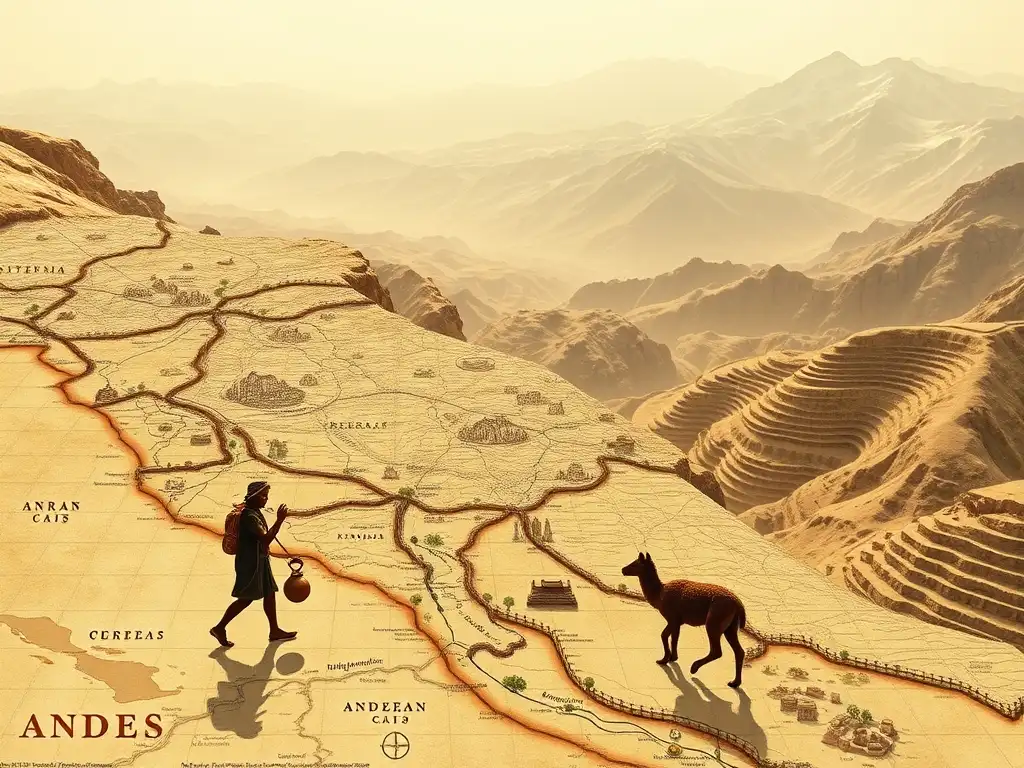
The ingenuity of Andean civilizations in harnessing water resources profoundly impacted their economic structures, fostering intricate regional trade networks. Their sophisticated water management systems, far from being isolated feats of engineering, were integral to the production and distribution of goods, creating a complex interplay between hydraulic infrastructure and economic prosperity. This section will explore the multifaceted relationship between Andean water systems and the flourishing trade that characterized these remarkable societies.
Understanding this connection reveals a crucial aspect of Andean civilization's success and resilience. The keyword "Andean civilizations water systems trade" is central to this analysis, highlighting the symbiotic relationship between water control and economic exchange.
Surplus Production and Regional Trade Networks
Effective water management, achieved through intricate canal systems, terraced agriculture, and sophisticated irrigation techniques, led to significant increases in agricultural output. The ability to cultivate larger areas and achieve higher yields created agricultural surpluses beyond immediate community needs. This surplus production became the cornerstone of regional trade networks, fueling the exchange of goods and services across vast distances.
For example, the coastal regions, often arid, relied heavily on agricultural products from the fertile highlands, creating a constant flow of goods facilitated by well-established trade routes. The Nazca civilization, renowned for its intricate irrigation systems, exemplifies this phenomenon. Their remarkable network of canals, some stretching for miles, allowed them to cultivate vast expanses of land, generating surpluses that were traded for valuable resources like marine products and exotic materials from distant regions.
This surplus wasn't merely a matter of quantity; it also involved diversification. Different ecological zones yielded diverse crops, leading to a rich variety of goods available for exchange.
Water as a Resource and a Commodity
Water itself, beyond its role in agriculture, became a valuable resource and, in some contexts, a commodity. Control over water sources conferred significant economic and political power. Communities with access to reliable water supplies, thanks to their engineering prowess, held an advantage in agricultural production and, consequently, in trade. This control could be leveraged strategically, influencing trade agreements and shaping regional dynamics.
Evidence suggests that some Andean societies developed systems of water rights and allocation, reflecting the strategic importance of this resource in their economic and social structures. The allocation of water wasn't always equitable, leading to potential conflicts and negotiations that further shaped trade relations. The management of water scarcity, a recurring challenge in the Andean region, also influenced trade patterns, as communities sought to acquire resources like drought-resistant crops or technologies to improve water management.
The Impact of Water Control on Economic Power
The ability to control and manage water resources had a direct and significant impact on the economic power dynamics within Andean societies. Societies that mastered sophisticated irrigation techniques and canal construction gained a competitive advantage, accumulating wealth and influence through increased agricultural production and trade. This economic power often translated into political dominance, with controlling access to water resources becoming a key tool for maintaining social order and expanding territorial control.
The Inca Empire, for instance, recognized the crucial role of water management in its vast empire. Their extensive infrastructure projects, including the impressive network of aqueducts and irrigation canals, not only ensured food security but also reinforced their political power and facilitated trade across their far-reaching domain. The construction and maintenance of these systems involved significant labor organization, further highlighting the connection between water control, economic power, and social organization within Andean civilizations.
The economic prosperity derived from efficient water management ultimately contributed to the overall strength and longevity of these powerful empires. Analyzing the "Andean civilizations water systems trade" relationship unveils a sophisticated interplay of engineering, economics, and political power.
Andean Civilizations Water Systems Trade: A Detailed Analysis
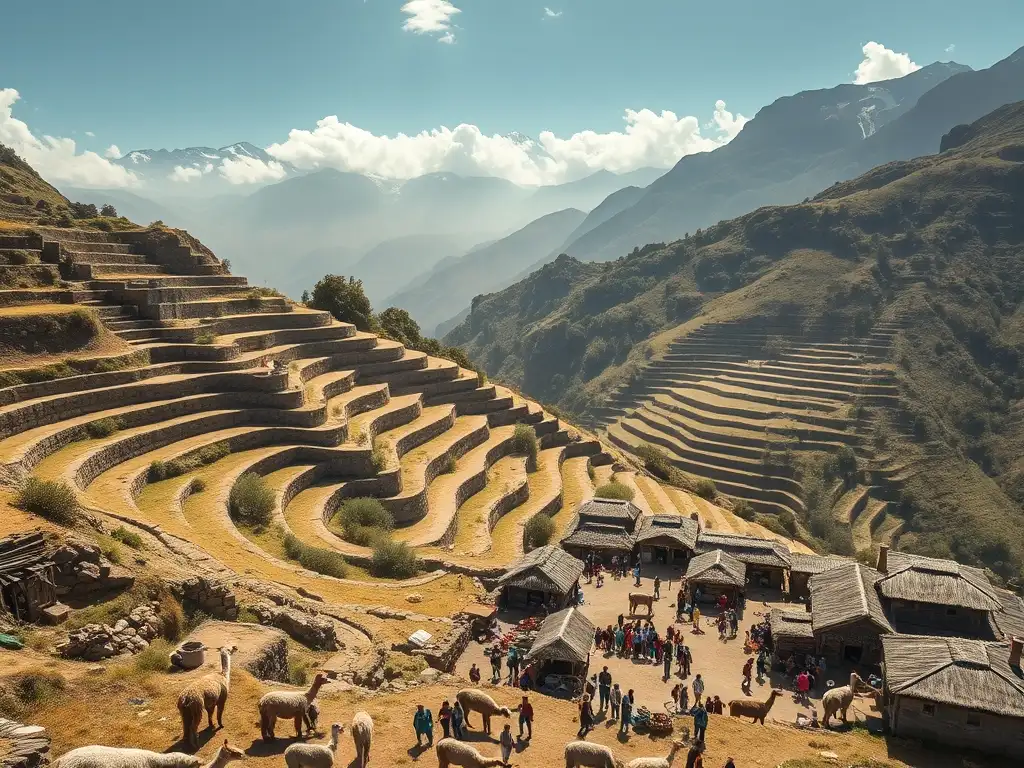
This section delves into the intricate relationship between sophisticated Andean water management systems and the flourishing regional trade networks that characterized these civilizations. We will explore how the ingenious engineering solutions implemented by the Andean people directly impacted the development and sustainability of their extensive trade routes, agricultural production, and the rise of important trade hubs. The keyword phrase "Andean civilizations water systems trade" is central to understanding the remarkable achievements of these societies.
How Water Management Facilitated Trade Routes
Efficient water management was not merely a matter of survival for Andean civilizations; it was the very foundation upon which their extensive trade networks were built. The construction of canals, aqueducts, and terraces—masterpieces of engineering—allowed for the cultivation of crops in otherwise arid and challenging terrains. These irrigation systems didn't just provide sustenance; they also created vital infrastructure that facilitated the movement of goods and people.
Consider the Nazca civilization, renowned for their intricate geoglyphs. Their mastery of water management, particularly their underground canals ( puquios), enabled them to cultivate fertile valleys, producing surpluses that fueled trade with neighboring regions. These puquios also provided reliable water sources along trade routes, making long-distance journeys more feasible.
The ability to access water along these routes significantly reduced the risks associated with travel and allowed for the consistent transport of goods across vast distances. The availability of water also supported the establishment of waystations and resting points along these routes, further enhancing trade connectivity. This network of water resources fostered a sense of security and predictability, encouraging trade and facilitating cultural exchange.
Agricultural Production and the Exchange of Goods
The sophisticated water management systems of the Andean civilizations directly impacted agricultural production, creating surpluses that formed the backbone of their regional trade. The Incas, for instance, utilized a complex system of terraced agriculture, allowing them to cultivate diverse crops on steep slopes. This increased agricultural output led to a surplus of goods, such as potatoes, maize, and quinoa, which were then traded throughout their vast empire.
The exchange of these agricultural products was not simply a matter of bartering; it was a carefully managed system that reinforced political and economic power. The Incas utilized a system of mit'a, a form of labor tribute, to maintain and expand their irrigation networks. In return, communities received access to vital resources and the opportunity to participate in the wider imperial trade network.
This system demonstrates the interconnectedness between water management, agricultural production, and the broader economic and social fabric of the Inca empire. The efficiency of their water systems directly translated into economic prosperity and facilitated the exchange of goods on a massive scale. This exchange wasn't limited to food; textiles, pottery, and precious metals also flowed along these well-established trade routes, enriching the cultural landscape of the Andes.
Water Security and the Development of Trade Hubs
The strategic location of water resources played a crucial role in the development of major trade hubs in the Andes. Settlements were often established near reliable water sources, facilitating agricultural production and attracting traders. This led to the growth of urban centers that served as crucial nodes in the regional trade networks.
For example, the city of Cusco, the capital of the Inca empire, was strategically located near abundant water sources. Its position, coupled with the Inca's advanced water management techniques, allowed Cusco to flourish as a major trade center, connecting various regions of the empire.
The security of water supply ensured the city's prosperity and its role as a central hub for the exchange of goods and ideas. This illustrates the strategic importance of water security in the development of Andean trade hubs, emphasizing the interconnectedness between water resources, urban development, and the flourishing of regional trade networks.
The reliable access to water ensured not only the survival but also the prosperity of these crucial centers, cementing their role within the broader Andean trade system. The impact of efficient water management on the development of these trade hubs is undeniable, further reinforcing the significance of "Andean civilizations water systems trade" as a key element in understanding their success.
The Legacy of Andean Water Management
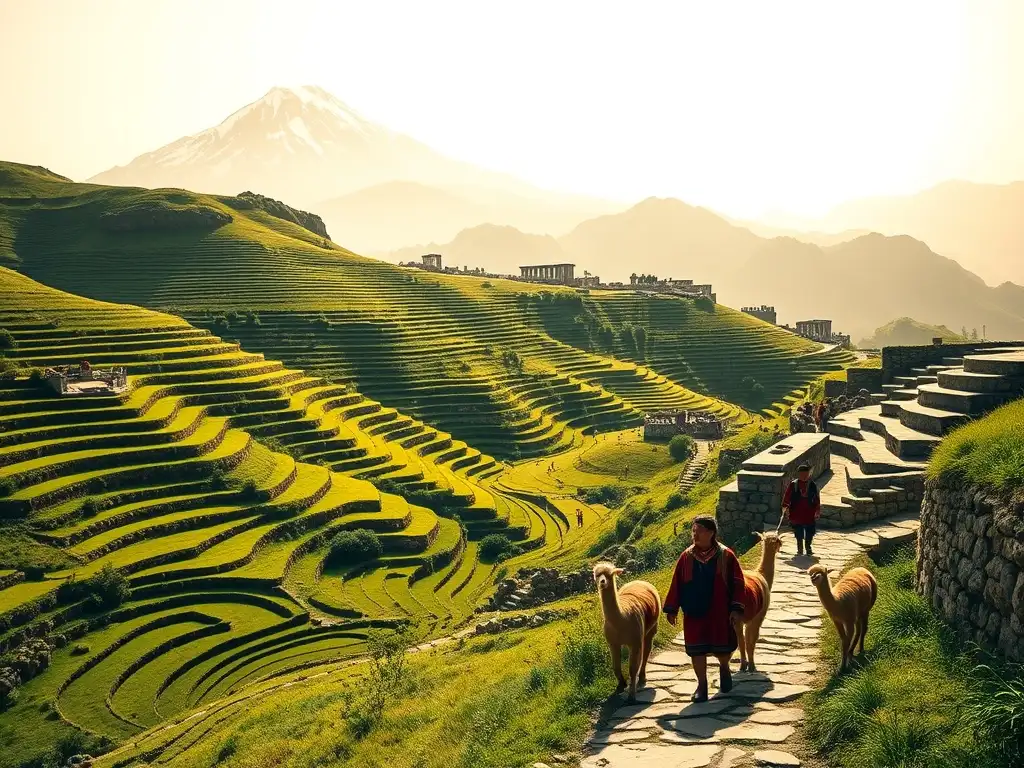
The ingenuity of Andean civilizations in harnessing water resources profoundly impacted their societal development and regional trade. Their sophisticated water management systems, developed over millennia, weren't merely technological achievements; they were integral to their economic, social, and political structures. From the intricate canal systems of the Nazca to the impressive hydraulic infrastructure of the Inca, these advancements allowed for intensive agriculture in diverse and often challenging environments.
This mastery of water directly fueled population growth, surplus food production, and ultimately, the flourishing of complex societies capable of extensive trade networks across the Andes. The legacy of these systems continues to resonate today, offering valuable lessons for sustainable water management in a world facing increasing water scarcity.
Understanding the intricacies of these ancient systems provides crucial insights into the interplay between water management, agricultural productivity, and economic prosperity in the Andean region. The keyword "Andean civilizations water systems trade" is directly relevant here, as the sophisticated water systems were the backbone of their thriving trade networks.
Lessons from Ancient Andean Techniques for Modern Agriculture
Ancient Andean techniques offer valuable lessons for modern agriculture, particularly in arid and semi-arid regions. Their understanding of water conservation, efficient irrigation, and terracing techniques remains remarkably relevant. For instance, the waru waru system, employed by pre-Inca cultures in the Altiplano, combined raised beds with irrigation channels, maximizing water retention and minimizing evaporation. This method significantly improved crop yields even in the face of unpredictable rainfall.
Similarly, the Inca's sophisticated canal systems, often built along steep slopes and across challenging terrain, demonstrated an advanced understanding of hydraulic engineering. These canals, meticulously designed and maintained, ensured an equitable distribution of water across vast agricultural landscapes. Modern agricultural practices could benefit immensely from adopting and adapting these time-tested techniques.
Consider the potential for increased food security and reduced water waste through the implementation of similar strategies in regions currently facing water stress. The integration of ancient wisdom with modern technology could revolutionize agricultural practices, creating more resilient and sustainable food systems. Analyzing the efficiency of ancient Andean water systems can inform the development of more sustainable irrigation methods today.
Sustainable Water Management Practices and Their Relevance Today
The relevance of sustainable water management practices, pioneered by Andean civilizations, is increasingly crucial in a world grappling with climate change and water scarcity. The Andean civilizations water systems trade dynamic highlights the inherent link between water availability and economic prosperity. The ancient Andean approach, focused on water conservation and efficient distribution, stands in stark contrast to many modern practices characterized by over-extraction and unsustainable use.
Their systems prioritized equitable access to water, ensuring the survival and prosperity of entire communities. This contrasts sharply with modern issues of water privatization and unequal access. Modern societies can learn from the Andean emphasis on community-based water management, which fostered cooperation and collective responsibility for water resources.
The emphasis on careful planning and long-term sustainability inherent in these ancient systems serves as a model for responsible water governance. By studying and adapting these approaches, we can develop more resilient and equitable water management strategies for the future. The long-term perspective of these ancient societies offers a valuable counterpoint to the often short-sighted approaches prevalent in contemporary water management.
The Importance of Preserving Andean Water Management Systems
Preserving the remaining Andean water management systems is not just a matter of historical preservation; it's crucial for maintaining biodiversity, supporting local livelihoods, and ensuring the long-term sustainability of the region's water resources. Many of these systems, though ancient, are still functional, providing vital irrigation for agriculture and sustaining local communities. Their continued existence provides invaluable opportunities for research and learning.
Unfortunately, many of these systems are threatened by factors such as urbanization, climate change, and unsustainable agricultural practices. The preservation of these systems requires a multi-faceted approach involving community engagement, government support, and international collaboration. Protecting these irreplaceable historical and cultural assets is essential for safeguarding the region's unique biodiversity and ensuring the continued prosperity of its people.
The long-term consequences of neglecting these systems would be detrimental to the region's ecological balance and socio-economic stability. The keyword "Andean civilizations water systems trade" emphasizes the interconnectedness of these systems with the region's economic past and future. Protecting them is crucial for sustainable development.
Conclusion: The Enduring Influence of Andean Water Management on Trade
The ingenuity of Andean civilizations in harnessing water resources profoundly impacted regional trade and economic development. Their sophisticated water management systems, far from being merely technological achievements, were integral to the social, political, and economic fabric of their societies. This section explores the lasting legacy of these systems and the contemporary challenges facing their preservation.
The Relationship between Water Control and Economic Prosperity in the Andes
The control of water directly translated into economic prosperity in the Andes. Efficient irrigation systems allowed for surplus agricultural production, exceeding subsistence levels. This surplus created a foundation for specialized labor, the development of urban centers, and ultimately, robust trade networks. For example, the Nazca civilization, renowned for their intricate geoglyphs, also boasted extensive canal systems that supported a thriving agricultural economy.
This agricultural bounty fueled their trade in textiles, ceramics, and other goods, extending their influence across the southern Peruvian coast. The ability to reliably irrigate vast tracts of land significantly enhanced their economic power and facilitated their social complexity. Likewise, the Inca Empire's sophisticated aqeducts and terraced farming techniques ensured food security across their vast territory, supporting a large population and enabling the movement of goods and people across mountainous terrain – a critical factor in their imperial expansion and control. The intricate interplay between water control and economic output is evident in the archaeological record, showcasing a direct correlation between irrigation infrastructure and the scale of societal development.
Analysis of agricultural yields in different Andean regions, factoring in water availability and irrigation techniques, could further quantify this relationship. [Specific data on agricultural yields pending further research]. The economic benefits extended beyond agriculture, influencing the production and trade of other resources like metals and precious stones, as access to water was essential for mining and processing operations.
The Cultural and Historical Significance of Andean Water Systems
Beyond their economic implications, Andean water systems held immense cultural and religious significance. Water was not simply a resource; it was a sacred element, deeply intertwined with Andean cosmology and beliefs. Many water management structures were integrated into the broader landscape, reflecting a holistic worldview that connected human activity with the natural environment. The construction and maintenance of these systems were often communal endeavors, reinforcing social bonds and collective identity.
Rituals and ceremonies associated with water sources underscore their spiritual importance. For example, the Inca's veneration of water deities and their intricate ceremonies related to water management highlight the deep-seated cultural significance of these systems. The mamacocha (Mother Lake) concept exemplifies the Andean view of water as a life-giving force, deserving of respect and reverence. This spiritual dimension further cemented the importance of water management within Andean societies, ensuring its continuous development and preservation across generations.
The integration of water management into religious practices ensured the longevity of these systems, as their maintenance was not solely a practical matter but also a religious obligation, fostering a sense of shared responsibility and cultural continuity. Further research into specific rituals and beliefs associated with different Andean water systems could provide richer insights into this aspect. [Specific examples of rituals and beliefs pending further research].
Contemporary Challenges and Conservation Needs
Despite their historical importance, Andean water systems face numerous contemporary challenges. Climate change, population growth, and unsustainable agricultural practices are placing immense pressure on these vital resources. Water scarcity, pollution, and the degradation of infrastructure pose significant threats to both the environment and the livelihoods of communities that depend on these systems. The preservation of these ancient water management techniques requires a multi-faceted approach, combining modern engineering with traditional knowledge.
Sustainable water management practices are crucial for ensuring the long-term viability of these systems and mitigating the impacts of climate change. Furthermore, community involvement and education are essential in promoting responsible water use and preserving the cultural heritage associated with these systems. The development of effective policies and investment in infrastructure upgrades are necessary to address these challenges and secure a sustainable future for Andean water resources. Successful conservation efforts require collaboration between governments, researchers, and local communities, ensuring that the legacy of Andean water management continues to benefit future generations.
A comprehensive assessment of the current state of Andean water systems and the development of targeted conservation strategies are crucial steps towards achieving this goal. [Specific examples of successful conservation initiatives pending further research]. The continued study of Andean civilizations water systems is vital to inform modern approaches to water management and ensure the sustainable use of water resources globally. The lessons learned from these ancient societies can provide valuable insights for addressing contemporary water challenges, emphasizing the enduring relevance of Andean ingenuity.
Frequently Asked Questions
How did Andean civilizations manage water resources?
Andean civilizations developed sophisticated water management systems, including canals, aqueducts, and irrigation techniques, to support agriculture and urban development. These systems were crucial for their survival and prosperity in diverse environments. Terracing was also a key element.
What role did water play in Andean trade networks?
Access to reliable water sources was essential for agricultural production, which formed the basis of many trade goods. Control over water resources often influenced political power and trade routes. Agricultural surplus, enabled by efficient water management, fueled trade.
Which Andean civilizations were particularly renowned for their water management?
Many Andean civilizations excelled, but the Incas are particularly well-known for their extensive irrigation systems and hydraulic engineering projects. The Nazca also showed remarkable skill in water management, especially considering their arid environment. Tiahuanaco's ingenuity is also noteworthy.
How did water management impact the trade of specific goods?
Efficient water management led to increased agricultural yields, resulting in surpluses of crops like maize and potatoes. These surpluses became important trade commodities, supporting broader regional exchange networks. This impacted the scale and scope of trade.
What evidence reveals the importance of water in Andean trade?
Archaeological evidence, such as the remains of canals and aqueducts, coupled with analysis of traded goods and settlement patterns, reveals the close relationship between water management, agricultural production, and the flourishing of trade networks across the Andes. Written records, where available, further support this.
Final Reflection: The Enduring Legacy of Andean Water Wisdom
The ingenious water management systems of the Andean civilizations remain a potent symbol of human ingenuity and a stark reminder of our interconnectedness with the environment. Their sophisticated understanding of water resource management, far exceeding that of many contemporary societies, directly impacted regional trade and prosperity, a lesson we urgently need to relearn in our era of climate change and resource scarcity. The consequences of ignoring sustainable practices are already evident globally, highlighting the timeless relevance of Andean wisdom.
The intricate network of canals, aqueducts, and reservoirs built by Andean cultures wasn't merely a feat of engineering; it was a social contract, a testament to collective action and shared responsibility. These systems fostered economic stability and facilitated the exchange of goods across vast distances, creating a vibrant tapestry of regional trade. Water is the lifeblood of civilization,
a phrase often repeated, takes on a profound meaning when considering the Andean experience. Their success underscores the critical link between water security, social cohesion, and economic prosperity – a lesson that continues to resonate today as we grapple with water scarcity and its societal implications.
Consider the ingenuity of these ancient societies, their deep understanding of their environment, and the lasting impact of their water management systems. You too can be a steward of sustainable practices. Reflect on your own water consumption, consider supporting initiatives promoting water conservation, and advocate for policies that prioritize responsible water management. Let the legacy of the Andean civilizations inspire you to act, to build a future where water security is not a privilege, but a right for all.
**Transform Your Understanding of Andean Water Management Today! **
Thank you for exploring the fascinating world of Andean water management! You've gained valuable insights into how these ancient practices continue to shape regional economies and sustain vibrant communities. Now, let's put that knowledge to work! Here are some ways to further your engagement:
- **Explore Local Practices:** Visit a local museum or explore online resources dedicated to traditional water management techniques. Consider how these time-tested strategies might address contemporary water challenges in your own area.
- **Share Your Insights:** Discuss the article with friends, family, colleagues, or share your thoughts on social media. Encourage others to consider the crucial link between water resources and economic prosperity.
- **Get Involved:** Seek out local environmental organizations or workshops focused on water conservation and sustainable water management. Your participation can make a significant contribution to protecting this vital resource.
How can modern societies adapt the wisdom of ancient Andean water management to address the pressing water challenges of our time?