
Andean Irrigation and the Rise of Complex Societies

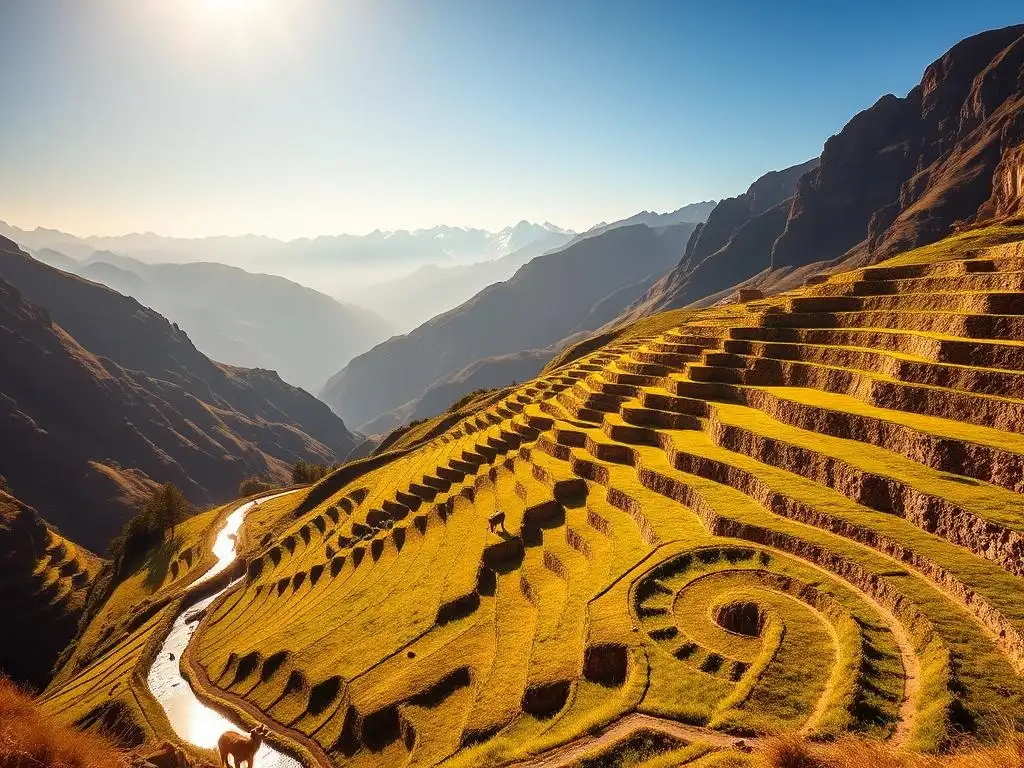
Unravel the mysteries of the Andes! Journey through millennia of ingenuity and discover how remarkable engineering feats shaped the destiny of ancient Andean societies. Prepare to be amazed by the sophistication of Andean civilization irrigation systems, a crucial element in the rise of these powerful empires. Delve into the secrets of their architectural marvels and learn how these intricate water systems fueled their growth and prosperity – a story far more complex than you might imagine. Let's explore…
The ingenuity of the ancient Andean civilizations is profoundly evident in their mastery of water management. Far from being isolated pockets of human settlement, the Andes saw the rise of complex societies, powerful empires, and breathtaking architectural achievements—all underpinned by sophisticated irrigation systems.
This article explores the crucial role of water management in the development of Andean civilizations, focusing on how these innovative techniques facilitated population growth, agricultural surplus, and the emergence of centralized political structures. We'll examine the diverse irrigation strategies employed by different cultures, from the intricate canal systems of the Nazca to the sophisticated hydraulic engineering of the Inca, demonstrating how water was not merely a resource, but a cornerstone of Andean societal development and a key factor in the success of Andean civilization irrigation systems.
The impact of these systems resonates even today, offering valuable lessons in sustainable resource management and the enduring power of human innovation in the face of challenging environments.
Introduction to Andean Civilization Irrigation Systems
The Andes Mountains, a formidable barrier stretching along the western coast of South America, presented a significant challenge to early agricultural societies. The terrain, characterized by steep slopes, arid valleys, and unpredictable rainfall, demanded innovative solutions for water management. Andean civilizations rose to this challenge, developing a remarkable array of irrigation techniques that transformed the landscape and fueled their growth.
These systems weren't simply ditches; they were complex networks of canals, aqueducts, reservoirs, and terraces, meticulously designed to capture, store, and distribute water with remarkable efficiency. The scale and sophistication of these systems varied across different cultures and time periods, reflecting the unique environmental conditions and technological capabilities of each society. For instance, the Nazca people are renowned for their extensive canal networks, some stretching for dozens of kilometers across arid plains, while the Inca Empire implemented a vast, centralized system that integrated diverse technologies and supported a large, densely populated empire.
Understanding these irrigation systems is crucial to comprehending the overall success of Andean civilizations. The development of these systems allowed for year-round agriculture, leading to increased food production and population density.
The Importance of Water Management in the Andes
Water management in the Andes wasn't merely a matter of agricultural production; it was deeply intertwined with social organization, religious beliefs, and political power. Control over water resources often translated to political dominance, with powerful elites wielding authority over the distribution of this essential resource. Many Andean societies developed intricate systems of labor organization to build and maintain their irrigation infrastructure, often involving communal efforts and sophisticated forms of social engineering.
The construction and upkeep of these systems required considerable planning, coordination, and technical expertise, showcasing the advanced organizational capacities of these civilizations. Furthermore, water played a significant role in Andean cosmology and religion, with many rituals and ceremonies centered around water sources and the successful management of irrigation systems. The importance of water is reflected in numerous archaeological sites, where evidence of sophisticated hydraulic engineering is intertwined with religious structures and evidence of complex social organization.
The success of Andean civilization irrigation systems was directly linked to their ability to manage water effectively, demonstrating the crucial role of this resource in the rise and development of complex societies in the Andes. The legacy of these systems continues to influence modern water management practices in the region, highlighting the enduring significance of Andean ingenuity.
- Introduction to Andean Civilization Irrigation Systems
- The Importance of Water Management in the Andes
- How did Andean irrigation systems impact the development of complex societies?
- What were some of the challenges faced in building and maintaining Andean irrigation systems?
- What innovative techniques did Andean civilizations employ in their irrigation systems?
- Which Andean civilizations were most renowned for their irrigation systems?
- How did climate change affect the Andean irrigation systems and the societies that depended on them?
Early Andean Irrigation Techniques
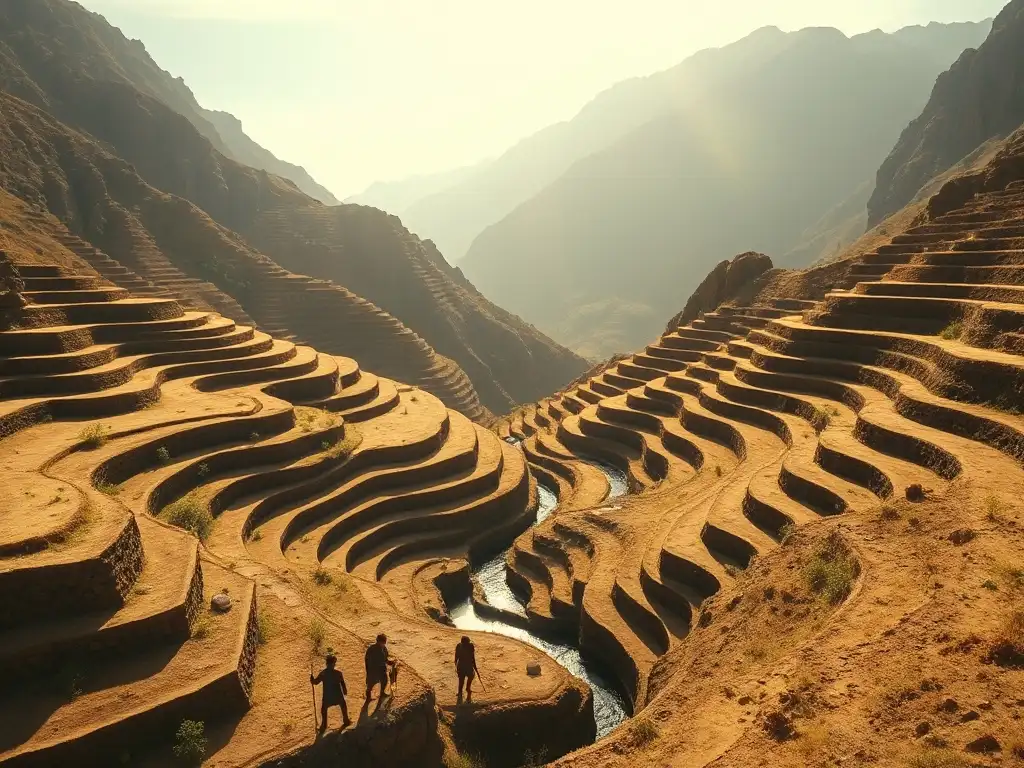
This section delves into the ingenious irrigation methods employed by Andean civilizations before the Inca Empire, showcasing their remarkable adaptation to diverse and challenging terrains. Understanding these early techniques is crucial to appreciating the full scope of Andean ingenuity and the vital role water management played in the rise of complex societies. The term "Andean civilization irrigation systems" encompasses a vast array of approaches, reflecting the unique environmental conditions across the Andes.
Pre-Inca Irrigation Methods: Adapting to Diverse Environments
Pre-Inca societies, including the Nazca, Moche, and Tiahuanaco, developed sophisticated irrigation systems tailored to their specific environments. These weren't simply canals; they represented complex hydrological engineering feats. The Nazca, known for their enigmatic geoglyphs, also constructed extensive canal networks across arid coastal plains. These canals, often lined with clay to minimize water loss, tapped into underground aquifers and seasonal rivers, allowing for successful agriculture in an otherwise extremely dry climate.
The Moche, on the other hand, inhabiting a more varied landscape, implemented a combination of techniques including canals, terraced fields, and reservoirs to manage water resources effectively. Their understanding of water flow and topography allowed them to create intricate systems that supported intensive agriculture and dense population centers. The Tiahuanaco, situated in the high Andes, faced different challenges.
Their sophisticated system involved diverting glacial meltwater and managing water levels in artificial wetlands, demonstrating a mastery of high-altitude hydrology. These pre-Inca systems provide compelling evidence of the profound impact of water management on the development of complex societies in the Andes. Further research is needed to fully understand the specific techniques used by smaller, less documented groups, but existing evidence suggests a wide range of adaptive strategies.
The Role of Terracing in Andean Agriculture
Terracing, a cornerstone of Andean agriculture, significantly enhanced water management and crop yields. This technique involved creating a series of level platforms cut into hillsides, dramatically increasing the area available for cultivation. These terraces served multiple purposes: they slowed water runoff, preventing erosion and maximizing water infiltration into the soil; they reduced water loss through evaporation; and they created microclimates more suitable for particular crops.
The construction of terraces was a labor-intensive process, requiring precise surveying and engineering skills. Different terrace types were employed depending on the slope and soil conditions. For instance, some terraces were built with retaining walls made of stone or earth, while others were supported by contour plowing.
The effectiveness of terracing is evident in the impressive agricultural productivity achieved in the steep Andean slopes, which would otherwise be unsuitable for farming. The precision and scale of these terracing projects offer a testament to the advanced organizational capabilities of Andean societies. The impact of terracing extended beyond agriculture, influencing settlement patterns and social organization.
Canal Construction and Water Distribution Systems
Andean canal systems were marvels of engineering, showcasing a deep understanding of hydraulics and topography. The construction of these canals involved significant logistical challenges, including traversing rugged terrain and negotiating varying elevations. Engineers carefully planned canal routes to optimize water flow and minimize construction difficulties. Canals were typically dug by hand, using stone tools and human labor.
The size and complexity of the canals varied depending on the scale of the irrigation project and the availability of resources. Some canals were relatively small, serving local communities, while others were large-scale projects that diverted water over considerable distances. Innovative techniques were used to manage water flow, including the construction of weirs, spillways, and aqueducts. The integration of these components created complex networks that efficiently distributed water to agricultural fields.
The maintenance of these systems required ongoing effort, highlighting the importance of collective action and social organization in Andean water management. Analysis of surviving canal remnants continues to reveal new insights into the ingenuity and expertise of Andean engineers and the crucial role of water in shaping their civilizations. The longevity of many of these systems is a testament to their robust design and the careful planning that went into their construction. Further research into the specific materials used in canal construction and their durability would enhance our understanding of this remarkable aspect of Andean civilization irrigation systems.
The Evolution of Andean Irrigation

From Simple Canals to Complex Networks
The development of Andean civilization irrigation systems wasn't a sudden leap, but rather a gradual evolution spanning millennia. Early irrigation techniques, primarily used by pre-Inca cultures like the Nazca and Moche, involved relatively simple canals carved into the landscape. These canals, often following natural contours, channeled water from rivers and streams to irrigate relatively small agricultural plots. Evidence suggests that these early systems relied heavily on gravity, with minimal terracing or other sophisticated engineering techniques.
The ingenuity lay in their ability to adapt to the challenging terrain, utilizing available resources effectively. For example, the Nazca people, famous for their geoglyphs, also created intricate canal systems that snaked across the arid coastal plains, showcasing remarkable understanding of water flow and management in a harsh desert environment. Their success highlights the critical role of water management in enabling the growth of complex societies in the Andes.
The later development of more complex systems, particularly during the Inca Empire, represents a significant advancement. Inca engineers mastered sophisticated techniques like the construction of qanats (underground canals) and intricate systems of reservoirs and aqueducts. These innovations allowed for the irrigation of larger areas and increased agricultural productivity, even in challenging mountainous regions.
The Inca Empire's mastery of hydraulic engineering, exemplified by their sophisticated water management infrastructure, is a testament to their advanced understanding of both engineering principles and the importance of water resource management for maintaining social order and economic stability. Unlike earlier simpler methods, Inca systems often incorporated advanced techniques like pressure-regulated water distribution and sophisticated terracing to maximize water use efficiency. This involved a deeper understanding of hydraulics and a more organized approach to water allocation compared to earlier systems.
The Impact of Irrigation on Agricultural Productivity
Andean civilization irrigation systems were instrumental in boosting agricultural productivity, allowing for significant increases in crop yields. Before the widespread implementation of irrigation, agriculture in the Andes was largely limited by the availability of rainfall, resulting in unpredictable harvests and food shortages. The introduction of irrigation systems, however, allowed farmers to cultivate crops even during periods of drought, ensuring a more reliable food supply.
This stability was crucial for population growth and the development of complex social structures. Increased food production, facilitated by efficient irrigation, also supported population density, leading to larger settlements and the eventual rise of urban centers. The ability to cultivate a wider variety of crops, thanks to controlled water access, also contributed to a more diversified diet and improved nutrition for the Andean populations.
Analysis of archaeological data indicates a direct correlation between the sophistication of irrigation systems and the size and complexity of Andean societies. For instance, the relatively small-scale irrigation systems of early cultures were associated with smaller, less densely populated settlements. In contrast, the extensive and sophisticated networks developed during the Inca period supported much larger populations and more complex social structures.
This correlation strongly suggests that effective irrigation was a critical factor in the development of Andean civilization. Furthermore, the surplus food production enabled by efficient irrigation allowed for specialization of labor, with some individuals focusing on activities beyond agriculture, such as craft production, religious activities, and the development of governance structures.
Andean Water Management and Population Growth
The relationship between Andean civilization irrigation systems and population growth is undeniable. The reliable and increased food production enabled by sophisticated water management practices allowed for a significant increase in population density. This is evident in the growth of urban centers and the development of complex social hierarchies during the Inca Empire and earlier civilizations.
The surplus of food produced through irrigation enabled the support of larger populations, and facilitated the emergence of specialized labor, social stratification, and the growth of powerful political entities. The construction and maintenance of these intricate irrigation systems also provided employment opportunities, further contributing to population growth and economic prosperity.
Moreover, the complex social organization required to manage these vast water networks contributed to the development of sophisticated governance structures and the emergence of powerful states. The ability to successfully manage water resources became a key factor in determining the success and longevity of Andean civilizations.
The availability of water, managed through sophisticated irrigation techniques, was a crucial limiting factor in population growth. Regions with well-developed irrigation systems consistently supported larger populations compared to areas with less efficient water management. This trend is observable across various Andean cultures throughout history, underscoring the importance of water infrastructure in supporting population growth and the development of complex societies.
Therefore, studying the evolution of Andean irrigation systems provides valuable insights into the factors that drove the rise and fall of these remarkable civilizations. The intricate interplay between technological innovation, social organization, and environmental adaptation played a crucial role in shaping the history of the Andes.
Case Studies of Andean Irrigation Systems
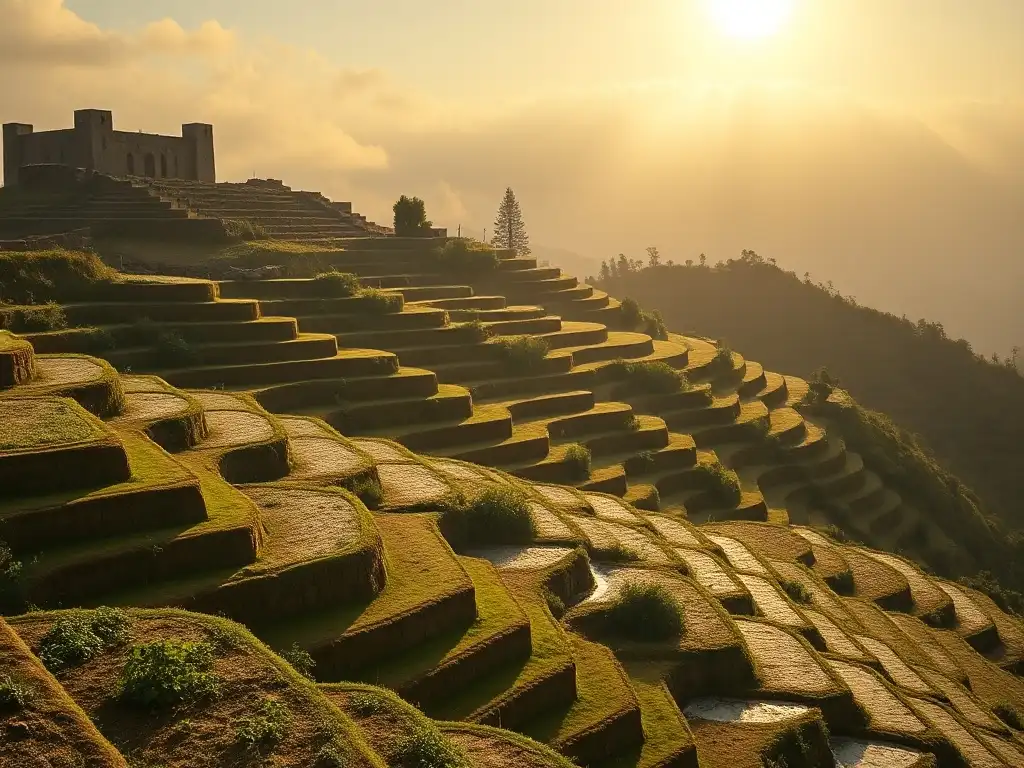
This section delves into specific examples of ingenious Andean irrigation systems, showcasing the diverse approaches employed by different civilizations to harness water resources and support their burgeoning populations. Understanding these systems is key to comprehending the rise of complex societies in the Andes, a testament to their remarkable engineering prowess and adaptive strategies. The ingenuity displayed in these water management techniques directly contributed to the agricultural surplus that fueled societal growth and cultural flourishing. The keyword "Andean civilization irrigation systems" is central to understanding these achievements.
The Moche Irrigation Systems: A Coastal Example
The Moche civilization (100-800 CE), inhabiting the arid northern coast of Peru, developed sophisticated irrigation systems to overcome the challenges of a desert environment. Unlike other Andean cultures relying on rivers, the Moche mastered the art of canal irrigation, drawing water from rivers and streams during the infrequent rainy season and storing it for later use. They constructed extensive networks of canals, some stretching for kilometers, carefully channeling water across the desert landscape.
This involved a deep understanding of topography and hydrology, as well as considerable labor organization. The canals were meticulously maintained, with regular dredging and repairs, ensuring a constant supply of water to their agricultural fields. Evidence suggests the use of sophisticated techniques, including the construction of reservoirs and check dams, to manage water flow and prevent erosion.
The Moche's success in creating such intricate systems is evident in the prosperity and complexity of their society, reflected in their monumental architecture and elaborate artistic expressions. Their mastery of irrigation is a significant aspect of their legacy, showcasing the adaptability and ingenuity of the Moche people. The efficiency of their "Andean civilization irrigation systems" is a clear example of their advanced engineering capabilities.
The Nazca Aqueducts: Underground Water Mastery
The Nazca culture (100 BCE – 800 CE), also situated in the arid coastal region of Peru, developed a unique solution to the water scarcity problem: underground aqueducts known as puquios. These ingenious systems tapped into underground water sources, channeling water through a network of subterranean tunnels to the surface. The puquios were constructed using a variety of techniques, including digging shafts and connecting them with horizontal tunnels.
The tunnels, often lined with stones, were cleverly designed to maximize water flow while minimizing evaporation and seepage. The Nazca's understanding of the region's hydrology enabled them to locate and exploit underground water sources with remarkable precision. The construction of these intricate puquios required significant engineering skills and collaborative effort, underscoring the advanced organizational capabilities of the Nazca civilization.
These "Andean civilization irrigation systems" demonstrate a deep understanding of subsurface water resources and represent a remarkable feat of engineering in a challenging environment. The longevity and effectiveness of these systems are a testament to their design and construction.
Tiahuanaco Raised Fields: Adapting to High Altitude
The Tiahuanaco civilization (circa 500 – 1000 CE), located on the high Altiplano of the Andes, faced different challenges related to water management. The high altitude and unpredictable rainfall of the region required innovative solutions. The Tiahuanaco people developed a remarkable system of raised fields, artificial platforms constructed from earth and stone that elevated agricultural plots above the surrounding wetlands.
These elevated fields provided several advantages: improved drainage, protection from frost, and enhanced soil fertility. The raised fields acted as miniature reservoirs, trapping water and nutrients, allowing for intensive agriculture in an environment with limited arable land. The construction and maintenance of these raised fields required considerable labor and organizational skills, indicating a high degree of social complexity.
The Tiahuanaco's adaptation to the harsh conditions of the high Andes through sophisticated water management demonstrates the resilience and ingenuity of Andean civilizations. Their "Andean civilization irrigation systems" are a prime example of successful adaptation to challenging environmental circumstances. The sophisticated design of these raised fields demonstrates a deep understanding of hydrology and soil science.
The Inca and Their Advanced Irrigation Technology
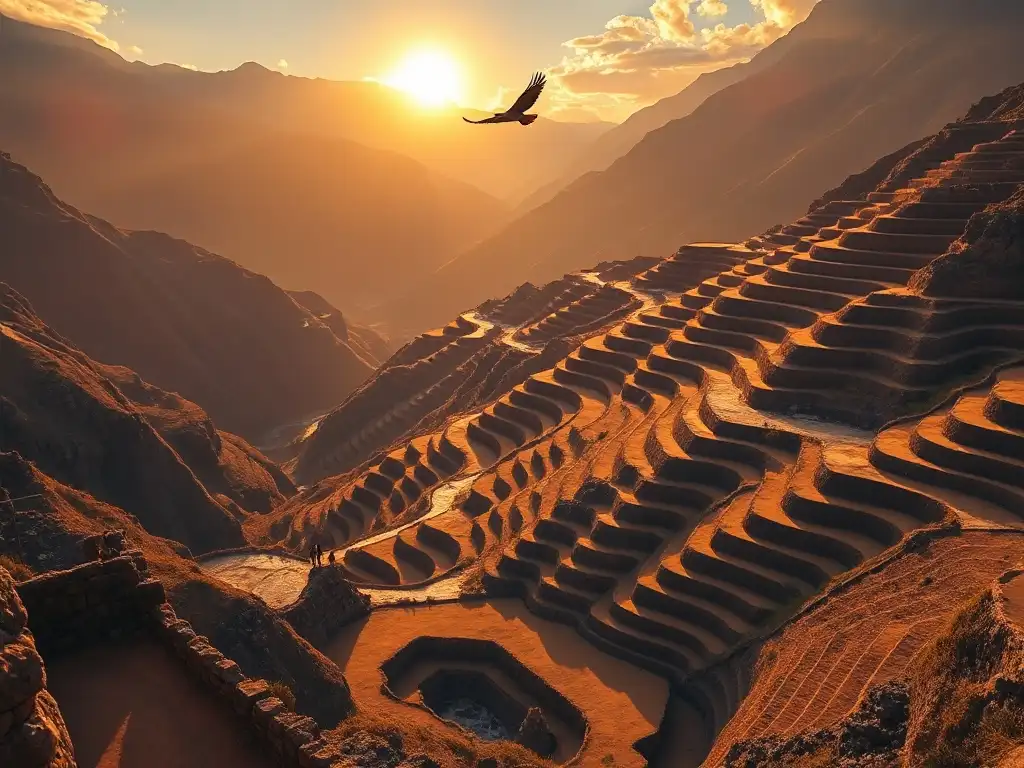
The Inca Empire, renowned for its sophisticated infrastructure and centralized governance, developed remarkably advanced irrigation systems crucial to its agricultural success and societal complexity. Their mastery of water management allowed them to cultivate diverse crops across varied terrains, supporting a large and densely populated empire. Unlike some earlier Andean cultures who relied heavily on rainfall, the Inca implemented a comprehensive network of canals, aqueducts, and reservoirs, demonstrating a deep understanding of hydrology and engineering.
This sophisticated approach to water management is a key factor in understanding the rise and sustainability of the Inca civilization. The term "Andean civilization irrigation systems" directly reflects this pivotal role of irrigation in their societal development.
Inca Engineering and Water Control
Inca engineers employed ingenious techniques to manage water resources effectively. They constructed intricate canal systems, often carved into mountain slopes, utilizing gravity to transport water over considerable distances. These canals were meticulously designed and maintained, featuring carefully graded slopes to ensure a consistent water flow. They incorporated ingenious features such as siphons, tunnels, and aqueducts to navigate challenging terrain.
The use of stone tools and a detailed understanding of hydraulics allowed them to create durable and efficient systems capable of withstanding the rigors of the Andean environment. Evidence suggests that they also employed sophisticated methods for water storage, creating reservoirs and cisterns to capture and conserve rainwater for use during dry seasons. This meticulous water control was essential for supporting intensive agriculture and feeding the large urban centers of the Inca Empire.
Their understanding of water management far surpassed that of many contemporary societies. For instance, the precision in canal construction, minimizing water loss through seepage, is a testament to their advanced engineering skills. The ability to create such complex systems in challenging mountainous environments showcases their innovative spirit and practical knowledge.
The Qhapaq Ñan and Its Role in Water Management
The Qhapaq Ñan, the vast Inca road network, played a crucial role not only in communication and transportation but also in water management. The roads weren't simply pathways; they served as vital arteries for the distribution of water resources. Many sections of the Qhapaq Ñan were strategically located alongside canals and irrigation systems, facilitating access for maintenance and repair.
The road network also connected different agricultural regions, enabling the efficient transfer of water and agricultural goods. This integrated approach to infrastructure development highlights the Inca’s holistic approach to resource management. The strategic placement of waystations along the Qhapaq Ñan near water sources provided resting places for travelers and also served as points for monitoring and managing the irrigation systems.
Furthermore, the road network’s construction itself may have influenced water management practices, with terracing and other land modifications impacting water flow and distribution. The Qhapaq Ñan represents a remarkable example of how infrastructure development could be integrated with resource management in the Andean civilization, further solidifying the importance of "Andean civilization irrigation systems" in their overall success.
The Legacy of Inca Irrigation Systems
The legacy of Inca irrigation systems continues to impact Andean communities today. Many of the canals and aqueducts constructed by the Inca are still in use, albeit often with modifications and repairs over the centuries. Their engineering principles and techniques provide valuable lessons for modern water management practices, particularly in arid and mountainous regions.
The Inca’s sustainable approach to water resource management, emphasizing conservation and efficient distribution, remains relevant in addressing contemporary challenges related to water scarcity and climate change. The study of Inca irrigation systems offers valuable insights into sustainable water management techniques that can be applied to address modern challenges. The enduring impact of these systems underscores the ingenuity and foresight of Inca engineers, whose understanding of "Andean civilization irrigation systems" contributed significantly to the sustainability and prosperity of their empire.
Their legacy serves as a testament to their advanced knowledge and provides a valuable case study for contemporary water resource management strategies. The meticulous planning and execution of their irrigation projects stand as a remarkable achievement in Andean engineering and a crucial factor in the development of their sophisticated society.

The sophisticated irrigation systems of the Andean civilizations were not merely engineering marvels; they profoundly impacted the social and political landscapes of these societies. The ability to control water resources directly translated into power, wealth, and social stratification. Understanding these intricate connections is crucial to grasping the rise and complexity of Andean societies. The scale of these projects, often involving monumental labor and intricate planning, underscores their importance as a unifying force and a source of both cooperation and conflict.
The impact varied across different cultures and time periods, but the overarching theme remains consistent: water equaled power. Analyzing these systems reveals a fascinating interplay between technological advancement and social development. The following sections delve deeper into specific aspects of this multifaceted relationship.
Andean irrigation systems fostered a shift towards more complex social structures. The collaborative efforts required for canal construction and maintenance necessitated organized labor and leadership. This led to the emergence of specialized roles, including engineers, administrators, and laborers, creating a more hierarchical society compared to earlier, less centralized groups.
For example, the Nazca's intricate canal network, which spanned vast arid landscapes, likely required a highly organized workforce, possibly overseen by a centralized authority that managed resources and labor allocation. Evidence suggests that community participation was vital, but the coordination and control of such large-scale projects implied a degree of social stratification and centralized power. The scale of these undertakings – some canals stretching for kilometers – speaks volumes about the level of social organization and cooperation needed for successful completion.
The organization of labor around irrigation also likely contributed to the development of social norms and rituals centered around water management, further solidifying societal cohesion. This social organization, in turn, facilitated the growth of larger, more complex settlements.
Water Rights and Power Structures
Control over water resources directly translated into political power within Andean societies. Those who controlled the flow of water—often the elites or ruling class—held significant influence over agricultural production and, consequently, the lives of their subjects. The allocation of water rights often determined land ownership and access to resources, creating a system of social hierarchy and inequality.
This dynamic is evident in the Inca Empire, where the ayllu system, a form of communal land ownership, was overseen by a centralized authority that managed water distribution. However, this management wasn't always equitable; the Inca elite likely enjoyed preferential access to water, ensuring their agricultural success and reinforcing their dominance. The manipulation of water resources could also be used as a tool for political control, with the potential for withholding water as a means of coercion or punishment.
This illustrates the crucial intersection between water management, social control, and the consolidation of political power within Andean states. Further research is needed to fully understand the nuances of water rights and their application across different Andean cultures. [Specific information pending on detailed examples of water rights disputes in pre-Columbian societies].
The Connection Between Irrigation and the Development of Complex Societies
The development of sophisticated irrigation systems was inextricably linked to the rise of complex societies in the Andes. The ability to reliably produce surplus food through irrigation allowed for population growth, urbanization, and the specialization of labor. This surplus freed individuals from purely agricultural pursuits, allowing them to dedicate time to other activities, such as craft production, religious practices, and the development of administrative structures.
The increased food security provided by irrigation also facilitated the emergence of larger, more permanent settlements, leading to the development of cities and the growth of complex social hierarchies. The Nazca lines, while their purpose remains debated, potentially served as a calendrical system or a way to mark land boundaries related to irrigation, further highlighting the integral role of water management in their societal development. The ability to sustain a larger population with a reliable food supply was a critical factor in the emergence of sophisticated political organizations, monumental architecture, and complex religious beliefs characteristic of advanced Andean civilizations.
The interplay between agricultural innovation and societal complexity represents a key aspect of the Andean civilization's remarkable history. The success of their irrigation systems directly contributed to their remarkable achievements in architecture, art, and social organization.
Challenges and Sustainability of Andean Irrigation
Andean civilization irrigation systems, while marvels of engineering for their time, faced significant challenges. The sustainability of these systems was intricately linked to the delicate balance between water availability, population growth, and environmental factors. Understanding these challenges is crucial to appreciating the ingenuity and resilience of ancient Andean societies.
Modern Applications of Ancient Techniques
Many of the principles behind Andean irrigation techniques remain relevant today. Modern agricultural practices in the Andes, and even globally, can learn from the ingenuity of past civilizations. For instance, the waru waru system, characterized by raised beds and canals, is being revived and adapted for modern agriculture.
This technique enhances water retention, reduces soil erosion, and improves crop yields, even in arid climates. Studies have shown that waru waru systems can significantly improve water-use efficiency compared to conventional irrigation methods, potentially offering solutions to modern water scarcity issues. The system's ability to withstand extreme weather events, such as droughts and floods, also makes it a particularly attractive option in increasingly volatile climatic conditions.
Further research into the precise engineering of these ancient systems could unlock even greater potential for sustainable agriculture in challenging environments. The application of GIS and remote sensing technologies are also enhancing our understanding of these techniques and aiding in their modern implementation.
Sustainable Water Management Practices
The success of Andean irrigation systems depended on sophisticated water management practices. These weren't merely technical feats but also involved complex social structures and regulations. Communities collaborated to maintain canals, allocate water fairly, and resolve conflicts. This communal approach ensured equitable access to a vital resource.
Evidence suggests that sophisticated water accounting systems, possibly involving record-keeping on textiles or knotted strings (quipus), were employed to monitor water usage and enforce regulations. These practices, while differing in detail across various Andean cultures, highlight the importance of community-based water resource management – a principle that continues to resonate in modern efforts to promote sustainable water use. The integration of traditional knowledge with modern technologies, such as water sensors and remote monitoring systems, offers new avenues for effective and sustainable water management in the Andes. For example, combining ancient canal designs with modern materials could increase their durability and longevity.
The Future of Andean Irrigation
The future of Andean irrigation involves a multifaceted approach that integrates traditional knowledge, modern technology, and a deeper understanding of ecological principles. Climate change poses a significant threat to water resources in the Andes, necessitating innovative solutions. The development of drought-resistant crops, coupled with efficient irrigation techniques, is crucial for ensuring food security. Furthermore, protecting existing water infrastructure, many of which are still functioning remnants of ancient systems, is paramount.
This requires careful planning and investment in restoration and maintenance. The integration of indigenous knowledge with scientific expertise is essential for creating sustainable and resilient irrigation systems for future generations. This collaborative approach, respecting both ancestral wisdom and technological advancements, is key to ensuring the continued prosperity of Andean communities and the preservation of their rich cultural heritage.
More research is needed to better understand the long-term impacts of climate change on Andean water resources and to develop adaptive management strategies. This includes a focus on building community resilience and capacity for sustainable water management. The preservation of these ancient systems is not only a matter of historical preservation but also a crucial element in ensuring the future sustainability of Andean agriculture and communities.
Conclusion: The Enduring Legacy of Andean Civilization Irrigation Systems
The ingenuity of Andean civilization irrigation systems is undeniable. These weren't simply feats of engineering; they were cornerstones of social organization, economic prosperity, and cultural identity. The sophisticated techniques employed, from canal construction and water diversion to the development of sophisticated agricultural practices, allowed for the support of dense populations and the rise of complex societies across the diverse Andean landscape. The legacy of these systems extends far beyond their physical remains.
Their impact on the development of agricultural practices, social structures, and even religious beliefs continues to resonate today. Understanding these ancient systems provides valuable insights into sustainable water management practices, particularly relevant in a world facing increasing water scarcity. The challenges faced by Andean civilizations in maintaining and adapting their irrigation networks offer crucial lessons for contemporary societies striving to balance agricultural needs with environmental concerns. The study of Andean irrigation systems therefore serves not only as a historical exploration but also as a source of practical knowledge and inspiration for the future.
Indeed, the enduring legacy of these systems lies not only in their impressive scale and technological sophistication, but also in their enduring relevance to contemporary challenges in water resource management and sustainable development. The ingenuity and resilience demonstrated by Andean cultures in harnessing water resources serves as a powerful example of human adaptation and innovation in the face of environmental constraints. Their achievements continue to inspire research and innovation in modern irrigation technologies and sustainable water management strategies globally. The study of Andean civilization irrigation systems highlights the profound interconnectedness between water, agriculture, and societal development, offering valuable lessons for the sustainable management of water resources in the 21st century and beyond.
Frequently Asked Questions
How did Andean irrigation systems impact the development of complex societies?
Andean irrigation systems were essential for the rise of complex societies. They allowed for increased agricultural production, supporting larger, denser populations and the development of specialized labor and social hierarchies. This surplus also fueled political and economic growth.
What were some of the challenges faced in building and maintaining Andean irrigation systems?
Constructing and maintaining these systems presented significant challenges. These included navigating diverse terrains, managing water scarcity, and dealing with environmental factors like earthquakes and erosion. Labor organization was crucial to overcome these obstacles.
What innovative techniques did Andean civilizations employ in their irrigation systems?
Andean civilizations developed sophisticated techniques, including terracing, canals, and aqueducts, often adapted to the specific topography. They also employed reservoirs and underground channels to store and distribute water efficiently. Sophisticated engineering was paramount.
Which Andean civilizations were most renowned for their irrigation systems?
Many Andean civilizations utilized impressive irrigation, but the Inca, Nazca, and Moche are particularly well-known for their extensive and complex systems. Each adapted their techniques to their unique environments and needs, showcasing remarkable ingenuity.
How did climate change affect the Andean irrigation systems and the societies that depended on them?
Climate change significantly impacted Andean irrigation systems. Droughts and floods disrupted agricultural production, leading to social unrest and potentially contributing to the decline of some civilizations. Adaptability to changing conditions was crucial for survival.
Final Reflection: The Enduring Legacy of Andean Water Management
The ingenious irrigation systems of the Andes weren't merely feats of engineering; they were the bedrock upon which complex societies flourished, and their impact resonates even today. The challenges of water scarcity in arid and mountainous regions remain globally relevant, making understanding the Andean approach more critical than ever. Their solutions offer valuable lessons for sustainable water management in a world facing increasing climate change pressures.
The ingenuity of the Andean civilizations in harnessing water resources for agriculture profoundly shaped their social structures, political organization, and cultural identity. Their mastery of water wasn't just about survival; it was a testament to their deep understanding of their environment and their ability to collaborate on a massive scale. Water was not merely a resource, but a sacred element, a life-giving force that connected the people to the cosmos.
This perspective highlights the holistic approach to water management that is so often missing in modern approaches, prioritizing profit over sustainability and community.
Consider the intricate network of canals, terraces, and reservoirs that still bear witness to the Andean people's remarkable achievements. Their legacy challenges us to rethink our relationship with water, urging us to move beyond short-sighted exploitation towards a more sustainable and equitable future. You, the reader, are now part of this ongoing conversation. What steps can you take, in your own life and community, to honor the wisdom of the Andes and ensure a future where water is a source of life, not conflict?
Unlock the Secrets of Andean Innovation!
Thank you for exploring the fascinating world of Andean irrigation and its crucial role in the development of complex societies. We hope you've discovered insights that pique your interest and encourage further exploration! Let's continue to deepen your understanding and appreciation of these remarkable civilizations.
- Delve deeper: Explore our additional resources on the ingenious engineering of Andean irrigation systems.
- Connect with others: Join our online community forum to share your thoughts and discoveries with fellow history enthusiasts.
- Share your passion: Inspire others to learn by writing a blog post or sharing your insights on Andean culture on social media.
What aspect of Andean society intrigues you most, and how do you believe their innovations continue to impact us today?