
The Echoes of Ingenuity: Exploring the Unsung Heroes of Andean Construction

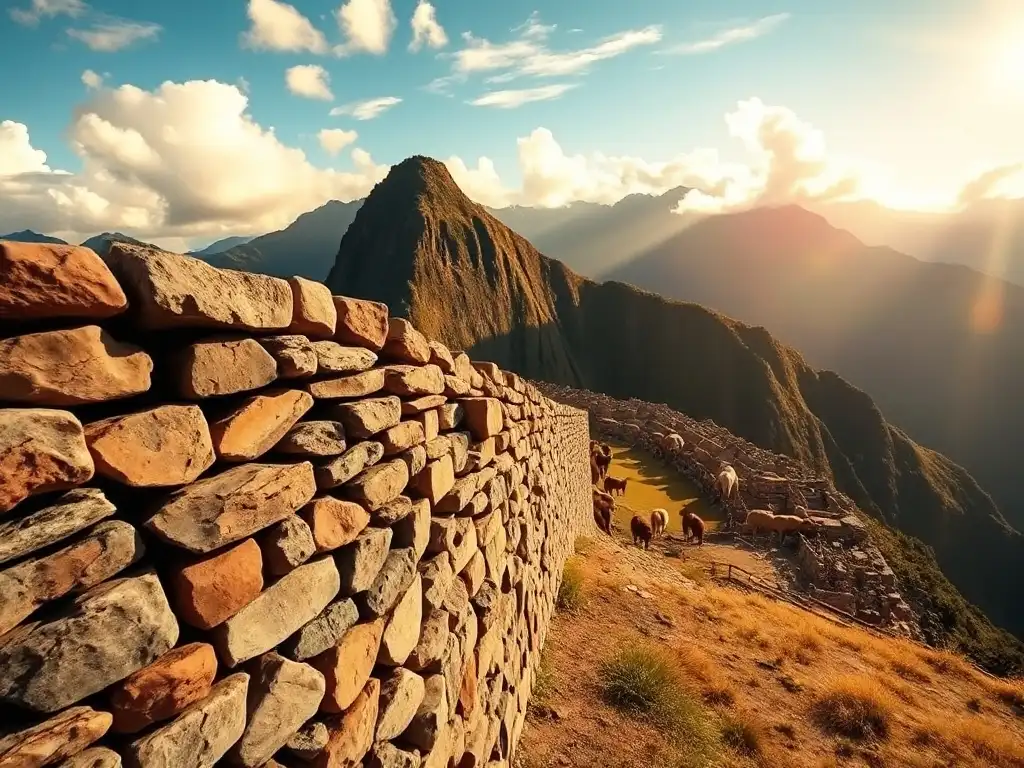
Step into a world lost to time, yet echoing with the ingenuity of master builders. Prepare to be amazed by the unsung heroes of Andean construction, whose skills defied gravity and challenged the very landscape. From the towering heights of Machu Picchu to the intricate artistry of Nazca lines, discover the secrets behind Andean construction techniques – a legacy of innovation that continues to inspire awe. Dare to unravel the mysteries that lie within…
The Andes Mountains, a spine of rock and ice snaking down the western edge of South America, are not just a geographical feature; they are a testament to human ingenuity. For millennia, sophisticated Andean civilizations, including the Incas, Moche, Nazca, and Tiahuanaco, carved out lives and empires in this challenging terrain. Their success wasn't solely due to their political structures or agricultural prowess, but also to their remarkable mastery of Andean construction techniques.
This article delves into the often-unsung heroes of Andean architecture – the builders, engineers, and innovators – who developed sophisticated methods to construct breathtaking structures that continue to amaze and inspire us today. We will explore the materials, techniques, and underlying principles that allowed these civilizations to create monumental structures, intricate irrigation systems, and resilient settlements in one of the world's most demanding environments.
Understanding these techniques provides invaluable insight into the resourcefulness, innovation, and profound understanding of their environment possessed by these ancient cultures. Prepare to be amazed by the echoes of their ingenuity, which resonate even now.
Mastering Stonework: Precision and Innovation in Andean Construction
Andean builders demonstrated an unparalleled mastery of stonework. They weren't merely stacking rocks; they were creating intricate, interlocking structures that withstood earthquakes and the test of time. Consider the precision of Machu Picchu's walls, where stones fit together so seamlessly that a knife blade cannot be inserted between them. This wasn't achieved through simple brute force; it required a deep understanding of the properties of stone, careful selection of materials, and highly skilled craftsmanship. They employed various techniques including:
- Dry-stone masonry: This technique, prevalent throughout the Andes, involved fitting stones together without the use of mortar. The precision required is astonishing, and the resulting structures are remarkably stable.
- Ashlar masonry: This technique involved the use of precisely cut and shaped stones, often creating intricate patterns and designs. The skill involved in shaping and fitting these stones is a testament to the builders' expertise.
- Polygonal masonry: This impressive technique used stones of irregular shapes and sizes, fitted together with remarkable precision to create incredibly strong and stable walls. Examples of this can be found in many Inca sites, showcasing the builders' adaptability and skill.
The development and refinement of these techniques over centuries highlight the continuous innovation within Andean construction practices. Further research is needed to fully understand the tools and methods employed, but the results speak for themselves: structures that have endured for centuries, a testament to the skill and ingenuity of their creators.
Beyond Stone: Utilizing Diverse Materials and Techniques
While stone was a dominant material, Andean builders weren't limited to it. They cleverly utilized readily available resources to create a diverse range of structures. This adaptability is a key element of understanding their construction techniques. For example:
- Adobe: Sun-dried bricks made from clay and other natural materials were widely used for building houses and other structures, particularly in less mountainous regions. The techniques for creating and using adobe varied depending on the specific region and climate.
- Wood: Although less common in some regions due to scarcity, wood was used strategically for beams, roofing, and other structural elements, often integrated seamlessly with stonework.
- Thatch: Organic materials such as thatch were used for roofing, providing insulation and protection from the elements.
The clever integration of these diverse materials showcases a deep understanding of local resources and their properties. [Specific information pending] on the methods used to join different materials, such as wood and stone, would greatly enhance our understanding of Andean ingenuity. The resilience of many structures built using these varied materials demonstrates the sophisticated approach employed by Andean builders.
Ingenious Infrastructure: Irrigation and Road Systems
Andean construction techniques extended beyond monumental buildings. The creation of extensive irrigation systems and road networks demonstrates an equally impressive level of engineering prowess. These infrastructure projects were crucial for the survival and prosperity of Andean societies.
- Canals and Aqueducts: Intricate systems of canals and aqueducts were built to channel water from mountain streams to agricultural fields, enabling efficient irrigation even in arid regions. The engineering involved in designing and constructing these systems was remarkably advanced for its time.
- Road Networks: The Inca road system, for example, was a feat of engineering, spanning thousands of kilometers across challenging terrain. The construction techniques used, including paving with stone and ingenious bridge designs, allowed for efficient transportation and communication throughout the empire.
These infrastructure projects highlight the interconnectedness of Andean construction techniques with broader societal needs. The creation of these systems wasn't simply a matter of building; it involved careful planning, resource management, and a deep understanding of hydrology and topography. [Data on the length and complexity of specific irrigation systems and roads pending]. The sheer scale and longevity of these systems further underscores the remarkable achievements of Andean engineers.
- Mastering Stonework: Precision and Innovation in Andean Construction
- Beyond Stone: Utilizing Diverse Materials and Techniques
- Ingenious Infrastructure: Irrigation and Road Systems
Introduction to Andean Architectural Marvels
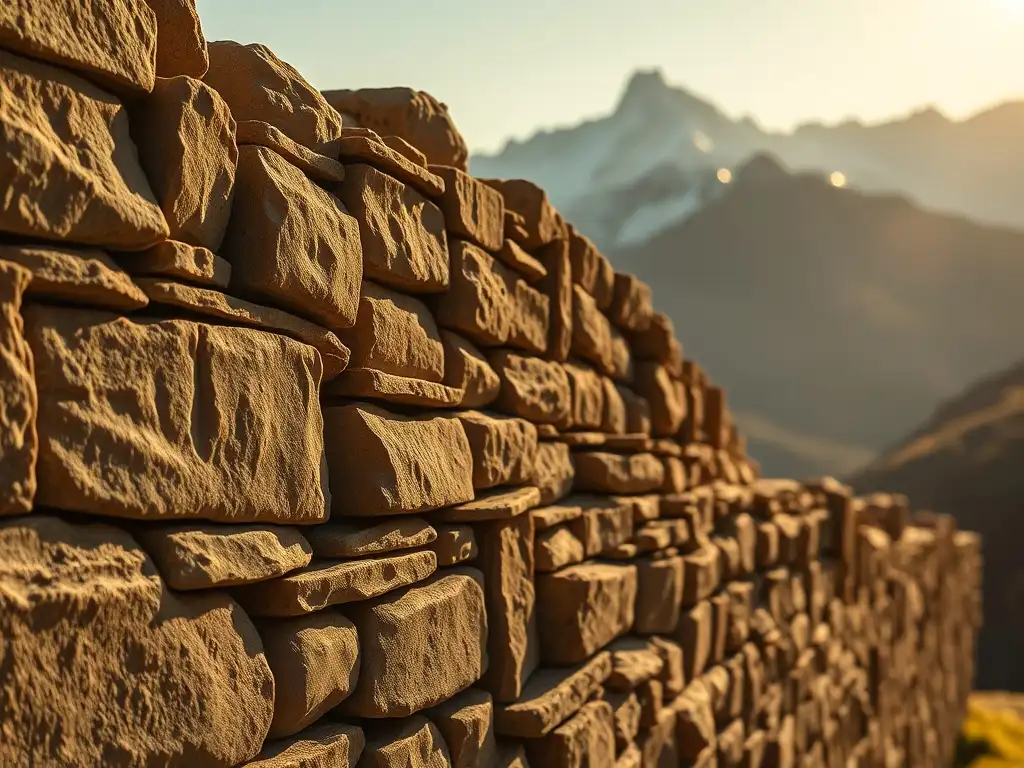
This section delves into the remarkable ingenuity displayed in Andean construction, focusing on the often-overlooked aspects and the individuals who made these architectural marvels possible. We'll explore the context of ancient Andean engineering and highlight the crucial contributions of the unsung heroes who shaped the landscape with their skills and knowledge. Understanding their techniques is key to appreciating the scale and sophistication of Andean achievements, moving beyond the familiar narratives of Inca dominance to encompass a broader spectrum of Andean cultures and their contributions to Andean construction techniques.
We will examine the diverse approaches employed across various Andean societies, revealing the remarkable adaptability and innovation inherent in their building practices. The analysis will highlight the interplay between environment, available resources, and societal organization in shaping these unique construction methods.
Understanding the Context of Ancient Andean Engineering
Ancient Andean engineering wasn't solely about monumental structures; it was deeply intertwined with the environment and the needs of the society. The Andes' challenging terrain—steep slopes, seismic activity, and varied climates—dictated innovative solutions. Instead of simply adapting to these conditions, Andean builders actively engineered solutions.
For example, the integration of terraces into the landscape wasn't merely a passive response to topography; it was an active manipulation of the environment for agricultural purposes, demonstrating sophisticated understanding of water management and soil conservation. This proactive approach is evident in the intricate canal systems that transported water across vast distances, the carefully constructed roads that connected distant communities, and the impressive stonework that withstood the test of time. The challenges posed by the Andes fostered a culture of ingenuity, demanding precision and resilience in every aspect of Andean construction techniques.
This necessitated a deep understanding of materials science, structural mechanics, and logistics – skills often underestimated in conventional historical narratives. Consider the Nazca lines, for example; their creation required a level of surveying and planning that belies the simplistic notion of a primitive society.
The Significance of Unsung Heroes in Andean Construction
The grandeur of Andean architecture often overshadows the individuals responsible for its creation. While we know about the rulers and elites who commissioned these projects, the true architects—the masons, carpenters, laborers, and engineers—remain largely anonymous. Their skills, passed down through generations, represent a profound understanding of Andean construction techniques, encompassing everything from stone quarrying and transportation to precise fitting and sophisticated structural designs.
Their work involved meticulous planning, exceptional craftsmanship, and a deep understanding of the materials at their disposal. The sheer scale of some projects, like the massive stone structures at Ollantaytambo or the intricate network of roads spanning the Andes, speaks volumes about the organizational capacity and collaborative efforts of these unsung heroes. Their contributions were not merely physical; they also represented a transmission of knowledge and expertise, a cultural heritage that sustained Andean civilizations for centuries.
Understanding their role is crucial to a comprehensive appreciation of Andean construction techniques and the human ingenuity behind these remarkable achievements. Further research is needed to fully uncover the identities and contributions of these individuals, but their legacy is undeniably etched into the very fabric of the Andean landscape. Their stories, while often untold, are integral to the narrative of Andean civilization.
Foundations of Andean Construction Techniques
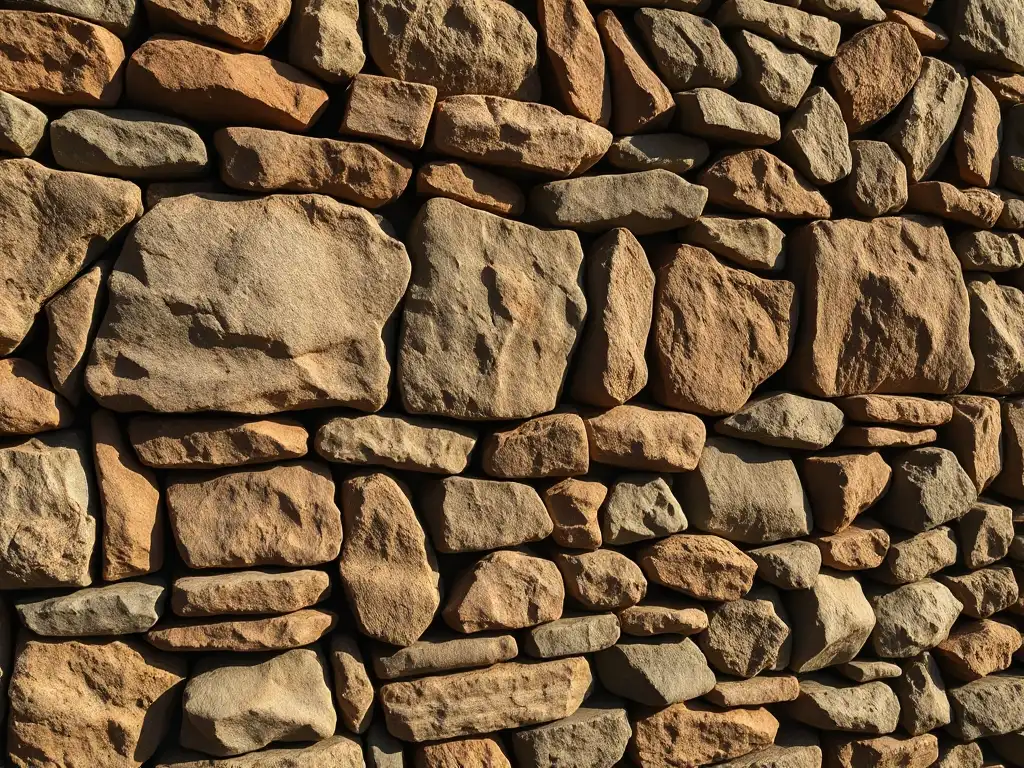
The ingenuity of Andean civilizations is strikingly evident in their architectural marvels, which stand as testaments to their advanced understanding of engineering and construction. Their achievements were not solely reliant on brute force, but on a sophisticated understanding of materials, environment, and structural principles. This section delves into the fundamental techniques that underpinned Andean construction, highlighting the resourcefulness and skill of the builders.
Understanding these foundational techniques provides crucial insight into the impressive scale and longevity of their structures. The mastery of Andean construction techniques involved a profound connection with the surrounding landscape, utilizing readily available materials in innovative ways to overcome geographical challenges and create breathtaking architecture.
This innovative approach to construction, shaped by the unique Andean environment, led to the development of techniques that are still studied and admired today. The study of Andean construction techniques reveals a deep understanding of engineering principles that allowed them to build structures that have withstood the test of time, showcasing the remarkable capabilities of these ancient civilizations.
Stone Masonry: The Cornerstone of Andean Architecture
Stone masonry formed the very heart of Andean construction. Unlike many other cultures that relied heavily on mortar, Andean builders perfected the art of dry-stone masonry, fitting stones together with incredible precision, creating structures that were both strong and aesthetically pleasing. This technique required a deep understanding of the properties of different stones, their shapes, and their potential for interlocking. The choice of stone varied regionally, reflecting the readily available resources.
For example, the Incas utilized granite extensively in the Cuzco region, while other groups employed andesite, basalt, or even mud bricks depending on local geology. The precision of their work is astonishing; many structures exhibit joints so tight that a knife blade cannot be inserted between the stones. This meticulous approach ensured stability and longevity, withstanding earthquakes and the passage of centuries.
The mastery of dry-stone masonry represents a significant engineering feat, demonstrating an advanced understanding of structural mechanics and a deep respect for the natural materials at hand. The absence of mortar further highlights their skill, emphasizing the importance of precise stone selection and placement. The enduring legacy of Andean stone masonry is visible in the countless ruins that still stand today, a powerful symbol of the builders’ expertise and vision.
The Art of Precise Stone Cutting and Fitting
The precision of Andean stone cutting is unparalleled. Builders employed various techniques, including the use of stone hammers, chisels made from harder stones, and possibly even copper tools in later periods. Evidence suggests that they possessed a sophisticated understanding of geometry and engineering principles, allowing them to create perfectly interlocking stones of varying sizes and shapes. The process was not simply about shaping stones individually; it involved a comprehensive understanding of how each stone would fit within the overall structure.
They often utilized a technique known as ashlar masonry, which involved creating precisely cut, rectangular blocks of stone. This allowed for greater control over the construction process and contributed to the remarkable stability of their structures. Detailed analysis of surviving structures reveals a remarkable level of standardization in stone dimensions within a given project, indicating a high degree of planning and organization.
The intricate fitting of stones, often with minimal gaps, is a testament to their advanced skills and the collaborative effort required for such precise work. The ability to create such precise joints, without the use of mortar, speaks volumes about their understanding of both the materials and the structural requirements of their buildings. Furthermore, the aesthetic appeal of this precise stonework suggests a cultural value placed on both functionality and beauty.
Utilizing Terraces for Structural Stability
Andean construction frequently incorporated terraces, not merely for agricultural purposes, but also as integral components of their architectural designs. Terraces provided structural support on steep slopes, preventing erosion and stabilizing foundations. The construction of terraces involved carefully grading and leveling the land, often using retaining walls built from stone. These walls, often constructed using the same precise stone masonry techniques discussed earlier, served to hold back the earth and create level platforms for buildings or agricultural fields.
The terraces themselves were not simply flat platforms; they were carefully designed to maximize drainage and prevent water damage. This involved creating channels and drainage systems within the terrace structure. The integration of terraces into the overall design of Andean settlements demonstrates a sophisticated understanding of environmental engineering and its impact on structural stability.
The construction of these terraces required considerable planning and coordination, showcasing the ability of Andean societies to undertake large-scale projects demanding significant manpower and logistical expertise. The effectiveness of this technique is evident in the survival of many terraced sites, which continue to stand as a testament to the ingenuity of their builders. Furthermore, the terraces often served multiple purposes, combining agricultural utility with structural support, showcasing the holistic approach to design characteristic of Andean civilizations.
Key Materials in Ancient Andean Building
The ingenuity of Andean civilizations wasn't solely reflected in their monumental structures, but also in their masterful selection and utilization of readily available materials. Understanding the materials employed is crucial to appreciating the sophistication of Andean construction techniques. Their resourcefulness, shaped by the diverse Andean geography, allowed them to develop unique building methods perfectly adapted to their environment.
This section delves into the key materials that formed the backbone of Andean architecture, highlighting their properties and applications. The scarcity of certain resources in some regions forced innovation, leading to diverse building practices across different Andean cultures. This diversity, however, underscores a common thread: a deep understanding and respect for the local environment.
The Versatility of Adobe in Andean Structures
Adobe, a mixture of sun-dried clay and organic materials like straw or dung, was a cornerstone of Andean construction. Its widespread use stemmed from its abundance and ease of production. The precise composition varied depending on regional availability. For example, coastal regions might incorporate more sand into their adobe bricks, while higher altitude areas might use different types of clay and incorporate local vegetation.
The addition of organic matter improved the brick's strength and reduced cracking during the drying process. Adobe bricks were not simply stacked; Andean builders employed sophisticated techniques to create incredibly durable structures. They often incorporated intricate bonding techniques, creating interlocking patterns that enhanced structural integrity.
The resulting structures, while seemingly simple, were remarkably resistant to earthquakes, a testament to the builders' deep understanding of structural mechanics and material properties. The color and texture of adobe varied widely, adding to the aesthetic diversity of Andean architecture. Some structures, over time, developed a beautiful patina, reflecting the passage of centuries.
Working with Clay and Mud for Durable Construction
Beyond adobe bricks, various forms of clay and mud were used in Andean construction. These were not just used as components of adobe; they played a crucial role in plastering, creating waterproof seals, and in the construction of less-formal structures. The application of mud and clay plaster involved a highly skilled process.
Different mixtures were used for different purposes, with some being specifically formulated for waterproofing. These plaster layers often incorporated pigments creating decorative surfaces and adding to the aesthetic appeal of buildings. The use of mud and clay wasn't limited to walls; it was also used in roofing techniques, particularly in less formal constructions, creating a seamless integration of materials throughout the building process.
The specific clay mixtures and their application methods varied significantly across different Andean cultures and regions, reflecting a deep understanding of local materials and their properties. Detailed studies of these mixtures are still ongoing, revealing the sophistication of these ancient techniques.
The Role of Local Resources in Andean Construction
The emphasis on locally sourced materials in Andean construction is a defining characteristic of their approach. This wasn’t merely a matter of convenience; it was a strategic decision driven by both practicality and sustainability. The use of local stone, wood, and reeds reflected a deep understanding of the environment and its resources. Stone, for example, was carefully selected based on its strength and availability.
Different types of stone were used for different parts of a structure, reflecting a sophisticated understanding of material properties. Similarly, the use of wood varied greatly depending on the region and the purpose. Strong, durable woods were used for structural elements, while lighter woods were used for decorative purposes. The integration of reeds in roofing and other elements demonstrated a mastery of natural materials.
The strategic use of local resources minimized the environmental impact of construction, showcasing a sustainable approach to building that is still relevant today. This sustainable approach to Andean construction techniques is a crucial aspect of understanding their lasting legacy. Further research is needed to fully document the diversity of materials used across different regions and cultures within the Andes.
Advanced Construction Methods in the Andes
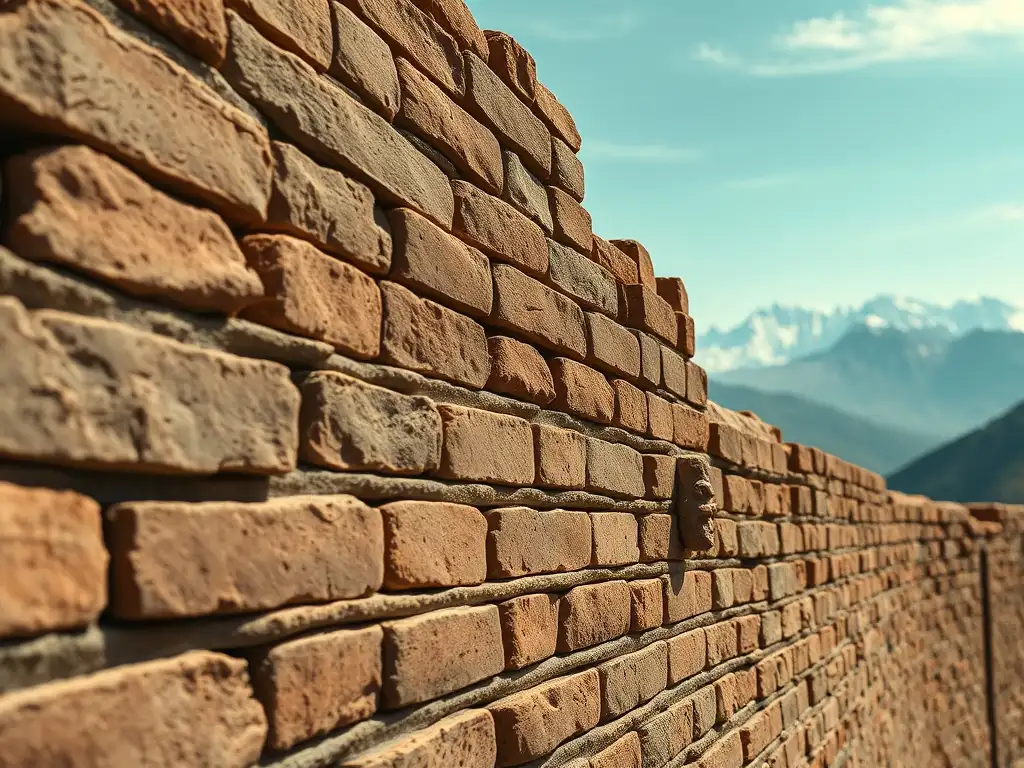
This section delves into the sophisticated construction methods employed by Andean civilizations, showcasing their remarkable engineering prowess and deep understanding of their environment. These techniques, honed over centuries, allowed them to erect monumental structures that not only withstood the test of time but also adapted to the challenging Andean terrain and climate. We'll explore specific examples to illuminate the ingenuity of Andean builders and their mastery of "Andean construction techniques."
Understanding Andean Seismic Resistant Techniques
The Andes Mountains are a highly seismic zone, prone to earthquakes. Yet, many Andean structures, particularly those built by the Inca, survived centuries of tremors. This wasn't due to luck; rather, it was a result of carefully planned and executed construction techniques. Key elements include:
- Ashlar Masonry: The precise fitting of large, precisely cut stones, often without mortar, created a structure that could flex and absorb seismic energy. The interlocking nature of these stones acted as a natural shock absorber. Consider the walls of Sacsayhuamán near Cusco – a testament to this mastery. The stones are so precisely fitted that a knife blade cannot be inserted between them! 🤯
- Foundation Design: Andean builders paid meticulous attention to foundations. They often built foundations on bedrock or deeply compacted earth, ensuring a stable base that minimized the impact of ground shaking. The depth and stability of these foundations directly correlated with the size and importance of the structure.
- Use of Fill Material: In some cases, builders used compacted fill material between stone layers, adding further resilience to the structures. This acted as a buffer, absorbing some of the seismic energy. The composition of this fill varied depending on the local resources available, demonstrating adaptability in their building practices.
- Stepped Terraces: The widespread use of stepped terraces in agriculture also demonstrated a keen understanding of seismic engineering. The terraced design helped to distribute the weight of the soil and reduce the risk of landslides, a significant concern in mountainous regions prone to seismic activity.
The Ingenious Use of Ramps and Levers
The transportation of massive stones to construction sites presented a significant logistical challenge. However, Andean builders overcame this obstacle with remarkable ingenuity, utilizing ramps and levers to move colossal blocks with surprising efficiency. Evidence suggests that:
- Ramps: Massive ramps, sometimes spiraling upwards, were constructed to facilitate the movement of stones. These ramps were likely built in stages, adjusted as the structure progressed. The precise construction and angle of these ramps are still being studied today.
- Levers and Rollers: In conjunction with ramps, levers and rollers were employed to maneuver the stones into place. While the precise mechanics are not fully understood for every structure, the sheer scale of the stones moved speaks to the effectiveness of their methods. Their understanding of simple machines allowed them to overcome seemingly insurmountable obstacles.
- Human Power: While the exact number of workers involved is often debated, the sheer scale of the projects points to a highly organized and coordinated workforce, demonstrating impressive societal organization and resource management. This collaborative effort was crucial to the success of these ambitious building projects.
The combination of ramps, levers, and rollers, coupled with a well-organized workforce, allowed Andean builders to move stones weighing many tons with efficiency, a feat that continues to amaze engineers and archaeologists today.
Andean Water Management and Infrastructure
Andean civilizations demonstrated exceptional skill in water management, crucial for agriculture and daily life in a high-altitude, arid environment. Their ingenuity is evident in:
- Canals and Aqueducts: Elaborate canal systems were constructed to divert water from rivers and springs to fields and settlements. These canals were often built on steep slopes, requiring precise engineering to maintain a consistent flow. Some aqueducts, such as those found in the Nazca region, are remarkably well-preserved.
- Reservoirs and Storage Systems: Reservoirs and storage systems were built to collect rainwater and meltwater, ensuring a reliable water supply during dry seasons. The design and location of these reservoirs show careful consideration of topography and water flow.
- Irrigation Techniques: Sophisticated irrigation techniques, including terracing and check dams, were employed to maximize water use and minimize water loss. These techniques significantly increased agricultural productivity in challenging terrains.
These examples highlight the advanced "Andean construction techniques" and the remarkable engineering abilities of the ancient Andean civilizations. Their mastery of materials, understanding of physics, and organizational skills enabled them to construct impressive and enduring structures that continue to inspire awe and wonder.
Examples of Ingenious Andean Constructions

This section delves into specific examples showcasing the remarkable ingenuity of Andean construction techniques. We'll explore iconic sites, highlighting the challenges overcome and the sophisticated methods employed by these ancient builders. Understanding these techniques provides a deeper appreciation for the architectural achievements and the advanced knowledge possessed by Andean civilizations. The diversity of approaches across different cultures within the Andes further underscores the region's remarkable building prowess.
The Majesty of Inca Stonework at Machu Picchu
Machu Picchu, the iconic "Lost City of the Incas," stands as a testament to the unparalleled precision and skill of Inca stonemasons. The construction, perched high in the Andes Mountains, presented significant logistical and engineering challenges. Yet, the Incas overcame these obstacles using techniques that remain a source of fascination and study today.
The hallmark of Inca stonework is its meticulous fit. Blocks of granite, andesite, and other stones were cut and shaped with such accuracy that they fit together without mortar. This "dry-stone" construction, known as ashlar masonry, required an incredibly advanced understanding of geometry and engineering. The precision is astonishing; many stones fit so tightly that a knife blade cannot be inserted between them. This not only ensured structural stability but also created aesthetically pleasing, seamless walls.
Furthermore, the Incas utilized a sophisticated system of terracing to adapt to the challenging mountain terrain. Terraces, meticulously carved into the slopes, provided level surfaces for agriculture and construction. These terraces were not merely flat surfaces; they incorporated drainage systems to prevent erosion and water damage, demonstrating a deep understanding of hydrology and environmental engineering. The integration of these terraces into the mountainside is a remarkable feat of landscape architecture. The construction of Machu Picchu showcases the Incas' mastery of Andean construction techniques, combining precise stonework, sophisticated terracing, and an intimate understanding of their environment.
The Pyramids of the Sun and Moon at Moche
The Moche civilization, flourishing on the northern coast of Peru from roughly 100-800 CE, left behind a legacy of impressive architectural achievements. Among their most notable constructions are the Pyramids of the Sun and Moon at the Huaca del Sol y de la Luna complex near Trujillo. These immense structures, built using adobe bricks, illustrate a different approach to Andean construction techniques compared to the Inca dry-stone method.
The construction of these pyramids involved the meticulous layering of millions of sun-dried adobe bricks. The scale of the undertaking is breathtaking; the Pyramid of the Sun, for example, is one of the largest adobe structures in the Americas. The Moche builders demonstrate a remarkable organizational capability and logistical expertise to transport and place such vast quantities of materials.
Interestingly, the construction methods employed show an understanding of structural engineering principles. The pyramids were not simply massive piles of bricks; they incorporated ramps and internal chambers, suggesting a sophisticated planning process. Archaeological evidence suggests that the construction process involved a large, organized workforce, highlighting the societal structure and the importance of these monumental projects within Moche society. The pyramids stand as a testament to the Moche's ingenuity and their mastery of adobe construction techniques, a distinct approach within the broader spectrum of Andean building practices.
The Nazca Lines and Their Geoglyphic Construction
The Nazca Lines, a series of geoglyphs etched into the desert surface of southern Peru, represent a unique and fascinating example of Andean construction techniques. Unlike the monumental architecture of the Incas or Moche, the Nazca Lines focus on a different kind of construction: the manipulation of the landscape itself.
Creating these massive designs, some stretching hundreds of meters in length, required a precise understanding of the desert environment and the properties of the soil. The Nazca people removed the dark reddish-brown surface stones to reveal the lighter-colored subsoil, creating the lines and figures. This process, though seemingly simple, required careful planning, surveying, and execution, demanding a high level of cooperation and precision.
The scale and precision of the Nazca Lines raise many questions about the tools and techniques used. While the exact methods remain debated, it's clear that the Nazca people possessed a profound understanding of their environment and developed sophisticated techniques for large-scale land modification.
The purpose of the Nazca Lines continues to be a subject of scholarly debate, but their very existence exemplifies the ingenuity and artistic expression of the Nazca civilization within the context of Andean construction techniques. Their creation underscores the diverse approaches to construction found within the Andean region, extending beyond traditional notions of buildings and structures.
The Puma Punku Complex at Tiahuanaco
The Puma Punku complex, part of the larger Tiahuanaco site in Bolivia, stands as a testament to the remarkable engineering prowess of the Andean civilizations. Its precise construction methods remain a source of ongoing debate and fascination, fueling theories about advanced technologies and sophisticated understanding of engineering principles. The sheer scale of the site, with its massive stone blocks weighing many tons, is awe-inspiring.
These blocks, meticulously carved and fitted together with astonishing precision, showcase an unparalleled mastery of stonework. The precision of the cuts and the almost imperceptible gaps between the stones suggest a level of planning and execution far beyond what many would expect from a pre-Columbian civilization. This level of accuracy in Andean construction techniques is truly remarkable.
Many of the stones at Puma Punku exhibit incredibly intricate carvings, further highlighting the skill and artistry of the builders. The shapes are not merely functional; they demonstrate a significant aesthetic sense, suggesting a deep cultural and spiritual significance beyond the practical aspects of the construction. Some scholars propose that the site served as a ceremonial center, while others suggest it held administrative or astronomical purposes.
Regardless of its exact function, the architectural sophistication of Puma Punku speaks volumes about the advanced understanding of geometry, mathematics, and engineering possessed by the ancient Andean builders. The intricate designs and the precision of the stonework suggest a highly organized workforce and a deep understanding of structural principles, far surpassing the capabilities often attributed to pre-Columbian cultures. The techniques employed in the construction of Puma Punku remain a source of wonder and continue to inspire research and discussion amongst archaeologists and engineers alike.
Understanding the Andean construction techniques used at Puma Punku allows us to appreciate the ingenuity and skill of these ancient builders. The mystery surrounding its construction continues to fuel discussions and research, solidifying its place as a prime example of advanced Andean engineering. The site’s enduring legacy challenges our preconceived notions about the capabilities of pre-Columbian societies.
The Legacy of Andean Construction
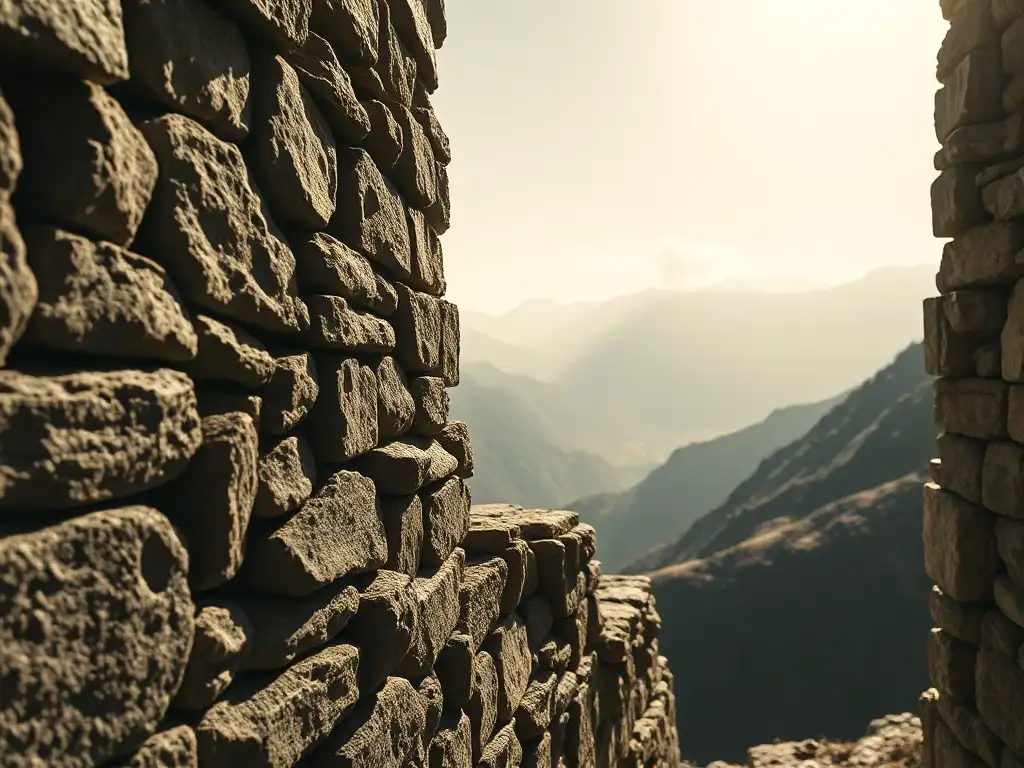
The legacy of Andean construction is not merely a collection of ruins; it's a testament to human ingenuity, adaptability, and a deep understanding of their environment. From the towering stone structures of Machu Picchu to the intricate irrigation systems of the Nazca, Andean builders mastered techniques that continue to fascinate and inspire architects and engineers today.
This legacy isn't just about impressive visuals; it's about sustainable practices, innovative problem-solving, and a profound connection between people and their surroundings. Understanding this legacy requires examining not only the impressive structures themselves, but also the sophisticated methods employed in their creation, and the enduring impact on subsequent building practices.
The study of Andean construction techniques reveals a sophisticated understanding of materials science, structural engineering, and environmental adaptation, far exceeding the simplistic notions often associated with "primitive" cultures. The echoes of this ingenuity resonate even now, prompting ongoing research and inspiring modern approaches to sustainable and resilient architecture.
Preservation Efforts of Ancient Andean Structures
Preserving the fragile remnants of Andean construction presents significant challenges. The harsh Andean climate, with its intense sun, freezing temperatures, and frequent seismic activity, takes a toll on these ancient structures. Furthermore, the passage of time, looting, and the impact of tourism all contribute to deterioration. Preservation efforts often involve a delicate balance between maintaining the historical integrity of the sites and employing modern techniques to ensure their longevity.
Several key strategies are employed:
- Careful Monitoring and Documentation: Regular inspections and detailed documentation are crucial for tracking deterioration and informing conservation strategies. This includes advanced techniques like 3D scanning and photogrammetry to create precise digital records.
- Targeted Repairs and Stabilization: Rather than extensive restorations, the focus is often on stabilizing existing structures using traditional materials and techniques whenever possible. This involves careful cleaning, consolidation of stonework, and the replacement of missing elements with materials that closely match the originals.
- Environmental Control: Strategies to mitigate the effects of the harsh climate are essential. This may involve installing protective shelters, improving drainage to prevent water damage, and controlling vegetation growth.
- Community Involvement: Engaging local communities in preservation efforts is vital. Their knowledge of the sites and their commitment to their heritage are invaluable assets. This ensures a sustainable approach to preservation that benefits both the sites and the local population.
The challenges are immense, and funding remains a significant obstacle. However, ongoing research into materials science and preservation techniques, coupled with international collaboration, offers hope for the long-term survival of these remarkable sites. The preservation of Andean structures is not merely about saving stones; it's about safeguarding a crucial part of human history and inspiring future generations.
Lessons Learned from Andean Building Techniques
Andean building techniques offer invaluable lessons for modern construction, particularly in the areas of sustainability and resilience. Their mastery of local materials, innovative structural solutions, and adaptation to challenging environments provide a wealth of knowledge that can inform contemporary practices.
- Sustainable Material Use: Andean builders prioritized the use of locally sourced materials, minimizing transportation costs and environmental impact. Their skillful use of stone, adobe, and timber demonstrates a deep understanding of the properties of these materials and their suitability for different applications.
- Seismic Resilience: The Andes are a seismically active region, and Andean builders developed sophisticated techniques to build structures capable of withstanding earthquakes. The use of interlocking stones, carefully engineered foundations, and flexible construction methods allowed their structures to absorb seismic energy.
- Adaptive Design: Andean architecture demonstrates remarkable adaptability to diverse environments and climates. The design of structures often incorporated features to optimize natural ventilation, insulation, and protection from the elements.
By studying these techniques, we can gain insights into building more sustainable, resilient, and environmentally friendly structures. For example, the principles of interlocking stonework can be applied to modern masonry construction, while the use of local materials can reduce the carbon footprint of building projects. The ingenuity of Andean builders continues to inspire innovation in modern architecture and engineering. Understanding their approach to material science and structural design can lead to more environmentally conscious and resilient building practices for the future.
The Enduring Influence of Andean Engineering
The influence of Andean engineering extends far beyond the physical structures they created. Their innovations in irrigation, agriculture, and road building had a profound impact on their societies and continue to inspire awe and admiration. The sophistication of their engineering achievements is a testament to their deep understanding of their environment and their ability to harness natural resources.
- Irrigation Systems: The intricate canal systems developed by Andean civilizations allowed them to cultivate crops in arid regions, supporting large populations and thriving agricultural societies. These systems demonstrate a remarkable understanding of hydrology and water management.
- Road Networks: The extensive network of roads and trails built by the Inca Empire facilitated trade, communication, and the movement of people and goods across vast distances. The ingenuity of their construction methods, particularly in mountainous terrain, is remarkable.
- Agricultural Techniques: Andean farmers developed sophisticated agricultural techniques, including terracing, crop rotation, and the cultivation of diverse crops, enabling them to maximize food production in challenging environments.
The legacy of Andean engineering is not just about the impressive structures they built, but also about the systems they developed to support their societies. Their innovations in irrigation, agriculture, and road building continue to inspire modern engineers and provide valuable lessons in sustainable development and resource management. The echoes of their ingenuity can be heard in contemporary efforts to build more sustainable and resilient communities. The ingenuity demonstrated in Andean construction techniques continues to inform and inspire contemporary practices, highlighting the enduring relevance of this rich cultural heritage.
Conclusion: The Unbreakable Spirit of Andean Builders
The ingenuity displayed in Andean construction techniques is a testament to the resourcefulness and collaborative spirit of ancient Andean societies. From the precise stonework of Machu Picchu to the intricate irrigation systems of the Nazca, these achievements weren't simply feats of engineering; they were expressions of a deeply interconnected relationship between humans and their environment. Understanding these techniques allows us to appreciate not only the architectural marvels they produced, but also the sophisticated knowledge systems and social structures that made them possible.
The legacy of Andean construction isn't just about impressive ruins; it's a living history, a source of inspiration for modern engineering, and a powerful reminder of humanity's capacity for innovation and resilience. The echoes of their ingenuity continue to resonate today, prompting us to further explore the complexities and brilliance of Andean building practices.
Acknowledging the Unsung Heroes of Andean Construction
Often, we focus on the grandeur of the structures themselves, overlooking the countless individuals whose tireless work brought these architectural wonders to life. The skilled masons, the meticulous planners, the tireless carriers—these unsung heroes represent the collective effort that characterized Andean construction. Their expertise wasn't solely technical; it encompassed a deep understanding of materials, climate, and the landscape itself.
The precision achieved in stone fitting, for instance, wasn't merely aesthetic; it was a crucial element in ensuring structural integrity and earthquake resistance. Consider the intricate terracing systems that transformed steep slopes into productive agricultural lands. This wasn't just about farming; it was a testament to the Andean people’s profound knowledge of hydrology and soil conservation.
These achievements were the result of a sophisticated understanding of engineering principles, combined with a deep respect for the environment and a strong sense of community. Their legacy transcends the stones themselves; it's a reflection of their enduring spirit and collaborative genius. Acknowledging their contributions is crucial to fully appreciating the magnitude of Andean construction.
The Importance of Studying Ancient Andean Techniques
The study of Andean construction techniques offers invaluable insights into a variety of fields. Firstly, it provides a rich source of inspiration for modern engineering. The innovative solutions developed by Andean builders, often utilizing locally sourced materials and sustainable practices, offer valuable lessons for contemporary architects and engineers seeking environmentally responsible construction methods. The resilience of Andean structures, particularly their ability to withstand seismic activity, is a testament to the effectiveness of their techniques and deserves further investigation.
Secondly, studying these techniques enhances our understanding of ancient Andean societies. The complexity of the structures reflects the sophistication of their social organization, knowledge systems, and technological capabilities. Analyzing the construction methods provides clues to their social hierarchies, labor practices, and resource management strategies. Finally, preserving and understanding these techniques helps us protect these invaluable cultural heritage sites.
By understanding how these structures were built, we can better develop strategies for their conservation and restoration. This interdisciplinary approach, encompassing engineering, archaeology, and anthropology, is critical for fully appreciating and preserving the legacy of Andean construction. The knowledge gained can inspire future innovations in sustainable building practices and deepen our understanding of one of history's most remarkable civilizations.
Frequently Asked Questions
What makes Andean construction techniques so unique?
Andean construction techniques were remarkably innovative for their time. They utilized advanced stonework, including precise fitting and complex interlocking systems, often without mortar. This resulted in structures that were both aesthetically pleasing and incredibly durable.
What materials did Andean builders primarily use?
The primary materials were stone, often meticulously chosen and shaped, and adobe bricks for less demanding structures. They also used wood, though less extensively in some regions due to limited availability, and various natural binding agents.
How did the Incas contribute to Andean construction?
The Incas inherited and refined existing techniques, mastering large-scale projects like impressive road networks and monumental structures like Machu Picchu. Their mastery of terracing and irrigation systems was crucial for agriculture in challenging terrain.
Were there any specific challenges faced by Andean builders?
Yes, the builders faced many challenges, including the rugged terrain, seismic activity, and the limited availability of certain resources. Their ingenuity in overcoming these obstacles is a testament to their skill and knowledge.
How did Andean construction techniques influence later architecture?
Andean construction techniques, particularly their mastery of stonework and fitting, have influenced later architectural styles and continue to inspire modern engineers and architects. The precision and durability of their structures remain a source of wonder and study.
Final Reflection: The Enduring Legacy of Andean Ingenuity
The ingenious building techniques of the Andes, far from being relics of a bygone era, offer invaluable lessons for sustainable and resilient construction in the face of modern challenges. These ancient methods, honed over millennia, demonstrate a profound understanding of environmental harmony and resourcefulness that continues to inspire awe and provide practical solutions for today's world. Their resilience in the face of earthquakes and harsh climates serves as a powerful testament to the wisdom embedded within these seemingly simple, yet remarkably effective, practices.
The impact of Andean construction techniques extends far beyond the physical structures themselves; they represent a deep connection to the land and a profound respect for the environment. These methods, passed down through generations, embody a cultural heritage that deserves recognition and preservation. The mountains are our teachers,
a Quechua proverb reminds us, highlighting the symbiotic relationship between the Andean people and their environment, a relationship reflected in their architectural achievements. Understanding this connection is crucial to appreciating the ingenuity and sustainability at the heart of these techniques.
Consider the implications of this knowledge for your own life. How can we, in our modern world, learn from the resourcefulness and sustainability demonstrated by the builders of the Andes? Can we incorporate similar principles of harmony with nature and mindful resource management into our own construction practices? Let the echoes of their ingenuity inspire you to build a more sustainable and resilient future, one that respects both the environment and the rich cultural heritage of those who came before us.
Unveil the Legacy of Andean Ingenuity!
Thank you for exploring the remarkable story of Andean construction and its often-overlooked builders! Your interest in these historical narratives demonstrates a keen appreciation for the incredible ingenuity of these ancient civilizations. Let's delve deeper into this legacy and connect with their enduring wisdom.
- Explore local resources: Immerse yourself in Andean history by visiting a museum or cultural center dedicated to the region's rich past. This will deepen your understanding and appreciation.
- Share the story: Spread awareness and inspire others by sharing the fascinating achievements of Andean builders on social media. Let's celebrate these unsung heroes!
- Join the community: Connect with like-minded individuals by joining online forums or local groups dedicated to Andean innovations and their influence on contemporary architecture.
What aspect of Andean construction most fascinates you, and how do you believe these ancient techniques can inspire modern builders?