
SunKissed Structures: The Role of Orientation in Andean Building Design

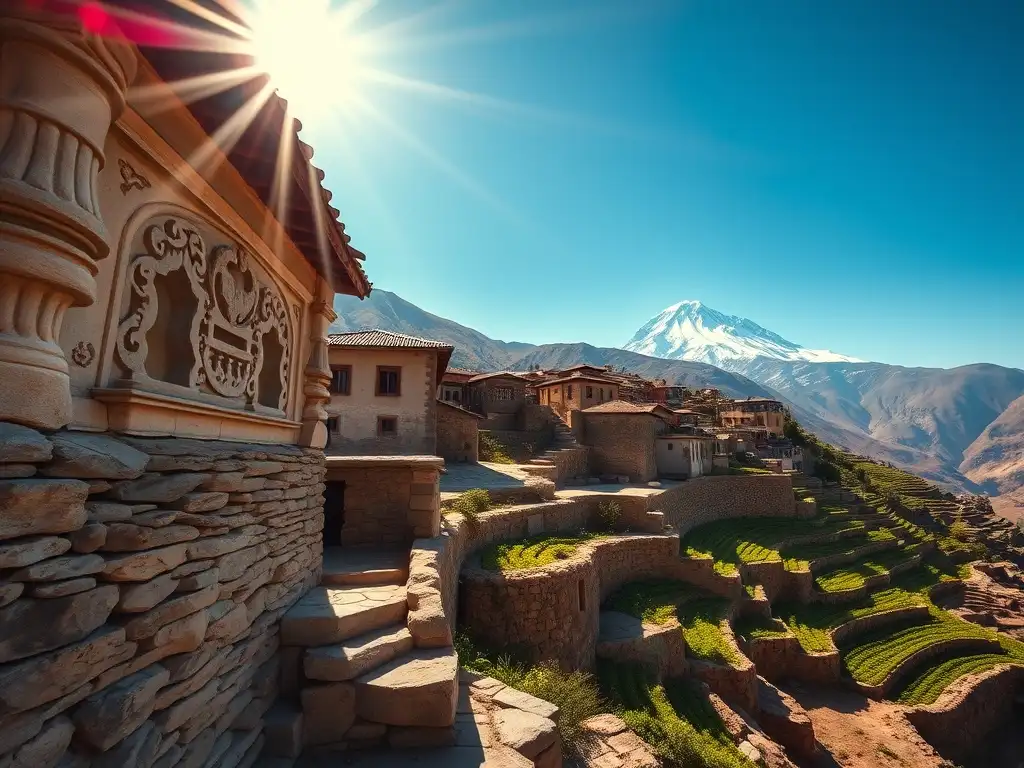
Dive into the enigmatic world of the Andes, where sun-drenched peaks witnessed the rise and fall of magnificent civilizations. For centuries, ingenious builders mastered techniques that intertwined their architecture with the celestial dance of the sun. Prepare to be captivated by the secrets of Andean sun orientation building techniques, a testament to the advanced engineering and profound cosmological understanding of cultures like the Inca, Moche, and Nazca. Uncover the mysteries behind these sun-kissed structures – your journey into the heart of Andean ingenuity begins now.
The ingenuity of Andean civilizations is profoundly evident in their architectural achievements, extending beyond mere aesthetics to encompass sophisticated engineering and a deep understanding of their environment. This article delves into the fascinating world of Andean sun orientation building techniques, exploring how these ancient builders harnessed the power of the sun to optimize their structures for both practical and symbolic purposes. From the precise alignment of monumental sites like Machu Picchu to the intricate design of domestic dwellings, the sun played a pivotal role in shaping Andean architecture, reflecting a complex interplay between astronomical knowledge, religious beliefs, and practical considerations.
We will examine specific examples across various Andean cultures, revealing the diverse strategies employed to achieve optimal solar orientation and its impact on their daily lives and societal structures. Understanding these techniques provides valuable insights into the advanced knowledge and remarkable adaptability of these ancient societies.
The Significance of Solar Orientation in Andean Cosmology
Andean cultures held a profound reverence for the sun, viewing it not merely as a source of light and warmth, but as a divine entity deeply intertwined with their cosmology and daily existence. The sun's annual journey across the sky, marked by solstices and equinoxes, was meticulously observed and incorporated into the design and orientation of their buildings. This wasn't simply a matter of aligning structures with the rising or setting sun; it involved a complex understanding of the sun's path throughout the year and its impact on temperature, light, and shadow.
Many sites were strategically positioned to capture specific solar events, creating dramatic effects that reinforced their religious and ceremonial significance. For example, the precise alignment of certain structures within Machu Picchu with the solstices and equinoxes suggests a sophisticated understanding of astronomical cycles and their symbolic importance.
These alignments weren't accidental; they were carefully planned and executed, reflecting the deep connection between Andean cosmology and their built environment. This meticulous attention to detail underscores the importance of the sun in their worldview.
Practical Applications of Solar Orientation in Andean Architecture
Beyond the cosmological significance, solar orientation offered practical advantages in Andean architecture. By carefully considering the sun's path, builders could optimize the interior environment of their structures. For instance, the placement of windows and doorways could maximize sunlight during colder months, providing warmth and reducing the need for artificial heating. Conversely, strategic shading techniques could minimize direct sunlight during hotter periods, keeping the interiors cool and comfortable.
The design of ventilation systems often incorporated solar orientation, allowing for natural airflow and temperature regulation. This understanding of passive solar design demonstrates a remarkable level of technological sophistication, allowing them to create comfortable and functional living spaces with minimal environmental impact. Evidence suggests that different building materials were also chosen based on their ability to absorb or reflect solar radiation, further enhancing the effectiveness of these strategies.
Case Studies: Diverse Approaches to Solar Orientation Across Andean Cultures
The Inca, Nazca, Moche, and Tiahuanaco cultures each developed unique approaches to solar orientation in their building designs, reflecting regional variations in climate and cultural practices. While the precise techniques differed, the underlying principle of harnessing solar energy remained consistent. The Incas, for example, utilized their advanced knowledge of astronomy and engineering to create remarkably precise alignments in their monumental structures.
The Nazca lines, while not strictly buildings, showcase an advanced understanding of astronomical events, suggesting a similar level of precision in their architectural designs. The Moche, known for their sophisticated irrigation systems, may have integrated solar observations into their agricultural planning, influencing the orientation of their settlements and fields.
Further research is needed to fully understand the specific techniques employed by the Tiahuanaco, but the orientation of their monumental structures suggests a deliberate and sophisticated approach to harnessing the sun's energy. These diverse approaches highlight the adaptability and ingenuity of Andean builders in responding to their specific environmental and cultural contexts.
Modern Relevance and Future Research on Andean Sun Orientation Building Techniques
The study of Andean sun orientation building techniques holds significant relevance today, offering valuable lessons in sustainable design and environmental responsibility. As we strive to create more energy-efficient and environmentally friendly buildings, understanding the principles employed by these ancient cultures can provide valuable insights. The focus on passive solar design, natural ventilation, and the integration of local materials offers a blueprint for sustainable architecture in the 21st century. Future research should focus on further documenting and analyzing specific examples of solar orientation in Andean architecture, employing advanced technologies such as 3D modeling and GIS analysis to enhance our understanding of these remarkable achievements.
This interdisciplinary approach, combining archaeology, astronomy, and engineering, promises to unlock further secrets of Andean ingenuity and contribute to the development of more sustainable building practices. The legacy of these sun-kissed structures continues to inspire and inform us today. ☀️
- The Significance of Solar Orientation in Andean Cosmology
- Practical Applications of Solar Orientation in Andean Architecture
- Case Studies: Diverse Approaches to Solar Orientation Across Andean Cultures
- Modern Relevance and Future Research on Andean Sun Orientation Building Techniques
- How did Andean civilizations use sun orientation in their building techniques?
- What were some of the benefits of sun-oriented building design in the Andes?
- Which Andean cultures are known for their mastery of sun orientation in architecture?
- What tools or techniques did Andean builders use to achieve accurate sun orientation?
- How does the study of Andean sun orientation contribute to our understanding of these civilizations?
Understanding Andean Sun Orientation Building Techniques
This section delves into the sophisticated understanding and application of solar alignment in Andean building design, a testament to the advanced astronomical knowledge and engineering prowess of these ancient cultures. We'll explore how the precise orientation of structures played a crucial role in their daily lives, religious practices, and agricultural cycles. Understanding these "Andean sun orientation building techniques" provides invaluable insight into the ingenuity and worldview of these remarkable civilizations. The meticulous planning and execution evident in their architecture highlight a deep connection between the built environment and the celestial rhythms of the Andes.
The Significance of Solar Alignment in Ancient Andean Architecture
The precise orientation of Andean structures wasn't merely coincidental; it was a deliberate design choice reflecting a profound understanding of astronomy and its impact on daily life. Many buildings, from modest dwellings to monumental temples, were carefully positioned to interact with the sun's path throughout the year. This wasn't just about maximizing sunlight for warmth or illumination; it was intricately linked to their calendar system, agricultural practices, and religious beliefs.
For example, consider the orientation of agricultural terraces. These carefully constructed terraces, often clinging to steep slopes, were not randomly placed. Evidence suggests that their orientation was carefully chosen to optimize sunlight exposure throughout the growing season, maximizing crop yields. This careful planning allowed for efficient irrigation and temperature regulation, crucial factors in the challenging Andean environment. Furthermore, the precise alignment of certain structures with solstices and equinoxes suggests a sophisticated understanding of the sun's movements and their cyclical nature.
The integration of astronomical knowledge into architecture is further evidenced by the alignment of certain structures with specific celestial events. The precise orientation of some temples and ceremonial sites suggests a deliberate attempt to mark solstices and equinoxes, aligning them with the rising or setting sun on these significant dates. This alignment likely had profound religious significance, potentially marking important ritual dates or symbolizing the cyclical nature of life and death. This level of astronomical precision speaks volumes about the mathematical and observational skills of Andean builders.
Why Sun Orientation Mattered to Andean Civilizations
The importance of sun orientation in Andean civilizations extended beyond mere practicality; it was deeply intertwined with their cosmology and worldview. The sun was not simply a source of light and warmth; it was a revered deity, a life-giving force, and a central element in their religious beliefs. Therefore, the careful alignment of structures with the sun's path served both practical and symbolic purposes.
- Agricultural Productivity: As mentioned earlier, optimal sun exposure was crucial for successful agriculture. The precise orientation of terraces and fields maximized sunlight throughout the growing season, contributing significantly to food production and community survival. This understanding of solar energy directly impacted the economic and social well-being of these societies.
- Religious Significance: The alignment of temples and ceremonial sites with specific solar events reinforced their religious beliefs and practices. These alignments served as markers for important rituals, festivals, and calendrical cycles, strengthening community bonds and reinforcing their spiritual connection to the cosmos. The precise orientation of these structures served as a tangible manifestation of their cosmological beliefs.
- Timekeeping and Calendrical Systems: The precise tracking of the sun's movement was essential for developing accurate calendars. The meticulous observation of solstices and equinoxes allowed Andean civilizations to predict seasonal changes, plan agricultural activities, and organize social events with remarkable accuracy. This precise timekeeping was vital for their social organization and survival.
The meticulous attention paid to sun orientation in Andean building techniques highlights a deep understanding of the relationship between humans, nature, and the cosmos. It underscores the advanced knowledge and ingenuity of these civilizations, leaving a legacy of impressive structures and a rich cultural heritage. The legacy of these "Andean sun orientation building techniques" continues to inspire awe and wonder.
Andean Civilizations and Their Mastery of Solar Architecture
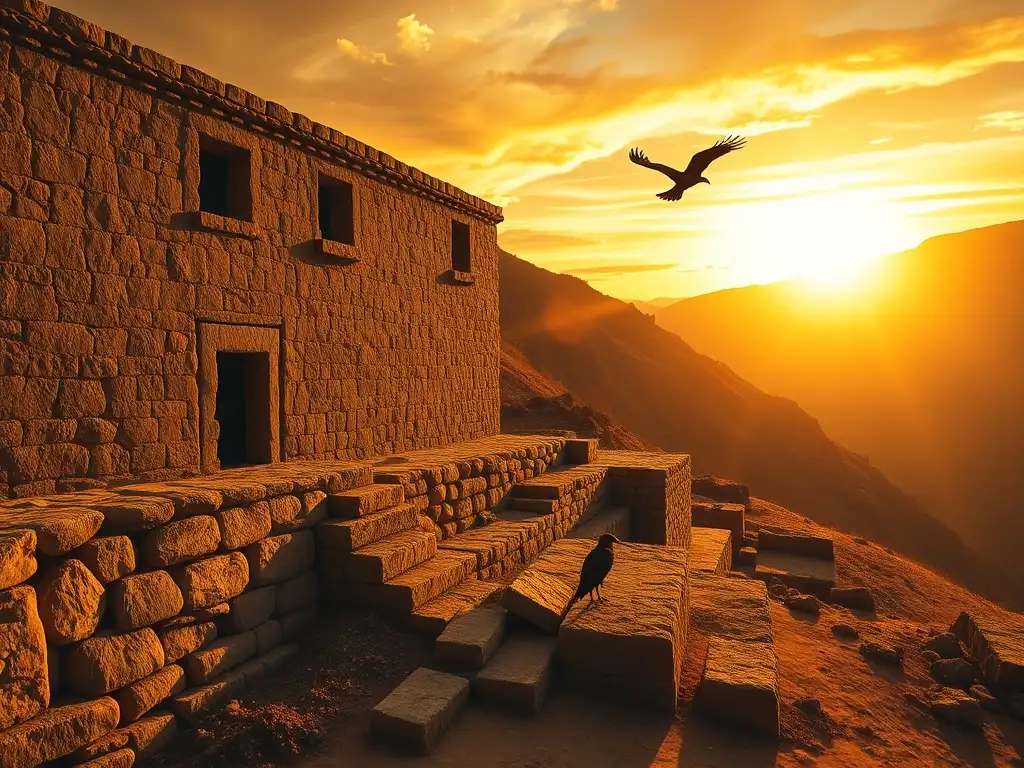
The Andean civilizations, renowned for their sophisticated engineering and architectural prowess, demonstrated a profound understanding and application of solar orientation in their building designs. This wasn't merely a matter of aesthetics; precise alignment with the sun's path played a crucial role in religious practices, agricultural planning, and even the functionality of their structures. The mastery of these "Andean sun orientation building techniques" varied across different cultures, reflecting unique environmental adaptations and cosmological beliefs.
Analyzing these techniques reveals a deep connection between these societies and their environment, showcasing their ingenuity and advanced knowledge of astronomy. This section will delve into the specific methods employed by three prominent Andean cultures: the Inca, Moche, and Nazca.
Inca Sun-Focused Construction Methods
Inca architecture, characterized by its imposing scale and precise stonework, demonstrates a clear understanding of solar geometry. Many Inca structures, particularly temples and significant administrative buildings, were meticulously aligned with the solstices and equinoxes. This alignment wasn't accidental; it served both practical and symbolic purposes. For instance, the precise orientation of windows and doorways controlled the amount of sunlight entering the building throughout the year, influencing temperature regulation and internal illumination.
The Intihuatana stones, found at various Inca sites like Machu Picchu, are prime examples of this solar focus. These intricately carved stones were believed to be "sun-tying" devices, used for astronomical observations and potentially for regulating the agricultural calendar. Their orientation, often precisely aligned with the solstices, suggests a sophisticated understanding of the sun's annual movement.
The precise methods used by the Inca to achieve this level of accuracy remain a subject of ongoing research, but it is clear that advanced surveying techniques and a deep knowledge of astronomy were employed. Evidence suggests that they may have used simple instruments, perhaps gnomons or shadow sticks, to track the sun's position throughout the year.
Further research is needed to fully understand the extent of their astronomical knowledge and the precise techniques used in the construction of these remarkable structures. The meticulous precision found in Inca stonework further highlights their dedication to accurate solar alignment, demonstrating a deep respect for the sun's power and influence.
Moche Architectural Adaptations to Solar Paths
The Moche civilization, flourishing on Peru's northern coast, adapted their building techniques to the intense solar radiation of their arid environment. While less overtly focused on solstice alignment than the Inca, the Moche demonstrated a keen awareness of solar paths in their urban planning and the design of individual structures. They strategically positioned buildings to maximize shade during the hottest parts of the day, minimizing the impact of the intense sun on the interior temperatures. This is evident in the layout of their monumental adobe structures and the orientation of residential compounds.
The Moche also incorporated architectural features designed to manage sunlight, such as recessed doorways and strategically placed courtyards. These features helped to regulate internal temperatures, creating more comfortable living spaces. In addition, the placement of certain structures in relation to the sun might have had ritualistic significance.
For example, the orientation of temples or ceremonial platforms may have been linked to specific solar events, reflecting their cosmological beliefs. While the level of astronomical sophistication of the Moche may not have reached the same level as the Inca, their adaptation of building techniques to the local solar conditions demonstrates a practical understanding of solar energy and its impact on their environment. Further research on Moche architecture is needed to fully understand the extent of their knowledge and the nuances of their sun orientation techniques.
Nazca's Use of Sun Angles in Building Design
The Nazca culture, famous for their enigmatic geoglyphs, also displayed a sophisticated understanding of solar angles in their architecture. Although our understanding of their building practices is still developing, evidence suggests that the orientation of their structures, particularly their ceremonial centers and residential complexes, was influenced by the sun's movement. This may have been related to both practical considerations, such as optimizing sunlight for daily activities, and religious or ceremonial purposes.
The Nazca's arid environment likely played a crucial role in their approach to solar orientation. Similar to the Moche, they likely sought to minimize the impact of intense sun exposure on their buildings. The orientation of structures could have been carefully planned to maximize shade during the hottest parts of the day.
Moreover, the alignment of certain features within these structures, such as altars or niches, might have been linked to specific solar events or constellations, reflecting a connection between their architectural designs and their astronomical observations. Unfortunately, much of the Nazca architecture is poorly preserved, making it challenging to fully reconstruct their building techniques and assess the extent of their understanding of solar orientation.
Further archaeological investigation and detailed analysis of surviving structures are crucial to gain a more complete understanding of their architectural practices and the role of the sun in their building designs. The limited surviving evidence suggests a complex interplay between practical needs and cosmological beliefs in shaping their architectural approach.
Tiahuanaco's Sophisticated Solar Planning
Tiahuanaco, a pre-Columbian city located in modern-day Bolivia, showcases remarkable mastery of Andean sun orientation building techniques. Its monumental architecture, including the iconic Kalasasaya complex, demonstrates a deep understanding of the sun's movements and its integration into urban planning. Evidence suggests that the city's layout was carefully designed to align with the solstices and equinoxes, maximizing solar exposure for specific purposes. The precise alignment of structures, such as the Gate of the Sun, with celestial events indicates advanced astronomical knowledge and sophisticated surveying techniques.
This wasn't simply a matter of aesthetic preference; the positioning of buildings likely played a crucial role in religious ceremonies and agricultural practices. For example, the orientation of certain structures may have been used to mark the beginning and end of the planting and harvesting seasons, ensuring optimal agricultural yields. The intricate relationship between the city's architecture and the solar calendar highlights the deep connection between the Tiahuanaco civilization and the natural world. Further research is needed to fully understand the nuances of their solar planning, but the existing evidence strongly suggests a level of sophistication far exceeding what was previously believed.
The precision involved in these alignments points to the use of advanced tools and techniques for astronomical observation and measurement, confirming the Andean people's exceptional understanding of their environment. The legacy of Tiahuanaco's solar architecture continues to inspire awe and wonder, serving as a testament to the ingenuity and astronomical expertise of this remarkable civilization. The complex interplay between astronomical knowledge, architectural design, and agricultural practices exemplifies the holistic approach of the Tiahuanaco people to their environment and provides invaluable insights into their societal structure and beliefs. Understanding their solar planning techniques is key to understanding Tiahuanaco's cultural and societal complexities.
Key Principles of Andean Sun Orientation
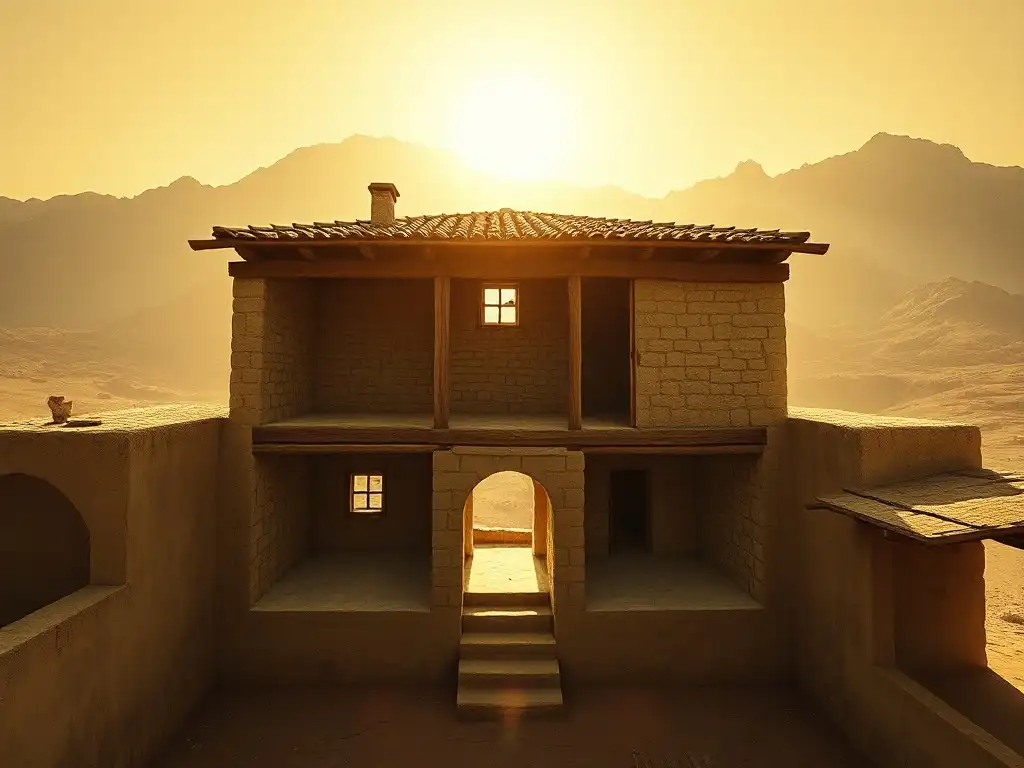
The masterful integration of astronomical knowledge into Andean building design is a testament to the sophisticated understanding of solar cycles possessed by these ancient cultures. Their architectural achievements weren't merely functional; they were deeply symbolic, reflecting a worldview inextricably linked to the sun's movements. Understanding Andean sun orientation building techniques requires appreciating the interplay of several key principles, which we will explore in detail.
The precise methods employed varied across different Andean cultures – from the Incas to the Nazca – but common threads of astronomical observation and practical application consistently emerge. The orientation of structures was not arbitrary; it was meticulously planned to optimize solar gain, create specific microclimates, and reflect cosmological beliefs. This careful consideration of solar pathways elevated Andean architecture far beyond simple shelter, transforming buildings into living expressions of their cosmology.
Determining Optimal Building Placement for Solar Gain
Optimizing solar gain was paramount in Andean architecture, particularly given the diverse altitudes and climates across the Andes. Determining optimal building placement involved a sophisticated understanding of the sun's path throughout the year. This wasn't a simple matter of facing a building south; instead, architects considered the sun's angle at different times of the day and year. For instance, buildings in higher altitudes, where solar radiation is intense, might be designed with features to minimize direct sunlight during peak hours, while buildings in lower altitudes might be oriented to maximize solar heat during colder months.
Detailed observations, likely made over generations, allowed builders to pinpoint precise locations that maximized solar exposure for warmth in winter and minimized it in summer. Evidence suggests the use of simple instruments, possibly gnomons or shadow sticks, to track the sun's movement and determine optimal angles. The precision achieved is remarkable, hinting at a deep understanding of geometry and astronomy.
This knowledge allowed for the creation of microclimates within and around structures, enhancing comfort and habitability. For example, the design of courtyards and internal spaces often played a crucial role in regulating internal temperatures, further demonstrating the sophisticated understanding of passive solar design employed.
This meticulous approach to solar gain wasn't merely a matter of practicality; it also held symbolic significance. The sun was revered as a deity, and the precise orientation of buildings reflected this reverence, creating sacred spaces imbued with solar energy. The alignment of buildings with solstices and equinoxes is further evidence of this profound connection between Andean architecture and their cosmological beliefs.
Use of Solar Calendars in Andean Architectural Planning
The integration of solar calendars into Andean architectural planning provides compelling evidence of their advanced astronomical knowledge. Many Andean structures exhibit alignments with solstices and equinoxes, suggesting a sophisticated understanding of the solar year and its cyclical nature. These alignments weren't accidental; they were carefully planned and executed, reflecting a deep understanding of both astronomy and engineering.
These alignments served both practical and symbolic purposes. Practically, they allowed for the precise timing of agricultural activities, religious ceremonies, and other important events. Symbolically, they reinforced the Andean worldview, which saw the sun as a powerful deity and the annual solar cycle as a fundamental aspect of life.
Examples abound: [Specific examples of Andean structures aligned with solstices and equinoxes pending]. The precision of these alignments highlights the advanced level of astronomical observation and engineering capabilities possessed by Andean cultures. This intricate interplay between astronomy and architecture underscores the holistic nature of Andean worldview, where the cosmos and the built environment were inextricably intertwined. The very act of building became a ritualistic act, aligning the human realm with the celestial sphere.
The Importance of Topography in Solar Design
The Andean landscape, characterized by its dramatic topography, played a significant role in shaping Andean sun orientation building techniques. Architects didn't simply build on flat land; they skillfully integrated their structures into the existing terrain, leveraging natural features to optimize solar gain and create microclimates. The orientation of buildings was intimately linked to the surrounding landscape, with slopes, hills, and valleys all influencing the design.
For example, buildings often were positioned on south-facing slopes to maximize winter sun exposure. This strategic placement minimized the need for artificial heating, demonstrating a sustainable approach to design that was deeply intertwined with the environment. Conversely, buildings in areas with intense sun exposure might be partially shaded by natural features or strategically placed to minimize direct sunlight during the hottest parts of the day.
The integration of architecture and topography wasn't merely functional; it also had symbolic significance. The Andean worldview saw the landscape as a sacred entity, and the integration of buildings into the terrain reflected this reverence. The harmonious blend of architecture and landscape created a sense of unity between the human and natural worlds, further demonstrating the sophisticated integration of practical knowledge and spiritual beliefs. The careful consideration of the surrounding topography showcases the holistic approach to design that characterized Andean architecture, resulting in structures that were not only functional but also deeply connected to their environment and cosmology.
Specific Examples of Andean Solar Architecture
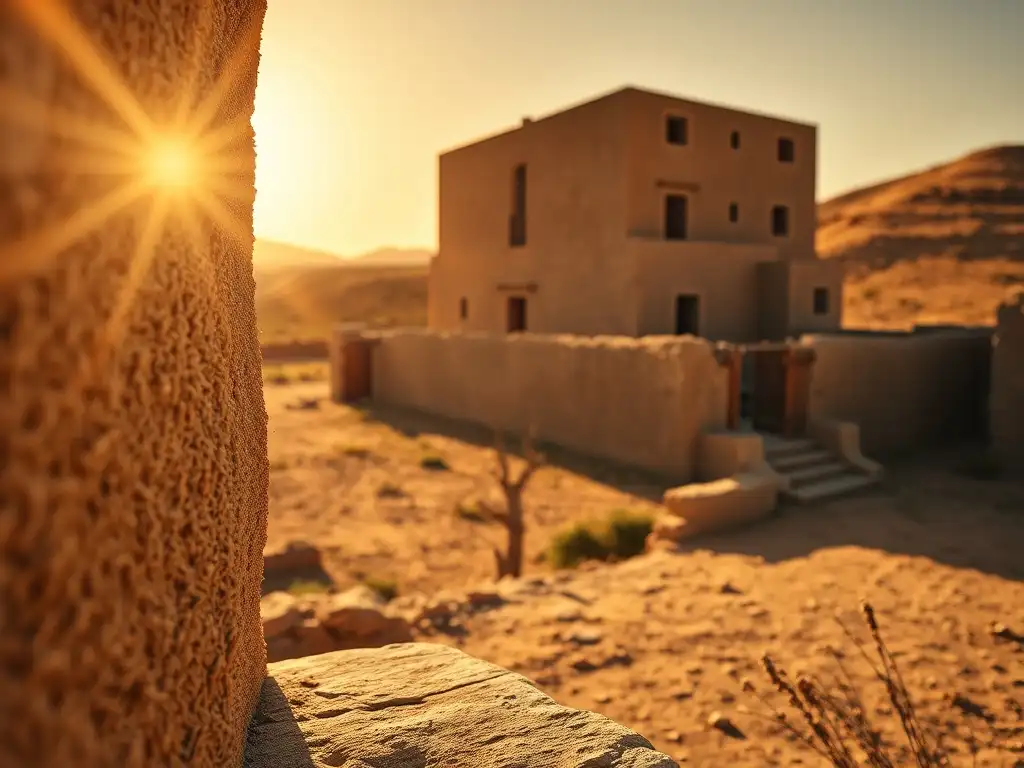
This section delves into specific examples of Andean buildings showcasing sophisticated sun orientation building techniques, demonstrating a deep understanding of solar cycles and their impact on building design and functionality. We will examine how the orientation of structures facilitated practical aspects of daily life, ritual practices, and agricultural activities. Understanding these techniques provides valuable insight into the advanced astronomical knowledge and engineering skills possessed by Andean civilizations.
The precise alignment of these structures with the sun's movements highlights the importance of solar observation in their worldview and daily routines. Analyzing these examples allows us to appreciate the ingenuity and precision involved in Andean sun orientation building techniques.
Intihuatana Stone at Machu Picchu
The Intihuatana stone, located at Machu Picchu, exemplifies the sophisticated Andean sun orientation building techniques. While its exact function remains debated, its placement and design strongly suggest a connection to solar observation and ritual practices.
Solar Tracking Structures at Machu Picchu
The Intihuatana's position is not arbitrary; it's carefully integrated into the broader layout of Machu Picchu. Many structures within the city exhibit a deliberate orientation aligned with the solstices and equinoxes. This precise alignment facilitated the observation of the sun's path throughout the year, likely playing a crucial role in agricultural planning and religious ceremonies.
The intricate network of terraces, pathways, and buildings at Machu Picchu, all oriented with respect to the sun, created a complex and functional solar calendar. Evidence suggests that this orientation was not accidental, but rather the result of careful planning and meticulous execution, reflecting advanced knowledge of astronomy and engineering. The precision involved is remarkable, highlighting the importance of solar cycles in Andean life.
Analyzing the Design and its Solar Efficiency
The Intihuatana stone itself is a massive, roughly hewn monolith, its surfaces meticulously shaped and positioned. Its multiple facets and angles may have been designed to interact with sunlight in specific ways, possibly casting shadows that indicated the time of year or the precise moment of solstice. Further research is needed to fully understand the subtle nuances of its design and the precise nature of its solar interactions.
Detailed analysis using modern surveying techniques and computational modeling could reveal more about the stone's function and its remarkable accuracy in tracking the sun's movement. The potential for further research on the Intihuatana stone and its relationship to the broader solar orientation of Machu Picchu is significant, potentially leading to a more complete understanding of Andean astronomical knowledge.
Temple of the Sun at Ollantaytambo
The Temple of the Sun at Ollantaytambo presents another compelling case study in Andean sun orientation building techniques. This massive structure, with its intricate stonework and unique layout, showcases a profound understanding of solar geometry.
The Purpose of Solar Alignment at Ollantaytambo
The temple's orientation is closely linked to the sun's movements, particularly during the solstices. The precise alignment of certain features within the temple with the rising and setting sun on these significant days suggests a ceremonial purpose, possibly involving rituals related to the agricultural cycle or the veneration of the sun god, Inti.
The size and grandeur of the structure underscore the importance of these solar events within the Andean worldview. The careful placement of windows and openings within the building likely facilitated the observation of the sun's position at specific times, emphasizing its role in religious practices and the societal calendar.
Construction Materials and Solar Interaction
The construction materials used in the Temple of the Sun, primarily massive, precisely cut stones, also played a role in its solar interaction. The dark color of the stones likely absorbed and radiated heat, influencing the internal temperature of the structure throughout the day. The walls' thickness and the arrangement of chambers could have further moderated temperature fluctuations, creating a microclimate within the temple that was both comfortable and conducive to ritual activities.
Understanding the interplay between the materials, structure, and solar orientation provides a holistic understanding of the Andean approach to building design. Further research into the thermal properties of the stones and the overall energy efficiency of the building could provide valuable insights into Andean building technology. This detailed analysis of Andean sun orientation building techniques reveals a sophisticated understanding of both astronomy and engineering principles.
The Impact of Sun Orientation on Andean Life
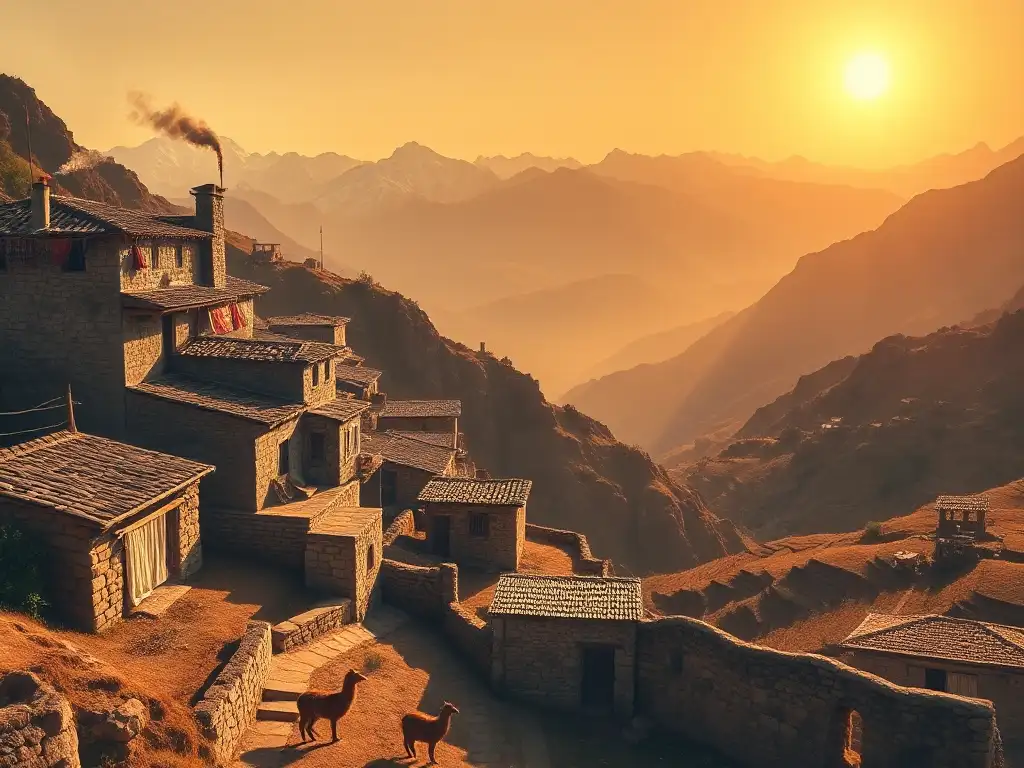
The meticulous orientation of Andean structures wasn't merely an architectural quirk; it was deeply intertwined with the fabric of Andean life, influencing everything from agricultural practices to religious beliefs and social structures. Understanding the significance of Andean sun orientation building techniques reveals a sophisticated civilization deeply connected to its environment and celestial rhythms. The precise alignment of buildings with the sun's path reflected a profound understanding of astronomy and its practical implications for daily life. This section will explore how solar orientation shaped various aspects of Andean society.
Solar Orientation and Agricultural Practices
The Andean people were master farmers, cultivating diverse crops in challenging terrains. Their success was significantly aided by their understanding of solar cycles and their application in agricultural practices. Precise solar orientation of terraces and fields maximized sunlight exposure, crucial for optimal crop growth at varying altitudes.
For instance, the waru waru system, a raised-field agricultural technique prevalent in the Titicaca basin, utilized sun orientation to create microclimates favorable for crop production. These raised fields, carefully positioned to capture the sun's warmth, allowed for earlier planting and later harvests, extending the growing season and increasing yields. Detailed studies of these agricultural systems reveal a remarkable level of understanding of solar angles and their impact on soil temperature and moisture retention.
The effectiveness of these methods is evidenced by the sustained agricultural productivity in challenging high-altitude environments. Further research into specific crop orientations and the precise angles used in various regions would enhance our understanding of these sophisticated techniques.
Solar Alignment and Religious Rituals
Beyond agriculture, solar orientation played a pivotal role in Andean religious rituals and beliefs. Many structures, including temples and ceremonial centers, were meticulously aligned with the solstices and equinoxes, marking the cyclical journey of the sun. For example, the alignment of the Intihuatana stones at Machu Picchu with the solstices suggests a deep connection between the Inca worldview and the celestial events. These alignments weren't arbitrary; they were carefully planned and executed, reflecting a sophisticated understanding of astronomy and its symbolic significance.
The precise positioning of these structures facilitated observations of the sun's movement and allowed for the precise timing of religious ceremonies, further emphasizing the sun's importance in their cosmology. The integration of astronomical knowledge into religious practices highlights the profound influence of solar orientation on Andean spirituality. [Specific data on the precision of alignments in various sites pending].
The sun's importance extended beyond agriculture and religion, influencing the social hierarchy within Andean communities. The positioning and size of dwellings often reflected the social status of their inhabitants. Larger, more prominently situated structures, often with optimal sun exposure, were typically occupied by elite members of society.
This suggests a correlation between social standing and access to the sun's energy, symbolizing power and privilege. The distribution of sunlight within settlements likely served as a visual representation of the social order, reinforcing the existing power dynamics. Further research into the spatial arrangement of dwellings within different Andean communities would provide deeper insights into this relationship.
Analyzing the orientation of houses in relation to sun exposure and social status within various settlements would provide valuable data to support this hypothesis. The study of architectural features and their relationship to social hierarchy offers a unique perspective on Andean social structures and the symbolic significance of solar orientation.
Preserving and Learning from Andean Solar Design
The ingenious Andean sun orientation building techniques weren't merely aesthetic choices; they were crucial for survival and cultural expression. These techniques, honed over millennia, demonstrate a deep understanding of solar energy and its impact on the environment. Understanding how these ancient builders leveraged solar energy allows us to appreciate their advanced knowledge and potentially adapt these strategies for modern sustainable design.
The precise methods varied across different Andean cultures—the Incas, Moche, Nazca, and Tiahuanaco each developed unique approaches—but the underlying principle of harnessing the sun's power remained consistent. This involved careful consideration of factors like altitude, latitude, and the angle of the sun throughout the year. By studying surviving structures and analyzing their orientation, we can glean valuable insights into their sophisticated building practices and their profound connection with their natural surroundings.
Preserving these sites is not just about protecting historical monuments; it's about safeguarding a wealth of knowledge that holds immense potential for future generations. The meticulous craftsmanship and sustainable design principles embedded within these structures offer a powerful lesson in responsible environmental stewardship.
Modern Applications of Andean Solar Building Techniques
Modern architects and engineers are increasingly looking to ancient Andean civilizations for inspiration in sustainable building design. The principles of passive solar heating and cooling, so effectively employed in Andean structures, are highly relevant in today's world, where minimizing energy consumption is paramount. For example, the orientation of buildings to maximize solar gain in winter and minimize it in summer, a hallmark of Andean architecture, can be replicated using modern building materials and techniques.
This could involve strategically placing windows and using thermal mass materials to store and release heat. Furthermore, the Andean understanding of airflow and ventilation, evident in the design of many structures, is invaluable in creating naturally ventilated buildings, reducing the reliance on air conditioning. Consider the ingenious use of courtyards and strategically placed openings to create natural breezes, a technique that can be effectively adapted to modern designs.
The potential applications are vast, ranging from residential buildings to public spaces, demonstrating the enduring relevance of Andean solar building techniques in addressing contemporary environmental challenges. The integration of these ancient principles into modern design offers a pathway towards creating more energy-efficient and environmentally responsible buildings. This innovative approach not only reduces our carbon footprint but also celebrates the ingenuity of Andean builders.
Lessons for Sustainable Architecture from Ancient Andes
The Andean approach to building design offers several key lessons for sustainable architecture today. Firstly, it highlights the importance of integrating buildings seamlessly into their environment. Andean structures were often built using locally sourced materials, minimizing transportation costs and environmental impact. Secondly, the emphasis on passive solar design demonstrates the effectiveness of harnessing natural energy sources to reduce reliance on fossil fuels.
This approach, combined with thoughtful ventilation strategies, minimizes energy consumption and environmental impact. Thirdly, the durability and longevity of many Andean structures serve as a testament to the value of high-quality craftsmanship and the use of durable materials. These structures, some of which have endured for centuries, provide a powerful example of sustainable construction practices that prioritize long-term value over short-term gains.
Finally, the understanding and respect for the environment demonstrated by Andean builders underscores the crucial connection between human habitation and the natural world. By studying and emulating their practices, we can strive to create buildings that are not only aesthetically pleasing but also environmentally responsible and sustainable. This holistic approach, integrating cultural heritage with modern technology, provides a roadmap for responsible development.
Research and Future Studies on Andean Solar Orientation
Further research on Andean sun orientation building techniques is crucial to fully understand and appreciate their sophistication. This includes detailed studies of surviving structures using advanced surveying techniques and digital modeling to precisely map their orientation and analyze their thermal performance. Analyzing the correlation between building orientation, climate data (including solar radiation and wind patterns), and the cultural significance of specific orientations within different Andean societies would yield valuable insights.
Furthermore, interdisciplinary research involving archaeologists, architects, engineers, and climatologists is necessary to fully unravel the complexities of Andean solar building design. Such research could involve advanced computational fluid dynamics (CFD) modeling to simulate airflow within ancient structures and assess their ventilation effectiveness. The use of Geographic Information Systems (GIS) to analyze the spatial distribution of Andean settlements in relation to solar paths would further enhance our understanding.
Future studies should also focus on documenting and preserving traditional building techniques and knowledge still practiced in Andean communities, ensuring that this invaluable heritage is passed down to future generations. This multi-faceted approach will not only advance our understanding of Andean civilization but also provide crucial insights for developing truly sustainable building practices in the future. The potential for innovation in sustainable design inspired by Andean ingenuity is vast and ripe for exploration.
Frequently Asked Questions
How did Andean civilizations use sun orientation in their building techniques?
Andean builders meticulously oriented structures to align with the solstices and equinoxes. This reflected a deep understanding of astronomy and its connection to agriculture and religious practices. Precise alignments ensured optimal sunlight exposure for specific purposes.
What were some of the benefits of sun-oriented building design in the Andes?
Optimal solar heating and lighting were key benefits. This minimized the need for artificial light and heat, improving comfort and energy efficiency. Sun orientation also played a crucial role in agricultural practices and religious ceremonies.
Which Andean cultures are known for their mastery of sun orientation in architecture?
Many Andean cultures, including the Incas, Moche, Nazca, and Tiahuanaco, demonstrated sophisticated knowledge of sun orientation. Their structures showcase a remarkable level of astronomical precision and architectural ingenuity.
What tools or techniques did Andean builders use to achieve accurate sun orientation?
While the exact methods remain partially debated, evidence suggests the use of shadow-casting devices, astronomical observations, and possibly sophisticated instruments. Their understanding of geometry and the movement of the sun allowed for impressive precision.
How does the study of Andean sun orientation contribute to our understanding of these civilizations?
Studying sun orientation reveals crucial insights into their cosmology, societal organization, and technological capabilities. It highlights the deep connection between astronomy, architecture, and daily life within these advanced societies.
Final Reflection: Harnessing the Sun's Embrace: A Legacy of Andean Ingenuity
The ingenious sun orientation techniques employed in Andean building design remain profoundly relevant today, offering a powerful blueprint for sustainable architecture in a world grappling with climate change. These ancient methods, far from being relics of the past, represent a potent reminder of humanity's capacity to live in harmony with its environment, achieving both comfort and efficiency through thoughtful design.
The enduring impact of Andean sun orientation on cultural and social landscapes is undeniable. These techniques weren't merely about building shelters; they were integral to the very fabric of Andean life, shaping social structures, agricultural practices, and even spiritual beliefs. The house is not merely a shelter; it is a microcosm of the cosmos.
This sentiment, though not directly from an Andean source, perfectly encapsulates the holistic approach to building that characterized these societies. Their understanding of solar energy and its impact on daily life serves as a powerful lesson in sustainable living, a lesson we are only beginning to fully appreciate in our modern, energy-intensive world.
Consider the implications of this knowledge for your own life. Can you incorporate elements of passive solar design into your home or community? Can you appreciate the interconnectedness between architecture, environment, and culture as demonstrated by the Andean people? Let the sun-kissed structures of the Andes inspire you to build a more sustainable and harmonious future, one that respects both the wisdom of the past and the needs of the present. Embrace the sun, and let its warmth guide your path towards a more conscious and responsible way of living.
**Elevate Your Understanding of Andean Architecture! **
Thank you for exploring the fascinating world of Andean building design with us! We hope you've gained valuable insights into how orientation significantly impacts these remarkable structures. Now, let's build on your newfound knowledge!
Here are some powerful next steps:
- **Explore Local Architecture:** Visit nearby historical sites or museums to see firsthand how architectural orientation influences design. Observe how buildings are positioned in relation to the sun and landscape.
- **Connect with a Community:** Join an online forum or local group dedicated to Andean culture and architecture to share your insights and learn from others' perspectives.
- **Share Your Knowledge:** Spread the word! Share this article with friends and on social media to inspire others to appreciate the intricacies of Andean architecture.
As you reflect on the interplay between design and environment, consider this: **How does your environment shape your living spaces, and how might you consciously incorporate these principles into your own design choices? ** Share your thoughts below!