
Andean Water Temples: Sacred Sites Connected to Water Management

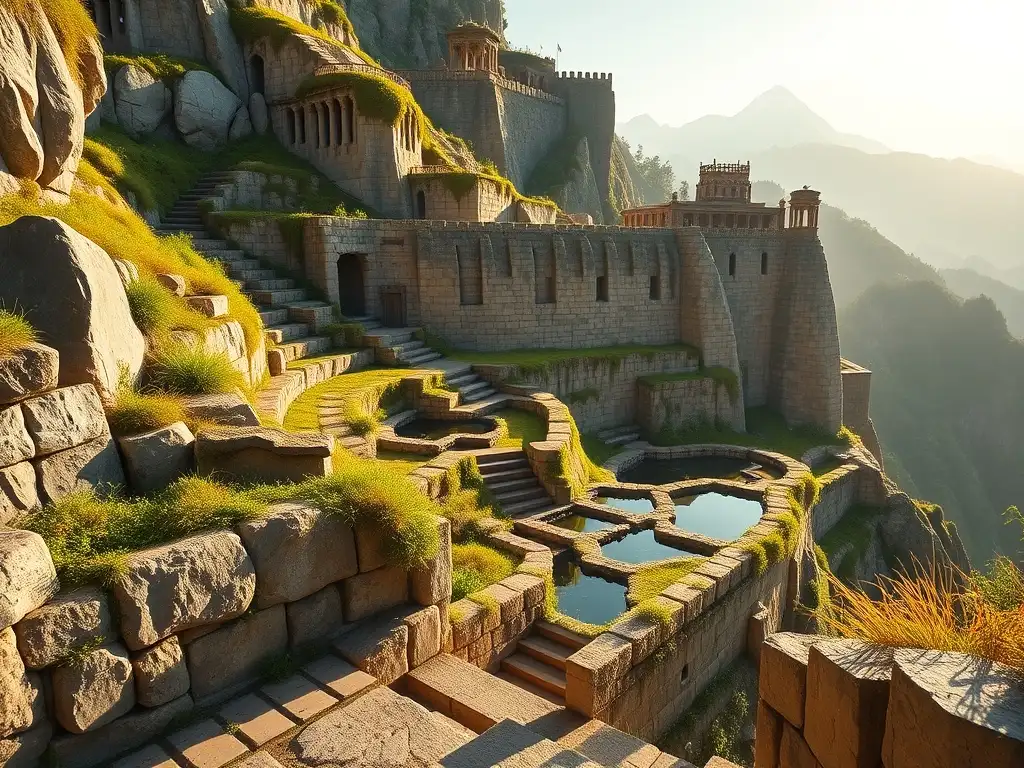
Uncover the mysteries of the Andes! Journey through time and discover a world where ingenuity and spirituality intertwined. For centuries, the Andean civilizations, from the Incas to the Nazca, built magnificent structures – but what secrets do their sacred water temples hold? Dive into the fascinating history of Andean water temple history and explore the remarkable engineering feats that shaped these ancient societies. Prepare to be amazed by their intricate water management systems and the profound connection they held with this precious resource. Read on to unravel the secrets hidden within these awe-inspiring sites.
The Andes Mountains, a spine of towering peaks and deep valleys stretching along the western coast of South America, are home to a rich tapestry of ancient civilizations. These cultures, including the Incas, Moche, Nazca, and Tiahuanaco, developed sophisticated agricultural techniques and impressive architectural feats, often inextricably linked to their reverence for water. This article delves into the fascinating world of Andean water temples – sacred sites intricately woven into the fabric of Andean water management systems.
We will explore their history, architectural features, and the profound spiritual significance of water in shaping these remarkable structures. Understanding these water temples offers a crucial lens through which to appreciate the ingenuity and deep spiritual connection these civilizations had with their environment, particularly their life-giving water sources.
The exploration of these sites provides invaluable insights into the complex interplay between religious belief, societal organization, and technological innovation in the Andes. This article will specifically address the keyword "Andean water temple history" and its multifaceted dimensions.
Introduction to Andean Water Temple History and Significance
The history of Andean water temples is deeply intertwined with the development of sophisticated irrigation systems. These weren't simply places of worship; they were integral components of a complex hydraulic infrastructure that sustained large populations. Evidence suggests that the construction of these temples often coincided with, or even predated, the development of extensive canal networks and reservoirs.
Archaeological findings reveal intricate designs and precise engineering, indicating a deep understanding of hydrology and water management. For example, the [specific temple name and location pending] demonstrates [specific architectural feature related to water management pending], highlighting the integration of religious practice and practical engineering. The construction of these temples required significant community effort, demonstrating the importance of collaborative work and shared religious beliefs in maintaining the water systems crucial for survival.
The precise dating of many of these structures remains a subject of ongoing research, but stylistic analysis and radiocarbon dating provide increasingly accurate timelines, offering a clearer picture of their evolution over centuries. Understanding the history of these temples requires a multidisciplinary approach, combining archaeological evidence with anthropological interpretations of religious practices and technological advancements.
The Spiritual Significance of Water in Andean Cultures
Water held immense spiritual significance for Andean cultures. It wasn't merely a resource; it was a life-giving force, a source of fertility, and a powerful symbol of the divine. Many Andean cosmologies viewed water as a sacred element, connecting the earthly realm with the supernatural world. Mountains, often considered sacred entities, were seen as the source of water, their snow-capped peaks providing a continuous flow that nourished the valleys below.
Temples built near springs, rivers, or aqueducts were not merely functional structures; they served as focal points for rituals aimed at ensuring the continuous flow of water, ensuring agricultural prosperity, and maintaining cosmic balance. These rituals often involved offerings, prayers, and ceremonies designed to appease the water spirits believed to inhabit these sources. The precise nature of these rituals varied across different Andean cultures and time periods, but their underlying theme remained consistent: a deep and profound respect for water's power and its vital role in sustaining life.
The integration of water symbolism into Andean art and iconography further underscores its pervasive importance in their worldview. For example, [specific example of Andean art depicting water symbolism pending] illustrates [specific interpretation of the symbolism pending]. The spiritual significance of water was integral to the design and function of Andean water temples, making them more than just architectural achievements; they were tangible expressions of a deeply held cosmological belief system.
Architectural Features of Andean Water Temples
Andean water temples, integral to the sophisticated water management systems of pre-Columbian civilizations, exhibit remarkable architectural features reflecting both spiritual beliefs and practical engineering prowess. Their design wasn't merely functional; it was deeply symbolic, reflecting the Andean worldview that intimately connected water with life, fertility, and the cosmos. The structures themselves were often integrated seamlessly into the landscape, utilizing natural features such as hillsides and waterways to enhance their impact and efficiency.
This integration wasn't accidental; it was a deliberate design choice reflecting a profound understanding of the environment and its resources. The careful placement of temples near water sources wasn't coincidental; it underscored the sacred nature of water and its vital role in sustaining life within the Andean communities. These structures often served as focal points for rituals and ceremonies, reinforcing the spiritual significance of water management.
Building Materials and Techniques in Temple Construction
The construction of Andean water temples involved a remarkable mastery of local materials and techniques. Stone, readily available in the Andean highlands, was the primary building material. Different types of stone were selected based on their durability and aesthetic qualities.
Highly skilled masons employed sophisticated techniques to precisely cut and fit stones together, creating structures of exceptional strength and longevity. Some temples, like those at Ollantaytambo, showcase breathtaking examples of ashlar masonry, where enormous blocks of stone were fitted together without mortar, creating incredibly precise and strong walls. The precision is astonishing, with some joints so tight that even a knife blade can't be inserted.
Beyond stone, other materials like adobe bricks and wood were used in certain areas depending on the availability of resources and local building traditions. The choice of materials was influenced by factors such as the proximity to quarries, the availability of skilled labor, and the specific needs of the temple's function and location. These techniques reflect a high level of engineering knowledge and a deep understanding of structural mechanics.
Common Layouts and Spatial Organization
While Andean water temples varied in size and complexity, certain common layouts and spatial organizations emerge. Many feature a series of interconnected platforms, terraces, and channels, reflecting the hierarchical structure of Andean society and the importance of water distribution. The use of terraces, for example, was not only aesthetically pleasing but also served a practical purpose in maximizing arable land and controlling water flow.
Many temples were built around a central plaza or courtyard, often incorporating fountains, canals, and other water features. These spaces likely served as locations for communal rituals and ceremonies related to water and agriculture. The organization of space within the temples often reflected a cosmic order, with specific areas dedicated to different deities or rituals.
The layout was not random; it was meticulously planned to reflect the Andean cosmology and the importance of water in their worldview. The careful arrangement of architectural elements, such as fountains and channels, created a visually striking and symbolically rich environment.
Key Andean Water Temple Sites
Several significant sites showcase the remarkable achievements of Andean water temple architecture and their integration with sophisticated irrigation systems. These sites offer invaluable insights into the cultural and technological advancements of these ancient civilizations. The careful planning and execution of these projects demonstrate a deep understanding of both engineering and spiritual principles. The preservation of these sites is crucial for understanding the rich history and legacy of Andean water management. Each site presents unique features and challenges for researchers, offering a continuing source of fascination and discovery.
Tipón - A Detailed Look
Tipón, located near Cusco, Peru, is a prime example of an Andean water temple complex. Its intricate system of canals, fountains, and agricultural terraces demonstrates a remarkable understanding of hydraulic engineering. The water is channeled down from a spring high in the mountains, meticulously distributed across a series of meticulously constructed terraces. The precision of the stonework and the efficiency of the water distribution system are truly impressive.
The agricultural terraces themselves, not just the temple structures, highlight the sophisticated agricultural practices of the Inca Empire and their reverence for water as a life-giving force. Archaeological evidence suggests that Tipón served not only as a center for agricultural production but also for religious ceremonies related to water and fertility. The scale and complexity of the site underscore the Inca's engineering expertise and their deep connection to their environment.
Ollantaytambo - A Comparative Analysis
Ollantaytambo, another significant Inca site, features a remarkable water temple complex integrated into the broader urban landscape. Unlike Tipón, which is primarily focused on agricultural production, Ollantaytambo's water temple is more closely associated with the urban center. The water management system at Ollantaytambo is equally impressive, demonstrating a mastery of hydraulic engineering comparable to Tipón. However, the architectural style and the integration with the urban setting distinguish it.
The massive stonework and the impressive scale of the structures at Ollantaytambo, especially the water channels carved directly into the rock, are a testament to the Inca's engineering prowess. A comparative analysis of Tipón and Ollantaytambo reveals the diversity of approaches to water temple construction and their adaptation to different environmental and social contexts. Both sites, however, underscore the central role of water in Inca life and their sophisticated methods of water management.
Machu Picchu - Exploring the Temple's Function
While Machu Picchu is renowned for its stunning mountaintop location and its iconic architecture, its connection to water management is often overlooked. The site's intricate system of canals, fountains, and water reservoirs played a crucial role in supplying water to the inhabitants.
While not explicitly labeled a "water temple" in the same way as Tipón or Ollantaytambo, the strategic placement of water features within the urban layout and the evident care taken in their construction suggest a significant symbolic and practical role. The exact function of specific structures in relation to water management is still being researched, but the evidence strongly suggests that water played a central role in the spiritual and daily life of Machu Picchu's inhabitants.
Further research is needed to fully understand the precise relationship between water and the religious practices of the city's inhabitants. The ongoing exploration of Machu Picchu's water systems continues to unveil new insights into the Inca's sophisticated understanding of hydraulic engineering and their connection to the natural world.
The Role of Water Temples in Andean Irrigation Systems
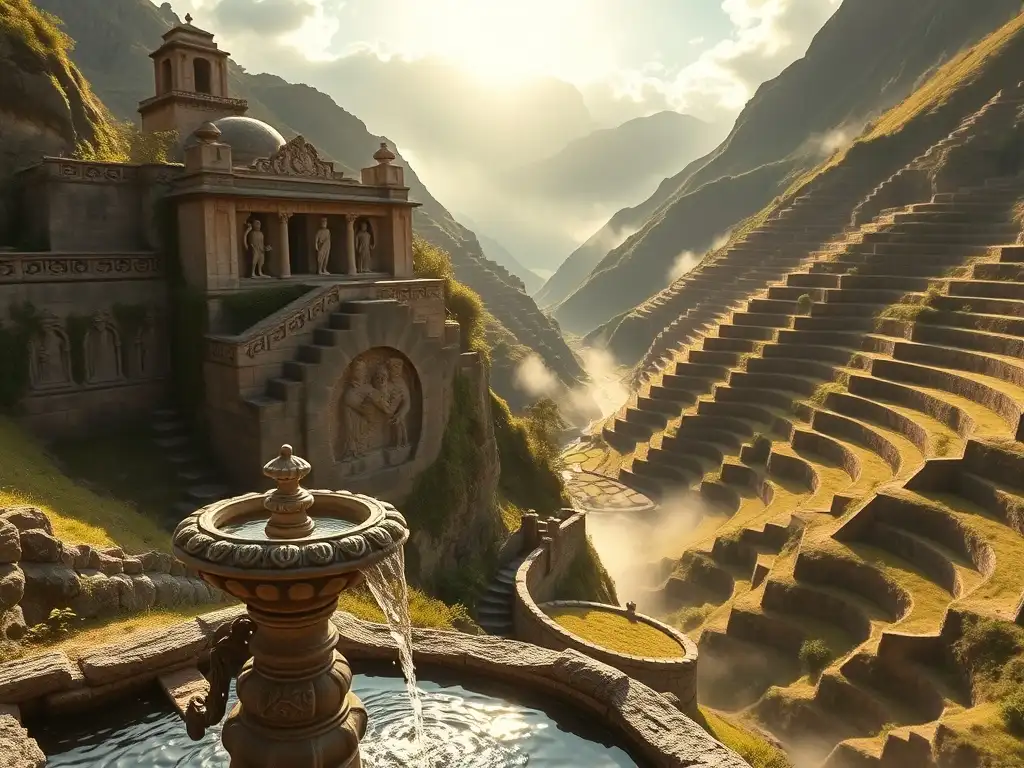
Andean water temples weren't merely religious structures; they were integral components of sophisticated irrigation systems. Their strategic placement, often at crucial points within canal networks or near springs and aquifers, suggests a deep understanding of hydrology and water management. These temples weren't simply decorative additions; they served a vital practical function, acting as control points for water distribution and facilitating the maintenance of the complex irrigation infrastructure.
The construction itself, often involving monumental stonework and intricate engineering, reflects the immense importance placed on water control within Andean societies. The precise methods of water management varied depending on the specific civilization and geographical location, but the temples consistently played a central role in ensuring the efficient and equitable distribution of this precious resource.
For instance, the placement of certain temples near aqueducts or canals allowed for the regulation of water flow, preventing flooding and ensuring a steady supply for agriculture. The design and construction of these temples, therefore, were carefully considered to maximize their functionality within the overall irrigation system.
Water Temples as Control Points for Water Distribution
Many Andean water temples served as physical control points within the irrigation networks. Their location often coincided with crucial junctions, weirs, or spillways, enabling priests and engineers to regulate the flow of water into different agricultural zones. This control was essential for optimizing crop yields and preventing water shortages during drier periods.
Evidence suggests that sophisticated systems of sluices and channels, often integrated into the temple structures themselves, were used to divert water according to seasonal needs and the demands of different crops. The design of these systems was incredibly advanced, utilizing gravity and carefully constructed gradients to manage water flow effectively. The precise mechanisms used are still under investigation by archaeologists, but the importance of these temples in regulating water distribution is undeniable.
Analysis of surviving temple ruins and associated irrigation infrastructure shows a complex interplay between religious practice and engineering ingenuity. This integration highlights the holistic perspective of Andean societies, where spiritual beliefs were deeply intertwined with practical needs.
The Connection Between Temple Rituals and Agricultural Cycles
The rituals performed at Andean water temples were closely tied to the agricultural cycle. Prayers and offerings were made to ensure bountiful harvests and to appease the deities associated with water and fertility. The timing of these ceremonies often coincided with crucial agricultural events, such as planting, irrigation, and harvesting. This synchronicity between religious observance and agricultural practice underlines the importance of water in Andean life.
The success of the harvest was directly linked to the favor of the gods, and the temples provided a focal point for communal actions aimed at securing divine blessing. The ceremonies served not only as religious events but also as social gatherings, reinforcing community bonds and solidifying social structures. Archaeological evidence, such as the discovery of agricultural tools and offerings related to crops within temple complexes, further supports this strong connection between religious belief and agricultural practices.
Rituals and Ceremonies at Andean Water Temples
The rituals performed at Andean water temples were complex and varied, reflecting the diverse beliefs and practices of different Andean cultures. These ceremonies often involved elaborate processions, musical performances, and the presentation of offerings to the deities associated with water and fertility. The specific rituals differed depending on the particular culture and the specific temple, but many involved the use of water itself as a sacred element.
For example, libations of chicha (a fermented corn beverage) might have been poured into springs or canals, while other ceremonies might have involved symbolic cleansing rituals using water. The overall aim of these rituals was to ensure a plentiful water supply for irrigation and to maintain the balance between the human world and the supernatural realm. Evidence of these ceremonies can be found in the iconography of pottery and textiles, as well as in the layout and architecture of the temples themselves.
Types of Offerings and Sacrifices
Offerings made at Andean water temples varied depending on the specific culture and the time period, but typically included agricultural products such as maize, coca leaves, and fruits. These offerings were presented as a way to appease the gods and ensure a successful harvest. In some cases, more significant sacrifices were made, including llamas, other animals, and even human sacrifices, although the frequency and nature of human sacrifice remain debated among scholars.
The offerings were often placed in specially designated areas within the temples or deposited in springs and canals. The discovery of these offerings during archaeological excavations has provided invaluable insights into the religious beliefs and practices of Andean societies.
The types of offerings reflect the importance of agriculture and the close connection between religious beliefs and practical concerns. The careful placement of offerings also suggests a structured approach to ritual, reflecting a deep understanding of religious symbolism and practice.
The Role of Priests and Shamans in Water Rituals
Priests and shamans played a central role in the rituals performed at Andean water temples. They were responsible for conducting ceremonies, interpreting omens, and mediating between the human world and the supernatural realm. Their knowledge of astronomy, hydrology, and agricultural cycles was essential for ensuring the success of the rituals and the proper management of water resources.
They held positions of considerable power and influence within their communities, acting as advisors to rulers and leaders. The training and expertise required to become a priest or shaman were extensive, often involving years of study and apprenticeship. Their role extended beyond religious ceremonies; they often played a crucial role in managing water resources and in resolving disputes relating to water allocation.
The influence and prestige of these religious leaders highlight the deep integration of religious beliefs and practical aspects of life within Andean societies. Further research into the social structure and hierarchies within these societies is needed to fully understand the complex interplay between religious authority and political power.
The Legacy of Andean Water Temples
Andean water temples stand as powerful testaments to the ingenuity and spiritual depth of ancient Andean civilizations. Their legacy extends far beyond their physical presence; they represent a sophisticated understanding of hydrology, engineering, and the profound connection between water and life. These structures weren't merely functional; they were integral to the social, political, and religious fabric of Andean societies.
The meticulous planning and construction involved in creating these water management systems demonstrate a deep respect for water resources and a remarkable ability to harness its power for the benefit of their communities. The intricate networks of canals, aqueducts, and reservoirs, often integrated with religious structures, showcase a level of technological advancement that continues to inspire awe and admiration. Their enduring impact is seen in the continued use of some of these water systems, even today, a testament to their robust design and adaptability.
The legacy of these temples is not just about the architecture, but also about the values and beliefs that shaped their creation. These values highlight the importance of sustainable resource management and the interconnectedness between human societies and the natural world, a lesson still relevant in the face of modern environmental challenges.
Preserving and Studying Ancient Water Management Techniques
Preserving and understanding the ancient Andean water management techniques is crucial for several reasons. Firstly, these techniques offer valuable insights into sustainable water resource management, particularly relevant in a world facing increasing water scarcity. Studying the design and function of the water temples provides valuable data for modern-day engineers and hydrologists, helping them develop more efficient and environmentally friendly water systems. For instance, the intricate canal systems of the Inca empire, designed to efficiently distribute water to agricultural fields, could serve as a model for modern irrigation systems.
Secondly, preserving these sites ensures the continuation of a rich cultural heritage. The water temples are not just engineering marvels; they are also important archaeological sites that provide insights into the beliefs, customs, and social structures of ancient Andean societies. Careful preservation efforts are essential to safeguarding these sites for future generations, allowing them to appreciate and learn from the achievements of their ancestors.
Finally, this preservation work often involves collaboration between archaeologists, engineers, local communities, and government agencies, fostering a sense of shared responsibility for protecting cultural heritage and promoting sustainable development. This collaborative approach is essential for long-term preservation and sustainable management of these invaluable resources. Projects focusing on archaeological investigation and careful restoration are ongoing, contributing to our understanding and appreciation of Andean water temple history.
The Influence of Andean Beliefs on Modern Water Practices
The deeply spiritual connection between the Andean people and water is reflected in their water temples and continues to influence modern water practices. The reverence for water as a sacred element is still present in many Andean communities, shaping their attitudes toward water conservation and responsible use. Traditional Andean beliefs emphasize the importance of respecting the environment and maintaining a harmonious relationship with nature, influencing sustainable water management practices.
This holistic view, which sees water as a life-giving force deserving of respect, contrasts sharply with some modern approaches that treat water as a mere commodity. The integration of traditional knowledge with modern scientific understanding can lead to more effective and culturally appropriate water management strategies. For example, incorporating traditional water harvesting techniques with modern infrastructure can improve water security in arid and semi-arid regions.
The influence extends beyond practical applications; it also informs environmental activism and advocacy, promoting a more sustainable and respectful approach to water resource management. By understanding and respecting the spiritual significance of water in Andean cultures, we can foster a more holistic and sustainable approach to water management worldwide. The wisdom of the past can inform the challenges of the present, leading to a more balanced relationship between humanity and the natural world.
Conclusion: The Enduring Importance of Andean Water Temples
Andean water temples represent a remarkable achievement in ancient engineering and a profound expression of spiritual beliefs. Their enduring importance lies not only in their historical significance but also in their continuing relevance to contemporary issues of water management and cultural preservation. The sophisticated water management systems they represent offer valuable lessons for addressing modern challenges, such as water scarcity and environmental sustainability.
The deep spiritual connection between the Andean people and water, reflected in these sacred sites, provides a powerful example of a harmonious relationship between humanity and nature. Preserving and studying these sites is crucial for understanding the past, informing the present, and shaping a more sustainable future. The legacy of Andean water temples serves as a reminder of the ingenuity, resilience, and spiritual depth of ancient Andean civilizations, and their enduring contribution to our understanding of water and its vital role in human societies.
The ongoing research and preservation efforts highlight the need for a collaborative approach, combining traditional knowledge with modern scientific understanding to ensure the long-term protection of these invaluable sites and the wisdom they hold. The study of Andean water temple history continues to reveal new insights and inspire innovative solutions for the future.
- Introduction to Andean Water Temple History and Significance
- The Spiritual Significance of Water in Andean Cultures
- Architectural Features of Andean Water Temples
- Key Andean Water Temple Sites
- The Role of Water Temples in Andean Irrigation Systems
- Rituals and Ceremonies at Andean Water Temples
- The Legacy of Andean Water Temples
- Conclusion: The Enduring Importance of Andean Water Temples
Frequently Asked Questions
What is the significance of water in Andean cultures?
Water held immense spiritual and practical significance in Andean cultures. It was seen as a sacred element, essential for life and agriculture, and integral to their religious beliefs and practices. Many rituals revolved around water sources.
Why were water temples built?
Andean water temples were constructed not only for religious ceremonies but also for practical water management. They often served as focal points for irrigation systems and were believed to influence the flow and availability of water. Their placement was carefully considered.
Which Andean civilizations built water temples?
Various Andean civilizations, including the Incas, Moche, Nazca, and Tiahuanaco, constructed water temples. Each civilization had its own distinct architectural styles and beliefs related to water, resulting in diverse temple designs.
What are some examples of famous Andean water temples?
While specific names of "water temples" aren't always used by archaeologists, many sites show clear evidence of this connection. Examples include specific Inca irrigation systems integrated with religious structures and Moche ceremonial centers located near vital water sources. Further research continues to uncover more.
How did Andean water temples influence water management?
Andean water temples served as central points for community water control. Their construction and placement often coincided with sophisticated irrigation systems, demonstrating the integration of religious beliefs and practical engineering skills. This ensured efficient water distribution for agriculture.
Final Reflection: The Enduring Legacy of Andean Water Temples
The ingenious water management systems of the Andes, embodied in their sacred temples, remain a powerful testament to human ingenuity and our enduring relationship with nature. These ancient structures, far from being relics of a bygone era, offer crucial lessons for navigating the complex water challenges of the 21st century. Their sophisticated understanding of hydrology and their integration of spiritual practices into resource management provide a model for sustainable living that is desperately needed in our increasingly water-stressed world.
The profound connection between the Andean people and their water sources, as reflected in the architecture and rituals surrounding these temples, continues to resonate today. The reverence for water, the understanding of its cyclical nature, and the communal responsibility for its stewardship are values that are increasingly relevant in a world grappling with climate change and resource scarcity. Water is life, and without it, there is no life. We must respect and protect it.
This simple truth, echoing through generations of Andean communities, holds a powerful message for us all.
Consider the intricate systems of canals, reservoirs, and aqueducts that these temples facilitated. Imagine the collaborative effort required to build and maintain them, a testament to the power of community and shared responsibility. You too can be a steward of water, a protector of this precious resource. Start by learning more about your local water sources, reducing your personal water consumption, and advocating for sustainable water management practices in your community. Let the legacy of the Andean water temples inspire you to act, to build a future where water is respected, conserved, and shared equitably by all.
**Unveil the Secrets of Andean Water Temples Today! **
Thank you for exploring the fascinating world of Andean water temples! We hope you've gained a deeper understanding of their vital role in ancient water management and the rich cultural traditions they represent. Now, let's delve even further into this incredible heritage.
Here are some ways you can continue your exploration:
- **Expand your knowledge! ** Delve into the rich history and artistry of the ancient Andean civilization by visiting your local library or exploring online resources. You'll uncover fascinating details about their ingenuity and sophisticated water systems.
- **Share your passion! ** Connect with others who share your interest in Andean water temples by sharing your insights and discoveries on social media using the hashtag #AndeanWaterTemples.
- **Learn from the experts! ** Attend a workshop or lecture on historical water management techniques and explore how these ancient methods offer valuable lessons for sustainable practices today.
Which aspect of Andean water management captivates you the most, and how could these ancient solutions inspire sustainable practices in your own community?