
Unearthing the Mysteries of Inca Road Design and Planning

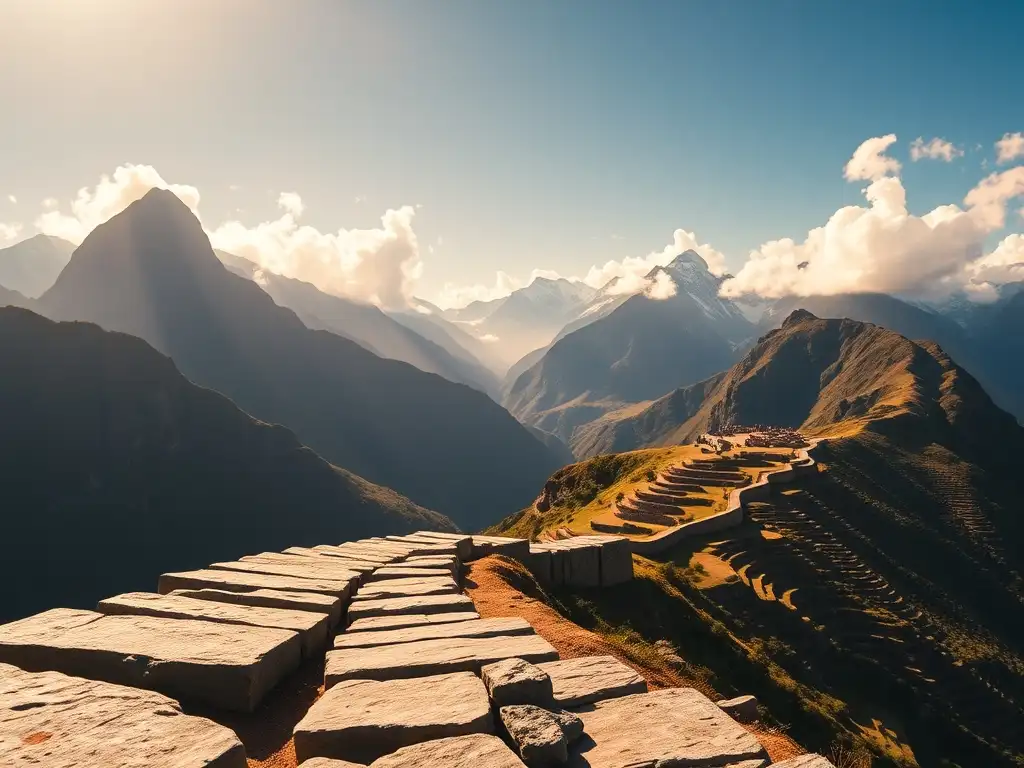
Step into a world lost to time, yet echoing with the ingenuity of a vanished empire. Imagine a civilization that carved roads through treacherous mountains, a network so vast and sophisticated it defied the limitations of its era. This is the story of the Inca road system design, a feat of Andean engineering that continues to astound and inspire. Unravel the mysteries behind this remarkable achievement and discover the secrets woven into the very fabric of the Inca Empire – your journey begins here.
The Inca Empire, renowned for its sophisticated civilization spanning the Andes Mountains, achieved remarkable feats of engineering, none more impressive than its extensive road network. This intricate system, a testament to Inca ingenuity and organizational prowess, facilitated communication, trade, and military control across a vast and challenging landscape.
This article delves into the fascinating world of Inca road design and planning, exploring the strategic thinking behind its creation, the innovative construction techniques employed, and the remarkable adaptability showcased in overcoming the formidable Andean terrain. We will uncover the secrets behind the "Inca road system design," revealing the meticulous planning and execution that enabled the Inca to build a transportation network unmatched in its time and still impressive today.
Understanding the intricacies of this system provides invaluable insight into the sophisticated civilization that built it, highlighting their mastery of engineering, resource management, and societal organization. Prepare to be amazed by the ingenuity of the Inca and the enduring legacy of their road network.
The Strategic Importance of the Inca Road Network
The Inca road system was far more than just a series of pathways; it was the backbone of their empire, crucial for its political, economic, and military stability. Spanning approximately 40,000 kilometers (25,000 miles), this network connected distant provinces, facilitating the rapid movement of troops, messengers, and essential goods. The strategic placement of roads allowed the Inca to efficiently manage their vast territory, quelling rebellions swiftly and ensuring the smooth flow of resources.
This remarkable infrastructure also fostered cultural exchange and economic integration, strengthening the bonds between diverse communities within the empire. The roads weren't merely functional; they were a symbol of Inca power and control, a visible manifestation of their impressive organizational capabilities. The system's effectiveness is a testament to the careful planning and execution that went into its design, reflecting the sophisticated understanding of logistics and governance characteristic of the Inca civilization.
Foundations of Inca Road Construction Techniques
The construction of the Inca road system was a monumental undertaking, requiring meticulous planning and the deployment of advanced techniques for its time. The roads themselves weren't uniformly built; their design and construction varied depending on the terrain and intended use. However, several key principles underpinned their construction, reflecting the Inca's deep understanding of engineering principles and their ability to adapt to the challenging Andean environment.
The roads were not simply haphazardly laid out; rather, they were meticulously planned and executed, showcasing the Inca's remarkable organizational abilities. The construction involved a complex interplay of manpower, resources, and sophisticated engineering knowledge.
Understanding Inca Engineering Principles for Road Building
Inca engineers demonstrated a remarkable understanding of principles like drainage, load-bearing, and stability. They skillfully incorporated features like retaining walls, bridges, and tunnels to overcome obstacles posed by the rugged terrain. Their understanding of slope stability and water management is evident in the design of many sections of the road network, reducing erosion and ensuring the longevity of the infrastructure.
The use of layered construction, with varying materials chosen based on their properties, further demonstrates their mastery of engineering principles. They often used techniques that minimized environmental impact while maximizing the road's durability. This knowledge of engineering is a testament to the advanced level of the Inca civilization.
Materials Used in the Inca Road System
The materials used in Inca road construction varied depending on the local availability of resources. Common materials included stone, earth, and timber. Stone, often meticulously cut and fitted together without mortar, formed the foundation of many sections, particularly in areas requiring greater durability. Earth, carefully compacted and layered, was used to create a stable base for sections with less demanding traffic.
Timber, often used for bridges and retaining walls, played a crucial role in overcoming natural obstacles. The Inca's selection of materials reflects their understanding of material properties and their ability to adapt construction methods based on resource availability. The roads were built to last, reflecting both practicality and an impressive understanding of materials science.
Adapting to the Andean Terrain: Inca Road Design Strategies
The Andean landscape, characterized by its steep slopes, towering mountains, and deep ravines, presented significant challenges to road construction. However, Inca engineers ingeniously adapted their designs to overcome these obstacles. They employed techniques such as terracing, retaining walls, and suspension bridges to navigate steep inclines and cross deep gorges. The roads were strategically routed to minimize gradients and maximize accessibility, demonstrating a deep understanding of topography and route planning.
The use of switchbacks and strategically placed resting points further enhanced the usability of the roads, showcasing the Inca’s concern for the comfort and safety of travelers. The adaptability shown in the design of the Inca road network is a testament to their engineering skill and their understanding of the environment. The road system stands as a remarkable example of human ingenuity and adaptability in the face of challenging natural conditions.
Key Features of the Inca Road System
The Inca road system, a marvel of ancient engineering, boasted several key features that enabled its effectiveness and longevity. Its most striking characteristic was its extensive network, spanning thousands of miles across diverse and challenging terrains. This network wasn't merely a collection of unconnected paths; it was a strategically planned system connecting the far-flung corners of the Inca Empire, facilitating communication, trade, and military movement.
The roads were remarkably well-engineered, demonstrating a deep understanding of topography and construction techniques. They were built to withstand the harsh Andean climate, including heavy rains, seismic activity, and extreme altitude. Furthermore, the system's design facilitated easy access to critical resources and strategic locations, strengthening the empire's control and stability.
The durability of the Inca roads is testament to their sophisticated design and construction, with sections remaining intact even today. The system's adaptability to various landscapes, from coastal plains to high-altitude mountain passes, is another key feature highlighting the Inca's mastery of engineering and resourcefulness.
The Qhapaq Ñan: A Network of Royal Roads
The Qhapaq Ñan, meaning "Royal Road" in Quechua, was the backbone of the Inca road system. This extensive network of roads, stretching over 40,000 kilometers, connected the entire Inca Empire, from present-day Colombia to central Chile and Argentina. The Qhapaq Ñan wasn't a single road, but rather a complex system of interconnected pathways, each serving specific purposes.
Some routes were primarily used for military movements, others for transporting goods, and still others for facilitating religious pilgrimages. The strategic placement of tambos (roadside rest stops) along the Qhapaq Ñan ensured that travelers had access to food, shelter, and supplies. The Qhapaq Ñan's construction involved the mobilization of vast amounts of labor, showcasing the Inca's remarkable organizational capabilities.
The meticulous planning and execution of this immense project are a testament to their sophisticated understanding of logistics and engineering. The Qhapaq Ñan’s impact on the Inca Empire was profound, unifying its diverse regions and contributing significantly to its political and economic strength. Its longevity and effectiveness continue to fascinate and inspire researchers and engineers today.
Types of Inca Roads: Coastal, Highland, and Jungle Routes
The Inca road system wasn't a monolithic entity; it adapted to the diverse geography of the empire. Coastal roads, often built near the Pacific Ocean, were typically smoother and straighter, taking advantage of the flatter terrain. These routes facilitated trade and communication along the coast, connecting vital ports and settlements.
Highland roads, traversing the Andes Mountains, were more challenging to construct, requiring innovative techniques like terracing and the use of stone steps to navigate steep inclines. These roads were vital for connecting highland communities and controlling strategic mountain passes. Jungle roads, built in the Amazonian rainforest, presented unique challenges due to the dense vegetation and humid climate.
These roads often followed river valleys and were built using different materials and techniques adapted to the environment. The varied construction techniques employed across these different geographical zones highlight the Inca's adaptability and engineering prowess. Understanding these variations provides insights into the ingenuity and resourcefulness of Inca road builders.
Inca Bridges and Tunnels: Engineering Marvels
The Inca road system wasn't limited to roads; it also incorporated impressive bridges and tunnels, showcasing their advanced engineering skills. Suspension bridges, constructed using ropes made from plant fibers, were often used to cross rivers and gorges. These bridges were remarkable feats of engineering, demonstrating a deep understanding of tensile strength and structural mechanics. Tunnels, carved through mountains, provided passage through difficult terrain, shortening travel times and improving safety.
The precision and skill involved in constructing these tunnels are impressive, particularly considering the tools and technology available to the Inca. These structures, often integrated seamlessly into the surrounding landscape, were not just functional; they were also aesthetically pleasing, reflecting the Inca's artistic sensibilities. The construction of these bridges and tunnels exemplifies the Inca’s advanced knowledge of engineering and their ability to adapt their techniques to diverse environmental challenges.
Tambos: Inca Roadside Rest Stops and Administrative Centers
Tambos were strategically placed along the Inca road network, serving as vital roadside rest stops and administrative centers. These structures provided shelter, food, and supplies for travelers, ensuring the smooth flow of communication and trade. They also served as important administrative hubs, facilitating the collection of taxes, the distribution of goods, and the control of regional populations. The size and complexity of tambos varied depending on their location and importance.
Some were small, providing basic accommodation, while others were large complexes with multiple buildings and storage facilities. The presence of tambos along the road network reflects the Inca's sophisticated understanding of logistics and their commitment to maintaining order and control across their vast empire. Their existence underscores the strategic importance of the road system as a tool for both economic and political control.
Inca Planning and Organization of the Road System
The construction and maintenance of the vast Inca road system required meticulous planning and exceptional organizational skills. This wasn't a haphazard undertaking; it was a carefully coordinated effort involving the mobilization of vast human resources and the implementation of sophisticated logistical strategies. The efficiency of the system is a testament to the effectiveness of Inca administrative practices and the dedication of the workforce. The sophisticated organization was crucial to the success of the empire.
Centralized Control and Labor Mobilization
The Inca Empire's centralized political structure played a crucial role in the planning and execution of its road system. The emperor and his officials oversaw the entire process, ensuring that resources were allocated efficiently and that construction proceeded according to plan. The mita system, a form of mandatory labor service, was employed to mobilize the workforce needed for construction and maintenance.
This system, although demanding, ensured that a large pool of labor was available for large-scale projects like the road system. The effectiveness of the mita system, combined with the centralized control of the Inca government, enabled the construction of the extensive road network within a relatively short time. This centralized approach, while potentially demanding on the population, ensured the efficiency and uniformity of the road system throughout the empire.
Role of the Inca Administration in Road Maintenance
The Inca administration didn't simply build the road system; they also actively maintained it. Specialized teams were assigned the responsibility of inspecting and repairing roads, ensuring their continued functionality. This ongoing maintenance was crucial for the long-term viability of the network.
The administrative structure ensured that repairs were carried out promptly and efficiently, minimizing disruptions to travel and trade. This commitment to maintenance is a testament to the Inca's long-term vision and their understanding of the importance of infrastructure for the stability and prosperity of their empire. The system's longevity is a direct result of this sustained effort in upkeep and repair.
Mapping and Surveying Techniques in Inca Road Planning
The planning of the Inca road system involved sophisticated surveying and mapping techniques, though the precise methods remain a subject of ongoing research. Evidence suggests that Inca engineers possessed a detailed understanding of topography and were able to accurately assess the challenges presented by diverse terrains. Their ability to plan and construct roads across varied landscapes, from coastal plains to high-altitude mountain passes, testifies to their advanced surveying and engineering skills.
While written records are scarce, archaeological findings, such as the precise alignment of road segments and the integration of roads with natural features, suggest the use of advanced techniques for surveying and mapping. Further research is needed to fully understand the specifics of their methods, but their achievements are undeniable.
Impact and Legacy of the Inca Road System
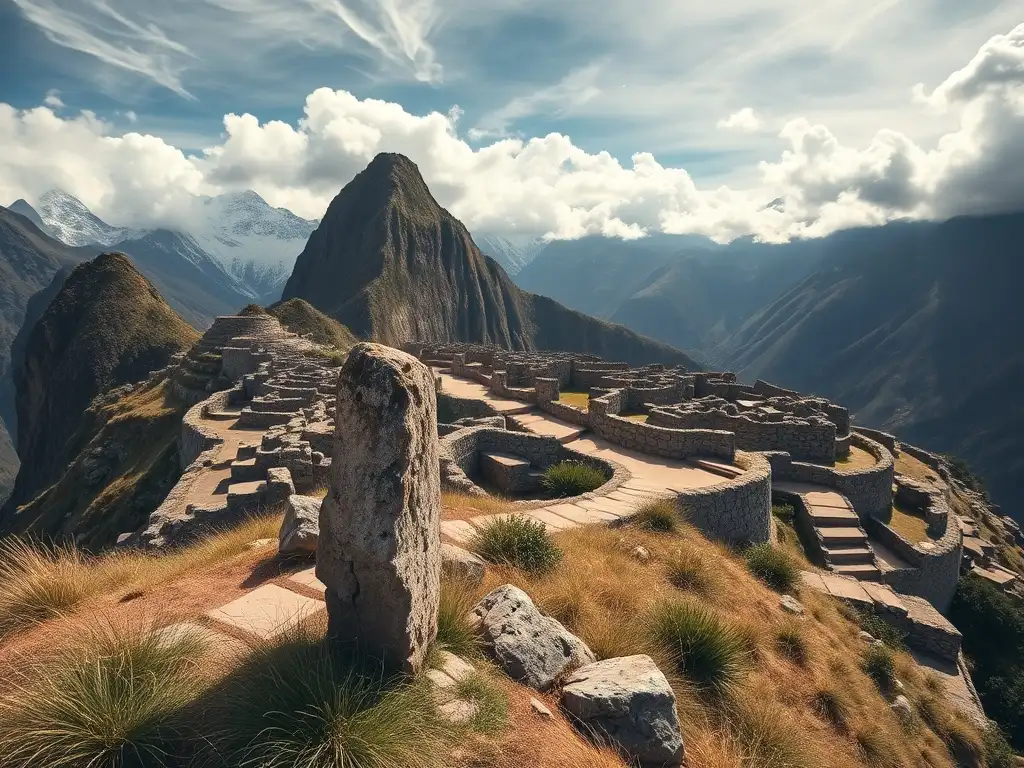
The Inca road system, the Qhapaq Ñan, stands as a monumental achievement of Andean engineering and a testament to the Inca's organizational prowess. Its impact reverberates through centuries, shaping not only the Inca Empire itself but also influencing subsequent civilizations and even modern infrastructure planning. The sheer scale of the network, stretching over 40,000 kilometers across diverse and challenging terrains, is breathtaking.
This vast network connected the far-flung corners of the empire, fostering unprecedented levels of integration and facilitating the efficient movement of people, goods, and information. The Inca's mastery of road construction, adapting their techniques to the varied landscapes they encountered, remains a remarkable feat of human ingenuity.
Their ability to construct durable roads across mountains, deserts, and jungles is a testament to their advanced understanding of engineering principles and their deep connection to their environment. The legacy of the Qhapaq Ñan is not merely historical; it continues to inspire awe and wonder, prompting ongoing research and preservation efforts.
Facilitating Trade, Communication, and Military Movement
The Qhapaq Ñan was the circulatory system of the Inca Empire, crucial for its economic, political, and military strength. The efficient movement of goods along these meticulously planned routes facilitated a thriving trade network, connecting distant communities and enabling the exchange of resources. Agricultural products, textiles, metals, and other valuable commodities flowed seamlessly across the empire, contributing to its economic prosperity and stability.
Simultaneously, the roads served as vital communication arteries. Runners, known as chasquis, relayed messages swiftly across vast distances, allowing the Inca government to maintain control and respond effectively to events throughout the empire. This rapid communication system was essential for maintaining order, coordinating activities, and ensuring the efficient functioning of the state.
Finally, the road system played a pivotal role in the Inca military's ability to rapidly deploy troops and suppress rebellions. The strategic placement of tambos (roadside inns) along the routes provided essential resting places and supply points for the army, ensuring their effectiveness in maintaining control over the vast empire.
Influence on Modern Road Design and Infrastructure
While separated by centuries, the principles of Inca road design continue to resonate with modern engineering practices. The Inca's masterful understanding of topography, their use of locally sourced materials, and their adaptive construction techniques offer valuable lessons for contemporary road building. Their sophisticated drainage systems, designed to withstand heavy rainfall and prevent erosion, are particularly noteworthy.
Modern engineers can draw inspiration from the Inca's ingenuity in overcoming challenging terrain, adapting their designs to the specific needs of the environment, and creating infrastructure that is both functional and sustainable. The emphasis on sustainability and integration with the natural landscape, inherent in Inca road design, is increasingly relevant in today's context of sustainable infrastructure development. Studies of Inca road construction techniques could inform the development of more environmentally friendly and resilient road networks.
Preservation and Study of the Qhapaq Ñan Today
The Qhapaq Ñan, a testament to Inca ingenuity, is currently recognized as a UNESCO World Heritage Site, highlighting its global significance. Preservation efforts are underway to protect this invaluable historical asset and ensure its legacy for future generations. Archaeological research continues to unearth new insights into the planning, construction, and use of the Inca road network.
These studies provide crucial information about Inca technology, social organization, and their relationship with the environment. Furthermore, community involvement is crucial for the successful preservation of the Qhapaq Ñan. Local communities play a vital role in protecting the roads, sharing their traditional knowledge, and promoting sustainable tourism.
The ongoing collaboration between archaeologists, historians, engineers, and local communities is essential for the preservation and understanding of this remarkable achievement of Andean civilization. The Qhapaq Ñan serves not only as a historical site but also as a living example of cultural heritage, reminding us of the interconnectedness of past and present.
Challenges in Understanding Inca Road Design
Despite the significant progress made in understanding the Inca road system, several challenges remain in fully deciphering its complexities. The lack of written records, coupled with the inherent difficulties of archaeological interpretation, presents significant hurdles in reconstructing the complete picture of Inca road design and planning. Moreover, environmental factors continue to impact the preservation of the roads, making the study even more challenging. However, ongoing research and future discoveries promise to shed further light on this fascinating aspect of Inca civilization.
Lack of Written Records and Archaeological Interpretation
The absence of a comprehensive written record in the Inca language presents a significant obstacle in understanding the intricacies of their road design. While oral traditions offer valuable insights, they are often fragmented and require careful interpretation. Archaeological excavations, though crucial, are time-consuming and often yield incomplete information.
The interpretation of archaeological findings requires careful analysis, considering various factors such as the context of discovery, the dating of artifacts, and the potential for biases in interpretation. The challenge lies in piecing together a coherent narrative from scattered evidence, relying on careful observation, comparative analysis, and the integration of diverse sources of information. This interdisciplinary approach, combining archaeological data with ethnohistorical accounts and anthropological perspectives, is crucial for a comprehensive understanding of Inca road design.
Environmental Factors Affecting Road Preservation
The harsh Andean environment poses significant challenges to the preservation of the Qhapaq Ñan. Exposure to extreme weather conditions, including heavy rainfall, intense sunlight, and freezing temperatures, contributes to the degradation of the roads. Erosion, landslides, and seismic activity further threaten the integrity of the infrastructure.
These environmental factors complicate the study of the roads, making it difficult to accurately assess their original design and construction techniques. The preservation of the Qhapaq Ñan requires a multifaceted approach, combining scientific analysis with effective conservation strategies. This includes the development of techniques to mitigate the impact of environmental stressors and the implementation of sustainable tourism practices to minimize human impact.
Ongoing Research and Future Discoveries
Despite the challenges, research into Inca road design continues to progress. New technologies, such as remote sensing and GIS mapping, are providing more detailed information about the extent and characteristics of the road network. Ongoing archaeological excavations continue to uncover new sections of roads and associated structures, offering valuable insights into Inca engineering practices.
Future research will likely focus on integrating different types of data, combining archaeological, historical, and environmental information to create a more comprehensive understanding of the Inca road system. This interdisciplinary approach, involving experts from various fields, is crucial for unraveling the mysteries of Inca road design and appreciating the full extent of this remarkable achievement. The ongoing research promises to reveal even more about the ingenuity and sophistication of Inca engineering, enriching our understanding of this remarkable civilization and its lasting legacy.
Conclusion: The Enduring Significance of the Inca Road System
The Inca road system, a marvel of ancient engineering, stands as a testament to the ingenuity and organizational prowess of the Inca Empire. Its design, meticulously planned and flawlessly executed across diverse and challenging terrains, facilitated the efficient movement of people, goods, and information, binding together a vast and geographically complex empire. The system's impact extended far beyond mere logistical functionality; it played a crucial role in the Inca's political control, economic prosperity, and cultural integration.
The strategic placement of tambos (roadside inns) provided not only rest stops for travelers but also served as vital administrative and communication hubs. This intricate network fostered a sense of unity and interconnectedness across the empire, contributing significantly to its stability and longevity.
The enduring significance of the Inca road system is multifaceted. Its impact on Andean societies continues to resonate even today. Scholars continue to study its design principles, gleaning insights into sustainable infrastructure development and adaptive engineering solutions. Furthermore, the roads serve as a powerful reminder of the remarkable achievements of the Inca civilization, inspiring awe and respect for their advanced understanding of engineering and societal organization.
The Inca road system is more than just a historical artifact; it's a living legacy, a testament to human ingenuity and a valuable resource for modern engineering and historical studies alike. The meticulous planning and execution of this vast network showcase the Inca's deep understanding of their environment and their ability to harness natural resources to achieve ambitious goals. Understanding the intricacies of the Inca road system design provides invaluable insights into the societal structure, economic strategies, and cultural values that underpinned this remarkable civilization. The legacy of the Inca road system continues to shape our understanding of ancient civilizations and inspires innovative approaches to modern infrastructure development.
The sophisticated design and construction techniques employed by the Incas offer valuable lessons for contemporary engineers and planners facing similar challenges in building resilient and sustainable infrastructure in diverse and challenging terrains. Preserving and studying these roads is crucial not only for understanding the past but also for shaping a more sustainable future. The Inca road system’s enduring influence serves as a powerful reminder of the ingenuity and foresight of a civilization that continues to fascinate and inspire us.
- The Strategic Importance of the Inca Road Network
- Foundations of Inca Road Construction Techniques
- Key Features of the Inca Road System
- Inca Planning and Organization of the Road System
- Impact and Legacy of the Inca Road System
- Challenges in Understanding Inca Road Design
- Conclusion: The Enduring Significance of the Inca Road System
- What makes the Inca road system so remarkable?
- How did the Incas overcome geographical challenges in road construction?
- What materials were primarily used in Inca road construction?
- What was the purpose of the Inca road system beyond transportation?
- How did the Inca road system contribute to the empire's success?
Frequently Asked Questions
What makes the Inca road system so remarkable?
The Inca road system is remarkable due to its extensive network, spanning thousands of miles across challenging Andean terrain. Its innovative engineering and adaptability to diverse landscapes are also noteworthy. Strategic placement facilitated efficient communication and trade.
How did the Incas overcome geographical challenges in road construction?
The Incas employed ingenious techniques like terracing, stonework, and suspension bridges to navigate mountains, rivers, and other obstacles. They expertly utilized the natural landscape to minimize disruption and maximize efficiency. Their understanding of engineering principles was highly advanced for their time.
What materials were primarily used in Inca road construction?
The Incas primarily used stone of varying sizes, carefully fitted together without mortar. They also used earth, wood, and other local materials depending on the specific location and need. The durability of their constructions is a testament to their skill.
What was the purpose of the Inca road system beyond transportation?
Beyond transportation of goods and people, the Inca road system served administrative and military purposes. It facilitated communication across the vast empire and enabled rapid movement of troops and messengers. Religious significance is also suspected, connecting sacred sites.
How did the Inca road system contribute to the empire's success?
The Inca road system was crucial to the empire's success, enabling efficient governance, trade, and military control. Its integration of diverse regions fostered unity and facilitated the flow of resources throughout the empire. This efficient infrastructure was a key factor in the Inca's dominance.
Final Reflection: The Enduring Legacy of Inca Road Design
The ingenuity of Inca road design remains a testament to their advanced civilization, a marvel of engineering that continues to inspire awe and inform modern infrastructure planning. Their sophisticated understanding of topography, material science, and logistical planning allowed them to create a network that not only connected their vast empire but also demonstrated a deep respect for the environment and a remarkable capacity for collaborative effort. This is not just ancient history; it's a blueprint for sustainable and resilient infrastructure in the face of modern challenges.
The Inca road system's impact transcends mere transportation; it represents a profound connection to the land and a powerful symbol of cultural unity. The meticulous planning and construction, often involving the mobilization of vast human resources, speaks to a societal structure capable of achieving ambitious goals through collective action. The roads were not merely paths; they were arteries of life, carrying not only people and goods but also ideas and culture across the Andes.
This quote encapsulates the system's far-reaching influence, extending beyond the practical to the deeply symbolic. The enduring presence of these roads, even in ruin, serves as a powerful reminder of the Inca's legacy and their sophisticated approach to infrastructure development.
Consider the principles behind Inca road design – their adaptability to diverse terrains, their sustainable use of local materials, and their integration with the natural landscape. These are not just historical curiosities; they are valuable lessons for contemporary engineers and planners striving to create sustainable and resilient infrastructure. You, the reader, are now equipped with a deeper understanding of this remarkable achievement. How can you apply these principles of ingenuity, sustainability, and community collaboration to your own life and work? What innovative solutions can you envision, inspired by the enduring legacy of the Inca road system?
Unveil the Secrets of Inca Engineering Today!
Thank you for exploring the fascinating world of Inca road design and planning with us! We hope you've gained valuable insights into the ingenuity of ancient Andean civilizations. Now, let's put this knowledge to use.
- **Explore further:** Deepen your understanding of Inca history by visiting a local museum or researching online resources dedicated to Andean architecture and engineering.
- **Share your discoveries:** Discuss your newfound knowledge with friends and family, or connect with others interested in ancient civilizations through online forums or social media groups.
- **Plan your adventure:** If inspired, consider a trip to Peru to witness the remarkable Inca road system firsthand—perhaps even hike a section of the iconic Inca Trail!
What aspect of Inca engineering most captivates you, and how could this inspire your own work or hobbies?