
Adapting to El Niño: How Andean Civilizations Overcame Climate Challenges

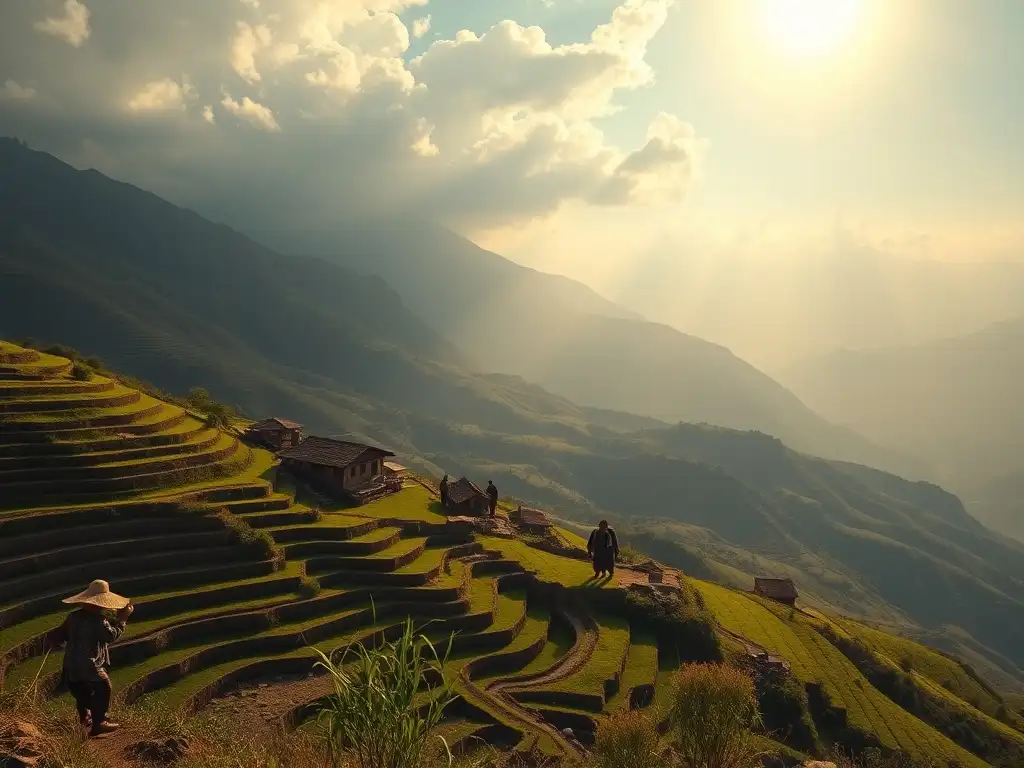
Step into a world lost to time, yet echoing with ingenuity. For centuries, the towering peaks and unpredictable climate of the Andes shaped civilizations of astonishing sophistication. Discover how the Incas, Moche, Nazca, and Tiahuanaco not only thrived but mastered the challenges of their environment, particularly the devastating effects of El Niño. Unravel the secrets of their Andean civilizations El Niño climate adaptation strategies – a testament to human resilience and architectural brilliance – and prepare to be amazed.
El Niño, a climate pattern characterized by unusually warm ocean temperatures in the equatorial Pacific, has profoundly impacted coastal and inland regions of South America for millennia. This article explores the ingenious strategies employed by ancient Andean civilizations – including the Incas, Moche, Nazca, and Tiahuanaco – to mitigate the devastating effects of El Niño events.
Their remarkable resilience in the face of unpredictable weather patterns offers valuable insights into sustainable water management and showcases the sophisticated understanding of their environment. We will examine the challenges posed by El Niño, the ingenious solutions developed by these cultures, and the lasting legacy of their adaptation strategies, demonstrating the remarkable ingenuity of Andean civilizations in the face of climate variability.
This deep dive into the relationship between Andean civilizations, El Niño, and climate adaptation will reveal how these societies not only survived but thrived amidst environmental uncertainty, showcasing their advanced knowledge of hydrology and environmental engineering. Understanding their successes provides crucial lessons for addressing modern climate change challenges.
Understanding El Niño's Impact on Ancient Andean Societies
El Niño's impact on the Andes was far-reaching. The cyclical nature of the event brought periods of intense rainfall and flooding in some areas, followed by severe droughts in others. Coastal regions experienced devastating floods that destroyed infrastructure and agricultural lands. Inland areas, heavily reliant on agriculture, suffered from prolonged droughts leading to crop failures, famine, and societal disruption.
The severity of these effects varied depending on the strength of each El Niño event and the geographic location of the affected communities. Archaeological evidence, including sediment layers, damaged settlements, and changes in agricultural practices, reveals the significant impact of these climate fluctuations on the daily lives and long-term sustainability of Andean societies. The frequency and intensity of El Niño events likely influenced population movements, societal structures, and the development of sophisticated adaptation strategies.
The Vulnerability of Andean Cultures to Climate Variability
The Andean region's diverse geography – encompassing arid coastal deserts, high-altitude plains, and the Amazon rainforest – created a complex interplay of climate vulnerabilities. Societies living in coastal areas were particularly susceptible to the devastating effects of El Niño-induced floods, while those in the highlands faced the challenges of unpredictable rainfall patterns and prolonged droughts. The reliance on agriculture for sustenance amplified the impact of climate variability, making the development of robust water management systems crucial for survival.
The fragility of these societies to climate shocks is evident in the archaeological record, demonstrating the constant adaptation and restructuring that was necessary to maintain social and economic stability. Understanding the vulnerabilities of each Andean culture to El Niño is crucial for appreciating the ingenuity of their adaptive responses.
Early Warning Signs: Recognizing El Niño in Ancient Times
While lacking modern meteorological tools, Andean civilizations developed sophisticated methods for predicting El Niño's arrival. Observational techniques, such as monitoring changes in river flows, cloud patterns, and animal behavior, provided crucial early warning signs. These observations, combined with accumulated knowledge passed down through generations, allowed communities to prepare for the impending climatic changes.
For example, [Specific examples of early warning systems used by different Andean civilizations pending]. The ability to anticipate El Niño's arrival was critical in implementing timely mitigation strategies, minimizing the impact of its devastating effects and ensuring the survival of these ancient societies. The integration of these observational techniques with sophisticated water management systems highlights the advanced understanding of their environment and the importance of knowledge transfer within these communities.
- Understanding El Niño's Impact on Ancient Andean Societies
- The Vulnerability of Andean Cultures to Climate Variability
- Early Warning Signs: Recognizing El Niño in Ancient Times
Ingenious Water Management Strategies of Andean Civilizations
Andean civilizations, renowned for their architectural prowess and sophisticated social structures, also possessed remarkable ingenuity in managing water resources. Their survival depended on adapting to the unpredictable climate, particularly the devastating effects of El Niño events. These periodic climate shifts brought torrential rains and floods, followed by severe droughts, posing significant challenges to agriculture and daily life.
However, through careful observation, innovative engineering, and a deep understanding of their environment, these cultures developed sophisticated water management strategies that ensured their prosperity for centuries. Understanding their techniques offers valuable insights into sustainable water management practices, even in the face of modern climate change challenges. The effectiveness of their systems stemmed from a holistic approach, integrating diverse strategies tailored to specific geographical and environmental contexts.
This section will explore some of their most impressive achievements in water management, highlighting their resilience and adaptability in the face of El Niño's unpredictable wrath. The keyword phrase "Andean civilizations El Niño climate adaptation" is central to understanding this remarkable story of human ingenuity.
Terrace Farming: Adapting Agriculture to Extreme Weather
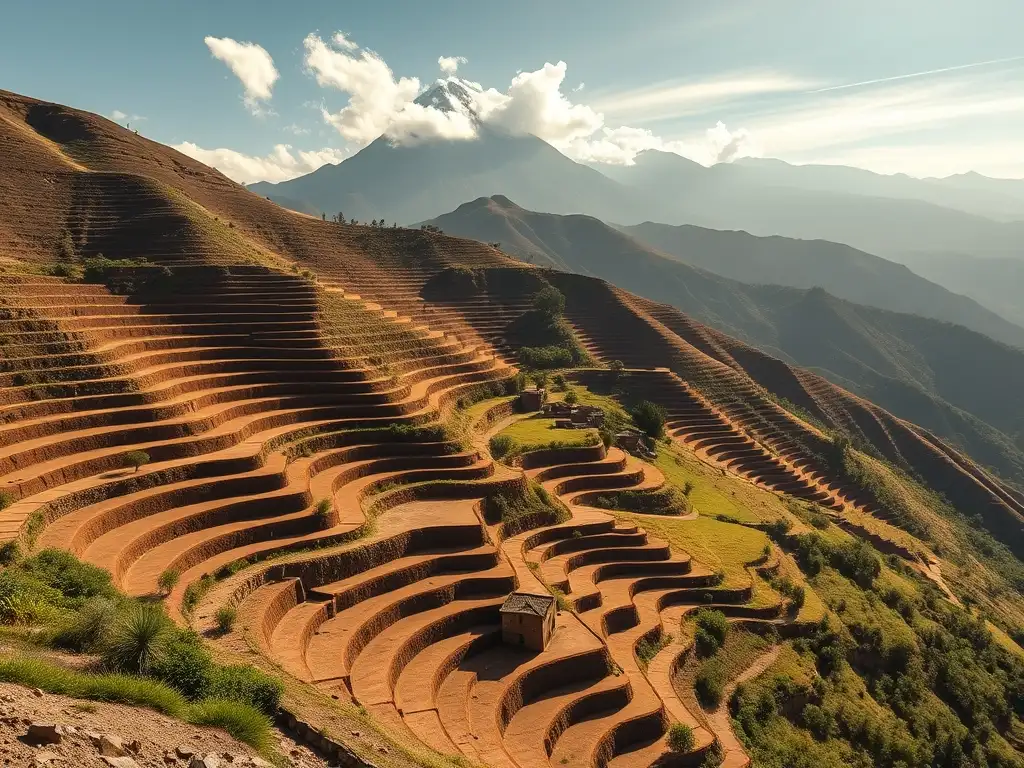
Terrace farming, a hallmark of Andean agricultural practices, represents a masterful adaptation to steep, mountainous terrain and the erratic rainfall patterns associated with El Niño. By carving level platforms into hillsides, farmers dramatically increased arable land, reducing soil erosion and runoff during heavy rains. These terraces, often meticulously constructed with stone retaining walls, created microclimates, allowing for the cultivation of diverse crops at varying altitudes.
This diversification minimized the impact of crop failures caused by El Niño-related flooding or drought. The carefully designed terraces also improved water infiltration, allowing for better water retention in the soil and reducing the impact of both extremes of the El Niño cycle.
The scale and precision of some terrace systems, like those found in the Sacred Valley of the Incas, are truly awe-inspiring, demonstrating the sophisticated understanding of hydrology and engineering possessed by these ancient Andean communities. The efficiency of terrace farming in managing water resources contributed significantly to the stability and prosperity of Andean civilizations, making it a crucial component of their El Niño adaptation strategies.
Advanced Irrigation Systems: Mitigating Drought and Flooding
Beyond terrace farming, Andean civilizations developed sophisticated irrigation systems to manage water resources effectively throughout the year. These systems involved a complex network of canals, aqueducts, reservoirs, and other water control structures designed to divert water from rivers and streams to agricultural fields, ensuring a consistent supply of water even during periods of drought. The ingenuity of these systems lies not only in their scale but also in their adaptability to varying terrains and rainfall patterns.
The design incorporated features such as diversion channels, check dams, and spillways to control water flow and prevent flooding during periods of intense rainfall, a crucial aspect of mitigating the effects of El Niño. The sophistication of these systems varied across different Andean cultures, reflecting the unique environmental conditions and technological capabilities of each region.
Canals and Aqueducts: Engineering Marvels of Ancient Peru
The construction of canals and aqueducts represents a remarkable feat of engineering. These structures, often built from stone and meticulously aligned, transported water over considerable distances, sometimes traversing challenging terrain. The Nazca culture, known for their intricate geoglyphs, also built extensive canal systems to irrigate their arid coastal lands. These canals, often lined with clay or stone to prevent leakage, demonstrate a deep understanding of hydraulic principles and a commitment to sustainable water management.
The precision and scale of these projects are impressive, highlighting the advanced engineering skills and organizational capabilities of Andean societies. These water management systems were vital in ensuring agricultural productivity and food security, even during the unpredictable climate shifts associated with El Niño. The intricate network of canals and aqueducts stands as a testament to their ability to overcome significant engineering and logistical challenges.
Reservoirs and Water Storage: Securing Water Resources
In addition to canals and aqueducts, Andean civilizations also constructed reservoirs and other water storage facilities to secure water resources during periods of drought. These structures, ranging from small ponds to large artificial lakes, played a crucial role in mitigating the impacts of El Niño-related water shortages. The design and location of reservoirs were carefully planned to maximize water storage capacity and minimize evaporation. Some reservoirs were integrated into irrigation systems, providing a reliable source of water for agriculture even during dry periods. The construction of these reservoirs required significant labor and engineering expertise, reflecting the importance of water security in Andean societies. The ability to store water during periods of abundance and release it during times of scarcity was essential for the survival and prosperity of these communities, showcasing a sophisticated understanding of water resource management in the face of climate variability and the unpredictable nature of El Niño.
Diversification of Crops: Ensuring Food Security
Andean civilizations didn't rely on a single crop; instead, they practiced a sophisticated form of agricultural diversification, a key strategy for mitigating the impact of El Niño. This wasn't simply about planting a variety of things; it was a carefully planned system that leveraged the unique microclimates and altitudes of the Andes. Farmers cultivated a wide range of crops, from potatoes (with hundreds of varieties adapted to different conditions) and maize to quinoa, beans, and various tubers.
This approach minimized the risk of complete crop failure during El Niño events. If one crop suffered due to excessive rainfall or flooding, others might thrive in the altered conditions. For example, while heavy rains might damage maize crops in lower altitudes, potato varieties grown at higher elevations, less susceptible to flooding, could still provide a substantial harvest.
This resilience built into their agricultural practices was crucial for maintaining food security throughout the year, regardless of the climatic fluctuations brought about by El Niño. The intricate understanding of the different needs of various crops, coupled with the careful selection of planting locations, demonstrates a remarkable level of agricultural knowledge and planning. This system wasn't static either; Andean farmers continuously adapted their planting strategies based on their observations of the environment and past El Niño events, making their system highly dynamic and responsive to change.
The Role of Andean Agriculture in El Niño Resilience
Andean agriculture wasn't just about producing food; it was a fundamental component of their overall resilience to El Niño's unpredictable weather patterns. The sophisticated irrigation systems, discussed elsewhere in this article, played a crucial role in supplementing natural rainfall during both droughts and floods. However, the agricultural practices themselves were inherently resilient. The use of terracing, for example, not only increased arable land but also helped to control water flow, preventing erosion during heavy rainfall and retaining moisture during dry spells.
The selection of drought-resistant crops, such as quinoa and certain varieties of beans and potatoes, further enhanced their ability to withstand the impacts of El Niño-induced droughts. Furthermore, the practice of intercropping, planting different crops together, contributed to soil health and biodiversity, making the agricultural system more robust and less vulnerable to widespread crop failure. The integration of livestock management into their agricultural practices also played a part.
Animals provided fertilizer and helped maintain soil fertility, while also offering an alternative source of food during periods of crop scarcity. In essence, Andean agriculture wasn't a passive activity; it was an active, adaptive response to the environmental challenges posed by El Niño, showcasing a deep understanding of ecological principles and a capacity for sustainable resource management. This integrated approach underscores the profound connection between Andean civilizations and their environment, a relationship built on observation, innovation, and a deep respect for the land.
Case Studies: Specific Examples of Andean Adaptation

This section delves into specific examples of how different Andean civilizations successfully navigated the challenges posed by El Niño events. Understanding their strategies provides valuable insights into the ingenuity and resilience of these ancient societies and their sophisticated understanding of their environment. The impact of El Niño on Andean civilizations varied greatly depending on geographical location and the specific characteristics of each culture. Analyzing these adaptations reveals a complex interplay between environmental pressures and human innovation. The keyword "Andean civilizations El Niño climate adaptation" is directly addressed throughout these examples.
The Moche Culture: Adapting to Coastal El Niño Impacts
The Moche civilization, flourishing along the northern coast of Peru between 100 CE and 800 CE, faced significant challenges from El Niño's unpredictable flooding and droughts. Their survival depended heavily on effective water management strategies, reflecting a deep understanding of their environment and its cyclical changes. Their agricultural success, particularly in a region prone to extreme climatic variability, underscores their advanced engineering skills and societal organization.
Moche Irrigation Techniques and Coastal Management
The Moche developed sophisticated irrigation systems to manage water resources effectively. These systems included canals, reservoirs, and aqueducts, often carved into hillsides and designed to capture and redistribute water from rivers and streams. Evidence suggests the use of intricate drainage systems to prevent waterlogging during heavy rains associated with El Niño.
Furthermore, they implemented techniques like terracing to minimize erosion and maximize water retention in their agricultural fields. This intricate network allowed them to cultivate crops even during periods of intense rainfall or drought, mitigating the negative effects of El Niño. The Moche also demonstrated a remarkable ability to predict and respond to El Niño events, evidenced by the construction of flood defenses and the strategic placement of settlements.
Their sophisticated understanding of hydrology and their ability to adapt to the fluctuating environment are testament to their engineering prowess and societal resilience. Analysis of Moche settlements reveals a clear correlation between settlement location and access to reliable water sources, highlighting the importance of water security in their societal structure.
The Nazca Culture: Surviving in a Desert Environment
The Nazca civilization, inhabiting the arid coastal plains of southern Peru between 200 BCE and 700 CE, faced a different set of challenges related to El Niño. While the Moche dealt with floods, the Nazca's primary concern was water scarcity. Their ingenuity in overcoming these limitations is remarkable, demonstrating an advanced level of water management techniques far exceeding what one might expect in such a harsh environment. This underscores the importance of understanding the diverse strategies employed by different Andean civilizations in adapting to El Niño.
The Nazca Lines and Water Management Theories
The famous Nazca Lines, while often associated with astronomical or ritualistic purposes, may also reflect a sophisticated understanding of hydrology and water management. Some theories suggest that the lines could have been used to monitor water sources, predict rainfall patterns, or even guide water channels. While this remains a subject of ongoing research and debate, the Nazca's ability to thrive in an extremely arid environment highlights their advanced knowledge of water harvesting and conservation techniques.
Their mastery of subsurface water sources, possibly through the use of underground aqueducts and canals, allowed them to cultivate crops in the desert. This involved a deep understanding of the region's geology and the subterranean water tables, allowing them to mitigate the effects of El Niño-induced droughts effectively. The Nazca’s remarkable survival in such an unforgiving environment serves as a powerful testament to the adaptability and ingenuity of Andean civilizations facing El Niño's extreme climate variability.
Further research is needed to fully understand the precise relationship between the Nazca Lines and their water management strategies. However, the very existence of the Nazca civilization in this desert environment is powerful evidence of their successful adaptation to El Niño's challenges.
The Inca Empire: Centralized System for Climate Resilience
The Inca Empire, renowned for its sophisticated infrastructure and administrative prowess, developed a centralized system to mitigate the devastating effects of El Niño. Their mastery of engineering and resource management allowed them to create a remarkably resilient society capable of weathering frequent climatic fluctuations. This wasn't achieved through isolated solutions, but rather through a comprehensive, interconnected approach that spanned agriculture, storage, and distribution networks.
The empire's vast network of roads, for example, facilitated rapid communication and the efficient movement of resources, allowing for swift responses to localized droughts or floods caused by El Niño's unpredictable patterns. This centralized control ensured that surplus from regions less affected by El Niño could be quickly channeled to areas in need, preventing widespread famine and societal collapse.
The Inca's understanding of their environment, coupled with their sophisticated organizational capabilities, formed the bedrock of their success in adapting to El Niño's capricious nature. This adaptability, a testament to their advanced societal organization, allowed the Inca Empire to flourish for centuries, despite the considerable challenges posed by the climate.
Inca Storage System and Agricultural Surplus
A cornerstone of Inca resilience to El Niño was their ingenious storage system. They constructed vast networks of storehouses, known as qollqas, strategically located throughout the empire. These weren't simple granaries; they were sophisticated structures designed to preserve agricultural surpluses for extended periods.
The qollqas were built using advanced masonry techniques, ensuring their structural integrity and protection from the elements. Their design, often incorporating ventilation and insulation, facilitated the long-term preservation of crops such as maize, potatoes, and quinoa, crucial staples of the Inca diet. The system of qollqas was directly linked to the empire's agricultural policies, which emphasized terracing, irrigation, and crop diversification to maximize yields.
During El Niño events, when harvests in certain regions were devastated, the stored surpluses in the qollqas could be drawn upon to support the affected populations, preventing widespread starvation. The scale and sophistication of this system highlight the Inca's remarkable foresight and capacity for long-term planning in the face of unpredictable climatic events. This meticulously planned system exemplifies the profound understanding and adaptation strategies employed by the Inca to ensure the survival and prosperity of their vast empire, successfully mitigating the impact of El Niño for generations.
The Tiahuanaco Culture: High-Altitude Adaptation Strategies
The Tiahuanaco culture, flourishing in the high Andes around Lake Titicaca, faced a uniquely challenging environment. The altitude, already demanding, was further complicated by the erratic weather patterns associated with El Niño. The civilization's survival hinged on its ability to adapt to these harsh conditions, developing ingenious strategies for water management and agriculture that are still studied today.
Their innovative approach to agriculture, combined with a deep understanding of the region's hydrology, allowed them to thrive in an environment that would have been inhospitable to many other cultures. Their success in adapting to El Niño's unpredictable shifts demonstrates their sophisticated knowledge of their environment and their remarkable ability to develop sustainable solutions to seemingly insurmountable challenges. The legacy of Tiahuanaco serves as a compelling example of human ingenuity and resilience in the face of adverse climatic conditions.
Raised Field Agriculture and Water Control
A key element of Tiahuanaco's success in adapting to El Niño was their mastery of raised field agriculture. These artificial islands, constructed in shallow wetlands, provided a unique solution to the challenges of high-altitude farming. By creating elevated plots, the Tiahuanaco people improved drainage and soil aeration, mitigating the effects of flooding during El Niño events.
This also helped regulate soil temperature and moisture levels, creating a more stable and productive agricultural environment. The intricate network of canals and channels that accompanied the raised fields played a crucial role in water management. These systems allowed for controlled irrigation during dry periods and efficient drainage during periods of excess rainfall, effectively buffering the negative impacts of El Niño's unpredictable precipitation patterns.
The precise engineering and planning involved in the construction and maintenance of these raised fields demonstrate the Tiahuanaco culture's deep understanding of hydrology and their commitment to sustainable agricultural practices, ensuring food security even in the face of unpredictable climate shifts. The ingenuity of this system stands as a testament to their adaptive capacity and enduring legacy in Andean agricultural innovation.
Lessons from the Past: Relevance for Modern Climate Adaptation
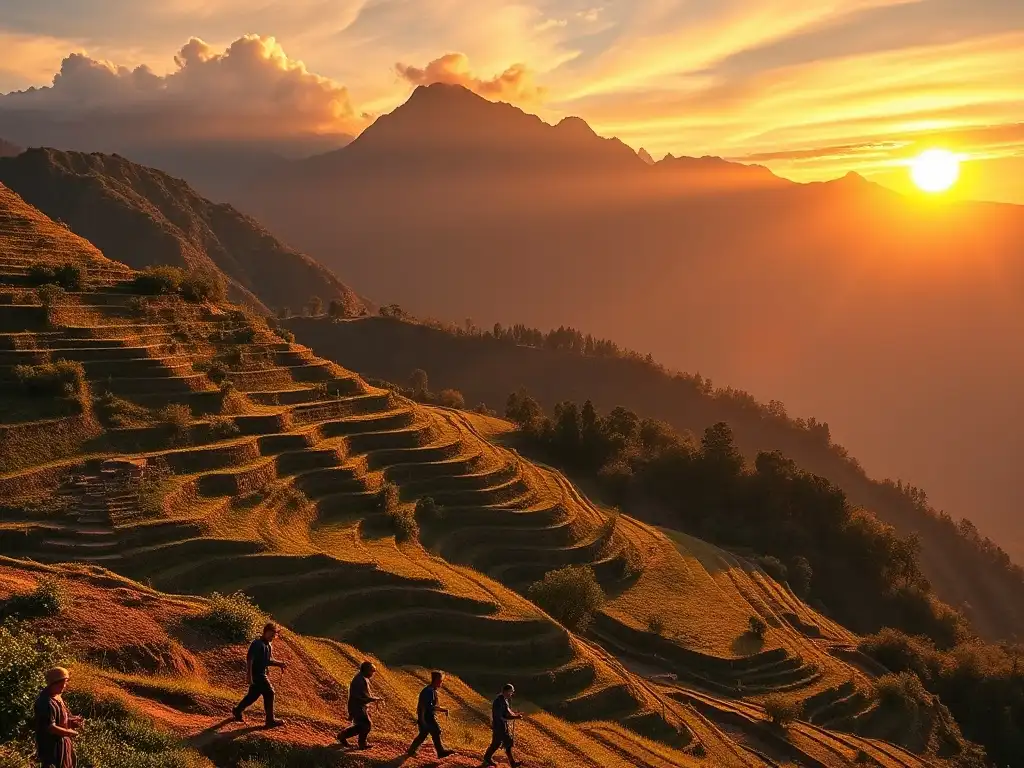
This section explores the ingenious strategies employed by Andean civilizations to mitigate the devastating effects of El Niño, offering valuable insights for contemporary climate change adaptation. Understanding their successes and failures provides a rich historical context for developing sustainable solutions to modern environmental challenges. The ingenuity of these ancient societies in harnessing and managing water resources, in particular, offers crucial lessons for our time.
The study of Andean civilizations El Niño climate adaptation reveals a remarkable capacity for resilience, adaptability, and resourcefulness in the face of environmental adversity. Their achievements underscore the importance of integrating traditional ecological knowledge (TEK) with modern scientific approaches for effective climate change mitigation.
Sustainable Practices of Andean Civilizations
Andean civilizations, facing the unpredictable nature of El Niño events for centuries, developed sophisticated water management systems. These weren't merely reactive measures; they were proactive strategies built into their societal structures and agricultural practices. For example, the intricate network of canals and terraces constructed by the Inca, Moche, and Nazca civilizations allowed for efficient irrigation even during periods of drought or intense rainfall. These systems, often integrated with sophisticated reservoir systems, ensured a relatively stable water supply for agriculture, minimizing the impact of El Niño's variability.
Furthermore, the Andean agricultural practices themselves displayed remarkable adaptability. The use of diverse crops, including drought-resistant varieties, and crop rotation techniques significantly reduced their vulnerability to climate shocks. They understood the importance of biodiversity and employed it as a crucial buffer against environmental uncertainty.
This diversified approach to agriculture, combined with their advanced water management systems, allowed them to maintain food security even during the most severe El Niño events. Their understanding of the local ecosystem and its dynamics allowed them to anticipate and prepare for the cyclical nature of El Niño, showcasing a level of environmental awareness far ahead of its time.
Applying Ancient Knowledge to Contemporary Challenges
The sustainable practices of Andean civilizations offer valuable lessons for modern climate adaptation strategies. Their experience highlights the importance of:
- Diversification: Just as Andean farmers cultivated a variety of crops, modern agricultural practices should prioritize crop diversification to reduce vulnerability to climate-related risks.
- Water Management: Investing in efficient irrigation systems, water harvesting techniques, and water storage infrastructure is crucial for mitigating the impact of droughts and floods exacerbated by El Niño.
- Traditional Ecological Knowledge (TEK): Integrating TEK with modern scientific approaches allows for a more holistic and effective understanding of local ecosystems and their response to climate change.
- Community Participation: Andean societies often collaborated on large-scale water management projects, highlighting the importance of community engagement in modern climate adaptation initiatives.
The integration of these principles into contemporary climate adaptation strategies can significantly enhance their effectiveness and resilience. For instance, modern water resource management could benefit from incorporating the Andean understanding of water distribution and storage, enhancing efficiency and reducing waste. Similarly, modern agricultural practices could learn from the Andean emphasis on biodiversity and crop rotation.
The Resilience of Andean Societies to Environmental Change
The ability of Andean civilizations to not only survive but thrive in the face of frequent El Niño events underscores their remarkable resilience. This resilience wasn't simply a matter of luck; it was the result of a complex interplay of factors, including:
- Sophisticated Infrastructure: The construction of extensive irrigation systems, terraces, and storage facilities demonstrates an advanced understanding of engineering and water management.
- Social Organization: Strong social structures and community-based cooperation were essential for the successful implementation and maintenance of large-scale water management projects.
- Adaptive Capacity: Andean societies demonstrated a remarkable capacity to adapt their agricultural practices and social structures in response to changing environmental conditions.
- Religious Beliefs: Religious beliefs and practices often played a crucial role in shaping societal responses to environmental challenges, reinforcing the importance of water conservation and resource management.
The study of Andean civilizations and their successful adaptation to El Niño provides a compelling case study for understanding the importance of proactive, community-based, and technologically sophisticated approaches to climate change adaptation. Their legacy serves as a powerful reminder of the crucial link between environmental understanding, social organization, and long-term sustainability. The enduring relevance of their strategies for contemporary challenges is undeniable and deserves further investigation and application in modern climate adaptation planning.
The Legacy of Andean Ingenuity in Modern Water Management
The ingenuity of Andean civilizations in managing water resources, honed over centuries of adapting to El Niño's unpredictable cycles, offers invaluable lessons for contemporary water management strategies. Their sophisticated understanding of hydrology and their remarkable engineering feats continue to inspire innovative solutions to modern water scarcity and climate change challenges.
For example, the intricate canal systems of the Inca Empire, capable of diverting water from high-altitude sources to arid valleys, demonstrate a deep understanding of water flow and terrain manipulation. These systems weren't merely functional; they were carefully designed to minimize erosion and maximize water distribution, a level of sustainability that modern projects often struggle to achieve.
The Andean approach prioritized water conservation and equitable distribution. Unlike many modern large-scale projects that prioritize centralized control, the Andean systems often involved community participation and management, ensuring responsible resource allocation and fostering a sense of shared responsibility. This decentralized approach is particularly relevant today, as many regions grapple with the challenges of managing water resources in a fair and sustainable manner.
The success of these ancient systems highlights the importance of integrating local knowledge and community participation in modern water management initiatives. By learning from the past, we can create more resilient and equitable water systems for the future.
Furthermore, the Andean civilizations’ understanding of water storage and rainwater harvesting provides crucial insights for modern drought mitigation strategies. Their construction of reservoirs, terraces, and other water-harvesting structures allowed them to effectively manage water supply during periods of drought, a crucial adaptation strategy in the face of El Niño's variable rainfall patterns. These techniques, often integrated into agricultural practices, created resilient farming systems capable of withstanding climatic fluctuations.
Modern approaches to water storage and rainwater harvesting can greatly benefit from studying the efficiency and sustainability of these ancient techniques. The construction of small-scale reservoirs and the implementation of rainwater harvesting systems in urban areas, for instance, can significantly improve water security and reduce reliance on centralized water infrastructure.
The enduring legacy of Andean water management isn't just about replicating ancient techniques; it's about embracing the underlying principles of sustainability, community engagement, and a deep understanding of local ecosystems. This holistic approach is vital for developing effective and resilient water management strategies in the face of increasing climate variability and water scarcity.
By studying and adapting these time-tested methods, we can build more sustainable and equitable water systems for future generations, mitigating the impacts of events like El Niño and ensuring water security for all. The integration of ancient wisdom with modern technology holds the key to unlocking innovative and effective solutions to contemporary water challenges.
Conclusion: A Testament to Andean Civilizations' Adaptability
The ingenuity and resilience of Andean civilizations in the face of El Niño's unpredictable wrath are truly remarkable. Their sophisticated understanding of hydrology, coupled with their advanced engineering skills, allowed them to not only survive but thrive in a region characterized by extreme climatic variability. This wasn't merely a matter of luck; it was the result of centuries of observation, experimentation, and adaptation, constantly refining their strategies to manage water resources effectively. The legacy of these achievements continues to resonate today, offering invaluable lessons for modern societies grappling with the increasingly unpredictable impacts of climate change.
The Enduring Relevance of Ancient Andean Strategies
The strategies employed by Andean civilizations to mitigate the effects of El Niño remain surprisingly relevant in the 21st century. Their emphasis on water conservation, diversification of crops, and the creation of resilient infrastructure provides a blueprint for sustainable development in regions prone to similar climatic challenges.
For instance, the intricate canal systems they built, capable of diverting water from rivers and storing it for later use, showcase an understanding of water management far ahead of its time. These systems weren't just about irrigation; they were about controlling the flow of water to prevent flooding and erosion during El Niño events, protecting settlements and agricultural lands.
The Andean approach to crop diversification is another crucial aspect of their adaptation strategy. By cultivating a wide range of crops with varying degrees of drought tolerance, they minimized the risk of complete agricultural failure during periods of drought or excessive rainfall. This strategy, coupled with the development of sophisticated terracing techniques to maximize land use and minimize soil erosion, ensured food security even under adverse conditions. Modern agricultural practices could learn significantly from this approach, particularly in the face of increasing climate instability.
Moreover, the construction of robust storage facilities for food and other essential resources demonstrates a profound understanding of risk management. These structures, often built into the landscape itself, provided crucial buffers during periods of scarcity, ensuring the survival of communities during El Niño's most devastating impacts. This foresight and preparedness are essential aspects of modern disaster risk reduction strategies. The Andean civilizations' ability to anticipate and prepare for El Niño's effects serves as a powerful example of proactive community resilience.
The study of Andean civilizations' El Niño adaptation strategies offers more than just historical insights; it provides a valuable toolkit for addressing contemporary climate challenges. By examining their ingenious solutions, we can gain a deeper understanding of how to build more resilient societies, capable of navigating the uncertainties of a changing climate.
Their achievements stand as a testament to human ingenuity and adaptability, highlighting the importance of understanding and respecting the natural world in order to thrive within it. The continued study and application of these ancient strategies are crucial for building a more sustainable and secure future for all.
Frequently Asked Questions
How did El Niño affect Andean civilizations?
El Niño events brought devastating floods and droughts to the Andes, disrupting agriculture and impacting the availability of resources. This instability significantly affected the survival and prosperity of these ancient societies.
What strategies did Andean civilizations use to adapt to El Niño?
Andean civilizations developed sophisticated water management systems, such as irrigation canals and reservoirs, to mitigate the effects of both floods and droughts. They also practiced diversified agriculture and developed storage techniques for food surpluses.
Did the Incas have specific adaptations to El Niño?
The Inca Empire implemented a vast network of roads and storehouses to facilitate the redistribution of resources during El Niño-related crises. Their centralized government allowed for efficient responses to climate variability.
How did the Moche and Nazca adapt differently to El Niño?
While both civilizations relied on irrigation, the Moche focused on large-scale canal systems, while the Nazca employed extensive underground aqueducts (puquios) to access groundwater, adapting to their distinct environments.
What can we learn from Andean civilizations' El Niño adaptations today?
Studying their ingenious water management and agricultural practices offers valuable lessons for modern societies facing increasing climate change challenges. Their strategies highlight the importance of planning, resource management, and community resilience.
Final Reflection: Echoes of Resilience in the Face of El Niño
The ingenious strategies employed by Andean civilizations to mitigate the devastating effects of El Niño resonate powerfully with our current climate crisis. Understanding their adaptive capacities offers not just a historical lesson, but a vital blueprint for navigating the increasingly unpredictable weather patterns of the 21st century. Their resilience serves as a potent reminder that human ingenuity, when combined with deep ecological understanding, can overcome seemingly insurmountable environmental challenges.
The enduring legacy of Andean adaptation extends far beyond the historical record; it continues to shape the cultural landscape of the Andes today. Their sophisticated water management systems, agricultural techniques, and social structures, honed over millennia in response to El Niño's capricious nature, offer invaluable insights for modern-day climate change mitigation. As the renowned anthropologist, Clifford Geertz, once wrote, Man is an animal suspended in webs of significance he himself has spun.
The intricate webs of adaptation spun by Andean civilizations are a testament to humanity's capacity to not only survive but thrive amidst environmental adversity.
Consider the lessons learned from their ingenuity. What innovative solutions can you contribute to build a more resilient future? Let the ingenuity of the Andean people inspire you to explore sustainable practices in your own life, whether it's conserving water, supporting sustainable agriculture, or advocating for climate-conscious policies. The echoes of their resilience call to us, urging us to embrace a future where adaptation and innovation are not just survival strategies, but pathways to a thriving and sustainable world.
**Embrace Change: Inspired by Andean Resilience**
The remarkable adaptability of Andean civilizations in the face of El Niño's challenges offers valuable lessons for our modern lives. This resilience inspires us to take action. Let's translate that inspiration into tangible steps.
Here are some ways to cultivate resilience and embrace change:
- **Engage with your local community** by joining a sustainability group. Share ideas and learn about climate adaptation strategies.
- Explore the ingenuity of traditional Andean farming methods. Consider incorporating these sustainable techniques into your garden or a community project.
- **Spread the word! ** Share this article with friends and family to encourage conversations about climate resilience and the wisdom of the past.
What steps will you take today to meet the climate challenges we face? Share your thoughts in the comments below!