
The Inca Road Network: A Web of Communication and Control

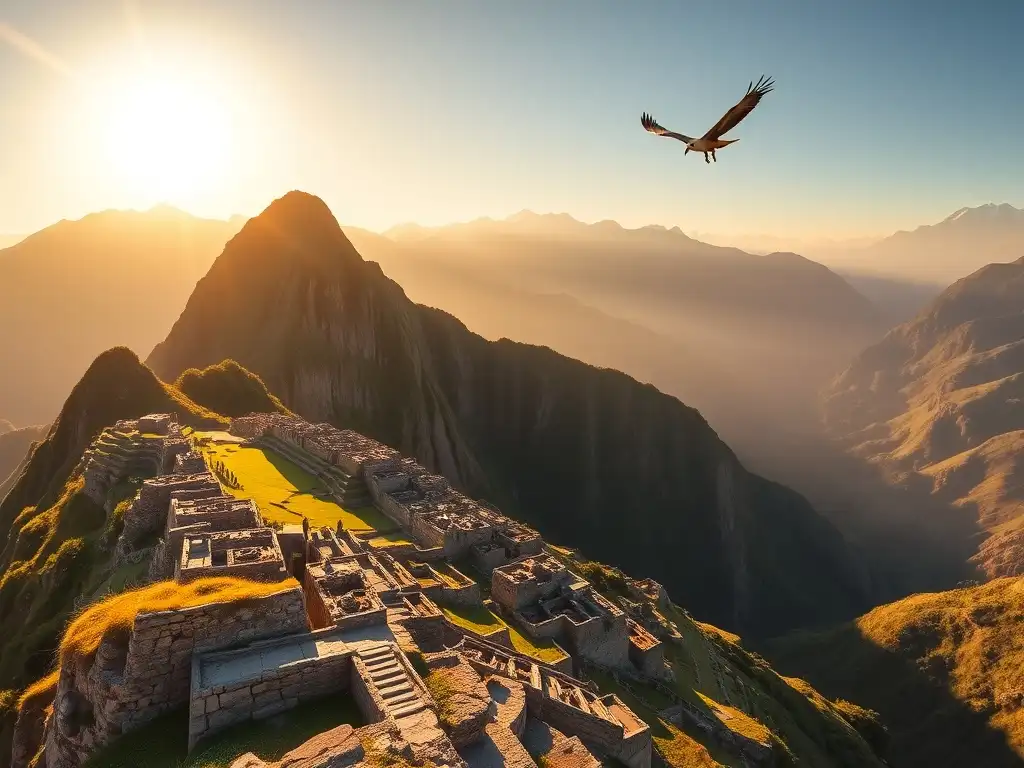
Unravel the mysteries of the Andes! Journey through millennia of breathtaking ingenuity and discover a world shaped by empires like the Inca, Moche, and Nazca. But imagine a civilization so advanced, they built a road system spanning thousands of miles—a network not just of trade, but of unparalleled control. Delve into the Inca road system's impact and uncover the secrets behind this remarkable feat of Andean architecture and engineering. Prepare to be amazed.
The Inca Empire, a civilization that flourished in the Andes Mountains from the 15th to the 16th centuries, achieved remarkable feats of engineering and logistical prowess. One of their most impressive accomplishments was the construction of an extensive road network, the Qhapaq Ñan, spanning thousands of miles across diverse and challenging terrain.
This intricate system of roads wasn't merely a means of transportation; it was the very backbone of the empire, facilitating communication, trade, military movements, and the efficient administration of a vast and geographically dispersed population. Understanding the impact of the Inca road system is crucial to comprehending the empire's remarkable success and enduring legacy.
This article delves into the construction, functionality, and lasting influence of this awe-inspiring achievement, exploring how it shaped the Inca civilization and left an indelible mark on the Andean region. We will examine the Inca road system impact on various aspects of Inca life, from economic prosperity to political control.
Introduction to the Inca Road System
The Inca road system, often referred to as the Qhapaq Ñan (meaning "Royal Road" in Quechua), was a marvel of ancient engineering. It wasn't a single road, but rather a complex network of pathways, bridges, and resting places, meticulously planned and constructed to connect the far-flung corners of the empire. The roads varied in width and quality depending on their importance and location.
Main arteries were wide enough to accommodate multiple travelers and even pack animals, while secondary routes were narrower and often less well-maintained. Construction techniques were remarkably advanced for their time, employing sophisticated methods adapted to the challenging Andean landscape. Stone paving, suspension bridges, and strategically placed waystations demonstrate the Inca's mastery of engineering and their deep understanding of the environment.
The impact of this sophisticated system on the Inca Empire was profound, affecting every aspect of their society. Consider, for example, the efficient movement of troops, allowing for swift responses to rebellions or external threats. Or the ease with which essential goods, such as food and textiles, could be transported across the empire, ensuring stability and reducing the risk of famine.
The Qhapaq Ñan: Backbone of the Inca Empire
The Qhapaq Ñan served as the primary artery of the Inca Empire, facilitating communication and control across vast distances. Its strategic design allowed for the rapid movement of troops, ensuring the swift suppression of rebellions and the defense against external threats. The impact of this efficient military response system cannot be overstated; it was a crucial factor in maintaining the empire's stability and territorial integrity. Furthermore, the road system played a vital role in the empire's economy. The efficient transportation of goods, including agricultural products, textiles, and precious metals, fostered economic growth and prosperity.
The ease of trade between different regions promoted specialization and exchange, enriching the lives of Inca citizens. The Qhapaq Ñan also facilitated the spread of Inca culture and language, unifying the diverse populations under the empire's rule. Evidence suggests the roads were not just routes for goods and soldiers but also played a significant role in religious practices and pilgrimage. The strategic placement of tambos (waystations) along the routes provided shelter and supplies for travelers, contributing significantly to the efficient functioning of the road system.
The impact of this infrastructure on the social fabric of the Inca Empire was considerable, fostering a sense of unity and shared identity among its diverse population. The legacy of the Qhapaq Ñan extends far beyond the Inca Empire itself, serving as a testament to the ingenuity and organizational skills of this remarkable civilization. The precise length of the Qhapaq Ñan is still debated, with estimates ranging from [specific information pending] kilometers, highlighting the scale of this monumental undertaking. The road system’s influence continues to be felt even today.
- What was the primary purpose of the Inca road system?
- How did the Inca road system impact trade and commerce?
- What were some of the engineering challenges faced during the construction of the Inca roads?
- What impact did the Inca road system have on the Inca Empire's expansion and power?
- How is the Inca road system viewed today?
Construction and Engineering of Inca Roads
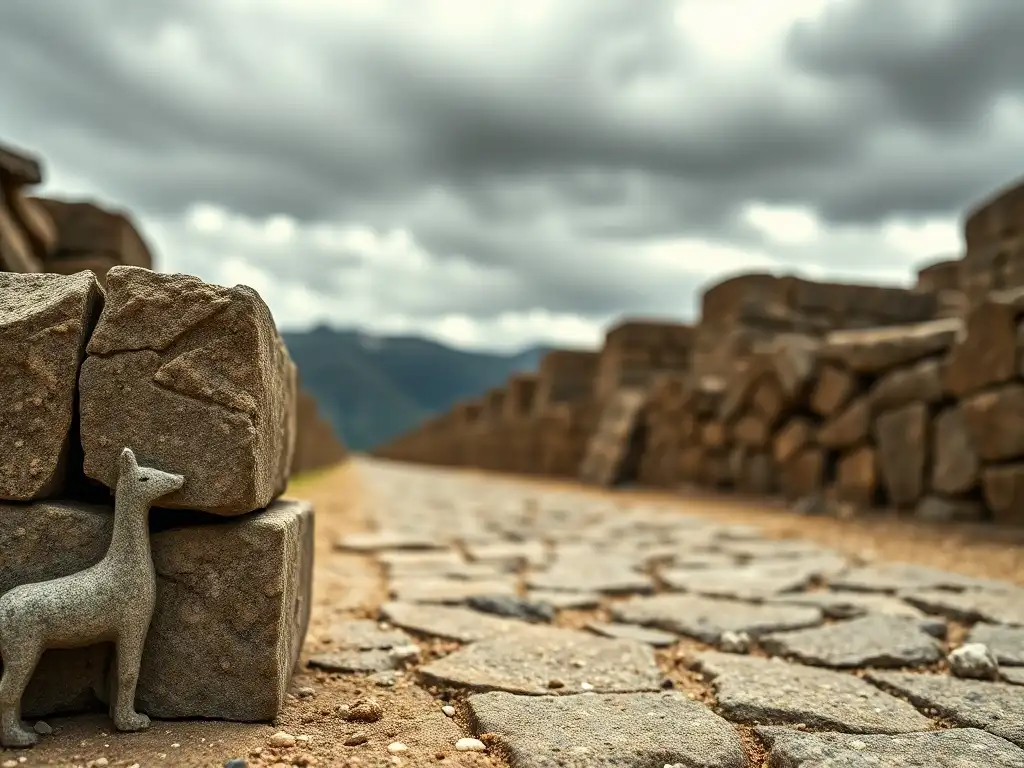
The Inca road system, a marvel of ancient engineering, wasn't simply a network of paths; it was a meticulously planned and executed infrastructure project reflecting the Inca's sophisticated understanding of engineering principles and their mastery of adapting to the challenging Andean environment. The impact of this road system on the Inca empire is undeniable, facilitating communication, trade, and military control across a vast and diverse territory.
Its construction reveals a remarkable ability to overcome significant geographical hurdles, showcasing the advanced capabilities of Inca builders. Understanding the construction techniques employed provides critical insight into the "Inca road system impact" on their society and its longevity.
Materials and Techniques Used in Road Building
Inca road construction wasn't a haphazard affair. It involved careful planning and the strategic use of locally sourced materials. The roads themselves were built using a variety of materials, depending on the specific terrain and available resources. Common materials included:
- Stone: Large, carefully fitted stones were used in many sections, particularly in areas requiring durability and stability. These stones were often expertly cut and shaped to interlock perfectly, creating incredibly strong and lasting pavements. The precision of the stonework is a testament to the Inca's skill in masonry. Some sections utilized smaller stones and gravel, bound together with clay or mud.
- Earth: In less demanding terrain, earthworks were employed, creating well-compacted surfaces. This was often layered, with different types of soil used to optimize drainage and stability.
- Wood: Timber was used in bridges, retaining walls, and other supporting structures, demonstrating an understanding of structural engineering. Different types of wood were selected based on their strength and durability.
The construction techniques were equally impressive. The roads were typically built with a slightly convex profile, facilitating drainage and preventing water from accumulating on the surface. Drainage systems, including ditches and culverts, were incorporated to further manage water runoff, ensuring road longevity even during the rainy season. This meticulous attention to detail significantly reduced the impact of erosion and other environmental factors. The Inca's understanding of hydrology played a significant role in the success of their road building endeavors.
Adapting to Diverse Andean Terrain
The Inca Empire encompassed a remarkably diverse landscape, ranging from coastal deserts to high-altitude mountains. The "Inca road system impact" is amplified by the ingenious adaptations employed by Inca engineers to navigate this varied terrain. Their solutions weren't merely practical; they were often breathtaking feats of engineering.
- Mountain Passes: The construction of roads across the Andes mountains involved incredible feats of engineering. Paths were carved into mountainsides, using techniques like terracing and retaining walls to stabilize the slopes and prevent landslides. This mastery of rock-cutting and construction allowed them to conquer even the most challenging terrain.
- Bridges: Ingenious suspension bridges, some spanning impressive gorges, were constructed using a combination of wood, vines, and ropes. These bridges were not only functional but also demonstrated a sophisticated understanding of structural mechanics and the properties of natural materials.
- Coastal Roads: Along the coast, roads were adapted to the specific challenges presented by the terrain. They often incorporated materials resistant to erosion and saltwater corrosion. The construction techniques took into account the unique environmental conditions of the coastal regions.
The Inca's ability to adapt their road-building techniques to the specific challenges of each region highlights the flexibility and ingenuity of their engineering practices. The "Inca road system impact" extended beyond simply connecting settlements; it demonstrated a capacity for innovative solutions to complex engineering problems.
The Role of Mit'a Labor in Road Construction
The construction of the Inca road network was a massive undertaking, requiring a substantial workforce. The mit'a system, a form of mandatory labor service, played a crucial role in mobilizing this workforce. While the mit'a system has been subject to various interpretations, its role in the construction of the Inca road system is undeniable.
The mit'a obligated citizens to contribute a certain amount of labor to public works projects, including road construction. This system ensured a continuous supply of labor, allowing for the completion of large-scale projects like the road network. Specialized labor groups, such as stonemasons and engineers, were also integrated into the mit'a system, ensuring that the construction was overseen by skilled professionals.
While the mit'a system had its complexities and potential for exploitation, it undeniably facilitated the construction of the extensive Inca road system. The organization and management of this vast labor force were critical to the success of the project, showcasing the Inca's effective administrative capabilities. The efficiency of the mit'a system significantly contributed to the "Inca road system impact" on the empire's development and consolidation. Further research into regional variations in mit'a implementation and its impact on specific road construction projects would provide a more nuanced understanding of this crucial aspect of Inca infrastructure development.
Features of the Inca Road Network
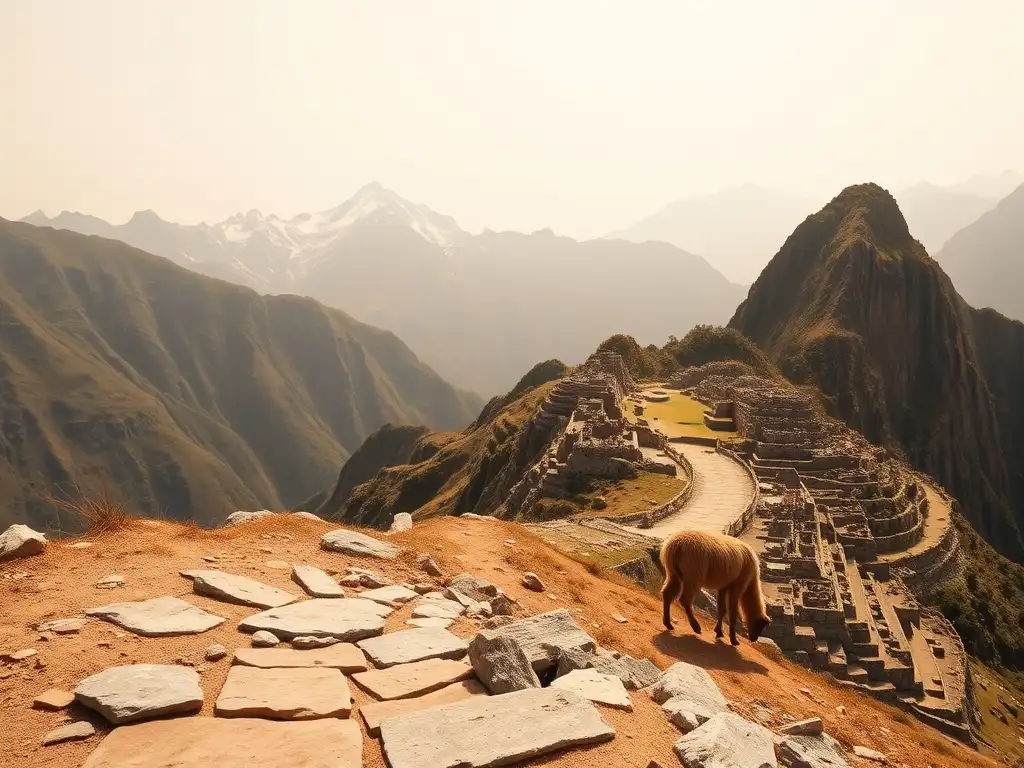
The Inca road system, a marvel of ancient engineering, profoundly impacted the Inca Empire's political, economic, and social fabric. Its influence extended far beyond simple transportation; it facilitated communication, control, and the efficient movement of resources across a vast and challenging terrain. The Inca road system impact is a subject of ongoing scholarly fascination, revealing sophisticated planning, logistical prowess, and a deep understanding of Andean geography. The network's construction, maintenance, and strategic placement reflect the Inca's centralized authority and their ability to integrate diverse populations within a unified empire.
Understanding the features of this network is key to appreciating its significant and lasting legacy. The sheer scale of the undertaking – spanning thousands of miles across diverse landscapes – remains impressive even by modern standards. The strategic placement of roads, often following natural contours to minimize construction difficulties, showcases a sophisticated understanding of topography and engineering principles.
Types of Inca Roads: Longitudinal and Transversal
The Inca road network wasn't a haphazard collection of paths; it was a carefully planned system with two main axes: longitudinal and transversal roads. The longitudinal roads ran north-south, forming the backbone of the system. These major arteries connected the heartland of Cusco to distant provinces, facilitating the movement of troops, officials, and goods along the length of the empire. One of the most well-known longitudinal roads connected Cusco to Quito (present-day Ecuador), a distance of over 2,000 miles! This impressive feat of engineering allowed for rapid communication and efficient resource distribution across vast distances.
The transversal roads, on the other hand, ran east-west, connecting the longitudinal roads and extending to various coastal regions and mountain valleys. These roads were often shorter than the longitudinal routes but equally crucial for accessing diverse resources and controlling outlying territories. The intersection of these two types of roads created a complex network that provided multiple routes for travel and communication, enhancing the resilience of the system.
This intricate web allowed the Inca to easily adapt to unexpected events, such as natural disasters that might temporarily block one route, by simply using an alternative path. The construction of these roads also stimulated economic activity, providing employment and opportunities for trade along their routes.
Tambos: Waystations for Travelers and Messengers
Strategically placed along the Inca roads were tambos, which served as waystations for travelers and messengers. These weren't simple rest stops; they were multifaceted facilities that played a vital role in maintaining the empire's infrastructure and communication networks. Tambos provided lodging, food, and supplies for travelers, ensuring the smooth flow of people and goods across the vast Andean landscape. They also served as administrative centers, allowing officials to collect taxes, manage resources, and oversee local affairs.
The size and complexity of tambos varied depending on their location and function. Some were simple structures providing basic shelter, while others were elaborate complexes with multiple buildings, storage areas, and even workshops. The presence of tambos at regular intervals along the roads not only facilitated travel but also helped to maintain order and security.
They acted as points of control, allowing the Inca government to monitor movement and prevent unrest. The construction and maintenance of tambos required considerable resources and manpower, highlighting the importance the Inca placed on their road system and the effective communication it enabled. Their strategic placement, often near water sources and in locations offering protection from the elements, demonstrates meticulous planning and a deep understanding of the needs of travelers and messengers.
Bridges and Tunnels: Overcoming Geographical Obstacles
The Inca road system wasn't limited to flat terrain; it boldly navigated treacherous mountains, deep ravines, and fast-flowing rivers. To overcome these geographical obstacles, the Inca employed remarkable engineering skills, constructing impressive bridges and tunnels. These structures, often built using stone, wood, and rope, are testaments to the ingenuity and resourcefulness of Inca engineers. Many of these bridges were suspension bridges, utilizing sophisticated techniques to create durable and stable crossings over deep gorges. The construction of these bridges required a deep understanding of materials science, structural engineering, and the properties of local resources.
The Inca also carved tunnels through mountains to create safer and more efficient routes. These tunnels, sometimes extending for considerable lengths, were often precisely aligned and smoothly finished, demonstrating advanced surveying and stone-cutting techniques. The construction of these tunnels required immense effort and careful planning, reflecting the Inca's determination to overcome geographical barriers and build a comprehensive road network.
The construction of bridges and tunnels, along with the road system itself, showcases the Inca's remarkable ability to adapt their engineering skills to the unique challenges of the Andean landscape. Their impact extends beyond mere transportation, reflecting the Inca's mastery of engineering and their determination to create a unified and interconnected empire.
The Inca Road System Impact on the Empire
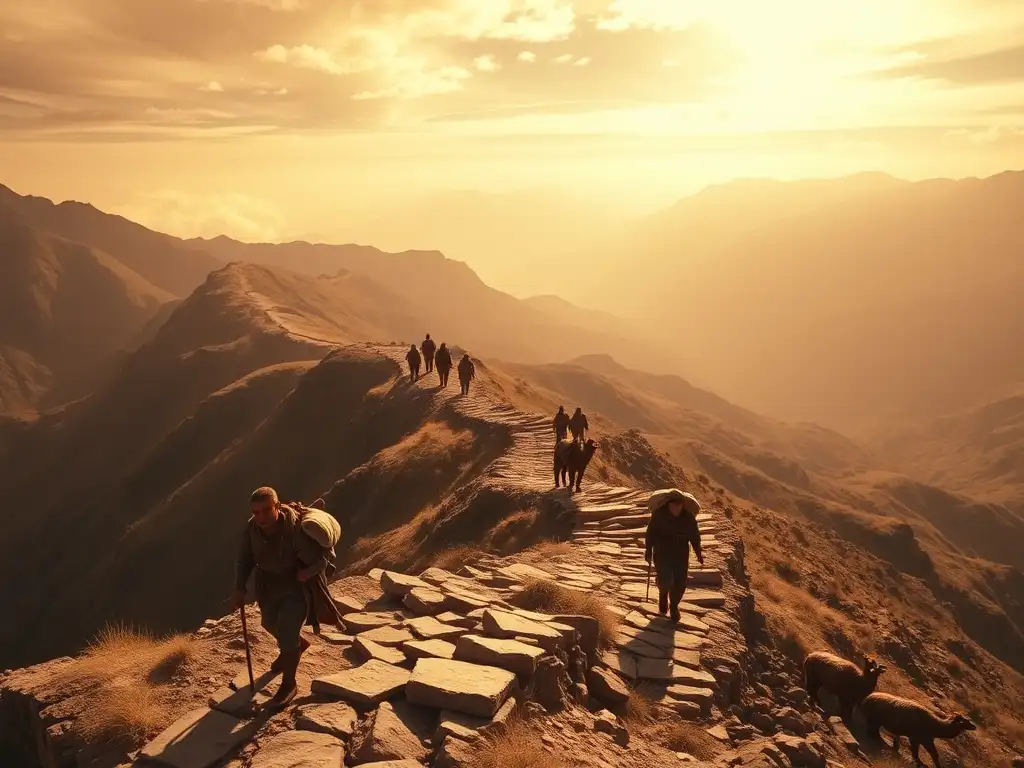
The Inca road system, a marvel of ancient engineering, profoundly impacted the Inca Empire's social, political, and economic structures. Its influence extended far beyond simple transportation, acting as a crucial artery for communication, military control, and administrative integration, ultimately shaping the empire's unprecedented size and longevity. Understanding the Inca road system impact requires examining its multifaceted roles within the vast Andean landscape.
The sheer scale of the network, stretching over 40,000 kilometers across diverse terrains, speaks to the Inca's remarkable organizational capabilities and their understanding of the strategic importance of connectivity. The impact of this extensive network is felt even today in the legacy of infrastructure and the enduring cultural connections woven into the very fabric of the Andes.
Facilitating Communication and Trade
The Inca road system was instrumental in facilitating rapid communication across the vast empire. Before the Inca, communication between distant regions was slow and unreliable. The Inca, however, established a sophisticated system of chasquis, relay runners, who could transmit messages across hundreds of kilometers in a matter of days. These runners utilized the strategically placed tambos (roadside inns) for rest and supplies, ensuring the efficiency of this vital communication network.
This swift communication enabled the Inca government to respond quickly to emergencies, maintain order, and coordinate activities across the empire. The impact on governance was transformative. Royal decrees, tax collections, and military mobilization all benefited from the speed and reliability of the chasqui system.
Moreover, the roads themselves greatly facilitated trade. Goods, including textiles, agricultural products, and precious metals, could be transported efficiently between different regions, fostering economic interdependence and stimulating growth. The standardization of weights and measures further streamlined trade, and the presence of tambos along the routes provided safe havens for merchants and travelers.
This vibrant exchange of goods and services contributed significantly to the empire's prosperity and stability. The improved trade routes fostered a sense of unity, strengthening the empire's social fabric through shared economic activity. The Inca road system impact on trade is evident in the archaeological record, showcasing the wide distribution of goods across geographically diverse regions.
Military Control and Expansion
The Inca road system played a critical role in the empire's military might and expansion. The rapid deployment of troops became possible, allowing the Inca army to swiftly suppress rebellions or respond to external threats. The strategically placed tambos served as military bases, providing storage for supplies and lodging for soldiers. This efficient logistics system provided a decisive advantage in conflicts, enabling the Inca to conquer and control vast territories.
The roads themselves acted as barriers in some cases, funneling enemy forces into pre-determined choke points where they could be more easily defeated. The impact of the road system on military strategy was profound, contributing significantly to the Inca's success in conquering and consolidating their empire. The construction of the roads themselves often followed strategic paths, facilitating access to key resources and vulnerable areas.
This demonstrates a clear understanding of the strategic importance of infrastructure in military campaigns. Data on Inca military campaigns often show a direct correlation between access via roads and the speed and effectiveness of the conquests. The Inca road system impact on military campaigns is evidenced in the rapid expansion of the empire under various Inca rulers.
Political and Administrative Integration
The Inca road system was instrumental in forging political and administrative unity across the vast and diverse empire. The roads connected distant provinces to the capital, Cuzco, facilitating the flow of information, resources, and personnel. This connectivity enabled the Inca government to effectively administer the empire, collect taxes, and enforce laws. The impact on the political stability of the empire was enormous. The efficient network allowed for centralized control, preventing the fragmentation that often plagued large empires.
The construction and maintenance of the roads themselves served as a form of public works, providing employment for many and reinforcing the Inca’s authority. The tambos along the routes often served as administrative centers, providing spaces for local officials to interact with imperial representatives. This constant interaction fostered a sense of integration and loyalty among the diverse populations of the empire.
The standardization of administrative practices across the empire further strengthened the impact of the road system. The Inca road system impact on political unity is a testament to the ingenious way in which the Inca combined practical logistics with effective political strategy. The road system was not just a network of paths; it was a powerful tool for unifying a vast, diverse, and geographically challenging empire.
The Inca Road System: Beyond Infrastructure

The Inca road system's impact extended far beyond its impressive physical presence. It wasn't simply a network of paths; it was the very artery of the Inca Empire, profoundly shaping its culture, administration, and military might. Understanding the Inca road system impact requires appreciating its multifaceted role in facilitating communication, trade, and political control across a vast and challenging terrain.
The sheer scale of the project – spanning thousands of miles across diverse Andean landscapes – is a testament to the Inca's sophisticated engineering prowess and their ability to mobilize significant labor resources. This monumental undertaking significantly impacted every facet of Inca life, leaving an enduring legacy that continues to fascinate and inspire. The system's impact reverberates even today, influencing our understanding of ancient civilizations and their capacity for large-scale infrastructure development.
Influence on Inca Culture and Society
The Inca road system acted as a powerful unifying force within the empire. The seamless connection between distant provinces fostered a sense of shared identity and facilitated cultural exchange. Religious practices, artistic styles, and agricultural techniques spread along these routes, creating a degree of cultural homogeneity previously unseen in the Andean region.
This interconnectedness significantly reduced regional isolation and fostered a stronger sense of collective identity among the diverse populations under Inca rule. The impact on social structures was equally significant. The efficient movement of goods and people along the roads supported the Inca's centralized administrative system, enabling the efficient collection of taxes, the redistribution of resources, and the rapid deployment of troops in times of need.
The standardization of weights and measures, facilitated by the road network, further solidified the empire's economic and political control. Evidence suggests that the construction and maintenance of the roads themselves provided employment for thousands, impacting the daily lives of countless individuals and families across the empire. The Inca road system, therefore, wasn't just a network of paths, but a vital component of their social and economic fabric.
The Significance of the Chasquis (Inca Messengers)
The efficiency of the Inca communication system was inextricably linked to the road network. The chasquis, a relay system of runners, utilized the roads to transmit messages with remarkable speed across vast distances. These highly trained messengers, strategically positioned along the routes, could cover incredible ground in a short time, ensuring that information reached the Inca leadership swiftly.
The chasquis system was critical for maintaining order and control throughout the empire. News of rebellions, natural disasters, or important events could be relayed quickly, allowing for rapid responses from the central government. The speed and reliability of this communication network were crucial in maintaining the stability and longevity of the Inca empire.
The chasquis weren't just messengers; they were a vital part of the Inca's sophisticated administrative and military infrastructure, highlighting the strategic importance of the road network in facilitating effective governance and defense. The impact of the chasquis system on the Inca’s ability to manage their vast empire cannot be overstated.
The Legacy of the Inca Road Network
The legacy of the Inca road network is profound and multifaceted. Sections of the roads remain visible today, standing as impressive testaments to the engineering skills of the Inca. The impact of their construction techniques on subsequent Andean societies is evident in the continued use of similar methods in road building.
The Inca road system's impact on modern infrastructure development in the Andes is undeniable. The routes often dictated the locations of settlements and influenced the patterns of trade and migration for centuries after the fall of the empire. Furthermore, the Inca road system continues to inspire awe and fascination, serving as a reminder of the ingenuity and organizational capacity of a remarkable ancient civilization.
It remains a subject of ongoing research and study, providing valuable insights into Inca society, technology, and the broader context of Andean history. The enduring legacy of the Inca road network underscores its lasting significance as a symbol of human achievement and cultural resilience. Its impact continues to shape the landscape and the lives of people in the Andean region even today.
Preservation and Study of the Qhapaq Ñan
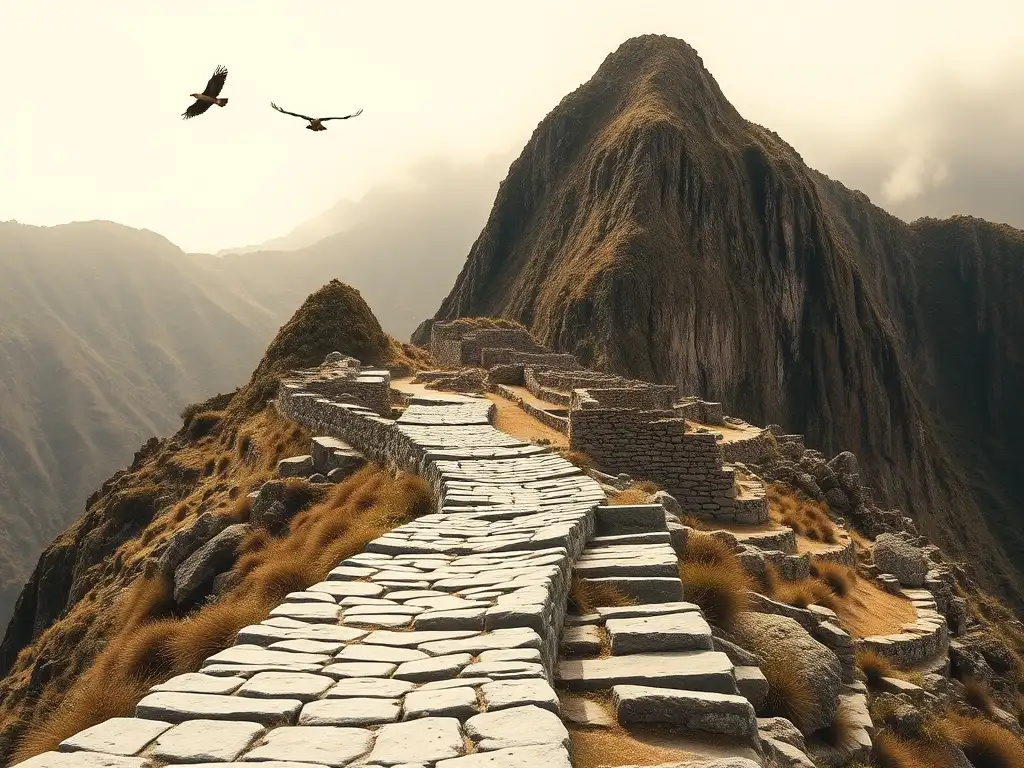
The Inca road system, or Qhapaq Ñan, stands as a testament to the engineering prowess and organizational capabilities of the Inca Empire. Its impact resonates even today, not only in its physical remnants but also in the ongoing efforts to preserve and understand this remarkable feat of ancient infrastructure. Understanding the Inca road system impact requires examining not just its construction, but also the ongoing work dedicated to its preservation and study.
UNESCO World Heritage Status
In 2014, the Qhapaq Ñan, Andean Road System, achieved recognition as a UNESCO World Heritage site. This prestigious designation underscores the global significance of the Inca road network and its enduring cultural and historical value. The UNESCO inscription acknowledges the system's exceptional universal value, highlighting its role in facilitating communication, trade, and administrative control across the vast Inca Empire.
The inscription also recognizes the sophisticated engineering techniques employed in its construction, the integration of the road system into the Inca worldview, and its lasting impact on Andean landscapes and cultures. This status provides crucial funding and international support for preservation initiatives, fostering collaboration between countries and organizations involved in the Qhapaq Ñan’s protection.
The ongoing monitoring and management plans developed under the UNESCO framework are vital for ensuring the long-term survival of this invaluable heritage. The impact of this recognition has been significant, increasing global awareness and attracting researchers and tourists alike, further highlighting the Inca road system impact on the modern world.
Archaeological Research and Discoveries
Archaeological research continues to unveil new insights into the complexity and extent of the Qhapaq Ñan. Recent discoveries have shed light on previously unknown sections of the road network, revealing intricate details of its construction and use. For example, studies have documented the diverse materials used in road building, ranging from meticulously fitted stone blocks in mountainous regions to simpler earthworks in flatter areas.
These findings enhance our understanding of the Inca's adaptive engineering strategies and their ability to tailor construction techniques to varying terrains. Furthermore, excavations at waystations and bridges along the Qhapaq Ñan have unearthed artifacts providing valuable information about the lives of travelers and the logistical organization of the Inca Empire.
The ongoing analysis of these artifacts, including pottery, textiles, and tools, offers a deeper understanding of the social, economic, and cultural aspects of the Inca road system and its profound Inca road system impact on daily life. The integration of advanced technologies like LiDAR and GIS mapping has also been crucial, allowing for more precise mapping of the road network and identification of previously undetected features, significantly furthering our research capabilities.
Challenges in Preserving the Ancient Roads
Despite the significant efforts dedicated to its preservation, the Qhapaq Ñan faces numerous challenges. The passage of time, natural erosion, and human activities pose significant threats to the integrity of the ancient roads. Climate change, particularly increased rainfall and extreme weather events, accelerates the deterioration of the road surfaces and associated structures. Furthermore, urbanization, agricultural expansion, and illegal construction along or near the roads are causing damage and fragmentation of this vital historical asset.
The impact of these threats underscores the urgent need for effective preservation strategies. These strategies must include not only physical conservation efforts, such as stabilization of vulnerable sections and restoration of damaged areas, but also community engagement and sustainable development initiatives. Raising awareness among local communities about the importance of preserving the Qhapaq Ñan is crucial for long-term protection.
Balancing the needs of local populations with the imperative of preserving this invaluable heritage requires careful planning and collaboration. The ongoing monitoring of the road network and the development of adaptable conservation strategies are vital to mitigating these challenges and ensuring the long-term survival of this remarkable achievement, fully realizing the lasting Inca road system impact. The task is complex, but the legacy of the Inca road system demands our continued dedication and innovative solutions.
Conclusion: The Enduring Importance of the Inca Roads
The Inca road system, or Qhapaq Ñan, stands as a testament to the ingenuity and organizational prowess of the Inca Empire. Its impact reverberates through centuries, shaping not only the physical landscape of the Andes but also the cultural and social fabric of the region. Understanding the Inca road system impact requires a multifaceted approach, considering its engineering marvels, its lasting legacy, and its continued relevance in contemporary Andean life.
The sheer scale of the network, its sophisticated design, and its crucial role in facilitating communication, trade, and military control solidified the Inca's dominance and left an indelible mark on history. The following sections delve deeper into specific aspects of this enduring legacy.
The Inca Road System as an Engineering Marvel
The Qhapaq Ñan wasn't merely a collection of paths; it was a meticulously planned and executed infrastructure project of unprecedented scale for its time. Consider the sheer logistical challenge: traversing treacherous Andean terrain, including towering mountains, deep valleys, and dense forests, required exceptional engineering skills. The Inca utilized a sophisticated understanding of topography and construction techniques. They employed diverse materials, adapting to the local environment.
Stone paving, suspension bridges, and meticulously engineered tunnels are just some examples of their advanced engineering capabilities. The roads weren't just functional; they were aesthetically pleasing, often incorporating features that harmonized with the surrounding landscape. The Inca’s mastery of stonework is evident in the precision and durability of the road sections that still survive today. Many sections remain remarkably intact, a testament to the quality of their construction and the foresight in their planning.
This exceptional engineering prowess significantly impacted the Inca Empire's ability to govern its vast territory efficiently and effectively, highlighting the crucial role of infrastructure in consolidating power. The construction itself also generated employment, further solidifying the empire's social and economic stability. The impact of this sophisticated infrastructure extended beyond mere transportation; it facilitated the movement of goods, troops, and messages across vast distances, directly contributing to the Inca’s success.
Lessons from the Inca Infrastructure for Modern Times
The Inca road system offers valuable lessons for modern infrastructure development. The Inca's focus on sustainability and adaptability to the environment stands in stark contrast to many modern projects that prioritize speed and short-term gains over long-term ecological considerations. Their ingenious solutions to challenging terrain, such as the use of suspension bridges and sophisticated drainage systems, offer inspiration for contemporary engineers facing similar problems in diverse geographical contexts.
The Inca's approach to community involvement and the mobilization of labor for large-scale projects also holds relevance today. Understanding how they organized and managed such extensive infrastructure projects could inform modern approaches to large-scale construction initiatives. Analyzing the Inca's design choices, material selection, and construction techniques can offer valuable insights into sustainable and resilient infrastructure design.
We can learn from their emphasis on local knowledge and resourcefulness, which allowed them to create a network that seamlessly integrated with the natural environment. The Inca's success highlights the importance of meticulous planning, community engagement, and long-term vision in infrastructure development—all elements often overlooked in contemporary projects. The Inca road system’s enduring legacy underscores the critical role of robust infrastructure in fostering economic growth, social cohesion, and national unity.
The Qhapaq Ñan's Influence on Contemporary Andean Life
The Qhapaq Ñan's impact extends far beyond its historical significance. Even today, many sections of the road network are still used, albeit often in modified forms, by communities in the Andes. The Inca road system continues to shape the landscape and daily lives of Andean communities. It serves as a vital transportation route, facilitating access to remote villages and markets.
The road network's legacy is woven into the cultural identity of the region, serving as a powerful symbol of Andean heritage and resilience. The Qhapaq Ñan is not just a historical artifact; it is a living testament to the ingenuity of the Inca civilization. Its continued use reflects the enduring legacy of Inca engineering and its continued relevance to modern Andean life.
Moreover, the ongoing preservation and restoration efforts highlight the road's importance as a cultural and historical asset, attracting tourism and contributing to the economic development of the region. The Inca road system’s lasting influence underscores the profound and multifaceted impact of well-planned infrastructure on the social, cultural, and economic fabric of a region, even across millennia. The preservation and celebration of the Qhapaq Ñan are critical for understanding the Inca road system impact and its continued relevance in the modern Andes.
Frequently Asked Questions
What was the primary purpose of the Inca road system?
The Inca road system, or Qhapaq Ñan, served multiple purposes. Primarily, it facilitated efficient communication across the vast empire, allowing for rapid transmission of messages and mobilization of resources. It also enabled military control and movement of troops.
How did the Inca road system impact trade and commerce?
The Qhapaq Ñan significantly facilitated trade by connecting distant regions. This allowed for the exchange of goods, resources, and ideas, contributing to the economic integration of the empire. Improved transportation lowered trade costs and boosted economic growth.
What were some of the engineering challenges faced during the construction of the Inca roads?
Building the Inca road system presented significant engineering challenges, including traversing steep mountains, crossing deep rivers, and adapting to diverse terrains. The Incas overcame these obstacles using impressive techniques and materials.
What impact did the Inca road system have on the Inca Empire's expansion and power?
The road system was crucial to the Inca Empire's expansion and consolidation of power. Rapid communication and troop movement enabled effective conquest and control of conquered territories. It also facilitated the integration of diverse populations.
How is the Inca road system viewed today?
Today, the Qhapaq Ñan is recognized as a remarkable feat of ancient engineering and is a UNESCO World Heritage site. Its legacy continues to inspire awe and research, demonstrating the sophistication of Inca technology and organization.
Final Reflection: Echoes of the Inca Road: Legacy and Future
The Inca road system, a marvel of engineering and logistical prowess, remains a potent symbol of human ingenuity and its capacity for ambitious, interconnected projects. Its impact resonates far beyond its physical remnants, offering crucial lessons in infrastructure planning, societal organization, and the enduring power of communication. The efficiency and reach of this network continue to inspire modern-day solutions to global challenges.
The Inca road's influence extends beyond mere transportation; it shaped the very fabric of Inca society, fostering unity and facilitating the efficient distribution of resources across a vast and diverse empire. Its impact on cultural exchange and the dissemination of knowledge was profound. The road was not simply a path; it was the artery of the empire, carrying lifeblood in the form of goods, messages, and people.
This quote encapsulates the road's significance as a unifying force, a testament to the Inca's understanding of the power of connectivity. The echoes of this sophisticated system can be heard in our modern pursuit of global interconnectedness, reminding us of the enduring importance of infrastructure in shaping societies.
Consider the scale of the Inca road network, its intricate design, and its lasting impact. Now, reflect on your own life and the networks that connect you—your community, your nation, the world. How can we learn from the Inca's vision to build more sustainable, inclusive, and effective networks in our own time? Let the legacy of the Inca road inspire you to forge connections, to bridge divides, and to build a future where communication and collaboration pave the way for progress and prosperity for all.
Unveil the Secrets of the Inca Road Network!
Thank you for exploring the fascinating world of the Inca Road Network! You've discovered how these ancient roads shaped communication, control, and connection across the Andes. Now, let's delve deeper into this incredible history!
Here are some ways to continue your exploration:
- **Embark on a guided tour** of Inca trails to experience the breathtaking routes that once connected a vast empire.
- Share this article with friends and family to spark a conversation about the marvels of Andean civilizations and their ingenuity.
- Research specific sections of the road network, such as the iconic Inca Trail to Machu Picchu, and immerse yourself in its rich history.
What aspect of the Inca Road Network intrigues you most, and how do you think it influenced modern transportation and communication?