
The Moche Marvel: Engineering Feats in Desert Irrigation

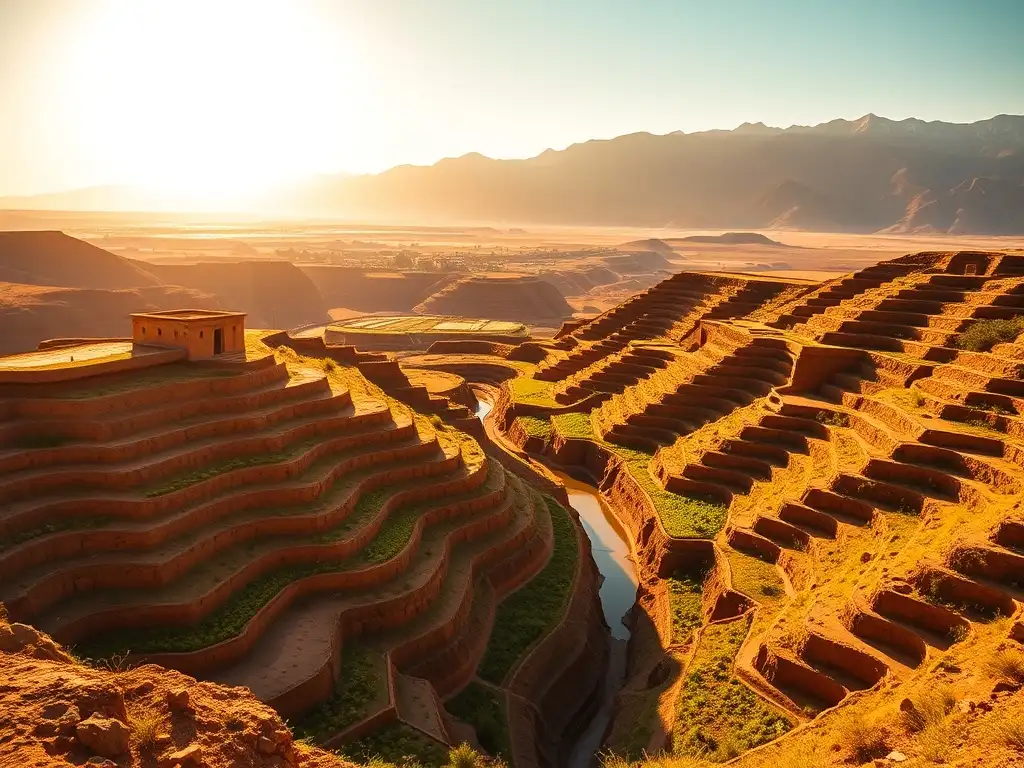
Uncover the secrets of a lost world where ingenuity thrived against all odds. Step into the heart of the Andes and witness the breathtaking achievements of ancient civilizations, from the Incas to the enigmatic Moche. But prepare to be amazed by their mastery of the desert: discover how the Moche's revolutionary irrigation systems transformed barren landscapes into thriving oases, a testament to their unparalleled engineering prowess. Dive into the story of their remarkable ingenuity, and unravel the mysteries behind their remarkable success in this arid land.
The Moche civilization, flourishing along the arid northern coast of Peru between 100 and 800 CE, stands as a testament to human ingenuity and adaptation. Their remarkable achievements in agriculture, particularly their sophisticated irrigation systems, allowed them to thrive in one of the world's most challenging environments.
This article delves into the intricacies of Moche irrigation, exploring the environmental context, societal structures that supported these massive projects, and the profound connection between water and their religious beliefs. Understanding the Moche's mastery of water management provides crucial insight into their remarkable societal complexity and enduring legacy, highlighting their innovative solutions to the problem of Moche irrigation systems in a hyper-arid climate.
We will examine the ingenuity behind their canal networks, the social organization required for their construction and maintenance, and the symbolic significance of water within their culture. This exploration will reveal not only impressive engineering feats, but also a deep understanding of the Moche's relationship with their environment and the divine.
The Arid Coastal Environment of Northern Peru
The northern Peruvian coast presents a starkly contrasting landscape: a narrow strip of desert squeezed between the Pacific Ocean and the Andes Mountains. Rainfall is incredibly scarce, making agriculture seemingly impossible. However, the Moche ingeniously harnessed a unique resource: the ephemeral rivers that periodically flow down from the Andes after periods of heavy rain.
These rivers, while unpredictable, provided the lifeblood of their civilization. The challenge was to capture and control this intermittent water supply, a feat requiring advanced planning, skilled labor, and a deep understanding of hydrology. The Moche tackled this challenge head-on, developing complex and extensive systems of canals, reservoirs, and aqueducts to channel and store water for irrigation throughout the year.
Their success in manipulating this scarce resource allowed for the cultivation of crops such as maize, beans, cotton, and squash, forming the basis of their economy and supporting a large, densely populated society. The sheer scale of these projects is impressive, considering the tools and technology available to them.
Moche Society and Agriculture: A Symbiotic Relationship
The construction and maintenance of the Moche irrigation systems were not solely the result of individual effort; they were a collective undertaking reflecting a sophisticated social organization. Archaeological evidence suggests a hierarchical society, with a ruling elite likely responsible for overseeing large-scale projects. However, the scale of the irrigation works implies the involvement of a substantial labor force, possibly organized through a system of communal labor or tribute.
The success of the irrigation systems was directly linked to the prosperity and stability of the Moche state. The reliable food supply generated by these systems supported population growth, allowed for specialization of labor, and contributed to the development of a complex social and political structure. The intricate network of canals not only transported water but also facilitated communication and trade within the Moche territory.
The agricultural surplus generated allowed for the development of craft specializations, the creation of monumental architecture, and the support of a priestly class. This symbiotic relationship between society and agriculture highlights the crucial role of water management in the Moche civilization's success.
The Centrality of Water in Moche Rituals and Cosmology
Water was not merely a utilitarian resource for the Moche; it held profound religious and cosmological significance. Their elaborate iconography, often depicted on ceramics and textiles, frequently features water-related motifs, emphasizing the life-giving properties of water and its connection to fertility and abundance. Many Moche rituals likely involved water, perhaps as a means of appeasing the gods responsible for rainfall and ensuring the continued productivity of their agricultural systems.
The construction of canals and reservoirs may have been intertwined with religious ceremonies, reinforcing the sacred nature of water and the collective effort required for its management. Some scholars suggest that the Moche viewed their irrigation systems as a reflection of the cosmic order, mirroring the flow of celestial waters and ensuring the harmony between the human and divine realms.
The deep-seated reverence for water within Moche culture underscores the integral role it played, not only in their material lives but also in their spiritual world. The intricate relationship between the practical and the symbolic highlights the sophistication and complexity of the Moche worldview.
- The Arid Coastal Environment of Northern Peru
- Moche Society and Agriculture: A Symbiotic Relationship
- The Centrality of Water in Moche Rituals and Cosmology
- What were the Moche irrigation systems like?
- How did the Moche overcome the challenges of the desert environment?
- What impact did the Moche irrigation systems have on their society?
- What materials and tools did the Moche use for their irrigation projects?
- How did the Moche irrigation systems compare to those of other Andean cultures?
The Ingenious Moche Irrigation Systems
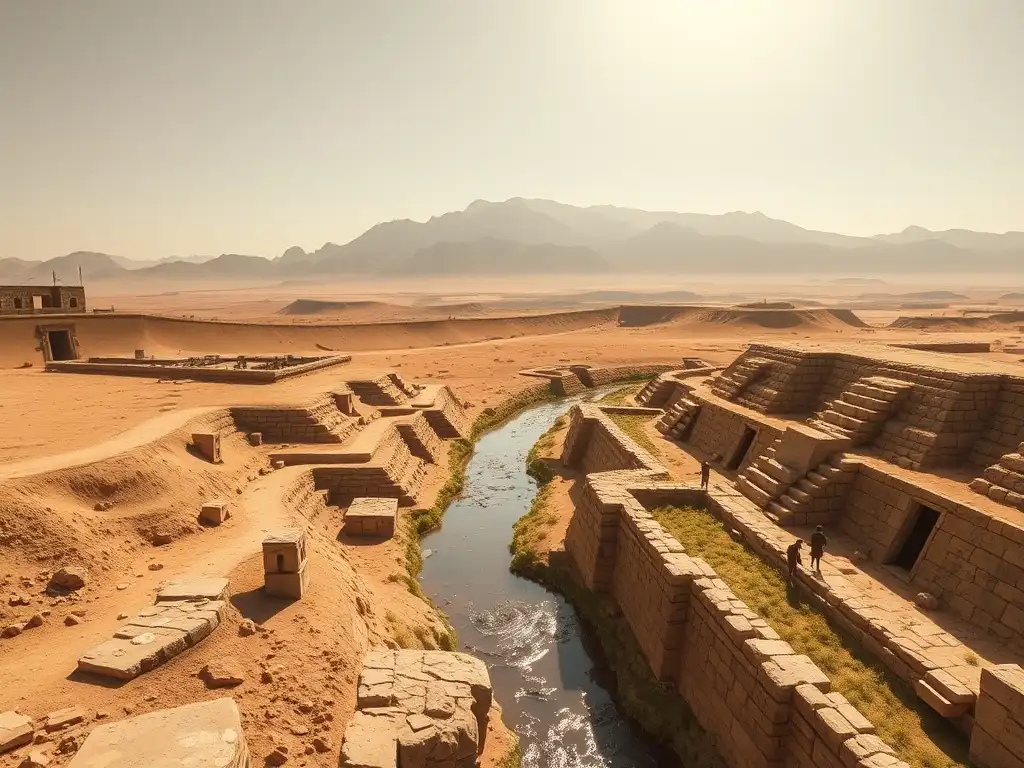
The Moche civilization, flourishing along the arid northern coast of Peru from approximately 100 to 800 CE, achieved remarkable feats of engineering, particularly in their sophisticated irrigation systems. These weren't simply ditches; they were complex networks designed to harness scarce water resources, transforming a seemingly barren landscape into a productive agricultural powerhouse. Their mastery of water management allowed for the cultivation of crops like maize, beans, squash, and cotton, supporting a large and densely populated society.
Understanding the Moche irrigation systems provides crucial insight into their societal organization, technological prowess, and overall resilience in a challenging environment. The ingenuity of their solutions continues to fascinate and inspire modern engineers and researchers. The keyword, "Moche irrigation systems," perfectly encapsulates this remarkable achievement.
Overview of Moche Water Diversion and Distribution
The Moche irrigation systems were not a single, monolithic project but rather a series of interconnected canals, ditches, and reservoirs tailored to the specific topography of the coastal valleys. The system's success stemmed from a deep understanding of hydrology and a practical approach to water diversion. Rivers, often ephemeral, were the primary source of water. Ingenious structures, many still visible today, were built to intercept these rivers at strategic points, diverting water into the main canals.
These diversion points often involved carefully constructed dams and weirs, regulating water flow and preventing erosion. From these main canals, smaller channels branched out, creating a network that reached even the most distant fields. The system was incredibly efficient, minimizing water loss through evaporation and leakage.
Evidence suggests that the Moche also employed techniques to manage sediment buildup in the canals, ensuring the long-term functionality of the system. This sophisticated management of water resources, including the precise manipulation of flow and distribution, is a testament to their advanced understanding of hydraulics. The sheer scale of these systems, covering vast distances, further underscores the organizational capabilities of the Moche.
Canals: Essential for Agricultural Production
The canals themselves were the backbone of the Moche irrigation systems. These weren't simply dug channels; they were meticulously planned and constructed features, often lined with stone or adobe bricks to prevent erosion and leakage. The size and depth of the canals varied depending on the water flow and the terrain. Main canals could be quite large, capable of carrying significant volumes of water.
Smaller canals, branching off from the main arteries, delivered water directly to individual fields. The construction of these canals required enormous amounts of labor, suggesting a highly organized and cooperative society. Archaeological evidence reveals that some canals were remarkably straight, indicating the use of surveying techniques to ensure efficient water delivery. This precision is all the more impressive given the lack of sophisticated tools that we have today.
The longevity of many of these canals is a testament to the quality of their construction and the effectiveness of their design. The canals were not only crucial for agriculture; they also likely served as vital transportation routes, facilitating the movement of goods and people within the Moche territories. Some scholars even suggest that the canals played a role in defining social boundaries and land ownership.
Construction Techniques: Adobe, Stone, and Labor Management
The construction of the Moche irrigation systems required a combination of sophisticated engineering techniques and effective labor management. The most commonly used materials were adobe bricks and stone, chosen for their availability and durability. Adobe bricks, sun-dried clay blocks, were used extensively in canal lining and construction of smaller structures. Stone, particularly in areas prone to higher water flow or erosion, provided greater strength and longevity.
The precise techniques employed in the construction of these canals, including the use of leveling and alignment techniques, speak to a high level of technical expertise. The organization of labor for such large-scale projects was a monumental task. Evidence suggests that the Moche utilized a system of communal labor, possibly involving corvée, where individuals contributed a certain amount of time to public works projects. This system, combined with a hierarchical social structure, allowed for the efficient mobilization of the workforce.
The scale and complexity of the Moche irrigation systems underline the importance of communal effort and the sophisticated organizational capacity of this remarkable civilization. The precision and durability of the structures, even in the harsh desert environment, are a testament to their engineering skills and efficient use of resources. Further research is needed to fully understand the intricacies of their labor management and the specific techniques employed in different regions.
Key Irrigation Complexes: San José de Moro and Pampa Grande
The Moche civilization, renowned for its sophisticated artistry and complex social structures, also demonstrated exceptional engineering prowess in its mastery of desert irrigation. Two prime examples showcasing their ingenuity are the San José de Moro and Pampa Grande irrigation complexes. These weren't simply canals; they represented a comprehensive understanding of hydrology, landscape manipulation, and community organization, crucial for sustaining a large population in a harsh, arid environment.
The scale and complexity of these systems are a testament to the Moche's advanced technological capabilities and their ability to harness scarce resources. Their success in creating and maintaining these systems for centuries speaks volumes about their societal organization and planning. The intricate network of canals, reservoirs, and aqueducts wasn't merely a feat of engineering but also a reflection of their deep understanding of the natural world and their ability to adapt to its challenges.
The very existence of these irrigation systems demonstrates the Moche's commitment to long-term sustainability and their remarkable capacity for collective action. The meticulous planning and execution of these projects suggest a highly organized society with specialized labor and a clear understanding of the importance of water management.
The San José de Moro irrigation system, located in the Chicama Valley, is particularly noteworthy for its extensive network of canals that tapped into the seasonal river flows. These canals, some quite substantial in size, were carefully engineered to distribute water efficiently across the agricultural lands, minimizing water loss through evaporation and seepage.
Archaeological evidence suggests the use of sophisticated techniques for canal construction, including the use of stone lining and the creation of strategically placed check dams to regulate water flow. The system’s longevity and effectiveness highlight the Moche's advanced knowledge of hydraulic engineering and their ability to adapt their irrigation techniques to the fluctuating water supply of the desert environment.
The meticulous planning and construction of the San José de Moro system underscore the importance of water resources to the Moche society and their ability to create a sustainable agricultural system in a challenging environment. The system's success depended on a combination of technical expertise, social organization, and a deep understanding of the local hydrological conditions.
Pampa Grande, another impressive example of Moche irrigation engineering, is located in the Lambayeque Valley. This system, while sharing similarities with San José de Moro, presented unique challenges due to the valley's topography. The Moche engineers overcame these challenges by employing innovative techniques, including the construction of elevated canals and the use of sophisticated water diversion structures. The scale of the Pampa Grande system is particularly striking, encompassing a vast network of canals that served a significant agricultural area.
The complexity of the system, with its multiple levels and intricate network of channels, suggests a high degree of planning and coordination. The system's longevity is a testament to the Moche's ability to adapt their irrigation techniques to different environmental conditions. The evidence points to a deep understanding of water management principles and a sophisticated ability to harness and distribute water resources efficiently across a large area.
The success of the Pampa Grande irrigation system reinforces the notion that the Moche civilization was a master of water management, capable of creating and maintaining large-scale irrigation networks that supported a thriving agricultural society in the harsh desert environment. The impressive scale and complexity of the system remain a significant achievement in ancient Andean engineering. The Moche's mastery of water management was not just a technological feat but also a crucial factor in their societal and economic success.
Types of Moche Irrigation Infrastructure
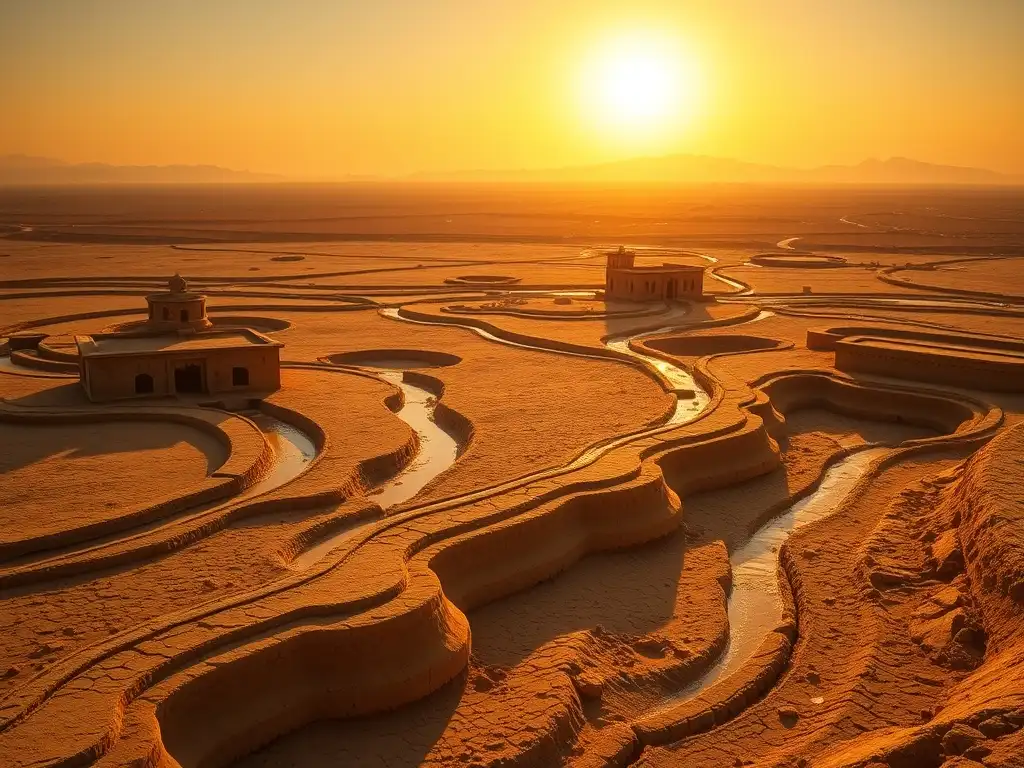
The Moche civilization, flourishing on the arid northern coast of Peru between 100 and 800 CE, achieved remarkable feats of engineering, particularly in their sophisticated irrigation systems. Their success in cultivating a flourishing society in such a harsh environment hinged on their ability to harness scarce water resources. This section delves into the diverse infrastructure they developed to achieve this, highlighting their ingenuity and understanding of hydrological principles.
Understanding the intricacies of Moche irrigation systems provides crucial insight into their societal organization, agricultural practices, and overall resilience. The effectiveness of their Moche irrigation systems is a testament to their advanced understanding of water management.
Gravity-Fed Canals: Utilizing Topography for Water Flow
Gravity-fed canals formed the backbone of the Moche irrigation network. These canals, meticulously carved into the landscape, relied on the natural slope of the terrain to move water from rivers and streams to agricultural fields. The Moche expertly surveyed the land, identifying optimal routes that minimized elevation changes and maximized water flow. This careful planning ensured efficient water distribution across vast areas.
Canal construction involved significant labor, with teams of workers likely using simple tools like stone picks and shovels to excavate the earth. The canals were often lined with stones or clay to prevent water seepage and erosion, further demonstrating their advanced engineering knowledge and practical skills. Evidence suggests that some canals were several kilometers long, showcasing the scale of their irrigation projects and the level of societal organization required to undertake such ambitious undertakings. The success of these gravity-fed canals depended on maintaining a consistent gradient, a feat requiring precise surveying and construction techniques.
This careful approach ensured that water reached the furthest fields without significant loss through seepage or evaporation. The Moche's mastery of this technology allowed them to cultivate crops across extensive areas, contributing significantly to their economic prosperity. Analyzing the remnants of these canals today offers valuable insights into their construction techniques and the overall sophistication of their water management strategies. The precision and scale of these Moche irrigation systems are truly impressive.
Diversion Structures: Controlling River Water Intake
To effectively manage water intake from rivers, the Moche constructed intricate diversion structures. These structures, typically built from stone and adobe, were strategically placed along riverbanks to divert a controlled portion of the river's flow into the irrigation canals. These weren't simple dams; they were sophisticated systems designed to regulate water flow based on seasonal variations and the needs of the agricultural lands. Some diversion structures incorporated weirs, which are low dams built across a river to regulate the water level.
These weirs allowed the Moche to control the amount of water diverted into the canals, preventing flooding during periods of heavy rainfall and ensuring a consistent water supply during drier months. Other diversion structures involved complex systems of channels and spillways to manage the water flow and prevent erosion. The construction of these structures required a high level of engineering skill and a detailed understanding of hydraulic principles. The Moche’s ability to design and build these structures reflects their advanced knowledge of hydrology and their capacity for large-scale collaborative projects.
Furthermore, the location and design of these diversion structures likely reflected a deep understanding of the river's flow patterns and seasonal variations. This allowed them to optimize water distribution, ensuring that sufficient water reached the agricultural fields throughout the year. These diversion structures, integral components of the Moche irrigation systems, were crucial to their agricultural success. Further research into the specific designs and materials used in these structures is needed to fully appreciate their ingenuity.
Water Storage Basins: Supplementing Dry Season Needs
In addition to canals and diversion structures, the Moche also employed water storage basins to supplement water supplies during the dry season. These basins, often constructed in valleys or depressions, collected rainwater and runoff from surrounding areas. Their size varied considerably, ranging from small reservoirs to large-scale basins capable of storing significant quantities of water. The basins were typically lined with clay or other impermeable materials to minimize water loss through seepage.
The construction and maintenance of these basins required considerable effort, but the benefits were significant, providing a crucial water reserve during periods of low rainfall. The presence of these basins demonstrates the Moche’s forward-thinking approach to water management, anticipating seasonal variations and planning accordingly. The strategic placement of these basins, often in locations that maximized water collection, highlights their understanding of local hydrology. The construction techniques employed in building these basins would be a valuable subject for further archaeological investigation, as they could reveal details about the Moche’s building materials and construction methods.
These storage basins, coupled with the canal and diversion systems, formed a comprehensive water management strategy that allowed the Moche to thrive in an otherwise harsh environment. The ingenuity of the Moche irrigation systems is evident in their integrated approach to water collection, storage, and distribution. The effectiveness of these systems underscores the importance of planning and resource management in their society.
Underground Aqueducts: Transporting Water Efficiently
The Moche's mastery of water management extended beyond surface canals. Their ingenious use of underground aqueducts, often referred to as puquios, represents a remarkable feat of engineering and a testament to their deep understanding of hydrology. These weren't simply tunnels; they were sophisticated systems designed to transport water efficiently from distant sources to agricultural fields, even across challenging terrains. The construction involved meticulous planning and execution.
Workers, likely specialized in this type of construction, would dig shafts at intervals, connecting them to create a network of subterranean channels. These channels were often lined with stones or other materials to prevent collapse and ensure a smooth flow of water. The precise techniques employed, including the selection of suitable materials and the angle of the channels to maintain a consistent gradient, remain a subject of ongoing archaeological research. Evidence suggests that the Moche possessed sophisticated knowledge of geology and hydraulics, allowing them to locate underground water sources and design effective systems for their extraction and distribution.
The effectiveness of the puquios is further evidenced by the extensive agricultural lands they served, demonstrating the scale and complexity of Moche water management projects. The enduring legacy of these underground aqueducts is not only in their efficient water delivery but also in the insights they offer into the advanced engineering capabilities of the Moche civilization. The construction and maintenance of these systems demanded significant labor and organizational skills, showcasing a highly structured and collaborative society.
The design of these underground aqueducts wasn't uniform across all Moche territories. Variations in topography, soil composition, and water availability led to adaptations in the construction methods and the overall design of the puquios. Some puquios were relatively simple, consisting of straight channels, while others were more complex, incorporating shafts, ventilation systems, and even access points for maintenance and cleaning.
This adaptability highlights the Moche's practical approach to engineering, demonstrating their ability to tailor their solutions to specific environmental conditions. Archaeological excavations continue to unearth new information about the construction techniques, materials, and overall complexity of these remarkable underground water systems. The discovery of new puquios and the ongoing analysis of existing ones provide valuable insights into the Moche's sophisticated understanding of water resource management and their impressive ability to engineer sustainable solutions in a challenging desert environment.
The continued study of these systems provides crucial lessons for modern-day water management strategies, particularly in arid and semi-arid regions facing water scarcity. The ingenuity and sustainability of the Moche puquios stand as a powerful example of ancient engineering excellence.
The Impact of Moche Irrigation on Agriculture
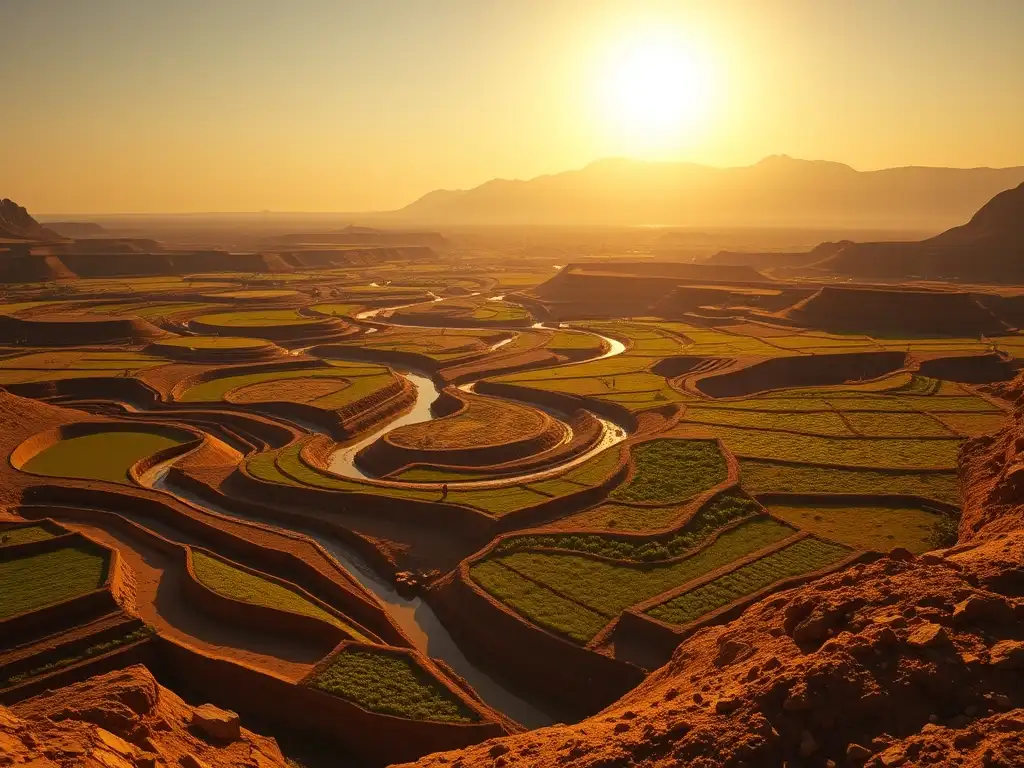
The Moche civilization's mastery of water management, particularly their sophisticated irrigation systems, fundamentally shaped their agricultural output and societal structure. Their ingenuity in harnessing scarce water resources in the arid coastal valleys of northern Peru allowed them to cultivate vast expanses of land, supporting a remarkably dense population for its time. This success wasn't merely a matter of survival; it fueled economic prosperity, social complexity, and the development of a vibrant artistic and religious culture. The Moche's success with "Moche irrigation systems" provides a compelling case study in the interplay between technological innovation and societal development in ancient civilizations.
Enhanced Crop Yields: Supporting a Complex Society
Moche irrigation systems weren't simple canals; they were complex networks of channels, reservoirs, and aqueducts meticulously designed to maximize water distribution and minimize water loss. This advanced engineering, coupled with their understanding of local hydrology, resulted in significantly enhanced crop yields. Evidence suggests that they employed techniques like terracing on slopes to create level planting surfaces, and constructed intricate systems of canals to divert water from rivers and streams, even utilizing underground channels ( puquios) to access groundwater sources.
The increased productivity enabled the Moche to support a larger population than would have been possible with rain-fed agriculture alone. This surplus of food allowed for specialization of labor, the development of a hierarchical social structure, and the construction of monumental architecture and elaborate religious ceremonies.
Archaeological findings, including the remains of extensive agricultural fields and the scale of Moche settlements, powerfully demonstrate the impact of their irrigation systems on the productivity of their agriculture. Quantitative data on specific yield increases remain elusive due to the challenges of archaeological analysis, but the sheer scale of Moche agricultural projects speaks volumes to their success.
Cultivated Crops: Maize, Beans, Squash, and Cotton
The increased water availability facilitated by the Moche irrigation systems allowed for the cultivation of a diverse range of crops crucial to their economy and sustenance. Maize, a staple crop across many Andean civilizations, formed the cornerstone of their diet. The Moche also cultivated beans, squash, and cotton.
Beans provided valuable protein, while squash offered additional carbohydrates and vitamins. Cotton, crucial for textile production, fueled a thriving textile industry that produced elaborate clothing and ceremonial garments. The ability to cultivate these diverse crops provided dietary diversity and economic opportunities, further contributing to the stability and prosperity of the Moche society.
The presence of these crops in Moche sites, confirmed through both botanical remains and depictions in their art, provides concrete evidence of their agricultural success. Their ingenuity in adapting diverse crops to their challenging environment via masterful irrigation techniques is a testament to their deep understanding of agriculture and their environment.
Irrigation and Population Growth: A Direct Correlation
A strong correlation exists between the development of Moche irrigation systems and the growth of their population. As their irrigation technologies advanced, so did their capacity to support a larger population density. The availability of surplus food, facilitated by efficient water management, allowed for population growth beyond the limitations imposed by relying solely on rain-fed agriculture.
This growth, in turn, fueled the development of more complex social structures, specialized labor, and the construction of impressive urban centers. While precise population figures for the Moche remain debated amongst scholars, the scale of their urban centers and agricultural infrastructure strongly suggests a significant population increase directly linked to their advancements in irrigation technology.
The evidence suggests a positive feedback loop: improved irrigation led to increased food production, supporting a larger population, which in turn spurred further innovation in irrigation and agricultural practices. This dynamic interaction between technology and demography highlights the transformative power of their water management techniques.
Moche Engineering Innovations in Irrigation
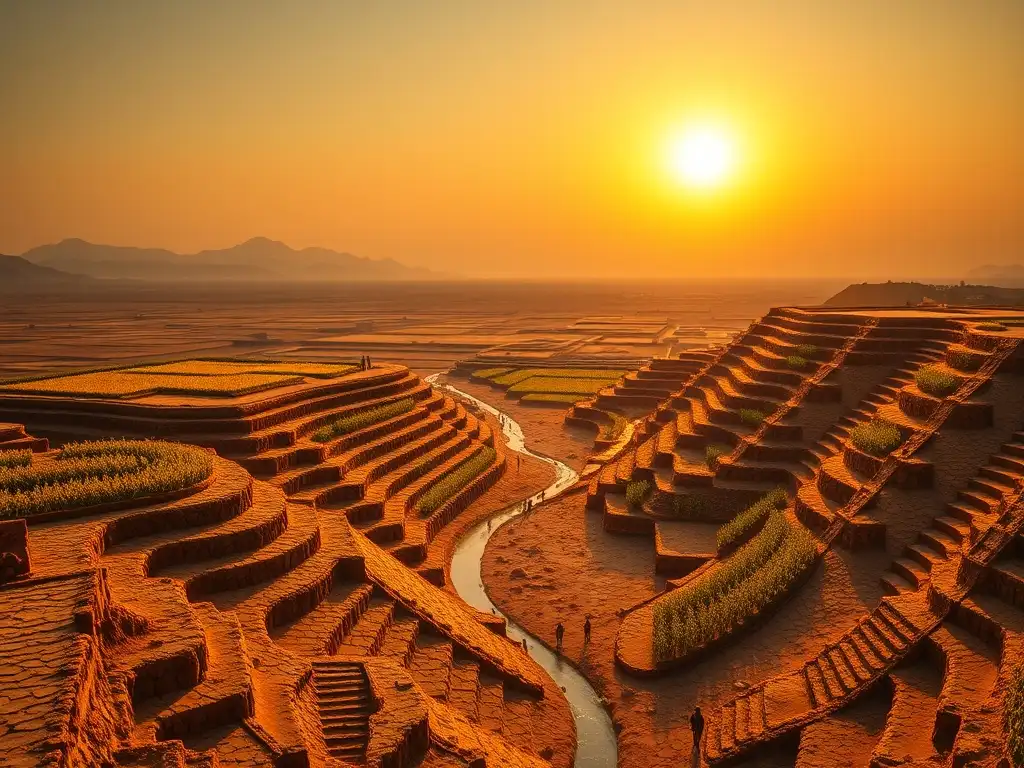
The Moche civilization, flourishing along the arid northern coast of Peru from approximately 100 to 800 CE, achieved remarkable feats of engineering, particularly in their sophisticated irrigation systems. Their success in transforming a seemingly inhospitable desert into a productive agricultural landscape stands as a testament to their ingenuity and deep understanding of hydrology. This mastery of water management was crucial to their societal development, supporting a complex social structure and the creation of impressive art and architecture.
The ingenuity displayed in their Moche irrigation systems continues to fascinate and inspire researchers today. Their solutions, developed without modern tools or equipment, highlight the remarkable capabilities of this pre-Columbian civilization. We will explore some of their key innovations below.
Precise Canal Alignment: Minimizing Water Loss
The Moche were meticulous in their canal construction. Their canals, often carved into the hillsides and extending for kilometers, were remarkably straight. This precision wasn't accidental; it was crucial for minimizing water loss through infiltration and evaporation. The slight gradients they created ensured a consistent, controlled flow, maximizing the water reaching the fields.
Archaeological evidence suggests they used sophisticated surveying techniques, potentially involving rudimentary instruments or observation of natural features, to achieve this level of accuracy. Analysis of surviving canal sections reveals incredibly smooth surfaces, further reducing friction and water loss. This attention to detail highlights the Moche's deep understanding of hydraulic principles and their commitment to efficient water management.
Consider the logistical challenge: transporting materials, managing labor, and maintaining the canals over vast distances – all while working within the constraints of a desert environment. It's a testament to their sophisticated organizational skills as well as their engineering prowess. The success of these Moche irrigation systems depended not only on the technical aspects of canal construction but also on effective social organization and resource management.
Terraced Fields: Expanding Cultivable Land
To further maximize their limited arable land, the Moche developed extensive terraced farming. These terraces, carved into hillsides, created a series of level platforms where crops could be grown. This technique served several purposes: it increased the total area available for cultivation, reduced soil erosion, and allowed for more efficient irrigation.
Water flowed down the terraces in a controlled manner, irrigating each level before continuing its descent. The construction of these terraces required significant labor and expertise, demonstrating the Moche's ability to mobilize large workforces and coordinate complex projects. The terraces weren't simply haphazardly carved; they were carefully designed to optimize sunlight exposure and drainage.
The size and complexity of some of the terraced fields suggest a sophisticated understanding of agricultural principles and land management. Different crops likely thrived on different terraces depending on sun exposure, water availability and soil conditions. This shows an advanced level of agricultural planning and management, integral to the success of their Moche irrigation systems.
Understanding of Water Dynamics: Efficient Use of Resources
The Moche's mastery of irrigation wasn't limited to canal construction and terracing. Evidence suggests a deep understanding of water dynamics, including seasonal variations in rainfall and river flow. They incorporated features such as reservoirs and diversion canals to manage water supply throughout the year.
Reservoirs helped store water during periods of high rainfall for use during drier months, ensuring a consistent water source for their crops. Diversion canals allowed them to redirect water from rivers to different parts of their agricultural lands, optimizing irrigation based on the needs of particular crops or regions. This adaptability demonstrates a sophisticated understanding of the local environment and a capacity for long-term planning.
The sophisticated integration of reservoirs, canals, and terraced fields represents a highly developed and integrated water management system. The ingenuity of the Moche irrigation systems underscores the remarkable adaptability and engineering skills of this Andean civilization, enabling them to thrive in a challenging environment. Further research into these systems could reveal even more insights into their knowledge of hydrology and agricultural practices.
Overcoming Environmental Challenges: Adapting to a Harsh Climate
The Moche people faced a formidable challenge: thriving in the arid coastal desert of northern Peru. Rainfall was scarce, and the survival of their advanced civilization hinged on their ability to harness and manage the limited water resources available. Their ingenuity in developing sophisticated irrigation systems stands as a testament to their deep understanding of their environment and their remarkable engineering capabilities. The Moche weren't simply reacting to the desert; they were actively shaping it to meet their needs. This involved a complex interplay of understanding water flow, soil composition, and the seasonal variations in precipitation, however minimal.
They observed the patterns of seasonal runoff from the Andes mountains, carefully studying the timing and volume of water flow to optimize their irrigation strategies. This wasn't a haphazard process; it was a carefully planned and executed system that required significant organizational and communal effort. Evidence suggests a highly structured society, capable of coordinating large-scale projects and mobilizing the necessary workforce for construction and maintenance. The success of their irrigation systems directly contributed to the Moche's ability to support a large population and a complex societal structure, flourishing in a region that would otherwise have been inhospitable. Their mastery of irrigation wasn't just a technological achievement; it was a cultural and social one, reflecting their understanding of their environment and their ability to collaboratively overcome its challenges.
The Moche's success in this arid environment serves as a powerful example of human adaptability and ingenuity, highlighting the crucial role of water management in the development of complex societies. Their legacy continues to inspire modern-day engineers and researchers seeking sustainable solutions for water management in arid regions. The sheer scale and sophistication of their irrigation networks, built with limited tools and technology, remain a testament to the Moche people’s remarkable engineering prowess and their deep understanding of their environment. Their strategies for water management are still relevant today, offering valuable lessons for contemporary approaches to water resource management in challenging climates.
Legacy of Moche Water Management
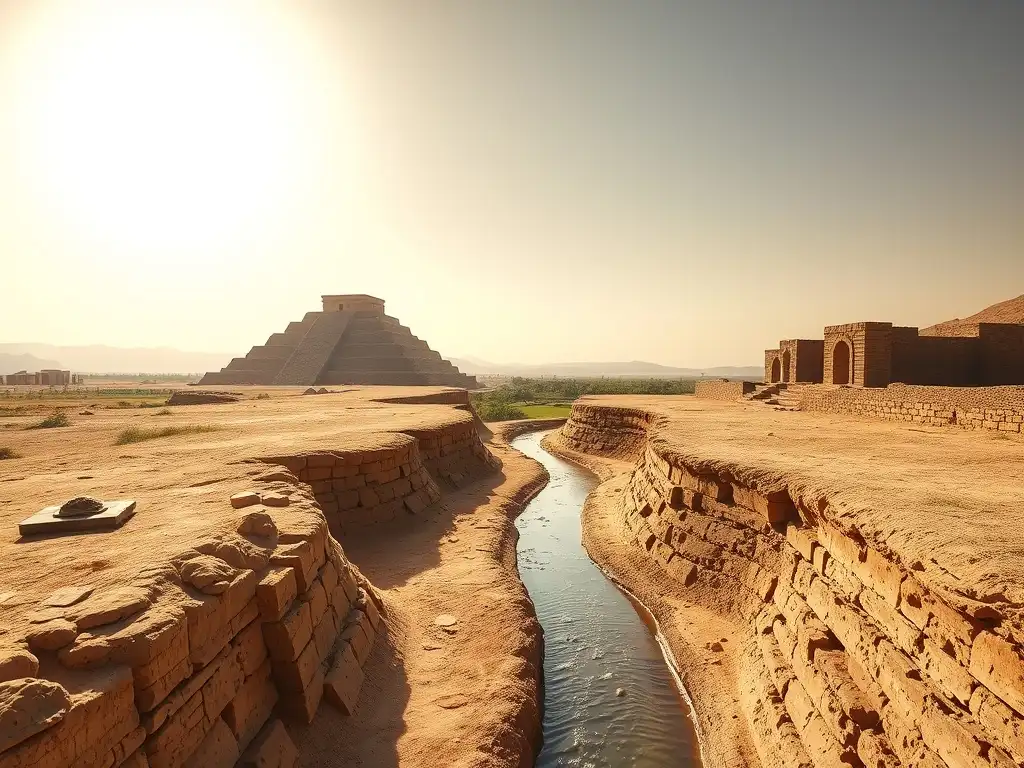
This section delves into the enduring impact of Moche irrigation techniques, showcasing their ingenuity and relevance even in contemporary contexts. The Moche's mastery of water management wasn't merely a feat of engineering; it was a cornerstone of their societal success, leaving a legacy that continues to inspire sustainable water practices today. Their sophisticated understanding of hydrology and their innovative solutions to the challenges of arid coastal environments offer valuable lessons for modern societies facing similar water scarcity issues. This legacy is not simply historical; it's a blueprint for the future.
Insights for Modern Sustainable Water Practices
The Moche's ingenious canales (canals) and acueductos (aqueducts), often carved into hillsides and extending for miles, represent a remarkable achievement in water resource management. Their system wasn't just about moving water; it involved careful planning, construction, and maintenance. Modern sustainable water practices can learn much from their meticulous approach.
For example, the Moche's understanding of water infiltration and soil conservation is evident in their terracing techniques, which minimized erosion and maximized water retention. Similarly, their use of gravity-fed systems reduced energy consumption, a crucial aspect of sustainable development. Analyzing the Moche's methods can provide valuable insights for designing efficient and environmentally friendly irrigation systems in modern arid regions.
Their success in cultivating a thriving civilization in a harsh desert environment underscores the importance of integrated water management strategies, combining careful planning, efficient infrastructure, and community participation. The Moche irrigation systems highlight the benefits of a holistic approach, balancing the needs of agriculture with the preservation of the environment. This holistic approach, a hallmark of Moche water management, remains a powerful model for modern sustainable practices.
Moche Influence on Subsequent Andean Societies
The Moche irrigation systems weren't simply abandoned after the civilization's decline. Their impact resonated throughout subsequent Andean societies, influencing the water management strategies of cultures like the Chimú and Inca. Evidence suggests a clear continuity in techniques and infrastructure, with later civilizations adapting and expanding upon the Moche's innovations.
The intricate canal networks and sophisticated water control structures developed by the Moche served as a foundation for later developments. This influence is not just about technology transfer; it represents a cultural inheritance, a testament to the lasting impact of the Moche's ingenuity. Understanding this continuity helps us appreciate the evolution of Andean water management practices over centuries, highlighting the enduring legacy of the Moche's achievements.
The Moche's contributions were not isolated events; they formed part of a broader trajectory of Andean innovation in water management, impacting generations of societies that followed. Their systems provided a crucial framework upon which subsequent civilizations built their own water infrastructure, demonstrating the power of effective and sustainable technologies to transcend cultural boundaries and persist through time.
Ongoing Archaeological Investigations and Conservation Efforts
Ongoing archaeological investigations continue to uncover new details about the complexity and sophistication of Moche irrigation systems. These investigations are crucial not only for understanding the past but also for informing modern conservation efforts. Preserving these ancient structures is vital, not only for their historical significance but also for their potential to provide valuable lessons for sustainable water management in the 21st century.
Detailed mapping, coupled with advanced hydrological modeling, is helping researchers understand how these systems functioned and how they can be replicated or adapted in contemporary contexts. Moreover, conservation efforts are focused on protecting the remaining structures from erosion and damage, ensuring their preservation for future generations. The study of these systems offers a unique opportunity to integrate historical knowledge with modern technology, leading to more effective and sustainable water management strategies.
The ongoing work underscores the importance of preserving these invaluable historical resources while simultaneously leveraging their insights to address modern challenges. The protection and study of Moche irrigation systems represent a powerful synergy between archaeology, engineering, and sustainable development, offering a tangible path towards a more water-secure future. This ongoing research and conservation represent a commitment to understanding and preserving a significant part of Andean heritage, while simultaneously applying those lessons to contemporary challenges.
Current research on Moche irrigation systems is moving beyond simply documenting the impressive scale of their engineering feats to delve into the complex social structures that made such ambitious projects possible. Archaeologists are increasingly focusing on understanding the social organization behind the construction, maintenance, and management of these vital water resources.
This involves analyzing a wide range of evidence, including settlement patterns, the distribution of artifacts, and even the chemical composition of soil samples to reconstruct past land use and water allocation practices. The goal is not just to identify who built the canals, but also to understand the power dynamics involved, the roles of different social groups, and the mechanisms used to ensure equitable (or perhaps inequitable) access to water.
For example, studies examining the size and distribution of houses in Moche settlements near major irrigation canals are shedding light on potential correlations between proximity to water resources and social status.
This research also incorporates ethnoarchaeological studies, examining contemporary Andean communities' water management practices to gain insights into possible parallels with Moche strategies. By comparing modern systems with archaeological evidence, researchers hope to better understand the social and political implications of water control in the Moche civilization. The complexity of these systems suggests a sophisticated level of social organization and cooperation, perhaps involving specialized labor forces, communal work projects, or even a centralized authority responsible for overseeing water allocation.
However, the exact nature of these social structures remains a subject of ongoing debate and investigation. The ongoing analysis of monumental architecture associated with irrigation systems, like reservoirs and canals, provides further clues to the social organization behind the impressive Moche hydraulic engineering.
The hope is to uncover more details about the leadership, labor organization, and potential conflicts surrounding the crucial resource of water. Further research in this area promises to significantly enhance our understanding of Moche society and its remarkable ability to thrive in a challenging desert environment.
Conclusion: The Enduring Legacy of Moche Irrigation Engineering
The ingenuity of the Moche people in developing sophisticated irrigation systems in the arid coastal desert of Peru remains a testament to their advanced understanding of engineering and their ability to adapt to challenging environmental conditions. Their mastery of water management allowed for significant population growth and the flourishing of their complex society, leaving an indelible mark on the landscape and the history of Andean civilizations. Understanding their methods offers valuable insights into sustainable water management practices, particularly relevant in today's world facing increasing water scarcity.
The remnants of their canals and reservoirs still visible today serve as powerful reminders of their remarkable achievements. Further research and preservation efforts are crucial to fully understand and appreciate the complete scope of Moche irrigation technology and its lasting contribution to Andean history.
The Moche: Skilled Engineers of the Ancient Andes
The Moche civilization (circa 100-800 CE) weren't just skilled artisans, renowned for their exquisite pottery and metalwork; they were also master engineers. Their success hinged on their ability to harness the scarce water resources of the arid northern Peruvian coast. They weren't simply digging ditches; their irrigation systems were complex networks involving canals, reservoirs, and aqueducts, often carved into hillsides and engineered to overcome significant topographic challenges. This wasn't a haphazard approach; evidence suggests careful planning and sophisticated surveying techniques were employed.
The scale of their projects is impressive, showcasing a level of organizational capacity and collective effort rarely seen in other contemporaneous societies. Their understanding of hydrology and the seasonal variations in water availability allowed them to create a sustainable system capable of supporting a large and densely populated society. This sophisticated approach to Moche irrigation systems is a key element in understanding their cultural and technological advancements.
The Crucial Role of Water for Andean Civilizations
Water was, and remains, a lifeblood for civilizations in the Andes. The arid and semi-arid regions of the Andes presented significant challenges to early inhabitants. Access to reliable water sources was crucial for agriculture, the foundation of any settled society. The development of sophisticated irrigation techniques, like those employed by the Moche, was not just a technological achievement; it was a fundamental factor in shaping the social, political, and economic structures of Andean societies.
The control of water resources often translated into power and influence, leading to complex social hierarchies and the development of sophisticated water management institutions. The Moche irrigation systems, therefore, were not simply engineering marvels; they were integral to the very fabric of Moche society, reflecting their social organization, religious beliefs, and economic strategies. The importance of water is reflected in Moche iconography, with many representations of water deities and ritual practices related to water control.
The Moche Irrigation Legacy: A Lasting Impact on the Landscape
The impact of the Moche irrigation systems extends far beyond their immediate use. The canals and reservoirs they built altered the landscape, shaping the environment in ways that are still visible today. While some structures have deteriorated over centuries, remnants of their engineering prowess remain, impacting modern agriculture and water management practices in the region.
Studies of these remnants provide valuable data for understanding ancient engineering techniques and sustainable water management strategies. The enduring legacy of the Moche is not only found in their art and architecture but also in the lasting imprint of their irrigation systems on the Peruvian landscape. The impact of their ingenuity continues to resonate, serving as a powerful example of human adaptation and innovation in the face of environmental challenges.
Preservation of these sites is crucial for understanding the full extent of the Moche's influence and for learning from their sustainable water management practices. Analyzing the Moche irrigation systems provides invaluable insights into sustainable water management techniques applicable even today.
Frequently Asked Questions
What were the Moche irrigation systems like?
The Moche developed sophisticated canal systems and terraces to bring water from rivers and streams to their agricultural lands in the arid coastal desert. This involved extensive labor and engineering skills.
How did the Moche overcome the challenges of the desert environment?
The Moche cleverly used their knowledge of water management to thrive in the harsh desert. Their innovative irrigation techniques allowed them to cultivate crops in otherwise unproductive areas. This ensured food security for their population.
What impact did the Moche irrigation systems have on their society?
The successful irrigation systems were crucial to the Moche civilization's economic prosperity and social stability. Abundant food surpluses supported a larger and more complex society.
What materials and tools did the Moche use for their irrigation projects?
The Moche used readily available materials like stone, clay, and wood, along with basic tools to construct their remarkable irrigation networks. Their labor force played a critical role in these massive projects.
How did the Moche irrigation systems compare to those of other Andean cultures?
While other Andean cultures also developed irrigation systems, the Moche's were particularly extensive and sophisticated for their time, demonstrating a high level of engineering expertise and water management strategies adapted to the unique challenges of the desert coast.
Final Reflection: The Enduring Legacy of Moche Ingenuity
The Moche people's mastery of desert irrigation remains a testament to human ingenuity, a powerful reminder that even in the harshest environments, resourcefulness and collaborative effort can yield astonishing results. Their sophisticated systems, built centuries ago, continue to inspire awe and offer valuable lessons for sustainable water management in a world grappling with climate change and resource scarcity. The ingenuity of the Moche serves as a potent counterpoint to the challenges we face today.
The impact of the Moche irrigation systems extends far beyond their immediate geographical context. Their innovative techniques, born from necessity and a deep understanding of their environment, continue to inform modern approaches to water management and sustainable agriculture. Their legacy serves as a powerful example of how human societies can adapt and thrive, even in seemingly insurmountable circumstances. The past is never dead. It's not even past.
- William Faulkner. This quote resonates deeply, as the Moche's achievements continue to shape our understanding of engineering, societal organization, and the enduring power of human innovation.
Consider the ingenuity of the Moche, their dedication to community, and their profound understanding of their environment. You too possess the capacity for innovation and resilience. Reflect on the challenges you face, and consider how the principles of collaboration, resourcefulness, and a deep understanding of your surroundings can help you overcome them. Let the Moche's legacy inspire you to find creative solutions and build a more sustainable future for generations to come.
Unleash the Power of Ancient Engineering!
Thank you for exploring the incredible world of the Moche civilization and their groundbreaking desert irrigation techniques! You've discovered the brilliance of their engineering—now let's put that inspiration to work.
Here are a few ways you can connect with this remarkable legacy:
- Deepen your understanding of ancient irrigation methods by researching modern sustainable agricultural practices that echo these age-old techniques. Consider exploring the work of organizations dedicated to water conservation and sustainable farming.
- Share your discoveries with friends, family, or on social media to spark a conversation about how past innovations continue to shape our future.
- Join a local community garden or environmental group to learn how ancient wisdom can inform today's water management solutions. Many organizations actively use sustainable practices inspired by ancient techniques.
What ancient engineering marvel inspires you to make a difference in your community?