
The Magic of the Andes: How Mysticism Influenced Andean Construction

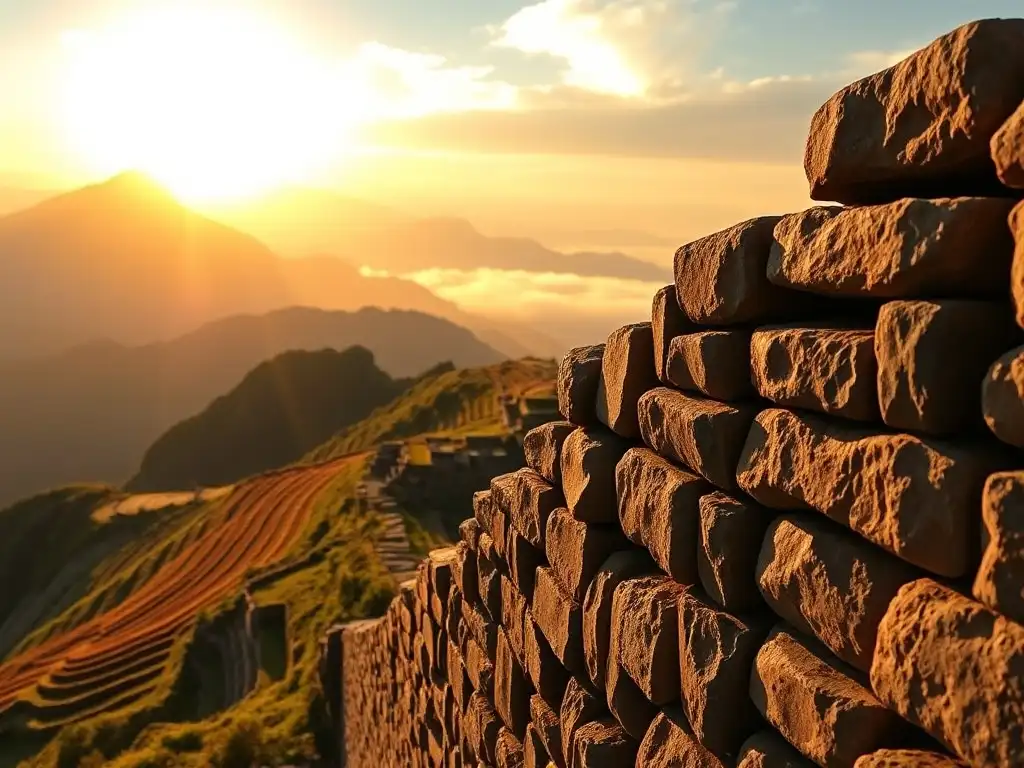
Step into a world lost to time, where the whispers of ancient spirits echo through towering mountain peaks. Prepare to unravel the enigma of Andean mysticism construction techniques, a fascinating blend of spiritual beliefs and breathtaking architectural prowess. Discover how the Incas, Moche, and other Andean civilizations channeled their profound understanding of the cosmos into the very stones they used to build their magnificent cities. The secrets of their ingenuity await; dare to explore the magic…
The towering ruins of Machu Picchu, the intricate Nazca Lines, and the monumental structures of Tiahuanaco stand as testaments not only to the advanced engineering skills of Andean civilizations but also to the profound influence of mysticism on their construction techniques. This article delves into the fascinating interplay between spiritual beliefs and architectural practices in the Andes, exploring how a deeply rooted worldview shaped the design, construction, and purpose of these remarkable buildings.
We will examine how the Andean understanding of the cosmos, their reverence for nature, and their complex relationship with the spiritual world directly impacted their building methods, resulting in structures that are both awe-inspiring and deeply symbolic. This exploration will reveal that Andean mysticism wasn't merely a backdrop to construction; it was the very foundation upon which these impressive achievements were built.
Understanding this connection is crucial to appreciating the full scope of Andean ingenuity and the enduring legacy of their architectural achievements. We will explore specific examples across various Andean cultures to illustrate this complex relationship between spiritual beliefs and practical construction.
Introduction to Andean Mysticism and its Impact on Building
Andean mysticism was not a singular, monolithic belief system but rather a complex tapestry of interconnected spiritual practices and beliefs that varied across different cultures and time periods. However, common threads run through these diverse traditions, significantly impacting their construction techniques. A core element was the belief in Pachamama, the Earth Mother, considered a life-giving force and a sacred entity.
This reverence for the natural world directly influenced the choice of building materials – often sourced locally and harmoniously integrated into the landscape – and the construction methods employed, often minimizing environmental disruption. Furthermore, the Andean worldview emphasized the interconnectedness of all things, a concept that manifested in the careful alignment of structures with astronomical events, reflecting a deep understanding of the cosmos and the cyclical nature of time. This wasn't merely about practicality; it was about creating buildings that were in harmony with the natural and spiritual world, reflecting the Andean belief in a holistic, interconnected universe.
The incorporation of sacred sites within or near structures further emphasizes the importance of integrating the spiritual into the physical world. For example, the placement of specific stones or the orientation of buildings towards significant celestial bodies were not coincidental but carefully planned acts of spiritual integration.
The Spiritual Worldview of Andean Cultures and its Architecture
The spiritual worldview of Andean cultures profoundly influenced the very essence of their architecture. Their buildings were not simply functional structures; they were imbued with spiritual significance, acting as conduits between the earthly and spiritual realms. This is evident in several key aspects of Andean construction:
- Material Selection: The choice of materials was often dictated by spiritual beliefs. Stone, for example, was not merely a building material but held symbolic meaning, representing the enduring nature of the cosmos. The use of specific types of stone, such as andesite, often carried additional spiritual weight, reflecting their properties and perceived connection to the earth.
- Architectural Design: The layout and design of structures often mirrored the Andean cosmological understanding. The use of specific geometric patterns, like the intricate designs found in Inca textiles and ceramics, were replicated in architectural elements, suggesting a desire to embody the spiritual order of the universe in their physical surroundings.
- Construction Techniques: The techniques employed were often imbued with ritualistic elements. The precise placement of stones, the use of specific tools, and the involvement of community members in the construction process all contributed to the sacred nature of the endeavor. The construction wasn't merely a task; it was a ritualistic act of creation, connecting the builders to the spiritual realm.
- Integration with the Landscape: Andean architecture seamlessly integrated with the surrounding landscape, reflecting a deep respect for Pachamama. Structures were often built into hillsides or terraces, minimizing their environmental impact and emphasizing the harmony between human creation and the natural world. This approach demonstrates a deep understanding of the interconnectedness of the built and natural environment, a key component of their spiritual beliefs. The integration extended beyond the immediate surroundings, with buildings often aligned with celestial bodies, further emphasizing the cosmic harmony inherent in their designs.
The careful consideration of these factors highlights the inseparable link between Andean mysticism and their construction techniques. The resulting structures were not merely buildings; they were powerful symbols of their spiritual worldview, testaments to their profound understanding of the cosmos, and enduring legacies of a rich and complex culture.
Andean Cosmology and Its Reflection in Architectural Design
Andean cosmology, a complex system of beliefs about the universe and humanity's place within it, profoundly influenced the architectural design of ancient Andean structures. The worldview emphasized a harmonious relationship between the earthly and spiritual realms, a concept reflected in the careful orientation of buildings towards celestial bodies and the incorporation of sacred geometries. For instance, the placement of Inca cities like Machu Picchu, strategically nestled into mountain slopes and aligned with solstices and equinoxes, wasn't merely a matter of practical considerations.
It was a deliberate act of aligning the built environment with the cosmic order, ensuring a flow of energy and a connection to the divine. The precise measurements and alignments found in many Andean structures suggest a deep understanding of astronomy and its connection to spiritual beliefs. This is further supported by the symbolic use of specific materials and colors, each carrying its own spiritual significance within the Andean worldview.
The intricate carvings and decorative elements often depicted celestial bodies, mythical creatures, and deities, reinforcing the cosmological narrative embedded within the architecture. The very act of construction was considered a sacred process, imbuing the resulting structures with spiritual power and significance. These weren't simply buildings; they were tangible manifestations of the Andean understanding of the universe.
Sacred Sites and their Construction: A Manifestation of Andean Beliefs
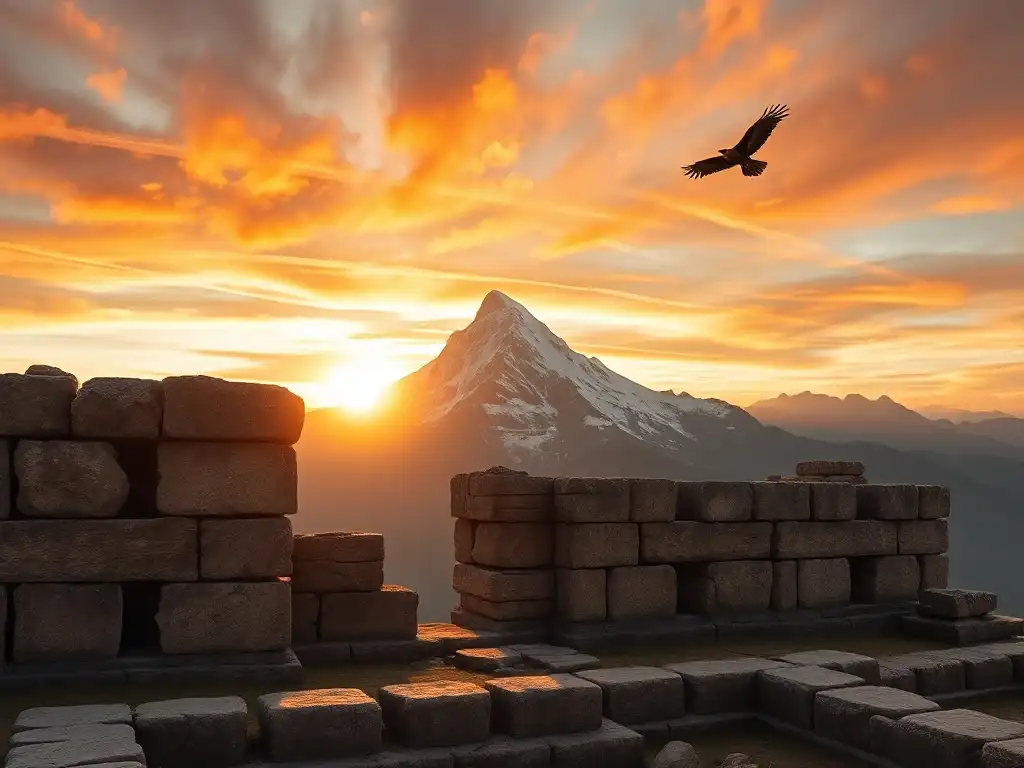
The construction of sacred sites in the Andes wasn’t a mere engineering feat; it was an act of religious devotion, a tangible expression of Andean spiritual beliefs. Sites like the Nazca Lines, though their purpose remains debated, are prime examples of this interplay between religious belief and architectural undertaking. The enormous scale and precision required to create these geoglyphs, visible only from the air, suggest a level of societal organization and religious fervor that drove immense collective effort.
Similarly, the construction of monumental structures like the Tiahuanaco complex in Bolivia involved the precise cutting and fitting of massive stone blocks, a testament to advanced engineering skills and a deep spiritual commitment. The complex's layout, incorporating plazas, temples, and residential areas, reflects a sophisticated understanding of sacred geography and the placement of structures to maximize their spiritual potency. The use of specific stones, often sourced from distant locations, further highlights the dedication and spiritual significance imbued in the construction process.
The sheer scale of these endeavors underscores the importance of religious beliefs in shaping Andean society and its architectural achievements. These sacred sites weren’t just places of worship; they were living embodiments of Andean cosmology, reflecting the interconnectedness of the human and spiritual worlds.
The Role of Rituals and Ceremonies in Andean Building Practices
Rituals and ceremonies were integral to Andean building practices, transforming the construction process from a purely practical endeavor into a sacred act. Before laying the first stone, elaborate ceremonies were likely performed to appease the spirits of the land and ensure the success of the project. These rituals may have involved offerings, prayers, and other symbolic actions intended to secure divine favor and protect the builders from harm.
Evidence suggests that specific individuals, perhaps shamans or priests, played crucial roles in guiding these ceremonies and overseeing the construction process, ensuring adherence to sacred guidelines. The use of ritualistic tools and techniques, possibly employing specific chants or incantations during construction, may have further infused the buildings with spiritual energy. The precise placement of stones, the selection of materials, and even the timing of construction may have been dictated by astrological considerations and religious calendars.
The incorporation of mummified remains or other sacred objects within the structures further highlights the spiritual significance attributed to the building process. Thus, Andean construction wasn't merely about erecting buildings; it was a deeply spiritual endeavor, a collaborative act between humans and the divine, resulting in structures imbued with spiritual power and meaning. The legacy of these practices is evident in the enduring mystery and spiritual aura surrounding many Andean architectural marvels.
Andean Mysticism Construction Techniques: Materials and Symbolism
Andean mysticism deeply permeated the selection and use of materials in construction. The choice wasn't merely practical; it was imbued with spiritual significance. Builders believed that the materials themselves possessed inherent energies and powers, reflecting the cosmos and the Andean worldview. This belief system is evident in the meticulous selection of stones, the use of specific colors, and the incorporation of symbolic motifs into the architectural designs.
The very act of construction was a ritual, connecting the earthly realm to the spiritual. The careful placement of stones, often massive and precisely cut, wasn't simply a matter of engineering prowess but a manifestation of a deep spiritual understanding. This approach is reflected in the precision and artistry evident in many Andean structures, where even the smallest detail carries symbolic weight. The choice of materials was far from arbitrary; it was carefully considered, reflecting the spiritual essence of the construction.
The Use of Stone: Its Sacred Properties and Significance
Stone, particularly granite and andesite, held paramount importance in Andean construction. These weren't just building blocks; they were imbued with sacred properties, representing the enduring strength and permanence of the mountains themselves – sacred entities in Andean cosmology. The selection process was rigorous, with specific types of stone chosen for their color, texture, and perceived energy.
For example, red stones, often associated with the sun god Inti, might be used prominently in temples or palaces, while other colors held different symbolic meanings. The meticulous cutting and fitting of stones, achieved without metal tools, reflect the profound respect for the material and its perceived spiritual power. The precision of the work speaks volumes about the builders' dedication and the sacred nature of their craft.
The immense effort invested in transporting and placing these massive stones further underscores their significance. The perfectly fitted stones, often without mortar, represent a feat of engineering and a testament to the spiritual beliefs that motivated their creation.
Alignments with Celestial Bodies: Andean Astronomy in Construction
Andean astronomy played a crucial role in determining the orientation and layout of structures. The alignment of buildings with celestial bodies, particularly the sun and stars, wasn't coincidental; it was a deliberate act reflecting the belief in the interconnectedness of the earthly and celestial realms. Many structures were meticulously oriented to mark solstices and equinoxes, enabling the observation of celestial events and their incorporation into religious rituals.
This astronomical knowledge was deeply intertwined with their understanding of time and the cycles of nature. The precise alignment of structures with the sun's path, for instance, ensured that specific areas received sunlight at particular times of the year, reinforcing the spiritual significance of the construction.
Careful observations and sophisticated calculations were essential for achieving these alignments, demonstrating the advanced astronomical knowledge of Andean cultures. This integration of astronomy and architecture is a remarkable example of the synergy between scientific understanding and spiritual beliefs.
Intihuatana and other Ritual Structures: A Connection with the Cosmos
Intihuatana, meaning "place where the sun is tied," is a prime example of a structure that directly linked Andean cosmology with architecture. These structures, often found at the highest points of significant sites, were used for ritual observations and ceremonies connected to the sun's movements. Their design and placement were not arbitrary; they were carefully planned to align with specific celestial events, marking the solstices and equinoxes.
Beyond Intihuatana, many other ritual structures were integrated into the architectural landscape, serving as focal points for religious practices and reinforcing the spiritual connection between the built environment and the cosmos. These structures served as tangible representations of Andean beliefs, demonstrating the profound influence of mysticism on their architectural designs. The intricate carvings and symbolic motifs adorning these structures further enhanced their spiritual significance.
Examples of Mystical Influences in Specific Andean Civilizations
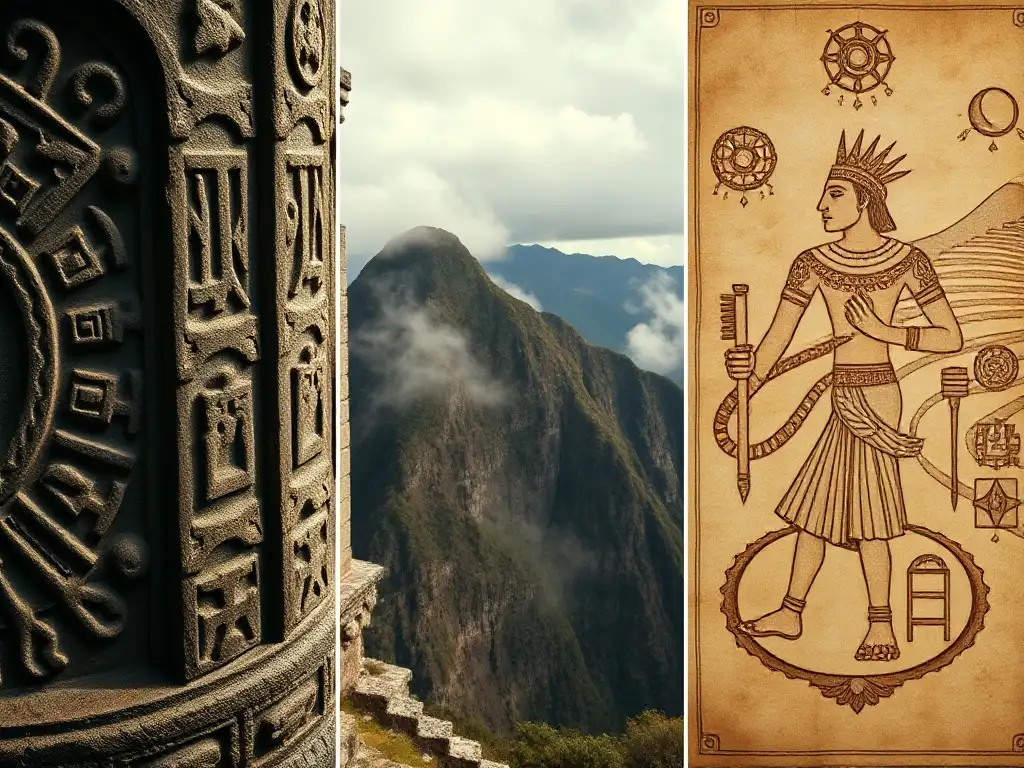
The influence of Andean mysticism on construction techniques varied across different civilizations, each reflecting its unique beliefs and practices. However, the underlying principle of integrating spiritual beliefs into the built environment remained consistent. Studying specific examples reveals the diverse ways in which mysticism shaped their architecture.
Inca Architecture: The Integration of Mysticism and Engineering
Inca architecture represents a remarkable fusion of engineering skill and spiritual beliefs. Their mastery of stonework, evident in the precision of their constructions, was not simply a technical achievement but a manifestation of their reverence for the natural world and their deities. The integration of astronomical alignments, the use of symbolic motifs, and the careful selection of materials all reflect the profound influence of Inca mysticism.
The impressive scale of their structures, such as Machu Picchu, further underscores their ability to integrate these aspects into large-scale projects, demonstrating the deep integration of spiritual and practical considerations in their construction. Their cities were not simply functional settlements but sacred landscapes, reflecting their worldview.
Tiwanaku: Spiritual Centers and Astronomical Alignments
The Tiwanaku civilization, known for its monumental architecture, exemplified the deep connection between their spiritual beliefs and construction practices. Their structures, such as the Kalasasaya Temple, exhibit a clear emphasis on astronomical alignments, suggesting a profound understanding of celestial cycles and their relationship to their spiritual worldview. The massive stones used in their construction, often transported over significant distances, highlight the importance placed on the materials and the spiritual significance of the building process.
The city of Tiwanaku itself functioned as a major spiritual center, with its architecture reflecting the cosmological beliefs of the civilization. The precise engineering and astronomical alignments show a sophisticated understanding of both practical and spiritual considerations.
Moche Architecture: Sacred Pyramids and Ritual Spaces
Moche architecture, characterized by its impressive adobe pyramids and elaborate ritual spaces, also reveals the influence of mysticism on their construction techniques. Their pyramids, often adorned with elaborate murals and sculptures, served as both religious centers and symbols of power, reflecting their complex belief system. The careful planning and construction of these massive structures, often incorporating intricate designs and symbolic elements, demonstrate the significant role of mysticism in their architectural practices.
The use of adobe bricks, a readily available material, does not diminish the spiritual significance of the constructions; instead, it highlights the Moche ability to integrate their spiritual beliefs into their everyday building practices. The ritual spaces within the pyramids further emphasize the religious significance of their architecture.
The Legacy of Andean Mysticism in Contemporary Construction
The enduring spiritual beliefs of Andean cultures continue to subtly, yet powerfully, influence contemporary construction practices in the region. While modern building techniques have largely superseded ancient methods, the underlying principles of harmony with nature and the integration of sacred geometry remain relevant. For example, the use of locally sourced materials, a hallmark of Inca construction, is experiencing a resurgence in sustainable building initiatives.
Architects and builders are increasingly prioritizing environmentally friendly materials, mirroring the ancient Andean focus on minimizing environmental impact. This isn't merely an aesthetic choice; it's a reflection of a deeper cultural understanding that views the built environment as intrinsically linked to the natural world.
Furthermore, the concept of ayni, the principle of reciprocity and balance, finds echoes in contemporary collaborations between architects, engineers, and local communities. Modern projects often prioritize community involvement, recognizing the importance of respecting local knowledge and traditions – a direct descendant of the collaborative spirit evident in Inca construction projects, where community participation was essential. The emphasis on creating spaces that foster a sense of community and belonging, rather than solely focusing on functionality, also reflects this enduring Andean value.
This holistic approach, which considers the social and environmental impact alongside purely structural considerations, is a testament to the lasting influence of Andean mysticism. The integration of traditional Andean motifs and designs into modern architecture, though sometimes stylized, also serves as a visible reminder of this rich heritage. The enduring appeal of these traditional patterns speaks to a deeper connection with the land and its spiritual significance.
Conclusion: The Enduring Influence of Andean Spirituality on Building
The study of Andean construction reveals a fascinating interplay between practical engineering and profound spiritual beliefs. From the precise stonework of Machu Picchu to the intricate designs of Nazca lines, Andean mysticism deeply informed construction techniques. The careful selection of materials, the meticulous planning, and the evident respect for the landscape all point to a worldview that saw building not merely as a technical undertaking, but as a sacred act. The enduring legacy of this spiritual approach is evident even today.
While modern construction methods differ significantly from those employed by ancient Andean cultures, the underlying principles of harmony, balance, and respect for the environment continue to resonate. The increasing emphasis on sustainable building practices, community involvement, and the integration of traditional elements into modern designs all reflect a continuing dialogue with the rich spiritual heritage of the Andes.
Understanding this connection allows us to appreciate not only the impressive technical achievements of ancient Andean builders but also the profound spiritual worldview that shaped their work, leaving an indelible mark on the landscape and the enduring spirit of Andean construction. The magic of the Andes, woven into the very fabric of their buildings, continues to inspire and inform contemporary approaches to architecture and engineering.
The quest for "Andean mysticism construction techniques" is therefore not merely an archeological pursuit, but a journey into the heart of a culture deeply connected to its land and its beliefs.
- Introduction to Andean Mysticism and its Impact on Building
- The Spiritual Worldview of Andean Cultures and its Architecture
- Andean Cosmology and Its Reflection in Architectural Design
- Sacred Sites and their Construction: A Manifestation of Andean Beliefs
- The Role of Rituals and Ceremonies in Andean Building Practices
- Andean Mysticism Construction Techniques: Materials and Symbolism
- Examples of Mystical Influences in Specific Andean Civilizations
- The Legacy of Andean Mysticism in Contemporary Construction
- Conclusion: The Enduring Influence of Andean Spirituality on Building
- What role did mysticism play in Andean construction?
- How did Andean beliefs affect the choice of building materials?
- Can you give examples of mystical elements found in Andean constructions?
- What specific techniques were used that reflect Andean mysticism?
- How can we learn more about the intersection of Andean mysticism and construction?
Frequently Asked Questions
What role did mysticism play in Andean construction?
Andean mysticism deeply influenced construction. Builders believed in spiritual connection to the land and cosmos, incorporating rituals and symbolism into their work to ensure success and appease deities. This is evident in the precise alignments and intricate designs of many structures.
How did Andean beliefs affect the choice of building materials?
The selection of materials wasn't purely practical; it held spiritual significance. Certain stones were believed to possess magical properties, linking the structures to the earth's energy. The use of specific materials also reflected the cosmic order believed to govern the world.
Can you give examples of mystical elements found in Andean constructions?
Yes, many examples exist. Precise astronomical alignments, the use of specific colors and shapes with symbolic meanings, and the incorporation of sacred geometry all point to the influence of Andean mysticism on construction practices. Sacrificial offerings found within structures also support this.
What specific techniques were used that reflect Andean mysticism?
Andean builders employed unique techniques, including complex stone fitting without mortar, reflecting a deep understanding of both engineering and cosmology. The integration of water management systems wasn't just practical but also symbolically linked to life-giving forces, reflecting their spiritual beliefs.
How can we learn more about the intersection of Andean mysticism and construction?
Further research into archaeological findings, studying ethnohistorical accounts, and analyzing the surviving structures themselves can deepen our understanding. Examining iconography and ritual objects associated with construction sites provides valuable insights into the spiritual beliefs of the builders.
Final Reflection: Echoes of the Andes: A Legacy Built on Mysticism
The enduring legacy of Andean mysticism continues to resonate in the breathtaking architecture that still stands today, a testament to a profound connection between spirituality and ingenuity. These ancient structures, built with meticulous precision and imbued with symbolic meaning, are not merely feats of engineering; they are living embodiments of a worldview that prioritized harmony between the human and the divine. Their survival speaks volumes about the enduring power of beliefs deeply woven into the very fabric of their creation.
The influence of Andean mysticism extends far beyond the physical structures themselves; it permeates the cultural landscape, shaping artistic expression, social structures, and even contemporary perspectives on environmental stewardship. The profound respect for the Earth and its energies, so evident in the construction techniques, continues to inspire awe and serves as a potent reminder of humanity's interconnectedness with nature. The mountains are not just stone; they are the bones of the world, the veins of the earth, pulsing with life.
This sentiment, though paraphrased, captures the essence of the Andean worldview and its profound impact on their architectural achievements.
Consider the intricate details, the precise alignments, the symbolic representations woven into every stone. These weren't mere accidents of construction; they were deliberate choices, reflecting a deep understanding of cosmology and a desire to create spaces that resonated with the spiritual energies of the Andes. You, too, can find inspiration in this legacy. Reflect on the ways in which your own beliefs and values shape your actions and creations. Embrace the power of intentionality, and strive to build your own life—your own "structure"—with the same mindful precision and spiritual depth that characterized the builders of the Andes.
Unveil the Secrets of Andean Mysticism!
Thank you for exploring the enchanting world of Andean architecture and its mystical roots! We hope you gained valuable insights into the profound influence of spirituality on the region's architectural marvels. Let's delve deeper into this fascinating topic.
- Explore Andean architecture firsthand: Visit nearby archaeological sites or explore stunning structures online. Discover how deeply mystical beliefs shaped these architectural masterpieces!
- Join the discussion: Share your thoughts and insights from this article in our community forum! Engaging with others will enrich your understanding and appreciation of Andean civilization.
- Bring the spirit of the Andes home: Consider incorporating elements inspired by Andean architecture into your home or workspace. It's a wonderful way to honor and connect with this rich culture!
What aspect of Andean mysticism most intrigues you, and how would you like to explore it further?