
Echoes of Innovation: Analyzing the Use of Ramps and Levers in Andean Construction


Uncover the secrets whispered on the wind across the Andes! For centuries, towering cities and intricate structures have stood as testaments to the ingenuity of ancient Andean civilizations. But how did they achieve such monumental feats? Delve into the fascinating world of Andean construction techniques, and prepare to be amazed by the innovative use of ramps and levers, revealed in our exploration of "Echoes of Innovation: Analyzing the Use of Ramps and Levers in Andean Construction." Prepare to be challenged by what you discover.
The towering structures of the Andean civilizations, from the intricate stonework of Machu Picchu to the monumental platforms of Tiahuanaco, stand as testaments to remarkable engineering prowess. For centuries, scholars have grappled with the question of how these ancient peoples, lacking the advanced technologies of later eras, managed to achieve such feats.
This article delves into the ingenious use of seemingly simple yet incredibly effective tools – ramps and levers – as key components of Andean construction techniques, shedding light on the innovative strategies employed to overcome logistical challenges and build some of the most impressive structures in the pre-Columbian world. We will explore the evidence supporting the widespread use of these methods and analyze their impact on the development of unique architectural styles across different Andean cultures, highlighting the ingenuity and sophistication of their engineering solutions.
This investigation will contribute to a broader understanding of Andean construction techniques and their significant role in shaping the cultural landscape of the Andes.
The Ubiquity of Ramps in Andean Construction
The construction of monumental structures in the Andes relied heavily on the strategic use of ramps. These weren't simply haphazard inclines; rather, they were carefully planned and engineered systems designed to facilitate the transport of massive stone blocks. Archaeological evidence, including the discovery of ramp remnants at various sites, suggests that ramps were frequently constructed from earth, stone, or a combination of both.
Their slopes were likely adjusted based on the weight of the materials being moved and the terrain. The length and gradient of these ramps would have varied considerably depending on the scale of the project and the availability of suitable materials. Furthermore, the construction of the ramps themselves would have been a significant undertaking, requiring coordinated labor and careful planning.
Consider the monumental task of transporting the enormous stones used in the construction of Sacsayhuamán – the sheer scale of the operation necessitates a sophisticated understanding of ramp construction and management. The ingenuity lies not only in the use of ramps but also in the efficient organization and management of the workforce required for their construction and use.
Lever Systems: Amplifying Human Strength
While ramps provided the pathway for moving materials, levers played a crucial role in manipulating and positioning the massive stone blocks. Although direct evidence of lever systems is sometimes scarce, the precision of the stonework and the sheer weight of some of the blocks strongly suggest their use. The principle of leverage, multiplying force through a simple mechanical advantage, would have been essential in lifting, turning, and placing the immense stones with accuracy.
Different types of levers—class 1, 2, and 3—could have been employed depending on the specific task and the available space. Imagine the coordinated effort required to use a long lever to carefully maneuver a multi-ton stone into its precise location within a wall. The effectiveness of these lever systems is further amplified by the likely use of rollers and other rudimentary tools to minimize friction and facilitate movement.
Regional Variations in Andean Construction Techniques
The application of ramps and levers wasn't uniform across all Andean cultures. While the underlying principles remained consistent, variations in terrain, available materials, and architectural styles led to diverse approaches. For example, the steep slopes of the mountainous regions may have necessitated longer, more gradual ramps compared to sites located on flatter terrain. Similarly, the type of stone used—whether easily worked or more resistant—would have influenced the design and construction of both ramps and lever systems.
The Moche, Nazca, and Inca civilizations, each with their unique architectural styles, adapted these basic techniques to suit their specific needs and contexts. Further research is needed to fully document the nuances of these regional variations and understand the specific adaptations made by different Andean cultures. This would involve detailed analysis of archaeological findings from multiple sites across the Andes.
The Legacy of Andean Engineering
The sophisticated use of ramps and levers in Andean construction represents a remarkable achievement in pre-Columbian engineering. These simple yet effective tools, combined with a deep understanding of physics and a highly organized workforce, allowed these civilizations to create monumental structures that continue to inspire awe and wonder. The legacy of their ingenious techniques extends beyond the impressive structures themselves; it reveals a remarkable level of technological innovation and a sophisticated understanding of engineering principles that significantly advanced the architectural capabilities of the Andean civilizations.
Understanding these techniques offers valuable insights into the ingenuity and resourcefulness of ancient Andean societies and highlights the importance of considering seemingly simple tools in the context of complex engineering achievements. The study of Andean construction techniques continues to provide valuable lessons in sustainable building practices and resource management.
- The Ubiquity of Ramps in Andean Construction
- Lever Systems: Amplifying Human Strength
- Regional Variations in Andean Construction Techniques
- The Legacy of Andean Engineering
- What innovative construction methods did Andean civilizations employ?
- How did the Incas transport such large stones for their buildings?
- What role did ramps play in Andean construction?
- Were levers also used in Andean construction projects?
- How did Andean construction techniques compare to those of other ancient civilizations?
The Ingenuity of Andean Builders: An Introduction to Ancient Construction Methods
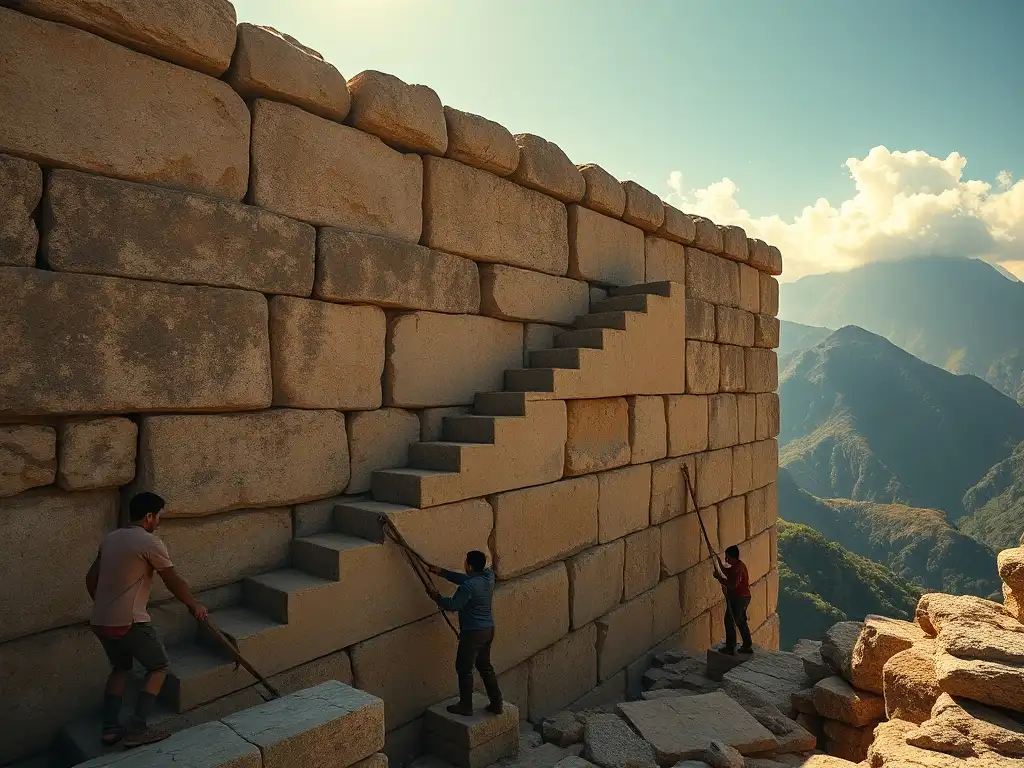
The breathtaking structures left behind by Andean civilizations stand as testaments to remarkable engineering prowess. Understanding Andean construction techniques requires acknowledging the unique challenges these builders faced. The rugged terrain, the absence of wheeled vehicles, and the need to transport massive stones across significant distances demanded innovative solutions.
These builders didn't rely solely on brute force; instead, they developed sophisticated methods that combined meticulous planning, advanced understanding of physics, and a deep connection to their environment. Their achievements in stonework, particularly in the construction of monumental structures like Machu Picchu and Sacsayhuamán, continue to fascinate and inspire engineers and archaeologists alike. The ingenuity employed in these projects is a prime example of how human creativity can overcome seemingly insurmountable obstacles.
Analyzing these techniques provides invaluable insights into the cognitive capabilities and organizational structures of these ancient societies. The study of Andean construction techniques offers a rich tapestry of knowledge, revealing not only the practical aspects of their building methods but also the cultural and spiritual significance embedded within their architectural marvels. This section will delve into two crucial elements of their construction methodology: ramps and levers.
Understanding the Challenges of Andean Architecture
Constructing monumental structures in the Andes presented a formidable set of challenges. The mountainous terrain, characterized by steep slopes and unpredictable weather patterns, significantly impacted the logistics of construction. The transportation of materials, primarily massive stone blocks, posed a considerable hurdle.
Unlike societies with access to wheeled vehicles, Andean builders relied on human and animal power, often employing complex systems of ropes, pulleys, and possibly sledges on carefully constructed pathways. Furthermore, the precision required in fitting stones together, often without the use of mortar, demonstrates an advanced understanding of geometry and stone cutting techniques. The sheer scale of some projects, such as the precise fitting of stones in Sacsayhuaman, suggests a highly organized workforce with specialized skills and a clear understanding of the overall construction plan.
Consider the weight of some of these blocks – some weighing many tons! Moving these massive stones uphill, often along treacherous paths, was a logistical masterpiece.
The Role of Ramps and Levers in Overcoming Construction Obstacles
Ramps and levers were integral to the Andean construction process, acting as crucial tools in overcoming the challenges of moving and placing heavy stones. Ramps, likely constructed of earth and stone, provided an inclined plane, significantly reducing the effort required to lift and transport materials. The angle of the ramp would have been carefully calculated to minimize the force needed, demonstrating a practical application of basic physics.
Archaeological evidence suggests the use of various ramp designs, possibly adapted to the specific terrain and the size of the stones being moved. The construction of these ramps themselves was a significant undertaking, requiring careful planning and a substantial workforce.
Levers, on the other hand, provided a mechanical advantage for maneuvering and positioning stones into place. By applying force to one end of a lever, builders could leverage the principle of torque to move significantly heavier stones with less effort. While direct evidence of lever usage might be limited, their use can be inferred from the precision of stone placement and the sheer scale of the structures.
Imagine the intricate system of levers and counterweights required to lift and precisely position some of the massive stones found at sites like Ollantaytambo. The combination of ramps and levers, along with sophisticated rope and pulley systems, allowed Andean builders to achieve extraordinary feats of engineering, defying the limitations of their available technology.
The efficiency and effectiveness of these methods speak volumes about their profound understanding of mechanical principles. Further research into Andean construction techniques, especially concerning the precise construction and use of ramps and levers, could reveal even more about the capabilities of these remarkable builders.
Ramps in Andean Construction: Elevating Stone and Earth
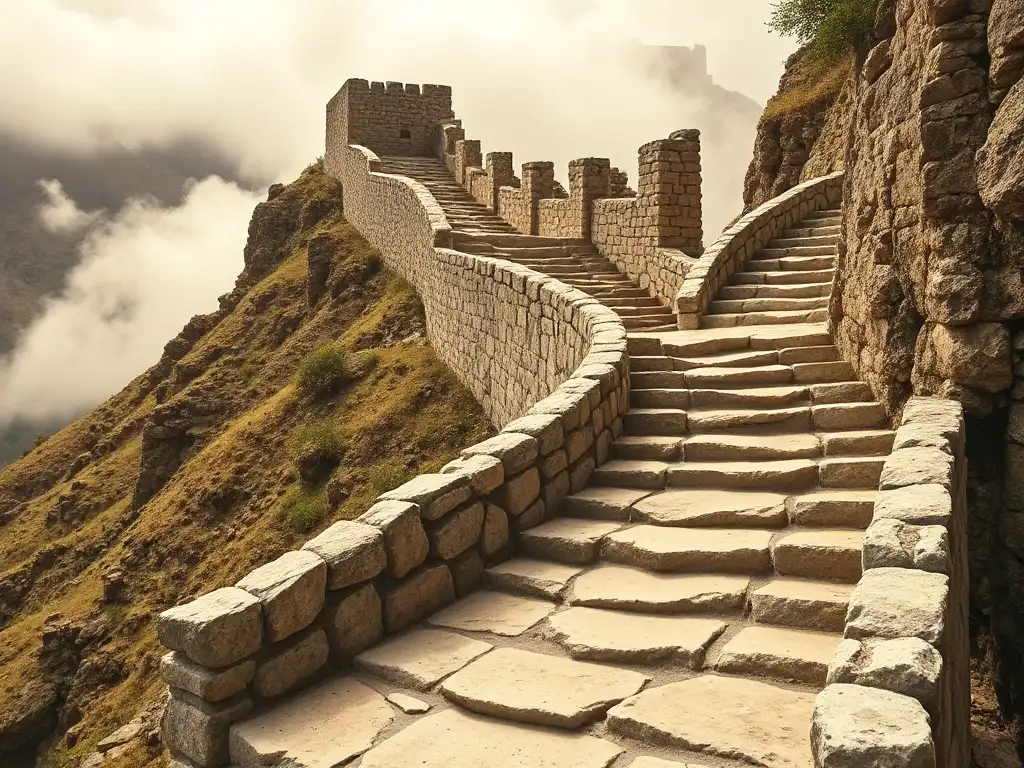
Ramps represent a crucial, yet often overlooked, aspect of Andean construction techniques. Their ingenious application allowed ancient builders to move massive stones and earthworks with remarkable efficiency, defying the limitations of their available technology. Understanding the design and implementation of ramps provides invaluable insight into the sophisticated engineering prowess of Andean civilizations.
This section will explore the diverse types of ramps employed and analyze their significance in specific monumental constructions, showcasing the ingenuity and practical knowledge of these ancient societies. The mastery of ramp construction stands as a testament to the advanced understanding of physics and engineering principles within Andean cultures, contributing significantly to their architectural achievements.
Types of Ramps Used in Andean Civil Engineering
The Andean builders weren't limited to a single type of ramp; instead, they adapted their designs to suit the specific materials and terrain. This adaptability highlights their deep understanding of engineering principles and their ability to innovate based on practical needs. The two primary categories of ramps identified in Andean construction are earth ramps and stone ramps, each presenting unique characteristics and challenges.
The choice between these types likely depended on factors such as the scale of the project, the availability of materials, and the overall site conditions. Further research is needed to fully understand the nuances of ramp selection and construction across different Andean cultures and time periods.
Earth Ramps: Construction and Usage
Earth ramps, constructed from compacted soil and possibly reinforced with timber or other materials, were likely the more common type, particularly for large-scale earthworks and less demanding projects. Their construction would have involved considerable labor, but the materials were readily available. The angle of inclination would have been carefully considered to balance the ease of ascent with the structural stability of the ramp itself.
Evidence suggests that earth ramps were often temporary structures, dismantled after the completion of the project. This is supported by the lack of substantial remnants of these ramps at many sites, indicating a sustainable approach to resource management. Analyzing soil samples from potential ramp locations could provide further evidence of their existence and construction methods.
Stone Ramps: Durability and Precision in Design
Stone ramps, on the other hand, represent a more sophisticated and durable approach. These ramps, often constructed from meticulously cut and fitted stones, were employed in projects requiring greater precision and longevity. The construction of stone ramps necessitated a higher level of skill and planning, reflecting the advanced engineering capabilities of the Andean builders.
The stones were likely chosen for their durability and resistance to weathering, ensuring the ramp's functionality over extended periods. The precise angle and surface finish of these ramps likely minimized friction, facilitating the movement of heavy stones with less effort. The remarkable precision in stone ramp construction showcases the Andean understanding of load distribution and structural integrity.
Case Studies: Ramps in Specific Andean Sites
Examining specific Andean sites allows for a deeper understanding of the practical application of ramps in monumental construction. The following case studies highlight the diversity of ramp designs and their role in shaping the iconic landscapes of the Andes. Further research, including geophysical surveys and detailed archaeological investigations, is crucial to uncover more evidence of ramp systems and refine our understanding of their construction and usage.
Ramps at Machu Picchu: A Testament to Incan Engineering
Machu Picchu's construction presents a compelling case study of ramp usage. While many ramps may have been temporary earth structures, the evidence suggests the use of stone ramps for transporting the massive stones used in the construction of the city's impressive structures. The precise fitting of the stones and the overall complexity of the site strongly suggest the use of carefully designed and built ramps to facilitate the movement of materials uphill.
The precise engineering involved in the construction of Machu Picchu hints at the sophisticated understanding of ramp design and construction utilized by Incan engineers. Further investigation into the precise locations and construction methods of these ramps is needed.
Ramps at Tiwanaku: Examining Monumental Construction
The monumental structures of Tiwanaku present another fascinating example. The sheer scale of the site and the immense size of some of the stones raise questions about the logistics of construction, strongly suggesting the use of ramps. The precise methods employed remain a subject of ongoing research, but the existence of significant earthworks around the site hints at the potential use of extensive earth ramps for moving materials.
The possibility of stone ramps for specific sections of the construction also requires further investigation. The study of Tiwanaku’s construction highlights the importance of considering the logistical challenges of moving massive stones and earthworks in the construction of monumental architecture in the Andes.
Levers in Andean Construction: Mastering the Art of Stone Manipulation
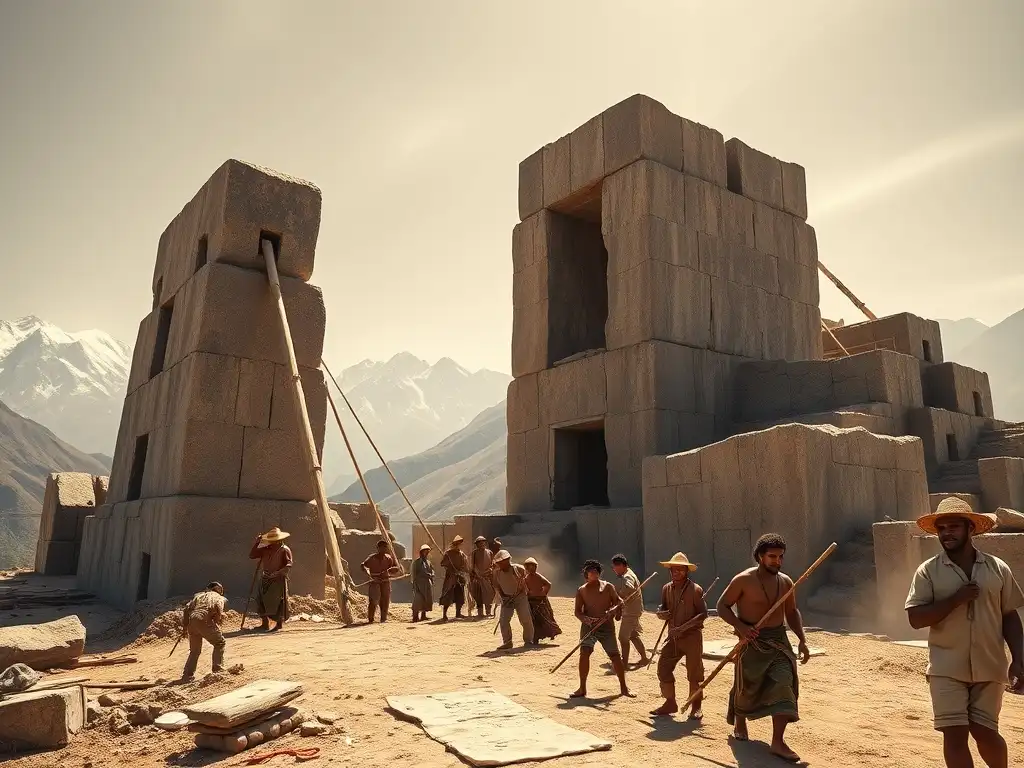
Andean construction techniques are renowned for their impressive scale and precision, particularly considering the tools available to ancient builders. While ramps played a significant role in moving massive stones, levers were equally crucial in the precise placement and manipulation of these colossal blocks. This section delves into the ingenious use of levers in Andean construction, examining their mechanics, materials, and applications in iconic structures. Understanding the role of levers offers a deeper appreciation for the sophisticated engineering prowess of Andean civilizations and their mastery of "Andean construction techniques".
The Mechanics of Levers in Ancient Andean Building
The principle behind the lever, a simple machine multiplying force, was clearly understood by Andean engineers. They skillfully exploited the mechanical advantage offered by levers to move and position stones far exceeding the capacity of human strength alone. The basic formula – Force x Distance = Load x Distance – governed their construction projects.
By strategically placing the fulcrum (the pivot point), they could amplify the force applied to lift and maneuver heavy stone blocks. This understanding allowed them to overcome the challenges posed by the immense weight and irregular shapes of the materials used in their monumental architecture. The effectiveness of the lever system was further enhanced by the use of rollers and other supporting mechanisms, creating a sophisticated system for moving heavy loads.
Types of Levers Employed by Andean Civilizations
Andean builders likely employed various classes of levers, though direct evidence is limited. We can infer their use based on the scale of construction and the precision of stone placement. Class 1 levers, with the fulcrum between the effort and load (like a seesaw), were probably used for lifting and positioning stones.
Class 2 levers, with the load between the effort and fulcrum (like a wheelbarrow), might have been employed for moving stones across shorter distances. Class 3 levers, with the effort between the load and fulcrum (like tweezers), while less useful for moving massive stones, could have assisted in finer adjustments and positioning. Further research is needed to definitively categorize the specific lever types utilized.
Materials Used in Lever Construction
The materials used in lever construction were likely readily available and durable. Wood, particularly strong, hard woods like those found in the Andean region, would have provided an excellent material for lever beams. The fulcrum points likely consisted of hard, resistant stones or possibly reinforced wooden blocks. The choice of materials would have been dictated by factors such as strength, durability, and availability in the specific geographic location of the construction project. The ingenuity lies in the effective use of readily available materials to achieve remarkable feats of engineering.
Applications of Levers in Specific Andean Projects
The application of levers is evident in many Andean structures, though precise details of their usage are often lost to time. However, by analyzing the scale and precision of the stonework, we can infer the widespread use of levers in various aspects of construction.
Moving Massive Stones with Levers at Sacsayhuaman
Sacsayhuaman, near Cusco, is a prime example of the skillful use of levers. The massive stones, some weighing over 100 tons, could not have been placed with human power alone. Lever systems, combined with ramps and rollers, were essential for lifting and manipulating these colossal blocks into their precise positions. The intricate fitting of these stones suggests a high degree of control and precision, further highlighting the sophisticated understanding and application of lever mechanics. The sheer size of the stones and their placement points strongly to the use of multiple lever systems working in concert.
Using Levers to Position Blocks in Ollantaytambo
Similar to Sacsayhuaman, Ollantaytambo showcases the impressive scale of Andean construction. The precisely fitted polygonal stones, many weighing several tons, required intricate maneuvering. Levers were crucial not only for moving the stones but also for precisely positioning them to achieve the incredibly tight fits seen in the walls. The use of levers allowed for fine adjustments, ensuring that blocks were placed with millimeter precision. This level of control demonstrates a sophisticated understanding of both mechanics and construction techniques. The remarkable precision of the stonework at Ollantaytambo is a testament to the mastery of "Andean construction techniques".
The Combined Use of Ramps and Levers: Synergistic Andean Building Practices
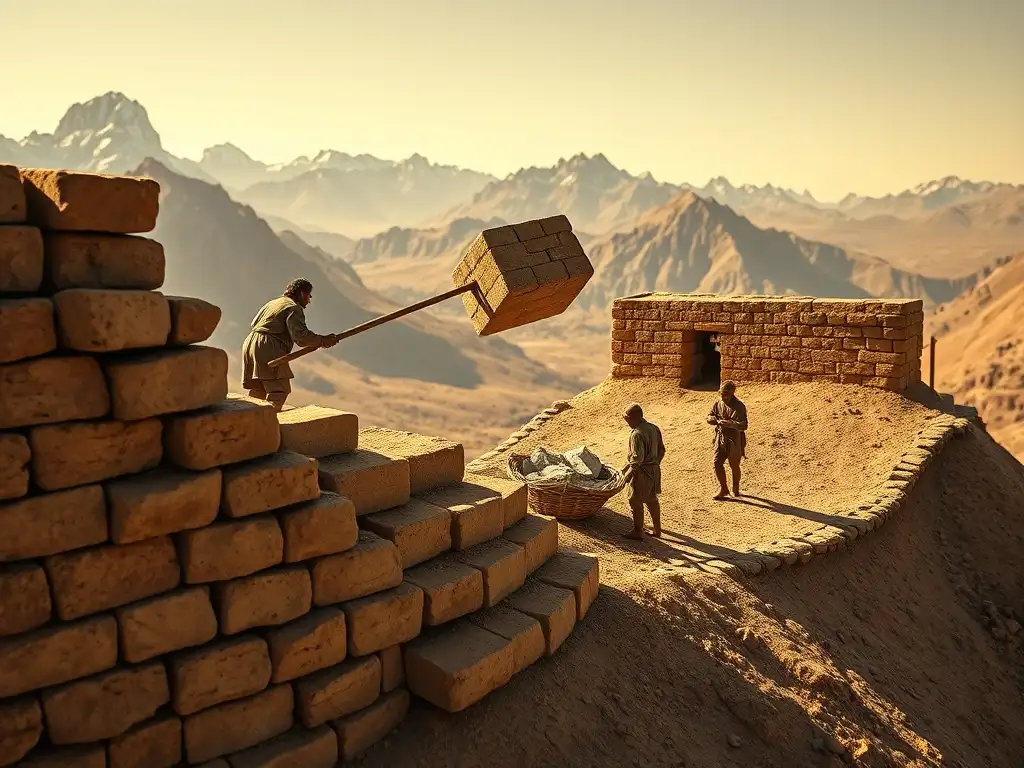
The ingenuity of Andean construction techniques is vividly illustrated by the synergistic use of ramps and levers in moving massive stones. While often discussed separately, archaeological evidence strongly suggests a coordinated application, maximizing efficiency and minimizing the need for immense manpower. This sophisticated approach allowed the builders to erect monumental structures like those at Sacsayhuamán and Ollantaytambo, feats of engineering that continue to astound modern experts.
Understanding the combined use of these simple machines unveils a deeper appreciation for the advanced knowledge and organizational skills of Andean civilizations. The interplay between ramp inclination, lever length, and the weight of the stones was a crucial factor in the success of these projects. Further research into the specific ratios and techniques employed could unlock even more secrets about these remarkable achievements.
The absence of widespread wheel-based transport in the Andes further underscores the importance and sophistication of these methods. They were not merely substitutes for unavailable technology but rather integral parts of a highly developed system.
How Ramps and Levers Worked Together in Andean Construction
The process likely involved a combination of strategies. Imagine a large stone block needing to be positioned high on a wall. First, a ramp, carefully constructed from earth, stone, or a combination of both, would be built at a carefully calculated angle. This angle was critical; a gentler slope meant less effort but a longer distance, while a steeper slope required more effort but covered less ground.
The choice would have been dictated by the weight of the stone, available manpower, and the overall construction plan. Once the stone was placed at the ramp's base, levers would be strategically employed. Several long, strong levers, possibly made from wood, would be inserted under the stone, providing multiple points of leverage. Teams of workers would then coordinate their efforts, using the levers to inch the stone upwards along the ramp.
This would have involved a complex system of communication and precise movements, demonstrating a high degree of coordination and skill. The use of rollers under the stone, possibly made from logs or other materials, could have further reduced friction and eased the movement. This coordinated system highlights the advanced understanding of physics and engineering principles demonstrated by Andean builders. Analyzing surviving ramp and wall structures allows us to infer the likely angles and lever lengths used, although precise measurements are often challenging due to the age and condition of the sites.
Efficiency and Precision in Andean Engineering Techniques
The combined use of ramps and levers in Andean construction showcases remarkable efficiency and precision. By distributing the weight of the stones across multiple levers and using ramps to reduce the vertical lift required, the builders minimized the physical strain on individual workers. This allowed for the movement of incredibly heavy stones with relatively modest labor forces. The precision is evidenced in the incredibly tight fits of many of the stones, some weighing many tons.
The ability to place these stones with such accuracy speaks to a sophisticated understanding of geometry, measurement, and construction techniques. The success of these projects also hints at a highly organized society, capable of mobilizing and coordinating large teams of workers, managing resources effectively, and overseeing complex construction schedules. Studies comparing the Andean methods to modern engineering techniques reveal surprising similarities in principles, highlighting the timeless nature of efficient construction practices. While modern machinery provides greater power, the fundamental principles of leverage and inclined planes remain central to moving heavy objects.
The ingenuity of the Andean approach, however, lies in its resourcefulness and adaptation to available materials and resources. Further research, including detailed analysis of surviving structures and potentially new archaeological discoveries, could provide even more precise data to fully quantify the efficiency and precision of these remarkable techniques. The legacy of Andean construction techniques continues to inspire awe and serves as a testament to human ingenuity.
Legacy of Andean Construction: The Enduring Impact of Ramps and Levers
The ingenuity of Andean civilizations is vividly illustrated in their monumental architecture, achieved with remarkably sophisticated construction techniques for their time. Ramps and levers, seemingly simple tools, played a pivotal role in raising massive stones, transporting materials across challenging terrain, and constructing awe-inspiring structures like Machu Picchu and Sacsayhuamán. Understanding the application of these tools provides crucial insight into the advanced engineering capabilities of these societies, challenging preconceived notions about their technological prowess.
The legacy of these methods extends far beyond their historical context, offering valuable lessons for modern engineering and construction practices. Analyzing the efficiency and sustainability of these ancient Andean construction techniques reveals a remarkable level of understanding of physics and engineering principles.
Lessons from Ancient Andean Building Methods
Andean builders demonstrated a profound understanding of leverage and inclined planes. The construction of impressive stone structures, some weighing many tons, relied heavily on these principles. Instead of relying solely on brute force, they cleverly employed ramps—some temporary, others integrated into the design—to reduce the effort required to lift and position colossal blocks. The angle of the ramp, the surface friction, and the number of workers involved were meticulously calculated to optimize efficiency.
The use of levers, often in conjunction with ramps and rollers, further enhanced their ability to maneuver heavy stones with precision. Archaeological evidence suggests the strategic placement of levers to shift and rotate stones into their final positions. This careful planning and execution highlight a deep understanding of mechanical advantage, far surpassing the capabilities attributed to them by earlier scholars.
Consider, for example, the precise fitting of stones in Sacsayhuamán. The intricate interlocking of these massive blocks demonstrates a mastery of stone cutting and placement techniques, further emphasizing the importance of leverage and ramps in achieving such accuracy. The sheer scale of these projects, coupled with the available tools, points to sophisticated logistical planning and a highly organized workforce.
This understanding of Andean construction techniques is crucial to understanding the overall achievements of these civilizations. More research is needed to fully understand the nuances of their techniques, including the potential use of specific types of rollers or lubricants to aid in the movement of stones. [Specific information regarding lubricants used pending].
Modern Applications of Andean Engineering Principles
The ingenuity of Andean construction techniques continues to inspire modern engineers. The principles of leverage and inclined planes, so effectively employed in ancient Andean construction, remain fundamental to modern construction practices. Understanding how these ancient cultures successfully moved and placed massive stones can inform the development of more efficient and sustainable construction methods in today's world. The emphasis on minimizing energy expenditure and utilizing readily available resources resonates strongly with contemporary sustainability goals.
Modern applications include the use of sophisticated ramp systems for transporting heavy materials in challenging terrains, similar to the techniques used in ancient Andean construction. Furthermore, the study of Andean building practices offers valuable insights into the design and construction of sustainable and earthquake-resistant structures. The meticulous planning and precision observed in ancient Andean structures could inspire innovations in modern construction techniques, improving safety and efficiency. The integration of these principles into modern engineering and design could lead to more sustainable and resilient infrastructure.
Further study of ancient Andean construction techniques could reveal valuable insights into material science and construction methods applicable to modern challenges such as resource scarcity and environmental concerns. The potential for innovation inspired by these ancient practices is immense. The clever use of readily available resources and the emphasis on precision in Andean construction should be a model for modern sustainable construction.
Frequently Asked Questions
What innovative construction methods did Andean civilizations employ?
Andean civilizations, like the Inca, utilized ingenious techniques such as ramps and levers to move massive stones for their impressive structures, demonstrating advanced engineering skills. They also employed sophisticated stone cutting and fitting techniques.
How did the Incas transport such large stones for their buildings?
The Incas likely used a combination of methods, including human labor, animal power, and sophisticated systems of ramps and rollers, to transport the enormous stones used in their construction projects. Precise planning and organization were essential.
What role did ramps play in Andean construction?
Ramps were crucial for moving heavy stones uphill to building sites. Their construction and use demonstrate a deep understanding of inclined planes and mechanical advantage. The size and design varied depending on the scale of the project.
Were levers also used in Andean construction projects?
Yes, levers were employed in conjunction with ramps and other tools to manipulate and position large stones with greater efficiency. This showcases the Andean understanding of basic physics principles applied to construction.
How did Andean construction techniques compare to those of other ancient civilizations?
Andean construction techniques, while sharing some similarities with other civilizations, exhibited unique characteristics in their precise stonework, extensive use of ramps, and adaptation to mountainous terrain. Their ingenuity in overcoming geographical challenges was remarkable.
Final Reflection: The Enduring Legacy of Andean Ingenuity
The ingenious use of ramps and levers in Andean construction wasn't merely a feat of engineering; it represents a profound understanding of physics and a testament to human adaptability, a legacy that continues to resonate in modern construction practices. These seemingly simple tools, employed with remarkable skill and precision, allowed the creation of structures that defied the limitations of their time, leaving behind a breathtaking architectural heritage. Their ingenuity continues to inspire awe and serves as a potent reminder of the power of human innovation.
The impact of these techniques extends far beyond the physical structures themselves. They represent a deep connection to the environment, a sustainable approach to building that prioritized readily available materials and minimized environmental impact. This holistic approach to construction, deeply embedded within Andean culture, offers valuable lessons for contemporary architects and engineers striving for sustainable and environmentally conscious design. The mountains themselves taught us how to build; their strength, their resilience, their very form became our guide.
(Hypothetical quote reflecting Andean philosophy).
Consider the ingenuity of these ancient builders, their resourcefulness, and their profound understanding of their environment. You too can draw inspiration from their achievements. Think about how you can apply principles of simplicity, resourcefulness, and sustainability in your own life, whether it's in your approach to problem-solving, project management, or even simply in your daily choices. Let the echoes of Andean innovation inspire you to build a more sustainable and innovative future.
**Embrace the Legacy of Andean Engineering! **
Thank you for exploring the remarkable innovations of Andean construction! Your interest in the ingenious use of ramps and levers highlights the ingenuity of ancient civilizations and inspires us to learn from their sustainable building techniques. Let's continue your journey of discovery!
- Dive Deeper: Research how ancient techniques like ramps and levers are still relevant today. Consider their innovative applications in modern sustainable building practices.
- Share Your Insights: Join our community and share this article with friends and on social media to inspire others to appreciate the marvels of Andean engineering.
- Build Your Knowledge: Explore more articles on our website to uncover fascinating aspects of Andean civilization and its contributions to engineering and architecture.
What modern innovations reflect the brilliance of Andean engineering?