
Water Rights in the Andes: Ancient Laws and Customs


Dive into the enigmatic world of the Andean civilizations! For centuries, these masterful societies thrived in the challenging Andes mountains, leaving behind a legacy of breathtaking architecture and ingenious engineering. But what secrets lie hidden within their intricate water systems? Uncover the fascinating story of ancient Andean water laws, a testament to their sophisticated understanding of resource management and a key to unlocking the mysteries of their enduring success. Prepare to be amazed by the ingenuity and resilience of these remarkable cultures – explore now and discover how they shaped their world.
The Andes Mountains, a spine of towering peaks stretching along the western coast of South America, presented ancient civilizations with a unique challenge: harnessing the lifeblood of water in a region characterized by dramatic altitude changes and unpredictable weather patterns. This article delves into the fascinating world of ancient Andean water laws and customs, exploring how ingenious systems of water rights, deeply intertwined with social structures and spiritual beliefs, allowed these societies to thrive in often harsh environments.
We'll examine the intricate legal and customary frameworks governing water access, distribution, and management among various Andean cultures, including the Incas, Moche, Nazca, and Tiahuanaco, highlighting the enduring legacy of their sophisticated approaches to water resource management. Understanding these ancient Andean water laws provides invaluable insights into the ingenuity and resilience of these civilizations and offers potential lessons for contemporary water management challenges.
The keyword "ancient Andean water laws" will be explored throughout, demonstrating the significance of these systems in shaping Andean societies and their enduring relevance today.
The Inca Empire's Water Management System
The Inca Empire, renowned for its sophisticated infrastructure, developed a comprehensive system of water rights integrated into their highly organized social structure. Water access wasn't simply a matter of proximity; it was meticulously regulated and allocated based on a complex interplay of factors, including agricultural needs, population density, and religious significance. This wasn't a purely centralized system; local communities played a vital role in managing water resources within their own territories.
However, the Inca state maintained ultimate authority, ensuring fair distribution and resolving conflicts. Evidence suggests that water rights were often tied to land ownership, with specific obligations attached to the maintenance and upkeep of irrigation canals and other water infrastructure. Penalties for misuse or damage to water systems were severe, demonstrating the importance placed upon responsible water management.
The Inca's success highlights the benefits of a coordinated approach, balancing centralized control with local participation in water resource governance. Detailed records, though limited, suggest a formal system of water allocation, possibly involving a hierarchical structure that prioritized state needs while ensuring equitable distribution among communities.
Water Rights in Pre-Inca Andean Societies
Long before the Inca Empire rose to prominence, other Andean cultures developed their own intricate systems of water rights. The Nazca, famous for their enigmatic lines, constructed extensive irrigation canals that testify to their advanced understanding of hydraulic engineering.
Similarly, the Moche civilization, known for its elaborate ceramics and sophisticated agriculture, also implemented innovative water management techniques. While detailed written records are scarce for these earlier societies, archaeological evidence reveals the existence of communal water management practices and the likely importance of religious rituals in ensuring the successful flow of water.
These systems, though less documented, demonstrate the longstanding tradition of collective responsibility and sophisticated engineering solutions for water management in the Andes. Further research is needed to fully understand the nuances of water rights in these earlier societies, but the evidence suggests a strong emphasis on community cooperation and the integration of water management into the broader social and religious fabric of life.
The Role of Religion and Spirituality in Andean Water Management
Water held profound spiritual significance for Andean civilizations. It was not merely a resource; it was a sacred element, intimately connected to life, fertility, and the cosmos. Many rituals and ceremonies revolved around water, reflecting its importance in maintaining the balance of the natural world and ensuring the prosperity of the community. This spiritual dimension played a crucial role in shaping water rights and management practices.
Respect for water and the environment was paramount, and violations could carry severe consequences, not only in terms of social sanctions but also in the perceived wrath of the gods. The integration of religious beliefs and practices into water management fostered a sense of collective responsibility and helped maintain the sustainability of these systems. The enduring legacy of this spiritual connection to water is visible in contemporary Andean communities.
Lessons from Ancient Andean Water Laws for Modern Times
The ingenuity and sustainability of ancient Andean water management systems offer valuable lessons for contemporary societies grappling with water scarcity and environmental challenges. Their emphasis on community participation, equitable distribution, and the integration of spiritual values into resource management provides a framework for developing more sustainable and just approaches to water governance. By studying these ancient systems, we can gain insights into innovative water management techniques and the importance of considering the social, economic, and environmental dimensions of water resource management.
The enduring relevance of "ancient Andean water laws" lies in their potential to inform and inspire more responsible and sustainable water management practices in the modern world. The challenges of climate change and population growth only underscore the timeliness of revisiting these ancient wisdoms.
- The Inca Empire's Water Management System
- Water Rights in Pre-Inca Andean Societies
- The Role of Religion and Spirituality in Andean Water Management
- Lessons from Ancient Andean Water Laws for Modern Times
The Significance of Water in Andean Civilizations
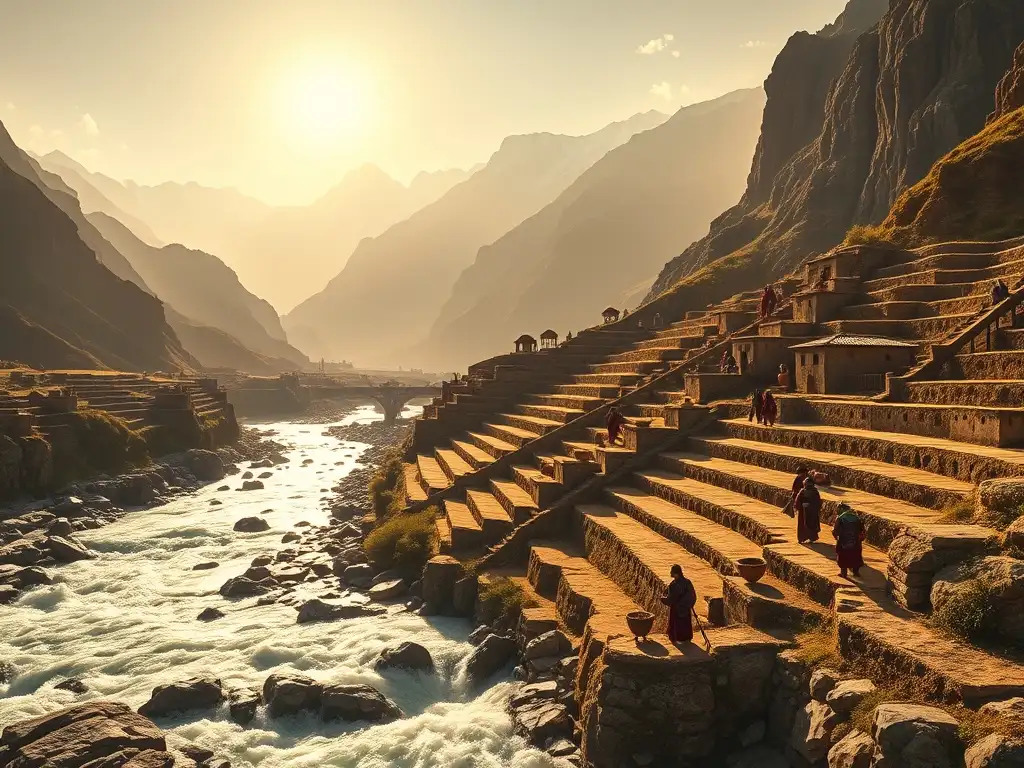
Water wasn't merely a resource for ancient Andean civilizations; it was the lifeblood of their societies, deeply interwoven with their spiritual beliefs, social structures, and agricultural practices. Understanding the significance of water is crucial to comprehending their sophisticated water management systems and the legal frameworks that governed its use. The scarcity of water in many Andean regions, coupled with the unpredictable nature of rainfall, necessitated innovative solutions and a complex system of water rights that ensured community survival and prosperity.
The very survival of these impressive societies hinged on their ability to harness and manage this precious resource effectively. This section will explore the multifaceted role of water in shaping Andean culture and governance, laying the groundwork for a deeper understanding of their ancient Andean water laws.
Water as a Sacred Resource in Ancient Andean Culture
Water held profound spiritual significance for Andean peoples. It wasn't simply a substance; it was a sacred element, imbued with life-giving power and connected to their cosmology and religious beliefs. Many Andean cultures viewed water sources—springs, rivers, and lakes—as sacred entities, often inhabited by deities or spirits.
These beliefs are reflected in numerous archaeological findings, including ceremonial sites built near water sources and the presence of water-related iconography in their art and textiles. For instance, the Moche culture, known for its intricate ceramics, frequently depicted water deities and scenes of irrigation rituals. This reverence for water translated into a strong social responsibility to manage and protect it.
The concept of ayni, reciprocal exchange and mutual obligation, extended to the equitable distribution and sustainable use of water resources, fostering a sense of collective stewardship. The violation of water rights wasn't just a legal transgression; it was a spiritual offense. This deep-seated cultural respect for water was essential to the effective functioning of their ancient Andean water laws.
The Crucial Role of Water Management in Andean Societies
The success of Andean civilizations depended heavily on their ability to manage water resources efficiently. Their agricultural systems, which sustained large populations, relied entirely on controlled irrigation. The construction of intricate canal systems, terraces, and reservoirs demonstrates a remarkable engineering prowess and a deep understanding of hydrology. These engineering feats weren't merely technical achievements; they were also expressions of social organization and cooperation.
The construction and maintenance of these systems often required collective effort, reinforcing community bonds and highlighting the shared responsibility for water management. The scale of these projects—some canal systems stretching for kilometers—underscores the importance of water to their survival and the sophisticated social mechanisms needed to manage such vital infrastructure. Detailed records, though often incomplete, hint at the complex systems of water allocation and maintenance that were in place, providing evidence of the advanced nature of their ancient Andean water laws.
Consider the following data points:
| Civilization | Notable Water Management Feature | Significance |
|---|---|---|
| Inca | Extensive canal systems | Irrigation of vast agricultural lands |
| Nazca | Underground aqueducts (puquios) | Water access in arid regions |
| Tiahuanaco | Complex water distribution networks | Support of large urban centers |
Andean Cosmology and its Relation to Water Sources
Andean cosmology deeply intertwined their understanding of the natural world, including water. Their worldview wasn't compartmentalized; the spiritual and the practical were inextricably linked. Mountains, considered sacred apus (mountain spirits), were often the source of water, further reinforcing their sacred nature.
Water was seen as a manifestation of life force, connecting the celestial realm with the earthly one. This spiritual connection provided a powerful moral framework for water management. Respect for the sacredness of water and the interconnectedness of the cosmos ensured the sustainable use of resources, reflecting the inherent principles of their ancient Andean water laws.
This holistic perspective, blending religious beliefs and practical needs, is a key to understanding the longevity and effectiveness of their water management strategies. Further research is needed to fully elucidate the intricate relationship between Andean cosmology and their specific water rights regulations, as much of the knowledge was transmitted orally and is not fully documented. However, existing evidence strongly suggests a deep and meaningful connection.
Ancient Andean Water Laws: An Overview
This section delves into the fascinating world of ancient Andean water laws, exploring the intricate systems that governed water access and distribution in pre-Columbian societies. Understanding these ancient Andean water laws provides crucial insight into the sophisticated engineering and social structures that enabled these civilizations to thrive in challenging high-altitude environments. The concept of water rights wasn't codified in the same way as modern legal systems, but rather embedded within deeply ingrained customs, religious beliefs, and communal practices.
These systems, passed down through generations, ensured equitable access to a vital resource and fostered sustainable water management for centuries. The study of these ancient water laws offers valuable lessons for contemporary water resource management, particularly in regions facing similar challenges of scarcity and sustainability. The keyword "ancient Andean water laws" is central to understanding the sophisticated, yet often unwritten, rules that shaped Andean societies.
The Foundation of Water Rights in Pre-Columbian Andes
The foundation of water rights in the pre-Columbian Andes rested on a complex interplay of religious beliefs, customary law, and social organization. Water wasn't merely a resource; it was considered sacred, a gift from the gods, intrinsically linked to life and fertility. This spiritual reverence dictated respectful management and equitable distribution. While written legal codes were less prevalent than in other ancient civilizations, strong oral traditions preserved and transmitted water allocation customs across generations.
These traditions were often deeply intertwined with the agricultural calendar and ceremonial cycles. For example, the Inca empire, known for its extensive irrigation networks, implemented a system where water access was directly tied to land ownership and agricultural production, ensuring that those who cultivated the land had priority access to the necessary water resources. This wasn't a rigid, inflexible system, however; flexibility was built in to accommodate changing conditions and needs within communities. The system also prioritized the needs of the community as a whole over individual gain.
Evidence suggests that communal decision-making played a vital role in resolving conflicts and maintaining harmonious water distribution. This collaborative approach to water management fostered social cohesion and contributed to the long-term sustainability of Andean agricultural practices. Understanding this interconnectedness of spirituality, custom, and social structure is crucial to grasping the true essence of ancient Andean water rights.
Traditional Water Management Practices and Regulations
Traditional Andean water management practices were remarkably sophisticated, reflecting a deep understanding of hydrology and ecology. Ingenious irrigation systems, such as canals, terraces, and aqueducts, testified to their engineering prowess. These weren't merely technological feats; they were integral components of the broader social and legal framework governing water access. The construction and maintenance of these systems were often communal endeavors, reflecting the importance of collective responsibility. Regulations, though unwritten, were rigorously enforced through social pressure and customary practices.
Water usage was often regulated according to the agricultural season and the needs of different crops. Priority was given to essential crops and communities facing water shortages. A fascinating aspect of these regulations was their adaptability. Communities developed mechanisms to handle disputes and address variations in water availability due to climate fluctuations or other unforeseen circumstances.
These mechanisms often involved mediation by community elders or religious leaders, emphasizing consensus-building and conflict resolution within the framework of communal values. The success of these systems over centuries highlights the effectiveness of combining technical expertise with strong social norms and collaborative governance. Specific examples of such regulations remain elusive due to a lack of detailed written records; further research is needed to fully uncover the nuances of these ancient systems. However, archaeological evidence and ethnohistorical accounts offer valuable glimpses into this highly developed and effective form of water management.
The Importance of Communal Water Governance
The success of ancient Andean water management hinged on the strength of communal governance. Decisions concerning water allocation, maintenance of irrigation infrastructure, and conflict resolution were typically made collectively, reflecting a deeply ingrained sense of community responsibility. This participatory approach fostered a sense of ownership and equity, ensuring that water resources were managed sustainably for the benefit of all members of the community. The absence of centralized, authoritarian control facilitated a flexible and responsive system that could adapt to changing circumstances.
This communal governance wasn't simply a matter of consensus; it involved a complex web of social relationships, obligations, and customary rules that governed water access and distribution. Community elders, religious leaders, and other influential figures played crucial roles in mediating disputes and ensuring compliance with established norms. This system of social control was far more effective than any formal legal code could have been, given the dispersed nature of many Andean communities and the challenges of enforcing centralized authority in mountainous terrains.
The emphasis on communal responsibility fostered a strong sense of social cohesion and promoted long-term sustainability. The lessons learned from this ancient system of communal water governance continue to hold relevance today, particularly in the context of promoting equitable and sustainable water management practices in communities around the world. Further research into the specific mechanisms and social structures of communal governance in different Andean regions is crucial to fully appreciate the complexity and effectiveness of this ancient system.
Pre-Inca Water Rights and Management Systems
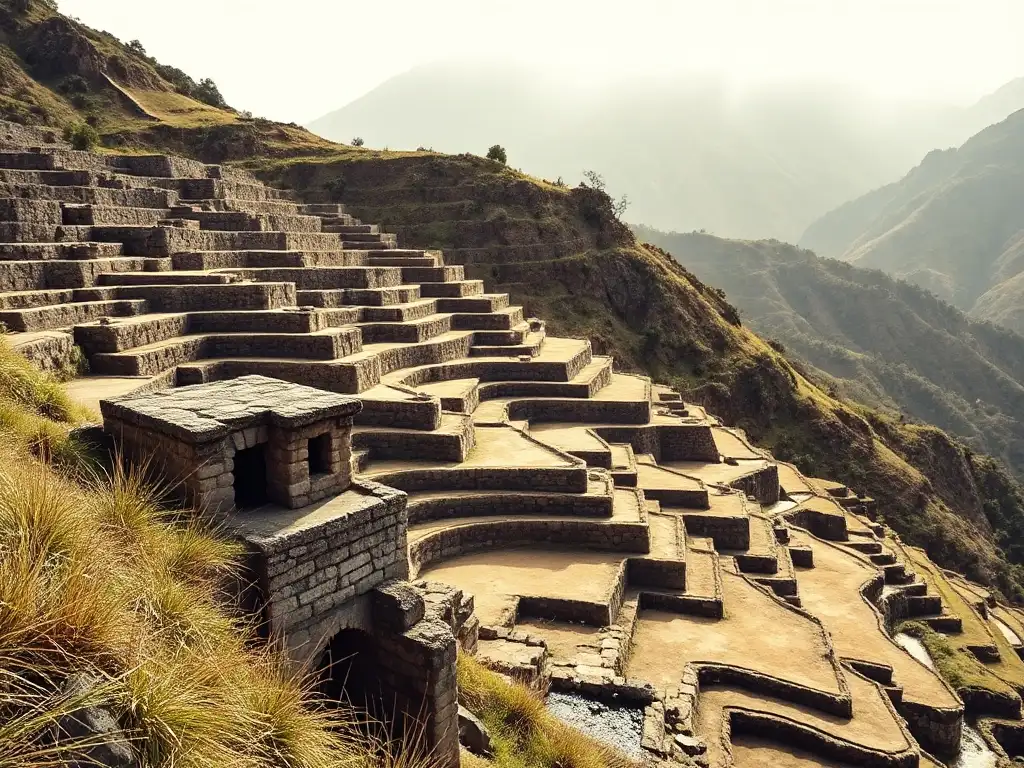
Understanding ancient Andean water laws requires looking beyond the Inca Empire. The sophisticated irrigation systems and water management practices of pre-Inca civilizations laid the groundwork for later developments. These weren't simply engineering feats; they were intricately woven into the social fabric, governed by unwritten customs and traditions that dictated access and usage.
Evidence suggests a strong connection between water rights and land ownership, with communities collectively managing resources vital for their survival. The absence of codified laws doesn't imply a lack of regulation; rather, it points to a system rooted in customary law, enforced through social pressure and communal agreements. This system, passed down through generations, ensured equitable distribution and sustainable use, reflecting a deep understanding of the delicate balance between human needs and environmental preservation.
The effectiveness of this pre-Inca model is evident in the longevity of many settlements and the remarkable agricultural achievements of these early Andean cultures. Further research is needed to fully elucidate the nuances of these pre-Inca water rights systems, particularly concerning conflict resolution and the role of religious beliefs in water management. Detailed archaeological studies and ethnographic analyses of surviving Andean communities could shed more light on this fascinating aspect of ancient Andean history.
Water Allocation Systems in the Moche Civilization
The Moche civilization (c. 100-800 CE), known for its intricate pottery depicting daily life, also possessed advanced irrigation systems. Their water allocation systems, while not explicitly documented in written laws, likely involved a complex interplay of community governance and religious authority. Evidence from Moche canal networks suggests a hierarchical structure, with major canals potentially controlled by elites or religious leaders who oversaw distribution to smaller channels serving individual communities or agricultural plots.
The Moche's mastery of hydraulic engineering, evident in their extensive canal networks and sophisticated water management techniques, suggests a highly organized and efficient system for allocating water resources. However, the precise mechanisms of allocation and conflict resolution remain largely unknown. Further research focusing on the social organization of Moche communities and the archaeological analysis of their irrigation infrastructure is needed to better understand their water rights practices.
Analysis of Moche iconography, particularly representations of deities associated with water, could reveal clues about the role of religious beliefs in their water management practices. The discovery of additional archaeological sites with well-preserved irrigation infrastructure could also provide valuable insights into the specifics of their water allocation systems.
Nazca Water Management Techniques and Their Legal Implications
The Nazca civilization (c. 100 BCE – 800 CE), famed for its enigmatic geoglyphs, developed ingenious techniques for managing water in a hyper-arid environment. Their underground aqueducts, known as puquios, are a testament to their engineering prowess and demonstrate a sophisticated understanding of hydrology. These intricate systems channeled water from underground sources to agricultural fields, ensuring a reliable water supply even during periods of drought.
While we lack written laws detailing Nazca water rights, the construction and maintenance of the puquios suggest a degree of collective effort and shared responsibility. It's likely that access to water from these systems was regulated by community leaders or religious authorities, who ensured equitable distribution and prevented conflicts. The scale and complexity of the puquios networks hint at a well-organized system for managing water resources, reflecting a profound understanding of the importance of water for survival and social stability.
Further research is needed to understand the social structures that governed water access and the mechanisms for resolving potential conflicts among different communities sharing these vital resources. The study of Nazca social organization and the analysis of the distribution of puquios across the landscape could provide valuable insights into their water rights practices.
Tiahuanaco's Approach to Water Rights and Resource Distribution
The Tiahuanaco civilization (c. 500-1000 CE), centered around the city of Tiahuanaco on the shores of Lake Titicaca, developed a complex system of water management that integrated both surface and underground water sources. Their sophisticated irrigation canals and water channels, combined with their control over Lake Titicaca, suggest a centralized system of water control, likely overseen by a powerful elite or religious leadership. While no written laws detailing Tiahuanaco water rights have been discovered, the scale and complexity of their water management infrastructure point to a highly organized system for allocating and distributing water resources.
The strategic location of Tiahuanaco, near abundant water sources, and its control over crucial irrigation systems, likely played a significant role in its political and economic power. This control over water resources may have been a key factor in maintaining social order and ensuring the prosperity of the empire. Further investigation is needed to fully understand the social and political implications of Tiahuanaco's water management system, including the role of religious beliefs and the potential for conflict over access to water resources.
Analyzing the archaeological evidence of Tiahuanaco's urban planning and the distribution of its agricultural lands could reveal more about their approach to water rights and resource distribution. The study of Tiahuanaco's iconography and religious beliefs could also shed light on the spiritual significance of water in their society and its role in their water management practices.
Inca Water Laws and Their Legacy
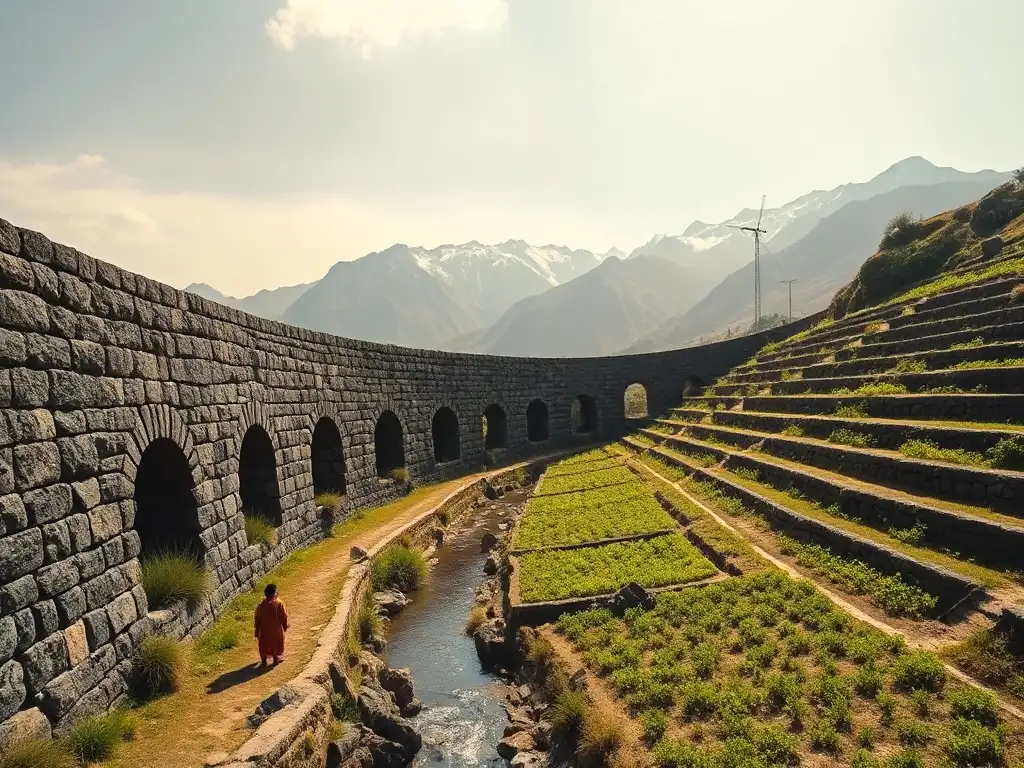
The Inca Empire, renowned for its sophisticated engineering feats, particularly its extensive irrigation systems, also possessed a complex and nuanced legal framework governing water rights. Understanding these ancient Andean water laws is crucial to appreciating the Inca's ability to sustain a large and densely populated empire in a challenging Andean environment.
These laws weren't codified in the way we understand modern legal systems, but rather were a blend of customary practices, religious beliefs, and state regulations enforced through a hierarchical administrative structure. The system prioritized community needs and ensured equitable water distribution, contributing significantly to the empire's stability and agricultural success.
The legacy of these water management practices continues to influence water resource management in the Andes today, highlighting their enduring relevance and effectiveness. Analyzing these ancient laws reveals a sophisticated understanding of water resource management, reflecting the Inca's deep connection to their environment and the importance of water for their societal survival.
The Inca State's Role in Regulating Water Access
The Inca state played a central role in regulating water access, acting as both a facilitator and enforcer of water rights. While local communities managed their immediate water resources, the state intervened in cases of disputes, large-scale projects, and situations impacting broader regional needs. The curacas, local leaders, were responsible for overseeing water distribution within their communities, reporting to higher levels of authority.
The Inca bureaucracy, with its intricate system of record-keeping using quipus (knotted strings), likely tracked water usage and allocation across the empire. Evidence suggests that the state invested heavily in infrastructure like canals and aqueducts, ensuring efficient water flow to agricultural lands. This investment demonstrated the state's recognition of water's vital role in sustaining the empire's agricultural production and population.
Furthermore, the state's control over water resources also served as a tool for maintaining political and social order, solidifying its power and influence throughout the empire. Specific details regarding the exact mechanisms of state intervention and enforcement remain somewhat obscure due to the limitations of surviving historical records, but archaeological evidence and ethnohistorical accounts provide valuable insights into the overarching system.
The "Ayni" System and its Connection to Water Rights
The ayni system, a form of reciprocal labor common throughout the Andes, played a significant role in water management. While not exclusively focused on water, ayni principles were integral to the construction and maintenance of irrigation infrastructure. Communities collaborated on projects like canal digging and repair, contributing labor based on their capacity and needs.
This system fostered a sense of shared responsibility and ensured that water resources were managed collectively. The obligation to participate in ayni was a social duty, reinforcing community cohesion and promoting equitable access to water. This cooperative approach, ingrained in the fabric of Andean society, ensured the sustainability of irrigation systems over generations.
It differed from purely centralized state control, emphasizing community participation and reinforcing social bonds through mutual cooperation. The effectiveness of this system is evident in the extensive networks of canals and terraces that still exist in the Andes today, testament to the long-term sustainability of the ayni approach to water management.
Inca Regulations on Irrigation Canals and Water Distribution
Inca regulations concerning irrigation canals and water distribution were designed to ensure fairness and efficiency. The construction and maintenance of canals were carefully planned and executed, often involving sophisticated engineering techniques. These canals were not only functional but also served as important symbols of Inca power and control.
Evidence suggests that water allocation was based on factors such as land ownership, population density, and agricultural needs. The system was not static; it adapted to changing conditions, reflecting a dynamic approach to water resource management. While precise details of the regulations are scarce, we can infer from surviving evidence that violations could result in penalties, reinforcing the seriousness with which water rights were viewed.
The Inca's emphasis on canal maintenance and water distribution speaks to a deep understanding of the interconnectedness between water, agriculture, and societal stability. Their success in managing water resources over such a vast and diverse landscape highlights the effectiveness of their system, a testament to their advanced understanding of hydraulic engineering and social organization. Further research, particularly focusing on archaeological investigations and the analysis of surviving ethnohistorical accounts, is needed to fully illuminate the intricacies of these regulations.
Customary Water Practices in Andean Communities
This section delves into the intricate web of customary water practices that shaped Andean societies for millennia, long before the arrival of the Spanish. These weren't simply haphazard systems; they were sophisticated arrangements reflecting a deep understanding of water's vital role and a commitment to equitable distribution, crucial for survival in the challenging Andean environment. The concept of ancient Andean water laws is best understood not as codified legal texts, but as a living, evolving set of customs and traditions passed down through generations.
These traditions, while varying across different regions and cultures, share common threads of community responsibility and sustainable resource management. The effective management of water resources was—and continues to be—essential for agricultural productivity and the overall well-being of Andean communities. Understanding these practices offers a glimpse into the remarkable ingenuity and social organization of these ancient civilizations.
Local Water Management Traditions and Their Evolution
Traditional Andean water management wasn't centralized; instead, it was highly localized, reflecting the unique environmental conditions of each valley and community. For example, the steep slopes and limited arable land in the high Andes necessitated intricate systems of terraced agriculture and carefully managed irrigation channels. These weren't simply constructed; their design and maintenance were deeply embedded in social structures and spiritual beliefs.
The evolution of these systems is a fascinating study in adaptation and innovation. Early systems, possibly dating back to pre-Inca times, were relatively simple, but they grew increasingly complex over centuries, reflecting both technological advancements and evolving social needs. Archaeological evidence suggests a gradual increase in the sophistication of irrigation infrastructure, with the development of larger canals, reservoirs, and aqueducts, particularly during the Inca period.
This evolution wasn't linear; it involved periods of innovation, adaptation to climate change (like droughts or floods), and even abandonment and rebuilding of systems in response to shifting demographics or environmental pressures. The ancient Andean water laws evolved alongside these technological changes, reflecting the constant need to balance community needs with the constraints of the environment.
The Role of Community Leaders in Water Allocation
The equitable distribution of water was, and remains, paramount in Andean communities. This wasn't achieved through top-down control, but rather through a complex network of community leaders and institutions responsible for overseeing water allocation and resolving disputes. These leaders, often holding positions of both religious and secular authority, played a crucial role in maintaining social harmony and ensuring the sustainable use of water resources.
Their authority wasn't based on coercion, but on their deep knowledge of customary practices and their ability to mediate conflicts and foster cooperation. The process often involved intricate rituals and ceremonies, reinforcing the spiritual significance of water and the importance of respecting the natural world. Detailed records of water rights and allocation methods are unfortunately scarce for many pre-Columbian Andean communities.
However, ethnographic studies of contemporary Andean communities reveal ongoing practices that likely reflect ancient traditions. These studies show how community leaders continue to play a crucial role in managing water resources, often through consensus-building and traditional dispute resolution mechanisms. The preservation of these roles highlights the enduring relevance of traditional knowledge and social structures in the face of modern challenges.
Examples of Traditional Water Sharing Agreements and Rotational Irrigation
Many Andean communities employed sophisticated systems of water sharing, often based on principles of reciprocity and rotational irrigation. These systems ensured that all members of the community had access to water, preventing conflicts and promoting cooperation. One common method involved dividing water rights among different landholders or user groups based on factors such as land ownership, family size, or historical usage. These agreements weren't static; they were regularly reviewed and adjusted to reflect changing circumstances.
Rotational irrigation, a technique still practiced in many parts of the Andes, involved a cyclical allocation of water among different fields or plots of land. This ensured that all users received a fair share of the available water, preventing overuse and promoting sustainable water management. Detailed descriptions of these agreements are often passed down orally through generations, making it difficult to document them completely.
However, surviving records from colonial archives, combined with anthropological studies of contemporary practices, provide valuable insights into the complexity and effectiveness of these traditional water-sharing mechanisms. These examples underscore the remarkable foresight and adaptability of ancient Andean water laws, demonstrating their effectiveness in managing a crucial resource in a challenging environment. The enduring legacy of these practices continues to inform contemporary water management strategies in the region.
Modern Challenges to Ancient Andean Water Laws
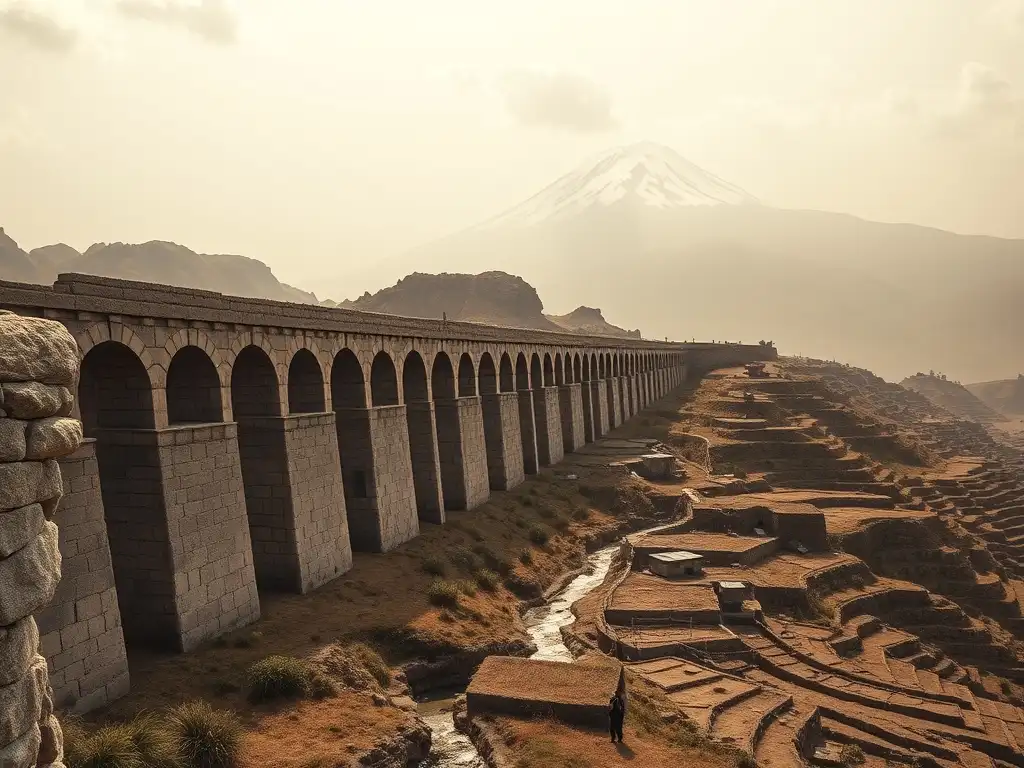
The enduring legacy of ancient Andean water laws, meticulously crafted over millennia to manage vital resources in challenging terrains, now faces unprecedented challenges in the 21st century. The intricate systems of ayllu (community-based) water management, once seamlessly integrated into the fabric of Andean society, are increasingly strained by a confluence of factors, threatening both water security and cultural heritage. Understanding these modern pressures is crucial for preserving both the ecological balance and the rich cultural traditions associated with Andean water management. The keyword, "ancient Andean water laws," is central to understanding the complexities of this issue.
The Impact of Modernization on Traditional Water Rights
Modernization, while offering potential benefits, presents significant threats to traditional Andean water rights. The expansion of large-scale agriculture, driven by global market demands, often disrupts established water allocation systems. For instance, the introduction of intensive irrigation techniques for export crops can divert substantial water resources away from traditional ayllu communities, leading to water scarcity and conflicts.
This shift from subsistence farming to commercial agriculture necessitates a reevaluation of water rights, often prioritizing economic gains over customary practices. Furthermore, the construction of large-scale infrastructure projects, such as dams and hydroelectric plants, can dramatically alter water flows, impacting traditional irrigation channels and disrupting established ecological balances. This modernization often overlooks the crucial role of indigenous knowledge in sustainable water management, leading to unintended consequences.
The consequences are far-reaching, affecting not only agricultural practices but also the social and cultural fabric of Andean communities. Data on the displacement of communities due to such projects is unfortunately [specific information pending], but anecdotal evidence points to considerable disruption.
Conflicts Arising from Competing Water Demands
The increasing scarcity of water resources in the Andes, exacerbated by climate change and growing populations, fuels intense competition for this precious commodity. Conflicts arise not only between traditional communities and large-scale agricultural operations but also between different ayllus themselves, as they vie for access to limited water sources. These conflicts often manifest as disputes over water rights, access to irrigation channels, and the maintenance of shared water infrastructure.
The absence of clear and legally enforceable mechanisms to resolve these disputes, coupled with the weakening of traditional dispute resolution systems, can lead to escalating tensions and social unrest. The situation is further complicated by the lack of adequate data on water availability and usage, making it difficult to develop equitable and sustainable water management strategies.
For example, [specific case study of a water conflict between communities pending] would illuminate the complexities of these situations. A comprehensive approach incorporating both modern legal frameworks and traditional customary law is urgently needed to address these growing conflicts.
The Importance of Protecting Indigenous Water Management Systems
Protecting indigenous water management systems is not merely a matter of preserving cultural heritage; it is also crucial for ensuring sustainable water security in the Andes. Centuries of experience have equipped Andean communities with a deep understanding of their local hydrological systems, allowing them to develop sophisticated techniques for water harvesting, storage, and distribution. These traditional systems, often characterized by their adaptability and resilience, are often more sustainable and less environmentally damaging than modern, large-scale irrigation projects.
Their preservation requires a shift in perspective, recognizing the value of indigenous knowledge and integrating it into modern water management strategies. This involves actively supporting community-based water management initiatives, strengthening traditional water governance structures, and incorporating indigenous perspectives into policy-making processes. The long-term sustainability of Andean water resources hinges on acknowledging and respecting the wisdom embedded within these ancient Andean water laws and the practices they govern.
This recognition is essential for securing a future where both cultural heritage and ecological balance are preserved. 🌊
The Future of Ancient Andean Water Management
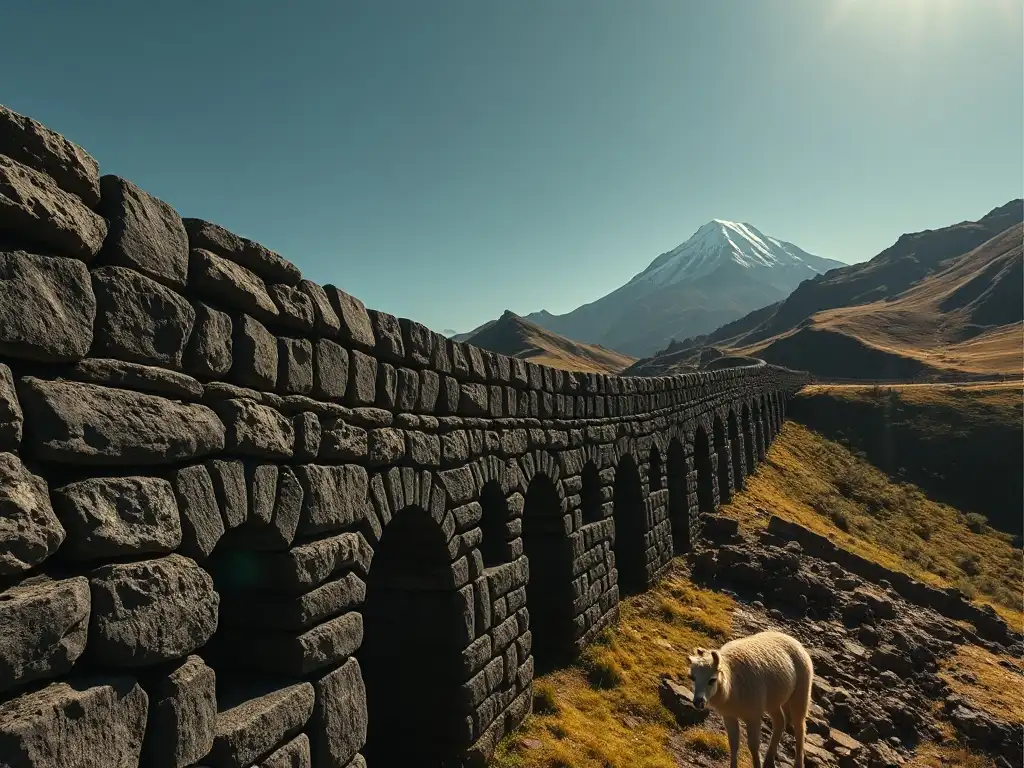
The ingenious water management systems of the ancient Andean civilizations, honed over millennia, offer invaluable lessons for addressing contemporary water challenges. While modern infrastructure and technologies are crucial, integrating traditional knowledge into contemporary water management practices can lead to more sustainable and equitable outcomes. This isn't simply about romanticizing the past; it's about recognizing the practical wisdom embedded in ancient Andean water laws and applying it to the complexities of the 21st century.
The principles of ayni (reciprocity) and mita (labor obligation), for example, fostered community cooperation in water distribution and maintenance. These concepts, adapted to modern contexts, could inspire collaborative water governance models, fostering shared responsibility and reducing conflict over scarce resources. Understanding how ancient communities managed water scarcity through sophisticated irrigation techniques, terracing, and water storage systems provides crucial insights for developing drought-resilient strategies.
The success of ancient Andean water management, even in the face of climatic variability, demonstrates the potential of integrating traditional knowledge with modern science for sustainable water resource management. This integrated approach is crucial for achieving water security in the Andes and beyond. We need to move beyond simply studying these ancient systems; we need to actively incorporate their core principles into our contemporary practices.
Integrating Traditional Knowledge into Contemporary Water Management
Successfully integrating traditional Andean water management knowledge requires a multi-faceted approach. It starts with thorough documentation and preservation of existing oral histories and practices. Ethno-hydrological studies, involving close collaboration with indigenous communities, are essential to accurately understand and document these practices. This includes documenting not only the technical aspects of water management but also the social and cultural norms that underpinned them.
Furthermore, we need to develop educational programs that bridge the gap between traditional knowledge and modern scientific understanding. This could involve training programs for water managers, engineers, and policymakers, incorporating traditional Andean perspectives into their curriculum. Finally, fostering inclusive participatory processes in water resource management is paramount. This means actively involving indigenous communities in decision-making processes, respecting their traditional rights, and ensuring that their knowledge is incorporated into policy and practice.
The success of this integration hinges on mutual respect, open dialogue, and a genuine commitment to collaborative governance. This approach ensures that the wisdom of the past informs and improves our water management strategies for the future. Without this integration, we risk overlooking invaluable solutions to our current challenges.
The Value of Ancient Andean Water Laws for Sustainable Development
The ancient Andean water laws, far from being mere historical curiosities, offer crucial lessons for sustainable development. These laws emphasized equitable distribution, community participation, and environmental stewardship – principles that resonate deeply with contemporary sustainability goals. The concept of ayllu, the extended family unit that often formed the basis of water management, highlighted the importance of collective responsibility and shared resources.
This contrasts sharply with modern approaches that often prioritize individual rights over collective well-being. Analyzing the ways in which ancient Andean communities balanced water use with environmental protection provides valuable insights for modern water governance. For instance, understanding how they managed water during droughts, and how they avoided over-extraction, can inspire innovative water conservation strategies.
Furthermore, incorporating the principles of reciprocity and collective responsibility into modern water policies could lead to more equitable and sustainable water resource management. By studying and adapting these ancient laws, we can develop more effective and just water management systems that prioritize both human needs and environmental protection. The application of these ancient principles to contemporary challenges could significantly contribute to achieving the Sustainable Development Goals (SDGs), particularly SDG 6 (Clean Water and Sanitation).
The Role of Education and Preservation in Protecting Water Heritage
Preserving and promoting the knowledge of ancient Andean water laws is crucial not only for historical understanding but also for future sustainability. This requires a concerted effort towards education and preservation at multiple levels. Educational programs, from primary school to university level, should incorporate the study of ancient Andean water management techniques and their societal implications. This should include incorporating the perspectives of indigenous communities and fostering intercultural dialogue.
Furthermore, the preservation of archaeological sites related to water management is paramount. This includes not only the physical infrastructure (canals, reservoirs, etc.) but also the documentation of associated cultural practices and oral traditions. This requires investment in archaeological research, site preservation, and community engagement.
Moreover, digital archiving and accessible online resources can help disseminate this knowledge to a wider audience, facilitating research and education globally. By actively protecting this heritage, we not only safeguard a vital part of human history but also unlock valuable insights that can contribute to a more sustainable future. The preservation of this knowledge is an investment in a more resilient and equitable future. Ignoring this legacy would be a significant loss, not only for historical understanding but also for practical solutions to contemporary water challenges.
Conclusion: A Legacy of Sustainable Water Management
This exploration of ancient Andean water laws reveals a sophisticated understanding of water resource management, far exceeding simplistic notions of mere irrigation techniques. The intricate systems, deeply embedded within the social fabric of Andean societies, demonstrate a remarkable capacity for collective action and sustainable resource allocation. From the meticulous canal construction of the Nazca to the complex water distribution networks of the Inca empire, these civilizations developed practices that allowed them to thrive in challenging, arid environments for centuries.
Understanding these ancient Andean water laws offers valuable insights for contemporary water management challenges. The keyword "ancient Andean water laws" encapsulates the core of this intricate system, highlighting its significance in the broader context of Andean history and engineering.
Lessons from Ancient Andean Water Laws
Several key lessons emerge from studying ancient Andean water management practices. Firstly, the emphasis on community-based management is crucial. These systems weren't solely engineered feats; they were expressions of social organization, requiring cooperation, conflict resolution, and shared responsibility. The ayllu, the Andean kinship group, played a vital role in allocating water resources and ensuring equitable distribution.
Secondly, the integration of water management with religious and cosmological beliefs provided a powerful incentive for conservation and sustainable practices. Water wasn't just a resource; it was a sacred element, intrinsically linked to life and fertility. This spiritual dimension reinforced responsible use. Thirdly, the adaptability of Andean water systems highlights their resilience.
They were designed to respond to variations in rainfall and changing environmental conditions, showcasing a sophisticated understanding of hydrology and ecological dynamics. Finally, the enduring legacy of these systems underscores the importance of traditional knowledge in addressing modern challenges. Their sophisticated understanding of water management offers valuable insights for contemporary societies struggling with water scarcity and climate change. The success of ancient Andean water laws rests on these principles of community, spirituality, adaptability, and tradition.
The Enduring Relevance of Andean Water Wisdom
The principles underpinning ancient Andean water laws remain strikingly relevant today. Faced with growing water scarcity and the impacts of climate change, many communities worldwide are grappling with the need for sustainable water management strategies. The Andean experience offers valuable lessons in collaborative governance, equitable resource allocation, and the integration of traditional knowledge with modern technologies.
The emphasis on community participation in decision-making, as exemplified by the ayllu system, provides a powerful model for inclusive water governance. Similarly, the Andean understanding of the interconnectedness of water, land, and spirituality offers a valuable perspective on the ethical dimensions of water management. In a world increasingly dominated by technological solutions, the Andean legacy reminds us of the importance of social and cultural factors in ensuring sustainable water use.
Ignoring this wisdom would be a significant oversight in tackling current water crises. Understanding the enduring relevance of Andean water wisdom is paramount for developing effective and equitable solutions to contemporary water challenges.
Preserving Andean Traditions for Future Generations
Preserving the knowledge and practices related to ancient Andean water laws is crucial for future generations. This involves not only documenting existing systems and traditional techniques but also actively supporting the communities that continue to utilize them. Efforts to protect traditional water management practices must be integrated with broader strategies to address climate change and promote sustainable development in the Andes. This requires collaboration between researchers, policymakers, and local communities, ensuring that the preservation of these traditions is not just a historical exercise but a vital component of building a sustainable future.
Documenting the intricate details of ancient Andean water laws, including their legal and customary aspects, is essential. This could involve ethnographic studies, archaeological investigations, and the creation of accessible archives of traditional knowledge. Furthermore, supporting local initiatives that promote sustainable water management practices based on Andean traditions is crucial.
This could involve providing training, technical assistance, and financial support to communities involved in maintaining traditional irrigation systems. The preservation of Andean traditions is not merely a matter of cultural heritage; it's a critical aspect of ensuring water security in the Andes for years to come. Protecting these traditions contributes directly to the long-term sustainability of the region.
Frequently Asked Questions
What were the ancient Andean civilizations' most important resources?
Water was arguably the most crucial resource for the ancient Andean civilizations, vital for agriculture, survival, and religious practices. Their sophisticated water management systems reflect this importance.
How did ancient Andean societies manage water resources?
Ancient Andean societies developed complex irrigation systems, reservoirs, and terraces to manage water effectively, especially in challenging terrains. These systems were crucial for their agricultural success.
Did ancient Andean civilizations have formal water laws?
While not codified like modern laws, ancient Andean civilizations had strong customary laws and social structures governing water access and use. These were based on community needs and traditions.
What role did religion play in Andean water management?
Religion played a significant role, with water often viewed as a sacred element. Many rituals and ceremonies were associated with water sources, ensuring respect and sustainable use.
How did the Inca Empire manage water rights?
The Inca Empire implemented a highly organized system of water distribution and maintenance, ensuring equitable access across its vast territory. This involved state control and community participation.
Final Reflection: The Enduring Legacy of Andean Water Wisdom
The struggle for equitable access to water remains a defining challenge of our time, mirroring the very conflicts faced by Andean communities centuries ago. The ancient systems of water management detailed in this article are not relics of a bygone era; they are potent reminders of the ingenuity and sustainability possible when communities prioritize collective well-being over individual gain. The principles embedded within these ancient laws offer invaluable lessons for navigating the complexities of modern water governance.
The enduring influence of Andean water customs on contemporary discussions about water rights is undeniable. These systems, built on principles of reciprocity, communal responsibility, and respect for the environment, offer a stark contrast to the often exploitative and unsustainable practices prevalent in many parts of the world today. Water is not merely a resource; it is the lifeblood of our communities, a sacred gift that demands respect and responsible stewardship.
This sentiment, echoing through generations of Andean communities, underscores the urgent need to re-evaluate our relationship with this precious resource and learn from the wisdom of the past.
Consider the intricate balance achieved by Andean communities for centuries. Now, imagine applying those principles of cooperation and sustainable resource management to your own community, your own life. What changes could you make to foster a more equitable and sustainable relationship with water? This is not merely an academic exercise; it is a call to action. By understanding and appreciating the enduring legacy of Andean water laws, we can pave the way for a future where access to clean water is a right, not a privilege, for all.
**Embrace Your Role in Water Conservation Today! **
Thank you for exploring the fascinating world of water rights in the Andes! You've discovered the complex interplay of ancient laws and customs that shape our understanding of responsible water management. Now, let's put that knowledge into action.
Here are a few simple yet impactful steps you can take:
- **Support Local Water Conservation Efforts:** Contribute to organizations working towards sustainable water practices in your community or the Andean region. Many local groups are actively involved in water conservation and responsible water use.
- **Share Your Knowledge:** Discuss the importance of water rights and conservation with friends, family, and your online networks. Share what you've learned to raise awareness and encourage others to get involved.
- **Learn from Indigenous Practices:** Research how traditional practices contribute to modern water management systems in the Andes. These time-tested methods often offer valuable insights into sustainable water use.
As you consider your next steps, ask yourself: **How can you advocate for equitable access to water in your community? **