
The Marvel of Qhapaq Ñan: Unveiling the Inca Road System's Secrets

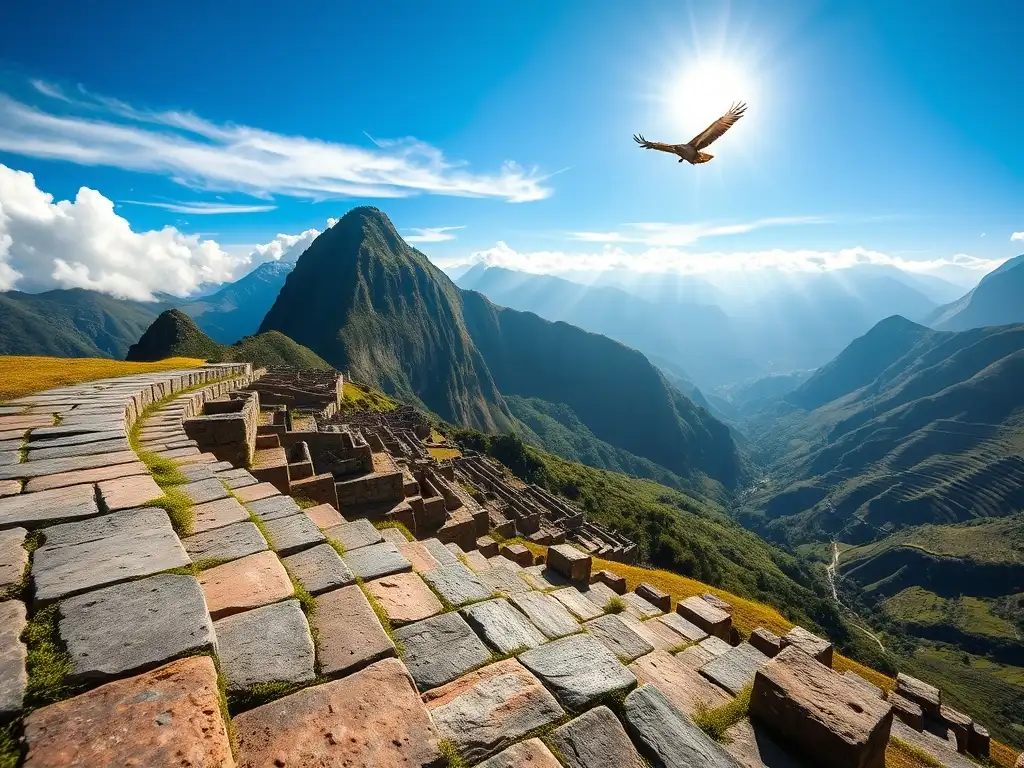
Step into a world lost to time, yet echoing with the whispers of a magnificent empire. Prepare to be amazed as we delve into the Andean Civilizations, uncovering the ingenuity and power of ancient cultures like the Incas, Moche, Nazca, and Tiahuanaco. But first, a mystery unfolds... What secrets did the legendary Inca Road System, the Qhapaq Ñan, hold? Journey with us to discover the answers and unravel the breathtaking engineering feats of this remarkable civilization.
The Inca Empire, renowned for its sophisticated engineering and architectural prowess, left behind a legacy that continues to fascinate and inspire awe. Central to this legacy is the Qhapaq Ñan, a vast and intricate network of roads that crisscrossed the Andes Mountains, connecting disparate regions of the empire and facilitating the remarkable achievements of Inca civilization.
This article delves into the secrets of the Inca Road System, exploring its purpose, construction, and enduring impact. We will uncover the ingenious techniques employed by Inca engineers and examine the multifaceted roles these roads played in the empire's success, revealing the intricate web of transportation, communication, military control, and administration that the Qhapaq Ñan represented.
Understanding the Inca Road System's secrets provides invaluable insight into the organizational power and technological sophistication of this remarkable civilization, allowing us to appreciate the ingenuity of a culture that mastered the challenges of a complex and demanding terrain. This exploration will illuminate the strategic brilliance and logistical capabilities that underpinned the Inca Empire's remarkable expansion and enduring influence.
Introduction to the Inca Road Network: Qhapaq Ñan's Significance
The Qhapaq Ñan, meaning "Royal Road" in Quechua, was far more than just a network of paths; it was the lifeblood of the Inca Empire. Spanning approximately 40,000 kilometers (25,000 miles) – a truly astonishing feat of engineering for its time – it linked the diverse regions of the empire, from present-day Colombia to central Chile and Argentina. 🗺️ This extensive system facilitated the movement of people, goods, and information, solidifying Inca control and fostering a sense of unity across a vast and geographically challenging landscape.
The sheer scale of the Qhapaq Ñan, its meticulous construction, and its strategic placement across the Andes Mountains stand as testament to the Inca's advanced understanding of engineering, surveying, and logistics. The road system's significance transcended mere practicality; it represented a powerful symbol of Inca authority and the empire's ability to integrate and control its diverse territories.
The construction itself involved a massive mobilization of labor and resources, showcasing the Inca's sophisticated organizational skills and their ability to harness the collective efforts of their subjects. Further research is needed to fully understand the complete extent and intricate details of the Qhapaq Ñan, but even what we know already is breathtaking.
The Purpose and Function of the Inca Road System
The Qhapaq Ñan served a multitude of crucial purposes within the Inca Empire, acting as a vital artery connecting its various components. Its functions extended far beyond simple transportation, playing a significant role in the empire's military, administrative, and social structures. The roads were not merely pathways; they were carefully planned and strategically placed to maximize their utility and effectiveness. The design and construction reflected a deep understanding of the Andean terrain and the needs of the empire.
Transportation and Communication along the Qhapaq Ñan
The primary function of the Qhapaq Ñan was undoubtedly the efficient movement of goods and people across the vast Inca Empire. Llamas, the primary pack animals of the Andes, carried essential supplies, agricultural products, and manufactured goods along the roads. The roads themselves were strategically designed to facilitate this transport, with carefully graded inclines, bridges, and resting places strategically placed along the routes.
The efficient transport system ensured a steady flow of resources to different parts of the empire, supporting its economic stability and growth. Beyond the transport of goods, the Qhapaq Ñan also facilitated rapid communication. Runners, known as chasquis, relayed messages along the roads at incredible speed, using a system of strategically placed relay stations.
This system allowed for swift communication between distant parts of the empire, enabling rapid response to emergencies and maintaining efficient administration. This communication network was vital for the smooth functioning of the empire and its centralized governance.
Military and Administrative Uses of the Inca Roads
The Qhapaq Ñan played a crucial role in maintaining the Inca Empire's military power and administrative control. The roads allowed for the rapid deployment of troops to quell rebellions or defend against external threats. The strategic placement of forts and military outposts along the routes further enhanced the empire's defensive capabilities. The efficient movement of soldiers and supplies enabled the Inca to effectively control their vast territories and respond swiftly to any challenges to their authority.
Furthermore, the roads facilitated the empire's administrative functions. Officials could travel quickly and efficiently to different regions, overseeing the collection of taxes, monitoring local affairs, and ensuring compliance with imperial policies. The Qhapaq Ñan was thus integral to the maintenance of the empire's centralized administrative system, enabling efficient governance across a vast and diverse landscape. The combination of military and administrative uses solidified the Inca's power and ensured the stability of the empire.
Engineering Marvels of the Qhapaq Ñan: Construction Techniques
The Qhapaq Ñan, or Inca Road system, stands as a testament to the Inca's remarkable engineering prowess. Its construction, spanning diverse and challenging terrains, showcases a sophisticated understanding of engineering principles and an impressive ability to adapt to the environment. The Incas didn't simply lay down paths; they meticulously planned and executed projects that integrated seamlessly with the Andes' rugged landscape.
This involved careful consideration of factors such as elevation, geology, and climate, resulting in a network of roads that remained functional for centuries. The sheer scale of the undertaking, along with the innovative techniques employed, continues to fascinate and inspire engineers and archaeologists alike. The longevity of many sections of the Qhapaq Ñan is a direct result of the quality of materials and the meticulousness of construction methods, demonstrating a deep understanding of sustainable infrastructure development, centuries ahead of its time.
The Inca's ability to effectively manage labor and resources for such a vast project is equally impressive, indicating a highly organized and efficient societal structure. The legacy of the Qhapaq Ñan is not merely a network of roads, but a representation of the Incas' advanced knowledge of engineering and their profound connection to their environment.
Inca Road Construction Methods: Adapting to Diverse Terrains
Inca road construction methods were remarkably adaptable, varying significantly depending on the terrain. In flatter areas, the roads were relatively straightforward, often employing a simple layered construction. This typically involved a base layer of compacted earth, followed by stones of varying sizes, and finally, a smooth paving surface. However, in mountainous regions, the Incas demonstrated their ingenuity.
They employed intricate systems of retaining walls and terraces to stabilize slopes and prevent erosion. These walls, built from locally sourced stone, were often precisely fitted together without mortar, showcasing remarkable masonry skills. The roads themselves were often carved directly into the rock face, demonstrating a mastery of stone cutting and shaping techniques. In areas prone to landslides or flooding, the Incas implemented drainage systems to divert water and prevent damage to the road surface.
Their ability to navigate treacherous mountain passes and cross deep ravines is a testament to their innovative engineering solutions and deep understanding of the Andean environment. The meticulous planning and construction ensured the roads' resilience, allowing for safe and efficient travel across the vast Inca empire. The adaptability of the construction reflects a deep understanding of geotechnical engineering principles, far exceeding the capabilities of many contemporary societies.
Bridges, Tunnels, and Steps: Ingenious Engineering Solutions
The Inca's engineering ingenuity is particularly evident in their construction of bridges, tunnels, and steps. Suspension bridges, often crafted from sturdy vines and ropes, spanned deep ravines and rivers, showcasing an advanced understanding of tensile strength and structural design. These weren't simply flimsy crossings; many were remarkably strong and durable, capable of supporting significant weight.
Tunnels, skillfully carved through rock, provided passage through mountains and other obstacles, demonstrating a mastery of rock excavation and ventilation techniques. The construction of these tunnels required precise planning and execution, with consideration given to maintaining structural integrity and ensuring safe passage. Steps, meticulously carved into rock faces, facilitated travel along steep slopes, demonstrating a keen awareness of ergonomics and safety.
The precision and artistry involved in these constructions are remarkable, highlighting the Inca's sophisticated knowledge of engineering and their dedication to creating functional and aesthetically pleasing infrastructure. These ingenious solutions were crucial in connecting different parts of the vast Inca empire, enabling efficient communication and trade.
Key Sections of the Inca Road System: Exploring the Routes
The Qhapaq Ñan wasn't a single road, but rather a complex network of interconnected routes spanning thousands of kilometers. These routes served various purposes, facilitating communication, trade, and military movements across the Inca empire. Understanding the key sections and their regional variations provides crucial insights into the logistical complexity and strategic importance of this remarkable infrastructure.
The network's design reflects a profound understanding of geography, ensuring efficient connectivity across diverse and challenging terrains. Each section played a crucial role in the functioning of the empire, connecting distant communities and facilitating the flow of goods, people, and information. The organization and maintenance of this extensive network were remarkable feats of administrative and engineering skill.
The Coastal Road: Along the Pacific Shoreline
The coastal road, following the Pacific shoreline, was a vital artery connecting various coastal communities. This route facilitated trade in marine resources and other goods, playing a crucial role in the Inca economy. The construction of this road presented unique challenges, as it had to navigate cliffs, beaches, and rivers. The Incas cleverly adapted their construction methods to overcome these obstacles, using different materials and techniques depending on the specific terrain.
They employed sturdy stonework where necessary, and utilized readily available materials like wood and reeds in other areas, demonstrating an adaptable and resourceful approach. The coastal road's strategic importance is evident in its location, providing access to important ports and resources. Its construction showcases the Inca's ability to manage and adapt their engineering techniques to a variety of coastal environments.
The Highland Road: Traversing the Andes Mountains
The highland road, traversing the formidable Andes Mountains, was arguably the most challenging section of the Qhapaq Ñan. This route, often winding through steep valleys and across high mountain passes, required exceptional engineering skills and a profound understanding of mountain environments. The construction involved complex systems of retaining walls, terraces, and drainage systems to manage the risks of landslides, erosion, and flooding.
The sheer scale and complexity of this undertaking are awe-inspiring, showcasing the Inca's mastery of stonework and their ability to overcome seemingly insurmountable obstacles. The construction of bridges and tunnels in these high-altitude regions further highlights their engineering prowess. This section of the Qhapaq Ñan is a testament to the Inca’s determination and their mastery of engineering in challenging conditions.
Connecting Routes and Regional Networks
The true marvel of the Qhapaq Ñan lies not only in its individual sections but also in the intricate network that connected them. The system wasn't just a collection of roads; it was a strategically planned and meticulously executed infrastructure project that served to unify the vast Inca Empire. Regional networks branched off from the main routes, connecting smaller settlements and villages to the larger urban centers. This interconnectedness facilitated trade, communication, and the efficient movement of resources throughout the empire.
The organization of this vast network required sophisticated planning, logistics, and efficient resource management. The design of the connecting routes demonstrates a deep understanding of geography and the strategic needs of the empire. The Qhapaq Ñan's interconnectedness is a testament to the Inca's exceptional organizational and engineering abilities. The effectiveness of this system is a key element in understanding the success and longevity of the Inca Empire.
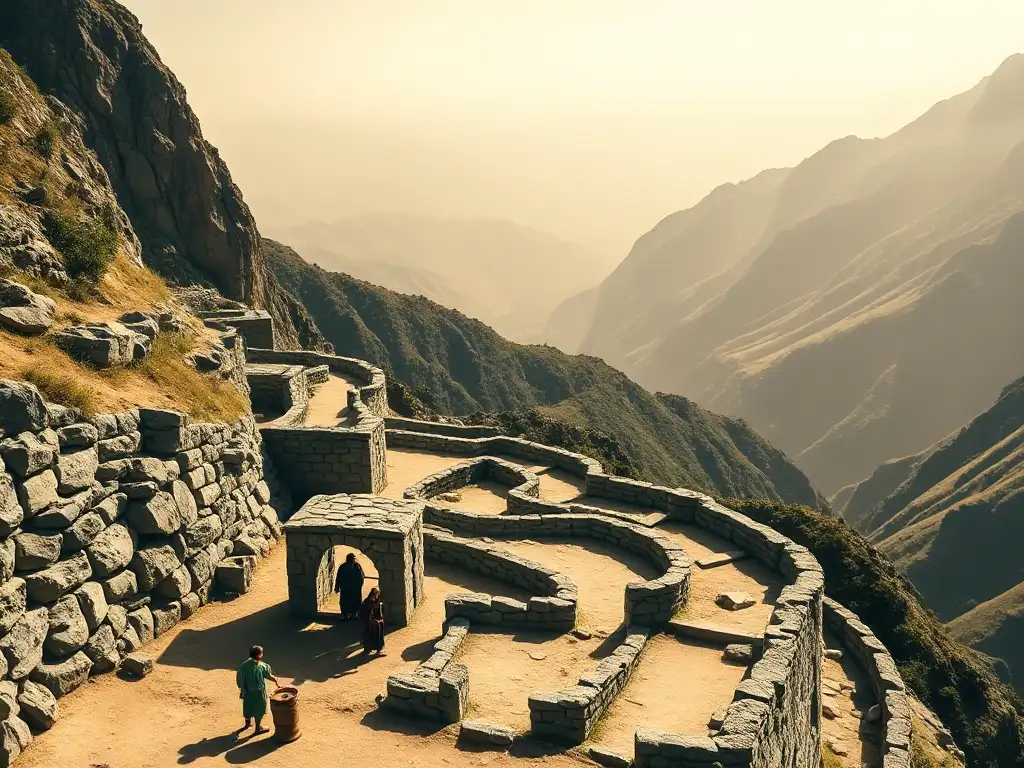
The Inca road system, the Qhapaq Ñan, transcended its purely logistical function; it profoundly shaped Inca society and culture. Its impact reverberated through every aspect of daily life, from facilitating trade and communication to reinforcing imperial control and fostering a sense of shared identity across the vast empire. The very construction of the roads involved massive mobilization of labor, creating a sense of collective purpose and shared achievement among the participating communities.
This communal effort, in itself, strengthened social bonds and fostered a sense of unity within the diverse populations of the Inca Empire. The roads also served as conduits for the dissemination of Inca ideology, language, and religious practices, contributing to the standardization and homogenization of cultural practices across the empire.
This cultural unification, facilitated by the ease of travel and communication along the Qhapaq Ñan, was crucial for maintaining political stability and social cohesion within the vast and diverse empire. The impact of the road system extended beyond the purely practical; it played a pivotal role in shaping the very fabric of Inca society.
Facilitating Trade and Exchange within the Inca Empire
The Qhapaq Ñan acted as the lifeblood of the Inca economy, facilitating a sophisticated system of trade and exchange across the Andes. Goods, ranging from agricultural products like potatoes and maize to textiles, precious metals, and exotic artifacts, flowed seamlessly along the network of roads. This efficient system of transportation allowed for the redistribution of resources, ensuring that even remote communities had access to essential goods and necessities.
The Inca Empire, characterized by its highly organized and centralized administration, relied heavily on this efficient network to manage resource allocation and support the population. The ease of movement along the roads also encouraged specialization in production, with different regions focusing on specific goods and trading surpluses with other regions. This system of reciprocal exchange fostered economic interdependence and strengthened the ties between different parts of the empire.
Archaeological evidence, including the discovery of numerous storage facilities along the Inca roads, supports the importance of trade and resource management in the Inca economy. The Qhapaq Ñan wasn't merely a pathway; it was the foundation of a remarkably efficient and equitable economic system.
The Role of the Qhapaq Ñan in Inca Governance
The Qhapaq Ñan served as a crucial instrument of Inca governance, enabling efficient administration and control over the vast empire. The network of roads facilitated rapid communication between the capital at Cusco and the distant provinces, allowing the Inca emperor and his officials to monitor events, collect taxes, and respond swiftly to any challenges. The presence of strategically placed tambos (roadside inns) along the roads provided resting places for travelers and served as administrative centers, facilitating the collection of taxes and the dissemination of imperial decrees.
These tambos also acted as relay stations for messengers, ensuring that messages travelled quickly and reliably across the empire. The ability of the Inca rulers to maintain constant communication and exert their authority throughout the empire was a key factor in their ability to effectively govern such a large and diverse population.
The Qhapaq Ñan therefore wasn't merely a logistical network; it was the backbone of the Inca imperial administration. The road system ensured the effective communication and control crucial for maintaining the empire’s stability and power.
Preserving the Legacy of the Qhapaq Ñan: Modern Day Efforts
The Qhapaq Ñan, a testament to Inca ingenuity and engineering prowess, faces significant challenges in the 21st century. However, dedicated efforts are underway to preserve this remarkable legacy for future generations. These efforts encompass a range of initiatives, from international collaborations to community-based conservation projects, all working towards the common goal of protecting and promoting this invaluable historical site.
The preservation of the Qhapaq Ñan is not merely about safeguarding ancient stones; it’s about preserving a vital part of human history and cultural heritage. The scale of the undertaking is immense, requiring careful planning, substantial funding, and sustained commitment from various stakeholders.
UNESCO World Heritage Status and Conservation Projects
The Qhapaq Ñan, recognized for its outstanding universal value, holds the prestigious status of a UNESCO World Heritage Site. This recognition has brought increased international attention and support for its preservation. UNESCO's involvement has spurred various conservation projects, focusing on the restoration of damaged sections of the road, the stabilization of vulnerable sites, and the development of sustainable tourism practices.
These projects often involve collaboration between archaeologists, engineers, local communities, and international organizations, ensuring a multi-faceted approach to conservation. The long-term goal is not just to maintain the physical integrity of the Qhapaq Ñan but also to protect its cultural significance and ensure its continued accessibility for future generations. The collaborative nature of these projects highlights the global significance of the Qhapaq Ñan and the shared responsibility in preserving this remarkable heritage.
Tourism and Educational Opportunities Along the Inca Roads
The Qhapaq Ñan offers significant potential for tourism and education. The Inca road system's remarkable engineering and historical significance attract visitors from around the globe. Sustainable tourism initiatives aim to balance the economic benefits of tourism with the preservation of the site.
This includes the development of visitor centers, guided tours, and educational programs that promote responsible travel and cultural awareness. Furthermore, the Qhapaq Ñan provides unique educational opportunities, allowing researchers, students, and the public to learn about Inca history, culture, and engineering. The preservation efforts also integrate educational components, aiming to raise awareness among local communities and promote the value of their cultural heritage.
By combining tourism with education, these initiatives aim to both support the preservation of the Qhapaq Ñan and to enrich the understanding and appreciation of this remarkable achievement of Inca civilization. The careful balance between tourism and preservation is crucial for ensuring the long-term viability of the Qhapaq Ñan as both a historical site and a source of cultural pride and economic opportunity.
Unveiling the Inca Road System Secrets: What We Have Learned
The Inca road system, the Qhapaq Ñan, remains a testament to the sophisticated engineering and organizational capabilities of the Inca Empire. Decades of research have unveiled fascinating secrets about its construction, purpose, and impact on Andean society. Archaeological excavations across the Andes have revealed intricate details about the road's construction techniques, revealing the use of locally sourced materials adapted to diverse terrains.
For example, stone paving techniques varied significantly depending on the altitude and available resources. In higher altitudes, where frost was a constant concern, we find evidence of careful drainage systems integrated into the road's design, preventing damage from water accumulation. Lower altitudes might feature different paving styles, showcasing the Inca's adaptability and mastery of construction.
Discoveries and Ongoing Research about the Inca Roads
Recent discoveries continue to reshape our understanding of the Qhapaq Ñan. The use of sophisticated surveying techniques, far exceeding what was previously thought possible for the time period, is becoming increasingly evident. Researchers have found evidence suggesting the Inca utilized advanced methods to ensure the roads' alignment and gradient, optimizing for both accessibility and practicality.
The network wasn't just a series of unconnected paths; it was a meticulously planned system integrating bridges, tunnels, and resting places strategically positioned along the routes. Ongoing research utilizing Geographic Information Systems (GIS) and remote sensing technologies is creating detailed 3D models of the road network, allowing for a more comprehensive analysis of its layout and logistical implications. This research helps us understand not only the how of its construction but also the why, revealing insights into Inca trade, communication, and military strategies.
The discovery of previously unknown sections of the road in remote areas continues to expand our knowledge, highlighting the vastness and complexity of this incredible feat of engineering. Furthermore, the analysis of artifacts found along the roads provides invaluable context, shedding light on the daily lives of those who traveled and maintained the Qhapaq Ñan.
The Enduring Legacy of Inca Engineering and Infrastructure
The impact of the Inca road system extends far beyond its historical significance. Its influence can be seen in modern road construction techniques and infrastructure planning. The Inca's understanding of terrain adaptation, sustainable materials, and effective drainage systems offers valuable lessons for contemporary engineers.
The integration of the road network with the natural landscape showcases an approach to infrastructure development that respects the environment, a concept gaining increasing importance in modern sustainable design. Moreover, the Qhapaq Ñan serves as a powerful reminder of the importance of connectivity and communication in fostering societal development and economic growth. The Inca's investment in this massive infrastructure project facilitated trade, cultural exchange, and political stability across a vast and diverse empire.
This enduring legacy inspires modern-day efforts to preserve and understand ancient infrastructure, not only for its historical value but also for its potential to inform and improve modern practices. The study of Inca engineering continues to offer valuable insights into sustainable and resilient infrastructure development.
Conclusion: The Qhapaq Ñan as a Testament to Inca Ingenuity
The Qhapaq Ñan, the Inca road system, stands as a remarkable achievement in ancient engineering and a powerful symbol of Inca ingenuity. Its secrets, gradually unveiled through meticulous research and archaeological discoveries, continue to amaze and inspire. The intricate network, with its innovative construction techniques and strategic planning, served as the backbone of the Inca Empire, facilitating trade, communication, and military control across a vast and challenging landscape. The enduring legacy of the Qhapaq Ñan is not only its physical presence but also its enduring influence on our understanding of ancient civilizations and the principles of sustainable infrastructure development.
The ongoing exploration of the Qhapaq Ñan promises to reveal even more secrets, further enriching our appreciation for the remarkable achievements of the Inca civilization. The road itself serves as a living testament to the ingenuity and organizational prowess of a civilization that continues to fascinate and inspire. 🗺️
- Introduction to the Inca Road Network: Qhapaq Ñan's Significance
- The Purpose and Function of the Inca Road System
- Engineering Marvels of the Qhapaq Ñan: Construction Techniques
- Key Sections of the Inca Road System: Exploring the Routes
- The Social and Cultural Impact of the Inca Roads
- Preserving the Legacy of the Qhapaq Ñan: Modern Day Efforts
- Unveiling the Inca Road System Secrets: What We Have Learned
- Conclusion: The Qhapaq Ñan as a Testament to Inca Ingenuity
Frequently Asked Questions
What was the Qhapaq Ñan?
The Qhapaq Ñan was the extensive Inca road system, a network of roads, bridges, and pathways spanning thousands of miles across the Andes Mountains. It was vital for communication, trade, and military control across the vast Inca Empire.
How did the Incas build such an impressive road system?
The Incas utilized advanced engineering techniques, adapting to the challenging terrain with intricate stonework, suspension bridges, and strategically placed resting points. Their mastery of stone cutting and fitting is still remarkable today.
What was the purpose of the Qhapaq Ñan beyond transportation?
Beyond transportation, the Qhapaq Ñan served as a critical element of Inca administration and control. It facilitated the movement of troops, messengers, and goods, solidifying their power and influence across the empire.
What secrets does the Qhapaq Ñan still hold?
Despite extensive research, the Qhapaq Ñan still holds many secrets regarding its precise construction methods, the full extent of its network, and the cultural significance of its various features. New discoveries continue to be made.
How can I learn more about the Inca Road System?
You can explore archaeological sites along the Qhapaq Ñan, delve into academic research papers, and visit museums showcasing Inca artifacts. Many guided tours and documentaries are also available.
Final Reflection: Echoes of the Inca on the Qhapaq Ñan
The intricate network of the Qhapaq Ñan, the Inca Road System, remains a testament to human ingenuity and a powerful symbol of interconnectedness, a legacy that continues to resonate in the modern world. Its sophisticated engineering, strategic planning, and profound cultural significance offer invaluable lessons about sustainable development, resource management, and the enduring power of human connection across vast distances. Understanding this system is not merely an academic exercise; it's a key to unlocking a deeper appreciation for our shared history and the challenges we face today.
The Qhapaq Ñan's influence extends far beyond its physical presence; it continues to shape our understanding of Inca civilization and its impact on the Andean landscape. Its enduring presence serves as a constant reminder of the ingenuity and resilience of the Inca people. The road itself was a living thing, a dynamic artery pulsating with the lifeblood of the empire.
This quote, while poetic, captures the essence of the Qhapaq Ñan's importance – not just as a pathway, but as a vital component of Inca society, culture, and identity. Its secrets continue to be unearthed, revealing more about the complexities of this remarkable civilization and its lasting impact.
As you reflect on the marvels of the Qhapaq Ñan, consider the ways in which its principles of connectivity, sustainability, and community building can inspire us today. How can we, in our own lives and communities, foster stronger connections, build more resilient systems, and strive for a more equitable and sustainable future? Let the echoes of the Inca on the Qhapaq Ñan inspire you to explore your own path towards a more interconnected and meaningful existence. The journey of discovery, much like the Inca Road itself, is ongoing.
Embark on Your Journey Through Time!
Thank you for exploring the wonders of the Qhapaq Ñan, the Inca Road System, with us! You've gained valuable insights into this incredible feat of engineering and its historical significance. Now, let's continue your journey of discovery.
Here are some ways to further engage with the incredible legacy of the Incas:
- **Delve Deeper:** Plan a trip to experience the breathtaking Qhapaq Ñan firsthand. Research trails that offer not only stunning scenery but also opportunities to connect with local cultures and communities.
- **Join the Conversation:** Share your thoughts and questions in the comments! Discuss what aspects of the Inca Road System fascinate you most, or suggest topics for future exploration.
- **Spread the Word:** Invite friends to explore the history of the Andean civilizations with you. Consider hosting a movie night featuring documentaries or sharing relevant books that highlight this ancient marvel.
What aspect of the Inca Road System has piqued your interest, and how do you plan to learn more about it?