
Andean Water Wisdom: Sustainable Strategies from the Past

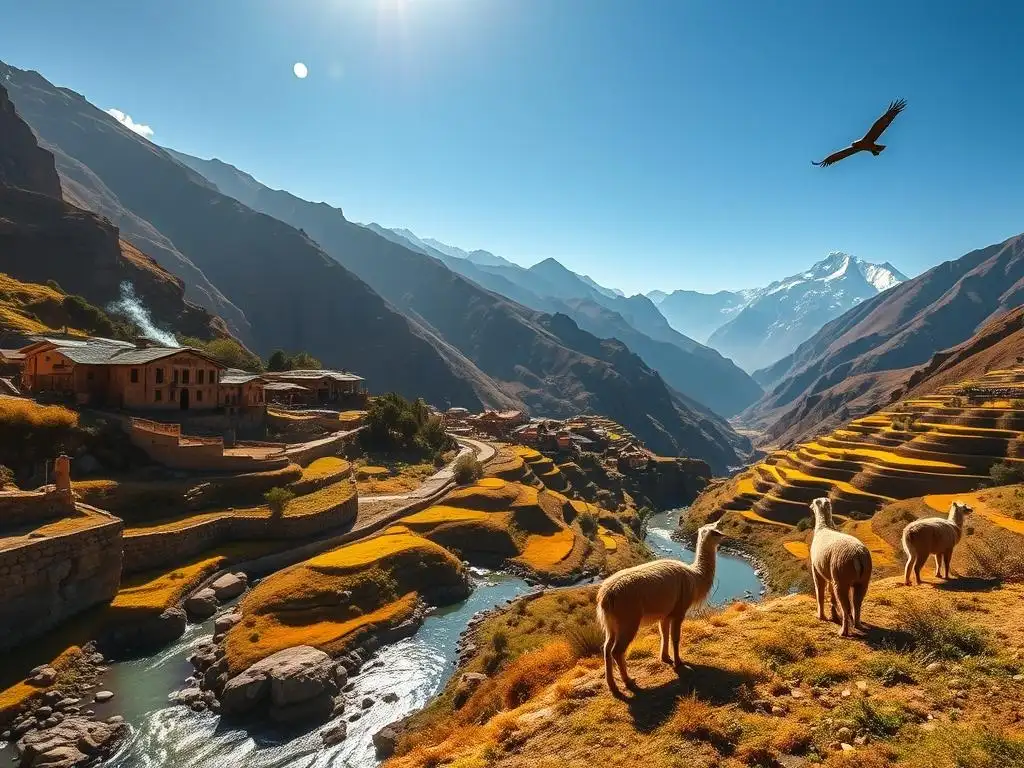
Unravel the mysteries of a lost world where ingenuity thrived amidst towering peaks and arid valleys. Journey with us into the heart of the Andes, where ancient civilizations, like the Incas, Moche, and Nazca, mastered the art of survival. Their secret? A sophisticated understanding of water management. Discover how these Andean civilizations harnessed the power of nature, leaving behind architectural marvels and sustainable strategies that continue to inspire awe and wonder. Prepare to be amazed by the ingenuity revealed in our exploration of Andean civilizations water management – a testament to human resilience and innovation.
The Andes Mountains, a formidable and awe-inspiring landscape, nurtured some of the most sophisticated civilizations of pre-Columbian South America. These cultures, including the Inca, Moche, Nazca, and Tiahuanaco, didn't merely survive in this challenging environment; they thrived. A key element of their success was their profound understanding and masterful management of water, a resource both precious and scarce in the high-altitude regions.
This article delves into the ingenious water management strategies employed by these Andean civilizations, exploring their remarkable ingenuity and the enduring lessons they hold for sustainable water practices today. We will examine the intricate systems they developed, highlighting their remarkable adaptability and foresight in the face of environmental challenges. Understanding their approach to water conservation and distribution offers valuable insights for addressing modern water scarcity issues and promoting sustainable development in arid and semi-arid regions worldwide.
The ingenuity of Andean civilizations in harnessing water resources provides a compelling case study for sustainable practices, relevant to both historical research and contemporary challenges. This exploration will reveal not only their technological achievements but also the deep cultural and spiritual significance water held within their societies.
Introduction to Andean Civilizations and Water Management
Andean civilizations faced unique challenges related to water availability and distribution. The diverse geography of the Andes, ranging from coastal deserts to high-altitude plains, demanded flexible and adaptable water management systems. These weren't simply engineering feats; they were deeply integrated into the social, economic, and religious fabric of these societies.
From the intricate canal systems of the Nazca to the sophisticated hydraulic engineering of the Inca, each civilization developed unique solutions tailored to its specific environment and needs. The ingenuity displayed in these systems is remarkable, showcasing a deep understanding of hydrology, topography, and the natural water cycle. Evidence suggests a sophisticated understanding of water storage, distribution, and irrigation, exemplified by the construction of reservoirs, canals, and aqueducts that efficiently channeled water to agricultural lands and urban centers.
The longevity and effectiveness of many of these systems stand as a testament to their careful planning and sustainable design principles. Furthermore, archaeological evidence continues to reveal the complexity and extent of these systems, constantly expanding our understanding of Andean technological prowess. Understanding these advancements is crucial to understanding the overall success and resilience of these ancient societies.
The Importance of Water in Andean Cultures
Water was far more than a mere resource for the Andean civilizations; it held profound cultural and spiritual significance. It was deeply intertwined with their cosmology, religious beliefs, and social structures. Many Andean cultures viewed water as a sacred element, a life-giving force connected to deities and the spirit world. This reverence translated into a careful and respectful approach to water management, emphasizing conservation and sustainable practices.
For example, [Specific religious practices and rituals related to water pending]. The integration of water into their religious beliefs fostered a sense of community responsibility in its management and conservation, ensuring the equitable distribution of this precious resource. This holistic perspective, combining practical engineering with spiritual reverence, resulted in systems that were not only efficient but also sustainable over the long term.
Furthermore, the social organization of many Andean societies was directly linked to access to and control of water resources, shaping power dynamics and social hierarchies. The intricate relationship between water, religion, and social structure highlights the holistic approach these civilizations took towards water management. 💧
- Introduction to Andean Civilizations and Water Management
- The Importance of Water in Andean Cultures
- How did Andean civilizations manage water resources?
- What were the most important water management techniques used by the Incas?
- Did other Andean cultures besides the Incas have advanced water management systems?
- How did Andean water management contribute to their agricultural success?
- What can we learn from Andean water management techniques today?
Ancient Andean Irrigation Systems: A Legacy of Ingenuity
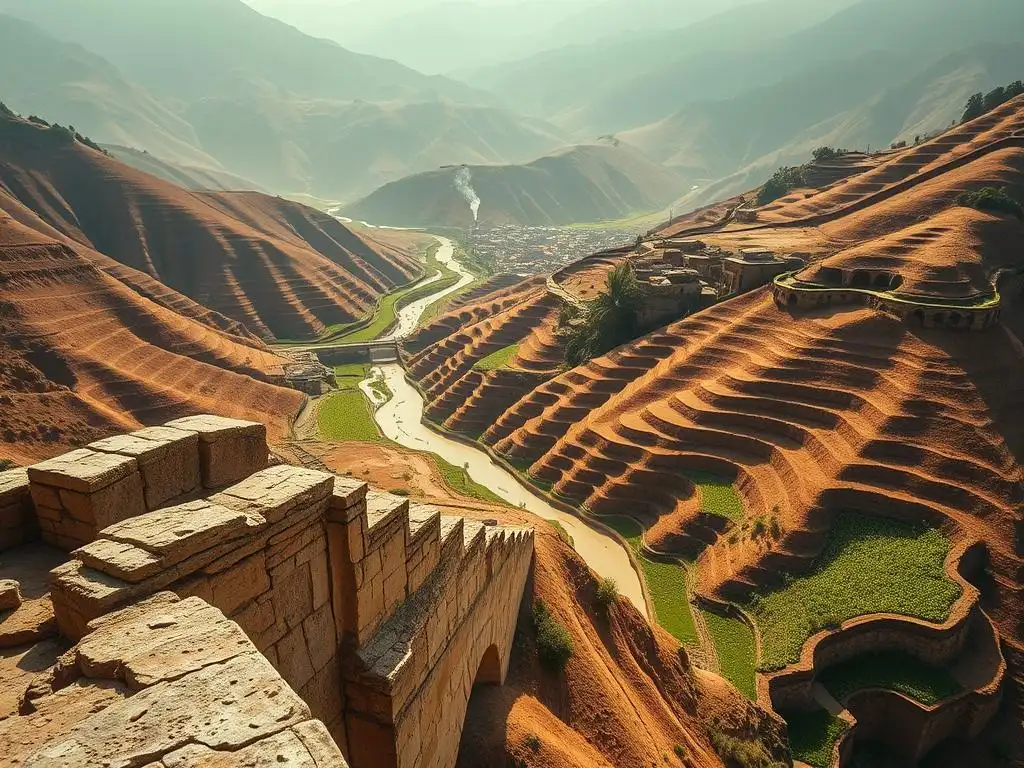
The Andes Mountains, a seemingly inhospitable environment, fostered some of the most sophisticated water management systems in the ancient world. The ingenuity of Andean civilizations in harnessing scarce water resources is a testament to their deep understanding of their environment and their remarkable ability to adapt to challenging conditions. This section explores the diverse strategies employed by these cultures, highlighting their remarkable achievements in water conservation and irrigation.
Understanding their "Andean civilizations water management" techniques offers valuable insights for contemporary sustainable practices. The success of these systems wasn't merely about engineering prowess; it was deeply intertwined with their spiritual beliefs and social structures, reflecting a holistic approach to resource management.
Terraced Agriculture and Water Conservation in the Andes
Andean agriculture was largely defined by its adaptation to steep, mountainous terrain. Terraced farming, a hallmark of Andean civilizations, wasn't just about creating arable land; it was a sophisticated system for water management. These terraces, meticulously carved into hillsides, acted as giant reservoirs, slowing the runoff of rainwater and preventing soil erosion.
The carefully constructed walls between terraces created level platforms, maximizing the surface area for cultivation and allowing for efficient irrigation. The effectiveness of this system is evident in the surviving agricultural terraces found across the Andes, many still in use today. Different elevations within the terraces also allowed for the cultivation of diverse crops, optimizing the use of available water and sunlight.
This system, a testament to the Andean understanding of hydrology and soil science, allowed for increased agricultural productivity in challenging environments. The precise methods varied slightly between cultures—the Incas, for example, refined earlier techniques—but the core principle of terraced water conservation remained consistent across various Andean societies. The meticulous planning and labor-intensive construction involved underscore the importance of agriculture and water access to the survival and prosperity of these civilizations.
Canal Systems of the Incas: Engineering Masterpieces
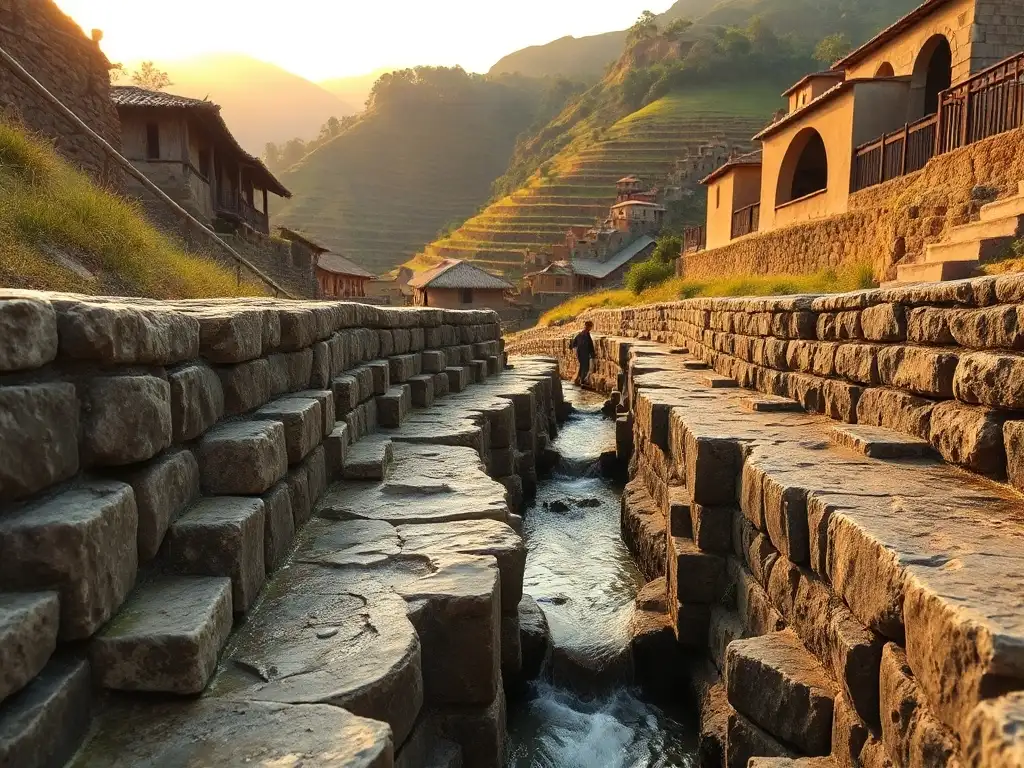
The Inca Empire, known for its impressive feats of engineering, further developed existing water management techniques. Their canal systems, some stretching for kilometers, were marvels of precision and functionality. These canals, built with carefully fitted stones, channeled water from rivers and springs to distant agricultural fields, ensuring a reliable water supply even during dry seasons.
The construction involved intricate surveying and precise grading to maintain a consistent water flow. Evidence suggests the Incas also incorporated sophisticated techniques for regulating water flow, such as weirs and spillways, demonstrating a high level of hydraulic engineering knowledge. Furthermore, the construction of aqueducts allowed for the transport of water across valleys and other geographical obstacles, highlighting the Incas' ability to overcome environmental challenges.
The integration of these canals into the broader Inca infrastructure further speaks to the importance placed on water management within their society. The longevity and effectiveness of these systems are a testament to their design and construction. Many of these canals are still visible today, serving as a powerful reminder of Inca engineering prowess and their understanding of "Andean civilizations water management".
Water Harvesting Techniques of Pre-Inca Cultures
Pre-Inca cultures, such as the Nazca and Moche, also developed ingenious water management techniques. While lacking the extensive canal systems of the Inca, these civilizations employed sophisticated methods of water harvesting and storage. The Nazca, famous for their geoglyphs, also built extensive underground aqueducts known as puquios. These subterranean channels tapped into underground water sources, bringing water to the surface for irrigation and domestic use.
The precise engineering involved in constructing these puquios, often involving intricate tunnels and ventilation shafts, highlights their advanced understanding of hydrology and engineering. The Moche, on the other hand, developed complex irrigation systems that relied on a network of canals and reservoirs to manage water resources. Their systems often incorporated gravity-fed canals and strategically placed reservoirs to store water for use during drier periods.
These pre-Inca water management systems, while differing in scale and complexity from the Inca's, demonstrate that a deep understanding of water resources was a common thread among Andean civilizations. These innovations showcase a remarkable ability to adapt to the challenges of their environment, building upon earlier techniques and contributing to the rich tapestry of Andean water wisdom. The legacy of these pre-Inca water harvesting techniques continues to inspire modern approaches to sustainable water management, underscoring the timeless relevance of their ingenuity.
The Role of Aqueducts in Andean Water Distribution
Aqueducts represent a cornerstone of Andean water management, showcasing the ingenuity and sophisticated understanding of hydraulics possessed by ancient Andean civilizations. These weren't simply channels carved into the landscape; they were carefully engineered systems designed to transport water over significant distances, often across challenging terrain, to sustain agriculture and urban centers. The construction techniques varied depending on the specific civilization and the local environment.
For instance, the Inca utilized a combination of stone channels, carefully fitted together without mortar, and subterranean conduits to move water efficiently. The precision involved in these constructions is remarkable, reflecting a deep understanding of gradients and water flow dynamics. Their success lay not only in the physical construction but also in the meticulous planning and maintenance that ensured a reliable water supply.
Regular inspections and repairs were crucial, a testament to the long-term commitment to water security that characterized Andean societies. The integration of aqueducts into the broader landscape, often blending seamlessly with the natural environment, is further evidence of their sophisticated approach to water management. These systems weren't just functional; they were integral parts of the Andean worldview, reflecting a deep respect for water as a vital resource.
The scale of some Andean aqueducts is truly impressive. Many stretched for kilometers, traversing mountains and valleys to reach their destinations. This demonstrates a significant level of organizational capacity and planning, suggesting sophisticated societal structures capable of mobilizing labor and resources on a large scale.
The intricate network of channels, reservoirs, and distribution points that often accompanied aqueducts highlights the complexity of these systems. They weren't simply linear conduits but part of a larger, integrated water management network. Archaeological evidence continues to reveal new details about the design and operation of these ancient systems, constantly challenging and enriching our understanding of Andean engineering prowess.
The study of these aqueducts offers valuable insights into the sophisticated knowledge of hydrology and engineering that characterized these societies. Furthermore, these systems continue to inspire modern approaches to water management, demonstrating the enduring relevance of ancient Andean wisdom in addressing contemporary challenges related to water scarcity and sustainable resource management. The legacy of these aqueducts serves as a powerful reminder of the importance of sustainable water practices and the ingenuity of ancient Andean civilizations in developing solutions to complex problems.
Sustainable Water Practices of Andean Civilizations
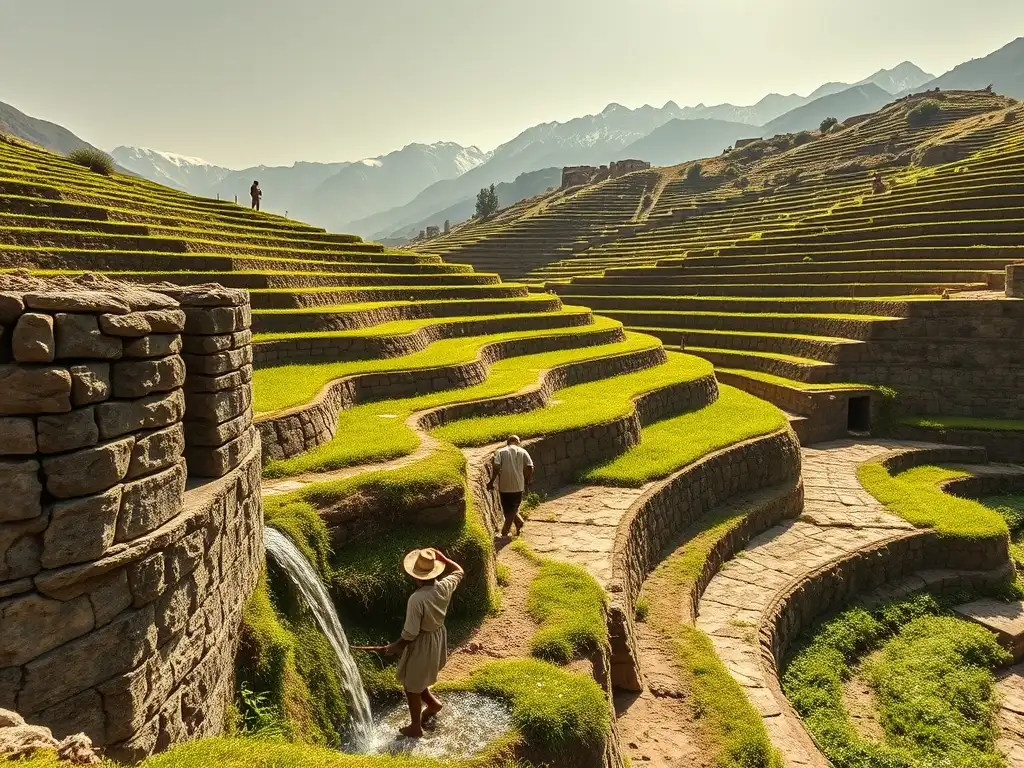
The ingenuity of Andean civilizations in managing water resources stands as a testament to their deep understanding of their environment and the crucial role of water in sustaining life and society. Their sophisticated techniques, developed over millennia, offer valuable lessons for contemporary water management strategies, particularly in the face of climate change and increasing water scarcity. This section delves into the sustainable water practices employed by these remarkable cultures, highlighting their remarkable adaptability and foresight. The keyword phrase "Andean civilizations water management" is central to understanding their achievements and the enduring relevance of their methods.
Understanding Andean Water Cycles and Ecosystems
Andean civilizations weren't simply passive users of water; they were active participants in shaping and maintaining their water cycles. Their understanding of the complex interplay between altitude, climate, and water availability was remarkably sophisticated. They recognized the importance of diverse ecosystems, from high-altitude glaciers and snowmelt feeding rivers, to lower-altitude wetlands and coastal fogs. This holistic perspective informed their water management strategies, emphasizing the interconnectedness of various water sources and their impact on agriculture and human settlements.
For example, the Incas meticulously mapped their water resources, using a detailed system of canals, aqueducts, and reservoirs to manage water flow effectively. They understood the variability of rainfall and snowmelt, building infrastructure resilient to both droughts and floods. Their knowledge of local hydrology allowed them to predict water availability and adjust their agricultural practices accordingly. This intimate understanding of their environment allowed for effective adaptation to natural variations, ensuring the long-term sustainability of their water resources. The sophisticated understanding of Andean civilizations water management was crucial to their success.
Traditional Andean Water Management Techniques
The Andean civilizations employed a range of ingenious water management techniques, adapted to the unique challenges of their diverse landscapes. These techniques weren’t merely technological feats; they were deeply integrated into their social and spiritual systems. Their mastery of water management involved a blend of practical engineering and a deep respect for the natural world.
- Canals and Aqueducts: These impressive feats of engineering channeled water from distant sources to agricultural fields and urban centers. The construction involved careful surveying, terracing, and the use of locally sourced materials, demonstrating a profound understanding of both engineering principles and environmental sensitivity. The precise gradients and carefully constructed channels minimized water loss and ensured efficient distribution.
- Reservoirs and Storage Systems: Andean civilizations built a variety of reservoirs, from small-scale storage ponds to large-scale artificial lakes, to capture and store water during periods of abundance for use during times of scarcity. These structures, often integrated into the landscape, played a crucial role in drought mitigation and ensured agricultural productivity.
- Terracing: Terracing, the creation of step-like agricultural fields on hillsides, was a crucial technique for water conservation. The terraces slowed down water runoff, reducing erosion and increasing water infiltration into the soil. This technique maximized arable land and ensured efficient water use, even in steep and challenging terrains.
- Subsurface Irrigation (Suq'u): This innovative method involved channeling water underground through porous materials, allowing for gradual and efficient irrigation of crops. This minimized water evaporation and ensured steady water supply even during dry periods. Suq'u demonstrates a deep understanding of soil properties and water infiltration.
Community-Based Water Management Systems
The success of Andean water management wasn't solely dependent on technological prowess; it was equally reliant on robust community-based systems of governance and cooperation. Water allocation and maintenance were often managed collectively, reflecting a strong sense of communal responsibility and shared resources.
| System Feature | Description | Example |
|---|---|---|
| Water Rights Allocation | Communities often established intricate systems for distributing water fairly among users, reflecting social hierarchies and agricultural needs. | Rotating access to irrigation canals based on seasonal needs and land ownership. |
| Maintenance and Repair | Collective responsibility for maintaining canals, reservoirs, and other infrastructure ensured the long-term sustainability of water systems. | Community-organized work parties for canal cleaning and repair. |
| Conflict Resolution | Mechanisms for resolving disputes over water access and usage were crucial for maintaining social harmony and ensuring equitable water distribution. | Traditional leaders mediating disputes and enforcing water allocation rules. |
| Rituals and Beliefs | Water was often imbued with spiritual significance, reinforcing the importance of water conservation and responsible use. | Ceremonies and offerings related to water deities and water sources. |
The emphasis on collective action and shared responsibility fostered a sense of ownership and stewardship, ensuring the long-term sustainability of Andean water management systems. These community-based approaches offer valuable insights for modern water governance, emphasizing the importance of collaboration and equitable resource allocation. The success of Andean civilizations water management hinges on their community-based approach. The legacy of these systems continues to inspire contemporary sustainable water practices.
The Concept of "Ayni" and Water Sharing
The Andean concept of ayni, often translated as reciprocity or mutual aid, was fundamental to the success of their water management systems. It wasn't simply a matter of sharing water resources; it was a deeply ingrained social and spiritual principle governing all aspects of life, including the distribution of vital resources like water. Ayni fostered a strong sense of community and collective responsibility, ensuring equitable access to water for all members of the society.
This wasn't enforced through laws or strict regulations, but rather through a deeply ingrained cultural ethos that valued cooperation and mutual support. Failure to participate in ayni could lead to social ostracism, a powerful deterrent in tightly knit communities.
The practical application of ayni in water management involved intricate systems of canals, reservoirs, and irrigation channels that were collectively maintained and managed. Communities worked together to build, repair, and clean these vital infrastructure components, ensuring their long-term functionality. This collaborative approach wasn't limited to immediate neighbors; it often extended across larger regions, with different communities sharing water resources and labor based on mutual need and agreement.
This system of reciprocal exchange was crucial in times of drought or other emergencies, ensuring the survival of the entire community. The principle of ayni wasn't just about material resources; it also fostered social cohesion and trust, making the entire system more resilient and sustainable. Evidence suggests that this system functioned effectively for centuries, demonstrating the power of social cohesion in ensuring equitable access to vital resources.
The success of Andean water management wasn't solely reliant on technological innovation, but equally on the social structures and cultural values that underpinned their practices. This provides a valuable lesson for modern water management strategies, highlighting the importance of community participation and collaboration. The spirit of ayni offers a powerful example of how social responsibility can contribute to sustainable resource management.
Lessons from the Past: Applying Andean Water Wisdom Today
This section explores the enduring relevance of ancient Andean water management techniques in addressing contemporary water scarcity and sustainability challenges. We'll examine how the ingenuity of past civilizations offers valuable insights for modern engineering and agricultural practices, particularly in arid and semi-arid regions globally. Understanding the Andean approach to water—a holistic system deeply intertwined with their cosmology and societal structure—provides a crucial framework for developing more sustainable and resilient water management strategies. The ingenuity displayed in Andean civilizations water management is a testament to their profound understanding of their environment and its needs.
Relevance of Andean Water Management in Modern Times
The challenges of water scarcity and equitable distribution are increasingly pressing concerns worldwide. Climate change, population growth, and unsustainable agricultural practices are exacerbating existing water stress in many regions. The sophisticated water management systems developed by Andean civilizations, however, offer valuable lessons for addressing these modern problems.
Their understanding of water harvesting, storage, and distribution, often achieved with limited technological resources, provides a blueprint for sustainable solutions. For example, the intricate network of canals and terraces built by the Inca, Nazca, and other cultures demonstrate the feasibility of efficient irrigation even in challenging terrains. These systems, often integrated with sophisticated agricultural techniques, maximized water use while minimizing environmental impact.
Modern engineers and agriculturalists can learn from these examples to develop more efficient and environmentally friendly irrigation systems, reducing water waste and improving crop yields. This is especially pertinent in regions facing water stress, where the Andean model of careful water stewardship offers a pathway towards sustainability. The application of ancient Andean principles is not merely an academic exercise; it represents a practical and potentially transformative approach to resolving modern water crises.
Adapting Ancient Techniques for Contemporary Water Challenges
Adapting ancient Andean techniques for contemporary use requires careful consideration and innovative approaches. While directly replicating ancient systems may not always be feasible or appropriate, the underlying principles of water conservation, efficient distribution, and sustainable resource management remain highly relevant. For instance, the Inca's use of qanatos (underground channels) provides inspiration for modern subsurface irrigation systems, which minimize evaporation and improve water availability.
Similarly, the terraced fields of the Andes, designed to capture and retain rainwater, offer valuable lessons for contemporary land management practices, including soil conservation and erosion control. Modern technologies can enhance and refine these ancient techniques. For example, integrating sensor technology with traditional water channels can enable real-time monitoring of water levels and flow rates, optimizing water distribution and preventing waste.
Furthermore, combining ancient Andean knowledge with modern hydrological modeling can lead to more accurate predictions of water availability and inform better water resource management decisions. The key is not simply copying the past, but rather extracting the core principles of sustainable water management and adapting them to the specific needs and technological capabilities of the present day. This integrated approach offers a powerful pathway towards more resilient and sustainable water systems.
The Importance of Preserving Andean Water Knowledge
Preserving the knowledge and practices associated with Andean water management is crucial for both cultural and practical reasons. This knowledge, often passed down through generations, represents a valuable legacy of sustainable resource management. Many indigenous communities in the Andes continue to utilize traditional water management techniques, demonstrating their ongoing relevance and effectiveness.
Documenting and preserving this traditional knowledge through ethnobotanical studies, oral histories, and collaborations with local communities is vital. This ensures that this invaluable knowledge base is not lost and can continue to inform and inspire future generations. Moreover, recognizing the intellectual property rights of indigenous communities and ensuring their participation in any research or development projects related to Andean water management is paramount.
Respecting and valuing this traditional knowledge is not only ethically sound but also essential for ensuring the long-term sustainability of water resources in the Andes and beyond. The preservation of Andean water wisdom is not just about preserving history; it's about safeguarding a crucial resource for the future. It’s about recognizing the interconnectedness of culture, environment, and sustainable development.
The Future of Water Sustainability: Learning from the Andes
The ingenuity of Andean civilizations in managing water resources offers invaluable lessons for addressing contemporary water scarcity challenges. Their sophisticated systems, developed over millennia in diverse and often challenging environments, provide a blueprint for sustainable water management practices that are increasingly relevant in a world facing climate change and population growth. Understanding their techniques—from sophisticated canal systems to innovative water storage methods—can inform the design of modern infrastructure and policies.
One crucial takeaway is the importance of integrated water resource management. Andean communities didn't treat water management as an isolated issue; it was deeply intertwined with their social structures, agricultural practices, and religious beliefs. This holistic approach ensured the equitable distribution of water and the long-term sustainability of their systems. Modern water management strategies could benefit from adopting a similarly integrated perspective, considering the social, economic, and environmental impacts of water policies. For example, incorporating traditional knowledge into modern water management projects can lead to more effective and culturally appropriate solutions.
Furthermore, the resilience of Andean water systems in the face of climate variability provides crucial insights for building climate-resilient infrastructure. The ability of these systems to adapt to fluctuating rainfall patterns and extreme weather events highlights the importance of designing flexible and adaptable water management strategies. This includes developing diversified water sources, implementing drought-resistant crops, and creating robust infrastructure that can withstand extreme weather conditions. Modern infrastructure projects can learn from the Andean emphasis on redundancy and decentralized systems, which minimized the impact of localized disruptions.
The Andean civilizations' success also demonstrates the importance of community participation and stewardship in water management. Their systems were often managed collectively, with clear rules and responsibilities for maintaining and distributing water resources. This collaborative approach ensured the equitable distribution of water and fostered a sense of shared responsibility for its conservation. Modern water management initiatives can benefit from incorporating similar participatory approaches, engaging local communities in the planning, implementation, and monitoring of water projects.
This ensures that projects are tailored to local needs and that communities have a vested interest in their long-term success. Ignoring local knowledge and participation often leads to project failure and reinforces existing inequalities. The Andean model emphasizes the crucial role of community engagement in ensuring sustainable and equitable water access for all. This participatory approach is paramount for building trust and fostering long-term sustainability.
Finally, the Andean legacy underscores the importance of adapting water management strategies to specific local contexts. The diverse ecological zones and climatic conditions across the Andes necessitated the development of highly localized water management techniques. A "one-size-fits-all" approach is unlikely to be successful in addressing the diverse water challenges faced by different communities.
Modern water management strategies must similarly acknowledge the unique characteristics of different regions and ecosystems, developing tailored solutions that are appropriate for specific local conditions. This localized approach maximizes efficiency and ensures the long-term sustainability of water resources in the face of diverse challenges. The Andes provide a powerful case study demonstrating the importance of this contextualized, adaptive approach.
Frequently Asked Questions
How did Andean civilizations manage water resources?
Andean civilizations developed ingenious irrigation systems, including canals, aqueducts, and reservoirs, to manage water for agriculture and urban centers. They also utilized terracing to optimize water use on steep slopes.
What were the most important water management techniques used by the Incas?
The Incas implemented sophisticated irrigation systems across their vast empire, employing sophisticated techniques such as water splitting and redistribution to ensure equitable water access. They also built reservoirs for storage.
Did other Andean cultures besides the Incas have advanced water management systems?
Yes, cultures like the Nazca and Moche developed impressive irrigation systems adapted to their specific environments. The Nazca, for example, are famous for their extensive network of canals.
How did Andean water management contribute to their agricultural success?
Effective water management was crucial for the agricultural productivity of Andean civilizations. Controlled water supply allowed for intensive agriculture and supported large populations.
What can we learn from Andean water management techniques today?
Andean water management offers valuable lessons for sustainable water practices today. Their innovative techniques provide inspiration for modern water conservation and efficient irrigation strategies.
Final Reflection: Echoes of the Andes: A Legacy of Water Wisdom
The ingenious water management systems of the Andean civilizations remain a potent reminder of humanity's capacity for sustainable living, a lesson urgently needed in our era of climate change and resource scarcity. Their sophisticated techniques, from intricate canal networks to innovative terracing, offer not just historical insights but blueprints for a more resilient future. We stand at a critical juncture, and the wisdom of the past holds the key to unlocking solutions for the present.
The enduring impact of Andean water management practices extends far beyond the archaeological record; they continue to shape the cultural identity and agricultural practices of communities across the Andes. These systems weren't merely functional; they were deeply intertwined with spiritual beliefs and social structures, demonstrating a holistic approach to resource management that we would do well to emulate. Water is life, and without it, there is no culture.
This simple truth, deeply ingrained in Andean societies for millennia, serves as a powerful call to action for us today.
Consider the ingenuity of these ancient cultures, their profound understanding of their environment, and their commitment to sustainable practices. Now, reflect on your own relationship with water. What steps can you take, in your daily life and within your community, to honor the legacy of Andean water wisdom and contribute to a more sustainable future? Let the echoes of the Andes inspire you to become a steward of this precious resource, ensuring its availability for generations to come.
Unlock the Secrets of Andean Water Wisdom!
Thank you for exploring the rich tapestry of sustainable water strategies from the Andean civilizations! By learning about these ancient practices, you've taken a significant step towards a more sustainable lifestyle. Now, let's put that knowledge into action!
Here are some meaningful ways you can apply this wisdom:
- Harvest rainwater: Install a rainwater harvesting system at home to conserve water, mirroring the resourcefulness of the ancient Andean cultures.
- Engage with your community: Join a local environmental group focused on sustainable water practices to share your knowledge and inspire others to adopt similar approaches.
- Spread the word: Share this information with friends and family to spark conversations about sustainability and encourage collective action towards a more responsible future.
Have you considered how these ancient strategies could revolutionize your community's approach to sustainability? Let's begin a dialogue!