
A Legacy in the Landscape: How Andean Buildings Shaped Their Environment

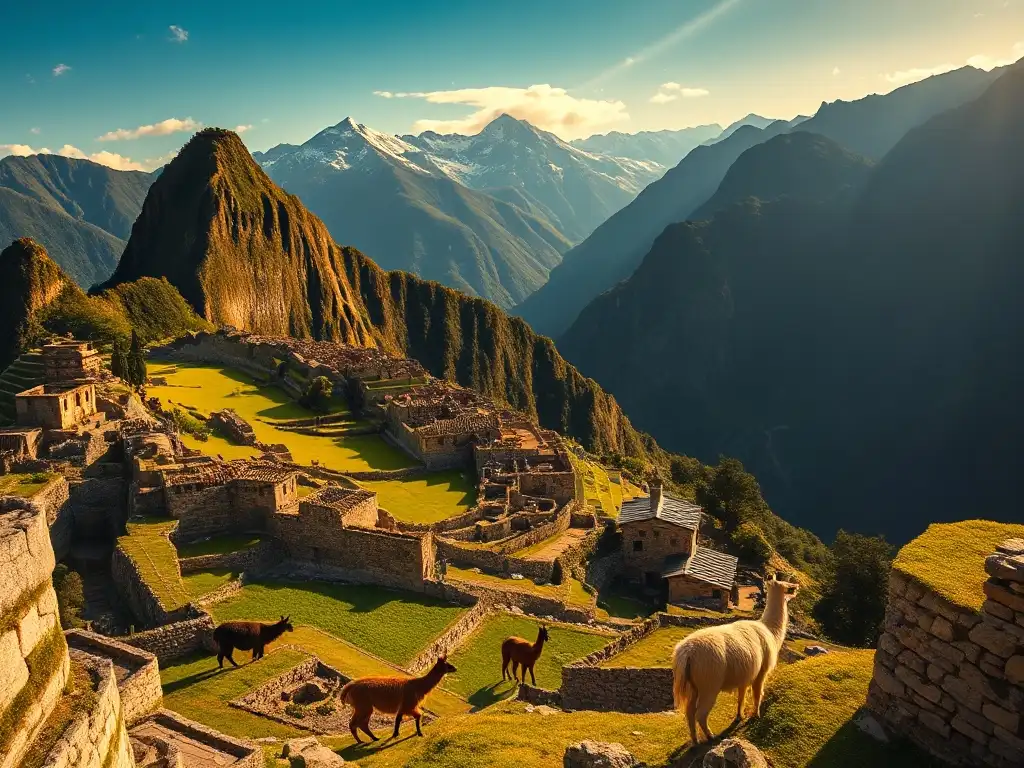
Step into a world lost to time, yet echoing in the majestic landscapes of the Andes. For centuries, ingenious civilizations carved their legacies into the very fabric of their environment. But how did the breathtaking Andean architecture truly impact the surrounding world? Discover the surprising answers, and unlock the secrets behind the enduring relationship between these ancient builders and their breathtaking surroundings in our exploration of "Andean architecture environmental impact." Prepare to be amazed.
-
A Legacy in the Landscape: Andean Architecture and Environmental Adaptation
- Harnessing the Power of the Andes: Water Management and Agricultural Terraces
- Building with the Landscape: Material Selection and Sustainable Practices
- Monumental Architecture and its Environmental Footprint: The Case of Tiahuanaco
- Beyond the Structures: The Broader Environmental Impact of Andean Civilizations
- Understanding the Environmental Impact of Andean Architectural Practices
- Andean Building Materials and Their Ecological Significance
- Iconic Andean Architectural Sites and Their Environmental Context
- Environmental Strategies in Andean Urban Design
- The Enduring Environmental Legacy of Andean Construction
- Challenges and Future Directions in Andean Architectural Research
-
Frequently Asked Questions
- What is the main focus of the article "A Legacy in the Landscape: How Andean Buildings Shaped Their Environment"?
- How did Andean architecture adapt to the challenging environment of the Andes Mountains?
- What are some examples of Andean architectural features that minimized environmental impact?
- Did Andean architecture have any negative environmental impacts?
- How does understanding Andean architecture help us today in sustainable building practices?
- Final Reflection: Echoes of Stone: A Lasting Legacy in the Andes
- Embrace the Andean Legacy in Your Space!
A Legacy in the Landscape: Andean Architecture and Environmental Adaptation
The Andes Mountains, a spine of towering peaks and deep valleys stretching along the western coast of South America, presented ancient civilizations with a formidable yet inspiring challenge: how to build and thrive in such a diverse and demanding environment. This article delves into the fascinating interplay between Andean architecture and its environmental impact, exploring how ingenious construction techniques not only shaped the landscape but also reflected a deep understanding of and adaptation to the natural world.
From the intricate terraces of the Inca to the monumental structures of Tiahuanaco, we will examine how these societies skillfully manipulated their surroundings, leaving behind a legacy etched into the very fabric of the Andes. We'll analyze the environmental impact of their architectural choices, considering both the positive and negative consequences of their building practices, and ultimately exploring how their sophisticated understanding of their environment contributed to their success and, in some cases, their ultimate decline.
This exploration will be crucial to understanding the broader impact of Andean architecture environmental impact, a topic that reveals both ingenuity and vulnerability.
Harnessing the Power of the Andes: Water Management and Agricultural Terraces
Andean civilizations faced significant challenges in cultivating food in the steep, often arid, slopes of the Andes. Their solution was breathtaking: the creation of extensive agricultural terrace systems. These terraces, painstakingly carved into hillsides, served multiple purposes.
They increased arable land dramatically, effectively transforming steep, unusable slopes into productive farmland. Moreover, they facilitated water management, channeling rainfall and meltwater through a network of canals and channels to irrigate the crops. This ingenious system not only boosted food production but also mitigated the risk of erosion and landslides, showcasing a profound understanding of both hydrology and soil conservation.
The construction itself, however, required considerable labor and resource expenditure, impacting the surrounding environment through deforestation for timber and the diversion of water resources. The scale of these projects, however, speaks to the societal organization and environmental awareness of these ancient Andean communities. The long-term impact on biodiversity, while possibly significant, remains a subject of ongoing research.
Building with the Landscape: Material Selection and Sustainable Practices
The choice of building materials was intrinsically linked to the available resources and the specific environmental conditions. Stone, readily available in many parts of the Andes, was a dominant material, used in everything from simple dwellings to monumental structures. The careful selection and placement of stones minimized the environmental impact, as the process often involved minimal processing. Adobe, sun-dried brick made from mud and straw, was another prevalent material, particularly in drier regions.
This method was both sustainable and adaptable to local conditions, requiring relatively low energy input. However, the large-scale production of adobe could have depleted local vegetation if not managed sustainably. The use of organic materials like wood and thatch, while readily available, presented challenges, particularly concerning deforestation and the vulnerability to natural disasters like earthquakes and fires. A nuanced approach to material selection and construction therefore reveals both environmental adaptation and potential pressures.
Monumental Architecture and its Environmental Footprint: The Case of Tiahuanaco
The monumental architecture of sites like Tiahuanaco presents a fascinating case study. The immense stone structures, meticulously carved and assembled, required enormous labor and resource investment. The transportation of massive stones over long distances likely had a significant environmental impact, potentially involving deforestation for timber used in construction and transport. The precise methods of construction remain a subject of ongoing research, but the scale of the undertaking undoubtedly impacted the immediate environment.
However, the long-term impact, particularly the effects on soil stability and water resources, require further investigation to fully grasp the full environmental consequences of these impressive constructions. The social organization and ingenuity required to achieve such monumental works demonstrate a unique synergy between human endeavor and the natural landscape. The legacy of Tiahuanaco serves as a powerful reminder of both the achievements and the potential environmental consequences of large-scale construction projects.
Beyond the Structures: The Broader Environmental Impact of Andean Civilizations
The environmental impact of Andean civilizations extends beyond their immediate building practices. Agricultural intensification, deforestation for fuel and construction, and the management of water resources all contributed to shaping the Andean landscape. While some practices, like terrace farming, had positive long-term environmental effects, others, particularly unsustainable deforestation, likely had detrimental consequences.
Understanding the complex interplay between these factors is crucial for a complete assessment of Andean architecture environmental impact. Further research, incorporating data from archaeological studies, paleoecological analyses, and climate modeling, is needed to fully understand the long-term effects of these civilizations on the Andean environment. This holistic perspective is essential for a comprehensive appreciation of the rich legacy of Andean civilizations and their lasting relationship with the environment.
Understanding the Environmental Impact of Andean Architectural Practices
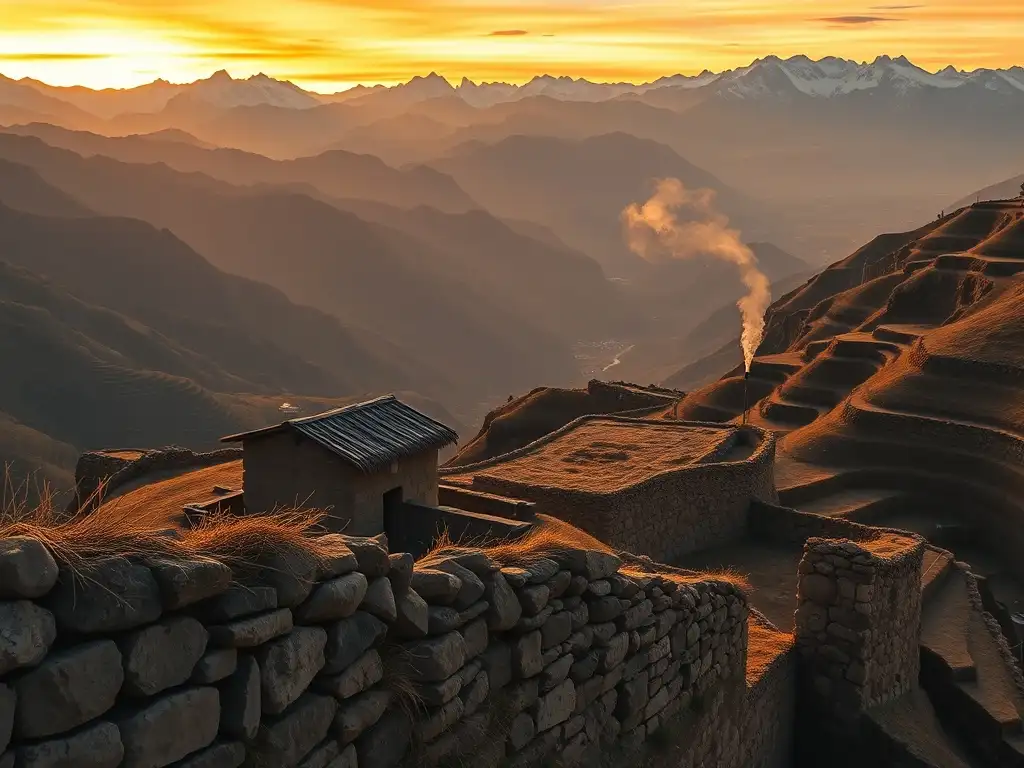
This section delves into the profound relationship between Andean architecture and its environment, exploring how construction practices both shaped and were shaped by the surrounding landscape. The impact wasn't simply about resource extraction; it was a complex interplay of adaptation, innovation, and a deep-seated respect for the natural world, a perspective crucial to understanding Andean architecture's environmental impact.
We'll examine how Andean builders skillfully integrated their structures into the environment, minimizing disruption and maximizing resource efficiency. This understanding challenges simplistic narratives of environmental exploitation and reveals a nuanced approach to sustainable building practices that predates modern concepts of green architecture by millennia.
Symbiosis Between Andean Cultures and the Natural World
Andean cultures didn't view themselves as separate from nature; rather, they perceived themselves as an integral part of a larger ecological system. This worldview significantly influenced their architectural practices. Their understanding of the environment – its climate, its resources, its limitations – was deeply ingrained in their societal structures and beliefs.
This intimate knowledge informed their choices of building materials, construction techniques, and even the location of settlements. For example, the strategic placement of settlements along water sources wasn't merely a matter of convenience; it reflected a holistic approach to resource management and a keen awareness of the life-sustaining properties of water. The integration of agricultural terraces into the mountain slopes, a hallmark of Andean ingenuity, wasn't just about increasing arable land; it was a way to manage water flow, prevent erosion, and create a harmonious coexistence between human habitation and the natural landscape.
The reverence for Pachamama (Mother Earth) permeated all aspects of Andean life, including their architecture, resulting in structures that were not only functional but also deeply respectful of the environment. This spiritual connection fostered a sustainable approach to building that prioritized minimal environmental disruption.
Pre-Incan Construction Techniques and Ecological Harmony
Before the Inca Empire's expansion, numerous Andean cultures developed sophisticated construction techniques demonstrating remarkable ecological awareness. The Nazca, for instance, are renowned for their intricate irrigation systems and geoglyphs, which showcase a profound understanding of water management and land conservation. Their construction methods, utilizing readily available materials like adobe bricks (sun-dried mud bricks) and stone, minimized the need for energy-intensive processes.
The Moche culture, known for its impressive adobe pyramids, also prioritized locally sourced materials, reducing transportation needs and associated environmental impacts. The Tiahuanaco people, with their impressive stonework, demonstrated mastery in quarrying and transporting large stones, yet even their monumental architecture reveals evidence of careful planning to minimize disruption to the surrounding ecosystem.
Consider this table summarizing some key pre-Incan construction techniques and their environmental impact:
| Culture | Primary Building Material | Construction Technique | Environmental Impact |
|---|---|---|---|
| Nazca | Adobe, Stone | Irrigation canals, Geoglyphs | Minimal, focused on water management and land conservation |
| Moche | Adobe | Sun-dried brick construction | Low, utilizing readily available local materials |
| Tiahuanaco | Stone | Precise stonework, large-scale structures | Moderate, requiring significant labor and resource mobilization, but with evidence of careful planning to minimize long-term impact |
The emphasis on locally sourced, readily available materials, combined with ingenious techniques that adapted to the specific environmental conditions, underscores the inherent sustainability of pre-Incan Andean architecture. This approach stands in stark contrast to later, more resource-intensive building practices adopted in some regions after the arrival of European influences. The legacy of these earlier methods continues to inspire modern approaches to sustainable building design, highlighting the enduring relevance of Andean architectural ingenuity.
Further research is needed to fully quantify the long-term environmental effects of these ancient practices, particularly in relation to soil erosion and resource depletion. [Specific information pending: Detailed analysis of soil erosion rates in areas with pre-Incan agricultural terraces].
Andean Building Materials and Their Ecological Significance
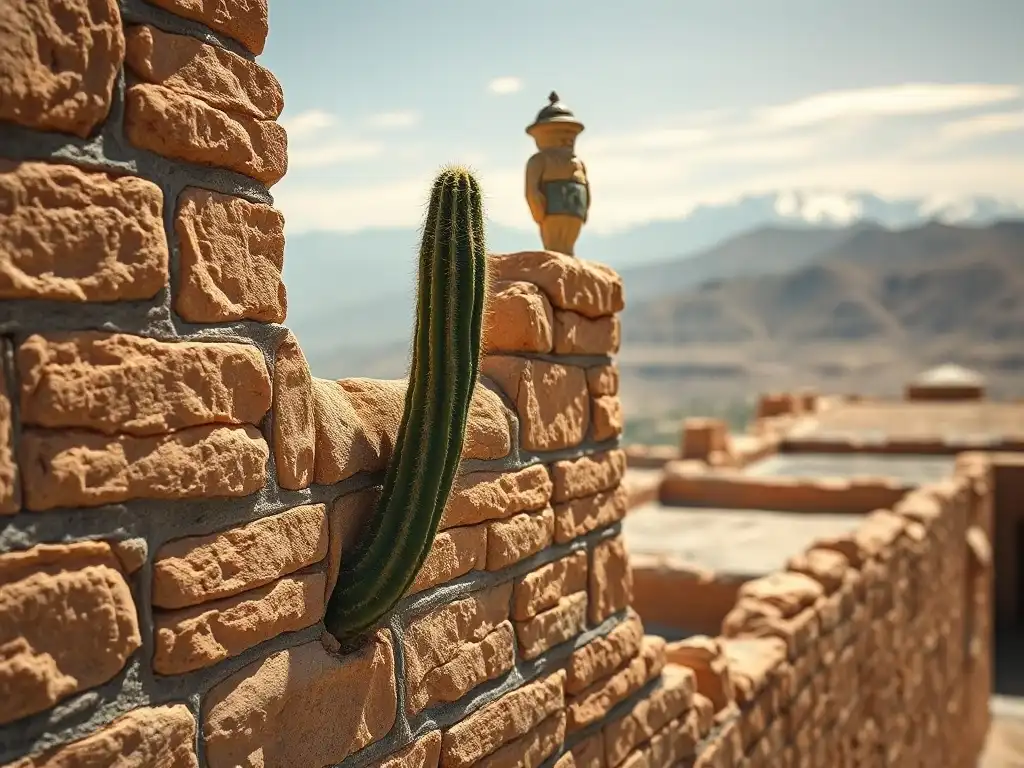
The impact of Andean architecture on the environment wasn't simply a matter of construction; it was deeply intertwined with the sustainable sourcing and utilization of local resources. Understanding the choices made in material selection reveals a sophisticated understanding of environmental impact, far exceeding simplistic notions of "building."
This section explores the key materials – stone, adobe, and wood – and their respective ecological footprints within the context of Andean civilizations. Analyzing these choices allows us to appreciate the ingenuity and resourcefulness of Andean builders, highlighting their nuanced relationship with their surroundings and demonstrating a remarkable degree of environmental awareness.
The careful selection and implementation of these materials exemplify a sustainable approach to construction, a legacy that continues to resonate today in discussions of environmentally conscious building practices. The term "Andean architecture environmental impact" thus gains a richer, more nuanced meaning when considering the intricate interplay between building materials, construction methods, and the surrounding ecosystem.
Local Stone: Durability and Sustainability in Andean Buildings
The widespread use of local stone in Andean constructions speaks volumes about both the practicality and the environmental sensitivity of Andean builders. Stone, readily available in the mountainous regions of the Andes, offered unparalleled durability and longevity. This minimized the need for frequent repairs and replacements, reducing the long-term environmental impact associated with material extraction and transportation. Furthermore, the integration of stone into the landscape often resulted in structures that blended seamlessly with their surroundings, minimizing visual disruption.
Consider, for example, the impressive stonework of Machu Picchu. The precise fitting of stones without mortar, a testament to the builders' skill, ensured both structural integrity and minimized the need for additional binding materials, further reducing the environmental footprint. The sourcing of stone was likely localized, reducing transportation costs and emissions.
This approach represents a classic example of sustainable building practices, where the material choice directly contributes to the minimization of the overall environmental impact. The durability of stone structures also meant less frequent rebuilding, significantly reducing resource consumption over time. The long-term sustainability of this approach is a key element in understanding the enduring legacy of Andean architecture.
Adobe Construction: Earth-Based Resources and Energy Efficiency
Adobe, a mixture of earth, water, and organic materials, represents another compelling example of sustainable building practices in the Andes. This readily available, locally sourced material required minimal processing, significantly reducing the energy consumption associated with material production. Adobe buildings are known for their excellent thermal mass, providing natural insulation that minimizes the need for artificial heating and cooling. This energy efficiency contributes to a reduced carbon footprint, aligning with modern sustainability goals.
The use of adobe also demonstrates a deep understanding of local ecosystems. The organic components often included in the adobe mixture, such as straw or animal dung, further enhanced the material's properties and contributed to soil fertility once the structures were eventually decommissioned. Unlike many modern building materials, adobe construction left a minimal negative impact on the surrounding environment, with the material readily returning to the earth at the end of its lifespan.
The inherent sustainability of adobe construction underscores the Andean understanding of cyclical resource management and their commitment to building in harmony with nature. This approach, characterized by low embodied energy and minimal environmental disruption, offers valuable lessons for contemporary sustainable building practices.
Wood Use in Andean Architecture: Sourcing and Environmental Impact
While stone and adobe dominated Andean construction, wood played a significant role, particularly in roofing and interior elements. However, the environmental impact of wood use was likely carefully managed. Given the mountainous terrain and limited forest cover in certain regions, it's plausible that wood sourcing was highly regulated and prioritized sustainable forestry practices.
The precise methods used remain an area requiring further research [specific information pending], but it's reasonable to assume that Andean communities implemented strategies to ensure the long-term availability of this resource. The use of wood, therefore, needs to be assessed within the context of these likely sustainable practices.
The integration of wood often complemented the use of stone and adobe, creating a synergistic approach to building. The lighter weight of wood made it suitable for roofing structures, while its workability allowed for intricate designs and decorative elements. However, the potential for deforestation highlights the importance of further research to fully understand the relationship between wood usage, forest management, and overall environmental impact in different Andean regions.
It is crucial to avoid generalizations and instead focus on regionally-specific analyses to accurately assess the long-term sustainability of wood utilization in Andean architecture. Further research into the specific techniques and practices related to wood sourcing and management will be crucial to fully understand their environmental impact.
Iconic Andean Architectural Sites and Their Environmental Context
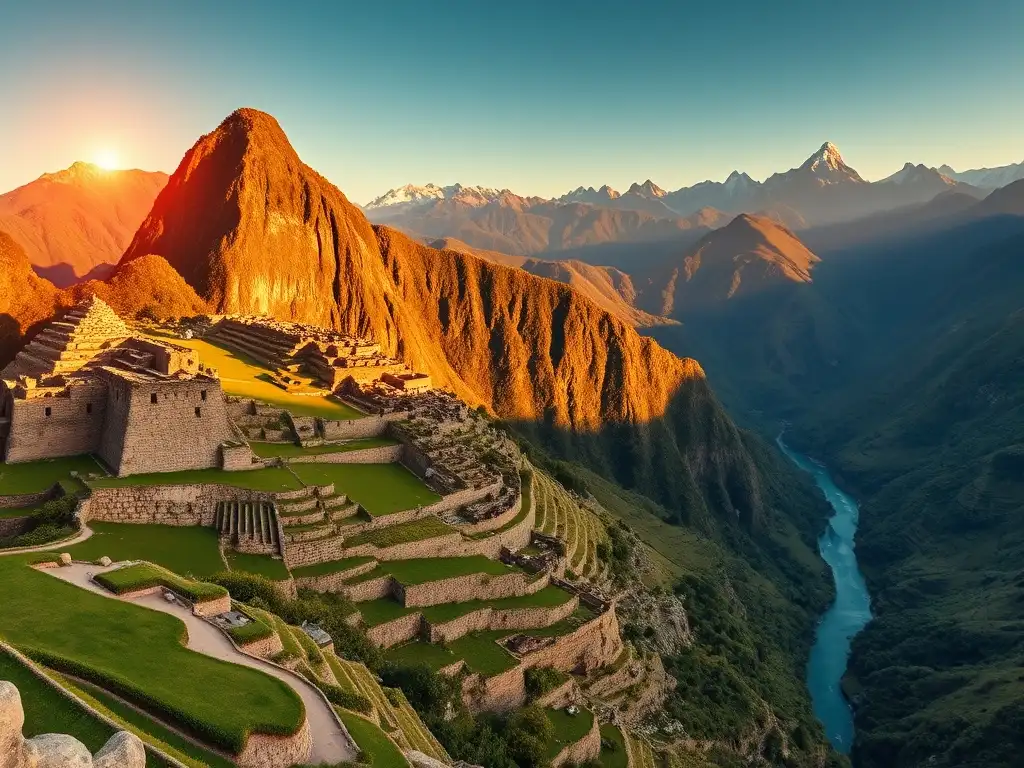
This section delves into the intricate relationship between iconic Andean architectural sites and their surrounding environments, focusing on how these structures both adapted to and actively shaped their landscapes. We will explore the environmental impact of these impressive feats of engineering, highlighting the ingenuity and sustainability (or lack thereof in some cases) of Andean construction practices. The analysis will center on the interplay between human intervention and the natural world, demonstrating the profound and lasting legacy of Andean architecture on the Andean environment.
Understanding this relationship is crucial to appreciating the full scope of Andean achievement. This exploration will focus on the "Andean architecture environmental impact" through specific case studies.
Machu Picchu: Integration of Buildings with Mountainous Landscapes
Machu Picchu, the famed "Lost City of the Incas," stands as a testament to the seamless integration of architecture with a challenging mountainous environment. Its construction demonstrates remarkable adaptation to the steep slopes and precarious terrain. The environmental impact of Machu Picchu is primarily characterized by its relatively low impact on the immediate landscape. Buildings were meticulously placed to minimize disruption to the existing topography, utilizing existing rock formations and terraces to create a stable foundation.
The Incas expertly employed techniques such as dry-stone masonry, which required minimal cutting of stones and reduced the need for significant earthworks. This approach minimized soil erosion and preserved the natural vegetation cover. The careful placement of buildings also helped to manage water runoff, preventing landslides and soil degradation.
However, the construction did involve deforestation for timber and building materials, the extent of which is still being researched. Further study is needed to quantify the precise environmental impact of timber harvesting for Machu Picchu's construction. The long-term impact of tourism on the site's fragile ecosystem is another important factor demanding ongoing assessment.
Sacsayhuaman: Massive Stone Structures and Landscape Modification
In contrast to Machu Picchu's relatively gentle integration, Sacsayhuaman, a colossal fortress near Cusco, represents a more significant alteration of the landscape. The sheer scale of its construction – involving the transport and precise fitting of massive stones – undeniably impacted the surrounding environment. The environmental impact of Sacsayhuaman is more substantial due to the significant quarrying and transportation of materials required for its construction. This involved substantial labor and likely resulted in deforestation to facilitate the movement of these massive stones.
The precise extent of deforestation remains a subject of ongoing research. However, it's clear that the creation of the fortress involved considerable modification of the natural landscape. While the fortress itself adapted to the existing topography to some degree, the scale of the project necessitated significant alterations to the land. Evidence suggests that the site's construction involved the creation of extensive terraces and the redirection of water flow. This level of manipulation clearly represents a more significant environmental impact than seen at Machu Picchu. The long-term consequences of such alterations need further investigation.
Ollantaytambo: Terraced Agriculture and Sophisticated Water Systems
Ollantaytambo presents a fascinating case study of the interplay between Andean architecture and agricultural practices. Its extensive system of terraced agriculture, integrated with sophisticated water management systems, demonstrates a deep understanding of environmental dynamics. The environmental impact of Ollantaytambo's terraced agriculture was, in many ways, positive. The terraces prevented soil erosion, conserved water, and increased agricultural productivity in a challenging environment.
The intricate network of canals and aqueducts, skillfully designed to channel water from mountain streams to the terraces, further reduced the impact on water resources. These systems were incredibly efficient and helped to maintain a stable and productive agricultural landscape. However, the construction of these systems did require some modification of the natural watercourses, and the long-term effects of this intervention are still being investigated.
The construction of the terraces themselves involved significant earthworks, but these were generally integrated with the landscape in a sustainable manner, minimizing overall environmental disruption. Further research is needed to fully assess the long-term ecological effects of Ollantaytambo's agricultural system. Analyzing pollen and sediment cores from the area could reveal valuable insights into the extent of environmental change.
Environmental Strategies in Andean Urban Design
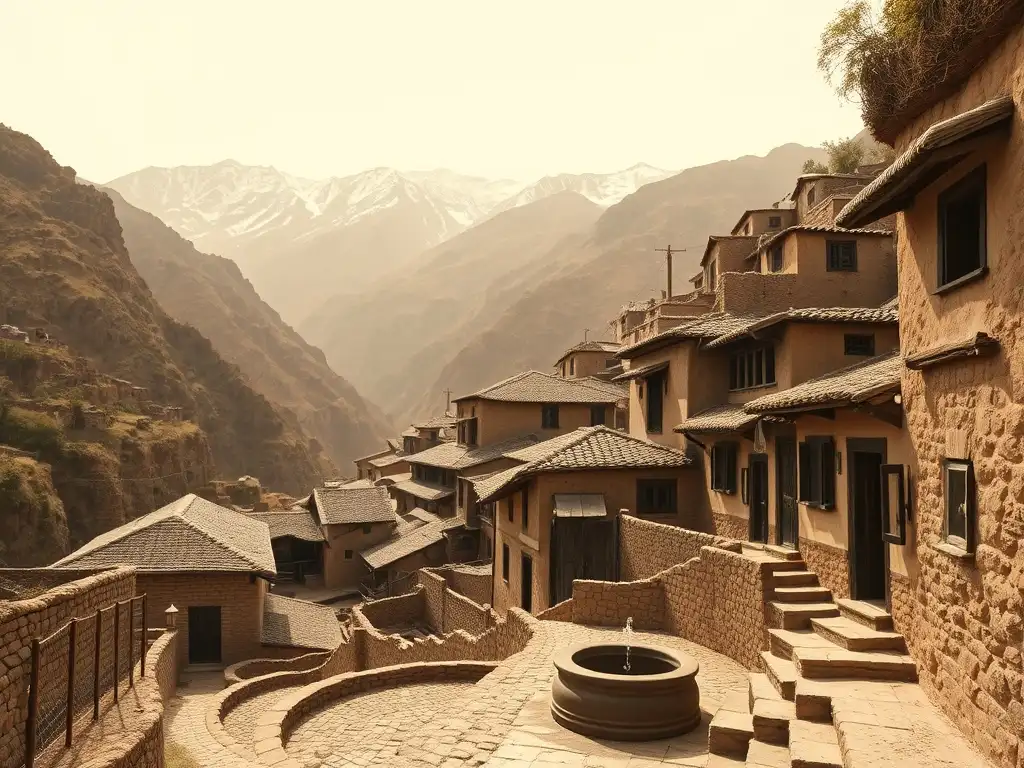
The ingenuity of Andean civilizations extended beyond their remarkable architectural feats; their urban planning and construction techniques were deeply intertwined with their environment, demonstrating a sophisticated understanding of sustainable development centuries ahead of its time. Their approach wasn't merely about building structures; it was about shaping their environment to meet their needs while minimizing negative impacts. This section will explore some key examples of how Andean architecture actively responded to and shaped its surroundings, showcasing a remarkable legacy of sustainable design principles.
The impact of Andean architecture on the environment was significant, demonstrating a deep and nuanced understanding of their surroundings and resource management. The keyword "Andean architecture environmental impact" is central to understanding this sophisticated relationship.
Advanced Water Management: Canals, Aqueducts, and Reservoirs
Andean societies, particularly the Inca, were masters of water management. Their survival depended on efficiently harnessing scarce water resources in diverse and often challenging terrains. This necessitated the development of sophisticated systems that went far beyond simple irrigation. The construction of extensive canal networks, aqueducts, and reservoirs showcases their advanced engineering capabilities and their profound understanding of hydrology.
These systems weren't merely functional; they were integrated into the urban fabric. Canals, for instance, often served multiple purposes, acting as both irrigation channels and transportation routes. The intricate network of canals in Cusco, the Inca capital, is a prime example, demonstrating how water management was seamlessly integrated into the urban landscape.
The precise alignment of canals and aqueducts, often carved into rock faces, speaks to the accuracy and precision of Andean engineering. Reservoirs, strategically located to collect rainwater and meltwater, played a crucial role in ensuring a reliable water supply during the dry season, minimizing the impact of droughts on agriculture and urban populations. The impact of these systems on the environment was largely positive, enhancing agricultural productivity and ensuring water security.
Agricultural Terraces: Maximizing Arable Land on Sloping Terrain
The steep slopes of the Andes presented a significant challenge to agriculture. However, Andean communities overcame this obstacle by developing sophisticated agricultural terracing techniques. These terraces, meticulously carved into hillsides, dramatically increased arable land, reducing erosion and optimizing water usage. The construction of these terraces involved significant labor, but the environmental benefits were substantial.
Terraces not only prevented soil erosion, a major concern on slopes, but also modified microclimates. The walls between terraces created sheltered micro-environments, protecting crops from strong winds and frost, increasing yields. The careful placement of terraces also allowed for efficient irrigation, maximizing water use and minimizing runoff.
Different types of terraces were used depending on the slope and soil conditions, highlighting an understanding of environmental variability and the need for adaptive solutions. The widespread adoption of this sustainable agricultural practice demonstrates a profound understanding of the environment and its impact on food security. The long-term environmental impact of Andean terracing was positive, increasing food production and minimizing land degradation.
Urban Planning and Microclimatic Considerations in Andean Settlements
Andean urban planning wasn't a haphazard process; it was deeply informed by an understanding of the local climate and environment. Settlements were strategically located to take advantage of favorable microclimates, such as sunny slopes for agriculture and sheltered valleys for protection from harsh winds. The orientation of buildings, the use of natural materials, and the design of public spaces all played a role in maximizing comfort and minimizing the environmental impact.
For example, the use of stone in construction provided excellent thermal mass, regulating internal temperatures and reducing the need for artificial heating or cooling. The design of plazas and open spaces facilitated natural ventilation and provided shade, mitigating the effects of intense sunlight. The integration of agriculture within urban areas further reduced the environmental footprint by shortening transportation distances and promoting biodiversity.
The overall impact of this thoughtful approach to urban planning was a sustainable and resilient built environment that harmonized with the natural landscape. The careful consideration of microclimates in Andean settlements demonstrates a sophisticated understanding of environmental factors and their influence on human well-being.
The Enduring Environmental Legacy of Andean Construction
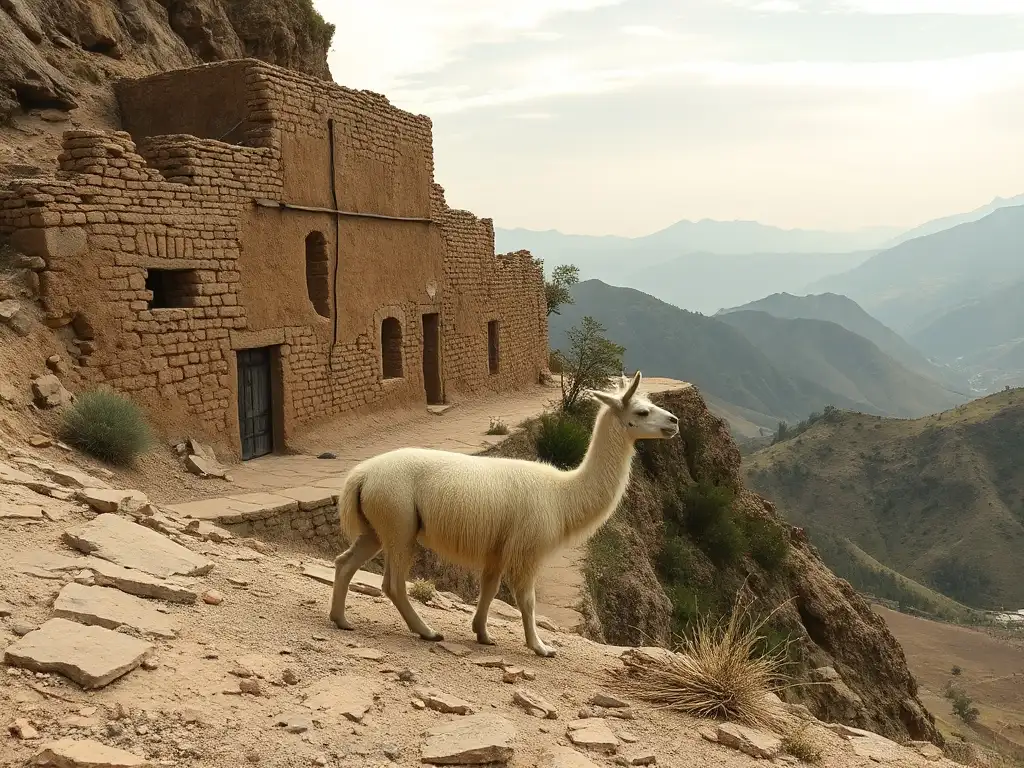
The impact of Andean civilizations on their environment wasn't simply one of exploitation; it was a complex interplay of adaptation, innovation, and, in many cases, remarkable sustainability. Understanding the environmental legacy of Andean architecture requires moving beyond a simplistic narrative of human impact and appreciating the nuanced relationship between ancient builders and their surroundings. This section explores the enduring effects of Andean construction techniques, highlighting both positive and negative aspects, and considering their relevance to contemporary sustainable building practices. Analyzing "Andean architecture environmental impact" reveals a multifaceted story, far richer than initially apparent.
Sustainable Practices: Lessons from Andean Architectural Traditions
Andean builders demonstrated a sophisticated understanding of their environment, incorporating sustainable practices into their architectural designs. This wasn't a conscious "green" movement, but rather a pragmatic approach born from necessity. Resource scarcity and the challenging Andean terrain demanded ingenuity. Several key practices stand out:
- Adaptive Reuse of Materials: Stone, readily available throughout the Andes, was extensively used. Builders often utilized existing rock formations, minimizing quarrying and reducing the environmental footprint. This is evident in sites like Machu Picchu, where the architecture seamlessly integrates with the natural landscape. The careful selection of stone, often based on its durability and resistance to weathering, further minimized long-term maintenance needs and material replacement.
- Optimized Building Design: Building designs were often optimized to minimize environmental impact. Structures were frequently adapted to the topography, reducing the need for extensive earthworks. The use of terraces for agriculture, for example, not only increased arable land but also helped prevent soil erosion. This integrated approach demonstrates a deep understanding of the delicate balance of the ecosystem.
- Local Material Sourcing: Minimizing transportation distances by using locally sourced materials reduced carbon emissions (though the concept of carbon footprint was obviously absent then). This practice also supported local communities and economies. The use of adobe, a sun-dried brick made from locally available clay and straw, is a prime example of this sustainable approach. The straw added strength and reduced cracking, while the clay itself was a readily available resource.
Long-Term Impact of Andean Building Methods on the Andean Landscape
While many Andean building techniques were sustainable, some had long-term environmental consequences. These impacts, often unforeseen at the time, are important to acknowledge for a complete understanding of "Andean architecture environmental impact."
- Deforestation: The construction of large-scale projects, particularly during the Inca empire, likely contributed to deforestation in certain areas. While timber was used sparingly compared to stone, the demand for fuel for smelting and construction activities might have exerted pressure on forest resources in specific regions. The exact extent of this impact remains a topic of ongoing research, requiring further investigation of archaeological and paleoecological data.
- Water Management: While Andean civilizations excelled at water management through irrigation systems and sophisticated canals, some systems may have inadvertently altered natural water flows, leading to localized environmental changes. Changes in drainage patterns and water availability could have affected local ecosystems. A thorough analysis of these effects requires detailed hydrological studies of specific sites.
- Mining: The extraction of minerals for tools and ornamentation had an undeniable environmental impact, particularly regarding soil erosion and water pollution. While the scale of mining activities varied throughout different Andean cultures, the cumulative effect over centuries would have been significant. More research is needed to quantify the precise environmental repercussions of ancient Andean mining practices.
Contemporary Applications of Andean Sustainable Building Principles
The ingenuity of Andean builders offers valuable lessons for contemporary sustainable architecture. Their emphasis on locally sourced materials, adaptive reuse, and site-sensitive design resonates strongly with modern green building principles.
- Bioclimatic Design: Andean architecture often incorporated passive solar heating and natural ventilation techniques. Understanding how these techniques interacted with the climate can inform the design of energy-efficient buildings today. The orientation of structures, the use of thick walls for thermal mass, and the strategic placement of openings all contributed to a comfortable and sustainable indoor environment.
- Material Innovation: The development of durable and sustainable materials like adobe provides inspiration for the exploration of alternative building materials today. Researchers are exploring sustainable alternatives to cement, and the use of earth materials offers a promising avenue for reducing the carbon footprint of construction.
- Community Engagement: The collaborative nature of Andean construction, involving entire communities in the building process, highlights the importance of community engagement in sustainable building projects. Modern sustainable initiatives can learn from the Andean model by fostering local participation and promoting a sense of ownership and responsibility.
The legacy of Andean construction is a complex one, demonstrating both the remarkable ingenuity and the unintended consequences of human interaction with the environment. By studying the full spectrum of this legacy, from sustainable practices to long-term impacts, we can gain valuable insights into creating more sustainable and environmentally responsible buildings in the present day. Understanding the "Andean architecture environmental impact" is crucial for informing future building practices and preserving the planet's resources.
Challenges and Future Directions in Andean Architectural Research
The study of Andean architecture and its environmental impact presents significant challenges, demanding innovative approaches and interdisciplinary collaborations. Understanding the intricate relationship between ancient Andean building practices and their surrounding ecosystems requires a multifaceted approach that goes beyond simple observation. Successfully navigating these challenges will be crucial in preserving and interpreting this remarkable legacy for future generations. The sheer scale of many sites, coupled with the often harsh environmental conditions in which they are located, presents logistical hurdles for research and preservation efforts.
Furthermore, the degradation of these sites due to natural processes like erosion and human interference necessitates proactive and well-funded conservation strategies. The lack of complete written records for many Andean cultures forces researchers to rely heavily on archaeological evidence, which can be fragmented and open to multiple interpretations. This necessitates meticulous fieldwork and sophisticated analytical techniques.
Preservation of Andean Sites and Their Environmental Significance
Preserving Andean sites is paramount not only for their historical value but also for understanding their environmental significance. Many structures were deliberately integrated into their landscapes, utilizing local materials and minimizing environmental disruption. For example, the Incas' mastery of stonework allowed them to create structures that seamlessly blended with their surroundings, often using techniques that minimized excavation and land alteration. However, modern development, tourism, and climate change pose significant threats.
Sustainable tourism practices are crucial, balancing the need for economic benefits with the preservation of fragile ecosystems and archaeological remains. This includes implementing responsible site management strategies, limiting visitor access in sensitive areas, and investing in infrastructure that minimizes environmental impact. Furthermore, research into the effects of climate change on Andean sites is crucial for developing proactive conservation measures. We need detailed studies on how changes in temperature, precipitation, and glacial melt are affecting the stability of structures and the surrounding landscapes.
For instance, increased rainfall could lead to erosion, while freeze-thaw cycles can damage stonework. Understanding these processes will enable us to develop targeted strategies to mitigate these risks. This requires a collaborative effort between archaeologists, environmental scientists, engineers, and local communities, ensuring that preservation efforts are informed by a comprehensive understanding of the complex interplay between cultural heritage and the environment.
Ongoing Research: Unveiling Andean Construction Knowledge
Ongoing research is vital to unveiling the sophisticated construction knowledge of Andean civilizations. While much has been discovered, significant gaps remain in our understanding of their techniques, materials, and design principles. For instance, the precise methods used in creating the massive stone blocks found in sites like Ollantaytambo remain a subject of ongoing debate. Advanced imaging techniques, such as ground-penetrating radar and LiDAR, are providing new insights into the hidden structures and infrastructure beneath the surface.
These technologies, combined with detailed analysis of building materials and construction methods, can help us to reconstruct the processes used by Andean builders and better understand the environmental impact of their work. Furthermore, research into the social organization and labor practices involved in construction is essential. Understanding how these societies mobilized resources and organized labor on such a large scale sheds light on their societal structures and their relationship with the environment.
Ethnoarchaeological studies, comparing traditional Andean building practices with those of ancient civilizations, can also offer valuable insights. The study of surviving indigenous communities and their building techniques can provide contextual information that helps us interpret the archaeological record. This interdisciplinary approach, combining technological advancements with traditional research methods, promises to significantly advance our understanding of Andean construction knowledge and its environmental implications.
Importance of Interdisciplinary Approaches in Andean Studies
The study of Andean architecture and its environmental impact necessitates an interdisciplinary approach. Successfully addressing the challenges outlined above requires the collaborative efforts of archaeologists, architects, engineers, environmental scientists, geologists, anthropologists, and historians. Each discipline offers unique perspectives and expertise that contribute to a more holistic understanding.
For example, geologists can analyze the sources of building materials and assess their environmental impact, while engineers can study the structural integrity of ancient buildings and develop innovative preservation techniques. Anthropologists can shed light on the social and cultural contexts of construction, while historians can provide insights into the historical evolution of Andean building practices. The integration of these different perspectives is crucial for developing effective preservation strategies, interpreting the archaeological record accurately, and uncovering the full extent of Andean ingenuity and its relationship with the surrounding environment.
Moreover, involving local communities in research and preservation efforts is crucial for ensuring the long-term sustainability of these projects. Their traditional knowledge and perspectives are invaluable resources that can inform and enhance research endeavors, promoting a more equitable and culturally sensitive approach to the study of Andean heritage. This collaborative, interdisciplinary model ensures that the study of Andean architecture remains relevant, ethical, and deeply informed by the rich cultural legacy it seeks to understand and protect.
Frequently Asked Questions
What is the main focus of the article "A Legacy in the Landscape: How Andean Buildings Shaped Their Environment"?
The article explores the relationship between Andean architecture and the environment, examining how ancient Andean civilizations, such as the Incas, adapted their building techniques to the landscape and, conversely, how their constructions impacted the surrounding ecosystems. It highlights the interconnectedness of these civilizations and their natural world.
How did Andean architecture adapt to the challenging environment of the Andes Mountains?
Andean builders utilized innovative techniques, such as terracing, stonework, and specific building materials, to adapt to the steep slopes, varied climates, and seismic activity of the Andes. This ensured stability and functionality within a demanding environment.
What are some examples of Andean architectural features that minimized environmental impact?
Examples include the use of locally sourced materials, reducing transportation needs and environmental disruption. Terracing not only provided agricultural space but also prevented soil erosion. Careful integration with the landscape minimized disruption to natural habitats.
Did Andean architecture have any negative environmental impacts?
While generally sustainable, some large-scale projects may have led to deforestation or resource depletion in localized areas. However, the overall impact was often mitigated by the sustainable practices employed in construction and resource management.
How does understanding Andean architecture help us today in sustainable building practices?
Studying Andean architectural techniques offers valuable insights into sustainable design, demonstrating how to minimize environmental impact through careful planning, material selection, and integration with the existing landscape. It provides lessons in resilience and adaptability for modern construction.
Final Reflection: Echoes of Stone: A Lasting Legacy in the Andes
The ingenious architectural solutions developed in the Andes continue to resonate today, offering invaluable lessons in sustainable design and harmonious coexistence with the environment. These ancient techniques, far from being relics of the past, provide a powerful counterpoint to the often destructive impact of modern construction, urging us to reconsider our relationship with the natural world.
The enduring influence of Andean architecture extends beyond its aesthetic beauty; it speaks to a profound understanding of the land and its resources. These structures weren't simply built in the landscape, they were built of the landscape, a testament to a deep-seated respect for the environment. The mountains are not simply a backdrop, but an active participant in the life of the people.
This philosophy, woven into the very fabric of Andean buildings, offers a potent critique of our current, often exploitative, approach to development. We must learn from their example, moving beyond mere admiration to active emulation.
Consider the ingenuity of their techniques, the careful selection of materials, the integration with the surrounding ecosystem. This is not just a historical curiosity; it's a blueprint for a more sustainable future. You, the reader, hold the power to carry this legacy forward. Examine your own relationship with your environment. What can you learn from the wisdom of the Andean builders? How can you incorporate their principles of sustainability and harmony into your own life and choices? Let the echoes of stone inspire you to build a more responsible and beautiful world.
Embrace the Andean Legacy in Your Space!
Thank you for exploring the profound impact of Andean architecture, not only on its environment but also on our continued inspiration today. You've uncovered the rich history and architectural brilliance of this vibrant culture. Now, let's put that knowledge into action!
Here are some powerful ways to get involved:
- **Incorporate Andean design elements** into your home or community projects. Using locally sourced, sustainable materials and traditional techniques will honor this incredible heritage.
- **Share your newfound appreciation** for Andean architecture with friends, family, or on social media. Inspire others and raise awareness of this unique legacy.
- **Attend a local heritage event or workshop** focusing on Andean design and sustainable practices. Connect with like-minded individuals who share your passion for preserving cultural history.
What Andean-inspired project will you undertake next to celebrate the remarkable legacy of these landscapes?