
The Flow of Water: The Ingenious Irrigation Systems of Ancient Andean Cities

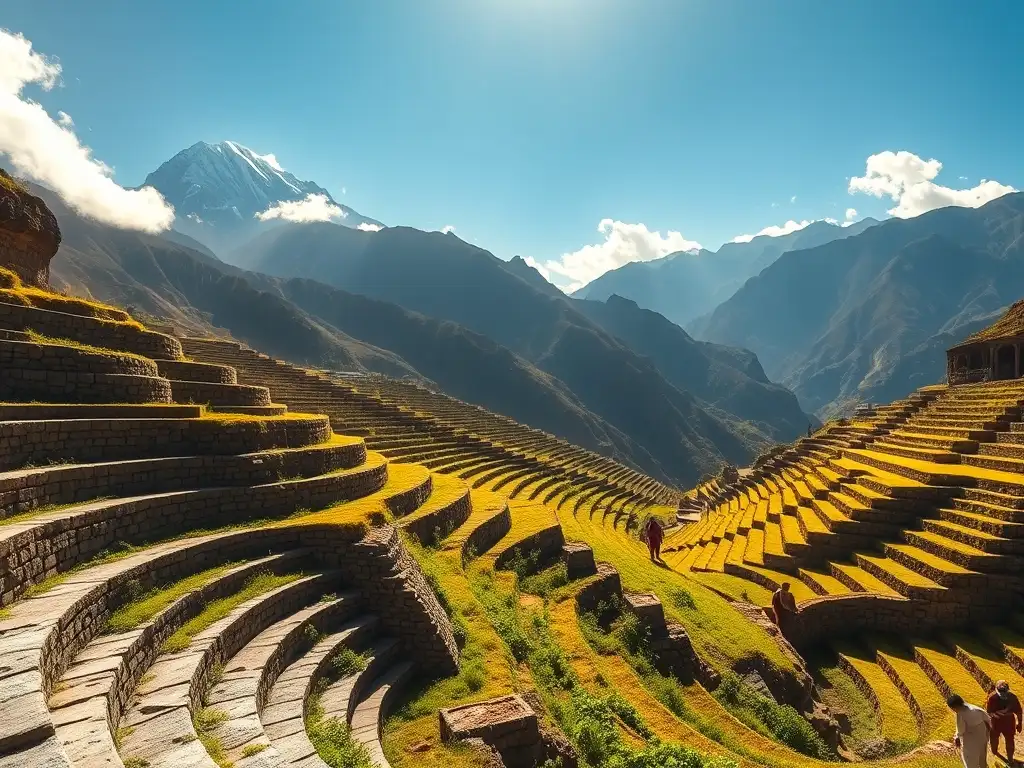
Dive into the captivating world of Andean Civilizations, where ingenuity and mastery of the natural world intertwine. Imagine a landscape sculpted not just by mountains, but by the remarkable feats of engineering that sustained thriving empires. This journey begins with an exploration of Ancient Andean irrigation systems, a testament to the sophisticated knowledge and resourcefulness of these ancient cultures. Uncover the secrets behind their astonishing water management, and prepare to be amazed by what lies beneath the surface of their incredible achievements. Let's delve into the flow of water and the civilizations it nourished.
The Andes Mountains, a formidable and awe-inspiring landscape, presented ancient civilizations with a unique set of challenges and opportunities. While the towering peaks and dramatic valleys offered breathtaking views and rich biodiversity, they also created a harsh environment where access to water was often scarce and unpredictable.
This article explores the remarkable ingenuity of the ancient Andean peoples in overcoming these limitations, focusing on their sophisticated irrigation systems. We will delve into the crucial role water played in their societies, examining the intricate networks of canals, aqueducts, and reservoirs they constructed to support agriculture and sustain their thriving urban centers.
From the Nazca lines' possible connection to water management to the Inca's impressive hydraulic engineering feats, we'll uncover the secrets behind these impressive ancient Andean irrigation systems and their lasting impact on the region. Understanding these systems provides invaluable insight into the advanced technological capabilities and societal organization of these remarkable civilizations.
Introduction to Ancient Andean Water Management
Ancient Andean societies, including the Incas, Moche, Nazca, and Tiahuanaco, developed sophisticated water management techniques essential for their survival and prosperity. Their ingenuity wasn't simply about survival; it was a testament to their deep understanding of hydrology, engineering, and the importance of community collaboration. These weren't haphazard systems; they were meticulously planned and executed, often integrating seamlessly with the challenging terrain.
The construction of these systems often involved monumental labor, requiring the coordinated efforts of large groups of people, showcasing a high level of social organization and planning. These systems weren't just about irrigation; they also played a role in flood control and the provision of water for domestic use. The effectiveness of these systems is evident in the flourishing agricultural societies they supported, which, in turn, fueled the development of complex urban centers and impressive architectural achievements.
The techniques varied across different cultures and regions, reflecting adaptations to diverse environmental conditions. For instance, the arid coastal regions required different solutions than the higher altitude valleys, leading to a fascinating array of innovative approaches.
The Importance of Water in Andean Civilizations
Water was not merely a resource for the ancient Andean civilizations; it was a lifeblood, deeply intertwined with their religious beliefs, social structures, and economic prosperity. The availability of water directly impacted agricultural production, the foundation of their economies. Successful harvests were not only crucial for sustenance but also for supporting the large populations of their cities and the complex political structures they maintained.
Many Andean cultures revered water as a sacred element, associating it with deities and incorporating it into their rituals and ceremonies. Evidence suggests that water control systems were not just practical engineering feats but also held symbolic significance, representing power, control, and the ability to harness the forces of nature. The intricate canal systems, often integrated into religious sites, further underscore this connection between water and spirituality.
The social organization necessary to build and maintain these complex networks highlights the importance of cooperation and community involvement in Andean societies. Without effective water management, the flourishing civilizations of the Andes would have been impossible. The intricate relationship between water, religion, and societal structure underscores the profound impact of water on all aspects of Andean life.
- What makes the ancient Andean irrigation systems so remarkable?
- How did the ancient Andean civilizations utilize their irrigation systems?
- Which Andean cultures are known for their advanced irrigation techniques?
- What materials were used to construct the Andean irrigation systems?
- What impact did these irrigation systems have on the development of Andean societies?
Understanding Ancient Andean Irrigation Techniques
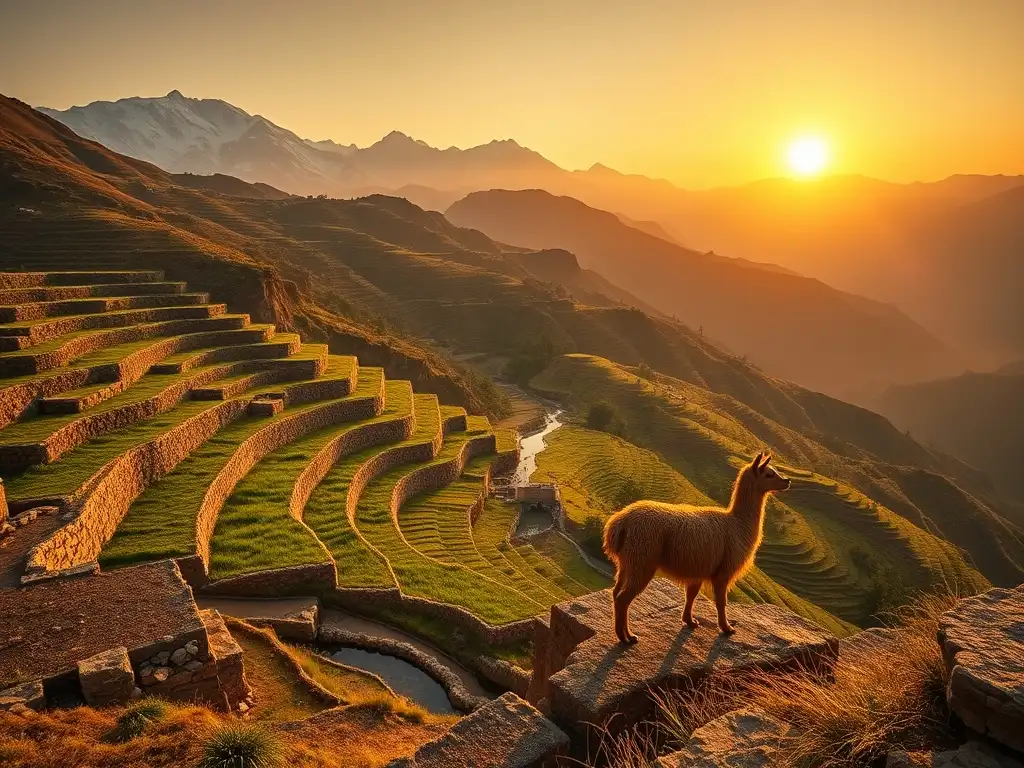
The ingenuity of ancient Andean civilizations is nowhere more evident than in their mastery of water management. Facing diverse and challenging terrains, from arid coastal deserts to high-altitude plateaus, these societies developed sophisticated irrigation systems crucial for sustaining their large populations and complex agricultural practices. Understanding these techniques requires appreciating the unique challenges they overcame and the remarkable solutions they devised to harness scarce water resources.
This section delves into the core methods employed, highlighting the remarkable achievements in water conservation and distribution that enabled the flourishing of Andean societies for centuries. The development of these Ancient Andean irrigation systems showcases a deep understanding of both hydrology and engineering principles, far surpassing the capabilities often attributed to pre-Columbian cultures.
Terraced Agriculture and Water Conservation
Terraced agriculture represents a cornerstone of Andean irrigation strategies. By carving slopes into a series of level platforms, farmers dramatically increased arable land, maximizing the utilization of limited flat areas. These terraces were not merely aesthetic features; their design incorporated sophisticated water management techniques. The carefully constructed walls between terraces slowed the flow of rainwater, preventing erosion and allowing water to seep into the soil, nourishing crops.
The effectiveness of this method is evident in the enduring fertility of many terraced landscapes even today. Furthermore, the terraces themselves acted as reservoirs, storing rainwater for use during dry spells. This ingenious system effectively conserved water, ensuring a reliable supply for crops even in regions with unpredictable rainfall.
The construction of terraces required immense labor, demonstrating the strong social organization and community cooperation essential for successful irrigation projects. The precise angles and orientations of the terraces were carefully chosen to optimize sunlight exposure and water retention, demonstrating a deep understanding of environmental factors and their impact on crop yields. Evidence suggests that different terrace designs were adapted to suit varying slopes and microclimates, highlighting the adaptability and sophistication of Andean agricultural practices.
Canals and Aqueducts: Engineering Marvels
Beyond terraced farming, the ancient Andean civilizations constructed extensive networks of canals and aqueducts to transport water over long distances and across challenging terrain. These feats of engineering are testament to their advanced understanding of hydraulics and their ability to mobilize significant labor forces for large-scale infrastructure projects. The precise alignment and construction of these water channels, often carved into rock or built using meticulously fitted stones, are remarkably consistent with modern engineering principles.
The longevity of many of these structures further underscores the high quality of their construction and the durability of their designs. The ability to transport water across valleys and mountains was crucial for supporting agriculture in otherwise inaccessible areas, significantly expanding the potential for food production. This sophisticated network of water delivery facilitated the growth of large population centers and supported complex social structures.
Precision Canal Construction in the Andes
The construction of canals in the Andes involved a remarkable level of precision. Surveyors and engineers employed sophisticated techniques to ensure the accurate alignment of channels, often over considerable distances. The use of sophisticated tools and techniques, [specific tools and techniques pending], allowed for the creation of channels that were remarkably straight and level, minimizing water loss through seepage or evaporation.
The channels themselves were often lined with stone or other materials to further reduce water loss and prevent erosion. The construction of these canals required a deep understanding of the terrain, water flow dynamics, and material properties. The remarkable precision evident in these ancient waterworks speaks to the advanced knowledge and skills of Andean engineers.
The integration of the canals into the landscape, often seamlessly blending with the natural contours of the terrain, demonstrates an understanding of environmental harmony and sustainable resource management. This careful planning minimized environmental disruption while maximizing the effectiveness of the irrigation system.
The Role of Aqueducts in Water Distribution
Aqueducts played a crucial role in the Andean irrigation systems, particularly in areas with significant elevation changes. These structures, often built from stone, transported water across valleys and ravines, enabling the irrigation of land that would otherwise be inaccessible. The design and construction of aqueducts required a deep understanding of hydraulics and structural engineering, including the principles of gravity flow and pressure management.
The ability to successfully transport water across considerable distances and elevation changes highlights the advanced engineering capabilities of the ancient Andean civilizations. [Specific examples of aqueduct design and construction techniques pending]. The integration of aqueducts into the broader irrigation network illustrates the comprehensive and well-planned nature of Andean water management systems.
These structures were not isolated elements but integral components of a complex and interconnected infrastructure that served the needs of a sophisticated agricultural economy. The longevity and effectiveness of these aqueducts serve as a powerful testament to the ingenuity and skill of Andean engineers.
Reservoirs and Storage Methods for Agriculture
Ancient Andean civilizations developed sophisticated methods for storing and managing water, crucial for their agricultural success in often arid and unpredictable climates. Their ingenuity wasn't limited to simply diverting water; they actively created reservoirs and implemented water harvesting techniques on a scale that continues to impress modern engineers. These weren't haphazard efforts; they represented a deep understanding of hydrology and a remarkable capacity for large-scale construction projects.
The construction of these systems involved immense labor, meticulous planning, and a profound respect for the life-giving properties of water. The success of these systems was directly linked to the prosperity and stability of these societies, highlighting the critical role of water management in their overall societal structure. The precise methods varied across different cultures and geographical locations, reflecting the adaptive nature of Andean engineering.
Artificial Lakes and Water Harvesting Techniques
One remarkable example of Andean water management is the creation of artificial lakes. These weren't merely dug-out ponds; they involved complex earthworks, often integrated into the landscape to maximize water collection and minimize evaporation. These artificial lakes served as vital reservoirs, providing a steady supply of water for irrigation during dry seasons. The construction techniques involved careful selection of locations, often utilizing natural depressions or modifying existing terrain to create basins capable of holding significant volumes of water.
Evidence suggests that some of these artificial lakes were surprisingly large, capable of supplying water to extensive agricultural areas. Alongside this, the Andeans employed various water harvesting techniques, such as building canals and channels to direct rainwater runoff into these reservoirs. The precise design and construction of these systems were likely influenced by local geological conditions and rainfall patterns. This demonstrates the Andean people's practical knowledge of their environment and their ability to adapt their technologies to different contexts.
Specific examples of exceptionally well-preserved artificial lakes and their associated irrigation networks would further strengthen this section [specific information pending]. The scale and sophistication of these projects underscore the advanced engineering capabilities of these ancient civilizations, and the profound impact of their water management strategies on the sustainability of their agricultural practices. Their understanding of water flow, soil composition, and seasonal variations allowed them to develop incredibly effective and resilient irrigation systems that supported dense populations for centuries.
Case Studies of Ancient Andean Irrigation Systems
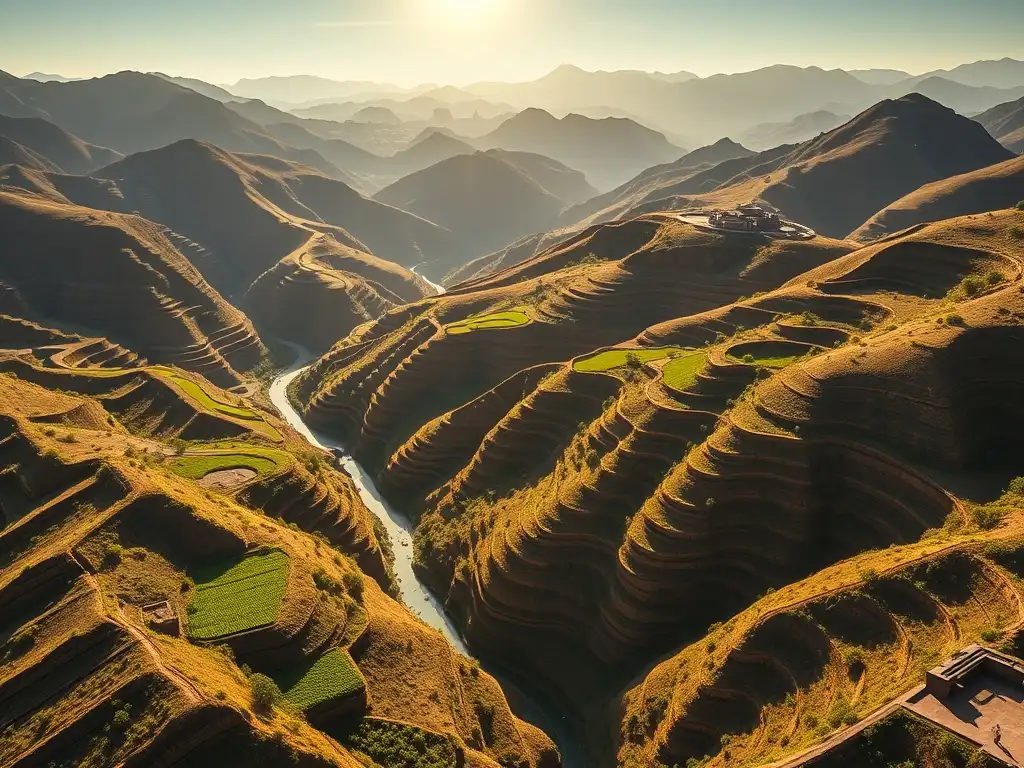
This section delves into specific examples of the sophisticated irrigation systems employed by various Andean civilizations, showcasing the ingenuity and adaptation to diverse environments. Understanding these case studies provides a deeper appreciation for the resourcefulness and technological prowess of these ancient cultures. We'll examine the scale and complexity of their water management, highlighting the impact on their agricultural success and societal development. The keyword "Ancient Andean irrigation systems" will be explored through these detailed examples.
The Irrigation Networks of the Inca Empire
The Inca Empire, renowned for its vast territory and administrative capabilities, also mastered the art of water management on an unprecedented scale. Their mastery of hydraulic engineering is evident in their extensive irrigation networks that supported a thriving agricultural economy, even in challenging terrains. The Inca's approach to water management wasn't merely about irrigation; it was deeply intertwined with their worldview, reflecting a profound respect for water as a sacred resource. Their systems were designed not only for efficiency but also for sustainability, ensuring the long-term viability of their agricultural practices.
Inca Agricultural Terraces and Water Management
Inca agricultural terraces, carved into steep Andean slopes, represent a remarkable feat of engineering and a testament to their understanding of hydrology. These terraces weren't simply steps; they were carefully designed to capture and channel water, optimizing irrigation and soil conservation. The terraces' design often incorporated channels and reservoirs, allowing for precise water distribution and minimizing water loss. This intricate system maximized arable land, enabling the Inca to cultivate crops at varying altitudes and in diverse microclimates.
The precise techniques used varied regionally, adapting to specific geographical conditions. For example, the terraces in the Sacred Valley near Cusco show a different construction style compared to those found in the high-altitude regions of the Andes. Detailed studies of these systems reveal a sophisticated understanding of water flow dynamics and soil management.
Water Distribution Systems in Machu Picchu
Machu Picchu, the iconic Inca citadel, serves as a microcosm of their advanced water management. The city's water supply was remarkably efficient, using a network of canals, fountains, and aqueducts to deliver water to different parts of the city. The system included sophisticated features such as strategically placed reservoirs and filters, ensuring a clean and reliable water supply.
This meticulous system supported the city's population and demonstrates the Inca's ability to integrate water management into urban planning. The precision of the stonework in the aqueducts and channels is astonishing, showcasing their mastery of stone cutting and construction techniques. The integration of water features into the city's design also reflects the Inca's deep connection with nature and their reverence for water.
The Moche Civilization and Water Engineering
The Moche civilization, flourishing on the arid northern coast of Peru, developed ingenious irrigation systems that allowed them to thrive in a challenging desert environment. Their mastery of water management was crucial to their agricultural success and the development of a complex society. The Moche understood the importance of water conservation and efficient irrigation techniques, enabling them to cultivate crops in a region with limited rainfall. Their achievements demonstrate an impressive understanding of hydrology and engineering.
Moche Canals and Their Impact on Agriculture
Moche canals, some extending for kilometers, are a testament to their engineering prowess. These canals were carefully designed to channel water from rivers and streams to agricultural fields, even across vast distances. The construction of these canals required significant labor and planning, reflecting the importance of agriculture to their society.
The canals' design often incorporated ingenious features such as check dams and spillways to regulate water flow and prevent erosion. The impact of these canals on Moche agriculture was transformative, enabling them to cultivate large-scale crops and support a substantial population. Archaeological evidence suggests a complex social organization involved in the construction and maintenance of these irrigation systems.
Evidence of Advanced Irrigation Techniques in Moche Culture
Evidence of advanced irrigation techniques in Moche culture is abundant. Beyond the large-scale canals, the Moche also employed more localized irrigation methods, such as subsurface irrigation systems and raised fields. These techniques, combined with their sophisticated understanding of water management, allowed them to maximize agricultural yields in a challenging environment.
Their pottery and iconography often depict scenes of irrigation and water management, further highlighting the importance of water to their culture. Recent archaeological discoveries continue to reveal new insights into their sophisticated water engineering practices, showcasing the ingenuity and resilience of this ancient civilization. Analysis of soil samples near Moche canals provides further evidence of their agricultural practices and the impact of their irrigation systems on the landscape.
The Nazca Lines and Underground Water Systems
The Nazca Lines, those enigmatic geoglyphs etched into the Peruvian desert, are often discussed in relation to their astronomical significance and artistic merit. However, a compelling argument suggests a deeper connection to the Nazca's sophisticated understanding and management of water resources. The arid coastal plains where the Nazca civilization flourished presented a significant challenge for agriculture. Their ingenuity in overcoming these limitations is evident in their extensive network of underground canals, known as puquios.
These weren't simply haphazard ditches; they were carefully engineered systems that tapped into underground aquifers, bringing precious water to the surface for irrigation. The design of these puquios involved intricate shafts and tunnels, often extending for kilometers, demonstrating a remarkable understanding of hydrology and engineering. The construction required specialized tools and considerable manpower, highlighting the importance placed on water management within Nazca society.
The precise location of many puquios in relation to the geoglyphs suggests a possible link between the two, prompting ongoing research and debate. It's hypothesized that the lines themselves might have played a role in rituals related to water and fertility, or perhaps served as markers for the location of vital water sources. Further study is needed to fully unravel the complex relationship between these two fascinating aspects of Nazca culture.
Nazca Aqueducts and Their Purpose
Beyond the puquios, the Nazca also utilized surface aqueducts to transport water over longer distances. These weren't simple channels; they were carefully constructed structures, often lined with stone or other materials to prevent water loss through seepage. The aqueducts were designed to follow the contours of the land, minimizing the need for significant elevation changes and maximizing the flow of water.
Their purpose was multifaceted. They served to irrigate agricultural fields, providing water for crops crucial to Nazca sustenance. Furthermore, the aqueducts likely played a vital role in supplying water to settlements and population centers, ensuring the continued growth and prosperity of the civilization.
The construction of these aqueducts required significant planning and organization, showcasing the advanced social and engineering capabilities of the Nazca people. The precise techniques employed in their construction remain a subject of ongoing research, but their effectiveness is evident in the legacy they left behind – a testament to the Nazca's ingenuity in harnessing scarce resources. The remnants of these aqueducts, even today, offer a glimpse into their impressive engineering prowess.
The Relationship Between Nazca Geoglyphs and Water Sources
The precise relationship between the Nazca Lines and the puquios remains a topic of ongoing research and debate among archaeologists and scholars. While no definitive conclusions have been reached, several intriguing hypotheses link the two. Some researchers suggest that the lines might have been markers indicating the location of important water sources, guiding the Nazca to their vital puquios.
Others propose that the geoglyphs might have served a ceremonial or ritualistic purpose related to water and fertility, reflecting the profound importance of water to Nazca society. The lines' intricate designs and locations might be connected to underground water flows or seasonal changes in water availability. The proximity of some geoglyphs to puquios lends credence to the theory of a functional link.
However, further research is needed to determine the precise nature of this relationship. The investigation involves analyzing the geoglyphs' alignment with astronomical events, mapping the location of water sources, and studying the broader context of Nazca cosmology and religious beliefs. The unlocking of this mystery promises to shed further light on the sophisticated knowledge and beliefs of the Nazca civilization.
Tiahuanaco's Raised Fields and Water Control
The Tiahuanaco civilization, located on the high Altiplano of Bolivia, faced a different set of challenges regarding water management. The high altitude and relatively arid climate presented significant limitations to agriculture. However, the Tiahuanaco people developed an ingenious system of raised fields to optimize water use and agricultural production. These weren't simply elevated plots of land; they were carefully constructed, interconnected fields, often separated by channels that carried water.
This system allowed for effective irrigation, as the water flowed through the channels, nourishing the crops in the raised fields. The raised fields also helped to regulate temperature and soil moisture, creating a more favorable environment for agriculture in the harsh Altiplano climate. The construction of these fields required considerable engineering skill and planning, demonstrating the Tiahuanaco's advanced understanding of hydrology and agricultural techniques.
Tiahuanaco's Unique Agricultural System
The raised field system of Tiahuanaco represents a remarkable example of agricultural adaptation to a challenging environment. The precise methods employed in the construction and maintenance of these fields are still being studied, but evidence suggests a sophisticated understanding of soil types, water flow, and drainage. The system allowed for year-round cultivation, maximizing agricultural output in a region where growing seasons are typically short.
The raised fields provided several advantages. They reduced water loss through evaporation, conserved soil moisture, and protected crops from frost. The system also allowed for efficient use of fertilizers and other agricultural inputs.
The success of this system is evident in the size and prosperity of Tiahuanaco, which flourished for centuries thanks to its advanced agricultural practices. The legacy of Tiahuanaco's agricultural innovations continues to inspire modern approaches to sustainable agriculture in challenging environments. The ingenuity of their system highlights the adaptability and resourcefulness of the Tiahuanaco people.
Evidence of Sophisticated Water Management in Tiahuanaco
The evidence of sophisticated water management in Tiahuanaco extends beyond the raised fields. Archaeological findings reveal complex canal systems, reservoirs, and aqueducts that facilitated the efficient distribution of water throughout the city and surrounding agricultural areas. These structures demonstrate a high level of engineering skill and planning.
The canals were carefully engineered to minimize water loss and maximize irrigation efficiency. The reservoirs provided a crucial water storage capacity, ensuring a reliable water supply even during periods of drought. The presence of sophisticated water management systems underscores the importance of water to the Tiahuanaco civilization.
It indicates a deep understanding of hydrological principles and a commitment to developing sustainable agricultural practices. The study of these systems continues to provide valuable insights into the technological achievements and cultural practices of the Tiahuanaco people. The intricate network of water management infrastructure stands as a testament to their remarkable engineering capabilities and their profound understanding of their environment.
The Legacy of Ancient Andean Irrigation
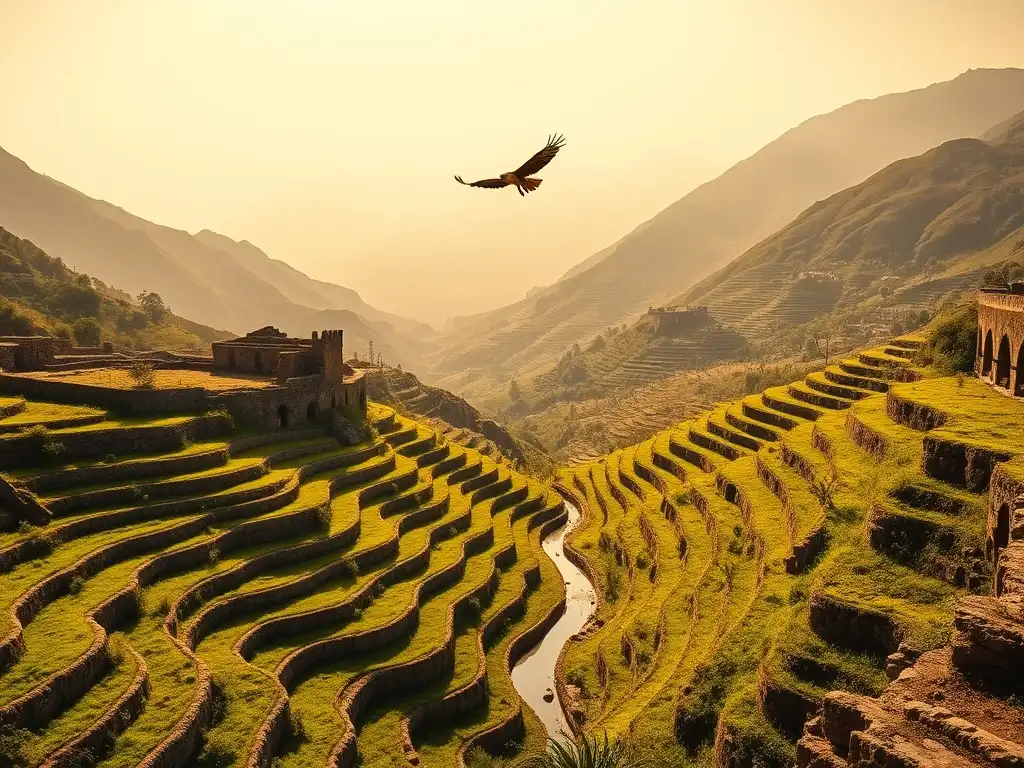
The ingenuity of ancient Andean civilizations in harnessing water resources is a testament to their deep understanding of their environment and their remarkable engineering skills. Their sophisticated irrigation systems, developed over centuries, allowed them to thrive in challenging terrains, transforming arid landscapes into fertile agricultural zones. This section explores the enduring legacy of these systems, focusing on the lessons learned and their continuing relevance in modern water management.
Understanding these ancient techniques provides valuable insights into sustainable water practices, particularly crucial in the face of increasing global water scarcity. The study of "Ancient Andean irrigation systems" reveals a remarkable ability to adapt to diverse geographical conditions, paving the way for innovations in modern water resource management.
Lessons Learned from Ancient Water Management
Ancient Andean irrigation systems weren't simply canals; they were complex, integrated networks demonstrating a profound understanding of hydrology, topography, and agricultural needs. Their success stemmed from several key principles:
- Careful Site Selection: Communities meticulously chose locations for settlements based on access to water sources and suitable land for cultivation. This wasn't random; it involved detailed observation of water flow patterns and soil quality, minimizing water loss and maximizing crop yields. For example, the Nazca lines, while famous for their enigmatic nature, also served as indicators of water sources and facilitated efficient irrigation management.
- Sustainable Water Harvesting: Techniques like qochas (artificial lagoons) and andenes (terraced agriculture) played crucial roles in capturing and storing rainwater. These systems not only provided a reliable water supply during dry seasons but also reduced soil erosion and improved water infiltration. The construction of these structures required significant labor and planning, underscoring the importance of water to these societies.
- Canal Construction and Maintenance: The construction of canals involved considerable engineering expertise. They were meticulously planned and built to follow the contours of the land, minimizing the need for large earthworks. Regular maintenance, involving community participation, ensured the long-term functionality of these systems. The use of durable materials and innovative construction techniques contributed to their longevity.
- Community Collaboration: The construction and maintenance of these complex systems required significant community involvement and cooperation. This fostered a sense of shared responsibility and ensured the equitable distribution of water resources. The success of Andean irrigation systems highlights the importance of collective action in water management.
Modern Applications of Andean Irrigation Principles
The principles underlying ancient Andean irrigation systems remain remarkably relevant today. Modern agricultural practices can benefit significantly from adapting these time-tested techniques:
- Water-efficient irrigation: Modern drip irrigation and other water-saving techniques echo the careful water allocation and distribution methods employed by Andean civilizations. Minimizing water loss through evaporation and seepage is as critical today as it was centuries ago.
- Sustainable land management: The use of andenes inspired modern terracing techniques, which prevent soil erosion and improve water retention. This is particularly important in mountainous regions and areas prone to desertification.
- Community-based water management: Participatory approaches to water resource management, drawing on the collaborative spirit of ancient Andean communities, can promote equitable access to water and ensure its sustainable use.
The Impact of Ancient Andean Irrigation on Modern Agriculture
The legacy of ancient Andean irrigation continues to shape modern agricultural practices in the region and beyond. The sophisticated techniques developed by these civilizations continue to inspire innovations in sustainable agriculture, particularly in arid and semi-arid regions. The efficient use of water resources, the preservation of soil fertility, and the promotion of community-based management are all lessons that remain highly pertinent in the context of modern challenges related to climate change and water scarcity.
The study of these ancient "Ancient Andean irrigation systems" offers valuable insights into sustainable agriculture, contributing to food security and environmental protection. The impact is not merely historical; it's a living legacy shaping contemporary agricultural practices and promoting a more sustainable future.
Frequently Asked Questions
What makes the ancient Andean irrigation systems so remarkable?
The Andean systems were remarkably sophisticated for their time. They involved complex networks of canals, aqueducts, and reservoirs, showcasing advanced engineering and a deep understanding of water management. This allowed for intensive agriculture in challenging terrains.
How did the ancient Andean civilizations utilize their irrigation systems?
These systems were crucial for supporting large populations and thriving civilizations. They enabled the cultivation of diverse crops, like potatoes and maize, ensuring food security and economic prosperity in often arid environments.
Which Andean cultures are known for their advanced irrigation techniques?
Many cultures contributed, but the Inca, Nazca, and Moche civilizations are particularly renowned for their impressive irrigation projects. Each developed unique techniques adapted to their specific geographic locations and needs.
What materials were used to construct the Andean irrigation systems?
Construction relied heavily on locally sourced materials, such as stone, earth, and wood. The precise methods varied depending on the specific environment and the engineering challenges presented by the terrain.
What impact did these irrigation systems have on the development of Andean societies?
The reliable water supply facilitated agricultural surpluses, supporting population growth, urban development, and the creation of complex social structures. Irrigation was fundamental to the success and longevity of these civilizations.
Final Reflection: The Enduring Legacy of Andean Water Wisdom
The ingenious irrigation systems of the ancient Andes weren't just feats of engineering; they were a testament to humanity's capacity to adapt, innovate, and thrive in the face of challenging environments. These systems, built centuries ago with limited technology, continue to offer valuable lessons in sustainable resource management, a topic of critical importance in our increasingly water-stressed world. Their echoes resonate even today, reminding us of the profound connection between human ingenuity and the natural world.
The impact of these ancient systems extends far beyond their immediate practical application. They represent a profound understanding of the environment and a deep respect for the delicate balance of nature. These weren't merely functional structures; they were integral to the social fabric of Andean societies, shaping their culture, beliefs, and even their spiritual practices. As the Inca proverb states: Water is the mother of all things.
This simple phrase encapsulates the profound reverence and understanding that the Andean people held for water, a perspective we would do well to emulate in our modern world.
Consider the ingenuity of these ancient civilizations, their ability to harness the power of nature for the benefit of their communities. Now, consider your own relationship with water. What can you learn from the enduring legacy of Andean water wisdom? How can you incorporate principles of sustainability and respect for natural resources into your daily life? Let the flow of water, both literally and metaphorically, inspire you to create a more sustainable and harmonious future for all.
Unearth the Wonders of Ancient Irrigation!
Thank you for exploring the fascinating world of ancient Andean irrigation systems! You've learned about the innovative ways these early civilizations harnessed water to thrive in challenging environments. Now, let's delve deeper and discover how you can celebrate and preserve this rich heritage.
Here are a few ways you can get involved:
- Explore local waterways: Visit parks or natural reserves to see how modern irrigation techniques and sustainable practices are inspired by ancient methods. Observe the efficiency and ingenuity of water management in action.
- Share your knowledge: Discuss the article with friends, family, or colleagues, or post about it on social media to raise awareness of the remarkable ingenuity of Andean civilizations. Consider writing a blog post or creating a short video to share what you've learned.
- Support conservation efforts: Seek out local organizations dedicated to preserving historical irrigation systems or promoting sustainable agriculture. Volunteer your time or donate to help protect these vital resources.
How can understanding these ancient practices inform your approach to modern water usage and sustainability? Let's start a conversation!