
Inca Trail: More Than Just a Hike, a Journey Through Time

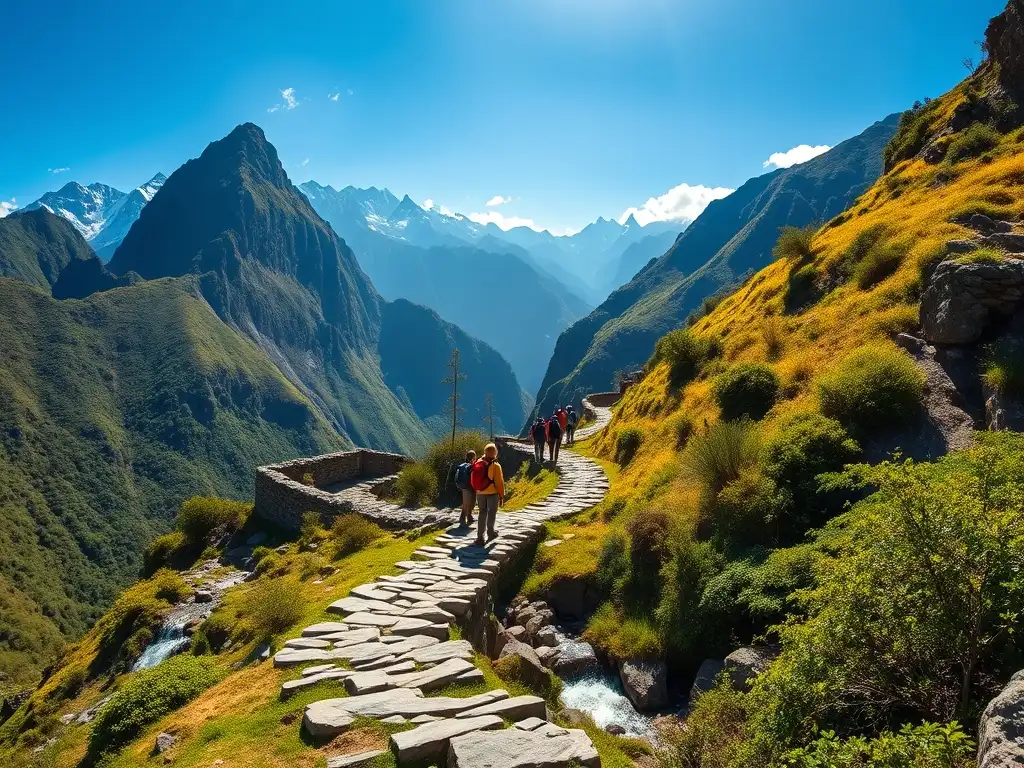
Welcome to Andean Civilizations, where the echoes of ancient empires still resonate. Prepare to be captivated by the ingenuity and artistry of societies that thrived in the heart of the Andes. Forget everything you think you know about hiking – our exploration of the Inca Trail historical journey reveals a story far grander than a simple trek; it's a portal to a lost world of breathtaking architecture and breathtaking engineering feats. Dare to delve deeper and uncover the secrets hidden within the stones…
The Inca Trail, a name synonymous with adventure and breathtaking landscapes, is far more than just a challenging hike through the Andes. It represents a tangible link to the sophisticated Inca civilization, offering a unique opportunity to traverse a historical pathway meticulously engineered and strategically placed within the vast Inca empire.
This journey isn't simply about physical exertion; it's a captivating immersion into the ingenuity, resilience, and profound cultural legacy of the Inca people. This article delves into the historical significance of the Inca Trail, exploring its construction, purpose, and the lasting impact it holds on our understanding of this remarkable civilization.
We will uncover the intricate details that transformed a simple path into a vital artery of the Inca world, a testament to their advanced understanding of engineering and their profound connection to their environment. Prepare to embark on a virtual journey through time, uncovering the secrets held within the stones of the Inca Trail, and experiencing the rich tapestry of history woven into its very fabric.
Engineering Marvels of the Inca Trail
The Inca Trail is a testament to the remarkable engineering skills of the Inca. Constructed without the use of wheels or draft animals, the trail’s construction involved meticulous planning and execution. Inca engineers expertly navigated challenging terrain, utilizing sophisticated techniques to carve paths into steep mountain slopes, build sturdy bridges across deep gorges, and create intricate systems of retaining walls to prevent erosion and landslides.
The trail's design incorporated a remarkable understanding of topography, utilizing natural features like existing paths and river valleys to minimize construction effort and maximize efficiency. The use of locally sourced stone, precisely fitted without mortar, showcases the Inca's mastery of dry-stone masonry, a technique that ensured structural stability and longevity.
This precise construction, combined with the strategic placement of the trail, allowed for efficient movement of people and goods across vast distances, connecting disparate parts of the Inca empire. The trail wasn't just a path; it was a carefully planned and executed infrastructure project of considerable scale and sophistication.
The Strategic Importance of the Inca Trail
Beyond its impressive engineering, the Inca Trail played a crucial role in the functioning of the Inca empire. It served as a vital communication network, facilitating the rapid transmission of messages and the movement of officials across the empire. This efficient communication system was essential for maintaining control and order across such a vast and geographically diverse territory. Furthermore, the trail was instrumental in facilitating trade and the distribution of resources.
Essential goods, such as food, textiles, and building materials, were transported along the trail, ensuring the supply of vital resources to different parts of the empire. The strategic placement of tambos, or waystations, along the route, provided shelter, food, and supplies for travelers, further highlighting the importance of the trail as a well-organized and vital logistical artery. The Inca Trail's strategic importance underscores the sophisticated administrative and logistical capabilities of the Inca Empire.
The Inca Trail as a Cultural and Spiritual Pathway
The Inca Trail was not merely a practical route; it also held significant cultural and spiritual importance for the Inca people. The trail traversed sacred landscapes, connecting important religious sites and pilgrimage destinations. The integration of the trail within the Inca's worldview is evident in the incorporation of ceremonial structures and features along its length. Certain sections of the trail may have been associated with specific deities or rituals, adding a layer of sacredness to the journey.
The Inca Trail, therefore, represents a powerful blend of practical necessity and profound spiritual significance, demonstrating the interconnectedness of the Inca's material and spiritual worlds. Further research into the specific locations and features along the trail is needed to fully understand the depth of this spiritual dimension. This aspect of the Inca Trail adds another layer of complexity to our understanding of Inca society and their relationship with their environment.
Preserving the Legacy: The Inca Trail Today
Today, the Inca Trail continues to captivate and inspire. While the original trail has been partially impacted by time and erosion, significant sections remain remarkably well-preserved, providing a tangible link to the past. The Inca Trail is now a popular trekking route, offering a unique opportunity to experience the grandeur of the Andes while learning about the rich history of the Inca civilization.
However, responsible tourism practices are crucial to preserve this invaluable historical and cultural legacy for future generations. Careful management and conservation efforts are essential to ensure that the Inca Trail remains a vibrant testament to the achievements of the Inca people and a source of wonder for those who journey along its ancient path. The continued study and preservation of this trail are vital to ensuring its lasting significance as a historical and cultural landmark.
- Engineering Marvels of the Inca Trail
- The Strategic Importance of the Inca Trail
- The Inca Trail as a Cultural and Spiritual Pathway
- Preserving the Legacy: The Inca Trail Today
Unveiling the Inca Trail: A Historical Trek
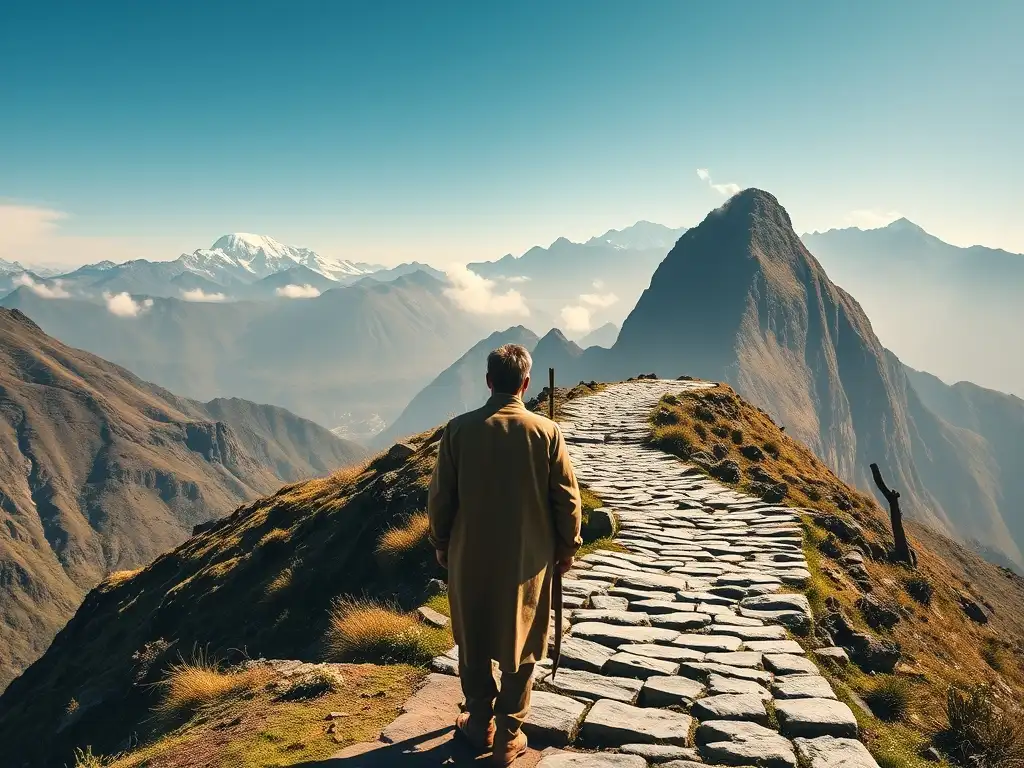
This section delves into the Inca Trail, not merely as a challenging hiking path, but as a significant testament to Inca ingenuity and a powerful symbol of their empire's reach. Understanding its historical context is crucial to appreciating the full impact of this "Inca Trail historical journey". We will explore its significance, its origins, and its enduring legacy.
The Inca Trail wasn't just a road; it was a living artery of the Inca civilization, facilitating communication, trade, and the movement of people and resources across a vast and challenging landscape. Its strategic placement and meticulous construction highlight the advanced engineering skills of the Inca people. The trail's enduring appeal today underscores its historical importance and its continued relevance as a conduit connecting the past with the present.
The Inca Trail's Significance in Andean History
The Inca Trail's significance extends far beyond its function as a simple pathway. It served as a vital component of the sophisticated Inca road system, *the Qhapaq Ñan, a network spanning thousands of miles across the Andes Mountains. This network facilitated the efficient movement of armies, messengers (known as chasquis), and goods throughout the empire.
The Trail itself, a section of this larger network, played a critical role in connecting the Inca capital, Cusco, with the sacred site of Machu Picchu. Its strategic importance is underscored by its location, traversing challenging terrain, including high-altitude passes and steep inclines. The Inca's mastery of engineering is evident in the trail's construction, with its expertly crafted stonework, carefully engineered switchbacks, and strategically placed resting points.
This wasn't simply a path; it was a testament to Inca organizational prowess and their deep understanding of their environment. The trail's very existence represents a powerful symbol of the Inca Empire's dominance and its ability to effectively manage and control its vast territory. Archaeological findings along the trail continue to reveal insights into Inca life, further solidifying its historical importance.
Tracing the Ancient Routes: Origins of the Inca Trail
Pinpointing the exact origins of the Inca Trail is challenging, given the lack of extensive written records from the Inca period. However, archaeological evidence suggests that the trail's construction and development likely occurred over several centuries, with various Inca rulers contributing to its expansion and improvement. It's likely that pre-Inca cultures utilized existing paths through the Andes, and the Inca subsequently expanded and refined these routes to meet their imperial needs.
The Inca's system of relay runners, the chasquis, relied heavily on the efficient network of roads, and the Inca Trail was undoubtedly a key part of this system. The trail's construction involved meticulous planning and execution, requiring an extensive workforce and a deep understanding of Andean geography and engineering principles. The use of locally sourced stone, expertly fitted without mortar, is a hallmark of Inca construction, and this is clearly evident along the Inca Trail.
The trail's construction also demonstrates a profound respect for the environment, with the path often following natural contours and minimizing environmental impact. Further research and ongoing excavations along the trail continue to shed light on its evolution and its place within the broader context of Inca road construction. Each newly discovered section adds another piece to the puzzle of this remarkable historical journey.
Connecting the Past and Present: The Inca Trail Experience
Today, the Inca Trail remains a powerful symbol of Inca history and engineering. The experience of trekking the trail is not just a physical challenge; it's a journey through time, offering a tangible connection to the past. Walking in the footsteps of the Inca, one can appreciate the scale of their empire and the ingenuity of their engineering feats. The trail's enduring popularity as a tourist destination highlights its cultural and historical significance.
However, it's crucial to approach the Inca Trail with respect for its historical and cultural value. Sustainable tourism practices are essential to preserve the trail for future generations and to ensure that its historical significance is not compromised. The Inca Trail offers a unique opportunity to connect with the Andean past in a meaningful and memorable way, a true "Inca Trail historical journey".
The trail itself serves as a living museum, allowing visitors to experience firsthand the legacy of the Inca civilization and its enduring impact on the Andean region. The combination of physical exertion, breathtaking scenery, and profound historical context makes the Inca Trail experience both challenging and deeply rewarding. Many modern trekkers leave with a newfound appreciation for the Inca's accomplishments and a deeper understanding of their rich heritage.
Exploring the Inca Trail: A Path Through Time
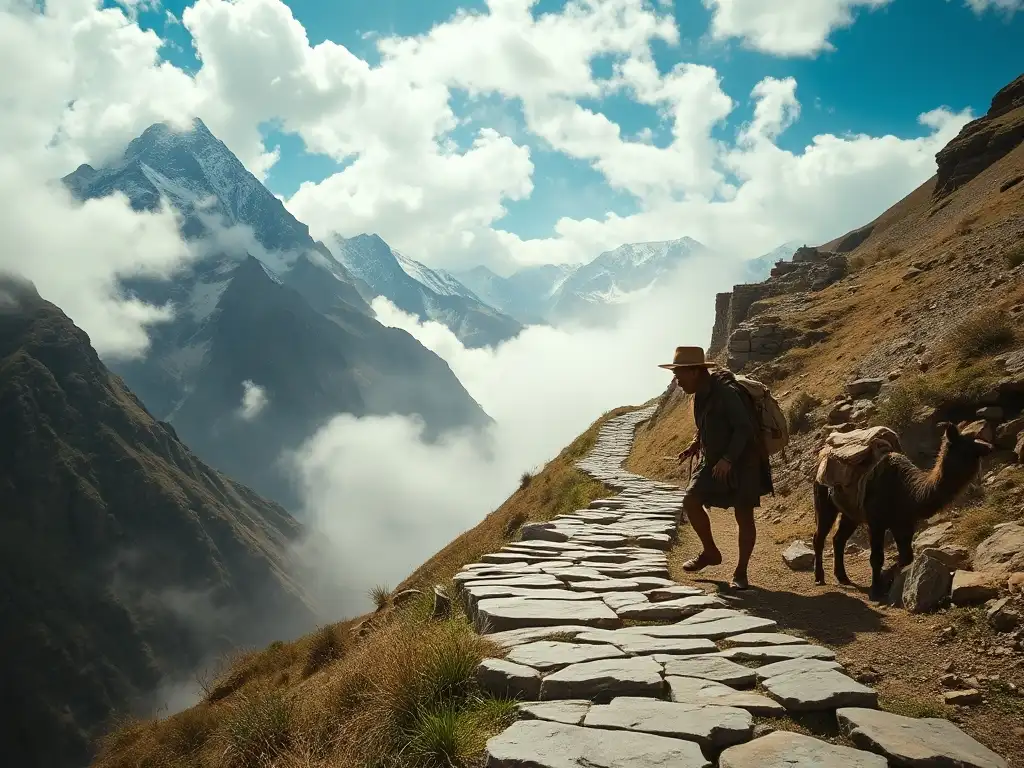
This section delves into the historical significance of the Inca Trail, framing it not merely as a challenging trek, but as a tangible link to the Inca Empire's past. We will explore the trail's construction, its purpose within the Inca road system, and its enduring legacy as a powerful symbol of Inca ingenuity and cultural heritage. Understanding the Inca Trail's historical context enhances the experience for any traveler undertaking this iconic journey.
The Inca Trail offers more than breathtaking scenery; it offers a palpable connection to a sophisticated civilization that thrived centuries ago. This historical journey unveils the intricate network of roads, the strategic placement of waystations, and the profound impact of Inca engineering on the landscape.
The Classic Inca Trail: A Four-Day Trek
The most renowned section of the Inca Trail, the "Classic Inca Trail," is a four-day trek culminating at Machu Picchu. This isn't just a hike; it's a journey through time, traversing meticulously constructed pathways, traversing breathtaking mountain passes, and passing Inca ruins that whisper stories of a bygone era. The trail's construction itself is a testament to Inca engineering prowess.
Stone steps, carefully fitted together without mortar, demonstrate an understanding of structural integrity that continues to amaze engineers today. These steps, often carved directly into the mountainside, showcase an intimate knowledge of the terrain and a remarkable ability to adapt construction to the challenges of the Andean landscape. The route itself was strategically planned, connecting vital Inca settlements and facilitating the movement of people, goods, and messages across the empire.
Along the way, trekkers encounter a variety of Inca sites, offering glimpses into daily life within the empire. These sites, often featuring beautifully preserved stonework and intriguing architectural details, provide tangible evidence of the Inca's sophisticated civilization and their mastery of stonework. The Inca Trail, in its entirety, is a living testament to their architectural and engineering achievements.
While the Classic Inca Trail is undeniably iconic, numerous alternative routes offer equally rewarding – and often less crowded – opportunities to experience the Inca's legacy. These paths, often less well-known, provide a unique perspective on the Inca road network, revealing the extensive scale and complexity of their infrastructure. Some of these alternative trails feature different types of terrain, showcasing the Inca's adaptability in constructing pathways across diverse landscapes.
For instance, some routes wind through lush cloud forests, while others traverse high-altitude grasslands. These alternative trails often lead to lesser-known Inca sites, offering a more intimate and less-touristed experience. Exploring these hidden paths allows for a deeper appreciation of the Inca's mastery of engineering and their ability to seamlessly integrate their infrastructure with the natural environment.
The discovery of these alternative routes enhances our understanding of the Inca road system's overall reach and importance within the empire's socio-economic structure. The diversity of these alternative trails, each with its own unique challenges and rewards, underscores the vastness and sophistication of the Inca road network.
Salkantay Trek: A Mountainous Alternative
The Salkantay Trek presents a challenging yet rewarding alternative to the Classic Inca Trail, offering stunning views of the Salkantay mountain (6,271 meters/20,574 feet) and a different perspective on the Inca's impact on the Andean landscape. This route, while not directly following an Inca trail in the same way as the classic route, passes through areas that were undoubtedly within the Inca's sphere of influence and showcases the breathtaking scenery that shaped their world. Unlike the Classic Inca Trail, the Salkantay Trek offers a more rugged and less-maintained path, immersing trekkers in the raw beauty of the Andes.
This route often incorporates elements of Inca history and culture, with opportunities to visit smaller sites and villages along the way. While not directly following an Inca road, the Salkantay Trek offers a unique appreciation for the environment that the Inca civilization inhabited and the challenges they faced in traversing these formidable mountains.
The trek offers a different kind of "Inca Trail historical journey," one steeped in the natural majesty of the Andes and the resilience of the people who lived and thrived in this challenging environment. The Salkantay Trek provides a powerful, albeit indirect, connection to the history and culture of the Inca Empire.
Lares Trek: Cultural Immersion
The Lares Trek offers a unique perspective on the Inca Trail historical journey, prioritizing cultural immersion over sheer trekking challenge. Unlike the classic Inca Trail, which focuses primarily on reaching Machu Picchu, the Lares Trek winds through remote Andean communities, allowing travelers to experience the vibrant traditions and daily life of Quechua people.
This journey provides an unparalleled opportunity to witness firsthand the enduring legacy of Inca societal structures and their impact on contemporary Andean life. You'll encounter traditional weaving techniques passed down through generations, observe ancient agricultural practices still in use today, and perhaps even participate in a local ceremony, gaining a deeper understanding of the Inca Trail's historical significance within the context of living culture.
The trek itself is less demanding than the classic Inca Trail, making it accessible to a wider range of fitness levels. This allows for more time to engage with the local communities, participate in workshops, and simply soak in the breathtaking Andean scenery. Many treks incorporate homestays, providing an intimate experience of Quechua hospitality and a chance to learn about their customs and beliefs.
You'll share meals, stories, and perhaps even some traditional music, forging connections that go far beyond a typical tourist encounter. These interactions offer a powerful counterpoint to the archaeological marvels, enriching the Inca Trail historical journey with a human element often overlooked in other treks.
The enduring cultural practices observed along the Lares Trek serve as a living testament to the ingenuity and resilience of the Andean peoples, enriching the understanding of the Inca Trail's historical context. It's a journey that celebrates not only the past but also the present, weaving together history and culture in a truly unforgettable experience.
The Engineering Marvel of the Inca Trail
The Inca Trail, far from being a mere hiking path, represents a remarkable feat of Inca engineering and a testament to their sophisticated understanding of both construction and their environment. This ancient pathway, traversing treacherous Andean terrain, served as a vital artery for the Inca Empire, facilitating communication, trade, and military movements across vast distances. Understanding the Inca Trail's historical significance requires appreciating the ingenuity embedded in its design and construction, an achievement that continues to fascinate and inspire awe centuries later.
The trail's strategic placement, its masterful adaptation to the landscape, and the advanced techniques employed in its creation all contribute to its status as a true engineering marvel, offering a unique glimpse into the capabilities of the Inca civilization. This section delves into the specifics of this remarkable historical journey, exploring the intricacies of its design and construction within the broader context of the Inca road system.
Inca Road System: A Network of Ingenuity
The Inca Trail wasn't an isolated path; it formed part of a vast and sophisticated road network spanning thousands of kilometers throughout the Andes Mountains. This network, a testament to Inca organizational prowess, connected the far-flung corners of their empire, facilitating the efficient movement of people, goods, and messages. The system wasn't simply a collection of trails; it was a carefully planned and strategically designed infrastructure project.
The roads varied in width and construction depending on their function and location. Main thoroughfares, like the Inca Trail sections leading to Machu Picchu, were wider and more robustly built to accommodate greater traffic. Smaller, secondary trails branched off, creating a complex web connecting settlements, agricultural areas, and administrative centers.
This intricate network ensured efficient communication and trade, contributing significantly to the Inca Empire's stability and expansion. The strategic placement of tambos, or waystations, along the routes provided resting places and supplies for travelers, highlighting the detailed planning and meticulous organization that characterized the Inca road system. The system’s effectiveness is further emphasized by the fact that many sections of this network, including parts of the Inca Trail, remain remarkably well-preserved even today.
Advanced Construction Techniques: Building the Inca Trail
The construction of the Inca Trail showcased the Incas' advanced understanding of engineering principles. They expertly utilized readily available materials, primarily stone, to create durable and remarkably stable structures. The stones were precisely cut and fitted together without mortar, demonstrating a high level of skill and precision. This technique, known as ashlar masonry, resulted in incredibly strong and resilient pathways that could withstand the harsh Andean climate and seismic activity.
Furthermore, the Incas demonstrated a sophisticated understanding of drainage systems, incorporating carefully engineered channels and retaining walls to prevent erosion and maintain the trail's integrity. The construction of bridges, often made from stone, wood, and rope, across rivers and ravines further highlights their ingenuity. These structures, seamlessly integrated into the landscape, are evidence of the Incas' ability to adapt their construction methods to the challenging terrain.
The Inca Trail’s enduring legacy is a direct consequence of these advanced techniques and meticulous craftsmanship. The precision and durability of the construction are astonishing, considering the tools and technology available to them. Their skill in stonework is unparalleled, a testament to their mastery of engineering.
Adapting to the Andean Terrain: Challenges and Solutions
Constructing the Inca Trail presented significant challenges due to the harsh and varied Andean terrain. Steep inclines, deep ravines, and unpredictable weather conditions required innovative solutions. The Incas skillfully navigated these obstacles by employing a variety of techniques. They carved paths into mountain slopes, utilizing natural features like ledges and cliffs to minimize the need for extensive earthworks.
They constructed elaborate retaining walls to stabilize slopes and prevent landslides, showcasing an understanding of soil mechanics and stability. Suspension bridges, skillfully crafted from natural materials, spanned deep gorges, allowing for safe passage across otherwise impassable terrain. The integration of the trail with the surrounding environment – using existing natural features wherever possible – is a testament to their ingenuity and respect for the landscape.
This adaptability, coupled with their mastery of construction techniques, enabled them to create a network of roads that not only connected their vast empire but also stood the test of time. The Inca Trail's resilience, even after centuries of exposure to the elements, speaks volumes about the effectiveness of their engineering solutions and their profound understanding of the Andean ecosystem. The trail serves as an enduring example of human ingenuity triumphing over environmental challenges.
Cultural Encounters Along the Inca Trail
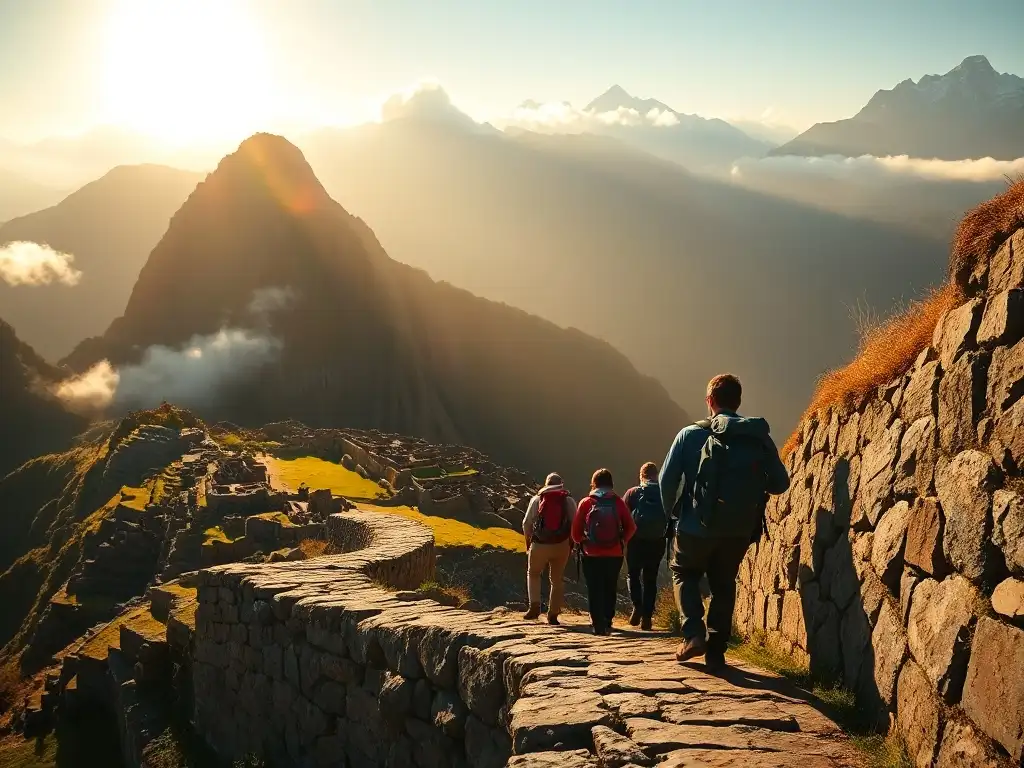
This section delves into the rich tapestry of cultural encounters experienced while traversing the Inca Trail, focusing on the historical significance of the archaeological sites encountered along the way. The Inca Trail isn't merely a challenging trek; it's a journey through time, offering unparalleled insights into the Inca civilization's sophisticated infrastructure, intricate social structures, and profound spiritual beliefs. Understanding the historical context of these sites enhances the overall experience, transforming a physical challenge into a deeply enriching cultural immersion. This unique "Inca Trail historical journey" allows for a profound connection with the past.
Inca Archaeological Sites: Discovering Ancient Cities
The Inca Trail boasts several remarkably preserved archaeological sites, offering glimpses into the daily lives of Inca communities. These aren't just ruins; they are living testaments to a sophisticated empire. The meticulous stonework, the strategic placement of structures, and the evidence of complex agricultural practices all contribute to a vivid picture of Inca ingenuity and adaptability. Many sites reveal evidence of agricultural terraces, showcasing the Incas' mastery of water management and their ability to cultivate food in challenging mountainous terrain.
This impressive feat of engineering is a testament to their understanding of their environment and their dedication to sustainable living. The careful placement of buildings, often integrated into the landscape itself, speaks volumes about their respect for nature and their ability to harmonize with their surroundings. These Inca Trail sites exemplify the Inca's ability to adapt their architectural style to suit the diverse terrain, highlighting the empire's remarkable resilience and adaptability.
Further research is needed to fully understand the specific function of some structures, but even the unanswered questions add to the intrigue and allure of these ancient cities. Careful observation and the guidance of experienced archaeologists reveal fascinating details about Inca social structures, religious practices, and daily life. The sheer scale of some of these sites – the intricate network of pathways, the impressive size of some buildings – is truly awe-inspiring and leaves a lasting impression on every visitor.
Wiñay Wayna: History and Significance
Wiñay Wayna, meaning "forever young" in Quechua, is arguably one of the most spectacular sites along the Inca Trail. Its remarkable state of preservation offers a unique opportunity to study Inca urban planning and agricultural techniques. The site features intricately designed agricultural terraces clinging to the steep mountain slopes, a testament to the Inca's mastery of irrigation and terracing. The layout of the residential and agricultural areas suggests a well-organized community, with structures designed to maximize space and resources.
Evidence suggests that Wiñay Wayna served as a significant agricultural center, supporting the larger Inca population. Detailed analysis of the remaining structures reveals the careful planning and execution involved in its construction. Researchers continue to uncover new details about Wiñay Wayna, adding to our understanding of Inca society and its organizational capabilities. The site also provides evidence of sophisticated water management systems, showcasing the Incas' advanced understanding of hydraulic engineering.
The combination of agricultural terraces and meticulously constructed buildings makes Wiñay Wayna a captivating example of Inca ingenuity and a crucial stop on any "Inca Trail historical journey". The sheer beauty of the site, nestled amidst stunning mountain scenery, further enhances its allure. The site's enduring beauty and historical significance make it a highlight of the Inca Trail experience.
Sayacmarca: Unveiling its Mysteries
Sayacmarca, meaning "town on the clouds," is a more enigmatic site than Wiñay Wayna. Its strategic location, perched high on a mountain ridge, suggests a defensive or ceremonial function, although its precise purpose remains debated among scholars. Unlike Wiñay Wayna's focus on agriculture, Sayacmarca appears to have served a different role within the Inca empire. The site's architecture is distinct, with smaller, more compact structures compared to other larger Inca sites.
This difference in architectural style hints at a specialized function, perhaps as a military outpost or a religious center. The site's relative isolation and impressive defensive features support the theory of a strategic military position. However, the presence of certain architectural elements also suggests a possible ceremonial or religious role. Further archaeological investigation is needed to definitively determine Sayacmarca's function within the broader context of the Inca empire.
The ongoing research and the site's unique characteristics make Sayacmarca a particularly intriguing stop on the Inca Trail, adding to the mystery and allure of this "Inca Trail historical journey". The enduring questions surrounding its purpose only add to the fascination of exploring this remarkable site. The challenge of deciphering its secrets is a part of its appeal, making it a truly unforgettable experience for any visitor.
Modern Andean Culture: A Living Heritage
The Inca Trail isn't just a journey through the past; it's a vibrant connection to the present. Walking the ancient pathways, you encounter the descendants of the Inca, people who continue to live and thrive in the Andes, maintaining traditions and cultural practices that stretch back millennia. Their daily lives are interwoven with the legacy of their ancestors, offering a powerful and moving counterpoint to the ruins themselves.
This living heritage is palpable in the textiles, the music, the languages, and the agricultural practices still prevalent in the region. The intricate weavings, often incorporating traditional Andean designs and techniques passed down through generations, tell stories of their history and beliefs. The vibrant colors and complex patterns are not merely aesthetic; they are imbued with deep cultural significance, representing their connection to the land and their ancestors.
The music, too, echoes through the mountains, often played on traditional instruments like the panpipes or zampoñas. These melodies, passed down orally for centuries, carry the soul of the Andes, expressing joy, sorrow, and the rhythms of daily life. The sounds intertwine with the landscape, creating a truly immersive and unforgettable experience for those traversing the Inca Trail.
Furthermore, the Quechua language, still spoken by many along the trail, acts as a direct link to the Inca past. While Spanish is widely used, hearing Quechua spoken reminds one of the enduring linguistic heritage of the region, a testament to the resilience of Andean culture.
Finally, the agricultural practices observed along the Inca Trail highlight the ingenuity and adaptation of Andean peoples. The terraces—remarkable feats of engineering—continue to be used for farming, demonstrating a sustainable approach to agriculture that has stood the test of time. These terraces, carved into the steep mountain slopes, are not mere historical artifacts; they are actively utilized, showcasing the continuity of Andean agricultural techniques and the deep connection between the people and their environment.
Witnessing these practices firsthand adds another layer of depth to the historical journey, transforming the Inca Trail from a simple trek into a profound exploration of a living, breathing culture. The enduring spirit of Andean culture along the Inca Trail provides a powerful testament to the resilience and adaptability of its people, enriching the historical journey with a vibrant and contemporary perspective.
Preparing for Your Inca Trail Historical Journey
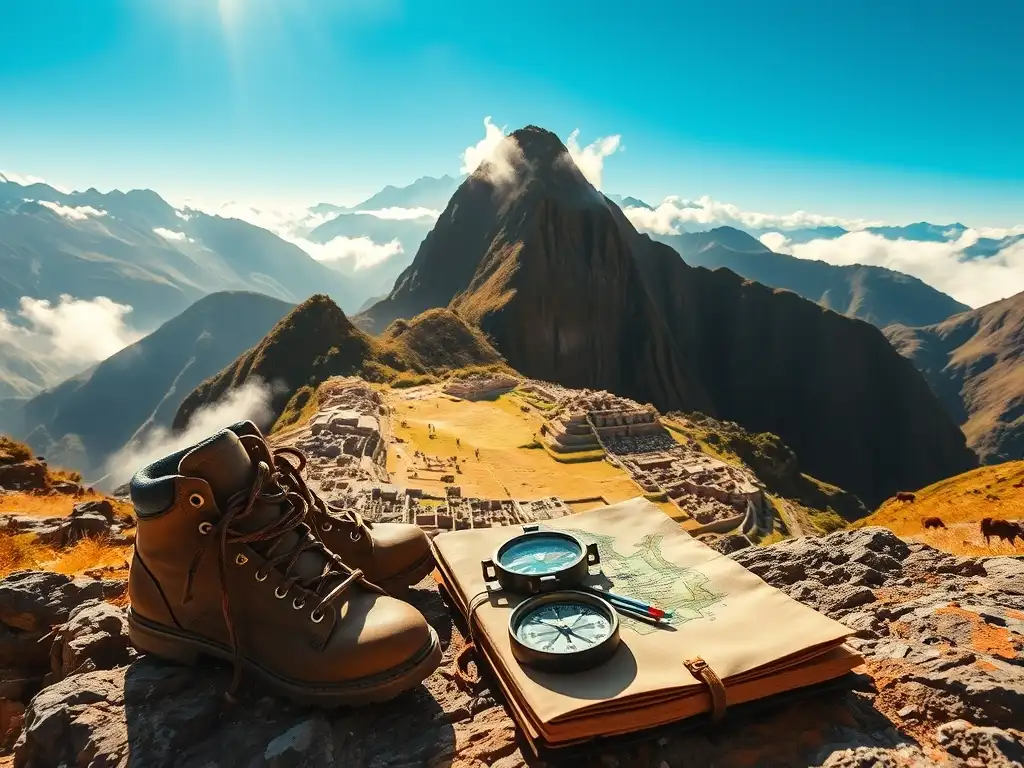
Embarking on the Inca Trail is more than just a hike; it's a profound Inca Trail historical journey, a trek through time that unveils the ingenuity and resilience of the Inca civilization. Proper preparation is paramount to ensuring a safe, enjoyable, and enriching experience. This section details the key aspects of preparation to optimize your journey along this iconic path. Understanding the regulations, physically conditioning yourself, and packing appropriately are crucial elements for a successful and memorable adventure.
Permits and Regulations: Essential Information
Navigating the Inca Trail requires careful attention to permits and regulations. The Peruvian government strictly controls access to protect the fragile ecosystem and historical sites. Obtaining the necessary permits well in advance is absolutely essential, as permits are often booked months, even a year, in advance, especially during peak season. Failure to secure the correct documentation will result in being denied access to the trail.
Your permit will specify your entry and exit dates, and any deviation from these dates will lead to penalties. This is not a simple matter of a slight delay; strict adherence to the permit is a requirement. The permit itself usually includes details regarding group size limits, authorized guides, and porters. You will not be able to complete the Inca Trail independently; a licensed guide and often porters are mandatory.
Furthermore, the regulations extend beyond the permit itself. There are rules regarding waste disposal (leave no trace principles are strictly enforced), the preservation of archaeological sites, and respectful interaction with local communities along the trail. Familiarizing yourself with these regulations before your departure is crucial for a responsible and sustainable Inca Trail historical journey. Understanding and respecting these regulations contributes to the preservation of this incredible historical site for future generations.
Physical Preparation: Training for the Trek
The Inca Trail is a challenging trek demanding a reasonable level of physical fitness. The altitude, uneven terrain, and daily distances require stamina and endurance. Preparing physically well in advance is not just recommended; it's vital for a safe and enjoyable experience. Ignoring this aspect can lead to altitude sickness, exhaustion, and potentially jeopardize your entire journey.
A comprehensive training regime should incorporate:
- Cardiovascular training: Regular running, hiking, or cycling will significantly improve your endurance. Aim for at least 3-4 sessions per week, gradually increasing the intensity and duration.
- Strength training: Focus on leg and core strength. Exercises such as squats, lunges, and planks will help you manage the challenging ascents and descents.
- Altitude acclimatization: If possible, spend a few days at a high altitude before starting the trek to help your body adjust to the thinner air. Even short periods at higher elevations can significantly reduce the risk of altitude sickness. This is especially crucial for those traveling from lower altitudes.
- Practice hikes: Replicate the conditions of the Inca Trail by undertaking several long hikes with a weighted backpack. This will help you assess your fitness level and identify any areas needing improvement. This practice is invaluable in helping you determine your pace and endurance levels.
Packing Essentials: Gear and Equipment for the Inca Trail
Packing appropriately is crucial for a comfortable and safe Inca Trail historical journey. Overpacking is as detrimental as underpacking. You need to balance carrying the necessary items without overwhelming yourself with unnecessary weight. Here's a suggested packing list:
| Item Category | Essential Items | Recommended Items |
|---|---|---|
| Clothing | Hiking boots (broken-in! ), moisture-wicking shirts, hiking pants, fleece jacket, waterproof jacket, warm hat, gloves | Hiking socks (multiple pairs! ), underwear (multiple pairs! ), sun hat, sunglasses |
| Sleeping Gear | Sleeping bag (rated for appropriate temperatures) | Sleeping pad |
| Backpack | Backpack (50-70 liters) | Daypack |
| Other Essentials | Water bottles/hydration reservoir, headlamp/flashlight, sunscreen, insect repellent, first-aid kit, toilet paper, biodegradable soap, trekking poles (optional but highly recommended) | Camera, binoculars, book, journal, snacks (trail mix, energy bars) |
Remember to pack light! Porters can carry a significant amount of weight, but you'll be responsible for carrying your daypack. Prioritize essential items and leave behind anything unnecessary. A well-organized and lightweight pack will significantly enhance your enjoyment of the Inca Trail historical journey. Proper planning will transform this challenging trek into an unforgettable experience.
Respecting the Environment: Sustainable Practices
Embarking on an Inca Trail historical journey means more than just admiring the breathtaking landscapes; it necessitates a deep commitment to environmental stewardship. The Inca Trail, a testament to the ingenuity of the Inca civilization, is also a fragile ecosystem. Preserving its natural beauty for future generations requires responsible tourism practices from every traveler. This involves far more than simply carrying out your trash; it demands a mindful approach to every aspect of your trek.
Sustainable practices begin long before you set foot on the trail. Careful planning minimizes your environmental impact. Choosing a reputable tour operator committed to sustainable tourism is crucial. These operators often implement stringent waste management protocols, utilize eco-friendly materials, and contribute to local conservation efforts. Look for certifications and testimonials that demonstrate their commitment to responsible practices. For example, some operators invest in local communities by supporting fair wages and employing local guides, thus contributing to the economic sustainability of the region.
During your trek, minimizing your footprint is paramount. This involves adhering strictly to the "Leave No Trace" principles. Every piece of waste, from biodegradable food scraps to non-biodegradable wrappers, should be carried out. Remember, even seemingly insignificant items like orange peels can disrupt the delicate ecosystem. Proper waste disposal is not just a matter of courtesy; it's essential for protecting the trail's biodiversity and the health of the surrounding environment. The improper disposal of waste can attract animals, leading to the spread of diseases and the disruption of natural habitats.
Furthermore, responsible water usage is vital. The Inca Trail's water sources are precious and limited. Avoid excessive water consumption, and when you do need to hydrate, ensure you do so responsibly. Refrain from washing clothes or dishes in streams and rivers; this can contaminate the water and harm aquatic life. Respect the natural springs and water sources crucial to both the environment and the local communities. The impact of irresponsible water usage can be significant, leading to water scarcity and threatening the delicate balance of the ecosystem.
Finally, respectful interaction with the local flora and fauna is paramount. Avoid touching or disturbing plants and animals. Keep a safe distance from wildlife, and never attempt to feed them. Remember, you are a visitor in their home.
By treating the environment with respect, you contribute to the preservation of this unique and historically significant site, ensuring that future generations can also experience the magic of the Inca Trail and appreciate the profound historical journey it offers. The Inca Trail's beauty lies not only in its historical significance but also in the pristine environment that surrounds it. Let's ensure we keep it that way.
The Lasting Legacy of the Inca Trail
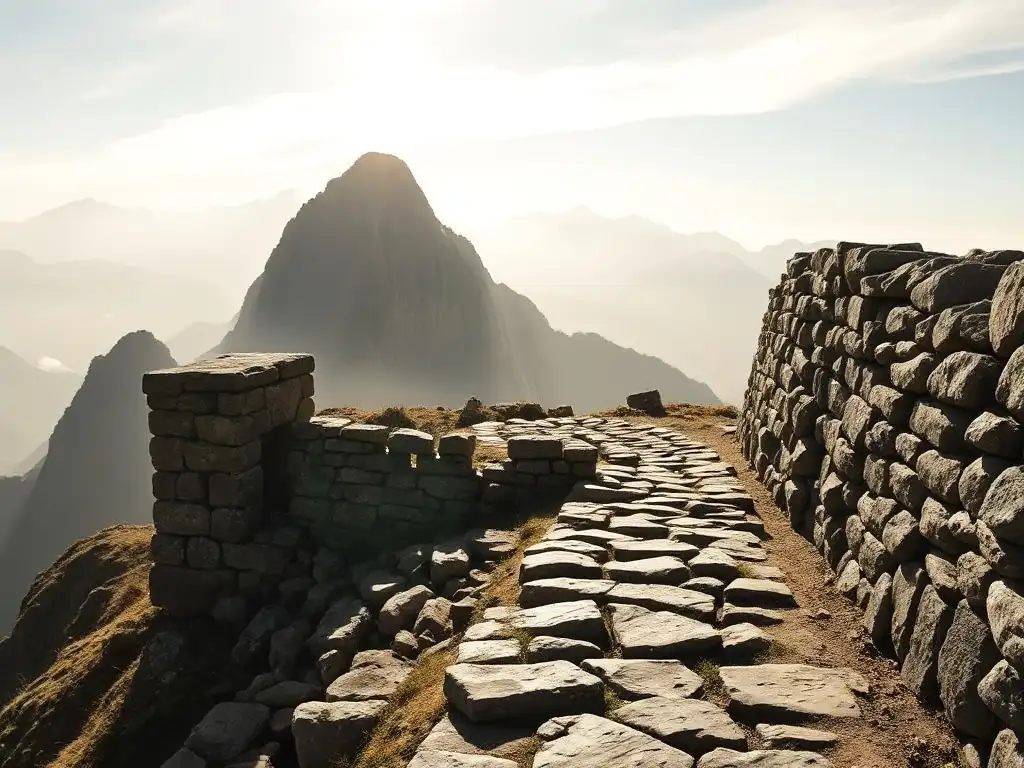
The Inca Trail, far from being merely a path worn by the feet of travelers, represents a tangible link to a sophisticated civilization that thrived centuries ago. Its enduring legacy extends beyond its breathtaking Andean scenery; it embodies the ingenuity, organization, and cultural richness of the Inca Empire. This network of pathways, meticulously planned and constructed, served as the vital arteries of the Inca state, facilitating communication, trade, and military movement across a vast and challenging terrain.
The very stones that comprise the trail whisper tales of a bygone era, echoing the footsteps of emperors, messengers, and pilgrims who once traversed these ancient routes. Understanding the Inca Trail's lasting legacy requires appreciating its multifaceted role within the Inca societal fabric, a role that continues to resonate today.
The impact of the Inca Trail extends beyond its physical presence; it's a powerful symbol of cultural heritage and resilience, a testament to the enduring spirit of the Andean people. Its historical significance continues to shape tourism, archaeological research, and cultural preservation efforts in Peru.
Preserving the Inca Trail: Conservation Efforts
Preserving the Inca Trail is a complex undertaking, requiring a delicate balance between protecting its historical integrity and managing the influx of tourists. The trail's popularity presents both opportunities and challenges. Increased tourism generates revenue that can be reinvested in conservation initiatives, but it also puts a strain on the fragile ecosystem and the trail's infrastructure. Conservation efforts encompass a range of activities, including:
- Erosion control: Implementing measures to mitigate the impact of foot traffic on the trail's surface, such as strategically placed stones and improved drainage systems.
- Waste management: Strict regulations and educational campaigns aimed at promoting responsible waste disposal amongst hikers, minimizing the environmental impact of litter.
- Archaeological preservation: Careful monitoring and protection of the numerous archaeological sites located along the trail, ensuring their preservation for future generations. This includes limiting access to sensitive areas and implementing preventative conservation measures.
- Sustainable tourism practices: Promoting responsible tourism practices that minimize the environmental and cultural impact of visitors, such as limiting the number of permits issued and encouraging the use of eco-friendly products and services. This includes supporting local communities through ethical tourism practices.
- Community involvement: Engaging local communities in conservation efforts, empowering them to become active stewards of their cultural heritage. This ensures the long-term sustainability of conservation efforts and promotes economic benefits for local communities.
The effectiveness of these efforts relies heavily on collaboration between government agencies, NGOs, local communities, and tourism operators. Continuous monitoring and adaptive management strategies are essential to ensure the long-term preservation of this invaluable historical resource and to ensure the Inca Trail remains a sustainable destination for future generations. The ongoing challenge is to balance accessibility with preservation, ensuring the experience remains enriching without compromising the Inca Trail's historical integrity.
The Inca Trail as a Cultural Heritage Site
The Inca Trail holds significant cultural value, extending far beyond its physical attributes. It is a UNESCO World Heritage Site, a designation that acknowledges its global importance as a unique and irreplaceable cultural landmark. Its cultural significance stems from its deep connection to the Inca Empire's history, beliefs, and practices. The trail served not only as a practical route but also as a symbolic pathway, embodying the Inca worldview and their connection to the Andean landscape.
The trail is intimately linked to Inca mythology and cosmology, with many sites along the route holding spiritual significance. Many sections of the trail pass through areas of significant archaeological importance, such as Inca ruins, agricultural terraces, and ceremonial sites. These sites provide invaluable insights into the Inca's daily life, their social structures, and their relationship with their environment.
The Inca Trail is more than just a path; it is a living testament to a rich and complex culture, a vibrant tapestry woven from history, mythology, and the enduring spirit of the Andean people. Its preservation is not just a matter of protecting physical structures, but of safeguarding a vital piece of cultural heritage for the world. Understanding the trail's cultural context enriches the experience for visitors, transforming a hike into a deeply meaningful historical journey.
Experiencing the Inca Trail: A Transformative Journey
Embarking on the Inca Trail is more than just a hike; it’s a transformative experience that connects you to the rich history and breathtaking beauty of the Andes. The journey itself is a physical and spiritual adventure, demanding physical stamina but rewarding you with unparalleled views and a profound connection to the past. The trail offers a unique opportunity to immerse yourself in the stunning landscapes of the Andes, from lush cloud forests to high-altitude passes.
Each step you take along the ancient stones brings you closer to understanding the ingenuity of the Inca engineers and the resilience of the Andean people who built and maintained this remarkable pathway. The Inca Trail is a testament to human achievement and a powerful reminder of the enduring legacy of the Inca Empire. Experiencing this Inca Trail historical journey leaves an indelible mark on the soul, a lasting memory of adventure, discovery, and a profound connection to history.
The combination of physical challenge, stunning scenery, and rich historical context makes the Inca Trail an unforgettable experience. The journey is a powerful way to connect with the past, fostering a deeper appreciation for the Inca civilization and the Andean culture.
Beyond the Hike: The Broader Context of the Inca Trail
This section delves into the historical significance of the Inca Trail, moving beyond the popular perception of it as merely a challenging trek. We will explore the Inca Trail's crucial role within the broader context of the Inca Empire, its connection to Inca beliefs, and its lasting legacy on Andean engineering and architecture. Understanding these aspects transforms the Inca Trail experience from a physical challenge into a profound historical journey. This nuanced perspective is key to appreciating the true "Inca Trail historical journey".
The Inca Empire: A Powerful Civilization
The Inca Empire, at its zenith, controlled a vast territory spanning much of the Andes Mountains, encompassing modern-day Peru, Bolivia, Ecuador, Colombia, Argentina, and Chile. Its power wasn't just based on military might; sophisticated administrative systems, intricate road networks like the Inca Trail, and a complex social structure contributed significantly to its success. The Inca Trail itself wasn't a single path, but rather a part of a larger network of roads, strategically designed to connect distant regions, facilitating trade, communication, and military movements.
This network was vital for the efficient governance of such a geographically diverse and extensive empire. The Inca's mastery of engineering, evident in their road construction, allowed them to overcome challenging terrains, including steep mountains, deep valleys, and dense jungles. Their ability to construct durable roads in such varied and difficult environments speaks volumes about their advanced engineering skills and organizational capacity.
This intricate road system, including the Inca Trail, was a testament to their political power and organizational prowess, solidifying their control over a vast and diverse empire. The scale and complexity of the Inca road system remains a remarkable feat of ancient engineering.
Inca Beliefs and Cosmology: Understanding Their Worldview
The Inca Trail wasn't just a practical route; it held deep spiritual significance for the Inca people. Their worldview was intricately connected to their environment, with mountains, rivers, and celestial bodies playing vital roles in their cosmology. The Inca Trail, traversing sacred landscapes and passing near significant sites, likely served as a pilgrimage route, connecting different sacred places and reinforcing their religious beliefs.
The Inca believed in the power of huacas (sacred places), and many sections of the Inca Trail likely passed near or incorporated these sites into their route. This integration of the spiritual and the practical demonstrates a holistic understanding of their world, where the physical and the spiritual were interwoven. The strategic placement of huacas along the trail might have also served practical purposes, such as providing resting places for travelers or marking important distances.
Further research is needed to fully understand the precise spiritual significance of specific locations along the Inca Trail, but the evidence strongly suggests a deeper meaning beyond its purely utilitarian function. The Inca Trail, therefore, becomes a more meaningful "Inca Trail historical journey" when viewed through the lens of Inca cosmology and spiritual beliefs.
The Enduring Impact of Inca Engineering and Architecture
The Inca Trail stands as a powerful testament to the ingenuity and resilience of Inca engineering. The construction techniques employed, including the use of stonework without mortar, are still admired for their precision and durability. Many sections of the trail remain remarkably well-preserved, a testament to the quality of Inca workmanship and their understanding of Andean geology. The trail's construction also showcases the Inca's adaptive approach to engineering, with different sections exhibiting variations in design and construction methods depending on the terrain.
This adaptability is a crucial aspect of understanding their engineering prowess, demonstrating their ability to solve complex logistical and environmental challenges. The enduring legacy of the Inca Trail transcends its historical significance; it continues to inspire modern engineers and architects. The principles of sustainable construction and adaptation to the environment, embedded in Inca engineering, offer valuable lessons for contemporary projects.
The Inca Trail’s enduring presence, even today, represents a powerful symbol of the Inca’s remarkable achievements, making the "Inca Trail historical journey" even more impactful. The study of the Inca Trail and its construction techniques continues to provide valuable insights for modern engineering and construction practices. The Inca's mastery of resource management and sustainable building practices remains relevant and inspiring today.
Frequently Asked Questions
What makes the Inca Trail more than just a hike?
The Inca Trail offers a unique historical journey, traversing ancient Inca ruins and landscapes. It's a chance to experience the rich history of the Inca civilization firsthand, going beyond a simple trek. You'll witness breathtaking scenery and learn about the Inca's engineering prowess.
How long does the classic Inca Trail trek take?
The classic Inca Trail trek to Machu Picchu typically takes four days and three nights. This allows ample time to explore the significant Inca sites along the route and acclimatize to the altitude. Shorter treks are available, but they may miss some key sites.
What is the level of difficulty on the Inca Trail?
The Inca Trail is considered a moderate to strenuous trek. It involves significant uphill and downhill sections, carrying your own backpack, and hiking at high altitude. Physical fitness and preparation are essential.
What kind of permits are needed for the Inca Trail?
Permits are absolutely essential for trekking the Inca Trail. These permits are highly regulated and must be booked well in advance through a licensed tour operator. Booking far in advance is crucial due to limited daily permits.
What historical sites will I see on the Inca Trail?
The Inca Trail offers a remarkable opportunity to visit numerous significant Inca ruins along the way, such as Runkurakay, Sayacmarca, and Phuyupatamarca. You'll also see stunning Inca agricultural terraces and gain a deeper understanding of their sophisticated road system.
Final Reflection: Echoes of the Inca on the Modern Trail
The Inca Trail isn't merely a challenging hike; it's a living testament to a civilization that continues to resonate in the hearts and minds of those who traverse its ancient stones. The breathtaking landscapes and rigorous physical demands are secondary to the profound historical and cultural immersion experienced along its winding path. The echoes of the Inca Empire, though centuries old, remain powerfully present, shaping our understanding of the past and informing our present.
The enduring legacy of the Inca is not just confined to the ruins themselves, but permeates the very fabric of Peruvian society and its cultural identity. The ingenuity of their engineering, their sophisticated social structures, and their deep connection to the land continue to inspire awe and wonder. The past is never dead. It's not even past.
- William Faulkner. This quote perfectly encapsulates the experience of walking the Inca Trail; the past is vividly alive, whispering stories of resilience, innovation, and a profound connection to the natural world. It's a humbling experience to walk in the footsteps of such a remarkable civilization.
You, the reader, now carry a piece of this history with you. Consider how the Inca's ingenuity, their respect for their environment, and their intricate social systems can inform your own life. Reflect on the resilience of the human spirit, the power of community, and the importance of preserving our shared heritage. Let the echoes of the Inca inspire you to explore your own history, to connect with the world around you, and to strive for a future where sustainability and cultural understanding are paramount. The journey continues, beyond the trail itself.
Embark on Your Own Journey Through Time!
Thank you for joining us on this exploration of the Inca Trail, a remarkable adventure that goes far beyond a simple hike. We hope you've been inspired by the rich history, stunning landscapes, and cultural insights shared in this article. Now, let's put that inspiration into action!
Here are a few ways to further connect with the Inca Trail and Andean culture:
- **Book your Inca Trail trek** and experience the breathtaking beauty and history for yourself.
- **Join our community**! Share your experiences in our forums or follow us on social media to connect with fellow travelers and history enthusiasts.
- **Explore authentic Peruvian cuisine** by trying your hand at traditional Andean recipes at home.
What unforgettable memories do you hope to create on your Inca Trail journey? We'd love to hear your thoughts!