
Coastal Roads of the Incas: Linking a Vast and Diverse Territory

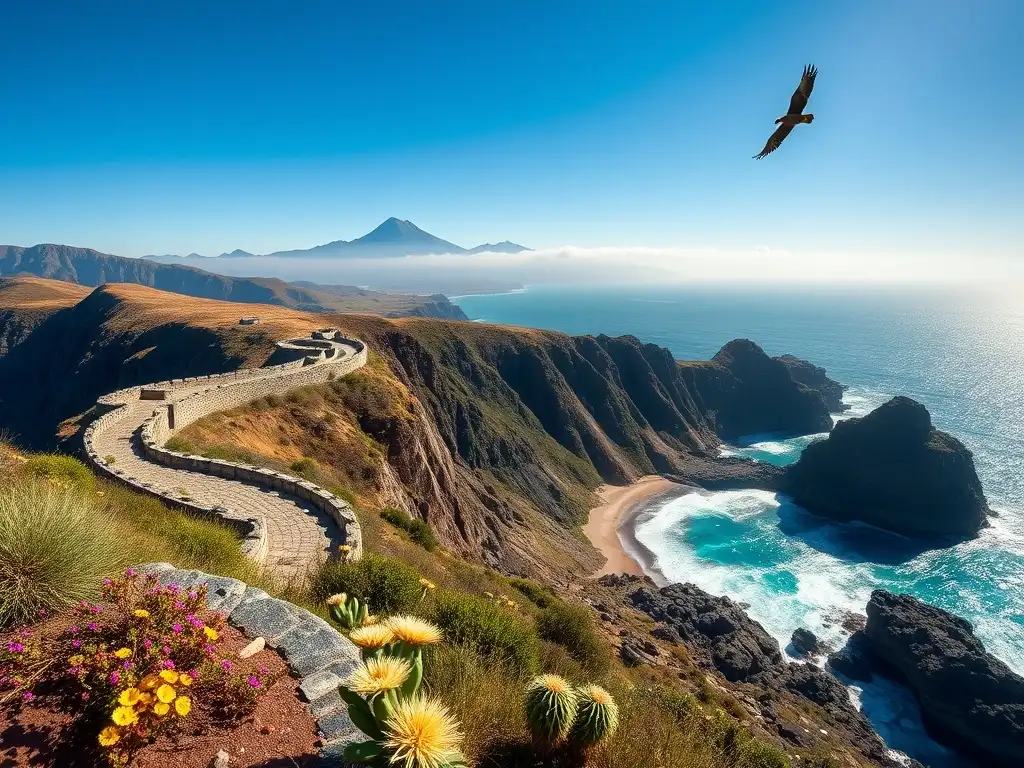
Step into a world lost to time, yet echoing with the ingenuity of a vanished empire. Imagine a civilization that carved a network of roads across treacherous Andean terrain, connecting distant cities and cultures. This is the story of the Inca coastal road system, a marvel of ancient engineering that continues to astound. Uncover the secrets behind this remarkable feat and explore the breathtaking ingenuity of the Inca civilization – your journey into the heart of Andean history begins now.
- Inca Coastal Road System: Linking a Vast and Diverse Territory
- Building the Inca Coastal Highway: Engineering Marvels
- Key Coastal Routes and Their Significance
- Functions and Impact of the Inca Coastal Road Network
- Preservation and Legacy of the Inca Coastal Roads
- Understanding the Inca Coastal Infrastructure: A Summary
-
Frequently Asked Questions
- What was the purpose of the Inca coastal road system?
- How extensive was the Inca coastal road system?
- What materials were used to build the Inca coastal road system?
- How did the Inca coastal road system impact trade and commerce?
- What challenges did the Inca face in building the coastal road system?
- Final Reflection: Echoes of the Inca Road: A Legacy of Connection
- Embark on Your Journey Through Incan Coastal Roads!
Inca Coastal Road System: Linking a Vast and Diverse Territory
The Inca Empire, renowned for its sophisticated engineering feats, controlled a vast and diverse territory spanning the Andes Mountains and extending to the Pacific coast. This impressive dominion wasn't solely achieved through military might; a crucial element of Inca success was their remarkably extensive road network, a feat of logistical brilliance that facilitated communication, trade, and the movement of troops and resources across challenging terrains. This article delves into the lesser-known, yet equally impressive, Inca coastal road system, exploring its strategic importance and the engineering marvels that allowed the Incas to connect their far-flung coastal settlements with the heartland of their empire.
Understanding this intricate network provides invaluable insight into the Inca's organizational prowess and their ability to manage a sprawling empire with remarkable efficiency. We will examine the construction techniques, the strategic locations of the roads, and their lasting impact on the regions they connected, highlighting the ingenuity of Inca engineers and their profound influence on the development of the Andean region.
This exploration will reveal the vital role the coastal roads played in maintaining the Inca empire's power and prosperity, solidifying its place as one of history's most impressive logistical achievements. The keyword "Inca coastal road system" will be explored in detail throughout this article.
The Importance of the Inca Road Network
The Inca road system, often called the Qhapaq Ñan, is considered one of the greatest engineering accomplishments of pre-Columbian America. Spanning over 40,000 kilometers (approximately 25,000 miles), this intricate network of roads connected the diverse regions of the Inca Empire, facilitating the movement of people, goods, and information with unparalleled efficiency. The roads weren't simply pathways; they were strategically planned and meticulously constructed to withstand the challenging Andean geography.
They facilitated the swift mobilization of armies, ensuring the Inca's control over their vast empire. Furthermore, the roads were vital for the efficient distribution of resources, allowing for the effective management of agricultural surpluses and the equitable distribution of goods throughout the empire. The system also played a crucial role in religious practices, connecting sacred sites and facilitating pilgrimage.
The Qhapaq Ñan was more than just a road system; it was the backbone of the Inca Empire, a testament to their advanced understanding of engineering, logistics, and administration. The impact of this network is still felt today, with sections of the road still visible and actively used in modern times.
Coastal Roads: A Vital Artery of the Inca Empire
While the high-altitude Andean sections of the Qhapaq Ñan are often highlighted, the Inca coastal roads deserve equal recognition for their significance. These roads, often built along the narrow coastal plains, presented unique engineering challenges, such as navigating steep cliffs, traversing sandy beaches, and crossing rivers and estuaries. Despite these challenges, the Incas constructed impressive coastal routes that connected important ports and settlements along the Pacific coast. These coastal roads were essential for trade, connecting the empire to its maritime resources and facilitating the exchange of goods with coastal communities.
The transportation of fish, salt, and other coastal products to the inland regions was crucial for the Inca economy, demonstrating the strategic importance of these coastal arteries. Moreover, the coastal roads facilitated communication with coastal settlements, allowing the Inca administration to maintain control and collect tributes from these strategically important regions. Archaeological evidence suggests the use of advanced techniques, such as stone paving and sophisticated drainage systems, to ensure the durability and functionality of these coastal roads, even in challenging environmental conditions.
The construction of bridges and causeways further highlights the Inca's sophisticated understanding of engineering principles and their commitment to building a robust and sustainable infrastructure. The Inca coastal road system, therefore, was not just a supplementary part of the larger network; it was a vital artery that ensured the economic and political stability of the empire. The system’s efficiency allowed for rapid response to any threats and ensured the smooth functioning of the Inca state.
Building the Inca Coastal Highway: Engineering Marvels
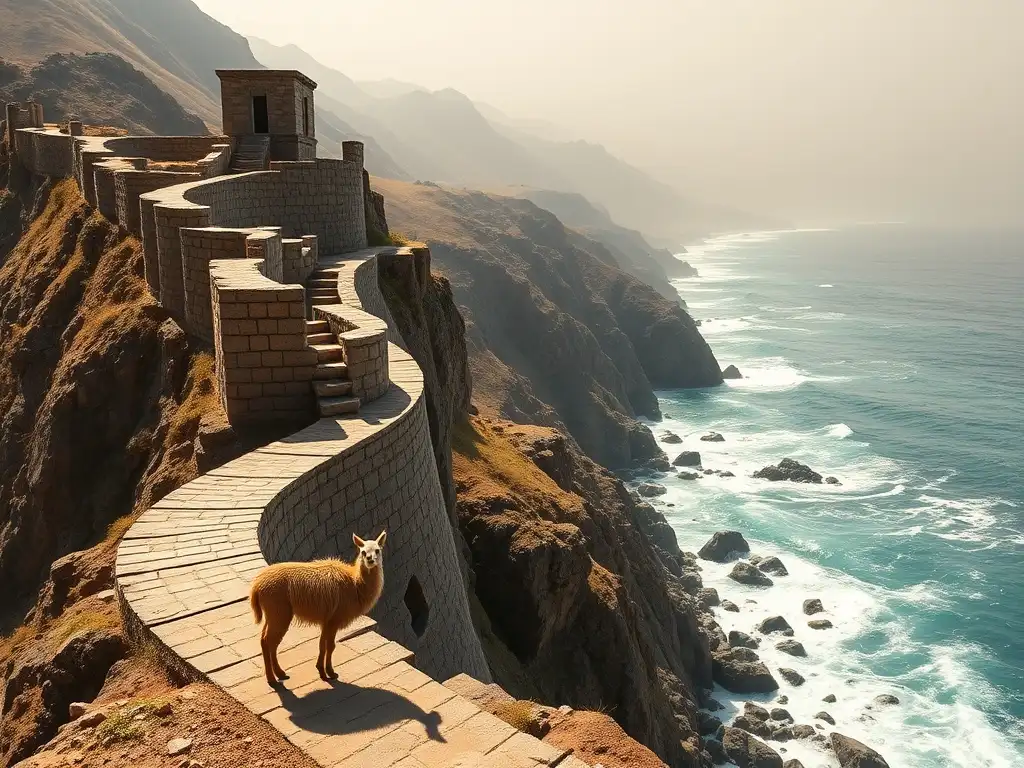
The Inca coastal road system, a testament to their sophisticated engineering prowess, stands as a remarkable achievement in ancient infrastructure. Spanning hundreds of kilometers along the rugged Peruvian coastline, this network of pathways facilitated communication, trade, and the movement of troops throughout the vast Inca empire. Unlike the more famous high-altitude roads winding through the Andes, the coastal routes presented unique challenges, requiring innovative solutions and a deep understanding of the coastal environment.
The construction of these roads wasn't merely a matter of laying down stones; it was a carefully planned and executed undertaking involving meticulous surveying, resource management, and highly skilled labor. The ingenuity displayed in overcoming the obstacles presented by the terrain is truly awe-inspiring.
Understanding the construction methods employed reveals the extent of Inca technological and organizational capabilities. The Inca coastal road system wasn't just a series of paths; it was a vital artery connecting disparate parts of their empire, a crucial element in their political and economic dominance.
Materials and Techniques Used in Coastal Road Construction
The materials used in the construction of the Inca coastal roads were carefully selected based on their availability and durability in the harsh coastal environment. While stone remained a primary building material, the specific type varied depending on the location. In areas with abundant readily available stone, such as near quarries, large, well-cut blocks were used to create sturdy, long-lasting sections.
However, in areas where stone was scarce, the Incas cleverly adapted, utilizing readily available materials like compacted earth, gravel, and even seashells to create a stable road base. The use of these varied materials highlights the Inca's resourcefulness and adaptability.
The construction techniques were equally impressive. The roads weren't simply piled haphazardly; they were meticulously engineered. Drainage systems were incorporated to prevent erosion and flooding, a critical consideration given the proximity to the sea. These systems often involved strategically placed channels and culverts to divert water away from the road surface.
In some areas, retaining walls were built to stabilize slopes and prevent landslides, a common hazard along the steep coastal cliffs. The precision and skill demonstrated in the construction of these walls, often using precisely fitted stones, are a testament to the advanced engineering skills of the Inca builders. Furthermore, the use of different building techniques depending on the terrain and available materials showcases a remarkable understanding of engineering principles.
Adapting to the Coastal Terrain: Challenges and Solutions
Constructing roads along the Peruvian coast presented a unique set of challenges. The terrain itself was incredibly varied, ranging from steep cliffs and sandy beaches to rocky outcrops and fertile valleys. The constant threat of erosion from wind, rain, and sea spray further complicated matters. The Incas, however, were remarkably adept at overcoming these obstacles. They employed a variety of techniques to adapt their road construction to the specific challenges of each location.
For instance, in areas with steep slopes, they built retaining walls and terraces to stabilize the ground and prevent landslides. These walls were often constructed from large, precisely fitted stones, demonstrating their mastery of stonework. In sandy areas, they used compacted earth and gravel to create a stable road base, preventing the road from sinking into the sand.
Where cliffs presented an insurmountable obstacle, they cleverly carved paths into the rock face, demonstrating their skill in quarrying and rock-cutting. The ingenious solutions they devised to overcome these challenges are a testament to their exceptional engineering skills and adaptability. Their ability to navigate such diverse and challenging terrain is a remarkable feat of ancient engineering.
Labor and Organization Behind the Inca Road System
The construction of the extensive Inca coastal road system required a massive undertaking involving meticulous planning, organization, and a large workforce. The Inca empire possessed a highly centralized and efficient system of labor mobilization known as mita. This system required citizens to contribute a certain amount of labor to public works projects, which included road construction. While the exact number of workers involved in any given project is unknown, the scale of the road network suggests it must have involved tens of thousands of people at various points.
The organization involved in such a vast project was equally impressive. The Inca state meticulously planned the construction, allocating resources and assigning workers according to the specific needs of each section of the road. Specialized labor groups, including stonemasons, earthworkers, and other skilled artisans, were deployed to perform specific tasks.
The Inca's ability to coordinate the efforts of such a large and dispersed workforce across vast distances and diverse terrains highlights their sophisticated organizational capabilities. This level of organization and logistics was crucial to the success of the project, ensuring the timely completion of the road network and its integration into the broader Inca infrastructure. The Inca road system, therefore, wasn't just a testament to their engineering skills, but also to their remarkable administrative and organizational prowess.
Key Coastal Routes and Their Significance
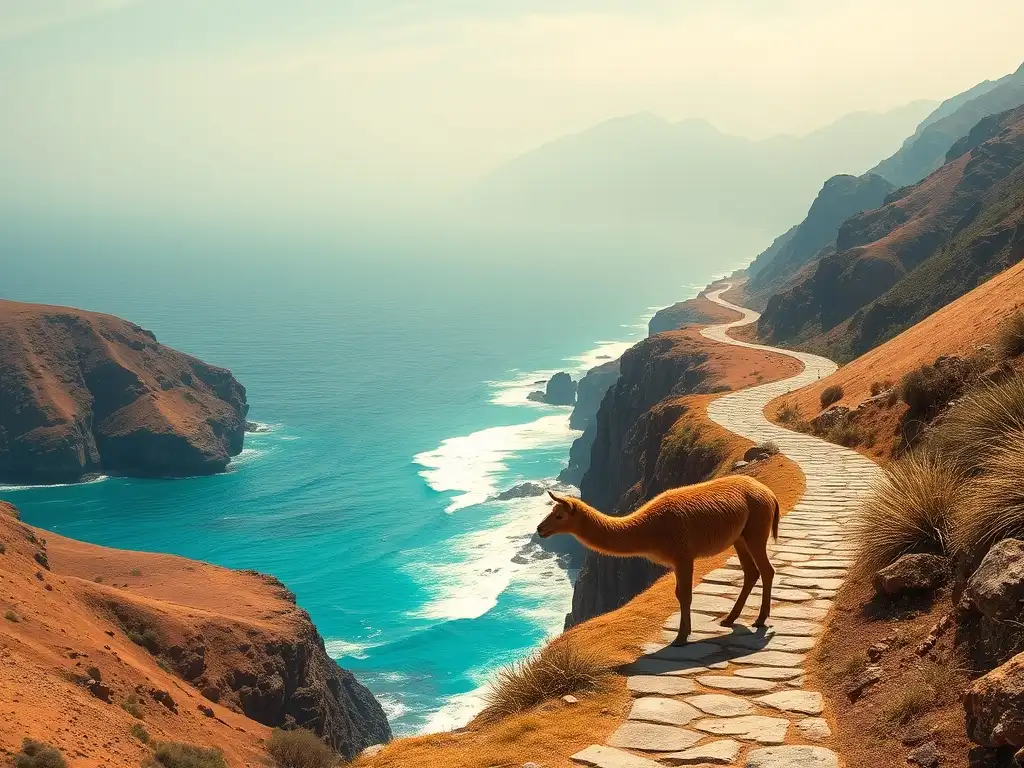
The Inca coastal road system, a marvel of ancient engineering, wasn't a single continuous highway, but rather a network of interconnected routes tailored to the challenging Andean geography. This intricate system facilitated communication, trade, and the movement of resources across a vast and diverse territory. Understanding the key routes and their strategic importance is crucial to appreciating the sophistication of Inca logistics and infrastructure.
The Inca's mastery of road building, particularly along the coast, showcases their adaptive engineering skills, navigating deserts, valleys, and cliffs with remarkable proficiency. This section will delve into three major coastal arteries: the northern, central, and southern routes, highlighting their unique characteristics and significance within the broader Inca road network.
The Northern Coastal Road: Route from Tumbes to Chan Chan
This northernmost coastal route began in Tumbes, near the border with modern-day Ecuador, and extended southwards to the powerful Chimú capital of Chan Chan. This section of the Inca coastal road system was particularly important for controlling access to the valuable resources and trade routes of the northern coast. The terrain here presented significant challenges: arid desert stretches interspersed with steep coastal cliffs and river valleys.
Evidence suggests the Inca engineers employed innovative techniques to overcome these obstacles, including the construction of bridges, ramps, and carefully engineered pathways carved into the cliffs. The road likely followed existing pre-Inca trails, adapting and improving them to meet the Inca's needs for efficient and reliable transport. The abundance of fish, guano, and other coastal resources along this route made it a vital artery for supplying the Inca Empire.
Archaeological findings, including remnants of waystations and storage facilities along the route, support the idea of a well-maintained and strategically planned transport network. The integration of this pre-existing Chimú territory into the Inca Empire highlighted the importance of this road for both economic and administrative control. Detailed mapping of this section remains a work in progress, with much of the route still obscured by the encroaching desert and modern development.
The Central Coastal Road: Route through the Rimac Valley
The central coastal road, arguably the most extensively studied section of the Inca coastal road system, traversed the fertile Rimac Valley, passing through important settlements and connecting to the extensive inland road network. This route connected the coastal cities to the capital, Cusco, facilitating the flow of goods, messages, and personnel. The Rimac Valley's relatively flat terrain compared to other coastal regions made construction arguably easier, though the management of river crossings and the construction of bridges still demanded considerable engineering skill.
This route was vital for supplying the population centers around Lima and also served as a crucial link to the agricultural heartlands of the Andes. The road's construction demonstrates a deep understanding of Inca engineering principles, particularly in terms of drainage and stability. This section also benefitted from the presence of readily available materials, such as stone and earth, facilitating construction and maintenance.
Records and archaeological evidence suggest that this road was exceptionally well-maintained, enabling rapid communication and efficient transport throughout the central coast. The strategic placement of tambos (Inca waystations) along the route provided rest stops and storage facilities, showcasing the logistical sophistication of the Inca Empire.
The Southern Coastal Road: Route along the Ica and Nazca regions
The southern coastal road, extending through the Ica and Nazca regions, presented unique challenges due to the harsh desert environment and the presence of the Nazca Lines. This section of the Inca coastal road system demonstrates the Inca's ability to adapt their engineering techniques to diverse landscapes. While less extensively studied than the central route, the available evidence suggests a less continuous and potentially more rudimentary road system compared to the north and central sections.
The aridity and challenging terrain likely led to less frequent and smaller settlements along this route, impacting the scale of construction and maintenance. Nevertheless, the presence of significant settlements in the area indicates the importance of this route, even if it differed in scale and construction from other coastal roads. The Inca’s integration of the pre-existing Nazca culture and its infrastructure into their own road network exemplifies their administrative and logistical capabilities.
Further research is needed to fully understand the extent and nature of this southern coastal route, particularly its interaction with the enigmatic Nazca Lines and the impact of the challenging geographical conditions on its design and implementation. The discovery of new archaeological evidence could significantly enhance our understanding of this critical, yet less documented, section of the Inca coastal road system.
Connecting Coastal Roads to Inland Routes
The Inca coastal road system wasn't a standalone entity; its true power lay in its integration with the empire's extensive inland network. This intricate connection facilitated the efficient movement of goods, people, and messages across vastly different terrains, from the arid coastal deserts to the high Andes mountains. The strategic placement of chasquis (relay runners) along both coastal and inland routes ensured rapid communication across the empire. Messages, often conveyed using quipus (knotted cords), could travel hundreds of kilometers in a remarkably short time, allowing for swift responses to emergencies or the efficient coordination of resources.
The integration wasn't simply a matter of parallel routes. Ingenious engineering solutions, such as carefully constructed bridges and mountain passes, connected the seemingly disparate networks. These connecting points were often strategically located near important agricultural zones or resource-rich areas, maximizing the economic benefits of the integrated system. For example, coastal communities could readily access highland agricultural products, while highland populations gained access to vital marine resources like fish and salt.
This exchange was crucial for maintaining the empire's stability and prosperity. The flow wasn't unidirectional; it was a dynamic exchange system supporting the diverse needs of the entire empire. The design and construction of these connecting routes reflect a sophisticated understanding of geography and logistics, showcasing the Inca's mastery of infrastructure development. The careful consideration given to terrain and accessibility highlights the empire's commitment to maintaining efficient communication and trade across its vast and varied territory.
This intricate network facilitated not only the movement of goods but also the cultural exchange and the consolidation of power across the empire. The seamless integration of coastal and inland routes exemplifies the Inca's exceptional engineering skills and their strategic vision in managing a complex and geographically challenging empire. The effectiveness of this integrated system is a testament to their advanced understanding of logistics and infrastructure planning.
Functions and Impact of the Inca Coastal Road Network
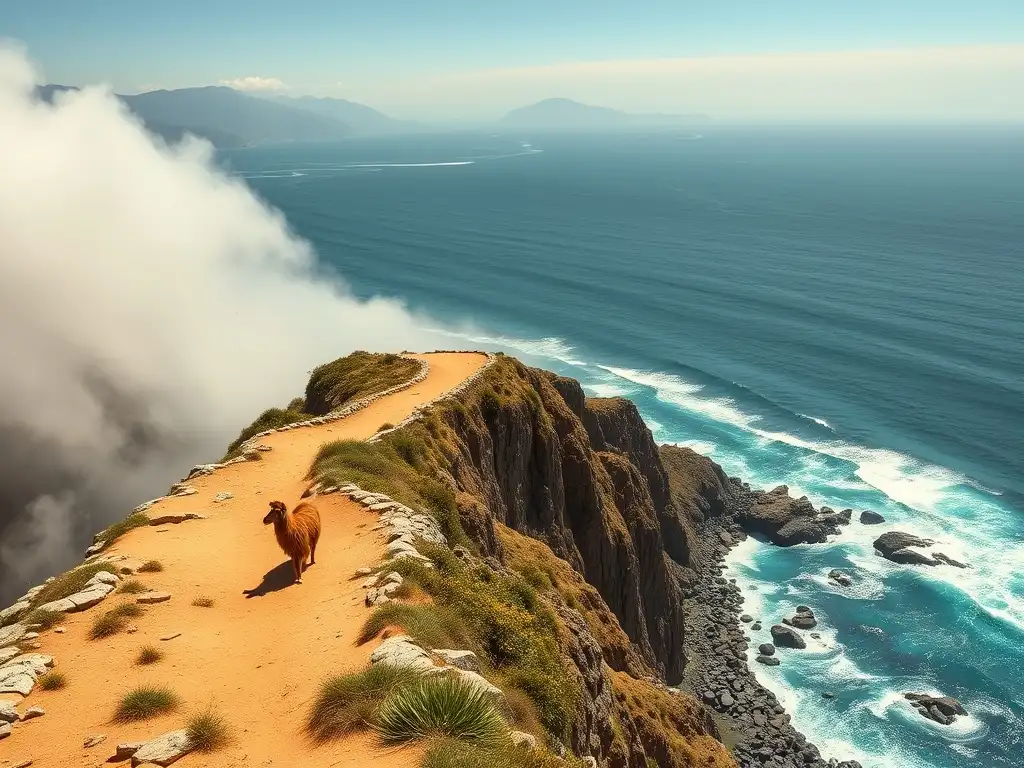
The Inca coastal road system, a marvel of ancient engineering, served far more than just a means of transportation. Its impact on the Inca Empire was multifaceted, profoundly shaping its economic, political, and social fabric. This intricate network of pathways, meticulously carved into the challenging Andean terrain, facilitated a level of integration and control unprecedented for its time.
Understanding the multiple functions of this system is crucial to appreciating the sophisticated organization of the Inca state. The strategic placement of roads, strategically connecting coastal settlements with the highland heartland, facilitated efficient governance and resource management across a vast and diverse territory. Analyzing its impact reveals the ingenuity and foresight of Inca engineers and administrators.
Facilitating Trade and Resource Distribution
The Inca coastal road system played a pivotal role in facilitating trade and resource distribution throughout the empire. The coastal regions, rich in marine resources like fish, shellfish, and guano (bird droppings used as fertilizer), were vital to the Inca economy. These resources were transported inland via the road network, sustaining populations in the highlands and supporting agricultural production. Conversely, highland products such as textiles, maize, and potatoes were transported to coastal communities, ensuring a balanced exchange of goods and fostering economic interdependence.
The efficiency of the Inca road network is evidenced by the scale of resource mobilization required for large-scale construction projects. The construction of Machu Picchu, for instance, required the transport of vast quantities of stone, timber, and other materials over significant distances. This would have been impossible without a well-maintained and strategically planned road system.
Furthermore, the presence of tambos, strategically spaced waystations along the roads, provided essential services like lodging, food, and storage for travelers and traders, further enhancing the efficiency of the trade routes. The Inca mit'a system, a form of labor taxation, was also crucial in maintaining the roads and facilitating trade. This system ensured a constant supply of labor for road maintenance and construction, guaranteeing the smooth flow of goods and resources.
Military and Administrative Control
Beyond economic functions, the Inca coastal road system served as a crucial instrument of military and administrative control. The swift movement of troops along these roads allowed the Inca army to rapidly respond to rebellions or external threats. The strategic placement of military garrisons along the routes ensured the empire's security and stability. The roads also facilitated the efficient movement of administrative officials, allowing for effective oversight of the empire's diverse provinces and the collection of taxes.
The integration of the coastal regions into the Inca administrative structure was greatly facilitated by the road network. This allowed for the establishment of a centralized government, ensuring consistent implementation of Inca laws and policies throughout the empire. The construction and maintenance of the roads themselves were also a demonstration of Inca power and authority, symbolizing their control over the landscape and its resources.
The presence of military checkpoints and administrative centers along the roads further underscored the Inca's firm control over the territory and its inhabitants. The speed and efficiency with which the Inca could mobilize troops and officials were key factors in the empire’s longevity and success.
Communication and Information Flow
The Inca coastal road system was not merely a means of transporting goods and people; it also served as a vital artery for communication and information flow. The chasquis, a network of relay runners, utilized the roads to quickly transmit messages across vast distances. These runners, stationed at intervals along the routes, could cover incredible distances in a short period, allowing for rapid communication between the Inca emperor and his officials, as well as between different parts of the empire.
The speed and efficiency of the chasqui system were essential for maintaining order and responding to emergencies. News of rebellions, natural disasters, or other critical events could be rapidly transmitted, allowing for timely intervention. This efficient communication network was a key factor contributing to the empire's administrative effectiveness and stability.
The system also facilitated the dissemination of imperial decrees and announcements, ensuring a degree of uniformity in governance across the diverse regions of the Inca Empire. The chasquis system, inextricably linked to the coastal road network, represents a sophisticated approach to information management in a pre-Columbian context. The speed and reliability of this system were crucial to the success and stability of the Inca state.
Cultural Exchange and Diffusion
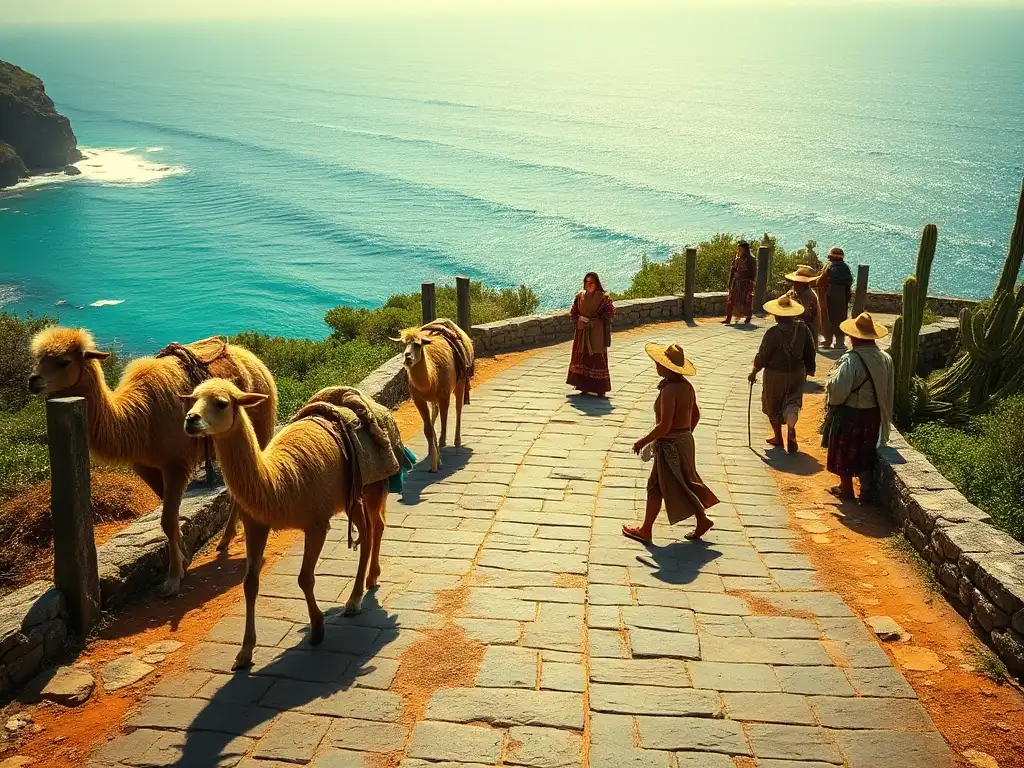
The Inca coastal road system wasn't merely a logistical network; it served as a crucial artery for cultural exchange and diffusion throughout the empire. The movement of people along these routes facilitated the spread of Inca beliefs, customs, and artistic styles, integrating diverse coastal communities into the broader Inca cultural sphere. This wasn't a process of forced assimilation, but rather a dynamic interplay where existing coastal traditions interacted with and adapted to Inca influences. For example, the intricate textile traditions of the coastal regions, already renowned for their unique techniques and designs, were enriched by the introduction of new dyes and weaving styles from the Andean highlands.
This resulted in a vibrant fusion of artistic expressions, visible in the surviving textiles and ceramics from the coastal regions. The exchange wasn't unidirectional; coastal communities also contributed significantly to Inca culture, introducing new agricultural techniques, fishing methods, and even culinary traditions to the empire's wider population. This constant flow of ideas and practices fostered a sense of shared identity and strengthened the bonds between the different regions of the Inca empire. Archaeological evidence, such as the discovery of similar pottery styles in distant coastal settlements, supports this theory of widespread cultural exchange facilitated by the road network.
Furthermore, the presence of standardized administrative practices and religious rituals along the coast points to the effective dissemination of Inca ideology through the roads. The Inca coastal road system, therefore, functioned not just as a physical connection, but also as a powerful instrument for forging a cohesive and culturally rich empire. The impact of this cultural exchange is still visible today in the diverse cultural heritage of the coastal regions of Peru.
Economic Integration and Trade
The Inca coastal road system played a vital role in integrating the empire's economy. The efficient movement of goods and resources along these routes was crucial for the Inca's centralized economic system. The road network connected diverse regions, enabling the flow of essential resources like fish, salt, cotton, and precious metals from the coast to the Andean highlands, and agricultural products like potatoes and maize in the opposite direction. This facilitated trade and redistribution of resources, supporting the Inca's mit'a labor system and ensuring the supply of necessities to various parts of the empire.
The movement of goods was not limited to essential resources; luxury items like textiles and ceramics also traveled along these roads, indicating a thriving interregional trade that contributed to the economic prosperity of both coastal and highland communities. The standardization of weights and measures, along with the establishment of storage facilities ( qollqas) along the routes, further streamlined the economic activities. These storage facilities served as crucial hubs for the collection, distribution, and redistribution of goods, ensuring a steady supply of resources throughout the year.
The construction and maintenance of the road network itself generated employment and economic activity, providing work for numerous individuals across the empire. In essence, the Inca coastal road system served as the backbone of a complex and efficient economic system, integrating different regions and fostering economic prosperity throughout the empire. The effectiveness of this system is a testament to the Inca's sophisticated understanding of logistics and their ability to manage a vast and diverse economy.
Administrative Control and Military Strategy
The Inca coastal road system served as a critical component of their administrative and military strategies. The roads provided efficient routes for the movement of imperial officials, facilitating communication and control across the vast expanse of the empire. This allowed for the swift implementation of imperial decrees and the efficient collection of taxes and tribute. The presence of tambos (roadside inns) at regular intervals along the routes provided resting places and logistical support for officials and messengers traveling between different regions.
The strategically placed tambos also served as important administrative centers, collecting information and managing local affairs. From a military perspective, the roads provided rapid deployment routes for Inca armies. The ability to move troops and supplies quickly was crucial for maintaining order and suppressing rebellions. The strategic placement of fortifications along the coastal routes further enhanced the empire's defensive capabilities.
The well-maintained roads allowed for the swift response to any threats to the empire's security. The combination of efficient communication, rapid troop deployment, and strategic fortifications secured the empire's coastal territories and maintained its dominance over the region. The Inca coastal road system, therefore, served as a powerful instrument of both administrative control and military might, underpinning the empire's longevity and stability. The strategic planning and execution evident in the road's design highlight the sophisticated political and military organization of the Inca state.
Preservation and Legacy of the Inca Coastal Roads
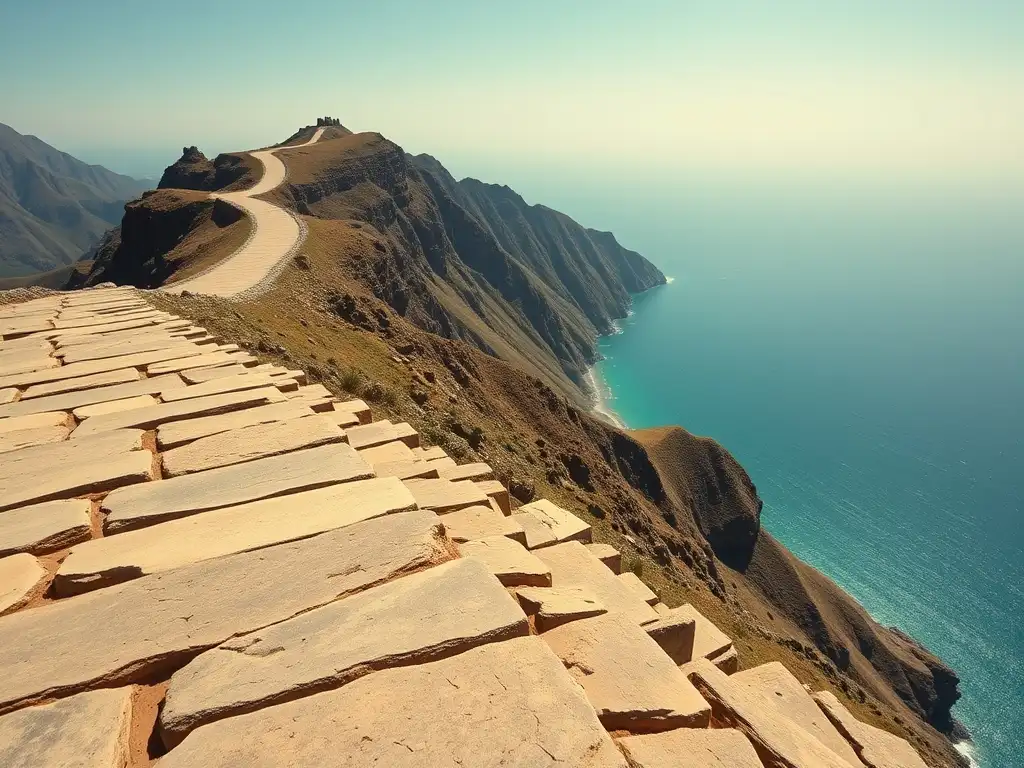
The Inca coastal road system, a marvel of ancient engineering, faces the dual challenge of preservation and understanding. While much of the system has been lost to time and the elements, significant portions remain, offering invaluable insights into Inca ingenuity and societal organization. The enduring legacy of these roads extends beyond their historical significance, impacting modern infrastructure planning and our appreciation for sustainable development practices. Understanding the challenges of preservation is crucial to ensuring that future generations can appreciate this remarkable achievement.
Archaeological Sites and Discoveries
Archaeological discoveries along the Inca coastal road system continue to reveal fascinating details about its construction, use, and impact on the surrounding environment. Excavations have unearthed sections of meticulously paved roads, showcasing the sophisticated techniques employed by Inca engineers. These roads weren't simply pathways; they were carefully designed to withstand the harsh coastal climate, incorporating drainage systems and retaining walls to prevent erosion.
For example, recent findings near [Specific location pending] uncovered evidence of a complex system of bridges and causeways that allowed the Inca to traverse challenging terrain, highlighting their advanced understanding of civil engineering. The discovery of artifacts along these routes, such as pottery shards, tools, and even human remains, provides further context, illuminating daily life and trade along the Inca coastal road system. Analyzing the chemical composition of the stones used in construction can reveal sourcing locations, offering insights into the logistical challenges of transporting materials across vast distances.
This meticulous study of archaeological sites is vital in reconstructing the intricate network of the Inca coastal road and understanding its impact on the landscape. The careful documentation of these discoveries through detailed reports and 3D modeling helps preserve this knowledge for future researchers and the public.
Modern Day Relevance and Uses
Despite centuries of weathering, sections of the Inca coastal road system remain surprisingly intact and continue to serve practical purposes in some areas. In certain regions, portions of the original roadbeds are still used as pathways or incorporated into modern roadways, demonstrating the enduring quality of Inca construction. This repurposing highlights the sustainability inherent in the Inca's approach to infrastructure development.
The Inca coastal road system serves as a valuable case study for modern civil engineering, demonstrating the importance of sustainable materials, adaptive design, and a holistic approach to infrastructure planning that considers both the environment and community needs. Furthermore, the remaining sections of the road system are often incorporated into tourism initiatives, attracting visitors and promoting the rich history and cultural heritage of the Inca Empire.
This generates economic opportunities for local communities and raises awareness of the importance of preserving these historical sites. The study of the Inca's approach to road building offers valuable lessons in resilience and longevity, influencing modern practices in sustainable infrastructure development and road construction techniques.
Challenges in Preserving the Inca Road System
Preserving the Inca coastal road system presents significant challenges. Coastal erosion, seismic activity, and human encroachment all pose threats to the remaining sections. The harsh coastal climate, characterized by strong winds, salt spray, and fluctuating temperatures, contributes to the deterioration of the ancient stonework. Furthermore, the construction of modern infrastructure often encroaches upon or damages the remaining sections of the Inca road system.
Effective preservation requires a multi-faceted approach, encompassing archaeological investigation, environmental monitoring, and community engagement. Developing sustainable tourism practices that minimize environmental impact is crucial. Establishing protected areas and implementing conservation measures are vital to mitigating the threats posed by coastal erosion and human activity. This requires collaboration between governmental agencies, local communities, and international organizations to ensure the long-term preservation of this invaluable historical resource.
The financial investment required for conservation efforts is substantial and requires securing consistent funding sources. Moreover, raising public awareness about the significance of the Inca coastal road system is essential to garnering the necessary support and resources for its continued preservation. The careful balance between preservation and responsible utilization is key to ensuring that this impressive feat of Inca engineering continues to inspire and educate for generations to come. 🗺️
Understanding the Inca Coastal Infrastructure: A Summary
The Inca coastal road system, a marvel of Andean engineering, represents a sophisticated network facilitating communication, trade, and military control across a geographically challenging terrain. Unlike the more widely studied highland roads, the coastal routes present unique challenges and adaptations reflecting the specific environmental conditions. This intricate network wasn't a single, continuous highway, but rather a series of interconnected pathways, often traversing steep cliffs, arid deserts, and fertile valleys.
The Inca's mastery of construction is evident in their ability to navigate such diverse landscapes, employing ingenious techniques to overcome obstacles like precarious slopes and shifting sands. The system's strategic importance in the Inca Empire's administration and expansion cannot be overstated. Its construction and maintenance required significant resources and manpower, highlighting the central role of infrastructure in Inca imperial power.
Analyzing this coastal infrastructure provides crucial insights into Inca societal organization, resource management, and technological prowess. Understanding its complexity reveals a more nuanced picture of the Inca Empire than often presented.
The Role of Coastal Roads in Inca Society
The Inca coastal road system played a multifaceted role within Inca society, far beyond simple transportation. It served as the artery for a robust trade network, connecting coastal communities with inland settlements. Precious goods like fish, salt, and cotton textiles from the coast were exchanged for agricultural products and metals from the Andes. This efficient trade facilitated economic prosperity and strengthened ties between different regions of the empire.
Furthermore, the roads were crucial for the movement of chasquis, the Inca's relay runners, who rapidly transmitted messages across vast distances. This sophisticated communication system was vital for maintaining imperial control and responding swiftly to events across the empire. The roads also facilitated the mobilization of troops, allowing the Inca army to quickly suppress rebellions or respond to external threats.
The strategic placement of tambos (roadside inns) along the routes provided rest stops for travelers and soldiers, highlighting the integration of logistical considerations into the road's design. The impact of the Inca coastal road system on daily life, political stability, and economic development was therefore profound and far-reaching. Archaeological evidence continues to reveal the intricate details of this crucial infrastructure and its significance in Inca society.
Significance of the Inca Coastal Road System in Andean History
The Inca coastal road system holds immense significance in understanding Andean history, offering crucial insights into the Inca Empire's administrative capabilities, technological advancements, and overall societal structure. Its construction demonstrates a sophisticated understanding of engineering principles adapted to the specific challenges of the coastal environment. The use of locally sourced materials, including stone, wood, and earth, reflects a sustainable approach to construction, minimizing environmental impact and maximizing the use of readily available resources.
The system's strategic design, with its strategically placed tambos and carefully engineered pathways, showcases the Inca's meticulous planning and efficient resource management. Moreover, the road system played a pivotal role in the integration of diverse coastal communities into the Inca Empire, facilitating cultural exchange and economic interdependence. The study of this infrastructure helps us understand how the Inca Empire successfully governed such a vast and diverse territory, highlighting the importance of infrastructure in consolidating and maintaining imperial power.
The lasting impact of the Inca coastal road system is evident even today, influencing modern infrastructure development and offering valuable lessons in sustainable engineering practices. Further research can illuminate the precise methods of construction, the organization of labor, and the long-term effects of this remarkable network.
Further Research and Exploration of Inca Roads
Further research into the Inca coastal road system is crucial to fully appreciate its complexity and significance. Detailed archaeological surveys are needed to map the complete extent of the network and uncover previously unknown sections of the roads. Analysis of the construction techniques employed, including the use of specific materials and engineering solutions, can provide valuable insights into Inca technological prowess.
Furthermore, studying the associated tambos and other roadside features can reveal details about the daily lives of travelers and the organization of the road network. Interdisciplinary research, combining archaeology, anthropology, and engineering, is essential to fully understand the social, economic, and technological aspects of the Inca coastal road system. Employing advanced technologies such as GIS mapping and remote sensing can significantly enhance our understanding of the network's spatial distribution and its relationship to other Inca settlements.
This comprehensive approach will allow for a more complete and nuanced understanding of the Inca coastal road system, its role in the Inca Empire, and its lasting legacy in Andean history. The potential for new discoveries and a deeper understanding of this remarkable achievement remains significant. The exploration and preservation of these roads is not only an important task for historical understanding, but also for appreciating the ingenuity of the Inca civilization.
Frequently Asked Questions
What was the purpose of the Inca coastal road system?
The Inca coastal road system served multiple crucial purposes. It facilitated efficient communication and rapid troop movement along the coast, vital for maintaining control over their vast empire. It also allowed for the transportation of goods and resources, connecting different regions.
How extensive was the Inca coastal road system?
The system was remarkably extensive, stretching for hundreds of kilometers along the rugged Pacific coastline. It connected major coastal cities and towns, showcasing the Inca's impressive engineering skills. Its exact length is still debated by scholars.
What materials were used to build the Inca coastal road system?
Construction involved a variety of materials, reflecting the diverse geography. Stone, earth, and wood were commonly used, adapted to the specific terrain. The roads were often built along cliffs and across rivers, showcasing engineering prowess.
How did the Inca coastal road system impact trade and commerce?
The roads significantly boosted trade and commerce along the coast. They allowed for the efficient exchange of goods, such as fish, textiles, and metals, between different coastal communities and the inland empire. This facilitated economic growth and integration.
What challenges did the Inca face in building the coastal road system?
Building the coastal road system presented significant challenges due to the rugged terrain, climatic conditions, and the difficult geography. Overcoming these obstacles demonstrates the advanced engineering and organizational abilities of the Inca civilization.
Final Reflection: Echoes of the Inca Road: A Legacy of Connection
The Inca coastal road system, a marvel of ancient engineering, remains a potent symbol of human ingenuity and the power of connection, even in our hyper-connected modern world. Its intricate network, stretching thousands of miles along a challenging coastline, stands as a testament to the Inca's sophisticated understanding of logistics, resource management, and the importance of unifying a vast and diverse empire. This sophisticated infrastructure facilitated trade, communication, and cultural exchange, leaving an enduring legacy that continues to resonate today.
The impact of the Inca road system extends far beyond its physical presence; it represents a profound cultural and social achievement that continues to shape our understanding of ancient civilizations. Its influence is visible in the enduring communities that thrived along its routes, the preservation of unique cultural traditions, and the ongoing archaeological discoveries that continue to unveil its secrets. The road itself was a living organism, a dynamic artery pulsating with the lifeblood of the empire.
This quote, while not directly from an Inca source, encapsulates the vital role the road played in the empire's success and longevity. The echoes of this system are still heard in the vibrant coastal communities that continue to thrive along its ancient paths.
Consider the ingenuity and dedication required to construct such a network, traversing treacherous terrain and diverse climates. Now, consider how you can apply that same spirit of perseverance and interconnectedness in your own life. What connections are you building? What bridges are you creating? Let the legacy of the Inca coastal road inspire you to forge your own paths, to connect with others, and to build a legacy of your own, one that stands as a testament to human resilience and the enduring power of connection.
Embark on Your Journey Through Incan Coastal Roads!
Thank you for exploring the fascinating connection between the Incas' coastal roads and their vibrant civilization. You've discovered how these ancient pathways shaped trade, culture, and the very geography of the region. Now, it’s time to delve deeper into the enduring legacy of the Incas!
Here are a few ways to continue your exploration:
- Join a guided tour of the Incan coastal routes to experience the breathtaking landscapes firsthand and uncover the secrets of this rich history. Witness the stunning scenery and learn from expert guides.
- Share your newfound knowledge with friends and family, or on social media—spark discussions about the lasting impact of these roads on modern Andean culture and how they continue to shape the region today.
- Explore local history books, documentaries, and museums to delve deeper into Incan engineering innovations and their lasting effects on modern Andean societies. Discover the ingenuity and resilience of this remarkable civilization.
What aspect of the Incan coastal roads captivated you the most, and how will you continue to explore this fascinating topic?