
Beyond Bricks: Unraveling the Composition of Andean Mortar

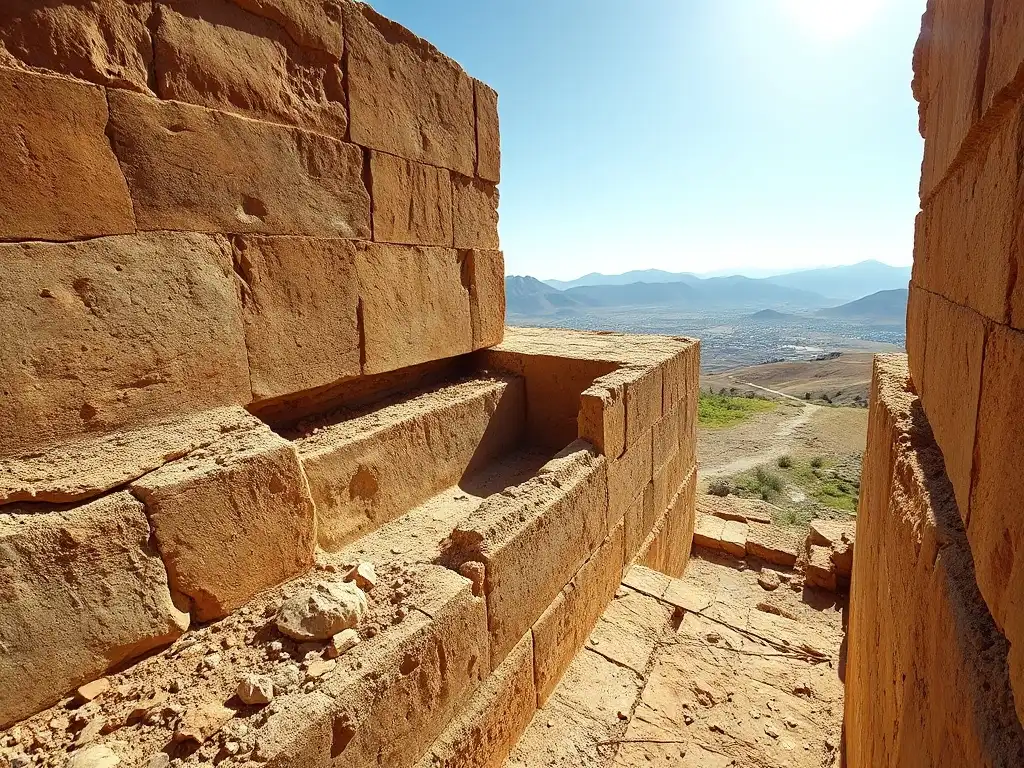
Step into a world lost to time, yet echoing with the ingenuity of ancient masters. For centuries, the towering structures of the Andes have stood as testaments to civilizations that thrived in breathtaking landscapes. But what secrets lie hidden within their very foundations? Prepare to be amazed as we delve into the intriguing world of Andean mortar composition analysis, uncovering the sophisticated techniques that enabled the construction of these architectural marvels. Discover how the precise blend of ingredients shaped not only buildings, but entire empires. The journey begins now—explore the mysteries behind the mortar that bound a civilization together.
The breathtaking architecture of the ancient Andes, from the majestic Machu Picchu to the enigmatic Nazca Lines, stands as a testament to the ingenuity and skill of its builders. While the precisely cut stones are often the focus of admiration, the crucial element binding these monumental structures together—the mortar—remains relatively understudied. This article delves into the fascinating world of Andean mortar, exploring its composition, its role in construction, and its contribution to the enduring legacy of Andean architecture.
We will analyze the materials used, the techniques employed, and the impact of environmental factors on the mortar's longevity. Understanding the intricacies of Andean mortar composition is key to appreciating the full scope of ancient Andean engineering prowess and provides valuable insights for modern conservation efforts.
This in-depth analysis of Andean mortar composition will reveal the secrets behind the remarkable durability of these ancient structures, offering a fresh perspective on the sophisticated building practices of these remarkable civilizations. We will explore how the analysis of Andean mortar composition can contribute to a better understanding of the social, economic, and technological aspects of these ancient societies.
Introduction to Andean Mortar and its Significance
Andean mortar, the binding agent used in the construction of numerous pre-Columbian structures, wasn't simply a haphazard mixture of readily available materials. Its composition varied significantly depending on geographical location, available resources, and the specific architectural demands of the project. Analysis of samples reveals a complex interplay of natural ingredients, carefully selected and combined to achieve optimal strength, durability, and workability.
The significance of understanding Andean mortar extends beyond mere structural analysis. The materials used often reflect the local environment and economic conditions, offering valuable clues about ancient trade networks and resource management strategies. Furthermore, the techniques employed in the preparation and application of the mortar reveal a sophisticated understanding of material science, far exceeding what was previously assumed.
The study of Andean mortar composition, therefore, provides a unique window into the cultural, technological, and environmental context of ancient Andean societies. Analyzing the composition also allows for improved preservation techniques for these irreplaceable monuments. 🔬
The Role of Mortar in Ancient Andean Construction
The role of mortar in ancient Andean construction cannot be overstated. It was far more than just "glue"; it was an integral part of the structural system, contributing significantly to the stability and longevity of buildings, terraces, and other structures. In many cases, the mortar acted as a shock absorber, mitigating the effects of seismic activity common in the Andean region. The precise application of the mortar, often in thin layers, allowed for a tight fit between the stones, creating a remarkably strong and durable bond.
The type of mortar used often varied depending on the specific application. For example, some mortars were designed for high-strength applications like retaining walls, while others were suited for more delicate work, such as intricate stone carvings. The use of different mortars also reveals a sophisticated understanding of the properties of various materials and their suitability for different contexts.
This understanding of the specific properties of the mortar, combined with the precise stonework, is a testament to the advanced engineering skills of Andean builders. The precise composition and application techniques ensured the longevity of structures that have withstood centuries of environmental challenges. 🧱
Key Components of Traditional Andean Mortar
Andean mortar, a crucial element in the remarkable architecture of ancient civilizations like the Inca, Moche, and Nazca, wasn't simply a haphazard mixture of readily available materials. Its effectiveness stemmed from a carefully considered blend of components, each playing a vital role in achieving the desired strength, durability, and weather resistance. The composition varied regionally, reflecting the readily available resources and the specific demands of the construction project.
Understanding these components is key to appreciating the ingenuity of Andean builders and the sophisticated understanding they possessed of material science. The core elements consistently included a base material, a binding agent, and aggregate materials. These components, when combined correctly, created a mortar that could withstand the test of time, often surviving for centuries with minimal degradation.
The precise ratios and specific materials used often varied based on location and the intended application, showcasing a level of adaptability and nuanced understanding of material properties that is remarkable even by today's standards. This adaptability highlights the practical knowledge and innovation inherent in Andean construction techniques.
Understanding the Base: Types of Andean Clay
The foundation of most Andean mortars was clay, a readily available material across the diverse Andean landscape. However, "clay" wasn't a monolithic substance. The type of clay used significantly impacted the mortar's final properties.
Different clays possess varying levels of plasticity, shrinkage, and strength. Andean builders likely experimented with and selected clays based on their specific characteristics, optimizing the mortar for its intended use. For instance, clays with higher plasticity might have been preferred for applications requiring greater flexibility, while those with lower shrinkage were likely chosen to minimize cracking during the curing process.
The selection of the appropriate clay was a critical step, reflecting a deep understanding of the material's behavior and its interaction with other components in the mortar mix. Detailed analysis of surviving structures and archeological finds is ongoing, constantly refining our knowledge of the specific clay types employed across different regions and time periods. Further research into the mineralogical composition of these clays promises to reveal even more about the sophisticated techniques employed by Andean builders.
The Binding Agent: Natural Andean Additives
Beyond the base clay, Andean mortar relied on natural additives to act as binding agents, enhancing the mortar's cohesive strength and durability. These weren't simply fillers; they played a crucial role in the chemical and physical properties of the final product. Common additives included organic materials like straw, hair, and plant fibers, which acted as reinforcement, preventing cracking and improving the mortar's overall tensile strength. These organic materials also aided in the workability of the mortar, making it easier to apply and mold.
In addition to organic materials, certain minerals and volcanic ash were also incorporated, contributing to the mortar's overall strength and water resistance. The precise combination of these additives likely varied based on regional availability and the specific requirements of the construction. Understanding the role of these binding agents is essential to fully appreciating the advanced understanding of materials and construction techniques possessed by ancient Andean civilizations.
Aggregate Materials in Andean Mortar: Sands and Crushed Rock
The aggregate component of Andean mortar, typically sand and crushed rock, served to increase the mortar's volume and strength. The type and size of aggregate used directly impacted the mortar's final properties. Finely-grained sands contributed to workability, while coarser sands and crushed rock provided increased strength and durability. The selection of aggregate materials likely depended on local availability and the specific requirements of the project.
For example, coarser aggregates might have been preferred for load-bearing structures, while finer aggregates might have been used for less demanding applications. The careful selection and grading of aggregate materials demonstrate a sophisticated understanding of material science and engineering principles, highlighting the advanced nature of Andean construction techniques. Studies of surviving structures reveal a wide range of aggregate types, emphasizing the adaptation of techniques to local resources.
Andean Mortar Composition Analysis: A Detailed Look
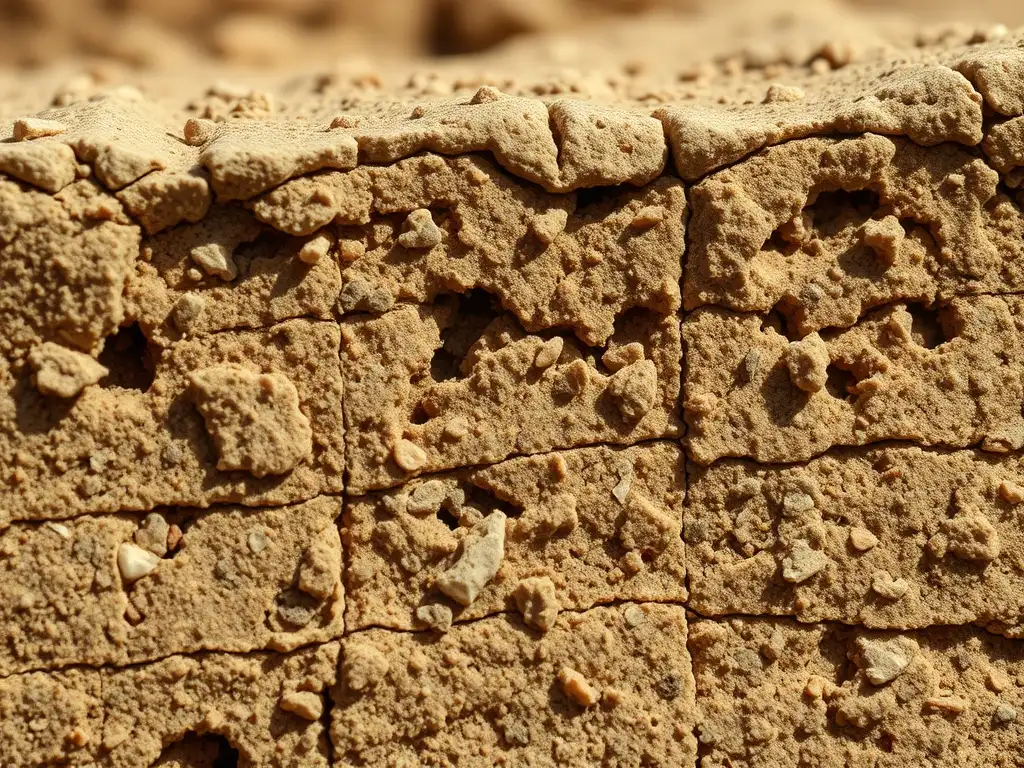
Analyzing the composition of ancient Andean mortar provides invaluable insights into the technological advancements and engineering practices of these remarkable civilizations. This analysis goes beyond simply identifying the constituent materials; it delves into understanding the proportions, the processing techniques, and the overall rationale behind the specific composition choices. Such analysis is crucial for understanding not only the construction methods but also the broader context of resource management and technological innovation within ancient Andean societies.
The data gathered contributes significantly to our understanding of the cultural and technological sophistication of these communities. The results are instrumental in informing conservation efforts and informing our understanding of ancient Andean engineering.
Scientific Methods for Analyzing Andean Mortar
Modern scientific techniques offer powerful tools for analyzing the composition of ancient Andean mortar. Techniques such as X-ray diffraction (XRD) allow for the precise identification of the mineral components of the mortar, revealing the types of clay, additives, and aggregates used. Scanning electron microscopy (SEM) provides detailed images of the mortar's microstructure, revealing information about the grain size distribution, pore structure, and the interaction between different components.
Chemical analysis, such as inductively coupled plasma mass spectrometry (ICP-MS), can determine the elemental composition of the mortar, providing insights into the presence of trace elements and potential sources of the materials used. These methods, when combined with archaeological context and historical records (where available), provide a comprehensive understanding of the materials and techniques employed in ancient Andean construction. The application of these scientific methods allows for a much more nuanced and detailed understanding of Andean mortar technology.
Results of Andean Mortar Composition Studies
Studies analyzing Andean mortar composition have revealed a surprising level of sophistication in the selection and blending of materials. Results consistently demonstrate the careful consideration given to the properties of each component and their interaction within the overall mix. The variations in composition observed across different regions and time periods highlight the adaptability of Andean builders to local resources and the specific demands of their construction projects.
For example, studies have shown the use of different types of clay and additives, depending on the climate and the intended application of the mortar. Some mortars show evidence of sophisticated techniques, such as the incorporation of volcanic ash to enhance durability and water resistance.
The findings underscore the advanced understanding of material science possessed by ancient Andean builders, challenging previous assumptions about their technological capabilities and highlighting the importance of further research to fully understand their engineering achievements. Ongoing research continues to provide valuable insights into the composition and properties of Andean mortars, enriching our understanding of these remarkable ancient civilizations.
Variations in Andean Mortar Across Different Cultures
Andean mortar composition analysis reveals fascinating diversity across different cultures and time periods. The specific ingredients and techniques employed varied significantly, reflecting both the readily available local resources and the unique architectural styles of each civilization. This wasn't a case of a single, universally applied recipe; rather, the Andean builders demonstrated impressive adaptability, tailoring their mortar mixes to suit specific needs and contexts. Understanding these variations is crucial to appreciating the ingenuity and sophistication of Andean construction practices. The differences weren't merely aesthetic; they reflected a deep understanding of material properties and their interaction with the environment.
Mortar Composition in Inca Construction
Inca mortar, renowned for its strength and durability, often featured a base of finely ground volcanic rock, mixed with a binding agent like clay or a locally sourced lime. The exact proportions varied depending on the location and intended use. Archaeological evidence suggests that the Incas sometimes incorporated additives, such as crushed shell or plant fibers, to improve the mortar's workability and cohesion.
These additions served a dual purpose: enhancing the mortar's plasticity for ease of application and increasing its overall strength and resistance to cracking. This sophisticated approach highlights the Incas’ advanced understanding of material science and their ability to adapt their techniques to different climatic conditions. Furthermore, the meticulous preparation of the ingredients played a key role in achieving the mortar's exceptional quality.
Mortar Techniques in Moche Architecture
The Moche civilization, known for its impressive adobe architecture and intricate artwork, employed mortar techniques that differed considerably from those of the Incas. While precise compositional details remain subject to further research, evidence suggests that the Moche relied heavily on locally sourced clays and sands, sometimes incorporating organic materials like straw or dung to act as a binding agent.
This approach, likely dictated by the availability of resources, resulted in a mortar that was less durable than the Inca's but still served its purpose effectively in the Moche's distinctive architectural style. The Moche's mastery lay not in creating exceptionally strong mortar, but in integrating it seamlessly with their adobe bricks and adapting their techniques to the challenges of building in a relatively arid environment.
Andean Mortar in the Nazca Civilization
The Nazca civilization, famous for its enigmatic geoglyphs, utilized mortar in the construction of their impressive ceremonial structures and residential buildings. Their mortar compositions appear to have been relatively simple, based primarily on locally sourced clays and sands. Unlike the Incas, there's limited evidence suggesting the widespread use of lime or volcanic rock in their mortar mixes.
This suggests that the Nazca prioritized practicality and ease of production over exceptional strength. The specific characteristics of their mortar, and its contribution to the longevity of Nazca structures, remains an area where further Andean mortar composition analysis is crucial. The relative simplicity of their approach, however, doesn't diminish their architectural achievements.
Tiahuanaco Mortar: Unique Compositional Aspects
Tiahuanaco mortar presents a unique case in Andean construction. Analysis suggests a more complex composition than many other Andean cultures, often incorporating a variety of materials including volcanic ash, lime, and various types of clay. The specific ratios varied depending on the intended application, indicating a sophisticated understanding of material properties and their interaction.
The use of lime in Tiahuanaco mortar is particularly noteworthy, suggesting a higher level of technological sophistication in their approach to construction. This unique compositional approach may have contributed to the exceptional durability of some Tiahuanaco structures, which have withstood the test of time remarkably well. Further research into Tiahuanaco mortar promises to shed more light on the ingenuity of this remarkable civilization.
The Durability and Longevity of Andean Mortar
The remarkable durability and longevity of Andean mortar, even after centuries of exposure to harsh environmental conditions, are a testament to the builders' skill and understanding of materials. Many structures built with this ancient mortar still stand today, demonstrating its exceptional resilience. This longevity wasn't accidental; it was the result of careful selection of materials, precise mixing techniques, and an intimate knowledge of local conditions. The ability of Andean mortar to withstand earthquakes, heavy rainfall, and extreme temperature fluctuations is particularly impressive.
Factors Contributing to Andean Mortar's Strength
Several factors contributed to the strength and durability of Andean mortar. The meticulous preparation of the ingredients, including the fine grinding of the aggregate materials, played a crucial role. The careful selection of binding agents, such as lime or clay, further enhanced the mortar's cohesive properties.
The incorporation of additives, such as crushed shell or fiber, improved workability and enhanced the mortar's overall strength. Furthermore, the builders' understanding of the interaction between the mortar and the building materials, such as stone or adobe, optimized the performance of the entire structure. This holistic approach to construction contributed significantly to the impressive longevity of Andean buildings.
Comparison with Modern Mortar Durability
While modern mortars utilize advanced chemical additives and sophisticated manufacturing processes, the durability of some Andean mortars is surprisingly comparable, if not superior, in certain aspects. Modern mortars often rely on Portland cement, a product with a significantly higher carbon footprint than the materials used in ancient Andean construction. While modern mortars offer advantages in terms of standardization and production efficiency, the inherent properties and longevity of some ancient Andean formulations remain impressive and worthy of further study.
A comparative analysis of long-term performance under various environmental conditions could offer valuable insights for the development of more sustainable and durable building materials in the future. This comparison highlights the need for a more holistic approach to material science, considering not only strength and efficiency but also environmental impact and long-term sustainability.
Replicating Ancient Andean Mortar Techniques
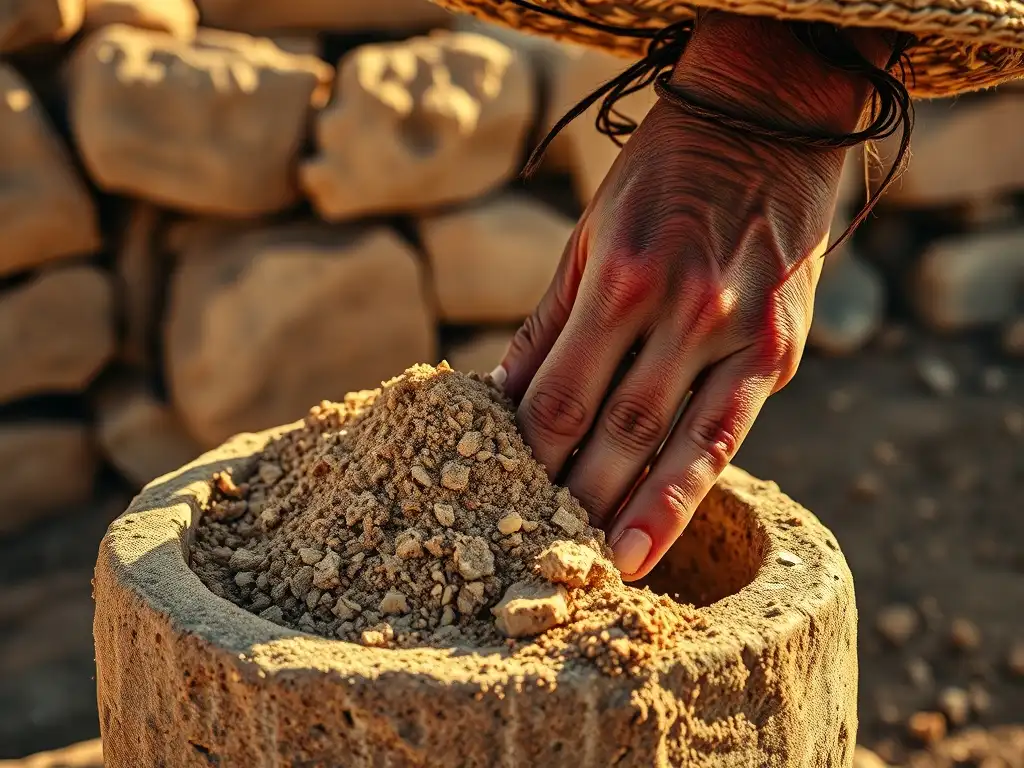
The recreation of ancient Andean mortar presents a fascinating challenge for modern researchers. Understanding the precise composition and application methods used by Andean builders is crucial for successful replication. Archaeological excavations provide valuable clues, revealing the diverse materials employed across different regions and time periods.
For instance, analysis of mortar samples from Inca sites often reveals a base of lime, mixed with volcanic ash and aggregates like crushed stone or sand. The proportions of these ingredients, however, varied significantly depending on the availability of local resources and the specific structural requirements. Some mortars exhibit a higher lime content, resulting in a stronger, more durable bond, while others incorporate more aggregate for increased volume.
The meticulous preparation of these materials is also a critical factor. Evidence suggests that the ingredients were carefully ground and mixed, sometimes with the addition of organic materials like fibers or plant extracts to improve workability and cohesion. Modern attempts at replication often involve experimentation with different ratios of lime, aggregates, and potential additives to achieve comparable strength and properties.
Challenges in Reproducing Authentic Andean Mortar
Reproducing the remarkable durability and longevity of Andean mortar is not without its hurdles. One significant challenge lies in sourcing authentic materials. The specific types of lime, volcanic ash, and aggregates used by Andean builders are often difficult to replicate exactly. Variations in mineral composition and particle size can significantly impact the final product's properties.
Furthermore, the precise mixing techniques employed by ancient builders remain largely unknown. While some clues can be gleaned from archaeological evidence, the nuances of their methods are lost to time. Modern methods often rely on machinery, such as mixers and grinders, which differ significantly from the manual techniques used in the past. This difference in processing can affect the final product's microstructure and therefore its performance.
Another challenge is understanding the role of potential additives. While some organic materials have been identified in ancient mortar samples, their precise function and impact on the mortar's properties are still under investigation. Further research is needed to fully understand the intricate interplay of ingredients and techniques that contributed to the exceptional performance of ancient Andean mortar.
Potential Applications of Andean Mortar Research
The ongoing research into Andean mortar composition analysis holds significant potential applications. Understanding the materials and techniques used by ancient Andean builders can lead to the development of more sustainable and environmentally friendly construction materials. The use of locally sourced, naturally occurring materials, as practiced by the Andes civilizations, reduces reliance on energy-intensive industrial processes. Moreover, the durability and longevity of Andean mortar offer valuable insights for designing more resilient structures in earthquake-prone regions. Replicating their techniques could lead to the creation of innovative mortars that withstand seismic activity better than currently available materials. Beyond construction, the knowledge gained can also contribute to the preservation of existing ancient sites. By understanding the composition and degradation mechanisms of ancient mortars, conservators can develop more effective strategies for maintaining these invaluable historical structures. The study of Andean mortar technology, therefore, offers a wealth of knowledge applicable to modern construction and conservation practices.
Conclusion: The Legacy of Andean Mortar Technology
The study of Andean mortar composition reveals a sophisticated understanding of material science and construction techniques employed by ancient Andean civilizations. Analysis of mortar samples from various sites highlights the ingenuity and adaptability of these builders, who skillfully utilized locally available resources to create durable and long-lasting structures. While replicating these techniques presents challenges, ongoing research offers valuable insights into sustainable construction materials and resilient building practices. The legacy of Andean mortar technology extends beyond its historical significance, offering valuable lessons for contemporary builders and conservationists alike. Further research, focusing on the precise proportions and application methods, along with a deeper understanding of potential additives, will undoubtedly enhance our appreciation for this remarkable achievement of ancient Andean engineering. The enduring strength and resilience of these ancient mortars serve as a testament to the skill and knowledge of the Andean builders and continue to inspire modern innovations in construction and preservation.
Further Research and Exploration of Andean Mortar
Further research into Andean mortar composition offers exciting avenues for expanding our understanding of ancient Andean construction techniques and the ingenuity of their builders. Several key areas demand further investigation. Firstly, a more comprehensive geographical survey is needed. While studies have focused on specific sites, a broader analysis encompassing diverse Andean regions – from the high altitude settlements of the Andes to the coastal areas – could reveal significant variations in mortar recipes based on locally available resources.
This geographical diversity might unveil regional variations in techniques, reflecting adaptations to different climates and available materials. For example, coastal regions might have utilized different binding agents compared to high-altitude sites due to variations in plant life and readily accessible materials. Such a study could potentially reveal previously unknown techniques and inform our understanding of the logistical challenges involved in procuring and transporting materials across varied terrains.
Secondly, advanced analytical techniques should be employed to analyze the mortar samples with greater precision. Techniques such as scanning electron microscopy (SEM) and X-ray diffraction (XRD) can provide detailed information about the mineralogical composition and microstructure of the mortar, revealing the precise proportions of different components and the degree of hydration of the binding agents. This level of detail is crucial for understanding the long-term durability and performance of the mortar, and for replicating its properties in modern contexts.
For instance, identifying the precise types of clays used, and their specific properties, could unlock secrets to their superior performance compared to modern alternatives. This could lead to innovations in sustainable building materials.
Finally, interdisciplinary collaborations are essential to advance our knowledge. By combining the expertise of archaeologists, chemists, materials scientists, and engineers, a more holistic understanding of Andean mortar can be achieved. This collaborative approach can lead to more accurate interpretations of the construction methods, the social organization involved in material procurement and construction, and the overall impact of these techniques on the longevity and stability of Andean structures.
For example, a collaboration between archaeologists excavating a site and materials scientists analyzing the mortar could provide valuable insights into the construction timeline and the potential impact of environmental factors on mortar degradation. Such collaborative efforts are crucial for unlocking the full potential of Andean mortar analysis for both historical and contemporary applications. The potential for learning from these ancient techniques and applying them to modern sustainable construction practices is immense.
- Introduction to Andean Mortar and its Significance
- The Role of Mortar in Ancient Andean Construction
- Key Components of Traditional Andean Mortar
- Andean Mortar Composition Analysis: A Detailed Look
- Variations in Andean Mortar Across Different Cultures
- The Durability and Longevity of Andean Mortar
- Replicating Ancient Andean Mortar Techniques
- Conclusion: The Legacy of Andean Mortar Technology
- Further Research and Exploration of Andean Mortar
- What is the focus of this article, "Beyond Bricks: Unraveling the Composition of Andean Mortar"?
- Why is analyzing Andean mortar composition important?
- What types of Andean civilizations are discussed in relation to mortar?
- What kind of materials were typically used in Andean mortar?
- Where can I find more information on Andean mortar composition analysis?
Frequently Asked Questions
What is the focus of this article, "Beyond Bricks: Unraveling the Composition of Andean Mortar"?
This article delves into the composition of ancient Andean mortars, exploring the materials and techniques used by different civilizations like the Incas, Moche, and others. It moves beyond simply describing bricks to analyze the binding agent that held their structures together.
Why is analyzing Andean mortar composition important?
Analyzing Andean mortar provides crucial insights into the ancient technologies and engineering skills of these civilizations. It helps us understand their resource management and construction methods.
What types of Andean civilizations are discussed in relation to mortar?
The article examines the mortar used by various Andean civilizations, including but not limited to the Incas, Moche, Nazca, and Tiahuanaco, highlighting potential regional variations in composition and techniques.
What kind of materials were typically used in Andean mortar?
Andean mortars often incorporated local materials, such as clay, sand, fibers, and additives, the precise composition varying significantly depending on geographical location and the specific civilization.
Where can I find more information on Andean mortar composition analysis?
This article provides a starting point. Further research can be conducted through academic journals specializing in archaeology, materials science, and Andean studies, using keywords like "Andean mortar," "ancient construction techniques," and "material analysis".
Final Reflection: The Enduring Legacy of Andean Mortar
The meticulous analysis of Andean mortar composition isn't just an archaeological pursuit; it's a vital key to understanding sustainable building practices and resource management in a changing world. The insights gleaned from studying these ancient materials offer invaluable lessons for contemporary construction and environmental responsibility, challenging our reliance on resource-intensive modern methods.
The enduring strength and longevity of Andean mortars, often surpassing that of modern counterparts, speaks volumes about the ingenuity and deep understanding of materials possessed by ancient Andean cultures. Their ability to source and utilize readily available, locally-sourced materials highlights a sustainable approach that we would do well to emulate. The past is never dead. It's not even past.
- William Faulkner. This quote resonates deeply, as the secrets held within these ancient mortars continue to inform and inspire us today, offering solutions to modern challenges.
Consider the implications of this research. What innovative approaches to construction and material science can we derive from understanding the precise composition and properties of Andean mortars? How can we apply these ancient techniques to create more sustainable and resilient structures in the face of climate change and resource depletion? I urge you, reader, to reflect on the enduring wisdom embedded within these seemingly simple materials and to consider how we can build a more sustainable future, one brick – or rather, one carefully crafted mortar joint – at a time.
Unveil the Secrets of Andean Mortar Today!
Thank you for exploring the fascinating world of Andean mortar with us! We hope you've gained valuable insights into its unique composition and the masterful craftsmanship involved. Now, let's put that knowledge to practical use!
Here are some ways to further your understanding and appreciation of this remarkable topic:
- Explore local museums and cultural sites that showcase Andean architecture and its intricate mortar techniques. Witnessing these examples firsthand will deepen your understanding.
- Share your newfound knowledge with friends, family, or online communities. Spark curiosity and inspire others to appreciate this fascinating aspect of Andean civilizations.
- Connect with other history enthusiasts. Join online forums or local groups dedicated to ancient construction methods to exchange ideas and learn from others' experiences.
What specifically about Andean mortar captivates you, and how will you continue to learn more?