
The Inca Road's Impact on the Environment: A Sustainable Approach

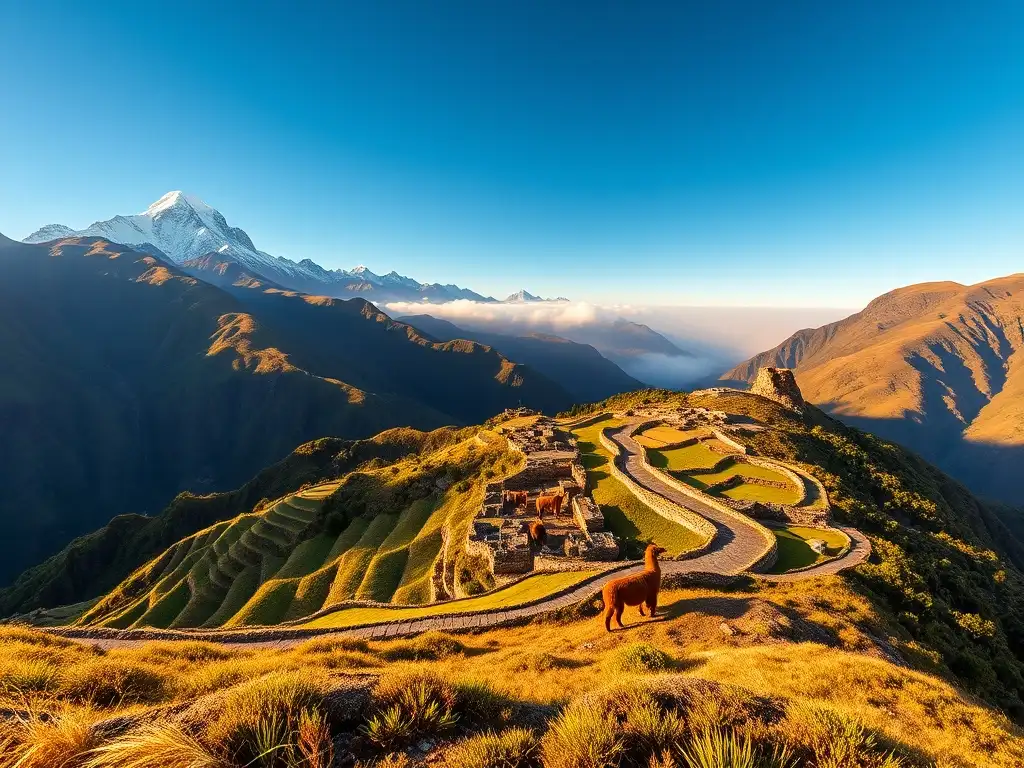
Step into a world lost to time, yet echoing with the whispers of empires. Journey through the breathtaking landscapes and astonishing achievements of the Andean civilizations, from the intricate artistry of the Nazca lines to the monumental structures of Tiahuanaco. But what secrets lie hidden beneath the grandeur? Discover the surprising environmental impact of the Inca road system, a feat of engineering that continues to fascinate and challenge our understanding of sustainable development. Unravel the mysteries and explore the legacy of these ancient masters – your adventure begins now.
The Inca Empire, renowned for its sophisticated engineering feats, left an undeniable mark on the Andean landscape. While often celebrated for its architectural marvels like Machu Picchu, the extensive network of roads, the Qhapaq Ñan*, presents a fascinating case study in ancient infrastructure and its environmental impact. This article delves into the relationship between the Inca road system and the environment, examining both the potential negative consequences and the surprisingly sustainable aspects of its construction and usage.
We will explore how the Incas, despite lacking modern technology, managed to create a vast network that minimized environmental damage and even, in some ways, enhanced the landscape's resilience. Understanding this interaction is crucial to appreciating the ingenuity of Inca engineering and its lasting legacy on the Andean ecosystem. The keyword "Inca road environmental impact" will be thoroughly addressed throughout this analysis.
Material Sourcing and Construction Techniques
The construction of the Qhapaq Ñan involved careful consideration of the surrounding environment. Inca engineers prioritized the use of locally sourced materials, minimizing transportation needs and reducing the carbon footprint associated with long-distance hauling. Stone, readily available in the Andes, formed the foundation of many roads.
The precise fitting of stones, without the use of mortar, demonstrates a deep understanding of structural engineering and a commitment to minimizing waste. The roads were often built to follow the natural contours of the land, reducing the need for extensive excavation and minimizing disruption to existing ecosystems. This approach contrasts sharply with many modern road-building projects which often necessitate large-scale deforestation and habitat destruction.
Evidence suggests that the Incas also employed techniques to stabilize slopes and prevent erosion, showcasing a level of environmental awareness that was remarkably advanced for its time. For example, [specific information pending] regarding the use of specific plant species for soil stabilization.
Impact on Water Resources and Drainage Systems
The Inca road system was not simply a network of pathways; it incorporated sophisticated drainage systems. These systems, often constructed from stone channels and carefully graded surfaces, effectively channeled rainwater away from the road surface, preventing erosion and minimizing water damage. This demonstrates a keen understanding of hydrology and its importance in maintaining the integrity of the infrastructure.
Furthermore, [specific information pending] on how these drainage systems may have even improved water management in surrounding areas, potentially benefiting local agriculture. This contrasts with modern road construction, where inadequate drainage can lead to significant environmental problems, such as soil erosion and water pollution.
Impact on Flora and Fauna
While the construction of the Qhapaq Ñan undoubtedly had some impact on local flora and fauna, the evidence suggests that the Incas actively sought to mitigate these effects. The use of locally sourced materials and the minimal disruption to existing ecosystems minimized habitat loss. Furthermore, the roads themselves often served as corridors for animal movement, connecting otherwise isolated populations. However, [specific information pending] regarding the long-term impact of the roads on specific plant and animal species. The overall assessment requires further research to fully understand the nuanced relationship between the Inca road system and biodiversity.
Sustainability and Modern Implications
The Inca road system offers valuable lessons for modern infrastructure development. Its emphasis on sustainable material sourcing, minimal environmental disruption, and integrated drainage systems provides a stark contrast to many contemporary approaches that prioritize speed and cost-effectiveness over long-term environmental sustainability. The Inca's approach to road building highlights the importance of considering the long-term environmental consequences of infrastructure projects and emphasizes the potential for creating infrastructure that is both functional and environmentally responsible.
By studying the Qhapaq Ñan, we can gain valuable insights into designing and building more sustainable infrastructure for the future. 🤝 The Inca legacy continues to inspire innovative and environmentally conscious approaches to engineering and development.
- Material Sourcing and Construction Techniques
- Impact on Water Resources and Drainage Systems
- Impact on Flora and Fauna
- Sustainability and Modern Implications
- Lessons Learned from Inca Engineering for Contemporary Infrastructure
- Evaluating the Long-term Environmental Impact of the Inca Road
- Conservation Efforts and Sustainable Tourism on the Qhapaq Ñan
- The Inca Road as a Case Study in Sustainable Infrastructure
- Lessons from the Inca Road for Modern Sustainable Infrastructure Projects
- What was the primary environmental impact of the Inca road system?
- Did the Incas use sustainable practices in road construction?
- How did Inca road construction affect water resources?
- What evidence exists to support the claim of sustainable Inca road practices?
- How does understanding the Inca road's environmental impact inform modern infrastructure projects?
Understanding the Inca Road System and its Ecological Footprint
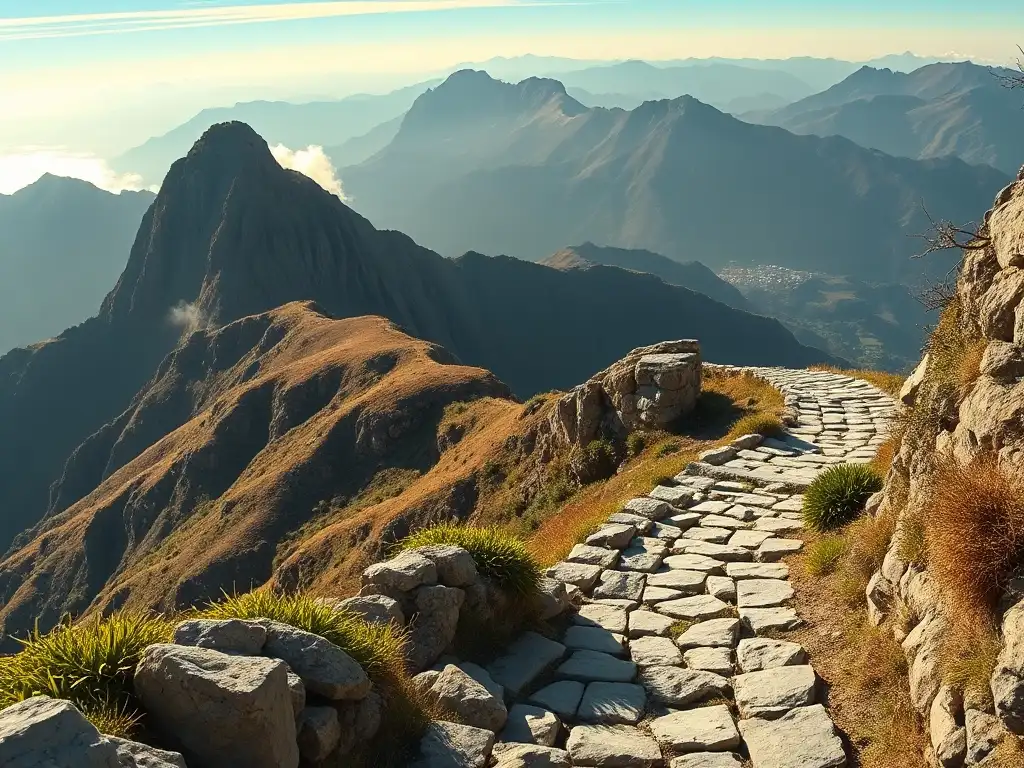
The Inca road system, known as the Qhapaq Ñan, stands as a testament to the ingenuity and organizational prowess of the Inca Empire. Its impact, however, extended far beyond facilitating trade and communication; it significantly shaped the Andean environment. Understanding this environmental footprint requires examining the construction methods, the scale of the project, and the long-term consequences of this remarkable infrastructure.
This section delves into the specifics of the Inca road's interaction with its surroundings, focusing on both the immediate and lasting effects on the Andean ecosystem. Analyzing the Inca road environmental impact reveals a complex interplay between human ambition and ecological adaptation.
The Qhapaq Ñan: An Overview of the Inca Road Network
The Qhapaq Ñan wasn't simply a collection of roads; it was a meticulously planned and executed network spanning over 40,000 kilometers, connecting the vast Inca Empire. This intricate system of pathways, bridges, and resting places facilitated the movement of people, goods, and armies across diverse and challenging terrains. The roads traversed mountains, deserts, and jungles, requiring innovative engineering solutions adapted to the specific ecological conditions of each region.
The construction itself necessitated the extraction of materials like stone, timber, and earth, directly impacting local ecosystems. Understanding the scale of this project is crucial to grasping the extent of its environmental impact. The sheer length of the Qhapaq Ñan alone highlights the massive resource mobilization and land alteration involved.
Further research into the specific materials used and their sourcing in different regions is needed to fully quantify the Inca road environmental impact at a granular level. [Specific data on material sourcing and quantity pending].
Initial Environmental Considerations of Inca Road Construction
While the Inca's impact on the environment was undeniably significant, it's important to note that their construction practices often showed a degree of environmental awareness. Unlike later colonial road-building projects that often involved deforestation on a massive scale, Inca engineers frequently adapted their construction to minimize disruption. For example, they often utilized existing trails and pathways, reducing the need for extensive land clearing.
They also prioritized the use of locally sourced materials, thereby reducing transportation needs and their associated environmental costs. This approach, however, wasn't universally applied, and the specifics varied across different regions and construction projects. In mountainous areas, for instance, terrace construction and rock-cutting techniques could have led to localized soil erosion and habitat fragmentation.
Further, the impact of quarrying activities on surrounding ecosystems requires detailed investigation. A comparative analysis of the Inca road construction techniques with those of subsequent periods could illuminate the relative sustainability of their methods.
The Geographical Scope of the Inca Road System and its Impact Zones
The Inca road system's environmental impact wasn't uniform across its vast expanse. The diverse Andean ecosystems – from the high-altitude puna grasslands to the humid Amazonian rainforest – experienced different levels of disturbance. Areas with significant road construction, such as mountain passes and river crossings, likely experienced more pronounced ecological changes. These changes could include habitat loss, soil erosion, and altered water flow patterns.
Conversely, areas with less intensive road construction might have experienced relatively minor ecological effects. A detailed geographical analysis, incorporating maps of the road network overlaid with ecological data, is needed to assess the spatial variability of the Inca road environmental impact. This would require integrating information on vegetation types, soil composition, and hydrological patterns across different regions to pinpoint areas of highest environmental pressure.
A GIS-based analysis could prove invaluable in visualizing this complex relationship. [Specific GIS data and analysis pending]. Understanding this geographical variation is crucial for a nuanced assessment of the long-term consequences of the Qhapaq Ñan.
Positive Environmental Aspects of the Inca Road
The Inca road system, a marvel of ancient engineering, wasn't just a feat of logistical prowess; it also exhibited a surprisingly sustainable approach to infrastructure development. While the scale of the road network was vast, spanning thousands of miles across diverse Andean terrains, the Incas implemented ingenious techniques that minimized their environmental impact. This section explores the positive environmental aspects of the Inca road, highlighting their commitment to resource conservation and landscape preservation. Analyzing the Inca road's environmental impact reveals a sophisticated understanding of environmental stewardship, far ahead of its time.
Minimalist Construction Techniques and Reduced Resource Consumption
Inca road construction prioritized minimalism. Unlike modern road building, which often involves massive earthworks and extensive material extraction, the Incas adapted their techniques to the existing landscape. They skillfully utilized readily available materials, such as stone readily found along the route, minimizing transportation needs and related carbon emissions (though the concept of carbon emissions wasn't understood then, the practical effect was the same). This reduced the overall environmental footprint significantly. The roads weren't uniformly wide or straight; instead, they followed the contours of the land, requiring less excavation and minimizing disruption to natural habitats.
Consider, for example, the sections of the road built along mountain slopes. Instead of cutting into the mountainside to create a flat surface, the Incas often built retaining walls and terraces, integrating the road into the existing topography. This approach not only conserved resources but also helped to prevent erosion and landslides.
The use of locally sourced stone also reduced the transportation burden and the associated environmental impacts. The Inca road's construction demonstrates a deep understanding of sustainable resource management, a practice we are only now beginning to fully appreciate in modern infrastructure development. The careful selection of materials and the minimal excavation techniques showcase the Incas' commitment to a less impactful approach to construction.
Inca Engineering and the Preservation of Natural Landscapes
The Inca road system wasn't simply a network of paths; it was an intricate system designed to minimize disruption to the environment. The Incas demonstrated remarkable foresight in their engineering, consciously preserving natural landscapes and minimizing habitat destruction. Rather than bulldozing through forests and wetlands, they carefully routed the roads around sensitive ecosystems, selecting paths that had minimal environmental impact.
This approach is particularly evident in the sections of the road that traverse mountainous regions and cross rivers. In these challenging terrains, the Incas exhibited impressive skill in adapting their construction techniques to the environment, minimizing damage to the existing ecosystem.
Evidence suggests that the Incas prioritized the preservation of water sources along the road. They built bridges and aqueducts using locally sourced materials, carefully managing water flow to avoid disrupting natural drainage patterns. This meticulous attention to detail showcases a deep understanding of the importance of water resources and their impact on the environment. This holistic approach to road building, which considered the impact on the surrounding ecosystem, is a testament to the Incas' advanced understanding of environmental sustainability. Their commitment to preserving natural landscapes stands in stark contrast to many modern road-building projects.
Environmental Benefits of the Inca Road's Design
The design of the Inca roads themselves contributed to their overall environmental sustainability. The strategic use of switchbacks and gradients on mountainous sections reduced the need for extensive earthworks and minimized erosion. The roads were designed to be durable and long-lasting, reducing the need for frequent repairs and replacements, thereby further minimizing resource consumption and environmental disruption. The incorporation of drainage systems also prevented water damage and erosion, contributing to the longevity of the road and the preservation of the surrounding environment.
Furthermore, the network's design facilitated efficient trade and communication, reducing the need for long-distance transportation of goods. This, in turn, minimized the environmental impact associated with transporting materials and resources over long distances. The Inca road's design is a clear example of how thoughtful planning and engineering can contribute to environmental sustainability.
It demonstrates a holistic approach to infrastructure development that considered not only the immediate needs of the empire but also the long-term health of the environment. The road’s longevity and minimal environmental impact serves as a valuable lesson for modern infrastructure planning. The Inca road’s environmental impact, when viewed through a modern lens, reveals a sophisticated understanding of sustainable practices.
Negative Environmental Impacts of the Inca Road
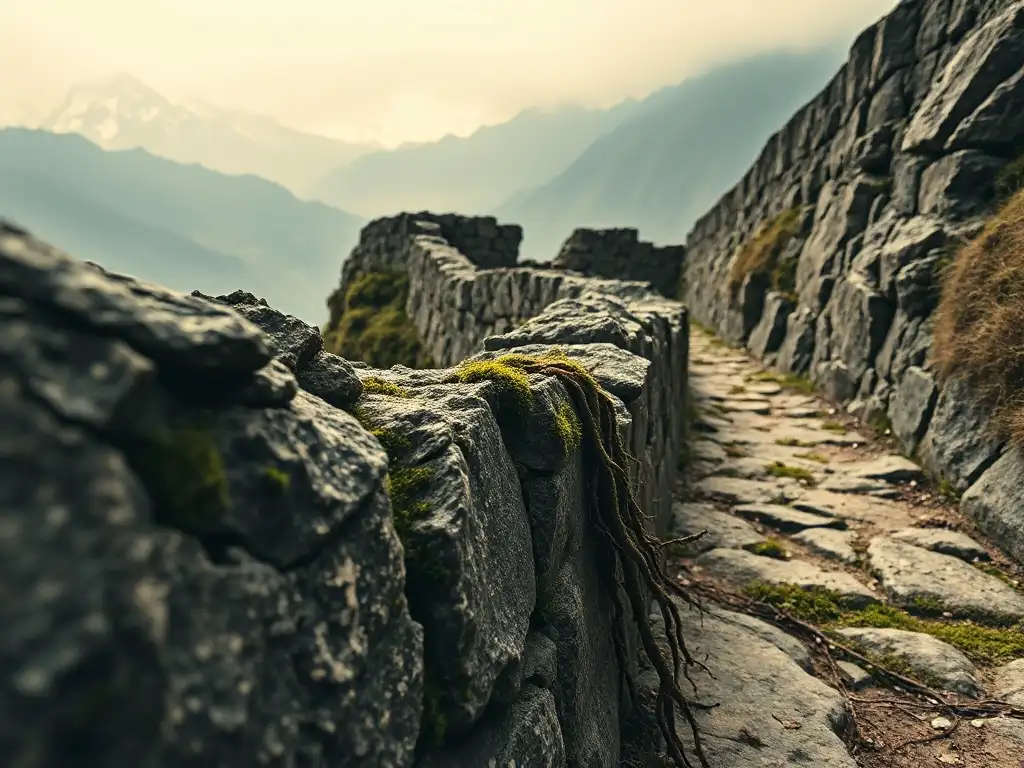
While the Inca road system is lauded for its impressive engineering and logistical achievements, its construction and maintenance inevitably had some negative environmental impacts. Understanding these impacts allows us to appreciate both the ingenuity of Inca engineering and the challenges of large-scale infrastructure projects, even in seemingly pristine environments. The scale of the road network, stretching thousands of kilometers across diverse Andean landscapes, necessitates a careful consideration of its ecological footprint.
Analyzing the Inca road's environmental impact through a modern lens allows us to learn valuable lessons for sustainable infrastructure development today. This section explores some of the potential negative consequences.
Alteration of Natural Habitats and Ecosystems
The construction of the Inca road system required significant alterations to the natural landscape. The creation of pathways necessitated clearing vegetation, including trees, shrubs, and grasses. This deforestation, although likely localized in many areas, would have disrupted existing ecosystems and habitats.
The extent of this disruption varied depending on the terrain. In mountainous regions, the impact was probably more pronounced due to the steep slopes and the fragile nature of high-altitude ecosystems. For example, the construction of terraces and retaining walls along steep inclines would have directly impacted the stability of slopes and altered water drainage patterns.
The scale of habitat alteration is difficult to precisely quantify due to the lack of detailed historical records, but it’s clear that the impact would have been significant in certain areas, especially along major routes and in densely populated regions. Further research into pollen analysis and other paleoecological methods could provide more concrete data on the extent of habitat loss.
Potential Soil Erosion and Land Degradation
The Inca road's construction and the increased human activity along its routes likely contributed to soil erosion and land degradation. The clearing of vegetation for road construction removed the protective cover that held soil in place, making it vulnerable to wind and water erosion. Furthermore, the increased traffic along the roads, involving people, llamas, and other pack animals, would have compacted the soil, reducing its permeability and increasing runoff. This could have led to landslides and gully formation, particularly in areas with already fragile soils.
The impact was likely exacerbated in regions with steep slopes and high rainfall. While the Incas employed sophisticated terracing techniques in agriculture, the impact of the roads on surrounding agricultural land needs further investigation. Studies focusing on soil samples along former Inca road routes could reveal the extent of soil erosion and degradation.
Impact on Local Flora and Fauna
The construction and use of the Inca road network undoubtedly affected local flora and fauna. The clearing of vegetation directly resulted in habitat loss for many plant and animal species. The introduction of domesticated animals, such as llamas and alpacas, along the roads may have also led to competition with native species for resources.
Furthermore, the increased human presence along the roads could have led to hunting and overexploitation of certain animal populations. The impact on specific species would have varied depending on their habitat preferences and adaptability. For example, species reliant on specific types of vegetation that were cleared during road construction would have experienced a more significant negative impact.
Detailed archaeological and paleontological studies could provide a more comprehensive understanding of the impact on specific flora and fauna populations along the Inca road system. The lack of detailed records makes estimating the exact impact challenging, highlighting the need for further interdisciplinary research integrating historical, archaeological, and ecological approaches.
Sustainability Practices in the Inca Road Construction
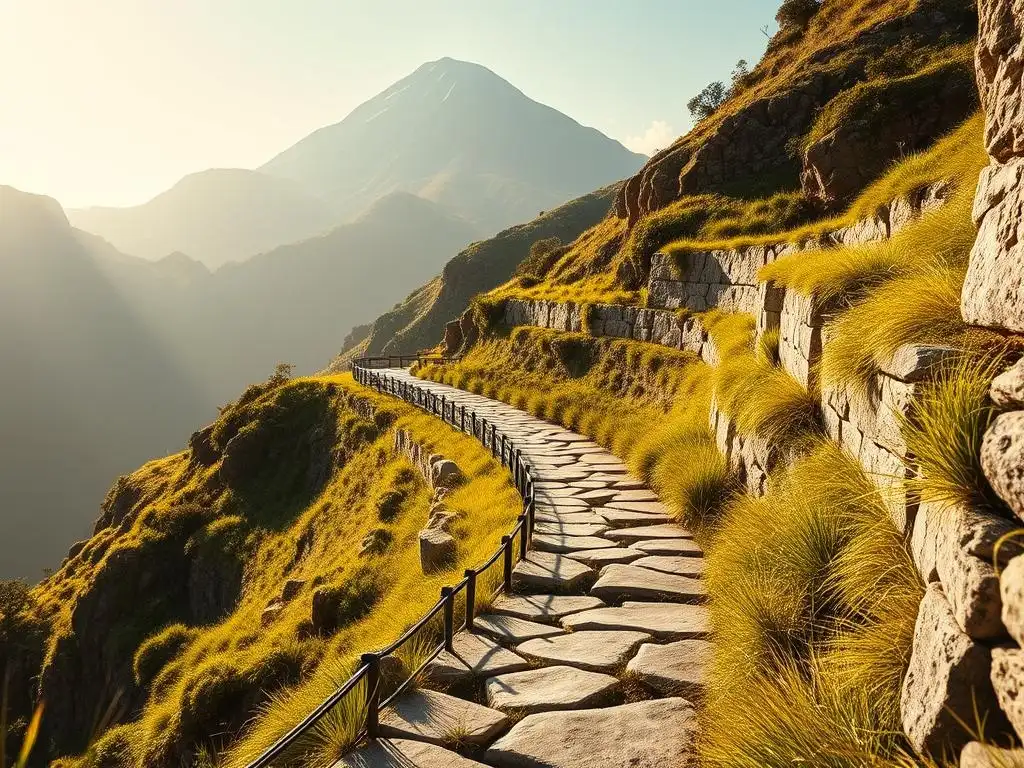
The Inca road system, a marvel of ancient engineering, wasn't just a feat of logistical prowess; it also represented a surprisingly sustainable approach to infrastructure development. While the scale of the project was immense, spanning thousands of kilometers across diverse and challenging terrain, the Inca's methods reveal a deep understanding of environmental stewardship, minimizing long-term negative impacts. This section delves into the specific practices that demonstrate the Inca's commitment to environmental sustainability, showcasing their sophisticated approach to resource management, engineering, and material sourcing.
Understanding these methods provides valuable insights into sustainable infrastructure development even today, highlighting the Inca road’s enduring legacy beyond its impressive physical presence. The Inca road environmental impact was, in many ways, remarkably minimized for its time.
Inca Resource Management: A Model of Sustainability
The Inca Empire's success hinged on effective resource management. Their approach to road construction exemplified this principle. Instead of indiscriminately exploiting resources, the Inca implemented strategies to ensure the long-term availability of materials and minimize environmental disruption. This involved careful planning and meticulous execution, prioritizing the preservation of natural resources.
For instance, stone quarries were likely selected with an eye towards minimizing the visual impact and ensuring that the extraction process didn't destabilize surrounding areas. Evidence suggests that the Inca prioritized the use of readily available, locally sourced materials, reducing the need for extensive transportation and consequently lowering carbon emissions—a concept remarkably advanced for its time. They understood that efficient resource management was crucial not only for the immediate construction but also for the long-term health of the ecosystem supporting their civilization. This foresight is a testament to their sophisticated understanding of ecological balance.
The Inca's meticulous record-keeping, though not fully understood today, likely played a critical role in this sustainable approach. They may have maintained detailed inventories of available resources, allowing for informed decision-making in construction projects. This efficient resource allocation minimized waste and ensured the longevity of the road system. Further research into Inca administrative practices could shed more light on the precise mechanisms employed for this remarkable level of resource management. This meticulous approach to resource management stands as a powerful example of sustainable practices, underscoring the Inca's deep understanding of the delicate balance between human development and environmental preservation.
Minimizing Environmental Disruption through Engineering Choices
The Inca's engineering ingenuity is evident in their ability to minimize environmental disruption during road construction. The roads weren't simply carved through the landscape; they were carefully integrated into it. The Inca engineers skillfully adapted their construction techniques to the specific topography, utilizing existing natural features whenever possible. This included building sections of the road along ridgelines, utilizing natural slopes, and incorporating existing rock formations. By working with the environment, rather than against it, they minimized the need for extensive excavation and land clearing.
This approach is illustrated by the remarkable feats of engineering found throughout the Inca road system. The use of retaining walls, terraces, and bridges, often constructed from locally sourced materials, demonstrates an adaptive approach to engineering that minimized disruption to the surrounding ecosystems. The careful placement of drainage systems further reduced erosion and protected the surrounding environment. These engineering choices not only facilitated the construction process but also ensured the long-term stability and environmental integrity of the roads themselves. Further studies on specific road sections could quantify the reduction in environmental disruption achieved through these ingenious techniques.
The Use of Local Materials and Reduced Transportation Needs
A core tenet of the Inca road's sustainability was the utilization of local materials. This significantly reduced the environmental impact associated with transportation. Instead of importing materials over long distances, the Inca primarily used readily available resources found near the construction site. Stone, earth, and timber, all abundant in the Andean region, formed the backbone of the road construction. This practice minimized the carbon footprint associated with material transport, a significant contributor to environmental damage in modern infrastructure projects.
The choice of local materials also fostered a sense of place and integration with the surrounding environment. The roads didn't stand as jarring intrusions but rather blended seamlessly into the landscape. This aesthetic harmony was not merely a matter of visual appeal; it also reflected a deeper understanding of the interconnectedness between human settlements and their natural surroundings.
The use of local materials also supported local economies, creating employment opportunities within the communities involved in the construction process. Detailed analyses of the specific materials used in different sections of the road network could further illuminate the extent of this sustainable practice and its socio-economic benefits. The Inca road's environmental impact was thus mitigated by this thoughtful and efficient approach to material sourcing and transport.
Modern Perspectives on the Inca Road's Environmental Legacy
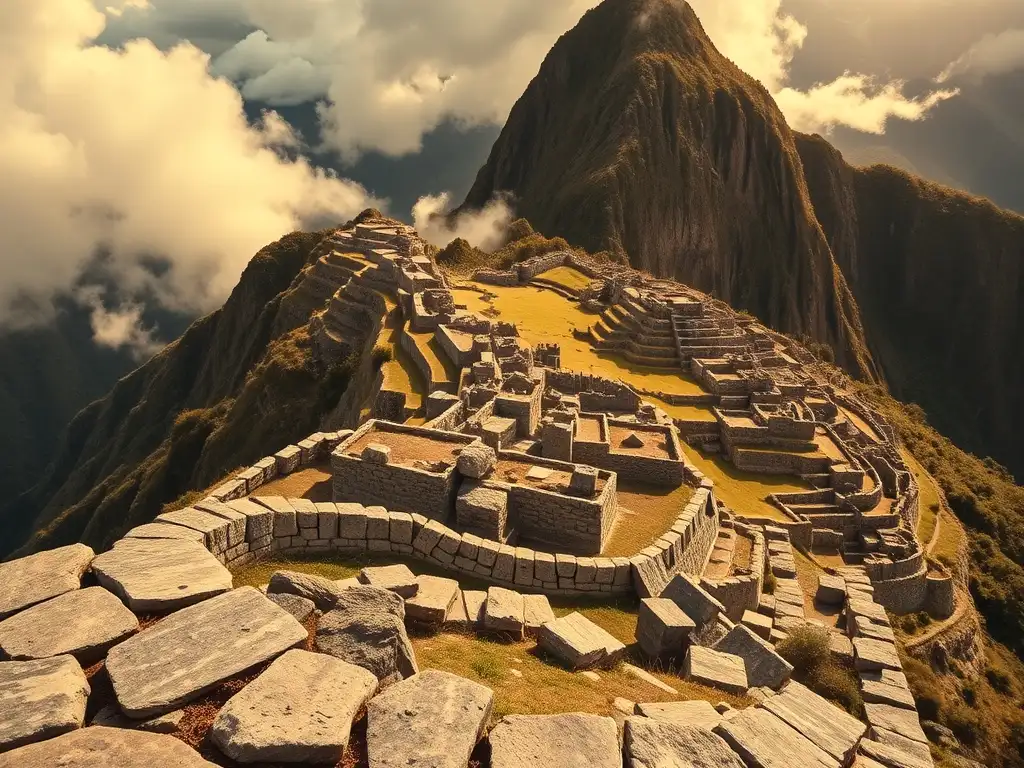
The Inca road system, the Qhapaq Ñan, stands as a testament to sophisticated engineering and a surprisingly sustainable approach to infrastructure development. While its primary function was facilitating communication and trade across the vast Inca Empire, its environmental impact, both positive and negative, continues to be a subject of ongoing study and debate.
Modern perspectives analyze the Inca road not merely as a historical artifact, but as a case study in sustainable infrastructure, offering valuable lessons for contemporary societies grappling with environmental challenges related to construction and transportation. Analyzing the Inca road environmental impact requires a nuanced understanding of the materials used, the construction techniques employed, and the long-term consequences of the road network on the Andean landscape.
Lessons Learned from Inca Engineering for Contemporary Infrastructure
The Inca's approach to road building offers several key lessons for modern infrastructure projects focused on minimizing environmental impact. Their mastery of adaptive engineering, tailoring construction to the specific topography and environment, is particularly relevant today. Instead of imposing large-scale earthworks that disrupt ecosystems, the Inca often utilized existing terrain, minimizing excavation and land alteration. This is exemplified by their skillful use of retaining walls built from locally sourced stone, seamlessly integrating the road into the natural landscape.
Furthermore, the Inca’s preference for locally sourced materials reduced the carbon footprint associated with transportation and minimized the disruption of distant ecosystems. The use of readily available stone, earth, and timber reduced the need for extensive quarrying and logging, limiting habitat destruction and soil erosion. This contrasts sharply with many modern projects that rely on extensive transportation of materials, often with significant environmental consequences. Consider, for example, the impact of transporting concrete and steel over vast distances compared to using readily available stone.
Finally, the Inca’s understanding of water management is another crucial lesson. Their road network often incorporated sophisticated drainage systems to prevent erosion and damage to the road itself. These systems, often integrated with agricultural terraces, demonstrate a holistic approach to infrastructure development that considered the interconnectedness of water, land, and human activity. Modern engineers can learn from this integrated approach to minimize the negative impacts of infrastructure on water resources.
Evaluating the Long-term Environmental Impact of the Inca Road
Assessing the long-term environmental impact of the Inca road requires a multifaceted approach, acknowledging both its positive and negative consequences. While the Inca’s methods were generally sustainable, some negative impacts cannot be ignored. For instance, the construction of the road inevitably led to some habitat fragmentation and disruption of local ecosystems. However, the scale of this disruption was likely significantly less than that of many modern road projects due to the Inca's emphasis on minimal intervention.
The long-term effects of the road network on soil erosion are also a subject of ongoing research. While the integrated drainage systems likely mitigated some erosion, increased human traffic along the roads may have contributed to soil degradation in certain areas. Further research is needed to quantify the extent of this impact and compare it to the erosion rates in similar, undisturbed areas.
Detailed studies comparing erosion rates along sections of the Qhapaq Ñan with adjacent undisturbed areas are crucial to accurately assess the long-term consequences. This requires advanced techniques like GIS mapping and soil analysis to provide concrete data and avoid relying on speculation. Data on sedimentation rates in nearby rivers could also provide valuable insights.
Conservation Efforts and Sustainable Tourism on the Qhapaq Ñan
The preservation of the Qhapaq Ñan and its sustainable use are paramount. Conservation efforts focus on preserving the remaining sections of the road, documenting its archaeological significance, and promoting sustainable tourism. The challenge lies in balancing the need to protect this invaluable historical and environmental resource with the opportunities for economic development through tourism.
Sustainable tourism strategies emphasize minimizing the environmental impact of visitor traffic. This includes promoting responsible visitor behavior, such as staying on marked trails and avoiding damage to archaeological sites. Moreover, efforts are underway to develop eco-tourism initiatives that support local communities and contribute to the preservation of the Qhapaq Ñan. These initiatives often involve community-based tourism projects that provide economic opportunities while promoting environmental stewardship. For example, local guides can educate tourists about the importance of preserving the Inca road environmental impact and the cultural significance of the Qhapaq Ñan. The implementation of stringent regulations and monitoring of tourist activities is also vital to ensure the long-term sustainability of the site and minimize negative impacts. The success of these efforts hinges on a collaborative approach involving government agencies, local communities, and tourism operators. A well-managed tourism strategy can contribute significantly to the preservation of this incredible legacy for future generations.
The Inca Road as a Case Study in Sustainable Infrastructure
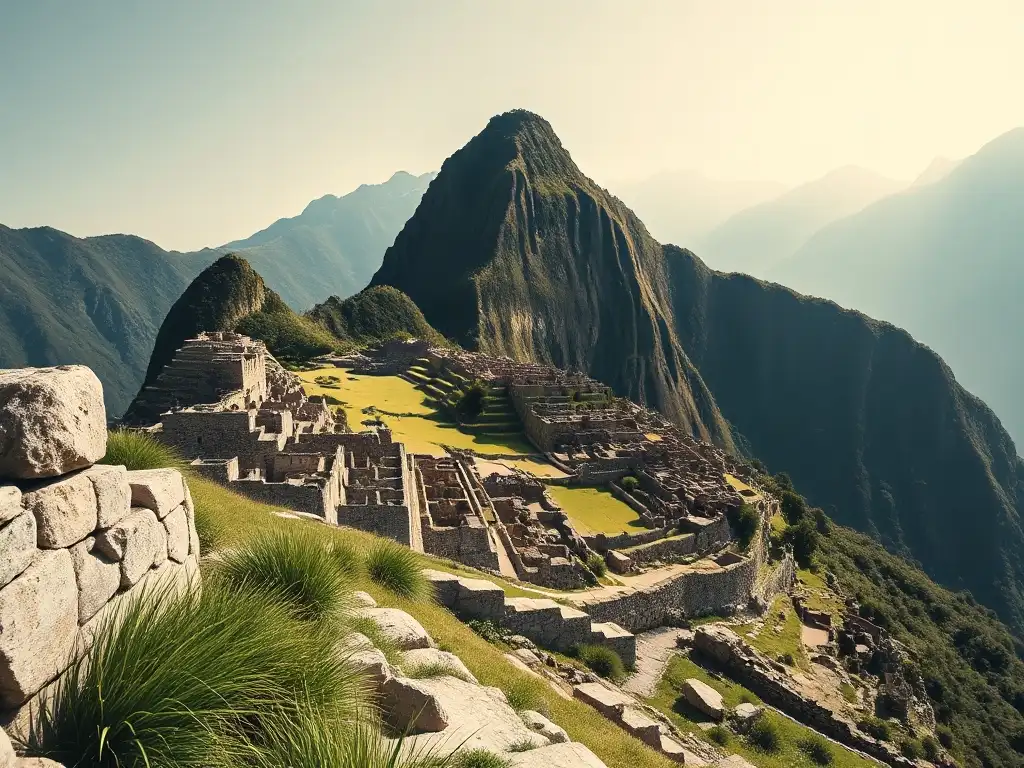
The Inca road system, a marvel of ancient engineering, offers a compelling case study in sustainable infrastructure. Unlike modern road construction, which often necessitates significant environmental disruption, the Inca approach prioritized minimizing its impact on the surrounding landscape. Their methods, while seemingly rudimentary by today's standards, demonstrate a deep understanding of environmental harmony and resource management.
The careful selection of building materials, sourced locally whenever possible, reduced transportation needs and associated emissions – a concept gaining renewed traction in contemporary sustainable construction practices. This localized sourcing also supported local economies and fostered a sense of community involvement in the project, a crucial element often overlooked in modern large-scale infrastructure projects.
Furthermore, the Inca's ingenious use of natural materials like stone and earth, seamlessly integrated into the existing topography, minimized habitat destruction and visual intrusion. The roads weren't simply laid down; they were carefully crafted to blend with their environment. This approach stands in stark contrast to many modern road projects that involve extensive land clearing, habitat fragmentation, and the creation of visually jarring scars on the landscape.
The Inca's understanding of drainage and erosion control, evident in their sophisticated terracing and water management systems along the roads, further showcases their commitment to minimizing long-term environmental consequences. These features not only protected the road itself but also preserved the surrounding ecosystems. The Inca road system, therefore, presents a powerful example of how infrastructure development can be harmoniously integrated with the natural environment, offering valuable lessons for contemporary sustainable engineering.
The careful consideration of environmental impact, resource management, and community engagement demonstrated by the Inca remains highly relevant today, especially as we face increasing environmental challenges related to infrastructure development. Their legacy serves as a blueprint for a more environmentally responsible approach to infrastructure construction.
Lessons from the Inca Road for Modern Sustainable Infrastructure Projects
The Inca road system provides invaluable lessons applicable to modern sustainable infrastructure projects. Firstly, the emphasis on locally sourced materials drastically reduces carbon emissions associated with transportation and manufacturing. This principle is now a cornerstone of green building initiatives, highlighting the enduring wisdom of the Inca approach.
Secondly, the Inca's meticulous integration of the road into the existing landscape minimizes habitat disruption and visual impact, a stark contrast to the often destructive practices of modern large-scale projects. Their sensitivity to the environment serves as a powerful reminder of the importance of careful site selection and planning to reduce environmental footprint.
Modern sustainable infrastructure projects can learn significantly from the Inca's sophisticated drainage and erosion control techniques. These techniques, which minimized soil erosion and protected the surrounding ecosystems, are directly relevant to the challenge of mitigating the environmental impact of modern road construction. Furthermore, the Inca's community-based approach to construction offers a valuable lesson in social sustainability. Engaging local communities in the planning and implementation phases promotes ownership and reduces potential conflicts, a crucial element often neglected in modern projects.
By embracing principles of local sourcing, minimal environmental disruption, and community engagement, modern infrastructure projects can strive towards the sustainability exemplified by the Inca road system. This approach not only reduces environmental harm but also fosters more equitable and socially responsible development. The Inca’s legacy underscores the critical need for a holistic approach to infrastructure development that considers environmental, social, and economic factors.
Reconciling Development and Environmental Preservation: The Inca Model
The Inca road system, a marvel of ancient engineering, stands as a testament to the empire's sophisticated understanding of integrating infrastructure development with environmental preservation. Unlike many modern construction projects that prioritize immediate economic gains over long-term ecological consequences, the Inca approach prioritized sustainability, minimizing environmental disruption and maximizing resource efficiency. This wasn't simply a matter of chance; it was a deliberate strategy interwoven into their worldview and practical needs.
The Inca's success in constructing and maintaining an extensive network of roads across diverse and challenging terrains, while simultaneously preserving the natural environment, offers valuable lessons for contemporary infrastructure planning. Understanding their methods allows us to analyze the Inca road's environmental impact, revealing a surprisingly sustainable approach.
Balancing Infrastructure Needs with Ecological Responsibility
The Inca's understanding of environmental harmony was fundamental to their road construction. They didn't simply bulldoze through landscapes; instead, they adapted their engineering to the existing topography. This involved careful route selection, minimizing deforestation and soil erosion. Evidence suggests they prioritized existing trails and natural pathways, modifying them only when necessary. The use of locally sourced materials, like stone and timber from sustainable harvesting practices, further reduced the project's ecological footprint. This contrasts sharply with modern practices, which often rely on extensive imports, leading to increased carbon emissions and habitat destruction.
Furthermore, the Inca implemented ingenious techniques to minimize environmental damage during construction. Terracing was employed on slopes to prevent erosion and landslides, stabilizing the land and protecting the surrounding ecosystems. Drainage systems were meticulously planned to divert water away from the roads, preventing damage and mitigating the risk of flooding. The construction techniques themselves, often involving dry-stone masonry, were designed to blend seamlessly with the surrounding landscape, minimizing visual impact. This holistic approach ensured that the roads not only served their practical purpose but also enhanced the aesthetic and ecological integrity of the regions they traversed.
Applying Inca Principles to Modern Environmental Challenges
The Inca's approach to road construction provides valuable insights for tackling modern environmental challenges related to infrastructure development. Their emphasis on sustainable materials, minimal environmental disruption, and harmonious integration with the landscape offers a compelling alternative to current practices. The Inca road's environmental impact serves as a case study for how large-scale projects can be implemented with significantly reduced ecological damage.
By adopting some of the Inca's principles, modern infrastructure projects can significantly reduce their carbon footprint and minimize habitat destruction. This includes exploring alternative materials with lower environmental impact, improving construction techniques to minimize waste and pollution, and prioritizing route planning that avoids ecologically sensitive areas.
Furthermore, incorporating elements of traditional Andean knowledge into modern engineering practices could lead to innovative and sustainable solutions. For instance, studying Inca water management techniques could inform the design of more efficient and environmentally friendly drainage systems.
The Inca model, therefore, offers a powerful framework for reconciling the need for development with the imperative of environmental protection, proving that sustainable infrastructure is not a utopian ideal, but a practical possibility. The enduring legacy of the Inca road system is not only its impressive scale but also its demonstration of a sustainable approach that continues to resonate today, providing a blueprint for a more environmentally responsible future.
Frequently Asked Questions
What was the primary environmental impact of the Inca road system?
The Inca road system, while impressive, had some environmental impacts. Construction required resource extraction, such as stone and timber, and potentially led to habitat disruption in some areas. However, the impact was generally localized and often mitigated by Inca practices.
Did the Incas use sustainable practices in road construction?
Yes, the Incas employed surprisingly sustainable techniques. They often used locally sourced materials, minimized deforestation through careful planning, and integrated the roads into the landscape to reduce disruption. Terracing and reforestation efforts were also common.
How did Inca road construction affect water resources?
Inca road construction sometimes impacted water resources, but not always negatively. While some areas may have experienced localized alterations to water flow, the Incas also built aqueducts and irrigation systems that improved water management in many regions.
What evidence exists to support the claim of sustainable Inca road practices?
Archaeological evidence shows the Incas' respect for the environment. The integration of roads into existing landscapes, the use of local materials, and the presence of irrigation systems all point to a nuanced approach that minimized long-term negative environmental impacts.
How does understanding the Inca road's environmental impact inform modern infrastructure projects?
Studying the Inca road system offers valuable lessons for modern infrastructure. Their focus on localized resource use, minimal environmental disruption, and integration with the landscape provides a sustainable model that can inspire more environmentally conscious development today.
Final Reflection: Echoes of the Inca Road: Sustainability's Ancient Wisdom
The Inca road's ingenious design, far from being a relic of the past, offers a potent blueprint for sustainable infrastructure in the 21st century. Its minimal environmental impact, achieved through meticulous planning and resourcefulness, stands in stark contrast to the often destructive practices of modern construction. This ancient marvel reminds us that progress and environmental stewardship are not mutually exclusive.
The Inca's deep understanding of their environment, their respect for the land, and their commitment to integration rather than domination, continues to resonate today. Their approach serves as a powerful counterpoint to the often unsustainable practices of modern development. The earth provides enough to satisfy every man's needs but not every man's greed.
- Mahatma Gandhi. This quote perfectly encapsulates the difference between the Inca's approach and the often exploitative nature of contemporary projects. We can learn much from their example, particularly in a time of escalating environmental concerns.
Consider the lessons of the Inca road. Think about the ways in which we can incorporate their principles of careful planning, minimal disruption, and harmonious integration with the natural world into our own projects. You, too, can be a steward of the environment, advocating for sustainable practices in your community and beyond. Let the echoes of the Inca road inspire you to build a more sustainable future, one project at a time.
Unveil Sustainable Pathways for the Future!
Thank you for exploring the profound environmental impact of the Inca Road! You've discovered a remarkable example of sustainable practices that seamlessly blend innovation with ecological mindfulness. Now, it's time to translate that wisdom into action, shaping a more sustainable present and future.
- **Integrate sustainable practices** into your daily life by recycling and choosing eco-friendly products.
- **Support local conservation efforts** and participate in community initiatives to protect natural resources and trails.
- **Share this article** on social media or with friends to inspire conversations about sustainable living.
What steps will you take today to honor the legacy of the Inca Road and build a more sustainable world?