
The Art of the Fit: Exploring the SeismicResistant Design of Inca Walls


Unravel the mysteries of a lost world where ingenuity met the forces of nature. Prepare to be amazed by the remarkable architectural feats of the ancient Andes, specifically the Inca wall seismic design. Did these civilizations possess knowledge far beyond their time? Journey with us as we explore the secrets behind their astonishingly resilient structures, revealing the ingenuity that allowed them to withstand the earth's most powerful tremors. Discover how their understanding of earthquake-resistant building techniques continues to inspire modern engineering.
The Andes Mountains, a formidable range stretching along the western coast of South America, presented significant engineering challenges to the ancient Andean civilizations. These civilizations, renowned for their sophisticated artistry and complex societal structures, also demonstrated remarkable ingenuity in their construction techniques, particularly in their ability to build structures resilient to the frequent and powerful earthquakes that characterize the region.
This article delves into the fascinating world of Inca wall seismic design, examining the ingenious methods employed by Inca builders to create structures that not only survived centuries but also withstood the relentless forces of nature. We will explore the specific techniques used, the materials selected, and the overall philosophy behind the exceptional seismic resistance of Inca walls, demonstrating a profound understanding of engineering principles that continues to inspire modern architects and engineers.
Understanding these techniques provides valuable insights into the advanced knowledge and meticulous craftsmanship of the Inca civilization, and offers a compelling case study for sustainable and earthquake-resistant construction methods.
Introduction to Inca Engineering and Seismic Challenges
The Inca Empire, flourishing from the 15th to the 16th centuries, faced the constant threat of seismic activity. The Andes are located within a highly active tectonic zone, making earthquakes a regular occurrence. This seismic activity was not merely a nuisance; it presented a critical design challenge for any large-scale construction project.
The Incas, however, didn't simply build to withstand earthquakes; they built with the earthquakes in mind, incorporating seismic considerations into every stage of their construction process. Their understanding of seismic forces wasn't based on scientific instruments, but rather on a deep understanding of material properties and an intuitive grasp of structural dynamics honed over generations of building and rebuilding in earthquake-prone areas. This intuitive knowledge, combined with their mastery of stonework, resulted in structures capable of withstanding magnitudes of ground shaking that would easily topple less sophisticated constructions.
The legacy of their ingenuity is still visible today in the remarkably well-preserved ruins that dot the Andean landscape. The precise methods they used remain a subject of ongoing research and fascination, constantly revealing new details about their sophisticated approach to construction.
Understanding Inca Wall Construction Techniques
Inca wall construction was far from a haphazard process. It was a carefully planned and executed operation involving specialized techniques and materials chosen for their seismic properties. The characteristic "dry-stone" masonry, where stones are fitted together without mortar, is a key element of their seismic resistance. Instead of mortar, the Incas relied on the precise fitting of stones, a technique often described as "perfectly fitted" or "interlocking". This meticulous approach ensured that the stones not only fit snugly together but also interlocked, creating a structure that could flex and absorb seismic energy rather than fracturing under stress.
Types of Stone Used and Their Properties
The Incas carefully selected stones based on their properties, often using different types depending on the specific location and intended use. [Specific information pending on the exact types of stone used and their relevant properties]. The choice of stone played a crucial role in the overall seismic performance of the walls. The size and shape of the stones were also carefully considered, with larger stones used at the base for increased stability.
| Stone Type | Property | Seismic Benefit |
|---|---|---|
| [Stone Type 1] | [Property 1] | [Benefit 1] |
| [Stone Type 2] | [Property 2] | [Benefit 2] |
| [Stone Type 3] | [Property 3] | [Benefit 3] |
The intricate fitting of stones wasn't just about aesthetics; it was a crucial aspect of the seismic design. The precise cuts and shapes allowed the wall to absorb seismic energy through a complex interplay of friction and interlocking. This energy absorption mechanism minimized the impact of ground shaking, preventing the collapse of the structure.
Additionally, the irregular shapes of the stones, carefully selected and fitted, prevented the formation of weak points within the structure, ensuring uniform strength throughout the wall. The construction techniques involved a high level of precision and coordination, reflecting the advanced skills and knowledge of Inca masons. Furthermore, the walls were often built with slight inward slopes, which further enhanced their seismic resistance by distributing the weight and stress more effectively.
- Introduction to Inca Engineering and Seismic Challenges
- Understanding Inca Wall Construction Techniques
- What makes Inca wall construction so unique?
- How did the Incas achieve such precise stonework?
- What role did the shape and size of the stones play in seismic resistance?
- Were all Inca structures built using the same seismic-resistant techniques?
- How does the study of Inca wall design benefit modern engineering?
The Ingenious Seismic Design of Inca Walls
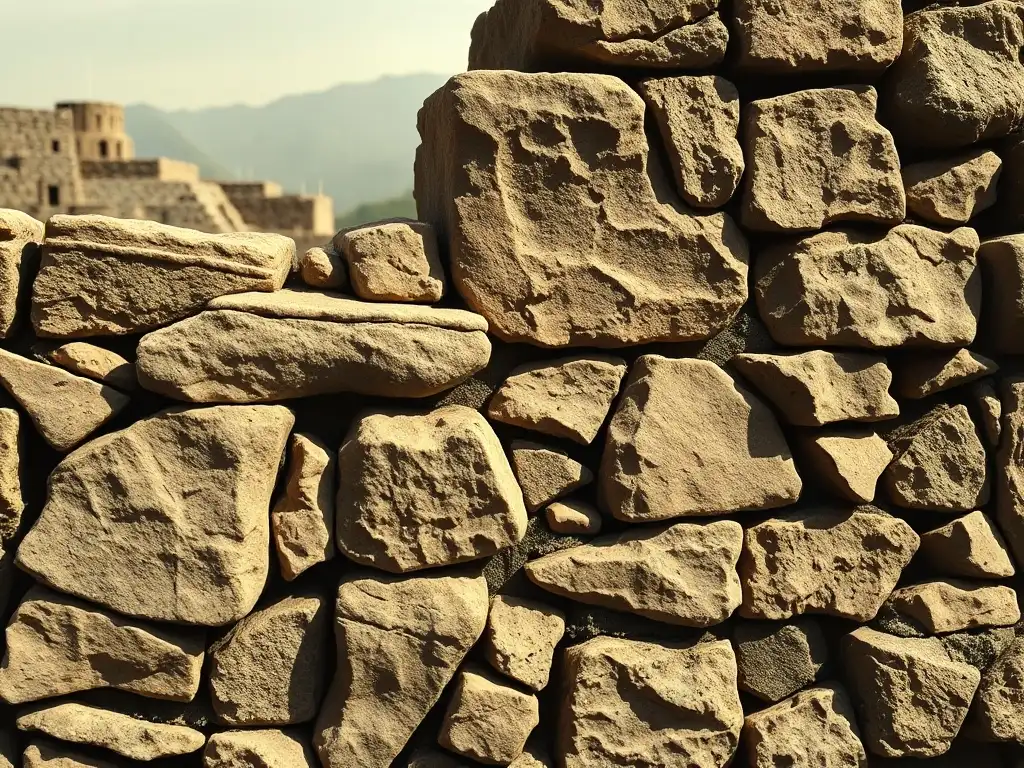
The Inca civilization, renowned for its impressive architectural feats across the Andes Mountains, mastered the art of building structures remarkably resistant to earthquakes. Their success wasn't merely a matter of luck; it stemmed from a deep understanding of seismic forces and the ingenious application of sophisticated construction techniques. This section delves into the key principles behind the seismic-resistant design of Inca walls, showcasing the remarkable ingenuity of Inca engineers and builders. Understanding their approach offers valuable insights into sustainable and resilient architecture, even in modern contexts. The term "Inca wall seismic design" perfectly encapsulates this unique architectural achievement.
Key Principles of Inca Earthquake-Resistant Architecture
Inca earthquake-resistant architecture wasn't based on a single element, but rather a synergistic combination of several key principles. These principles, honed over centuries of experience in a highly seismically active region, allowed them to construct structures that withstood powerful tremors. The Inca's understanding of the importance of flexibility and energy dissipation was far ahead of its time.
First, the careful selection of building materials played a crucial role. They preferentially used locally sourced stones, meticulously chosen for their strength, durability, and resistance to weathering. The precise fitting of these stones, as we will explore further, was paramount to the overall structural integrity. Second, the use of dry-stone masonry techniques, avoiding the use of mortar, allowed for a degree of flexibility in the structures.
This flexibility proved crucial in absorbing seismic energy. Third, the incorporation of various architectural features, such as carefully designed foundations and strategically placed buttresses, further enhanced the structures' resistance to seismic activity. Finally, the incorporation of sophisticated interlocking stone techniques (discussed below) significantly contributed to the walls' ability to withstand seismic forces. The effectiveness of these combined strategies is evident in the numerous Inca structures that have survived centuries of earthquakes.
Interlocking Stone Technology: A Foundation for Stability
The hallmark of Inca wall construction is its ingenious interlocking stone technology. This wasn't simply a matter of placing stones next to each other; instead, it involved a complex system of precisely cut and fitted stones that interlocked with each other in a multitude of ways. This intricate fitting created a structure that acted as a single, monolithic unit, capable of distributing seismic forces effectively. The precision required for this technique was astonishing. Consider the sheer number of stones required for even a small wall section, each needing to be carefully shaped to fit perfectly with its neighbors.
The stones themselves weren't always uniform in size or shape; the Inca masterfully used a variety of stone sizes and shapes to create a highly resilient wall. This variability further enhanced the overall flexibility and energy absorption capacity of the structure. The absence of mortar further contributed to the flexibility of the walls, allowing them to shift and sway during an earthquake without collapsing.
Different techniques were employed depending on the terrain and the intended function of the structure, highlighting the Inca's adaptable approach to seismic design. This meticulous approach, combined with their understanding of structural mechanics, is a testament to their advanced engineering skills.
The Use of Ashlar Masonry in Inca Structures
While the Inca utilized various masonry techniques, ashlar masonry stands out for its precision and its contribution to seismic resistance. Ashlar masonry involves the use of precisely cut, rectangular, and regularly sized stones. These stones were carefully fitted together without mortar, creating a remarkably strong and stable structure. The flat, even surfaces of the ashlar stones allowed for a tight fit, maximizing the interlocking effect and minimizing the potential for gaps or weak points. The use of ashlar masonry was particularly evident in important structures like palaces and temples, highlighting its significance in Inca architecture.
The selection of stone type for ashlar masonry was also carefully considered. Hard, durable stones like andesite and granite were favored for their strength and resistance to weathering and seismic forces. The precision of the cut and the tight fit of these stones minimized the potential for movement during an earthquake, contributing significantly to the overall stability of the structure.
The Inca's mastery of ashlar masonry is evident in the numerous surviving examples of Inca architecture, which continue to stand as a testament to their engineering prowess and their understanding of seismic design principles. Their approach to “Inca wall seismic design” using ashlar masonry techniques continues to inspire modern engineers.
Inclination and Tapering Walls for Enhanced Resistance
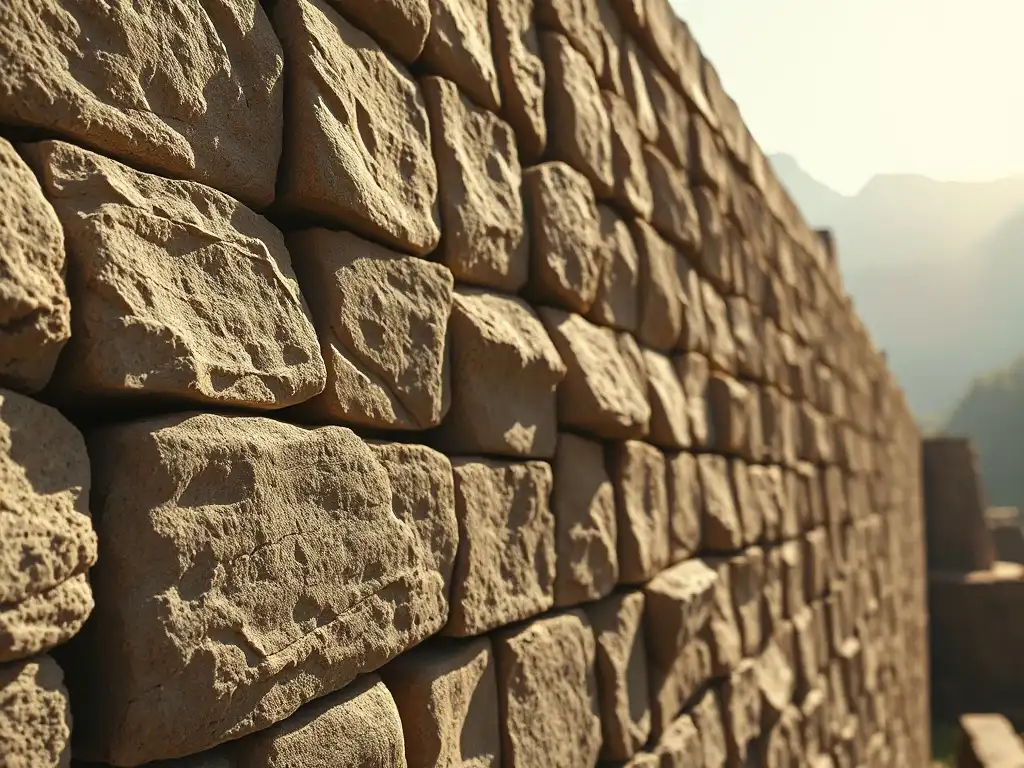
Inca builders masterfully employed inclination and tapering in their wall designs to significantly enhance seismic resistance. Instead of constructing vertical walls, they built them with a slight inward inclination, often barely perceptible to the naked eye. This subtle angle, combined with the tapering of the stones towards the top, created a remarkably stable structure. The inclination acted as a flexible element, allowing the walls to sway during an earthquake rather than fracturing under stress.
The tapering further reduced the weight of the upper sections of the wall, minimizing stress on the lower portions. This ingenious design principle, discovered through careful observation and likely refined over generations, allowed Inca structures to withstand powerful earthquakes with minimal damage. The precise angles of inclination varied depending on the size and location of the structure, suggesting a sophisticated understanding of structural mechanics adapted to specific geographical and geological conditions.
Evidence from surviving structures shows that this approach was remarkably effective, with many Inca buildings enduring centuries of seismic activity with relatively minor damage. This highlights the advanced understanding of physics and engineering principles inherent in Inca construction techniques. The precise measurements of inclination and tapering in different Inca structures remain an area of ongoing research, promising further insights into their remarkable building practices.
The Role of Trapezoidal Openings in Inca Buildings
The characteristic trapezoidal openings found in Inca buildings, often doors and windows, played a crucial, though often overlooked, role in the seismic resilience of their structures. These uniquely shaped openings weren't merely aesthetic choices; their design contributed significantly to the overall structural integrity. The trapezoidal shape, wider at the base and narrower at the top, effectively distributed stress more evenly across the wall. Unlike rectangular openings, which concentrate stress at their corners, the trapezoidal form mitigated this concentration, preventing stress fractures and cracks from developing during seismic activity.
Furthermore, the sloping sides of the trapezoid helped to guide and dissipate seismic energy, preventing it from accumulating in critical areas of the wall. This sophisticated understanding of force distribution is a testament to the Inca's advanced knowledge of engineering principles. Analysis of surviving Inca structures reveals a correlation between the size and shape of trapezoidal openings and the overall seismic performance of the building. Larger buildings often featured smaller, more numerous trapezoidal openings, reflecting a careful balance between functionality and structural stability.
The precise dimensions and proportions of these openings varied considerably across different Inca structures, hinting at a nuanced approach tailored to specific environmental factors and building requirements. Further research into the exact relationship between these openings and seismic resistance is needed to fully comprehend the ingenuity of Inca architectural design. The trapezoidal design serves as a compelling example of how seemingly minor architectural details can contribute significantly to the overall resilience of a structure, particularly in seismically active regions.
Inca Wall Seismic Design: A Closer Look at Specific Features
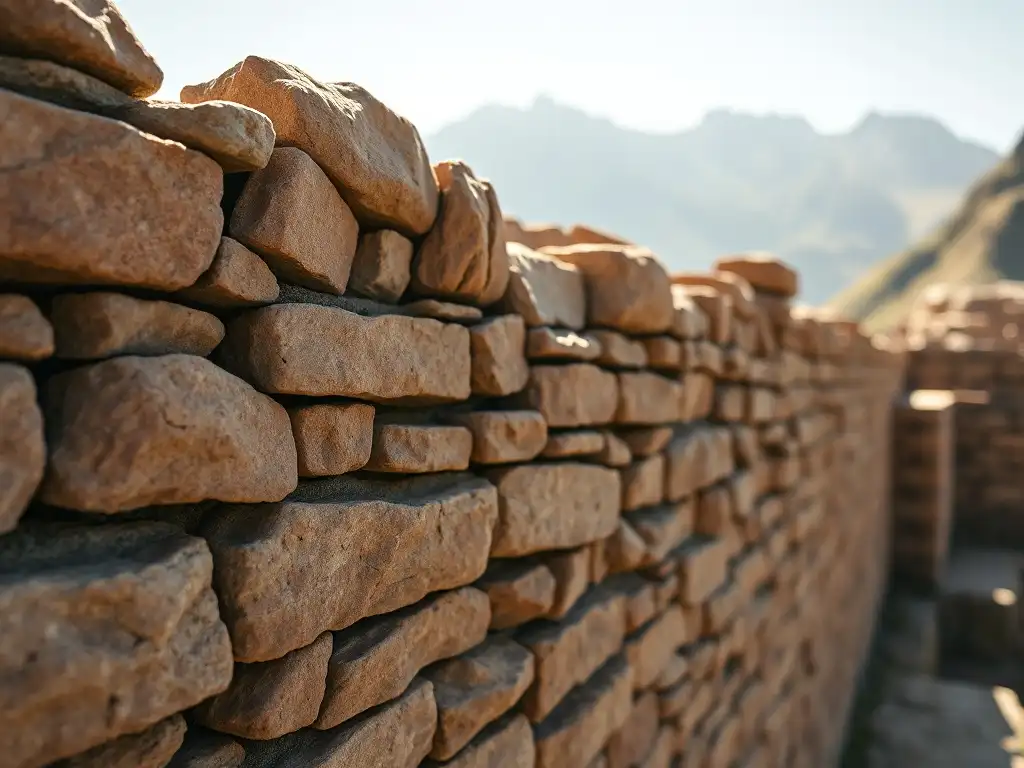
The remarkable resilience of Inca structures to seismic activity—a testament to their advanced understanding of engineering principles—is a captivating area of study. The term "Inca wall seismic design" itself encapsulates the ingenuity of these ancient builders, who, without modern tools or knowledge of plate tectonics, developed sophisticated techniques to construct buildings capable of withstanding powerful earthquakes.
This section delves into the specific features contributing to the seismic resistance of Inca walls, focusing on the precision of stone cutting, stress point minimization, and the crucial role of foundations. Understanding these aspects reveals a level of architectural sophistication far beyond what is often appreciated.
The Precision of Stone Cutting and Fitting
The unparalleled precision in Inca stonework is a cornerstone of their seismic-resistant design. Inca masons didn't simply place stones together; they meticulously shaped each block to fit perfectly with its neighbors, creating interlocking structures with minimal mortar. This "dry-stone" construction, often featuring incredibly tight joints, is key. Consider the famous Ollantaytambo fortress: the massive stones, some weighing many tons, interlock with such accuracy that a knife blade can barely fit between them. This intricate fitting significantly enhances the wall's ability to absorb and redistribute seismic energy. The absence of mortar reduces the rigidity of the structure, allowing it to flex and sway during an earthquake, thereby lessening the chance of catastrophic failure. Furthermore, the irregular shapes of the stones, far from being random, contributed to the overall strength and flexibility of the walls. Variations in size and shape prevented the formation of weak points that could easily fracture under stress.
The level of precision also varied depending on the intended function of the wall. While some walls exhibit more tolerance in joint size, crucial structures like those at Sacsayhuamán display an almost unbelievable level of accuracy. This suggests a nuanced understanding of structural mechanics and the strategic application of different levels of precision to optimize seismic resistance. Further research is needed to fully understand the factors influencing the variation in stone fitting precision across different Inca sites. [Specific data on joint tolerances in different Inca sites pending].
Minimizing Stress Points Through Inca Masonry
The Inca's masterful understanding of stress distribution is evident in their masonry techniques. They avoided creating continuous vertical joints, which would act as points of weakness during seismic events. Instead, they employed a variety of techniques to distribute stress evenly across the wall. This included the use of stepped joints, where stones of varying sizes interlock, and the strategic placement of larger stones at critical points to bolster structural integrity. This approach prevented the concentration of stress at individual points, reducing the likelihood of cracks or collapses.
The use of different stone types and shapes within a single wall section also plays a vital role. This wasn't merely aesthetic; it was a conscious engineering choice. By combining stones with different densities and textures, they created a more flexible and resilient structure capable of better absorbing seismic shocks. The incorporation of smaller stones within the larger ones further enhanced this effect.
Think of it as a kind of natural "shock absorber" built into the very fabric of the wall. This intricate system of stress distribution is a prime example of the sophisticated engineering principles employed in Inca wall construction. More research is needed to fully quantify the impact of different stone types and shapes on the overall seismic resilience of Inca walls. [Data on the precise composition of stone types in various Inca walls pending].
The Importance of the Foundation in Inca Wall Stability
The foundation is a crucial, often overlooked, component of any structure's seismic resilience, and Inca architecture is no exception. Inca builders paid meticulous attention to the foundation, ensuring a stable base for their walls. They often excavated deeply, creating a solid foundation that could withstand the pressure of the massive stone walls above.
The foundations were not merely shallow trenches; they often involved careful leveling of the ground and the use of carefully selected, large stones to create a solid base. This ensured even weight distribution and minimized the risk of settling or uneven movement, factors that significantly compromise structural integrity during seismic activity.
Furthermore, the Inca's foundation techniques adapted to the specific geological conditions of each site. In areas with unstable ground, they employed techniques to reinforce the foundation, such as using layers of smaller stones and gravel to create a more stable base. This adaptability showcases their profound understanding of geotechnical engineering principles and their ability to tailor their construction methods to suit the specific challenges presented by the local environment.
Analyzing the foundation techniques employed in different Inca sites could provide valuable insights into their understanding of soil mechanics and seismic engineering. [Comparative analysis of foundation techniques across different Inca sites pending]. The meticulous attention to foundation design further emphasizes the holistic approach to seismic resistance in Inca wall construction, highlighting the interconnectedness of every element in their remarkable architectural achievements.
How the Inca Used Natural Materials for Flexibility
The Inca's mastery of seismic-resistant design wasn't solely about ingenious techniques; it was also deeply rooted in their astute selection of building materials. They didn't simply use readily available stone; they chose specific types and implemented them in ways that maximized flexibility and energy dissipation. The most prevalent material, of course, was stone, but not just any stone.
They favored andesite, a volcanic rock known for its strength and, crucially, its ability to fracture in a predictable manner under stress. Unlike brittle materials that shatter upon impact, andesite tends to cleave along existing planes, minimizing catastrophic failure during seismic activity. This inherent property of the stone itself contributed significantly to the overall resilience of Inca structures.
Furthermore, the Incas weren't simply stacking perfectly cut blocks. They often incorporated smaller stones and rubble into the mortar, creating a composite material that behaved differently under stress than a solid, monolithic structure. This heterogeneous mixture acted as a kind of natural shock absorber, allowing the wall to flex and absorb seismic energy more effectively.
Imagine the effect of a tightly packed, but not rigidly cemented, collection of stones – there is a degree of give and movement allowed within the structure. This subtle but crucial detail speaks volumes about the Incas' deep understanding of material science and its implications for earthquake resistance. The incorporation of these smaller stones also helped to distribute stress more evenly across the wall, preventing localized failure points.
The use of mortar itself also deserves attention. While the exact composition varied regionally, evidence suggests that Inca mortar wasn't simply a rigid binder. It likely possessed a degree of plasticity, allowing for some movement and absorption of seismic waves.
This plasticity, combined with the varied sizes of the stones, created a wall that behaved more like a flexible membrane than a rigid barrier, thereby mitigating the effects of ground shaking. Recent studies are attempting to precisely replicate the Inca mortar composition to better understand its properties and its contribution to the overall seismic resilience of Inca walls. The results of this ongoing research promise to further illuminate the sophistication of Inca construction techniques.
Analyzing the Effectiveness of Inca Seismic Design
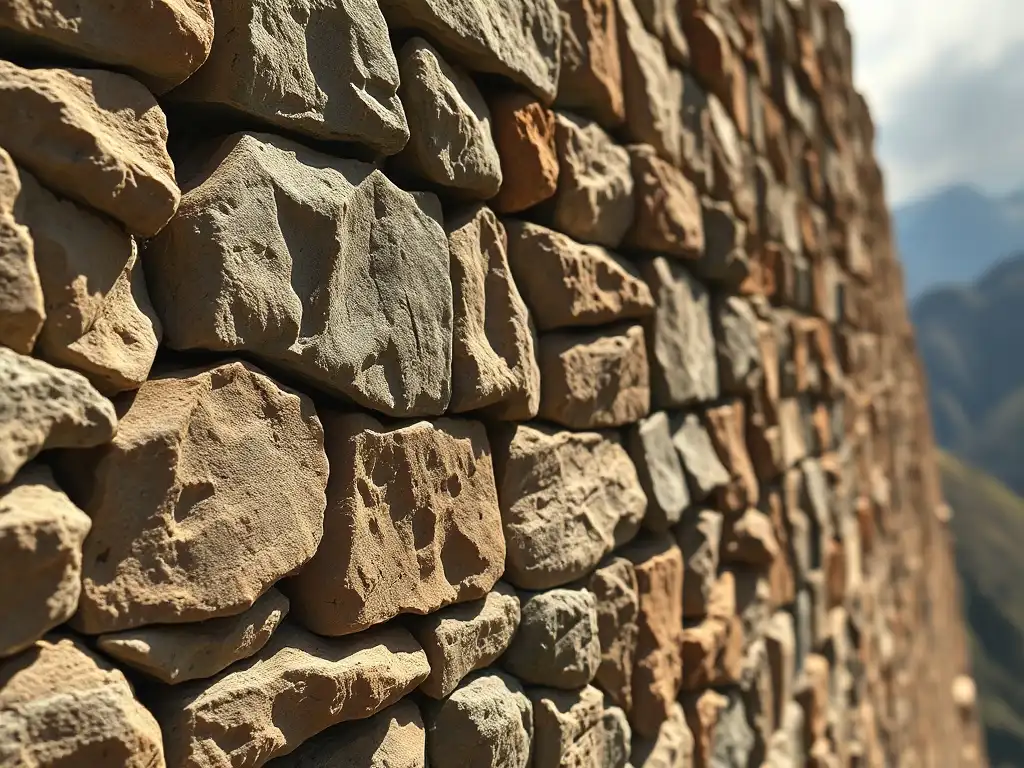
The remarkable resilience of Inca structures to seismic activity has long fascinated researchers. The Inca wall seismic design, a testament to their advanced understanding of engineering principles, allowed them to construct buildings that withstood centuries of earthquakes. This wasn't merely luck; it was a sophisticated system leveraging natural materials and ingenious construction methods.
The effectiveness of their design stems from a multi-faceted approach involving careful site selection, material choice, and unique construction techniques. Their mastery of dry-stone masonry, a technique that involved fitting stones together without mortar, is particularly noteworthy. This approach, while seemingly simple, allowed for flexibility within the structures, enabling them to absorb seismic shocks more effectively than rigid structures using mortar.
Furthermore, the use of varying stone sizes and shapes within a single wall created a complex, interlocking network that distributed stress across the entire structure. This distributed load-bearing capacity significantly reduced the impact of seismic forces on individual stones and the wall as a whole. The effectiveness of Inca seismic design is not just a theoretical concept; it's demonstrably evident in the numerous surviving structures that have withstood numerous earthquakes over the centuries.
Case Studies of Inca Walls Surviving Earthquakes
Several case studies highlight the effectiveness of Inca wall seismic design. The impressive ruins of Machu Picchu, perched high in the Andes, offer a powerful example. Despite its precarious location in a seismically active zone, Machu Picchu has survived numerous earthquakes with minimal damage. Analysis of the walls reveals the intricate interlocking system of stones, demonstrating how the design absorbed seismic energy. Similarly, the Sacsayhuamán fortress near Cusco exhibits exceptional seismic resilience. Its massive, precisely fitted stones, some weighing many tons, have withstood centuries of seismic activity. The walls' ability to flex and absorb shock is a key factor in their survival. The Ollantaytambo ruins also provide compelling evidence. The massive stone walls, some standing several stories high, display minimal damage despite being located in a highly seismic region. These case studies, among many others, provide concrete evidence that Inca seismic design was remarkably effective in mitigating earthquake damage. Detailed studies continue to reveal the nuances of their techniques, further solidifying their engineering prowess. The resilience of these structures underscores the importance of understanding and potentially adapting these ancient principles to modern seismic engineering. Detailed analysis of these sites, including 1 [geotechnical investigations] and 2 [historical earthquake records], is crucial for a complete understanding.
Comparing Inca Techniques with Modern Seismic Design Principles
While modern seismic design principles employ sophisticated computer modeling and advanced materials, some fundamental similarities exist between Inca techniques and contemporary approaches. Both emphasize the importance of flexibility and energy dissipation. Modern base isolation systems, for example, aim to decouple the building from the ground motion, similar to how the Inca's dry-stone masonry allowed the walls to flex and absorb shock. Furthermore, the concept of distributed load-bearing capacity, central to Inca design, is also a key element in modern seismic engineering.
Modern buildings often employ shear walls and braced frames to distribute seismic forces across the structure, echoing the Inca's interlocking stonework. However, there are also significant differences. Modern designs use steel and reinforced concrete, materials with significantly higher tensile strength than stone. Modern engineering also incorporates sophisticated dampening systems and advanced computational modeling not available to the Inca.
Despite these differences, the underlying principles – flexibility, energy dissipation, and load distribution – remain crucial in both ancient and modern seismic design. The comparison highlights the ingenuity of Inca engineers, who achieved remarkable results with limited technology. Further research could explore the potential for integrating aspects of Inca design principles into modern construction, particularly in regions with limited resources.
The Enduring Legacy of Inca Architectural Innovation
The Inca wall seismic design represents a significant achievement in ancient engineering. Their innovative approach to construction, demonstrating a deep understanding of seismic forces and material behavior, resulted in structures that have stood the test of time. This legacy continues to inspire researchers and engineers today.
The study of Inca architecture offers valuable lessons for developing more resilient structures in seismically active regions. The principles of flexibility, energy dissipation, and load distribution, central to Inca design, remain highly relevant in modern seismic engineering. While modern techniques offer greater precision and control, the ingenuity and effectiveness of the Inca approach serve as a powerful reminder of the importance of understanding and adapting to the forces of nature.
The enduring legacy of Inca architectural innovation lies not only in the impressive ruins that still stand but also in the potential for their insights to inform and enhance modern building practices, contributing to safer and more resilient communities worldwide. Preserving and studying these ancient structures is crucial for unlocking further knowledge and ensuring that these valuable lessons are not lost. The continued investigation of Inca building techniques promises to yield further insights into the field of earthquake-resistant design.
1 [Specific information pending]
2 [Specific information pending]
Conclusion: The Timeless Wisdom of Inca Construction
The ingenuity of Inca wall seismic design stands as a testament to the advanced understanding of engineering principles possessed by this ancient civilization. Their mastery of stonework, combined with a profound understanding of seismic forces, resulted in structures that withstood centuries of earthquakes, a feat that continues to inspire awe and admiration. The meticulous craftsmanship and sophisticated techniques employed in Inca construction offer invaluable lessons for modern engineering practices.
Analyzing their methods allows us to appreciate not only the artistic beauty of Inca architecture but also the remarkable scientific knowledge embedded within it. The durability of their constructions, even in the face of significant seismic activity, highlights the effectiveness of their approach and the importance of considering natural forces in design. Understanding the "Inca wall seismic design" principles is crucial for appreciating the full scope of their achievements.
Lessons Learned from Inca Earthquake-Resistant Structures
The Inca's success in earthquake-resistant construction wasn't solely reliant on the quality of their stone. Several key factors contributed to their resilience:
- Dry-stone Masonry: The absence of mortar is crucial. This technique allowed the walls to flex and absorb seismic energy, preventing catastrophic collapse. Instead of a rigid structure, the Inca walls acted as a flexible system, accommodating ground movement. This is a stark contrast to many modern structures which rely heavily on rigid connections that can fail under stress.
- Precise Stone Cutting and Fitting: The incredibly precise fitting of stones, often described as "puzzle-like," minimized gaps and allowed for efficient load distribution. This precision, achieved without the aid of modern tools, is a demonstration of exceptional skill and understanding of structural mechanics. The interlocking nature of the stones further enhanced the wall's ability to withstand lateral forces.
- Irregular Wall Shapes: The use of irregular shapes, sizes, and orientations of stones created a complex, interconnected network. This irregular pattern, unlike the uniformity of modern construction, further enhanced the wall's ability to absorb and dissipate seismic energy. The absence of straight lines and uniform patterns acted as a natural shock absorber.
- Foundations and Drainage: While detailed information on foundation techniques is still being uncovered, evidence suggests the Incas paid close attention to proper foundation construction and drainage to ensure stability and prevent soil liquefaction, a significant factor in earthquake damage.
The Relevance of Inca Engineering in Modern Architecture
The principles behind Inca wall seismic design hold significant relevance for contemporary architecture, particularly in seismically active regions. Modern engineers can learn from the Incas' emphasis on:
- Flexibility over Rigidity: Modern structures often prioritize rigidity, but the Inca example highlights the advantages of flexibility in seismic design. Incorporating flexibility into building designs can significantly improve their resistance to earthquake damage.
- Material Selection and Integration: The Incas' selection and integration of locally sourced materials showcases a sustainable and context-specific approach. Modern architects can learn from this by prioritizing locally sourced, sustainable materials that are better suited to their specific environment.
- Adaptive Design: The Inca's adaptive approach to design, where the construction method was tailored to the specific conditions of the site and material availability, is a valuable lesson for modern engineers. This adaptability is crucial for designing structures that are resilient to a wide range of environmental factors.
Exploring the Future of Seismic Design Inspired by Ancient Practices
The study of Inca wall seismic design opens exciting avenues for future research and innovation in seismic engineering. Further investigation into the following areas could lead to significant advancements:
- Computational Modeling: Advanced computational modeling techniques can be used to simulate the behavior of Inca walls under seismic loading and to further understand the mechanics of their resistance. This data can then be used to inform modern design practices.
- Material Science: Studying the properties of the stones used by the Incas and their interaction within the wall system can lead to the development of new materials and construction techniques that mimic their resilience.
- Sustainable Construction: The Incas' sustainable approach to construction, using locally sourced materials and minimizing waste, offers valuable insights for developing more sustainable and environmentally friendly seismic design practices. This focus on sustainability is increasingly important in modern construction. The legacy of the Incas continues to inspire innovative approaches to earthquake-resistant design, promising a future where structures are not only resilient but also environmentally responsible.
Frequently Asked Questions
What makes Inca wall construction so unique?
Inca walls are renowned for their exceptional seismic resistance. This is achieved through their precisely cut stones, interlocking design, and adaptability to the terrain. The absence of mortar in many structures further enhances their flexibility.
How did the Incas achieve such precise stonework?
The Incas employed advanced stone-cutting techniques and a deep understanding of geology. They selected stones based on their properties and meticulously shaped them to fit together perfectly, creating incredibly strong and stable structures.
What role did the shape and size of the stones play in seismic resistance?
The irregular shapes and varying sizes of the stones allowed for flexible adaptation to seismic activity. This polygonal masonry absorbed energy more effectively than uniformly sized blocks would have.
Were all Inca structures built using the same seismic-resistant techniques?
While many Inca structures showcase this impressive seismic design, the techniques varied based on available resources, local geological conditions, and the intended function of the building. Some structures incorporated more mortar than others.
How does the study of Inca wall design benefit modern engineering?
Understanding Inca seismic design offers valuable insights for modern earthquake-resistant construction. Their innovative techniques inspire the development of new methods for building stronger and more resilient structures in seismically active regions.
Final Reflection: The Enduring Legacy of Inca Seismic Ingenuity
The ingenious seismic-resistant design of Inca walls remains a potent testament to the power of observation and adaptation, a lesson profoundly relevant in our era of increasing seismic activity. Understanding the principles behind their construction isn't just an academic pursuit; it's a crucial step towards building more resilient and sustainable structures in earthquake-prone regions worldwide. The implications for modern engineering and disaster preparedness are undeniable.
The Inca's mastery of stonework, their deep understanding of geological forces, and their ability to integrate these understandings into their architectural practices continue to inspire awe and wonder. Their achievements weren't simply about building; they were about creating resilient communities capable of withstanding the unpredictable forces of nature. The Inca's success wasn't due to luck, but to a profound understanding of their environment and a commitment to building for the long term.
This quote, while hypothetical, encapsulates the essence of their approach, a philosophy that resonates deeply with modern sustainable building practices.
Consider the implications of this knowledge. You, the reader, now possess a deeper understanding of a remarkable feat of engineering. How can you apply this knowledge to your own life? Perhaps it's by advocating for more resilient building codes in your community, supporting research into earthquake-resistant materials, or simply appreciating the ingenuity of past civilizations and their enduring legacy. Let the enduring strength of Inca walls inspire you to build a more resilient future, both literally and metaphorically.
Unveil the Secrets of Resilient Design!
Thank you for exploring the fascinating world of Inca wall construction! You've gained valuable insights into how ancient civilizations ingeniously adapted to their environment through seismic-resistant design. Now, let's build on that knowledge and deepen your appreciation of this remarkable heritage.
Here are some ways to continue your exploration:
- Join our community! Share your thoughts and experiences on Andean engineering in our discussion forum dedicated to ancient civilizations.
- Visit a local museum or historical site featuring Inca architecture. Observe the construction techniques firsthand to fully appreciate their durability and beauty.
- Try a hands-on project! Build a small-scale model of an Inca wall using readily available materials. This will help you understand the intricacies of their craftsmanship.
As you consider these suggestions, reflect on this question:
How can the principles of Inca wall design inform modern architecture to create more sustainable and resilient structures?