
From Quarry to Wall: The Logistics of Andean Stone Transportation

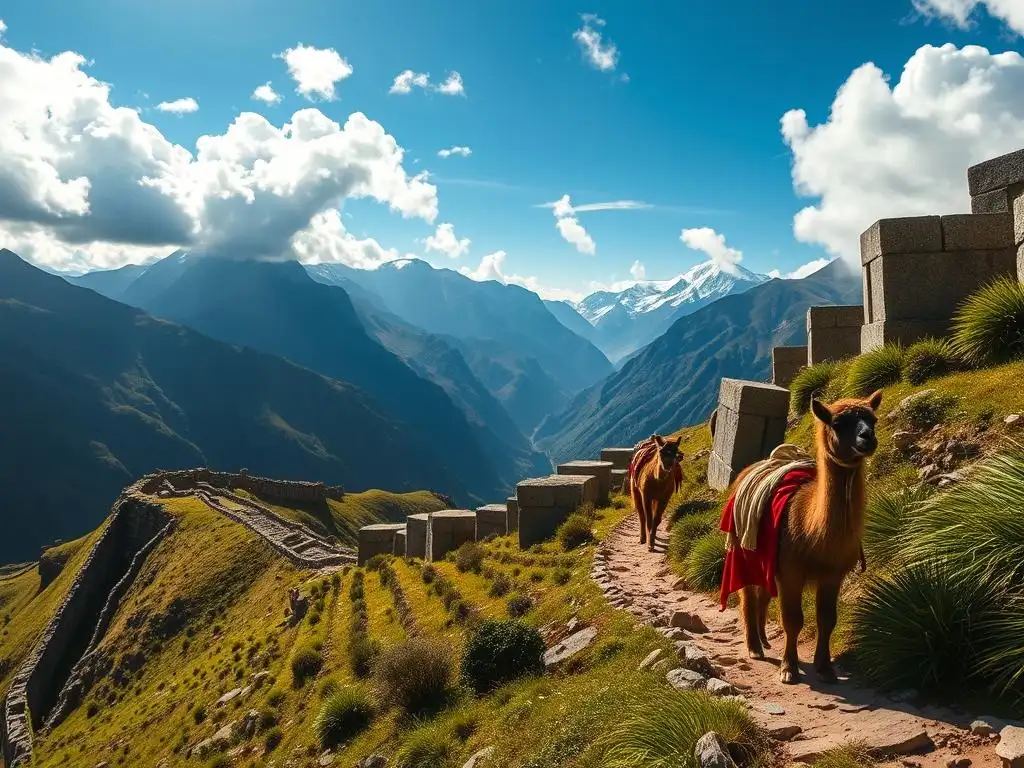
Uncover the secrets of a lost world! For centuries, the towering structures of the Andes have stood as testaments to the ingenuity of ancient civilizations. But how did they do it? Journey with us to explore the fascinating world of Andean stone transport methods, a feat of engineering that continues to baffle experts. Discover the ingenious techniques employed by the Incas, Moche, and other remarkable cultures to move colossal stones across treacherous terrain—a story of human ambition and architectural brilliance that will leave you breathless. Prepare to be amazed!
The breathtaking architecture of the Andes Mountains—from the precisely fitted stones of Machu Picchu to the monumental structures of Tiahuanaco—stands as a testament to the ingenuity and organizational prowess of ancient Andean civilizations. But how did these societies, lacking modern machinery, move colossal blocks of stone across challenging terrains, often over vast distances?
This article delves into the fascinating world of Andean stone transport methods, exploring the logistical challenges, innovative techniques, and sheer human effort required to achieve such remarkable feats of engineering. We will examine the quarries themselves, the transportation routes, and the likely methods employed, painting a picture of the complex systems that supported this monumental construction.
Understanding these methods offers a crucial insight into the sophisticated organization, resource management, and technological capabilities of these ancient cultures, significantly enhancing our appreciation for their architectural achievements. This exploration will focus on the Inca, Moche, Nazca, and Tiahuanaco cultures, highlighting both commonalities and unique approaches to this critical aspect of their construction practices.
Introduction to Andean Stone Transport Methods
The transportation of stone in the Andes presented significant logistical hurdles. The mountainous terrain, often steep and treacherous, required innovative solutions. While the precise methods remain partially shrouded in mystery, archaeological evidence and ethnohistorical accounts suggest a combination of techniques, adapted to the specific challenges of each location and the type of stone being moved. These methods likely included:
- Human Porters: The sheer number of people involved in these projects is undeniable. Evidence suggests a massive workforce using human power to move smaller stones. The use of carrying poles, slings, and ramps would have been essential.
- Animal Power: While the use of llamas is often cited, the exact extent of their contribution remains debated. Llamas could have transported smaller stones or building materials over shorter distances, but their load-bearing capacity would have limited their usefulness for the largest blocks.
- Rolling and Sliding: Larger stones were likely moved using rolling logs, ramps, and possibly even sledges. These techniques would have required careful planning and the construction of temporary infrastructure to overcome steep inclines and rough terrain.
- Water Transport: In certain regions, rivers and waterways may have been utilized, particularly for transporting lighter materials or stones over longer distances. This would have involved rafts or other floating platforms.
The efficiency of these methods was likely enhanced by sophisticated organizational structures, including a well-defined labor system, resource management, and possibly even specialized engineering expertise. Further research and archaeological discoveries continue to shed light on the specific techniques employed by different Andean cultures. The scale of these projects necessitates a deep understanding of the social and economic systems that supported them. We will now examine the origins of these magnificent stones.
Identifying Andean Quarries and Stone Sources
Locating and exploiting quarries was a crucial first step in Andean construction. The choice of stone depended on its availability, quality, and suitability for the intended purpose. Different cultures favored different types of stone. For example, the Incas frequently used granite and andesite, while other cultures utilized limestone, basalt, and other locally available materials. Identifying these quarries provides invaluable insights into the logistical networks and resource management strategies of these ancient societies. Archaeological investigations often reveal evidence of quarrying activities, including:
- Quarry Waste: The accumulation of broken stone, tools, and other debris near the quarry site provides strong evidence of extraction activities.
- Cut Marks and Tool Traces: Detailed examination of the stone surfaces can reveal the tools and techniques used in the quarrying process, allowing researchers to understand the level of sophistication involved.
- Transport Routes: The paths leading from quarries to construction sites often reveal clues about the transportation methods employed. These routes frequently involved the construction of carefully engineered ramps and pathways.
The precise location and extent of many Andean quarries remain unknown, highlighting the ongoing need for further research and exploration. The discovery of new quarries and the analysis of existing sites continue to refine our understanding of the logistical challenges faced by these ancient builders and the remarkable ingenuity they displayed in overcoming them. The sheer scale of some of these operations suggests highly organized and centralized planning, underscoring the advanced societal structures of these civilizations. Further sections will delve into the specifics of transportation techniques and the remarkable precision achieved in the placement of these enormous stones.
The Selection and Extraction of Andean Stone Blocks
The selection of stone for Andean constructions was a meticulous process, far from arbitrary. Builders carefully assessed the quality, color, and texture of the stone, prioritizing durability and aesthetic appeal. Specific quarries were chosen based on their proximity to construction sites, the quality of the stone they yielded, and the ease of extraction.
Evidence suggests that certain quarries were favored for specific projects, indicating a sophisticated understanding of the properties of different stone types. For instance, the red sandstone of Sacsayhuamán near Cusco was prized for its strength and vibrant color, while other quarries provided lighter-colored stones for contrasting effects. The selection process wasn't just about aesthetics; it was also deeply intertwined with the symbolic meaning attributed to different stones and colors within the Andean worldview.
The precise techniques for locating and evaluating suitable quarries remain partially shrouded in mystery, but archaeological investigations continue to shed light on this crucial initial step in Andean stone transport. Furthermore, the environmental impact of quarry selection and operation is an area of ongoing research, with scholars exploring the sustainability of these practices within the broader context of Andean resource management.
Pre-transportation Preparation of Stone Blocks
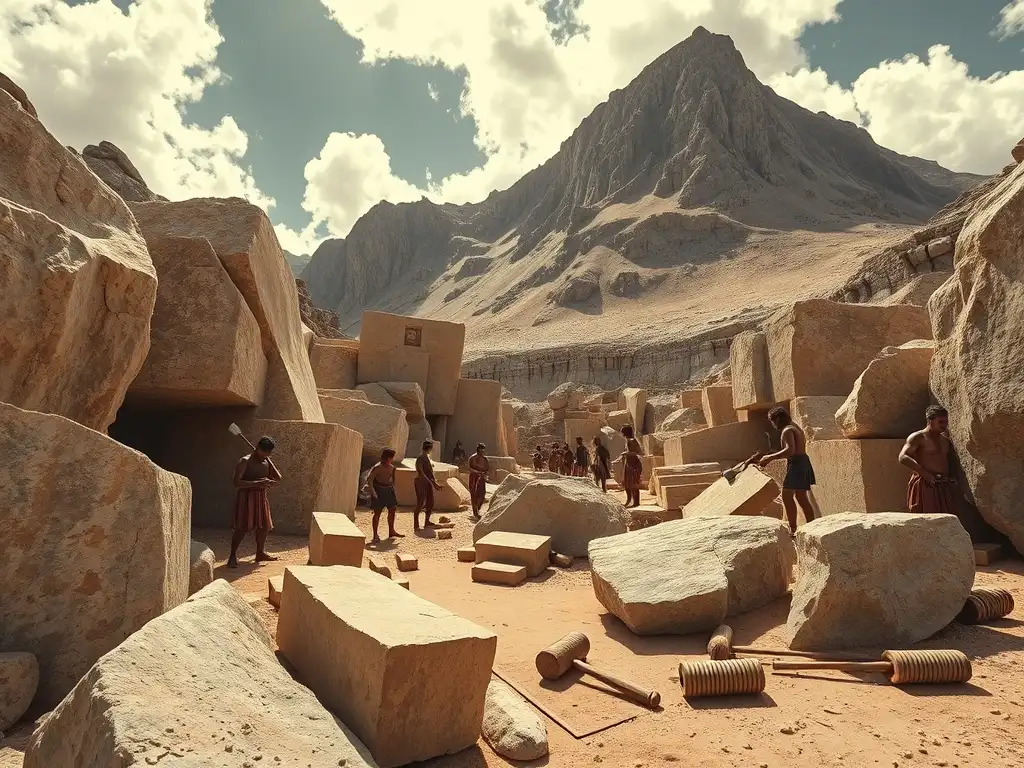
Before embarking on the arduous task of transporting massive stone blocks, Andean builders undertook significant preparation work at the quarry site. This involved carefully detaching the selected blocks from the bedrock, a process that likely involved a combination of techniques, including the use of fire, water, and stone tools. Evidence suggests that controlled fires were used to heat the rock, creating thermal stress that facilitated fracturing along pre-existing weaknesses.
Subsequently, water would be poured onto the heated rock, causing it to crack and potentially break along desired lines. Stone hammers, chisels, and wedges were then employed to refine the separation and shape the blocks to a more manageable size and form, reducing the overall weight and simplifying the transport process.
The precision of this initial shaping is remarkable, considering the scale of the stones and the tools available. This careful preparation was essential not only to reduce the weight and improve maneuverability but also to minimize damage during transportation, ensuring the integrity of the blocks for their intended use in structures.
Initial Shaping and Smoothing of Andean Stone
The initial shaping of the stone blocks wasn't simply about making them easier to move. It also involved creating a rough approximation of the final shape and size needed for the structure. This preliminary work reduced the amount of further shaping required once the stones reached the construction site.
The precision of this initial shaping varied depending on the type of stone and its intended use. Some blocks were only roughly hewn, while others received a more refined treatment, indicating a nuanced understanding of the required level of precision at different stages of the construction process. Furthermore, initial smoothing of the stone surfaces may have been undertaken at the quarry to reduce friction and potential damage during transport.
This demonstrates a clear understanding of engineering principles and a remarkable level of skill and planning. The tools used for this process, while largely inferred from extant artifacts and the stone blocks themselves, were sophisticated enough to achieve a surprising level of accuracy, considering the limitations of the available technology.
The Use of Ramps and Levers in Stone Preparation
Ramps and levers played a crucial role in the pre-transportation preparation of Andean stone blocks. Ramps facilitated the movement of large stones from lower levels of the quarry to higher points for easier loading onto transport devices. The construction of these ramps was a significant undertaking in itself, requiring planning, engineering, and considerable labor.
Levers, made from wood or other suitable materials, provided mechanical advantage, enabling workers to move, lift, and manipulate the enormous stones with greater efficiency. The ingenuity of this system is apparent in the sheer size and weight of some of the stones moved.
The precise design and construction of these ramps and levers remain areas of ongoing research, but archaeological evidence consistently points to their integral role in overcoming the challenges of moving massive stone blocks from the quarry. The combination of ramps, levers, and skilled labor allowed Andean builders to prepare and move stones that would otherwise have been impossible to handle using brute force alone, showcasing their remarkable engineering prowess.
Andean Stone Transport Techniques
Andean stone transport methods were remarkably sophisticated for their time, showcasing the ingenuity and organizational prowess of ancient Andean civilizations. These methods weren't uniform across all cultures and time periods; rather, they evolved and adapted to the specific challenges posed by the diverse Andean landscape and the scale of the construction projects undertaken. The sheer volume of stone moved to build sites like Machu Picchu and Ollantaytambo speaks to the effectiveness of their systems.
We can categorize these methods into several key approaches, each involving careful planning, specialized tools, and a significant investment of human resources. The impressive scale of these projects necessitates a closer examination of the logistical complexities involved in moving massive stone blocks across challenging terrain.
Understanding these techniques provides valuable insights into the social organization and technological capabilities of these ancient societies. The efficiency with which these civilizations moved incredibly heavy stones is a testament to their engineering skills and understanding of physics.
Human Labor and the Role of Large Teams
The foundation of Andean stone transport was undoubtedly human labor. Moving colossal stones required enormous teams of workers, meticulously organized and coordinated. While the exact size of these teams is often debated and depends on the size of the stone and the difficulty of the terrain, evidence suggests that hundreds, if not thousands, of individuals participated in these monumental tasks.
This involved not just brute strength, but also sophisticated techniques of leverage, balance, and teamwork. Archaeological findings reveal evidence of extensive roadways and pathways specifically constructed to facilitate the transport of stones. The sheer number of people involved suggests a highly structured social system capable of mobilizing and managing such large-scale workforce projects.
It highlights the importance of communal labor and the social cohesion necessary for the success of these massive construction endeavors. The organization of these teams, the distribution of tasks, and the provision of sustenance for the workers are all aspects that require further research to fully understand the complexities of Andean stone transportation.
The Use of Ropes and Sleds for Stone Movement
Ropes and sleds were essential tools in Andean stone transport. Ropes, likely made from plant fibers like llama wool or other readily available materials, were used to secure and guide the stones. Sleds, often constructed from wood or other durable materials, provided a surface for sliding the stones along the ground, reducing friction and making movement easier, especially on relatively flat sections of the transport route.
The design of the sleds and the techniques used to maneuver them likely varied depending on the weight and shape of the stone, as well as the terrain. While the exact construction details of many of these sleds are lost to time, their use is evident in the distribution of large stones across significant distances.
The efficiency of these methods is a testament to the understanding of basic physics principles—reducing friction to minimize effort—demonstrating the practical application of scientific knowledge in ancient Andean societies. The careful placement of rollers under the sleds likely further reduced friction and improved efficiency.
Innovations in Andean Stone Transportation Technology
While ropes and sleds were fundamental, Andean civilizations continually innovated their stone transport methods. They likely employed ramps, rollers, and levers to overcome obstacles and navigate difficult terrain. Ramps, constructed from earth and stone, allowed for the gradual elevation of heavy stones, reducing the strain on the workforce. Rollers, placed beneath the stones or sleds, minimized friction, making movement smoother and more efficient.
Levers, used in conjunction with ropes and rollers, provided mechanical advantage, allowing smaller teams to move larger stones. The ingenuity of these methods is remarkable, showcasing an understanding of basic engineering principles that allowed them to overcome significant logistical challenges. Further research may reveal even more sophisticated techniques that were used, highlighting the ongoing development and refinement of Andean stone transport technology. The development and adaptation of these techniques over time underscore the dynamism and ingenuity of Andean engineering practices.
Challenges of Andean Stone Transport
The transport of massive stones across the challenging Andean landscape presented numerous obstacles. The rugged terrain, unpredictable weather, and sheer weight of the stones all posed significant difficulties. Overcoming these challenges required careful planning, innovative techniques, and considerable human effort. The success of these massive construction projects is a testament to the resilience and resourcefulness of the ancient Andean peoples. The logistical complexities involved highlight the remarkable organizational and engineering skills of these civilizations.
Navigating Difficult Andean Terrain
The Andean terrain is notoriously challenging, characterized by steep slopes, narrow valleys, and treacherous cliffs. Navigating this landscape with massive stone blocks required careful route planning and the construction of specialized pathways and ramps. The routes were likely chosen to minimize the steepness of inclines, utilizing natural features wherever possible.
Evidence suggests the construction of sophisticated systems of roads and trails specifically designed for the transport of stones. This careful planning and construction of transport infrastructure speaks to the advanced logistical capabilities of these ancient civilizations. The precise routes used for stone transport remain a subject of ongoing research, but the sheer scale of the construction projects necessitates a high level of planning and infrastructure development.
The Impact of Weather Conditions on Stone Transport
The Andean climate is notoriously unpredictable, with frequent periods of rain, snow, and extreme temperatures. These conditions could significantly impact stone transport, causing delays, damage to infrastructure, and even potential hazards for the workers. Mitigating the impact of weather required careful timing of transport operations and possibly the development of techniques to protect both the stones and the workforce from the elements.
The impact of weather on these projects remains an area of ongoing research, but it's clear that the unpredictable nature of the Andean climate presented significant challenges to stone transport and construction activities. Understanding the impact of weather on the timing and methods of stone transport is crucial for a complete understanding of Andean construction practices.
Overcoming Obstacles in the Stone Transportation Process
The process of transporting stones was fraught with potential obstacles, including river crossings, steep inclines, and narrow passages. Overcoming these challenges required innovative solutions, such as the construction of temporary bridges, the use of ropes and pulleys for lifting stones, and the careful placement of rollers and ramps to facilitate movement. The ingenuity and resourcefulness displayed in overcoming these obstacles are remarkable, demonstrating an advanced understanding of engineering principles and a commitment to completing these monumental construction projects.
The ability to adapt to different challenges, ranging from simple obstacles to more complex environmental factors, showcased the flexibility and adaptability of Andean engineering solutions. Detailed studies of specific transport routes are needed to fully understand the specific techniques used to overcome various obstacles.
Case Studies: Specific Examples of Andean Stone Transport
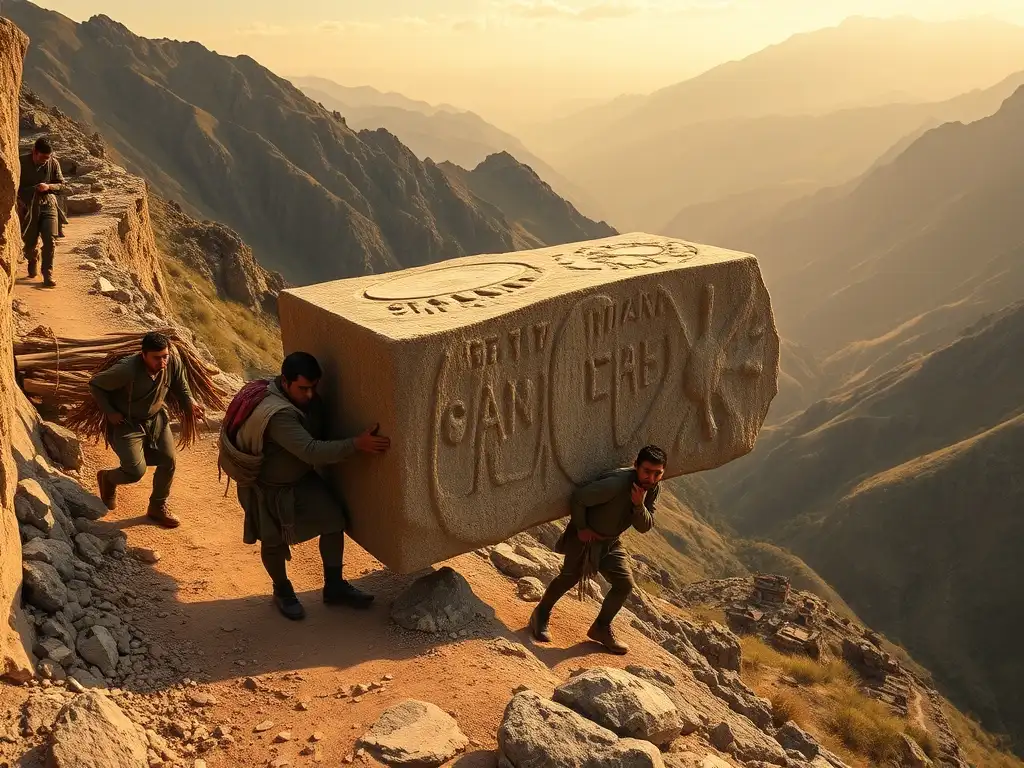
The sheer scale of Andean stonework necessitates a closer look at the logistical challenges overcome by ancient builders. Understanding how these massive stones were moved provides invaluable insights into their engineering prowess and societal organization. Several case studies highlight the diverse techniques employed across different Andean cultures and geographical locations.
From the meticulously carved stones of Machu Picchu to the colossal statues of Easter Island (while geographically distinct, the challenges of moving massive stone objects offer valuable comparative insights), the methods employed reveal a remarkable understanding of physics, engineering, and resource management. The following examples showcase the ingenuity and dedication involved in these monumental undertakings.
The Transport of Stones at Ollantaytambo
Ollantaytambo, a significant Inca site in the Sacred Valley of Peru, stands as a testament to the remarkable logistical capabilities of the Inca civilization. The site's massive stone blocks, some weighing many tons, were transported from distant quarries, likely using a combination of methods. Evidence suggests the utilization of ramps, rollers, and possibly even sledges pulled by human labor or llamas.
The precise routes and techniques remain a subject of ongoing research, but the sheer scale of the undertaking underscores the impressive organization and manpower required. The intricate fitting of these massive stones, some perfectly shaped and weighing tens of tons, demonstrates a deep understanding of stone cutting and precision engineering, further emphasizing the complexity of the transport process.
Researchers continue to debate the exact methods used, with some suggesting the use of water-based transport systems for certain sections of the journey. The sheer number of stones involved, and the precision of their placement, indicates a highly organized and skilled workforce.
The Transport of Easter Island Moai Statues
While not technically part of the Andes, the transport of the Easter Island Moai statues provides a valuable comparative case study for understanding the challenges of moving massive stone objects. The colossal statues, weighing up to 80 tons, were moved considerable distances from their quarries to their ceremonial platforms. Theories abound regarding the methods employed, ranging from the use of wooden rollers and sledges to the possibility of leverage and human power.
The relatively small population of Easter Island further emphasizes the impressive organizational and engineering skills required for such a monumental undertaking. Recent research suggests a combination of techniques was used, including the use of ropes and levers to maneuver the statues, and potentially the use of wooden rollers or sledges to reduce friction. The lack of readily available trees on Easter Island at the time adds another layer of complexity to the transport challenge.
Analysis of Andesite Transport
Andesite, a volcanic rock, was a favored material for many Andean civilizations. Its durability and aesthetic qualities made it ideal for construction. However, its weight and hardness presented significant challenges for transport. Studies analyzing the composition and origin of andesite used in various sites, combined with archaeological evidence, help us reconstruct the transport routes and methods employed.
The distance between quarries and construction sites varied greatly, impacting the transport strategies. For shorter distances, simpler methods may have been sufficient, while longer distances likely required more complex systems involving ramps, rollers, and possibly even water transport in some cases. The analysis of the wear and tear on the stones themselves can also provide clues about the methods used. Further research is needed to fully understand the complex interaction between the properties of andesite, the available technology, and the logistical solutions developed by Andean builders.
The Legacy of Andean Stone Transportation
The remarkable achievements of Andean civilizations in stone transportation continue to inspire awe and wonder. Their sophisticated understanding of engineering principles, combined with their remarkable organizational skills, allowed them to move massive stones across challenging terrain. This legacy is not merely a historical curiosity; it offers valuable lessons for contemporary engineering and construction practices.
The Ingenuity of Andean Engineering
The methods used by Andean builders demonstrate a deep understanding of physics and engineering. The use of ramps, rollers, and levers, often in combination, showcases their innovative problem-solving skills. Their ability to precisely shape and fit massive stones reflects a sophisticated knowledge of stone cutting and masonry. The scale of their projects—Machu Picchu, Sacsayhuamán, Ollantaytambo—remains a testament to their engineering prowess. The precision with which many of the stones are fitted, with almost no mortar used, is particularly remarkable, showcasing a level of craftsmanship that is rarely seen today.
The Impact on Andean Architecture
The ability to transport large stones had a profound impact on Andean architecture. It allowed for the construction of monumental structures, characterized by their impressive scale and precision. The iconic structures of the Inca, Moche, and other Andean civilizations would have been impossible without the mastery of stone transport. The use of massive stones allowed for the creation of incredibly strong and durable buildings, which have withstood the test of time and the ravages of nature. The aesthetic impact of these massive, precisely placed stones is also undeniable, creating structures that are both visually stunning and functionally impressive.
Lessons from Andean Stone Transport Methods
The ingenuity of Andean stone transport methods offers valuable lessons for contemporary engineering. Understanding their techniques can inform the development of more sustainable and efficient construction methods. The emphasis on resourcefulness and adaptation to local conditions provides a valuable model for tackling modern-day engineering challenges.
The Andean civilizations’ ability to move massive stones with limited technology serves as a reminder of the potential of human ingenuity and the importance of collaboration. The study of Andean stone transport methods also offers valuable insights into project management, resource allocation, and the organization of large-scale labor forces. These lessons are highly relevant to modern construction projects, particularly those involving the movement of heavy materials.
Conclusion: Understanding Andean Stone Transport
The logistical feats achieved by Andean civilizations in transporting massive stone blocks for their monumental constructions remain a testament to their ingenuity and organizational prowess. While the precise methods employed often remain shrouded in the mists of time, archaeological evidence, combined with careful analysis of surviving structures and the challenging terrain, allows us to piece together a more complete picture. The combination of manpower, sophisticated rope technology, ramps, rollers, and potentially even water-based transport systems, demonstrates a nuanced understanding of engineering principles and a remarkable ability to mobilize large-scale labor forces. Understanding these methods not only sheds light on the impressive achievements of these ancient cultures but also challenges our modern assumptions about what is possible with limited technology.
Further research, including detailed studies of quarry sites and the application of advanced modeling techniques, will undoubtedly continue to refine our understanding of Andean stone transport methods and reveal even more about the remarkable ingenuity of these civilizations. The sheer scale of these projects, from the seemingly impossible transportation of colossal stones at Ollantaytambo to the precise placement of blocks in structures like Sacsayhuamán, continues to inspire awe and wonder, highlighting the advanced civilization that thrived in the Andes. The legacy of their engineering prowess is not only visible in the stunning structures that survive to this day, but also in the enduring questions they pose about human capacity for innovation and collaboration. The study of Andean stone transport methods offers a unique window into the past, forcing us to reconsider our own understanding of ancient engineering and the capabilities of pre-industrial societies.
This ongoing investigation highlights the importance of interdisciplinary research, combining archaeological findings with engineering principles and historical context, to fully appreciate the complexity and sophistication of these ancient achievements. The enduring mystery surrounding certain aspects of Andean stone transport only serves to further emphasize the profound legacy of these remarkable cultures. 🇪🇨🇵🇪🇧🇴
- Introduction to Andean Stone Transport Methods
- Identifying Andean Quarries and Stone Sources
- The Selection and Extraction of Andean Stone Blocks
- Pre-transportation Preparation of Stone Blocks
- Andean Stone Transport Techniques
- Challenges of Andean Stone Transport
- Case Studies: Specific Examples of Andean Stone Transport
- The Legacy of Andean Stone Transportation
- Conclusion: Understanding Andean Stone Transport
- How did the ancient Andean civilizations transport massive stones for their structures?
- What role did roads play in Andean stone transportation?
- Were any tools or technologies used to make stone transport easier?
- How did the Andean people overcome challenging geographical obstacles?
- What is the significance of understanding Andean stone transport methods?
Frequently Asked Questions
How did the ancient Andean civilizations transport massive stones for their structures?
The Andean civilizations employed a variety of ingenious methods, including human porters, animal traction (llamas), and sophisticated systems of ramps and rollers. The specific techniques varied depending on the terrain and the size of the stones.
What role did roads play in Andean stone transportation?
The extensive road network of the Inca Empire, for example, was crucial for moving materials. These roads provided access to quarries and facilitated the movement of stones along established routes. Strategic placement of roads minimized difficult terrain.
Were any tools or technologies used to make stone transport easier?
Yes, evidence suggests the use of stone rollers, levers, and possibly sledges. While the exact extent of their use remains debated, these tools would have significantly aided in moving heavy stones over varied terrain.
How did the Andean people overcome challenging geographical obstacles?
They adapted their methods to the landscape. This involved building ramps and terraces, utilizing waterways where possible, and carefully selecting routes that minimized steep inclines and difficult terrain. Ingenious engineering was key.
What is the significance of understanding Andean stone transport methods?
Understanding these methods provides insights into the advanced engineering and organizational capabilities of the Andean civilizations. It also highlights their deep understanding of their environment and their ability to adapt their technology to overcome significant logistical challenges.
Final Reflection: Echoes of the Andes: A Legacy in Stone
The ingenious methods of Andean stone transport, once crucial for monumental constructions, continue to resonate today, reminding us of the power of human ingenuity and collaborative effort in the face of immense challenges. These ancient techniques, often overlooked in modern discussions of logistics, offer valuable lessons in resourcefulness, planning, and the enduring human spirit. They highlight the fact that even seemingly insurmountable obstacles can be overcome with careful planning and a deep understanding of the environment.
The impact of these ancient transport systems extends far beyond the impressive structures they helped create. They represent a profound connection between people and their environment, a testament to the ability of communities to harness their collective strength to achieve extraordinary feats. The mountains themselves became our allies, not our adversaries,
a Quechua elder once told me, a sentiment that encapsulates the symbiotic relationship between the Andean people and their landscape. This understanding of the environment, coupled with innovative problem-solving, is a lesson that remains profoundly relevant in our increasingly complex world.
Consider the implications of this knowledge. How can we, in our own lives, draw inspiration from the perseverance and innovative spirit of the Andean builders? Think about the challenges you face – are there innovative solutions waiting to be discovered, collaborative efforts yet to be forged? Let the echoes of the Andes inspire you to approach your own obstacles with ingenuity, resilience, and a deep respect for the resources at your disposal. The legacy of these ancient pathways is not just in the stones themselves, but in the enduring human spirit they represent.
Transform Your Space with Andean Stone!
Thank you for exploring the fascinating world of Andean stone and its transportation! We hope you've learned about the incredible logistical challenges overcome by ancient civilizations to create their remarkable architecture. Now, you can bring a piece of that history into your own life.
- Embrace the Beauty: Discover local suppliers and artisans specializing in Andean stone. Imagine how these exquisite materials could enhance your home decor or landscape.
- Share the Knowledge: Discuss this captivating topic with friends, family, or community groups. What intriguing facts can you share to spark their interest?
- Join the Community: Consider joining a local archaeological or historical society. Connect with others who share your passion for the rich heritage of Andean cultures.
How will you incorporate the unique beauty and history of Andean stone into your projects?