
Whispers of the Past: Decoding the Masonry Techniques of Tiahuanaco

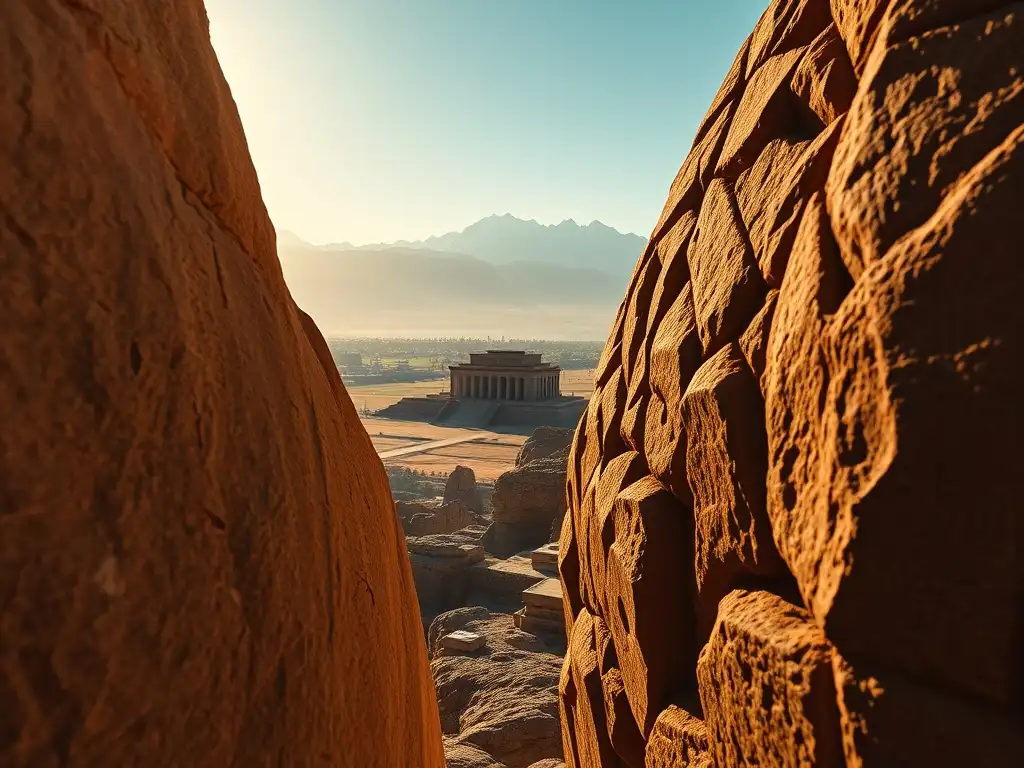
Step into a world lost to time, where mountains whisper secrets and stones hold ancient knowledge. Andean Civilizations unveils the fascinating tapestry of pre-Columbian cultures, from the intricate artistry of the Nazca to the breathtaking engineering feats of the Incas. But today, we delve into a mystery that continues to baffle modern experts: Tiahuanaco stonework techniques. Prepare to be amazed as we unravel the ingenious methods behind these monumental structures—a testament to human ingenuity and a legacy that still echoes through the ages. Discover the secrets hidden within the stones...
The ancient city of Tiahuanaco, located on the shores of Lake Titicaca in modern-day Bolivia, stands as a testament to the ingenuity and architectural prowess of a civilization that thrived centuries before the Inca. This enigmatic site, with its monumental structures and precisely fitted stones, has captivated archaeologists and historians for generations, prompting intense study into their advanced construction techniques.
Understanding the Tiahuanaco stonework techniques provides crucial insight into their societal organization, technological capabilities, and spiritual beliefs. This article delves into the intricacies of their masonry, exploring the precision, scale, and potential methods employed in constructing these awe-inspiring structures, shedding light on the "whispers of the past" embedded within the very stones themselves.
We will examine the significance of stone in their culture and analyze the remarkable precision of their construction methods, ultimately uncovering the secrets behind this remarkable Andean achievement. This exploration of Tiahuanaco stonework techniques will reveal a sophisticated understanding of engineering and a profound connection to their environment.
Introduction to Tiahuanaco's Architectural Legacy
Tiahuanaco's architectural legacy is defined by its monumental structures, crafted from massive blocks of andesite, a hard volcanic rock. The most iconic structures include the Kalasasaya Temple, the Akapana Pyramid, and the Gate of the Sun, all characterized by their impressive scale and the unbelievably precise fitting of their stones. These structures were not simply built; they were meticulously planned and executed, reflecting a deep understanding of geometry, engineering, and possibly even advanced astronomical knowledge.
The sheer size of some of these stones, weighing many tons, raises questions about the methods employed for their transport and placement – a feat of engineering that continues to puzzle researchers today. The precision of the joins, often with minimal or no mortar, is truly remarkable, hinting at a level of sophistication far beyond what was once believed possible for a pre-Columbian civilization.
Evidence suggests a complex system of planning, organization, and labor was required to erect these structures, indicating a highly structured society capable of undertaking large-scale collaborative projects. Further research is needed to fully understand the logistics and the societal impact of this monumental construction effort.
The Significance of Stone in Tiahuanaco Culture
The choice of andesite, a hard and durable stone, was not arbitrary. Andesite's inherent strength and resistance to weathering ensured the longevity of Tiahuanaco's structures. However, the significance of stone extended beyond mere practicality.
Stone, in Tiahuanaco culture, likely held profound symbolic meaning, potentially representing power, permanence, and a connection to the spiritual realm. The meticulous craftsmanship evident in the stonework suggests a deep reverence for the material and a desire to create structures that would endure for generations. The intricate carvings found on many of the stones, including those on the Gate of the Sun, further emphasize the cultural and religious significance attributed to this material.
The precise placement and orientation of the stones may also reflect astronomical observations and beliefs, suggesting a sophisticated understanding of the cosmos and its influence on their lives. Further research into the iconography and symbolic representations found within Tiahuanaco's stonework is crucial to fully understand the cultural context of their construction techniques. The use of stone wasn't merely functional; it was a powerful statement of their cultural identity and beliefs.
- What makes Tiahuanaco stonework so unique?
- What tools did the Tiahuanaco people use to shape the stones?
- How did they transport such massive stones across challenging terrain?
- What is the significance of the precision in Tiahuanaco's stonework?
- Are there any ongoing studies about Tiahuanaco stonework techniques?
Tiahuanaco Stonework Techniques: An Overview
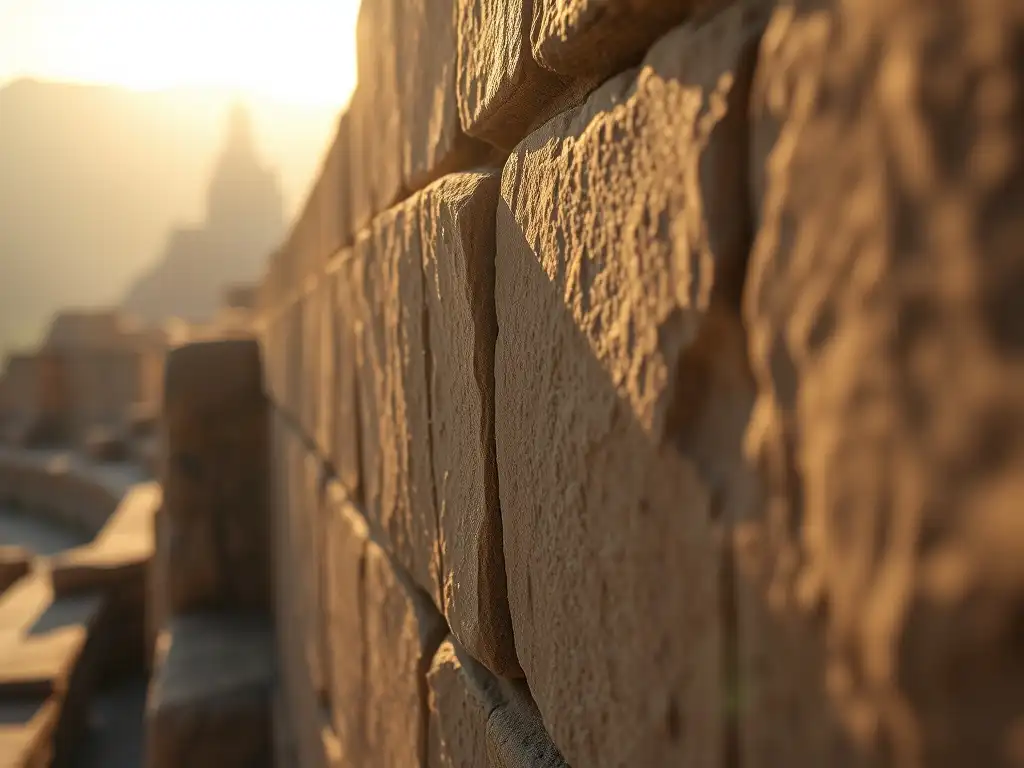
The remarkable architectural achievements of Tiahuanaco, a pre-Columbian civilization that flourished in the Altiplano region of the Andes, are a testament to their sophisticated understanding of stonework. The city's monumental structures, such as the Kalasasaya and Puma Punku, showcase an unparalleled mastery of Tiahuanaco stonework techniques, leaving archaeologists and engineers alike in awe. This section delves into the intricacies of their methods, exploring the precision, scale, and ingenuity involved in constructing these awe-inspiring structures.
The sheer scale of the stones used, some weighing many tons, combined with the incredibly tight fits and complex shapes, points to a highly advanced understanding of engineering and construction. Analyzing these techniques provides valuable insight into the social organization, technological capabilities, and cultural beliefs of the Tiahuanaco people.
Understanding their mastery of stone manipulation allows us to appreciate the true magnitude of their civilization's accomplishments. The legacy of their sophisticated stonework continues to inspire wonder and fuel ongoing research into the secrets of their building methods.
Precision Stone Cutting Methods
The precision evident in Tiahuanaco's stonework is astonishing. Archaeological evidence suggests the Tiahuanaco utilized a combination of methods to achieve such accuracy. While the exact tools and processes remain debated, several hypotheses exist. Some researchers propose the use of hardened stone tools, possibly made from andesite or other durable materials, to shape and refine the massive blocks.
These tools may have been employed in conjunction with abrasive materials like sand or quartz to achieve the desired level of smoothness and precision. The intricate fits between stones, often with minimal mortar, suggest a high degree of skill and planning. The absence of significant tool marks on many of the finished stones also suggests advanced techniques, potentially involving techniques like water-jet cutting or other methods yet to be fully understood.
Further complicating the picture is the variability in stone types used in different parts of the structures. This suggests that the Tiahuanaco may have adapted their techniques based on the specific properties of the available stone. This adaptability highlights their practical knowledge and problem-solving skills. The challenge lies in replicating these techniques today, with modern tools failing to fully capture the precision and efficiency of the Tiahuanaco methods.
The mystery surrounding their exact methods continues to inspire ongoing research and debate among scholars. It is likely that a combination of advanced techniques and specialized tools, along with a deep understanding of the stone's properties, contributed to their success. The ongoing research into Tiahuanaco stonework is crucial to unlocking the secrets of their remarkable engineering skills. Perhaps future discoveries will reveal even more about the innovative techniques employed by this sophisticated civilization.
Key Features of Tiahuanaco Masonry
Several key features distinguish Tiahuanaco masonry from other ancient Andean constructions. Firstly, the sheer scale of the stones is remarkable. Many blocks weigh several tons, showcasing an impressive ability to quarry, transport, and manipulate such massive materials. This logistical feat alone speaks volumes about their organizational capabilities and sophisticated understanding of engineering principles. Secondly, the precision of the cuts and joints is unparalleled.
Many stones fit together with minimal gaps, demonstrating an exceptional level of craftsmanship and meticulous planning. Thirdly, the complexity of the shapes and the variety of stone types used further highlights the advanced nature of their stonework. The use of different types of stone, such as andesite and red sandstone, within the same structure suggests a detailed understanding of the material properties and their suitability for specific applications. This careful selection likely contributed to the durability and longevity of the structures.
The integration of these features – massive scale, precise fitting, and complex shapes – resulted in structures that are both aesthetically impressive and incredibly durable. The ability of the Tiahuanaco to create such intricate and monumental structures speaks to a level of societal organization and technological advancement that was far ahead of its time. Their mastery of Tiahuanaco stonework techniques continues to inspire researchers and engineers today, reminding us of the ingenuity and capabilities of ancient civilizations.
The enduring legacy of their architectural prowess serves as a powerful testament to the remarkable achievements of the Tiahuanaco people. The precise details of their methods may remain partially unknown, but the enduring presence of their magnificent structures speaks for itself. 👷🏽♂️
Exploring Tiahuanaco Stone Material and Quarrying
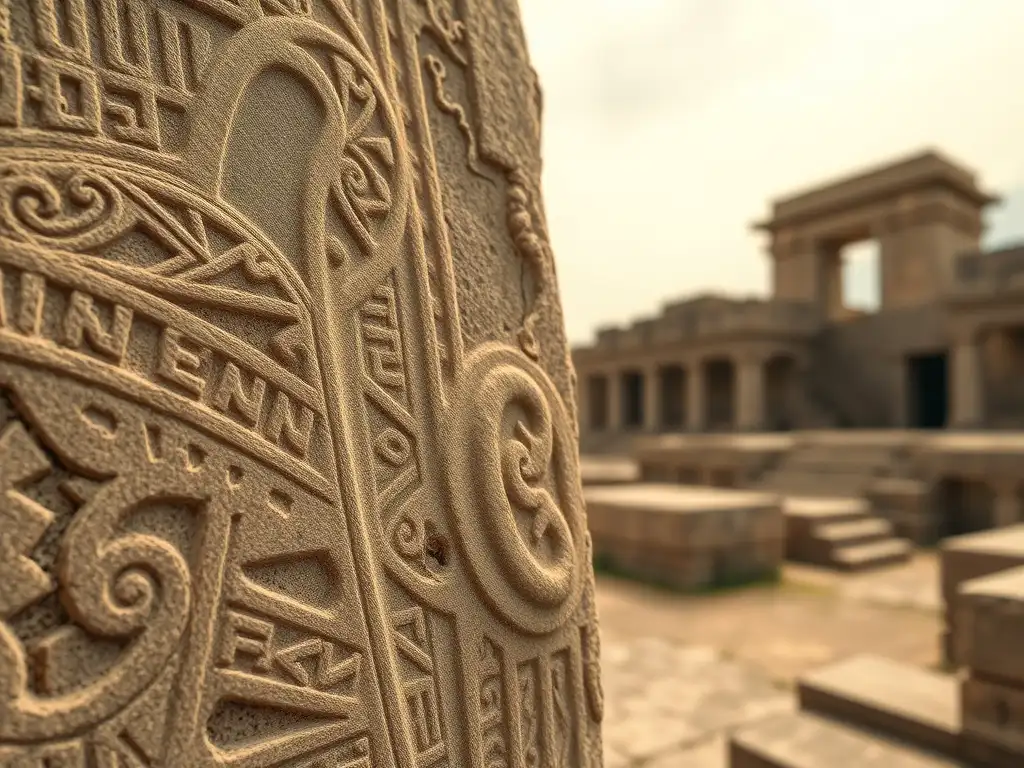
The remarkable stonework of Tiahuanaco is inextricably linked to the materials used and the methods employed in their acquisition. Understanding the sourcing and extraction of these materials is crucial to appreciating the engineering prowess of the Tiahuanaco civilization. Their mastery of stone manipulation, evident in the precision-cut blocks and intricate designs, depended heavily on access to suitable stone and efficient quarrying techniques. This section delves into the specifics of the stone materials and the processes likely involved in their procurement.
Andesite and Other Stone Sources
The primary building material of Tiahuanaco was andesite, a type of volcanic rock known for its hardness and durability. Andesite quarries, though not definitively identified in all cases, were likely located within a reasonable distance of the city. The selection of andesite speaks to the builders' understanding of material properties.
Its resistance to weathering ensured the longevity of structures, a testament to their foresight. While andesite dominated construction, other stones like red sandstone and limestone were also used, albeit less frequently, perhaps for decorative purposes or specific architectural elements. The precise locations of all these quarries remain a subject of ongoing archaeological investigation, hindering a complete understanding of the logistical challenges involved in transporting these massive blocks.
Further research is needed to pinpoint the exact sources of all the stone types used in Tiahuanaco's construction, specifically mapping the location and extent of the andesite quarries. This would provide invaluable data on the scale of the undertaking and the organization of labor required.
The Extraction Process: Evidence from Tiahuanaco Sites
The extraction of massive andesite blocks from their natural settings represents a significant feat of engineering. While the precise techniques employed remain a matter of scholarly debate, several hypotheses exist based on the available evidence. One theory suggests the use of stone hammers and wedges, possibly made of harder materials like diorite, to gradually detach blocks from the parent rock.
This method, while labor-intensive, is consistent with the precision seen in the finished blocks. Another proposed method involves the use of fire-setting, a technique where fires were built against the rock face to create thermal stress, causing cracks and facilitating easier detachment. This technique, common in other ancient civilizations, is plausible but requires further evidence from Tiahuanaco sites.
The transport of these massive blocks, some weighing several tons, presents another intriguing challenge. The absence of wheeled vehicles suggests that human power, possibly involving ramps, rollers, and levers, played a central role. Analyzing the existing pathways and potential routes from the quarries to the city would shed light on the logistical complexities involved in this monumental task.
The precise methods used in the extraction and transport of Tiahuanaco's stones are crucial to understanding the level of technological and organizational sophistication of the Tiahuanaco civilization. Further investigation, including detailed analysis of quarry sites and the transport routes, is needed to fully unveil these fascinating aspects of Tiahuanaco stonework techniques.
The meticulous nature of the stonework itself suggests a high degree of planning and coordination, indicative of a sophisticated understanding of engineering principles and project management for a society without modern tools. This detailed analysis of "Tiahuanaco stonework techniques" provides a glimpse into the remarkable ingenuity of this ancient Andean civilization.
The Construction Process: Putting the Pieces Together
The sheer scale of Tiahuanaco's monumental architecture raises immediate questions about its construction process. How did a civilization, without modern tools or machinery, manage to erect such massive structures? Understanding the Tiahuanaco stonework techniques requires a deep dive into the logistical challenges and the ingenious solutions employed by its builders.
This section will explore the assembly of megalithic structures and the sophisticated mortar and jointing techniques that were crucial to their stability and longevity. The precise methods remain partially shrouded in mystery, but archaeological evidence and careful analysis offer tantalizing glimpses into their remarkable achievements. The precision evident in the stonework suggests a highly organized and skilled workforce, potentially utilizing advanced knowledge of engineering principles.
This is especially evident in the monumental structures like the Kalasasaya and the Akapana pyramid. Analyzing the construction process helps us appreciate the level of planning and expertise involved in creating this remarkable city. The precision and complexity of the Tiahuanaco stonework techniques are truly astounding, even by today's standards.
Assembling Megalithic Structures
The movement and placement of the massive stones used in Tiahuanaco's structures presents a significant engineering challenge. Evidence suggests the use of ramps and levers, possibly constructed from wood and earth, to facilitate the transport and positioning of these colossal blocks. The meticulous fitting of these stones, some weighing many tons, indicates a deep understanding of weight distribution and structural integrity. Archaeological surveys have revealed potential quarry sites, providing insights into the source of the stones and the transportation routes utilized.
However, the exact methods used to transport these stones across considerable distances remain a subject of ongoing research and debate among scholars. The precise methods used to move and position such massive stones are still debated, but several theories involving ramps, rollers, and possibly even water transport are under consideration. The sheer scale of the operation and the precision involved underscore the sophisticated organizational capabilities of Tiahuanaco society.
Furthermore, the lack of visible damage on many of the stones points to a carefully planned and executed process, minimizing risks of breakage or damage during transport and placement. The skill and precision involved in assembling these megalithic structures are a testament to the builders' expertise and ingenuity. Understanding this process is key to appreciating the full extent of Tiahuanaco stonework techniques.
The Use of Mortar and Jointing Techniques
Beyond the impressive feat of moving and placing the stones, the Tiahuanaco stonework techniques also involved sophisticated mortar and jointing methods. While some stones were fitted together with remarkable precision, requiring minimal mortar, others relied on a carefully formulated mortar to secure them. Analysis of the mortar reveals a complex composition, often including volcanic ash, sand, and a binding agent, possibly a lime-based compound. The precise recipe and application techniques varied depending on the specific location and the type of stone being used.
The quality of the mortar, along with the precise fitting of the stones, contributed significantly to the longevity of the structures. Some stones show incredibly tight fits, almost impossible to replicate with modern tools without the use of advanced machinery. The durability of the mortar and its ability to withstand weathering over centuries is a testament to the advanced understanding of material science possessed by the Tiahuanaco builders. Interestingly, the mortar's composition and application techniques seem to have evolved over time, potentially reflecting improvements in material science and construction techniques.
This evolution highlights the dynamic nature of Tiahuanaco stonework techniques and the ongoing adaptation and refinement of their building practices. The study of these mortars provides valuable insights into the technological prowess and the sophisticated understanding of materials science within Tiahuanaco society. The precision and longevity of the resulting structures showcase the efficacy of these advanced techniques.
The Engineering Marvels of Tiahuanaco Stone Architecture
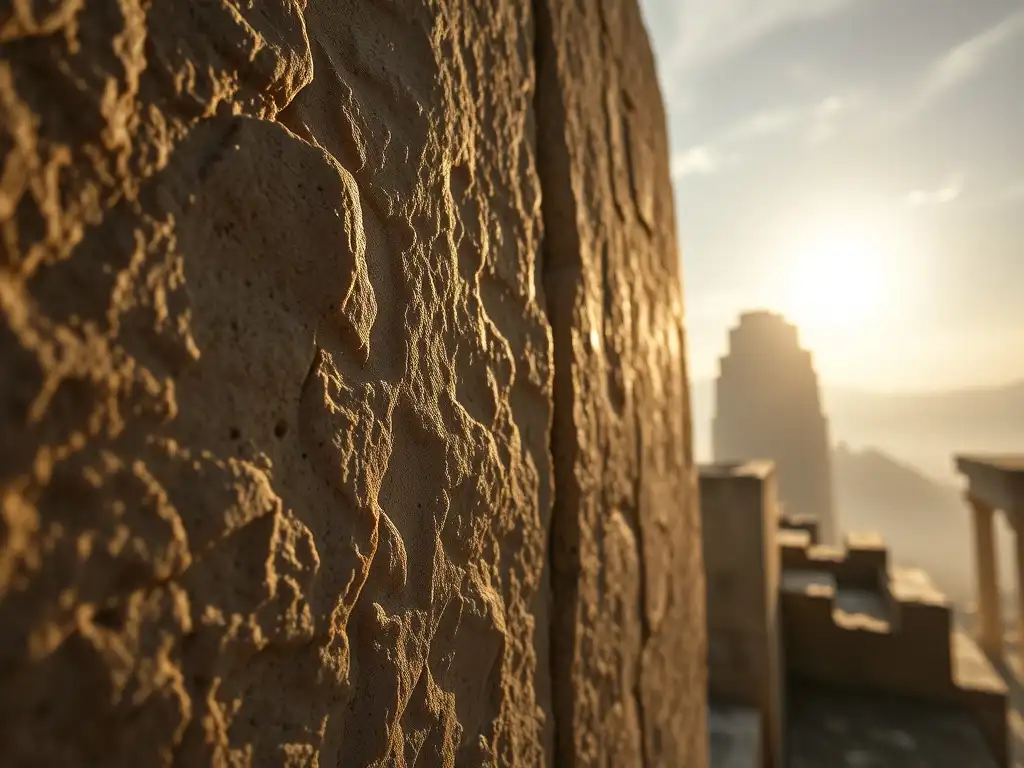
The imposing ruins of Tiahuanaco, located near Lake Titicaca in modern-day Bolivia, stand as a testament to the advanced engineering and architectural prowess of the pre-Columbian civilization that built them. Their mastery of stonework, particularly evident in the precision and scale of their structures, continues to fascinate and challenge archaeologists and engineers alike. The unique challenges posed by the high-altitude environment and the sheer size of the stones used further highlight the sophistication of Tiahuanaco's construction techniques.
Understanding their methods offers invaluable insight into the ingenuity and organizational capabilities of this remarkable Andean culture. This section will delve into the specifics of some of the most impressive structures, focusing on the innovative stonework techniques employed in their construction. The term "Tiahuanaco stonework techniques" itself encapsulates the precision and ingenuity involved.
The Akapana Pyramid: A Masterpiece of Tiahuanaco Engineering
The Akapana pyramid, one of the largest structures at Tiahuanaco, is a truly remarkable feat of engineering. Its construction involved the precise placement of massive blocks of andesite, some weighing several tons. Evidence suggests a sophisticated understanding of hydraulics, with channels and reservoirs incorporated into the pyramid's design, potentially for ritual or agricultural purposes.
The intricate layering of stones, their careful fitting, and the overall monumental scale demonstrate a high level of planning and organizational skill. Analysis of the stone blocks themselves reveals a remarkable consistency in size and shape, indicating a highly developed system of quarrying, transport, and construction.
The precision of the cuts and the minimal use of mortar further highlight the expertise of the Tiahuanaco builders, who relied on their understanding of stone mechanics and precise fitting to create stable and durable structures. Detailed studies are still underway to fully understand the methods used to lift and place these massive stones, with theories ranging from ramps and levers to more complex techniques still being explored.
The Kalasasaya Platform: Precision and Scale
The Kalasasaya Platform, with its monumental standing stones and precisely aligned gateways, showcases the Tiahuanaco's mastery of large-scale construction. The platform's construction involved the use of a variety of stone types, each selected and placed with remarkable precision. The stones themselves are meticulously cut and fitted together, with minimal gaps between them, demonstrating a level of accuracy rarely seen in ancient constructions.
The alignment of the platform, particularly its orientation towards astronomical events, suggests a sophisticated understanding of astronomy and its integration into their architecture. The scale of the project, involving the transport and placement of countless massive stones, presents a significant logistical challenge, highlighting the organization and manpower required for such an undertaking. Further research is needed to fully understand the tools and techniques employed in shaping and transporting these colossal stones across challenging terrain.
Archaeological evidence suggests the possibility of sophisticated rope and pulley systems, but the exact details remain a subject of ongoing investigation. The precision of the Kalasasaya exemplifies the advanced nature of Tiahuanaco stonework techniques.
The Puma Punku Complex: Advanced Stonework Techniques in Detail
Puma Punku, meaning "the gate of the puma," is perhaps the most enigmatic site at Tiahuanaco. Its colossal blocks of red sandstone, some exhibiting incredibly precise cuts and angles, are a testament to the advanced stoneworking techniques employed by the builders. The intricate designs and the near-perfect fitting of these massive stones continue to baffle modern engineers and inspire countless theories about their construction methods.
Some blocks show evidence of advanced techniques like pre-drilling and the use of incredibly precise tools. The lack of mortar further amplifies the precision required, as the stones were fitted together with such accuracy that even a thin blade cannot be inserted between them. The sheer scale and the sophisticated techniques employed at Puma Punku represent the pinnacle of Tiahuanaco's architectural and engineering achievements.
Scientists are still actively researching the tools and methods employed at Puma Punku, with ongoing analysis of the stone blocks themselves providing valuable clues about the techniques involved. The exceptional nature of Puma Punku's construction significantly contributes to our understanding of the sophistication of Tiahuanaco stonework techniques. The exact methods employed remain a mystery, however, fueling ongoing research and debate.
Analysis of Tiahuanaco Stone Carving and Decoration
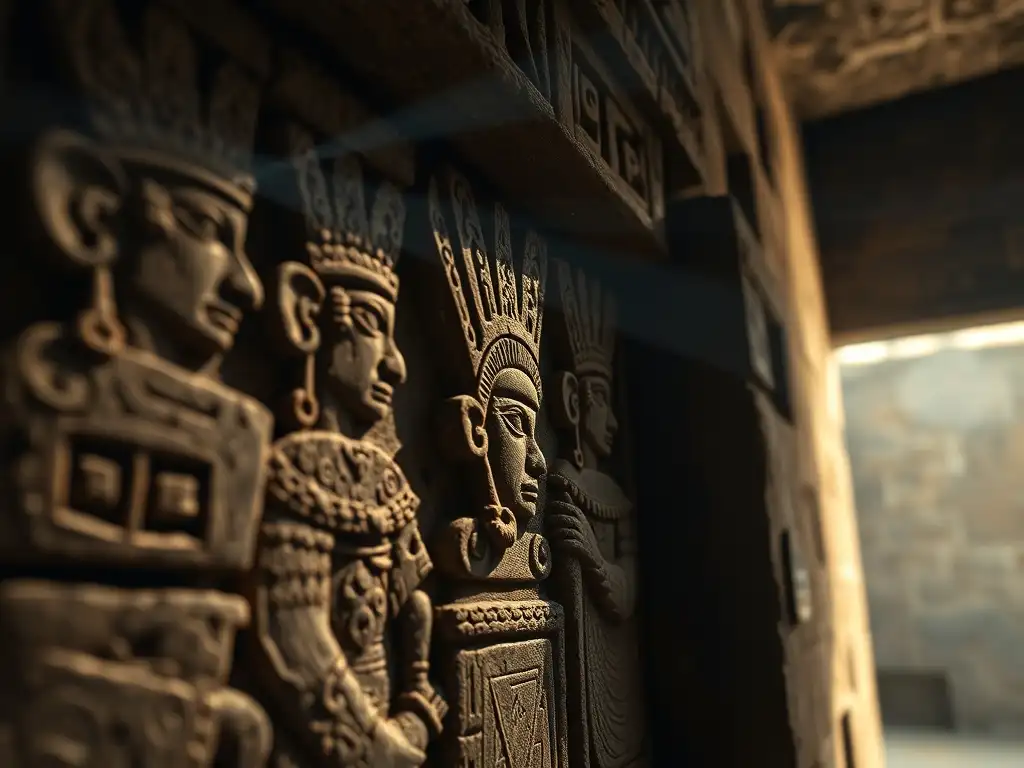
The remarkable precision and artistry of Tiahuanaco stonework are evident in the intricate carvings and decorations adorning their monumental structures. Understanding these techniques offers invaluable insight into the sophisticated engineering and artistic capabilities of this pre-Columbian civilization. The sheer scale of the stones, some weighing many tons, coupled with the level of detail in the carvings, points to a mastery of quarrying, transportation, and craftsmanship that remains a subject of ongoing study and fascination.
The Tiahuanaco stonework techniques employed represent a pinnacle of Andean architectural achievement, showcasing both technological prowess and profound cultural expression. Analyzing these techniques reveals not only the how but also the why behind this impressive legacy. The meticulous nature of the work suggests a deep-seated reverence for the materials and the intended purpose of the structures.
Iconography and Symbolism in Stone Reliefs
The stone reliefs of Tiahuanaco are not merely decorative; they are rich tapestries of iconography and symbolism, deeply embedded within the cultural and religious beliefs of the time. Many reliefs depict anthropomorphic figures, often with stylized features and intricate headdresses. These figures are frequently associated with religious rituals, agricultural cycles, and cosmic events.
For example, the iconic "Gateway of the Sun" showcases a central figure, often interpreted as a deity or a representation of the creator god Viracocha, surrounded by smaller figures and intricate geometric patterns. The meaning and purpose of these symbols remain a subject of scholarly debate, with interpretations varying across different researchers and perspectives. However, the consistent presence of specific motifs across various sites suggests a unified cosmological system and a shared cultural understanding.
Detailed analysis of the iconography reveals the use of repetitive elements, suggesting a system of codified meaning. Certain symbols, such as stylized birds, felines, and serpents, appear repeatedly, possibly representing different aspects of the Tiahuanaco worldview. The precise arrangement and context of these symbols within the reliefs add further layers of complexity, demanding careful consideration and interdisciplinary approaches to decipher their intended meanings.
Further research, including comparative studies with other Andean cultures, is needed to provide a more comprehensive understanding of the symbolic language embedded within Tiahuanaco stone carvings. The precision and detail exhibited in these reliefs underscore the high level of skill and artistic sophistication possessed by Tiahuanaco artisans. The creation of these intricate carvings required not only technical expertise but also a profound understanding of religious and cosmological concepts.
Techniques of Stone Polishing and Finishing
The astonishing smoothness and precision of Tiahuanaco stone surfaces are a testament to their advanced polishing and finishing techniques. The stones, primarily andesite, were meticulously shaped and polished to an almost mirror-like finish, a feat of engineering that continues to puzzle researchers. The exact methods employed remain a topic of ongoing investigation, but several hypotheses have been proposed. One theory suggests the use of abrasive materials, such as sand or quartz, combined with water to gradually wear down the stone surface. This process would have required significant time and effort, highlighting the dedication and skill of the Tiahuanaco artisans.
Another aspect of the finishing process involved the creation of intricate carvings and reliefs. These carvings, often depicting complex figures and geometric patterns, were executed with remarkable precision, demonstrating a high level of skill and artistry. Some researchers suggest that the artisans might have used specialized tools, potentially made of harder materials such as obsidian or copper, to achieve such detail.
The absence of significant tool marks on many of the finished surfaces suggests a sophisticated process involving both abrasion and potentially some form of smoothing or burnishing. The remarkable uniformity of the polished surfaces across different stones and structures suggests a standardized approach to the finishing process, indicating a well-organized and skilled workforce.
The precise techniques employed by the Tiahuanaco artisans remain partially shrouded in mystery, but ongoing research using advanced analytical techniques may help uncover further details about these remarkable achievements. The exceptional quality of the Tiahuanaco stonework continues to inspire awe and wonder, serving as a powerful testament to the ingenuity and artistry of a remarkable ancient civilization.
Comparison with Other Andean Construction Techniques
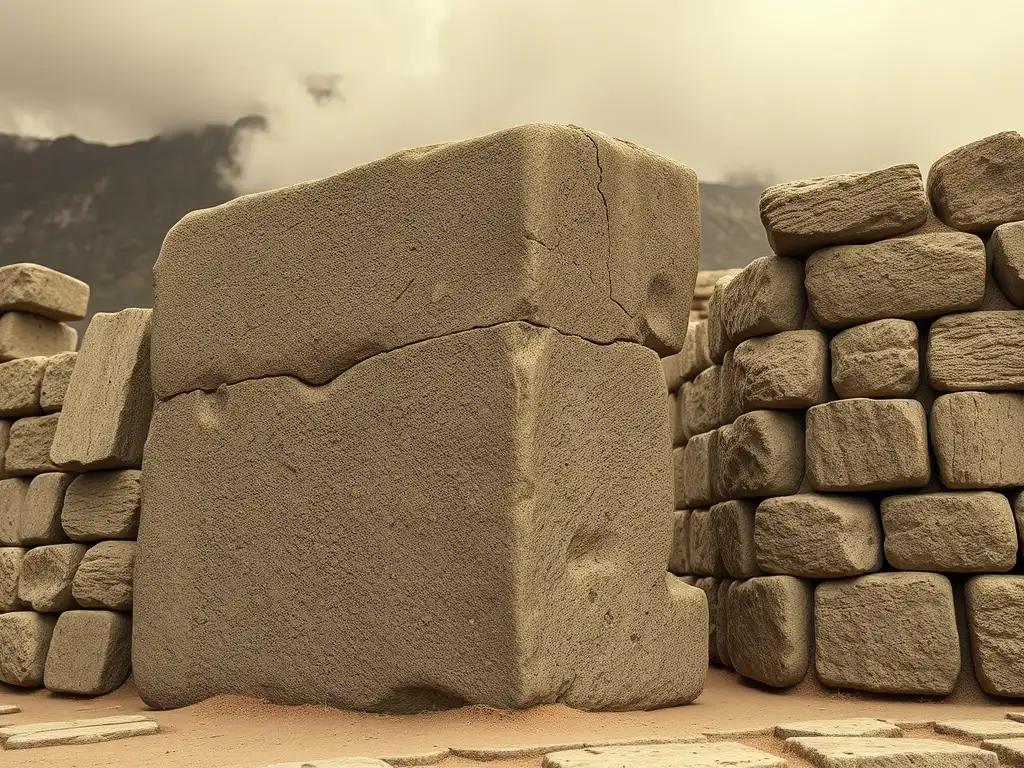
This section delves into the distinctive characteristics of Tiahuanaco stonework, comparing and contrasting its techniques with those employed by other prominent Andean civilizations. Understanding these differences provides crucial insight into the technological advancements and unique approaches of the Tiahuanaco culture. We will focus on the key distinctions in material selection, precision of cut, and overall architectural style to highlight the sophistication of Tiahuanaco's mastery of stone. The precision and scale of their projects set them apart from contemporaries.
Contrasting Tiahuanaco Masonry with Inca Stonework
While both the Tiahuanaco and Inca civilizations demonstrated remarkable skill in stonework, their techniques differed significantly. Inca stonework, renowned for its perfectly fitted polygonal blocks, often utilized smaller stones, meticulously shaped to interlock without mortar. This "dry-stone" technique, while impressive in its precision, contrasts with the Tiahuanaco approach.
Tiahuanaco structures, particularly the Kalasasaya complex, showcase enormous, precisely cut blocks of andesite, some weighing many tons. The Inca mastery lay in intricate fitting and adaptability to varied terrain, while Tiahuanaco's strength resided in the sheer scale and precision of monumental construction. This difference suggests distinct technological capabilities and priorities between the two cultures.
Consider the following table summarizing key differences:
| Feature | Tiahuanaco Stonework | Inca Stonework |
|---|---|---|
| Stone Size | Megalithic; massive blocks, often many tons | Smaller, polygonal blocks |
| Precision | High precision in cutting and shaping; visible joints | Extremely high precision; often imperceptible joints |
| Mortar Use | Evidence suggests limited or selective mortar use | Primarily dry-stone construction; minimal mortar use |
| Architectural Style | Monumental structures; emphasis on scale and precision | Varied architectural styles; adaptability to terrain |
| Typical Materials | Andesite | Andesite, granite, and other locally sourced stones |
The Tiahuanaco emphasis on massive blocks, even with visible joints, suggests a different approach to structural integrity, perhaps relying more on the weight and stability of the blocks themselves rather than intricate interlocking. Further research into the potential use of specific types of mortar and binding agents in Tiahuanaco structures is needed to fully understand their construction methodologies.
Tiahuanaco's Unique Approach to Megalithic Construction
Tiahuanaco's mastery of megalithic construction stands out amongst Andean civilizations. The sheer scale of the stones used, their precise cutting, and the overall architectural ambition represent a significant technological feat. The transportation and placement of these massive blocks remain a subject of ongoing debate and research, with theories ranging from sophisticated ramps and levers to the possible use of waterways and rafts.
The precision in shaping these stones, often exhibiting remarkably straight edges and precise angles, suggests advanced knowledge of stone-cutting tools and techniques. The lack of widespread evidence of quarries near Tiahuanaco itself also presents a fascinating logistical puzzle, hinting at a far-reaching network for resource acquisition and transport. The creation of these monuments required not only sophisticated engineering but also a highly organized and skilled workforce, reflecting a complex social and political structure.
Further investigation into the tools and techniques used, along with a more detailed understanding of the logistics involved in transporting and erecting these megaliths, will deepen our appreciation for the technological prowess of the Tiahuanaco civilization and their unique contribution to Andean architecture. The precise methods employed remain partially obscured by time, but the surviving structures themselves stand as testament to an impressive level of skill and organizational capacity. 🕵️♂️ Unraveling the complete story of Tiahuanaco's stonework techniques requires further archaeological investigation and interdisciplinary collaboration.
The Legacy of Tiahuanaco Stonework Techniques
The monumental architecture of Tiahuanaco, a pre-Columbian civilization flourishing in the Andes around 1500-1000 BCE, stands as a testament to extraordinary engineering prowess. Their mastery of Tiahuanaco stonework techniques, particularly in the precision cutting, fitting, and transportation of massive stones, continues to fascinate and inspire researchers and engineers today. The sheer scale of structures like the Kalasasaya complex and the Puerta del Sol is breathtaking, hinting at a level of societal organization and technological sophistication rarely seen in other contemporaneous civilizations.
Their techniques involved not just brute force, but a deep understanding of stone properties, geometry, and possibly even advanced tools and methods we are only beginning to understand. The legacy of this sophisticated stonework is evident not only in the surviving structures themselves, but also in the influence it exerted on subsequent Andean cultures. Analyzing the techniques employed allows us to appreciate the ingenuity of the Tiahuanaco people and their lasting contribution to Andean architectural heritage.
The precision achieved in the construction, with minimal use of mortar, speaks volumes about their skill and understanding of structural integrity. This level of precision is a hallmark of Tiahuanaco stonework and a critical aspect of its lasting impact.
Influence on Later Andean Civilizations
The influence of Tiahuanaco's architectural styles and construction methods rippled outwards, significantly impacting subsequent Andean civilizations. The Inca, for example, while developing their own unique architectural style, undoubtedly drew inspiration from the impressive scale and precision of Tiahuanaco's monumental constructions. While the Incas utilized a different style of masonry, characterized by more precisely cut stones and elaborate fitting, the underlying principles of careful planning and execution can be traced back to Tiahuanaco's legacy.
Evidence suggests that the impressive Inca stonework, seen in sites like Machu Picchu and Sacsayhuamán, may have benefited from the technological advancements and knowledge inherited from earlier Andean cultures, including the Tiahuanaco. This can be observed in the advanced understanding of stone properties, stress distribution, and the ability to create structures resistant to seismic activity, a feature common to both Tiahuanaco and Inca architecture. The precise fitting of stones, minimizing the need for mortar, is a shared characteristic, demonstrating a clear lineage of architectural knowledge.
Furthermore, the symbolic significance of certain stone types and architectural features may have also been passed down through generations, reflecting a continuity of cultural practices. The precise nature of this transmission of knowledge remains a subject of ongoing research, but the influence is undeniable. The echoes of Tiahuanaco's mastery of stone resonate throughout subsequent Andean architectural developments.
Lessons for Modern Construction and Engineering
The remarkable precision and durability of Tiahuanaco's stonework offer valuable lessons for modern construction and engineering. The ability to create structures that have withstood the test of time, despite seismic activity and environmental challenges, speaks to the sophistication of their understanding of structural mechanics. Analyzing their techniques, including the precise cutting and fitting of massive stones with minimal mortar, provides insights into alternative construction methods that could be applied in modern contexts.
For instance, the Tiahuanaco's mastery of dry-stone construction techniques, which reduces the need for cement and other modern materials, could be particularly relevant in sustainable construction practices. Moreover, their understanding of stress distribution and load-bearing capacity, achieved without advanced computational tools, is a testament to their intuitive engineering skills. Studying their methods could lead to innovations in modern structural design, potentially resulting in more efficient and environmentally friendly building techniques.
Furthermore, the ingenuity displayed in transporting and assembling massive stones offers valuable lessons in logistics and project management. The Tiahuanaco's achievements underscore the potential for innovative and sustainable construction practices, even without the benefit of modern technology. Their legacy is not just historical, but also profoundly practical.
Current Research and Ongoing Discoveries
Research into Tiahuanaco stonework techniques is an ongoing process, with new discoveries continuously adding to our understanding of this remarkable civilization. Archaeological excavations and advanced imaging techniques, such as ground-penetrating radar and 3D laser scanning, are revealing new details about the construction methods and the extent of Tiahuanaco's architectural achievements. Scientists are employing various techniques to analyze the stones themselves, including petrographic analysis to determine their origin and the tools used to shape them.
This research is helping to unravel the mysteries surrounding the transportation of massive stones across significant distances, shedding light on the logistical challenges overcome by the Tiahuanaco people. Furthermore, ongoing research is focusing on the symbolic and ritualistic aspects of the stonework, exploring the possible connections between architectural features and cosmological beliefs. These investigations aim to provide a more comprehensive understanding of the Tiahuanaco civilization, its technological achievements, and its enduring legacy.
The ongoing discoveries continue to challenge and refine our understanding of Tiahuanaco's remarkable mastery of stone, highlighting the ongoing relevance of this ancient civilization. The mysteries surrounding Tiahuanaco's architectural prowess continue to fuel research and inspire new discoveries.
Frequently Asked Questions
What makes Tiahuanaco stonework so unique?
Tiahuanaco's stonework is renowned for its precise megalithic blocks, some weighing many tons, fitted together with minimal mortar. The accuracy of the cuts and joins is astonishing, even by modern standards.
What tools did the Tiahuanaco people use to shape the stones?
While the exact tools remain a mystery, evidence suggests the use of stone hammers, chisels, and possibly abrasive materials. The precise nature of the work hints at advanced knowledge of stone-cutting techniques.
How did they transport such massive stones across challenging terrain?
The transportation of the huge stones remains a subject of debate. Theories involve sophisticated systems of ramps, rollers, and possibly water transport, taking advantage of the natural landscape.
What is the significance of the precision in Tiahuanaco's stonework?
The exceptional precision reflects a high level of engineering skill and societal organization. It likely held symbolic and religious importance, signifying power, control, and mastery of the environment.
Are there any ongoing studies about Tiahuanaco stonework techniques?
Yes, archaeologists and engineers continue to study Tiahuanaco's stonework, using modern techniques like 3D scanning and material analysis to unravel the mysteries of their construction methods.
Final Reflection: The Enduring Legacy of Tiahuanaco's Stone Mastery
The precision and scale of Tiahuanaco's stonework remain a testament to the ingenuity of its builders, a challenge to our modern understanding of ancient engineering, and a profound mystery that continues to captivate. The techniques employed, from the precise cutting and fitting of massive blocks to the seemingly impossible feats of transportation and placement, defy easy explanation, sparking ongoing debate and research among archaeologists and engineers alike. This enduring enigma speaks volumes about the capabilities of past civilizations and the limitations of our current knowledge.
The impact of Tiahuanaco's architectural achievements extends far beyond the physical structures themselves. They represent a pinnacle of human creativity and organizational prowess, a testament to the power of collective effort and advanced societal structures. The very existence of these monumental constructions challenges our preconceived notions of ancient societies, forcing us to reconsider our understanding of technological advancement and cultural development. As the renowned archaeologist, Hiram Bingham, once stated, The past is a foreign country; they do things differently there.
This rings especially true when contemplating the sophisticated techniques employed at Tiahuanaco.
Consider the implications of this ancient knowledge. What can we learn from the resourcefulness and collaborative spirit of the Tiahuanaco people? How can we apply their dedication to precision and monumental construction to our own challenges today? I urge you to reflect on the enduring legacy of Tiahuanaco, not just as a historical site, but as a source of inspiration and a reminder of the boundless potential of human ingenuity. Let the whispers of the past guide you towards a future where innovation and collaboration are paramount.
**Unveil the Secrets of Tiahuanaco! **
Thank you for exploring the fascinating masonry techniques of Tiahuanaco with us! We hope you gained valuable insights into the incredible craftsmanship and history of this ancient civilization. Now, delve deeper and connect with your passion for Andean culture!
Here are a few suggestions to continue your exploration:
- **Join our community:** Sign up for our newsletter to receive exclusive articles and updates about Andean civilizations.
- **Share your thoughts:** Discuss the impact of Tiahuanaco's construction methods on modern architecture in the comments below. Let's start a conversation!
- **Explore further:** Discover more groundbreaking discoveries from Andean history through the linked resources.
As you journey through this rich history, consider this: How can ancient techniques like those of Tiahuanaco inspire modern sustainable building practices?