
Andean Water Conservation: A Model for Sustainable Development

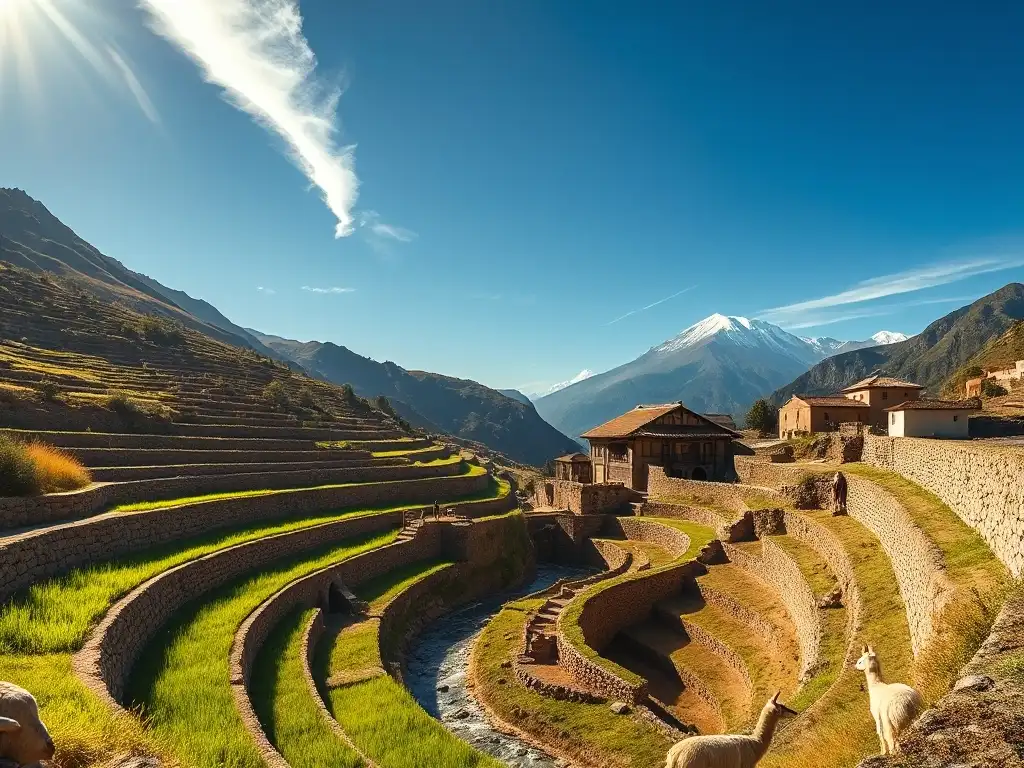
Unravel the mysteries of the Andes! For centuries, these towering peaks witnessed the rise and fall of magnificent civilizations. But their legacy extends far beyond glittering gold and breathtaking ruins. Discover the ingenuity of the Andean civilizations water management techniques, a testament to their advanced understanding of engineering and sustainability – a story far more complex and fascinating than you might imagine. Prepare to be amazed by the secrets hidden within the mountains, and how their solutions still hold vital lessons for us today.
The ingenuity of the ancient Andean civilizations extended far beyond their breathtaking architecture and intricate textiles. Their mastery of water management, a necessity for survival in the challenging Andean environment, provides a compelling model for sustainable development in the modern world.
This article delves into the sophisticated water conservation techniques employed by cultures like the Inca, Nazca, Moche, and Tiahuanaco, highlighting their remarkable achievements and the lessons we can learn from them today. Understanding their approaches to irrigation, water storage, and resource allocation offers valuable insights into creating resilient and environmentally responsible water management strategies in the face of growing global water scarcity.
We will explore how these ancient practices can inform contemporary solutions to this pressing issue, demonstrating the enduring relevance of Andean civilizations' legacy in addressing modern challenges. The study of Andean civilizations water management techniques reveals a deep understanding of their environment and a remarkable capacity for adaptation and innovation.
Introduction to Ancient Andean Water Management
The Andes Mountains, a geographically diverse region characterized by high altitudes, arid climates, and unpredictable rainfall, presented significant challenges to the ancient civilizations that thrived there. Survival depended on efficient and sustainable water management. These societies developed sophisticated techniques to capture, store, and distribute water, adapting their methods to the specific conditions of their respective environments.
This wasn't simply a matter of survival; water management was integral to their social structures, religious beliefs, and economic prosperity. Their systems, often integrated with agricultural practices, fostered thriving populations and complex societies for centuries. Analyzing these methods reveals a profound understanding of hydrology, engineering, and community organization, far exceeding what many might initially assume.
The success of these ancient systems underscores their effectiveness and provides a rich source of inspiration for modern water management practices. Understanding their ingenuity, we can learn how to approach water conservation with greater respect for the environment and the needs of future generations. Let's explore some examples.
The Ingenious Water Systems of Andean Civilizations
Andean civilizations employed a variety of ingenious water systems, each tailored to the specific topographic and climatic conditions of their region. These systems weren't isolated projects but rather integrated components of a broader societal framework.
- Canals and Aqueducts: The construction of extensive canal and aqueduct networks was a hallmark of Andean engineering. These systems, often carved into rock faces or built using sophisticated stonework, transported water over long distances, channeling it from rivers and springs to agricultural fields and settlements. The precise engineering involved in these projects, considering gradients and water flow, is truly remarkable. These weren't simple ditches; they were carefully planned and maintained infrastructure essential for their thriving societies.
- Terracing and Irrigation: The creation of terraced agricultural fields on mountain slopes was another critical technique. Terracing not only increased cultivable land but also slowed water runoff, allowing for more efficient irrigation and reducing soil erosion. The integration of irrigation channels within these terraces demonstrates a sophisticated understanding of water distribution and soil management.
- Reservoirs and Storage Systems: Many Andean civilizations built reservoirs and other storage systems to collect rainwater and meltwater from the mountains. These structures, often constructed from stone or earth, provided a vital buffer against seasonal variations in water availability. The size and complexity of some reservoirs indicate significant investment in water security, a testament to the importance of water in their societies.
- Subterranean Aqueducts (Puquios): The Nazca culture, famous for its geoglyphs, also developed an intricate network of subterranean aqueducts known as puquios. These ingenious systems tapped into underground water sources, bringing water to the surface for irrigation and domestic use. The construction of puquios required advanced knowledge of hydrology and engineering, demonstrating the depth of their understanding of water resources.
The development and maintenance of these systems required substantial community effort, highlighting the social and collaborative aspects of Andean water management. These techniques, passed down through generations, showcase not only engineering prowess but also a deep understanding of ecological principles and sustainable resource management. Their legacy continues to inspire modern approaches to water conservation and sustainable development in challenging environments. The study of these methods provides valuable lessons for addressing the contemporary challenges of water scarcity and climate change.
- How did Andean civilizations manage water resources effectively?
- What were some of the key innovations in Andean water technology?
- Did different Andean cultures employ unique water management strategies?
- What is the significance of Andean water management for modern society?
- How did the Andean approach to water differ from other ancient civilizations?
Pre-Inca Water Management Techniques
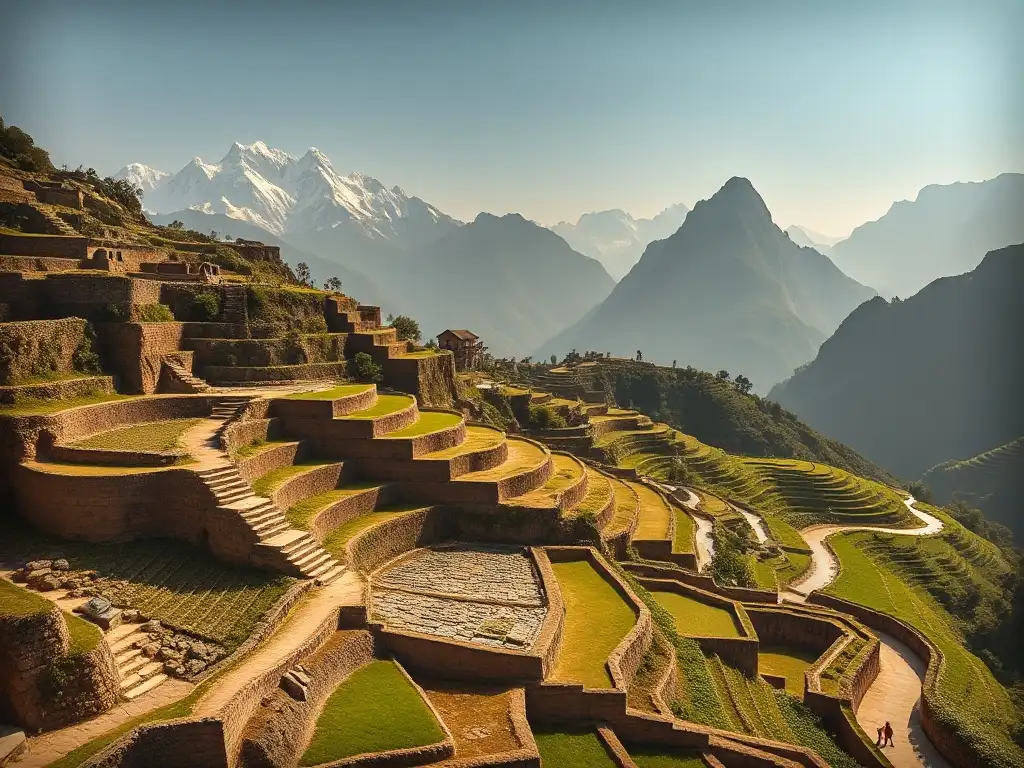
The Andean civilizations, renowned for their architectural marvels and sophisticated social structures, also possessed remarkably advanced water management techniques long before the Inca Empire. These systems, developed over millennia, represent a testament to human ingenuity and adaptability to challenging environments.
Understanding these pre-Inca methods provides crucial context for appreciating the scale and complexity of later Inca innovations and offers valuable lessons for contemporary sustainable development strategies related to Andean civilizations water management techniques. The ingenuity displayed in these early systems highlights the deep understanding these societies possessed of their environment and the critical role water played in their survival and prosperity.
Early Andean Irrigation Methods
Early Andean irrigation methods varied considerably depending on the specific geographical location and the available resources. In coastal regions, the challenge was harnessing scarce water sources and protecting crops from the harsh desert climate. Techniques like canales (canals) and acequias (ditches) were employed to divert water from rivers and streams to agricultural fields. These weren't simple channels; they often involved complex systems of reservoirs, check dams, and aqueducts, demonstrating a sophisticated understanding of hydraulic engineering.
For instance, the Nazca culture, famous for their geoglyphs, also developed intricate irrigation systems that allowed them to cultivate the arid coastal plains. These systems, built over centuries, involved the construction of extensive underground canals, known as puquios, which tapped into underground water sources. The construction of these puquios required a deep understanding of hydrology and geology, showcasing the advanced engineering capabilities of the Nazca.
Furthermore, in the highlands, the challenge was different. The mountainous terrain presented obstacles to water distribution, necessitating the development of unique solutions. Terracing, a technique used extensively across the Andes, played a crucial role in water management. By creating level platforms on steep slopes, farmers could effectively capture and retain rainwater, preventing erosion and maximizing water infiltration into the soil.
This technique, combined with the construction of intricate channels and reservoirs, allowed for the cultivation of crops at high altitudes, pushing the limits of agricultural possibilities. The precise alignment and construction of these terraces, often carved into the mountainsides, are a testament to the advanced surveying and engineering skills of these early Andean societies. The integration of these methods provided a framework for future Andean civilizations water management techniques.
The Significance of Water in Pre-Inca Societies
Water wasn't simply a resource for agriculture in pre-Inca Andean societies; it held profound social, religious, and political significance. Water was often considered a sacred element, inextricably linked to the fertility of the land and the well-being of the community. Many pre-Inca rituals and ceremonies centered around water, reflecting its importance in their worldview. Control over water resources often translated into political power and influence, shaping social hierarchies and inter-community relations.
The management of water wasn't just a technical undertaking; it was a deeply embedded cultural practice that reflected the societies' values, beliefs, and social structures. This deep-seated understanding of water's significance underscores the commitment and ingenuity invested in developing and maintaining these intricate water management systems. Understanding this cultural context is key to fully appreciating the sophistication of Andean civilizations water management techniques.
The integration of water management into the social fabric is evident in the archaeological record. Many settlements were strategically located near reliable water sources, highlighting the centrality of water access in urban planning. The construction and maintenance of irrigation systems often involved communal labor, reflecting a shared responsibility for managing this vital resource. This collaborative approach to water management fostered social cohesion and facilitated the development of complex social structures. The social and religious significance of water, therefore, played a crucial role in shaping the development and sustainability of these early irrigation systems.
Chimor Water Management Example
The Chimor culture, flourishing on the northern coast of Peru from roughly 900 to 1470 CE, provides a compelling example of sophisticated pre-Inca water management. This kingdom, known for its centralized administration and extensive irrigation networks, developed innovative techniques for harnessing water resources in a challenging desert environment. They expanded upon existing canal systems, constructing large-scale irrigation projects that supported intensive agriculture and sustained a dense population. The Chimor kingdom's impressive water management system was a crucial factor in its economic prosperity and political dominance. Their achievements demonstrate a high level of engineering expertise and organizational capacity.
The Chimor's success wasn't merely due to engineering prowess; it also involved effective management and governance. The centralized state played a key role in planning, constructing, and maintaining the irrigation infrastructure. This centralized approach ensured efficient resource allocation and minimized conflicts over water access.
The Chimor kingdom’s approach to water management offers a valuable case study for understanding the interplay between political organization, technological innovation, and sustainable resource management in pre-Columbian Andean societies. The sophisticated integration of these factors contributed significantly to the Chimor's success and provides valuable insights into the broader context of Andean civilizations water management techniques. Further research into the specific techniques employed by the Chimor, including detailed analysis of their canal systems, reservoirs, and water distribution networks, is needed to fully appreciate the extent of their hydrological expertise.
Inca Water Management: A Masterclass in Engineering
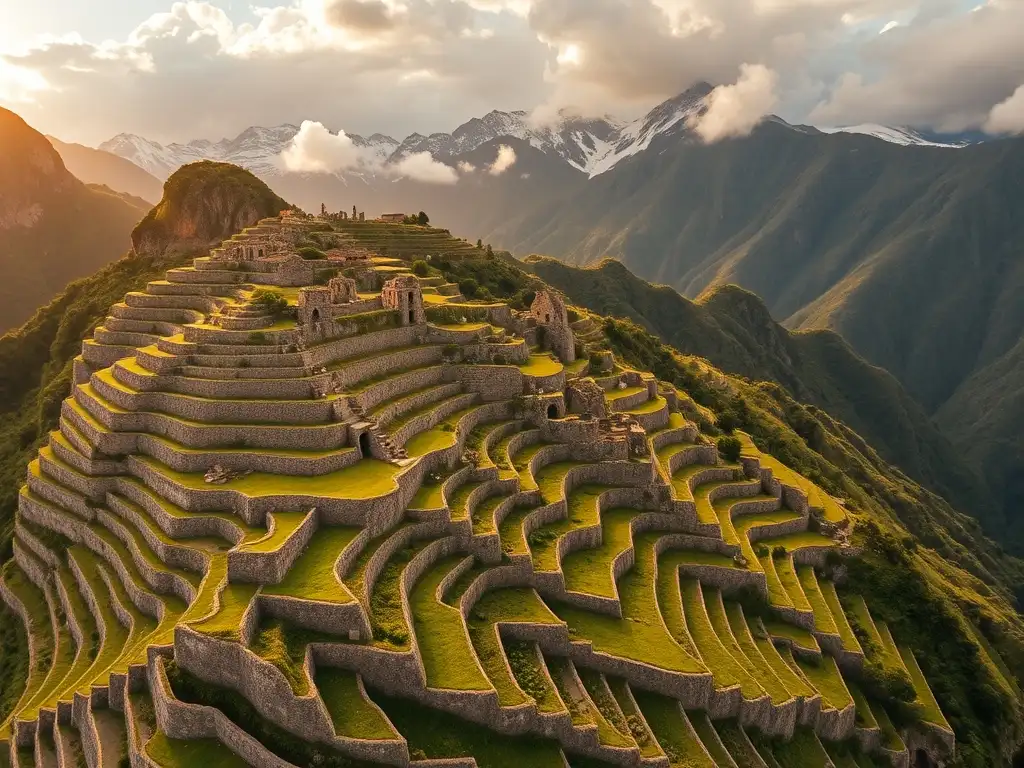
The Inca Empire, renowned for its sophisticated architecture and intricate road systems, also possessed an unparalleled understanding of water management. Their mastery of hydraulic engineering allowed them to thrive in diverse and often challenging Andean environments, showcasing remarkable adaptability and ingenuity. This wasn't merely a matter of survival; their water management techniques were deeply integrated into their social, religious, and economic structures, highlighting the central role of water in Inca society.
Understanding their approaches offers valuable insights into sustainable water resource management, particularly relevant in today's world facing increasing water scarcity. The ingenuity of the Inca's "Andean civilizations water management techniques" continues to inspire modern-day solutions.
The Inca Approach to Water Resource Control
The Inca approach to water wasn't simply about harnessing it; it was about respecting and revering it. Water was considered sacred, a life-giving force deserving of careful stewardship. This reverence translated into a highly organized and efficient system of water resource control. Their methods involved a combination of sophisticated engineering, community participation, and a deep understanding of their environment.
They meticulously mapped water sources, carefully planned their infrastructure, and implemented strict regulations to ensure equitable distribution and prevent overuse. Evidence suggests that they employed a hierarchical system, with specialized officials overseeing water allocation and maintenance. This centralized control, combined with community involvement, ensured the effective and sustainable management of water resources across their vast empire. This holistic approach, integrating both technological prowess and societal structure, is a key element of understanding their success.
Inca Canals and Aqueducts: Engineering Marvels
Inca canals and aqueducts stand as testaments to their remarkable engineering capabilities. These weren't simply ditches; they were carefully designed and constructed systems, often traversing challenging terrains with impressive precision. They utilized sophisticated techniques including:
- Precise surveying and leveling: Ensuring a consistent gradient for efficient water flow.
- Stone masonry: Constructing durable and leak-proof channels capable of withstanding harsh weather conditions.
- Subterranean channels: Minimizing water loss through evaporation and reducing the visual impact on the landscape.
- Siphons and tunnels: Overcoming obstacles like valleys and hills.
These structures weren't merely functional; they were also aesthetically pleasing, integrated seamlessly into the landscape. The scale and complexity of some of these projects, considering the tools and technology available at the time, are truly astounding. For example, the aqueduct system supplying Cusco was a marvel of engineering, providing a reliable water supply to the capital city. The longevity and efficiency of these systems are a testament to their meticulous planning and execution. Many of these structures still stand today, a lasting legacy of Inca ingenuity.
Inca Terracing and Water Conservation
Inca terracing is another striking example of their advanced water management techniques. These terraced agricultural fields, carved into steep hillsides, served multiple purposes:
- Increased arable land: Maximizing agricultural productivity in mountainous regions.
- Erosion control: Preventing soil loss and preserving topsoil.
- Water retention: Creating small reservoirs that captured and stored rainwater, slowing runoff, and providing a consistent water supply to crops.
The terraces were not randomly placed; they were carefully designed to follow the contours of the land, optimizing water distribution and minimizing erosion. Different types of terraces were constructed depending on the slope and soil type, demonstrating a deep understanding of hydrology and soil science. The construction of these terraces required immense labor and meticulous planning, reflecting the importance of agriculture in Inca society and their commitment to sustainable land management.
The effectiveness of these terraces in conserving water and enhancing agricultural productivity is a testament to the Inca's practical wisdom and environmental stewardship. The enduring legacy of Inca terracing continues to inform modern agricultural practices in the Andes, showcasing the timeless relevance of their water management techniques within the context of "Andean civilizations water management techniques."
Machu Picchu Water Management Example
Machu Picchu, the iconic "Lost City of the Incas," stands as a testament to the Inca's sophisticated understanding of water management. Its remarkably preserved water systems are a compelling example of their engineering prowess and sustainable practices, directly relevant to understanding Andean civilizations water management techniques. The city's location, high in the Andes Mountains, presented significant challenges, yet the Incas ingeniously harnessed available water resources to support a substantial population.
The system wasn't merely about providing water for drinking; it was intricately integrated into the city's overall design. Water was channeled through a network of carefully constructed canals, aqueducts, and fountains, all built using precisely cut stone that fit together without mortar. These channels were graded to ensure a consistent flow, even across varying terrains. This precision minimized water loss and maximized efficiency – a crucial consideration given the high altitude and potential for water scarcity. The system’s longevity and effectiveness are impressive, showcasing the Incas' deep knowledge of hydraulics and their commitment to long-term sustainability.
One particularly noteworthy aspect of Machu Picchu's water management is the integration of multiple water sources. The Incas utilized both springs and streams, strategically combining them to create a resilient system capable of withstanding variations in rainfall. This diversification reduced the city's vulnerability to drought and ensured a reliable water supply throughout the year. The system incorporated reservoirs and storage facilities to manage water surpluses and deficits, effectively acting as a buffer against fluctuations in water availability. This approach is a key component of what makes the Andean civilizations water management techniques so effective even today.
Furthermore, the Inca water system at Machu Picchu wasn't just functional; it was also aesthetically pleasing. The carefully constructed channels and fountains were integrated into the city's architecture, demonstrating a harmonious relationship between engineering and urban planning. This suggests that water wasn't simply a resource to be managed but a vital element of the city's cultural and spiritual life.
The careful placement of fountains and the integration of water features into plazas and public spaces likely served both practical and symbolic purposes. The beauty and functionality of Machu Picchu’s water system, a masterful example of Andean civilizations water management techniques, continues to inspire awe and admiration centuries later. It serves as a powerful reminder of the importance of sustainable water management, a lesson particularly relevant in today's world facing increasing water scarcity.
Andean Water Management Techniques: A Closer Look
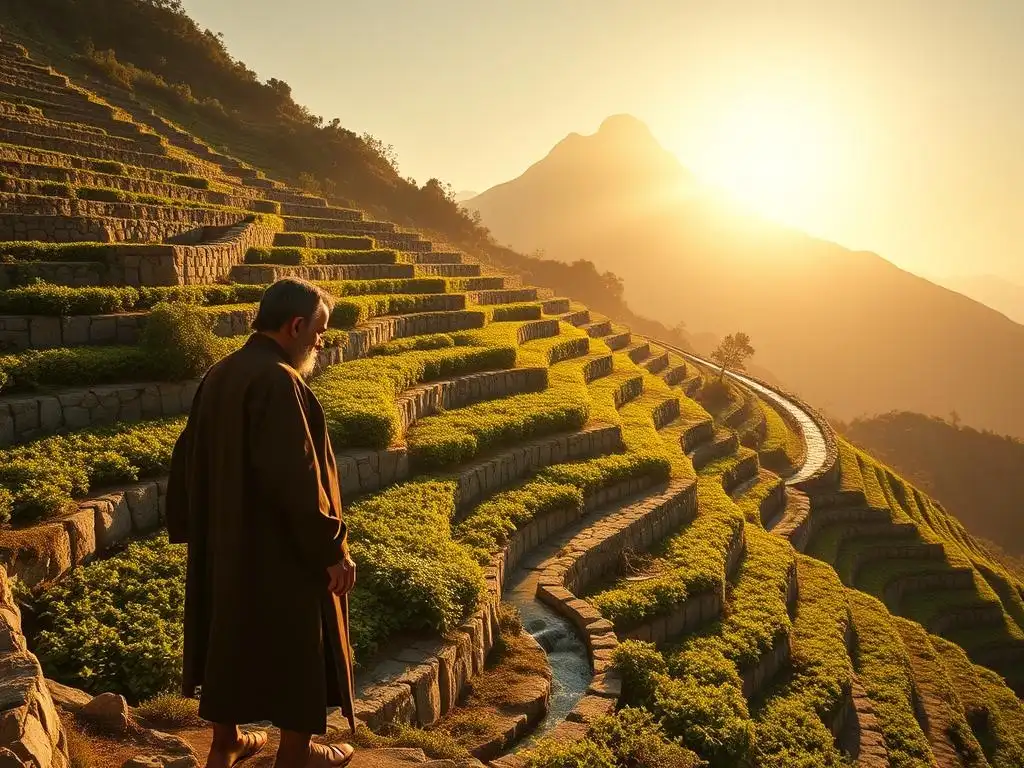
The ingenuity of Andean civilizations in managing water resources is a testament to their deep understanding of their environment and a remarkable achievement in sustainable development. Their sophisticated techniques, developed over millennia, offer valuable lessons for modern water management strategies, particularly in arid and semi-arid regions. Understanding these ancient practices sheds light on the remarkable ability of Andean civilizations to thrive in challenging geographical conditions, showcasing their expertise in "Andean civilizations water management techniques." This section delves into some of the key methods employed.
Rainwater Harvesting in the Andes
Rainwater harvesting was crucial for Andean communities, particularly in areas with limited access to rivers or glaciers. They employed a variety of techniques to capture and store this precious resource. One common method involved the construction of qochas, artificial reservoirs built on hillsides or valleys. These reservoirs, often lined with stone or clay to prevent leakage, collected rainwater runoff from surrounding areas. The size and complexity of qochas varied depending on the needs of the community, ranging from small, family-sized structures to large-scale systems capable of supplying water to entire villages.
Furthermore, the design of buildings often incorporated rainwater harvesting elements. Roofs were frequently sloped to direct rainwater into channels that led to storage containers. These containers, made of various materials depending on availability (e.g., clay pots, stone cisterns), were strategically placed to minimize evaporation and ensure easy access.
The integration of rainwater harvesting into both agricultural and domestic settings highlights the holistic approach Andean civilizations adopted towards water management. Careful observation of seasonal rainfall patterns and microclimates informed the placement and design of these systems. This meticulous planning ensured efficient water collection and distribution, even in regions with unpredictable rainfall.
Managing Water Flow: Diversion and Distribution
Beyond rainwater harvesting, the Andean civilizations developed sophisticated systems for diverting and distributing water from rivers and streams. This involved constructing intricate networks of canals, channels, and aqueducts to carry water to agricultural fields and settlements. The construction of these systems required a high degree of engineering expertise, demonstrating a profound understanding of hydraulic principles.
For instance, the Nazca civilization is renowned for its extensive irrigation canals, some of which stretched for kilometers across the arid coastal plains. These canals were carefully graded to ensure a consistent flow of water, and ingenious techniques were employed to overcome obstacles such as hills and valleys.
The careful management of water flow was essential for optimizing irrigation efficiency and preventing waterlogging or soil erosion. This involved the use of various control structures, such as weirs, spillways, and sluice gates, to regulate the flow of water according to the needs of the crops and the availability of water resources. The precise alignment of canals and the integration of these control structures reflect a sophisticated understanding of hydraulic engineering principles.
This meticulous approach minimized water loss and maximized the utilization of available water resources. The effectiveness of these systems is evident in the agricultural productivity achieved by Andean civilizations, despite the challenging environmental conditions.
The Role of Andean Agriculture in Water Conservation
Andean agricultural practices were intrinsically linked to water conservation strategies. The cultivation of terraces, for example, was not merely a method of increasing arable land but also a crucial technique for water management. Terraces reduced soil erosion and allowed for more efficient irrigation, as water could be channeled across the terraced slopes.
Different crops were often planted in different terraces to optimize water use and maximize yields, showcasing a deep understanding of the interplay between water, soil, and plant growth. Furthermore, the use of drought-resistant crops and the development of sophisticated agricultural techniques such as waru waru (raised field agriculture) further demonstrate the Andean civilizations' commitment to sustainable water management.
The waru waru system, for example, involved creating raised beds surrounded by irrigation canals. This system allowed for efficient water use, reduced evaporation, and improved soil fertility. The integration of these agricultural practices with water management techniques highlights the holistic approach adopted by Andean civilizations.
Their success in cultivating diverse crops in challenging environments underscores the efficiency and sustainability of their integrated water management systems. The legacy of these techniques provides valuable insights for modern sustainable agriculture and water conservation strategies, particularly in the face of increasing water scarcity. The detailed understanding of "Andean civilizations water management techniques" allows us to appreciate the ingenuity and foresight of these ancient societies.
Quinoa Cultivation and its Water Use
Quinoa, a staple crop of the Andes, showcases the ingenuity of Andean water management techniques. Its cultivation reveals a deep understanding of both water conservation and efficient resource utilization, crucial for thriving in the often-arid high-altitude environments. Unlike many crops that require consistent, abundant water, quinoa demonstrates remarkable resilience to drought conditions. This resilience is partly due to its relatively short growing season, often requiring less overall water than other grains. Furthermore, traditional Andean farming practices, passed down through generations, emphasize water harvesting and soil management techniques that maximize quinoa yields while minimizing water waste.
The Andean farmers employed (and continue to employ) sophisticated methods to optimize water use in quinoa cultivation. Terracing, for example, slows down water runoff, allowing it to soak into the soil and nourish the plants more effectively. This technique is particularly crucial in mountainous regions where steep slopes would otherwise lead to rapid water loss. Additionally, the use of raised beds or camellones—ancient raised fields—provided improved drainage and aeration, further enhancing water retention and reducing the risk of waterlogging, a significant problem in many high-altitude agricultural areas. The integration of diverse crops in polyculture systems further contributed to water conservation, as different plants had varying water requirements, creating a more balanced and resilient ecosystem. Specific examples of these polyculture systems, including the precise combination of crops and their impact on water usage, require further research to fully document. However, the general principle of optimizing water resources through biodiversity remains undeniable.
The selection of quinoa varieties also plays a significant role in water management. Over centuries, Andean communities selected and cultivated quinoa varieties best suited to their local environments, including those that were more drought-tolerant and efficient in their water use. This process of adaptation and selection is a testament to the deep understanding of the relationship between water availability and crop productivity that was developed over many generations.
Further research into the specific genetic traits of these adapted quinoa varieties could offer valuable insights for modern sustainable agriculture practices, particularly in regions facing water scarcity. The resilience of quinoa and the sophisticated water management strategies employed in its cultivation provide a compelling example of sustainable agricultural practices developed within the Andean civilizations. These techniques offer valuable lessons for contemporary water management challenges globally.
Legacy of Andean Water Wisdom
The ingenuity of Andean civilizations in water management is a testament to their deep understanding of their environment and a powerful example of sustainable living. Their sophisticated systems, developed over millennia, weren't merely about irrigation; they were integral to their social structures, religious beliefs, and overall survival. These techniques, honed across diverse ecological zones – from the arid coastal deserts to the high-altitude Andes – provide invaluable lessons for contemporary water management strategies. Understanding their approaches allows us to glean insights into effective water conservation, efficient irrigation, and community-based water governance.
This legacy offers a powerful counterpoint to modern, often unsustainable, water practices. The Andean civilizations' success in managing water resources, even in challenging environments, should serve as a blueprint for sustainable development in today's world. The keyword "Andean civilizations water management techniques" is central to understanding this remarkable achievement.
Lessons from Andean Civilizations for Modern Water Management
Andean civilizations developed a range of techniques to maximize water availability and minimize waste. Their sophisticated understanding of hydrology, coupled with their innovative engineering, allowed them to thrive in some of the world's most challenging environments. For instance, the Nazca people, famed for their geoglyphs, also constructed extensive canal systems that channeled water from distant sources to their agricultural fields.
This involved a deep understanding of the landscape and an ability to predict water flows. Similarly, the Inca empire's sophisticated qanats (underground channels) and andenes (terraced agricultural fields) allowed them to cultivate crops at varying altitudes, optimizing water use and increasing agricultural yields. These techniques demonstrate the importance of:
- Understanding local hydrology: Careful observation of rainfall patterns, water sources, and soil types was crucial to designing effective systems.
- Community-based management: Water resources were often managed collectively, ensuring equitable distribution and preventing conflicts.
- Sustainable practices: The focus was on long-term sustainability, not short-term gains, reflecting a deep respect for the environment.
- Adaptive strategies: Systems were adapted to the specific needs of different environments and communities.
These principles are directly applicable to modern water management, particularly in arid and semi-arid regions facing increasing water scarcity. Implementing community-based water governance, promoting sustainable agriculture, and investing in research to understand local hydrological conditions are all critical steps towards achieving water security.
Reapplying Ancient Techniques in Contemporary Contexts
Many of the Andean civilizations' water management techniques remain relevant today. For example, the principles behind andenes are being reapplied in modern agriculture to reduce soil erosion, conserve water, and increase crop yields. Similarly, the use of qanats is being explored as a sustainable alternative to energy-intensive pumping systems in arid regions.
Further research is needed to understand the precise engineering details of these ancient systems, and to adapt them to contemporary needs and technologies. The integration of traditional knowledge with modern engineering techniques offers exciting possibilities for sustainable water management. For example, combining traditional canal designs with modern materials could lead to more durable and efficient irrigation systems.
Furthermore, utilizing GIS and remote sensing technologies to map ancient water systems could help inform the planning of new infrastructure. The potential for innovation is significant, especially given the increasing urgency of addressing global water challenges. Specific examples of successful reapplication of Andean techniques in modern contexts are [specific information pending].
Challenges and Opportunities for Sustainable Water Practices
While the lessons from Andean civilizations are invaluable, there are challenges to reapplying their techniques in contemporary contexts. Population growth, climate change, and the degradation of water resources pose significant obstacles. Furthermore, modern socio-political structures may differ significantly from the community-based systems that characterized Andean societies. However, these challenges also represent opportunities.
The increasing awareness of water scarcity is driving innovation in water management technologies and practices. The integration of traditional knowledge with modern science and technology offers a pathway towards more sustainable and resilient water systems. The development of community-based water management programs, combined with investments in research and education, are crucial steps in this direction. Addressing the challenges requires a multi-faceted approach, incorporating the wisdom of the past with the tools of the present to secure a sustainable water future.
The success of such an approach will depend on effective collaboration between scientists, engineers, policymakers, and local communities – a vision echoed in the collaborative spirit of Andean water management itself. The future of sustainable water practices depends on our ability to learn from the past and adapt these lessons to meet the challenges of the present. The legacy of Andean civilizations offers a powerful model for achieving this goal.
The Future of Andean Water Management and Conservation
The legacy of ingenious Andean water management techniques continues to inspire modern approaches to sustainable development, particularly in regions facing water scarcity. Understanding and adapting these ancient methods offers valuable insights for contemporary challenges. The future of Andean water management hinges on several key factors: integrating traditional knowledge with modern technology, fostering community participation, and addressing the impacts of climate change.
One promising avenue is the integration of traditional water harvesting techniques, such as qochas (artificial lakes) and sophisticated canal systems, with modern technologies like remote sensing and GIS mapping. This combined approach allows for more efficient water resource monitoring, improved irrigation scheduling, and better prediction of water availability. For example, satellite imagery can identify areas needing immediate attention, while traditional knowledge can guide the implementation of appropriate, context-specific solutions. This synergistic approach ensures both efficiency and cultural sensitivity.
Furthermore, community involvement is paramount. Successful water management relies on the active participation of local communities, who possess invaluable knowledge of their specific environments and water needs. Empowering communities through education and training programs focused on sustainable water practices is vital. This includes promoting water-wise agriculture, encouraging rainwater harvesting at the household level, and fostering a sense of collective responsibility for water resource conservation. Projects that prioritize community ownership and management are more likely to succeed in the long term.
Climate change presents a significant challenge to Andean water management. The increasing frequency and intensity of droughts and floods necessitate the adoption of climate-resilient strategies. This involves diversifying water sources, investing in drought-resistant crops, and developing early warning systems for extreme weather events.
Traditional Andean practices, such as the construction of terraces and reservoirs, offer valuable lessons in adapting to variable rainfall patterns and mitigating the risks associated with climate change. By learning from the past, we can build more resilient water management systems for the future. The integration of climate change predictions into long-term planning is crucial to ensure the sustainability of these systems.
Ultimately, the future of Andean water management is inextricably linked to the preservation of traditional knowledge and its intelligent application in the face of evolving environmental challenges. The wisdom of the Andes holds the key to a more sustainable future, not just for the region itself, but for the world.
Frequently Asked Questions
How did Andean civilizations manage water resources effectively?
Andean civilizations developed sophisticated water management techniques, including intricate irrigation systems, terracing, and reservoirs, to adapt to diverse climates and terrains. These systems were crucial for their agricultural success.
What were some of the key innovations in Andean water technology?
Aqueducts, canals, and underground channels (qanats) were significant innovations. These allowed for the efficient transport and distribution of water across vast distances and varied landscapes. Storage techniques like reservoirs also played a vital role.
Did different Andean cultures employ unique water management strategies?
Yes, each culture adapted techniques to its specific environment. The Incas had extensive canal systems, while the Nazca utilized complex underground water channels. Moche utilized sophisticated irrigation systems.
What is the significance of Andean water management for modern society?
Andean water management offers valuable lessons for sustainable development. Their ingenious solutions to water scarcity and efficient use provide models for contemporary water resource management in arid and semi-arid regions.
How did the Andean approach to water differ from other ancient civilizations?
While other civilizations also developed irrigation, the Andean approach showed a remarkable adaptation to high altitude environments and varied terrains. Their emphasis on terracing and water storage was particularly unique.
Final Reflection: The Enduring Legacy of Andean Water Wisdom
The ingenious water management systems of the Andean civilizations remain a potent symbol of sustainable living, offering crucial lessons for a world grappling with water scarcity. Their sophisticated techniques, developed centuries ago, stand as a stark reminder of humanity's capacity to coexist harmoniously with nature, a capacity we must urgently rediscover in the face of climate change and growing population pressures.
The enduring influence of Andean water wisdom extends far beyond historical accounts; it continues to shape contemporary approaches to water resource management. These ancient practices, often dismissed as primitive, now serve as blueprints for innovative solutions to modern challenges. Their emphasis on community participation, integrated water resource management, and respect for the environment offers a powerful counterpoint to exploitative and unsustainable practices. Water is the lifeblood of a civilization, and its wise management is the cornerstone of its prosperity.
This simple truth, understood deeply by the Andean people centuries ago, holds even greater significance today.
Consider the ingenuity of these ancient systems, their resilience in the face of environmental challenges, and the profound connection they fostered between people and their environment. You too can contribute to a more sustainable future. By embracing principles of community engagement, resource conservation, and respect for the natural world, you can become a steward of water, ensuring its availability for generations to come. Let the legacy of Andean water wisdom inspire you to act, to innovate, and to build a future where water is not a source of conflict, but a foundation of shared prosperity.
**Embrace Sustainability: Take Action for Water Conservation! **
Thank you for exploring the crucial topic of water conservation with us! You've learned how traditional methods from various cultures can inspire sustainable practices. Now, let's put that knowledge into action and make a difference.
Here are some practical steps you can take today:
- **Join a local environmental group** working on water conservation in your community to help drive change and promote sustainable practices.
- **Share this information** with your network on social media—use your voice to raise awareness about water conservation!
- **Learn more about traditional water management techniques** from around the world and consider how these approaches can be adapted to your own life and community.
What steps will you take today to contribute to a more sustainable future? Share your thoughts in the comments below!