
The Weight of History: Understanding the LoadBearing Structures of Andean Buildings

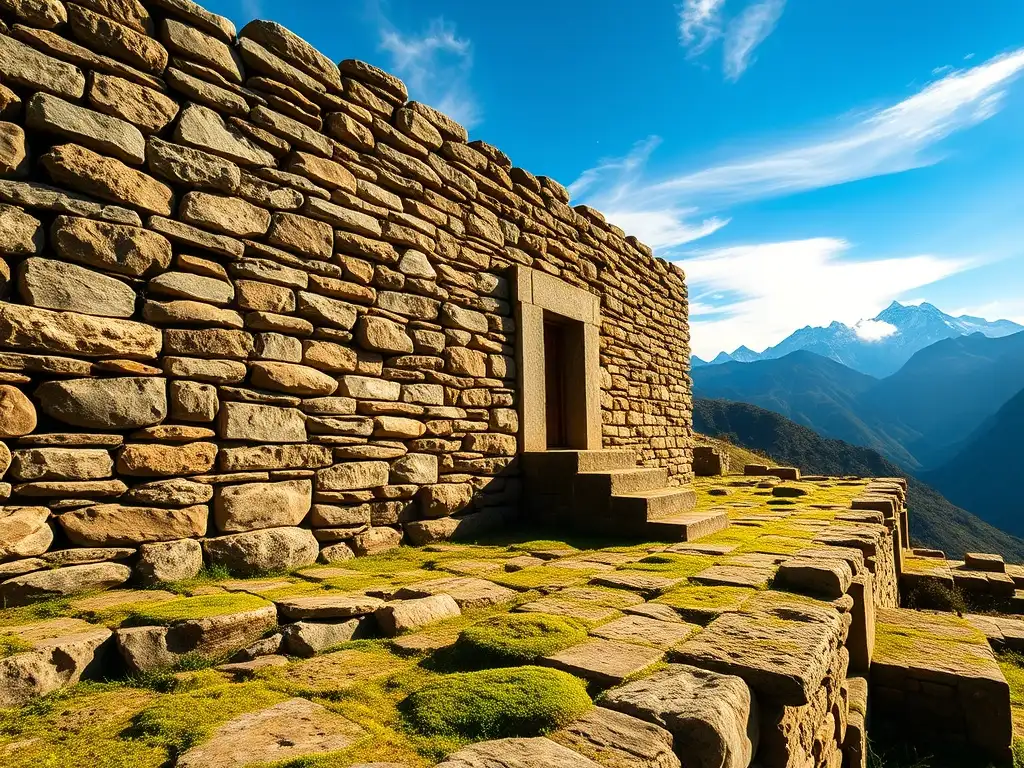
Unravel the mysteries of a lost world, where ingenuity defied gravity. For centuries, the towering structures of the Andes have whispered tales of remarkable Andean stone building techniques. How did these ancient civilizations, including the Incas, Moche, and Nazca, erect such monumental feats of engineering? Journey with us into the heart of Andean architecture and uncover the secrets behind their breathtaking load-bearing structures – a story as intriguing as the mountains themselves. Prepare to be amazed.
The Andes Mountains, a spine of towering peaks stretching along the western edge of South America, are not only a geographical marvel but also the cradle of sophisticated and remarkably durable ancient civilizations. For centuries, these cultures—including the Incas, Moche, Nazca, and Tiahuanaco—demonstrated an unparalleled mastery of Andean stone building techniques, creating structures that have withstood the test of time and continue to inspire awe. This article delves into the ingenious load-bearing systems employed by these Andean builders, exploring the techniques, materials, and innovations that allowed them to erect monumental structures in challenging terrains.
We will examine how their understanding of engineering principles, combined with their deep connection to the environment, resulted in architectural achievements that remain unparalleled in their ingenuity and resilience. Understanding these techniques provides invaluable insights into the advanced knowledge and organizational capabilities of these pre-Columbian societies and highlights the enduring legacy of their architectural prowess.
Masterful Masonry: Precision and Perfection in Andean Stonework
The hallmark of Andean architecture is its masterful use of stone. Builders didn't simply pile stones atop one another; they meticulously shaped and fitted each stone with astonishing precision. This wasn't just an aesthetic choice; the precise fitting of stones significantly enhanced the structural integrity of the buildings.
The technique, often described as "dry-stone masonry" or ashlar masonry, involved selecting stones of varying sizes and shapes, then carefully carving and fitting them together without the use of mortar. This required an incredibly deep understanding of geometry and engineering, allowing for the creation of walls that were both incredibly strong and remarkably resistant to seismic activity. The level of precision is breathtaking; many walls exhibit joints so tight that a knife blade cannot be inserted between the stones.
This level of craftsmanship speaks volumes about the skill and dedication of the Andean masons. Consider, for example, the walls of Sacsayhuamán near Cusco – a testament to this incredible precision and the scale of their engineering feats.
Beyond Precision: Understanding the Principles of Load Distribution
The success of Andean stone building techniques wasn't solely reliant on precise stone fitting. The builders also demonstrated a profound understanding of load distribution. They employed a variety of techniques to manage the weight of the structures, including the strategic use of different stone sizes and shapes, and the incorporation of inclined planes and buttresses to counteract the forces of gravity. Larger stones were often placed at the base of walls, providing a strong foundation, while smaller stones were used higher up.
This graduated layering helped to distribute the weight evenly, minimizing stress points and enhancing the overall stability of the structure. Furthermore, the use of inclined planes and buttresses, particularly visible in monumental structures like Ollantaytambo, further enhanced stability, especially in areas prone to earthquakes. This knowledge of physics and engineering was clearly far more advanced than previously assumed.
Adapting to the Environment: Materials and Techniques
The Andean builders didn't simply rely on a single set of techniques; they adapted their methods to the specific environmental conditions and the availability of materials. In regions where specific types of stone were abundant, they utilized those stones, developing techniques suited to their unique properties. In areas where stone was scarce, they might have employed other materials, such as adobe bricks or rammed earth, demonstrating remarkable adaptability and resourcefulness.
The choice of materials and techniques was not arbitrary; it was carefully considered and optimized for the specific site and its environmental challenges. This adaptability is a key factor in understanding the longevity and resilience of Andean structures. The ingenuity of these builders in adapting their techniques to different environmental conditions underscores their deep understanding of both engineering and their surroundings.
The Enduring Legacy: Andean Stone Building Techniques and Modern Applications
The sophisticated Andean stone building techniques, developed over centuries, continue to inspire and inform modern construction practices. The principles of dry-stone masonry, load distribution, and environmental adaptation are being re-evaluated and applied in contemporary sustainable building projects. The precision and durability of Andean structures serve as a powerful reminder of the potential of sustainable and environmentally responsible building.
The legacy of these ancient builders extends far beyond the remarkable structures they left behind; it offers valuable lessons for future generations seeking sustainable and resilient architectural solutions. The study of Andean stone building techniques offers a unique opportunity to learn from the past and to build a more sustainable future. The weight of history, quite literally, carries a valuable lesson for modern construction.
- Masterful Masonry: Precision and Perfection in Andean Stonework
- Beyond Precision: Understanding the Principles of Load Distribution
- Adapting to the Environment: Materials and Techniques
- The Enduring Legacy: Andean Stone Building Techniques and Modern Applications
- What unique challenges did Andean builders face when constructing their structures?
- How did Andean builders transport massive stones for their buildings?
- What types of stone were most commonly used in Andean construction?
- What were some key features of Andean stone building techniques that made their structures so durable?
- How did Andean stone building techniques differ from those used in other parts of the world?
Introduction to Andean Stone Building Techniques
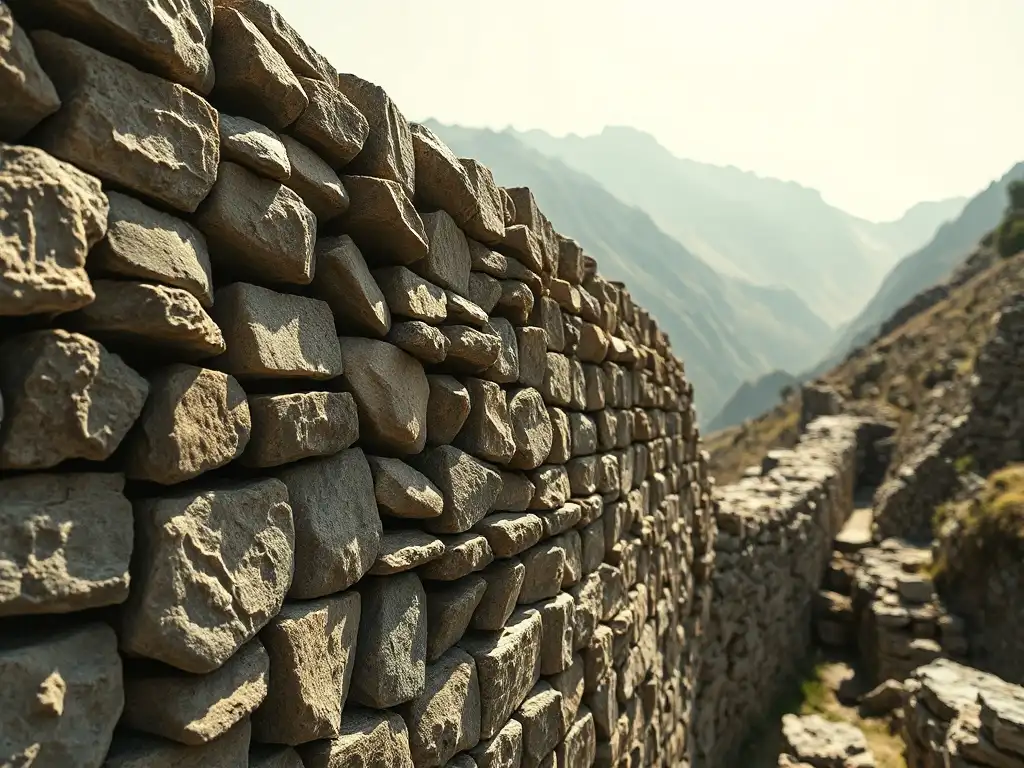
This section delves into the remarkable Andean stone building techniques employed by ancient civilizations across the Andes Mountains. These techniques, developed over millennia, showcase an impressive understanding of engineering principles, material science, and adaptation to challenging environments. From the imposing structures of Machu Picchu to the intricate artistry of the Nazca lines, the legacy of these building methods continues to inspire awe and wonder. We'll explore the ingenuity behind their construction, the crucial role of load-bearing structures, and the lasting impact of these architectural marvels.
Understanding these techniques provides invaluable insight into the sophisticated societies that shaped the Andes. The precision and durability of these structures highlight the advanced knowledge and skills possessed by Andean builders, challenging preconceived notions about pre-Columbian technology. The study of Andean stone building techniques offers a fascinating glimpse into the past, revealing the resourcefulness and adaptability of these ancient cultures.
The Ingenuity of Ancient Andean Construction
The ingenuity of ancient Andean builders is evident in their masterful manipulation of stone. They didn't simply pile stones; they meticulously crafted them to fit together with astonishing precision, often without the use of mortar. This "dry-stone" construction, a hallmark of Andean stone building techniques, required an intimate understanding of the properties of local stone and a keen eye for detail.
Consider the cyclopean masonry of Sacsayhuamán, where massive stones, some weighing over 100 tons, are interlocked with such accuracy that a knife blade can barely fit between them. This level of precision speaks volumes about their advanced knowledge of geometry, engineering, and stonework.
Furthermore, the choice of stone itself was carefully considered. Andean builders selected stones based on their durability, resistance to weathering, and suitability for the intended structure. The selection process, often involving meticulous examination of quarries, is a testament to their keen observational skills and practical understanding of materials science.
This careful consideration, combined with their innovative construction methods, resulted in structures that have withstood the test of time, many remaining remarkably intact despite earthquakes and the passage of centuries. The resilience of these structures is a direct result of the sophisticated techniques employed, a true testament to the builders' expertise. The intricate fitting of stones, often described as "puzzle-like," minimized the need for binding agents, resulting in structures that were both strong and aesthetically pleasing.
Importance of Load-Bearing Structures in Andean Architecture
Load-bearing structures were fundamental to Andean architecture. Unlike many later architectural styles that rely on arches or other supporting elements, Andean buildings primarily employed load-bearing walls. This meant that the weight of the structure was distributed directly through the walls to the foundation, necessitating precise stonework and careful planning. The stability of these structures depended heavily on the quality of the stonework and the accurate distribution of weight. Any weakness in the wall could compromise the entire building, underscoring the importance of meticulous craftsmanship.
The effectiveness of load-bearing walls in Andean architecture is evidenced by the longevity of many surviving structures. The ability of these walls to effectively transfer the weight of the building to the foundation, even in earthquake-prone regions, is a tribute to the ingenuity of the builders. The use of interlocking stones, coupled with the careful selection of materials, created incredibly strong and stable structures. This is particularly evident in the impressive terraces found throughout the Andes, where layers of stone walls supported agricultural fields on steep slopes, showcasing a deep understanding of engineering principles and environmental adaptation.
The success of these systems demonstrates the profound understanding of structural mechanics possessed by ancient Andean civilizations. The precision and durability of these load-bearing structures remain a source of fascination and inspiration for modern engineers. The study of these techniques contributes significantly to our understanding of sustainable and earthquake-resistant building practices.
Materials and Techniques in Andean Load-Bearing Walls
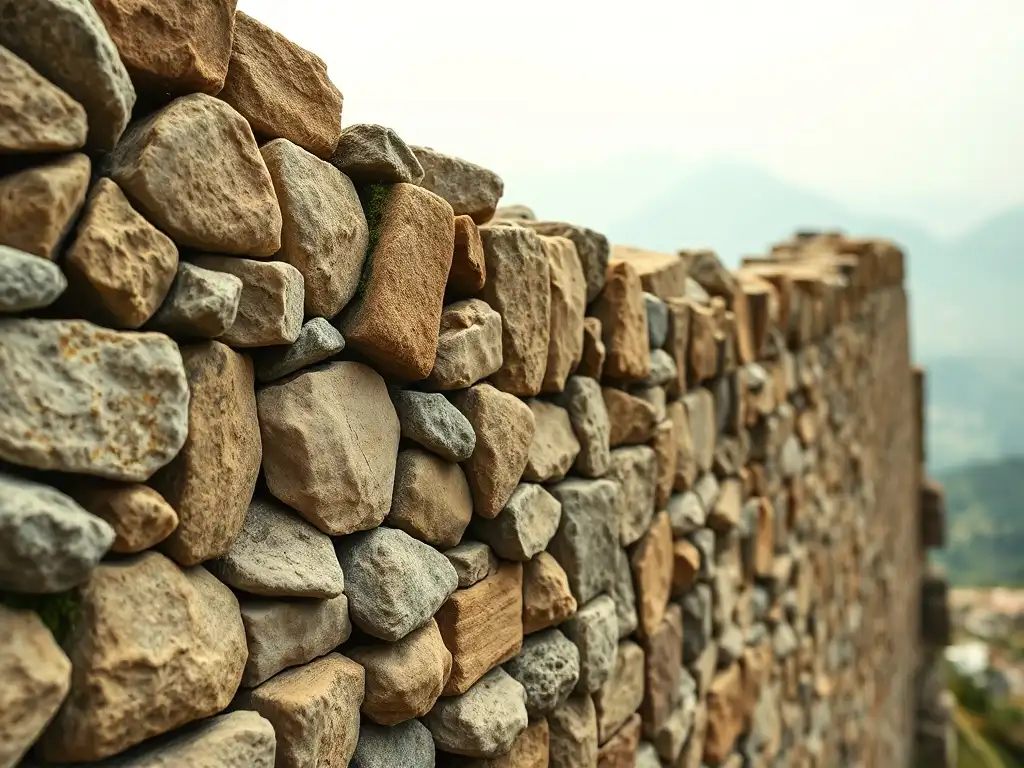
The remarkable Andean stone building techniques employed by civilizations like the Inca, Moche, and Nazca stand as testaments to their sophisticated understanding of engineering and construction. These techniques, developed over centuries, allowed for the creation of impressive structures that have withstood the test of time, defying the harsh Andean environment. Understanding the materials and techniques used is key to appreciating the ingenuity and skill of these ancient builders.
The choice of materials, their preparation, and the precise methods of construction all contributed to the exceptional durability and stability of Andean architecture. This section will delve into the specifics of these aspects, highlighting the unique characteristics of Andean stone building techniques and their impact on the longevity of their structures.
Selection and Preparation of Andean Building Stones
The success of Andean stone building techniques began with the careful selection and preparation of the building stones themselves. Builders weren't simply using any available rock; they exhibited a keen understanding of material properties. The most commonly used stones were andesite, basalt, and granite – all incredibly durable volcanic rocks readily available in the Andean region. The selection process prioritized stones with minimal imperfections, ensuring structural integrity. Larger blocks were favored for foundational elements, while smaller stones were used for infill and less structurally critical areas.
The preparation of these stones involved a meticulous process. Initially, large blocks were extracted from quarries using sophisticated techniques, likely involving fire-setting and stone wedges. Evidence suggests the use of copper and bronze tools for shaping and refining the stones. After extraction, the stones underwent a thorough shaping process.
This involved skillful chipping and hammering to achieve the desired dimensions and precise angles, often resulting in remarkably flat and uniform surfaces. This precision was crucial for the successful implementation of the intricate masonry techniques employed in Andean construction. The level of craftsmanship evident in the preparation of these stones underscores the dedication and expertise of the Andean builders.
Andean Masonry Techniques: Ashlar and Fieldstone
Andean masonry techniques varied across different cultures and time periods, but two prominent methods stand out: ashlar masonry and fieldstone masonry. Ashlar masonry involved precisely cut and shaped blocks of stone, typically rectangular or polygonal in form. These blocks were carefully fitted together without the use of mortar, demonstrating an extraordinary level of precision and skill. The iconic Inca walls are prime examples of ashlar masonry, showcasing the remarkable ability of the Inca to create incredibly tight-fitting joints. The blocks were often so precisely cut that even a knife blade could not be inserted between them.
In contrast, fieldstone masonry utilized irregularly shaped stones of varying sizes. While less precise than ashlar masonry, fieldstone construction was nonetheless robust and efficient. This technique was frequently employed in less prominent structural elements or in regions where access to suitable stone for ashlar work was limited.
The use of fieldstone, however, did not compromise the structural integrity of the buildings. The stones were carefully selected and placed to create stable and durable walls, demonstrating the adaptability of Andean builders to different resource availabilities and construction needs. The careful arrangement of stones in fieldstone masonry, often combined with the use of smaller stones to fill gaps, showcases the builders' understanding of structural mechanics and their ability to achieve stability with diverse materials.
Mortarless Construction: The Precision of Inca Stone Fitting
Perhaps the most striking aspect of Andean stone building techniques is the widespread use of mortarless construction, particularly prevalent in Inca architecture. This technique required an exceptional level of precision in stone cutting and placement. The incredibly tight fits between stones not only ensured structural stability but also minimized the need for binding agents. The absence of mortar made the walls resistant to seismic activity, as the interlocking stones could move slightly without compromising the overall structure. This characteristic is a testament to the sophisticated understanding of earthquake engineering possessed by the Inca.
The precision achieved in Inca stone fitting is truly remarkable. Many walls display stones fitted so tightly that it's impossible to slip even a thin blade between them. This level of accuracy was not achieved through trial and error but through a systematic approach to stone preparation and placement.
It is hypothesized that the builders employed sophisticated tools and techniques, including possibly templates and plumb lines, to ensure precise cutting and alignment of the stones. The absence of mortar, therefore, wasn't a limitation but rather a deliberate choice reflecting an advanced understanding of structural engineering principles and the unique properties of the materials used. This mortarless construction, a hallmark of Andean stone building techniques, represents a pinnacle of ancient engineering prowess.
Analyzing Load-Bearing Structures in Different Andean Civilizations
This section delves into the diverse load-bearing strategies employed by various Andean civilizations, highlighting their ingenuity and adaptation to challenging terrains and materials. Understanding these techniques provides crucial insights into the architectural prowess and engineering capabilities of these ancient societies. We'll explore specific examples, examining the distinct approaches to load-bearing construction in Inca, Moche, and Tiahuanaco architecture. The analysis will focus on the masterful use of stone, a readily available resource that was transformed into monumental structures through sophisticated techniques reflective of advanced Andean stone building techniques.
Load-Bearing Walls in Inca Architecture: Sacsayhuamán
Sacsayhuamán, the imposing fortress overlooking Cusco, exemplifies the Inca mastery of Andean stone building techniques. Its cyclopean walls, constructed from massive, precisely fitted stones, demonstrate an exceptional understanding of load-bearing principles. Instead of relying on mortar, the Incas achieved stability through incredibly precise stone shaping and placement. The interlocking nature of the stones, often weighing several tons, minimized the need for binding agents.
The walls themselves weren't simply vertical structures; they were carefully engineered to distribute weight effectively. The varying sizes and shapes of the stones, combined with their meticulous arrangement, created a complex, interlocking system that resisted seismic activity, a significant factor in the region. This is evident in the surviving structures, which have withstood centuries of earthquakes.
Further research is needed to fully understand the precise calculations and methods used to achieve such stability, potentially involving sophisticated knowledge of geometry and engineering principles. The sheer scale of the stones and the precision of their fitting continue to inspire awe and wonder, showcasing the advanced Andean stone building techniques of the Inca civilization.
Moche Building Techniques and Structural Considerations: Huaca de la Luna
The Moche civilization, known for its elaborate pyramids and ceremonial centers, employed different Andean stone building techniques compared to the Inca. Huaca de la Luna, a significant Moche site, reveals a sophisticated understanding of load-bearing, albeit with a distinct approach. While the Incas focused on massive, precisely fitted stones, the Moche utilized adobe bricks extensively.
The Moche architects cleverly integrated adobe brick construction with stone elements. The adobe bricks, often sun-dried, formed the bulk of the structures, while stone was strategically employed for foundations and critical load-bearing points. This combination allowed for efficient construction given readily available materials. The arrangement of the bricks, often in layered patterns, created a stable structure capable of supporting the weight of the superstructures.
The use of ramps and scaffolding, evidenced by archaeological findings, further highlights the organizational and engineering skills involved in constructing these monumental structures. More research is needed into the specific mix of the adobe bricks and their long-term structural stability. This could reveal further details about the Moche's refined Andean stone building techniques, specifically their adaptation of available materials.
Tiahuanaco's Approach to Load-Bearing: Kalasasaya
Tiahuanaco's monumental architecture, particularly the Kalasasaya complex, showcases a unique approach to load-bearing that differs significantly from both Inca and Moche techniques. Tiahuanaco's builders, working with large blocks of andesite, employed a combination of techniques. While precision fitting was present, it wasn't as extreme as in Sacsayhuamán. Instead, they relied on a combination of precise stonework and the use of relatively small amounts of mortar, a technique that may have been influenced by the availability of local materials.
The Kalasasaya platform, for example, exhibits a complex layering of large andesite blocks, demonstrating a strong understanding of weight distribution. The arrangement of these blocks, carefully placed and often interlocking, enhanced the overall stability of the structure. The use of mortar, though present, appears to have been supplementary rather than primary in achieving load-bearing capacity.
Further analysis is needed to determine the exact composition of the mortar used and its contribution to the structure's longevity. This investigation could unlock further understanding of the specific Andean stone building techniques employed by the Tiahuanaco civilization and their unique adaptation to the environment and available resources. The impressive scale and longevity of the structures speak volumes about their advanced engineering knowledge.
Nazca Construction Methods and Earth Structures: Cahuachi
The Nazca civilization, famed for its enigmatic geoglyphs, also demonstrated remarkable skill in earthwork construction. Their most significant achievement in this area is Cahuachi, a massive ceremonial center located in the Nazca desert. Unlike the monumental stone structures of other Andean cultures, Cahuachi showcases a mastery of earth and adobe construction. The site is characterized by large platforms, plazas, and pyramid mounds, all built using techniques that reflect a deep understanding of the local environment and materials.
The construction process likely involved the careful layering of adobe bricks, formed from sun-dried mud and organic materials. These bricks, often quite large and heavy, were meticulously placed to create stable structures. The scale of the undertaking is staggering, indicating a highly organized society capable of mobilizing considerable labor forces for extended periods.
Archaeological evidence suggests that the construction of Cahuachi spanned centuries, with various phases of building and expansion reflecting the changing power dynamics of the Nazca civilization. The use of earth as the primary building material is a testament to the Nazca's resourcefulness and adaptation to the harsh desert environment; earth was readily available, requiring less energy expenditure than quarrying and transporting stone.
Furthermore, the design and arrangement of structures within Cahuachi suggest a sophisticated understanding of engineering principles. The platforms and mounds were strategically placed to maximize drainage and minimize the impact of the desert's harsh weather conditions. The stability of these massive earth structures, some of which still stand today, is a testament to the Nazca's advanced construction techniques and their ability to predict and mitigate potential structural weaknesses.
Analysis of the surviving structures indicates a high degree of precision in the placement and alignment of the adobe bricks, contributing to the overall strength and longevity of the buildings. The ingenuity displayed in the construction of Cahuachi highlights the significant architectural achievements of the Nazca, even without the use of elaborate stonework.
This understanding of Andean stone building techniques, even when applied to earth structures, is crucial to appreciating the breadth of Andean architectural innovation. Further research into the construction methods employed at Cahuachi could reveal even more about the Nazca's advanced understanding of engineering and their societal organization.
Key Elements of Andean Load-Bearing Structures
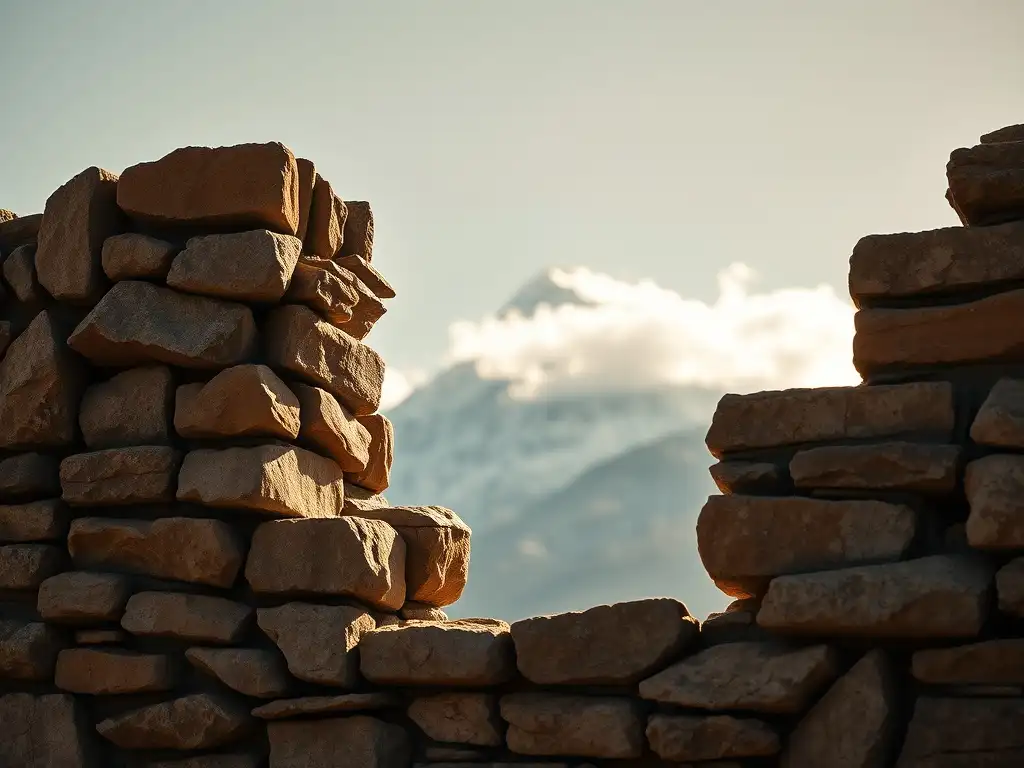
This section delves into the ingenious load-bearing techniques employed by Andean civilizations, showcasing their mastery of stonework and adaptation to challenging environments. Understanding these techniques provides crucial insight into the impressive longevity and resilience of their architectural achievements. The Andean people weren't simply stacking stones; they were building with a deep understanding of physics and the unique characteristics of their materials. Their sophisticated building methods, often referred to as Andean stone building techniques, represent a remarkable feat of engineering.
The Role of Gravity and Compression in Andean Stone Walls
Andean stone walls, particularly those of the Inca, are prime examples of masterful use of gravity and compression. Unlike mortar-heavy constructions found in other parts of the world, Andean builders relied heavily on the weight and precise placement of stones to achieve stability. The immense weight of each stone, acting under gravity, created a powerful compressive force that bound the structure together. This is evident in the incredibly tight-fitting nature of the stones—often with minimal or no mortar—where the weight of the stones themselves resisted lateral forces.
The precision of stone cutting and placement was paramount. Stones were carefully shaped to interlock, creating a complex puzzle-like structure. This interlocking minimized the need for mortar, further emphasizing the reliance on compression. The absence of significant mortar also facilitated seismic resilience, as we'll explore later. Consider the impressive walls of Sacsayhuamán: the sheer weight of those massive stones, perfectly fitted together, speaks volumes about the Andean understanding of structural mechanics. This reliance on gravity and compression is a hallmark of Andean stone building techniques.
The careful selection of stone types also played a crucial role. Andean builders often utilized locally sourced stones, selecting those with high compressive strength, further enhancing the structural integrity of their buildings. The combination of precise stonework, careful selection of materials, and the effective use of gravity and compression resulted in remarkably stable and durable structures, many of which have withstood the test of time and numerous earthquakes.
Buttresses and Other Reinforcements in Andean Buildings
While gravity and compression were the primary principles, Andean builders weren't averse to employing supplementary reinforcing techniques. Buttresses, for instance, were frequently incorporated into the design, particularly in larger structures or those built on sloping terrain. These projecting supports acted as counterweights, enhancing stability and resisting lateral forces. They are a clear indication of advanced engineering knowledge, showcasing the builders' understanding of how to distribute weight and reinforce their constructions against potential failure.
Beyond buttresses, other reinforcing techniques were employed depending on the specific needs of the structure and the available resources. These might include:
- Layered construction: Building in layers, with each layer slightly offset from the previous one, added to the overall stability of the wall.
- Stone size variation: The strategic use of different sizes and shapes of stones, often combining large stones with smaller filling stones, created a robust and interconnected structure.
- Internal infill: In some cases, internal infill materials like rubble or smaller stones were used to further consolidate the wall and distribute the load more effectively.
These methods, in conjunction with the primary reliance on gravity and compression, ensured that the structures were not only aesthetically pleasing but also remarkably strong and resistant to the environmental challenges of the Andes. The ingenuity of these reinforcing techniques is a testament to the sophisticated Andean stone building techniques.
The Influence of Earthquakes on Andean Structural Design
The Andean region is highly seismically active. The frequent occurrence of earthquakes significantly influenced the development of Andean stone building techniques. The absence of significant mortar in many Andean structures is not simply a matter of resource scarcity; it's a crucial aspect of their seismic resilience. Mortar, while providing strength in some contexts, can also create brittle points of failure during seismic activity.
The interlocking nature of the stones, coupled with their weight and the use of techniques like buttresses, allowed the structures to absorb seismic energy more effectively. The stones could shift slightly during an earthquake without causing catastrophic collapse. This flexibility, a result of both material selection and construction techniques, explains the survival of many Andean structures through centuries of seismic events.
The impact of earthquakes on Andean structural design can be summarized as follows:
| Feature | Impact on Seismic Resilience |
|---|---|
| Minimal Mortar | Increased flexibility, reducing brittle failure points. |
| Interlocking Stones | Enhanced energy absorption and distribution during seismic events. |
| Buttresses | Provided additional support and counteracted lateral forces. |
| Layered Construction | Increased stability and resistance to ground movement. |
The Andean builders' understanding of seismic forces and their incorporation of this knowledge into their construction practices is a remarkable example of adaptive engineering. Their structures stand as a testament to their ability to build not just for permanence, but also for resilience in the face of nature's powerful forces. The understanding and application of seismic principles is a key component of the impressive Andean stone building techniques.
The Longevity of Andean Stone Structures
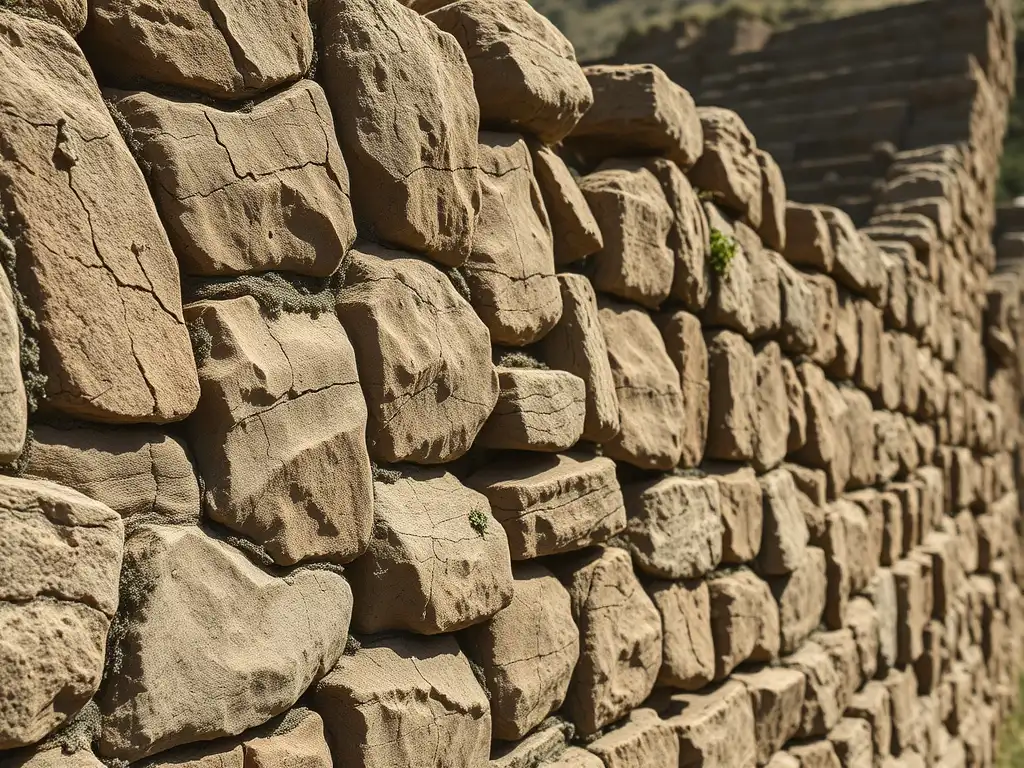
The remarkable longevity of Andean stone structures, a testament to the sophisticated Andean stone building techniques employed by ancient builders, continues to fascinate archaeologists and engineers alike. Many structures, despite centuries—even millennia—of exposure to the elements and seismic activity, stand remarkably intact. This exceptional durability wasn't a matter of luck; it resulted from a combination of factors, including meticulous planning, masterful craftsmanship, and a deep understanding of their environment.
Understanding these factors is crucial for appreciating the ingenuity of Andean civilizations and for informing modern preservation efforts. The impressive resistance to weathering and earthquakes displayed by these structures highlights the advanced understanding of materials science and engineering possessed by these ancient societies. This section delves into the key aspects contributing to the enduring legacy of Andean architecture.
Factors Contributing to the Durability of Andean Buildings
Several key factors contributed to the exceptional durability of Andean buildings. Firstly, the selection of building materials played a pivotal role. Andean builders carefully selected stones based on their strength, durability, and resistance to weathering. They often favored igneous rocks like andesite and basalt, known for their hardness and resistance to erosion.
The meticulous precision of stone cutting and fitting is another crucial element. Stones were shaped with remarkable accuracy, sometimes using only basic tools, resulting in incredibly tight joints that minimized the need for mortar. This "dry-stone" construction, a hallmark of Andean architecture, created structures with exceptional stability and resistance to seismic activity. The use of interlocking stones, often fitted together like puzzle pieces, further enhanced structural integrity.
This technique effectively distributed weight and stress, increasing the overall resilience of the buildings. Finally, the strategic placement of stones within the structure, often incorporating larger stones at the base for added stability, demonstrates a profound understanding of structural mechanics. This is evident in the impressive walls of sites like Sacsayhuamán, which withstood centuries of weathering and earthquakes.
The Impact of Climate and Environment on Andean Construction
The Andean environment, characterized by high altitudes, seismic activity, and diverse climates, significantly influenced construction techniques. Andean builders adapted their methods to the specific challenges of their environment. For instance, the high altitude necessitated the use of materials readily available locally and easily transportable, which often involved smaller, more manageable stones. The prevalence of earthquakes led to the development of flexible, earthquake-resistant structures.
The dry-stone techniques, with their interlocking stones and minimal use of mortar, allowed buildings to absorb seismic energy more effectively than structures reliant on rigid mortar joints. The diverse climates, ranging from arid deserts to high-altitude grasslands, also shaped building materials and techniques. In drier regions, stone was the dominant building material, while in wetter areas, builders sometimes incorporated other materials like adobe or thatch for roofing.
The careful consideration of these environmental factors demonstrates a deep understanding of the interplay between building materials, construction techniques, and environmental conditions. Data on the frequency of earthquakes in specific regions, coupled with analysis of building collapses, would further illuminate this interplay. [Specific data on earthquake frequency and building collapse pending]
Preservation and Restoration of Andean Architectural Heritage
Preserving and restoring Andean architectural heritage requires a multi-faceted approach that respects the original construction techniques and materials. The challenges are substantial, ranging from the effects of weathering and erosion to the threat of looting and vandalism. The focus on minimal intervention is crucial; restoring these sites should prioritize preserving the original structures and materials whenever possible. Modern techniques, when necessary, must be carefully selected to ensure compatibility with the ancient construction methods.
For example, the use of modern materials should mimic the properties of the original materials to avoid compromising the structural integrity of the buildings. Furthermore, sustainable practices are essential to minimize the environmental impact of preservation efforts. This includes using environmentally friendly materials and techniques and educating local communities about the importance of protecting this invaluable heritage. Effective strategies also involve community engagement, empowering local populations to actively participate in the preservation of their cultural heritage, fostering a sense of ownership and responsibility.
The ongoing efforts to preserve these sites serve as a vital reminder of the importance of protecting and understanding our shared past. A comprehensive survey of current preservation techniques and their effectiveness would provide valuable insights. [Specific data on preservation techniques and their effectiveness pending]
Modern Applications and Lessons from Andean Load-Bearing Techniques
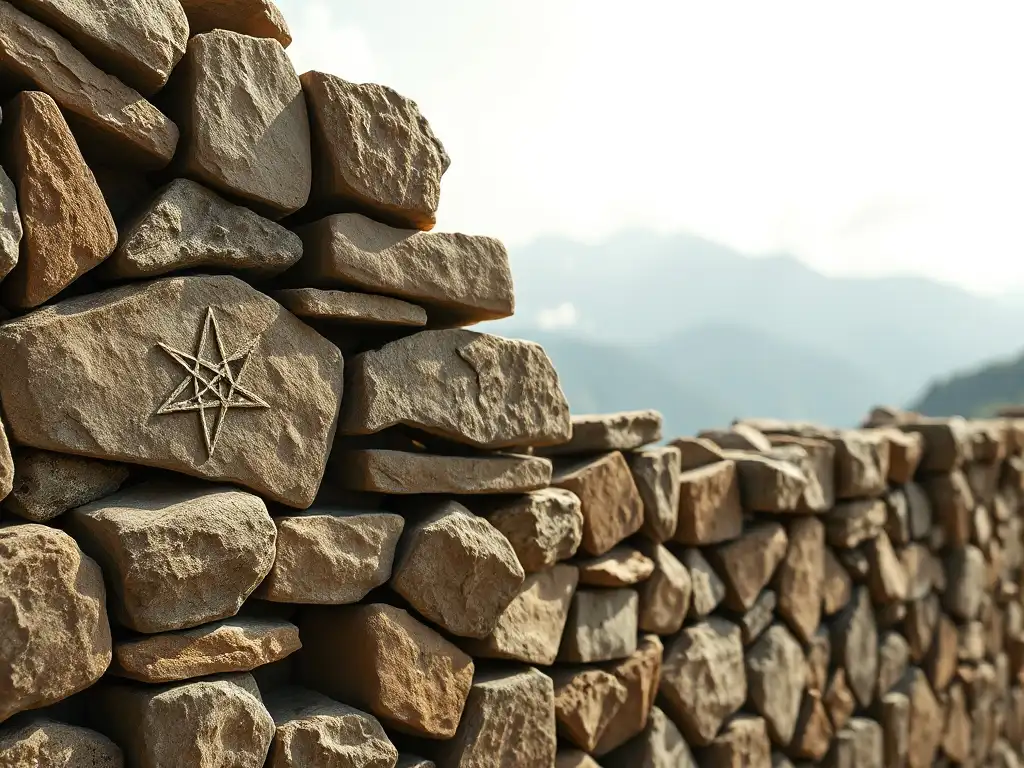
The ingenuity of Andean stone building techniques continues to inspire awe and provides valuable lessons for modern construction. Their mastery of load-bearing structures, achieved without mortar in many cases, offers insights into sustainable and resilient building practices relevant today. Understanding these ancient methods allows us to re-evaluate contemporary approaches to architecture and engineering, potentially leading to more efficient and environmentally friendly solutions. The precision and durability of Andean structures, some of which have withstood centuries of earthquakes and weathering, demonstrate the effectiveness of their techniques. This section explores how these ancient methods can inform modern building design and practices.
Inspiration from Andean Stone Work in Contemporary Architecture
Contemporary architects and engineers are increasingly looking to Andean stone work for inspiration. The intricate fitting of stones, often referred to as ashlar masonry, demonstrates a deep understanding of structural mechanics and material properties. This precise fitting minimized the need for mortar, resulting in structures that were both strong and adaptable to seismic activity.
Modern architects are exploring similar techniques in contemporary designs, adapting them to utilize modern materials while retaining the core principles of precise stone placement and minimal use of binding agents. For example, some contemporary projects use the principles of Andean dry-stone walling to create aesthetically pleasing and structurally sound walls, demonstrating the timeless relevance of these ancient techniques.
The aesthetic appeal of these structures, characterized by their clean lines and natural material palette, also contributes to their growing popularity in contemporary design. The ability to create visually stunning buildings while minimizing environmental impact is a key draw for architects seeking sustainable solutions.
Sustainable Building Practices from Ancient Andean Construction
Beyond aesthetic inspiration, Andean construction techniques offer valuable insights into sustainable building practices. The reliance on locally sourced materials, such as stone and timber, reduced the carbon footprint associated with transportation and manufacturing. The minimal use of, or complete absence of, mortar also aligns with contemporary efforts to reduce reliance on cement production, a significant contributor to greenhouse gas emissions.
The longevity of Andean structures highlights the importance of building for durability, reducing the need for frequent repairs and replacements. This contrasts sharply with the shorter lifespans of many modern buildings, contributing to a significant waste stream. By studying the techniques employed in ancient Andean construction, we can learn how to build structures that are both environmentally friendly and structurally sound.
This includes exploring options for using locally sourced, readily available materials and minimizing the use of energy-intensive materials and processes. The circular economy principles inherent in repurposing materials and minimizing waste are also directly applicable to modern construction practices.
Future Research and Understanding of Andean Engineering
Further research into Andean engineering is crucial to fully understand the complexities of their building techniques. While much is known, there are still many unanswered questions regarding the precise methods used in stone cutting, transportation, and placement. Detailed studies of existing structures, combined with advanced imaging techniques, could reveal hidden aspects of their construction processes.
This includes investigating the tools and techniques used, the level of planning and organization required, and the potential use of advanced knowledge of structural mechanics. A deeper understanding of these techniques could lead to significant advancements in modern construction, particularly in areas prone to seismic activity. For instance, research into the seismic resilience of Andean structures could inspire the development of new building codes and construction methods, improving the safety and longevity of buildings in earthquake-prone regions.
The potential benefits of this research extend beyond simply replicating ancient methods; it offers the opportunity to develop innovative and sustainable building practices informed by centuries of Andean expertise in "Andean stone building techniques". The integration of ancient wisdom with modern technology could lead to a paradigm shift in how we approach construction, ultimately leading to more resilient, sustainable, and environmentally responsible buildings.
Conclusion: The Enduring Legacy of Andean Stone Structures
The ingenuity of Andean stone building techniques continues to fascinate and inspire architects and engineers today. Their mastery of precise stonework, without the use of mortar in many cases, represents a remarkable feat of engineering and a testament to their deep understanding of structural mechanics. The longevity of many surviving structures, some standing for centuries, speaks volumes about the quality and durability of their construction methods.
This sophisticated understanding of Andean stone building techniques wasn't simply about creating shelter; it was intertwined with their cosmology, social structures, and spiritual beliefs. The monumental architecture served as a powerful symbol of their civilizations’ power and their connection to the sacred landscape. Understanding these techniques allows us to appreciate not only their practical skills but also the cultural significance embedded within the very stones themselves.
Their legacy extends beyond the physical structures; it's a legacy of innovation, resilience, and a profound relationship with their environment. Further research into these techniques could even inspire sustainable building practices in the modern world, offering valuable insights into environmentally friendly and durable construction. The weight of history, literally and figuratively, rests upon these remarkable achievements.
The Significance of Andean Building Techniques in History
The development of Andean stone building techniques wasn't a sudden event; it evolved over centuries, reflecting the changing needs and technological advancements of different Andean civilizations. Early techniques, possibly influenced by pre-ceramic cultures, focused on simpler structures utilizing readily available materials. However, the complexity and scale of construction increased dramatically with the rise of civilizations like the Nazca, Tiahuanaco, and ultimately, the Inca. The Inca, for example, perfected techniques like ashlar masonry, which involved precisely cutting and fitting massive stones without the use of mortar.
This required an advanced understanding of geometry, engineering, and even social organization, as it necessitated large-scale coordinated labor. The precision of their work is astounding, with stones often fitting together so tightly that a blade cannot be inserted between them. This level of sophistication wasn't limited to the Inca; other Andean cultures also demonstrated impressive mastery of stonework, albeit with variations in style and technique. Understanding the historical progression of these techniques provides crucial context for appreciating the architectural achievements of each civilization.
For example, analyzing the differences between Moche and Inca masonry reveals distinct cultural and technological developments. The evolution of Andean stone building techniques showcases the progressive nature of Andean ingenuity and highlights the continuity and innovation within their architectural traditions. Their achievements remain a significant benchmark in the history of global construction.
Celebrating the Architectural Achievements of Andean Civilizations
The surviving structures of Andean civilizations stand as powerful testaments to their architectural prowess. From the intricate stonework of Machu Picchu to the monumental platforms of Tiahuanaco, these sites continue to inspire awe and wonder. These are not simply ruins; they are enduring monuments that showcase the remarkable achievements of Andean builders. Their understanding of seismic activity and the incorporation of earthquake-resistant design features in their buildings is particularly noteworthy.
This reflects a deep understanding of their environment and a pragmatic approach to construction. Moreover, the integration of these structures within their landscapes, often harmoniously blending with natural features, demonstrates a profound connection between the built environment and the natural world. The architectural achievements of the Andean civilizations weren't just about creating impressive structures; they were about creating spaces that reflected their beliefs, social structures, and relationship with the cosmos.
Celebrating these achievements means not only admiring their beauty and scale but also understanding the complex interplay of technology, culture, and spirituality that shaped them. It's a celebration of human ingenuity, resilience, and the enduring legacy of a rich and fascinating past. 🌎 Preserving and studying these sites is crucial for understanding the past and appreciating the remarkable contributions of Andean civilizations to the global history of architecture and engineering.
Frequently Asked Questions
What unique challenges did Andean builders face when constructing their structures?
Andean builders faced challenges like seismic activity, difficult terrain, and a lack of metal tools commonly used in other parts of the world. Their success demonstrates remarkable ingenuity and adaptation.
How did Andean builders transport massive stones for their buildings?
The transportation of massive stones involved complex systems of ramps, rollers, and human labor. The exact methods remain a subject of ongoing research and debate among archaeologists.
What types of stone were most commonly used in Andean construction?
Andean builders utilized readily available stones, such as andesite, basalt, and granite. The choice of stone often depended on the region and its geological characteristics.
What were some key features of Andean stone building techniques that made their structures so durable?
Precise stone cutting, dry-stone masonry, and the use of interlocking techniques contributed to the remarkable durability of Andean structures, which have withstood the test of time.
How did Andean stone building techniques differ from those used in other parts of the world?
Andean techniques distinguished themselves through their emphasis on dry-stone masonry, their adaptation to challenging landscapes, and their remarkable precision in stone fitting, minimizing the use of mortar.
Final Reflection: Echoes of the Andes: A Legacy in Stone
The ingenious stone building techniques of the Andes remain a testament to human ingenuity and a powerful symbol of cultural resilience. These methods, honed over millennia, continue to inspire awe and offer valuable lessons for sustainable construction practices in the face of modern challenges like climate change and resource scarcity. Their enduring legacy transcends mere architectural achievement; it speaks to the profound connection between people and their environment.
The impact of Andean stonework extends far beyond the physical structures themselves. It represents a deep understanding of the landscape, a mastery of available resources, and a sophisticated knowledge of engineering principles. These techniques, passed down through generations, shaped not only the physical environment but also the social and spiritual fabric of Andean communities. The mountains are not just stones, but the bones of our ancestors,
a Quechua elder once told me, encapsulating the profound spiritual significance embedded within these structures. This sentiment underscores the enduring power of these building traditions and their continued relevance in understanding Andean identity.
Consider the intricate precision, the masterful use of locally sourced materials, and the remarkable longevity of these structures. These are not just buildings; they are living testaments to human potential. You, the reader, are now equipped with a deeper understanding of this remarkable legacy.
I urge you to reflect on the ingenuity displayed in Andean stonework, and consider how its principles of sustainability, resourcefulness, and community collaboration might inspire innovative solutions to the challenges we face today. Let the echoes of the Andes resonate within you, prompting a renewed appreciation for the enduring power of human creativity and the wisdom embedded within ancient traditions.
Unveil the Strength of Andean Architecture!
Thank you for exploring the fascinating world of Andean buildings! You've discovered the incredible interplay of history and engineering that creates structures enduring the passage of time. Let's build on this knowledge and explore how these principles can inspire your own projects and understanding.
- Begin your exploration: Visit a local museum or historical site to examine load-bearing structures in your area. Consider the materials used and how they contribute to the building's stability.
- Share your insights: Connect with other architecture enthusiasts on social media, discussing how Andean techniques might inform contemporary design. Perhaps you can share photos of local structures that demonstrate similar principles.
- Join our community: Subscribe to our newsletter for in-depth articles, event announcements, and engaging discussions about Andean architecture and its lasting influence.
What specifically about Andean building techniques captivates you, and how might these methods reshape your perspective on modern architectural design?