
Gravity's Gift: How Andean Engineers Used Slopes for Water Delivery

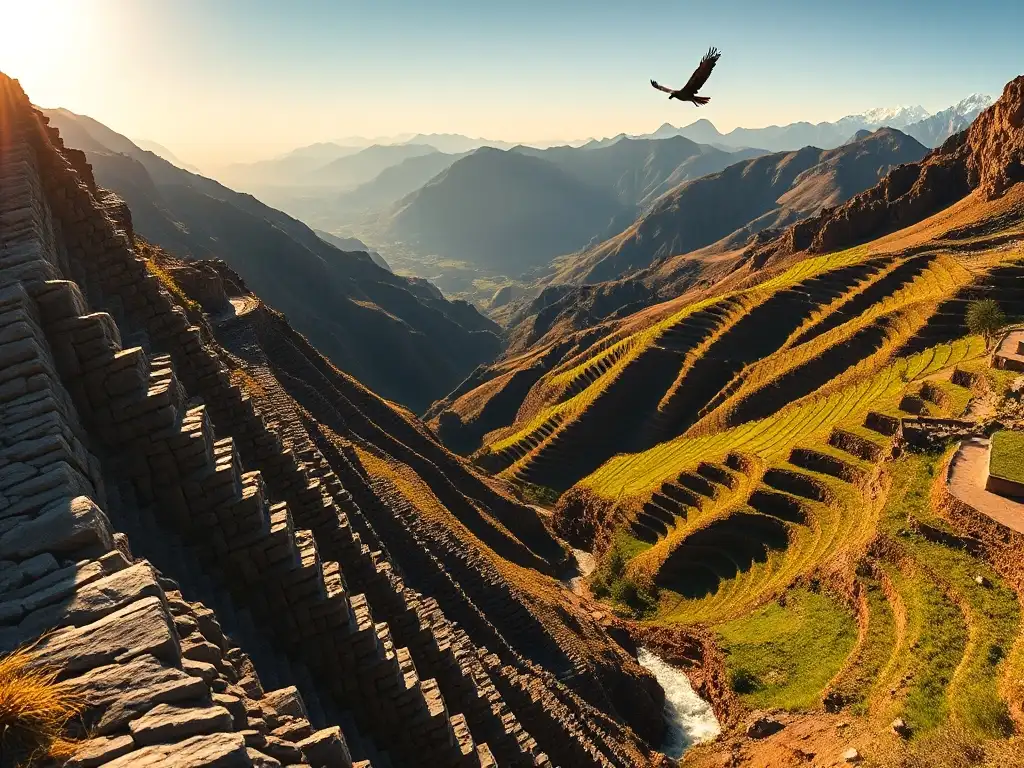
Step into a world lost to time, yet echoing with ingenuity. For centuries, the Andes Mountains have held secrets whispered on the wind – secrets of civilizations that mastered their unforgiving landscape. Prepare to be amazed by the unparalleled sophistication of Andean water management techniques, a testament to human resilience and innovation. Discover how ancient engineers harnessed gravity itself in their breathtaking feats of architecture, beginning with our exploration of "Gravity's Gift: How Andean Engineers Used Slopes for Water Delivery." The story is far more complex – and fascinating – than you might imagine...
- Gravity's Gift: Andean Water Management Techniques and the Use of Slopes
- Harnessing Slopes: The Fundamentals of Andean Irrigation Systems
- Case Studies of Andean Water Management Systems
- Key Elements of Andean Gravity-Powered Water Systems
- The Lasting Legacy of Andean Water Management
-
Frequently Asked Questions
- How did Andean civilizations manage water without advanced technology?
- What role did gravity play in Andean water management?
- Were all Andean cultures equally skilled in water management?
- What were some of the specific techniques used in Andean water management?
- How did Andean water management impact their agriculture and society?
- Final Reflection: The Enduring Legacy of Andean Ingenuity
- **Unleash Your Inner Engineer: Embrace Sustainable Innovation! **
Gravity's Gift: Andean Water Management Techniques and the Use of Slopes
The ingenuity of Andean civilizations is profoundly evident in their mastery of water management, a feat particularly impressive given the challenging geography of the Andes Mountains. This article delves into the sophisticated techniques employed by pre-Columbian Andean societies—including the Incas, Moche, Nazca, and Tiahuanaco—to harness the power of gravity for efficient water delivery, a crucial element for their agricultural success and societal development. We'll explore how they adapted their architectural and engineering skills to the steep slopes and arid climates, creating remarkable irrigation systems that sustained thriving populations for centuries.
Understanding these "Andean water management techniques" provides invaluable insight into their resourcefulness, technological prowess, and deep connection to their environment. The mastery of water, in essence, was the key to their survival and prosperity, and their solutions continue to inspire modern engineering marvels.
The Ingenious Use of Gravity in Andean Civilizations
Andean engineers displayed a remarkable understanding of gravity's potential, cleverly exploiting natural slopes to create gravity-fed irrigation systems. Instead of relying solely on laborious methods like lifting water, they designed intricate networks of canals and channels that skillfully channeled water downhill, minimizing energy expenditure and maximizing efficiency. This approach was particularly crucial in regions with limited water resources and challenging terrains. Their understanding extended beyond simple channeling; they incorporated sophisticated techniques such as:
- Terracing: Creating level platforms on steep slopes to maximize arable land and optimize water distribution. These terraces, often supported by carefully constructed retaining walls, prevented soil erosion and allowed for efficient water flow.
- Canals and Aqueducts: Constructing extensive networks of canals and aqueducts, often carved into rock or built from stone, to transport water over long distances, sometimes across valleys and mountains. The precise alignment of these channels demonstrates a high level of surveying and engineering expertise.
- Water Reservoirs: Building reservoirs and storage tanks at strategic points in the system to collect and store water for later use, ensuring a steady supply during dry seasons. These reservoirs were cleverly integrated into the landscape, often utilizing natural depressions or creating artificial ones.
The effectiveness of these gravity-fed systems is a testament to the Andean understanding of hydrology and their ability to adapt their engineering skills to the unique characteristics of their environment. The precision and scale of these projects are still impressive today, highlighting the advanced technological capabilities of these ancient societies. The integration of these systems into the broader landscape demonstrates a deep understanding of environmental harmony and sustainability.
Understanding the Andean Landscape and its Challenges for Water Access
The Andean region presents significant challenges for water management. The high altitude, steep slopes, and arid climate create a complex and demanding environment. Water sources are often located at high elevations, far from the cultivated lands in the valleys below. Furthermore, the uneven rainfall distribution and the risk of floods and droughts necessitate sophisticated water management strategies to ensure a consistent supply for agriculture and human consumption.
The variability in rainfall patterns, ranging from intense downpours to prolonged dry spells, further complicated the need for efficient storage and distribution systems. The unpredictable nature of the weather necessitated a robust and resilient infrastructure capable of withstanding extreme conditions. Understanding these challenges provides a crucial context for appreciating the innovative solutions developed by Andean engineers.
Andean Pre-Columbian Engineering: An Introduction to Water Management
The pre-Columbian Andean civilizations developed a remarkable range of water management techniques, reflecting their deep understanding of their environment and the needs of their agricultural societies. These techniques were not isolated solutions but rather integrated components of a larger system designed to optimize water use and ensure food security. From the intricate canal systems of the Nazca to the sophisticated terracing techniques of the Incas, the diversity of their approaches underscores their adaptability and innovative spirit.
Their achievements demonstrate a sophisticated understanding of hydraulic engineering, surveying, and construction techniques, far surpassing the capabilities often attributed to pre-industrial societies. Further research into these techniques can provide valuable insights into sustainable water management strategies relevant to modern challenges.
The legacy of Andean water management continues to inspire contemporary engineers and researchers, offering valuable lessons in resourcefulness and environmental stewardship. The study of these techniques continues to reveal new details about the sophisticated knowledge and skills of these remarkable civilizations.
The Importance of Water for Andean Societies and Agriculture
Water was, and remains, the lifeblood of Andean societies. The arid and semi-arid climates prevalent across much of the Andes Mountains presented significant challenges to agriculture and daily life. Access to reliable water sources was not merely a convenience; it was absolutely crucial for survival and prosperity. Without effective water management techniques, the development of large, complex societies like the Inca, Moche, and Nazca would have been impossible. Their sophisticated agricultural systems, supporting dense populations in challenging terrain, hinged entirely on their mastery of water control.
The Andean agricultural landscape was, and is, characterized by diverse microclimates and varying altitudes. This meant that different crops required different amounts of water, and effective irrigation systems had to be adaptable and responsive to these variations. The need to manage water resources effectively also had profound social and political implications.
Control over water access often translated directly into control over agricultural production, wealth, and power within these societies. Evidence suggests that elaborate systems of water rights and distribution were in place, reflecting the critical importance of this resource. These systems, often deeply integrated into social and religious structures, ensured equitable (to a degree) access to water, contributing to social stability and the overall success of these civilizations.
The careful planning and execution of their water management systems speak volumes about the ingenuity and organizational capacity of Andean engineers and their understanding of the vital role water played in their existence. The ingenuity of their water management techniques directly correlates with their ability to create sustainable and prosperous societies in otherwise harsh conditions. This highlights the crucial interrelationship between water, agriculture, and social organization in the Andean world.
Harnessing Slopes: The Fundamentals of Andean Irrigation Systems
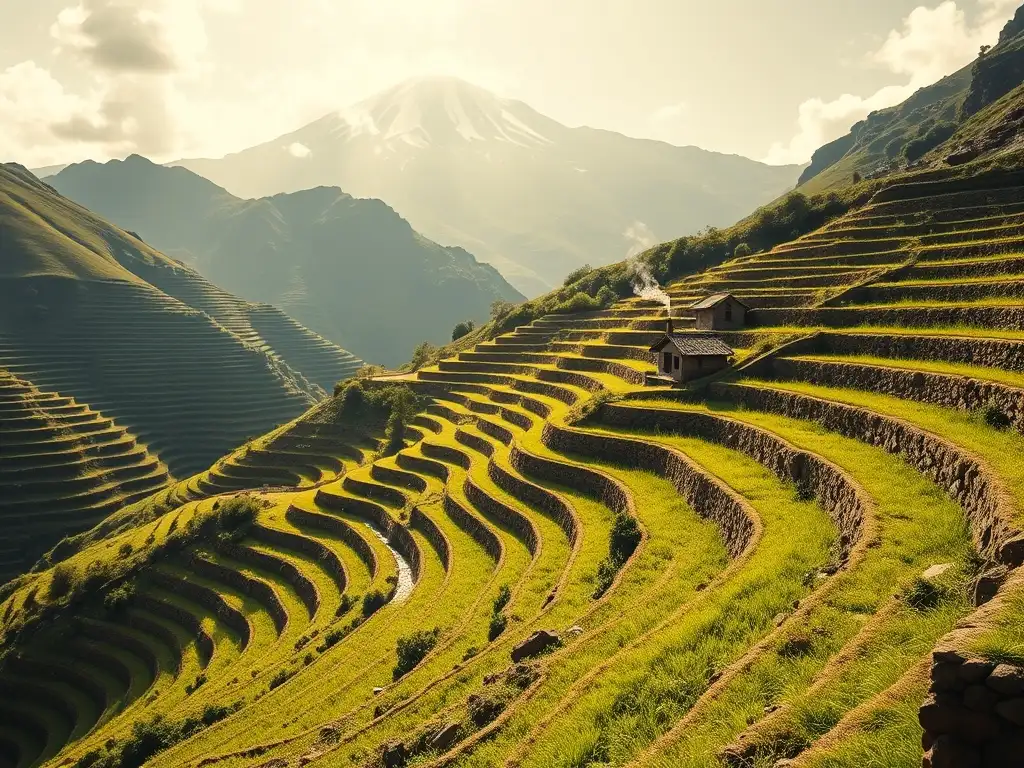
Andean water management techniques were remarkably sophisticated, leveraging the challenging geography of the Andes Mountains to their advantage. Instead of fighting the steep inclines, Andean engineers cleverly integrated them into their irrigation systems. This section explores the foundational principles behind this ingenious approach, focusing on how the natural slopes of the landscape became integral components of their water delivery infrastructure.
Understanding this fundamental concept is crucial to appreciating the complexity and ingenuity of Andean hydraulic engineering. The ingenuity of these systems, relying heavily on gravity and carefully designed channels, represents a remarkable achievement in water resource management, particularly considering the limited technological tools available at the time. This mastery of water management was essential for the survival and prosperity of Andean civilizations, allowing them to cultivate crops in otherwise challenging terrains and support large populations.
How Andean Engineers Used Natural Inclines for Water Distribution
Andean engineers skillfully exploited the natural gradients of the terrain to facilitate water distribution. Instead of pumping water uphill, a feat requiring significant energy expenditure, they utilized gravity to move water from higher-elevation sources to lower-lying agricultural fields. This was achieved through a complex network of canals carefully constructed to follow the contours of the land.
The design often involved meticulously surveying the landscape to identify optimal routes that minimized the need for artificial leveling or significant earthworks. This approach not only saved considerable labor but also ensured a consistent and reliable flow of water throughout the irrigation system. The precision and understanding of hydrology demonstrated by these ancient engineers is truly impressive.
Consider, for example, the Nazca lines – the precision needed for their creation suggests a similar level of surveying skill applied to their water management systems. This careful planning ensured that water flowed efficiently and predictably, maximizing its use for agriculture.
Gravity-Fed Canals: The Core of Andean Water Delivery Systems
The gravity-fed canal system was the backbone of Andean irrigation. These canals, often lined with stone or other materials to prevent erosion and leakage, were carefully graded to maintain a gentle slope, ensuring a steady flow of water without excessive velocity. The design incorporated various features to control the water flow, including strategically placed weirs, spillways, and diversion channels.
These elements allowed farmers to regulate the water supply to their fields, preventing flooding or water shortages. The construction of these canals was a massive undertaking, requiring significant coordination and labor. Evidence suggests the use of sophisticated surveying techniques and a deep understanding of hydraulic principles.
The longevity and effectiveness of many of these systems, some of which remain in use today, stand as a testament to the skill and foresight of their creators. Analyzing the construction techniques and materials used provides valuable insight into the advanced engineering capabilities of Andean societies.
The Role of Terraces in Optimizing Water Use on Slopes
Terracing played a crucial role in optimizing water use on steep slopes. By creating a series of level platforms on hillsides, terraces reduced the velocity of water runoff, allowing for greater infiltration into the soil. This technique significantly improved water retention and reduced erosion.
Moreover, terraces allowed for more efficient irrigation, as water could be channeled more easily across the level surfaces. The construction of terraces was a labor-intensive process, but the benefits in terms of increased agricultural productivity were significant. The precise alignment and construction of terraces, often incorporating intricate drainage systems, demonstrate a sophisticated understanding of both hydrology and agricultural practices.
The integration of terraces into the overall water management system exemplifies the holistic approach of Andean engineers. The combination of gravity-fed canals and terraced fields maximized water use, allowing Andean civilizations to thrive in challenging mountainous environments. The meticulous planning and execution involved in the creation of these terraces are a powerful testament to the sophisticated engineering capabilities of Andean cultures, showcasing their advanced understanding of water management and agricultural practices.
Case Studies of Andean Water Management Systems
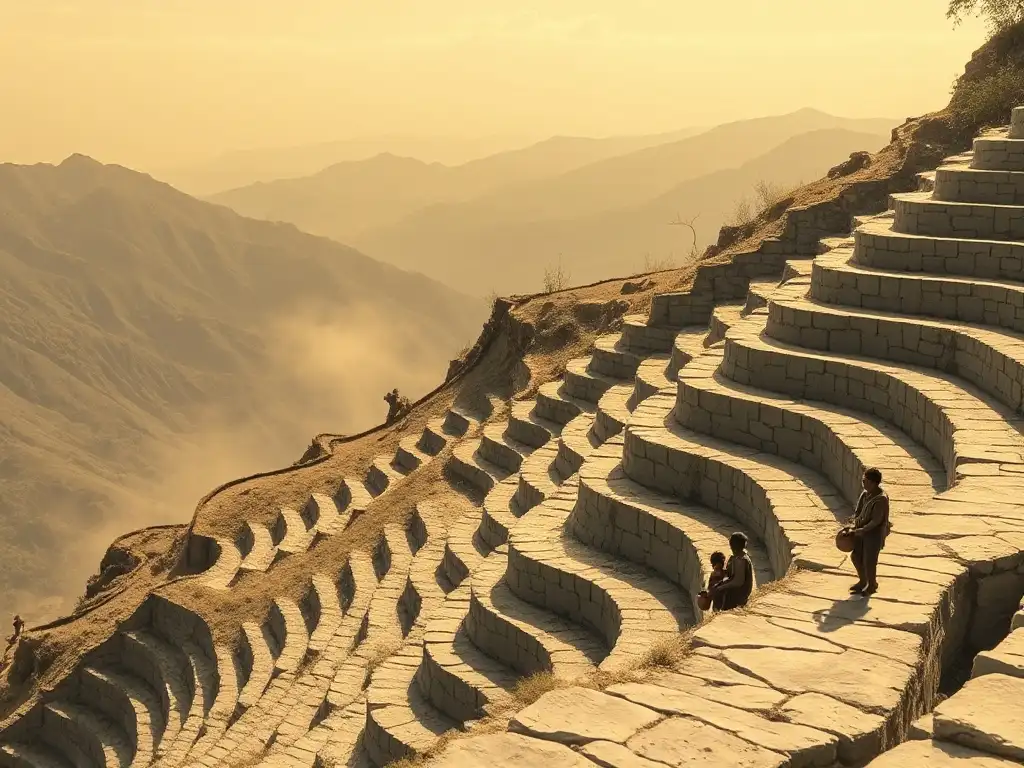
This section delves into specific examples showcasing the ingenuity of Andean water management techniques, highlighting the practical application of gravity and sophisticated engineering principles. We will explore diverse systems, from the sprawling networks of the Inca Empire to the localized solutions found in smaller valleys, demonstrating the adaptability and effectiveness of these ancient approaches. The mastery of Andean water management is a testament to their deep understanding of their environment and their ability to harness natural forces for their benefit. Understanding these systems helps us appreciate the sophistication of Andean civilization and its lasting impact on landscape and culture.
The Complex Irrigation Networks of the Inca Empire
The Inca Empire, renowned for its vast territorial reach and centralized administration, also boasted a remarkably sophisticated water management system. This wasn't simply a matter of individual canals; rather, it was a complex network designed to efficiently distribute water across diverse terrains and climates. The system relied heavily on gravity, channeling water from mountain sources down to agricultural terraces and urban centers. This involved:
- Extensive canal systems: These weren't just straight ditches; they incorporated intricate features like aqueducts, siphons, and strategically placed reservoirs to regulate water flow and overcome obstacles like valleys and hills. The canals were often lined with stone to prevent erosion and leakage, demonstrating a keen understanding of hydraulic engineering.
- Terraced agriculture: The Incas were masters of terracing, creating level platforms on steep slopes to maximize arable land. These terraces were meticulously designed to receive water from the canal system, ensuring efficient irrigation even on challenging terrain. This innovative approach allowed them to cultivate crops at higher altitudes, increasing agricultural output significantly.
- Water distribution points: The system included strategically located distribution points that allowed for controlled allocation of water to different areas according to need. This demonstrated an understanding of water resource management and equitable distribution, crucial for a large empire.
The Inca's irrigation system was not merely functional; it was a symbol of imperial power and control. The ability to manage water resources effectively was essential for maintaining food security and supporting a large population, ultimately contributing to the empire's stability and longevity. The remnants of these impressive networks are still visible today, standing as a testament to the ingenuity of Inca engineers.
Examples of Gravity-Based Irrigation in the Colca Valley
The Colca Valley in Peru provides a compelling example of smaller-scale, yet equally impressive, Andean water management techniques. This deep canyon, carved by the Colca River, presented unique challenges for agriculture. However, the inhabitants developed ingenious solutions leveraging gravity to irrigate their fields. Their systems frequently featured:
- Pre-Inca canal systems: Evidence suggests that sophisticated irrigation systems existed in the Colca Valley even before the Inca conquest, indicating a long history of advanced water management practices in the region. These systems often predate the Inca Empire by centuries and display remarkable engineering skill.
- Channel diversions: To overcome the steep slopes of the valley, ingenious systems of channel diversions were employed. Water was often diverted from the river using carefully constructed channels, then channeled down the slopes to irrigate the terraces. This required precise understanding of water flow and terrain.
- Subterranean canals: In some areas, subterranean canals were used to transport water, protecting it from evaporation and reducing water loss. These tunnels were often dug through rock, requiring considerable labor and technical skill. The construction of these underground canals demonstrates a sophisticated understanding of hydrology and engineering.
The Colca Valley's irrigation systems highlight the adaptability of Andean water management techniques. The solutions employed were tailored to the specific challenges of the environment, demonstrating a deep understanding of local conditions and the ability to develop effective strategies using readily available resources and gravity. The enduring legacy of these systems underscores their effectiveness and resilience.
The Engineering Marvels of Machu Picchu and its Water System
Machu Picchu, the iconic Inca citadel, stands as a testament to Inca architectural and engineering prowess. Its water system, integrated seamlessly into the mountainside, is a particularly striking example of Andean water management ingenuity. The system's key features include:
- Multiple water sources: The city utilized multiple springs and streams located at various elevations, creating a redundant and resilient water supply. This ensured a constant supply even during periods of drought, demonstrating a proactive approach to water security.
- Elaborate channels and fountains: Water was channeled through a network of intricately carved stone channels and conduits, leading to fountains and baths throughout the city. The precision of the stonework is astounding, showcasing the high level of craftsmanship and engineering skill.
- Sophisticated water management infrastructure: The system included reservoirs, filters, and strategically placed drainage systems, ensuring a clean and reliable water supply. This level of sophistication in water management was crucial for a population living at high altitude.
Machu Picchu's water system is not merely functional; it's an aesthetic marvel, integrated seamlessly into the city's design. The system's elegance and effectiveness highlight the holistic approach of Inca engineers, who viewed water management as integral to the city's overall design and functionality. The remarkable preservation of these features provides valuable insights into Inca technology and civilization.
The meticulous planning and execution of the water system at Machu Picchu is a testament to the sophisticated understanding of hydraulics and engineering principles that characterized Andean civilization. The successful integration of aesthetics and functionality exemplifies the advanced nature of Andean "Andean water management techniques".
Key Elements of Andean Gravity-Powered Water Systems
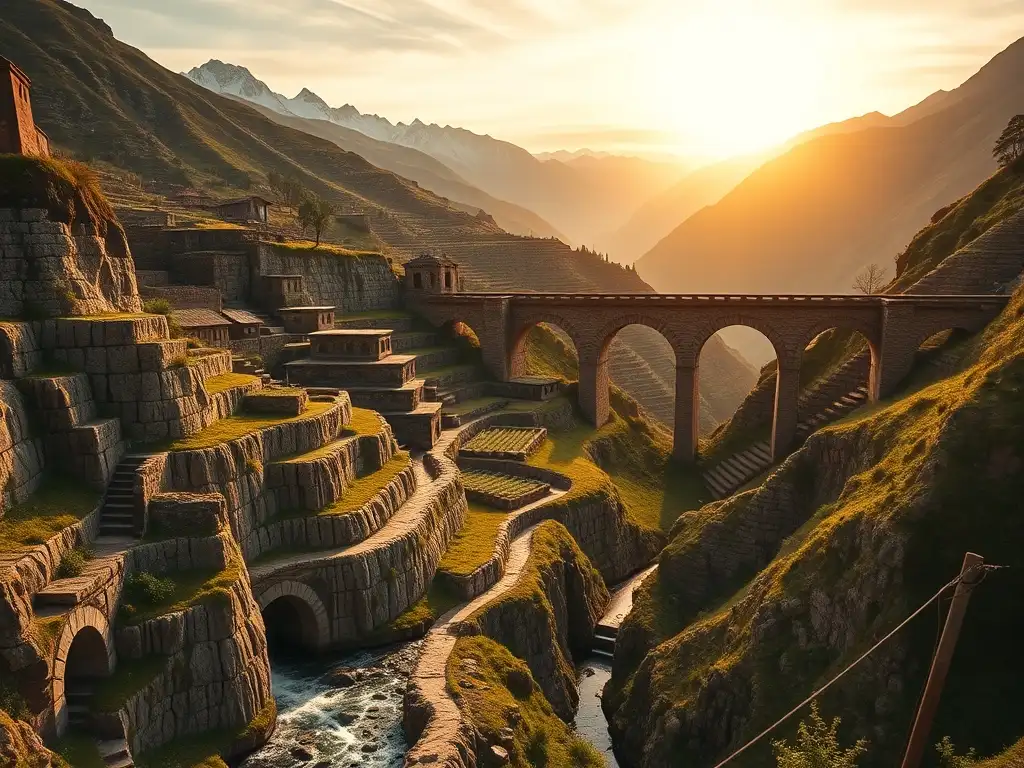
This section delves into the ingenious engineering behind the Andean civilizations' mastery of water management, focusing specifically on their utilization of gravity-powered systems. These techniques, honed over centuries, represent a remarkable feat of Andean water management techniques and demonstrate a deep understanding of both hydrology and engineering principles. Their sophisticated systems allowed for efficient irrigation, supporting thriving agricultural societies in challenging terrains. We will explore the key elements that contributed to their success.
Construction Materials and Techniques Used in Canal Building
Andean canal construction showcased remarkable adaptability to the diverse landscapes. The choice of materials varied depending on the terrain and available resources. In areas with abundant stone, meticulously cut and fitted stones formed the canal walls, creating durable and long-lasting structures. These stone canals, often lined with a layer of clay or mortar for waterproofing, could withstand significant water pressure and erosion. Examples of this can be seen in the intricate canal systems of the Inca Empire, where precision stonework is a hallmark of their engineering prowess.
In other regions, earth and packed soil were more commonly employed. These earthen canals were often reinforced with vegetation, such as reeds or grasses, to increase their strength and prevent collapse. This technique, while seemingly simpler, demonstrated a profound understanding of soil mechanics and the properties of different materials. The careful selection and layering of materials ensured the stability and longevity of the canals, even in challenging environments prone to seismic activity. The use of local materials minimized environmental impact and promoted sustainability, a key principle inherent in many Andean water management techniques.
The construction techniques themselves were incredibly sophisticated. Canal gradients were carefully planned to ensure a consistent, yet gentle, flow of water, minimizing erosion and maximizing efficiency. The builders demonstrated an understanding of surveying and leveling techniques, using rudimentary tools to achieve remarkable precision in aligning canals over long distances across varied terrains. This precision is further evidenced by the longevity of these systems, many of which remain partially intact even today.
Design Principles for Efficient Water Flow and Minimal Loss
The efficiency of Andean water systems was not merely a matter of chance; it was the result of well-defined design principles. Minimizing water loss was paramount, given the arid climate of many Andean regions. This was achieved through a combination of carefully selected gradients, the use of strategically placed check dams and spillways, and the incorporation of siphons and aqueducts to navigate obstacles.
The gradients of the canals were meticulously planned to ensure a steady flow of water without excessive velocity, which could lead to erosion. Check dams, small structures built within the canals, were used to regulate the flow and prevent scouring. Spillways, strategically positioned outlets, allowed for controlled overflow during periods of high rainfall, preventing damage to the canal system.
In areas where canals needed to cross valleys or other obstacles, ingenious siphons or aqueducts were employed, demonstrating a sophisticated understanding of hydraulic principles. These systems often utilized pressure differentials and ingenious designs to transfer water across significant distances with minimal loss.
Furthermore, the design often incorporated features to facilitate maintenance and repairs. Access points were strategically placed along the canals, allowing for easy inspection and cleaning. The modular nature of some canal sections allowed for easier replacement or repair of damaged segments, ensuring the long-term functionality of the entire system. These elements showcase the foresight and practicality inherent in Andean water management techniques.
The Integration of Water Reservoirs and Storage Systems
Beyond the canals themselves, the Andean civilizations cleverly integrated reservoirs and storage systems into their overall water management strategies. These systems played a crucial role in ensuring a reliable water supply, particularly during dry seasons or periods of drought. The construction of these reservoirs varied depending on the available resources and the specific needs of the community.
Some reservoirs were simple earthworks, carefully excavated and lined to prevent leakage. Others were more complex structures, utilizing stone masonry and sophisticated watertight techniques. The size and capacity of these reservoirs varied greatly, from small community reservoirs to larger systems capable of storing significant amounts of water. Their location was carefully chosen to maximize water collection and minimize evaporation.
The integration of these reservoirs with the canal systems ensured a continuous supply of water throughout the year, mitigating the impact of seasonal variations in rainfall. This holistic approach to water management highlights the sophisticated planning and engineering expertise of the Andean civilizations, solidifying their legacy in the field of Andean water management techniques. Further research is needed to fully understand the intricacies of specific reservoir designs and their regional variations. [Specific information pending on regional variations in reservoir construction techniques].
The Lasting Legacy of Andean Water Management
The ingenuity of Andean civilizations in harnessing water resources continues to resonate today. Their sophisticated understanding of hydrology and engineering, particularly their mastery of Andean water management techniques, provided the foundation for thriving societies across challenging terrains. This legacy isn't just historical; it offers valuable lessons for contemporary water resource management, particularly in arid and mountainous regions.
The efficiency and sustainability embedded in their systems stand in stark contrast to many modern approaches, prompting renewed interest in studying and adapting these ancient practices. Understanding the intricacies of their methods reveals a deep connection between culture, environment, and sustainable development. The impact of these techniques extended far beyond mere survival; they shaped social structures, religious beliefs, and artistic expressions, weaving water into the very fabric of Andean life.
The Influence of Andean Techniques on Modern Water Management Practices
Modern water management practices can learn significantly from the ingenuity displayed by Andean civilizations. Their innovative approaches to water collection, storage, and distribution offer valuable insights for sustainable water resource management in contemporary contexts. For instance, the intricate canal systems, often carved into steep slopes, demonstrate a profound understanding of gravity-fed irrigation.
This principle remains highly relevant today, especially in regions with limited access to energy-intensive pumping systems. Furthermore, the use of terraces and reservoirs, techniques employed to maximize water retention and minimize erosion, provides a blueprint for contemporary efforts in water conservation and land management. The integration of these techniques into modern infrastructure could lead to more efficient and environmentally conscious water usage.
Some modern agricultural projects in the Andes are already incorporating elements of traditional Andean irrigation systems, demonstrating the continued relevance and adaptability of these ancient practices. This revival is not simply nostalgic; it represents a pragmatic approach to addressing modern water scarcity challenges.
Lessons Learned from Ancient Andean Ingenuity in Water Conservation
Ancient Andean civilizations prioritized water conservation through a multifaceted approach. Their innovative techniques weren't merely about supplying water; they were fundamentally about conserving it. This is evident in the construction of intricate networks of canals, aqueducts, and reservoirs designed to minimize water loss during transport and storage.
The strategic placement of these structures, often taking advantage of natural slopes and topography, showcases a deep understanding of hydrological principles. Furthermore, their agricultural practices, such as terraced farming, played a crucial role in water retention and soil conservation. These techniques not only increased agricultural yields but also protected the land from erosion.
By studying these ancient practices, we can gain valuable insights into efficient water management strategies that minimize waste and enhance the sustainability of water resources. The integration of these principles into modern agricultural and urban planning could significantly improve water security in regions facing water scarcity. Their success, demonstrably sustained for centuries, underscores the importance of a holistic approach to water resource management.
The Sustainable Approach of Andean Civilizations to Water Resources
The Andean civilizations demonstrated a remarkable understanding of sustainable water resource management. Their practices weren't simply about meeting immediate needs; they were deeply integrated with long-term sustainability. This holistic approach is evident in the careful planning and construction of their irrigation systems, which were designed to minimize environmental impact and maximize water efficiency.
The use of natural materials and the integration of the systems with the surrounding landscape demonstrate a respect for the environment that is increasingly relevant in today's context. The sustainable nature of these systems is further supported by the longevity of many of the structures, some of which remain functional even today. This longevity testifies to the robustness and sustainability of their design and implementation.
The integration of social and environmental factors in their water management strategies shows a sophisticated awareness of the interconnectedness of human society and the natural world, offering a powerful model for modern sustainable development. This holistic approach, emphasizing long-term sustainability over short-term gains, provides a valuable lesson for contemporary water management strategies worldwide. The study of these ancient systems provides a blueprint for building more resilient and sustainable water infrastructure in the face of climate change and increasing water scarcity.
Frequently Asked Questions
How did Andean civilizations manage water without advanced technology?
Andean communities ingeniously used their natural environment. They developed systems leveraging gravity and terracing to efficiently distribute water resources across varied terrains. This included canals, aqueducts, and sophisticated irrigation techniques.
What role did gravity play in Andean water management?
Gravity was fundamental. Water was channeled from high-altitude sources down slopes, utilizing the natural incline to transport water to lower fields and settlements. This minimized the need for energy-intensive pumping systems.
Were all Andean cultures equally skilled in water management?
While all Andean cultures valued water, the sophistication of their techniques varied. The Inca Empire, for example, is renowned for its extensive and impressive hydraulic infrastructure, surpassing that of many preceding cultures. However, all groups demonstrated impressive adaptability to their specific environments.
What were some of the specific techniques used in Andean water management?
Andean engineers employed a range of techniques, including canal systems, terracing, reservoirs, and aqueducts. These were tailored to the specific topography and climate of each region, showcasing remarkable ingenuity.
How did Andean water management impact their agriculture and society?
Efficient water management was essential for the success of Andean agriculture and the prosperity of their societies. Reliable water supplies enabled intensive farming, supporting large populations and complex social structures within often challenging environments.
Final Reflection: The Enduring Legacy of Andean Ingenuity
The ingenious water management systems of the Andes, far from being relics of the past, offer crucial lessons for contemporary societies grappling with water scarcity and climate change. Their sophisticated understanding of gravity and terrain, harnessed to create intricate networks of canals and aqueducts, remains a testament to human adaptability and resourcefulness in the face of challenging environments. This knowledge holds the potential to inspire innovative and sustainable solutions for water management in the 21st century.
The impact of these Andean techniques extends far beyond their immediate geographical context. Their enduring legacy lies in the demonstration of a deep, symbiotic relationship between human ingenuity and the natural world. These systems weren't simply about conquering nature; they were about working with it, understanding its rhythms and harnessing its power. The mountains are not just a backdrop, but an active participant in the life of the people.
This understanding, so profoundly embodied in Andean water management, is a vital lesson for us today as we navigate the complexities of environmental sustainability.
Consider the ingenuity of these ancient engineers, their intimate knowledge of their environment, and the enduring power of their creations. You too can find inspiration in their achievements. Reflect on your own relationship with water, and consider how you can contribute to more sustainable water practices in your community. Let the legacy of Andean water management inspire you to find innovative solutions, to respect the natural world, and to build a future where water is a source of life, not a cause of conflict.
**Unleash Your Inner Engineer: Embrace Sustainable Innovation! **
Thank you for exploring the remarkable ingenuity of Andean engineers and their gravity-powered water delivery systems. Let's put that inspiration into action.
Here are some ways you can delve deeper into sustainable practices:
- **Start a water conservation project** at home or in your community. You could install a rainwater harvesting system or design a gravity-fed irrigation system.
- **Expand your knowledge** by taking a workshop or online course focused on sustainable engineering and water management.
- **Share your newfound appreciation** for sustainable engineering by discussing this article with friends and family or posting about it on social media.
What innovative project will you undertake to honor the legacy of these master builders?