
Inca Roads and the Transport of Goods: From Local to Imperial Markets


Unravel the mysteries of the Andes! Journey back in time to a world of breathtaking ingenuity and unparalleled empires. For centuries, the towering peaks and sprawling valleys witnessed the rise and fall of civilizations, leaving behind a legacy of awe-inspiring achievements.
But how did the Incas, masters of their domain, manage to connect their vast empire and transport essential goods across treacherous terrain? Discover the secrets behind the Inca road system and goods transport, a marvel of Andean engineering that shaped the fate of an empire, and delve into the fascinating details in our exploration of Andean Architecture and Engineering.
The Inca Empire, renowned for its sophisticated engineering feats, relied heavily on an extensive network of roads to facilitate the efficient transport of goods across its vast territory. This intricate road system, a marvel of Andean engineering, wasn't merely a network of pathways; it was the lifeblood of the empire, connecting disparate communities, enabling trade, and supporting the centralized administration of the Inca state.
This article delves into the crucial role the Inca road system played in the movement of goods, from local marketplaces bustling with regional produce to the grand imperial centers demanding tribute and resources. We will explore the types of goods transported, the methods employed, and the logistical challenges overcome by the Inca to create and maintain this remarkable infrastructure vital to their economic and political dominance.
The impact of the Inca road system on the transport of goods is a testament to the ingenuity and organizational prowess of this remarkable civilization, significantly shaping the socio-economic landscape of the Andes. Understanding this system provides critical insight into the intricate workings of the Inca Empire and its lasting legacy.
The Extent and Nature of the Inca Road Network
The Inca road system, stretching over 40,000 kilometers, was a testament to the Inca's organizational capabilities and engineering skill. It wasn't a single, unified highway, but rather a complex network of roads of varying quality, connecting the major urban centers and smaller villages throughout the empire. These roads were strategically placed to traverse diverse terrains, from high mountain passes to coastal plains, demonstrating a remarkable understanding of topography and construction techniques.
The main routes were typically paved with stone, while smaller, secondary roads might be simpler, unpaved tracks. The construction involved meticulous planning and the mobilization of vast labor forces, highlighting the centralized control and power of the Inca state. Many sections of the roads still exist today, a lasting tribute to the durability of Inca construction methods.
The construction techniques, including the use of strategically placed drainage systems and bridges, were adapted to the specific environmental conditions encountered along each route, showcasing the Inca's adaptive engineering prowess. Detailed records of the road's construction and maintenance are unfortunately scarce, leaving many aspects of its development shrouded in mystery. However, archaeological evidence combined with historical accounts paints a picture of a meticulously planned and efficiently managed system.
Goods Transported: From Agricultural Produce to Luxury Items
The Inca road system facilitated the movement of a wide variety of goods, reflecting the diverse economic activities and resource distribution within the empire. Agricultural products formed a significant portion of transported goods. Potatoes, maize, quinoa, and other staples were moved from surplus-producing regions to areas with less fertile land or those impacted by climatic variations. This ensured food security across the empire and prevented widespread famine.
Llama caravans played a central role in this process, carrying substantial loads across the mountainous terrain. Beyond agricultural products, the roads also carried luxury goods, including textiles, pottery, precious metals, and feathers, often destined for the Inca elite or used in religious ceremonies. These items, often crafted with intricate detail, represent the high level of artistic skill and craftsmanship within the Inca Empire.
The transport of these goods also served as a mechanism for reinforcing social hierarchies and expressing imperial power. The flow of goods along the roads was carefully managed, with specific routes designated for particular commodities, reflecting a sophisticated system of logistics and resource management. The system also facilitated the movement of building materials, enabling the construction of impressive structures throughout the empire.
Methods of Transport and Logistics
The Inca employed a variety of methods for transporting goods along their extensive road network. Llamas, the quintessential beasts of burden in the Andes, were crucial for carrying heavier loads, especially across difficult terrain. While not capable of carrying immense weights individually, the sheer number of llamas used in caravans allowed for the efficient transport of significant quantities of goods.
Human porters, known as chasquis, also played a vital role, especially for smaller, more valuable items or for relaying messages across great distances. The chasquis were strategically positioned along the roads, forming a relay system for rapid communication and the transport of urgent goods. The organization of these transport systems demonstrates a sophisticated understanding of logistics and resource management.
Evidence suggests the Inca employed a system of storage facilities, strategically located along the roads, to manage the flow of goods and ensure their availability. The movement of goods was not a random process but a carefully planned operation, reflecting the centralized control and organization of the Inca state. The integration of these different modes of transport—llamas, human porters, and strategically placed storage facilities—demonstrates the Inca's pragmatic approach to problem-solving and their adaptive nature in the face of environmental and logistical challenges.
The Impact of the Inca Road System on the Economy and Society
The Inca road system had a profound impact on the empire's economy and society. By facilitating the efficient movement of goods, it fostered economic integration and interdependence across the vast and diverse regions of the Inca Empire. This interconnectedness, in turn, helped to stabilize the empire and prevent localized shortages or economic imbalances.
The system also played a crucial role in the distribution of resources, ensuring that the Inca elite received tribute and that essential goods reached all parts of the empire. The efficient movement of goods facilitated the growth of specialized production centers, where certain crafts or agricultural products were produced in large quantities for distribution throughout the empire. This specialization contributed to economic growth and the development of a more complex and sophisticated economy.
The road system also played an important role in social cohesion, facilitating communication and interaction between different communities and strengthening the sense of unity within the empire. The road system's impact extended beyond the economic realm; it also facilitated religious practices, allowing for the pilgrimage to sacred sites and the dissemination of religious beliefs and practices. The Inca road system, therefore, was more than just a network of roads; it was a fundamental element in the construction and maintenance of the Inca Empire's economic, social, and religious order.
- The Extent and Nature of the Inca Road Network
- Goods Transported: From Agricultural Produce to Luxury Items
- Methods of Transport and Logistics
- The Impact of the Inca Road System on the Economy and Society
- The Influence of Inca Roads on Subsequent Andean Societies
- Lessons from the Inca System of Goods Transport
- The Enduring Significance of the Qhapaq Ñan Today
- Archaeological Discoveries Related to Inca Roads
- The Role of Llamas and Alpacas in Inca Trade
- Evidence of Specialized Labor and Organization in Inca Trade
The Qhapaq Ñan: Foundation of Inca Trade and Logistics
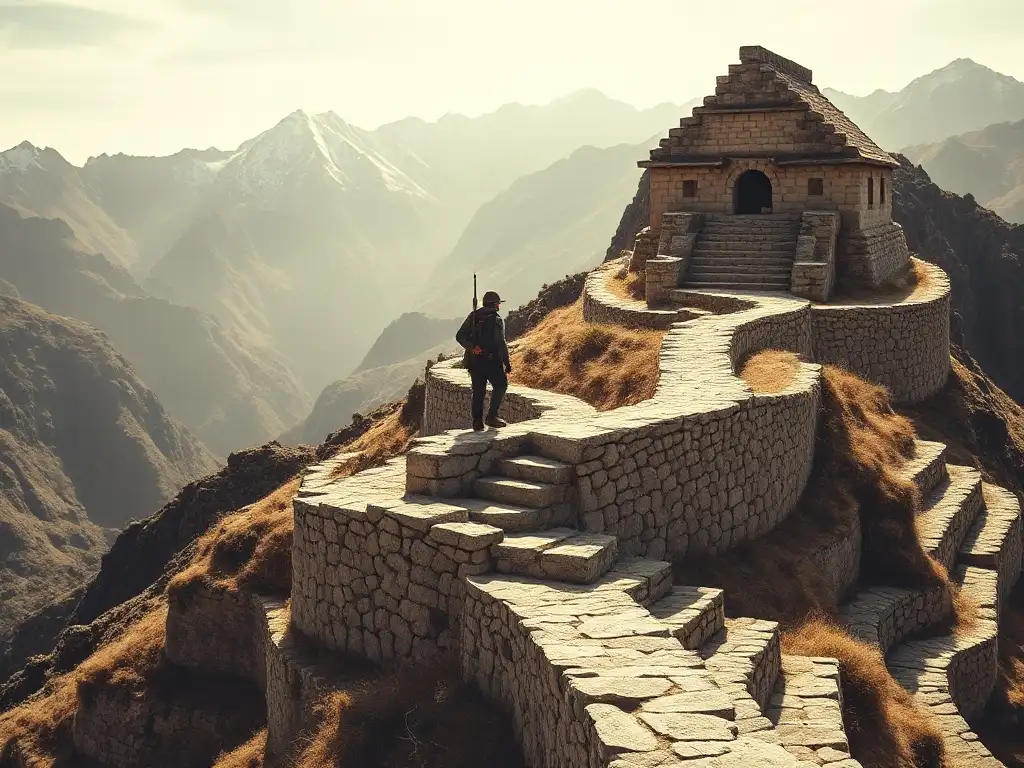
The Inca road system, known as the Qhapaq Ñan, wasn't merely a network of paths; it was the very artery of the Inca Empire, pulsating with the movement of goods, people, and information. Its strategic design and meticulous construction facilitated the unprecedented expansion and consolidation of Inca power, profoundly impacting the transport of goods across vast distances, from local markets to the imperial centers. Understanding the Qhapaq Ñan is key to understanding the Inca Empire's economic and political success.
The efficiency of Inca road system goods transport was directly linked to the empire's ability to manage resources and maintain control over its far-flung territories. This intricate network connected diverse ecological zones, allowing for the exchange of vital resources and the sustenance of a large, complex society.
Understanding the Inca Road Network: The Qhapaq Ñan
The Qhapaq Ñan comprised over 40,000 kilometers of roads, traversing diverse and challenging Andean terrains. These weren't simple trails; they were meticulously engineered pathways, often paved with stone, incorporating bridges, tunnels, and resting places (tambos). The roads were strategically designed to connect major population centers, agricultural regions, and resource-rich areas.
Their construction involved advanced engineering techniques, including sophisticated drainage systems to prevent erosion and the use of locally sourced materials adapted to the specific environmental conditions. The Inca road system goods transport was facilitated by the network's overall design which prioritized gradients, minimizing steep inclines to make the movement of goods easier for llamas and human porters. The network's robustness is evidenced by its longevity; sections of the Qhapaq Ñan remain visible today, a testament to the Inca's engineering prowess.
The construction of the Qhapaq Ñan involved a massive mobilization of labor, showcasing the Inca Empire's sophisticated organizational capabilities. The mita system, a form of obligatory labor service, played a crucial role in this undertaking. Specialized workforce groups, including stonemasons, engineers, and laborers, were strategically deployed across the empire to build and maintain the roads. The use of standardized techniques and materials ensured uniformity and efficiency throughout the vast network.
The Purpose of Inca Roads: Facilitating Administration and Control
While the economic benefits of the Qhapaq Ñan were substantial, its importance extended far beyond trade. The Inca road system was integral to the empire's administrative structure, facilitating swift communication and the rapid movement of troops. The strategically placed tambos served as waystations for travelers and messengers, providing essential services such as food, shelter, and rest.
This network allowed for the efficient collection of taxes and tribute, ensuring the central government's control over its vast territories. The ability of the Inca state to quickly respond to uprisings or emergencies was significantly enhanced by the Qhapaq Ñan. The rapid mobilization of troops along the Inca road system was crucial for maintaining order and suppressing rebellions.
The Inca road system goods transport was intrinsically linked to the empire's administrative capacity. The movement of goods was not only about economic exchange; it was also a crucial tool for political control. The efficient distribution of resources allowed the Inca state to maintain its power and influence over its subjects.
Significance of Roads for the Inca Empire's Economy
The Qhapaq Ñan was the backbone of the Inca Empire's economy, facilitating the efficient movement of goods across diverse ecological zones. This enabled the exchange of vital resources, such as agricultural products, textiles, precious metals, and building materials. The Inca road system goods transport led to a flourishing interregional trade, fostering economic specialization and increasing the overall wealth of the empire. Agricultural surpluses from fertile valleys could be readily transported to support urban centers and areas with less productive land. The availability of a reliable transport network stimulated economic growth and contributed to the stability of the Inca Empire.
The following table summarizes the key economic impacts of the Inca road system:
| Economic Impact | Description |
|---|---|
| Increased Trade | Facilitated exchange of goods between diverse regions. |
| Economic Specialization | Allowed regions to focus on producing specific goods based on their resources. |
| Resource Distribution | Enabled efficient allocation of resources across the empire. |
| Enhanced Agricultural Production | Supported population centers through the efficient transport of agricultural surpluses. |
| Economic Growth | Stimulated economic activity and contributed to the overall wealth of the empire. |
The Inca road system, with its efficient transport of goods, played a vital role in the empire's economic prosperity and political stability. The Qhapaq Ñan stands as a remarkable achievement in ancient engineering and a testament to the Inca's organizational and logistical skills. Its legacy continues to fascinate and inspire, showcasing the ingenuity of a civilization that shaped the Andes through its remarkable infrastructure.
Local Trade and Resource Exchange within the Inca Empire
The Inca road system, while famously facilitating imperial control and long-distance communication, was equally crucial for the efficient movement of goods within the vast Inca Empire. Understanding the Inca road system goods transport requires acknowledging its multifaceted role, extending far beyond simply supplying the capital. The intricate network facilitated a complex system of local trade and resource exchange, underpinning the empire's economic stability and social cohesion.
This internal trade, often overlooked in favor of discussions of imperial logistics, was vital to the everyday lives of Inca citizens. The system ensured the availability of diverse resources and goods across different ecological zones, contributing significantly to the empire's overall prosperity. The effective functioning of this system relied on a sophisticated understanding of regional specialization, efficient transportation methods, and a well-organized system of local markets.
Early Trade Practices in the Andean Region
Before the Inca expansion, the Andean region already boasted a vibrant tradition of trade. Pre-Inca cultures, such as the Moche and Nazca, engaged in extensive exchange networks, albeit on a smaller scale. These networks relied heavily on established trails and waterways, often traversing challenging terrains.
Evidence suggests that these early trade practices involved the exchange of both luxury goods – such as textiles, ceramics, and precious metals – and essential commodities – including food staples, building materials, and tools. The Inca inherited and built upon these existing networks, adapting and expanding them to meet the demands of a much larger and more centralized empire.
The Inca road system, therefore, wasn't a radical departure but rather a sophisticated evolution of pre-existing trade routes, integrating them into a far-reaching and efficient system for Inca road system goods transport. This continuity is evident in the strategic placement of tambos (roadside inns) along the routes, many of which likely replaced or incorporated earlier waystations.
The Role of Local Markets in the Inca Economy
Local markets played a vital role in the Inca economy, acting as hubs for the exchange of goods produced within and around specific regions. These markets, often located near major tambos or strategically positioned along the road network, facilitated the distribution of goods throughout the empire. The Inca implemented a system of ayllus (communal groups), each responsible for producing specific goods based on their region's resources and climate.
This regional specialization ensured a steady supply of diverse goods, from agricultural products to handcrafted items. The efficient functioning of local markets ensured that these goods reached the population, contributing to the overall stability and resilience of the Inca economy.
Detailed records regarding the exact volume of goods exchanged in these markets are unfortunately scarce, but archaeological evidence, coupled with ethnohistorical accounts, clearly points to the significance of these local marketplaces in the everyday life of Inca citizens. Furthermore, the presence of standardized weights and measures suggests a level of economic sophistication that streamlined transactions and minimized disputes.
Regional Specialization and Goods Production
The Inca Empire's success was partly due to its mastery of regional specialization in goods production. Different ecological zones within the empire fostered the production of specific goods. The coastal regions, for example, excelled in fishing and the production of salt, while the highlands were ideal for cultivating potatoes, maize, and quinoa.
The Amazonian rainforest provided unique resources like coca leaves and exotic woods. This diversity of resources was strategically managed through the mita system, a form of labor tribute. While the mita is often associated with large-scale public works projects, it also played a critical role in agricultural production and the crafting of goods.
Communities were assigned tasks based on their expertise and the resources available in their region, ensuring a consistent supply of goods for both local consumption and distribution throughout the empire via the Inca road system. The efficiency of this system is reflected in the relative stability and prosperity enjoyed by many communities within the vast Inca Empire. This careful organization of production and distribution, facilitated by the Inca road system, is a testament to the sophistication of Inca economic planning and its impact on Inca road system goods transport.
Local Goods Transport Methods Prior to Imperial Expansion
Before the Inca Empire's vast expansion, the movement of goods within individual communities and smaller regional networks relied on a variety of methods, shaped by the diverse geography of the Andes. The terrain itself dictated transportation choices. In valleys and along relatively flat coastal areas, porters likely carried smaller loads on foot, using woven carrying bags called chumpi.
These bags, often made from llama or alpaca wool, were designed to distribute weight comfortably across the shoulders and back. The capacity of these bags varied, depending on the goods being transported and the strength of the porter, but they represented a crucial element in the pre-Imperial system of local trade.
In more mountainous areas, the use of llamas and alpacas as pack animals became essential. These camelids, domesticated for centuries, were adapted to the high-altitude conditions and could carry substantial burdens. However, their effectiveness was limited by the steepness of certain paths and the need for careful management of their stamina.
Llamas and alpacas would not have been used for rapid transport over long distances, but rather for moving larger quantities of goods over shorter, more manageable routes within a region. Their contribution to local trade networks was significant, particularly for heavier goods like agricultural produce, textiles, and building materials.
Waterways, where available, also played a role. While the scale of river transport might not have been as extensive as the road system later developed under the Inca, rafts and smaller boats were likely used to move goods along navigable rivers and lakes. This method would have been most efficient for transporting bulky items, such as timber or large quantities of pottery.
The specific techniques and types of watercraft used varied regionally, adapting to the characteristics of each waterway. Evidence of pre-Inca water transport remains limited, but its role in local economies is supported by the importance of rivers and lakes in Andean settlement patterns. Archaeological investigations continue to shed light on the ingenious methods employed by pre-Inca communities to navigate and exploit their waterways for trade.
The Inca Road System and the Movement of Goods
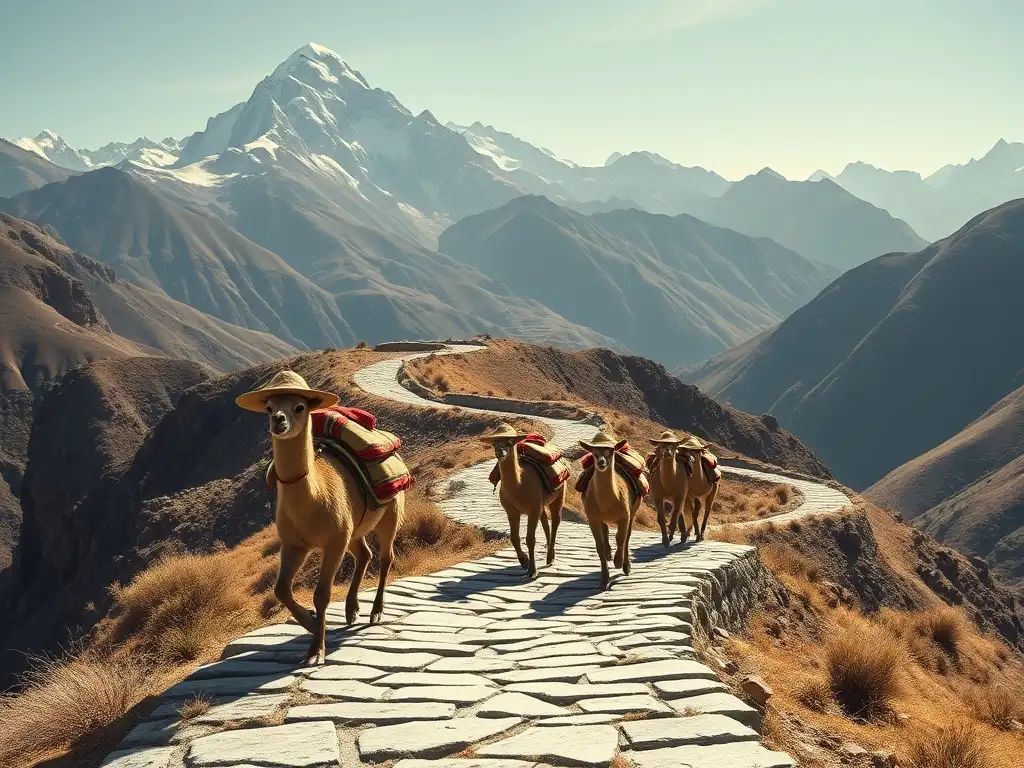
The Inca road system, a marvel of ancient engineering, wasn't merely a network of paths; it was the lifeblood of the empire, facilitating the efficient movement of goods, people, and information across vast and challenging Andean terrain. Understanding the Inca road system's role in goods transport is key to comprehending the empire's economic and political power. The system's strategic design, coupled with sophisticated administrative practices, allowed for the seamless flow of resources from local producers to imperial centers and vice-versa, a feat unmatched by contemporary societies in the region.
This intricate network played a crucial role in the Inca's ability to manage and control their expansive territory, effectively consolidating their power and ensuring the stability of their empire. The scale and impact of this system on "Inca road system goods transport" are undeniable.
Construction and Engineering of the Inca Roads
The construction of the Inca roads was a monumental undertaking, showcasing remarkable engineering prowess. Inca engineers adapted their techniques to the diverse and often treacherous Andean landscape. They skillfully navigated mountains, valleys, and rivers, employing impressive techniques to overcome geographical obstacles. The roads were not simply laid on the ground; they were meticulously constructed, often involving substantial earthworks, including the creation of terraces, bridges, and tunnels.
The use of locally sourced materials was a hallmark of Inca construction. Stone, often meticulously fitted without mortar, was a primary building material, chosen for its durability and availability. In areas where stone was scarce, other materials like earth, wood, and even woven fibers were utilized. The construction process involved a highly organized workforce, likely employing a system of mita, a form of mandatory labor service.
This system ensured a continuous supply of manpower for road maintenance and new construction projects, demonstrating the Inca's commitment to maintaining and expanding their vital infrastructure. Evidence suggests the use of sophisticated surveying techniques to ensure the roads' alignment and stability, even across challenging terrain. The precision and scale of these projects highlight the advanced engineering capabilities of the Inca civilization and their dedication to efficient "Inca road system goods transport".
The construction of bridges, often made of stone or wood, is particularly noteworthy. Some bridges were suspension bridges, showcasing advanced knowledge of materials science and structural engineering. These structures were crucial for crossing rivers and ravines, ensuring the continuity of the road system. The Inca's mastery of engineering allowed them to create a road network that was both durable and efficient, facilitating the transport of goods across diverse and challenging environments.
Types of Inca Roads and Their Specific Uses
The Inca road system wasn't a monolithic entity; it encompassed a variety of roads tailored to specific needs and purposes. The Qhapaq Ñan (main road) was the most important, a vast network that connected the heart of the empire to its farthest reaches. This arterial route facilitated the rapid movement of troops, messengers, and high-value goods. Branching off from this main road were numerous secondary and local roads, catering to regional needs. These roads served various purposes, from connecting local communities to facilitating agricultural transport.
| Road Type | Description | Primary Use | Goods Transported |
|---|---|---|---|
| Qhapaq Ñan | Main arterial road, connecting the entire empire | Imperial communication, troop movement, high-value goods | Precious metals, textiles, food for elites |
| Secondary Roads | Branching from the main road, connecting regional centers and communities | Regional communication and trade | Agricultural products, manufactured goods, livestock |
| Local Roads | Smaller, local roads connecting villages and agricultural areas | Local trade and communication | Foodstuffs, raw materials, local crafts |
The types of goods transported varied depending on the road's location and purpose. The Qhapaq Ñan primarily carried high-value items like precious metals (gold, silver), textiles (fine clothing, tapestries), and food items destined for the imperial court. Secondary and local roads, on the other hand, facilitated the movement of agricultural products, livestock, and manufactured goods. This differentiated system ensured efficient resource allocation and minimized congestion on the main thoroughfares. The organization and management of this complex system were crucial for the smooth flow of "Inca road system goods transport".
The Inca Road System's Impact on Goods Distribution
The Inca road system had a profound impact on the distribution of goods throughout the empire. It fostered economic integration, allowing for the efficient movement of resources from surplus areas to areas experiencing shortages. This system ensured a relatively stable supply of essential goods, contributing to the empire's overall stability and prosperity. The ability to quickly transport goods also facilitated the redistribution of wealth and resources, strengthening the Inca's control over their vast territory.
The efficient distribution of goods also played a vital role in supporting the Inca's military might. The rapid movement of troops and supplies along the road network allowed the Inca to respond swiftly to rebellions or threats, maintaining order and control throughout their empire. The roads also facilitated the mobilization of labor for large-scale construction projects, demonstrating the system's multifaceted contribution to the empire's success.
The integration of local economies through the road system allowed for the exchange of goods and ideas, fostering a sense of unity and shared identity among the diverse populations of the Inca Empire. The effectiveness of "Inca road system goods transport" was a key component of the Inca's ability to govern and control their empire. The system's influence extended beyond mere logistics; it was instrumental in shaping the economic, political, and social landscape of the Inca Empire.
Chaski Runners and the Communication Network
The Inca road system wasn't just about transporting goods; it was also a vital artery for communication, facilitated by the remarkable chaski runner network. These runners weren't simply messengers; they were a highly organized and efficient communication system that spanned the vast Inca Empire. Their speed and reliability were crucial for maintaining control and order across such a geographically diverse and expansive territory. The chaski system ensured that news, orders, and even important goods could travel incredible distances in remarkably short periods.
Imagine the logistical feat: relay stations, strategically placed along the roads every few kilometers, provided resting places and fresh runners to continue the message. This intricate network allowed for almost instantaneous communication compared to the standards of the time. The chasquis themselves were carefully selected and trained, often running in teams to cover longer distances more quickly and efficiently.
This wasn't simply a matter of speed, though; endurance and reliability were paramount. The chasquis needed to be able to withstand the varied terrain and weather conditions across the Andes. Their physical prowess and dedication to their role were essential to the functioning of the Inca state.
The impact of the chaski system extended beyond simple message relay. It enabled rapid responses to emergencies, facilitated the efficient mobilization of resources, and allowed for the swift dissemination of imperial decrees. This speed and efficiency were instrumental in maintaining control across the vast and diverse Inca Empire.
The system provided a level of administrative efficiency that was unprecedented for its time, allowing for the effective governance of millions of subjects spread across a mountainous landscape. Without the chaski network, the Inca Empire's administrative and logistical capabilities would have been severely hampered. The sheer scale and sophistication of the system remains a testament to the Inca's organizational genius and innovative approach to communication.
Their ability to seamlessly integrate human runners into a complex logistical network allowed them to overcome the challenges of distance and terrain, ultimately strengthening the fabric of their vast empire. The chaski runners, therefore, played a crucial role in the functioning of the Inca Empire, and their impact on the movement of information is as significant as the impact of the roads themselves on the movement of goods.
Goods Transported on Inca Roads: A Detailed Inventory
The Inca road system, a marvel of ancient engineering, wasn't just a network of paths; it was the lifeblood of a vast empire, facilitating the efficient movement of goods crucial to Inca society. Understanding the types of goods transported reveals the complexity of Inca logistics and the scale of their imperial administration. The sheer volume of goods moved across these roads, from everyday necessities to precious metals, underscores the sophistication of their infrastructure and organizational prowess. The Inca road system goods transport was a highly organized operation, ensuring the flow of resources across diverse terrains and climates.
Essential Goods for Inca Society and their Movement
The Inca road system ensured the constant flow of essential goods vital for the sustenance and well-being of the empire's population. These included:
- Textiles: Wool from llamas and alpacas, cotton, and other fibers were transported extensively. Fine textiles, used for clothing and ceremonial purposes, were often destined for the imperial court or elite members of society. The intricate weaving techniques and the quality of the materials reflected the high value placed on these goods. Movement involved careful packaging to prevent damage during transit.
- Foodstuffs: Basic staples such as chuño (freeze-dried potatoes), maize, quinoa, and beans were constantly in motion. The efficient distribution of these foods was critical to preventing famines and maintaining social stability. Storage facilities along the roads played a crucial role, allowing for the gradual release of supplies and adaptation to seasonal variations. The system was remarkably resilient, capable of handling both routine transport and emergency relief efforts.
- Building Materials: Stone, wood, and other construction materials were transported for the ongoing construction and maintenance of Inca infrastructure – from palaces and temples to roads and irrigation systems. The logistics involved in moving large stones over challenging terrain were remarkable, showcasing the Inca’s advanced engineering skills and understanding of load distribution. This constant movement of building materials demonstrates the empire's commitment to continuous improvement and expansion.
- Tools and Implements: Metal tools, pottery, and other implements essential for agriculture, construction, and daily life moved along the network. The standardization of certain tools suggests a degree of centralized production and control over resource allocation. The regular supply of these essential tools ensured the smooth functioning of Inca society at all levels.
Agricultural Products and Their Distribution
The Inca's mastery of agriculture was integral to their success, and the road system was crucial in distributing agricultural surpluses. Regional variations in climate and terrain meant different areas specialized in different crops. The roads facilitated the exchange of these products, ensuring food security across the empire.
| Region | Primary Agricultural Products | Transport Method | Destination(s) |
|---|---|---|---|
| Coastal Areas | Cotton, maize, beans, fruits | Llamas, runners, rafts | Highland regions, urban centers, imperial court |
| Highland Valleys | Potatoes, quinoa, alpaca wool | Llamas, runners | Coastal areas, urban centers |
| Jungle Regions | Tropical fruits, coca leaves | Rafts, human porters | Highland regions, urban centers |
The system wasn't simply reactive; it was proactive. Surplus from bountiful harvests in one region could be swiftly moved to areas facing shortages, minimizing the impact of localized crop failures. This efficient distribution system was a key factor in the stability and longevity of the Inca Empire. Detailed records, while largely lost to time, likely existed to track the movement and distribution of these vital agricultural goods.
Precious Metals and Their Transportation
The transportation of precious metals—gold, silver, and copper—along the Inca roads highlights the empire's economic power and control. These metals were not just used for ornamentation and religious artifacts; they also played a role in the imperial economy, functioning as a form of currency and tribute.
The transport of precious metals was a highly secure operation. Specialized personnel likely escorted shipments, ensuring their safe arrival at their destination. The process involved meticulous record-keeping, with detailed accounts of the quantities transported and the individuals responsible.
While the specifics of these security measures remain somewhat obscure, the sheer volume of gold and silver artifacts that have survived suggests the system was remarkably effective. The Inca road system, therefore, played a crucial role in maintaining the empire's economic and political power by enabling the efficient and secure movement of these valuable resources. The quantity transported was significant, fueling the opulent lifestyle of the elite and contributing to the empire's economic strength.
Textiles, Ceramics, and Craft Goods in the Inca Road System
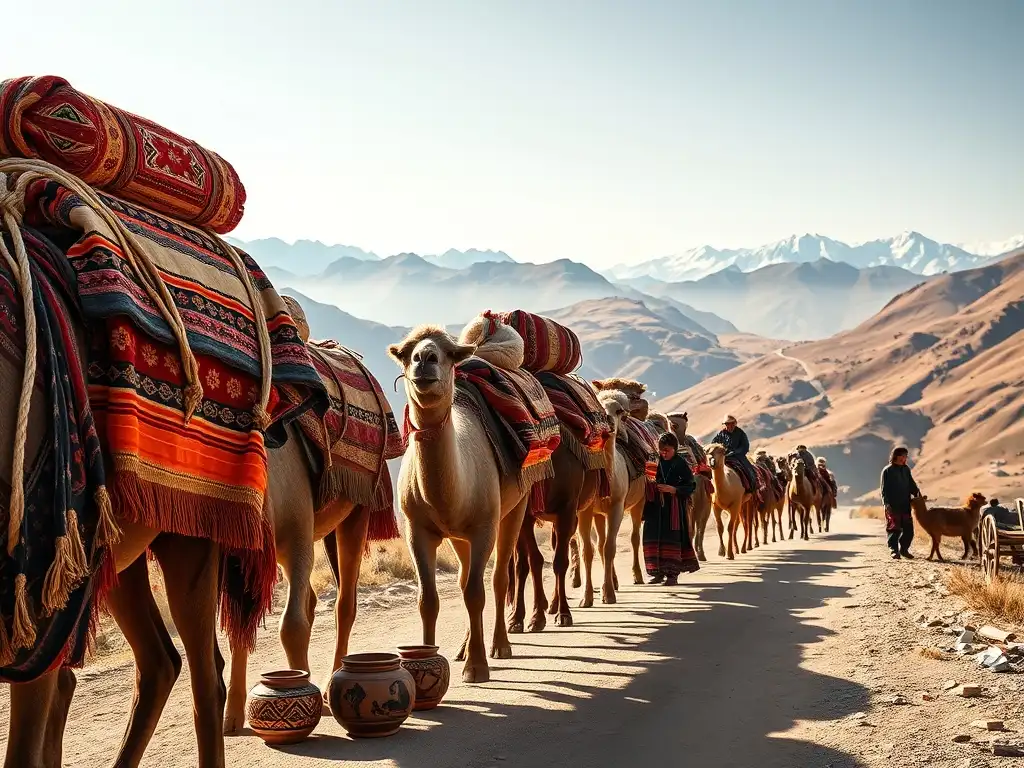
The Inca road system was not just a network for the movement of people; it was the vital artery for the distribution of a vast array of goods, including a significant volume of textiles, ceramics, and craft items. Textiles, a cornerstone of Inca society, were transported extensively across the empire. Fine alpaca and vicuña wool textiles, often intricately woven with complex designs and vibrant colors, were highly valued items, reserved for the elite or used as tribute.
These luxurious textiles were transported from specialized production centers in the highlands to distant locations, reaching even the coastal regions. The sheer volume of textiles moved along the Inca roads suggests a sophisticated system of production, distribution, and exchange, which was essential for maintaining social order and economic stability. Furthermore, the intricate designs and quality of the textiles often served as status symbols and markers of social hierarchy.
Ceramics, another important category of goods, also traveled extensively through the Inca road network. From utilitarian pottery used for everyday purposes in households to exquisitely crafted ceremonial vessels, the variety of ceramics transported reflected the empire's diverse needs and cultural practices. The transport of ceramics was particularly crucial for areas lacking local resources or specialized skills in pottery making.
This efficient distribution system ensured that even remote communities had access to essential and decorative pottery. Furthermore, the styles and designs of ceramics often indicated regional variations and cultural identities, making their transport and exchange an important aspect of cultural integration within the empire.
Beyond textiles and ceramics, the Inca road system facilitated the movement of a vast range of craft goods. This included items like meticulously carved wooden objects, intricate metalwork (gold, silver, copper), stone tools, and finely crafted jewelry. These craft goods, often produced by specialized artisans in specific regions, were traded and distributed throughout the empire, enriching the lives of both the elite and common people.
The presence of these diverse craft items throughout the Inca territories highlights the sophisticated organization and efficiency of the empire's transportation network. The distribution of these goods also helped maintain a sense of unity and shared cultural identity across the vast expanse of the Inca Empire. The careful management of the road system ensured that these highly valued, often delicate items reached their destinations in good condition, demonstrating the advanced logistical capabilities of the Inca.
Specialized Goods and Luxury Items Transported on Inca Roads
Beyond the everyday necessities, the Inca road system served as a conduit for specialized goods and luxury items that were highly valued within Inca society and often reserved for the elite. These included rare minerals and precious metals, such as gold and silver, which were often used for religious ceremonies, adornment, and royal regalia. The intricate gold and silver work produced by Inca artisans was highly prized, and the road system ensured that these precious items could be transported safely and efficiently across vast distances.
The transport of these luxurious goods was carefully managed, often involving specialized carriers and secure methods of transportation to prevent theft or damage. The sheer volume and quality of these items discovered in archaeological sites throughout the empire indicate the effectiveness of the Inca road system in distributing such precious commodities.
Another category of specialized goods transported along the Inca roads included medicinal plants and other natural resources. The empire's vast territory encompassed diverse ecological zones, each possessing unique flora and fauna. The Inca utilized the road system to move medicinal plants from different regions to central locations, where they were used by healers and shamans.
This efficient transport of medicinal resources was crucial for maintaining the health and well-being of the Inca population. Similarly, other specialized resources, like specific types of wood for construction or rare dyes for textiles, were transported along the roads, highlighting the logistical capacity of the Inca to manage the distribution of essential and specialized resources across their expansive empire.
This demonstrates not only their mastery of logistics but also their deep understanding and utilization of the diverse resources within their control. The distribution of these items, often requiring careful handling and preservation, showcases the sophisticated systems implemented to ensure their safe and effective transit.
The Imperial Market: Centralized Distribution
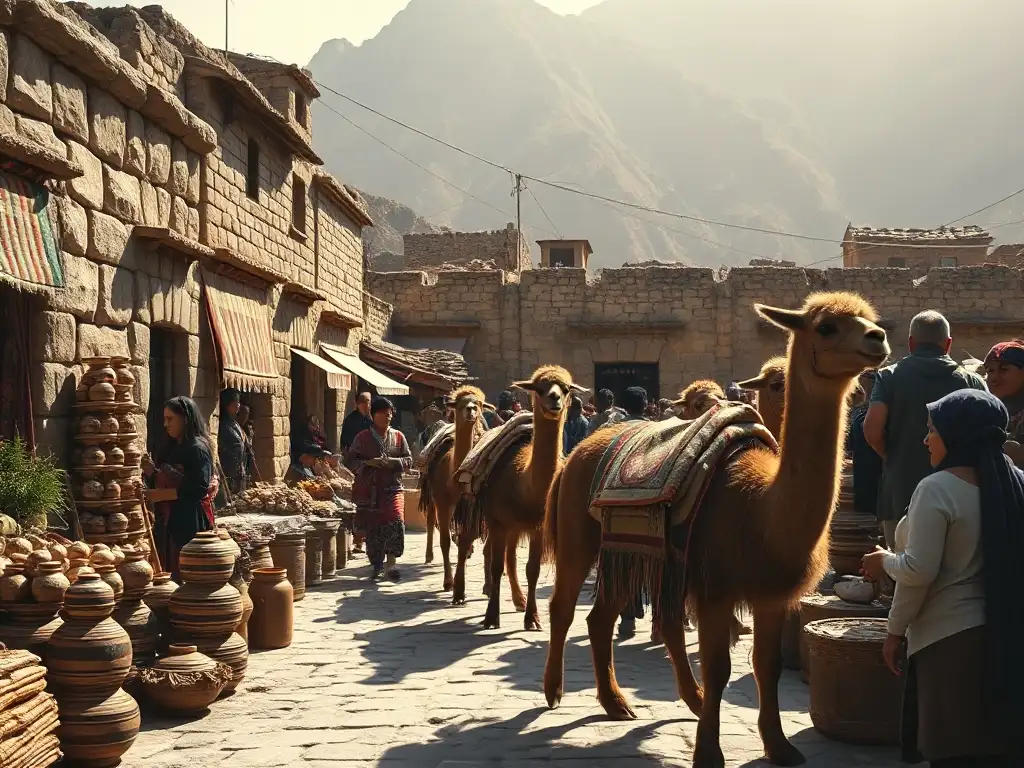
The Inca road system wasn't just a network of paths; it was the arterial system of a highly centralized economy, facilitating the movement of goods crucial to the empire's sustenance and power. The Inca's sophisticated system of goods transport, enabled by their impressive road network, allowed for an unprecedented level of control over resources and the efficient distribution of vital supplies across vast distances. This centralized approach to resource management differed significantly from the more localized economies of preceding Andean cultures.
The sheer scale of the Inca empire, encompassing diverse ecological zones and populations, demanded a robust and reliable system for the movement of goods, a challenge the Inca road system met with remarkable success. This section will explore the key elements of this centralized distribution network, demonstrating its vital role in the Inca's imperial power.
The Inca System of Storage and Redistribution
The Inca's mastery of Inca road system goods transport wasn't solely about moving goods; it was equally about storing and redistributing them strategically. A vast network of qollqas, or storehouses, was strategically placed along the road system, acting as crucial nodes in the distribution network. These weren't simple storage facilities; they were meticulously managed repositories, often built into the landscape, utilizing natural features for protection and climate control. Archaeological evidence reveals the presence of qollqas of varying sizes, suggesting a hierarchical system mirroring the administrative structure of the empire.
Larger qollqas in administrative centers held greater quantities of goods, while smaller ones served local needs. The contents of these storehouses varied, reflecting the diverse agricultural output and craft production of the empire. From agricultural surpluses like maize, potatoes, and quinoa to textiles, ceramics, and precious metals, the qollqas served as vital buffers against famine and ensured the equitable (or at least controlled) distribution of resources.
The organization and management of these stores required detailed record-keeping, likely using a system of quipus, knotted cords, to track inventory and movement of goods. The efficiency of this system is a testament to the Inca's advanced administrative capabilities and their understanding of logistics. The strategic placement of these qollqas along the Inca road system, further enhanced their efficiency in managing the flow of goods throughout the empire.
Administrative Centers and Their Role in Goods Management
Administrative centers, strategically located along major routes of the Inca road system, played a pivotal role in the management and redistribution of goods. These centers weren't simply administrative hubs; they were logistical centers, acting as focal points for the collection, processing, and redistribution of resources. Cities like Cusco, the imperial capital, served as major distribution hubs, receiving goods from across the empire and allocating them based on need and imperial priorities.
Smaller administrative centers along the roads facilitated the movement of goods to more remote regions, ensuring a steady supply of essential resources. The efficient functioning of these centers depended on a complex network of officials, messengers (chasquis), and laborers who coordinated the movement of goods along the road network. Evidence suggests a highly organized system, with specialized personnel responsible for different aspects of goods management, from inventory control to transportation and distribution.
This hierarchical structure mirrored the imperial bureaucracy, reflecting the centralized nature of the Inca state and its control over resource allocation. The strategic positioning of these administrative centers along the Inca road system optimized the logistical efficiency of the entire system.
Inca Control Over Trade Routes and Market Access
The Inca's control over the Inca road system extended to a significant degree of control over trade routes and market access. While the Inca empire wasn't characterized by free-market principles, the state exerted considerable influence over the flow of goods, ensuring the movement of vital resources and limiting the autonomy of local markets. This control wasn't necessarily oppressive; rather, it was a mechanism for maintaining social order and ensuring the equitable (from the Inca perspective) distribution of resources.
The state's control over the road network allowed for the regulation of trade, limiting the movement of certain goods and favoring the distribution of goods through official channels. This control also extended to market access, with designated market places (often located near administrative centers) becoming integral parts of the state's economic system. This centralized approach to trade and market access differed drastically from the more decentralized market systems of previous Andean cultures.
The strategic placement of markets along the Inca road system further strengthened the empire's control over the flow of goods and allowed for greater state oversight. The effective control over trade routes and market access was a key factor in the Inca's ability to maintain social stability and economic control throughout their vast empire. The efficient operation of this system, enabled by the Inca road system, is a testament to their sophisticated understanding of logistics and their ability to manage a complex economy across a vast and diverse territory.
The Impact of Imperial Control on Local Economies
The Inca road system wasn't merely a network for transporting goods; it was a crucial instrument of imperial control, profoundly impacting local economies across the vast empire. The standardization of weights and measures, facilitated by the efficient transport network, ensured fair trade (or at least, the appearance of fair trade) within the empire's framework. This standardization, however, often meant the suppression of pre-existing local practices and economic structures. Smaller, independent markets, accustomed to bartering and regionally specific systems, were gradually integrated into the larger Inca system, often leading to dependency on the imperial center for both supply and demand.
The mita system, a form of mandatory labor service, played a significant role in the functioning of this centralized economy. While the mita provided a workforce for large-scale projects like road construction and agriculture, it also drew labor away from local production, potentially hindering the development of independent economic activities. Communities were obligated to contribute their labor to the empire's needs, impacting their ability to focus on their own economic growth and diversification. This created a complex relationship, where local economies were both integrated into and constrained by the imperial system.
The flow of goods along the Inca roads also led to the development of specialized production centers. Certain regions, favored by climate or resources, became specialized in producing specific goods, like textiles, pottery, or metalwork. These specialized goods were then transported throughout the empire via the road system, creating a complex web of economic interdependence.
However, this specialization could also lead to a vulnerability, as local economies became heavily reliant on the stability of the imperial system for their continued prosperity. Disruptions to the road network, for example, could have devastating consequences for specialized production centers, highlighting the risks inherent in such a tightly controlled system. The imperial market, while efficient in its scale, presented a double-edged sword for local economies, providing opportunities for integration but also imposing constraints and dependencies.
Challenges and Logistics of Inca Road Transport
The Inca road system, a marvel of ancient engineering, facilitated the movement of goods across a vast and diverse landscape. However, transporting goods across the Andes presented significant logistical challenges. The sheer scale of the empire, coupled with the rugged terrain, created a complex network demanding innovative solutions for efficient goods transport.
Understanding these challenges is crucial to appreciating the ingenuity and organizational prowess of the Inca. The effectiveness of the Inca road system in supporting their vast empire hinged on overcoming these obstacles. This section will delve into the specific difficulties and the ingenious ways the Inca addressed them.
Geographical Obstacles and Engineering Solutions
The Andes Mountains, with their towering peaks, deep canyons, and treacherous passes, posed the most significant obstacle to Inca road transport. The Inca road system goods transport relied heavily on overcoming these natural barriers. Their engineers employed remarkable ingenuity to construct roads that traversed these challenging environments. This involved sophisticated techniques such as:
- Suspension bridges: These remarkable structures, often made of woven fibers and anchored to cliffs, allowed the Inca to span deep gorges and rivers, ensuring the continuity of their road network. The design and construction of these bridges demonstrated an advanced understanding of engineering principles.
- Terracing and retaining walls: In many areas, the Inca had to carve roads into steep mountain slopes. Terracing and retaining walls stabilized the roadbeds, preventing landslides and erosion, thereby ensuring the safe passage of goods. This meticulous work required precise planning and execution.
- Tunnels and cuttings: Where mountains presented impassable obstacles, the Inca skillfully carved tunnels and cuttings through rock, creating passable routes for their roads. The scale of some of these projects is truly astounding, a testament to their workforce and organizational capabilities.
- Zigzag pathways: To mitigate the steepness of inclines, Inca engineers often constructed roads with a series of switchbacks or zigzag pathways. This reduced the gradient, making it easier for llamas and humans to traverse the mountainous terrain.
The effectiveness of these solutions is evident in the longevity and functionality of the Inca road system, which remained in use for centuries. The Inca's mastery of engineering allowed them to overcome the geographical challenges, ensuring the efficient flow of goods throughout their empire.
The Role of Llamas in Inca Goods Transportation
Llamas played a vital role in the Inca road system's ability to move goods. These camelids were ideally suited to the high-altitude Andean environment, and their strength and endurance made them indispensable for transporting goods across long distances. While human porters undoubtedly carried some goods, especially over shorter distances or more challenging terrain, llamas were the primary mode of Inca road system goods transport for bulk materials.
- Carrying capacity: A single llama could carry a significant load, up to 25% of its body weight, making them highly efficient pack animals.
- Adaptability to terrain: Llamas were adept at navigating the steep and rugged terrain of the Andes, traversing paths inaccessible to other animals.
- Herding and management: The Inca developed sophisticated herding techniques, allowing for the efficient management of large llama herds along the extensive road network. This demonstrates a deep understanding of animal husbandry.
- Wool and meat: Beyond transportation, llamas also provided valuable wool for textiles and meat for sustenance, adding further economic value to their role within the Inca system.
The integration of llamas into the Inca's logistical system was crucial to the success of their empire. Their importance in Inca road system goods transport cannot be overstated. Their use represents a highly effective and sustainable approach to long-distance transport in a challenging environment.
Maintaining the Inca Road Network and Its Functionality
The Inca’s success in maintaining their vast road network for centuries speaks to their advanced organizational skills and commitment to infrastructure. The upkeep of the roads was a continuous process, demanding constant attention and resources. This required a well-structured system of maintenance and repair.
- Specialized workforce: The Inca employed specialized teams of workers dedicated to the construction and maintenance of roads. These teams were responsible for regular inspections, repairs, and the construction of new sections as needed. Their expertise was crucial in ensuring the longevity of the Inca road system.
- Local responsibility: Local communities were often responsible for maintaining sections of the roads passing through their territories. This decentralized approach ensured that repairs were carried out promptly and efficiently.
- Resource allocation: The Inca government allocated significant resources to the maintenance of the road network, reflecting its critical importance to the empire's economy and stability. This demonstrates a clear understanding of the strategic importance of infrastructure.
- Storage facilities: The Inca established storage facilities along the roads to provide supplies and shelter for travelers and llama herders. These facilities played a key role in supporting the continuous flow of goods along the network.
The efficient maintenance of the Inca road network was a testament to the empire's organizational strength and its commitment to infrastructure. The system's longevity is a direct result of this dedication, highlighting the importance of sustained effort in preserving crucial infrastructure for efficient Inca road system goods transport. The success of the Inca's road network wasn't just about its construction, but also the continuous effort invested in its upkeep.
Challenges of Transporting Goods Over Long Distances
Transporting goods across the vast Inca Empire presented significant logistical hurdles. The sheer distance, coupled with the challenging Andean terrain, made even short journeys arduous. The Inca road system, while impressive, didn't negate the difficulties of moving substantial quantities of goods over mountain passes, across precarious bridges, and along narrow, winding paths. The steep inclines and unpredictable weather conditions, including sudden snowstorms and landslides, frequently disrupted travel and delivery schedules.
Imagine the precariousness of transporting heavy loads of pottery, textiles, or building materials along these routes, often on the backs of llamas or human porters. The risk of injury or loss of goods was ever-present, adding considerable strain to the system. Efficient and reliable transport was crucial for sustaining the Inca state, and overcoming these geographical challenges was a constant endeavor. The Inca's ingenuity in adapting their transport methods to these conditions is a testament to their organizational prowess.
The distances involved alone posed a considerable challenge. While the chasquis relay runner system allowed for rapid communication, the actual transport of goods required significantly more time and resources. A journey that might take days or even weeks for a single shipment meant that careful planning and resource allocation were paramount. This included anticipating potential delays caused by weather or terrain and establishing strategically located storage facilities along major routes to ensure goods could be safely stored and transported in stages.
The Inca government had to manage vast quantities of materials, from agricultural produce to precious metals, all of which needed to be moved efficiently and safely to reach their intended destinations. This complex process involved a sophisticated system of organization and administration, highlighting the empire's advanced logistical capabilities. Failure to overcome these challenges would have had dire consequences for the empire's stability and economic prosperity.
Furthermore, the varied climate zones traversed by the Inca roads presented additional difficulties. Goods transported from the coastal deserts to the high Andes, or vice versa, needed to withstand drastic temperature fluctuations. Perishable goods, like fresh produce, required special handling and rapid transit to prevent spoilage. This necessitated the development of specialized storage techniques, such as carefully constructed storehouses (qollqas) at strategic points along the roads.
These structures were designed to regulate temperature and humidity, preserving the quality and longevity of stored goods. The Inca's understanding of their environment and their ability to adapt their transport practices to these diverse climatic conditions are significant aspects of their logistical achievements. Maintaining the integrity of goods during transport was just as crucial as the speed of delivery itself. The success of the Inca road system relied on careful consideration of every stage of the journey.
The Legacy of Inca Roads and Their Impact on Trade
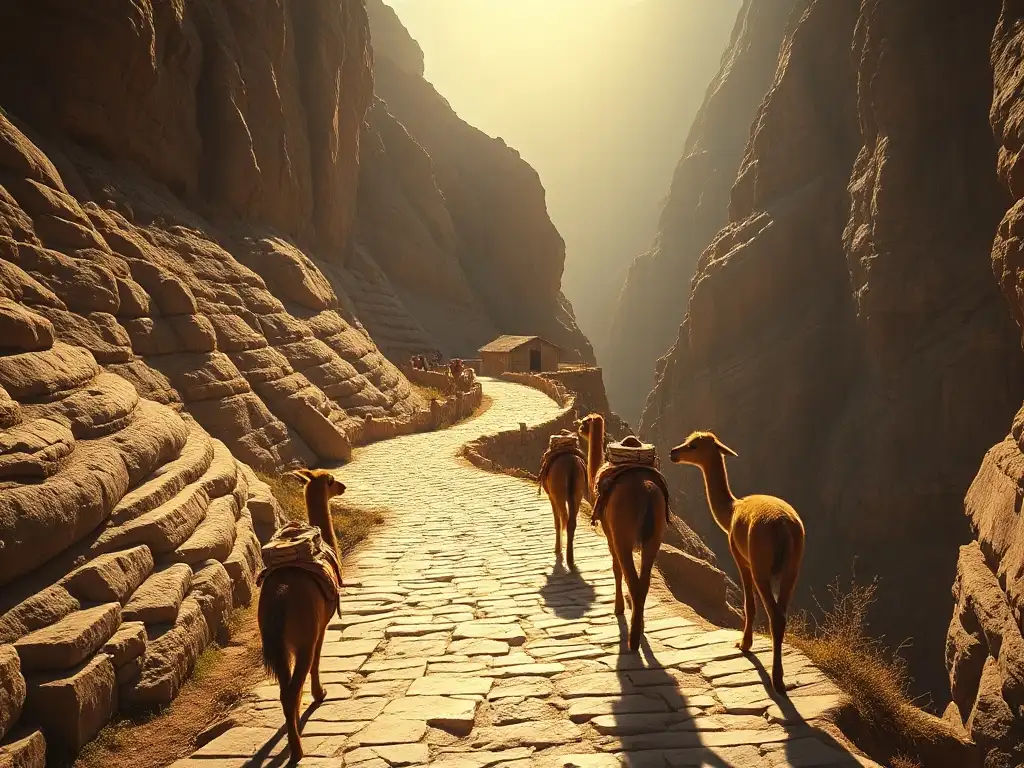
The Inca road system, the Qhapaq Ñan, wasn't merely a network of pathways; it was the arterial system of a vast empire, profoundly impacting the transport of goods and the very fabric of Andean society. Its influence extended far beyond the Inca's reign, shaping trade routes and economic interactions for centuries after the Spanish conquest. Understanding the Qhapaq Ñan's legacy requires examining its role in facilitating the movement of diverse goods, from agricultural products to precious metals, across challenging Andean terrains.
The efficiency of this system allowed for the unprecedented growth and stability of the Inca Empire, a feat rarely seen in pre-Columbian societies. This section will delve into the lasting effects of the Inca road system on the trade patterns and economic development of the Andean region.
The Influence of Inca Roads on Subsequent Andean Societies
The collapse of the Inca Empire did not erase the Qhapaq Ñan's importance. Many sections of the road network continued to be used, adapted, and even expanded upon by subsequent Andean societies, including the Spanish colonial administration. The pre-existing infrastructure significantly influenced post-Inca trade routes, simplifying the transportation of goods between newly established settlements and pre-existing indigenous communities.
For example, the Spanish heavily relied on sections of the Qhapaq Ñan to facilitate the extraction of silver from mines in Potosí and its transport to coastal ports for shipment to Europe. The existing Inca infrastructure reduced the cost and time involved in establishing new trade routes, demonstrating the enduring practicality of Inca engineering. This adaptation highlights the remarkable resilience and adaptability of the Qhapaq Ñan, proving its design was not only effective during the Inca Empire but also relevant for future generations.
The legacy of the Inca road system influenced the development of trade networks long after the empire's fall. The integration of the Inca roads into subsequent economic systems demonstrates the long-lasting impact of the Inca's infrastructure.
Lessons from the Inca System of Goods Transport
The Inca system of goods transport offers valuable lessons in logistics and infrastructure planning, even in the modern era. Their understanding of terrain, their innovative construction techniques (using materials readily available in the local environment), and their efficient organization of labor are all aspects worthy of study. The mit'a system, a form of rotational labor service, allowed the Inca to maintain and expand the road network without significant disruption to agricultural production.
This ingenious system demonstrates a sophisticated approach to resource management and project execution. Furthermore, the strategic placement of tambos, waystations providing food, shelter, and supplies for travelers, showcases an advanced understanding of supply chain management. Analyzing these aspects can inform contemporary approaches to infrastructure development, particularly in challenging geographical areas.
The Inca's approach to sustainable resource utilization is also particularly relevant in today's context of environmental concerns. The Inca road system serves as a case study in efficient, sustainable, and adaptable infrastructure development.
The Enduring Significance of the Qhapaq Ñan Today
Today, the Qhapaq Ñan, or at least significant portions of it, remains a powerful symbol of Andean heritage and a testament to the ingenuity of Inca engineering. Recognized as a UNESCO World Heritage site, its preservation is crucial for understanding the history, culture, and technology of the Andean civilizations. The Qhapaq Ñan is not merely a historical artifact; it's a living connection to the past, offering insights into sustainable development, efficient logistics, and the enduring power of human ingenuity.
Furthermore, its preservation fosters cultural tourism, supporting local communities and promoting a deeper appreciation for Andean history. The ongoing efforts to protect and restore sections of the Qhapaq Ñan underscore its enduring significance and its value as a tangible link to a rich and complex past.
The continuing relevance of the Qhapaq Ñan highlights the lasting impact of Inca infrastructure on the Andean region and its enduring significance for cultural preservation and economic development. The road system's impact on "Inca road system goods transport" is undeniable and continues to resonate today.
Archaeological digs along the Inca road system have yielded a wealth of information about the logistical challenges and triumphs of Inca trade. The sheer scale of the road network itself is a testament to the empire's organizational prowess. Excavations have unearthed not only the roads themselves – revealing sophisticated techniques of construction, including impressive stonework and drainage systems – but also the supporting infrastructure crucial for goods transport. For example, discoveries of tambos, strategically placed waystations along the routes, provide crucial insights into how travelers and goods were provisioned during long journeys.
These weren't merely simple shelters; many tambos were complex structures with storage areas, suggesting organized systems for managing supplies and facilitating trade. The remains of these structures often contain artifacts that shed light on the types of goods transported, the people who moved them, and the economic activities that sustained the Inca empire. Analysis of these artifacts, ranging from pottery shards and textiles to agricultural tools and metalwork, allows researchers to reconstruct the flow of goods and the interconnectedness of different regions within the empire. The discovery of caches of food and other supplies near tambos further supports the idea of a well-organized system designed to ensure the efficient movement of people and goods across vast distances.
Furthermore, the discovery of specialized tools and equipment associated with road maintenance and construction provides valuable evidence of the level of planning and engineering skill involved in building and maintaining this extensive network. The ongoing study of these archaeological findings continues to refine our understanding of the Inca road system's role in supporting trade and economic activity throughout the empire. Each new discovery adds another piece to the puzzle, enriching our knowledge of the sophisticated logistics and organization that underpinned the Inca's remarkable success.
The Role of Llamas and Alpacas in Inca Trade
The Inca road system was inextricably linked to the use of llamas and alpacas as pack animals. These camelids were essential for transporting goods across the mountainous terrain. Archaeological evidence, including depictions in pottery and textiles, shows the importance of llamas and alpacas in Inca society. Their ability to traverse challenging landscapes made them ideally suited for carrying goods along the Inca roads.
The relatively large carrying capacity of a llama, coupled with their hardiness and endurance, made them a highly efficient means of transportation for a variety of goods, from agricultural products and textiles to building materials and precious metals. Archaeological discoveries of llama dung along Inca trails further confirm their use as pack animals. The study of these dung deposits can even provide insights into the dietary habits of the llamas, shedding light on the resources available along specific trade routes. Moreover, the organization and management of these animal herds were clearly sophisticated, requiring expertise in animal husbandry and logistics to ensure the efficient movement of goods across the empire.
The Inca likely employed specialized herders and organized caravans to manage the transportation of goods using llamas and alpacas. The system was likely well-structured, with designated routes, resting places, and personnel responsible for the care and management of the animals. The integration of llamas and alpacas into the Inca road system highlights the ingenuity and adaptability of the Inca in leveraging available resources to overcome geographical challenges and support their expansive trade networks. Their skillful use of these animals played a crucial role in the economic success and stability of the empire.
Evidence of Specialized Labor and Organization in Inca Trade
The efficient functioning of Inca trade networks depended heavily on specialized labor and meticulous organization. Archaeological evidence suggests a sophisticated division of labor, with specific groups responsible for different aspects of goods transport. While the exact structure of this organization remains a subject of ongoing research, the scale and complexity of the road system and the volume of goods moved strongly indicate a structured system of management and control. For instance, the construction and maintenance of the roads themselves required skilled stonemasons, engineers, and laborers.
Similarly, the transportation of goods required specialized herders, caravan leaders, and possibly even individuals responsible for managing warehouses and waystations. The distribution of goods likely involved a complex network of intermediaries and officials responsible for allocating resources and ensuring that goods reached their intended destinations. Archaeological discoveries of administrative records, though often fragmentary, hint at the existence of a bureaucratic system for managing trade and tracking the movement of goods.
The organization of labor and the efficient management of resources were vital components in the Inca's ability to maintain a vast and complex trade network. The level of coordination needed to move goods across such a vast and challenging terrain speaks to the sophisticated administrative capabilities of the Inca empire. Further research into Inca administrative practices and the organization of labor will continue to shed light on the complexities of Inca trade and the remarkable efficiency of their logistics system.
Frequently Asked Questions
How extensive was the Inca road system?
The Inca road system was incredibly extensive, spanning over 25,000 miles across the Andes Mountains. This network connected the far reaches of their empire, facilitating communication and trade.
What types of goods were transported on the Inca roads?
A wide variety of goods were transported, including agricultural products like maize and potatoes, textiles, metals, and luxury items. This supported both local and imperial economies.
How did the Incas manage to build roads in such challenging terrain?
The Incas demonstrated remarkable engineering skills, employing sophisticated techniques like terracing and stonework to construct roads across steep mountains and challenging landscapes.
What role did the chasquis play in the Inca road system?
Chasquis were relay runners who used the road network to quickly transmit messages and deliver urgent goods across vast distances. Their efficiency was crucial for empire management.
How did the Inca road system impact the economy of the empire?
The Inca road system was vital to the empire's economy, enabling efficient trade and distribution of resources. This facilitated economic integration and supported the centralized state.
Final Reflection: The Enduring Legacy of Inca Roads
The Inca road system wasn't merely a network of paths; it was the very artery of a sophisticated empire, a testament to human ingenuity and a powerful engine of economic and social integration, still relevant in our hyper-connected world. Its efficiency in moving goods, people, and information across vast and challenging terrain offers invaluable lessons in logistical planning and infrastructure development even today, reminding us of the enduring power of strategic investment in connectivity.
The impact of the Inca road system resonates far beyond its historical context. Its influence on the cultural landscape of the Andes is undeniable, shaping not only the physical geography but also the social and economic structures that persist to this day. The ability to efficiently transport goods fostered a level of economic interdependence and cultural exchange that was unprecedented for its time. A road is a symbol of progress, a testament to the human spirit's ability to overcome obstacles and connect communities.
This quote, while not directly about the Inca roads, perfectly encapsulates their enduring significance and the broader implications of efficient transportation networks.
Consider the challenges we face today in global logistics and the ever-increasing demand for efficient transportation. The Inca's achievements serve as a powerful reminder that strategic planning and a commitment to infrastructure development are crucial for economic prosperity and social cohesion. You, the reader, are now equipped with a deeper understanding of the Inca road system's impact.
Reflect on how this knowledge can inform your own perspectives on infrastructure, logistics, and the enduring power of human ingenuity to overcome seemingly insurmountable obstacles. Let the legacy of the Inca roads inspire you to build connections, both literally and figuratively, in your own life and community.
**Explore the Treasures of Inca Trade! **
Thank you for joining us on this journey through the fascinating world of Inca roads and their pivotal role in transporting goods. Your exploration of these ancient pathways has revealed the ingenuity and vast reach of the Inca trading network! Now, let's delve even deeper.
Here are some **exciting next steps:**
- **Dive Deeper:** Learn more about the specific goods traded—such as textiles, precious metals, and agricultural products—and discover how this trade shaped local economies throughout the Inca Empire.
- **Join the Conversation:** Share your thoughts on social media about the lasting impact of these trade routes on modern commerce using the hashtag #IncaTrade. What parallels do you see?
- **Expand Your Horizons:** Plan a visit to one of the many incredible Inca sites—Machu Picchu, for example—and experience this rich history firsthand!
What aspect of Inca trade intrigues you the most, and how do you believe it influenced the development of today's global economic systems? We'd love to hear your thoughts!