
The Inca Highway System: A Model of Ancient Infrastructure Management

Step into a world lost to time, yet echoing with innovation and ingenuity. Imagine a civilization that, centuries ago, mastered engineering feats that still astound us today. The Andean Civilizations website unveils the secrets of these remarkable cultures, from the breathtaking artistry of the Nazca Lines to the sophisticated technology of the Moche.
But prepare to be captivated by the intricate brilliance of the Inca road system management, a testament to their unparalleled organizational prowess. Discover how they built and maintained an empire-spanning network of pathways—a story waiting to be unraveled. Explore further to uncover the mysteries of the Andes!
The Inca Empire, renowned for its sophisticated civilization and impressive architectural feats, also possessed a remarkably advanced infrastructure system. Central to this system was an extensive network of roads, the Qhapaq Ñan, which facilitated communication, trade, and military control across a vast and challenging Andean landscape.
This article delves into the ingenious management strategies employed by the Inca to maintain and expand this intricate highway system, highlighting its enduring legacy as a testament to their organizational prowess and engineering skills. We will explore the scope of the Qhapaq Ñan, examining its construction techniques, maintenance procedures, and the societal structures that underpinned its effective management.
Understanding the Inca road system management provides crucial insights into the logistical capabilities and administrative sophistication of this remarkable civilization, offering valuable lessons for modern infrastructure planning and maintenance. This analysis will focus on how the Inca successfully managed their vast road network, considering the unique environmental challenges and the political organization needed to achieve such a feat.
Introduction to the Inca Road Network
The Inca road network, also known as the Qhapaq Ñan, wasn't merely a collection of paths; it was a strategically planned and meticulously maintained system that bound together the far-flung regions of the empire. Spanning approximately 40,000 kilometers (25,000 miles) – some estimates place it even higher – this network connected the heart of the Inca Empire in Cusco to the distant provinces, traversing diverse terrains, from high-altitude mountain passes to coastal deserts. The roads themselves varied in quality and construction, adapting to the local environment.
Some sections were paved with stone, while others were simple trails carefully cleared and maintained. This adaptability was a key element of effective Inca road system management. The construction itself involved a sophisticated understanding of engineering principles, including drainage systems, retaining walls, and bridge building.
The Inca utilized a system of mit'a, a form of rotational labor service, to construct and maintain the roads, demonstrating a powerful system of community participation in infrastructure development. This labor system, combined with efficient administrative structures, ensured the continuous upkeep of the network, allowing for swift communication and transportation across the empire. The Qhapaq Ñan wasn't just a means of transportation; it was a vital artery of the Inca state, reflecting the empire's power and administrative capacity.
The Qhapaq Ñan: Scope and Significance
The sheer scale of the Qhapaq Ñan is breathtaking. Its intricate network of roads, pathways, and bridges connected major cities, agricultural zones, and mining centers, facilitating the movement of goods, people, and messages. This wasn't simply a matter of building roads; it required a sophisticated understanding of logistics, resource management, and communication. The Inca implemented a highly organized system of way stations ( tambos) along the routes, providing shelter, food, and supplies for travelers and messengers.
These tambos were strategically placed at regular intervals, ensuring that those using the road system could always find rest and provisions. The placement of these tambos itself speaks volumes about the advanced planning and foresight involved in Inca road system management. Furthermore, the Qhapaq Ñan played a crucial role in the Inca's military campaigns, allowing for rapid troop deployment and the efficient movement of supplies to the front lines. The strategic importance of the road system cannot be overstated; it was integral to the expansion and consolidation of the empire's power.
The Qhapaq Ñan was more than just a road network; it was a symbol of Inca power, connecting their vast empire and facilitating the flow of resources and information. The effective management of this colossal undertaking showcases the administrative capabilities and organizational skills of the Inca civilization. The legacy of the Qhapaq Ñan continues to inspire awe and admiration, serving as a powerful testament to the ingenuity and organizational prowess of the ancient Andean people.
Planning and Construction of the Inca Roads
The Inca road system, a marvel of ancient engineering, wasn't haphazardly built. Extensive planning preceded construction, demonstrating a sophisticated understanding of geography and logistics. Surveyors, likely utilizing advanced knowledge of astronomy and surveying techniques, meticulously charted the terrain, identifying optimal routes that minimized elevation changes and maximized strategic advantages.
This careful planning allowed for the construction of roads that traversed diverse and challenging landscapes, from high-altitude mountain passes to dense jungle environments. The network wasn't merely a collection of individual paths; it was a strategically designed system connecting the vast Inca empire. Consideration was given to the needs of the empire, ensuring that vital centers of population, agricultural areas, and military outposts were effectively linked.
The routes were designed not just for ease of travel, but also for efficient movement of goods, troops, and messages. This foresight ensured the system's longevity and effectiveness in facilitating communication and trade throughout the empire. The integration of bridges, tunnels, and sophisticated drainage systems further highlights the meticulous planning and execution of this colossal undertaking.
Inca Engineering Techniques in Road Building
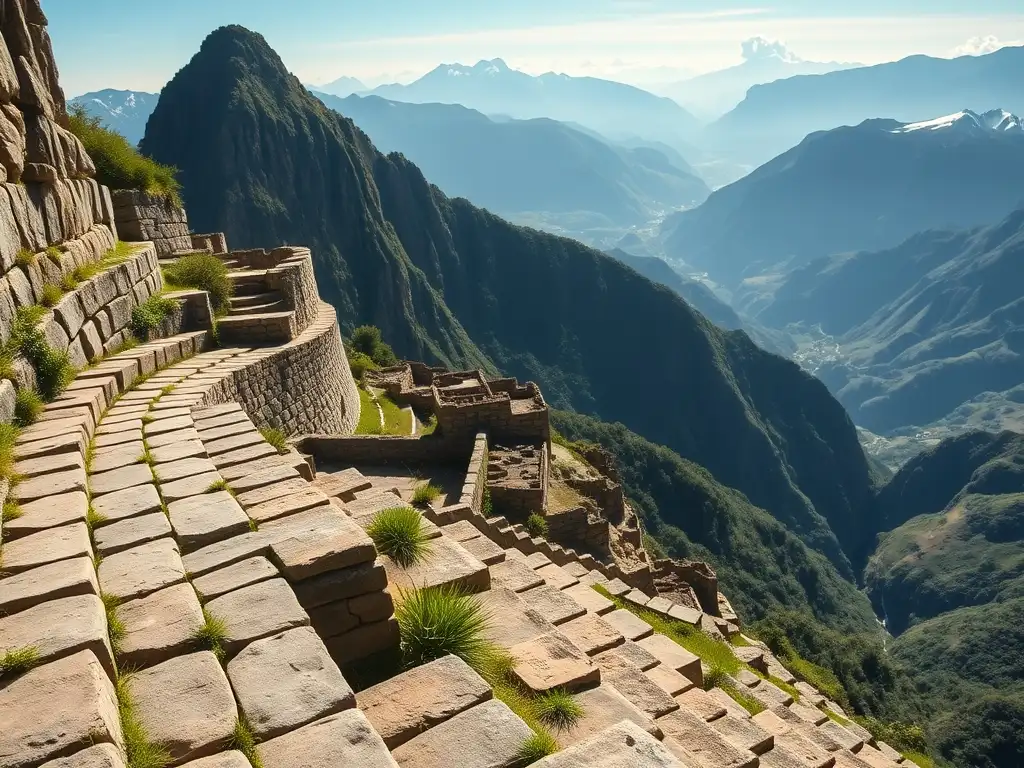
Inca road construction showcased remarkable engineering prowess. Their techniques were adapted to the specific challenges posed by the varied terrain. In mountainous regions, they employed intricate terracing and retaining walls to stabilize slopes and prevent landslides. They skillfully used stone cutting and fitting techniques, creating incredibly durable and stable road surfaces.
The precision of their stonework is astounding; stones were often cut to fit together so tightly that a knife blade couldn't be inserted between them. In areas with less stable ground, they used layers of compacted earth and stone to create a solid foundation. They also understood the importance of drainage, incorporating sophisticated systems of channels and culverts to prevent water damage and erosion.
This prevented the roads from becoming impassable during the rainy season, a critical consideration given the Andean climate. The incorporation of switchbacks and strategically placed resting areas further demonstrates their deep understanding of engineering principles and their concern for the comfort and safety of travelers. The Inca road builders’ ingenuity allowed them to overcome seemingly insurmountable obstacles, creating a road system that stood the test of time.
Materials Used in Inca Highway Construction
The materials used in Inca road construction reflected both the availability of resources and the ingenuity of the builders. Stone, readily available in the Andes, was the primary building material. Different types of stone were used depending on their availability and suitability for the specific construction needs.
Larger, more durable stones were used for foundations and retaining walls, while smaller stones were used for the road surface itself. In areas where stone was scarce, other materials like compacted earth, wood, and even woven grasses were employed. The use of these materials was not arbitrary; the Inca builders carefully selected them based on their strength, durability, and resistance to weathering.
The selection of materials also considered the local environment, minimizing the environmental impact of construction and ensuring the road's integration into the landscape. This careful selection and utilization of materials contributed significantly to the road system’s remarkable longevity and resilience. The use of locally sourced materials also reduced transportation costs and time, further highlighting the efficiency of Inca construction practices.
Organization and Management of the Inca Road System
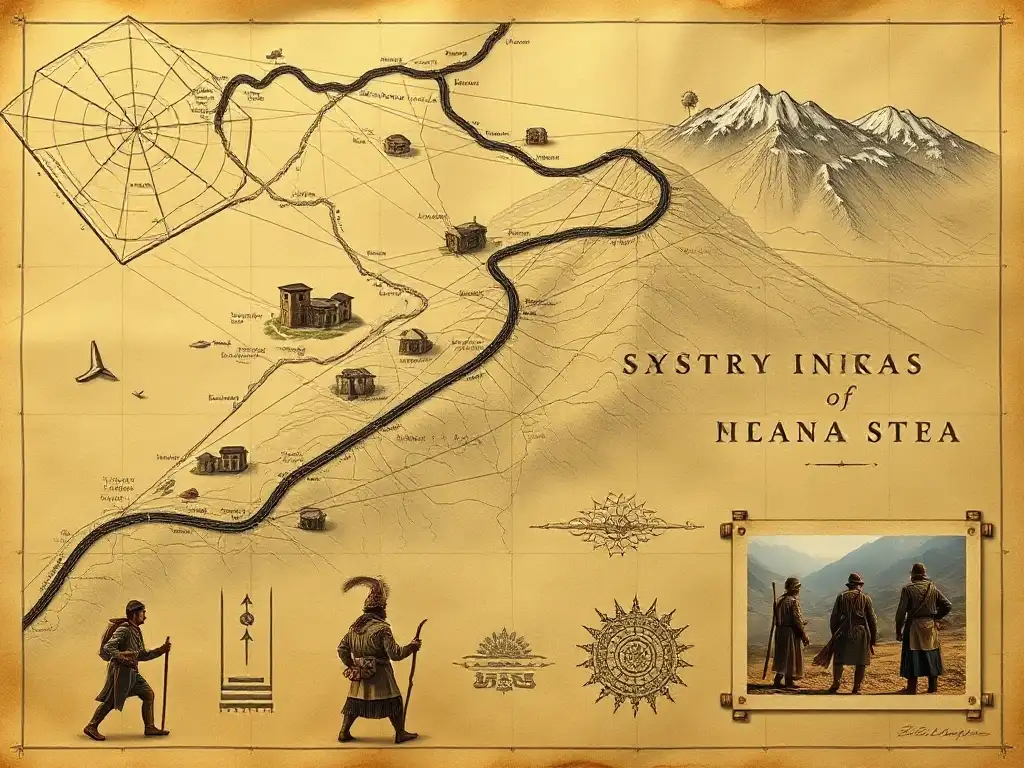
The Inca road system wasn't just a feat of engineering; it was also a testament to exceptional organizational and managerial skills. The vast network, spanning thousands of kilometers, required a highly structured and efficient system of administration and control. The empire was divided into regions, each responsible for the maintenance and upkeep of the roads within its territory. This decentralized approach ensured that repairs and improvements could be carried out efficiently and effectively.
Specialized work crews were assigned to specific sections of the roads, ensuring that regular inspections and maintenance were performed. This system of regional responsibility and specialized labor ensured that the road network was kept in good condition, even across such a vast and diverse geographical area. Regular inspections allowed for quick identification and resolution of issues, minimizing disruptions to travel and trade. This efficient management system was crucial to the functioning of the entire Inca Empire.
Inca Administration and Control of the Roads
The Inca government played a crucial role in overseeing and managing the vast road network. A hierarchical system of officials was responsible for ensuring the proper maintenance and security of the roads. These officials, often appointed from within the local communities, were accountable for the condition of the roads within their jurisdiction. They oversaw the work crews, allocated resources, and reported on any issues or repairs needed.
This system of centralized control, coupled with local responsibility, ensured that the road network was consistently maintained and protected. The system also facilitated efficient communication and the swift movement of goods and troops throughout the empire. The Inca’s ability to effectively manage this massive infrastructure project highlights their sophisticated administrative capabilities and their dedication to maintaining a well-functioning empire. The system’s success demonstrates the power of combining centralized planning with decentralized execution.
The Role of Chaskis in Road Communication
The chaskis, or Inca messengers, were essential to the efficient operation of the road system. They formed a sophisticated communication network that relayed information quickly and effectively across the vast empire. These runners, strategically positioned along the roads at carefully planned intervals, could cover incredible distances in short periods.
The relay system ensured that messages could travel rapidly, even across challenging terrain. The chaskis weren't just runners; they were a vital part of the Inca administrative infrastructure, ensuring the smooth flow of information, which was crucial for governance, trade, and military operations. Their speed and efficiency allowed for rapid responses to crises, the timely mobilization of resources, and the maintenance of control across the empire.
The effectiveness of the chaskis system is a testament to the Inca’s understanding of communication’s importance in maintaining and administering a large and complex empire. Their contribution to the overall efficiency of the Inca road system cannot be overstated.
Maintenance and Repair of the Inca Infrastructure
The Inca road system, a marvel of ancient engineering, wasn't simply built and then left to deteriorate. The Incas understood the importance of ongoing maintenance and repair to ensure the longevity and effectiveness of their vast network. This wasn't a haphazard process; it was a carefully planned and executed system integrated into their societal structure.
Evidence suggests a dedicated workforce was responsible for regular inspections and prompt repairs, ensuring the roads remained in optimal condition for travel and trade. This proactive approach highlights the Incas' sophisticated understanding of infrastructure management, a testament to their advanced civilization. The sheer scale of the road network, spanning thousands of miles across diverse and challenging terrains, underscores the commitment to upkeep.
Regular patrols likely played a key role in identifying areas requiring attention, from minor erosion to more significant damage caused by landslides or floods. Their meticulous approach to maintenance ensured the smooth functioning of their empire's logistical backbone.
Methods for Preserving the Inca Roads
The Incas employed a range of ingenious methods to preserve their roads. One key technique involved the strategic use of locally sourced materials. Stones, carefully chosen for their durability and resistance to weathering, were used extensively in paving and retaining walls.
In areas prone to flooding or erosion, the Incas implemented sophisticated drainage systems, diverting water away from the road surface to prevent damage. This often involved the creation of carefully constructed channels and ditches, showcasing a deep understanding of hydrology. Furthermore, the use of suspension bridges, expertly crafted from natural fibers and wood, demonstrated remarkable adaptability to challenging geographical conditions.
These bridges, often spanning deep gorges, were regularly inspected and repaired to ensure safe passage. The choice of materials and construction techniques was clearly dictated by the specific environmental challenges faced in each region, further illustrating the nuanced approach to road maintenance. The Incas' ingenuity extended to the use of unique binding agents, likely derived from natural sources, to strengthen the road surfaces and enhance their longevity.
The Importance of Labor in Road Upkeep
The maintenance of the Inca road system relied heavily on a well-organized and dedicated workforce. The mita system, a form of obligatory labor, played a crucial role in this endeavor. Communities along the roads were responsible for maintaining sections within their vicinity, contributing their time and skills to ensure the network's continued functionality.
This wasn't simply a matter of forced labor; it was a system that fostered a sense of collective responsibility and civic duty. Specialized workers, likely possessing expertise in stonemasonry, carpentry, and other relevant trades, were also involved in more complex repair tasks. This ensured that repairs were carried out efficiently and effectively, using appropriate techniques and materials.
The effective management of this labor force, spread across such a vast geographical area, speaks to the impressive organizational capabilities of the Inca empire. This highlights not only the scale of the undertaking but also the sophisticated management systems required to coordinate and maintain the Inca road network. The mita system, while demanding, ensured the roads remained vital arteries of the empire.
The Impact of the Inca Road System on Society
The Inca road system transcended its purely infrastructural function; it profoundly impacted Inca society in multifaceted ways. Its influence extended beyond simple transportation, shaping economic activity, political control, and social cohesion. The intricate network of roads served as a crucial facilitator of communication and cultural exchange, connecting disparate communities and fostering a sense of shared identity across the vast empire.
Facilitating Trade and Resource Distribution
The Inca road system was instrumental in facilitating trade and the efficient distribution of resources throughout the empire. The ability to quickly and reliably transport goods, from agricultural produce to manufactured items, fostered economic growth and stability. The roads ensured that essential resources reached even the most remote communities, promoting social equity and reducing the risk of shortages.
This efficient distribution network played a pivotal role in supporting the empire's population and sustaining its economic prosperity. The standardization of measurements and weights, coupled with the reliable transport network, created a predictable and efficient marketplace, contributing significantly to the stability and prosperity of the Inca economy. The system allowed for the movement of goods, resources, and people, fostering economic integration and regional specialization.
The Inca Road Network and Military Control
Beyond its economic benefits, the Inca road system played a vital role in maintaining military control and facilitating rapid troop deployment. The network allowed the Inca army to swiftly respond to threats or quell rebellions, ensuring the integrity and stability of the empire. The roads provided strategic access to key regions and facilitated the movement of troops and supplies, enabling the Inca army to effectively maintain control over its vast territory.
The construction of strategically placed military installations along the roads further strengthened the empire's defensive capabilities, allowing for quick mobilization and response to potential threats. This integrated network of roads and military infrastructure was a crucial element in the Inca's ability to govern their vast and diverse empire effectively. The capacity for rapid troop deployment was a significant factor in the empire's longevity and stability.
The Legacy of the Inca Road System
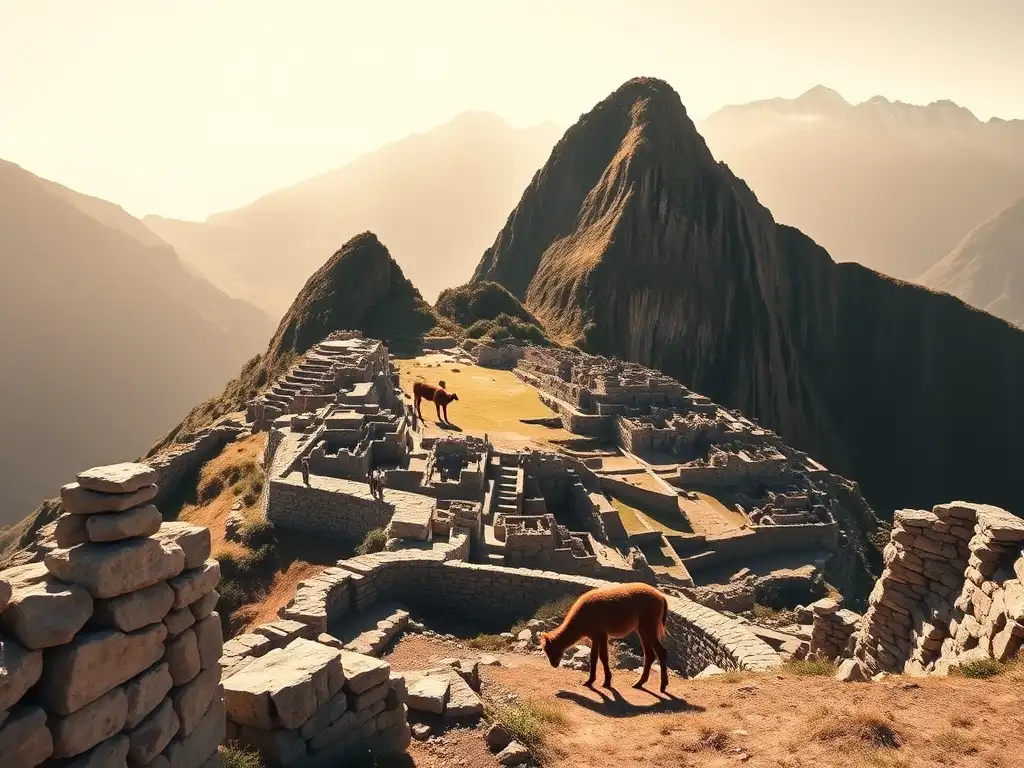
The Inca road system, or Qhapaq Ñan, remains a testament to the advanced engineering and organizational capabilities of the Inca Empire. Spanning thousands of miles across diverse and challenging Andean terrains, this network facilitated communication, trade, and military movements, ultimately contributing significantly to the empire's political and economic stability. Its impact extended far beyond mere transportation; the Qhapaq Ñan fostered cultural exchange and integration across vast distances, connecting disparate communities and unifying the empire under a single administrative structure.
The sheer scale and sophistication of the system continue to inspire awe and admiration, showcasing the Inca's profound understanding of engineering principles, logistics, and resource management. The legacy is not just physical; it's a powerful symbol of human ingenuity and the enduring power of well-planned infrastructure.
Its impact resonates even today, influencing modern approaches to road construction and highlighting the importance of sustainable infrastructure development. The system's enduring influence on Andean culture and identity is also undeniable, with many communities still maintaining a strong connection to the ancient routes and their historical significance.
Preserved Sections of the Qhapaq Ñan
Remarkably, significant portions of the Qhapaq Ñan still exist today, offering invaluable insights into Inca construction techniques and organizational prowess. Sections in Peru, Bolivia, Ecuador, Argentina, and Chile are relatively well-preserved, showcasing the remarkable durability of Inca engineering. These preserved sections often feature meticulously crafted stonework, demonstrating a deep understanding of geology and structural mechanics.
For example, the use of interlocking stones without mortar, a hallmark of Inca construction, ensured stability even in earthquake-prone regions. The careful selection of materials, the strategic placement of drainage systems, and the incorporation of natural features into the road design all contribute to the enduring resilience of these ancient pathways.
These preserved sections are not merely historical artifacts; they are living testaments to the ingenuity of the Inca civilization and serve as important sites for archaeological research and cultural tourism. The careful preservation of these sections is crucial for future generations to appreciate and learn from this incredible achievement.
Modern Studies and Research on the Inca Roads
Ongoing research into the Inca road system provides a continually evolving understanding of its construction, maintenance, and societal impact. Archaeologists, engineers, and historians collaborate to analyze preserved sections, using advanced technologies like LiDAR and GIS mapping to create comprehensive models of the network. These studies reveal nuanced details about the logistical challenges faced by Inca engineers, their innovative solutions, and the intricate organization required to build and maintain such an extensive system.
Research also explores the social and economic implications of the Qhapaq Ñan, examining its role in facilitating trade, communication, and the movement of people and resources across the empire. The integration of multiple disciplines ensures a holistic understanding of this remarkable achievement, shedding light on the Inca's technological expertise and their sophisticated approach to infrastructure management. This ongoing research is not only enriching our historical knowledge but also informing contemporary approaches to infrastructure development and preservation.
Challenges and Future of Inca Road Preservation
Despite its remarkable resilience, the Inca road system faces significant challenges in the 21st century. Preserving this invaluable heritage requires a multifaceted approach that addresses both natural and human-induced threats. The passage of time, coupled with the effects of erosion and weather, pose constant challenges.
Furthermore, unplanned development, agricultural activities, and tourism can all contribute to the degradation of these ancient routes. Balancing the needs of modern society with the imperative to protect this historical treasure requires careful planning and collaboration between governments, local communities, and international organizations. The future of the Qhapaq Ñan hinges on proactive conservation efforts and a commitment to sustainable practices.
Threats to the Inca Road System
Several factors contribute to the deterioration of the Inca road system. Natural processes like erosion and landslides pose ongoing threats, particularly in mountainous regions. Climate change, with its increased frequency of extreme weather events, further exacerbates these risks. Human activities also pose significant challenges.
Illegal construction, agricultural encroachment, and the unsustainable practices of some tourism operators all contribute to the degradation of the Qhapaq Ñan. Furthermore, the lack of awareness and understanding of the historical significance of the roads in some communities can lead to unintentional damage. Addressing these threats requires a comprehensive strategy involving strict regulations, public awareness campaigns, and sustainable development initiatives. The protection of this invaluable heritage requires a concerted effort from all stakeholders.
Conservation Efforts and Community Involvement
Preserving the Inca road system requires a collaborative approach that integrates scientific expertise with community participation. Government agencies, archaeological organizations, and international bodies play a crucial role in funding research, implementing conservation projects, and developing sustainable tourism strategies. However, the success of these efforts hinges on the active involvement of local communities. Many communities live near sections of the Qhapaq Ñan and possess invaluable traditional knowledge about its history and maintenance.
Integrating this local expertise into conservation strategies is essential for ensuring the long-term preservation of the roads. Community-based tourism initiatives, empowering local residents to participate in the protection and promotion of this heritage, can foster both economic development and cultural preservation. The successful preservation of the Qhapaq Ñan is a shared responsibility requiring a collaborative effort between experts and the communities who are its custodians.
Conclusion: The Enduring Example of Inca Road System Management
The Inca road system stands as a remarkable testament to the ingenuity and organizational prowess of the Inca civilization. Its sophisticated design, encompassing diverse terrains and climates, showcases a deep understanding of engineering principles and a commitment to efficient resource management. The system's longevity, evidenced by surviving sections even today, speaks volumes about the quality of construction and the effectiveness of the maintenance strategies employed. The Inca's ability to connect vast stretches of their empire, facilitating trade, communication, and military movement, was crucial to their political and economic success.
This achievement wasn't simply a feat of engineering; it represented a complex interplay of skilled labor, meticulous planning, and a highly centralized administrative structure. The Inca's approach to road system management serves as a compelling case study for modern infrastructure projects, highlighting the importance of long-term planning, sustainable materials, and efficient maintenance protocols. The lessons learned from studying the Inca road system are invaluable, offering insights into how to build and maintain robust and enduring infrastructure, even in challenging environments. Their success underscores the crucial relationship between effective governance, skilled workforce, and robust infrastructure in creating a thriving and interconnected society.
Analyzing their methods provides a valuable framework for addressing contemporary challenges in infrastructure development and management worldwide. The Inca highway system, therefore, continues to inspire and educate, proving its enduring legacy extends far beyond its physical remains. It exemplifies the powerful synergy between efficient planning, skilled execution, and a well-organized administrative system, leaving behind a lasting impression on our understanding of ancient infrastructure and its relevance to modern society. The study of Inca road system management offers a timeless lesson in sustainable infrastructure development and effective governance.
- Introduction to the Inca Road Network
- The Qhapaq Ñan: Scope and Significance
- Planning and Construction of the Inca Roads
- Organization and Management of the Inca Road System
- Maintenance and Repair of the Inca Infrastructure
- The Impact of the Inca Road System on Society
- The Legacy of the Inca Road System
- Challenges and Future of Inca Road Preservation
- Conclusion: The Enduring Example of Inca Road System Management
Frequently Asked Questions
How extensive was the Inca road system?
The Inca road system, or Qhapaq Ñan, was incredibly extensive, spanning over 25,000 miles across the Andes Mountains. It connected the vast Inca empire, facilitating communication and trade.
What materials were used to build the Inca roads?
Inca roads were constructed using a variety of materials, including stone, earth, and wood, adapted to the diverse terrain. The roads were remarkably durable and well-engineered for their time.
How did the Inca manage such a vast road network?
The Inca managed their road system through a sophisticated system of relay runners (chasquis) for communication and highly organized labor forces for maintenance and construction. Tambo (roadside stations) provided lodging and supplies.
What was the purpose of the Inca road system beyond transportation?
Beyond transportation of goods and people, the Inca road system served strategic military purposes, facilitated religious pilgrimages, and helped strengthen political control across their empire.
How did the Inca road system impact the development of their civilization?
The Inca road system was crucial for the growth and stability of the Inca Empire. It enabled efficient communication, trade, and the movement of resources, contributing significantly to their economic and political power.
Final Reflection: Echoes of the Inca Road: Lessons in Sustainable Infrastructure
The Inca road system, a marvel of ancient engineering, offers invaluable lessons for contemporary infrastructure management, reminding us that sustainable practices are not a modern invention but a testament to human ingenuity across millennia. Its sophisticated design, incorporating environmental considerations and community engagement, stands in stark contrast to many of today's unsustainable approaches, highlighting the urgent need for a paradigm shift in how we build and maintain our own networks.
The enduring legacy of the Inca road system extends far beyond its physical remains; it speaks to a deeper understanding of community, resource management, and the importance of integrating infrastructure with the natural environment. The Inca's approach, prioritizing accessibility and connectivity for all members of society, resonates deeply with modern discussions of equitable development. The road is not merely a path, but a living artery connecting people and places, reflecting the values and priorities of a society.
This quote, though not directly from an Inca source, encapsulates the spirit of their approach, a spirit we would do well to emulate.
Consider the implications of the Inca's approach for your own life. How can you apply principles of sustainable design and community engagement to your own projects, big or small? Perhaps it's advocating for more environmentally conscious construction in your neighborhood, or simply choosing to support businesses that prioritize ethical and sustainable practices. The Inca road system is more than just a historical curiosity; it's a blueprint for a more equitable and sustainable future. Let its legacy inspire you to build a better world, one road, one project, one decision at a time.
Explore the Wonders of Ancient Infrastructure!
Thank you for exploring the fascinating world of the Inca road system! You've gained valuable insights into how this remarkable infrastructure shaped society and communication in ancient Andean civilizations. Now, let's delve deeper into this incredible legacy.
Here are a few ways you can continue your exploration:
- Expand your knowledge: Visit a local museum or watch documentaries to learn more about Inca history and engineering.
- Share your discoveries: Discuss the marvels of ancient engineering with friends and family, sparking conversations about the ingenuity of past civilizations.
- Connect with fellow enthusiasts: Join online communities dedicated to Andean history and culture, or participate in local events celebrating Andean heritage.
What aspect of the Inca road system most captivates you, and how can its design principles inform modern infrastructure projects?