
The Connection Between Andean Art and Water Management

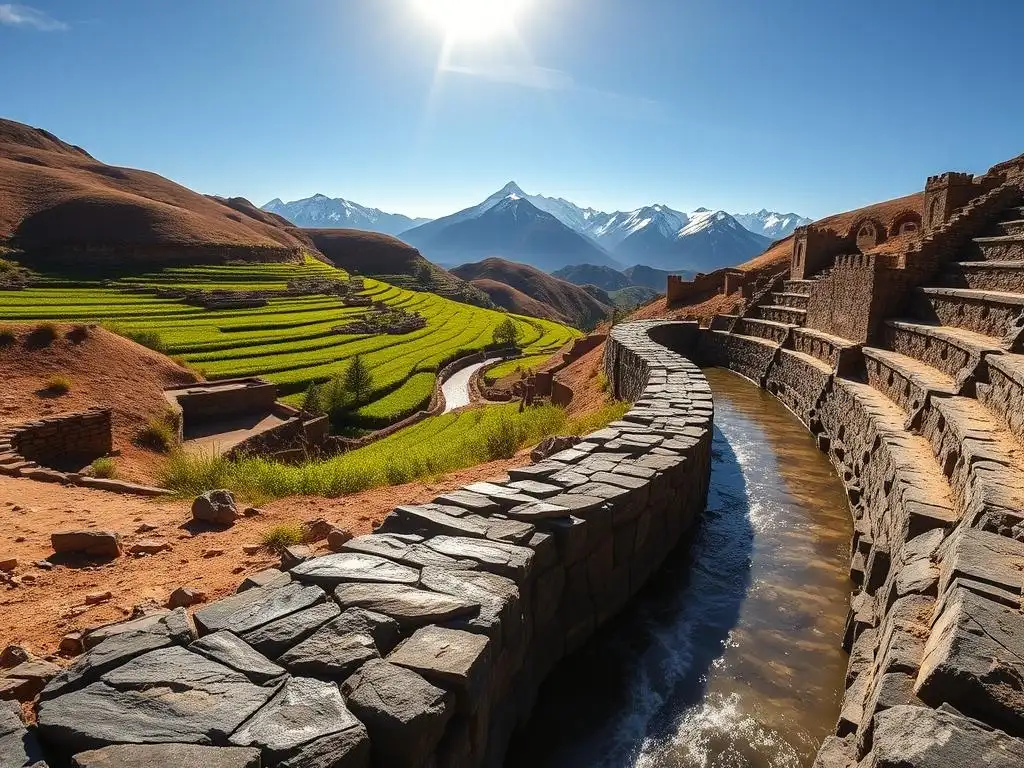
Unravel the mysteries of the Andes! Prepare to be amazed by the ingenuity of ancient civilizations who sculpted not only breathtaking art, but also remarkable feats of engineering. Their mastery of Andean water management art is a testament to their profound understanding of their environment – a story waiting to be discovered. Journey with us to explore the intricate connection between their artistic expression and their sophisticated water systems. How did they achieve such remarkable feats? Read on to uncover the secrets.
The Andes Mountains, a spine of towering peaks running down the western coast of South America, presented a unique challenge and opportunity to its inhabitants: the scarcity of readily available water. This article explores the fascinating interplay between Andean art and the ingenious water management systems developed by ancient civilizations like the Inca, Nazca, and Moche.
We'll delve into how their artistic expressions not only reflected their deep reverence for water but also served as a powerful record of their sophisticated hydrological engineering feats. Understanding this connection provides crucial insight into the ingenuity, resilience, and profound spiritual connection these cultures held with their environment, showcasing how their artistic representations directly correlate with and illuminate their advanced understanding of Andean water management.
The analysis will focus on the ways in which artistic motifs, styles, and techniques reflect the importance of water in their daily lives, religious beliefs, and societal structures, ultimately demonstrating that Andean water management art wasn't merely decorative but a fundamental aspect of their cultural identity and survival. This exploration of "Andean water management art" will reveal a complex and deeply intertwined relationship between artistic expression and practical necessity.
The Significance of Water in Andean Cultures
Water, in the Andean worldview, transcended its purely utilitarian function. It wasn't simply a resource; it was a life-giving force, a sacred element deeply woven into their cosmology and religious beliefs. Many Andean cultures viewed water as a deity, a powerful spirit deserving of respect and reverence. This spiritual significance is reflected in numerous aspects of their lives, from agricultural practices to artistic representations.
For example, the Inca believed that water was directly connected to the apus, the mountain spirits who were considered guardians and protectors of their communities. Maintaining a harmonious relationship with the apus was crucial for ensuring the abundance of water necessary for survival and prosperity. This belief system directly influenced the design and construction of their sophisticated irrigation systems. The intricate network of canals, aqueducts, and reservoirs wasn't just a technological marvel, but a ritualistic act aimed at appeasing the apus and ensuring the continuous flow of life-giving water.
The meticulous care taken in maintaining these systems further underscores the profound spiritual importance attached to water in Andean cultures. Failure to maintain the water systems was not merely a technical problem, but a spiritual transgression. Moreover, the abundance or scarcity of water often dictated the success or failure of agricultural cycles, deeply influencing their social structures and overall prosperity. This intricate interplay between spiritual belief and practical necessity formed the foundation of their water management practices and artistic expressions.
Visual Representations of Water in Ancient Andean Art
Andean art is replete with visual representations of water, reflecting its crucial role in their lives and beliefs. From intricate pottery depicting stylized water sources to monumental structures aligned with hydrological features, the imagery of water is ubiquitous. The Moche culture, known for its exquisite ceramics, often depicted scenes of irrigation canals and water rituals. These representations weren't merely decorative; they often served a narrative purpose, illustrating myths, legends, and the importance of water in their society.
For instance, depictions of rain deities or water spirits are common, emphasizing the sacred nature of water and the power it held. Similarly, Nazca lines, though their exact purpose remains debated, may also have been related to water management or astronomical observations linked to rainfall patterns. The precise alignment of some lines with water sources suggests a possible connection to water rituals or the monitoring of water flow. Inca textiles, often featuring intricate designs of flowing water and stylized mountain landscapes, further demonstrate the importance of water in their daily lives and spiritual beliefs.
These intricate patterns weren't merely aesthetic; they often represented the interconnectedness of water, land, and the spiritual world. The meticulous detail and symbolic representation found in Andean art, whether it's ceramics, textiles, or monumental architecture, offer a unique window into their sophisticated understanding of water management and their deep-seated reverence for this life-giving resource. The study of these artistic expressions provides invaluable insights into the holistic approach these ancient cultures took towards water, integrating it seamlessly into their religious beliefs, social structures, and daily practices.
Andean Water Management Techniques and Their Artistic Depiction
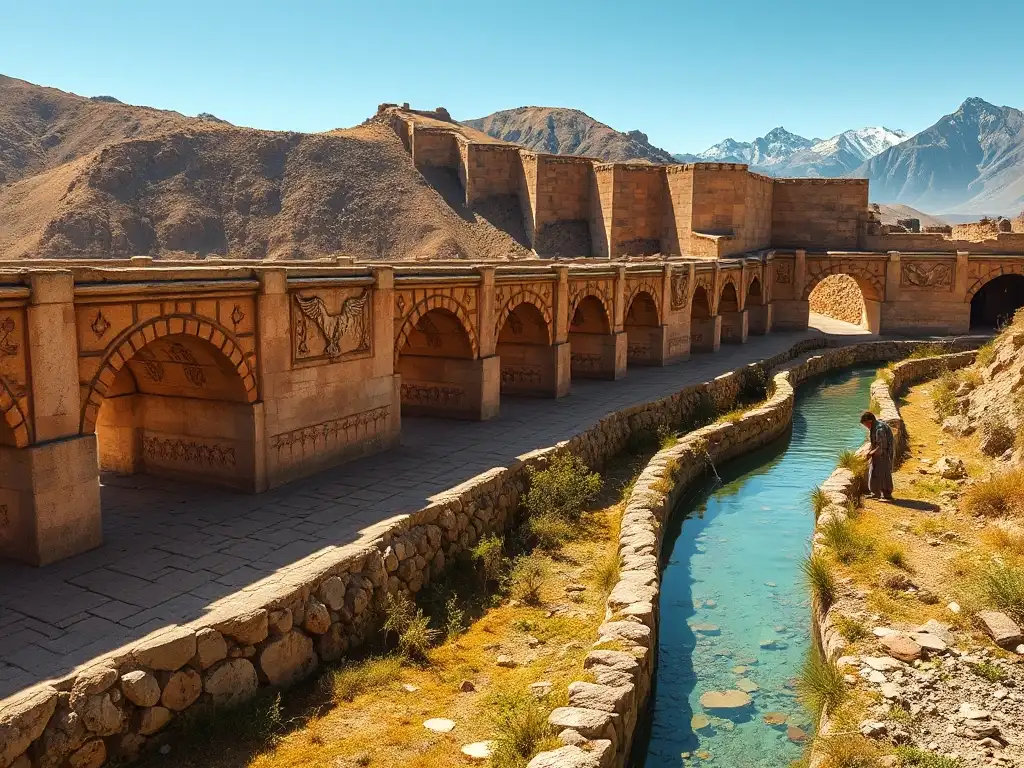
The ingenuity of Andean civilizations in harnessing water resources is profoundly reflected in their art. This section explores the intricate connection between their advanced water management systems and the artistic expressions that immortalized these achievements. The sophisticated techniques employed, from terracing to aqueducts, weren't merely functional; they were deeply embedded in the cultural and spiritual fabric of these societies, finding expression in diverse artistic forms including ceramics, textiles, and stone carvings.
Analyzing this artistic legacy provides invaluable insights into the societal importance and technical complexity of Andean water management. The term "Andean water management art" encapsulates this powerful interplay between practical necessity and aesthetic expression.
Terracing and its Artistic Representation in Moche Ceramics
Moche artisans, renowned for their mastery of ceramic art, frequently depicted agricultural landscapes, vividly showcasing their sophisticated terracing techniques. These terraces, carved into steep hillsides, dramatically increased arable land and optimized water retention. The artistry isn't merely a realistic portrayal; it's a celebration of human ingenuity triumphing over challenging terrain.
Moche pottery frequently features scenes of terraced fields, meticulously rendered with vibrant colors and detailed depictions of agricultural activities. For instance, numerous examples show farmers tending crops on meticulously constructed terraces, often accompanied by irrigation channels carefully guiding water to the plants. The precision of these depictions suggests a deep understanding and appreciation of the engineering feats involved in creating and maintaining these systems.
The depiction of terraced fields wasn't just decorative; it likely served a ritualistic purpose, reinforcing the societal importance of successful water management and bountiful harvests. The vibrant colors and intricate details in these ceramics highlight the pride and reverence associated with the agricultural achievements of the Moche people.
Irrigation Canals: Engineering Marvels and Artistic Motifs
The construction of extensive irrigation canal networks was crucial to the success of Andean agriculture. These canals, often stretching for kilometers, required meticulous planning, surveying, and labor. Their artistic representation highlights not only the engineering prowess but also the social organization and collaborative effort needed for their creation and maintenance.
While less directly depicted than terracing, the importance of canals is subtly woven into many artistic expressions. For example, some Nazca textiles show stylized representations of flowing water, potentially symbolizing the life-giving canals that crisscrossed their arid landscape. Moreover, the motifs frequently found on Moche pottery, such as stylized depictions of flowing water and aquatic creatures, could represent the life-sustaining canals and their associated ecosystems.
Further research is needed to definitively link specific artistic motifs to canal systems, but the indirect representation of water as a vital resource is undeniable. The consistent presence of water-related imagery in Andean art underscores the profound importance of irrigation canals to their societies. This indirect representation reflects a deeper cultural understanding where the canals were not just engineering marvels but integral to their worldview.
Aqueducts as Symbols of Water Control in Nazca Art
The Nazca people, famous for their enigmatic geoglyphs, also possessed remarkable water management skills. Their aqueducts, known as puquios, were subterranean channels that tapped into underground water sources, bringing life to their arid environment. These sophisticated systems were not only functional, but also powerful symbols of human mastery over nature.
While there's limited direct artistic representation of the puquios themselves due to their subterranean nature, the cultural significance of controlled water access is evident in Nazca art. The stylized depictions of flowing water in textiles and ceramics could represent the life-giving puquios, subtly conveying their importance without explicit depiction. The prevalence of water-related motifs in Nazca art reinforces the significance of water management, underscoring the puquios' crucial role in their survival and prosperity.
The ingenuity of the puquios system, although not directly pictured in detailed artwork, is implicitly celebrated through the recurring artistic representations of the precious resource they provided. Further research into Nazca iconography may reveal more direct links between their art and these remarkable subterranean aqueducts. The subtle yet pervasive presence of water imagery suggests a powerful connection between their advanced water technology and their artistic expression.
The Role of Andean Art in Understanding Water Management Systems
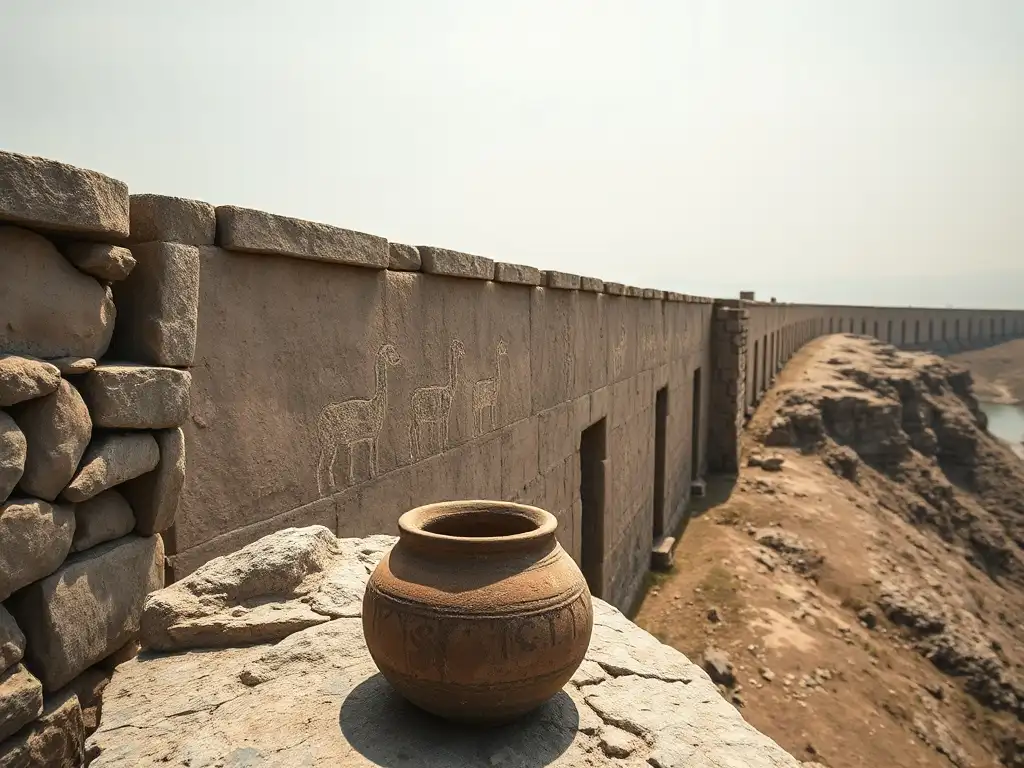
Andean art, far from being merely aesthetic creations, serves as a crucial window into the sophisticated water management systems of ancient Andean civilizations. By studying the iconography, artistic styles, and even the materials used in these artworks, we gain invaluable insights into the societal importance, technological prowess, and spiritual beliefs surrounding water control in these cultures. This section delves into specific examples, highlighting how artistic expression directly reflects and illuminates the complexities of Andean water management.
The analysis of "Andean water management art" reveals a deep connection between artistic representation and the practical realities of life in the Andes. The interplay between artistry and engineering is a testament to the integrated worldview of these societies.
The iconography of Andean art frequently features deities and rituals associated with water. These depictions aren't merely decorative; they offer clues to the societal importance placed on water resources. For example, the Moche culture, renowned for its intricate pottery, frequently portrayed water deities in scenes of both abundance and scarcity.
These representations often included stylized depictions of canals, reservoirs, and even the act of irrigation itself, emphasizing the vital role of water in their agricultural practices and daily lives. The symbolism surrounding these deities reveals a complex interplay of reverence, dependence, and perhaps even a degree of anxiety related to water availability.
Analyzing the postures, attributes, and accompanying symbols allows researchers to interpret the cultural significance of water management within the Moche worldview. Further research into similar iconography from other Andean cultures, such as the Nazca and Tiwanaku, would reveal a broader understanding of the pan-Andean perception of water and its governance.
The careful study of these artistic expressions offers a unique perspective on how these societies understood and interacted with their environment. For instance, the presence of specific symbols associated with rain, floods, or droughts alongside depictions of water deities suggests a sophisticated understanding of hydrological cycles and their impact on societal well-being. This understanding, expressed through art, provides valuable context for understanding the technological advancements in their irrigation systems.
Analyzing Artistic Styles to Interpret Water Management Practices
The artistic styles themselves can also reveal details about water management practices. For example, the highly realistic depictions of canals and irrigation systems found in Nazca pottery provide detailed information about the construction techniques and the scale of their engineering projects. The precision with which these systems are rendered suggests not only a high level of artistic skill but also a deep understanding of the engineering principles involved. Similarly, the intricate designs found in Paracas textiles, often depicting scenes of agricultural labor and water management, provide insights into the organization and labor involved in maintaining these complex systems.
Moreover, the materials used in certain artworks can provide additional clues. For example, the use of specific pigments in pottery or textiles might reflect the availability of certain resources, suggesting the location of specific water sources or the types of materials used in canal construction. The analysis of these materials, combined with the iconography and artistic styles, offers a multi-faceted approach to understanding the complex relationship between Andean art and water management. Further research could focus on comparing artistic styles across different Andean cultures to identify regional variations in water management techniques and beliefs.
The Paracas Textile Depicting an Irrigation Scene
One particularly striking example is a Paracas textile, currently housed in [museum name pending], that depicts a detailed scene of an irrigation system. The textile showcases a network of canals, meticulously rendered, leading from a mountain source to agricultural fields. Figures are shown working within the system, likely representing farmers or engineers involved in its maintenance.
The vibrant colors and intricate weaving technique highlight the importance of this system to the Paracas culture. The level of detail in this textile allows for a remarkable reconstruction of their irrigation practices, providing insights into the scale and complexity of their engineering feats, which are often underrepresented in other forms of documentation. The precision of the depiction suggests a deep understanding of the hydrological and agricultural processes.
This single artifact serves as powerful evidence of the interwoven relationship between Andean art and its practical application in water management, offering a tangible connection between artistic expression and technological innovation. Further investigation into similar textiles could reveal a more comprehensive picture of irrigation practices across various Andean societies.
This detailed analysis of Andean art illuminates the crucial role it plays in our understanding of Andean water management. The integration of artistic expression with practical engineering showcases the sophisticated and holistic approach these civilizations took toward harnessing and managing their water resources. The careful study of Andean water management art continues to yield important insights into their cultural beliefs, technological achievements, and the enduring legacy of their ingenuity.
The Intertwined Relationship Between Andean Art and Water
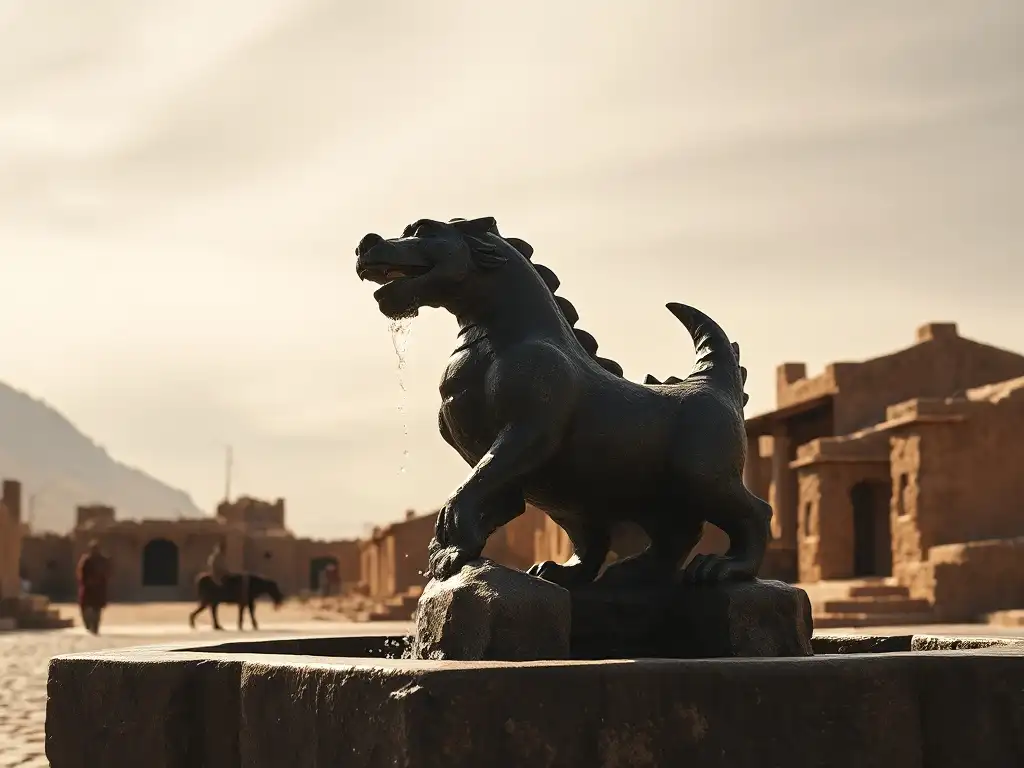
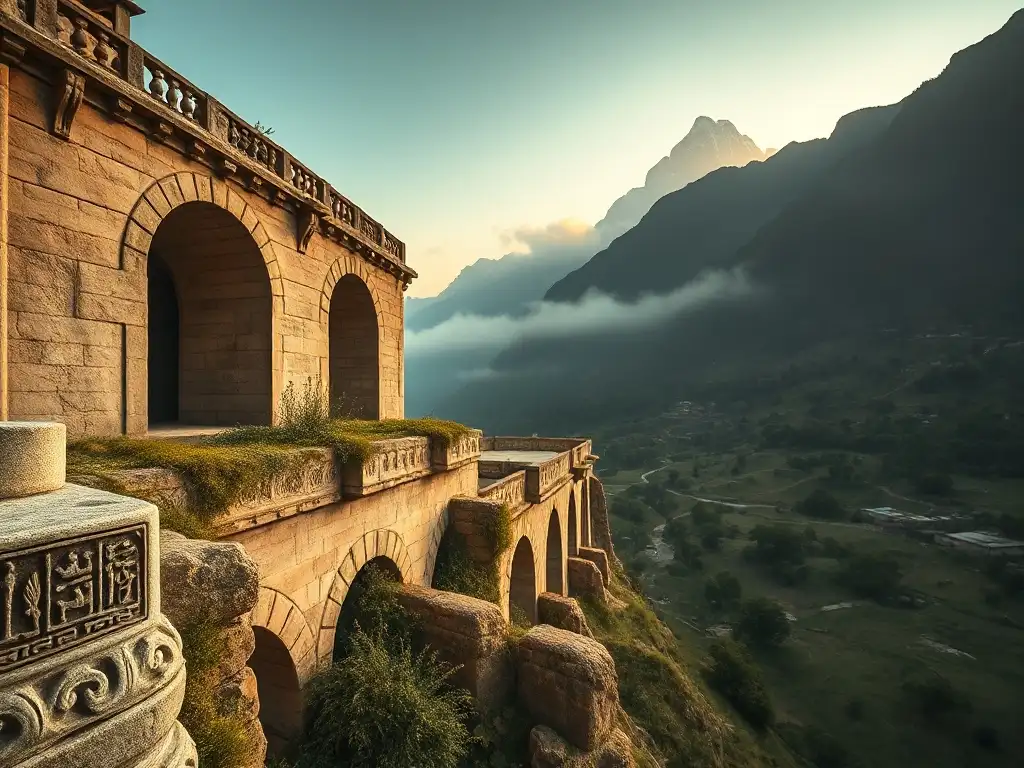
The Andean civilizations, renowned for their sophisticated engineering feats, ingeniously integrated their understanding of water management into their art. This wasn't merely decorative; the artistic representations served as a powerful testament to the vital role water played in their daily lives, religious beliefs, and social structures. Analyzing Andean art provides invaluable insight into their complex water management systems and reveals a deep-seated reverence for this life-giving resource.
The intricate designs found on pottery, textiles, and monumental architecture often depict canals, aqueducts, and other water-related elements, showcasing not just technical prowess but also a profound spiritual connection with water. This section will delve into specific examples to illuminate this interwoven relationship between Andean water management and artistic expression, exploring how art acted as a powerful medium for transmitting knowledge, beliefs, and cultural values related to water.
Understanding this connection allows us to appreciate the holistic nature of Andean civilization and their unique approach to resource management. The term "Andean water management art" itself encapsulates this unique blend of practicality and artistry, a characteristic that sets these civilizations apart.
How Art Reflected the Importance of Water for Andean Societies
Water was far more than a mere resource for the Andean people; it was a sacred element intrinsically linked to their worldview and survival. Their art consistently reflects this profound reverence. For instance, the intricate designs on Nazca pottery frequently depict stylized representations of rivers, canals, and even subterranean water sources.
These weren't random decorations; they were symbolic representations of the life-giving force of water, its connection to fertility, and its importance in sustaining agricultural production. Similarly, Moche ceramics often depict scenes of elaborate irrigation works, highlighting the skill and labor involved in constructing and maintaining these vital systems. The detailed depictions, showing both the human effort and the resulting abundance, emphasize the societal value placed on water management.
Furthermore, the textiles of various Andean cultures showcase intricate patterns inspired by water's flow and the morphology of rivers and landscapes, further demonstrating the pervasive influence of water on their artistic sensibilities. The vibrant colors and symbolic imagery often associated with water in Andean art also underline its spiritual significance, connecting it to deities and cosmic forces.
The Artistic Expression of Andean Water Management Knowledge
Andean art didn't merely reflect the importance of water; it also served as a crucial mechanism for transmitting knowledge about water management techniques across generations. The precise depictions of irrigation canals, terraces, and other water infrastructure found in various art forms acted as visual manuals, illustrating the principles of hydraulic engineering. The detailed representations of water control structures, such as weirs and spillways, found on pottery and textiles, provided valuable information about their design and functionality.
This knowledge transfer through artistic means ensured the continuity of sophisticated water management practices, even in the absence of written records. The stylistic conventions employed in depicting water-related elements likely also conveyed specific technical information or cultural beliefs about water management.
For example, certain patterns or symbols might have indicated the type of irrigation system used, the water source, or the ritual practices associated with water control. Further research into the iconography and symbolism employed in Andean water-related art is needed to fully decode this embedded knowledge.
Case Study: The Inca Civilization and its Water Art
The Inca civilization provides a compelling case study of the interconnectedness between art and water management. Their mastery of hydraulic engineering, particularly evident in their sophisticated irrigation systems, is well-documented. However, Inca art also provides crucial insights into their approach to water management. The intricate stonework of their aqueducts and canals, often meticulously crafted and integrated into the landscape, served not only a functional purpose but also a decorative one.
The precision and artistry of the stonework itself can be considered a form of art, reflecting the Inca's reverence for both water and their own engineering skills. Moreover, the use of specific motifs and symbols in Inca textiles and pottery related to water further reinforced the cultural significance of water management. For example, representations of water deities or symbolic depictions of water sources likely served to sanctify and legitimize the Inca's control over water resources.
Analyzing Inca art alongside archaeological evidence of their water management systems allows for a more comprehensive understanding of their holistic approach to this crucial resource. The Inca example underscores how artistic expression and technological innovation were not mutually exclusive but rather intertwined aspects of their sophisticated civilization. Detailed studies comparing the artistic representations with the actual constructions are needed to further illuminate this fascinating relationship.
Legacy of Andean Water Management Art
The intricate relationship between Andean art and water management is a testament to the ingenuity and artistry of ancient civilizations. Their sophisticated irrigation systems weren't merely functional; they were imbued with aesthetic and symbolic meaning, reflecting a deep-seated reverence for water and its life-giving properties. This section explores the enduring legacy of this unique blend of practicality and artistry, demonstrating how Andean water management techniques were not only effective but also beautifully expressed through diverse artistic mediums.
Understanding this connection offers crucial insights into the worldview and societal structures of these remarkable cultures. The term "Andean water management art" itself encapsulates this profound intertwining.
Enduring Influence of Andean Water Art on Modern Practices
The artistry of Andean water management continues to resonate today. While modern irrigation techniques have advanced significantly, the fundamental principles of water conservation and efficient distribution, pioneered by Andean cultures, remain highly relevant. For instance, the terraced farming techniques—a masterpiece of Andean water management art—are still employed in various parts of the world, adapting to diverse terrains and climates.
These terraces, often depicted in pottery and textiles, are not merely functional; they are also visually striking, showcasing the aesthetic sensibility integrated into their design. The precise channeling of water, the careful consideration of slope and sunlight, and the integration of the system into the landscape, all speak to a sophisticated understanding of both engineering and art.
This legacy is evident in modern sustainable agriculture practices that emphasize water conservation and efficient land use, drawing inspiration from the ingenuity of ancient Andean civilizations. The artistic expression of these techniques, preserved through archaeological finds and artistic representations, serves as a powerful reminder of the enduring value of their innovations.
Preserving the Artistic Heritage of Andean Water Engineering
The preservation of the artistic heritage associated with Andean water engineering is paramount. Many sites, such as the intricate canal systems of the Nazca culture or the impressive terraces of the Inca Empire, are vulnerable to erosion, looting, and the impacts of climate change. Efforts to conserve these sites involve not only archaeological excavation and restoration but also the documentation of the artistic aspects of these systems.
High-resolution photography, 3D modeling, and detailed surveys are crucial for recording the unique artistry embedded within these ancient water management systems. Furthermore, educational initiatives are vital in raising awareness about the significance of this heritage and fostering a sense of responsibility towards its preservation.
This includes community engagement programs that involve local populations in the protection and interpretation of these sites, ensuring that the artistic and cultural legacy of Andean water management art is passed down to future generations. This multi-faceted approach, combining scientific rigor with cultural sensitivity, is essential for ensuring the long-term survival of this invaluable heritage.
Future Research and Conservation Efforts
Future research on Andean water management art should focus on several key areas. Firstly, further archaeological investigations are needed to uncover more details about the construction techniques, artistic motifs, and symbolic meanings associated with these systems. Advanced technologies, such as geophysical surveys and remote sensing, can play a crucial role in identifying previously unknown sites and uncovering hidden aspects of existing ones.
Secondly, interdisciplinary research involving archaeologists, anthropologists, engineers, and art historians is essential to gain a comprehensive understanding of the interplay between art, technology, and society in ancient Andean cultures. This collaborative approach can lead to more nuanced interpretations of the artistic and functional aspects of Andean water management. Finally, strengthening conservation efforts requires a multi-pronged strategy involving government agencies, non-governmental organizations, and local communities.
This includes developing sustainable tourism strategies that protect these sites while providing economic benefits to local populations. The preservation of Andean water management art is not merely an act of historical preservation; it is a commitment to safeguarding a legacy of ingenuity, artistry, and sustainable practices that continue to inspire and inform contemporary societies. The continued exploration of "Andean water management art" promises to yield further valuable insights into the remarkable achievements of these ancient cultures.
Frequently Asked Questions
How did Andean civilizations manage water?
Andean civilizations developed sophisticated water management systems, including canals, aqueducts, and reservoirs, to irrigate crops and supply water to urban centers. Their ingenuity allowed them to thrive in diverse and sometimes challenging environments.
What role did art play in Andean water management?
Art served as a visual representation of the importance of water. Depictions of water deities, canals, and agricultural scenes in pottery, textiles, and stone carvings emphasize its crucial role in their society and cosmology.
Are there specific examples of art reflecting Andean water management?
Yes, many examples exist! Nazca lines, though their purpose is debated, might relate to water sources, while Moche pottery frequently depicts irrigation scenes and water rituals. Inca architecture also showcased integrated water features.
How did the understanding of water influence Andean art?
The reverence for water as a life-giving force deeply influenced Andean art. Water is frequently depicted as a sacred element, connected to deities and the cycles of life and death, reflecting its vital role in their worldview.
What can we learn from Andean water management art today?
Studying Andean art provides insights into their advanced engineering skills and spiritual beliefs. It also offers valuable lessons in sustainable resource management and the interconnectedness of culture, nature, and technology, relevant to modern challenges.
Final Reflection: The Enduring Legacy of Andean Water Wisdom
The ingenious water management systems of the Andes, reflected in their vibrant art, remain a powerful testament to human ingenuity and a crucial lesson for our water-stressed future. These ancient techniques, far from being relics of the past, offer vital insights into sustainable resource management in a world grappling with climate change and increasing water scarcity. The intricate interplay between art and engineering, as explored throughout this article, highlights a holistic approach to living in harmony with nature – a perspective desperately needed today.
The enduring influence of Andean water wisdom extends far beyond the archaeological sites and museum displays. It speaks to a deep-seated cultural understanding of the vital role water plays in sustaining life and community. This understanding, woven into the very fabric of Andean society for millennia, continues to resonate, prompting renewed interest in traditional practices and their potential to inform modern solutions. Water is life, and without it, there is no future.
This simple truth, understood intuitively by Andean cultures, serves as a powerful reminder of our responsibility to protect and manage this precious resource responsibly.
Consider the intricate details of the canal systems, the symbolic representations of water deities in pottery, the precise agricultural terraces carved into the mountainsides. These are not merely aesthetic achievements; they are tangible expressions of a profound connection between humans and their environment. You, the reader, are now invited to reflect on this legacy.
How can we, in our own lives and communities, embrace a more holistic and sustainable approach to water management, drawing inspiration from the enduring wisdom of the Andes? Let the art inspire action, and let the legacy of Andean water management guide us towards a more water-secure future.
Unveil the Secrets of Andean Art and Water Management!
Thank you for exploring the fascinating connection between Andean art and water management. Your interest in this unique perspective enriches your understanding of how culture and sustainability are deeply intertwined. Now, let's explore how you can make a difference.
Here's how you can get involved:
- Start a community conversation about the importance of preserving cultural water management practices. Share your newfound knowledge of the Andean approach!
- Seek out local resources or organizations dedicated to sustainable water practices—your participation can make a significant impact.
- Join online discussions or social media groups focused on Andean cultures. Share this article and spark conversations about the relationship between art and environmental stewardship.
Consider how art influences our perception of sustainability within your own culture. Share your thoughts below!