
A Blueprint in the Sand: How Nazca Engineers Planned Their Geoglyphs

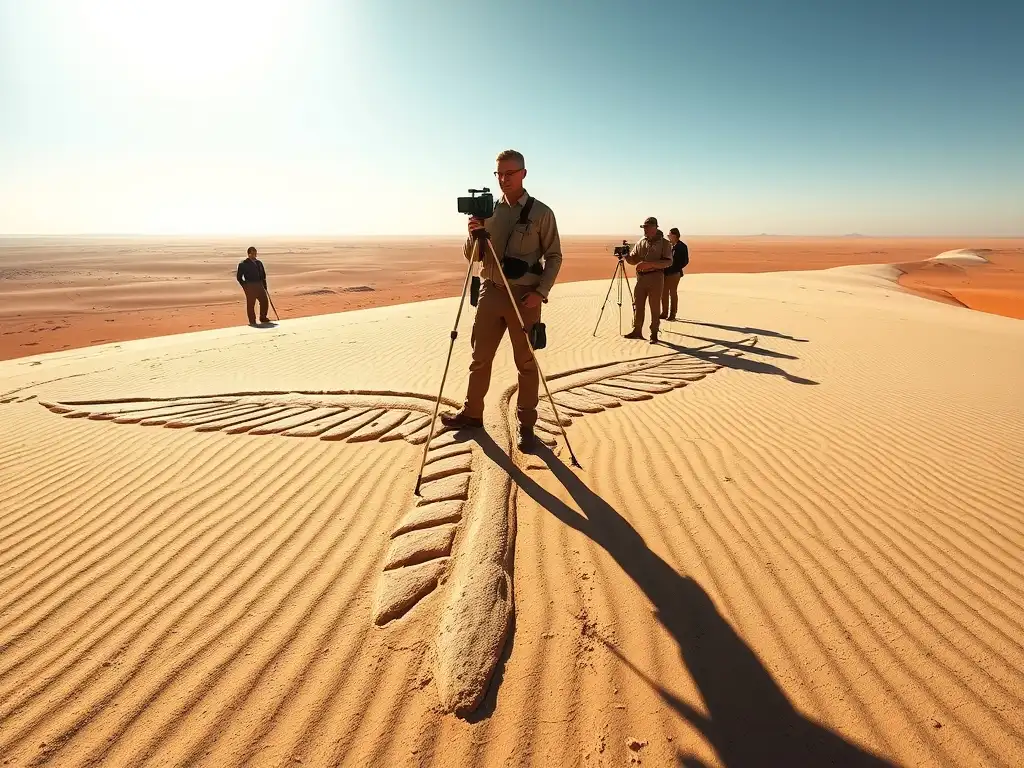
Welcome to Andean Civilizations, where the echoes of a lost world whisper tales of ingenuity and artistry. Prepare to be captivated by the breathtaking achievements of ancient Andean cultures – from the Incas to the Nazca. But first, let's unravel one of history's greatest mysteries: how did the Nazca people engineer their colossal geoglyphs? Discover the fascinating engineering techniques behind these enigmatic desert masterpieces and embark on a journey through the ingenuity of a civilization that continues to astound us. Explore the secrets of the Nazca geoglyphs engineering techniques and prepare to be amazed.
The Nazca Lines of southern Peru remain one of archaeology's most enduring mysteries. These colossal geoglyphs, etched into the desert surface, depict a bewildering array of animals, plants, geometric shapes, and lines stretching for miles. For centuries, their purpose and creation have captivated researchers and fueled countless theories.
This article delves into the ingenious engineering techniques employed by the Nazca culture to plan and execute these monumental works, exploring the evidence that suggests a level of sophisticated planning far beyond what was previously assumed. We will examine the scale of this undertaking, the potential tools and methods used, and the enduring legacy of these remarkable creations, ultimately aiming to shed light on the "Nazca geoglyphs engineering techniques" used by this fascinating civilization. Understanding their construction provides crucial insights into the Nazca worldview, their societal organization, and their remarkable mastery of their environment.
Introduction to Nazca Geoglyphs and Their Enigmatic Creation
The Nazca geoglyphs, sprawling across the arid Pampa Colorada, are not simply random scratches in the earth. They are meticulously crafted designs, some measuring hundreds of meters in length. These figures, etched into the reddish-brown desert surface by removing the dark, iron-oxide-coated pebbles to reveal the lighter subsoil, are best appreciated from the air, a fact that has added to the mystery surrounding their purpose.
The most famous examples include the hummingbird, the monkey, the spider, and various geometric patterns. But how did the Nazca people, lacking advanced tools and technologies by modern standards, manage to create such precise and large-scale works of art? Early theories suggested astronomical alignments or ritualistic purposes, but recent research points towards a more complex understanding of their creation, involving sophisticated planning and engineering.
The sheer scale of the undertaking, requiring immense coordination and precision, suggests the existence of a well-organized society with advanced knowledge of surveying and engineering. The creation of these geoglyphs wasn't a spontaneous act; it was a carefully planned and executed project, demanding significant resources and manpower. This level of planning and execution underscores the advanced understanding of geometry and spatial relationships possessed by the Nazca engineers.
Understanding the Scale of Nazca Lines: A Monumental Engineering Feat
The sheer scale of the Nazca Lines is breathtaking. Consider the hummingbird geoglyph, for example: its length stretches over 100 meters! To create such a design, the Nazca engineers needed to accurately plan and execute the removal of thousands of tons of stones. This wasn't a simple task, requiring a deep understanding of surveying, measurement, and possibly the use of rudimentary tools to mark out the design on the ground. Recent research suggests that the Nazca may have employed a system of stakes and strings to map out the geoglyphs. This would have allowed them to maintain accurate proportions and curves across vast distances. Furthermore, the lines themselves are remarkably straight, indicating a high degree of precision in their construction. The creation of these enormous figures required not only precise measurement but also significant labor. Evidence suggests that the Nazca people may have organized large workforces to complete the project, possibly coordinating their efforts through a sophisticated system of communication and organization. This level of societal organization and engineering prowess highlights the advanced nature of Nazca society and their innovative approach to large-scale projects. The monumental nature of the project, combined with the precision of the designs, underscores the remarkable engineering capabilities of the Nazca civilization.
The precision and scale involved were truly remarkable for their time, representing a significant feat of ancient engineering. 🛠️
Pre-Construction Planning: The Importance of Surveying in Nazca Geoglyphs
The creation of the Nazca geoglyphs, those enigmatic lines etched into the Peruvian desert, was far from a haphazard undertaking. Careful planning and sophisticated surveying techniques were crucial to their successful execution. The vast scale of many of these designs, some stretching hundreds of meters, necessitates a level of precision that belies simple, intuitive creation.
Evidence suggests the Nazca engineers possessed a deep understanding of geometry and spatial relationships, allowing them to translate their designs accurately from concept to reality in the challenging desert landscape. This wasn't simply about drawing lines; it was about managing vast areas, ensuring alignment, and accounting for the subtle undulations of the desert floor. The planning phase was arguably as important, if not more so, than the actual construction.
Initial Nazca Geoglyph Site Selection and Topography Analysis
Before a single line was drawn, the Nazca engineers needed to identify suitable locations. This involved a thorough assessment of the topography. The Nazca desert's relatively flat surface, with its characteristically stable soil and minimal vegetation, proved ideal. However, even within this seemingly uniform landscape, variations in elevation and soil composition would have influenced site selection.
Areas with minimal slope and consistent soil density would have been prioritized to ensure the lines' longevity and the ease of construction. Evidence suggests they favored locations with good visibility, possibly to aid in surveying and the overall design process. Detailed analysis of the sites chosen reveals a remarkable understanding of the land and its properties, showcasing their practical knowledge and planning expertise. This initial stage laid the foundation for the successful execution of the complex geoglyph designs.
Nazca Geoglyph Design Principles: From Concept to Outline
The transition from initial concept to the precise layout on the desert floor involved a complex design process. While the exact methods remain a subject of ongoing research, evidence suggests the use of preliminary sketches or models, perhaps drawn on smaller surfaces before being scaled up for the final geoglyph. These designs likely incorporated geometric principles and symbolic representations, reflecting the Nazca culture's sophisticated understanding of mathematics and cosmology.
The intricate designs, ranging from simple lines to complex zoomorphic and phytomorphic figures, indicate a well-defined design process, including the meticulous planning of proportions, curves, and angles. The use of specific symbols and repeating motifs also suggests a deeper, ritualistic significance to their creation, going beyond mere artistic expression. This careful consideration of design elements ensured that the final geoglyphs were not only visually striking but also held cultural and possibly religious meaning.
The Role of Nazca Engineers in Geometric Precision
The creation of the Nazca geoglyphs required a high degree of geometric precision. The straight lines, sharp angles, and complex curves are testament to the skill and knowledge of the Nazca engineers. Their understanding of geometry facilitated the accurate transfer of designs from sketches to the vast scale of the desert canvas. This involved a sophisticated grasp of proportions, angles, and spatial relationships.
The engineers’ ability to maintain consistent line width and curvature over extensive distances highlights their expertise in surveying and construction management. The remarkable accuracy achieved in many geoglyphs suggests a systematic approach, possibly involving the use of advanced tools and techniques for measurement and alignment. Their contributions were crucial to transforming complex designs into tangible, enduring works of art.
Nazca Geoglyph Construction Techniques: Methods of Earthwork
The construction of the Nazca geoglyphs involved significant earthwork. Unlike many other ancient constructions, the Nazca lines were not built up, but rather created by removing the darker topsoil to reveal the lighter subsoil beneath. This process required substantial manual labor, and the scale of the project points to a well-organized workforce.
The techniques used were tailored to the specific characteristics of the desert environment and the nature of the soil. The choice to remove topsoil rather than build up structures is noteworthy, suggesting a pragmatic approach to construction, minimizing the need to transport materials. The effectiveness of the techniques used is evident in the longevity of the geoglyphs, which have endured for centuries, despite the harsh desert conditions.
Excavation and Removal of Topsoil for Nazca Line Creation
The removal of topsoil was the primary construction method. Archaeological evidence suggests the use of simple tools, such as digging sticks and perhaps rudimentary shovels, to excavate the dark surface layer. The depth of excavation varied depending on the desired contrast between the line and the surrounding surface.
The removed topsoil was likely carefully piled to the sides of the lines, preserving the integrity of the geoglyphs and avoiding disruption to the surrounding area. The laborious nature of this process indicates a significant investment of time and manpower, suggesting a level of societal organization and commitment to the project. This meticulous removal of topsoil was not just about creating lines; it was a precise and controlled process aimed at achieving a visual impact that would endure.
The Use of Stake Lines and Cords in Nazca Geoglyph Layout
To achieve the remarkable straightness and geometric accuracy of many of the lines, the Nazca engineers likely employed stake lines and cords. By placing stakes at regular intervals along the intended path of a line and stretching cords between them, they could create a precise guide for excavation. This technique allowed for the efficient and accurate creation of long, straight lines, and also facilitated the creation of curves and angles.
The use of such simple yet effective tools demonstrates an understanding of basic surveying principles, enabling them to translate their designs onto the vast scale of the desert landscape. The precision of many geoglyphs suggests a high level of skill and coordination in the use of these tools. This systematic approach ensured the accurate and consistent execution of even the most intricate designs.
Techniques for Maintaining Line Straightness and Geometric Accuracy
Maintaining the straightness and geometric accuracy of the Nazca geoglyphs over such vast distances presented a significant challenge. The engineers likely employed a combination of techniques to ensure precision. In addition to stake lines and cords, visual alignment along pre-existing landmarks or natural features could have played a role.
Regular checks and adjustments during the excavation process would have been essential to correct any deviations. The remarkable consistency in line width and curvature throughout many geoglyphs demonstrates a high level of skill and attention to detail. This constant monitoring and correction, coupled with the use of surveying tools, enabled the Nazca engineers to create geoglyphs of exceptional precision and visual impact, demonstrating their advanced understanding of engineering and design principles.
Nazca Engineering Tools: Simple but Effective Instruments

The creation of the vast Nazca geoglyphs, some stretching hundreds of meters, required meticulous planning and execution. While we don't have detailed, firsthand accounts of their construction methods, archaeological evidence reveals the ingenious use of surprisingly simple tools. These tools, far from being primitive, were carefully selected and employed to achieve remarkable precision in the desert landscape.
The effectiveness stemmed not from technological sophistication but from a deep understanding of the terrain and a mastery of basic surveying techniques. The Nazca engineers, through trial and error and passed down knowledge, achieved astonishing results with limited resources. Their understanding of the local materials and the desert environment played a critical role in their success.
The Use of Wooden Stakes and Measuring Cords in Nazca Planning
One of the most crucial tools used in Nazca geoglyph planning was the simple wooden stake. These stakes, likely made from readily available desert woods, served as markers to define the outlines of the figures and designs. Archaeological excavations have unearthed numerous such stakes in proximity to geoglyphs, providing strong evidence for their use. Combined with measuring cords, possibly made from plant fibers or animal hide, these stakes allowed the Nazca engineers to accurately transfer designs from initial sketches or plans onto the desert surface.
The careful placement of these stakes, combined with the use of cords for measuring distances and angles, ensured the accuracy and scale of the final designs. This precision is evident in the remarkable straight lines and geometric shapes present in many of the geoglyphs. The process likely involved multiple individuals, working collaboratively to ensure the accuracy of measurements across vast distances.
Evidence of Specialized Tools for Nazca Geoglyph Construction
While wooden stakes and cords were essential for planning, the actual construction of the geoglyphs likely involved more specialized tools. Although direct evidence is scarce, we can infer the use of tools for clearing the surface layer of stones and pebbles to reveal the lighter-colored subsoil. These tools could have included simple digging implements, perhaps made from wood or bone, and possibly rudimentary shovels or scrapers.
The scale of some geoglyphs suggests the use of tools for moving significant quantities of material. The precision of the lines and curves also hints at the use of tools capable of creating consistently thin and well-defined edges, though the exact nature of these tools remains a subject of ongoing research.
Further investigation and analysis of the soil around the geoglyphs may uncover more clues about the specific tools used by the Nazca engineers. The ingenuity of their methods is highlighted by the fact that they achieved such intricate designs using relatively basic tools.
The Significance of Nazca Geoglyphs: Beyond the Physical Construction
The Nazca geoglyphs are far more than just impressive feats of engineering; they hold profound cultural and religious significance. Their creation involved a significant investment of labor and resources, indicating their importance within Nazca society. The scale and precision of the geoglyphs suggest a highly organized and sophisticated society capable of undertaking large-scale projects.
The designs themselves are rich in symbolism, suggesting a complex system of beliefs and rituals. Understanding the meaning and purpose of these geoglyphs provides valuable insights into the worldview and social structures of the Nazca civilization. Research continues to unveil new interpretations, leading to a more nuanced understanding of their cultural and religious significance.
Nazca Geoglyph Alignment with Astronomical Events
One intriguing aspect of the Nazca geoglyphs is their possible alignment with astronomical events. Some researchers propose that certain geoglyphs are oriented towards the rising or setting points of the sun, moon, or stars at specific times of the year. These alignments could have served as a form of astronomical calendar or a way of marking significant celestial events.
The precision of these alignments, if confirmed, would further underscore the advanced knowledge and observational skills of the Nazca engineers. However, the interpretation of these alignments is subject to ongoing debate, and more research is needed to definitively establish their astronomical significance. Further study of the geoglyphs' orientation and their correlation with celestial events is crucial to fully understand this aspect of their design.
The Cultural and Religious Context of Nazca Line Creation
The creation of the Nazca lines was inextricably linked to the cultural and religious beliefs of the Nazca people. The geoglyphs are thought to have served a variety of purposes, including ritual practices, marking significant territories, and communicating with deities. The figures depicted, including animals, plants, and geometric shapes, likely held symbolic meaning within Nazca cosmology.
The immense effort invested in their creation suggests that they played a central role in Nazca society, reinforcing social structures and religious beliefs. The lines were not just artistic expressions but integral components of a complex system of beliefs and practices, reflecting the spiritual and cosmological understanding of the Nazca civilization. Further research into Nazca iconography and religious practices is essential to gain a deeper understanding of the cultural context surrounding the creation of these remarkable geoglyphs.
The Enduring Legacy of Nazca Engineering: Lessons from the Past
The Nazca geoglyphs stand as a remarkable testament to the advanced engineering and planning capabilities of the Nazca culture. Their creation involved a sophisticated understanding of surveying, land preparation, and the efficient use of resources. The precision with which these vast figures were laid out across the desert landscape suggests a highly organized society with specialized labor and a deep knowledge of geometry. This understanding wasn't limited to the creation of the geoglyphs themselves; it also extended to the long-term preservation of the designs.
The Nazca people demonstrated an awareness of the fragility of their creations and implemented strategies to minimize environmental damage. This foresight is a crucial aspect of their engineering legacy. Their methods, though developed centuries ago, offer valuable insights into sustainable construction practices and the importance of long-term planning in large-scale projects. We can learn much from their approach to minimizing environmental impact and utilizing readily available resources effectively.
The ingenuity displayed in their engineering practices continues to inspire awe and wonder, and serves as a reminder of the remarkable achievements of ancient Andean civilizations. Studying these techniques provides valuable lessons for modern-day engineering and environmental management. The precision and scale of the Nazca lines continue to challenge our understanding of ancient capabilities. Further research into their construction methods promises to unlock even more secrets about this remarkable civilization.
Preserving the Nazca Lines: Modern Conservation Efforts
The fragility of the Nazca Lines, due to the delicate nature of the desert surface and the impact of erosion, necessitates ongoing conservation efforts. Modern preservation techniques focus on minimizing human impact through controlled access and responsible tourism practices. These efforts aim to protect the geoglyphs from further degradation, ensuring their survival for future generations.
The Peruvian government, in collaboration with international organizations and experts, actively monitors the condition of the lines and implements strategies to combat erosion and environmental threats. This includes regular surveys, the implementation of protective barriers, and educational programs aimed at raising public awareness about the importance of preserving this unique cultural heritage. Technological advancements, such as drone surveys and advanced imaging techniques, play a vital role in monitoring the condition of the geoglyphs and identifying areas that require immediate attention.
Furthermore, sustainable tourism practices are being implemented to minimize the impact of visitors on the delicate desert ecosystem. These efforts highlight the global commitment to preserving the Nazca Lines for posterity and underscore the importance of understanding and protecting our shared cultural heritage. The ongoing commitment to preserving this incredible feat of engineering showcases the importance of international cooperation and the application of modern technology to safeguard ancient wonders.
Nazca Geoglyphs as a Testament to Ancient Andean Ingenuity
The Nazca geoglyphs are more than just impressive artworks; they are a powerful testament to the advanced technological capabilities and sophisticated societal organization of the Nazca civilization. The creation of these enormous figures required a profound understanding of surveying, geometry, and logistics. The precise alignment of the lines and the intricate designs suggest a highly developed understanding of mathematics and planning. The scale of the undertaking itself is astonishing, requiring significant manpower and coordination.
This demonstrates a level of social organization and engineering expertise that surpasses many other contemporary civilizations. The choice of materials—primarily the removal of the darker surface stones to reveal the lighter subsoil—shows an understanding of the local environment and the properties of the materials available. The geoglyphs themselves, with their intricate designs and symbolic representations, provide valuable insights into the beliefs and worldview of the Nazca people.
In essence, the Nazca lines serve as a powerful symbol of ancient Andean ingenuity and provide a window into the complex culture that created them. The sheer scale and precision of these geoglyphs continue to inspire researchers and demonstrate the remarkable engineering prowess of the ancient Nazca. The artistry combined with the engineering is truly remarkable.
Conclusion: The Mastery Behind the Nazca Geoglyphs
The Nazca geoglyphs represent an unparalleled achievement in ancient Andean engineering. Their creation involved meticulous planning, sophisticated surveying techniques, and a deep understanding of the local environment. The enduring legacy of Nazca engineering is not only reflected in the impressive scale and precision of the geoglyphs but also in the lessons they offer regarding sustainable construction practices, resource management, and the importance of long-term preservation.
The ingenuity of the Nazca people in conceiving, designing, and constructing these monumental works continues to inspire awe and wonder, making them a significant contribution to our understanding of ancient Andean civilizations and their advanced engineering capabilities. The ongoing research and conservation efforts highlight the global significance of these remarkable geoglyphs and the importance of protecting this unique cultural heritage for future generations.
The mysteries surrounding their purpose remain, but their engineering mastery is undeniable, solidifying their place as one of the most impressive and enigmatic achievements of ancient civilization. Further study of the Nazca lines promises to unlock even more secrets about their creation and the remarkable civilization that produced them.
- Introduction to Nazca Geoglyphs and Their Enigmatic Creation
- Understanding the Scale of Nazca Lines: A Monumental Engineering Feat
- Pre-Construction Planning: The Importance of Surveying in Nazca Geoglyphs
- Nazca Geoglyph Construction Techniques: Methods of Earthwork
- Nazca Engineering Tools: Simple but Effective Instruments
- The Significance of Nazca Geoglyphs: Beyond the Physical Construction
- The Enduring Legacy of Nazca Engineering: Lessons from the Past
- Conclusion: The Mastery Behind the Nazca Geoglyphs
- What engineering techniques did the Nazca use to create their geoglyphs?
- How did the Nazca people manage to create such large-scale geoglyphs?
- What materials did the Nazca utilize in the construction of their geoglyphs?
- Are there any theories about the purpose of the Nazca geoglyphs?
- How were the Nazca geoglyphs preserved over centuries?
Frequently Asked Questions
What engineering techniques did the Nazca use to create their geoglyphs?
The Nazca employed surprisingly sophisticated surveying and planning techniques. They likely used simple tools and a deep understanding of the landscape, along with potentially rudimentary sighting methods to create the massive designs.
How did the Nazca people manage to create such large-scale geoglyphs?
The creation of the geoglyphs involved removing the dark reddish topsoil to reveal the lighter subsoil, creating the contrast visible from the air. This was a laborious process requiring a significant workforce and coordinated effort.
What materials did the Nazca utilize in the construction of their geoglyphs?
The Nazca primarily used simple tools, such as stakes and ropes, for layout and basic hand tools to remove the surface layer of earth. No advanced machinery was involved.
Are there any theories about the purpose of the Nazca geoglyphs?
While the exact purpose remains debated, leading theories suggest they served ceremonial or ritualistic purposes, possibly connected to water sources or astronomical observations. Religious significance is widely considered a key factor.
How were the Nazca geoglyphs preserved over centuries?
The arid desert climate of the Nazca region played a crucial role in preserving the geoglyphs. The lack of rainfall and vegetation minimized erosion and protected the designs from degradation over time.
Final Reflection: Echoes in the Desert: The Enduring Legacy of Nazca Engineering
The ingenious engineering behind the Nazca geoglyphs remains a testament to human ingenuity, a feat of precision and planning that continues to challenge and inspire us today. Understanding their construction methods not only sheds light on the advanced capabilities of the Nazca culture but also offers valuable insights into sustainable resource management and large-scale collaborative projects, aspects crucial for addressing modern challenges.
The impact of the Nazca geoglyphs extends far beyond their physical presence in the Peruvian desert. Their enduring mystery continues to fuel scientific inquiry, artistic inspiration, and a deeper understanding of human potential. The Nazca lines are a powerful reminder that even in the face of seemingly insurmountable obstacles, human creativity and collaboration can achieve extraordinary things.
This quote, though not directly from a historical source, encapsulates the enduring power of the geoglyphs to inspire awe and wonder, prompting us to consider the limits of our own capabilities. The lines themselves have become a powerful symbol of cultural heritage, demanding preservation and respect for the ingenuity of past civilizations.
Consider the scale of the undertaking, the precision of the execution, and the sheer audacity of the vision. Now, imagine applying that same level of dedication and collaborative spirit to the challenges facing our world today. You, too, possess the capacity for innovation and problem-solving. Let the Nazca lines serve as a reminder that seemingly impossible feats are achievable through careful planning, collaborative effort, and a deep respect for the environment. What ambitious project will you undertake, inspired by the echoes of ingenuity whispering from the Peruvian desert?
Unveil the Wonders of Ancient Engineering!
Thank you for exploring the fascinating world of Nazca geoglyphs with us! We hope you've gained a deeper appreciation for the remarkable ingenuity of ancient engineers and their ability to create breathtaking masterpieces that continue to inspire awe.
Now, we encourage you to delve even further into this captivating history! Here are some suggestions:
- **Expand your knowledge:** Research a specific geoglyph that piques your interest. Explore online resources and books to uncover its history and cultural significance.
- **Share your newfound passion:** Discuss this article with friends and family, sparking conversations about how ancient civilizations continue to influence modern engineering. Sharing it on social media is a great way to spread the word.
- **Unleash your creativity:** Create your own art inspired by the Nazca geoglyphs! Whether it's a drawing, a sculpture, or another medium, let the artistry of the Nazca Lines fuel your imagination.
**Which aspect of the Nazca engineers' ingenuity most captivates you, and how might you integrate that inspiration into your own creative endeavors? **