
The Legacy of Andean Irrigation: Inspiration for Modern Solutions


Dive into the enigmatic world of Andean Civilizations, where ingenuity and artistry thrived amidst breathtaking landscapes. From the towering heights of Machu Picchu to the intricate designs of Nazca lines, uncover a legacy of innovation that continues to inspire. But what secrets lie hidden beneath the surface? Prepare to be amazed by the remarkable history of Andean irrigation systems, a testament to the advanced engineering of these ancient cultures – and a potential blueprint for our future. Explore the ingenuity behind their water management and discover how these ancient solutions could hold the key to addressing modern challenges.
The Andes Mountains, a formidable yet breathtaking landscape, presented ancient civilizations with a significant challenge: harnessing scarce water resources for agriculture in a diverse and often unforgiving terrain. This article explores the remarkable ingenuity of Andean societies, focusing on their sophisticated irrigation systems and their enduring legacy. We will delve into the history of these systems, examining their construction, functionality, and the crucial role they played in shaping Andean cultures and societies.
Understanding the intricacies of Andean irrigation not only provides valuable insight into the past but also offers potential inspiration for modern solutions to water management challenges in similar environments globally. The study of Andean irrigation systems history reveals a mastery of engineering and a deep understanding of the environment, lessons that remain highly relevant today as we grapple with issues of water scarcity and sustainable agriculture.
The Ingenuity of Andean Water Management: A Historical Overview
Andean civilizations, including the Incas, Nazca, Moche, and Tiahuanaco, developed remarkably sophisticated irrigation systems adapted to their unique environments. These weren't simply canals; they were complex networks involving intricate engineering feats, such as:
- Canals and Aqueducts: These channeled water from rivers and streams, often over considerable distances and across varied terrains, utilizing gravity and carefully planned gradients. The precision involved is astounding, showcasing a deep understanding of hydrology and surveying techniques.
- Storage Systems: Beyond channeling water, many Andean communities created sophisticated storage systems, including reservoirs and underground cisterns, to manage seasonal variations in water availability. These systems ensured a consistent water supply even during dry periods.
- Terracing: The construction of extensive terraced fields dramatically increased arable land, allowing for efficient water distribution and reduced erosion. The sheer scale and precision of some terraced landscapes are still awe-inspiring today.
The development and maintenance of these systems required considerable collective effort and social organization, highlighting the importance of water management in Andean social structures and political power. Archaeological evidence suggests a strong connection between water control and the rise of powerful states in the Andes.
Case Studies: Examining Specific Andean Irrigation Systems
Let's examine specific examples to better understand the diversity and sophistication of Andean irrigation:
| Civilization | Notable Irrigation Features | Geographic Location | Challenges Overcome |
|---|---|---|---|
| Nazca | Extensive canal networks, underground aqueducts | Southern Coast of Peru | Arid desert climate, limited water sources |
| Moche | Complex canal systems, reservoirs, sophisticated water management techniques | Northern Coast of Peru | Frequent floods and droughts |
| Inca | Large-scale irrigation projects, integration of different water sources | Across the Andean region | Varied altitudes, diverse climates |
| Tiahuanaco | Monumental water management infrastructure, integration with urban planning | Lake Titicaca region | High altitude, challenging terrain |
Each civilization adapted its irrigation techniques to the specific ecological conditions of its region, demonstrating remarkable adaptability and innovation. Further research into these specific systems is needed to fully appreciate the breadth of their engineering prowess.
Lessons from the Past: Relevance for Modern Water Management
The ingenuity of Andean irrigation systems offers valuable lessons for contemporary water management. Their sustainable practices, emphasizing water conservation and efficient distribution, are particularly relevant in an era of increasing water scarcity and climate change. The principles behind Andean irrigation, such as:
- Harnessing gravity: Minimizing energy consumption.
- Water storage: Buffering against seasonal variability.
- Terracing: Optimizing land use and erosion control.
- Community participation: Ensuring equitable access and maintenance.
These principles can inform the design and implementation of modern irrigation systems, particularly in mountainous and arid regions. The Andean legacy reminds us that sustainable water management requires a holistic approach, integrating ecological understanding with social and political considerations. Further study and application of these ancient techniques may prove invaluable in addressing the global water crisis.
Future Research and Preservation: Protecting the Andean Heritage
Preserving and studying the remaining vestiges of Andean irrigation systems is crucial not only for understanding the past but also for informing the future. Further archaeological research, coupled with advanced technologies, can uncover more details about these remarkable achievements. Protecting these sites from degradation and promoting sustainable tourism are essential steps in ensuring that the legacy of Andean ingenuity continues to inspire future generations. The importance of documenting and conserving these invaluable historical resources cannot be overstated. They serve as a powerful testament to human resilience and ingenuity, and their lessons are urgently needed today.
- The Ingenuity of Andean Water Management: A Historical Overview
- Case Studies: Examining Specific Andean Irrigation Systems
- Lessons from the Past: Relevance for Modern Water Management
- Future Research and Preservation: Protecting the Andean Heritage
- What is the significance of Andean irrigation systems in the history of the region?
- How did ancient Andean cultures develop such sophisticated irrigation techniques?
- Which Andean civilizations were most renowned for their irrigation systems?
- What types of materials and tools were used in the construction of Andean irrigation systems?
- How do the ancient Andean irrigation systems inspire modern solutions to water management?
Ancient Andean Irrigation Techniques: A Historical Overview
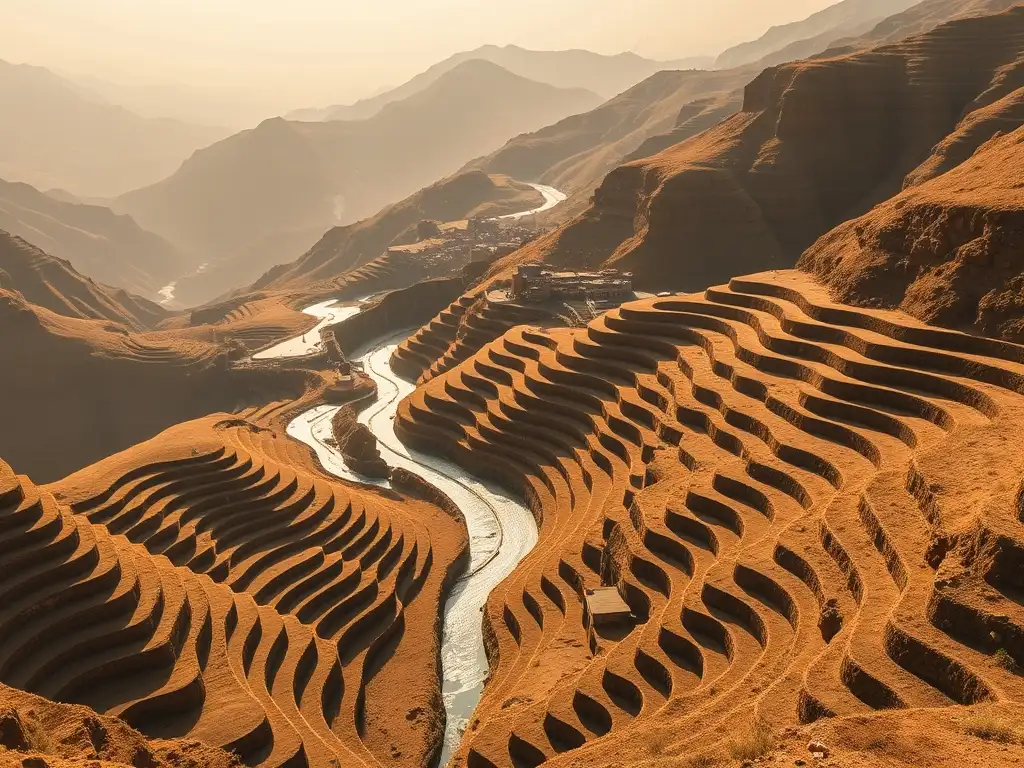
This section delves into the remarkable history of Andean irrigation, showcasing the ingenuity and adaptation employed by ancient civilizations to harness water resources in challenging mountainous terrains. Understanding the evolution of these systems is crucial to appreciating their lasting impact and potential for inspiring modern solutions to water scarcity. The keyword "Andean irrigation systems history" is central to this exploration, highlighting the sophisticated techniques developed over millennia.
Pre-Inca Water Management Practices in the Andes
Long before the Inca Empire, various Andean cultures developed sophisticated water management strategies. The Nazca, for example, are renowned for their intricate canal systems, some spanning tens of kilometers across arid coastal plains. These canals, meticulously engineered to minimize water loss through evaporation and seepage, facilitated the flourishing of agriculture in an otherwise inhospitable environment.
Evidence suggests that the Nazca utilized a combination of techniques, including carefully graded channels, strategically placed reservoirs, and ingenious aqueducts to transport water from distant sources. Their understanding of hydrology and their ability to construct such extensive networks are testaments to their advanced engineering skills. Archaeological findings continue to reveal the complexity and ingenuity of these pre-Inca systems, providing valuable insights into their construction methods and social organization.
The precision and scale of these early projects underscore the importance of water management to the survival and prosperity of these societies. Furthermore, the durability of certain canal segments, still visible today, speaks volumes about the quality of their construction and materials. Detailed studies of these ancient systems continue to inform our understanding of sustainable water management practices, offering valuable lessons for modern applications.
Inca Ingenuity in Irrigation System Design
The Inca Empire inherited and significantly expanded upon the pre-existing irrigation infrastructure. The Inca, known for their impressive organizational skills and engineering prowess, implemented a highly centralized system of water management. Their mastery of hydraulic engineering is evident in the scale and complexity of their projects, which included extensive canal networks, terraced fields, and sophisticated water distribution systems.
Unlike some earlier systems, Inca irrigation often incorporated advanced features such as diversion weirs, check dams, and underground conduits to regulate water flow and prevent erosion. The Inca's approach to irrigation was not merely technological; it was deeply intertwined with their social and religious beliefs. Water was considered a sacred resource, and its equitable distribution was vital for maintaining social harmony and ensuring agricultural productivity.
The Inca's ingenuity wasn't just about building grand canals; it was about creating a sustainable system that supported a large and diverse population. This involved careful planning, community participation, and a deep understanding of the local environment. The legacy of Inca irrigation is not only found in the physical remains of their infrastructure but also in the enduring principles of water management that they established.
Key Features of Traditional Andean Irrigation
Traditional Andean irrigation systems share several key features that contributed to their effectiveness and longevity. These include:
- Terracing: The construction of terraces on steep slopes maximized arable land and reduced soil erosion. This technique, still used today in many Andean communities, is a testament to its effectiveness in managing water resources in mountainous regions. The careful design of terraces ensured optimal water distribution and prevented runoff.
- Canals and Aqueducts: Elaborate canal networks, often constructed using stone and earth, transported water over long distances. Aqueducts were employed to cross valleys and other obstacles. The construction of these systems required significant labor and expertise, reflecting the importance of water to Andean societies.
- Water Storage: Reservoirs, ponds, and other water storage facilities were crucial for managing seasonal variations in water availability. These structures, often integrated into the landscape, played a vital role in ensuring a reliable water supply throughout the year.
- Community Management: The construction and maintenance of irrigation systems were often collective endeavors, involving entire communities. This cooperative approach ensured the equitable distribution of water and fostered social cohesion. The success of these systems depended on strong community participation and shared responsibility.
The ingenious techniques employed by ancient Andean civilizations in water management offer valuable lessons for modern-day challenges in irrigation and water resource management. Their legacy continues to inspire innovative solutions to water scarcity and sustainable agriculture. The study of "Andean irrigation systems history" provides a rich source of knowledge and inspiration for addressing the global water crisis.
Understanding Andean Irrigation System Components

The ingenuity of Andean irrigation systems is a testament to the advanced understanding of hydrology and engineering possessed by pre-Columbian civilizations. Their success in cultivating diverse crops in challenging terrains, from the arid coastal deserts to the steep Andean slopes, hinged on a sophisticated network of interconnected components. This section delves into the key elements of these systems, highlighting their design, functionality, and enduring legacy.
Understanding the intricacies of Andean irrigation systems history is crucial to appreciating their impact on both past and present societies. The efficient management of water resources, a critical challenge in many parts of the world today, finds its roots in these ancient techniques.
Terraces and Their Role in Water Conservation
Andean terraces, often described as "staircase farms," represent a remarkable adaptation to mountainous landscapes. These meticulously constructed platforms, carved into hillsides, served multiple crucial functions in water management. Firstly, they significantly increased the arable land available for cultivation, maximizing the use of otherwise unusable slopes. Secondly, the terraced structure slowed the rapid runoff of rainwater, allowing it to infiltrate the soil and nourish the crops.
This reduced erosion and prevented water loss, crucial in regions with unpredictable rainfall patterns. The design of the terraces themselves, with their gently sloping surfaces and strategically placed retaining walls, further enhanced water retention. Studies have shown that the effectiveness of these terraces varied based on the slope angle, soil type, and the sophistication of the construction techniques employed.
For example, Incan terraces often incorporated sophisticated drainage systems to prevent waterlogging, while earlier terrace systems may have relied more on natural drainage. The precise arrangement of terraces, often following contour lines, further optimized water distribution and minimized soil erosion. The impact of these terraces extended beyond immediate agricultural benefits; they contributed to the stabilization of hillsides, preventing landslides and protecting settlements below.
Canals and Aqueducts: Engineering Masterpieces
Beyond terracing, the Andean civilizations developed impressive canal and aqueduct systems to transport water across considerable distances. These weren't simply ditches; they were carefully engineered structures, demonstrating a profound understanding of topography, hydraulics, and materials science. Canals were often constructed from stone, earth, and even wood, with varying methods used depending on the terrain and available resources.
Some canals were lined with impermeable materials to minimize water seepage, while others relied on carefully graded slopes to maintain a consistent water flow. The construction of aqueducts, particularly impressive feats of engineering, involved bridging valleys and traversing challenging terrain to deliver water to distant fields. These structures often incorporated siphons and tunnels, demonstrating a sophisticated knowledge of fluid mechanics.
The Nazca culture, renowned for its geoglyphs, also built sophisticated canal systems that are still studied today for their innovative design. Their ability to channel water from distant sources to support intensive agriculture in the arid coastal plains is a testament to their engineering prowess. Evidence suggests that the construction of these systems involved extensive labor organization and communal effort, reflecting the importance of irrigation to the social and economic fabric of these societies.
Reservoirs and Water Storage Strategies
To mitigate the effects of seasonal variations in rainfall, Andean societies implemented various water storage strategies. These ranged from simple storage pits to large-scale reservoirs capable of holding significant volumes of water. The construction of reservoirs required careful site selection, considering factors like groundwater levels, soil stability, and the capacity of the surrounding landscape to support the structure. Many reservoirs incorporated sophisticated spillways and drainage systems to prevent overflow and maintain water quality.
The design and construction of these reservoirs varied across different cultures and time periods. Some reservoirs were relatively small, serving local communities, while others were larger, supporting larger populations and more extensive agricultural areas. In addition to reservoirs, Andean farmers utilized other methods to conserve water, such as creating micro-basins within their fields to capture rainwater and building underground storage systems (e.g., qanats) in some regions.
These diverse approaches reflect a flexible and adaptive approach to water management, tailored to the specific environmental conditions and technological capabilities of each region. The effectiveness of these water storage techniques allowed Andean civilizations to cultivate crops throughout the year, ensuring food security and supporting population growth. The integration of these strategies with terrace farming and canal networks created a resilient and sustainable water management system.
Diversion Techniques and Water Distribution
Andean irrigation systems were marvels of engineering, showcasing sophisticated techniques for diverting and distributing water across diverse terrains. The success of these systems hinged on a deep understanding of topography and water flow, allowing for efficient irrigation even in challenging environments. Farmers carefully observed natural watercourses, identifying optimal points for diverting water from rivers and streams.
This wasn't a haphazard process; rather, it involved meticulous planning and observation over generations, passing down knowledge and techniques through oral traditions. The choice of diversion points often considered factors like water volume, gradient, and the presence of natural features that could facilitate the channeling of water.
One common technique involved creating canals, often carved into the landscape, to carry water away from the main source. These canals varied in size depending on the scale of the irrigation project, ranging from small channels serving individual plots to larger systems irrigating entire valleys. The construction itself was a significant undertaking, requiring considerable labor and expertise.
Evidence suggests the use of stone tools and possibly rudimentary metal implements to shape and maintain the canals. The precise methods and tools used varied regionally, reflecting the adaptation of techniques to local conditions. For instance, the steep slopes of the Andes often necessitated the construction of terraced fields, requiring intricate canal systems that could navigate the contours of the landscape.
The distribution of water within the irrigation network was equally impressive. Andean farmers employed various methods to regulate water flow, ensuring equitable distribution among users. This was crucial for maintaining social harmony and preventing conflicts over scarce resources. Simple techniques included the use of weirs and sluice gates to control the flow of water into different channels. More complex systems utilized a network of smaller canals branching off from the main channel, allowing for precise control over water delivery to individual plots. This intricate network ensured that water reached even the most remote fields, maximizing agricultural productivity. The management of these systems often involved community-based approaches, with collective decision-making and shared responsibility for maintenance. This highlights the social and political importance of water management in Andean societies. The effective distribution of water was not just a technical achievement but a crucial element in maintaining the social fabric of these communities.
The Impact of Andean Irrigation on Agriculture
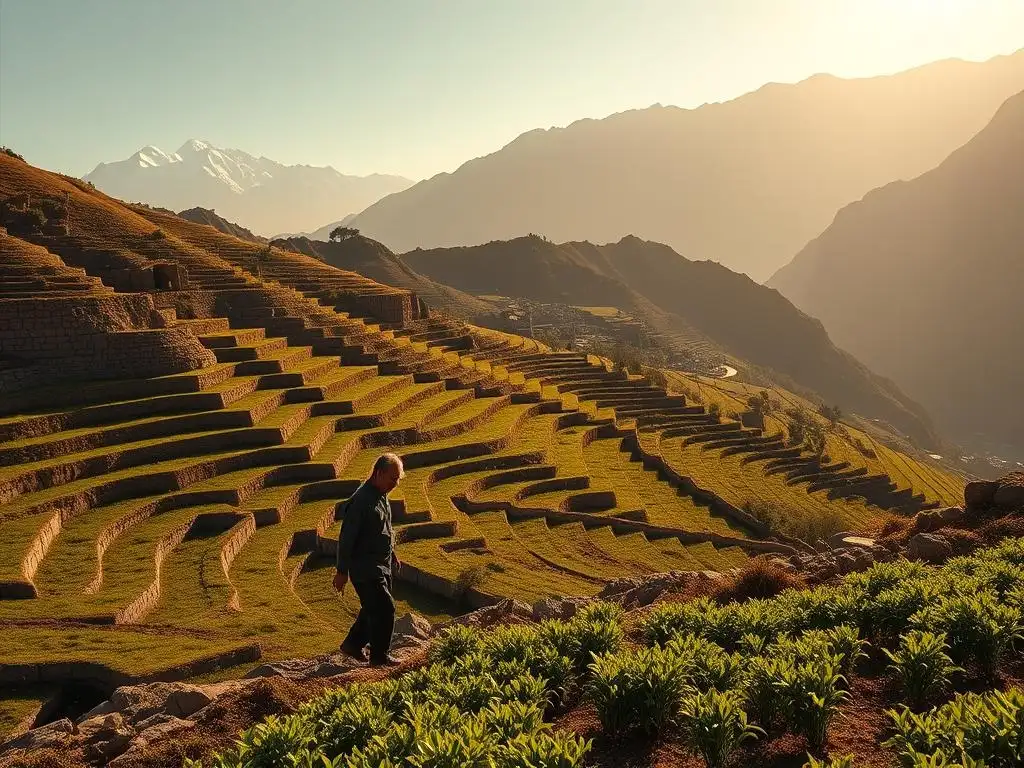
The ingenuity of Andean irrigation systems profoundly impacted agricultural practices, enabling sustained food production in challenging environments. Understanding the historical impact of these systems is crucial for appreciating their enduring legacy and potential for informing modern agricultural strategies. The Andean civilizations, facing diverse and often harsh terrains, developed sophisticated techniques to harness water resources, directly impacting crop yields, promoting sustainable farming, and demonstrating remarkable adaptability to varied landscapes.
This section explores these key aspects of Andean irrigation's influence on agriculture, focusing specifically on how their innovative solutions continue to resonate today. The keyword phrase "Andean irrigation systems history" is central to understanding this impact.
Enhancing Crop Yields Through Efficient Irrigation
Andean farmers weren't just irrigating; they were optimizing water delivery. Their systems, utilizing canals, aqueducts, and sophisticated water management techniques, significantly boosted crop yields compared to rain-fed agriculture. For example, the Nazca lines, while famously enigmatic, are believed by some researchers to have played a role in irrigation, possibly by indicating water sources or facilitating canal construction.
This precision in water distribution meant that crops received the exact amount of water needed at various growth stages, maximizing productivity. The intricate network of canals, often carved into steep slopes, demonstrates a deep understanding of hydrology and engineering, allowing for the efficient transfer of water to even the most challenging terrains. This precision irrigation contributed to the population growth and societal development seen in many Andean cultures.
The increased yields allowed for surplus food production, supporting larger populations and enabling specialization of labor beyond agriculture. This surplus, in turn, fueled the development of complex social structures and sophisticated art and technology. The success of Andean irrigation directly translates to improved food security – a crucial lesson for modern agriculture facing increasing water scarcity.
Sustainable Farming Practices in the Andes
Beyond increased yields, Andean irrigation systems highlight sustainable farming practices. These weren't simply systems for maximizing immediate output; they were designed for long-term sustainability. Evidence suggests a deep understanding of water conservation and responsible resource management.
Techniques like terracing, which created level platforms on slopes, slowed water runoff, preventing erosion and maximizing water absorption by the soil. Furthermore, the careful planning and maintenance of canals and reservoirs indicate a commitment to preserving water resources for future generations. This contrasts sharply with some modern agricultural practices that prioritize short-term gains over long-term sustainability.
The Andean approach provides a valuable model for contemporary agriculture, emphasizing the need for integrated water management that balances productivity with environmental protection. The study of Andean irrigation systems history reveals a remarkable understanding of ecological balance, a lesson that is increasingly relevant in today's world. The integration of agricultural practices with environmental considerations was a cornerstone of Andean success, offering valuable insights for sustainable agricultural development.
Adapting to Diverse Andean Landscapes
The Andean region's diverse geography – from arid coastal deserts to high-altitude plains – presented a significant challenge to agriculture. However, Andean civilizations didn't simply adapt; they thrived by developing irrigation systems tailored to specific environments. The ingenuity lies in the varied techniques employed, ranging from simple gravity-fed canals in gentler slopes to complex systems of reservoirs and aqueducts in more challenging terrains.
For instance, the Incas developed sophisticated techniques for managing water in the high Andes, utilizing intricate networks of canals and reservoirs to irrigate crops at high altitudes. This adaptability highlights the importance of context-specific solutions in water management. A "one-size-fits-all" approach to irrigation would have been disastrous in the diverse Andean environment.
The lesson from the Andean irrigation systems history is clear: understanding the unique environmental conditions is crucial for developing effective and sustainable irrigation strategies. This emphasizes the need for localized solutions that account for the specific topographical, climatic, and hydrological characteristics of each region. This flexible and adaptable approach to water management is a key element in the enduring legacy of Andean irrigation.
Lessons from Andean Irrigation for Modern Challenges
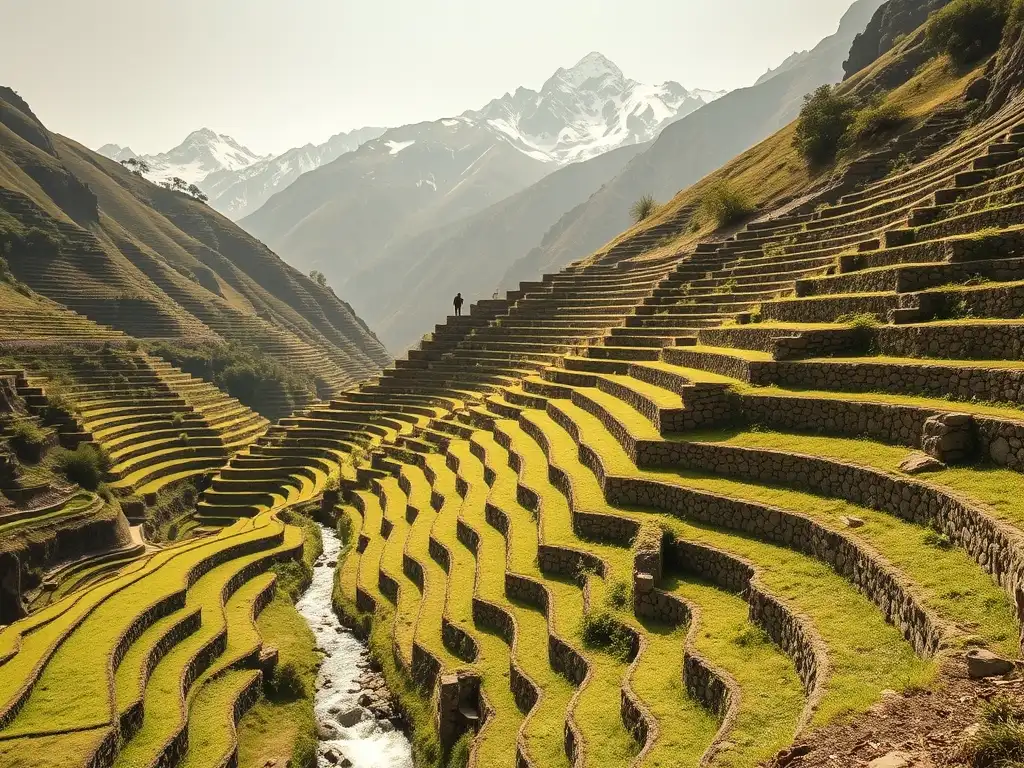
The ingenuity of Andean irrigation systems offers invaluable lessons for addressing contemporary water scarcity and agricultural challenges. For centuries, Andean civilizations, including the Incas, Nazca, and Moche, developed sophisticated techniques to harness scarce water resources, creating thriving agricultural societies in some of the world's most arid environments. Understanding their successes and failures provides a rich source of inspiration for developing sustainable and resilient water management strategies in the 21st century. The study of Andean irrigation systems history reveals a remarkable depth of knowledge about water management that continues to resonate today.
Water Scarcity Solutions Inspired by Andean Systems
Andean civilizations faced persistent water scarcity, forcing them to develop innovative solutions. One key strategy was the construction of extensive canal networks, often carved into mountainsides with remarkable precision. These canals, sometimes stretching for hundreds of kilometers, diverted water from rivers and streams to irrigate terraced fields far below. The ingenuity extends beyond simple canals; they incorporated sophisticated features like check dams, siphons, and aqueducts to manage water flow and prevent erosion.
For example, the Nazca lines, famous for their enigmatic geoglyphs, are also believed to be linked to a sophisticated irrigation system. While the precise function of many features remains debated, research suggests that some lines may have served as channels to guide water to crops, showcasing the intricate integration of water management into the very fabric of Nazca society. The scale and complexity of these systems, built using only rudimentary tools, stand as a testament to the dedication and engineering prowess of these ancient civilizations.
Modern water scarcity solutions can learn from this dedication to planning and resourcefulness. The careful management of water resources, even in the face of limited technology, is a powerful lesson for our time.
Furthermore, the use of terraced agriculture significantly increased the available arable land and reduced water loss through runoff. Terracing allowed for the creation of smaller, manageable plots, enabling precise control over water distribution and optimizing water use efficiency. The integration of these systems into the landscape demonstrates a deep understanding of hydrology and ecology, a holistic approach that is crucial for sustainable water management today. Careful analysis of the Andean irrigation systems history highlights the importance of localized solutions that adapt to specific environmental conditions.
Sustainable Water Management Practices
Beyond the impressive scale of their infrastructure, Andean irrigation systems embody principles of sustainable water management that remain highly relevant today. These civilizations understood the importance of water conservation and developed practices to minimize water waste. Their techniques included the use of water-efficient crops, crop rotation, and careful monitoring of water levels. The Andean irrigation systems history demonstrates a commitment to long-term sustainability that contrasted with exploitative approaches.
The construction and maintenance of these systems were often community-based efforts, highlighting the crucial role of social organization in successful water management. Sharing resources and coordinating labor were essential for the successful operation of these large-scale projects. This collaborative approach ensured equitable distribution of water and fostered a sense of collective responsibility for the sustainability of the water resource. The communal aspect of water management in Andean societies provides a valuable model for contemporary water governance, emphasizing the importance of community participation and shared stewardship.
Moreover, the integration of irrigation systems with other aspects of Andean life, such as religious practices and social structures, underscores the deep cultural significance of water. Water wasn't merely a resource; it was a sacred element interwoven into the fabric of their society. This holistic perspective offers a valuable lesson for modern societies, encouraging a more integrated and respectful approach to water management.
Adapting Ancient Techniques for Modern Agriculture
The principles underlying Andean irrigation systems can be adapted and applied to modern agricultural practices. For instance, the use of terraced farming is being revived in various parts of the world as a sustainable way to cultivate slopes and reduce soil erosion. Similarly, the concept of water-efficient crops and crop rotation, central to Andean agricultural practices, is increasingly important in addressing water scarcity in modern agriculture.
Modern technologies can be integrated with ancient techniques to enhance efficiency. For example, remote sensing and GIS technologies can be used to map water resources and optimize canal design, improving the precision and effectiveness of irrigation systems. Furthermore, the principles of community-based water management can be adapted to contemporary settings, fostering collaborative approaches to water governance and ensuring equitable access to water resources.
The study of Andean irrigation systems history reveals a wealth of knowledge about water management that can inspire innovative solutions for modern challenges. By adapting and integrating ancient techniques with modern technologies, we can create more sustainable and resilient agricultural systems that address the growing challenges of water scarcity and climate change. The legacy of Andean irrigation continues to provide valuable insights for building a more water-secure future. The careful observation and application of their methods can significantly improve the efficiency and sustainability of modern agriculture.
The Importance of Local Knowledge in Water Management
The success of Andean irrigation systems wasn't solely reliant on sophisticated engineering; it was deeply intertwined with the intimate understanding of local environments and climates possessed by indigenous communities. For centuries, Andean peoples developed a profound knowledge of water cycles, microclimates, and soil types specific to their regions. This knowledge, passed down through generations, was crucial in designing and maintaining effective irrigation systems tailored to their unique circumstances.
They understood the nuances of water availability, predicting seasonal variations and adapting their practices accordingly. This wasn't simply a matter of observation; it was a deeply embedded cultural understanding, integrating astronomical observations, ritual practices, and a holistic view of the environment. Ignoring this local expertise would have been disastrous, leading to inefficient water use and potential crop failures.
The intricate networks of canals, reservoirs, and aqueducts were not merely feats of engineering; they were living testaments to a deep and enduring relationship between people and their environment. The integration of this local knowledge ensured the sustainability and resilience of these systems for centuries, a lesson that holds significant value for contemporary water management strategies.
The integration of local knowledge extended beyond the technical aspects of irrigation. Social structures and community participation were integral to the management and maintenance of these systems. Water rights, distribution protocols, and conflict resolution mechanisms were all deeply embedded within the social fabric of Andean communities.
This participatory approach ensured equitable access to water resources and prevented conflicts over scarce water supplies. For example, the ayllu, a traditional Andean community structure, played a vital role in organizing labor for irrigation projects and maintaining the canals and reservoirs. This collective responsibility fostered a sense of ownership and stewardship, encouraging responsible water use and long-term sustainability.
Modern approaches to water management can learn from this emphasis on community participation and the inclusion of local knowledge in decision-making processes. The Andean experience demonstrates that effective water management requires not only technical expertise but also a deep respect for traditional ecological knowledge and the social structures that support it.
Modern water management projects often overlook the importance of incorporating local knowledge, leading to failures and unintended consequences. A focus solely on technical solutions, without considering the social and environmental context, can disrupt existing systems and exacerbate inequalities. By embracing participatory approaches and engaging with local communities, modern projects can learn from the enduring success of Andean irrigation and achieve greater sustainability and equity in water resource management.
The Andean legacy underscores the crucial need to move beyond purely technological solutions and integrate the invaluable wisdom and experience of local communities in addressing modern water challenges. This holistic approach, blending technical expertise with traditional knowledge, offers a path toward more sustainable and equitable water resource management for the future.
The Enduring Relevance of Andean Irrigation System History
The study of Andean irrigation systems history offers invaluable insights, extending far beyond mere historical curiosity. Understanding the ingenuity and resilience of these ancient water management techniques provides a crucial foundation for addressing contemporary challenges in water resource management and sustainable agriculture, particularly in arid and semi-arid regions globally. The sophisticated systems developed by Andean civilizations, adapted to diverse terrains and climates, demonstrate remarkable resourcefulness and provide a blueprint for innovative solutions to modern water scarcity.
This legacy isn't just about preserving the past; it's about actively shaping a more sustainable future. Analyzing the successes and failures of these ancient systems allows us to learn from past mistakes and optimize modern approaches, potentially avoiding costly and environmentally damaging errors. The Andean experience provides a powerful case study in the crucial interplay between human ingenuity, environmental adaptation, and long-term societal stability.
By examining the historical context of these developments, we can better appreciate the complexities of water management and the importance of integrated, holistic approaches. The lessons learned from Andean irrigation techniques are directly applicable to current efforts in water conservation, drought mitigation, and the development of climate-resilient agricultural practices.
Preserving Andean Heritage
Preserving the physical remains of Andean irrigation systems is paramount for understanding their historical and technological significance. Archaeological investigations, meticulously documented and analyzed, are crucial. This includes not only the preservation of canals, aqueducts, and reservoirs but also the associated cultural landscapes and social structures that supported these complex systems.
Furthermore, the oral histories and traditional knowledge passed down through generations within Andean communities hold invaluable information about the construction, maintenance, and social implications of these systems. Documenting this indigenous knowledge is vital for ensuring the continuity of these traditions and for integrating this wisdom into modern water management strategies. Effective preservation requires a multi-faceted approach, involving collaboration between archaeologists, historians, engineers, and local communities.
This collaborative effort should focus on sustainable tourism practices that minimize environmental impact while maximizing the educational value of these sites. The protection of these sites is not just a matter of preserving historical artifacts; it’s about safeguarding a crucial part of human history and cultural heritage – a legacy that continues to inspire innovative solutions to modern challenges. Failure to protect these sites risks losing invaluable knowledge and potentially repeating past mistakes in water management.
The Waru Waru System: Raised Field Agriculture
The Waru Waru system, a remarkable example of pre-Inca agricultural ingenuity, showcases the sophistication of Andean irrigation techniques. This system involved creating raised fields separated by canals, which served multiple purposes. These canals collected rainwater, reducing runoff and increasing water availability for crops. The raised fields improved soil drainage, preventing waterlogging and enhancing aeration, leading to increased crop yields even in waterlogged areas.
The system also acted as a microclimate regulator, moderating temperature fluctuations and protecting crops from frost. The Waru Waru system demonstrates a deep understanding of hydrology, soil science, and agricultural practices. Analysis of the system's efficiency, resilience, and long-term sustainability provides valuable insights for modern agricultural practices, particularly in the face of climate change and increasing water scarcity. The system's effectiveness in mitigating water stress is especially relevant for regions facing similar environmental challenges.
Evidence suggests that the Waru Waru system allowed for increased agricultural productivity and supported larger populations in challenging environments. This sustainable approach to agriculture highlights the importance of considering long-term ecological impacts when designing and implementing modern irrigation systems. The intricate design and sustainable practices of the Waru Waru system serve as a powerful example of the sophisticated knowledge and adaptive capacity of pre-Inca Andean civilizations.
Applying Ancient Wisdom to Modern Irrigation
The principles underlying Andean irrigation systems – careful water allocation, efficient distribution networks, and adaptation to local environmental conditions – offer crucial lessons for contemporary water management. Modern irrigation projects can benefit immensely from incorporating these principles. For example, the concept of water harvesting, a cornerstone of Andean systems, can be applied in modern contexts to capture and store rainwater for later use. Similarly, the intricate canal networks designed to minimize water loss can inspire the design of more efficient irrigation infrastructure.
The sustainable practices employed in Andean agriculture, such as crop rotation and terracing, can be integrated into modern agricultural strategies to enhance water conservation and soil health. By studying the historical context of Andean irrigation, we can identify successful strategies and avoid past mistakes. The Andean experience underscores the importance of community participation and traditional knowledge in water management. Effective modern irrigation projects require collaboration between engineers, policymakers, and local communities to ensure long-term sustainability and equitable access to water resources.
The lessons from Andean irrigation demonstrate that sustainable water management requires a holistic approach, integrating technological innovation with traditional knowledge and community engagement. The integration of ancient wisdom with modern technology holds the key to building more resilient and sustainable water management systems for the future. The potential benefits extend beyond agriculture, including improved water security for human consumption and various industrial applications.
The Future of Water Management in Arid Regions
The ingenuity of Andean irrigation systems offers invaluable lessons for addressing contemporary water scarcity challenges, particularly in arid and semi-arid regions globally. Understanding the historical context of these systems—their design, construction, and societal impact—provides a crucial foundation for developing sustainable and resilient water management strategies in the 21st century. The Andean experience highlights the importance of community involvement, adaptive management techniques, and a deep understanding of local hydrological conditions.
Modern water management projects often fail due to a lack of community participation and a top-down approach that disregards traditional knowledge. In contrast, the success of Andean systems stemmed from their integration into the social fabric of the communities they served.
Many modern arid regions face similar challenges to those faced by ancient Andean societies: unpredictable rainfall, limited water resources, and the need to support growing populations. By studying the effectiveness of ancient Andean strategies, such as terracing, canals, and reservoirs, modern engineers and policymakers can gain insights into designing more efficient and equitable water distribution systems.
For example, the sophisticated canal systems of the Nazca culture, which allowed for the cultivation of crops in the otherwise arid coastal plains, demonstrate the potential for innovative water infrastructure to transform landscapes and improve livelihoods. Modern adaptations of these techniques, incorporating advanced materials and technologies, could be instrumental in improving water security in regions facing drought and desertification.
Furthermore, the Andean experience underscores the importance of water governance and equitable resource allocation. The intricate social structures and communal labor systems that supported Andean irrigation systems serve as a reminder that successful water management requires strong institutions, community engagement, and a commitment to fairness. Modern projects must consider the social and environmental impacts of water development, ensuring that benefits are shared equitably and that environmental sustainability is prioritized.
This requires a shift away from purely technical solutions toward a more holistic approach that integrates social, economic, and environmental considerations. Ignoring these social and environmental dimensions can lead to conflict and ultimately undermine the long-term sustainability of water management initiatives, a lesson learned from studying the failures of some modern irrigation projects which disregarded local communities and ecological sensitivities.
The Andean legacy, therefore, is not simply about engineering prowess; it's about a comprehensive, integrated approach to water management that prioritizes both efficiency and equity. This integrated approach offers a powerful model for navigating the complex challenges of water scarcity in the 21st century and beyond.
Frequently Asked Questions
What is the significance of Andean irrigation systems in the history of the region?
Andean irrigation systems were essential for the development and survival of ancient civilizations. They allowed for intensive agriculture in challenging terrains, supporting large populations and complex societies. Without them, the rise of these empires would have been impossible.
How did ancient Andean cultures develop such sophisticated irrigation techniques?
The development of Andean irrigation involved centuries of experimentation and adaptation to the unique environmental conditions. They utilized a range of techniques, including canals, terraces, and aqueducts, demonstrating remarkable engineering skills. This knowledge was passed down through generations.
Which Andean civilizations were most renowned for their irrigation systems?
Many Andean civilizations, including the Incas, Nazca, and Moche, developed impressive irrigation systems. Each culture adapted techniques to their specific environments, resulting in a variety of innovative approaches to water management. The scale and complexity of these systems varied across cultures and time periods.
What types of materials and tools were used in the construction of Andean irrigation systems?
Andean engineers utilized readily available materials like stone, earth, and wood to construct their irrigation systems. They employed simple tools, but their understanding of hydraulics and engineering principles allowed them to create remarkably effective systems. Labor was often organized communally.
How do the ancient Andean irrigation systems inspire modern solutions to water management?
The ingenuity and resilience of Andean irrigation systems provide valuable lessons for modern water management. Their sustainable practices and adaptation to diverse environments offer inspiration for sustainable agriculture and water conservation strategies in areas facing water scarcity. Modern engineers study their techniques to improve efficiency.
Final Reflection: Water's Enduring Legacy: From Andean Terraces to a Thirsty World
The ingenious irrigation systems of the Andes, developed centuries ago, offer not just a fascinating glimpse into the past, but a crucial blueprint for navigating our current water crisis. Their enduring relevance is undeniable, a stark reminder that sustainable water management isn't a futuristic concept, but a necessity deeply rooted in our shared human history. The ingenuity of these ancient civilizations provides a powerful counterpoint to our often unsustainable modern practices.
The profound impact of Andean irrigation extends far beyond its historical significance. These systems represent a sophisticated understanding of water's power, a testament to human adaptability and resilience in the face of environmental challenges. Their legacy continues to inspire modern engineers and agriculturalists, prompting innovative solutions for water scarcity in diverse climates. The past is never dead. It's not even past.
– William Faulkner. This quote rings true when considering the enduring lessons offered by the Andean approach to water management; lessons we urgently need to relearn and apply in our own time.
Consider the intricate network of canals, terraces, and reservoirs that once thrived across the Andes. Imagine the collaborative effort, the deep understanding of their environment, and the long-term vision that underpinned their creation. You too can be a part of this legacy. By embracing sustainable practices in your own life – from conserving water at home to supporting responsible agricultural initiatives – you can contribute to a future where water security is not a privilege, but a right for all. Let the wisdom of the Andes inspire you to act.
Unveil the Wisdom of Andean Irrigation for Today's Challenges!
Thank you for exploring the fascinating legacy of Andean irrigation! You've gained valuable insights into how these ancient techniques offer inspiring solutions to modern water management challenges. Now, let's put this knowledge into practice.
Here are some ways you can get started:
- **Install a water-efficient irrigation system**, such as drip irrigation, in your garden or community project to conserve water and improve crop yields.
- **Join or start a local group** to discuss sustainable water practices inspired by Andean methods—collaboration fosters innovation!
- **Share this article** with your network to spark conversations about how ancient wisdom can address our current water challenges.
What innovative water management strategies will you adopt to honor the legacy of Andean ingenuity?