
Andean Raised Fields: Utilizing Water for Enhanced Crop Production

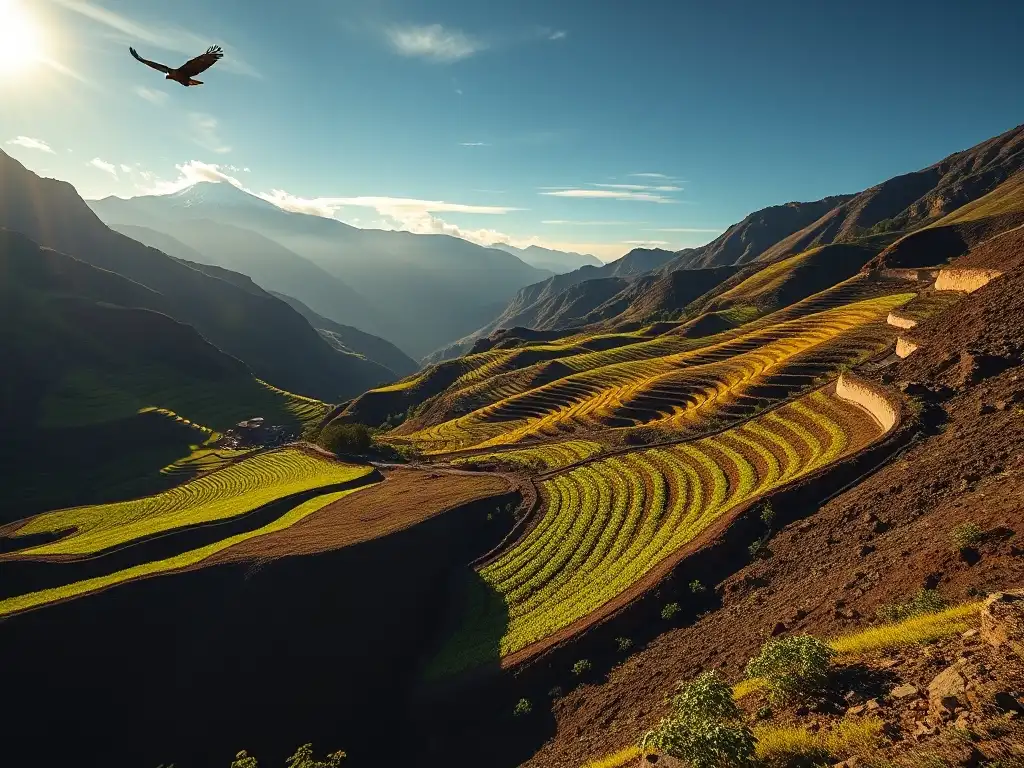
Uncover the secrets of a lost world where ingenuity thrived amidst towering peaks and arid valleys. Journey with us into the heart of the Andes, exploring the remarkable achievements of ancient civilizations. Did you know that their mastery of water management was so advanced they developed Andean raised field farming techniques? Prepare to be amazed by the architectural and engineering marvels that allowed these societies to flourish – a testament to human resilience and innovation. Dive into the fascinating story of their ingenuity and discover the legacy they left behind.
The Andes Mountains, a spine of towering peaks and deep valleys stretching along the western coast of South America, presented a formidable challenge to early agricultural societies. Scarce and unpredictable rainfall, coupled with steep, terraced landscapes, demanded innovative solutions for successful crop cultivation. This article explores the ingenious Andean raised field farming techniques, a testament to the ingenuity and sophisticated understanding of water management employed by pre-Columbian civilizations.
We will delve into the construction, function, and lasting impact of these remarkable agricultural systems, highlighting their crucial role in supporting dense populations and thriving societies across diverse Andean environments. Understanding these techniques offers valuable insights into sustainable agriculture and resource management, particularly relevant in today's world facing climate change and increasing food security concerns.
The sophisticated understanding of water management demonstrated by these ancient Andean cultures provides a compelling case study for modern agricultural practices. This exploration of Andean raised field farming techniques will illuminate the remarkable achievements of these pre-Columbian societies and their enduring legacy.
Introduction to Andean Agricultural Innovation
Andean agriculture wasn't merely about planting seeds; it was a complex interplay of environmental understanding, meticulous planning, and ingenious engineering. Facing challenging terrains and unpredictable weather, Andean societies developed a variety of sophisticated agricultural techniques. Raised fields, waru waru in Aymara, stand out as a particularly impressive example.
These weren't simply elevated plots of land; they were carefully designed systems that harnessed the unique characteristics of the Andean environment to maximize crop yields and ensure food security. Their construction involved the creation of rectangular or trapezoidal platforms, often separated by channels of water. This design wasn't arbitrary; it served multiple crucial purposes, effectively managing water resources, improving soil fertility, and mitigating the effects of frost and drought.
The construction itself was a significant undertaking, requiring substantial community effort and a deep understanding of hydrology and soil science. The scale of some of these raised field systems is truly astounding, showcasing the organizational capacity and engineering prowess of these ancient Andean communities. The legacy of these techniques continues to inspire modern agricultural practices, demonstrating their enduring relevance in the face of climate change and growing food security challenges.
Understanding Pre-Columbian Water Management in the Andes
Pre-Columbian Andean civilizations developed incredibly sophisticated water management systems, crucial for their survival in a region characterized by diverse and often challenging climates. Their understanding of hydrology was far from rudimentary; they meticulously channeled water from rivers and streams, using canals, aqueducts, and reservoirs to irrigate their fields and sustain their communities. The development of raised fields was a pinnacle of this sophisticated water management. The channels between the raised fields didn't just supply water for irrigation; they also acted as a natural temperature regulator.
During the day, the water absorbed heat, moderating the temperature around the crops and protecting them from extreme heat. At night, the water released its stored heat, protecting the crops from damaging frost. This sophisticated system allowed for multiple harvests per year, supporting significantly larger populations than would have been possible with traditional farming methods. Furthermore, the channels played a crucial role in soil fertility.
Nutrients and sediments carried by the water enriched the soil in the raised fields, minimizing the need for external fertilizers. This integrated approach to water management and soil fertility is a remarkable testament to the sustainable agricultural practices employed by these ancient Andean cultures. Studies of surviving raised field systems continue to reveal new insights into their complexity and effectiveness, demonstrating their relevance to modern agricultural challenges. The precise details of construction techniques and the long-term impact on the environment are still being investigated, highlighting the continued importance of researching these remarkable ancient technologies.
- Introduction to Andean Agricultural Innovation
- Understanding Pre-Columbian Water Management in the Andes
The Ingenuity of Andean Raised Field Farming Techniques
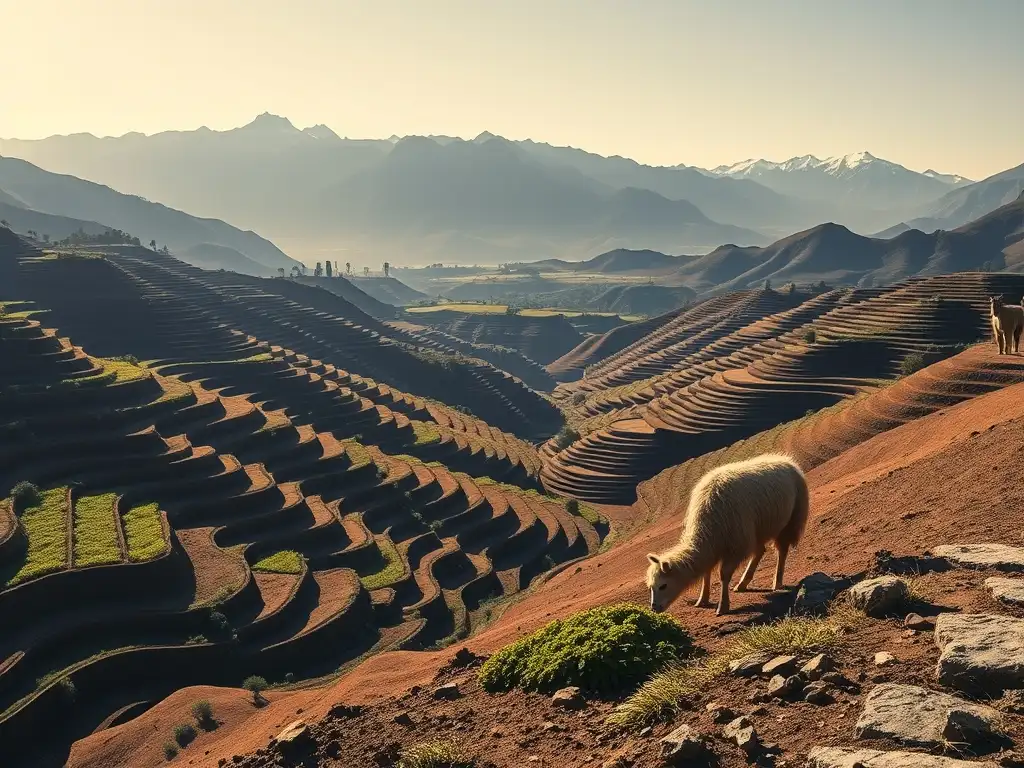
Andean raised field farming techniques represent a remarkable feat of agricultural engineering developed by pre-Columbian Andean civilizations. These sophisticated systems, often referred to as waru waru, allowed for intensified crop production in challenging high-altitude environments characterized by unpredictable rainfall, frost, and infertile soils. The ingenuity of these techniques lies not only in their ability to boost yields but also in their inherent sustainability and resilience to climate change, offering valuable lessons for modern agriculture facing similar challenges.
Understanding the intricacies of waru waru reveals a deep understanding of water management and ecological adaptation unparalleled in its time. The mastery of these techniques allowed for the flourishing of complex societies in the harsh Andean landscape, underscoring the profound connection between human ingenuity and environmental adaptation. This section delves into the specifics of waru waru, exploring their construction, function, and enduring legacy.
What are Andean Raised Fields (Waru Waru)?
Andean raised fields, or waru waru, are essentially artificial, elevated platforms constructed from soil and organic matter. These platforms, ranging from a few meters to several kilometers in length, are separated by channels filled with water. They are not simply mounds of earth; rather, they are carefully designed agricultural systems meticulously constructed to optimize water use and soil fertility.
The construction involved the excavation of channels and the subsequent piling of the extracted soil to create the raised platforms. This process, often involving considerable labor, resulted in a network of interconnected fields that formed a complex hydrological system. The organic matter incorporated into the raised fields further enhanced soil quality, providing essential nutrients and improving drainage.
Archaeological evidence suggests that various Andean cultures, including the Tiwanaku, Wari, and Inca, independently developed and refined waru waru systems, adapting them to their specific environmental conditions. The precise methods used varied across regions and cultures, reflecting a remarkable degree of regional adaptation and innovation within the overall concept of raised field agriculture. The scale and complexity of these systems are truly impressive, showcasing the advanced engineering capabilities of these ancient civilizations.
Key Features of Raised Field Agriculture
Several key features distinguish waru waru from other traditional farming methods. Firstly, the raised platforms provide excellent drainage, protecting crops from waterlogging during the rainy season. Secondly, the water channels act as reservoirs, storing water during dry periods and providing a source of irrigation. The channels also serve as microclimates, moderating temperature fluctuations and protecting crops from frost damage.
This is particularly crucial in high-altitude environments where temperature variations can be extreme. Thirdly, the incorporation of organic matter into the raised fields significantly enhances soil fertility, providing essential nutrients for crop growth. This natural fertilization process reduces the need for external inputs, promoting sustainable agricultural practices. Finally, the interconnected network of fields and channels creates a complex hydrological system that effectively manages water resources.
This integrated approach maximizes water use efficiency and minimizes water loss through evaporation or runoff. This efficient water management was critical in the arid and semi-arid regions where many waru waru systems were built. The interplay between the raised fields and water channels demonstrates a deep understanding of hydrological processes and a commitment to sustainable agriculture.
| Feature | Description | Benefits |
|---|---|---|
| Raised Platforms | Elevated planting surfaces constructed from soil and organic matter. | Improved drainage, protection from waterlogging, frost protection. |
| Water Channels | Interconnected channels surrounding the raised platforms, filled with water. | Water storage, irrigation, temperature moderation, microclimate creation. |
| Organic Matter | Incorporation of organic material into the raised fields. | Enhanced soil fertility, nutrient provision, reduced need for external inputs. |
| Integrated System | Interconnected network of fields and channels forming a complex hydrological system. | Efficient water management, maximized water use, minimized water loss. |
How Raised Fields Function for Efficient Water Use
The efficiency of waru waru systems in water use stems from a combination of factors. The raised platforms facilitate drainage, preventing waterlogging that can damage crops. Simultaneously, the water channels act as reservoirs, storing water for irrigation during dry periods. This dual functionality ensures that crops receive adequate water throughout the growing season, even in the face of unpredictable rainfall.
The channels also moderate temperature fluctuations, protecting crops from frost damage. The water's high specific heat capacity helps to maintain a more stable temperature, creating a microclimate that benefits crop growth. Moreover, the channels help to slow down the flow of water, reducing runoff and maximizing water infiltration into the soil. This efficient water use is particularly important in high-altitude environments where water resources can be scarce.
The design of waru waru systems reflects a deep understanding of water management principles and a remarkable capacity for adapting to challenging environmental conditions. The sustainable nature of these systems, minimizing water waste and maximizing crop yields, provides valuable insights for modern agricultural practices seeking to improve water use efficiency and sustainability. The ability to optimize water use in such a harsh environment is a testament to the agricultural expertise of the Andean civilizations.
The Benefits of Andean Raised Field Systems
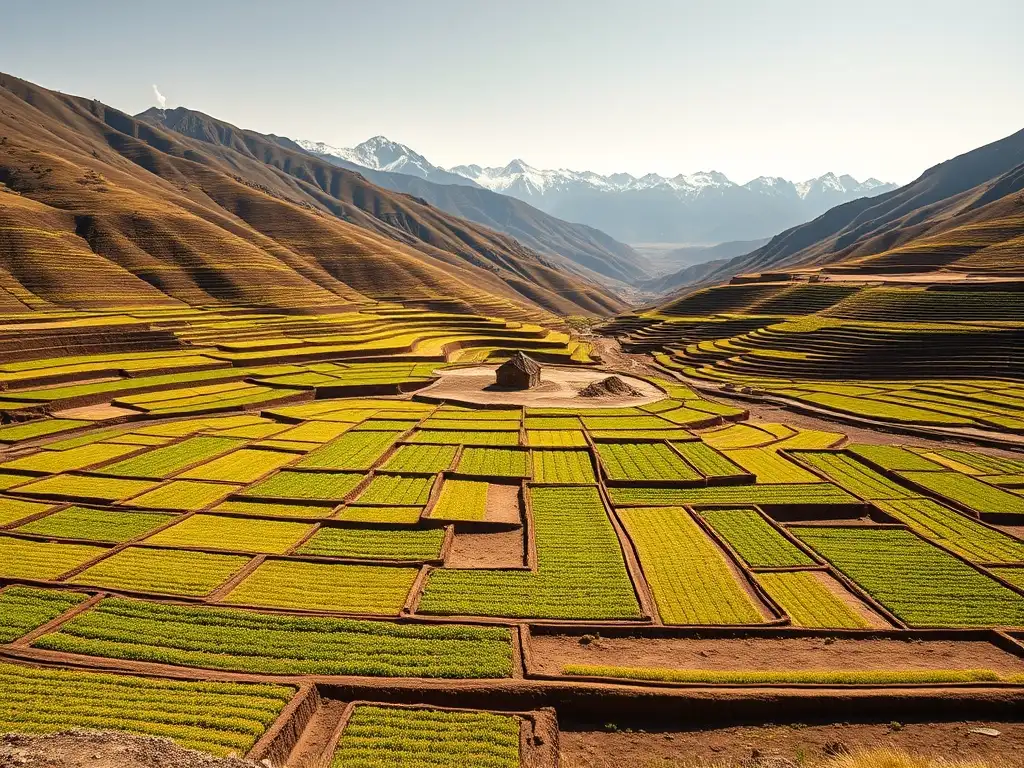
Andean raised field farming techniques represent a sophisticated and sustainable approach to agriculture, developed over centuries by ingenious Andean civilizations. These weren't simply fields elevated above the surrounding terrain; they were meticulously designed systems offering a multitude of advantages over traditional farming methods prevalent in the challenging Andean environment. Understanding these benefits reveals the remarkable ingenuity and ecological awareness of these ancient cultures. The success of Andean raised fields, even today, underscores their enduring value as a model for sustainable agriculture.
Increased Crop Yields Through Raised Bed Farming
The elevated nature of Andean raised fields directly contributed to increased crop yields. Several factors played a crucial role in this enhancement. Firstly, the raised beds improved drainage.
Excess water, a significant problem in many Andean regions during the rainy season, was efficiently channeled away, preventing waterlogging and root rot, common causes of crop failure. This superior drainage also allowed for better aeration of the soil, promoting healthy root growth and nutrient uptake. Secondly, the increased surface area of the raised beds allowed for more efficient sunlight absorption, leading to faster plant growth and higher yields.
Studies have shown that raised beds can increase yields by up to 30% compared to flat fields in similar environments, a considerable advantage in a region where food security was paramount. This yield increase wasn't just a matter of chance; it was the direct result of careful planning and execution of the Andean raised field farming techniques. The raised beds themselves were often constructed with rich, fertile soil, further contributing to higher yields.
Enhanced Water Retention and Irrigation Management
Beyond improved drainage, Andean raised fields also excelled at water retention. The raised beds acted as reservoirs, storing water efficiently. The combination of improved drainage and water retention was key; the fields didn't become waterlogged, but they retained enough moisture to support crop growth even during periods of drought.
This was particularly crucial in the arid and semi-arid regions where many Andean civilizations thrived. The construction of the raised fields often incorporated sophisticated irrigation systems. Canals and ditches were meticulously designed to channel water from rivers and streams to the fields, providing a reliable source of irrigation.
These systems, combined with the water retention capabilities of the raised beds themselves, ensured a consistent water supply for the crops, even during times of water scarcity. This efficient water management allowed for the cultivation of diverse crops, further increasing food security and economic stability. The sophisticated water management inherent in Andean raised field farming techniques showcases the advanced understanding of hydrology possessed by these ancient cultures.
Protection Against Frost and Extreme Temperatures
The Andean highlands are characterized by significant temperature fluctuations, including frequent frost. Andean raised fields offered protection against these extremes. The raised beds, positioned above the surrounding ground, experienced less frost damage. The elevated position allowed for better air circulation, preventing the formation of frost pockets.
Furthermore, the darker soil of the raised beds absorbed more solar radiation, resulting in slightly warmer soil temperatures, protecting the crops from frost. This temperature regulation was vital in extending the growing season and increasing the range of crops that could be successfully cultivated. The microclimate created by the raised fields provided a more stable and favorable environment for plant growth, mitigating the risks associated with the harsh Andean climate. This demonstrates the profound understanding of microclimatology embedded within Andean raised field farming techniques, a testament to their adaptive agricultural practices.
Soil Fertility Improvement in Raised Field Agriculture
Andean raised field farming techniques significantly enhanced soil fertility, a crucial factor in sustaining high agricultural yields in challenging Andean environments. The raised fields themselves acted as natural soil improvers in several ways. Firstly, the construction process involved the careful layering of different soil types, often combining fertile topsoil with nutrient-rich sediments dredged from nearby waterways.
This deliberate layering created a fertile microcosm within each raised field, providing a balanced nutrient profile for crops. The careful selection of topsoil, often rich in organic matter, further boosted the fields' inherent fertility. This contrasts sharply with the less fertile surrounding areas, demonstrating the ingenuity of the Andean farmers in creating their own localized, enriched agricultural zones.
Secondly, the raised field system's unique hydrology played a vital role in improving soil fertility. The controlled flooding and drainage cycles characteristic of these systems led to the deposition of nutrient-rich sediments within the fields. These sediments, carried by the water, contained essential minerals and organic matter, acting as a natural fertilizer that gradually enriched the soil over time.
The regular inundation also fostered the growth of beneficial microorganisms in the soil, further boosting its fertility and overall health. This natural fertilization process minimized the need for external inputs, making the system remarkably sustainable. Studies of preserved raised fields reveal significantly higher organic matter content compared to adjacent, non-raised areas, demonstrating the lasting impact of this method on soil quality.
Furthermore, the raised fields' elevated position above the surrounding wetlands helped to minimize nutrient loss through leaching. In contrast to flat fields, where nutrients could be washed away by rainwater, the raised fields retained a higher proportion of essential minerals. This reduced the need for frequent fertilization and contributed to the long-term sustainability of the agricultural system.
The careful management of water flow, a key aspect of Andean raised field farming techniques, played a significant role in maintaining this enhanced soil fertility over generations. The combination of careful soil layering, natural fertilization through sediment deposition, and reduced nutrient loss created a remarkably productive agricultural system that supported large populations in the challenging Andean environment. This sophisticated understanding of soil science and hydrology demonstrates the advanced agricultural knowledge of the Andean civilizations.
Construction and Maintenance of Andean Raised Fields
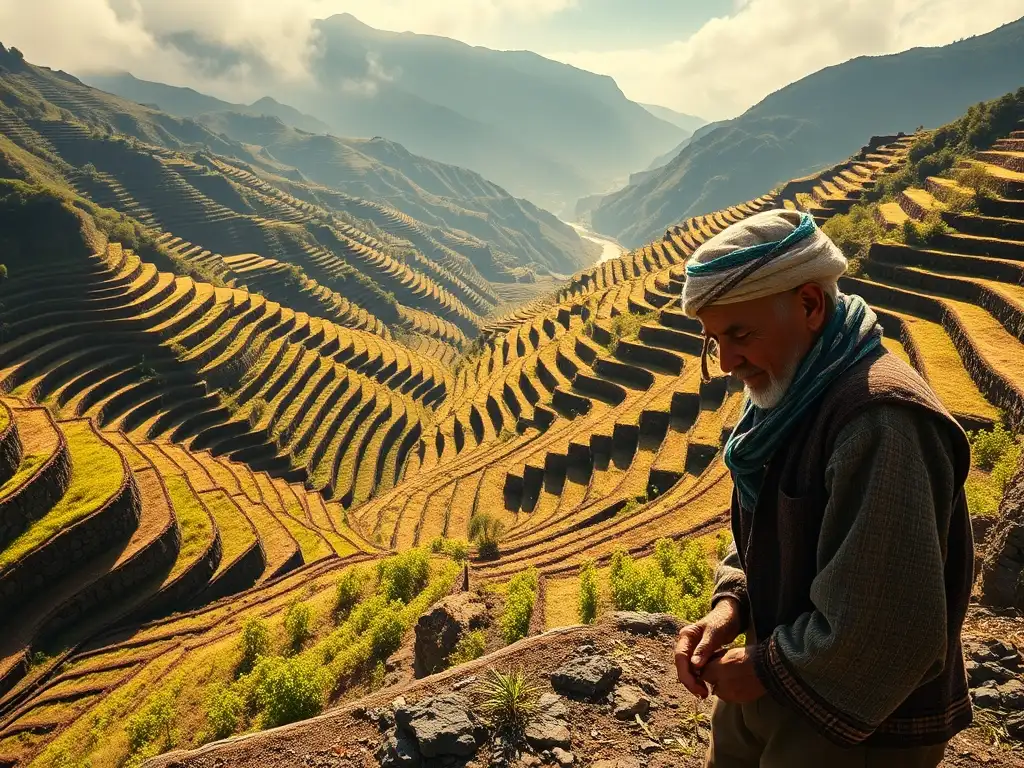
Andean raised field farming techniques represent a sophisticated approach to agriculture, demonstrating the ingenuity of pre-Columbian Andean civilizations in harnessing water resources for optimal crop production. This section delves into the meticulous processes involved in the construction and upkeep of these remarkable agricultural systems, showcasing the remarkable engineering skills employed. Understanding these techniques provides valuable insight into the sustainable practices that allowed these civilizations to thrive in challenging environments. The success of Andean raised field agriculture hinged on careful planning, precise execution, and ongoing maintenance, all reflecting a deep understanding of their unique ecological context.
Site Selection for Raised Field Construction
The initial step in creating Andean raised fields was meticulous site selection. Farmers didn't randomly choose locations; instead, they carefully considered several crucial factors. Optimal sites possessed specific characteristics that maximized the effectiveness of the system. Factors included proximity to a reliable water source, such as a river or lake, but also the soil type.
Well-drained soils were preferred to prevent waterlogging, while the presence of fertile alluvial deposits was crucial for ensuring crop productivity. The slope of the land was another important consideration; gently sloping areas were ideal for effective water management and preventing erosion. Furthermore, the availability of suitable construction materials in the vicinity was a practical factor influencing site choice. Archaeological evidence suggests that sites were selected based on a combination of these factors, reflecting a holistic approach to sustainable agriculture.
For example, many raised field complexes were built near wetlands, taking advantage of naturally fertile soils and abundant water. This careful planning significantly contributed to the long-term success of these agricultural systems. Choosing the right location was the foundation upon which the entire system's efficacy depended. Failing to account for even one of these factors could compromise the entire project, highlighting the sophistication of their planning process.
Detailed Steps for Building Raised Fields
Constructing Andean raised fields was a labor-intensive process requiring careful planning and execution. The process involved several distinct steps, each crucial to the overall success of the project. First, the land was carefully surveyed and leveled, creating a relatively flat surface upon which the raised fields would be built. Then, using simple tools like digging sticks and possibly rudimentary plows, trenches were dug to outline the boundaries of each individual raised field.
The dimensions of these fields varied depending on the local topography and the available resources, but a common feature was their rectangular or slightly trapezoidal shape. After the trenches were dug, the excavated soil was used to build the raised field embankments, creating a series of elevated plots separated by channels or canals. The height and width of the embankments were carefully determined to optimize water retention and drainage, demonstrating an advanced understanding of hydrological principles. The channels between the fields were strategically designed to allow for controlled irrigation and drainage, ensuring that the fields were neither waterlogged nor overly dry.
The precision involved in the construction of these fields highlights the significant engineering skill and knowledge of the Andean cultures. The construction process, while seemingly simple, required careful planning, coordination, and a deep understanding of the environment. The meticulous nature of the work is a testament to the importance of agriculture to these societies.
Materials Used in the Construction of Raised Fields
The materials used in the construction of Andean raised fields varied depending on the local environment and the availability of resources. However, the primary material was almost always soil, specifically the fertile topsoil that was excavated from the channels. This ensured that the raised fields were enriched with the most fertile soil available. In some cases, other materials were incorporated to strengthen the embankments and enhance their water retention capabilities.
These might include organic materials like reeds, grasses, or other vegetation, which helped bind the soil together and increase its stability. The use of organic materials also contributed to soil fertility over time, as they decomposed and added nutrients to the soil. In areas where stone was readily available, it was sometimes incorporated into the construction, particularly in areas prone to erosion or in the construction of larger, more substantial raised fields. The choice of materials was always dictated by practicality and efficiency, demonstrating a resourceful approach to construction.
The careful selection and integration of materials reflect a holistic approach to construction, ensuring the long-term stability and productivity of the raised fields. The diversity in materials used across different regions further highlights the adaptability and ingenuity of Andean agricultural practices. The combination of soil and organic materials created a sustainable and resilient system capable of withstanding the challenges of the Andean environment.
Ongoing Maintenance and Repair Practices
The longevity and effectiveness of Andean raised fields depended heavily on consistent maintenance and timely repairs. This wasn't a one-time construction project; it was a continuous engagement with the landscape, reflecting a deep understanding of the ecosystem and the crops' needs. Farmers weren't simply passive observers; they were active participants in shaping and sustaining their agricultural systems. Evidence suggests that maintenance was an integral part of the agricultural cycle, integrated into the rhythms of planting, harvesting, and the seasonal changes in the Andes.
Maintaining the integrity of the raised field walls was paramount. Over time, erosion from wind, rain, and even the movement of water within the fields could weaken the structures. Regular inspections were likely conducted to identify areas needing attention. Repair techniques probably varied based on the materials used in construction and the severity of the damage.
Smaller cracks and erosion might have been addressed with readily available materials like mud, clay, and stones, perhaps reinforced with plant matter for added strength. More significant damage, such as breaches in the walls, would have required more substantial repairs, potentially involving the reconstruction of sections of the field. This continuous process ensured the continued effectiveness of the irrigation system and protected the crops from flooding or drying out.
The channels and waterways that delivered water to the fields also needed regular upkeep. Sediment build-up could restrict water flow, reducing the efficiency of the irrigation system. Regular cleaning of these channels was crucial, likely involving manual labor with simple tools.
This might have been a communal effort, with farmers working together to maintain the shared irrigation infrastructure. The efficiency of the water distribution system directly impacted crop yields, emphasizing the importance of diligent maintenance. A well-maintained irrigation system not only provided adequate water but also controlled its flow, preventing waterlogging or insufficient irrigation in different parts of the fields.
Moreover, the maintenance practices weren't solely focused on the physical structures. Farmers also likely monitored soil conditions within the raised fields. Regular assessment of soil fertility and drainage was essential for optimal crop production. This might have involved observing plant growth, testing soil texture, and potentially implementing practices like composting or adding organic matter to enhance soil quality.
The holistic approach to maintenance ensured that the raised fields remained productive over generations, showcasing the sophisticated understanding of sustainable agriculture practiced by Andean farmers. This continuous cycle of observation, repair, and improvement demonstrates a remarkable level of agricultural expertise and a sustainable relationship with the environment. The Andean raised fields weren't just impressive feats of engineering; they were living systems requiring constant care and attention.
The Impact of Raised Field Agriculture on Andean Societies
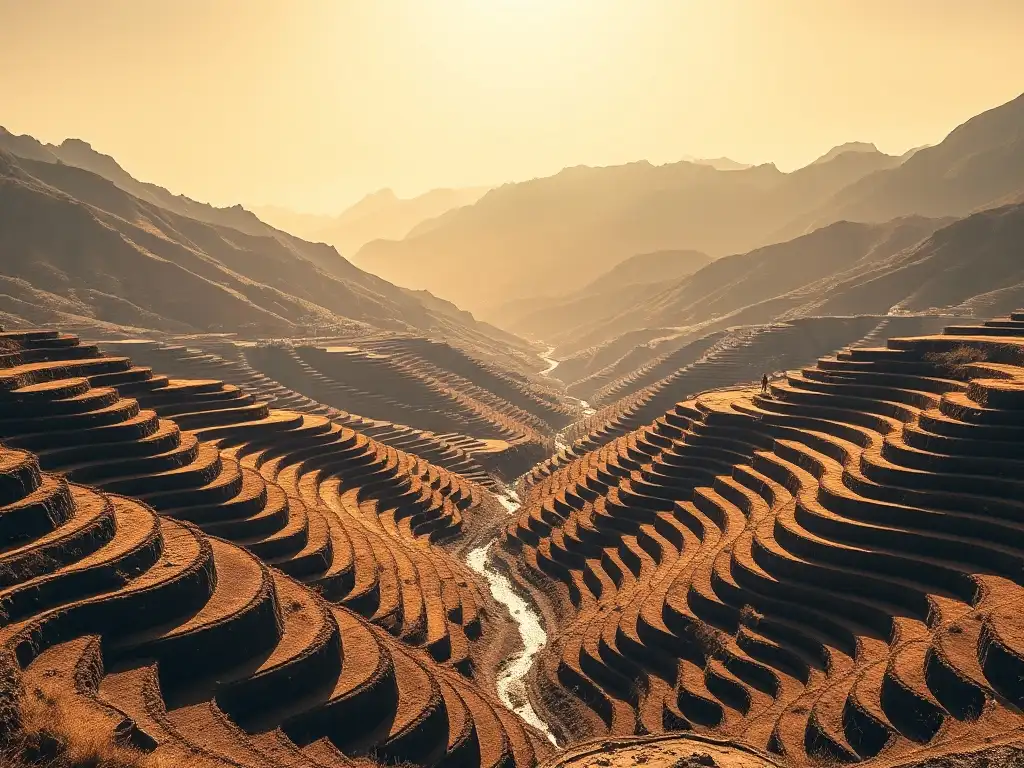
The ingenious Andean raised field farming techniques revolutionized agricultural practices in the Andes, profoundly impacting the social, economic, and political structures of the civilizations that employed them. These weren't simply agricultural innovations; they were integral to the very fabric of Andean societies, enabling unprecedented population growth, complex social organization, and the development of sophisticated political systems. The ability to reliably produce surplus crops, thanks to the carefully engineered raised fields, fostered stability and allowed for specialization of labor beyond basic subsistence farming.
This surplus also facilitated trade networks, extending Andean influence and creating economic interdependence across vast distances. The impact of these systems on Andean societies is undeniable, shaping their trajectory for centuries.
Sustaining Large Populations with Advanced Agriculture
Andean raised field agriculture allowed for the sustained cultivation of crops in challenging environments, primarily in the wetlands of the Andes. The elevated plots, constructed from earth and often incorporating sophisticated drainage and irrigation systems, provided several key advantages. Firstly, they mitigated the risks associated with fluctuating water levels, protecting crops from both flooding and drought.
Secondly, the raised fields improved soil aeration and drainage, creating optimal conditions for crop growth. This increased productivity enabled Andean communities to support significantly larger populations than would have been possible with traditional farming methods. Archaeological evidence suggests that some sites supported thousands of people through intensive raised field agriculture, demonstrating the system's effectiveness in sustaining dense settlements.
The ability to feed large populations was crucial for the development of complex social structures and political hierarchies within Andean societies. Estimates suggest population densities in areas with raised fields were several times higher than in comparable areas without them. This directly correlates with the scale and complexity of the societies that developed in these regions.
The Role of Raised Fields in Andean Food Security
Food security, the state of having reliable access to sufficient quantities of affordable, nutritious food, was paramount for the stability and growth of Andean societies. Andean raised field farming techniques played a critical role in achieving this. By buffering against environmental variability, the raised fields provided a degree of resilience against crop failure due to floods or droughts.
The controlled environment of the raised fields allowed for the cultivation of a diverse range of crops, including potatoes, maize, quinoa, and beans, creating a more robust and resilient food system. This diversification minimized the risk of widespread famine should one crop fail. The consistent yields from the raised fields ensured a reliable food supply, reducing the vulnerability of Andean populations to environmental shocks and contributing significantly to long-term food security.
The ability to store surplus crops in the raised fields themselves, and in other storage facilities, further enhanced food security, allowing communities to weather periods of scarcity. This reliable food supply was a cornerstone of Andean social and political stability.
Cultural Significance of Raised Field Farming
Beyond their practical applications, Andean raised field farming techniques held significant cultural importance. The construction and maintenance of these fields were communal activities, reinforcing social bonds and collective identity. The knowledge and skills required to build and manage these complex systems were likely passed down through generations, becoming embedded in Andean traditions and worldview.
Some evidence suggests that the layout and design of raised fields incorporated symbolic or ritual elements, reflecting the integration of agriculture with spiritual beliefs. The enduring legacy of raised field agriculture is not merely a testament to their technological sophistication, but also to their integral role in shaping Andean culture and identity. The intricate networks of canals and raised fields themselves became a landscape that deeply affected the cultural and spiritual lives of the people who built and used them.
The preservation of these sites today highlights the ongoing cultural significance of this remarkable agricultural system. These fields represent a powerful symbol of Andean ingenuity and adaptation to their environment, a legacy that continues to inspire.
Modern Relevance and Adaptation of Andean Raised Field Techniques
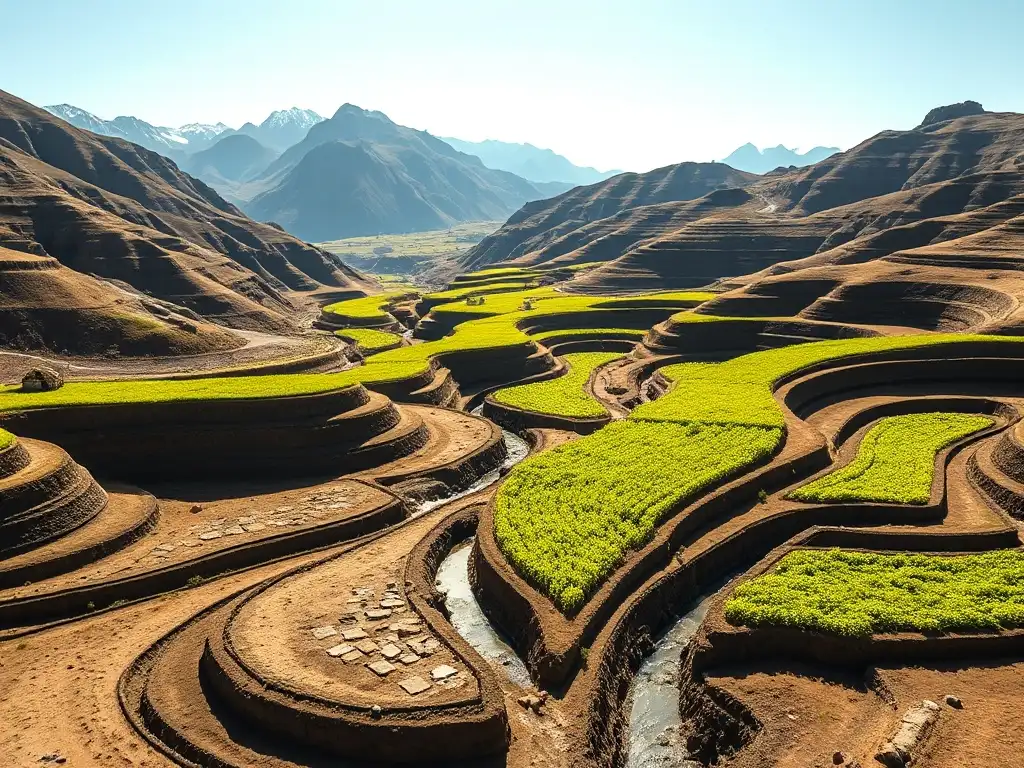
The ingenuity of Andean raised field farming techniques continues to resonate in the 21st century, offering valuable lessons for sustainable agriculture and food security in increasingly challenging environmental conditions. Understanding the principles behind these ancient systems allows us to adapt and implement them in modern contexts, addressing contemporary issues such as climate change, water scarcity, and soil degradation. The enduring relevance of these techniques stems from their inherent resilience and efficiency in maximizing crop yields while minimizing environmental impact. This section explores the practical applications and potential of reviving these ancient practices for modern use.
Reviving Ancient Agricultural Practices for Modern Use
The revival of Andean raised field farming isn't merely an academic exercise; it's a practical solution gaining traction in various parts of the world. Many regions facing similar environmental challenges to the Andes – particularly those with water scarcity and sloping terrain – are finding that the principles of raised field agriculture offer a sustainable path towards increased food production. For example, communities in Southeast Asia are experimenting with adapted raised field systems to improve rice cultivation in flood-prone areas.
Similarly, researchers in Africa are exploring the potential of raised fields to enhance crop yields in arid and semi-arid regions. These adaptations often involve incorporating modern materials and technologies, while retaining the core principles of water management and soil improvement established by the ancient Andean cultures. The success of these initiatives highlights the versatility and adaptability of Andean raised field farming techniques.
Implementing Raised Fields in Contemporary Agriculture
Implementing raised fields in contemporary agriculture requires careful consideration of several factors. Site selection is crucial, requiring an assessment of soil type, water availability, and topography. The design and construction of the raised fields themselves must be tailored to the specific environmental conditions and the crops to be cultivated.
This may involve using modern surveying techniques and machinery to optimize field layout and construction efficiency. Furthermore, ongoing maintenance is essential to ensure the long-term effectiveness of the system. This includes regular weeding, pest control, and the management of water flow within the fields.
The economic viability of implementing raised fields is also a key consideration, requiring an assessment of the initial investment costs, potential yield increases, and the long-term benefits of improved soil fertility and water conservation. Careful planning and implementation are key to maximizing the benefits of this ancient, yet remarkably relevant, technology. Data on yield increases in specific adapted systems are currently being collected and analyzed, promising valuable insights into the economic viability of implementing these techniques on a broader scale.
Lessons from the Andes for Sustainable Farming
The Andean raised field systems offer invaluable lessons for sustainable farming practices globally. The emphasis on water conservation, soil improvement, and biodiversity are particularly relevant in the face of climate change and increasing environmental pressures. The integration of raised fields within a broader agro-ecological approach, incorporating techniques such as crop rotation and intercropping, can further enhance their sustainability.
By studying the long-term success of these ancient systems, we can gain crucial insights into the development of resilient and environmentally friendly agricultural practices. The Andean experience underscores the importance of understanding local environmental conditions and adapting agricultural techniques to maximize productivity while minimizing environmental impact. The application of these principles can contribute significantly to building more sustainable and resilient food systems worldwide.
The legacy of the Andean civilizations provides a powerful example of human ingenuity and adaptation, offering a valuable roadmap for addressing contemporary challenges in agriculture and food security. Indeed, the enduring success of these systems is a testament to the wisdom embedded within traditional knowledge systems.
Conclusion: The Enduring Legacy of Andean Raised Field Farming
Andean raised field farming techniques represent a remarkable feat of ingenuity and a testament to the profound understanding of Andean civilizations concerning their environment. These sophisticated agricultural systems, developed over millennia, provided a sustainable and resilient approach to food production in challenging terrains. The legacy of these techniques extends far beyond their historical significance; they offer valuable lessons for contemporary agriculture, particularly in the face of climate change and growing food security concerns.
The success of Andean raised field farming was not merely a matter of constructing elevated plots; it was a holistic approach incorporating detailed knowledge of hydrology, soil science, and plant biology. This integrated understanding allowed for optimized water management, improved soil fertility, and increased crop yields – a truly remarkable achievement.
The enduring impact of these techniques is evident in the continuing research and application of their principles in modern agricultural practices worldwide. The ingenuity of these systems continues to inspire innovative approaches to sustainable agriculture, demonstrating the timeless wisdom embedded within Andean agricultural practices.
Summarizing the Importance of Andean Agricultural Techniques
The importance of Andean agricultural techniques, particularly raised field farming, cannot be overstated. These methods allowed Andean civilizations to thrive in diverse and often challenging environments. Consider the following key aspects:
- Increased Crop Yields: By carefully managing water and soil, raised fields significantly increased crop yields compared to traditional methods. Studies suggest that raised fields could increase yields by 30-50% or more, depending on the specific location and crop. This surplus was crucial for supporting dense populations and complex social structures.
- Improved Soil Fertility: The raised field system enhanced soil fertility through several mechanisms. The decomposition of organic matter within the raised fields enriched the soil, while the controlled flooding and drainage cycles helped regulate nutrient levels. This sustainable approach minimized soil erosion and degradation, a critical factor in the long-term viability of the agricultural system.
- Water Management Efficiency: The intricate network of canals and channels associated with raised fields allowed for highly efficient water management. Water was diverted from rivers and streams, stored, and then carefully distributed to the fields as needed. This precise control minimized water waste and ensured consistent irrigation even during periods of drought. This is particularly relevant considering current concerns over water scarcity.
- Climate Change Resilience: The ability of raised field systems to withstand periods of drought and flooding highlights their resilience to climate variability. This characteristic makes them a particularly valuable model for contemporary agriculture, which faces increasing challenges from climate change. The adaptability of the system, allowing it to function effectively under diverse climatic conditions, is a key factor in its long-term success.
- Environmental Sustainability: The sustainable nature of Andean raised fields is another significant aspect. The system minimized environmental impact by using natural resources efficiently and reducing soil erosion. This contrasts sharply with some modern agricultural practices that can lead to soil degradation and environmental damage. This sustainable approach makes Andean raised field farming a valuable model for contemporary agriculture striving for ecological responsibility.
Looking Ahead: Future of Raised Field Agriculture
The principles underpinning Andean raised field farming techniques continue to be relevant and hold significant promise for the future of agriculture. Modern applications are exploring ways to adapt these ancient practices to meet contemporary challenges:
- Combating Climate Change: Raised field systems offer a potential solution to mitigate the effects of climate change on agriculture. Their resilience to drought and flooding makes them a valuable tool for enhancing food security in regions vulnerable to climate variability. Further research is needed to optimize these techniques for specific climate conditions and crop types.
- Sustainable Food Production: The sustainable nature of raised field farming aligns perfectly with the growing global demand for environmentally friendly agricultural practices. By minimizing water waste and soil degradation, raised fields contribute to sustainable food production systems. The integration of modern technologies, such as precision irrigation and remote sensing, can further enhance the sustainability of these systems.
- Addressing Food Security: The ability of raised fields to increase crop yields makes them a valuable tool for addressing food security challenges. By improving agricultural productivity in marginal environments, raised fields can contribute to increased food availability and nutritional security, particularly in regions with limited arable land. Further research into crop diversification and optimized planting strategies within raised fields is crucial for maximizing food production.
- Preservation of Cultural Heritage: The preservation and study of Andean raised fields are also important for cultural heritage. Understanding these systems provides valuable insights into the ingenuity and resourcefulness of past civilizations and can inspire innovative approaches to contemporary challenges. The ongoing research and preservation efforts are critical for safeguarding this valuable cultural legacy. The knowledge gained from these efforts can be applied to various fields, including sustainable agriculture and cultural tourism.
The future of raised field agriculture lies in integrating ancient wisdom with modern technology. By understanding and adapting the principles of Andean raised field farming, we can develop more sustainable, resilient, and productive agricultural systems to meet the challenges of the 21st century and beyond. This requires continued research, collaboration, and a commitment to preserving and learning from the remarkable ingenuity of Andean civilizations.
Frequently Asked Questions
What are Andean raised fields?
Andean raised fields are ancient agricultural technologies developed by various Andean civilizations. These are artificially elevated platforms built in wetlands, improving water management and soil conditions for farming. They are a testament to the ingenuity of Andean farmers.
Why were raised fields built in wetlands?
Wetlands, while seemingly unsuitable, offer fertile soils rich in nutrients. Raised fields provided a solution by elevating crops above the water table, preventing flooding while still benefiting from the wetland's fertility. This allowed for year-round cultivation.
What civilizations used raised fields?
Many Andean cultures utilized raised field systems, including the Incas, Tiwanaku, and Wari. The specific designs and techniques varied between cultures, reflecting their unique adaptations to the environment and agricultural needs. Evidence suggests use for millennia.
How did raised field farming enhance crop production?
The raised fields' design facilitated better water management and drainage, preventing waterlogging and improving soil aeration. This created ideal conditions for increased crop yields and more reliable harvests, even during droughts or floods.
What is the significance of Andean raised field techniques today?
Andean raised field techniques offer valuable insights for modern sustainable agriculture. Their effectiveness in water conservation and soil fertility enhancement provides lessons for addressing contemporary challenges like climate change and food security. They are being studied and adapted for modern use.
Final Reflection: The Enduring Legacy of Andean Raised Fields
The ingenious water management systems of Andean raised field farming remain a powerful testament to human ingenuity and a vital lesson for sustainable agriculture in a world facing climate change. These ancient techniques, far from being relics of the past, offer practical solutions to modern challenges, particularly in regions grappling with water scarcity and the need for increased food production. Their continued relevance is undeniable.
The impact of Andean raised fields extends far beyond their immediate agricultural benefits. They represent a profound understanding of ecological harmony, a sophisticated approach to resource management that resonates deeply with contemporary concerns about environmental sustainability. The wisdom of the ancients is not merely historical; it is a living legacy, offering invaluable insights for the future.
This quote encapsulates the enduring power of these techniques, reminding us that sustainable practices are not simply modern inventions, but rather a rediscovery and refinement of time-tested methods. Their influence on our understanding of water conservation and efficient land use continues to shape modern agricultural practices, inspiring innovative approaches to food security worldwide.
Consider the ingenuity of these systems, the careful planning and community effort required to build and maintain them. Now, imagine applying that same collaborative spirit and resourcefulness to address the challenges facing your own community. You too can be a steward of sustainable practices, finding innovative solutions to local problems by drawing inspiration from the wisdom of the past. Let the legacy of Andean raised field farming inspire you to cultivate a more sustainable and resilient future, one where ancient knowledge and modern innovation work hand-in-hand to create a better world.
Unleash the Potential of Andean Farming!
Thank you for joining us on this enlightening journey exploring the innovative world of Andean raised fields. We hope you've gained valuable insights into how these ingenious agricultural techniques optimize water use, leading to improved crop yields. Now, let's put this knowledge into practice and explore the exciting opportunities that await!
Here's how you can delve deeper into the world of Andean agriculture:
- Experiment with a raised field system in your garden or community space to test these ancient techniques firsthand and share your experiences.
- Connect with fellow enthusiasts and experts by joining local workshops or online forums focused on sustainable farming practices.
- Spread the word about innovative agriculture and water conservation by sharing this article with friends and family. Let's spark a community conversation!
What creative ways can you envision adapting Andean farming methods to your specific local environment? We'd love to hear your ideas!