
The Inca Road's Role in the Spread of the Quechua Language

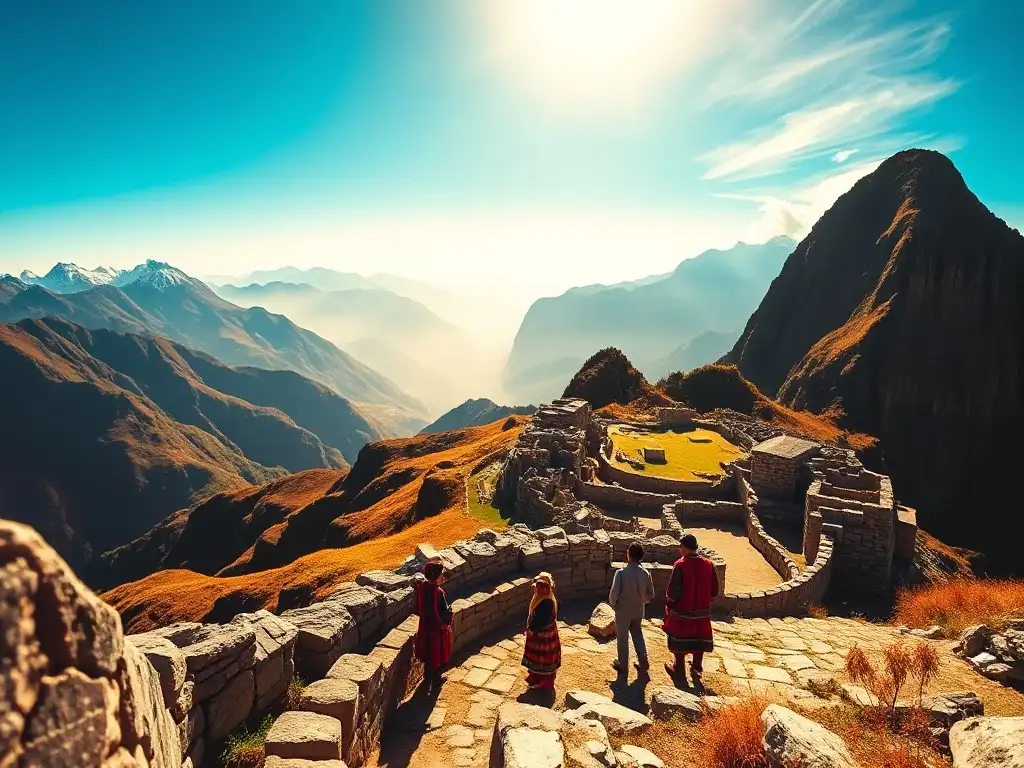
Unravel the mysteries of the Andes! Journey with us through the breathtaking landscapes and captivating cultures of ancient civilizations. Did you know the mighty Inca Road played a pivotal role in the astonishing spread of the Quechua language? Discover how this remarkable feat of Andean engineering facilitated communication and shaped the very fabric of these societies. Prepare to be amazed as we delve into the intricate connection between Quechua language spread and the Inca Road, revealing a story far richer than you can imagine.
The Inca Empire, a civilization renowned for its sophisticated engineering feats and administrative prowess, left an indelible mark on South America. Central to their dominion was an extensive network of roads, the Qhapaq Ñan, often referred to as the Inca Road.
This remarkable infrastructure facilitated not only the efficient movement of troops and resources but also played a crucial role in the standardization and spread of the Quechua language, the lingua franca of the empire. This article delves into the intricate relationship between the Inca Road system and the dissemination of Quechua, exploring how this impressive network of pathways acted as a conduit for linguistic unification across diverse Andean communities.
We will examine the strategic placement of roads, the impact of administrative policies, and the overall social dynamics that contributed to the widespread adoption of Quechua, ultimately shaping the linguistic landscape of the Andes for centuries to come. Understanding this connection provides crucial insights into the multifaceted nature of Inca imperial power and its lasting cultural legacy.
Introduction to the Inca Road System and Quechua
The Inca Road system, a marvel of ancient engineering, stretched over 40,000 kilometers, traversing treacherous mountain passes, dense jungles, and arid deserts. This network wasn't simply a collection of pathways; it was a meticulously planned and maintained infrastructure crucial to the functioning of the empire. The roads facilitated the rapid movement of armies, messengers (chasquis), and goods, connecting distant provinces and consolidating Inca control.
Simultaneously, the Quechua language, a member of the Quechuan family, emerged as the administrative language of the Inca Empire. While various Quechua dialects existed, the Inca’s favored dialect became the standardized form, used for official communication and administration. This standardization process was significantly aided by the ease of communication and interaction facilitated by the extensive road system.
The close connection between the road network and the spread of Quechua is undeniable, with the roads acting as both a physical and symbolic link in the empire's cultural unification. The construction and maintenance of the roads themselves also created employment opportunities, bringing together people from diverse linguistic backgrounds who inevitably interacted and exchanged language. This constant movement and interaction significantly contributed to the spread of Quechua.
The Inca Road Network: A Foundation for Cultural Exchange
The strategic placement of the Inca Road was instrumental in the dissemination of Quechua. Major cities and administrative centers were connected by well-maintained pathways, ensuring efficient communication and the flow of information. This facilitated the deployment of Inca officials who enforced the use of Quechua in official settings. Furthermore, the establishment of tambos (roadside inns) along the routes provided rest stops for travelers and facilitated social interaction between people from different regions.
These tambos served as hubs for cultural exchange, including language learning and adoption. The constant movement of people along the roads, whether for administrative purposes, trade, or religious pilgrimages, created opportunities for language contact and diffusion. The Inca’s policy of resettlement also played a significant role. By relocating populations to different regions, they fostered linguistic interaction and the gradual adoption of Quechua as a common language.
This process, although sometimes forceful, was ultimately successful in creating a shared linguistic identity across the vast Inca Empire. The impact of this linguistic unification is still felt today, with Quechua remaining a vital language in many parts of the Andes. The legacy of the Inca Road is not merely one of impressive engineering; it’s a testament to the empire’s ability to leverage infrastructure to achieve cultural and linguistic standardization, leaving a lasting impact on the region’s cultural identity. The Quechua language spread, facilitated by the Inca Road, showcases a fascinating interplay between infrastructure, policy, and cultural exchange in the Andes.
Pre-Inca Languages and the Rise of Quechua
Linguistic Diversity Before the Inca Empire
Before the Inca Empire's expansion, the Andean region boasted a remarkable diversity of languages. Numerous language families thrived, each with its own unique vocabulary, grammar, and phonology. The area now encompassing Peru alone housed dozens of distinct languages, reflecting the complex tapestry of pre-Columbian cultures.
These languages often corresponded to specific ethnic groups and territories, with little to no cross-linguistic understanding between geographically distant communities. Archaeological evidence, coupled with linguistic analysis of surviving texts and oral traditions, points to a rich linguistic landscape far more intricate than previously understood. For example, the Aymara language family, still spoken today in the Andes, had a significant presence in the altiplano region, coexisting with other, now-extinct languages.
The detailed reconstruction of this pre-Inca linguistic panorama remains a significant challenge for modern linguists, as much of the historical record is incomplete or fragmented. Understanding this diversity is crucial to appreciating the scale of the Quechua language's subsequent spread. The Inca's success in unifying this linguistically diverse region is a testament to their administrative and communicative prowess.
The Inca Adoption and Promotion of Quechua
The Inca, originating in the Cusco region, spoke a dialect of Quechua that eventually became the dominant language of their vast empire. The Inca's rise to power wasn't solely based on military might; their shrewd political strategies played a significant role. A key element of their strategy involved the adoption and promotion of Quechua as the official language of the empire.
This wasn't a forced imposition, but rather a gradual process involving incentives and strategic alliances. By encouraging the use of Quechua in administration and trade, the Inca fostered a sense of unity and facilitated communication across their diverse territories. The standardization of Quechua, although not completely uniform across the empire, contributed to its widespread adoption.
The Inca rulers actively supported the dissemination of Quechua, employing scribes to transcribe official records and promoting its use in schools and religious ceremonies. This deliberate policy of language promotion was a crucial factor in Quechua's eventual dominance.
How the Inca Road Facilitated Quechua Expansion
Movement of People and the Dissemination of Language
The expansive Inca road system, a marvel of ancient engineering, played a crucial role in the spread of the Quechua language. The roads not only facilitated the movement of goods and armies but also enabled the migration of people across vast distances. The Inca frequently relocated populations, either to consolidate power, to populate newly conquered territories, or to utilize specialized labor in different regions. These population movements led to the natural dissemination of Quechua, as individuals from Cusco and other Quechua-speaking regions interacted with communities speaking other languages.
This constant movement of people, facilitated by the efficient road network, created opportunities for language contact and gradual linguistic shift. It's important to note that this wasn't a uniform process; the adoption of Quechua varied across different regions and communities. However, the Inca road system significantly accelerated the process of linguistic change.
Imperial Administration and Quechua as a Lingua Franca
The Inca Empire's sophisticated administrative system relied heavily on effective communication. With Quechua established as the official language, imperial decrees, tax records, and other administrative documents were written in Quechua. This ensured uniformity in record-keeping and facilitated the efficient management of the empire's vast resources. Furthermore, Quechua served as a lingua franca, a common language enabling communication between individuals speaking different native tongues.
This facilitated trade, diplomacy, and the overall integration of diverse communities within the empire. The use of Quechua in administrative settings, religious ceremonies, and official interactions solidified its position as the dominant language, fostering its spread organically through everyday interactions. The standardization of weights, measures, and even calendar systems, all documented in Quechua, further reinforced its importance.
The Role of Chasquis in Language Transmission
The chasquis, a network of relay runners who traversed the Inca road system, played a vital, often overlooked, role in the transmission of Quechua. These runners, strategically positioned along the roads, carried messages, official documents, and even news across vast distances at remarkable speed. While their primary function was the rapid transmission of information, their constant movement along the roads contributed to the spread of Quechua.
Through their interactions with local populations and their frequent travels, the chasquis acted as linguistic vectors, unknowingly disseminating Quechua vocabulary and grammar. Their presence along the roads ensured a constant flow of communication, accelerating the process of linguistic assimilation and reinforcing Quechua's dominance in the empire. The chasquis' role highlights the intricate interconnectedness of the Inca road system and the dissemination of their language, proving that efficient communication infrastructure played a pivotal role in shaping the linguistic landscape of the Andes.
Regional Variations of Quechua Along the Inca Roads
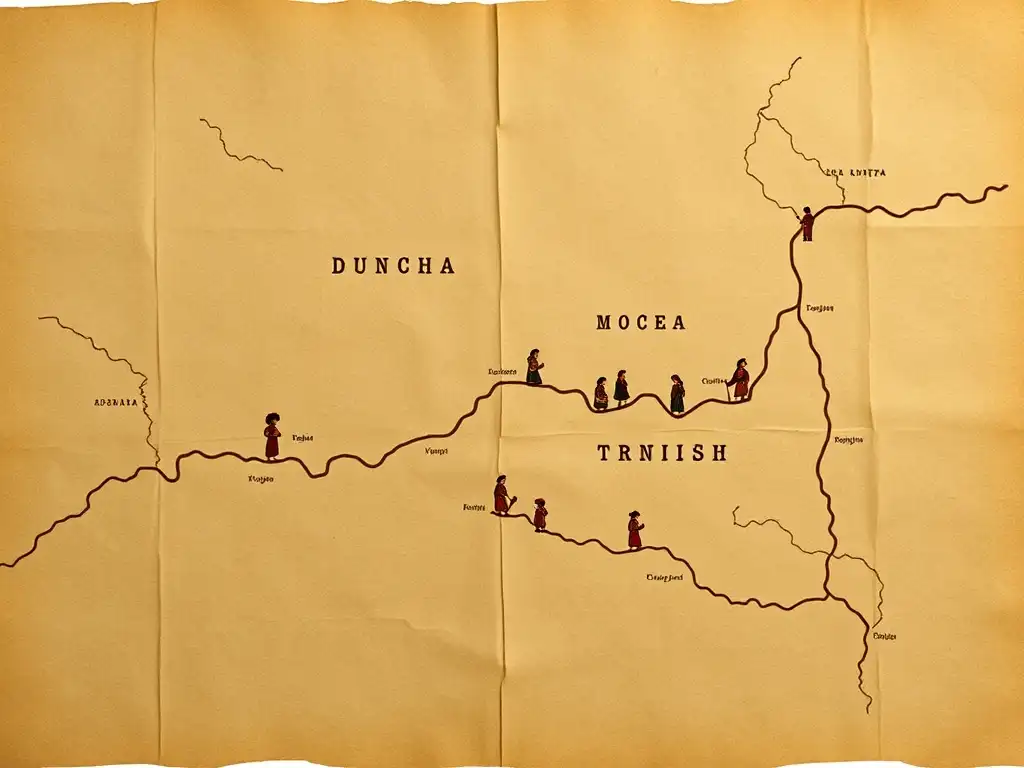
The vast network of Inca roads, stretching thousands of kilometers across diverse Andean landscapes, played a crucial role in shaping the evolution and spread of the Quechua language. While Quechua served as a lingua franca across the empire, the road system didn't lead to a monolithic language. Instead, regional variations of Quechua arose, reflecting the pre-existing linguistic diversity of the conquered territories and the ongoing interaction between different populations along the road network.
These variations weren't simply random deviations; they often corresponded to distinct geographical areas and reflected the unique cultural and social dynamics of those regions. The Inca road system, while facilitating communication, also inadvertently preserved and amplified these existing linguistic differences. The sheer scale of the empire and the varied terrain meant that certain Quechua dialects became dominant in specific regions, a phenomenon that continues to be observed in modern Quechua.
The roads, therefore, acted as conduits not just for the spread of Quechua, but also for the diversification of the language itself. This linguistic diversity is a testament to the complex interplay between imperial control and local cultural resilience. The Inca's administrative structure, while promoting Quechua, couldn't entirely erase the rich tapestry of pre-existing languages and dialects.
Dialectical Shifts Along the Road Network
The Inca road system wasn't static; it was a dynamic network that evolved over time. As the empire expanded and contracted, so did the influence of different Quechua dialects. Trade, migration, and administrative shifts along the roads contributed to significant dialectical shifts.
For instance, areas experiencing high levels of interaction with different Quechua-speaking groups saw a blending of dialects, leading to the emergence of new linguistic forms. Conversely, isolated sections of the road network saw a greater preservation of older dialects. This dynamic process is evident in the modern distribution of Quechua dialects, where proximity to major road arteries often correlates with the presence of more mixed or evolved dialects.
Analyzing the distribution of specific linguistic features along the Inca road network provides valuable insight into the migration patterns and administrative strategies of the Inca empire. Detailed linguistic studies are needed to fully map these shifts and understand their impact on the evolution of modern Quechua.
The Influence of Local Languages on Quechua Variants
The Inca's expansion wasn't solely about imposing Quechua; it was also about integrating conquered populations. This integration resulted in a significant exchange between Quechua and the various local languages along the Inca road network. Many Quechua dialects today incorporate vocabulary and grammatical structures from Aymara, Puquina, and other pre-Inca languages. This linguistic borrowing demonstrates the adaptability of Quechua and the continued cultural influence of pre-existing Andean languages.
The Inca road system played a key role in facilitating this exchange, as the movement of people and goods along these routes brought different languages into constant contact. This process of linguistic borrowing and adaptation is a powerful example of how language reflects the historical and cultural dynamics of a region. The Quechua language, therefore, is not merely a reflection of Inca dominance, but a mosaic of Andean linguistic traditions shaped by centuries of interaction.
The Lasting Impact of the Inca Road on Quechua
The legacy of the Inca road system on the Quechua language extends far beyond the Inca empire's collapse. The roads served as a foundation for continued communication and cultural exchange among Andean communities long after the Spanish conquest. Even today, the patterns of Quechua dialect distribution are strongly influenced by the historical road network. The ease of communication provided by the Inca infrastructure helped maintain a sense of linguistic and cultural unity among Quechua speakers across vast distances.
While the Spanish colonial period significantly impacted the language, the pre-existing infrastructure, established by the Inca roads, helped to preserve and transmit Quechua across generations. This resilience of the language is a testament to the enduring power of infrastructure in shaping cultural and linguistic landscapes. The Inca road system's impact on Quechua is a powerful illustration of how infrastructure can influence linguistic diversity and cultural continuity.
Quechua's Continued Use in the Andes
Despite centuries of colonial influence and the pressures of globalization, Quechua remains a vital language in the Andes. Its continued use is partly attributable to the strong cultural identity associated with the language and the historical network of communication facilitated by the Inca roads. The enduring presence of Quechua in many Andean communities reflects the resilience of indigenous cultures and the power of language to connect people across generations.
The accessibility provided by the Inca road system, even in its degraded state, played a role in ensuring that Quechua speakers maintained contact and cultural exchange, thus bolstering the continued use of the language. The preservation of Quechua highlights the importance of understanding the historical factors that contribute to linguistic diversity and cultural survival. Further research into the modern use of Quechua can shed light on the ongoing impact of the Inca road system on Andean communities.
The Inca Road as a Conduit for Cultural Preservation
The Inca road system wasn't just a means of transportation; it was a crucial element in the preservation and dissemination of Inca culture, including the Quechua language. The roads facilitated the movement of not only people and goods but also cultural knowledge, traditions, and artistic expression. This facilitated the spread of Quechua, alongside other aspects of Inca culture.
The standardization of weights, measures, and administrative practices, facilitated by the road network, contributed to a sense of unity within the empire, strengthening the position of Quechua as the imperial language. The road system also played a crucial role in the transmission of oral traditions, songs, and stories in Quechua, ensuring that the language and culture were passed down through generations.
The Inca road system, therefore, acted as a conduit for cultural preservation, ensuring that Quechua and other cultural elements of the Inca Empire continued to thrive, even after the empire's collapse. The lasting impact of this system on Quechua illustrates the intricate relationship between infrastructure, language, and cultural continuity.
Challenges to Quechua Language Today
The Quechua language, despite its historical prominence thanks to the Inca Road's influence, faces significant challenges in the modern era. The spread of Spanish, following the conquest, led to a drastic decline in Quechua speakers. While Quechua remains the native language for millions, its dominance is significantly diminished in many regions.
This linguistic shift is largely due to the perceived economic and social advantages associated with Spanish fluency, often leading families to prioritize Spanish education for their children. This intergenerational shift poses a serious threat to the long-term survival of many Quechua dialects. Moreover, the lack of consistent government support for Quechua language education and media further exacerbates the situation.
While some initiatives exist, they are often insufficient to counteract the powerful influence of Spanish in education, media, and daily life. The homogenizing effect of globalization also contributes to the erosion of linguistic diversity, with Quechua often being overshadowed by dominant global languages.
Modern Influences on the Quechua Language
The Quechua language is not static; it continues to evolve, incorporating elements from Spanish and other languages. This process of linguistic borrowing, known as code-switching, is evident in many Quechua dialects. Words related to modern technology, concepts, and institutions are often borrowed directly from Spanish, reflecting the pervasive influence of the dominant language.
This constant interaction and adaptation are a natural part of language evolution, but they also contribute to the ongoing challenge of maintaining the purity and distinctiveness of the Quechua language. The influx of loanwords can lead to a gradual dilution of the original lexicon, potentially impacting the richness and complexity of the language. The level of code-switching varies significantly across different regions and communities, reflecting the diverse sociolinguistic landscapes where Quechua is spoken.
Efforts to Revitalize Quechua
Recognizing the importance of preserving Quechua, various organizations and initiatives are actively working to revitalize the language. These efforts include promoting Quechua language education in schools, developing Quechua-language media (radio, television, and online platforms), and fostering the creation of Quechua literature and artistic expression. Community-based language programs play a vital role, empowering local speakers to maintain and transmit their linguistic heritage to younger generations. These programs often involve immersive language learning experiences, cultural activities, and intergenerational dialogue.
Furthermore, advocacy groups work to raise awareness about the importance of linguistic diversity and push for greater governmental support for Quechua language preservation. Despite these efforts, the task remains significant, requiring sustained commitment and resources to effectively counteract the pressures pushing towards linguistic homogeneity. The success of these revitalization efforts will ultimately depend on a combination of grassroots activism, government policy changes, and the sustained commitment of Quechua speakers themselves.
Conclusion: The Enduring Legacy of the Inca Road and Quechua
The Inca Road played a pivotal role in the spread and standardization of the Quechua language across the vast Inca Empire. Its strategic network facilitated communication and cultural exchange, leading to a degree of linguistic unity unprecedented in the Andes. While the Spanish conquest profoundly impacted the language's dominance, Quechua endures as a testament to the Inca's sophisticated infrastructure and administrative prowess.
The challenges faced by Quechua today highlight the importance of ongoing efforts to preserve linguistic diversity and cultural heritage. The story of Quechua is intrinsically linked to the history of the Inca Empire, and understanding this connection is crucial for appreciating the enduring legacy of both the road network and the language it helped to spread. The survival of Quechua is not just a matter of linguistic preservation; it is a vital component of maintaining the rich cultural tapestry of the Andean region.
The Intertwined History of the Inca Road and the Quechua Language
The Inca Road and the Quechua language share a deeply intertwined history. The expansive road system, a marvel of Inca engineering, served as a crucial artery for the dissemination of the Quechua language throughout the empire. Official messengers, traders, and administrators traveled along these routes, facilitating communication and interaction between diverse Andean communities.
This constant movement and exchange contributed to the standardization of Quechua, as variations and dialects gradually converged towards a common, official form. The Inca's deliberate policy of promoting Quechua as the administrative language further reinforced its spread along the road network. The roads thus not only connected geographically distant regions but also fostered linguistic and cultural unity within the vast Inca Empire.
The legacy of this interwoven relationship continues to shape the linguistic landscape of the Andes today, even as Quechua faces the challenges of globalization and linguistic dominance. The story of Quechua's spread is inextricably linked to the story of the Inca Road.
- Introduction to the Inca Road System and Quechua
- The Inca Road Network: A Foundation for Cultural Exchange
- Pre-Inca Languages and the Rise of Quechua
- How the Inca Road Facilitated Quechua Expansion
- Regional Variations of Quechua Along the Inca Roads
- The Lasting Impact of the Inca Road on Quechua
- Challenges to Quechua Language Today
- Conclusion: The Enduring Legacy of the Inca Road and Quechua
- How did the Inca Road facilitate the spread of Quechua?
- Was Quechua the only language spoken in the Inca Empire?
- What role did the chasquis play in Quechua's dissemination?
- Did the Inca Road's impact on Quechua spread extend beyond the empire's borders?
- How significant was the Inca Road compared to other factors in the spread of Quechua?
Frequently Asked Questions
How did the Inca Road facilitate the spread of Quechua?
The Inca Road system, a vast network of roads, allowed for easy and rapid travel throughout the empire. This facilitated the movement of Inca officials, soldiers, and traders, who spoke Quechua, leading to its widespread adoption.
Was Quechua the only language spoken in the Inca Empire?
No, many languages were spoken within the Inca Empire. However, Quechua was promoted as the official administrative language, and its use was encouraged through the empire's infrastructure, including the road system.
What role did the chasquis play in Quechua's dissemination?
The chasquis, or Inca messengers, travelled extensively along the Inca Road. Their constant movement along the road network helped to spread Quechua throughout the empire, ensuring communication and cultural exchange.
Did the Inca Road's impact on Quechua spread extend beyond the empire's borders?
To some extent, yes. The influence of Quechua extended beyond the Inca Empire's boundaries due to the trade and interactions facilitated by the road system and the empire's reach. However, its spread was primarily within the empire's political and economic sphere.
How significant was the Inca Road compared to other factors in the spread of Quechua?
The Inca Road was a crucial factor, but not the sole reason for Quechua's spread. Imperial policies, military conquest, and administrative centralization also played significant roles in its dissemination.
Final Reflection: Echoes of the Inca Road: A Legacy in Language
The Inca Road wasn't just a marvel of engineering; it was a linguistic artery, pumping the Quechua language across the vast Andes. Its influence on the spread of Quechua continues to resonate today, shaping the cultural landscape of South America in profound and lasting ways. The intricate network of roads facilitated not only trade and governance but also the dissemination of a common tongue, binding together diverse communities under a shared linguistic identity.
The enduring power of Quechua, despite centuries of colonization and linguistic suppression, is a testament to the strength of cultural resilience and the enduring legacy of the Inca Empire. The language itself carries within it the echoes of a rich history, a history woven into the very fabric of the Andes. A language is a dialect with an army and navy,
a quote often attributed to Max Weinreich, perfectly encapsulates the role of power in language dominance, but also highlights the remarkable survival of Quechua despite facing such odds. Its persistence speaks volumes about the deep connection between language and identity, a connection forged and strengthened by the very infrastructure of the Inca Road.
Consider the impact of this legacy. How has the spread of Quechua, facilitated by the Inca Road, shaped your understanding of Andean cultures? What can we learn from the resilience of this language, and how can we apply that understanding to protect and celebrate linguistic diversity in our own world? Let the echoes of the Inca Road inspire you to explore the rich tapestry of languages that enrich our planet, and to champion the preservation of cultural heritage in all its forms.
**Unveil the Legacy of the Inca Road and Quechua Language! **
Thank you for exploring the fascinating connection between the Inca Road and the Quechua language. We hope you've gained a deeper understanding of how this ancient network shaped communication and culture in the Andes. Now, let's delve even further!
Here are some ways you can continue to engage with this rich history:
- **Visit** a nearby Inca site or museum showcasing Quechua artifacts. Direct engagement with the culture will significantly enhance your understanding.
- **Participate** in a Quechua language class or community group. Connecting with others and discussing the language's role in preserving Andean heritage is a rewarding experience.
- **Share** this article with friends and family who might be interested in learning more about the Quechua language. Spark a conversation about the vital importance of cultural preservation.
How do you believe the Quechua language influences modern Andean identity? We'd love to hear your thoughts in the comments!