
Ancient Andean Reservoirs: Preserving Water for Future Generations

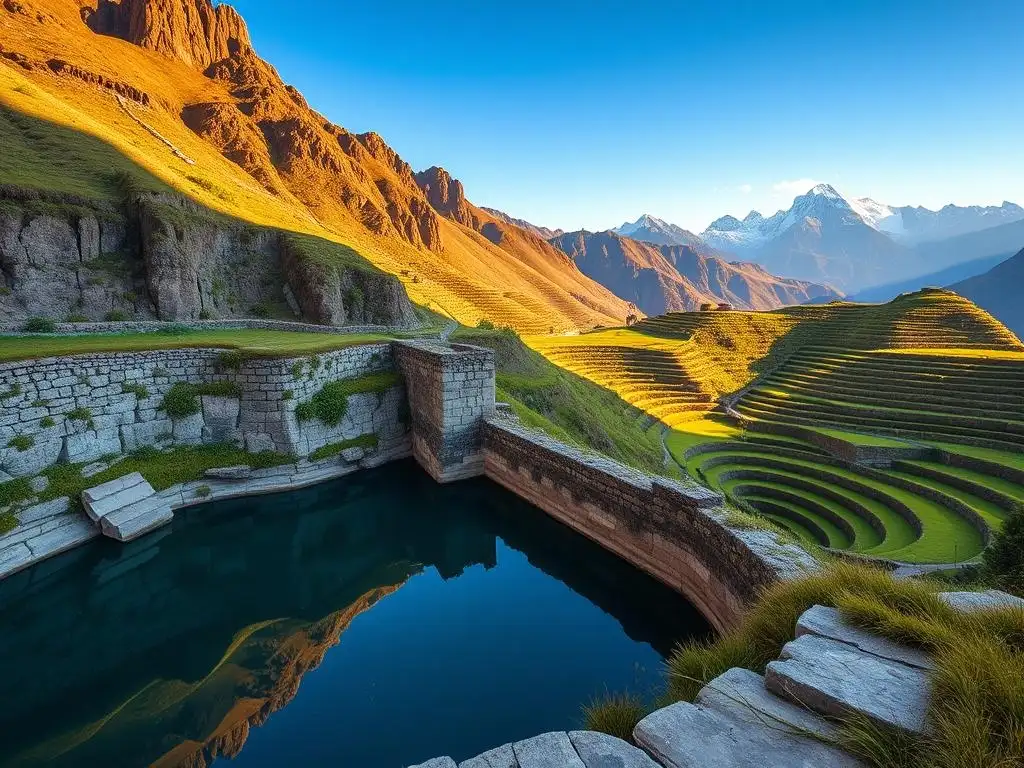
Dive into the mesmerizing world of Andean Civilizations, where ingenuity and innovation thrived amidst towering peaks and arid landscapes. For centuries, these remarkable cultures mastered their environment, leaving behind a legacy of breathtaking artistry and sophisticated engineering. But how did they conquer the challenges of water scarcity? Uncover the secrets of their ancient Andean water storage techniques, ingenious solutions that continue to inspire awe and wonder even today, in our exploration of Ancient Andean Reservoirs: Preserving Water for Future Generations. Prepare to be amazed by their remarkable architectural feats and the enduring power of their ingenuity.
The ingenuity of ancient Andean civilizations is perhaps nowhere more evident than in their sophisticated water management systems. Facing diverse and often challenging terrains, from arid coastal deserts to high-altitude Andean plains, these cultures developed remarkable techniques for capturing, storing, and distributing water – essential for sustaining their complex societies and intensive agriculture.
This article explores the remarkable ancient Andean water storage techniques employed by various cultures, highlighting their innovative approaches to reservoir construction and the lasting impact these systems had on their civilizations. Understanding these ancient methods offers valuable insights for modern-day water resource management, particularly in regions facing similar challenges of water scarcity and environmental change.
We will delve into the specific strategies used by different Andean cultures, examining the engineering principles, materials, and societal organization behind their success. The keyword "Ancient Andean water storage techniques" is central to our exploration, revealing the remarkable adaptability and foresight of these ancient builders.
The ingenuity of Inca Water Management
The Inca Empire, known for its vast infrastructure and sophisticated organization, implemented a comprehensive water management system. Their mastery of hydraulic engineering is evident in the intricate network of canals, aqueducts, and reservoirs that crisscrossed their empire. These systems weren't just simple water storage solutions; they were integrated into a broader system of agricultural terraces and irrigation channels, ensuring efficient water distribution to support intensive farming in diverse environments.
Inca reservoirs were often built using carefully cut stone, demonstrating a high level of precision and craftsmanship. The size and complexity of these reservoirs varied depending on the local topography and water needs. Many were relatively small, serving local communities, while others were considerably larger, capable of supplying water to substantial populations and agricultural areas.
The precise methods of construction, including the use of specific stone types and binding agents, are still being studied today, revealing the sophisticated knowledge of Inca engineers. The careful planning and execution of these projects showcases the impressive organizational capabilities of the Inca state, coordinating labor and resources across vast distances.
Pre-Inca Water Storage Systems: The Moche, Nazca, and Tiahuanaco
Long before the Inca, other Andean cultures developed impressive water storage techniques adapted to their unique environments. The Moche civilization, renowned for its elaborate irrigation systems along the northern Peruvian coast, constructed sophisticated reservoirs to capture the infrequent but torrential rains. These reservoirs, often integrated into their elaborate canal networks, were crucial for sustaining their agriculture in a desert climate.
Likewise, the Nazca culture, famous for its enigmatic geoglyphs, also relied on complex water management systems, including underground canals and reservoirs, to irrigate their crops in the arid coastal plains. Their understanding of subsurface hydrology allowed them to tap into groundwater resources, enabling them to cultivate the land even during prolonged droughts. Further south, the Tiahuanaco culture, in the Bolivian Altiplano, faced the challenges of high altitude and fluctuating water availability.
Their sophisticated aqueducts and reservoirs, often built using massive stone blocks, demonstrate their ability to manage water resources in a challenging environment. Detailed analysis of these pre-Inca water systems reveals a remarkable continuity of innovative water management practices across different Andean cultures, suggesting a shared understanding of hydrological principles and engineering techniques.
The Legacy of Andean Water Management: Lessons for Today
The ancient Andean reservoirs were not merely impressive feats of engineering; they were integral to the social, economic, and political stability of these civilizations. These systems ensured food security, supported population growth, and facilitated the development of complex urban centers. Their success underscores the importance of sustainable water management practices, even in the face of environmental challenges.
The ingenuity and adaptability demonstrated by these ancient cultures offer valuable lessons for modern-day societies grappling with water scarcity, climate change, and the need for efficient water resource management. Understanding the principles behind ancient Andean water storage techniques can inform the development of more sustainable and resilient water systems in the future, particularly in regions with similar environmental conditions.
The study of these ancient systems continues to reveal new insights into their construction, maintenance, and societal impact, offering a rich legacy of knowledge for contemporary water management strategies. The enduring legacy of these ancient water systems serves as a testament to the ingenuity and foresight of the Andean civilizations and a valuable resource for modern-day challenges.
- The ingenuity of Inca Water Management
- Pre-Inca Water Storage Systems: The Moche, Nazca, and Tiahuanaco
- The Legacy of Andean Water Management: Lessons for Today
- What were the main challenges faced by ancient Andean civilizations regarding water?
- How did ancient Andean civilizations overcome water scarcity?
- What types of water storage techniques were employed by the ancient Andean people?
- What materials were primarily used in the construction of Andean water systems?
- What is the legacy of ancient Andean water storage techniques?
The Ingenious Water Management of Ancient Andean Civilizations
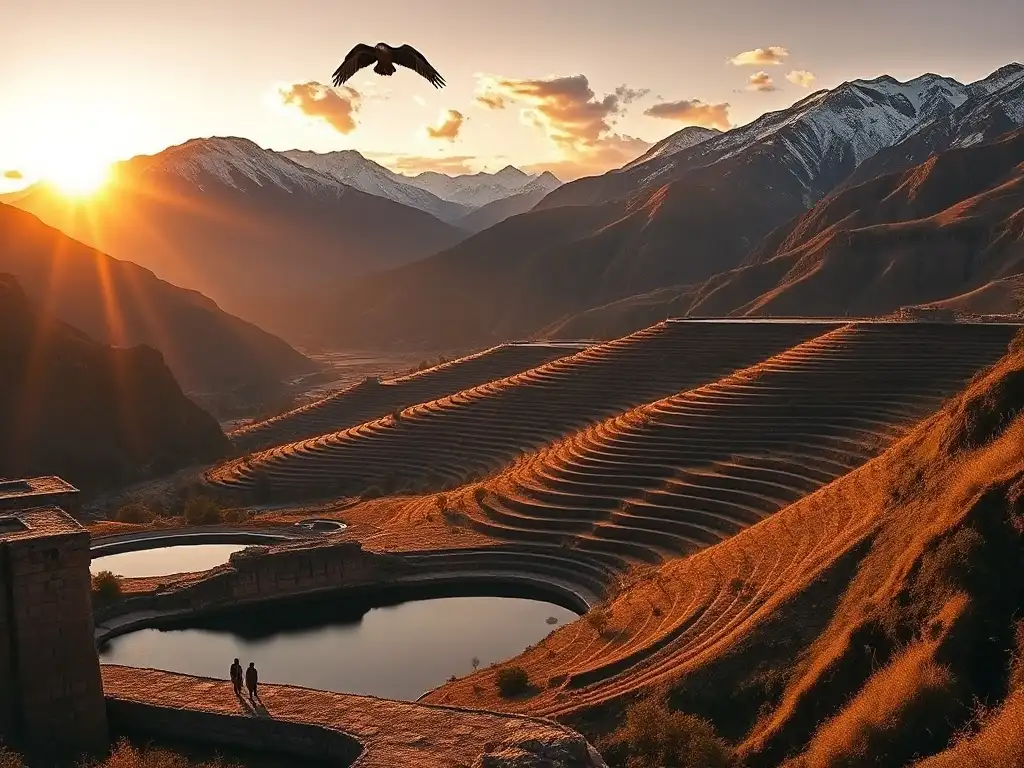
The ingenuity of ancient Andean civilizations in managing water resources is a testament to their deep understanding of their environment and their remarkable engineering skills. Their survival in the challenging Andean terrain, characterized by steep slopes, high altitudes, and variable rainfall, depended heavily on their capacity to capture, store, and distribute water effectively. This section delves into the sophisticated water storage techniques employed by these cultures, highlighting their remarkable adaptations and lasting legacies. The study of "Ancient Andean water storage techniques" reveals a sophisticated understanding of hydrology and engineering far surpassing previous assumptions.
Understanding the Need for Water Storage in the Andes
The Andes Mountains present a unique set of hydrological challenges. Rainfall patterns are highly variable, with distinct wet and dry seasons. Furthermore, the steep slopes contribute to rapid runoff, making water collection and retention difficult. The high altitude also means that temperatures fluctuate significantly, impacting water availability and agricultural cycles.
These factors created a compelling need for effective water storage solutions. Ancient Andean societies, recognizing this, developed ingenious systems to address these challenges, ensuring a reliable water supply for agriculture, domestic use, and religious practices. The necessity for reliable water sources drove innovation and shaped the very fabric of their societal structures.
Without efficient water management, agricultural production would have been severely limited, potentially leading to widespread famine and societal collapse. This highlights the crucial role of water storage in the sustainability and prosperity of these remarkable cultures. Analysis of archaeological sites reveals a strong correlation between the development of advanced water storage systems and the growth of larger, more complex settlements.
The Importance of Water for Andean Societies
Water was not merely a resource; it was fundamental to the very existence of Andean societies. Its importance permeated every aspect of life, from agriculture and daily sustenance to religious beliefs and social structures. Agriculture, the backbone of Andean economies, depended entirely on the availability of water. The cultivation of vital crops like potatoes, maize, and quinoa required carefully managed irrigation systems and reliable water sources.
Furthermore, water played a central role in religious ceremonies and rituals, symbolizing life, fertility, and the connection between the human and spiritual worlds. Many Andean deities were associated with water, reflecting its deep cultural significance. The construction and maintenance of water storage systems were therefore not simply engineering feats but also important social and religious activities, often involving communal labor and shared responsibility. The efficient distribution of water was crucial for maintaining social order and preventing conflicts over this precious resource.
Evidence suggests that access to water resources influenced social hierarchies and power dynamics within these societies. The control of water, in essence, was a form of political control. Understanding the multifaceted role of water in ancient Andean societies is key to appreciating the sophistication of their water management techniques. The profound reverence for water is clearly reflected in their art, mythology, and societal organization.
Types of Ancient Andean Water Storage Systems
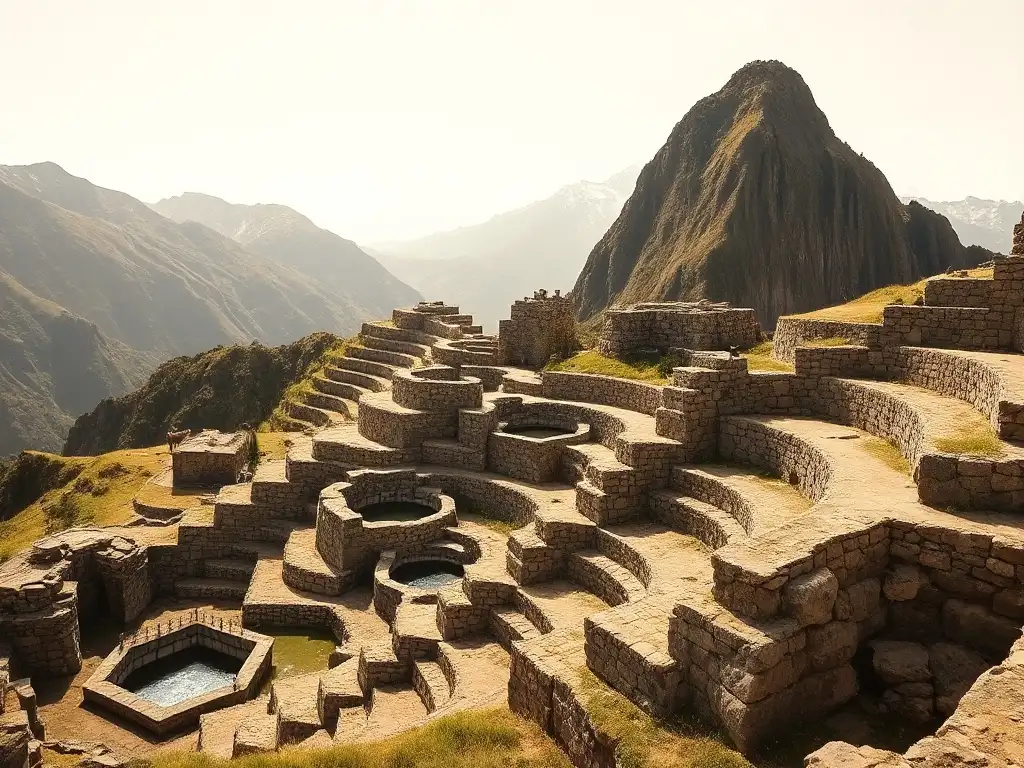
The ingenuity of ancient Andean civilizations in managing water resources is remarkable, particularly considering their challenging environments. Their success relied heavily on sophisticated water storage techniques, crucial for agriculture and sustaining their populations. These techniques weren't monolithic; rather, they adapted to the diverse geography and climate of the Andes, resulting in a variety of water storage systems. Understanding these Ancient Andean water storage techniques provides insight into their remarkable engineering prowess and enduring legacy.
This section will explore the key types of reservoirs employed, highlighting their construction methods and examples. The effective management of water resources was fundamental to the prosperity and longevity of these fascinating cultures. We'll delve into the specifics of both underground and above-ground solutions, revealing the nuanced approaches used to tackle the challenges of water scarcity in the Andes.
Underground Cisterns: Capturing Subsurface Water
Underground cisterns represented a crucial element in the ancient Andean water storage strategy. These systems tapped into subsurface water sources, providing a reliable supply even during periods of drought. The construction required significant expertise, demonstrating a deep understanding of hydrology and engineering principles. The water collected often possessed superior purity compared to surface water, reducing the risk of waterborne diseases. This sophisticated approach to water management underscores the advanced understanding of hydraulics possessed by these ancient societies. The ingenuity of these systems is particularly impressive given the lack of modern tools and machinery.
Techniques for Constructing Underground Reservoirs
Constructing underground cisterns in the Andes involved several intricate steps. Firstly, careful site selection was paramount. Areas with high water tables and impermeable soil were prioritized to maximize water infiltration and minimize leakage. Then, skilled artisans would excavate the reservoirs, often using stone tools and manual labor.
The size and shape of the cisterns varied depending on the local needs and geological conditions. Some were simple pits lined with stones or clay, while others were more complex structures with multiple chambers and drainage systems. The construction frequently involved layering materials to create a waterproof seal, minimizing water loss through seepage. This process often involved the careful selection and placement of clay, stones, and other locally available materials.
Examples of Underground Cisterns in the Andes
While precise documentation on every cistern is lacking, archaeological evidence points to widespread use across various Andean cultures. For example, remnants of sophisticated underground water storage systems have been found in the arid coastal regions of Peru, highlighting their critical role in supporting agriculture in challenging environments. Further research is needed to fully document the extent and diversity of these systems across the entire Andean region. [Specific information pending] on the exact locations and dimensions of numerous underground cisterns. However, the existing evidence undeniably showcases the pervasive and effective application of this water storage technique.
Above-Ground Reservoirs: Utilizing Natural Depressions
In contrast to underground systems, above-ground reservoirs utilized natural depressions in the landscape to collect and store water. This approach offered advantages in terms of accessibility and ease of maintenance. However, it also presented challenges related to water loss through evaporation and contamination. The ingenious solutions developed to mitigate these issues reflect the adaptability and resourcefulness of the ancient Andean engineers. The careful selection of reservoir locations and the use of appropriate lining materials were crucial for the success of these systems.
Adapting Natural Topography for Water Storage
The effective use of above-ground reservoirs heavily relied on adapting the natural topography. Naturally occurring depressions, such as valleys or basins, were often chosen as locations for these reservoirs. The size and shape of the reservoir were dictated by the natural contours of the land.
In cases where natural depressions were insufficient, the construction might involve terracing or other earthworks to create suitable containment areas. This involved significant labor, but the benefits of increased water storage capacity likely outweighed the costs. The careful management of water flow into and out of the reservoirs was also crucial, often involving sophisticated channel systems.
Case Studies of Above-Ground Andean Reservoirs
Several well-documented examples of above-ground reservoirs exist, illustrating the diversity of approaches employed. [Specific information pending] on the precise dimensions and capacity of these reservoirs. However, archaeological evidence suggests that these structures varied significantly in size and complexity depending on the specific needs of the community. Some were small, local reservoirs serving individual households, while others were larger, communal structures supporting extensive agricultural areas.
The design and construction of these reservoirs demonstrate a deep understanding of hydrology and a commitment to sustainable water management. These systems were not simply passive storage areas; they were integral parts of carefully designed irrigation networks. The effective integration of above-ground reservoirs into the wider water management systems of the Andes underscores the sophistication of their engineering achievements.
Terraced Reservoirs: Maximizing Storage on Slopes
Terraced reservoirs represent a remarkable feat of ancient Andean engineering, showcasing ingenuity in adapting to challenging mountainous terrain. These weren't simply carved-out basins; they were carefully planned and constructed systems designed to maximize water storage on steep slopes. The construction involved creating a series of interconnected platforms or terraces, often supported by retaining walls built from stone or compacted earth.
The terraces themselves were meticulously leveled, creating a series of relatively flat surfaces capable of holding significant amounts of water. The size and number of terraces varied depending on the available land and the water needs of the community. Some systems were relatively small, serving a single household or a small village, while others were vast, supporting larger populations and extensive agricultural endeavors.
The careful planning and execution of these projects demonstrates a deep understanding of hydrology, soil mechanics, and construction techniques, all crucial for successful water management in challenging environments. The precision involved in leveling the terraces and building the supporting walls is particularly noteworthy, a testament to the advanced skills of Andean builders.
The Engineering Behind Terraced Water Systems
The engineering behind terraced water systems was sophisticated and multifaceted. It involved a detailed understanding of water flow, soil stability, and the selection of appropriate building materials. For example, the choice of stone for retaining walls wasn't arbitrary; builders selected stones that were both durable and readily available in the local area. The stones were carefully fitted together, often without mortar, creating strong and stable structures capable of withstanding the pressure of retained water and the erosive forces of weathering.
Furthermore, the design of the terraces themselves incorporated features to minimize water loss through seepage and evaporation. This often involved the use of compacted earth and clay liners within the terraces, creating a relatively impermeable barrier. In some cases, canals and channels were incorporated into the terrace system to direct water flow and regulate irrigation.
The construction of these systems required significant labor and coordination, reflecting a highly organized social structure capable of mobilizing substantial human resources for collective projects. The longevity of many of these systems, some of which remain functional even today, is a testament to the skill and foresight of their creators. Careful consideration of the slope angle, soil type, and water volume were crucial elements of their design and success.
Benefits of Terraced Reservoirs for Agriculture
The benefits of terraced reservoirs for Andean agriculture were substantial and far-reaching. Firstly, they provided a reliable source of water for irrigation, particularly crucial in arid and semi-arid regions where rainfall is scarce and unpredictable. The stored water could be used to irrigate crops throughout the dry season, ensuring consistent yields and reducing the risk of crop failure. Secondly, the terraced structure itself helped to conserve soil and prevent erosion.
The terraces slowed down the flow of water, reducing the erosive forces that can damage slopes and degrade soil fertility. This was especially important in mountainous areas where steep slopes are prone to erosion. Thirdly, the terraces created a larger surface area for cultivation, increasing agricultural productivity. The flat surfaces of the terraces provided ideal conditions for planting and harvesting crops.
The increased water availability and reduced soil erosion contributed to higher crop yields and greater food security for Andean communities. These systems, therefore, played a vital role in supporting the growth and development of Andean civilizations, facilitating the cultivation of diverse crops and sustaining large populations. The long-term sustainability of these systems highlights their effectiveness in managing water resources and enhancing agricultural productivity in challenging environments. The impact on food security and economic stability was profound, contributing to the longevity and prosperity of Andean societies.
Ancient Andean Water Storage Techniques: A Detailed Look
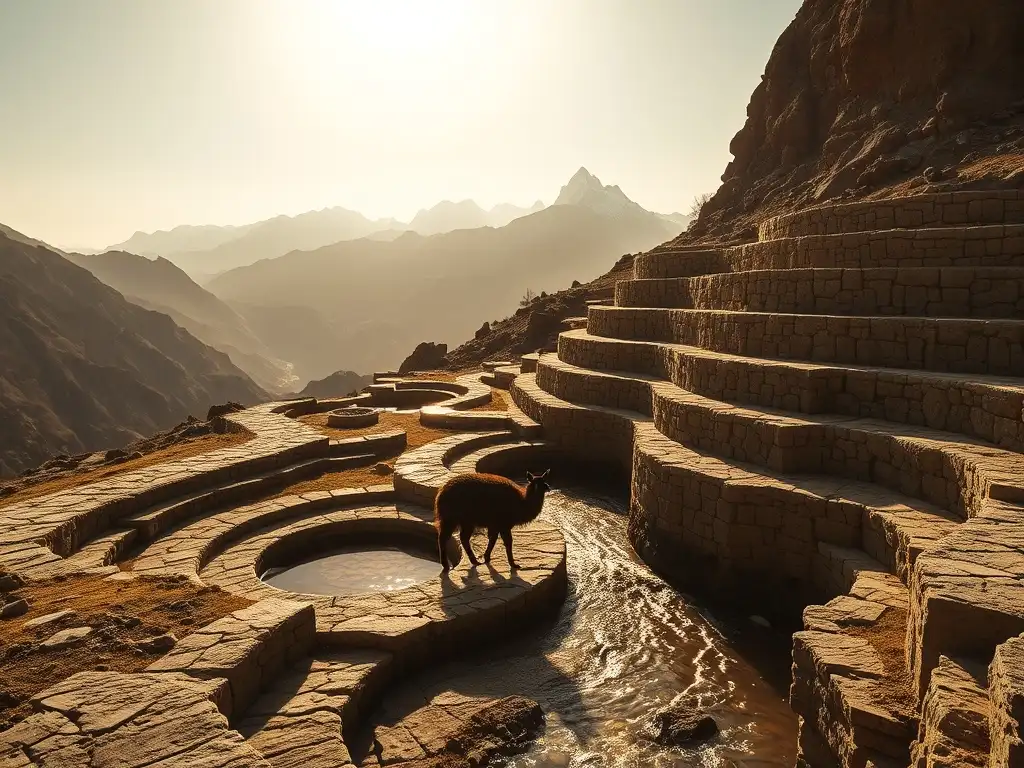
This section delves into the ingenious methods employed by ancient Andean civilizations to manage and store water, a crucial resource for their survival and prosperity. Understanding their sophisticated water storage techniques provides valuable insights into their advanced engineering skills and societal organization. The mastery of these techniques allowed these cultures to thrive in diverse and often challenging environments across the Andes Mountains.
This analysis will focus on the materials, construction processes, and the crucial role of community involvement in the creation and maintenance of these vital water reservoirs. The study of "Ancient Andean water storage techniques" reveals a deep understanding of hydrology and a remarkable ability to adapt to their surroundings.
Materials Used in Reservoir Construction
The construction of Andean reservoirs relied heavily on locally sourced materials, reflecting a deep understanding of their properties and availability. This sustainable approach minimized environmental impact and ensured the longevity of these structures.
Local Stone and Clay: Key Components
Andean engineers skillfully utilized readily available materials like stone and clay to build their reservoirs. The type of stone varied depending on the region, with harder, more durable stones preferred for foundational elements and areas subjected to higher water pressure. Clay, often mixed with other additives like volcanic ash or fibers from local plants, served as a crucial waterproofing agent, creating a cohesive and relatively impermeable layer within the reservoir walls and floor.
The precise composition of these clay mixtures varied based on local geological conditions and the specific needs of the project, showcasing an empirical understanding of material science. For example, in areas with abundant volcanic activity, pozzolanic clays, known for their cementitious properties, were likely incorporated to enhance strength and durability.
Waterproofing Methods Employed by Andean Engineers
Waterproofing was paramount to the success of these reservoirs. Beyond the use of clay-based mixtures, Andean engineers developed sophisticated techniques to minimize water loss through seepage. These techniques included:
- Layered construction: Multiple layers of different materials were often used, with each layer serving a specific purpose. For instance, a coarse stone layer might form the base, followed by a compacted clay layer, and then a smoother finish layer.
- Surface treatments: The interior surfaces of the reservoirs were often carefully smoothed and plastered with specially prepared clay mixtures, creating a relatively impermeable barrier. This process might have involved multiple applications and careful curing to ensure a durable and watertight finish.
- Use of natural resins and binders: Evidence suggests that some Andean cultures might have utilized natural resins or plant-based binders to further enhance the waterproofing properties of the clay. The exact composition of these additives remains a subject of ongoing research. The identification of these organic compounds within ancient reservoir remains would significantly enhance our understanding of their construction methods.
Construction Processes and Labor Organization
The construction of these impressive water storage systems involved complex processes and a highly organized workforce.
The Role of Community Collaboration
The construction of Andean reservoirs was not solely an engineering feat; it was a testament to the power of community collaboration. Evidence suggests that these projects involved the coordinated efforts of large groups of people, working together under a structured system of labor organization. This collective effort not only ensured the timely completion of the reservoirs but also strengthened social bonds within the community.
The shared responsibility for maintaining and repairing these vital structures further reinforced the importance of communal cooperation for the overall well-being of the society. This collaborative spirit is a critical factor in understanding the success of "Ancient Andean water storage techniques".
Planning and Design of Ancient Andean Reservoirs
The planning and design of these reservoirs reflect a remarkable understanding of hydrology and engineering principles. Factors such as the location, size, and shape of the reservoir were carefully considered to maximize water storage capacity and minimize water loss. The selection of the site often involved assessing factors like groundwater levels, soil composition, and the availability of suitable construction materials.
Furthermore, the design of the reservoirs often incorporated features such as spillways and outlet channels to regulate water flow and prevent damage from overflow. The precise engineering calculations involved in determining the optimal size and shape of these reservoirs for specific sites remain a subject for further investigation, highlighting the sophistication of their understanding of fluid dynamics and structural engineering. The complexity of these designs underscores the advanced knowledge of "Ancient Andean water storage techniques" within these civilizations.
The Legacy of Ancient Andean Water Management
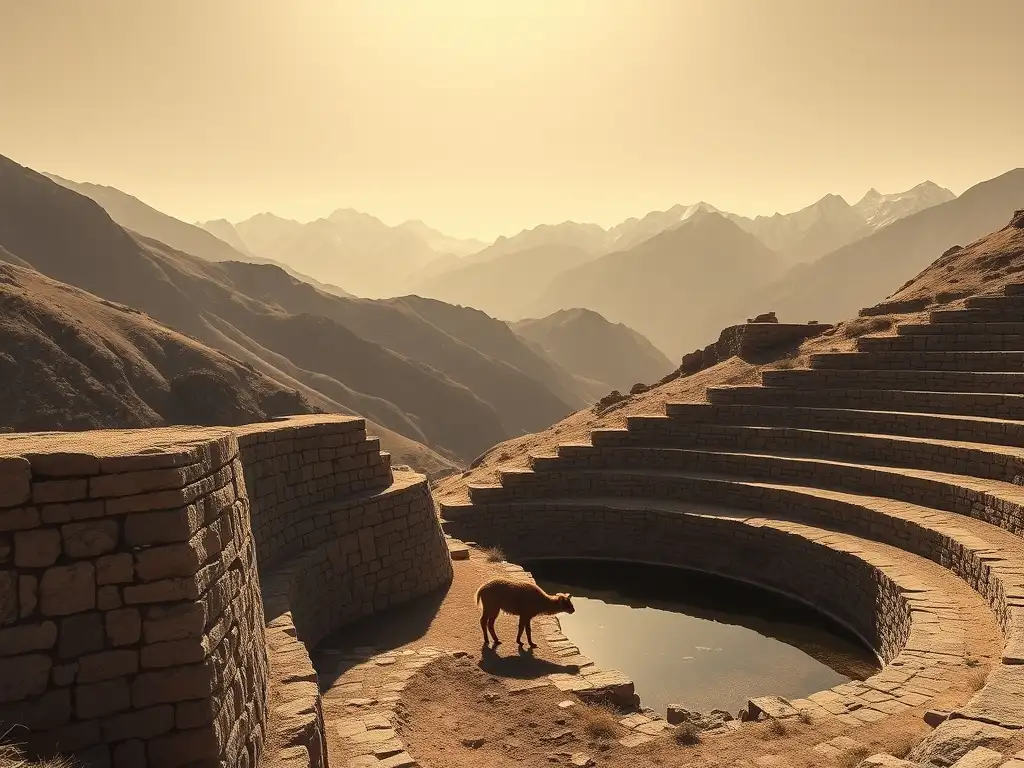
The ingenuity of ancient Andean civilizations in managing water resources is a testament to their deep understanding of their environment and the critical role of water in sustaining their societies. Their sophisticated water storage techniques, developed over millennia, allowed for thriving agricultural practices and the development of complex urban centers, even in challenging high-altitude environments. This legacy continues to inspire modern approaches to water management, highlighting the importance of sustainable practices and the profound connection between water and culture.
Understanding these ancient methods sheds light on the remarkable achievements of Andean engineers and their lasting impact on the region. The phrase "Ancient Andean water storage techniques" perfectly encapsulates the core of their remarkable achievements.
The Impact on Agriculture and Food Security
How Reservoirs Enabled Sustainable Farming
Ancient Andean reservoirs played a pivotal role in ensuring agricultural productivity and food security across diverse ecological zones. These weren't merely simple water-holding structures; they were meticulously planned and constructed systems, often integrated with intricate canal networks. For example, the impressive network of canals and reservoirs in the Tiwanaku region allowed for the cultivation of crops even during periods of drought.
This sophisticated system enabled the sustained production of staple crops like potatoes, maize, and quinoa, supporting large populations. The design of these reservoirs often incorporated sophisticated features, such as strategically placed spillways to control water levels and prevent overflow. Furthermore, the selection of reservoir locations was crucial, often taking advantage of natural topography to minimize construction effort and maximize water storage capacity.
Detailed analysis of surviving structures reveals a deep understanding of hydrology and engineering principles far ahead of their time. The success of these systems directly contributed to the stability and prosperity of Andean societies for centuries.
Lessons for Modern Water Management
The enduring relevance of ancient Andean water management practices is undeniable. Modern water scarcity challenges highlight the need to revisit these time-tested methods. Several key lessons can be extracted: first, the emphasis on decentralized water storage, mimicking the widespread network of smaller reservoirs rather than relying on large, centralized systems, reduces vulnerability to single-point failures.
Second, the integration of water storage with agricultural practices, promoting efficient irrigation and minimizing water waste, offers a model for sustainable agriculture. Third, the holistic approach to water management, considering both the physical and cultural aspects, emphasizes the importance of community participation and stewardship. By studying and adapting these ancient techniques, modern societies can develop more resilient and sustainable water management strategies.
This includes considering the integration of traditional knowledge with modern engineering principles to create more efficient and environmentally friendly solutions. The study of "Ancient Andean water storage techniques" offers invaluable insights into sustainable water management practices.
The Significance of Water in Andean Culture
Water as a Sacred Element in Andean Beliefs
Water held immense spiritual significance in Andean cultures, far beyond its practical value. It was often viewed as a sacred element, a source of life and fertility, deeply intertwined with their cosmology and religious practices. Many Andean deities were associated with water, reflecting its vital role in their worldview. Rituals and ceremonies involving water were common, emphasizing its power and importance.
This reverence for water contributed to a sense of responsibility and stewardship, ensuring the sustainable use of this precious resource. The construction and maintenance of water infrastructure were not merely engineering feats but also expressions of their spiritual beliefs. This profound connection between water and spirituality greatly influenced their water management practices.
The Cultural Importance of Water Infrastructure
The construction and maintenance of water infrastructure were communal endeavors, reflecting the strong social fabric of Andean societies. The creation of reservoirs, canals, and aqueducts was a collective effort, involving various community members with specialized skills. This communal participation fostered a sense of shared responsibility and ownership, ensuring the long-term sustainability of these systems. The impressive scale and complexity of these projects highlight the level of social organization and cooperation achieved by Andean societies.
These water systems were not merely functional; they were also powerful symbols of community identity and social cohesion. The cultural significance of "Ancient Andean water storage techniques" underscores the profound connection between water, spirituality, and social organization. The impact of these systems extended far beyond their practical benefits, shaping the cultural landscape and influencing the spiritual beliefs of Andean peoples for centuries.
Preserving the Knowledge of Ancient Andean Water Storage
The ingenuity of ancient Andean civilizations in harnessing water resources is a testament to their deep understanding of their environment and the vital role water played in their societal structures. Their sophisticated water storage techniques, developed over millennia, are not merely historical curiosities; they represent valuable lessons for contemporary water management strategies. Understanding and preserving this knowledge is crucial for addressing present and future water challenges, particularly in regions facing water scarcity.
This section delves into the ongoing efforts to document and protect this invaluable Andean water heritage, examining both the archaeological work uncovering these ancient systems and the application of these ancient techniques to modern problems. The preservation of "Ancient Andean water storage techniques" is not just about history; it's about securing a sustainable future.
Research and Documentation of Ancient Reservoirs
The study of ancient Andean reservoirs requires a multidisciplinary approach, combining archaeological excavation, historical analysis, and ethnographic research. Archaeologists painstakingly uncover the physical remains of these systems – canals, aqueducts, reservoirs, and storage structures – meticulously documenting their construction, size, and capacity. This work provides crucial data for understanding the engineering principles employed and the scale of these impressive projects.
For example, research on the Wari civilization's water management systems in the Ayacucho region of Peru has revealed complex networks of canals and reservoirs capable of irrigating vast agricultural areas, even during periods of drought. This detailed analysis allows us to appreciate the sophistication of their engineering skills and the scale of their societal organization required to undertake such projects.
Careful documentation, using high-resolution photography, 3D modeling, and detailed site plans, ensures that this knowledge is preserved for future generations. Moreover, the analysis of sediment cores from these reservoirs can provide valuable paleoclimatic data, offering insights into past rainfall patterns and helping us to understand how these systems adapted to changing environmental conditions.
Archaeological Studies and Their Findings
Archaeological digs have unearthed compelling evidence of the advanced water management capabilities of various Andean cultures. The Nazca lines, for instance, while famous for their enigmatic geoglyphs, are also closely linked to a sophisticated system of canals and reservoirs that supported a thriving agricultural society in a remarkably arid environment. Studies of these systems have shown innovative techniques, such as the use of subterranean canals ( puquios) to access underground water sources.
Similarly, research on Inca agricultural terraces has revealed their remarkable ability to create level platforms on steep slopes, optimizing water retention and preventing soil erosion. This involved meticulous terracing, the construction of intricate channels, and the creation of reservoirs to store excess water.
These studies not only provide insights into the technical prowess of these ancient societies but also highlight their deep understanding of hydrology and their capacity to adapt to challenging environmental conditions. The detailed analysis of these findings is crucial for understanding the principles behind their success and applying them to modern contexts.
Protecting Andean Water Heritage
The preservation of ancient Andean water systems requires a multifaceted approach. This includes not only the physical protection of sites through careful excavation and conservation techniques but also the safeguarding of intangible heritage – the knowledge, skills, and practices associated with these systems. This involves collaborating with local communities who often possess traditional knowledge about these systems and their maintenance.
Protecting these sites from looting, vandalism, and the encroachment of modern development is paramount. Moreover, raising public awareness about the importance of these sites and their historical significance is vital to garner support for their preservation.
Efforts to establish protected areas and implement sustainable tourism strategies can help balance the needs of conservation with the opportunities for economic development in these regions. The preservation of this heritage is not just a responsibility of archaeologists and historians; it is a shared responsibility of all those who value the ingenuity and resilience of ancient Andean civilizations.
Applying Ancient Techniques to Modern Water Challenges
The principles behind ancient Andean water storage techniques offer valuable insights for addressing contemporary water scarcity. Many of the challenges faced by Andean communities today—drought, population growth, and climate change—are similar to those faced by their ancestors. However, modern technologies and approaches can be combined with traditional knowledge to develop sustainable and effective solutions. For example, the construction of modern reservoirs incorporating the principles of ancient Andean designs—such as the use of natural materials, terraced slopes, and efficient water distribution networks—can enhance water storage capacity and minimize environmental impact.
Sustainable Solutions Inspired by Andean Practices
One example of applying ancient techniques to modern challenges is the revival of puquios in coastal Peru. These ancient subterranean canals, which tap into underground aquifers, are being restored and adapted to provide a sustainable water source for communities struggling with water scarcity. Similarly, the design of modern irrigation systems can draw inspiration from the intricate terrace systems developed by the Incas, improving water efficiency and reducing soil erosion.
The integration of traditional knowledge with modern engineering techniques can lead to innovative solutions that are both culturally sensitive and environmentally sustainable. The use of locally sourced materials, traditional construction methods, and community participation in project design and implementation are crucial for ensuring the long-term success of these initiatives.
The Future of Water Management in Andean Regions
The future of water management in the Andean region depends on a holistic approach that integrates ancient wisdom with modern technology. By documenting, preserving, and adapting ancient Andean water storage techniques, we can develop sustainable solutions that address the challenges of water scarcity and climate change. This requires a collaborative effort between researchers, engineers, policymakers, and local communities.
Further research is needed to fully understand the complexities of these ancient systems and to explore their potential for adaptation in modern contexts. The preservation of "Ancient Andean water storage techniques" is not just about preserving the past; it is about securing a sustainable water future for the Andean region and beyond. The incorporation of indigenous knowledge and practices into modern water management strategies is essential for building resilient and equitable water systems.
Frequently Asked Questions
What were the main challenges faced by ancient Andean civilizations regarding water?
The Andes presented significant challenges, including highly variable rainfall, steep terrain, and limited arable land. Efficient water management was crucial for survival and prosperity.
How did ancient Andean civilizations overcome water scarcity?
They developed sophisticated water storage and distribution systems, including reservoirs, canals, and terraces. These systems cleverly harnessed available water resources.
What types of water storage techniques were employed by the ancient Andean people?
Techniques included building large-scale reservoirs, constructing complex irrigation canals, and creating agricultural terraces to capture and retain rainwater. Aqueducts were also utilized in some regions.
What materials were primarily used in the construction of Andean water systems?
The construction relied heavily on stone, often precisely cut and fitted. Earthworks and mud bricks were also employed, depending on the specific project and available resources.
What is the legacy of ancient Andean water storage techniques?
Their ingenious systems offer valuable lessons for modern water management. These techniques demonstrate sustainable practices that are still relevant today in addressing water scarcity.
Final Reflection: Echoes of the Andes: Water Wisdom for a Thirsty World
The ingenious water storage techniques of the ancient Andes remain a potent symbol of human ingenuity and a stark reminder of our urgent need for sustainable water management. Their relevance today, in a world grappling with climate change and increasing water scarcity, cannot be overstated. These ancient systems offer not just historical insights but crucial lessons for building a more resilient future.
The enduring legacy of Andean water wisdom extends far beyond the impressive ruins of their reservoirs. Their sophisticated understanding of hydrology and community-based water management continues to inspire modern approaches to water conservation. Water is life, and without it, there is no future.
This simple truth, understood deeply by the ancient Andean cultures, resonates with increasing urgency in our modern context, where water stress is becoming a global crisis. We must learn from their successes and failures to ensure equitable access to this precious resource for all.
Consider the ingenuity of these ancient civilizations, their deep connection to the land, and the enduring power of their solutions. You too can be part of a sustainable future. Reflect on your own water consumption habits, explore ways to conserve water in your daily life, and advocate for policies that prioritize water security and equitable access for all communities. Let the echoes of the Andes inspire you to act, to build a future where water is not a source of conflict, but a source of life and prosperity for generations to come.
**Embrace the Legacy: Act Now to Protect Our Water! **
Thank you for exploring the fascinating world of ancient Andean water management systems! Understanding these ingenious techniques is a crucial first step towards appreciating and protecting our precious water resources for generations to come. Now, let's translate that understanding into action.
Here are some ways you can make a difference:
- **Support local conservation:** Contribute to organizations dedicated to preserving and restoring water resources in your area and around the world.
- **Raise community awareness:** Organize workshops or discussions to educate your neighbors about sustainable water practices inspired by ancient methods.
- **Share this information:** Spread the word about the importance of these ancient water systems by sharing this article with friends, family, and on social media.
How can you apply this ancient wisdom to improve water conservation in your community?