
A Testament to Ingenuity: How Andean Civilizations Overcame Construction Challenges

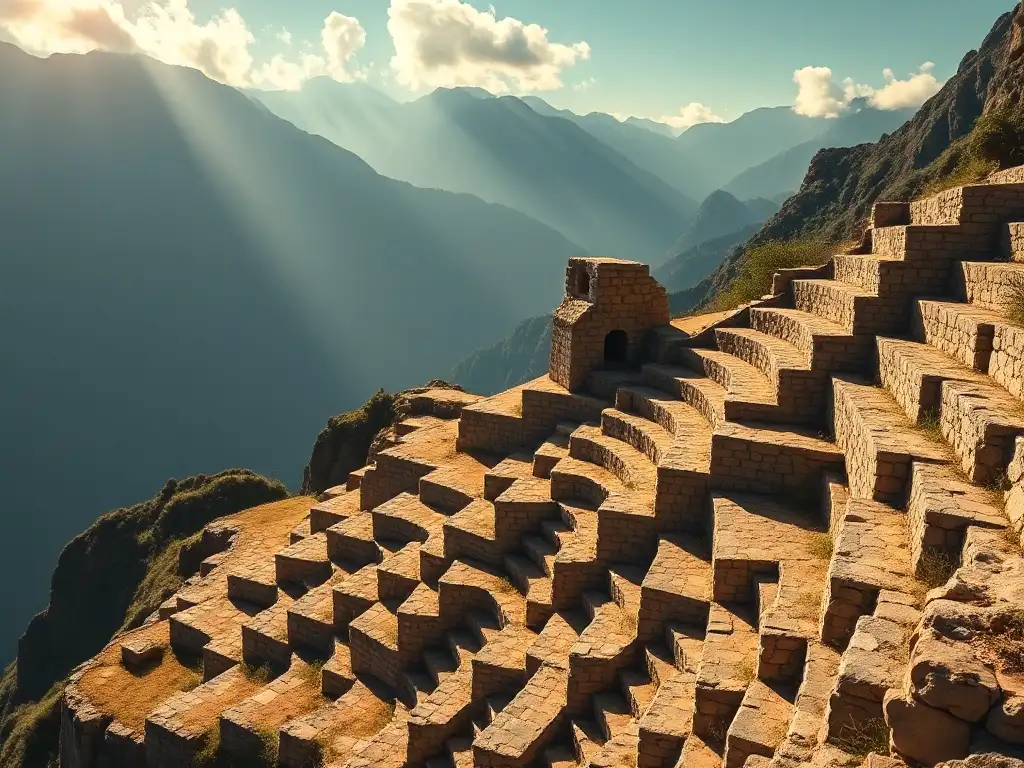
Welcome to Andean Civilizations, where the echoes of a lost world whisper tales of ingenuity and ambition. Prepare to be amazed by the breathtaking achievements of ancient Andean societies – the Incas, Moche, Nazca, and Tiahuanaco, among others. But how did they build such monumental structures? Discover the secrets behind Andean civilization construction techniques in our latest article, a journey into the remarkable engineering feats that defied the mountainous terrain and continue to astound us today. Unravel the mysteries and prepare to be captivated.
The Andes Mountains, a formidable natural barrier stretching along the western edge of South America, presented unparalleled challenges to the ancient civilizations that thrived within its shadow. This article delves into the remarkable ingenuity of the Andean peoples – including the Incas, Moche, Nazca, and Tiahuanaco – exploring their innovative construction techniques that allowed them to erect impressive structures, intricate irrigation systems, and sprawling cities in one of the world's most geographically demanding environments. From defying gravity with masterful stonework to harnessing scarce resources for monumental projects, their achievements stand as a testament to human resilience and architectural prowess, showcasing a deep understanding of engineering principles far ahead of their time.
Understanding these "Andean civilization construction techniques" provides crucial insight into the complexities and sophistication of these remarkable cultures. We will examine the specific challenges faced, the solutions implemented, and the lasting legacy these techniques left behind.
Introduction to Andean Ingenuity in Construction
The Andean region's diverse geography, encompassing high altitudes, steep slopes, seismic activity, and varied climates, posed significant obstacles to construction. Unlike civilizations in flatter, more resource-rich areas, Andean builders had to adapt their techniques to the limitations imposed by their environment. This necessitated a deep understanding of local materials, innovative construction methods, and a sophisticated knowledge of engineering principles. The lack of wheeled vehicles and draft animals further complicated logistics, demanding efficient and labor-intensive solutions. Despite these challenges, the Andean civilizations developed remarkably advanced techniques, evidenced by their monumental architecture, intricate road networks, and complex irrigation systems that supported thriving populations for centuries. Their mastery of stonework, particularly in precise cutting and fitting, is legendary, while their ability to adapt construction techniques to varying terrains and climates showcases an impressive level of adaptability and problem-solving skills. We will explore several specific examples throughout this article to highlight this unique ingenuity.
Mastering Stonework: Precision and Innovation in Andean Construction
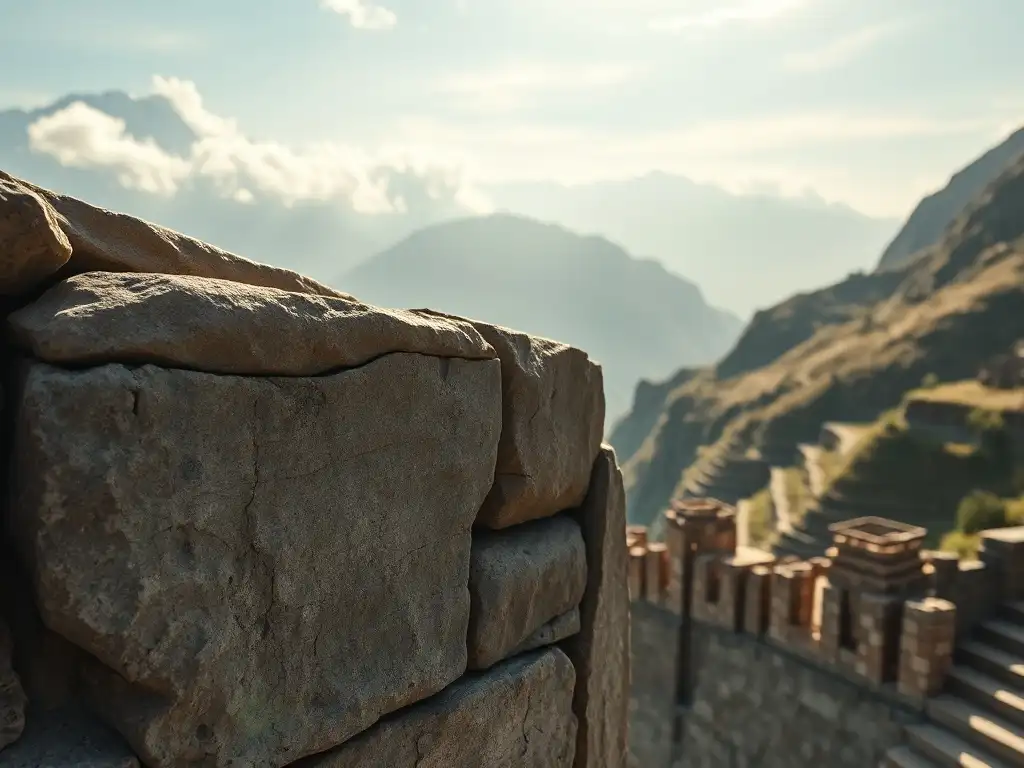
Andean builders demonstrated an unparalleled mastery of stonework, employing techniques that minimized the need for mortar while achieving exceptional precision and durability. Their ability to cut, shape, and fit stones with such accuracy is particularly impressive, especially considering the tools available to them. Many structures, like those at Machu Picchu, showcase astonishing examples of ashlar masonry, where stones are meticulously shaped and fitted together without mortar, creating incredibly strong and stable walls that have withstood the test of time and seismic activity.
This level of precision required sophisticated planning, skilled labor, and a deep understanding of the properties of the local stone. The techniques varied slightly between different cultures, but the common thread was an unwavering commitment to quality and precision.
The impressive fit of these stones, often described as "perfectly interlocking," speaks volumes about the builders' skill and the importance placed on structural integrity. Further research is needed to fully understand the exact tools and techniques employed, but existing evidence suggests a combination of hammers, chisels, and possibly abrasive materials.
Harnessing Resources: Materials and Construction Strategies
The scarcity of certain resources in the Andean region forced builders to adapt and innovate. For example, the use of adobe bricks, made from sun-dried mud and straw, was prevalent in lower altitudes, while stone was the primary material in higher elevations. The choice of material was dictated by availability, climate, and the intended function of the structure. In addition to stone and adobe, builders utilized other materials such as wood, reeds, and thatch, often combining them creatively to achieve optimal results.
Their construction strategies often involved adapting to the terrain, utilizing natural features like cliffs and slopes to their advantage. Terracing, for instance, was a common technique used to create level agricultural land on steep slopes, showcasing a deep understanding of both engineering and agriculture. This ingenious approach to resource management and construction demonstrates a sophisticated understanding of their environment and its limitations.
Irrigation Systems: Engineering Marvels of the Andes
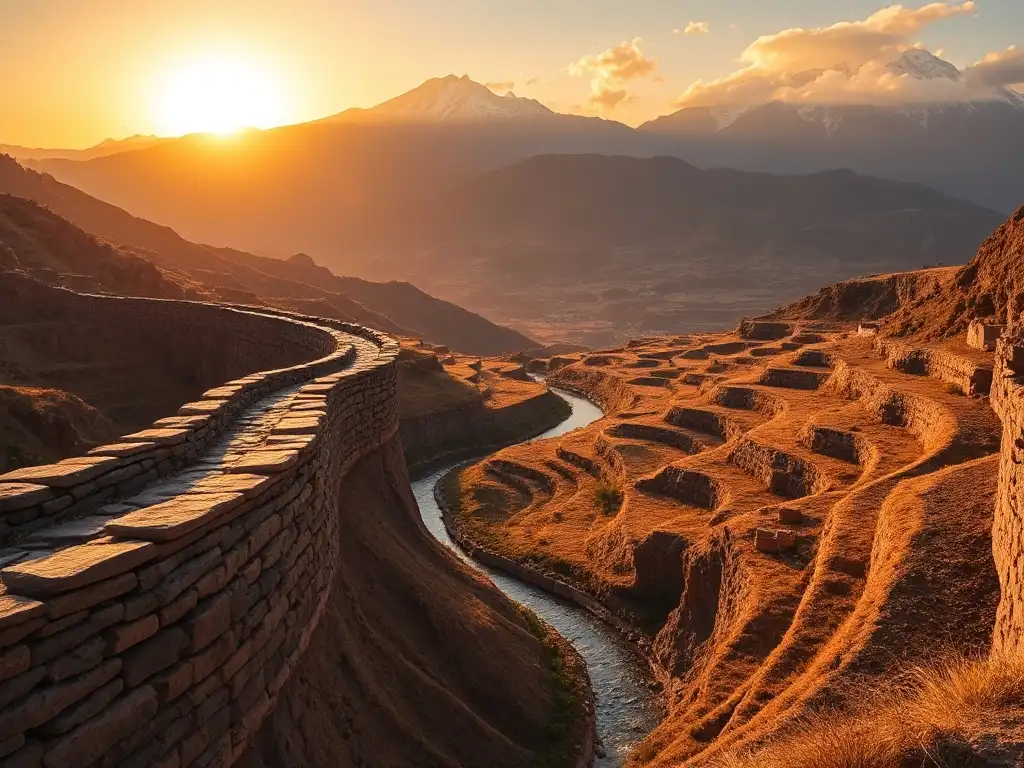
The development of intricate irrigation systems was crucial to the success of Andean civilizations, enabling them to cultivate crops in arid and challenging environments. These systems, often involving canals, aqueducts, and reservoirs carved into mountainsides, were monumental feats of engineering, requiring precise planning and execution. The Nazca culture, known for their iconic geoglyphs, also developed sophisticated irrigation systems that allowed them to thrive in a desert environment.
These systems involved complex networks of canals that channeled water from distant sources to agricultural fields, demonstrating a remarkable understanding of hydrology and water management. The ingenuity of these systems is further highlighted by their ability to withstand the harsh conditions of the Andean environment for extended periods. Detailed studies are ongoing to fully map and understand the extent and complexity of these ancient irrigation networks, but what is already known is undeniably impressive.
A Lasting Legacy: Influence on Modern Construction
The construction techniques of the Andean civilizations continue to inspire awe and admiration. Their mastery of stonework, their resourcefulness in the face of adversity, and their sophisticated understanding of engineering principles remain relevant today. Modern engineers and architects continue to study and analyze these ancient techniques, seeking inspiration and insights for contemporary construction projects.
The durability and resilience of many Andean structures serve as a testament to the effectiveness of these ancient methods. Furthermore, the principles of sustainability and environmental awareness embedded in their construction practices offer valuable lessons for modern builders striving for eco-friendly and responsible construction. The legacy of Andean ingenuity extends far beyond their remarkable structures; it represents a timeless model of adaptability, resourcefulness, and sustainable building practices.
- Introduction to Andean Ingenuity in Construction
- Mastering Stonework: Precision and Innovation in Andean Construction
- Harnessing Resources: Materials and Construction Strategies
- Irrigation Systems: Engineering Marvels of the Andes
- A Lasting Legacy: Influence on Modern Construction
- What unique construction challenges did Andean civilizations face?
- How did the Incas overcome the lack of wheeled vehicles and beasts of burden?
- What materials did Andean civilizations primarily use in their constructions?
- What are some examples of impressive Andean construction techniques?
- How did Andean construction techniques reflect their understanding of the environment?
Understanding the Unique Challenges of Andean Construction
The Andes Mountains presented formidable obstacles to the ancient Andean civilizations who sought to build impressive cities, temples, and agricultural terraces. Mastering construction in this environment required ingenuity, adaptation, and a deep understanding of the natural world. Understanding the challenges faced by these builders is key to appreciating the remarkable achievements of their advanced Andean civilization construction techniques. This section will delve into the specific difficulties encountered and how they were overcome.
The Rugged Andean Terrain and its Impact on Building
The sheer scale and ruggedness of the Andean terrain significantly impacted construction. Steep slopes, narrow valleys, and unpredictable weather patterns presented constant hurdles. Transporting materials, especially heavy stones for monumental structures like Machu Picchu, was a logistical nightmare.
The Incas, for example, cleverly utilized existing trails and carved new ones, often employing sophisticated systems of ramps and terraces to navigate the difficult topography. Consider the construction of Sacsayhuamán near Cusco: the massive, precisely fitted stones had to be transported uphill over long distances, a testament to their organizational prowess and innovative transport methods. Evidence suggests the use of rollers, levers, and possibly even rudimentary forms of sleds pulled by teams of llamas or human porters.
The precise methods remain partially shrouded in mystery, but the scale of the achievement speaks volumes about the Inca's ability to overcome the challenges presented by the Andean terrain. The impact of the terrain extended beyond transportation; it also dictated building design, influencing the use of terraces, retaining walls, and other features designed to stabilize structures on slopes and prevent erosion. Furthermore, the varied microclimates across different altitudes presented unique building material challenges.
Limited Resources and Material Scarcity
The availability of suitable building materials was another significant constraint. While stone was abundant in certain areas, its quality and accessibility varied widely. The Incas, for instance, skillfully utilized different types of stone depending on their availability and intended use.
In regions lacking stone, adobe bricks, made from sun-dried mud and straw, became a common construction material, especially for less monumental structures. The scarcity of timber in many parts of the Andes forced builders to develop innovative techniques for using this precious resource sparingly. Often, they utilized smaller, more readily available wood for scaffolding and support structures, reserving larger timbers for crucial architectural elements.
This resourcefulness is evident in the intricate joinery techniques employed in Inca constructions, where precision and efficiency were paramount, minimizing material waste. This careful management of resources highlights the sophisticated understanding of material science and the sustainable construction practices of Andean civilizations. The strategic use of readily available materials, coupled with efficient construction techniques, allowed them to build extensively even with limited resources, showcasing their remarkable adaptability.
Seismic Activity and the Need for Earthquake-Resistant Structures
The Andes are a seismically active region, regularly subjected to earthquakes. This presented a critical challenge to builders, necessitating the development of earthquake-resistant construction techniques. The Inca's mastery in this area is particularly noteworthy. Their buildings, while seemingly monumental and imposing, were designed with flexibility and resilience in mind.
The use of massive stones, precisely fitted together without mortar, allowed for a degree of give and flexibility during seismic events. The interlocking nature of these stones, coupled with the incorporation of strategically placed drainage systems to prevent water damage, significantly enhanced the structural integrity of their buildings. This approach demonstrates a sophisticated understanding of structural engineering principles, far ahead of its time.
Furthermore, the foundation of many Inca structures included carefully compacted earth and stone, further enhancing stability during seismic activity. The survival of numerous Inca structures through centuries of earthquakes provides compelling evidence of the effectiveness of their Andean civilization construction techniques in mitigating seismic risks. The integration of seismic considerations into their building practices underscores their advanced understanding of engineering principles and their profound knowledge of the Andean environment.
Innovative Andean Construction Techniques
This section delves into the remarkable ingenuity displayed by Andean civilizations in overcoming the considerable environmental challenges they faced during construction. Their mastery of stonework, terracing, and other techniques allowed them to create impressive structures that remain awe-inspiring even today. Understanding these "Andean civilization construction techniques" provides crucial insight into their advanced engineering capabilities and sophisticated societal organization.
Stone Masonry: The Art of Precise Fitting
Andean stone masonry represents a pinnacle of pre-Columbian engineering. The precise fitting of stones, often without mortar, showcases an unparalleled understanding of geometry, structural mechanics, and material properties. This wasn't simply a matter of stacking rocks; it was a sophisticated art form reflecting a deep knowledge of the local geology and the behavior of materials under stress. The resulting structures, from monumental temples to intricate residential complexes, stand as testaments to their builders' skill and dedication.
The Use of Ashlar Masonry
Ashlar masonry, the technique of using precisely cut and shaped stones, was central to Andean construction. The stones, often massive in size, were meticulously fitted together, creating incredibly strong and durable walls. The precision of the cuts minimized the need for mortar, further showcasing the builders' expertise. Evidence suggests that the Andes builders used various tools, including copper chisels and hammers, to shape the stones.
The level of precision achieved is remarkable, especially considering the lack of advanced tools available to them. Variations in ashlar masonry techniques existed across different Andean cultures, reflecting regional differences in stone types and construction practices. For example, the Inca's ashlar masonry, characterized by its exceptionally tight fit and intricate designs, stands out among the various Andean cultures.
Techniques for Shaping and Transporting Massive Stones
Moving and shaping the enormous stones used in Andean construction presents a significant logistical challenge. The sheer scale of some of these blocks suggests a sophisticated understanding of leverage, rollers, and possibly even rudimentary ramps and inclined planes. Evidence of quarries and workshops near construction sites supports the idea of on-site shaping, though the exact methods remain a subject of ongoing research.
The transportation of these massive stones across challenging terrain likely involved the coordinated efforts of large workforces, demonstrating a high level of social organization and planning. The precision involved in both shaping and transporting these stones underscores the Andean's remarkable engineering prowess. Further research is needed to fully understand the specific techniques employed, but the surviving structures themselves provide compelling evidence of their ingenuity.
Terracing: Engineering Agricultural Platforms and Building Foundations
The dramatic Andean landscapes, characterized by steep slopes and limited arable land, necessitated innovative agricultural solutions. Terracing, the creation of level platforms on hillsides, provided a remarkable solution, expanding cultivable land and preventing soil erosion. These terraces also served as foundations for buildings and settlements, integrating seamlessly into the landscape. The construction of terraces was a monumental undertaking, requiring careful planning, surveying, and a deep understanding of hydrology and soil mechanics.
Creating Level Surfaces on Slopes
Creating level surfaces on steep slopes involved meticulous earthworks, including cutting and filling, retaining walls, and drainage systems. The construction of retaining walls, often using stone masonry, was crucial in holding the terraced platforms in place. These walls, in turn, contributed to the stability of buildings constructed on the terraces.
The precise alignment of terraces across vast areas shows advanced surveying techniques, possibly using rudimentary astronomical observations. The sustainability of these systems, many of which remain functional centuries later, is a testament to their design. Understanding the techniques used in creating these level surfaces is crucial to appreciating the scale and complexity of Andean engineering.
The Role of Terraces in Preventing Erosion
The terraced landscapes of the Andes played a vital role in preventing soil erosion, a significant threat in mountainous regions. The level platforms reduced the velocity of rainwater runoff, minimizing soil loss. The strategically placed retaining walls further stabilized the slopes, preventing landslides and protecting the agricultural fields. The integration of drainage systems within the terraces helped to manage water effectively, preventing waterlogging and promoting healthy crop growth.
The long-term sustainability of Andean agriculture was directly linked to the effectiveness of their terracing systems. These systems not only provided cultivable land but also served as a crucial element of a sustainable ecosystem. The enduring legacy of Andean terracing underscores the vital role of environmental considerations in their construction techniques.
The Use of Adobe in Andean Buildings
Adobe, a building material composed of sun-dried earth and organic materials, played a crucial role in Andean construction. Its widespread use stemmed from its readily available components: abundant clay soils throughout the Andean region and readily accessible organic additives like straw or dung. The prevalence of adobe construction varied across different Andean cultures and time periods, but its adaptability to diverse climates and terrains made it a cornerstone of Andean architecture.
The durability of adobe structures, particularly in arid climates, is a testament to the Andean understanding of material science and construction practices. Many surviving structures, though weathered by time, stand as evidence of the effectiveness of this simple yet sophisticated building method.
The ease of construction, coupled with its inherent thermal properties, made adobe an ideal material for a wide range of buildings, from humble dwellings to impressive ceremonial structures. The construction techniques varied depending on the specific needs and resources available to the builders, showcasing the ingenuity and adaptability of Andean builders.
Composition and Preparation of Adobe Bricks
The process of creating adobe bricks involved careful selection of soil and the incorporation of organic materials to enhance its strength and durability. Clay soils, often mixed with sand to improve workability and reduce shrinkage during drying, formed the base of the adobe mixture. The addition of organic materials, such as chopped straw, animal dung, or even plant fibers, served to bind the soil particles together, preventing cracking and increasing the overall tensile strength of the bricks.
The precise ratio of soil to organic material varied depending on the specific soil type and the desired properties of the bricks. The mixture was thoroughly kneaded, often by hand, to ensure uniform consistency. The carefully formed bricks were then left to dry in the sun for several days or weeks, depending on the climate and thickness of the bricks.
The quality of the adobe bricks directly impacted the stability and longevity of the resulting structures, highlighting the importance of this seemingly simple step in the overall construction process. Variations in brick size and shape also existed depending on the architectural style and the specific needs of the project.
Construction Techniques with Adobe
The construction techniques employed in adobe buildings were remarkably sophisticated, considering the seemingly simple nature of the material. Walls were typically built by stacking the dried adobe bricks in courses, using a variety of bonding patterns to ensure stability. The use of mortar, often a simple clay-based mixture, was common to fill gaps between bricks and further strengthen the structure.
Larger structures often incorporated techniques like buttressing to reinforce walls, especially at corners and points of stress. The construction process was often a communal effort, involving skilled builders and a team of laborers. Careful planning and execution were essential to ensure the stability and longevity of the structures, reflecting a deep understanding of structural engineering principles.
The careful placement of bricks and the use of reinforcing elements like wooden beams showcased the builders' expertise in creating durable and aesthetically pleasing buildings. The techniques evolved over time, adapting to changing environmental conditions and architectural styles.
Understanding the Significance of Mortar and Binding Agents
The use of mortar and binding agents was vital in Andean construction, significantly impacting the stability and longevity of structures. While adobe bricks provided the primary building blocks, the mortar acted as a crucial binding element, filling gaps, enhancing structural integrity, and providing resistance against seismic activity. The choice of binding agents depended on the availability of resources and the specific requirements of the project.
The effectiveness of these agents played a crucial role in the success of Andean construction projects, demonstrating a sophisticated understanding of material science and engineering principles. The development and refinement of these techniques over time demonstrate the continuous innovation and adaptation within Andean building practices. Careful selection and application of these materials were critical for the structural soundness of the buildings.
The Use of Clay, Lime, and Plant Fibers as Binding Agents
Andean builders employed a variety of binding agents in their mortar, demonstrating a nuanced understanding of the properties of different materials. Clay, a readily available resource, was a common component, acting as a binder and helping to consolidate the overall structure. Lime, obtained by burning limestone, was used in some regions to enhance the strength and durability of the mortar, particularly in areas with more moisture.
The addition of plant fibers, such as straw or reeds, further strengthened the mortar, increasing its tensile strength and preventing cracking. The specific proportions of these ingredients varied depending on the availability of resources and the desired properties of the mortar. The use of these varied binding agents highlights the practical knowledge and adaptability of Andean builders in responding to local conditions and material availability.
Careful experimentation and observation likely played a crucial role in developing optimal mortar recipes for different situations. The enduring quality of many ancient Andean structures is a testament to the effectiveness of these meticulously crafted mortars.
Case Studies of Ingenious Andean Structures
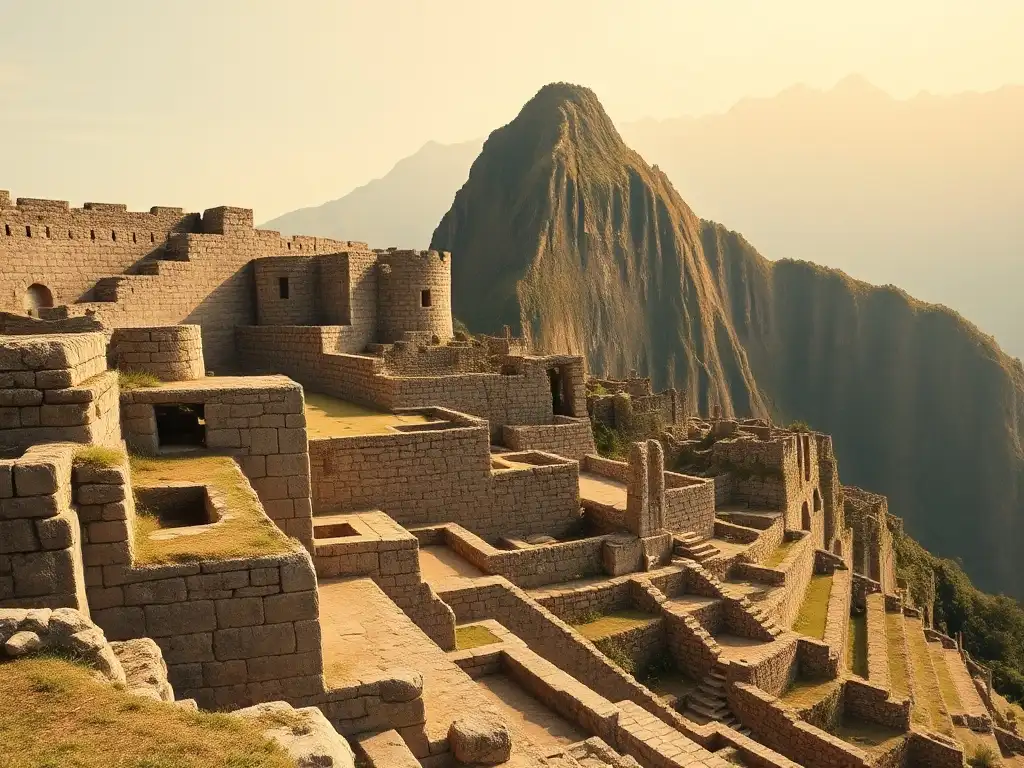
This section delves into specific examples showcasing the remarkable construction techniques employed by Andean civilizations. We will examine two iconic structures – Machu Picchu and Sacsayhuaman – to illustrate the ingenuity and mastery of these ancient builders in overcoming significant geographical and logistical challenges. Understanding these techniques provides crucial insight into the advanced knowledge and sophisticated engineering practices that characterized Andean civilization construction techniques.
Machu Picchu: A Marvel of Stone Engineering
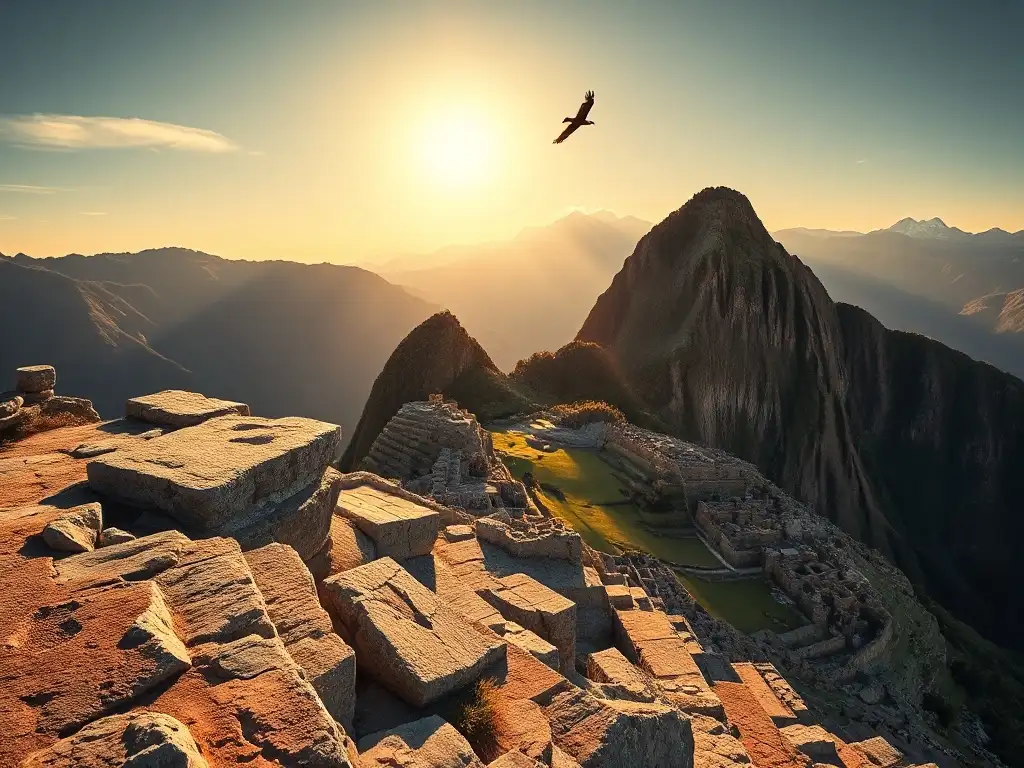
Machu Picchu, the "Lost City of the Incas," stands as a testament to the Incas' exceptional architectural skills. Perched high in the Andes Mountains, its construction presents a fascinating case study in overcoming seemingly insurmountable obstacles. The precision and ingenuity displayed in its design and construction are truly awe-inspiring, particularly considering the tools and resources available at the time. The site's very existence is a powerful demonstration of the advanced Andean civilization construction techniques.
The Use of Interlocking Stones and Drainage Systems in Machu Picchu
One of the most striking features of Machu Picchu's construction is the masterful use of interlocking stones. These precisely cut and fitted stones, often weighing several tons, were seamlessly joined together without the use of mortar. This technique, requiring exceptional craftsmanship and understanding of stone mechanics, ensured the stability and longevity of the structures, even in the face of earthquakes and other seismic activities common in the region. The remarkable precision achieved in fitting these stones is evident in the tight joins, often less than a blade of grass thick, a clear indication of sophisticated planning and execution.
Furthermore, the Inca engineers cleverly incorporated intricate drainage systems into the city's design. These systems, consisting of carefully channeled stones and strategically placed conduits, effectively diverted rainwater away from the buildings, preventing erosion and protecting the structures from water damage. This demonstrates a deep understanding of hydrology and its crucial role in long-term structural integrity, an impressive aspect of Andean civilization construction techniques. The effectiveness of these systems is evident even today, centuries after the city's abandonment.
Sacsayhuaman: The Colossal Stone Fortress
Located near Cusco, Sacsayhuaman is another remarkable example of Andean architectural prowess. This colossal stone fortress, built by the Inca, is characterized by its massive, precisely fitted stones, some weighing over 100 tons. The sheer scale of the construction, along with the sophisticated techniques employed, underscores the advanced engineering capabilities of the Inca civilization. The challenges involved in transporting and erecting these enormous stones, using only rudimentary tools, are truly remarkable, underscoring the importance of understanding Andean civilization construction techniques.
The Zigzag Walls and Massive Stone Blocks of Sacsayhuaman
Sacsayhuaman's iconic zigzag walls are not merely aesthetically pleasing; they are a testament to the Incas' understanding of structural mechanics and earthquake resistance. The irregular shape of the walls, combined with the interlocking stones, created a structure capable of withstanding significant seismic forces. This design, far ahead of its time, significantly enhanced the fortress's resilience, a crucial consideration given the region's seismic activity.
The sheer size of the stones used in Sacsayhuaman is also noteworthy. These massive blocks, some of which are impossibly large, were quarried, transported, and precisely placed with remarkable accuracy. The methods employed for moving these colossal stones remain a subject of ongoing research and debate, highlighting the enduring mystery and sophistication of Andean civilization construction techniques.
The precision of the cuts and the flawless fit of the stones continue to inspire awe and admiration, demonstrating a level of engineering skill rarely seen in ancient civilizations. The exact methods of transport and placement remain partially unknown, however, it is evident that the knowledge of levers, rollers, and possibly ramps were employed, showcasing the ingenuity of the Inca builders.
Ollantaytambo: Precision in Stone Carving
Ollantaytambo, a remarkable Inca citadel nestled in the Sacred Valley of Peru, stands as a testament to the Inca's mastery of stonework. Its construction presents a fascinating case study in Andean civilization construction techniques, showcasing their ability to overcome significant challenges in a mountainous terrain. The sheer scale of the site, with its massive stone blocks perfectly fitted together without mortar, is breathtaking.
This precision wasn't just aesthetic; it was crucial for the structural integrity of the buildings, particularly given the seismic activity common in the Andes. The stones themselves, often weighing many tons, were transported from quarries several kilometers away, demanding an impressive understanding of logistics and engineering. The meticulous carving and placement of these stones, some exhibiting incredibly fine detail, reveal a level of craftsmanship rarely seen elsewhere in the ancient world.
The precision needed to achieve such a fit, particularly given the irregular shapes of many of the stones, points to advanced surveying and planning capabilities, far exceeding the capabilities generally attributed to "primitive" societies. The enduring legacy of Ollantaytambo underscores the remarkable ingenuity and organizational prowess of the Inca civilization.
The Intricate Stone Work and Water Management Systems of Ollantaytambo
Beyond the impressive stonework, Ollantaytambo's water management systems further highlight the Inca's ingenuity. The city's agricultural terraces, carved into the steep mountain slopes, were irrigated using a sophisticated network of canals and aqueducts. These systems, meticulously designed and constructed, efficiently channeled water from mountain streams to irrigate the crops grown on the terraces.
The precision involved in creating these channels, many carved directly into the rock face, is astonishing. The Inca's understanding of hydraulics allowed them to control the water flow effectively, ensuring a reliable water supply even during periods of drought. This intricate network not only supported agriculture but also played a vital role in the city's overall functioning, providing water for drinking and other domestic purposes.
The integration of water management with the architectural design demonstrates a holistic approach to urban planning, showcasing the Inca's ability to create a sustainable and resilient urban environment in a challenging environment. This combination of precise stonework and advanced water management systems remains a striking example of Andean civilization construction techniques. The enduring functionality of these systems, many still in use today, speaks volumes about the quality of Inca engineering.
Chan Chan: The Largest Adobe City in the Americas
Chan Chan, the sprawling capital of the Chimú kingdom located on the northern coast of Peru, stands as a compelling example of large-scale adobe construction in the ancient Andes. This immense city, the largest pre-Columbian adobe city in the Americas, showcases a unique architectural style and demonstrates the Chimú's remarkable ability to utilize readily available resources to build a complex urban center.
The city's layout, with its ten distinct walled compounds or "palaces," each housing royal residences and administrative structures, reflects a sophisticated social and political organization. The construction of these massive structures, using millions of adobe bricks, demanded an enormous workforce and a highly organized logistical system.
The Chimú utilized a unique technique of creating adobe bricks, ensuring their strength and durability in the arid coastal climate. The city's walls, some reaching impressive heights, were constructed using a combination of adobe bricks and other materials, including wood and reeds, creating a complex composite structure that resisted erosion and seismic activity.
The High Walls, Complex Layout, and Relief Decorations of Chan Chan
The high walls of Chan Chan, which served both defensive and symbolic purposes, are a defining feature of the city. These walls, often decorated with intricate relief carvings depicting various motifs, including geometric patterns and stylized figures, showcase the Chimú's artistic skills and their ability to integrate aesthetics into functional architecture. The complex layout of the city, with its intricate network of streets, canals, and courtyards, reflects a sophisticated understanding of urban planning.
The palaces, with their elaborate internal layouts and specialized rooms, suggest a highly stratified social structure. The use of adobe, a readily available material, allowed the Chimú to build on a massive scale, reflecting their economic and political power.
The resilience of Chan Chan's architecture, despite centuries of exposure to harsh environmental conditions, is a testament to the Chimú's mastery of adobe construction techniques, a significant contribution to the repertoire of Andean civilization construction techniques. The city's survival, albeit in a partially ruined state, continues to inspire awe and wonder, offering valuable insights into the ingenuity and organizational capabilities of the Chimú civilization.
The Legacy of Andean Construction Techniques
The legacy of Andean civilization construction techniques extends far beyond the impressive ruins that still stand today. These techniques, developed over centuries and honed through adaptation to the challenging Andean environment, represent a remarkable feat of human ingenuity and provide valuable insights into sustainable building practices. Understanding these methods allows us to appreciate the sophisticated knowledge and skills possessed by ancient Andean builders, and to potentially draw inspiration for modern construction techniques.
The sheer scale and precision of their work, considering the available tools and materials, is truly astounding. Their mastery of stonework, terracing, and water management systems continues to fascinate and inspire researchers and engineers alike. This section will explore the enduring principles behind their engineering prowess and its lasting influence.
Enduring Principles of Andean Engineering
Andean engineers demonstrated a deep understanding of their environment and employed innovative solutions to overcome significant obstacles. Several key principles underpinned their success:
- Adaptability to Terrain: The Andes' rugged topography presented a formidable challenge. Andean builders adapted their techniques to the specific contours of the land, skillfully integrating structures into the landscape. This is strikingly evident in their mastery of terracing, which not only created arable land on steep slopes but also stabilized the terrain, preventing erosion. The precision with which they fitted stones together minimized the need for mortar, creating incredibly durable structures.
- Resourcefulness and Sustainability: They were masters of utilizing locally sourced materials. Stone, readily available in the Andes, was the primary building material, but they also skillfully used wood, adobe, and other organic materials. Their construction methods often prioritized sustainability, minimizing environmental impact and ensuring the longevity of their structures. This is particularly noticeable in their water management systems, which were intricately designed to conserve water and prevent damage from floods.
- Community Collaboration: The construction of large-scale projects, such as Machu Picchu or Sacsayhuamán, required significant community involvement. The organization and coordination necessary for such endeavors speak to the advanced social structures and collaborative spirit of these civilizations. The precise fitting of stones suggests a level of shared understanding and skill that extended throughout the workforce.
- Seismic Resilience: The Andean region is highly prone to earthquakes. Andean builders incorporated ingenious techniques to mitigate seismic risk. The interlocking nature of their stonework, the use of smaller stones in critical areas, and the integration of structures into the landscape all contributed to their remarkable resistance to seismic activity. This knowledge, often lost or overlooked, is now being revisited by modern earthquake engineering. Studies continue to uncover the secrets of their seismic resilience, potentially leading to advancements in modern building techniques.
The Influence of Andean Techniques on Modern Construction
While seemingly ancient, the principles underlying Andean construction techniques continue to resonate with modern engineering. The emphasis on sustainable building materials, adaptive design, and community involvement mirrors contemporary concerns with environmental responsibility and social equity. Several aspects of Andean engineering have inspired modern approaches:
- Dry-stone Masonry: This technique, central to Andean construction, is experiencing a resurgence in interest, particularly in areas prone to earthquakes or where traditional mortar is unavailable. The precision and strength achieved through dry-stone masonry are being re-evaluated for their potential in modern building practices.
- Terracing: The innovative terracing techniques employed by Andean civilizations continue to inspire sustainable land management practices worldwide. Modern adaptations of terracing are being used to prevent soil erosion, increase agricultural productivity, and create aesthetically pleasing landscapes.
- Water Management: The intricate water systems developed by Andean civilizations provide valuable insights into efficient water management. Their sophisticated canals, reservoirs, and irrigation systems serve as models for modern water conservation and distribution strategies.
- Seismic Design: Research into Andean seismic-resistant techniques is leading to new designs that improve building safety in earthquake-prone areas. Modern engineers are studying the construction methods of the Inca and other Andean cultures to improve the resilience of buildings.
Lessons Learned from Andean Construction
The study of Andean construction techniques offers valuable lessons for modern builders and engineers. By understanding the principles behind their success, we can learn to:
- Prioritize sustainability: Andean builders demonstrated a remarkable ability to work in harmony with their environment, minimizing their impact and maximizing the use of local resources. This approach provides a powerful example of sustainable building practices.
- Embrace adaptive design: Their ability to adapt their techniques to the specific challenges of the Andean terrain highlights the importance of flexible and context-sensitive design. Modern builders can learn from their example by creating structures that respond to the unique needs of their environment.
- Foster community collaboration: The collaborative spirit that characterized Andean construction projects underscores the importance of community engagement in modern building endeavors. Involving local communities in the design and construction process can lead to more sustainable and socially responsible outcomes.
- Improve seismic resilience: The remarkable seismic resilience of Andean structures highlights the importance of incorporating earthquake-resistant design principles into modern construction. By studying their techniques, we can improve the safety and longevity of buildings in earthquake-prone regions. Further research is needed to fully understand the specifics, especially concerning the exact composition of the mortars used, and the methods of stone selection and placement for optimal stability. The potential for innovation inspired by Andean techniques is significant.
The legacy of Andean civilization construction techniques is a testament to human ingenuity and adaptability. By continuing to study and learn from their methods, we can create more sustainable, resilient, and socially responsible buildings for the future.
Frequently Asked Questions
What unique construction challenges did Andean civilizations face?
Andean civilizations faced challenges like steep terrain, seismic activity, and a lack of readily available materials like timber in certain regions. These factors significantly impacted their building methods.
How did the Incas overcome the lack of wheeled vehicles and beasts of burden?
The Incas employed a sophisticated system of human labor and innovative transport techniques like the chaku (a type of communal labor system) and the use of ropes and ramps to move massive stones. Their understanding of leverage was also crucial.
What materials did Andean civilizations primarily use in their constructions?
The most common materials were stone, particularly andesite and granite, which were expertly cut and fitted together. They also used adobe bricks, wood (where available), and thatched roofs.
What are some examples of impressive Andean construction techniques?
Examples include the precise stonework of Machu Picchu, the extensive irrigation systems of various cultures, and the monumental terraces carved into hillsides for agriculture. The Nazca lines are also a testament to their engineering skills.
How did Andean construction techniques reflect their understanding of the environment?
Andean construction techniques demonstrated a deep understanding of local geology and environmental conditions. Their buildings were adapted to withstand earthquakes, and their agricultural terraces maximized land use while preventing erosion, showcasing a sustainable approach to construction.
Final Reflection: Echoes of Ingenuity in Stone
The breathtaking architectural achievements of the Andean civilizations remain a testament to human ingenuity, a legacy that continues to inspire awe and challenge our understanding of construction. Their mastery of materials, their innovative solutions to logistical hurdles, and their profound connection to their environment offer invaluable lessons for sustainable building practices in the 21st century, a time when we face unprecedented environmental challenges and a growing need for resilient infrastructure.
The enduring impact of Andean construction techniques is not merely historical; it resonates deeply in contemporary discussions of sustainable architecture and engineering. Their sophisticated understanding of seismic activity, reflected in the intricate interlocking stonework of sites like Machu Picchu, offers a powerful counterpoint to modern, often unsustainable, building practices. The mountains themselves taught us how to build,
a Quechua elder once said, encapsulating the profound relationship between the Andean people and their environment that informed their construction methods. This holistic approach, prioritizing harmony with nature over mere functionality, is a lesson we urgently need to relearn.
Consider the ingenuity displayed in these ancient structures. Imagine the collaborative effort, the meticulous planning, the sheer determination required to raise such monumental works. You, too, possess the capacity for such remarkable achievements. Let the spirit of Andean innovation inspire you to approach your own challenges with creativity, resilience, and a deep respect for the world around you. Embrace sustainable practices in your daily life, and seek innovative solutions to the problems you face, drawing strength from the enduring legacy of the Andean civilizations.
Embrace the Legacy of Andean Ingenuity!
Thank you for exploring the fascinating world of Andean civilizations! Your interest reveals a desire to understand the incredible ingenuity these cultures demonstrated in overcoming significant construction challenges. Let's delve deeper into this rich history.
Here are some ways you can further your knowledge and engagement:
- Explore our interactive maps and resources to better understand the geographical and cultural contexts of these remarkable civilizations.
- Share this article with friends and fellow history enthusiasts on social media to spark engaging discussions about Andean innovations and their lasting relevance.
- Join our online community forum to ask questions, exchange ideas, and learn more about the remarkable architectural achievements of the Andes.
What aspect of Andean ingenuity most captivates you—the innovative construction techniques, the profound cultural significance, or perhaps the compelling stories of the people who created these wonders?