
Lost Knowledge: Analyzing the Techniques Behind the Nazca Lines Construction

Step into a world lost to time, where ingenuity defied gravity and artistry stretched across the desert floor. For centuries, the Nazca Lines have whispered secrets of a vanished civilization. Prepare to unravel the mystery surrounding their construction— discover the ingenious "Nazca lines construction techniques" that continue to baffle experts today. Journey with us through the captivating world of Andean civilizations and unveil the breathtaking brilliance of their architectural and engineering prowess.
The Nazca Lines, a collection of geoglyphs etched into the Peruvian desert, remain one of archaeology's most enduring enigmas. These vast, intricate designs, visible only from the air, depict animals, plants, geometric shapes, and even human figures, spanning several hundred square kilometers. For centuries, their purpose and the methods used in their creation have captivated researchers and fueled countless theories.
This article delves into the current understanding of the Nazca lines construction techniques, exploring the ingenuity and precision of a civilization that mastered landscape-scale art millennia ago. We will examine the cultural context surrounding their creation, analyzing the available evidence to unravel the secrets behind these awe-inspiring works.
Understanding the construction techniques not only illuminates the practical skills of the Nazca people but also reveals profound insights into their worldview and societal organization. The mystery surrounding the Nazca Lines is not merely about how they were made, but why, and the answers lie intertwined with the rich tapestry of Nazca culture.
Introduction to the Mystery of the Nazca Lines
The sheer scale and precision of the Nazca Lines are breathtaking. Imagine meticulously carving lines stretching hundreds of meters, some only a few centimeters wide, across a vast, arid landscape. How did the Nazca people, lacking modern tools and technology, achieve this feat?
The lines themselves are not simply scratched into the surface; they involve the removal of the dark reddish-brown desert varnish, revealing the lighter subsoil beneath. This process, requiring significant effort and planning, raises numerous questions. Early theories ranged from the outlandish—alien intervention—to more grounded speculation, but recent research, combining archaeological fieldwork with advanced technological analysis, has shed considerable light on the techniques employed.
This includes studying the tools used, the methods of surveying and alignment, and the social organization required for such a monumental undertaking. The mystery, however, remains partially unsolved, with ongoing research continuously revealing new aspects of this fascinating enigma. The precision of the lines, their alignment with astronomical phenomena, and their symbolic significance continue to challenge our understanding of Nazca capabilities.
Understanding the Nazca Culture and its Artistic Expressions
To fully grasp the Nazca lines construction techniques, it's crucial to understand the broader context of Nazca culture. The Nazca civilization flourished in southern Peru between 100 BCE and 800 CE, known for its remarkable achievements in ceramics, textiles, and irrigation systems. Their artistic expressions were vibrant and sophisticated, reflecting a deep understanding of their environment and a complex social structure.
Context of Nazca Society and its Beliefs
The Nazca society was highly organized, with evidence suggesting a hierarchical structure and a well-developed system of governance. Their intricate irrigation canals, testament to their engineering prowess, allowed them to cultivate a relatively arid landscape, supporting a substantial population. Religious beliefs played a central role in Nazca life, as reflected in their elaborate burial practices and iconography.
The significance of water is evident in many aspects of their culture, hinting at a possible connection between the geoglyphs and water rituals or ceremonies. Further research is needed to fully understand the interplay between their societal organization, religious beliefs, and the creation of the Nazca Lines. [Specific information pending] concerning the role of specific social groups in the construction process.
The Significance of Geoglyphs in Nazca Culture
The Nazca Lines were not merely decorative; they held significant cultural and possibly religious meaning. Many of the geoglyphs depict animals and plants found in the Nazca region, suggesting a connection to their environment and perhaps their worldview. Some scholars propose that the lines served as pilgrimage routes or were part of rituals related to water or fertility.
The alignment of certain geoglyphs with astronomical events further supports this hypothesis, suggesting a sophisticated understanding of astronomy and its connection to their religious beliefs. The precise meanings remain debated, but it's clear that the creation of the Nazca Lines was a significant cultural undertaking, reflecting the values and beliefs of the Nazca people.
The complexity of the imagery and the scale of the project suggest a level of societal coordination and shared understanding that is truly remarkable. The ongoing research into the cultural context of the Nazca Lines is crucial for a complete understanding of their construction techniques and their significance within the broader framework of Nazca civilization.
- Introduction to the Mystery of the Nazca Lines
- Understanding the Nazca Culture and its Artistic Expressions
Unveiling the Nazca Lines Construction Techniques
This section delves into the fascinating and still partially mysterious construction techniques employed by the Nazca people to create their iconic geoglyphs. While much remains unknown, archaeological evidence and careful analysis offer valuable insights into the ingenuity and meticulous planning behind these monumental works. The sheer scale and precision of the Nazca lines suggest a sophisticated understanding of surveying, excavation, and material handling, capabilities that were far ahead of their time. Understanding these "Nazca lines construction techniques" is key to appreciating the cultural significance and engineering prowess of this ancient civilization.
Surveying and Planning: The Initial Steps of Nazca Geoglyph Creation
The creation of the Nazca lines wasn't a haphazard undertaking. Evidence suggests a highly organized and planned approach, involving careful surveying and layout before any excavation began. The immense scale of some geoglyphs, stretching hundreds of meters, demands a sophisticated understanding of geometry and measurement. This initial planning phase was crucial to ensuring the accuracy and overall aesthetic impact of the finished designs.
Evidence of Planning and Design in Nazca Drawings
Archaeological investigations have revealed traces of planning in the form of preliminary sketches or markings found near some of the geoglyphs. These markings, although often faint and difficult to interpret, suggest that the Nazca artists may have used smaller-scale models or drawings to plan the overall composition and details of their designs before committing to the monumental task of excavation.
Further research into these preliminary markings could provide crucial insights into the creative process and artistic choices involved in the creation of the Nazca lines. The precision of the final geoglyphs strongly indicates a rigorous process of iterative design and refinement.
Tools Used for Measurement and Layout
Determining the precise tools used for measurement and layout remains a subject of ongoing research. However, several hypotheses exist. It's plausible that the Nazca utilized simple yet effective tools such as ropes, stakes, and potentially measuring rods made from wood or other readily available materials.
The straight lines and geometric shapes of many geoglyphs suggest a capacity for accurate measurement and alignment over considerable distances. The use of sighting techniques, possibly involving strategically placed markers or structures, is also a strong possibility. More sophisticated techniques, such as using the stars for alignment, are also under investigation, though evidence remains inconclusive.
Excavation and Removal of Surface Material
The creation of the Nazca lines involved the careful removal of the dark topsoil to reveal the lighter subsoil beneath, creating the visual contrast that makes the geoglyphs visible. This process required considerable effort and skill, considering the vast scale of many of the designs. The methods used for excavation and the transportation of the removed material provide a window into the logistical capabilities of the Nazca civilization.
Creating the Contrast: Removing the Dark Topsoil
The Nazca lines are not carved into the bedrock; instead, they are created by removing the dark, reddish-brown topsoil, revealing the lighter-colored subsoil underneath. This contrast in color is what makes the figures visible from the air. The depth of the excavation varied depending on the design, ranging from a few centimeters to potentially more than 30cm in some areas.
This process required meticulous work, as even slight inconsistencies in depth could have affected the final appearance of the geoglyphs. The consistent depth and sharpness of the lines in many geoglyphs highlight the skill and precision of the Nazca workers.
Methods of Soil Removal and Transportation
The actual methods used for soil removal and transportation remain a topic of debate among researchers. Several hypotheses suggest the use of simple tools, such as stone picks, wooden shovels, or even antler picks. The sheer volume of soil removed for some of the larger geoglyphs implies a significant logistical undertaking. This likely involved the organization of labor forces and the development of efficient transport systems, possibly using woven baskets or containers carried by humans or llamas.
The transportation of the excavated material to designated disposal areas also presented a significant challenge, requiring careful planning and execution. The lack of significant spoil heaps near many geoglyphs suggests a sophisticated system of waste management, potentially involving the reuse of the material for other purposes. Further research is needed to uncover the precise methods used for both removing and transporting the excavated material.
The Role of Stakes and Cordage in Nazca Lines Construction
The creation of the Nazca Lines, those enigmatic geoglyphs etched into the Peruvian desert, relied heavily on surprisingly simple yet effective tools: stakes and cordage. These seemingly rudimentary implements were crucial in translating the vast designs from the minds of the creators to the arid landscape. The precision and scale of the lines, some stretching for hundreds of meters, speak volumes about the sophisticated understanding of geometry and surveying possessed by the Nazca culture.
It wasn't simply a matter of drawing lines in the sand; it required a meticulous process of planning and execution, where stakes and cordage played pivotal roles in achieving both accuracy and scale. The ingenuity of the Nazca people is highlighted not just by the impressive final product, but by their ability to achieve such remarkable results with relatively basic tools.
Further research into the specific types of wood used for stakes and the materials used for cordage could provide additional insights into their construction techniques. For instance, the strength and durability of the materials would have directly impacted the longevity of the lines and the ease of their creation.
Using Stakes to Define Geoglyph Outlines
Stakes, likely made from readily available desert wood, served as the foundational element in outlining the geoglyphs. Archaeological evidence suggests that these stakes were strategically placed to mark key points and vertices within the larger designs. By meticulously positioning these stakes, the Nazca artists effectively created a framework for the enormous geoglyphs. This framework acted as a guide, ensuring that the overall shape and proportions of the figures remained consistent. The spacing between stakes likely varied depending on the complexity of the curve or line being created; tighter spacing would have been necessary for more intricate details. The placement of these stakes wasn't arbitrary; it represented a deeply considered process reflecting the Nazca's advanced understanding of spatial relationships. Imagine the immense effort involved in accurately placing hundreds, perhaps thousands, of stakes to define the outlines of a colossal hummingbird or monkey. This level of organization and precision is truly remarkable.
The Function of Cordage in Precision Layout
Once the stakes were in place, cordage entered the picture. This strong, likely plant-fiber rope, was stretched between the stakes to define the lines themselves. The cordage acted as a guide for removing the dark surface stones, revealing the lighter-colored subsoil beneath, thus creating the visible lines. By tightly stretching the cordage, the Nazca artists could ensure straight lines and consistent widths.
The tension on the cordage would have been crucial in maintaining accuracy, preventing any significant deviations from the planned path. The type of cordage used, its thickness, and its resistance to stretching would all have influenced the final result. Different types of cordage might have been employed for different tasks, perhaps finer cordage for intricate details and thicker, stronger rope for larger, straighter lines. The precise nature of the cordage and its role in the overall process remains an area of ongoing research and investigation.
Maintaining Accuracy and Scale in Large-Scale Geoglyphs
The sheer scale of some of the Nazca Lines presents a significant challenge in terms of maintaining accuracy and proportion. Creating a geoglyph that stretches for hundreds of meters requires a sophisticated understanding of geometry and surveying, and the Nazca clearly possessed such knowledge. Their techniques weren't simply about drawing large shapes; they involved a complex interplay of planning, measurement, and execution.
The use of stakes and cordage was crucial in addressing these challenges. The combination of these tools allowed the Nazca to break down the immense task into smaller, more manageable units, ensuring consistency and precision throughout the entire process. This required not only technical skill but also a thorough understanding of the landscape itself, including the topography and the variations in the desert surface.
Techniques for Achieving Proportionality
Maintaining the correct proportions in large-scale geoglyphs would have been paramount to the Nazca. Distortions could easily occur when working on such a massive scale. Evidence suggests the Nazca employed various techniques to ensure proportionality. They may have used a system of proportional scaling, perhaps based on ratios or measurements derived from smaller models or sketches.
This would have involved careful planning and measurement at the outset, ensuring that the final geoglyph maintained the intended proportions despite its size. Alternatively, they may have employed a system of triangulation or other geometric techniques to ensure accurate scaling across the entire design. Further research into the mathematical knowledge of the Nazca culture is crucial to fully understand their approach to maintaining proportionality in their immense geoglyphs. The complexity of these techniques underlines the sophistication of their engineering skills.
Ensuring Straight Lines and Consistent Widths
Creating perfectly straight lines and maintaining consistent widths across extensive stretches presented another significant challenge. The Nazca addressed this by expertly using the stretched cordage as a guide. The tension on the cordage was vital in preventing any deviations from the planned path. The consistency in the width of the lines suggests a high degree of skill and precision in the use of this simple tool.
The artists likely developed a highly refined technique for controlling the tension and position of the cordage to achieve the desired result. Variations in line width might have been intentional, reflecting stylistic choices or the need to adapt to variations in the terrain. Understanding the precise methods used to maintain these straight lines and consistent widths is key to unlocking the secrets of Nazca Lines construction. The consistent quality of the lines across such a large area showcases their mastery of these techniques.
Material and Tools Used in Nazca Lines Construction
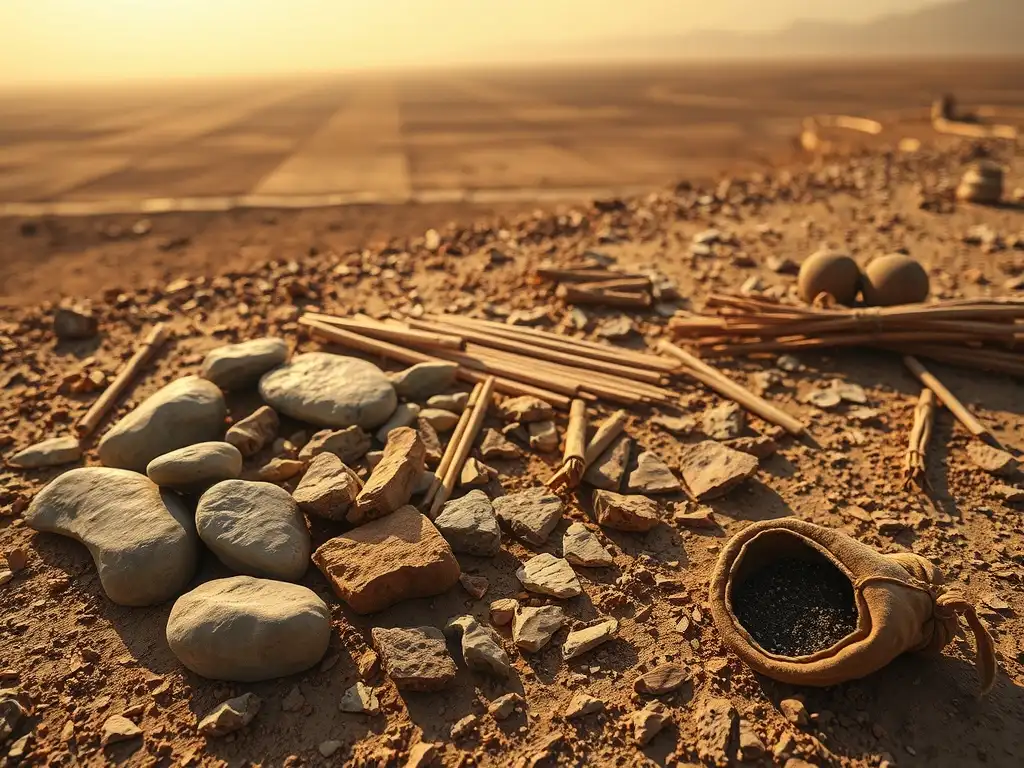
The creation of the Nazca Lines, a monumental undertaking, relied not on advanced technology, but on a deep understanding of the desert environment and the ingenious use of readily available materials and simple tools. The scale of the project, covering hundreds of square kilometers, speaks volumes about the organizational abilities and meticulous planning of the Nazca culture. Understanding the materials and tools employed provides critical insight into the Nazca lines construction techniques and the ingenuity of this ancient civilization.
The Nature of the Nazca Desert Terrain
The Nazca desert presents a unique challenge and opportunity for geoglyph creation. Its arid climate and relatively stable geology ensured the longevity of the lines, but the terrain itself dictated the methods employed in their construction. Understanding the desert's characteristics is crucial to comprehending the Nazca lines construction techniques.
Soil Composition and its Impact on Construction
The Nazca desert's soil composition played a significant role in determining the feasibility and methods of line creation. The surface layer, often a dark reddish-brown, is relatively easily removed, revealing a lighter-colored subsoil. This color contrast is what makes the lines visible from the air. The soil's relatively loose consistency allowed for easier excavation using simple tools, although variations in soil density across the vast expanse likely influenced the construction process. Further research into precise soil composition across different sections of the geoglyphs is needed to fully understand this aspect of Nazca lines construction techniques. Analysis of soil samples from various locations along the lines could provide valuable data on the challenges and variations encountered during construction.
Utilizing Natural Resources for Geoglyph Creation
The Nazca people cleverly utilized the natural resources of the desert environment. The readily available stones and pebbles, differing in color and size, were likely used to delineate the lines and create finer details within the geoglyphs. The dark surface layer, removed during construction, may have been used in some areas to create contrast or fill in sections, adding another layer of complexity to the Nazca lines construction techniques. The desert's natural palette of colors, combined with the contrasting layers of soil, provided the raw materials for this vast artistic endeavor. Further investigation into the use of pigments or other surface treatments would shed more light on the techniques used to enhance the visibility of the lines.
Simple Tools for Complex Designs
Despite the monumental scale of the project, the tools used in the construction of the Nazca Lines were remarkably simple. This simplicity, however, does not detract from the sophistication of the overall design and execution, highlighting the ingenuity of the Nazca people and their mastery of Nazca lines construction techniques.
The Use of Wooden Stakes and Digging Sticks
Evidence suggests that wooden stakes, possibly made from local acacia or other desert-adapted trees, were used to mark out the lines and maintain straightness. These stakes, driven into the ground, would have served as guides for the removal of the surface soil. Digging sticks, possibly sharpened branches or purpose-made tools, were employed to excavate the soil, revealing the lighter subsoil beneath.
The size and shape of these tools likely varied depending on the scale of the excavation needed. The absence of large-scale metal tools is a testament to the efficiency of their simple, yet effective, approach. Archaeological digs consistently reveal the remains of these simple tools, corroborating this hypothesis.
Evidence of Baskets and Other Transportation Aids
The vast distances involved in the creation of the lines necessitate the use of effective transportation methods. Baskets, woven from local plant fibers, were likely employed to carry away the excavated soil. The carrying capacity of these baskets, and the number of workers involved, would have dictated the pace of construction. While direct evidence of specific transportation tools is limited, the scale of the project strongly suggests the use of organized labor and efficient transport systems. Further research into the daily routines and logistics of Nazca society would reveal more information about these vital aspects of Nazca lines construction techniques. The use of animal transport, such as llamas, is also a possibility, though currently lacks definitive proof. The efficient removal of massive quantities of soil is a testament to their organizational skills and logistical capabilities.
Theories and Debates Surrounding Nazca Lines Construction
The creation of the Nazca Lines remains one of archaeology's most enduring mysteries, sparking countless theories and extensive debate. While the purpose of the geoglyphs is still debated, understanding how they were constructed is equally complex. Several leading hypotheses attempt to explain the sophisticated techniques employed by the Nazca culture, each with varying degrees of supporting evidence. This section delves into the prominent theories, examining both the accepted and the more speculative explanations regarding Nazca lines construction techniques. The sheer scale and precision of these geoglyphs continue to challenge our understanding of ancient Andean engineering capabilities.
The Role of Ritual and Ceremony in Geoglyph Creation
The intricate nature of the Nazca Lines suggests that their creation was not a purely utilitarian endeavor. A compelling argument posits a significant role for ritual and ceremony in their construction. The lines weren't simply drawn; they were carefully planned, executed, and likely imbued with deep cultural and religious significance.
Connection between Nazca Lines and Religious Practices
Strong evidence links the Nazca Lines to the religious practices of the Nazca people. Their cosmology, centered around water and fertility, is reflected in the imagery depicted in the geoglyphs. Many designs represent animals crucial to their survival, such as hummingbirds, monkeys, and lizards, suggesting a connection to agricultural cycles and their deities. The lines themselves might have served as pathways for ritual processions or acted as a visual representation of their spiritual world, connecting the earthly realm to the divine. Further research into Nazca iconography and religious texts could shed more light on this connection.
Evidence of Ceremonial Activity at Nazca Sites
Archaeological excavations near the Nazca Lines have uncovered evidence supporting the ceremonial hypothesis. The discovery of artifacts, such as pottery shards and offerings, in close proximity to the geoglyphs suggests ritualistic activity took place during or after their construction. The positioning of certain lines along significant geographical features, such as water sources or mountain peaks, further strengthens the link between the geoglyphs and religious practices. This spatial arrangement points towards a deliberate and purposeful placement, exceeding mere random markings. The precise arrangement demands a level of planning that aligns with a structured, likely ritualistic, approach to construction.
Alternative Theories and Speculations on Nazca Construction
While the ritualistic hypothesis enjoys considerable support, other theories attempt to explain the Nazca Lines' construction. These often explore more speculative or less widely accepted explanations.
The Astronomical Alignment Theory
Some researchers propose that the Nazca Lines are aligned with specific astronomical events, suggesting an astronomical purpose. This theory suggests that the lines could have served as a giant calendar or observatory, marking solstices or equinoxes. While some alignments have been observed, the evidence remains inconclusive, and the theory struggles to account for the majority of the geoglyphs. Further research into the precise astronomical alignments and their correlation with Nazca cultural practices is needed to strengthen this hypothesis. More detailed astronomical data and sophisticated analysis techniques could potentially uncover hidden correlations.
Debunking the Ancient Astronaut Theory
The "ancient astronaut" theory, suggesting extraterrestrial involvement in the creation of the Nazca Lines, lacks credible scientific support. This theory, popularized in fringe science circles, attributes the construction of the lines to advanced alien technology, ignoring the wealth of evidence pointing to the ingenuity of the Nazca people. The existing archaeological evidence overwhelmingly supports human construction, utilizing readily available materials and techniques.
The precision of the lines, while remarkable, is achievable with sophisticated surveying and earth-moving techniques, as demonstrated by experiments replicating the construction methods using only ancient technologies. The claim of alien involvement is unsubstantiated and contradicts established archaeological understanding. The complexity of the Nazca Lines is a testament to human ingenuity, not extraterrestrial intervention.
Legacy and Preservation of the Nazca Lines
The Nazca Lines, a testament to the ingenuity of the Nazca civilization, continue to fascinate and inspire researchers and the public alike. Their creation, spanning centuries, represents a significant achievement in ancient Andean engineering and artistry. Understanding the techniques behind their construction is not merely an academic pursuit; it's crucial for their preservation and our appreciation of this remarkable cultural heritage.
The legacy of the Nazca Lines extends beyond their visual impact; they offer valuable insights into the societal structures, beliefs, and technological capabilities of the Nazca people. These geoglyphs serve as a powerful reminder of the enduring human capacity for creativity and innovation, even under challenging environmental conditions. The ongoing efforts to understand and protect these fragile monuments highlight their enduring significance in the modern world.
Effective preservation strategies must consider not only the physical integrity of the lines but also their cultural and historical context. The Nazca lines construction techniques themselves hold clues to their longevity and inform current conservation methods.
Modern Research and Documentation of Nazca Geoglyphs
Modern research into the Nazca Lines employs a multidisciplinary approach, integrating archaeology, geophysics, and remote sensing techniques to unravel the mysteries of their creation. The sheer scale and complexity of the geoglyphs present unique challenges, demanding innovative research methodologies. The application of advanced technologies has revolutionized our understanding of these ancient marvels.
Aerial Photography and Digital Mapping
High-resolution aerial photography and digital mapping techniques provide detailed visualizations of the entire geoglyph field, revealing subtle features previously invisible from ground level. These advanced imaging techniques allow researchers to identify previously unknown lines and monitor the effects of erosion and environmental factors on their preservation. The creation of accurate digital models enables virtual exploration and detailed analysis of the lines' morphology, assisting in the reconstruction of the construction process and the identification of potential threats.
Data collected through aerial surveys is crucial for developing comprehensive conservation strategies, allowing for targeted interventions where necessary. The use of drones, for example, allows for safer and more efficient data acquisition, minimizing disruption to the sensitive desert environment. This detailed mapping also helps in identifying areas requiring immediate attention due to erosion or other damage.
Ongoing Efforts for Conservation and Protection
Preserving the Nazca Lines requires a multifaceted approach that combines scientific research, community engagement, and sustainable tourism practices. Ongoing efforts focus on mitigating the impact of natural and human-induced threats. The fragile desert environment is susceptible to erosion from wind and water, while human activities, such as unauthorized access and construction, pose significant risks. Conservation efforts involve stabilizing vulnerable areas, controlling access to sensitive sites, and raising public awareness about the importance of protecting this invaluable cultural heritage.
International collaboration between researchers, government agencies, and local communities is crucial for successful long-term preservation. The development of sustainable tourism strategies that minimize environmental impact and maximize economic benefits for local communities is also a key component of conservation efforts. This delicate balance between preservation and accessibility is crucial for the long-term survival of the Nazca Lines.
The Importance of Understanding Nazca Construction Techniques
Understanding the Nazca Lines construction techniques is paramount not only for their preservation but also for gaining deeper insights into the societal organization, technological capabilities, and worldview of the Nazca civilization. The precision and scale of the geoglyphs suggest a sophisticated understanding of geometry, surveying, and labor organization. The methods employed reveal a remarkable adaptation to the challenging desert environment. Analyzing these techniques provides valuable data for understanding ancient Andean engineering practices and their impact on landscape modification.
Lessons from the Past for Modern Surveying and Design
The remarkable accuracy and scale of the Nazca Lines offer valuable lessons for modern surveying and design. The techniques employed by the Nazca people, though rudimentary by modern standards, demonstrate a sophisticated understanding of geometry, spatial relationships, and land management. Studying their methods can inspire innovative approaches to large-scale projects, particularly in challenging terrains.
Their ability to create such intricate designs with limited technology highlights the importance of careful planning, precise execution, and a deep understanding of the natural environment. This knowledge can be applied to contemporary projects, particularly those involving large-scale land modifications or intricate designs. The Nazca Lines serve as a powerful example of how a deep understanding of the environment can lead to sustainable and effective construction practices.
Preserving the Cultural Heritage of the Nazca Civilization
The Nazca Lines represent a significant aspect of the cultural heritage of Peru and the wider Andean region. Their preservation is not just a matter of protecting archaeological sites; it's about safeguarding a unique cultural legacy that reflects the ingenuity and creativity of a remarkable civilization. Understanding the construction techniques and the cultural context surrounding their creation is essential for appreciating their full significance.
Protecting these geoglyphs ensures the transmission of knowledge and cultural values to future generations. Preserving this cultural heritage contributes to a broader understanding of human history and the remarkable achievements of ancient civilizations. The Nazca Lines are a powerful symbol of human ingenuity and cultural expression, and their preservation is a testament to our commitment to preserving our shared heritage.
Conclusion: The Enduring Mystery and Mastery of the Nazca
The Nazca lines remain a testament to the ingenuity and advanced understanding of their creators. While we've made significant strides in understanding the Nazca lines construction techniques, many questions still linger. The precision involved in creating these geoglyphs, spanning vast distances across the desert landscape, is truly remarkable. The ability to plan and execute such a large-scale project, using only basic tools and a deep understanding of the terrain, speaks volumes about the sophisticated knowledge systems of the Nazca culture. Their mastery of surveying, land management, and possibly even rudimentary astronomy, is undeniable.
The fact that these lines have endured for centuries, weathering the harsh desert conditions, further underscores the skill and foresight of the Nazca people. Their legacy continues to inspire awe and wonder, prompting ongoing research and debate about their purpose and meaning. The mystery surrounding the Nazca lines serves as a constant reminder of the vastness of human ingenuity and the enduring power of cultural expression. Further research, particularly in the areas of geophysics and anthropological studies, is crucial to unraveling the remaining enigmas surrounding these enigmatic geoglyphs. The Nazca lines stand as a powerful symbol of human achievement and a lasting tribute to a civilization that continues to fascinate and challenge our understanding of the past.
The sheer scale and precision of the work, considering the tools available, highlights the importance of understanding the socio-political structures that allowed for such collaborative projects. Future studies will undoubtedly shed more light on the organization and management involved in the creation of these iconic lines. The Nazca lines, therefore, are not merely ancient markings in the desert; they are a complex and fascinating puzzle that continues to challenge and reward our efforts to understand their creation and meaning. Their enduring mystery is a testament to the enduring power of human creativity and cultural legacy. 🌍
Frequently Asked Questions
What are the Nazca Lines?
The Nazca Lines are geoglyphs located in the Nazca Desert of Peru. They are enormous figures and lines etched into the ground, visible only from the air. Their purpose remains a mystery, sparking much debate.
How were the Nazca Lines constructed?
The exact methods remain debated, but evidence points to the use of simple tools like stakes and ropes to lay out the designs. Removal of the dark surface stones revealed the lighter subsoil to create the lines and figures. Large-scale organization was clearly involved.
What materials were used to create the Nazca Lines?
The lines themselves were created by removing the dark reddish pebbles and exposing the lighter earth underneath. No sophisticated tools or technology were employed; the work was accomplished using basic implements.
Why is the construction of the Nazca Lines considered remarkable?
The scale and precision of the Nazca Lines are remarkable feats of engineering. Creating such large and complex designs using only simple tools requires significant planning and coordinated effort. The durability of the lines over centuries is also noteworthy.
What are the current theories regarding the purpose of the Nazca Lines?
While no single theory is universally accepted, suggestions include ceremonial or ritualistic purposes, astronomical alignments, and possibly water management systems. Further research is needed to unravel their true meaning.
Final Reflection: Unearthing the Secrets of the Nazca Lines
The ingenious construction techniques behind the Nazca Lines remain a testament to human ingenuity and a powerful reminder of the enduring mysteries that still captivate us today. Understanding how these colossal geoglyphs were created not only sheds light on the advanced civilization that produced them but also challenges our assumptions about ancient technologies and their capabilities. The precision and scale of the undertaking continue to inspire awe and wonder, prompting ongoing research and debate.
The enduring fascination with the Nazca Lines speaks volumes about our innate desire to connect with the past and understand the achievements of those who came before us. Their existence challenges our modern perspectives on engineering and societal organization. The Nazca Lines are a powerful symbol of human creativity and our capacity to leave a lasting mark on the world.
This quote encapsulates the enduring legacy of these remarkable geoglyphs, a legacy that continues to inspire artists, engineers, and archaeologists alike. The mystery surrounding their creation fuels our curiosity and reminds us of the vast unknown that still exists within our own history.
Consider the implications of this lost knowledge. What innovative techniques might we rediscover by further studying the Nazca Lines? You, the reader, are now equipped with a deeper understanding of the potential behind ancient ingenuity. Let this knowledge inspire you to explore further, to question assumptions, and to appreciate the remarkable achievements of past civilizations. Embrace the spirit of inquiry that drives the ongoing investigation into the Nazca Lines, and perhaps you, too, will contribute to unraveling the secrets they hold.
Unveil the Secrets of the Nazca Lines!
Thank you for exploring the fascinating world of the Nazca Lines and their remarkable construction. Your curiosity is inspiring! Now, let's delve deeper into this incredible subject.
Here's how you can continue your journey:
- Join an online discussion group dedicated to ancient South American cultures. Share your insights and ask questions about the Nazca Lines with other enthusiasts.
- Create your own Nazca-inspired artwork. Let your creativity flow and imagine how these colossal geoglyphs appeared to the ancient Nazca people.
- Explore our resource library on Andean Civilizations. We offer documentaries and publications that will fuel your research and deepen your understanding of this enigmatic site.
What aspect of the Nazca Lines captivates you most? How do you think their construction reflects the ingenuity and advanced understanding of the Nazca civilization?