
The Inca Road's Enduring Influence: A Timeless Engineering Marvel

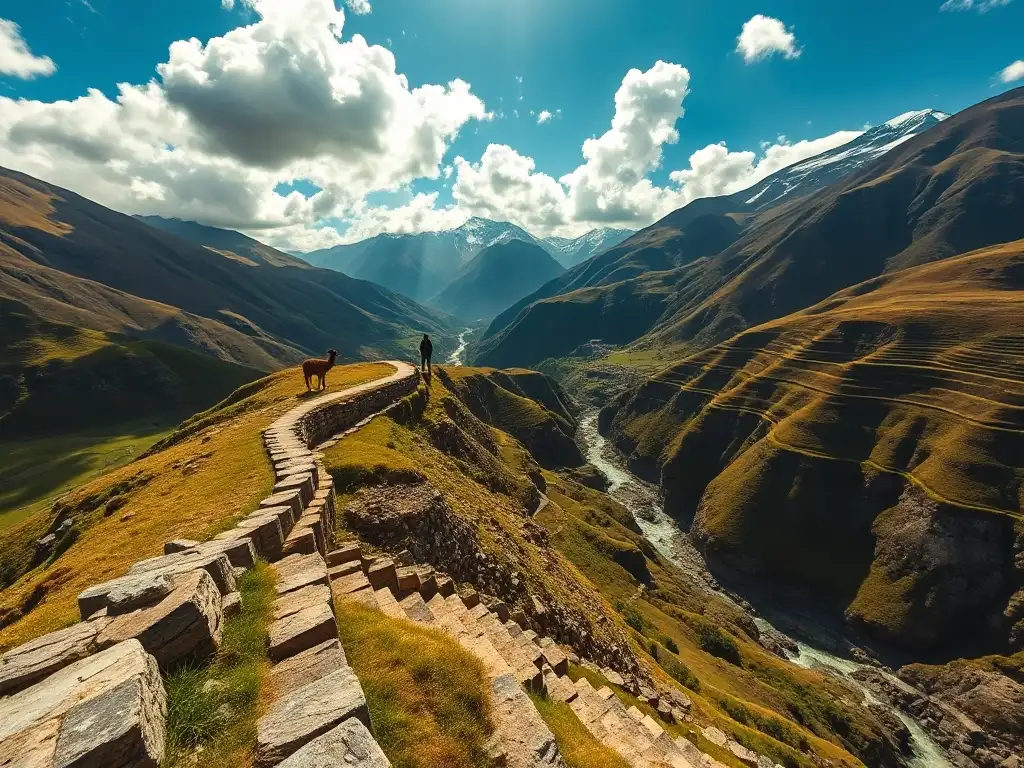
Step into a world lost to time, yet echoing with the ingenuity of a vanished empire. Imagine a network of roads spanning a vast, unforgiving landscape, a testament to the unparalleled engineering prowess of the Inca. This is the story of the Inca Road system impact, a legacy that continues to resonate centuries later. Prepare to be amazed as we unravel the secrets behind this timeless marvel of Andean architecture and engineering – a journey you won't soon forget.
The Inca road system, a marvel of ancient engineering, stands as a testament to the ingenuity and organizational prowess of the Inca Empire. Spanning thousands of miles across the challenging Andean terrain, this network of pathways facilitated trade, communication, and military movement, profoundly impacting the social, economic, and political landscape of the Andes.
This article delves into the lasting influence of the Inca road system, examining its construction techniques, its role in the empire's expansion and control, and its enduring legacy on modern infrastructure and cultural identity in the region. We will explore how the Inca Road system impact continues to resonate even today, shaping our understanding of ancient civilizations and influencing modern approaches to infrastructure development in challenging environments.
The impact of this intricate network extended far beyond mere transportation, influencing everything from cultural exchange to the very survival of the empire itself. Understanding its influence provides critical insight into the impressive capabilities of the Inca and their lasting contribution to Andean history.
Construction Techniques and Materials
The construction of the Inca road system was a remarkable feat of engineering, considering the rugged and diverse Andean landscape. Incas employed sophisticated techniques adapted to the specific challenges of each region. They utilized readily available materials such as stone, earth, and wood, skillfully integrating them into the terrain. Sections carved into mountain slopes demonstrate a deep understanding of geology and structural engineering.
The roads weren't simply pathways; they were meticulously designed to withstand earthquakes, landslides, and the harsh weather conditions prevalent in the Andes. They incorporated drainage systems, retaining walls, and suspension bridges, showcasing an advanced understanding of civil engineering principles. The precision and durability of these roads are still evident in many surviving sections, highlighting the Inca's mastery of construction.
Specific examples of innovative techniques, such as the use of interlocking stones without mortar in certain areas, further illustrate their sophisticated approach. The Inca's ability to adapt their techniques to different environments is a testament to their engineering skill and resourcefulness. Detailed studies of surviving sections reveal the complexity and ingenuity of their construction methods, surpassing many contemporary standards.
The Road's Role in Imperial Expansion and Control
The Inca road system played a crucial role in the empire's expansion and consolidation of power. Its strategic placement allowed for rapid troop movement, enabling the Incas to effectively control and subdue conquered territories. The efficient transportation of goods and resources facilitated economic growth and centralized control.
The network also served as a vital communication channel, allowing for the swift transmission of messages and information throughout the vast empire. This efficient communication system was essential for maintaining order and responding quickly to any threats or emergencies. The roads not only facilitated military campaigns but also supported the administrative structure of the empire, allowing for the efficient collection of taxes and the distribution of resources.
The strategic placement of tambos (roadside inns) along the routes further contributed to the empire's control, providing rest stops for travelers and a base for imperial officials. These elements combined to create a highly effective system for managing and controlling a vast and diverse empire.
The Enduring Legacy of the Inca Road System
The Inca road system's influence extends far beyond the empire's demise. Many sections of the road remain today, serving as a tangible link to the past and a source of pride for Andean communities. The Inca's innovative approach to road construction continues to inspire modern engineers, particularly in the development of infrastructure in challenging mountainous regions.
The principles of sustainable construction and adaptation to the environment, evident in Inca road-building, are increasingly relevant in today's context of sustainable development and environmental awareness. Furthermore, the Inca road system's impact on cultural identity is significant, serving as a powerful symbol of Andean heritage and resilience. The preservation and study of these ancient roads contribute to the understanding of Inca civilization and its enduring legacy.
The ongoing research into the Inca road system continues to unveil new insights into their engineering prowess and the lasting impact of their infrastructure projects. The system stands as a powerful reminder of the ingenuity and organizational capacity of a remarkable civilization.
Further Research Areas
Further research is needed to fully understand the long-term economic impacts of the Inca Road system, and the extent to which its design influenced later Andean road building. Detailed analysis of specific sections of the road, combined with archaeological evidence, could reveal further insights into construction techniques and material sourcing. Comparative studies with other ancient road systems around the world would also be beneficial.
- Construction Techniques and Materials
- The Road's Role in Imperial Expansion and Control
- The Enduring Legacy of the Inca Road System
- What was the primary purpose of the Inca road system?
- How did the Inca road system impact the Inca Empire's military strength?
- What types of materials were used in the construction of the Inca roads?
- How did the Inca road system affect trade and commerce within the empire?
- What is the lasting legacy of the Inca road system?
The Inca Road System: A Legacy of Andean Engineering

The Inca road system, known as the Qhapaq Ñan, stands as a testament to the ingenuity and organizational prowess of the Inca Empire. Its impact resonates even today, shaping our understanding of Andean engineering and its lasting influence on the region's infrastructure. This intricate network wasn't merely a system of pathways; it was the very artery of the empire, facilitating communication, trade, military movement, and the efficient administration of a vast and diverse territory.
Understanding its impact requires exploring its construction, extent, and lasting legacy. The Inca Road system impact is multifaceted and continues to be studied by archaeologists and historians alike.
Understanding the Qhapaq Ñan: The Backbone of the Inca Empire
The Qhapaq Ñan wasn't a single road, but rather a complex network of interconnected pathways spanning over 40,000 kilometers. This extensive system traversed diverse and challenging terrains, from the arid coastal deserts to the high Andes mountains, showcasing remarkable adaptability in its design and construction. The roads served multiple purposes:
- Communication: The swift transmission of messages and decrees across the empire was crucial for its effective governance. Runners, known as chasquis, relayed information along the roads with astonishing speed.
- Trade: The Qhapaq Ñan facilitated the movement of goods, facilitating economic integration and the distribution of resources across the empire. This included agricultural products, textiles, precious metals, and other essential commodities.
- Military Control: The roads allowed for the rapid deployment of troops, enabling the Inca army to maintain control over the vast territory and quell rebellions swiftly.
- Religious Pilgrimages: Certain sections of the road network were associated with religious significance, serving as routes for pilgrims traveling to important Inca sites.
The strategic placement of tambos (roadside inns) along the Qhapaq Ñan provided resting places and supplies for travelers, highlighting the meticulous planning and logistical capabilities of the Inca civilization. This sophisticated infrastructure played a vital role in the empire’s cohesion and longevity. The impressive scale and functionality of the Qhapaq Ñan significantly contributed to the Inca empire's success and its lasting influence on the Andean region.
The Vast Extent of the Inca Road Network
The sheer scale of the Inca road network is breathtaking. Estimates suggest a total length exceeding 40,000 kilometers, stretching across modern-day Peru, Bolivia, Ecuador, Argentina, and Chile. This network wasn't merely a collection of random paths; it was a meticulously planned system with strategically placed bridges, tunnels, and stairways to navigate diverse landscapes.
The roads varied in width and construction depending on their importance and the terrain they traversed. Main arteries were wider and more robust, while secondary roads were narrower and simpler. The Inca's mastery of engineering is evident in their ability to adapt their construction techniques to the unique challenges presented by each geographical region. For example, in mountainous areas, they employed intricate stonework and suspension bridges to overcome steep inclines and river crossings. The Inca Road system’s impact on trade and communication is directly linked to its vast extent, integrating disparate regions into a cohesive political and economic entity.
Construction Techniques of the Inca Roads: A Masterclass in Engineering
The Inca's road-building techniques were remarkably sophisticated for their time. They employed a variety of materials, including stone, earth, and wood, skillfully adapting their methods to the specific environment. Key aspects of their engineering prowess include:
- Stonework: The Incas were masters of stonework, using precisely cut stones to create durable and aesthetically pleasing road surfaces. Their ability to fit stones together without mortar is a testament to their advanced understanding of engineering principles.
- Drainage Systems: Inca roads featured sophisticated drainage systems to prevent erosion and maintain the integrity of the road surface, even in areas with heavy rainfall. This demonstrates a keen awareness of environmental factors and their impact on infrastructure.
- Bridges: The construction of bridges, particularly suspension bridges made from intricate rope systems, was a remarkable feat of engineering, allowing them to cross rivers and gorges effectively. These bridges showcased their understanding of tension and load distribution.
- Tunnels: In mountainous regions, the Incas skillfully carved tunnels through rock formations, demonstrating their expertise in rock cutting and excavation techniques.
The Inca road system’s impact on Andean culture is inseparable from the advanced engineering techniques employed in its construction. The durability and longevity of these roads are a testament to the quality of their workmanship and their understanding of engineering principles. These sophisticated techniques allowed the Incas to create a road network that facilitated communication, trade, and military control across their vast empire, leaving a legacy that continues to inspire awe and admiration.
Materials and Labor: The Foundation of Inca Infrastructure
The Inca road system, a testament to their advanced engineering prowess, relied heavily on the skillful utilization of readily available materials and a highly organized labor force. The sheer scale of the project, spanning thousands of miles across diverse and challenging terrains, demanded a sophisticated approach to resource management and workforce organization. Understanding the materials and labor practices employed offers crucial insight into the Inca Road system's impact and enduring legacy.
One of the key factors contributing to the Inca road's durability was the careful selection of building materials. Stone, readily accessible in the Andes, formed the backbone of many sections of the road. Different types of stone were chosen based on their availability and suitability for the specific terrain and purpose. For instance, harder, more resistant stones were used in areas subject to higher traffic or erosion, while softer stones might have been employed in less demanding sections.
The precise fitting of these stones, often without the use of mortar, showcases the Inca's exceptional stonemasonry skills. This meticulous craftsmanship minimized the need for extensive repairs and contributed significantly to the roads' longevity. Beyond stone, other materials like earth, gravel, and wood played crucial supporting roles, particularly in less mountainous areas or for temporary bridges and pathways.
The Inca's highly structured societal organization played a pivotal role in the construction and maintenance of the road system. The mita system, a form of mandatory public service, provided the necessary labor force. While often viewed negatively through a modern lens, the mita system, when managed effectively, ensured a consistent supply of workers for infrastructure projects like the road network. This system wasn't merely about conscripting labor; it was deeply integrated into the Inca social and economic fabric.
Communities were responsible for maintaining sections of the road nearest to them, fostering a sense of collective ownership and responsibility. Specialized workers, skilled in various aspects of construction, were also incorporated into the mita system, ensuring that the roads were built to high standards. This structured approach to labor ensured not only the timely completion of the road but also its long-term maintenance and sustainability.
The mita system's impact on the Inca Road system highlights the integral link between social organization and infrastructural development – a crucial element in the road's enduring influence. The effective management of this labor force, alongside the strategic use of readily available materials, allowed the Incas to create a road network that withstood the test of time and remains a testament to their sophisticated engineering and societal structures. The legacy of this system continues to shape our understanding of Andean civilization and its lasting impact on the region.
The Impact of the Inca Road System on Andean Society

The Inca road system, a feat of engineering unparalleled in its time, profoundly impacted Andean society in multifaceted ways. Its influence extended far beyond mere transportation; it served as the backbone of the empire's economic, military, and political structures. Understanding its impact requires examining its role in facilitating trade, enabling military control, and fostering political unity across the vast and diverse Andean landscape.
This intricate network of pathways, stretching thousands of miles across treacherous terrain, fundamentally shaped the Inca civilization's trajectory and left an enduring legacy on the region. The scale of the Inca Road system impact is still being fully understood by researchers today, with new discoveries constantly adding to our knowledge.
Facilitating Trade and Communication Across the Empire
The Inca road system was instrumental in facilitating trade and communication throughout the vast Inca Empire. Before its construction, the exchange of goods and information across the diverse Andean regions was significantly hampered by geographical barriers. The roads, however, provided a crucial infrastructure that dramatically improved connectivity. This is evidenced by the wide distribution of goods, such as textiles from the coast, ceramics from the highlands, and precious metals from various mining regions, found across archaeological sites throughout the empire.
The system wasn't just about moving physical goods; it also facilitated the swift transmission of information. Runners, known as chasquis, relayed messages along the road network with remarkable speed, enabling the Inca government to maintain control and respond effectively to events across the empire. This efficient communication system was vital for coordinating administrative tasks, responding to emergencies, and maintaining social order.
The speed and efficiency of the chasqui system were crucial for the effective governance of such a large and geographically diverse empire. Archaeological evidence suggests specialized relay stations were strategically placed along the roads, providing resting places and facilitating the rapid exchange of messages. The impact of this swift communication network on the Inca Empire's administrative efficiency cannot be overstated.
Military Control and Logistics Through the Road Network
The Inca road system provided a crucial advantage in military control and logistical operations. The strategic placement of roads allowed for the rapid deployment of troops to quell rebellions or defend against external threats. The ability to move armies swiftly across the Andes was a significant factor in the Inca's ability to conquer and maintain control over such a large territory. Furthermore, the roads facilitated the efficient transport of supplies, such as food, weapons, and building materials, necessary for sustaining military campaigns.
The construction of strategically placed tambos (roadside inns) along the routes provided rest stops for soldiers and messengers, ensuring the smooth flow of both personnel and supplies. These tambos not only supported military operations but also aided in the overall administration and control of the empire. The impact of this military efficiency was seen in the suppression of rebellions and the rapid response to external threats, maintaining the stability of the Inca empire for a considerable period. This strategic advantage in logistics and troop deployment was a key element in the expansion and consolidation of Inca power.
The Inca Road System's Role in Political Unification
The Inca road system played a pivotal role in the political unification of the vast and diverse Andean region. By connecting disparate communities through a shared infrastructure, the Inca rulers fostered a sense of unity and common identity. The roads facilitated the movement of people, goods, and ideas, leading to cultural exchange and the integration of diverse populations into the Inca empire. The impact of this cultural exchange was profound, leading to a shared sense of identity and loyalty to the Inca state.
The construction and maintenance of the road system itself were massive undertakings, requiring immense coordinated effort and resources. This collective effort, involving various ethnic groups working together, fostered a sense of shared purpose and helped solidify the Inca's political control. The road system served as a powerful symbol of Inca power and authority, demonstrating the emperor's capacity to unite and govern such a vast and diverse territory.
The lasting impact of the Inca road system is not merely a testament to their engineering prowess but also to their sophisticated political strategy in using infrastructure to forge a unified and powerful empire. The Inca Road system impact on Andean society is a complex and multifaceted subject, still being actively researched today.
Cultural Exchange and Diffusion Along the Qhapaq Ñan
The Inca road system, the Qhapaq Ñan, wasn't merely a network of paths; it was a vital artery facilitating unprecedented cultural exchange across the vast Inca Empire. Its impact on Andean society extended far beyond efficient administration and military control. The roads served as conduits for the dissemination of ideas, beliefs, artistic styles, and technologies, creating a vibrant tapestry of shared cultural experiences. This interconnectedness fostered a sense of unity among diverse Andean populations, despite their geographical separation.
The movement of artisans along the Qhapaq Ñan is a prime example of this cultural diffusion. Highly skilled craftsmen, specializing in textiles, pottery, metalwork, and stone carving, travelled extensively, sharing their techniques and artistic styles with communities along the routes. This resulted in a remarkable degree of stylistic consistency across vast distances, although regional variations certainly persisted, reflecting local adaptations and innovations.
For instance, the distinctive pottery styles of the coastal regions gradually influenced inland communities, resulting in a blend of traditional forms and new aesthetic elements. This cross-pollination enriched the artistic landscape of the entire empire, leaving behind a legacy of sophisticated and diverse craftsmanship.
Furthermore, religious beliefs and practices spread effectively through the network of roads. Pilgrimages to important religious sites, facilitated by the ease of travel, became more common. The dissemination of Inca mythology and religious iconography, carried by priests and travelers, solidified the imperial ideology and fostered a shared sense of identity among the diverse populations.
This standardized religious framework helped maintain social cohesion and political stability across the empire. The spread of religious practices also influenced local traditions, resulting in a syncretism where indigenous beliefs were often integrated with Inca religious elements. This complex interplay of cultural influences is clearly evident in surviving archaeological evidence, including religious artifacts and architectural styles.
The Qhapaq Ñan also played a crucial role in the dissemination of agricultural techniques. The Inca's sophisticated agricultural practices, such as terracing and irrigation, were not confined to specific regions. The movement of people along the roads allowed for the transfer of knowledge and expertise, improving agricultural yields and food security across the empire.
This exchange of agricultural practices contributed significantly to the overall prosperity and stability of the Inca state. The impact of this technological diffusion is still visible in Andean agricultural practices today, highlighting the enduring legacy of the Inca road system. The efficient transport of agricultural goods also ensured the stability of the empire and contributed to the growth of urban centers.
The Lasting Relevance of the Inca Roads Today
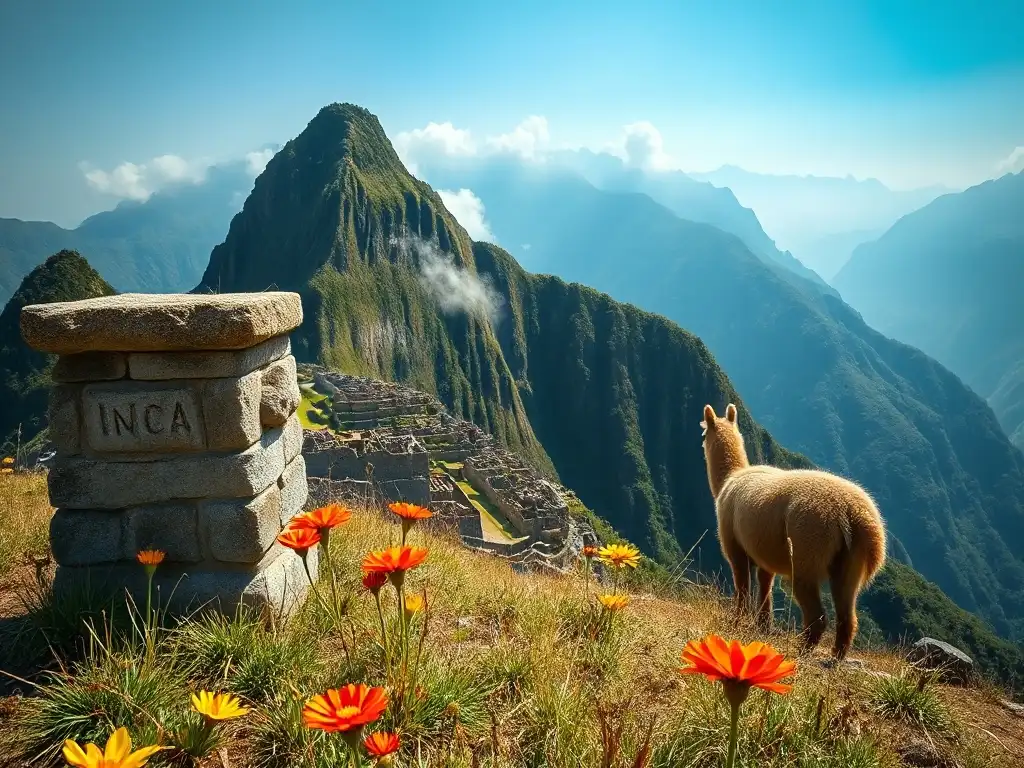
The Inca Road system's impact extends far beyond its historical significance. Its ingenious design and construction techniques continue to resonate in modern infrastructure planning and sustainable development initiatives. Understanding this lasting relevance necessitates examining both the practical adaptations of the ancient pathways and the enduring lessons they offer for contemporary engineering.
The Inca Road system, a testament to advanced planning and masterful execution, provides a rich case study for analyzing the long-term implications of infrastructure projects. The strategic placement of roads, considering terrain and accessibility, remains a crucial aspect of modern road design, mirroring the Inca's foresight. Their innovative use of readily available materials and sustainable construction methods serves as a powerful example for today's environmentally conscious builders.
Modern Day Routes and Adaptations of the Inca Road
Many modern roads in the Andes region are built upon or alongside sections of the original Inca trails. The inherent practicality of the Inca routes, their strategic placement considering elevation and terrain, still informs road construction. For instance, the challenging geography of the Andes necessitated ingenious solutions by the Inca engineers, such as the use of switchbacks and strategically placed retaining walls to navigate steep inclines and precarious mountain passes.
These techniques continue to be relevant today, particularly in regions with similar geographical challenges. While modern materials like asphalt and concrete are used, the underlying principles of route selection and construction often mirror Inca practices. This adaptation showcases the enduring wisdom embedded within the Inca Road system.
The system's resilience, even after centuries of neglect in some areas, stands as a testament to the quality of its original construction and the practicality of its design. Further research into the specific materials and techniques used by Inca builders could inform the development of more durable and sustainable road construction methods in challenging terrains. Consider the following table highlighting some key differences and similarities:
| Feature | Inca Road System | Modern Andean Roads |
|---|---|---|
| Materials | Stone, earth, wood | Asphalt, concrete, steel |
| Construction | Manual labor, simple tools | Heavy machinery |
| Sustainability | Highly sustainable | Varies greatly |
| Route Selection | Terrain-conscious | Often follows Inca routes |
The Inca Trail: A Popular Hiking Destination
The Inca Trail, a section of the broader Inca Road system, has become a globally renowned hiking destination. This transformation highlights the lasting cultural and economic impact of the Inca infrastructure. The popularity of the Inca Trail generates significant tourism revenue for the region, supporting local communities and preserving the historical sites along the route.
However, this popularity also presents challenges related to conservation and sustainable tourism practices. The sheer number of hikers necessitates careful management to minimize environmental damage and ensure the long-term preservation of the trail and its surrounding ecosystem. Careful planning and sustainable tourism practices are crucial to balance the economic benefits with the need to protect this valuable historical and natural resource.
The Inca Trail serves as a compelling example of how ancient infrastructure can be repurposed and leveraged for modern economic and cultural purposes. The careful management of the Inca Trail is a crucial aspect of its enduring legacy, balancing the economic opportunities it presents with the need for responsible preservation.
Lessons from Inca Engineering for Sustainable Infrastructure
The Inca Road system offers valuable lessons for sustainable infrastructure development. The Inca's emphasis on using locally sourced materials, minimizing environmental impact, and adapting to the specific conditions of the terrain provides a blueprint for modern sustainable engineering. Their understanding of drainage systems, the integration of their roads into the landscape, and the durability of their constructions are all aspects that contemporary engineers can learn from.
The Inca's approach to infrastructure development prioritized long-term sustainability over short-term gains, a lesson that is increasingly relevant in today's world, where concerns about climate change and resource depletion are paramount. The Inca Road system's enduring legacy is not just about its historical importance; it is also a powerful example of sustainable engineering practices that can inform the design and construction of infrastructure projects in the 21st century.
Further research into the specific engineering techniques employed by the Inca could lead to innovations in sustainable building materials and construction methods, minimizing the environmental footprint of future infrastructure projects. The Inca Road system's impact on sustainable infrastructure development is a testament to the enduring wisdom of ancient civilizations.
Preserving the Inca Road System: A UNESCO World Heritage Site
The Inca road system's enduring legacy extends beyond its historical significance; it's also a testament to the importance of cultural preservation. Recognizing the unparalleled value of this ancient infrastructure, significant efforts are underway to protect and conserve these remarkable pathways. Many sections of the Inca road network have been designated as UNESCO World Heritage sites, a prestigious accolade that underscores their global importance and triggers international cooperation for their preservation.
This designation not only provides crucial funding for conservation projects but also raises awareness among global communities, fostering a sense of shared responsibility for protecting this invaluable piece of human history. The impact of this designation is multifaceted, influencing everything from responsible tourism practices to the implementation of sophisticated preservation techniques.
The challenges in preserving the Inca road system are considerable. The harsh Andean climate, with its intense sun, freezing temperatures, and frequent rain, takes a significant toll on the ancient stonework. Erosion, both natural and accelerated by human activity, poses a constant threat. Furthermore, the sheer scale of the network presents logistical hurdles; effectively monitoring and maintaining thousands of kilometers of roads across diverse and often remote terrains requires substantial resources and expertise.
Conservation efforts often involve meticulous repairs using traditional techniques and materials, ensuring the authenticity of the sites is maintained while enhancing their structural integrity. Archaeologists, engineers, and local communities work collaboratively to implement these strategies, balancing preservation with the needs of modern society. This collaborative approach is crucial to ensuring the long-term sustainability of the conservation efforts.
Furthermore, the preservation of the Inca road system extends beyond physical restoration. Efforts are also focused on safeguarding the intangible heritage associated with these roads—the stories, traditions, and knowledge passed down through generations. Local communities play a vital role in this preservation process, acting as custodians of the historical narratives and traditional practices connected to the roads.
Their involvement ensures that the cultural significance of the Inca road system remains alive and vibrant, enriching the understanding of its historical context and the ingenuity of the Inca civilization. Documentation of these oral traditions, alongside archaeological findings, provides a richer, more nuanced understanding of the Inca road system's impact on Andean life.
This holistic approach to preservation ensures that the legacy of the Inca road system continues to inspire and educate for generations to come. The Inca Road system's impact on modern society is not just about its physical presence, but also about the cultural stories it carries.
Exploring the Architectural Marvels Along the Inca Roads
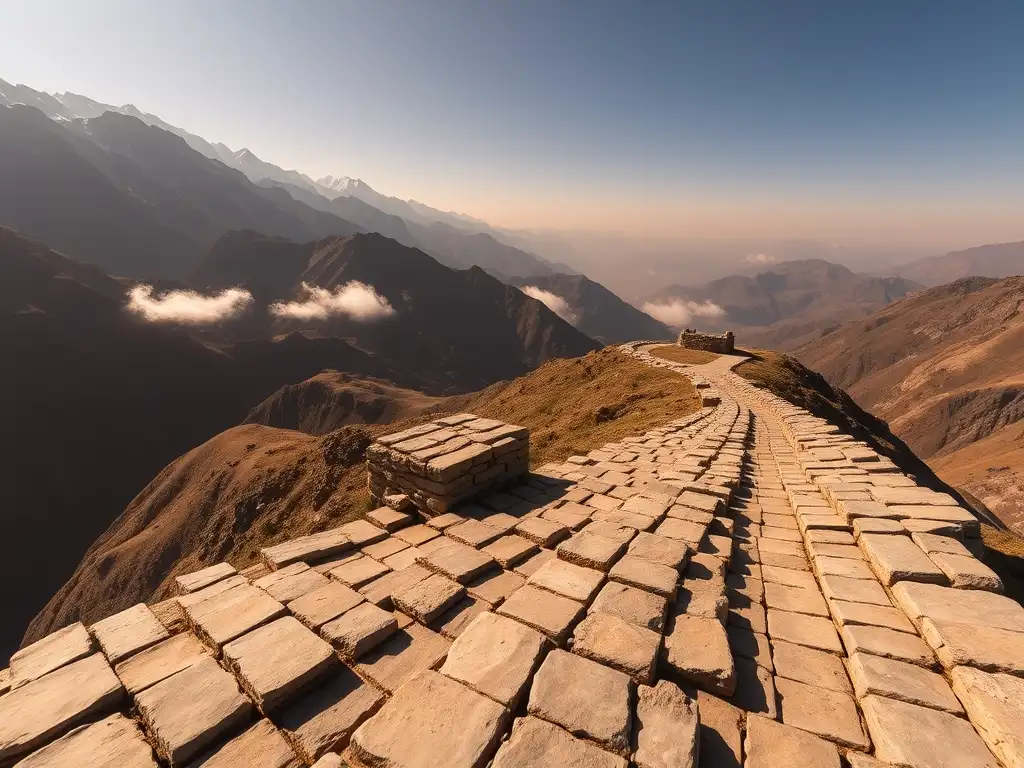
The Inca Road system's impact extended far beyond its logistical function; it fostered a sophisticated network of architectural marvels strategically placed along its length. These structures weren't merely functional; they were integral to the empire's effective governance, communication, and economic stability. Understanding these architectural elements is crucial to grasping the true scale of the Inca Road's enduring influence.
The ingenuity displayed in their design and construction highlights the advanced engineering capabilities of the Inca civilization, a testament to their organizational prowess and resourcefulness. The strategic placement of these structures along the extensive road network showcases a deep understanding of logistical needs and territorial control.
Tambos: Roadside Lodges and Supply Depots
Tambos were strategically located roadside structures that served as crucial logistical hubs within the Inca Road system. These weren't simple rest stops; they were multifaceted facilities that played vital roles in supporting the empire's vast infrastructure. Their functionality encompassed a range of services, from providing accommodation for travelers and officials to storing supplies and facilitating trade. The size and complexity of tambos varied depending on their location and importance within the road network. Larger tambos, often situated at significant junctions or in high-altitude regions, might have included multiple buildings, storage areas, and even workshops.
The construction of tambos demonstrates the Inca’s mastery of stonework. Many tambos were built using meticulously cut and fitted stones, reflecting the high level of craftsmanship characteristic of Inca architecture. This attention to detail ensured the structures' durability and longevity, even in harsh environmental conditions. Archaeological evidence suggests that tambos were often equipped with sophisticated drainage systems and ventilation, indicating a concern for comfort and hygiene.
The presence of agricultural terraces near some tambos suggests that these facilities may have also supported local agricultural production, providing food supplies for travelers and the tambos' inhabitants. This integrated approach to infrastructure development highlights the holistic nature of Inca planning. The impact of the tambos on the efficiency of the Inca Road system was significant, facilitating the movement of people, goods, and information across vast distances.
Bridges and Tunnels: Engineering Solutions for Challenging Terrain
The Inca Road system wasn't limited to traversing flat terrain; it boldly crossed rivers, mountains, and deep ravines. The Inca's innovative engineering solutions to these challenges are truly remarkable. They constructed impressive suspension bridges using materials such as vines, ropes, and wood, showcasing a deep understanding of structural mechanics and material science. These bridges were not only functional but also aesthetically pleasing, often integrated seamlessly into the surrounding landscape. The construction of these bridges required significant planning and coordination, reflecting the Inca's advanced organizational skills.
In addition to bridges, the Inca also utilized tunnels to navigate challenging terrain. These tunnels, often carved through solid rock, demonstrate a mastery of stone-cutting techniques and an impressive understanding of geological formations. Some tunnels were surprisingly long and complex, suggesting significant engineering expertise and meticulous planning.
The construction of both bridges and tunnels along the Inca Road system significantly improved travel time and safety, facilitating the efficient movement of people and goods. The impact on trade and communication was substantial, contributing to the economic and political stability of the empire. The sheer scale and precision of these structures remain a testament to the Inca's engineering prowess, and their enduring legacy is still visible today.
Chasqui Houses: Communication Relay Points
The Inca Road system was not just a transport network; it was also a sophisticated communication system. This was facilitated by the chasquis, a network of runners who relayed messages across vast distances. To support this vital communication system, the Inca built chasqui houses (or tambos de chasquis) along the roads. These smaller structures served as rest stops and relay points for the chasquis, ensuring the swift transmission of news and orders throughout the empire. Their strategic placement minimized travel time and facilitated efficient communication.
These strategically located buildings were equipped with everything the chasquis needed for their demanding task: rest areas, food supplies, and perhaps even basic medical provisions. The design of chasqui houses was likely tailored to their specific function: smaller than typical tambos, but still built to withstand the elements and provide essential amenities. The efficiency of the chasqui system is a testament to the Inca's understanding of logistics and communication.
The impact of the chasqui houses on the speed and reliability of communication within the empire was substantial, enabling rapid response to emergencies and facilitating effective governance across vast territories. Their existence underscores the critical role of communication in maintaining the stability and strength of the Inca empire. The Inca Road system impact on communication is undeniable, and the chasqui houses are a key part of that story.
The Inca road system wasn't simply a network of flat pathways; it was a masterful feat of engineering that addressed the challenges of the Andes' diverse and often treacherous terrain. To overcome steep inclines and navigate rocky, uneven landscapes, Inca engineers cleverly incorporated staircases and meticulously paved sections into their road designs. These weren't simply afterthoughts; they were integral components, demonstrating a deep understanding of both engineering principles and the specific geographical challenges.
The staircases, often carved directly into the rock face, were not uniform in their design. Their size and configuration varied depending on the steepness of the slope and the type of rock. Some were narrow and steep, suitable for foot traffic, while others were wider and more gradual, perhaps accommodating pack animals or even small carts. The construction demonstrates a sophisticated understanding of load-bearing capacity and structural stability, ensuring the staircases could withstand the weight and wear of constant use for centuries.
The precise placement of steps, often incorporating natural irregularities in the rock, minimized the need for extensive excavation and maximized the use of available materials. This efficient use of resources is a hallmark of Inca engineering ingenuity. Furthermore, the careful integration of the staircases into the surrounding landscape minimized their visual impact, showcasing a remarkable sensitivity to the environment.
The paved sections, often made of carefully fitted stones, served a different but equally crucial purpose. They provided a smooth, durable surface, especially crucial in areas prone to erosion or mudslides. The stones themselves, often locally sourced, were selected for their durability and resistance to weathering. The precision with which these stones were cut and fitted is astonishing.
Many sections remain remarkably intact even today, a testament to the quality of the workmanship and the longevity of the materials. The paving not only facilitated easier travel but also significantly extended the lifespan of the road itself, reducing the need for frequent repairs and maintenance. This proactive approach to infrastructure management was a key element in the success and longevity of the Inca road network.
The choice of materials and techniques also varied depending on the local environment, highlighting the adaptability of Inca engineering practices. The Inca road system, therefore, wasn't a monolithic project but a series of locally adapted solutions demonstrating the Inca's flexibility and ingenuity in response to the changing landscape. This adaptability is a crucial aspect of understanding the lasting impact of the Inca Road system.
The Inca Road System Impact: A Summary of its Significance
The Inca road system, a monumental feat of engineering, profoundly impacted the Inca Empire and its legacy continues to resonate today. Its influence extended far beyond mere transportation; it shaped the economic, social, and cultural fabric of the Andean world. Understanding the Inca Road's impact requires examining its multifaceted contributions across various aspects of Inca life.
From facilitating efficient trade and communication to fostering cultural exchange and solidifying political control, the road network played a pivotal role in the empire's growth and remarkable longevity. The sheer scale of the project, its innovative construction techniques, and its enduring cultural significance make it a testament to the ingenuity and organizational prowess of the Inca civilization. The impact of this extensive infrastructure is a key element in understanding the Inca's success and its lasting influence on the Andean region.
The Inca road network acted as the empire's economic artery, facilitating the efficient movement of goods and resources. This streamlined trade system fueled the empire's prosperity. Agricultural products from fertile valleys were readily transported to urban centers, ensuring food security even in geographically challenging areas.
Raw materials, like precious metals and textiles, flowed smoothly to artisans and workshops, supporting a robust craft industry. This interconnectedness fostered economic specialization and increased overall productivity. The roads also facilitated the movement of labor, allowing the Inca to mobilize workforce for crucial projects like agriculture, construction, and mining, bolstering the empire's economic capabilities.
The efficient distribution of resources, in turn, reduced the likelihood of regional shortages and promoted social stability, strengthening the social fabric of the empire through a shared prosperity driven by the road system. This economic unity, underpinned by the road network, contributed significantly to the empire's political stability and lasting power. The system's efficiency can be partially measured by the speed with which resources and messages could travel across vast distances, a feat unheard of in many contemporary civilizations.
Furthermore, the social impact of the road system extended beyond mere economics. The roads connected diverse communities, fostering cultural exchange and creating a sense of shared identity. This interconnectedness reduced social fragmentation and bolstered the empire's unity.
The regular movement of people along the roads facilitated the spread of ideas, customs, and religious practices, creating a more homogenized Andean culture. The Inca's ability to swiftly respond to social unrest or natural disasters, facilitated by the road system, further contributed to the stability of their vast and diverse empire. This efficient communication and transportation network fostered a sense of shared purpose and identity among the diverse populations under Inca rule.
The Technological Advancement Reflected in Inca Road Construction
The Inca road system represents a remarkable feat of engineering, showcasing advanced technological capabilities. The construction involved sophisticated techniques, including the use of meticulously cut stone blocks fitted together without mortar, a testament to their advanced understanding of stonework and engineering principles. The roads were strategically engineered to traverse diverse terrains, including mountains, deserts, and jungles.
The construction of bridges, tunnels, and retaining walls demonstrates a mastery of civil engineering, particularly impressive given the tools and materials available at the time. The Inca’s understanding of drainage systems, particularly important in Andean climates, is evident in the construction of the roads. They implemented effective drainage solutions to prevent erosion and maintain the roads' integrity for centuries.
This advanced knowledge of engineering and construction practices played a crucial role in the efficiency and longevity of the road network. Analysis of the road's construction techniques reveal an advanced understanding of surveying, planning, and logistics.
The Inca's mastery of stonework is particularly noteworthy. The precision and artistry evident in the construction of the roads are unparalleled. The use of different types of stone, selected for their specific properties, further highlights their understanding of materials science. Their ability to adapt construction techniques to the specific challenges of different terrains demonstrates ingenuity and adaptability.
The roads themselves weren't just pathways; they were carefully planned engineering marvels, built to withstand the harsh Andean environment and facilitate efficient transportation. Detailed studies of the road construction reveal an understanding of load-bearing capacity, incline, and drainage, all crucial aspects of modern road engineering. The Inca’s achievements were far ahead of their time, demonstrating a sophisticated understanding of engineering principles.
The Cultural Legacy of the Inca Roads in the Andean World
The Inca road system's cultural legacy extends far beyond its physical remains. The roads themselves are a tangible representation of Inca power, ingenuity, and organizational capabilities. Even today, sections of the road system continue to be used, a testament to its robust construction and enduring relevance. The system's impact on Andean culture is profound; it facilitated the spread of Inca beliefs, language, and customs throughout the empire.
Many of the roads served as pilgrimage routes, connecting important religious sites and reinforcing religious practices. The cultural exchange facilitated by the roads led to a relatively unified Andean cultural landscape during the Inca Empire. The integration of local traditions with Inca practices created a complex and rich cultural tapestry.
The enduring legacy of the Inca roads is visible in the cultural memory and the landscape itself. Many communities still maintain connections to the ancient routes, demonstrating their continued relevance. The stories and legends associated with the roads have become integral parts of Andean folklore, transmitting the Inca legacy across generations.
The Inca road system remains a symbol of Andean identity, connecting past and present generations. The preservation and study of these roads are crucial for understanding the rich history and culture of the Andean world, representing a vital aspect of Inca heritage and a testament to their enduring influence on the region's identity. The continued presence of these roads in the landscape reinforces their historical significance and their lasting impact on the cultural fabric of the Andes.
The Enduring Importance of the Inca Road System for Future Generations
The Inca road system's impact resonates far beyond its historical significance. Its enduring legacy offers invaluable lessons for modern infrastructure development and resource management, particularly in challenging geographical terrains. The Inca's mastery of sustainable construction techniques, adapting to diverse environments with locally sourced materials, provides a blueprint for environmentally conscious engineering. Modern architects and engineers can learn from the Inca's innovative solutions to overcome obstacles like steep inclines, treacherous terrain, and unpredictable weather patterns.
The system's remarkable resilience, evidenced by sections that still survive today, speaks volumes about the durability achieved through careful planning and meticulous craftsmanship. This approach stands in stark contrast to many contemporary projects that prioritize speed and cost-effectiveness over long-term sustainability. Studying the Inca road system allows us to develop more resilient and environmentally responsible infrastructure, reducing our overall carbon footprint and minimizing the environmental impact of construction.
Furthermore, the Inca road system's impact on cultural heritage is undeniable. It serves as a powerful reminder of a sophisticated civilization and its remarkable achievements. Preserving these roads is not merely an act of historical preservation; it's a way to maintain a connection to the past and to inspire future generations.
The Inca road system can be a powerful tool for cultural tourism, generating economic opportunities for local communities while fostering appreciation for cultural heritage. By understanding and protecting this remarkable feat of engineering, we ensure that future generations can learn from the past, appreciate the ingenuity of the Inca, and develop a deeper understanding of their rich civilization. The Inca's legacy is not just about stones and paths; it's about resourcefulness, community, and a commitment to building a lasting legacy.
The ongoing study and preservation of the Inca road system are therefore crucial not just for historical understanding, but also for the sustainable development of future societies. The Inca road system's impact on future generations will be felt in the improved infrastructure, sustainable practices, and cultural preservation efforts it inspires.
Frequently Asked Questions
What was the primary purpose of the Inca road system?
The Inca road system, or Qhapaq Ñan, served multiple crucial purposes. It primarily facilitated efficient communication and transportation across the vast Inca Empire, enabling the movement of troops, messages, and goods. This connected distant regions, strengthening political and economic control.
How did the Inca road system impact the Inca Empire's military strength?
The extensive network of roads allowed for the rapid deployment of troops to quell rebellions or defend against external threats. This enhanced military mobility and significantly contributed to the Inca Empire's military dominance and expansion. Quick communication was also vital.
What types of materials were used in the construction of the Inca roads?
Inca roads utilized a variety of materials adapted to the terrain. Stone paving, particularly in mountainous regions, was common, along with earthworks, bridges, and even suspension bridges in challenging areas. The construction reflected remarkable engineering skills.
How did the Inca road system affect trade and commerce within the empire?
The roads facilitated the efficient exchange of goods between different regions of the empire. This stimulated economic growth and allowed for the distribution of essential resources, fostering economic integration and prosperity across diverse Inca territories.
What is the lasting legacy of the Inca road system?
The Inca road system's legacy is evident in its enduring impact on Andean infrastructure and culture. While much has been lost to time, the remaining sections stand as a testament to remarkable engineering achievements and the ingenuity of the Inca civilization, inspiring awe and continuing to be studied today.
Final Reflection: The Inca Road's Legacy in a Modern World
The Inca road system, a marvel of pre-Columbian engineering, continues to resonate today, not merely as a historical curiosity, but as a testament to human ingenuity and the enduring power of infrastructure. Its sophisticated design, strategic placement, and lasting impact on the Andean landscape serve as a powerful reminder of the capabilities of past civilizations and the importance of thoughtful planning in shaping societies. The echoes of its influence reverberate through modern-day challenges in infrastructure development and sustainable resource management.
The Inca road's impact extends far beyond its physical presence; it represents a profound connection between people and their environment. Its creation fostered trade, cultural exchange, and a sense of unity across vast distances, a lesson particularly relevant in our increasingly interconnected world. The road itself was a living organism, a dynamic network that pulsed with the lifeblood of the empire.
This quote encapsulates the road's significance not just as a physical structure, but as a vital artery of a thriving civilization, a concept we can still learn from in our own efforts to build sustainable and connected communities.
Consider the ingenuity of the Inca engineers, their understanding of terrain, and their ability to construct such a vast network with limited technology. This legacy challenges us to re-evaluate our own approach to infrastructure development, urging us to prioritize sustainability, community engagement, and long-term vision. You, the reader, are now empowered to reflect on the lessons learned from the Inca road system.
How can we, in our own lives and communities, strive to build structures—both physical and social—that are as resilient, interconnected, and enduring as the remarkable network built by the Inca? Let the enduring legacy of the Inca road inspire you to build a better future.
Unveil the Legacy of the Inca Road – Take Action Now!
Thank you for exploring the extraordinary journey of the Inca Road with us! We hope you found the remarkable engineering and cultural significance inspiring. Now, let's delve deeper into this marvel.
Here are some suggestions to further your understanding and appreciation:
- Attend local events or workshops celebrating Andean culture and history. Engage with experts to uncover lesser-known stories of the Inca Road and its builders.
- Share your newfound knowledge! Join our community by commenting below or sharing this article with friends who appreciate history and architecture.
- Take a walk along a nearby ancient path or hiking trail, and reflect on the enduring impact of engineering on our world.
How does the ingenuity of the Inca Road inform your perspective on modern infrastructure challenges and solutions?