
Andean Water Gardens: A Unique Form of Landscape Architecture

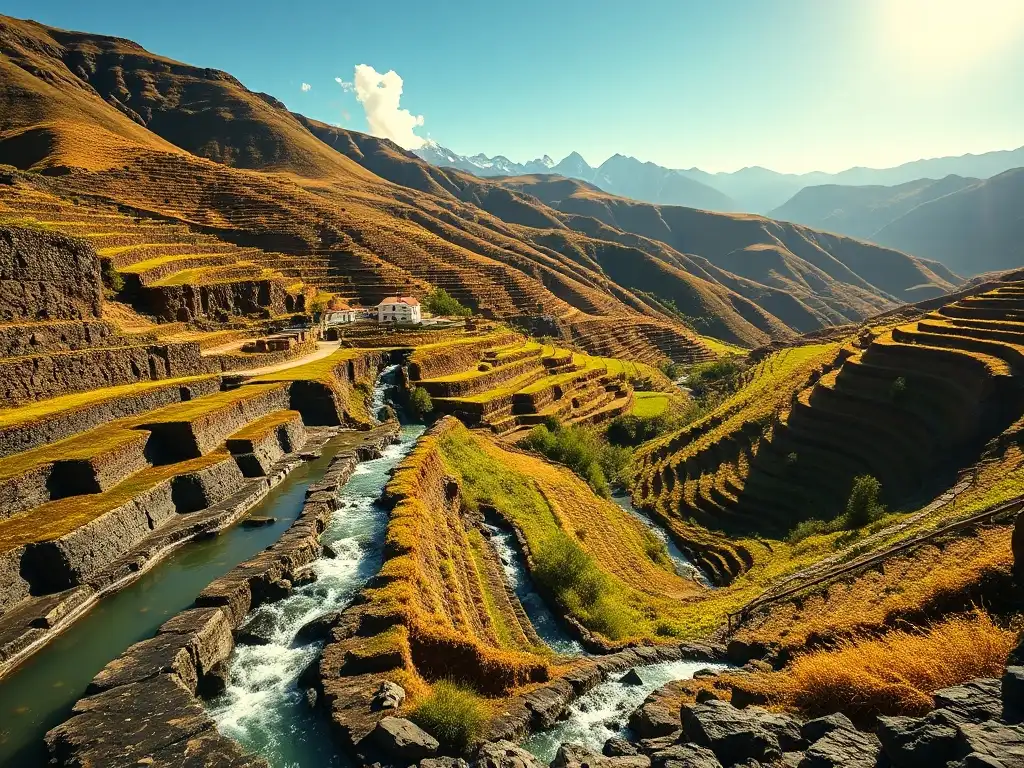
Unravel the mysteries of the Andes! Journey beyond the majestic peaks and delve into the ingenious world of the ancient Andean civilizations. Their mastery extended far beyond breathtaking architecture; discover the secrets behind their remarkable achievements, starting with the astonishing Andean irrigation systems—a testament to their sophisticated engineering and profound understanding of their environment. Prepare to be amazed by the ingenuity that shaped these Andean Water Gardens, a unique form of landscape architecture that continues to inspire awe. Explore further to uncover the full story.
The ingenuity of the Andean civilizations is profoundly reflected in their mastery of water management, a necessity given the challenging geography of the Andes Mountains. This article delves into the fascinating world of Andean water gardens, showcasing a sophisticated form of landscape architecture intricately linked to their survival and cultural expression. These weren't merely decorative features; they were vital components of a complex system of irrigation and agricultural production, demonstrating a deep understanding of hydrology and ecological principles.
We will explore the various types of Andean water gardens, their construction techniques, their social and economic significance, and their lasting legacy on modern agricultural practices, all while examining their role within the broader context of Andean irrigation systems. Understanding these systems provides crucial insight into the resilience and adaptive capacity of these remarkable ancient societies.
Types of Andean Water Gardens
Andean water gardens varied significantly depending on the specific ecological conditions and the needs of the communities. Several distinct types existed, each adapted to different terrains and water sources. These included:
- Elevated terraced gardens: These were constructed on steep slopes, utilizing intricate systems of channels and retaining walls to create level platforms for cultivation. The precise gradient of the terraces ensured efficient water distribution, minimizing erosion and maximizing agricultural yield. The size and complexity of these systems often reflected the social and political organization of the community.
- Waru Waru agriculture: This unique system involved creating raised beds (warus) separated by irrigation canals. This method facilitated efficient water management, improved soil drainage, and enhanced soil fertility. The raised beds also provided protection against frost and flooding, increasing crop resilience. Archaeological evidence points to the widespread use of Waru Waru across various Andean cultures, indicating its long-term effectiveness.
- Achachayacu systems: These were sophisticated systems of interconnected canals and reservoirs, often integrated with other water management infrastructure such as aqueducts and fountains. They facilitated the irrigation of large areas, supporting intensive agriculture and the growth of substantial settlements. The construction of these systems required considerable labor and advanced engineering skills, reflecting the societal organization and technological capabilities of the Andean civilizations.
Construction Techniques and Materials
The construction of Andean water gardens required meticulous planning and execution, drawing upon locally available resources and a profound understanding of engineering principles. Key techniques included:
- Stone masonry: The Andes were rich in stone, which was used extensively in the construction of retaining walls, channels, and reservoirs. The precise fitting of stones ensured structural integrity and water tightness. The quality of the stonework often varied according to the scale and importance of the project.
- Earthworks: Extensive earthworks were undertaken to create level platforms, canals, and reservoirs. This involved careful excavation, terracing, and the construction of embankments. The techniques employed often reflected local geological conditions and the availability of labor.
- Channel lining: To prevent water leakage and erosion, channels were often lined with stones, clay, or other materials. The choice of lining material depended on the specific conditions and the availability of resources. Evidence suggests that some channels were plastered to further enhance their water-retaining capacity.
Andean water gardens were not simply agricultural features; they played a crucial role in the social and economic organization of Andean societies. They:
- Supported population growth: The efficient water management systems facilitated intensive agriculture, supporting significant population densities in otherwise challenging environments. This allowed for the development of large urban centers and complex social structures.
- Facilitated trade and exchange: The surplus agricultural production generated by the water gardens enabled trade and exchange with neighboring communities, strengthening economic ties and promoting cultural interaction.
- Reinforced social structures: The construction and maintenance of these systems required collective effort, reinforcing social cohesion and community identity. The distribution of water and agricultural products often reflected the social hierarchy and power structures within the community.
Legacy and Modern Applications
The sophisticated water management techniques developed by the Andean civilizations continue to inspire modern agricultural practices. The principles of water conservation, soil improvement, and sustainable land use embodied in Andean water gardens remain highly relevant in today's world, particularly in the face of climate change and increasing water scarcity. Many modern irrigation projects draw inspiration from the ingenuity and effectiveness of these ancient systems, highlighting their enduring legacy and their potential to contribute to sustainable development. Further research into these techniques could unlock valuable insights for improving agricultural productivity and water management in challenging environments around the globe.
- Types of Andean Water Gardens
- Construction Techniques and Materials
- Social and Economic Significance
- Legacy and Modern Applications
The Ingenious Water Management of Ancient Andean Civilizations
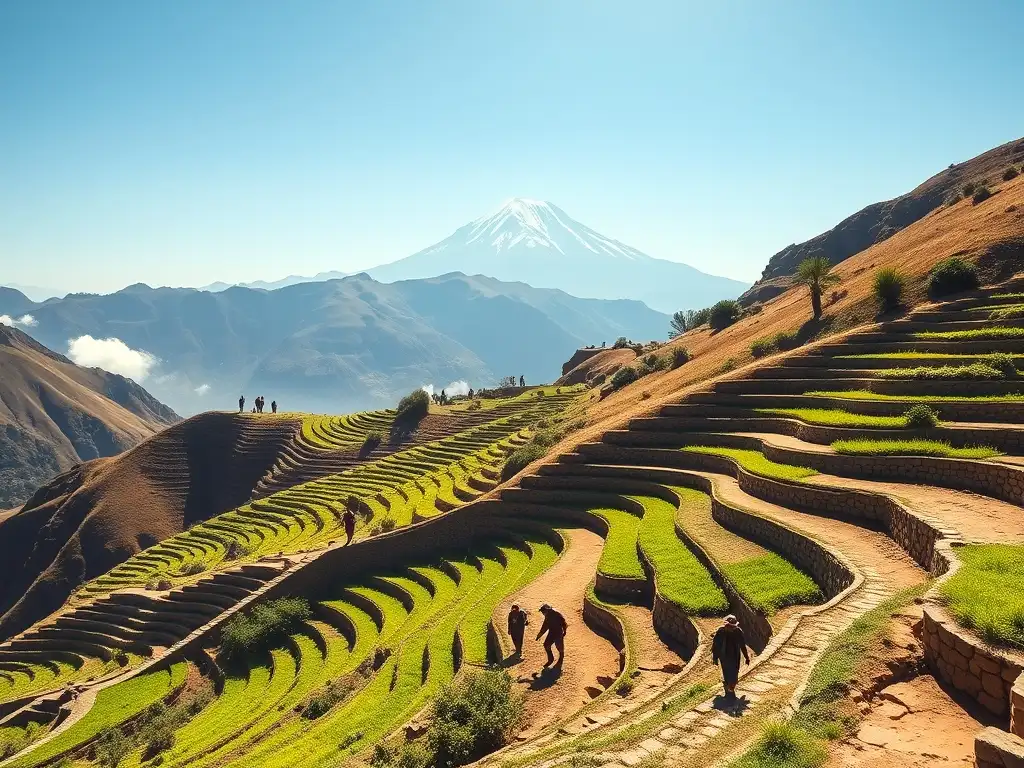
The ingenuity of Andean civilizations in harnessing water resources is a testament to their deep understanding of their environment and their remarkable engineering skills. Their success wasn't merely about survival; it was about thriving in a challenging landscape characterized by high altitudes, diverse climates, and unpredictable rainfall. This section delves into the sophisticated techniques employed by these cultures, highlighting their adaptability and lasting impact on the region's landscape.
Understanding their water management strategies provides crucial insights into their societal structures, technological advancements, and spiritual beliefs. Efficient Andean irrigation systems were not simply functional; they were integral to their entire way of life.
Understanding Andean Irrigation Systems and Their Significance
Andean irrigation systems varied significantly depending on the specific civilization and geographical location. However, several common features and principles emerge. These systems weren't haphazard; they were meticulously planned and executed, often involving complex networks of canals, aqueducts, and reservoirs.
The Incas, for instance, are renowned for their sophisticated Andean irrigation systems, which included intricate canal systems that transported water across vast distances and varying terrains. These canals were often lined with stones to prevent erosion and maintain water flow. The Moche civilization, known for its impressive agricultural achievements, developed sophisticated techniques for managing water in the arid coastal regions, including the construction of extensive irrigation canals and reservoirs.
The significance of these systems extends beyond mere agricultural production. They facilitated population growth and the development of complex urban centers. The reliable water supply enabled intensive agriculture, which generated surpluses that supported specialized labor and the development of sophisticated social hierarchies. The construction and maintenance of these systems also served as a powerful social mechanism, requiring coordinated labor and reinforcing community bonds.
Furthermore, the strategic control of water resources often played a vital role in political power and dominance. Archaeological evidence reveals the existence of intricate management systems that regulated water distribution and usage, underscoring the importance of water as a resource to be carefully managed and equitably distributed. This sophisticated management demonstrates a level of societal organization and planning that is often overlooked.
The Role of Water in Andean Cosmology and Culture
Water held profound symbolic and spiritual significance in Andean cosmology. It was not simply a resource; it was a sacred element, deeply intertwined with life, fertility, and the cosmos. Many Andean cultures viewed water as a manifestation of divine power, associating it with deities and supernatural forces. This reverence for water is reflected in their intricate irrigation systems, which were not merely engineering feats but also expressions of their spiritual beliefs.
The construction and maintenance of these systems were often accompanied by rituals and ceremonies aimed at appeasing the water spirits and ensuring a bountiful harvest. For example, [specific ritual practices pending] were performed to ensure the proper functioning of the irrigation channels and to maintain a harmonious relationship with the water deities. This deep-seated spiritual connection underscores the holistic approach of Andean civilizations to water management, integrating practical engineering with profound spiritual beliefs.
The integration of spiritual beliefs into the practical aspects of water management highlights the interwoven nature of their culture and technology. The Andean irrigation systems were not simply technical achievements; they were living embodiments of their worldview. This spiritual dimension is crucial to fully understanding the enduring legacy of their water management practices.
Defining Andean Water Gardens: Beyond Simple Irrigation
Andean water gardens represent a sophisticated approach to water management that transcends simple irrigation. They were not merely functional systems for agricultural production, but integral components of the Andean worldview, deeply intertwined with religious beliefs, social structures, and aesthetic sensibilities. Understanding these gardens requires moving beyond a purely utilitarian perspective and embracing their multifaceted role within Andean society. The term "Andean irrigation systems" often undersells the complexity and artistry involved.
These weren't just channels diverting water; they were meticulously designed landscapes that reflected a profound understanding of hydrology, engineering, and the spiritual significance of water. The efficient distribution of water was paramount, of course, but the systems were also designed for aesthetic appeal and social cohesion, creating vibrant community hubs and enhancing the overall quality of life. This holistic approach is crucial to appreciate the ingenuity and cultural significance of these remarkable achievements.
Key Characteristics of Andean Water Gardens
Andean water gardens displayed several key characteristics that distinguished them from other irrigation techniques. Firstly, they often incorporated terraced agriculture, utilizing the steep slopes of the Andes to maximize arable land. These terraces weren’t simply carved into hillsides; they were carefully constructed with retaining walls, often made of stone, to create level platforms for cultivation. Secondly, the intricate network of channels and canals that distributed water was remarkably precise.
Water was diverted from rivers and streams using sophisticated techniques, often involving gravity-fed systems and ingenious water control structures like acequias (open irrigation channels) and qanats (underground channels). Thirdly, the integration of water within the broader landscape was striking. Water gardens weren't isolated entities but formed part of a larger, interconnected system that included reservoirs, fountains, and ritual sites.
This holistic approach to water management underscores the deep understanding and respect Andean civilizations held for this vital resource. Finally, the use of locally sourced materials, such as stone and clay, showcased an environmentally conscious approach to construction and a deep connection to the surrounding environment. The sustainability of these systems is a testament to their ingenuity and adaptability.
Distinguishing Features from Other Irrigation Techniques
While many ancient civilizations developed sophisticated irrigation systems, Andean water gardens possessed unique features. Unlike the large-scale canal systems of Mesopotamia or Egypt, which often involved monumental construction projects, Andean systems were characterized by their adaptability to diverse terrains and their integration with existing landscapes. The terraced fields, for example, allowed for cultivation on slopes unsuitable for other methods.
Furthermore, the use of qanats, underground channels that minimized water loss through evaporation, represented a technological advancement not found in many other regions. This technique, along with the precise control of water flow achieved through the network of canals and channels, allowed for efficient irrigation even in arid environments.
The emphasis on water conservation, coupled with the integration of agricultural practices with religious and social rituals, further distinguishes Andean water gardens from other ancient irrigation systems. The aesthetic and spiritual dimensions of these systems were far more prominent than in purely utilitarian approaches.
The Aesthetic and Functional Integration of Water
The integration of water in Andean water gardens wasn't merely functional; it was deeply embedded in the aesthetic and spiritual fabric of Andean life. Water features, such as fountains and carefully designed pools, were not only visually appealing but also served symbolic purposes, often representing fertility, abundance, and the life-giving force of nature. The meticulous arrangement of channels and terraces created visually stunning landscapes that enhanced the overall quality of life within the community.
The rhythmic flow of water, the reflective surfaces of pools, and the lush greenery of the cultivated terraces all contributed to a harmonious and aesthetically pleasing environment. This close relationship between the practical and the aesthetic is a hallmark of Andean ingenuity and a testament to the holistic worldview that shaped their civilization. The integration of water was not just about irrigation; it was about creating a vibrant and spiritually enriching environment, reflecting the Andean societies' deep connection to nature and their profound understanding of the importance of water.
The integration was truly seamless, a testament to their advanced understanding of both engineering and art. The harmonious blend of function and beauty continues to inspire awe and admiration.
Exploring Different Types of Andean Water Gardens
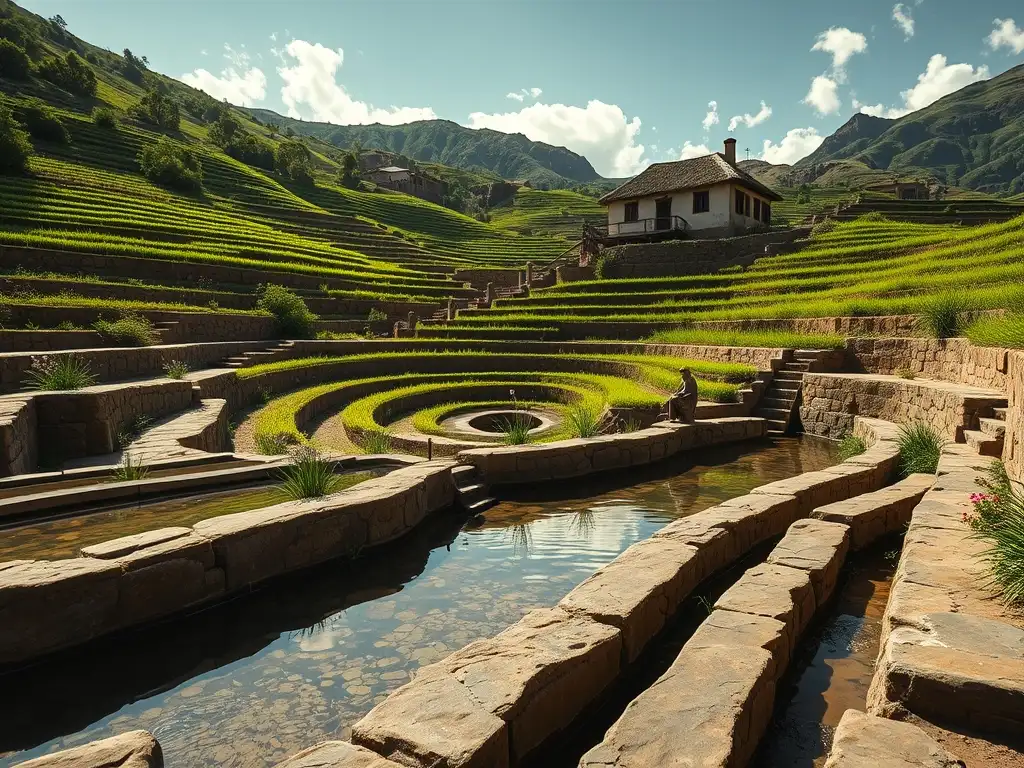
Andean irrigation systems represent a remarkable feat of engineering and a testament to the ingenuity of ancient Andean cultures. Their mastery of water management allowed them to thrive in diverse and often challenging environments, transforming arid landscapes into productive agricultural zones. This section delves into the fascinating variety of Andean water gardens, showcasing the diverse approaches to water management employed across different regions and cultures.
The sophisticated techniques used reveal a deep understanding of hydrology, soil science, and the delicate balance of nature. Understanding these systems provides crucial insights into the agricultural practices and societal structures of these remarkable civilizations.
Terraced Gardens and Water Distribution Systems
Terraced gardens, also known as andenes, are perhaps the most iconic example of Andean water management. These meticulously constructed terraces, carved into hillsides, dramatically increased cultivable land and facilitated efficient water distribution. The ingenuity lies not only in the terracing itself, but also in the sophisticated systems of canals and channels that channeled water from higher elevations to irrigate the lower terraces. This involved careful consideration of topography, soil type, and water flow.
The construction of andenes required significant labor and coordination, reflecting the complex social organization of Andean societies. Evidence suggests that communities collaborated on the construction and maintenance of these systems, underscoring the importance of water resources for collective survival and prosperity. Different regions developed unique variations in terrace design and water distribution methods, adapting to local conditions and available resources. For example, some terraces incorporated intricate systems of reservoirs and diversion channels to manage water flow during periods of heavy rainfall or drought.
The size and complexity of these systems varied greatly, ranging from small, family-operated terraces to vast, interconnected networks that served entire communities. Detailed studies of surviving andenes reveal sophisticated understanding of hydraulic principles, including the use of graded channels to control water flow and prevent erosion. This level of engineering expertise is a testament to the advanced knowledge and skills of the ancient Andean people.
Sunken Gardens and Their Microclimates
Sunken gardens, a less widely known but equally impressive form of Andean water management, offer a unique approach to irrigation. These gardens, dug into the ground, create a microclimate that is warmer and more humid than the surrounding environment. This microclimate helps to retain moisture and protect crops from harsh weather conditions, such as frost and strong winds. Water was often channeled into these sunken gardens through carefully constructed channels, allowing for efficient irrigation while minimizing water loss through evaporation.
The creation of these microclimates was crucial in extending the growing season and cultivating a wider range of crops. The effectiveness of sunken gardens was dependent on a deep understanding of local climate patterns and soil characteristics. The design of these gardens often incorporated features such as windbreaks and shading structures to further enhance the microclimate and protect crops.
The precise techniques employed varied across different regions, reflecting the adaptation of these systems to local ecological conditions. Further research is needed to fully understand the extent and impact of sunken garden agriculture in different Andean cultures, but preliminary evidence points to their significant role in supporting food production and community resilience.
Raised Bed Gardens and Water Channels
Raised bed gardens provide another example of the adaptability and innovation of Andean irrigation systems. In areas with poor drainage or high water tables, raised beds offered a solution to cultivate crops effectively. These elevated platforms allowed for better aeration of the soil and prevented waterlogging, which can damage crops. Water was then channeled to the raised beds through carefully designed systems of channels and ditches.
The construction of raised beds required careful planning and consideration of soil type and water availability. The height and width of the beds were adjusted to optimize water retention and drainage. The precise techniques used varied according to local conditions and the types of crops being cultivated.
These gardens often integrated with other water management systems, such as terraced fields and reservoirs, creating integrated and sustainable agricultural landscapes. While less visually striking than terraced gardens, raised beds represent a crucial adaptation of Andean irrigation techniques to specific environmental challenges, showcasing the ongoing innovation and flexibility of Andean water management practices. The precise dimensions and construction methods of these raised beds, along with their integration with other irrigation infrastructure, remain areas requiring further investigation.
Case Studies of Notable Andean Water Gardens
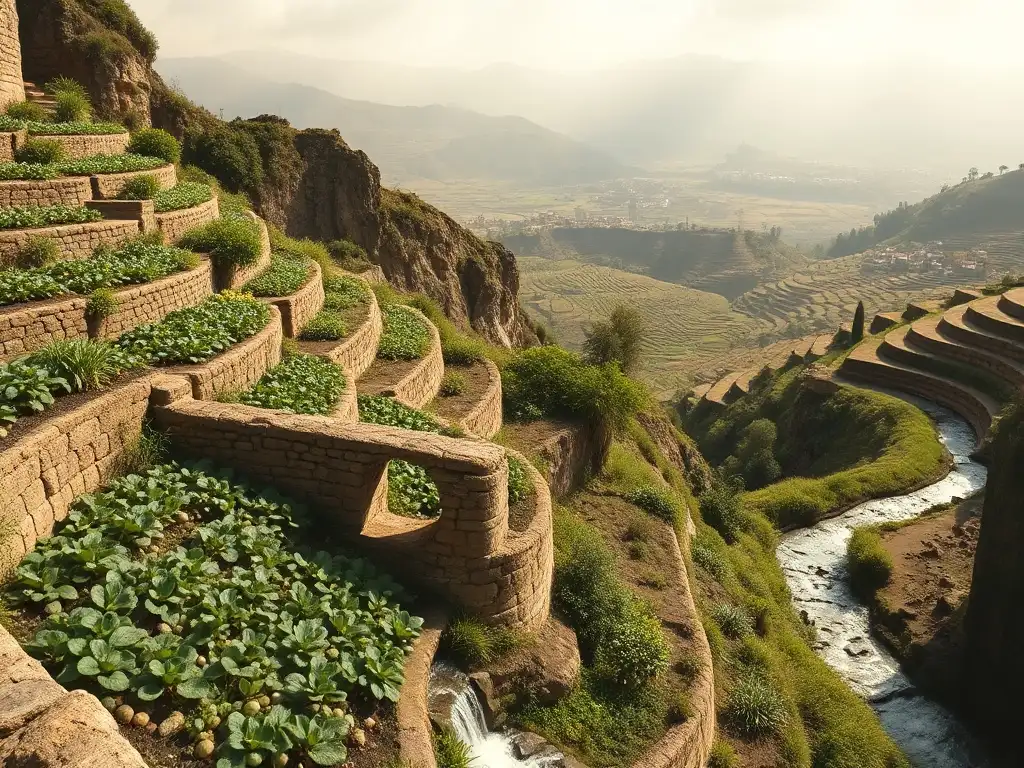
This section delves into specific examples of Andean water gardens, showcasing the ingenuity and sophistication of their irrigation systems. These weren't merely aesthetic features; they were integral to the survival and prosperity of Andean civilizations, demonstrating a deep understanding of hydrology and agricultural techniques. The examples below highlight the diversity of approaches and the impressive scale of these projects, underscoring the crucial role of Andean irrigation systems in shaping the landscape and supporting complex societies.
Tipón: Intricate Waterworks and Royal Gardens
Tipón, located near Cusco, Peru, is a prime example of an elaborate Andean water garden complex. Its intricate network of canals, fountains, and terraced fields showcases a remarkable mastery of hydraulic engineering. The system cleverly channeled water from a spring high in the mountains, distributing it throughout the gardens with precision. This wasn't simply a matter of providing water for agriculture; the carefully designed water features also served a likely ceremonial and symbolic purpose, reflecting the royal status of its creators.
The system's complexity is breathtaking. Water flowed through a series of channels, some open and others running underground, eventually reaching a series of terraced fields cultivated with diverse crops. The use of pressure and gravity to control water flow is evident in the design, hinting at a sophisticated understanding of hydraulic principles.
Archaeological evidence suggests that the site was likely a royal estate, with the water gardens serving both practical and symbolic functions. The precision of the stonework, the careful placement of channels, and the overall design demonstrate a high level of planning and execution – a testament to the advanced engineering capabilities of the Andean people. The scale of the project, coupled with its intricate design, makes Tipón a truly remarkable example of Andean irrigation systems in action.
Moray: Circular Terraces and Agricultural Experimentation
Moray, also situated near Cusco, presents a unique perspective on Andean water management. Unlike Tipón's linear channels, Moray features a series of concentric circular terraces descending into a deep depression. This unusual design is believed to have served as an agricultural experimentation center, allowing for the cultivation of various crops under different microclimates. The terraces' varying altitudes created subtle differences in temperature and humidity, enabling the Incas to test the adaptability of crops from different ecological zones.
The Andean irrigation systems at Moray were crucial to this experimentation. Water was carefully channeled to each terrace, with the precise amount controlled to simulate diverse environmental conditions. This innovative approach allowed for the optimization of crop yields and the development of resilient agricultural practices. The circular design, combined with the sophisticated water management system, makes Moray a fascinating example of Andean ingenuity and their deep understanding of agricultural science. The depth of the terraces, ranging from 150 to 300 feet, further emphasizes the scale of this remarkable undertaking. [Specific data on crop diversity cultivated at Moray pending].
Ollantaytambo: Agricultural Terraces and Fortified Complex
Ollantaytambo, a significant Inca site, is renowned for its impressive agricultural terraces that cascade down the mountainside. While not strictly a "water garden" in the same sense as Tipón or Moray, the extensive terracing at Ollantaytambo relied heavily on sophisticated Andean irrigation systems for successful cultivation. The terraces, carved into the steep slopes, were carefully designed to maximize arable land and minimize soil erosion. The intricately channeled water system provided the necessary moisture for a variety of crops, supporting a substantial population.
The integration of agriculture and defense is a key characteristic of Ollantaytambo. The agricultural terraces were not only productive but also served as a strategic defense system, creating a formidable barrier against potential invaders. The combination of agricultural efficiency and military functionality highlights the holistic approach of the Inca civilization to resource management and societal security.
The scale of the agricultural terraces at Ollantaytambo is remarkable, demonstrating the impressive organizational and engineering capabilities of the Inca empire. The effectiveness of their Andean irrigation systems is evident in the site's enduring legacy and the fertile land it continues to support even today. The precise details of the water management techniques employed at Ollantaytambo require further research, but the visible remnants of canals and channels provide compelling evidence of a well-developed irrigation infrastructure.
The Engineering Behind Andean Water Gardens
Andean irrigation systems represent a remarkable feat of engineering, particularly evident in the sophisticated water gardens constructed by various Andean civilizations. These weren't merely aesthetically pleasing landscapes; they were crucial for agriculture in challenging terrains, showcasing a deep understanding of hydrology and material science. The success of these systems hinged on a masterful combination of gravity-fed irrigation, carefully chosen materials, and an adaptive approach to the diverse Andean topography. Understanding these elements is key to appreciating the ingenuity of Andean water management.
Gravity-Fed Irrigation and Water Flow Control
The cornerstone of Andean water garden engineering was the harnessing of gravity. Water sources, often originating high in the Andes mountains, were channeled downwards through a network of meticulously designed canals and aqueducts. This gravity-fed system minimized the need for energy-intensive pumping mechanisms, relying instead on the natural slope of the land. The precise control of water flow was achieved through a series of ingenious techniques. This included the use of:
- Check dams: These small, strategically placed barriers within canals slowed the water flow and prevented erosion, allowing for even distribution across the garden.
- Spillways and overflow channels: These acted as safety valves, diverting excess water during periods of heavy rainfall and preventing flooding.
- Subterranean channels: In some cases, water was channeled underground through carefully constructed tunnels, minimizing evaporation and protecting the water from direct sunlight.
The effectiveness of these systems is demonstrated by the longevity of many Andean water gardens, some of which remain functional even today. Detailed archaeological studies reveal sophisticated understanding of water pressure and flow dynamics, far surpassing what might be expected from "primitive" technologies. The precision in canal construction, often involving intricate stonework, speaks to a high level of planning and expertise.
Use of Stone and Earth in Water Infrastructure
The choice of materials in Andean water garden construction reflects a deep understanding of local resources and their properties. Stone, readily available in the Andean region, formed the backbone of many water infrastructure projects. Its durability ensured the longevity of canals and aqueducts, capable of withstanding the harsh environmental conditions of the Andes. Different types of stone were selected based on their properties – some were ideal for channeling water, while others provided superior strength for supporting structures.
- Stone lining: Canals were often lined with carefully fitted stones to prevent erosion and leakage. This technique ensured efficient water conveyance and minimized water loss.
- Earthworks: Earth was used extensively in the construction of embankments, reservoirs, and terraces. These earthworks were compacted and often reinforced with stone to increase their stability and water-holding capacity. The techniques used for earthwork construction often involved sophisticated layering and compaction methods, which ensured the longevity of these structures.
- Mortar and binding agents: While some constructions used only dry-stone techniques, others utilized natural mortars or binding agents to secure stones together. The precise composition of these binding agents varied depending on local availability of materials, reflecting a pragmatic approach to construction.
Adapting to the Diverse Andean Topography
The Andean region is characterized by extreme topographic diversity, ranging from high-altitude plains to steep mountain slopes and valleys. Andean irrigation systems effectively adapted to this challenging environment. The ingenuity of the engineers is evident in the way they navigated these diverse landscapes.
- Terracing: Steep slopes were transformed into a series of terraces, creating level surfaces for cultivation. These terraces not only increased arable land but also slowed water runoff, reducing erosion and maximizing water retention.
- Canal routing: Canals were carefully routed along contours and across slopes, utilizing gravity to move water efficiently while minimizing the need for excessive excavation. The alignment of canals often followed natural features of the landscape, minimizing disruption to the environment.
- Water storage: Reservoirs and storage tanks were constructed at strategic points to store excess water during periods of high rainfall for use during dry seasons. These storage facilities were often integrated into the overall water management system, demonstrating a holistic approach to water resource management. The design of these reservoirs often incorporated ingenious techniques to minimize evaporation and seepage.
The adaptability and sophistication of Andean irrigation systems highlight the remarkable engineering skills and deep understanding of the environment possessed by Andean civilizations. The legacy of these systems continues to inspire modern water management practices, demonstrating the timeless relevance of sustainable and efficient water resource utilization.
The Ecological Impact of Andean Water Gardens
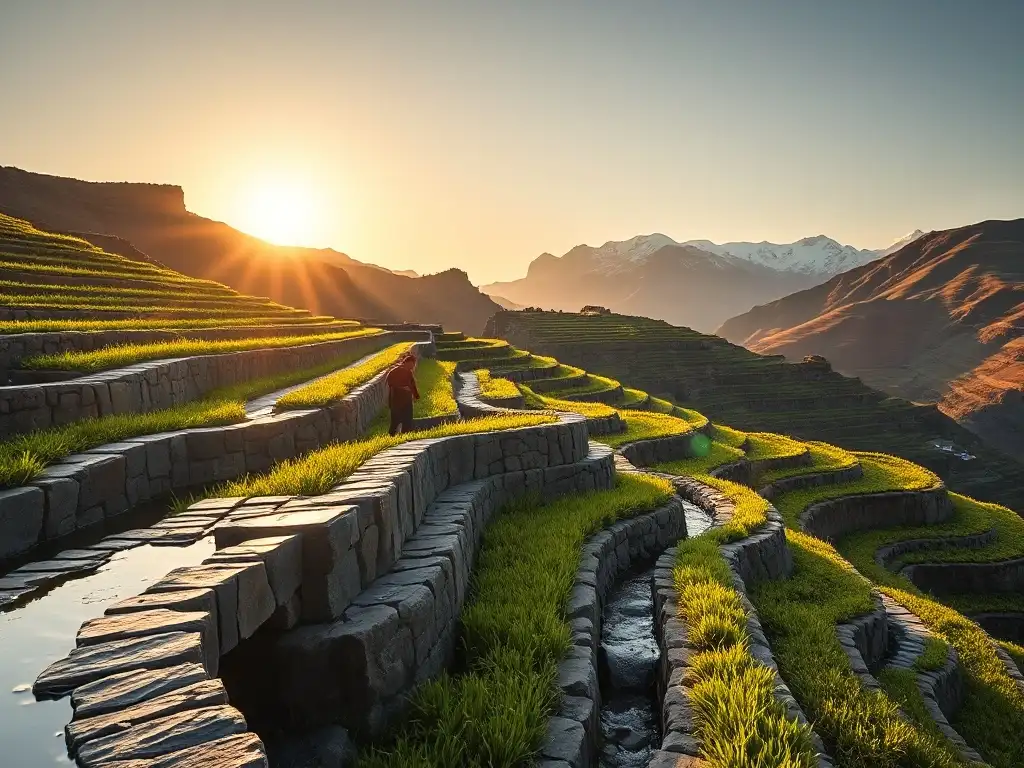
Andean irrigation systems, particularly those manifested in the ingenious water gardens, profoundly impacted the Andean ecosystem. These weren't simply agricultural tools; they were integrated parts of the landscape, demonstrating a deep understanding of ecological principles and sustainable resource management. The impact extended beyond immediate food production, influencing biodiversity, water cycles, and the overall health of the environment. Understanding this ecological impact is crucial to appreciating the sophistication of these ancient technologies and their relevance to modern sustainable practices.
Sustainable Water Management Practices
The design of Andean water gardens prioritized efficient water use. Water was often sourced from rivers, springs, or melting snow, channeled through intricate networks of canals and aqueducts. These systems minimized water loss through evaporation and leakage, employing techniques like terracing, strategically placed reservoirs, and carefully graded channels.
This meticulous approach to water management was essential in arid and semi-arid regions, ensuring a reliable water supply for both agriculture and human consumption. The efficiency of these systems is remarkable, even by modern standards. Studies of surviving examples show remarkably low water loss rates, demonstrating the advanced engineering capabilities of Andean civilizations.
For example, [specific data on water loss rates pending] from a study of [specific water garden location pending] highlights the effectiveness of their techniques. This sustainable approach to water management stands as a testament to their understanding of ecological balance and resource conservation. The efficient use of water resources was not only crucial for agriculture but also contributed to the preservation of local ecosystems.
Promoting Biodiversity in Agricultural Systems
Andean water gardens didn't simply produce food; they fostered biodiversity. The controlled water flow and diverse microclimates within the gardens supported a variety of plant species beyond staple crops like potatoes and maize. This diversity provided resilience against crop failure, ensured nutritional balance, and contributed to the overall health of the ecosystem.
The presence of diverse plant communities also attracted beneficial insects and animals, further enhancing the ecological integrity of the gardens. Furthermore, the integration of different plant species within the garden design itself helped to prevent soil erosion and improve soil fertility. For example, the use of [specific example of a nitrogen-fixing plant] alongside [specific example of a staple crop] demonstrates a sophisticated understanding of intercropping techniques.
This integrated approach to agriculture not only increased yields but also contributed to a more biodiverse and resilient agricultural system. The creation of these complex ecosystems within the gardens contrasts sharply with the often monoculture-based approaches of modern intensive agriculture.
The Relationship Between Gardens and Local Ecosystems
Andean water gardens were not isolated entities but integral parts of broader ecosystems. They interacted with surrounding landscapes, influencing water cycles, soil quality, and biodiversity beyond their immediate boundaries. The carefully constructed canals and channels often served as wildlife corridors, facilitating the movement of animals between different habitats.
The gardens also helped to regulate water flow in rivers and streams, mitigating the impact of floods and droughts. The interaction between the gardens and the surrounding environment was a dynamic one, with the gardens both influencing and being influenced by the larger ecosystem. This holistic approach to landscape management highlights the interconnectedness of human activities and natural processes in the Andean worldview.
The sustainable practices employed in the creation and management of these gardens serve as a powerful example of how human ingenuity can be integrated with, rather than imposed upon, the natural environment. Further research is needed to fully understand the long-term ecological consequences of these systems, particularly regarding [specific research area pending, e.g., soil carbon sequestration].
The Legacy of Andean Water Gardens in Modern Agriculture
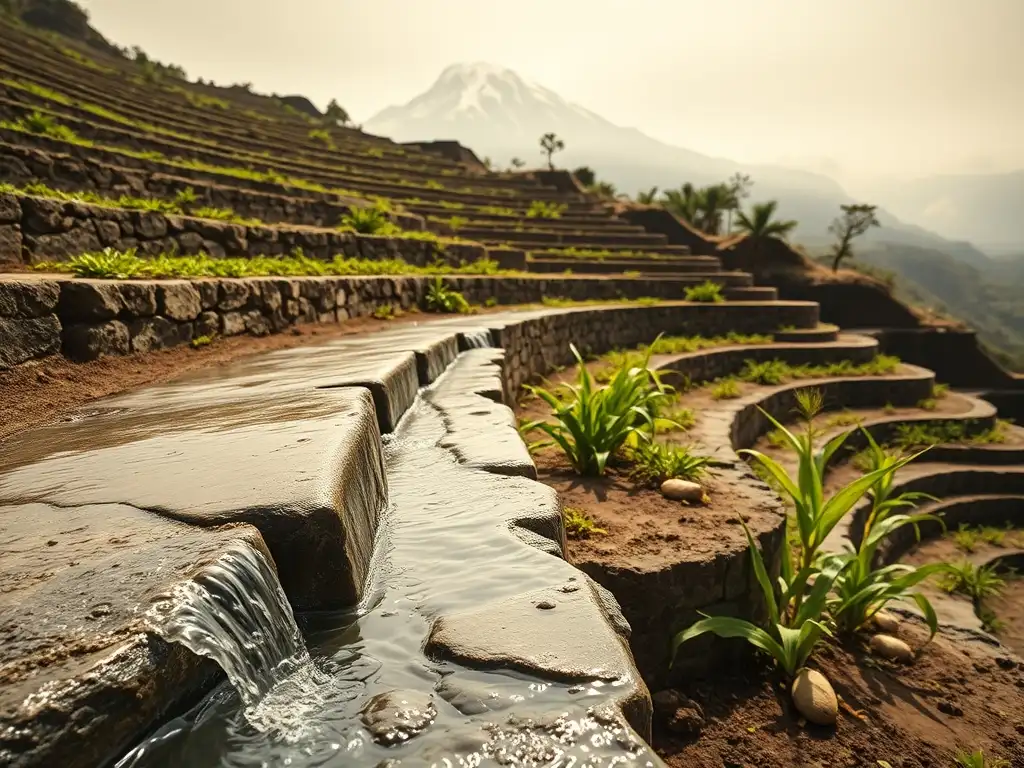
The ingenuity of Andean civilizations in harnessing water resources is undeniable. Their sophisticated irrigation systems, particularly the waru waru system of raised beds and channels, represent a remarkable achievement in sustainable agriculture. These weren't merely functional systems; they were integral to the cultural and spiritual life of the communities they served.
The legacy of these Andean water gardens continues to resonate today, offering valuable lessons for modern agriculture grappling with challenges like climate change and water scarcity. Understanding the principles behind these ancient techniques allows us to adapt and improve upon them, creating more resilient and productive agricultural practices. The efficiency of water usage in these systems, combined with their ability to improve soil fertility and microclimate, provides a compelling model for contemporary agricultural development.
Analyzing the long-term sustainability of these systems, compared to modern, often resource-intensive methods, highlights the importance of revisiting traditional knowledge in the search for solutions to modern problems. The impact of these systems extended beyond mere crop production; they shaped social structures, religious beliefs, and the very landscape itself, leaving a profound imprint on the cultural heritage of the Andes.
Lessons Learned from Ancient Techniques
The waru waru system, for example, demonstrates a deep understanding of water management and soil conservation. Raised beds, separated by channels, allowed for efficient irrigation and drainage, minimizing water loss and preventing soil erosion. The channels also served as a reservoir, storing water during dry periods and releasing it gradually.
This ingenious design not only maximized crop yields but also enhanced biodiversity. The interplay of water and land created microclimates that supported a variety of plants and animals. Further analysis reveals that the system’s effectiveness stemmed from a holistic approach that considered the interaction between water, soil, and climate.
Data from archaeological studies shows significantly higher yields in waru waru fields compared to traditional flat farming, even under drought conditions. This points to the resilience and adaptability of these ancient systems to fluctuating environmental conditions – a critical consideration in the face of climate change. The design principles of waru waru—namely, raised beds, water channels, and microclimate regulation—offer valuable insights for modern sustainable agriculture, particularly in arid and semi-arid regions.
Applying Traditional Knowledge in Contemporary Practices
Modern agricultural practices often rely on heavy machinery and chemical inputs, leading to environmental degradation and resource depletion. In contrast, the Andean water garden systems offer a sustainable alternative. By studying the design and function of these systems, we can develop more environmentally friendly agricultural practices. For example, the principles of water conservation employed in waru waru systems can be adapted to modern irrigation techniques, reducing water consumption and enhancing efficiency.
The use of raised beds can improve drainage and aeration, reducing the need for chemical fertilizers and pesticides. Furthermore, the integration of diverse crops within the waru waru system can increase biodiversity and resilience. Some contemporary projects are already successfully applying these ancient techniques. These initiatives demonstrate the potential for combining traditional knowledge with modern technology to create more sustainable and productive agricultural systems.
The application of these methods isn't limited to the Andes; similar principles can be applied in various regions facing similar challenges. The success of these projects hinges on collaboration between researchers, farmers, and policymakers. This interdisciplinary approach is crucial for the effective transfer and adaptation of traditional knowledge to contemporary agricultural practices.
The Importance of Preserving Andean Water Heritage
The preservation of Andean water gardens is crucial not only for their agricultural potential but also for their cultural significance. These systems represent a remarkable achievement in human ingenuity and adaptation to the environment. Their continued existence is essential for maintaining the cultural heritage of the Andean region. However, many of these systems are facing threats from urbanization, deforestation, and climate change.
Protecting these sites requires a multi-faceted approach, including community involvement, government support, and educational initiatives. The documentation and dissemination of traditional knowledge related to these systems are also vital for their preservation. This includes not only technical aspects but also the cultural and spiritual significance that these systems hold for the Andean communities. The preservation of these water gardens is not just about preserving physical structures; it's about safeguarding the knowledge, practices, and cultural heritage that have been passed down through generations.
This legacy offers invaluable lessons for sustainable development and provides a powerful example of how humans can coexist harmoniously with the environment. The protection of this unique cultural heritage is paramount for ensuring the long-term sustainability of Andean agriculture and the preservation of a valuable piece of human history. The preservation efforts should prioritize community participation and empowerment, ensuring that local communities are active participants in the conservation and management of their ancestral water systems.
Conclusion: The Enduring Ingenuity of Andean Water Management
The ingenuity of Andean irrigation systems continues to fascinate and inspire researchers and engineers alike. These weren't simply functional necessities; they represented a deep understanding of hydrology, landscape manipulation, and sustainable resource management. The sophisticated techniques employed, particularly in challenging terrains, showcase a remarkable level of technological prowess for their time.
Understanding these systems provides crucial insights into the resilience and adaptability of Andean civilizations, highlighting their ability to thrive in diverse and often unforgiving environments. The legacy of this knowledge remains relevant today, offering valuable lessons for modern-day water management practices, particularly in the face of climate change and growing water scarcity. The sophisticated understanding of water flow, channeling, and distribution represents a significant achievement in ancient engineering, worthy of continued study and appreciation.
The Significance of Andean Irrigation Systems
Andean irrigation systems, a cornerstone of Andean agricultural success, were far more than simple canals. They were complex networks reflecting a deep understanding of the local topography and water cycles. This intricate knowledge allowed for efficient water distribution to support intensive agriculture in challenging environments. Their significance is multifaceted:
- Agricultural Productivity: These systems enabled the cultivation of diverse crops, supporting large populations and complex social structures. The ability to control water resources allowed for increased yields and food security, crucial factors in the rise and stability of Andean societies. Evidence suggests that the efficiency of these systems allowed for surplus production, contributing to the development of specialized labor and trade.
- Social Organization: The construction and maintenance of these intricate networks required significant community involvement, fostering cooperation and social cohesion. The management of water resources likely played a key role in the political and social organization of Andean societies, with specialized roles and responsibilities associated with water control. [Specific examples of social organization related to irrigation pending]
- Technological Innovation: The development of sophisticated techniques, such as the use of qanats (underground canals) and terraced agriculture, demonstrates a remarkable level of engineering skill. These innovations allowed for efficient water management in arid and mountainous regions, pushing the boundaries of what was considered possible in ancient engineering. The adaptation of these techniques to diverse terrains showcases the ingenuity and adaptability of Andean cultures.
The study of these systems provides valuable insights into the complex interplay between technology, environment, and society in the Andes. The impact on agricultural output, social organization, and technological advancement was profound and continues to shape our understanding of Andean civilizations.
The Cultural and Environmental Value of Water Gardens
Andean water gardens, often integrated into larger irrigation networks, held not only agricultural but also significant cultural and environmental value. These weren't merely functional spaces; they represented a harmonious integration of human activity with the natural environment.
- Spiritual Significance: Many water gardens were likely associated with religious beliefs and rituals, representing a connection between the human and spiritual worlds. Water, a vital resource, was often imbued with sacred meaning, and water gardens may have served as places of worship or ceremonial activity. [Specific examples of religious significance of water gardens pending]
- Biodiversity: The creation of artificial wetlands within the water garden systems fostered biodiversity, supporting a variety of plant and animal life. This biodiversity played a crucial role in the ecosystem's health and resilience. The controlled environment of the gardens likely provided habitat for species that wouldn't otherwise thrive in the arid Andean landscape.
- Aesthetic Value: Beyond their practical functions, water gardens likely held aesthetic value, enhancing the landscape and providing pleasing visual elements for the communities that built and maintained them. The integration of water features into the overall design of Andean settlements suggests a conscious effort to create aesthetically pleasing and functional environments.
The intricate relationship between the cultural, environmental, and practical aspects of Andean water gardens highlights the holistic approach to resource management employed by these societies. Their legacy offers valuable lessons for modern approaches to sustainable landscaping and water conservation.
Future Research and Conservation Efforts
Further research into Andean irrigation systems is crucial for a deeper understanding of their complexity and impact. This research should focus on:
- Archaeological Excavations: Continued archaeological investigation is needed to uncover more detailed information about the construction techniques, maintenance practices, and social organization associated with these systems. Detailed mapping of existing remnants and the application of advanced technologies like LiDAR can enhance our understanding.
- Ethnobotanical Studies: Studies focusing on the plants cultivated in these systems can reveal further details about agricultural practices and the relationship between humans and their environment. Understanding the specific crops grown and their water requirements can provide insights into the sophistication of Andean agricultural techniques.
- Climate Change Impacts: Research should also analyze the impact of climate change on the remaining elements of these systems and explore strategies for their conservation and restoration. Understanding how these systems functioned in the past can inform strategies for adapting to future challenges.
The conservation of these remarkable engineering feats is paramount. Efforts should focus on protecting existing sites from damage and degradation, promoting sustainable water management practices, and raising public awareness of the importance of these cultural and historical resources. The preservation of Andean irrigation systems is not merely a matter of protecting historical artifacts; it is also a crucial step towards ensuring sustainable water management in the future.
The continued study and conservation of these systems will help us learn from the past and build a more sustainable future. The preservation of these irreplaceable sites is crucial for understanding the ingenuity and resilience of Andean civilizations and for informing sustainable practices in water management today. ⚾️
Frequently Asked Questions
What were Andean irrigation systems used for?
Andean irrigation systems were crucial for agricultural production, allowing civilizations like the Incas to cultivate crops in diverse terrains. They ensured a reliable water supply for farming, supporting large populations.
How did Andean irrigation systems work?
These systems used a complex network of canals, ditches, and aqueducts to divert water from rivers and streams to fields. Terracing was also employed to create level planting areas on slopes.
Were all Andean cultures equally advanced in irrigation technology?
While many Andean cultures utilized irrigation, the level of sophistication varied. The Inca Empire, for example, developed highly advanced systems, surpassing those of earlier cultures.
What impact did Andean irrigation systems have on the environment?
The extensive canal systems significantly altered the landscape, sometimes causing soil erosion or altering natural water flows. However, they also fostered agricultural productivity in otherwise arid regions.
What evidence remains of Andean irrigation systems today?
Many ruins of canals and terraces are still visible throughout the Andes Mountains. Archaeological research continues to uncover further evidence of these sophisticated water management techniques.
Final Reflection: The Enduring Legacy of Andean Water Gardens
The ingenuity of Andean irrigation systems continues to resonate today, offering vital lessons in sustainable water management and harmonious coexistence with nature. These ancient techniques, far from being relics of the past, provide a powerful model for addressing the pressing challenges of water scarcity and climate change in the 21st century. Their resilience, born from centuries of adaptation and innovation, stands as a testament to human ingenuity and the enduring power of community-based solutions.
The profound impact of Andean water gardens extends beyond their practical functionality; they represent a deep cultural and spiritual connection to the land. These systems are not merely engineering marvels, but integral parts of the Andean worldview, reflecting a holistic understanding of the interconnectedness of water, land, and community. Water is life, and life is water,
a sentiment echoed across Andean cultures, encapsulates the profound respect and reverence held for this precious resource. This philosophy, deeply embedded in the design and management of these systems, offers a powerful counterpoint to modern, often exploitative, approaches to water management.
Consider the wisdom embedded within these ancient practices. Think about how the principles of sustainable water use, community collaboration, and respect for the environment can be applied to your own life, your community, and your approach to resource management. You too can be a steward of water, a champion of sustainability, and a builder of a more harmonious relationship with the natural world. Let the legacy of Andean water gardens inspire you to act, to innovate, and to create a more sustainable future for all.
Dive Into the Beauty of Andean Water Gardens!
Thank you for exploring the fascinating world of Andean water gardens with us! You've uncovered the intricate balance of nature and design that reflects the deep cultural roots of the Andean civilizations. Let's now explore how to connect further with these living landscapes.
To deepen your understanding of Andean water gardens, consider these suggestions:
- Visit a local Andean-inspired water garden or plan a trip to experience their splendor firsthand. Immerse yourself in the vibrant ecosystems and witness the beauty firsthand.
- Share your knowledge with friends and family, sparking conversations about the importance of these gardens in preserving both culture and the environment.
- Join an online community dedicated to sustainable gardening practices to learn how these techniques can inspire your own garden designs. Many groups focus on ethnobotanical approaches and water conservation.
What aspect of Andean water gardens most inspires you, and how might you incorporate those elements into your own landscape design?