
TimeTested Techniques: How Andean Builders Adapted to Their Environment

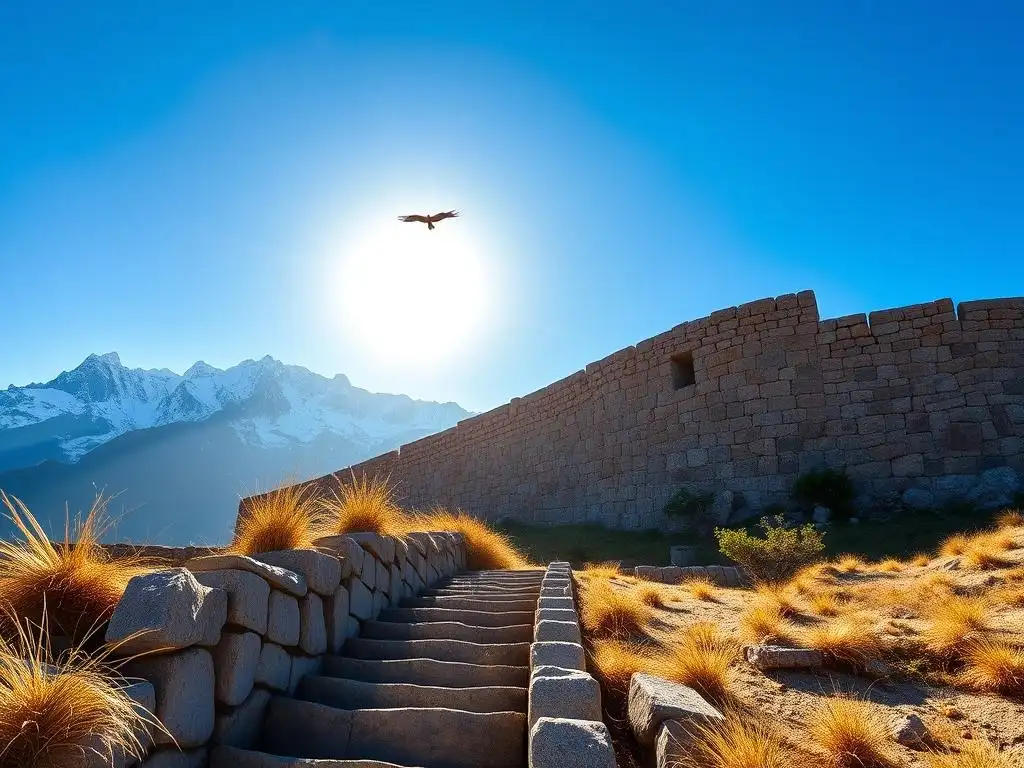
Uncover the secrets of a lost world, where ingenuity thrived amidst towering peaks and unforgiving landscapes. For centuries, the Andean civilizations mastered architectural feats that continue to inspire awe. Prepare to be amazed by the intricate brilliance of Andean construction techniques, as we delve into the innovative solutions employed by the Incas, Moche, and other remarkable cultures. Discover how they adapted their building methods to the harsh realities of their environment—a testament to human resilience and architectural prowess that will leave you breathless. Journey with us to unravel the mysteries behind these time-tested marvels.
-
Andean Construction Techniques: Time-Tested Adaptations to the Environment
- Mastering Stonework: Precision and Innovation in Andean Construction
- Utilizing Local Materials: Adapting to Diverse Environments
- Ingenious Terracing: Harnessing the Power of the Land
- Earthquake-Resistant Design: Building for Stability in a Seismically Active Region
- The Enduring Legacy: Lessons from Andean Construction
- Understanding the Challenges of Andean Building
- Key Andean Construction Techniques and Their Environmental Adaptations
- Specific Examples of Andean Construction Mastery
- The Legacy of Andean Building Techniques
-
Frequently Asked Questions
- What unique challenges did Andean builders face?
- How did the Incas utilize stone in their construction?
- What role did the environment play in Andean building techniques?
- Were there significant differences in construction techniques between different Andean cultures?
- How did Andean builders transport massive stones for their constructions?
- Final Reflection: Echoes of Ingenuity in Andean Construction
- Embrace the Wisdom of Andean Builders!
Andean Construction Techniques: Time-Tested Adaptations to the Environment
The Andes Mountains, a formidable and breathtaking landscape, presented ancient civilizations with unique challenges and opportunities. This harsh yet beautiful environment, characterized by towering peaks, steep slopes, seismic activity, and diverse climates, profoundly shaped the architectural and engineering ingenuity of cultures like the Inca, Moche, Nazca, and Tiahuanaco.
This article delves into the remarkable construction techniques employed by these Andean societies, highlighting their remarkable adaptation to their surroundings and their enduring legacy. We will explore how they overcame logistical hurdles, utilized readily available materials, and developed innovative methods to create structures that not only functioned effectively but also reflected their sophisticated understanding of their environment and the forces of nature.
Understanding these "Andean construction techniques" offers a fascinating glimpse into the resourcefulness and skill of these ancient builders, showcasing their mastery of stonework, earthworks, and water management. From the intricate stonework of Machu Picchu to the massive platforms of Tiahuanaco, we'll uncover the secrets behind their architectural achievements.
Mastering Stonework: Precision and Innovation in Andean Construction
The Andes are rich in stone, and Andean builders became masters of working with this material. They developed sophisticated techniques for quarrying, shaping, and fitting stones with astonishing precision. Instead of using mortar, they relied on meticulous craftsmanship, creating incredibly tight-fitting joints that often didn't require any binding agent at all. This "dry-stone" construction, as it's known, is a testament to their understanding of geometry and engineering.
Consider the iconic walls of Sacsayhuamán near Cusco – the massive, precisely-cut stones interlock perfectly, defying gravity and resisting earthquakes. This wasn't just about aesthetics; the precise fitting of stones maximized stability and durability in a seismically active region. Different techniques were employed depending on the type of stone and the intended use of the structure.
For instance, smaller, more easily manageable stones were used in some areas, while massive blocks were carefully transported and positioned in other monumental projects. The level of skill and coordination required for such undertakings is truly remarkable. Detailed studies of these sites continue to reveal new insights into their construction processes and the remarkable engineering principles employed.
Utilizing Local Materials: Adapting to Diverse Environments
The Andean region boasts a diverse range of climates and terrains, meaning that readily available building materials varied significantly across different regions. Andean builders cleverly adapted their construction techniques to the materials at hand. In areas with abundant stone, they focused on stonework, while in other regions, they utilized adobe (sun-dried brick), wood, and other organic materials. The construction of houses, temples, and agricultural terraces differed based on the local environment and the available resources.
For instance, the use of adobe bricks was widespread in drier regions, while in areas with abundant timber, wooden structures were more common. This adaptability is crucial to understanding the diversity of Andean architecture. The ingenuity lies not just in the specific techniques but also in the ability to select and utilize the most appropriate materials for the given environment. This ensured the long-term functionality and durability of their buildings, even in challenging conditions.
Ingenious Terracing: Harnessing the Power of the Land
The steep slopes of the Andes posed significant challenges for agriculture. However, Andean civilizations developed ingenious terracing techniques to maximize arable land and control water flow. These terraces, often built into the mountainside, created flat platforms for cultivation, significantly increasing agricultural productivity.
The construction of these terraces was a complex undertaking, requiring careful planning, precise measurement, and skilled labor. The terraces were not simply cut into the hillside; they were often reinforced with retaining walls made of stone or other materials to prevent erosion and landslides. The intricate network of terraces not only increased food production but also helped to regulate water flow, preventing soil erosion and maximizing the use of scarce water resources.
These systems are a testament to their understanding of hydrology and their profound connection to the land. The scale and sophistication of these terracing systems are still impressive today, showcasing the ingenuity and environmental awareness of Andean builders.
Earthquake-Resistant Design: Building for Stability in a Seismically Active Region
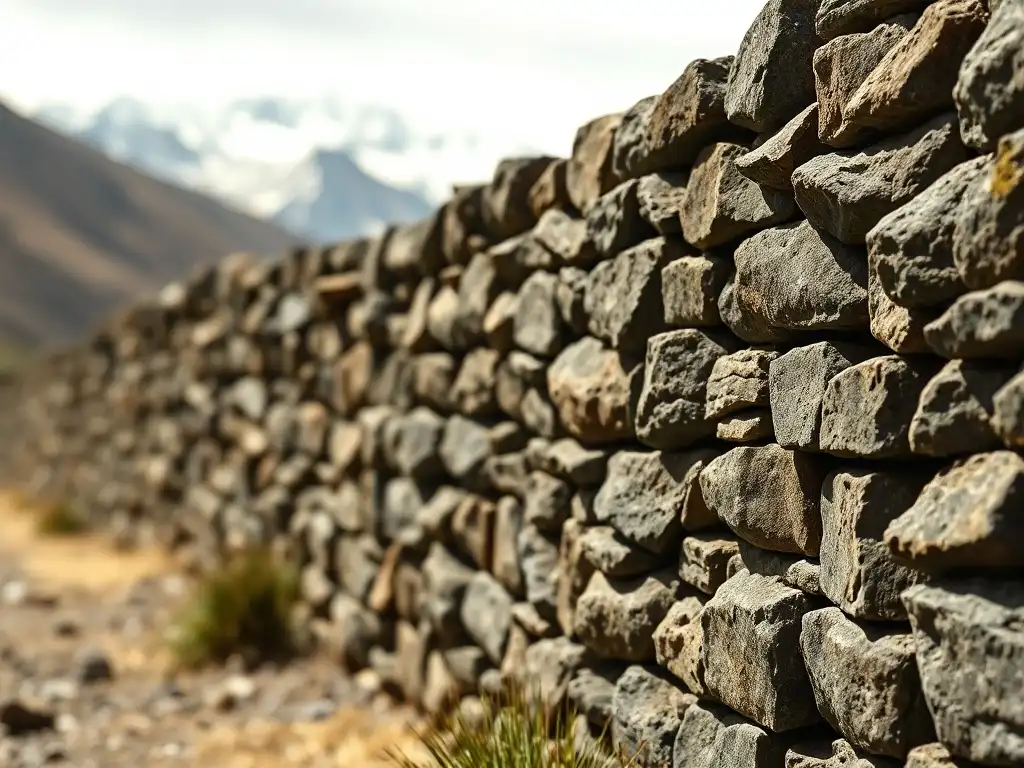
The Andes are a seismically active region, and earthquakes were a constant threat to Andean settlements. However, the builders of the Andes developed remarkable strategies to mitigate the risk of seismic damage. Their construction techniques were not only aesthetically pleasing but also structurally sound, designed to withstand the forces of nature.
The use of dry-stone construction, with its interlocking stones, provided considerable flexibility and shock absorption. The careful selection and placement of stones, along with the use of various architectural features, further enhanced the seismic resistance of their structures. The Inca, for example, incorporated features like staggered joints and interlocking blocks to distribute seismic forces effectively.
The impressive longevity of many Andean structures, even after centuries of seismic activity, is a testament to their understanding of structural engineering and their ability to adapt their building practices to the specific challenges of their environment. The ingenious techniques they used continue to inspire modern earthquake-resistant design.
The Enduring Legacy: Lessons from Andean Construction
The construction techniques of the Andean civilizations offer valuable lessons for modern architects and engineers. Their resourcefulness, their deep understanding of their environment, and their mastery of diverse building materials continue to inspire. The principles of dry-stone construction, earthquake-resistant design, and sustainable resource management are all relevant today. By studying these ancient methods, we can learn valuable lessons about building sustainably and adapting to challenging environments.
The legacy of Andean construction is not just about impressive structures; it’s about a profound understanding of engineering, environmental responsibility, and the resilience of human ingenuity in the face of adversity. The study of these techniques continues to provide valuable insights into sustainable building practices and innovative approaches to construction in challenging environments. The enduring legacy of Andean builders serves as a reminder of the power of human innovation and adaptation.
Understanding the Challenges of Andean Building
The remarkable achievements of Andean builders are even more impressive when considering the formidable environmental hurdles they overcame. Mastering "Andean construction techniques" wasn't simply a matter of skill; it demanded ingenuity and adaptation to a geographically diverse and often unforgiving landscape. This section will explore the key challenges faced and the innovative solutions developed by these ancient master builders. The ingenuity displayed in overcoming these obstacles showcases a deep understanding of their environment and a remarkable capacity for innovation. Their achievements stand as a testament to human resilience and architectural prowess.
The Diverse Andean Geography and its Impact on Construction
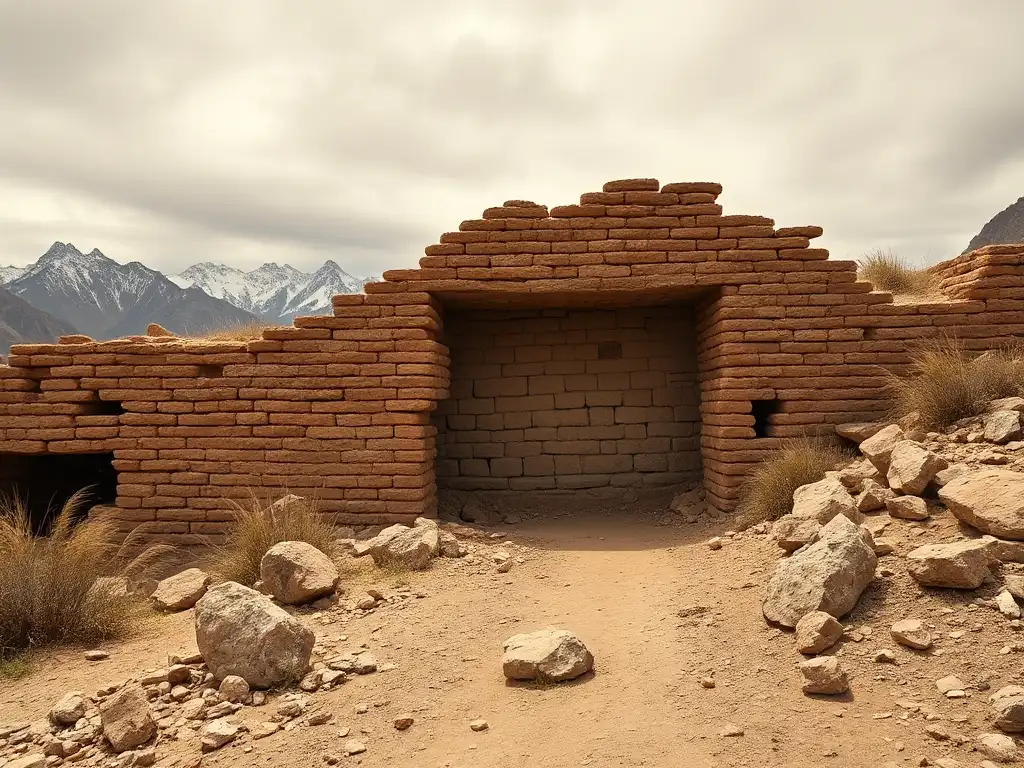
The Andes Mountains, stretching along the western coast of South America, present a dramatically varied terrain. From the arid coastal deserts to the high-altitude plains and the lush cloud forests, the geographical diversity profoundly impacted building practices. Construction materials varied significantly depending on location. For instance, coastal communities relied heavily on adobe bricks—sun-dried mud bricks—due to the abundance of clay and the scarcity of stone.
In contrast, the mountainous regions offered plentiful stone, leading to the development of sophisticated stonework techniques, like those seen in Inca constructions at Machu Picchu. The steep slopes and seismic activity prevalent in the Andes also necessitated specialized construction methods focusing on stability and earthquake resistance. Consider the intricate terracing systems developed to cultivate crops on steep inclines – these same principles of retaining walls and carefully layered structures were also applied to building foundations, ensuring stability even in precarious locations.
This adaptation to the environment is a hallmark of Andean construction techniques. The builders didn't simply build in the environment; they built with it, understanding its limitations and utilizing its resources to their advantage. The varying altitudes also presented challenges related to climate and available resources.
Material Scarcity and Resourcefulness in Ancient Andean Architecture
The scarcity of certain materials in various Andean regions forced builders to become highly resourceful. While stone was abundant in some areas, timber was often scarce, especially at higher altitudes. This led to innovative techniques such as the use of stone for almost all structural elements, even where wood might have been used in other regions. The lack of readily available metal also spurred the development of sophisticated stone joining techniques, often employing intricate interlocking systems that minimized the need for mortar.
This is particularly evident in the precise stonework of Tiahuanaco and other pre-Inca sites. The ingenuity of Andean builders extended beyond simply finding substitutes; they refined their techniques to optimize the use of available materials. For example, the use of adobe bricks, while seemingly simple, involved careful preparation of the mud mixture and the precise shaping and drying of the bricks to maximize their strength and durability. The mastery of these techniques allowed for the construction of impressive structures even with limited resources.
Furthermore, the understanding of local materials and their properties—their resistance to weathering, seismic activity, and other environmental factors—was crucial to the longevity of Andean constructions. This deep understanding, combined with a resourceful approach to construction, allowed Andean builders to create structures that have endured for centuries, standing as a testament to their skill and ingenuity. The resourceful nature of these "Andean construction techniques" is a key factor in their enduring legacy.
Key Andean Construction Techniques and Their Environmental Adaptations
The Andes Mountains presented a formidable challenge to ancient builders. Seismic activity, diverse climates ranging from arid deserts to high-altitude plains, and the availability of specific materials all shaped the ingenious construction techniques employed by Andean civilizations. Understanding these adaptations reveals a profound connection between human ingenuity and environmental constraints, highlighting the remarkable resilience and skill of Andean builders. The term "Andean construction techniques" encompasses a diverse range of approaches, each tailored to specific geographical and ecological factors.
Stone Masonry: Mastering the Art of Earthquake-Resistant Walls
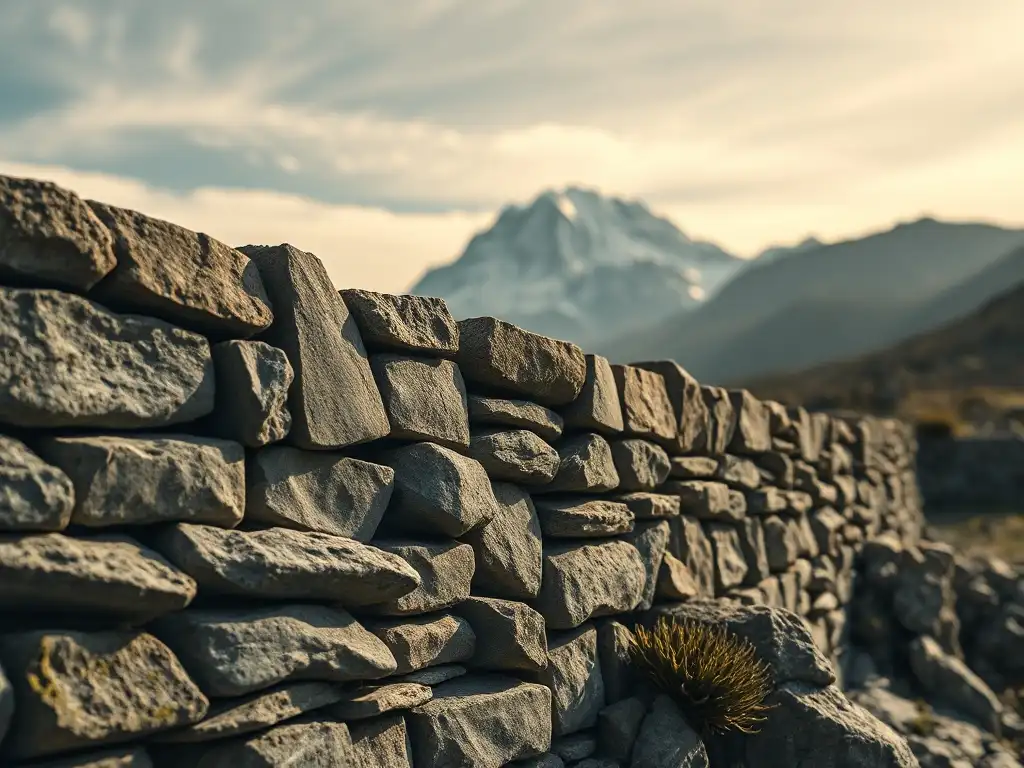
Andean stone masonry stands as a testament to the builders' deep understanding of both stone properties and seismic forces. Different techniques were employed depending on the available stone type and the specific environmental challenges. The mastery of these techniques allowed for the construction of monumental structures that withstood centuries of earthquakes. This expertise wasn't just about stacking stones; it was about creating a resilient, interconnected system capable of withstanding significant ground movement.
Dry Stone Construction: Adapting to Seismic Activity
Dry stone construction, a technique prevalent across various Andean cultures, involved fitting stones together without the use of mortar. This seemingly simple approach was remarkably effective, particularly in earthquake-prone regions. The careful selection and precise fitting of stones, often interlocking like puzzle pieces, created structures with inherent flexibility. This flexibility allowed the walls to absorb seismic energy, reducing the risk of collapse.
The absence of mortar also meant that the structures could shift slightly during an earthquake without fracturing. Think of it as a sophisticated, natural shock absorber. Evidence suggests that this technique was particularly refined by the Inca, whose structures often survived tremors that devastated buildings constructed with less sophisticated methods.
The Precision of Ashlar Masonry in Inca Structures
Inca ashlar masonry represents the pinnacle of Andean stonework. Ashlar masonry uses precisely cut, rectangular blocks of stone, fitted together with astonishing accuracy. The joints between blocks are often so fine that a knife blade cannot be inserted. This precision wasn't just aesthetic; it contributed significantly to the structural integrity of Inca buildings.
The tight fit minimized the movement between stones during seismic events, enhancing the overall stability of the structure. The use of different stone types, carefully chosen for their properties, further enhanced the resilience of these structures. For example, harder stones were often used in load-bearing areas. The Inca's mastery of ashlar masonry is evident in the surviving walls of Machu Picchu and other impressive sites, a testament to their advanced engineering skills.
The Use of Adobe: Building with Mud in the Coastal Regions
Adobe, a sun-dried brick made from mud and other natural materials, provided a readily available and sustainable building material in the arid coastal regions of the Andes. However, the use of adobe presented its own set of challenges, primarily related to its susceptibility to moisture and seismic activity. Andean builders overcame these challenges through innovative techniques that adapted adobe construction to the specific environmental context.
Adapting Adobe Techniques to Arid Climates
The arid climate of the coastal regions presented a unique set of challenges for adobe construction. The primary concern was the prevention of cracking due to rapid drying and shrinkage. Builders addressed this by carefully controlling the moisture content of the adobe bricks and by employing specific construction techniques that allowed for controlled drying and expansion. Careful planning of wall thickness and the use of protective coatings further helped to prevent damage from sun and wind. The resulting structures, while seemingly simple, demonstrated a sophisticated understanding of material science and environmental factors.
Strengthening Adobe with Natural Fibers
To enhance the strength and durability of adobe bricks, Andean builders often incorporated natural fibers such as straw, reeds, or llama wool. These fibers acted as reinforcement, increasing the tensile strength of the bricks and making them less prone to cracking. The addition of these organic materials also improved the workability of the mud mixture, making it easier to shape and mold the bricks.
The choice of fiber varied depending on local availability, showcasing the adaptability and resourcefulness of Andean builders. This simple yet effective technique significantly improved the longevity of adobe structures, allowing them to withstand the test of time and the harsh Andean environment. The skillful integration of readily available natural materials into their construction methods showcases the ingenuity and sustainability of Andean building practices.
Terracing: Shaping the Landscape for Agriculture and Construction
Terracing, the creation of step-like formations on slopes, stands as a testament to the ingenuity of Andean builders. This wasn't merely a method of farming; it was a fundamental element of their landscape architecture, impacting both agricultural production and the very placement of settlements. The dramatic Andean topography, characterized by steep mountains and valleys, presented significant challenges for agriculture. Traditional farming methods were unsuitable on these inclines, leading to soil erosion and reduced yields.
The solution, meticulously developed over centuries, was the construction of terraces. These terraces effectively transformed steep, unusable slopes into arable land, dramatically increasing the area available for cultivation. This innovation allowed Andean civilizations to support larger populations and ensure food security in a challenging environment. The scale of some terracing projects is breathtaking, showcasing the organizational prowess and collaborative spirit of these ancient societies.
The Importance of Terraces in Andean Societies
The impact of terracing extended far beyond increased agricultural output. Terraces became integral to the social and economic fabric of Andean societies. They fostered a sense of community, as their construction often involved collective labor. The ownership and control of terraces played a crucial role in social hierarchies and land distribution, influencing power dynamics and economic stability within communities.
Furthermore, the terraces themselves became locations for ritual activities and celebrations, blending practical functionality with spiritual significance. The carefully planned layout of terraces often reflected a deep understanding of the environment and the cosmos, integrating agricultural practices with spiritual beliefs. The terraces, therefore, represented not simply agricultural plots, but vital components of the Andean worldview. Their enduring legacy is visible in the landscapes of the Andes even today.
Engineering Terraces for Stability and Water Management
The construction of terraces was a sophisticated engineering feat, demanding careful planning and execution. Builders considered several critical factors, including soil type, slope gradient, and water management. They employed a variety of techniques to ensure the stability of the terraces, often using retaining walls made of stone, mud, or a combination of both.
These walls were not merely barriers; they were carefully designed to withstand the forces of erosion and gravity. The precise placement of stones and the use of different materials reflected a deep understanding of structural mechanics. Furthermore, the design of terraces often incorporated sophisticated water management systems, including channels and drainage features, to prevent erosion and optimize irrigation.
The effectiveness of these systems is a testament to the Andean builders' understanding of hydrology and their ability to adapt their techniques to diverse environments. The intricate network of channels and drains, integrated into the terrace system, prevented waterlogging and ensured that crops received adequate moisture.
Water Management Systems: Vital for Andean Settlements
Water was, and remains, a precious resource in the Andes. The success of Andean civilizations hinged on their ability to manage water effectively, particularly for agriculture and domestic use. Their sophisticated water management systems, developed over centuries, are a remarkable example of adaptation to a challenging environment. These systems were not simply rudimentary canals; they were carefully designed networks that integrated a complex understanding of hydrology, engineering, and social organization.
The construction and maintenance of these systems required significant collective effort and planning, reflecting the strong communal structure of Andean societies. The precise location of canals, reservoirs, and other water management features often dictated the location and layout of settlements, highlighting the vital role of water in shaping Andean urban planning. The ingenuity and effectiveness of these systems are still evident in many Andean regions today.
Canal Systems for Irrigation and Water Supply
Canal systems played a central role in Andean water management. These canals, often carved into rock or constructed from earth and stone, transported water over long distances, bringing it to fields and settlements located far from natural water sources. The construction of these canals required a deep understanding of topography and hydrology.
Engineers meticulously surveyed the terrain to identify suitable routes and gradients, ensuring a steady flow of water. The canals themselves were often lined with stone or other materials to prevent leakage and erosion. The management of these canals, including their maintenance and repair, was a collective responsibility, ensuring a continuous supply of water for both agriculture and domestic use.
The complex network of canals, often integrated with other water management features like reservoirs and aqueducts, reflects the sophisticated engineering skills of Andean societies. The size and complexity of some of these systems are truly impressive, showcasing the organizational capabilities of the builders.
Drainage Techniques to Prevent Flooding
In addition to irrigation, Andean builders developed sophisticated drainage techniques to protect their settlements and agricultural lands from flooding. Excess water, particularly during the rainy season, posed a significant threat. To mitigate this risk, they employed a variety of strategies, including the construction of drainage channels, ditches, and terraces designed to divert water away from vulnerable areas. These drainage systems were often integrated with irrigation canals, creating a complex network of water management features that ensured both adequate water supply and protection from flooding.
The design and placement of these drainage features required a detailed understanding of hydrology and the local environment. The effectiveness of these systems is evident in the longevity of many Andean settlements, which have withstood centuries of weather events thanks to careful planning and engineering. Their methods serve as a valuable lesson for modern-day water management.
Specific Examples of Andean Construction Mastery
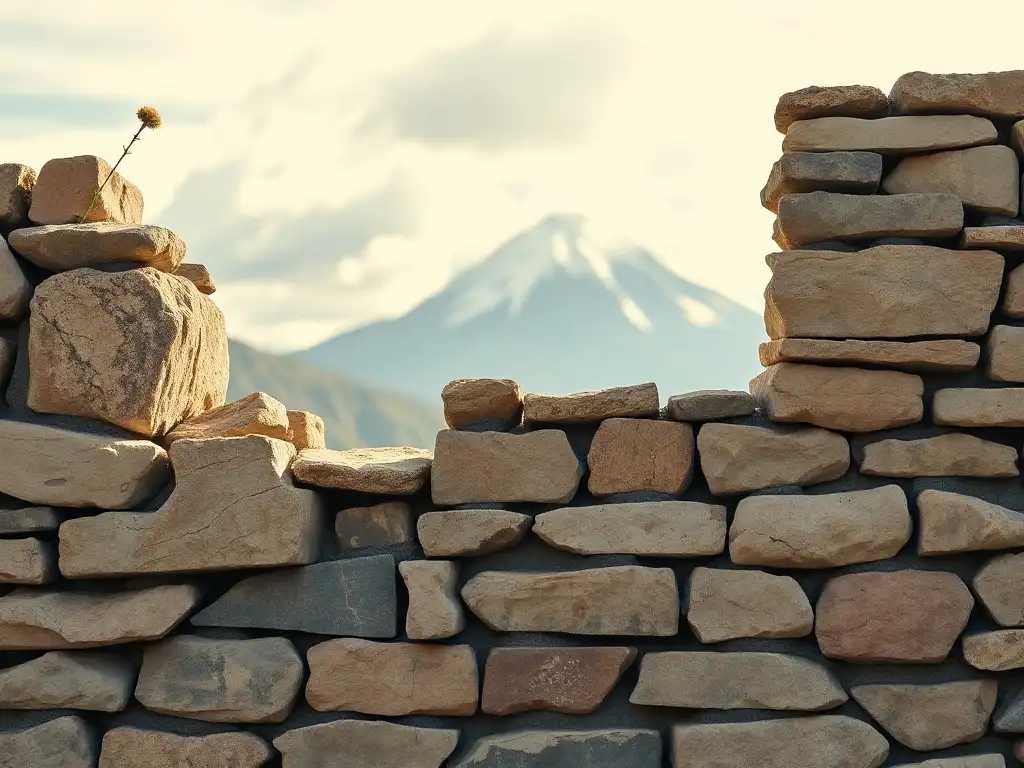
This section delves into the remarkable construction techniques employed by various Andean civilizations, highlighting their ingenious adaptations to challenging terrains and resource limitations. We will examine specific examples that showcase the ingenuity and skill of these ancient builders, underscoring their profound understanding of engineering principles and their harmonious integration with the natural environment. Understanding these Andean construction techniques provides invaluable insights into the advanced capabilities of these societies.
Machu Picchu: A Showcase of Inca Engineering and Adaptation
Machu Picchu, the iconic "Lost City of the Incas," stands as a testament to the sophisticated Andean construction techniques of the Inca Empire. Its construction, perched high in the Andes Mountains, presented significant challenges, yet the Incas overcame these obstacles with remarkable skill and precision. The city's design and construction reflect a deep understanding of both engineering principles and the natural environment.
The Use of Trapezoidal Doorways and Niches for Structural Integrity
One striking feature of Machu Picchu's architecture is the prevalent use of trapezoidal doorways and niches. These aren't merely aesthetic choices; they served crucial structural purposes. The trapezoidal shape, subtly wider at the base than at the top, provided exceptional stability, resisting seismic activity common in the region.
The niches, integrated into the walls, further enhanced the structural integrity of the buildings, distributing weight effectively and adding to the overall strength of the structures. Analysis of the stonework reveals a meticulous attention to detail, with each stone precisely cut and fitted to maximize structural efficiency. This precision is a hallmark of Inca Andean construction techniques.
The Integration of Stone Structures with the Natural Contours of the Mountain
The Incas masterfully integrated their structures with the natural contours of the mountain. Buildings were not simply placed on the mountainside; they were carved into it, seamlessly blending with the landscape. This approach not only minimized environmental impact but also provided inherent stability, anchoring the structures to the mountain itself. This harmonious integration is a testament to the Incas' profound understanding of their environment and their ability to work with nature, rather than against it. The result is a breathtaking display of architectural harmony and ingenuity, reflecting sophisticated Andean construction techniques.
Sacsayhuamán: The Cyclopean Walls of the Inca Empire
Sacsayhuamán, a massive fortress overlooking Cusco, represents another pinnacle of Inca engineering prowess. Its cyclopean walls, constructed from enormous, precisely fitted stones, are awe-inspiring in their scale and precision. The sheer size of the stones, some weighing over 100 tons, and the incredible accuracy of their placement, defy easy explanation, particularly given the lack of advanced machinery.
The Use of Interlocking Stones Without Mortar
The most remarkable aspect of Sacsayhuamán's construction is the use of interlocking stones without mortar. The stones are so precisely cut and fitted together that even a knife blade cannot be inserted between them. This intricate interlocking system, a sophisticated example of Andean construction techniques, provided exceptional strength and stability, resisting earthquakes and other natural disasters. The precision involved suggests a deep understanding of geometry and engineering principles far beyond what was previously attributed to pre-Columbian societies. Research continues to uncover the secrets behind this remarkable feat of engineering.
The Strategic Placement of the Fortress Overlooking Cusco
The strategic placement of Sacsayhuamán overlooking Cusco is a testament to the Inca's military and engineering acumen. The fortress's commanding position provided a crucial defensive advantage, offering panoramic views of the surrounding area. The walls themselves were not merely defensive barriers; they were strategically designed to channel and redirect enemy forces, further enhancing the fortress's defensive capabilities. This combination of sophisticated Andean construction techniques and strategic planning solidified Sacsayhuamán's position as an impenetrable stronghold. The precise placement and the masterful construction combined to create a formidable defensive structure, showcasing the mastery of Inca Andean construction techniques.
Chan Chan: The Largest Adobe City in Pre-Columbian America
Chan Chan, the capital of the Chimú kingdom (circa 900-1470 CE), stands as a testament to the impressive engineering prowess of the Andean civilizations. Located on the northern coast of Peru, this sprawling city, the largest adobe city in pre-Columbian America, covers an area of approximately 20 square kilometers. Its construction showcases a remarkable understanding of adobe construction, water management, and urban planning, all adapted to the harsh desert environment.
The city's layout is characterized by a complex network of interconnected walled compounds, or ciudadelas, each serving a specific function, whether residential, administrative, or religious. The sheer scale of Chan Chan, with its intricate designs and vast network of canals and reservoirs, is a feat of Andean construction techniques that continues to amaze researchers today. The city's construction demonstrates a mastery of resource management, as the builders utilized readily available materials like adobe bricks, sustainably harvested from the surrounding areas, minimizing environmental impact.
The strategic placement of the city near the coast also allowed access to vital resources and facilitated trade. The impressive scale of Chan Chan highlights the significant level of social organization and labor coordination required for its construction, showcasing the advanced societal structures of the Chimú civilization. The sophisticated system of water management is particularly noteworthy, ensuring the city's survival in a challenging climate.
The Use of High Relief Decorations on Adobe Walls
One of the most striking features of Chan Chan is the extensive use of high-relief decorations on its adobe walls. These intricate designs, often depicting stylized depictions of animals, plants, and geometric patterns, were not merely decorative. They served a crucial role in reinforcing the adobe walls, adding structural integrity while enhancing the aesthetic appeal.
The high-relief work, achieved through careful layering and shaping of the adobe bricks, created a textured surface that provided added strength and resistance against the strong coastal winds and occasional seismic activity. The use of these decorative elements reflects the sophisticated understanding of the material properties of adobe and the ability to integrate aesthetics with structural functionality, a key characteristic of Andean construction techniques. The intricate details in the high-relief decorations also showcase the advanced artistic skills of the Chimú artisans.
The symbolic meanings embedded in these designs, while still being researched, likely played a significant role in the social and religious life of the city. The production of these decorations required a high level of skill and precision, demonstrating the specialized labor and knowledge that went into Chan Chan's construction. Furthermore, the preservation of these intricate reliefs, despite the passage of centuries, speaks to the durability and resilience of the Andean construction techniques employed.
The Sophisticated System of Wells and Reservoirs
The survival of Chan Chan, a massive city in an arid coastal desert, depended heavily on its sophisticated water management system. The Chimú engineers developed an intricate network of wells, canals, and reservoirs to collect, store, and distribute water from both underground aquifers and seasonal rainfall. These systems were crucial for sustaining the city's large population and supporting its agricultural needs. The construction of these subterranean systems required advanced engineering knowledge, including a deep understanding of hydrology and hydraulics.
The placement of wells was carefully chosen to tap into underground water sources, while the design of reservoirs maximized water storage capacity, minimizing evaporation in the harsh desert climate. The canals, often lined with compacted earth or stone to prevent leakage, facilitated the efficient distribution of water throughout the city. This intricate system is a clear demonstration of the resourceful and innovative Andean construction techniques used to overcome the challenges of the environment.
The effectiveness of this water management system is evident in the city's longevity and the scale of its development. The sophisticated system of water management in Chan Chan remains a remarkable example of human ingenuity and adaptability, a valuable insight into the Andean construction techniques and their effectiveness in challenging environments. The intricate network of canals and reservoirs also suggests a high level of centralized planning and social organization within the Chimú kingdom, highlighting the sophisticated societal structures that were crucial to the city's success.
The Legacy of Andean Building Techniques
The legacy of Andean construction techniques extends far beyond the impressive ruins that still dot the landscape. These methods, developed over millennia in response to the challenging Andean environment, represent a remarkable blend of ingenuity, resourcefulness, and deep understanding of local materials and conditions. Understanding these techniques offers invaluable insights into the resourcefulness and adaptability of Andean cultures, showcasing their sophisticated knowledge of engineering principles and sustainable building practices.
The keyword "Andean construction techniques" is central to understanding this legacy, encompassing everything from the precise stonework of Machu Picchu to the complex irrigation systems that sustained thriving populations. This section will delve into the enduring principles, lessons learned, and continuing relevance of these remarkable techniques.
Enduring Principles in Andean Construction
Several core principles underpinned Andean construction. Firstly, adaptation to the environment was paramount. Builders utilized readily available materials—stone, adobe, wood, and thatch—tailoring their techniques to the specific challenges posed by altitude, seismic activity, and variable climates. For example, the use of interlocking stones in Inca constructions minimized the need for mortar, creating structures incredibly resistant to earthquakes. This contrasts sharply with many European techniques of the time, which relied heavily on mortar and were thus more vulnerable to seismic events.
Secondly, sustainability was integral. Andean builders demonstrated a profound respect for their environment, using locally sourced materials and minimizing waste. Their techniques often involved recycling and repurposing materials, reflecting a circular economy approach centuries ahead of its time. The intricate network of irrigation canals, for instance, not only provided water for agriculture but also demonstrated a sophisticated understanding of water management and conservation.
Thirdly, community involvement was key. Construction projects were often massive undertakings, requiring the coordinated efforts of numerous individuals. This communal effort instilled a sense of collective ownership and pride in the structures that resulted, fostering a strong bond between the community and its built environment. The construction of monumental sites like Ollantaytambo serves as a powerful testament to the collective strength and organizational capabilities of Andean societies.
Lessons Learned from Ancient Andean Builders
Studying ancient Andean building methods provides valuable lessons for contemporary architects and engineers. The ingenuity displayed in overcoming environmental challenges, such as building on steep slopes or adapting to seismic activity, offers inspiration for innovative sustainable building practices today. The use of interlocking stones without mortar, for instance, is being re-evaluated in modern earthquake-resistant design. The effectiveness of this technique is evidenced by the survival of many Andean structures through centuries of seismic activity.
Furthermore, the emphasis on locally sourced materials and sustainable practices offers a valuable blueprint for environmentally responsible construction in the 21st century. The reduced environmental impact of Andean building techniques, compared to modern methods that often rely on energy-intensive materials and processes, highlights the potential for minimizing the carbon footprint of construction projects. The principles of resource efficiency and waste minimization inherent in Andean construction deserve renewed attention in our era of increasing environmental awareness.
Finally, the emphasis on community involvement in the construction process offers valuable insights into participatory design and construction methodologies. The collaborative spirit demonstrated by Andean builders highlights the importance of engaging local communities in shaping their built environment. This collaborative approach can lead to more meaningful and sustainable outcomes, fostering a deeper connection between communities and their built heritage.
The Relevance of Andean Techniques in Modern Architecture
The relevance of Andean construction techniques in modern architecture extends beyond mere historical interest. These techniques offer valuable solutions to contemporary challenges, including the need for sustainable, earthquake-resistant, and environmentally responsible building practices. The principles of adapting to the environment, utilizing local materials, and minimizing waste are increasingly important in the face of climate change and resource depletion.
The remarkable durability and resilience of Andean structures, demonstrated by their survival through centuries of weathering and seismic events, underscore the importance of integrating traditional knowledge into modern design. Modern architects and engineers can learn from the ingenuity of Andean builders, incorporating principles such as interlocking stonework and the use of locally sourced, sustainable materials into their designs.
The focus on community involvement in Andean construction also offers valuable lessons for modern architectural projects. Engaging local communities in the design and construction process can lead to more appropriate and sustainable building solutions, fostering a greater sense of ownership and pride in the built environment. The enduring legacy of Andean construction techniques serves as a powerful reminder that sustainable, resilient, and community-focused design is not only possible, but essential for the future of architecture.
Frequently Asked Questions
What unique challenges did Andean builders face?
Andean builders faced significant challenges due to the rugged terrain, variable climates, and lack of readily available materials like timber in many areas. They had to adapt their techniques to overcome these obstacles.
How did the Incas utilize stone in their construction?
Inca builders were masters of precise stonework, fitting stones together without mortar. They employed techniques like ashlar masonry, creating incredibly strong and aesthetically pleasing structures that have withstood the test of time.
What role did the environment play in Andean building techniques?
The environment heavily influenced Andean construction. Available materials dictated building styles, and the climate (earthquakes, heavy rains, etc.) shaped the design and structural integrity of buildings.
Were there significant differences in construction techniques between different Andean cultures?
Yes, while some common principles existed, different Andean cultures—like the Inca, Moche, and Nazca—developed unique techniques based on their specific environments and available resources. For example, the Moche excelled at adobe brick construction.
How did Andean builders transport massive stones for their constructions?
Transporting massive stones was a considerable feat. Andean builders likely used a combination of human labor, inclined planes, rollers, and animal power (llamas) to move materials across challenging landscapes.
Final Reflection: Echoes of Ingenuity in Andean Construction
The ingenious building techniques of the Andes, honed over millennia, remain a potent testament to human adaptability and a powerful lesson for sustainable construction today. These ancient methods, far from being relics of the past, offer crucial insights into creating resilient structures in the face of climate change and resource scarcity. Their enduring relevance is undeniable, challenging our modern approaches and prompting us to reconsider our relationship with the environment.
The impact of Andean construction techniques extends far beyond the impressive ruins that still stand today. Their influence resonates in our understanding of sustainable architecture, resource management, and community collaboration. The ingenuity displayed in adapting to the harsh Andean environment serves as a powerful reminder that innovation often arises from necessity. The mountains themselves taught us how to build; we learned to listen to the land, to respect its limits, and to work with, not against, its forces.
(Hypothetical quote reflecting Andean philosophy). This deep connection to place and material should inspire us to rethink our own building practices.
Consider the lessons learned from these ancient builders. Think about how their understanding of local materials, their respect for the environment, and their collaborative spirit can inform your own choices. You too can embrace sustainable practices, build with intention, and create structures that stand the test of time, not just physically, but also ethically and environmentally. Let the echoes of Andean ingenuity inspire you to build a more sustainable and resilient future.
Embrace the Wisdom of Andean Builders!
Thank you for exploring the fascinating world of Andean builders and their remarkable adaptability. You've discovered how these ingenious civilizations thrived in challenging environments. Now, let's apply that inspiration!
Here are some ways you can engage further and make a difference:
- Explore your surroundings. Take time to observe how your environment shapes your daily life. Consider how you can adapt and innovate within your own context.
- Share your insights. Join the conversation by commenting below. Which Andean building techniques or ideas resonate most with you?
- Get involved in your community. Look for local projects or workshops focused on sustainable building or environmental adaptation. Participate and learn firsthand!
What strategies can you adopt to thrive in your environment? Let's discuss!