
The Enigma of the Megaliths: Unraveling the Purpose of Massive Stone Structures


Welcome to Andean Civilizations, where the echoes of a lost world whisper secrets of ingenuity and power. Prepare to journey through time, uncovering the breathtaking artistry and advanced engineering of ancient Andean cultures. But first, a mystery awaits: what purpose did the colossal Andean megalithic stone structures truly serve? Delve into the enigma and discover the astonishing answers within.
- The Enigma of the Megaliths: Unraveling the Purpose of Massive Stone Structures in the Andes
- Andean Megalithic Stone Structures: An Introduction to Ancient Engineering
- Exploring the Construction Techniques of Andean Megaliths
- The Diverse Purposes of Andean Megalithic Constructions
- Key Andean Sites Showcasing Megalithic Architecture
- Challenges and Theories Surrounding Andean Megalithic Constructions
- The Legacy of Andean Megalithic Stone Structures
- Frequently Asked Questions
- Final Reflection: Echoes of Giants: A Legacy in Stone
- Unveil the Mysteries of the Megaliths!
The Enigma of the Megaliths: Unraveling the Purpose of Massive Stone Structures in the Andes
The Andes Mountains, a spine of towering peaks running down the western coast of South America, are home to some of the most impressive and enigmatic structures built by ancient civilizations. For centuries, researchers have been captivated by the Andean megalithic stone structures – colossal monuments crafted from massive, precisely-cut stones, often weighing tons. These structures, found across various Andean cultures including the Incas, Tiahuanaco, and others, represent a remarkable feat of engineering and logistical prowess, leaving behind a legacy of unanswered questions regarding their purpose and construction methods.
This article delves into the mysteries surrounding these awe-inspiring megaliths, exploring the various theories surrounding their function and examining the advanced techniques employed by the ancient Andean builders. We will examine specific examples, highlighting the unique characteristics of each site and the challenges posed by their construction in the harsh Andean terrain.
Understanding these megaliths is key to unlocking a deeper appreciation for the ingenuity and complexity of Andean civilizations. The sheer scale and precision of these structures challenge our understanding of ancient technology and societal organization, prompting a re-evaluation of our assumptions about pre-Columbian societies.
The Scale and Precision of Andean Megalithic Construction
The sheer size and precision of the stones used in Andean megalithic structures are truly astounding. Many blocks weigh several tons, some even exceeding 100 tons! The precision with which these massive stones were cut, transported, and fitted together is remarkable. Consider the precision-fitting of stones at sites like Ollantaytambo, where stones are interlocked with minimal mortar, showcasing an exceptional understanding of geometry and engineering.
The absence of advanced metal tools further amplifies the achievement. How did these ancient builders accomplish such feats? What tools and techniques did they use to move and position these enormous stones across challenging terrain?
The answers are still largely unknown, and ongoing research continues to shed light on this fascinating aspect of Andean engineering. Further research into the quarries from which the stone originated could provide vital clues about the logistics of the construction process. Analysis of the tools used, even if limited to stone tools, can reveal valuable insights into their techniques.
Theories on the Purpose of Megalithic Structures
The purpose of these massive stone structures remains a subject of ongoing debate among archaeologists and historians. Several prominent theories exist, each with its own supporting evidence and limitations. Some propose that these structures served primarily as religious or ceremonial sites, acting as temples or platforms for rituals. Others suggest a more practical function, such as defensive fortifications, astronomical observatories, or even water management systems.
- Religious/Ceremonial Sites: Many megalithic structures are situated in locations with significant spiritual or symbolic meaning, suggesting a connection to religious practices. The intricate carvings and designs found on some stones may also support this theory.
- Defensive Fortifications: The imposing size and strategic locations of certain megalithic structures have led some to believe that they served as defensive fortifications, protecting settlements or resources.
- Astronomical Observatories: The alignment of some megalithic structures with celestial bodies suggests a possible astronomical function, potentially used for tracking the sun, moon, and stars.
- Water Management Systems: In some cases, megalithic structures appear to be integrated into complex water management systems, playing a role in irrigation or water storage.
Further research, including detailed analysis of the sites' contexts and the artifacts found within or around them, is crucial to refine our understanding of their intended purpose. The lack of written records further complicates this task, forcing researchers to rely on archaeological evidence and comparative analysis with other ancient cultures.
Technological Innovations and Challenges of Andean Megalithic Construction
The construction of Andean megalithic structures presented immense technological challenges. The transportation of massive stones across mountainous terrain, the precise cutting and shaping of the stones, and the intricate fitting of the stones without mortar all required advanced knowledge and skills. While the exact methods remain a subject of ongoing research, several theories have been proposed.
These include the use of ramps, levers, rollers, and possibly even sophisticated rope systems to move the stones. Understanding the logistical challenges, the workforce organization, and the potential use of tools and techniques is crucial to appreciating the immense feat of engineering that these structures represent.
The lack of widespread use of metal tools in certain periods adds another layer of complexity. This suggests that the builders relied on a remarkable understanding of stone working techniques, possibly employing sophisticated methods of quarrying, shaping, and transport that we are only beginning to comprehend.
Further research into the available resources and the human organization necessary for the construction of these structures may reveal even more about the level of sophistication achieved by these ancient Andean civilizations. The application of modern scientific techniques like 3D modeling and geophysical surveys can help to reconstruct the construction methods and further our understanding.
Preservation and Future Research on Andean Megalithic Structures
The preservation of these remarkable structures is of paramount importance. The effects of weathering, erosion, and human activity pose significant threats to their long-term survival. Ongoing efforts to conserve and protect these sites are crucial to ensuring that future generations can appreciate and learn from these extraordinary achievements of ancient Andean engineering. Furthermore, continued research utilizing advanced archaeological techniques and interdisciplinary approaches is essential to unraveling the remaining mysteries surrounding these enigmatic monuments.
The study of Andean megalithic structures is an ongoing process, and new discoveries and insights are constantly emerging. This continuous investigation will undoubtedly enhance our understanding of the ingenuity, resilience, and cultural complexity of the ancient Andean civilizations. The study of these structures offers a unique window into the past, challenging our preconceptions and enriching our understanding of human history and technological achievement.
Andean Megalithic Stone Structures: An Introduction to Ancient Engineering
This section delves into the fascinating world of Andean megalithic stone structures, exploring the engineering prowess and cultural significance behind these monumental constructions. We will examine the definition of megaliths within the specific Andean context, the profound role of stone in Andean societies, and finally, survey some of the most impressive sites showcasing these remarkable achievements in ancient engineering.
Understanding these structures is crucial to appreciating the sophistication and ingenuity of Andean civilizations. The term "Andean megalithic stone structures" itself encompasses a wide range of architectural marvels, highlighting the diverse approaches and technological advancements across different cultures and time periods.
Defining Megaliths in the Context of Andean Civilizations
The term "megalith" typically refers to large stones used in prehistoric monuments. However, applying this term to the Andes requires nuance. While some Andean structures share similarities with European megalithic sites (e.g., size and monumental scale), the Andean context offers unique characteristics. The definition needs to incorporate the specific materials, construction techniques, and cultural significance prevalent in the Andes. We are not solely dealing with simple stone arrangements; we’re discussing meticulously crafted structures demonstrating advanced understanding of stonework, including precise cutting, fitting, and transportation of massive blocks.
Unlike some European megalithic sites primarily associated with burial or ritualistic practices, Andean megaliths served multiple purposes. They were incorporated into religious complexes, palaces, astronomical observatories, and fortifications. This multifaceted functionality complicates a simple definition, demanding a consideration of the specific cultural and historical context of each site.
For instance, the immense stones at Sacsayhuamán, near Cusco, clearly served a defensive purpose, while those at Ollantaytambo might have had both religious and administrative functions. Therefore, a comprehensive definition of Andean megaliths must account for this diversity of purpose and function. Further research is needed to fully understand the range of purposes served by these structures across different Andean cultures.
The Significance of Stone in Andean Culture and Construction
Stone held deep symbolic and practical importance in Andean cultures. Its permanence mirrored the Andean worldview, emphasizing continuity and connection to ancestors. The choice of specific stone types often held religious significance, reflecting beliefs about the earth's energies and the power of the mountains. For example, certain types of andesite or diorite were favored for their durability and aesthetic qualities, often associated with specific deities or cosmological concepts.
The mastery of stonework was not merely a technological achievement but also a demonstration of social and political power. The ability to quarry, transport, and precisely fit enormous stones showcased the organizational capabilities and engineering expertise of the ruling elites. The monumental scale of these projects required substantial labor mobilization, reflecting the sophisticated social structures and centralized power of Andean empires.
The precision of the stonework, often without the use of mortar, is a testament to their advanced understanding of geometry and engineering principles. The intricate fitting of stones, sometimes with tolerances of less than a millimeter, is a remarkable feat of craftsmanship, highlighting both the skill of the artisans and the sophistication of their tools. Further study is required to fully understand the tool technology employed in these complex constructions.
Overview of Key Andean Sites Featuring Large Stone Constructions
Several Andean sites showcase impressive examples of megalithic stone structures, each with unique characteristics reflecting the specific cultural and historical context. These include:
| Site | Culture(s) | Notable Features | Significance |
|---|---|---|---|
| Sacsayhuamán | Inca | Cyclopean masonry, precisely fitted stones | Fortification, religious center |
| Ollantaytambo | Inca | Massive stone blocks, intricate agricultural terraces | Religious, administrative, and agricultural center |
| Tiwanaku | Tiwanaku | Monolithic gateways, platforms, and temples | Religious, ceremonial, and possibly administrative |
| Puma Punku | Tiwanaku | Precisely cut and fitted megalithic blocks | Religious, possibly astronomical observatory |
| Moray | Inca | Circular agricultural terraces | Agricultural experimentation, possibly ceremonial |
This table provides a glimpse into the diversity of Andean megalithic sites. Each site demands further investigation to fully understand its construction techniques, cultural significance, and the underlying engineering principles involved. The sheer scale and precision of these structures continue to challenge our understanding of ancient Andean capabilities, highlighting the need for ongoing research and interdisciplinary collaboration to unravel the mysteries surrounding these monumental achievements. The study of Andean megalithic stone structures is a dynamic field, continually revealing new insights into the ingenuity and cultural complexity of these ancient civilizations.
Exploring the Construction Techniques of Andean Megaliths
The construction of Andean megalithic stone structures remains a testament to the ingenuity and organizational prowess of ancient Andean civilizations. These monumental achievements, scattered across the Andes Mountains, pose fascinating questions regarding their construction methods. Understanding these techniques requires a multi-faceted approach, examining everything from the initial sourcing of materials to the final, incredibly precise placement of massive stone blocks.
The sheer scale of these projects, often involving the movement of colossal stones across challenging terrain, highlights a sophisticated understanding of engineering, logistics, and possibly even a level of social organization surpassing many contemporary societies. Understanding the techniques employed allows us to better appreciate the immense scale of these projects and the advanced knowledge of the builders. The keyword, "Andean megalithic stone structures," encapsulates the very essence of this exploration.
Quarrying and Transporting Massive Stones in the Andes
Quarrying and transporting the massive stones used in Andean megalithic structures presented significant logistical challenges. Evidence suggests that Andean builders selected specific quarries based on the quality and type of stone available. For example, the Incas frequently utilized granite and andesite, known for their durability. The precise methods used for quarrying remain partially unclear, but archaeological findings suggest the use of stone hammers, wedges, and possibly fire-setting techniques to fracture the rock along natural weaknesses. This process would have required a significant workforce, possibly employing specialized knowledge of geology and rock formations.
Once extracted, the monumental task of transporting these massive stones began. The mountainous terrain of the Andes presented a formidable obstacle. While the exact methods remain debated, theories include the use of ramps, rollers, levers, and possibly even sledges pulled by teams of humans or animals (though evidence for widespread animal labor is less conclusive). The ingenuity involved in navigating steep inclines and uneven terrain is remarkable.
Consider the transportation of stones weighing many tons across hundreds of kilometers — a feat of engineering that still inspires awe today. Recent research suggests that the Inca's understanding of rope technology played a crucial role in maneuvering these heavy stones, making the movement across the challenging terrain more manageable. This sophisticated use of rope, combined with detailed knowledge of the terrain, allowed for the efficient transport of these colossal blocks.
Stone Shaping and Carving Methods in Ancient Andean Civilizations
After transport, the stones underwent meticulous shaping and carving. Ancient Andean civilizations employed a variety of techniques to achieve the incredible precision observed in megalithic structures. These include pecking, grinding, and polishing. Pecking involved repeatedly striking the stone surface with a hammerstone to remove small chips of rock, gradually shaping the stone. Grinding utilized abrasive materials, such as sand or quartz, to smooth the stone surface and achieve a fine finish. Polishing, a final step, created a highly refined surface. The level of precision achieved is astounding, with some stones fitting together with almost imperceptible gaps.
The tools employed were relatively simple, mostly made of stone or wood. However, the skill and patience required to shape massive stones with such precision were immense. Archaeological evidence shows extensive workshops dedicated to stone carving, suggesting a high degree of specialization within the workforce. The ability to create such intricate carvings, often depicting intricate designs or symbolic motifs, further underscores the advanced level of craftsmanship amongst Andean artisans. Furthermore, the consistency in the quality and precision of the carvings across different sites suggests a standardized approach to training and execution, possibly overseen by master craftsmen.
The Precision and Fitting of Megalithic Blocks: A Closer Look
The astonishing precision in the fitting of megalithic blocks in Andean structures remains a subject of ongoing research and fascination. Many blocks fit together so tightly that even a thin blade cannot be inserted between them. This level of accuracy suggests a sophisticated understanding of geometry and measurement, far beyond what was previously attributed to these civilizations. Some theories propose the use of templates or standardized measurements to guide the shaping and placement of stones.
The absence of mortar in many Andean megalithic structures further enhances the remarkable precision of the stonework. The builders relied on the precise shaping of the stones themselves to ensure stability and structural integrity. This technique, which demanded exceptional skill and planning, represents a significant achievement in dry-stone construction.
The sheer weight of the stones and the force of gravity provided additional stability. Interestingly, the way the stones are layered often seems to anticipate and counter potential stress points, indicating a deep understanding of structural mechanics. The level of precision seen in the construction of Andean megalithic stone structures remains a testament to the advanced capabilities of these ancient civilizations and continues to inspire wonder and research today.
The Diverse Purposes of Andean Megalithic Constructions
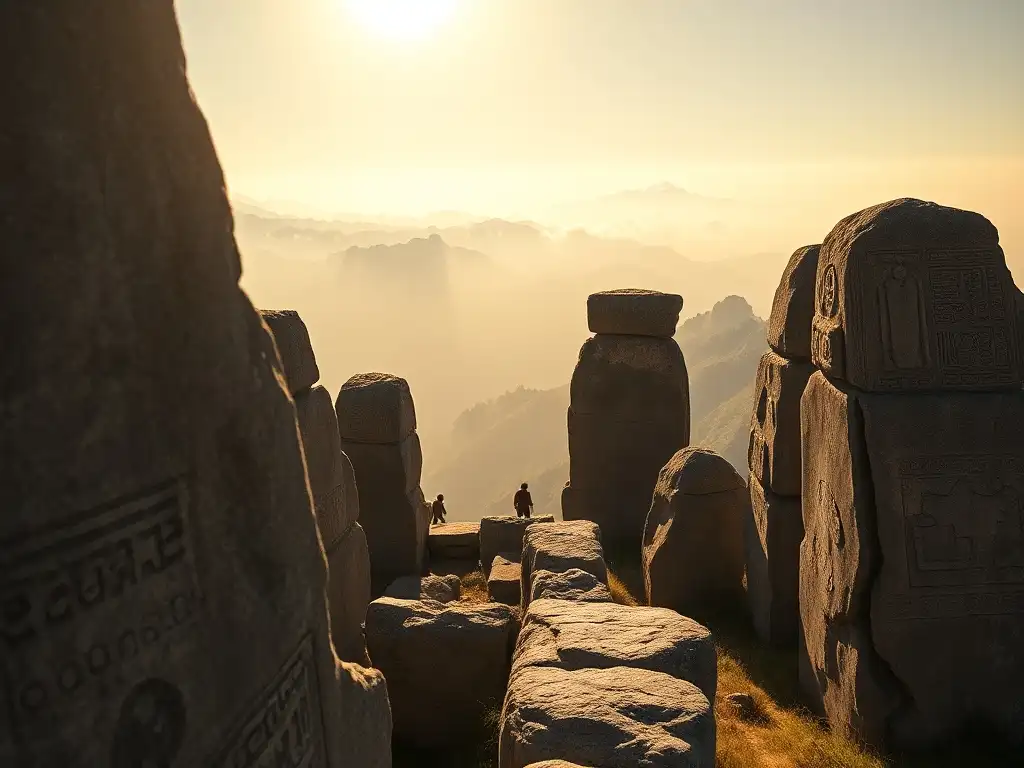
The imposing Andean megalithic stone structures, scattered across the vast landscapes of the Andes Mountains, continue to fascinate and challenge researchers. Their sheer scale and precision of construction speak to an advanced understanding of engineering and a complex societal organization. However, the precise purposes of these monumental structures remain a subject of ongoing debate and investigation. While some interpretations focus solely on their religious significance, a more nuanced understanding suggests a multifaceted functionality, encompassing religious, ceremonial, defensive, and potentially even astronomical purposes.
This section delves into the diverse roles these awe-inspiring structures likely played in the lives of ancient Andean societies. Understanding the various functions of these "Andean megalithic stone structures" requires considering their context within the broader social, political, and religious landscapes of the time. The sheer variety of megalithic structures found across different Andean cultures highlights the adaptability and ingenuity of their builders.
Megaliths as Religious and Ceremonial Centers
Many Andean megalithic structures exhibit clear signs of having served as religious and ceremonial centers. Their strategic locations, often atop hills or overlooking significant geographical features, suggest a deliberate attempt to connect the structures with the sacred landscape. The meticulous craftsmanship and intricate carvings found on some megaliths further support this interpretation, hinting at a deep spiritual significance.
The use of specific stones, potentially imbued with symbolic meaning, also reinforces the religious nature of these sites. The size and grandeur of these structures likely served to impress and inspire awe in participants, contributing to the overall power and authority of the ruling elite or religious leaders.
Examples of Sacred Sites with Megalithic Architecture
Several well-known sites showcase the religious and ceremonial use of megalithic architecture. Sacsayhuamán, near Cusco, is a prime example. Its massive, precisely fitted stones, some weighing over 100 tons, are arranged in intricate patterns, forming impressive walls and structures.
The site's commanding position overlooking the city suggests a significant ceremonial role, possibly serving as a temple complex or a royal residence. Similarly, the monumental structures at Ollantaytambo, with their impressive terraces and intricate stonework, likely played a central role in Inca religious practices and ceremonies. The sheer scale of these constructions underscores the importance of religious and ceremonial life in Andean societies.
The Role of Megaliths in Andean Rituals and Beliefs
The rituals and beliefs associated with Andean megalithic structures are still being pieced together through archaeological findings and ethnographic studies. Evidence suggests that these sites were used for a variety of ceremonies, including offerings, sacrifices, and possibly astronomical observations. The discovery of artifacts, such as pottery shards and human remains, within or near megalithic structures provides valuable insights into the rituals performed at these sites.
The careful placement of specific stones, the orientation of structures toward celestial bodies, and the use of specific colors and materials all point to a complex system of beliefs and practices. Further research is needed to fully understand the nuances of Andean religious beliefs and their connection to megalithic architecture.
The symbolic meaning of specific elements within the structures, such as intricate carvings or unique stone types, remains an area of active investigation. Understanding these symbolic systems is key to unlocking the full significance of these monumental structures.
Megaliths as Fortifications and Defensive Structures
While many megalithic structures served religious purposes, a significant number also incorporated defensive elements. The massive size and weight of the stones used in their construction made them formidable obstacles, capable of withstanding attacks. The strategic placement of megalithic walls and fortresses across mountain passes and other vulnerable locations further suggests a defensive function. The integration of defensive elements within otherwise seemingly ceremonial structures suggests that these sites often served multiple purposes, combining religious significance with military strategy.
Strategic Placement of Megalithic Walls and Fortresses
The strategic placement of megalithic walls and fortresses is a key indicator of their defensive role. Many structures are located in naturally defensible positions, such as mountaintops or narrow passes, making them difficult to approach and attack. The walls themselves were often constructed in such a way as to maximize their defensive capabilities, with strategically placed gaps and towers providing vantage points for defenders. The use of irregular stone shapes and sizes, while potentially aesthetically pleasing, also created a less predictable surface for attackers to climb. This illustrates a high level of military engineering sophistication.
Examples of Defensive Megalithic Architecture in the Andes
Puka Pukara, near Cusco, is a prime example of a megalithic site that incorporated defensive elements into its design. Its walls, constructed from massive stones, follow the contours of the terrain, creating a formidable defensive perimeter. The site also includes towers and strategically placed gaps, indicating a sophisticated understanding of defensive architecture.
Similar defensive features are found in other megalithic sites across the Andes, suggesting that the incorporation of defensive elements was a widespread practice. The precise methods used in the construction of these massive walls and fortifications remain a subject of study, with researchers working to understand the techniques and tools used by ancient Andean builders. The scale and precision of the work are testament to both the engineering prowess and the perceived need for defense in the Andean region.
Megaliths as Astronomical Observatories
The precise astronomical function of many Andean megalithic structures remains a subject of ongoing research and debate, but compelling evidence suggests that several served as sophisticated observatories. These weren't simply random arrangements of stones; their placement often reveals a deep understanding of celestial mechanics and a keen interest in tracking the movements of the sun, moon, and stars.
The careful alignment of structures with significant astronomical events, such as solstices and equinoxes, points towards a deliberate design intended to mark these crucial moments in the agricultural calendar. This alignment wasn't merely coincidental; the precision involved in the construction suggests a level of planning and expertise far beyond simple pragmatic considerations.
Furthermore, the incorporation of specific architectural features, such as windows or niches, might have been strategically placed to frame specific celestial events, further solidifying their role as observatories. The meticulous nature of these alignments demonstrates a sophisticated knowledge of geometry and astronomy, underscoring the advanced capabilities of Andean societies.
Alignments with Celestial Bodies in Andean Megalithic Sites
Several Andean megalithic sites exhibit striking alignments with celestial bodies. For example, at Sacsayhuamán, near Cusco, the orientation of certain walls and structures aligns precisely with the solstices, indicating their potential use in marking the changing seasons. Similar alignments have been observed at other sites, such as Ollantaytambo, where the positioning of certain stones seems to correspond with the rising and setting points of the sun at specific times of the year.
The precision of these alignments is remarkable, considering the tools and techniques available to the builders. This accuracy suggests a deep understanding of astronomy and a systematic approach to construction, where the placement of stones was not arbitrary but rather carefully calculated to achieve specific astronomical alignments.
The incorporation of such astronomical data into the design of these structures provides further evidence of their use as observatories. Further research and analysis of these alignments could reveal additional insights into the astronomical knowledge of the Andean civilizations.
The Importance of Astronomy in Andean Culture and Construction
Astronomy played a crucial role in the Andean worldview, deeply intertwined with their agricultural practices, religious beliefs, and social organization. The sun, moon, and stars were not simply celestial bodies; they were powerful deities influencing the cycles of life, death, and rebirth. The accurate prediction of solstices and equinoxes, crucial for planting and harvesting, was essential for their survival.
Therefore, the construction of megalithic structures with astronomical alignments was not merely a scientific endeavor but also a religious and practical necessity. These structures served as tangible links between the celestial realm and the earthly world, reinforcing the cosmological beliefs of the Andean people. The precise astronomical knowledge embedded in the design of these structures reflects the high level of technological and cultural development achieved by Andean civilizations.
Their understanding of astronomy was not just theoretical; it was actively applied to their daily lives, shaping their agricultural practices, religious rituals, and architectural achievements. The integration of astronomy into their construction techniques highlights the holistic nature of Andean society, where science, religion, and practicality were interconnected and mutually reinforcing. The meticulous planning and execution of these astronomical alignments in Andean megalithic structures stands as a testament to their advanced understanding of the cosmos and their ability to translate that understanding into tangible architectural achievements.
Key Andean Sites Showcasing Megalithic Architecture
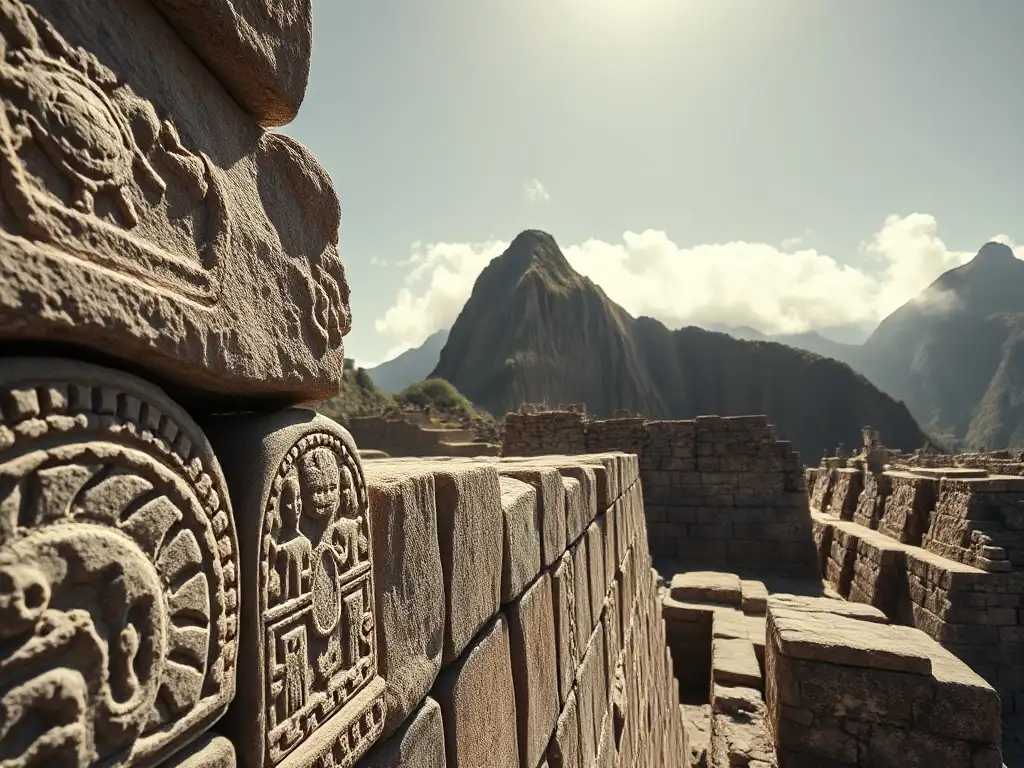
This section delves into specific Andean sites renowned for their impressive megalithic architecture, examining their construction and potential purposes. Understanding these structures is crucial to appreciating the advanced engineering and societal complexities of ancient Andean civilizations. The sheer scale and precision of these "Andean megalithic stone structures" continue to inspire awe and fuel ongoing scholarly debate. We'll explore two key examples: Sacsayhuamán and Ollantaytambo.
Sacsayhuamán: A Fortress or a Ritual Site?
Sacsayhuamán, located near Cusco, Peru, is perhaps the most iconic example of Andean megalithic architecture. Its massive, precisely fitted stones, some weighing over 100 tons, have captivated researchers for centuries. The sheer scale of the project suggests a highly organized society with sophisticated engineering capabilities and a significant labor force. But its exact purpose remains a source of ongoing discussion.
Analyzing the Megalithic Walls and Their Function
The imposing walls of Sacsayhuamán are not merely stacked; they are meticulously crafted, with stones interlocked with remarkable precision. This level of craftsmanship suggests a deep understanding of engineering principles, far beyond simple defensive needs. The walls' zig-zag pattern, while possibly offering defensive advantages, also suggests a symbolic or ritualistic purpose. Some researchers believe the design reflects celestial alignments, linking the site to astronomical observations and Andean cosmology.
Further research into the precise geometry and orientation of the walls is needed to fully understand their function. Detailed analysis of the stone types used, their origin, and transportation methods would further enhance our understanding of the construction process. This level of precision in "Andean megalithic stone structures" is truly remarkable.
Debates on the Purpose of Sacsayhuamán's Construction
The debate surrounding Sacsayhuamán's purpose centers around two main theories: a purely defensive fortress or a site with significant ritualistic importance. The fortress theory points to the walls' strategic location and defensive capabilities. However, the lack of evidence for traditional defensive structures, such as towers or barracks, weakens this argument. The ritualistic theory, supported by the site's astronomical alignments and the presence of potential ceremonial spaces, suggests that Sacsayhuamán may have served as a sacred center, possibly linked to Inca rituals and beliefs.
The intricate stonework itself could be considered a form of monumental art, reflecting the Inca's worldview and power. The discovery of additional artifacts and further archaeological investigations are crucial to resolving this enduring enigma. The weight of evidence may eventually lean towards a combination of both purposes, reflecting the multifaceted nature of ancient Andean societies.
Ollantaytambo: A Terraced Complex with Massive Stone Structures
Ollantaytambo, another significant site in the Sacred Valley of the Incas, showcases a different aspect of Andean megalithic architecture. While featuring impressive stonework, Ollantaytambo is primarily known for its extensive agricultural terraces carved into the mountainside. These terraces, supported by massive stone retaining walls, demonstrate the Inca's mastery of both engineering and agriculture.
The Intricate Stonework and its Potential Uses
The stonework at Ollantaytambo, though not as massive as at Sacsayhuamán, is equally impressive in its precision and intricacy. The stones are expertly fitted together, creating incredibly strong and stable structures. The terraces themselves are a testament to the Inca's ability to adapt their building techniques to the challenging Andean terrain.
The precise placement of the stones, considering drainage and soil stability, reflects a deep understanding of agricultural principles. The complex layout of the terraces and the presence of significant structures within the complex suggest a multifaceted function, possibly serving agricultural, residential, and ceremonial purposes simultaneously. Further study of the agricultural practices employed at Ollantaytambo would provide valuable insights into the Inca's sophisticated agricultural systems.
The Role of Ollantaytambo in Andean Agriculture and Defense
Ollantaytambo's location and design suggest a dual purpose: agricultural production and defense. The terraces provided fertile land for cultivation, crucial for sustaining a large population. The strategically placed structures, combined with the natural defenses of the mountain, offered protection from potential invaders. This combination of agricultural productivity and defensive capabilities highlights the Inca's ability to integrate practical needs with symbolic representations of power and control.
The impressive scale of the project, a testament to the Inca's organizational capabilities and mastery of stonework, solidified their position as master builders and agricultural innovators. The integration of agriculture and defense within the site's design is a key characteristic of "Andean megalithic stone structures" found throughout the region. The Ollantaytambo complex serves as a powerful example of the synergy between human ingenuity and the challenging environment of the Andes.
Tiwanaku: The Gateway of the Sun and Other Megalithic Elements
The Tiwanaku site, located near Lake Titicaca in modern-day Bolivia, stands as a testament to the impressive engineering capabilities of the Tiwanaku culture. This pre-Columbian civilization, flourishing between roughly 300 CE and 1100 CE, left behind a legacy of monumental architecture characterized by the masterful use of megalithic stone structures. Perhaps the most iconic example is the Gateway of the Sun, a monolithic gateway intricately carved with intricate designs depicting various figures and symbols, still debated by scholars today.
Its sheer size and the precision of its craftsmanship are truly awe-inspiring. Beyond the Gateway of the Sun, the site is littered with other massive stone blocks, many weighing several tons, meticulously fitted together without the use of mortar. These stones, often perfectly cut and shaped, form the foundations of temples, platforms, and residential structures, showcasing an advanced understanding of stonework and construction techniques.
The sheer scale of the site, combined with the sophisticated techniques employed, points to a highly organized and technologically advanced society. The construction of these megalithic structures required significant planning, labor, and resource management, reflecting the societal complexity of the Tiwanaku civilization. The very existence of Tiwanaku, with its massive stone structures, challenges our understanding of pre-Columbian Andean societies and their capabilities.
Examining the Precision of Tiwanaku's Stone Carvings
The precision of the stone carvings at Tiwanaku is truly remarkable. Many of the stones are fitted together with such accuracy that even a thin blade cannot be inserted between the joints. This level of precision suggests the use of advanced tools and techniques, far surpassing what many might expect from a pre-Columbian civilization. Scholars have put forward various hypotheses about the tools and methods used, ranging from sophisticated bronze tools to the potential use of stone hammers and chisels.
However, the exact methods remain a subject of ongoing research and debate. The intricate carvings themselves are equally impressive, depicting various figures, including stylized human faces, animals, and geometric patterns. These carvings often incorporate complex symbolism, reflecting the rich cosmology and religious beliefs of the Tiwanaku people.
The detail and artistry involved in creating these carvings are a testament to the skill and dedication of the Tiwanaku artisans. Their work demonstrates a profound understanding of both stone manipulation and artistic expression, further enhancing the enigma surrounding this remarkable civilization and its megalithic legacy. The enduring mystery of how they achieved such precision adds to the fascination surrounding Andean megalithic stone structures.
The Significance of the Megalithic Structures in Tiwanaku's Culture
The megalithic structures at Tiwanaku were not simply impressive feats of engineering; they served crucial roles within the culture and society of the Tiwanaku people. These monumental constructions likely held significant religious and ceremonial importance, acting as centers for rituals and public gatherings. The Gateway of the Sun, for example, may have been used for important ceremonies, possibly related to the sun god or other deities.
The platforms and temples, meanwhile, may have served as locations for ritual sacrifices or other religious practices. The size and scale of these structures may have been intended to impress and inspire awe, reinforcing the power and authority of the ruling elite. Furthermore, the construction of these structures likely mobilized significant manpower, fostering social cohesion and cooperation within the Tiwanaku society.
The ongoing excavation and analysis of Tiwanaku continue to reveal more about the complex interplay between religious beliefs, social organization, and the construction of these impressive megalithic structures. Understanding their significance provides crucial insights into the worldview and societal structures of one of the most important Andean civilizations, enriching our understanding of "Andean megalithic stone structures." The monumental scale of the project itself likely served as a powerful symbol of collective identity and social power.
Challenges and Theories Surrounding Andean Megalithic Constructions
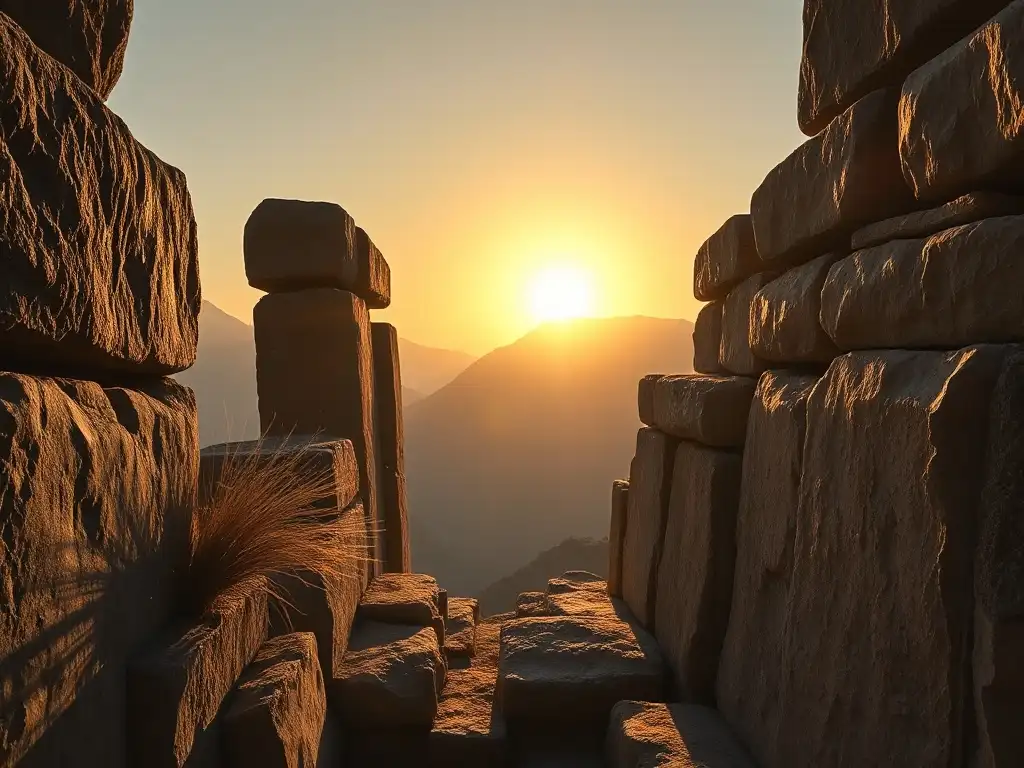
The construction of Andean megalithic stone structures presents a fascinating enigma for modern researchers. These monumental achievements, often characterized by their immense size and precise craftsmanship, raise numerous questions about the engineering prowess, societal organization, and spiritual beliefs of the ancient Andean cultures.
Understanding these structures requires grappling with significant challenges, both in terms of archaeological investigation and the interpretation of limited evidence. The sheer scale of these projects, coupled with the often-rugged terrain where they are located, makes the process of excavation and analysis particularly demanding.
Furthermore, the limited written records left by these civilizations necessitate a reliance on careful observation, comparative analysis, and the integration of diverse disciplines such as archaeology, anthropology, and geology to piece together a comprehensive understanding. The term "Andean megalithic stone structures" itself encompasses a vast range of structures, from the monumental stonework of Sacsayhuamán to the enigmatic lines of Nazca, highlighting the complexity of the subject.
The Mystery of Stone Transportation and Placement
One of the most enduring mysteries surrounding Andean megalithic constructions centers on the logistics of transporting and placing enormous stone blocks. Many of these stones weigh several tons, and some even exceed 100 tons! How did ancient Andean peoples, lacking modern machinery, manage to move these colossal blocks across often challenging landscapes? Several theories exist, including the use of ramps, rollers, levers, and possibly even water-based transport systems in certain locations.
However, the precise methods employed remain largely unknown, and the lack of direct evidence makes it difficult to definitively reconstruct the process. For example, the massive stones used in Sacsayhuamán, perfectly fitted together without the use of mortar, continue to puzzle researchers. The precision of their cuts and the sheer weight of the individual blocks suggest a level of sophisticated engineering and organization far beyond what is often attributed to pre-Columbian societies.
Further research, including detailed analysis of potential pathways and the identification of possible quarries, is crucial to unraveling this aspect of Andean megalithic construction. The precise techniques used, whether involving sophisticated ramps, ingenious leverage systems, or a combination of methods, are still subject to ongoing debate and investigation. The sheer scale of the undertaking, regardless of the exact methods employed, points to a highly organized and technologically advanced society.
Unsolved Questions about the Purpose of Specific Megalithic Features
Beyond the logistical challenges of construction, the purpose of many Andean megalithic features remains a subject of intense speculation. While some structures, such as ceremonial centers, are relatively easy to interpret, others present a greater challenge. The precise function of many individual components within these larger complexes is frequently unclear.
For instance, the intricate carvings found on some stones, the specific arrangement of megaliths within a site, and the presence of associated artifacts all contribute to the complexity of interpretation. Even the seemingly straightforward case of Sacsayhuamán, often interpreted as a fortress, raises questions about its precise military function and its broader role within Inca society. Was it primarily a defensive structure, a ceremonial center, or a combination of both?
Similarly, the purpose of smaller, less prominent megalithic sites scattered across the Andes remains largely unknown. Further research, focusing on detailed archaeological excavation, contextual analysis, and the integration of ethnographic data, is needed to shed light on the intended use of these enigmatic structures. The lack of clear evidence, combined with the potential for multiple interpretations, makes understanding the complete picture a complex and ongoing process.
Alternative Theories and Interpretations of Andean Megalithic Structures
While traditional interpretations often focus on practical considerations such as defense or ritual, alternative theories posit more complex or symbolic purposes for Andean megalithic structures. Some scholars suggest a strong connection between these structures and astronomical observations, proposing that their arrangement reflects a deep understanding of celestial movements and possibly served as sophisticated calendars or observatories. Other hypotheses explore the possibility of symbolic or cosmological meanings, suggesting that the megaliths represent a manifestation of Andean worldview and spiritual beliefs.
These interpretations often draw upon ethnohistorical accounts, iconographic analysis, and a deeper understanding of Andean cosmology. The exploration of these alternative viewpoints is crucial to a comprehensive understanding, adding layers of complexity and nuance to our understanding of Andean culture and their relationship with the landscape.
It’s important to acknowledge that these alternative interpretations are often based on indirect evidence and require a high degree of scholarly inference, but they offer valuable perspectives that enrich our understanding of the broader context of Andean megalithic construction and its significance within their society. The ongoing investigation of Andean megalithic stone structures promises to reveal further insights into the ingenuity, beliefs, and societal organization of these remarkable ancient cultures.
The Legacy of Andean Megalithic Stone Structures
The legacy of Andean megalithic stone structures extends far beyond their impressive physical presence. These monumental constructions, testaments to the ingenuity and organizational capabilities of ancient Andean societies, continue to fascinate and inspire researchers and the public alike. Understanding their creation, purpose, and lasting impact is crucial to appreciating the full scope of Andean architectural achievements.
The sheer scale of these structures, often involving the precise manipulation of massive stone blocks weighing several tons, speaks volumes about the advanced technological understanding and sophisticated social organization present in these cultures. The precise methods employed remain a subject of ongoing debate and research, fueling ongoing fascination with Andean megalithic stone structures.
Understanding the Technological Prowess of Ancient Andean Civilizations
The construction of Andean megalithic structures presents a compelling case study in ancient engineering. Consider, for example, the precision with which stones were cut, transported, and fitted together. In many cases, the joints are so tight that a knife blade cannot be inserted between them.
This level of precision suggests a deep understanding of stoneworking techniques, including quarrying, shaping, and transportation. Evidence suggests the use of various tools, likely including copper and bronze implements, alongside possibly more sophisticated techniques that are yet to be fully understood. The transportation of these massive stones across challenging terrain, often over significant distances, required considerable logistical planning and manpower.
Some theories suggest the use of ramps, rollers, and levers, while others propose the utilization of water-based transport systems. The absence of draft animals further emphasizes the human ingenuity involved. Further research into these techniques, including analysis of tool marks on the stones themselves and the study of ancient quarries, is essential for a comprehensive understanding of the technological prowess of these civilizations and the construction processes involved in creating these impressive Andean megalithic stone structures.
The Enduring Influence of Megalithic Architecture on Later Andean Structures
The influence of megalithic architecture extends beyond its immediate context. The techniques and styles employed in the construction of these monumental structures undoubtedly informed and inspired later Andean building practices. The mastery of stonework demonstrated in early megalithic sites likely laid the groundwork for the sophisticated architecture of later empires, such as the Inca.
While the Inca are renowned for their precise stonework, particularly in their impressive cities like Machu Picchu, the earlier traditions of megalithic construction contributed to the development of their architectural style and techniques. The careful selection of stones, the precision of cuts, and the mastery of fitting stones together without mortar are all hallmarks of both megalithic and later Inca architecture. Analyzing the stylistic and technical connections between these different periods of Andean construction can provide valuable insights into the evolution of architectural practices and the transmission of knowledge across generations.
Identifying specific similarities and differences in stone cutting techniques, the types of stones used, and the overall architectural design between megalithic sites and later Andean structures is crucial for understanding the enduring influence of these early monumental constructions on subsequent Andean architectural developments. This will provide a clearer picture of the evolution of Andean megalithic stone structures and their legacy.
Preserving and Studying Andean Megalithic Sites for Future Generations
Preserving and studying Andean megalithic sites is paramount for understanding the rich history and cultural heritage of the Andes. These sites are not only significant architectural achievements but also invaluable sources of information about ancient Andean societies, their beliefs, and their relationship with their environment. Unfortunately, many of these sites face threats from natural erosion, human activity, and climate change.
Effective preservation strategies are therefore crucial to ensure that these irreplaceable monuments are protected for future generations. This involves not only physical conservation efforts but also the implementation of sustainable tourism practices and community engagement initiatives. Furthermore, ongoing research, including archaeological excavations, technological analysis of the stones and tools, and anthropological studies, is essential for a deeper understanding of these sites and their significance.
By combining careful preservation with rigorous scientific research, we can ensure that the legacy of Andean megalithic stone structures continues to inspire awe and provide valuable insights into the past. This collaborative effort between archaeologists, historians, conservationists, and local communities is crucial for the long-term protection and understanding of these remarkable sites. The future of these sites depends on our collective commitment to their preservation and study.
Frequently Asked Questions
What are Andean megalithic stone structures?
Andean megalithic stone structures are massive stone constructions built by ancient Andean civilizations, such as the Inca, Moche, and others. These structures vary greatly in size, purpose, and design, showcasing impressive engineering skills. They are a key part of the Andean cultural landscape.
Why were these megalithic structures built?
The exact purpose remains a mystery, but theories include ceremonial use, astronomical observation, defensive fortifications, and markers of power and prestige. Further research is needed to fully understand their significance.
Which Andean civilizations built megalithic structures?
While the Inca are often associated with impressive stonework, many other Andean cultures, including the Tiahuanaco and Wari, also constructed significant megalithic structures. The Moche and Nazca civilizations also left behind intriguing examples of large-scale stonework.
What are some examples of Andean megalithic stone structures?
Famous examples include Sacsayhuamán near Cusco (Inca), Puma Punku near Tiwanaku (Tiahuanaco), and various stone circles and platforms found throughout the Andes. Each site presents unique architectural and engineering challenges.
How were these massive stones transported and placed?
The methods used to transport and precisely place these enormous stones remain a subject of debate. Theories involve sophisticated techniques utilizing ramps, rollers, and possibly a deep understanding of leverage and physics. The precise methods are still being researched.
Final Reflection: Echoes of Giants: A Legacy in Stone
The enduring mystery of Andean megalithic stone structures resonates powerfully today, reminding us of the ingenuity and spiritual depth of past civilizations. These monumental achievements, crafted with tools we barely understand, challenge our assumptions about ancient societies and their capabilities, forcing us to reconsider our own place within the grand narrative of human history. Their very existence speaks volumes about the power of collective human endeavor and the enduring strength of cultural belief.
The impact of these structures extends far beyond their physical presence; they continue to shape our understanding of Andean cultures, influencing archaeological research, inspiring artistic expression, and fueling ongoing debates about their purpose. Their enigmatic nature sparks our imagination, prompting us to question our own motivations and the legacy we will leave behind. The past is never dead. It's not even past.
- William Faulkner. This quote perfectly encapsulates the enduring relevance of these ancient sites, their stories whispering across millennia, demanding to be heard and understood.
Consider the sheer scale of these achievements, the dedication and collaborative spirit required to move and shape such massive stones. What can we learn from this dedication? What can we achieve if we harness a similar collective will and purpose? You, the reader, hold the power to carry forward the legacy of these giants. Reflect on the ingenuity, perseverance, and spiritual depth embodied in these structures. Let their silent strength inspire you to pursue your own ambitious goals, to build your own monuments, however small, to leave your own mark on the world.
Unveil the Mysteries of the Megaliths!
Thank you for exploring the fascinating world of megaliths with us! We hope you've gained new insights into these ancient wonders and their significance. Now, let's delve even deeper into this rich history.
Here are some ways to continue your exploration:
- Visit a local museum or historical society to learn more about ancient civilizations and their monumental structures. Seeing these artifacts firsthand can significantly enhance your understanding and appreciation.
- Share your newfound knowledge of megaliths with friends and family—spark a conversation and inspire others to explore history!
- Join an online community or forum dedicated to archaeology. Engaging with others who share your interest provides a great opportunity to ask questions, share discoveries, and learn from experts.
What megalithic site or story most captivated you, and why do you think it held such a powerful appeal?