
The Language of Stone: Interpreting the Purpose of Carved Blocks in Andean Structures

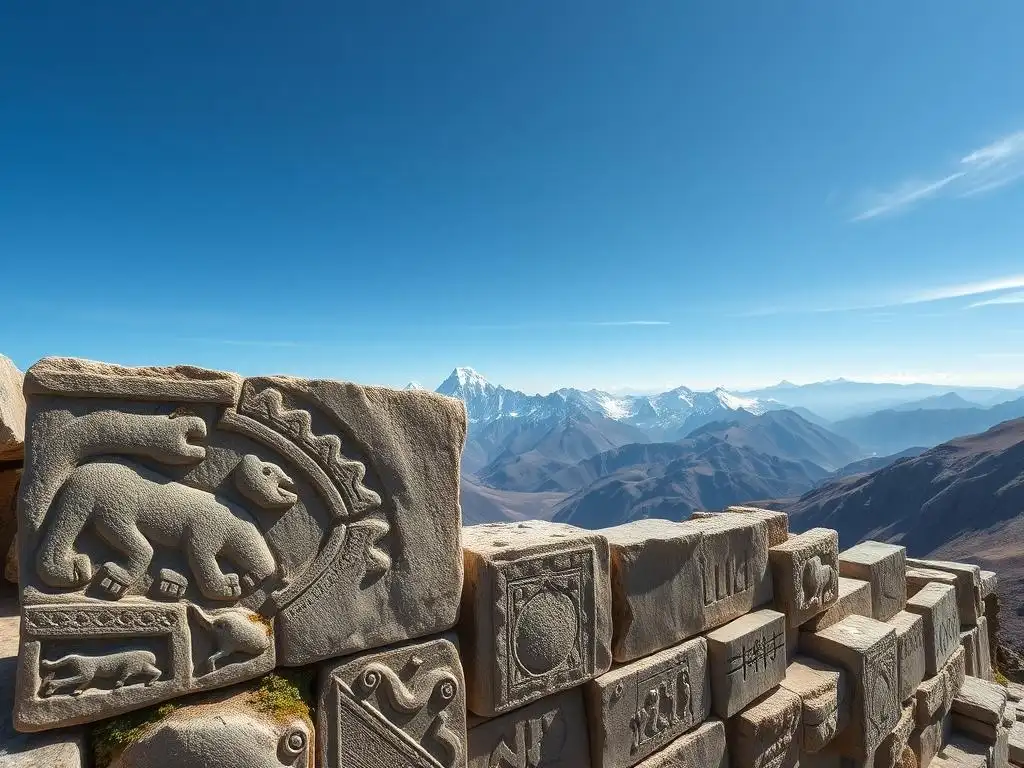
Unravel the mysteries of the Andes! Journey back in time to a world of breathtaking artistry and ingenious engineering. For centuries, the towering structures of the Andean civilizations have whispered secrets, and their intricately carved stone blocks hold the key. Prepare to delve into the fascinating world of "Andean carved stone blocks meaning"—discover the hidden language etched in stone and unlock the purpose behind these monumental achievements. What stories do these ancient artifacts tell? Explore further to find out.
The imposing structures of the Andean civilizations, from the breathtaking Machu Picchu to the enigmatic Nazca Lines, stand as testaments to remarkable engineering prowess and a deep understanding of their environment. But beyond the sheer scale and precision of these constructions lies a fascinating layer of symbolic communication: the intricately carved stone blocks that form their very foundations.
This article delves into the world of Andean carved stone blocks, exploring their purpose, meaning, and the techniques employed in their creation. We will examine various examples across different Andean cultures, uncovering the stories etched into the stone and revealing the sophisticated knowledge systems that shaped these monumental achievements.
Understanding the “language of stone” provides invaluable insight into the beliefs, social structures, and technological capabilities of these ancient societies, offering a richer appreciation for the enduring legacy of Andean architecture and engineering. This exploration of "Andean carved stone blocks meaning" will illuminate the cultural significance embedded within these seemingly simple building blocks.
Introduction to Andean Stone Carving and its Significance
Andean stone carving wasn't merely a practical construction technique; it was a deeply symbolic art form interwoven with religious beliefs and social structures. The precision and artistry involved in shaping these massive blocks demonstrate a high level of technological skill and planning. Carvings weren't randomly placed; they often featured intricate designs, zoomorphic and anthropomorphic figures, and geometric patterns, each carrying specific cultural and religious meaning. For example, the use of specific animals or deities in carvings could indicate the social status of the building's occupants or the purpose of the structure itself.
The meticulous craftsmanship also suggests a highly organized workforce, capable of coordinating complex tasks and maintaining consistent standards of quality across vast projects. Analysis of these carvings provides crucial clues to understanding Andean cosmology, social hierarchy, and ritual practices. The precision of the cuts and the placement of blocks within the larger structure often reveal a deeper understanding of astronomical alignments and symbolic representations of the Andean worldview.
The intricate details, often only visible upon close inspection, point to a level of artistic expression that transcends purely functional considerations. Furthermore, the durability of the stone itself, chosen for its strength and resistance to weathering, reflects the Andean people's commitment to creating enduring monuments to their culture and beliefs. The study of these carvings offers a unique window into the minds and societies that created them, enriching our understanding of Andean civilization beyond the purely architectural.
Understanding the Materials: Types of Stone Used in Andean Construction
The Andean region boasts a diverse range of stones, each with unique properties that influenced the selection process for construction. The choice of stone wasn't arbitrary; it was dictated by factors such as availability, durability, workability, and even symbolic significance. Commonly used stones included andesite, basalt, granite, and limestone, each offering different advantages. Andesite, for instance, known for its strength and resistance to weathering, was a preferred material for large-scale structures like temples and palaces.
Basalt, with its dark color and fine grain, was also frequently utilized, while granite and limestone, although less common in some regions, were employed where readily available. The selection process also considered the specific needs of the project; for intricate carvings, a stone with a finer grain and easier workability might have been preferred. The transportation of these massive blocks across challenging terrains also influenced the choice of material; lighter stones, while perhaps less durable, might have been preferred for longer distances.
The precise methods of quarrying, transporting, and shaping these stones, often weighing many tons, remain subjects of ongoing research, highlighting the advanced engineering knowledge of these ancient cultures. Further research is needed to fully understand the regional variations in stone selection and their implications for our understanding of Andean construction techniques and cultural practices. The interplay between material properties and cultural significance offers a compelling avenue for further investigation into the "Andean carved stone blocks meaning".
Andean Carved Stone Blocks Meaning: Decoding the Intentions
The meticulous craftsmanship evident in Andean carved stone blocks reveals much more than simple artistry. Understanding the meaning behind these carvings requires a multi-faceted approach, considering both the symbolic and functional aspects. Scholars often debate the precise intentions of the creators, but several key themes consistently emerge.
The placement of the blocks within a structure, the specific motifs carved, and the overall context of the site all contribute to deciphering their intended message. For example, the repetition of certain motifs, such as stylized animals or geometric patterns, might indicate a connection to specific deities, cosmological beliefs, or social structures. The size and prominence of the carved blocks themselves could also suggest a hierarchical organization within the society, with larger, more elaborately carved blocks signifying greater importance or power.
Further research into the materials used and the techniques employed in the carving process can also shed light on the cultural and technological context surrounding their creation. The study of Andean carved stone blocks is an ongoing process, with new discoveries constantly enriching our understanding of their significance. The careful analysis of these intricate carvings offers a fascinating glimpse into the rich symbolic world of the Andean civilizations.
Symbolic Representations in Andean Stone Carvings
Andean stone carvings frequently feature symbolic representations of animals, deities, and cosmological elements. For instance, the recurring motif of the condor, a powerful bird revered in Andean mythology, often appears in stone carvings, possibly representing the connection between the earthly and spiritual realms. Similarly, representations of snakes and jaguars, powerful animals associated with the underworld and fertility, frequently appear, suggesting a complex interplay of beliefs and practices.
Geometric patterns, such as spirals and stepped frets, are also common, potentially representing cosmological cycles or abstract concepts of creation and order. The interpretation of these symbols often relies on a comparative analysis of different sites and artifacts, as well as an understanding of the broader cultural context in which they were created.
The meaning of these symbols was likely multifaceted, capable of conveying different meanings depending on the context and the observer's understanding. Further research is needed to fully understand the nuances of these symbolic representations, but existing scholarship already reveals a rich tapestry of beliefs and practices reflected in Andean stone carvings.
Functional Uses of Carved Blocks: Beyond Decoration
While the symbolic aspects of Andean carved stone blocks are captivating, it's crucial to recognize their functional roles within the structures themselves. These blocks weren't merely decorative elements; they served essential structural purposes, contributing to the stability and longevity of the buildings. Their precise placement within walls, their interlocking designs, and their ability to withstand seismic activity all point to a sophisticated understanding of engineering and construction.
The carvings themselves might have served as a means of reinforcing the blocks, creating stronger bonds between individual stones. Moreover, the size and shape of the carved blocks could have been dictated by functional needs, with certain shapes being more suitable for particular structural elements. In some cases, the carvings might have served practical purposes, such as providing handholds or anchoring points for other building materials.
By examining the relationship between the carved blocks and the overall structure, we gain a fuller understanding of their significance beyond purely aesthetic considerations. The interplay between function and symbolism is a key aspect of interpreting the purpose of these remarkable artifacts.
Case Studies: Analyzing Specific Examples of Carved Blocks
Examining specific examples of carved stone blocks across different Andean cultures offers valuable insights into their meaning and purpose. By comparing and contrasting these examples, we can identify common themes and regional variations, enriching our understanding of Andean artistic and engineering practices. The meticulous craftsmanship and the symbolic richness of these carvings highlight the sophistication of Andean civilizations.
Carved Stones in Inca Architecture: Machu Picchu
Machu Picchu's iconic stonework showcases the Inca mastery of precise stone fitting. While many blocks are relatively plain, some feature intricate carvings, often incorporated seamlessly into the structures. These carvings, though less prevalent than in some other Andean sites, likely held symbolic significance related to Inca cosmology and beliefs. The precise nature of these meanings remains a subject of ongoing research, but the exceptional craftsmanship itself speaks volumes about Inca engineering prowess and their deep connection to the landscape.
The way the stones fit together without mortar, their precise angles, and the occasional carved detail all contribute to the overall effect of a perfectly integrated structure. The careful planning and execution of the construction demonstrate the high level of skill and organization within Inca society. Further study of the carvings at Machu Picchu could unlock more information about Inca beliefs and practices.
Tiahuanaco Carved Stones: Puma Punku and Their Significance
Puma Punku, part of the larger Tiahuanaco site, features some of the most enigmatic carved stone blocks in the Andes. The massive size and precise cuts of these blocks, along with their intricate designs, have sparked considerable debate among researchers. Some carvings depict stylized figures and geometric patterns, while others seem to be purely functional, serving as structural components.
The sheer scale of the stones and the precision of their construction suggest an advanced understanding of engineering and a highly organized society capable of undertaking monumental projects. The meaning of the carvings themselves remains a subject of ongoing discussion, with various interpretations offered based on different theoretical frameworks. The lack of clear contextual information makes definitive conclusions challenging, but the sheer scale and precision of the work at Puma Punku continue to intrigue and inspire researchers today.
Moche Carvings in Stone: Huaca de la Luna and Their Purpose
The Moche culture, known for its elaborate pottery and sophisticated irrigation systems, also left behind impressive examples of carved stone blocks, particularly at sites like Huaca de la Luna. These carvings often depict ritual scenes, mythological figures, and stylized representations of animals, reflecting the Moche worldview and religious practices. The vividness and detail of these carvings, combined with their strategic placement within the structures, suggest a connection to religious rituals and ceremonies.
The carvings might have served to reinforce the sacred nature of the site, or to depict specific mythological narratives. Further research into the iconography of Moche stone carvings could provide additional insights into their beliefs, social structures, and ritual practices. Their meticulous craftsmanship and expressive nature highlight the artistic and technical sophistication of the Moche civilization.
The Role of Andean Carved Stone in Religious and Ritual Contexts
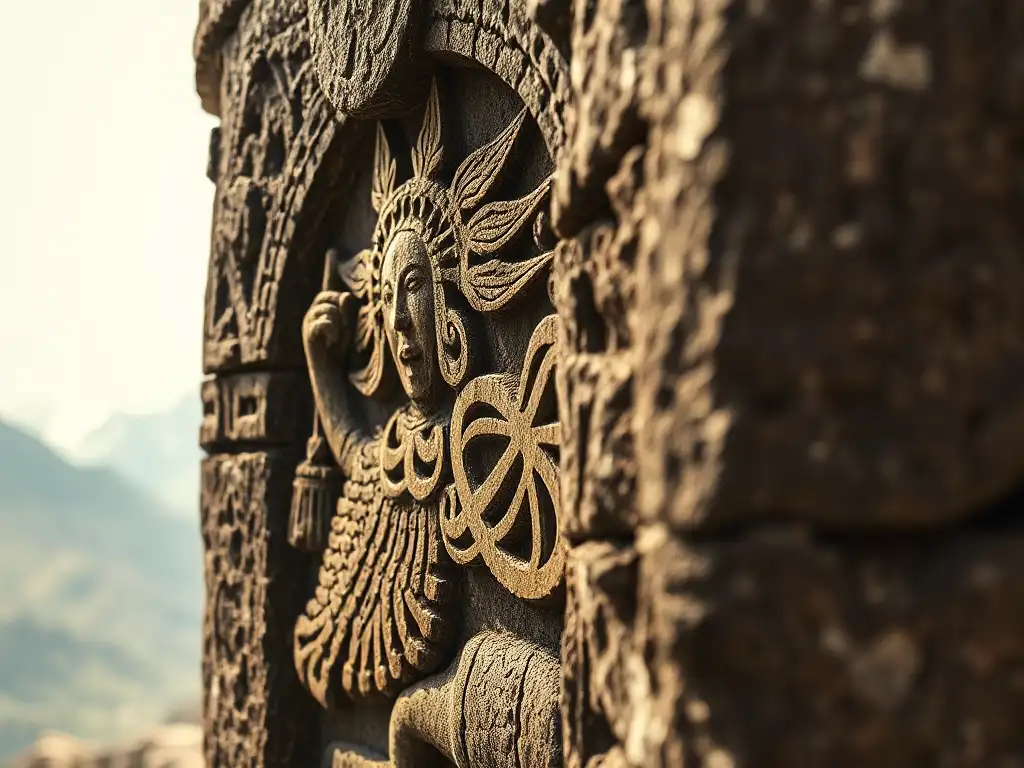
Andean carved stone blocks played a crucial role in religious and ritual contexts across various civilizations. The meticulous craftsmanship and symbolic imagery found in these blocks suggest a deep connection between the physical structures and the spiritual beliefs of the people who built them. Many sites, such as the monumental structures at Ollantaytambo and Sacsayhuamán, showcase elaborate stonework that likely served not merely as structural elements but as integral parts of sacred landscapes.
The very act of creating and placing these massive, precisely-cut blocks was likely a ritual in itself, imbued with spiritual significance. The sheer effort involved – the quarrying, transport, and precise placement – suggests a level of community involvement and shared belief that transcended mere practical construction. The enduring presence of these stones speaks to the enduring power of the beliefs they represent.
Carved Blocks as Part of Sacred Spaces
The integration of carved blocks into sacred spaces further emphasizes their religious importance. In many Andean sites, carved blocks were not randomly placed; they were deliberately incorporated into the architecture, often in prominent positions within temples, palaces, or ceremonial plazas. For instance, the intricate carvings found on blocks within the Temple of the Sun in Cusco likely served to reinforce the sacred nature of the space and to visually communicate religious narratives or cosmological beliefs.
The placement of specific carvings in relation to other architectural elements suggests a carefully planned spatial arrangement, reflecting a sophisticated understanding of sacred geometry and ritual practice. Further research is needed to fully understand the specific spatial relationships and their symbolic meanings. [Specific information pending on the precise spatial arrangements in various sites].
Interpreting the Iconography of Religious Carvings
Interpreting the iconography of Andean religious carvings requires careful consideration of various factors. The imagery often includes stylized representations of deities, animals, plants, and astronomical symbols. These motifs were not randomly chosen; they were carefully selected to convey specific meanings related to the Andean worldview. For example, the frequent depiction of jaguars and condors might symbolize power, strength, and connection to the spirit world.
Similarly, depictions of agricultural symbols could reflect the importance of agriculture in Andean society and the connection between the human world and the natural world. However, the precise meanings of many symbols remain debated among scholars, highlighting the ongoing need for interdisciplinary research combining archaeological findings with anthropological and linguistic perspectives. The challenge lies in deciphering the intricate visual language of these carvings and understanding their context within the broader Andean belief system.
Construction Techniques and the Placement of Carved Blocks
The placement of carved stone blocks wasn't simply a matter of aesthetics; it was intricately linked to the sophisticated construction techniques employed by Andean builders. The precision and skill involved in quarrying, shaping, and fitting these massive stones is truly remarkable. Their careful integration into complex architectural designs speaks to a deep understanding of engineering principles, demonstrating a mastery of stonework that remains impressive even today. The techniques used varied across different Andean cultures, but the overall level of precision and sophistication was consistently high, showcasing a remarkable ability to manipulate and utilize stone.
The Precision of Andean Stone Masonry
The precision of Andean stone masonry is legendary. The incredibly tight fit of many blocks, often without the use of mortar, is a testament to the builders' skill and understanding of geometry. In some cases, the stones fit together so seamlessly that a knife blade cannot be inserted between them. This level of precision requires not only advanced tools but also a deep understanding of stone properties and construction techniques.
The ability to quarry, shape, and transport these massive blocks, often over considerable distances, is a remarkable feat of engineering. Understanding the tools and techniques used remains an area of active research, with ongoing discoveries shedding light on the innovative methods employed by Andean builders. [Further research is needed to fully document the range of tools and techniques across different Andean cultures].
How Carved Blocks Were Integrated into Walls and Structures
The integration of carved blocks into walls and structures showcases the builders' ingenuity and artistic vision. The blocks were not simply added as decorative elements; they were carefully incorporated into the overall design, often serving both structural and symbolic purposes. For example, some blocks might have been strategically placed to reinforce key structural elements, while others served as focal points within the architectural design, drawing attention to specific areas or features.
The way in which the carved blocks were arranged and integrated into the walls and structures reveals a sophisticated understanding of architectural principles and a masterful ability to combine aesthetics with functionality. The interplay between structural integrity and symbolic representation highlights the holistic approach to design characteristic of Andean architecture. Analyzing the placement of carved blocks within different structures can provide valuable insights into the social and religious organization of Andean societies.
The Legacy of Andean Stone Carving: Influence and Modern Interpretations
The legacy of Andean stone carving extends far beyond the impressive ruins that still stand today. The precision, artistry, and sheer scale of these works continue to inspire awe and wonder, influencing artists, architects, and engineers even in the modern era. The intricate carvings, often depicting deities, animals, and symbolic motifs, offer a tangible connection to the beliefs and worldview of these ancient societies.
Studying these carvings provides invaluable insights into their social structures, religious practices, and daily life. The techniques employed—from the careful selection of stone to the masterful execution of intricate designs—represent a level of skill and understanding that remains remarkable. The enduring appeal of Andean stone carving is evident in its continued influence on contemporary art and design.
Many modern artists draw inspiration from the bold geometric patterns and symbolic imagery found in these ancient works, reinterpreting them in new and innovative ways. The legacy of these skilled artisans continues to resonate, prompting further research and preservation efforts.
Preservation Efforts and the Importance of Understanding Andean Stone Art
The preservation of Andean stone carvings is paramount to understanding and appreciating the rich history and culture of these civilizations. Many sites face the constant threat of erosion, looting, and environmental damage. Ongoing efforts by archaeologists, conservators, and government agencies are crucial in mitigating these threats.
These preservation efforts involve meticulous documentation, careful restoration techniques, and the implementation of protective measures to safeguard these invaluable artifacts. A comprehensive understanding of the materials used, the carving techniques employed, and the environmental factors affecting the stones is essential for effective preservation strategies. Furthermore, understanding the meaning and context of these carvings is crucial for their preservation.
By deciphering the symbolic language embedded in the stones, we gain a deeper appreciation for the cultural significance of these works, making their preservation even more meaningful. Without this understanding, the carvings risk becoming mere objects, losing their rich historical and cultural context. Therefore, continued research and collaborative efforts are vital to ensure that future generations can appreciate and learn from these remarkable achievements of Andean craftsmanship.
Modern Applications of Andean Stone Carving Techniques
The meticulous techniques employed by Andean artisans continue to fascinate and inspire modern practitioners. While the scale and complexity of their projects might be unmatched, the underlying principles of stone selection, shaping, and carving remain relevant. Modern stonemasons and sculptors often study Andean techniques to improve their own skills and understanding of stonework.
The precision and durability of Andean stone structures serve as a testament to the effectiveness of their methods, offering valuable lessons for contemporary construction practices. Furthermore, the artistry and symbolic power of Andean carvings continue to inform contemporary art and design, influencing everything from architectural elements to jewelry and textile patterns.
The study of Andean techniques provides a wealth of knowledge for conservation efforts, allowing for more effective restoration and preservation of existing structures. This knowledge transfer also allows for the creation of new works informed by ancient traditions, showcasing both the enduring legacy of Andean stone carving and the ingenuity of modern artisans.
Conclusion: The Enduring Message of Carved Stones in the Andes
The carved stone blocks of the Andes are more than just remnants of ancient civilizations; they are powerful testaments to human ingenuity, spiritual beliefs, and artistic expression. Their enduring presence speaks volumes about the advanced knowledge and sophisticated societies that created them. The meticulous craftsmanship, the intricate designs, and the profound symbolic meaning embedded within these stones offer a unique window into the past.
Through continued research, careful preservation, and a deeper understanding of their cultural significance, we can ensure that the message conveyed by these carved stones continues to resonate for generations to come. The legacy of Andean stone carving serves as a constant reminder of the remarkable achievements of these ancient cultures and their lasting impact on the world.
The study of "Andean carved stone blocks meaning" continues to unveil new layers of understanding, enriching our appreciation for these remarkable works of art and engineering. The enduring power of these stones lies not only in their physical presence but also in their capacity to connect us to the rich tapestry of Andean history and culture.
- Introduction to Andean Stone Carving and its Significance
- Understanding the Materials: Types of Stone Used in Andean Construction
- Andean Carved Stone Blocks Meaning: Decoding the Intentions
- Case Studies: Analyzing Specific Examples of Carved Blocks
- The Role of Andean Carved Stone in Religious and Ritual Contexts
- Construction Techniques and the Placement of Carved Blocks
- The Legacy of Andean Stone Carving: Influence and Modern Interpretations
- Conclusion: The Enduring Message of Carved Stones in the Andes
- What is the significance of carved stone blocks in Andean civilizations?
- Why were such massive and precisely carved blocks used in Andean constructions?
- What specific meanings are associated with common motifs found in Andean carved stone blocks?
- How did Andean civilizations achieve such precision in carving and fitting these massive blocks?
- Where can I find more examples of these intricately carved Andean stone blocks?
Frequently Asked Questions
What is the significance of carved stone blocks in Andean civilizations?
Carved stone blocks were not merely building materials; they held symbolic and ritualistic meaning. They often featured complex iconography representing deities, animals, and celestial events, reflecting the Andean worldview. Their precise placement within structures further enhanced their significance.
Why were such massive and precisely carved blocks used in Andean constructions?
The use of massive, precisely fitted blocks demonstrated the advanced engineering and societal organization of Andean cultures. These blocks showcased their mastery of stonework and symbolized power, stability, and the connection between the earthly and spiritual realms.
What specific meanings are associated with common motifs found in Andean carved stone blocks?
Common motifs, such as condor, puma, and snake imagery, represented powerful deities and forces of nature. Geometric patterns likely encoded calendar systems or astronomical knowledge. The interpretation is often contextual, varying based on the specific site and block.
How did Andean civilizations achieve such precision in carving and fitting these massive blocks?
The techniques employed remain partially mysterious, but evidence suggests the use of sophisticated tools, precise measurements, and a deep understanding of engineering principles. Highly skilled labor forces and possibly advanced technologies played crucial roles.
Where can I find more examples of these intricately carved Andean stone blocks?
Many examples can be found at major archaeological sites, including Machu Picchu, Sacsayhuamán, and Ollantaytambo (Inca), and sites belonging to the Moche, Nazca, and Tiwanaku cultures. Museums around the world also house significant collections of these artifacts.
Final Reflection: Echoes in Stone, Whispers in Time
The meticulous craftsmanship evident in Andean carved stone blocks isn't merely a testament to a bygone era; it's a powerful reminder of the enduring human capacity for complex communication and societal organization. These aren't just rocks; they are carefully chosen, precisely cut, and deliberately placed components of a sophisticated system, a language written in stone that continues to challenge and inspire us today. The precision and scale of these structures speak volumes about the advanced knowledge and collaborative spirit of Andean civilizations.
The enduring mystery surrounding the precise purpose of many of these carvings continues to fuel scholarly debate and fascinates the public imagination. Their impact resonates far beyond the archaeological sites themselves; they've become potent symbols of cultural heritage, resilience, and the enduring power of human ingenuity. The past is never dead. It's not even past,
wrote William Faulkner, and this rings profoundly true when considering the ongoing influence of these ancient structures on our understanding of history and ourselves. Their presence compels us to consider the legacies we leave behind and the stories we choose to tell through our actions.
Consider the intricate details, the sheer scale of the undertaking, the enduring mystery of their creation. What can you learn from the dedication and collaborative spirit of those who built these structures? What message do you want to leave behind? Let the language of stone inspire you to build your own legacy, to create something meaningful and lasting, something that will echo through time, just as these ancient blocks continue to do.
Unveil the Stories Behind Andean Stone Carvings!
Thank you for exploring the fascinating world of Andean stone carvings. You've gained valuable insights into how these intricate works communicate the history and beliefs of a remarkable ancient civilization. Now, let's delve deeper into this rich heritage!
Here are some ways you can continue your exploration:
- **Visit a Museum or Online Exhibition:** See similar carvings firsthand at your local museum or explore online exhibitions dedicated to Andean civilizations.
- **Share Your Discoveries:** Discuss what you've learned with friends, family, or online communities. Use hashtags like #AndeanCivilizations or #AncientStoneCarvings to connect with other enthusiasts.
- **Create Your Own Inspired Art:** Let the Andean designs inspire you! Try your hand at carving or sketching, creating a piece that reflects your own interpretation of this ancient art.
What aspect of Andean stone carvings captivates you most, and how would you like to learn more about it?