
The Role of Stone in Andean Irrigation Infrastructure: A Timeless Material

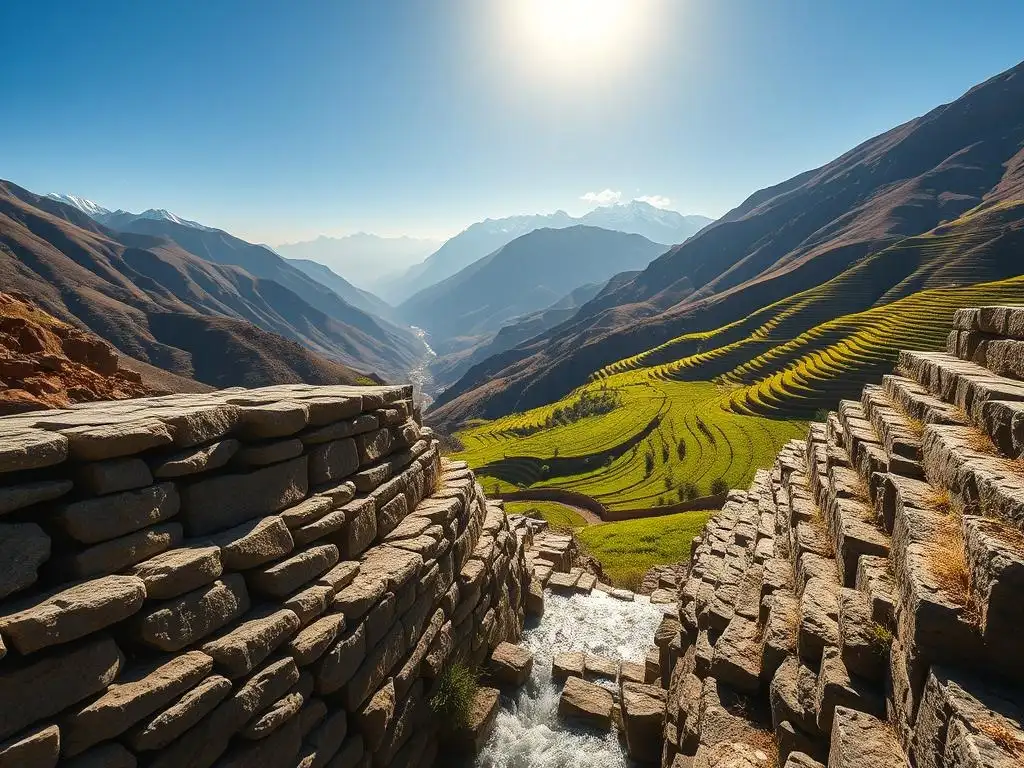
Welcome, explorer! Prepare to be captivated by the ingenuity of the ancient Andes. For centuries, these civilizations mastered their environment, leaving behind a legacy of breathtaking artistry and remarkable engineering. But did you know the secret to their agricultural success lay in their mastery of stone? Journey with us into the fascinating world of Andean stone irrigation systems, a testament to their unparalleled skill and understanding of the landscape. Discover how these intricate networks shaped their societies and continue to inspire wonder today. Unravel the mysteries…
- Andean Stone Irrigation Systems: A Legacy of Ingenuity
- Stone as a Core Material in Ancient Andean Water Management
- Construction Techniques of Stone Irrigation Canals
- Diverse Applications of Stone in Andean Irrigation
- Regional Variations in Andean Stone Irrigation
- The Enduring Impact of Andean Stone Irrigation
- The Future of Andean Stone Irrigation Knowledge
-
Frequently Asked Questions
- What role did stone play in Andean irrigation systems?
- Why was stone preferred over other materials for irrigation?
- What are some examples of Andean stone irrigation structures?
- How did the Andean civilizations utilize stone in different aspects of irrigation?
- What is the significance of Andean stone irrigation systems today?
- Final Reflection: The Enduring Legacy of Andean Stone
- Unveil the Timeless Wisdom of Andean Irrigation!
Andean Stone Irrigation Systems: A Legacy of Ingenuity
The ingenuity of the Andean civilizations is profoundly reflected in their mastery of water management, particularly their sophisticated irrigation systems. These weren't simply channels carved into the earth; they were complex networks of canals, aqueducts, and reservoirs, meticulously constructed using readily available materials, primarily stone.
This article delves into the crucial role of stone in the construction and enduring success of these Andean irrigation systems, highlighting the engineering prowess and resourcefulness of cultures like the Inca, Nazca, and Tiahuanaco. We will explore the reasons behind the choice of stone, the techniques employed, and the lasting impact of these remarkable feats of engineering on the Andean landscape and its people.
Understanding these systems provides invaluable insight into the advanced technological capabilities and societal organization of these ancient civilizations, showcasing their deep connection with and respect for their environment. The enduring legacy of these Andean stone irrigation systems serves as a testament to human adaptability and ingenuity in the face of challenging geographical conditions.
The Significance of Stone in Andean Engineering
The use of stone in Andean engineering wasn't merely a matter of convenience; it was a strategic choice driven by several factors. The abundance of readily accessible stone throughout the Andes provided a plentiful and durable building material. Stone's inherent strength and resistance to weathering ensured the longevity of irrigation infrastructure, crucial in a region characterized by significant variations in climate and terrain.
Furthermore, the ability to shape and fit stones precisely allowed for the creation of intricate and precisely-engineered water channels capable of withstanding the pressures of water flow and the erosive forces of time. Different types of stone were selected based on their specific properties – some were better suited for canal lining, while others were ideal for constructing retaining walls and supporting structures. This careful selection and precise placement demonstrate a profound understanding of material science and engineering principles far exceeding what was previously assumed for these ancient cultures.
The precision of the stonework is often breathtaking, with stones fitting together so seamlessly that mortar was often unnecessary. This mastery of stonework is evident not only in irrigation systems but also in their monumental architecture, further emphasizing the importance of this material in Andean civilization.
Understanding Andean Irrigation Needs
The Andean environment presented unique challenges for agriculture. The high altitude, steep slopes, and uneven rainfall distribution necessitated sophisticated irrigation systems to ensure successful crop cultivation. The aridity of certain regions, coupled with the need to cultivate crops at varying altitudes, demanded a flexible and adaptable approach to water management. Andean irrigation systems weren't simply linear canals; they incorporated a complex network of features designed to address these challenges.
This included reservoirs to store water during periods of abundance for use during dry spells, canals carefully graded to manage water flow across varying terrains, and sophisticated diversion structures to direct water to different fields as needed. The integration of stone into these systems was vital for their effectiveness and long-term sustainability. For example, the use of stone in canal lining prevented erosion and water loss, while stone retaining walls helped to stabilize channels on steep slopes.
The design and construction of these systems reflect a deep understanding of hydrology and a practical approach to water resource management that remains relevant even today. The careful planning and execution of these projects underscore the advanced societal organization and collaborative effort required for their successful implementation. Further research is needed to fully quantify the scale and impact of these systems, but preliminary studies suggest their profound importance in supporting the population and economic prosperity of the Andean civilizations.
Stone as a Core Material in Ancient Andean Water Management
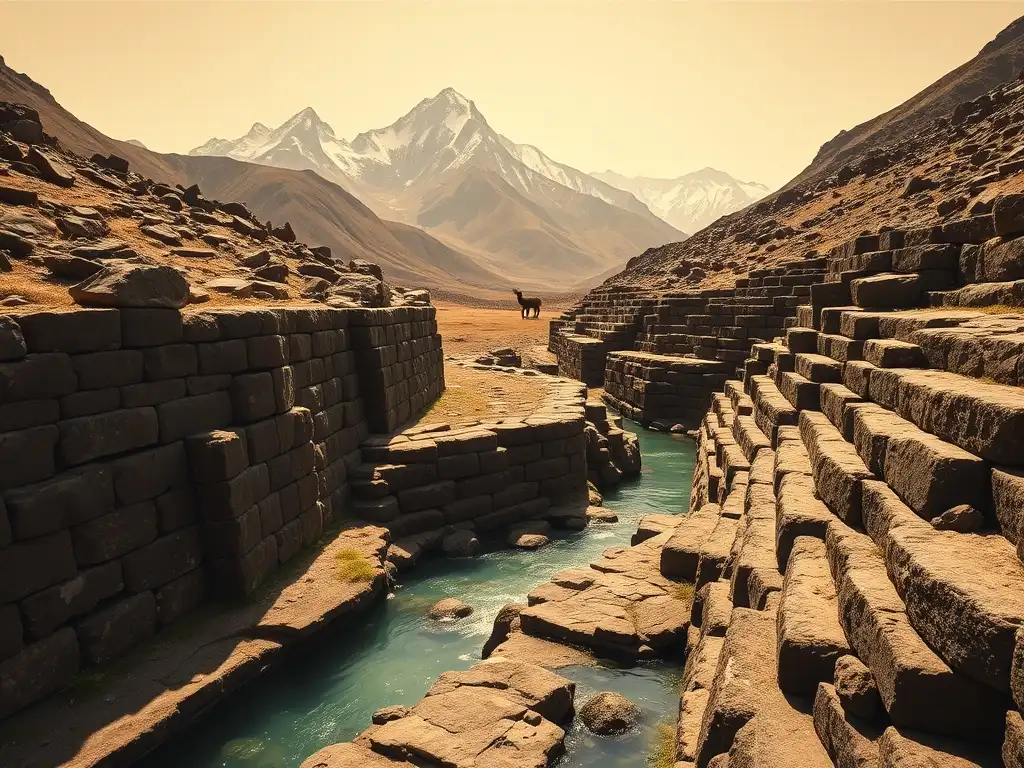
The ingenuity of Andean civilizations in harnessing water resources is legendary, and stone played a pivotal role in their sophisticated irrigation infrastructure. From the intricate canal systems of the Nazca to the monumental waterworks of the Inca, the use of stone wasn't merely a matter of convenience; it was a strategic choice reflecting a deep understanding of material properties, environmental sustainability, and engineering principles. This section explores the crucial role of stone in the development of Andean irrigation systems, highlighting its unique contributions to the success of these remarkable feats of ancient engineering.
Understanding the selection and application of stone provides valuable insight into the technological prowess and resource management strategies of these ancient societies, solidifying their place in the history of hydraulic engineering. The prevalence of "Andean stone irrigation systems" is a testament to the enduring legacy of these civilizations.
Properties of Stone Ideal for Irrigation
The Andean region boasts a diverse range of stones, each with specific properties that made them suitable for different aspects of irrigation infrastructure. The choice of stone wasn't arbitrary; builders carefully selected materials based on their durability, workability, and resistance to erosion.
Several key properties made certain stones particularly well-suited for irrigation projects:
- Durability: Many Andean stones, such as granite and andesite, possess exceptional durability, capable of withstanding the constant exposure to water and the erosive forces of flowing streams. This longevity ensured the long-term functionality of canals and aqueducts, minimizing the need for frequent repairs. This inherent durability contributed significantly to the longevity of these "Andean stone irrigation systems."
- Water Resistance: The chosen stones exhibited low porosity, minimizing water absorption and preventing structural damage from freeze-thaw cycles common in high-altitude regions. This resistance to water damage was crucial for maintaining the integrity of the irrigation systems over extended periods.
- Workability: While durable, many suitable stones were also relatively easy to shape and carve using the tools available to Andean artisans. This facilitated the construction of precisely fitted channels, intricate aqueducts, and durable retaining walls. The ability to precisely shape the stone allowed for the creation of complex and efficient water management systems.
- Strength and Stability: The chosen stones provided the necessary strength and stability to support the weight of water and withstand pressure from the flow. This was particularly crucial in constructing elevated canals and aqueducts that traversed uneven terrain. The strength of the stone directly impacted the reliability of the "Andean stone irrigation systems."
Local Availability and Sustainability of Stone in Andean Regions
The widespread use of stone in Andean irrigation systems was also driven by its readily available supply. Quarries were often located near construction sites, minimizing transportation costs and efforts. This local sourcing fostered a sustainable approach to construction, reducing the environmental impact of resource extraction and transportation.
The sustainability of stone as a building material is further emphasized by its longevity. Unlike organic materials prone to decay, stone structures endured for centuries, minimizing the need for frequent replacement and reducing the long-term environmental burden. This contrasts sharply with more perishable materials, highlighting the environmentally conscious approach embedded within the design of these "Andean stone irrigation systems."
The strategic selection of locally sourced stone not only reduced construction costs and time but also minimized the ecological footprint of these impressive engineering projects. This sustainable approach to resource management is a testament to the wisdom and foresight of the Andean civilizations. Further research into specific stone types used in different regions and the techniques employed in their extraction and processing is needed to fully understand the scope of their sustainable practices. Detailed studies of quarry sites and the tools used would enhance our understanding of these sustainable "Andean stone irrigation systems."
Construction Techniques of Stone Irrigation Canals
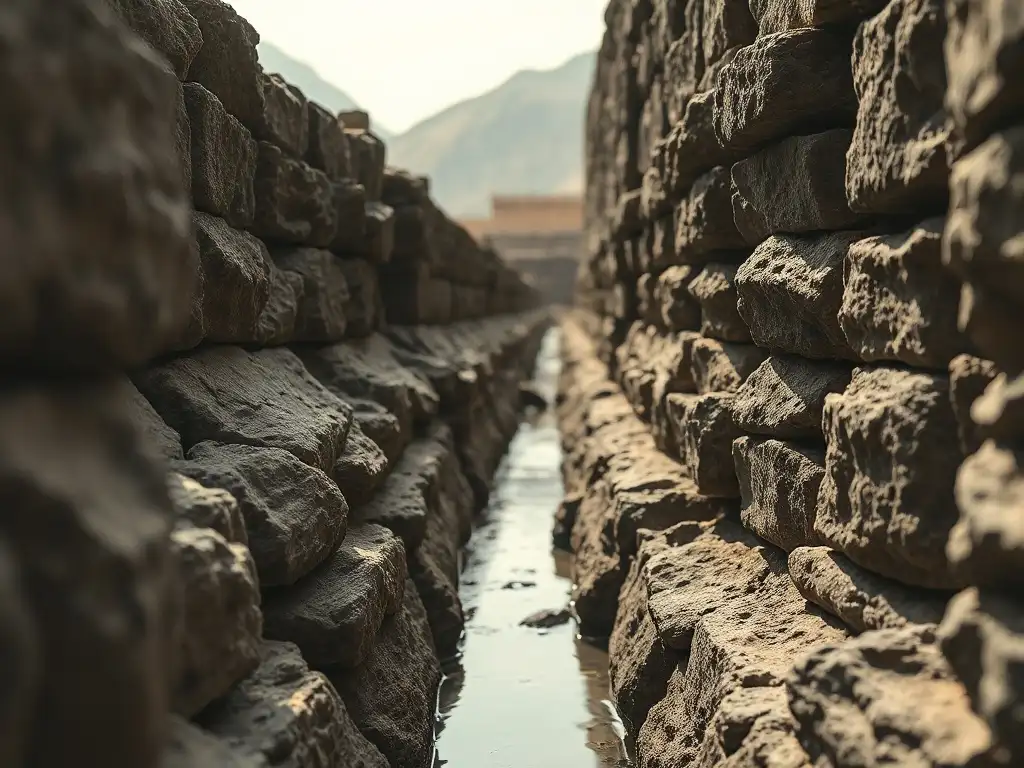
The ingenuity of Andean civilizations in harnessing water resources is undeniable, and a key component of their success lies in their masterful use of stone in irrigation infrastructure. Their sophisticated understanding of hydraulics, combined with advanced stonework techniques, allowed them to create remarkably efficient and durable irrigation canals, supporting thriving agricultural societies for centuries. The term "Andean stone irrigation systems" accurately reflects the crucial role stone played in these impressive feats of engineering.
This section delves into the specific construction techniques employed, highlighting the precision and skill involved. Analyzing these techniques provides valuable insights into the technological prowess and resourcefulness of these ancient cultures.
Dry Stone Masonry in Andean Waterworks
Dry stone masonry, a technique that uses no mortar or binding agents, was the predominant method in constructing the majority of Andean irrigation canals. This seemingly simple approach belies a remarkable level of skill and precision. Stones were carefully selected and placed, relying on their shape, size, and weight to create a stable and watertight structure. The process involved meticulous fitting of stones, creating interlocking patterns that minimized gaps and ensured structural integrity.
This technique was particularly effective in areas where suitable binding agents were scarce or difficult to obtain. Master masons carefully considered the natural contours of the landscape, integrating the canals seamlessly into the environment, minimizing earthworks and maximizing the use of existing topography. The longevity of many of these structures, some of which remain functional today, is a testament to the effectiveness of this ancient technique.
Evidence suggests that specific stone types, chosen for their durability and water resistance, were prioritized in canal construction, showcasing a deep understanding of material properties. The careful selection and placement of stones, coupled with the understanding of water flow dynamics, minimized seepage and ensured optimal water delivery to agricultural fields. This approach perfectly encapsulates the efficient and sustainable practices characteristic of Andean water management.
Shaping and Fitting Stones for Optimal Water Flow
The shaping and fitting of stones in Andean irrigation canals was far from haphazard. Achieving a smooth, even flow of water required a high degree of precision. Archaeological evidence reveals that stones were often shaped using rudimentary tools, creating precisely fitted joints that minimized friction and turbulence.
This careful shaping not only improved water flow but also contributed to the overall durability of the canals. The process involved a deep understanding of hydraulic principles, ensuring that the canal's gradient and cross-section were optimized for efficient water delivery. The skilled masons likely used a combination of techniques, including hammering, chipping, and grinding, to achieve the desired shape and fit.
The precision involved is astonishing, given the tools available at the time. Furthermore, the selection of stones with naturally smooth surfaces further optimized water flow, reducing the need for extensive shaping in some instances. This careful attention to detail is a testament to the Andean peoples' sophisticated understanding of engineering principles and their commitment to creating efficient and sustainable irrigation systems.
The Use of Mortar and Other Binding Agents in Specific Cases
While dry stone masonry was the prevalent method, the use of mortar and other binding agents was not entirely absent. In specific instances, particularly in areas with unstable or less suitable stone, or where the canal needed to withstand greater water pressure, the use of mortar or mud-based binding agents was employed. The composition of these binding agents varied depending on the locally available materials, often including clay, lime, and other natural additives.
The application of these binding agents would have required additional skill and knowledge, demonstrating a flexible and adaptive approach to construction. The strategic use of mortar in these cases highlights the Andean engineers' ability to adapt their techniques to the specific challenges presented by the terrain and the environmental conditions. This nuanced approach underscores the sophisticated understanding of material science and engineering principles exhibited by the Andean civilizations.
Further research is needed to fully understand the precise composition and application of these binding agents in different regions and time periods. [Specific information pending: detailed analysis of mortar composition from different Andean sites]. However, the presence of mortar in some structures highlights the adaptability and flexibility of Andean construction techniques, demonstrating a sophisticated understanding of engineering and material science.
Diverse Applications of Stone in Andean Irrigation
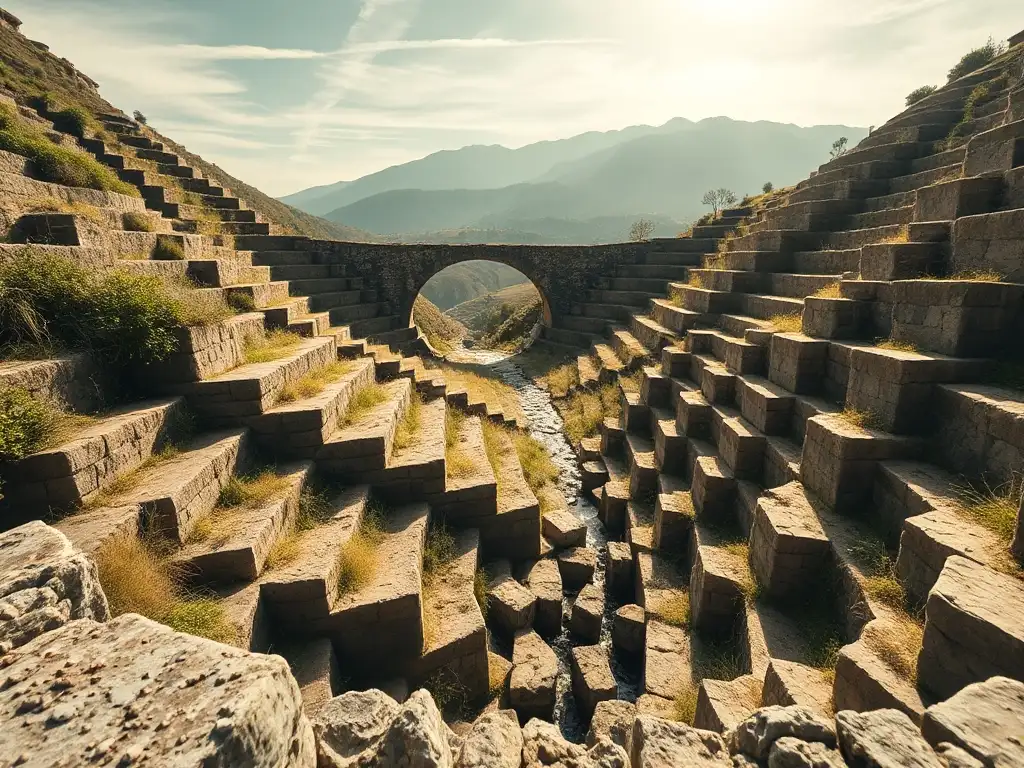
The ingenuity of Andean civilizations is vividly illustrated in their mastery of water management, a feat achieved largely through the strategic use of readily available stone. Their irrigation systems, renowned for their effectiveness and longevity, weren't merely ditches carved into the earth; they were complex networks of meticulously engineered stone structures, demonstrating a profound understanding of hydrology and material science.
This section delves into the diverse applications of stone in these remarkable Andean stone irrigation systems, showcasing the sophisticated techniques employed to harness and control water resources in challenging terrains. The abundance and variety of stone types available—from volcanic rock to granite and andesite—allowed for adaptability and resilience in their constructions.
Stone-Lined Canals: Preserving Water Quality
Stone-lined canals were a cornerstone of Andean irrigation, serving not only to channel water but also to maintain its purity and minimize water loss through seepage. The carefully fitted stones, often meticulously shaped and placed, created smooth, impermeable channels that reduced friction and prevented erosion. This, in turn, conserved water and ensured a consistent flow to agricultural fields. The precision involved in this construction is evident in surviving remnants, many of which stand as testaments to the enduring quality of Andean craftsmanship.
Analysis of these canals reveals a sophisticated understanding of hydraulic principles; the gradients and channel dimensions were carefully calculated to optimize water flow and prevent silting. Furthermore, the choice of stone type was crucial; stones resistant to weathering and erosion were preferred to ensure the longevity of the infrastructure. For example, the use of [specific stone type pending] in certain regions suggests a deliberate selection based on local geology and its suitability for water management.
The meticulous construction of these canals showcases the Andean understanding of water conservation and its importance to their agricultural success. Evidence suggests that different types of stone were used depending on the location and the water's properties, highlighting an advanced understanding of material science and its application in hydraulic engineering. The precise fitting of stones minimized leakage and maintained water quality, crucial for successful agriculture.
Stone Dams and Reservoirs for Water Storage
Beyond canals, Andean civilizations constructed impressive stone dams and reservoirs to store water, particularly in areas with seasonal rainfall. These weren't simply earthen dams reinforced with stone; rather, they were sophisticated structures designed to withstand significant water pressure and seismic activity. The use of large, precisely cut stones, often bound together with mortar made from [specific mortar composition pending], created robust and durable barriers.
The design of these reservoirs often incorporated ingenious overflow systems to prevent damage during periods of heavy rainfall. Some reservoirs were integrated into the landscape, utilizing natural depressions and strategically placed stone walls to maximize storage capacity. The scale of some of these projects is truly remarkable, reflecting the organizational capabilities and engineering prowess of Andean societies.
Their construction required considerable manpower and planning, underscoring the importance of water management in their social and economic structures. The size and complexity of these structures varied significantly depending on the geographical location and the needs of the community. Archaeological evidence shows careful consideration was given to the selection of dam sites, taking into account factors such as geological stability and water availability.
Terracing and Stone Retaining Walls for Water Distribution
The challenging Andean terrain necessitated innovative water distribution techniques. Terracing, supported by elaborate stone retaining walls, was a crucial aspect of Andean agriculture. These terraces, often carved into steep hillsides, created level platforms for cultivation. The stone walls served not only to hold the soil but also to channel water efficiently across the terraces.
The design of these walls incorporated carefully graded channels and spillways to control water flow and prevent erosion. This system allowed for the cultivation of crops on slopes that would otherwise be unsuitable for agriculture. The precise placement of stones and the construction of intricate drainage systems demonstrate a deep understanding of soil mechanics and water management. The effectiveness of this system is evident in the success of Andean agriculture, which sustained large populations for centuries.
Different types of stone were used in the construction of retaining walls depending on the specific needs of the terrace and the local availability of materials. The integration of terracing and stone retaining walls with canal systems highlights the holistic approach of Andean civilizations to water management. This intricate network of structures ensured efficient water distribution, optimizing agricultural productivity in challenging environments. The durability of these structures is a testament to the quality of construction and the long-term vision of the Andean people.
Stone Aqueducts and Underground Channels
Andean civilizations demonstrated remarkable ingenuity in their use of stone to create sophisticated water management systems. Stone aqueducts, often built along steep slopes and across challenging terrain, played a crucial role in channeling water from distant sources to agricultural fields and urban centers. These weren't simply open channels; careful consideration went into their design and construction to minimize water loss and maximize efficiency.
The precise techniques varied depending on the specific location and the available resources, but the overarching principle remained consistent: to harness the durability and water-resistance of stone to create a reliable and long-lasting infrastructure. Many aqueducts involved intricate systems of carved stone blocks fitted together with remarkable precision, creating channels that could withstand the pressure of flowing water and the erosive forces of time.
The scale of some of these projects is truly astonishing, showcasing the organizational prowess and engineering skills of Andean societies. Evidence suggests that some aqueducts were even lined with a type of waterproof plaster or sealant to further enhance their efficiency.
Beyond the visible aqueducts, the Andean peoples also mastered the construction of underground channels, or canales subterráneos. These ingenious systems, often carved directly into the bedrock or constructed from carefully fitted stone slabs, allowed for the efficient transport of water beneath the surface. This approach offered several advantages: it protected the water supply from evaporation and contamination, and it allowed for the irrigation of land that might otherwise have been inaccessible.
The construction of these underground channels required specialized knowledge of geology and hydrology, as well as considerable skill in stone carving and masonry. The precise methods used varied regionally, but the underlying principle of using stone to create a durable and efficient subterranean water network was common across numerous Andean cultures. Archaeological evidence continues to uncover new details about the complexity and extent of these underground systems, highlighting the advanced understanding of hydraulic engineering possessed by these ancient civilizations.
The longevity of these systems, some of which remain functional even today, is a testament to the quality of their construction and the foresight of their designers. Analyzing these systems provides valuable insights into the sophisticated water management practices and the remarkable engineering capabilities of the Andean people.
Regional Variations in Andean Stone Irrigation
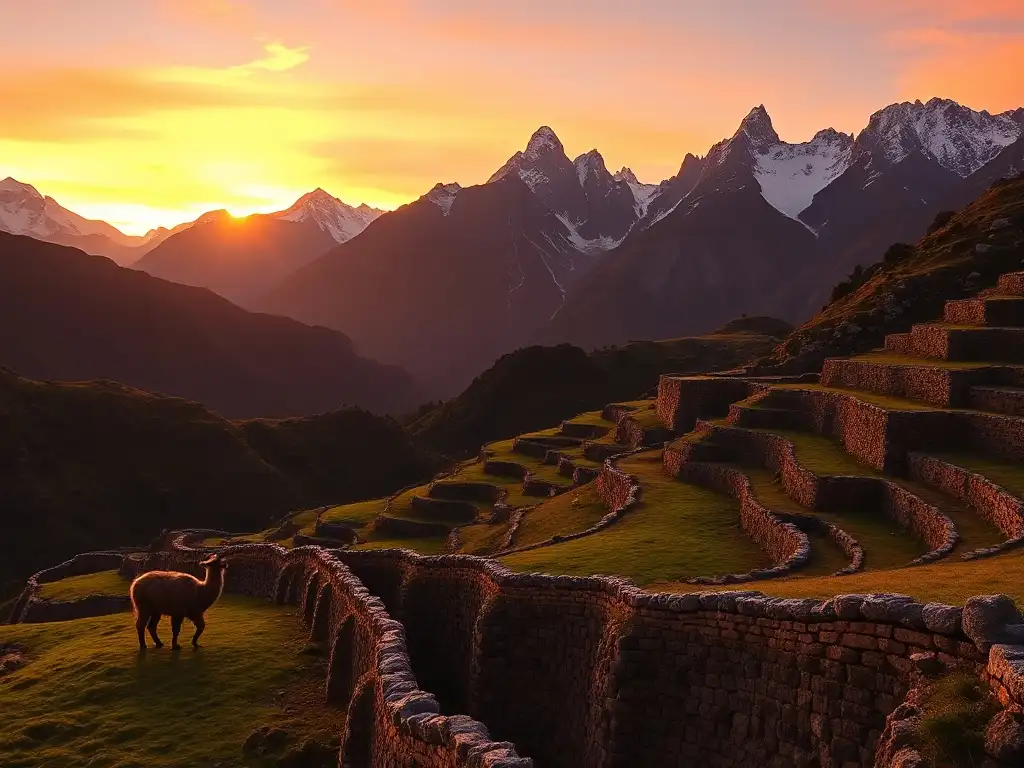
The ingenuity of Andean civilizations in harnessing water resources is undeniable, and stone played a pivotal role in their sophisticated irrigation systems. However, the specific techniques and styles varied significantly across different regions and cultures, reflecting unique environmental challenges and technological advancements. This section explores these regional variations, focusing on the Inca, Moche, and Nazca cultures, showcasing the diverse applications of stone in Andean water management. Understanding these differences provides a richer appreciation for the complexity and adaptability of Andean engineering prowess, highlighting the diverse approaches to the challenge of Andean stone irrigation systems.
The Inca Empire and Their Advanced Stone Water Systems
The Inca Empire, known for its impressive architectural feats, also mastered the art of stone irrigation. Their systems were characterized by a remarkable combination of precision and scale. Inca engineers utilized carefully cut and fitted stones to create channels, canals, and aqueducts that transported water across diverse terrains, often traversing mountains and valleys. These systems weren't merely functional; they were integrated seamlessly into the landscape, demonstrating a deep understanding of hydrology and a profound respect for the environment.
The use of stone wasn't limited to the construction of water channels. Inca engineers employed stone to build reservoirs, spillways, and other crucial components of their irrigation infrastructure. The precision of their stonework minimized water leakage and ensured efficient water distribution. Furthermore, the durability of stone meant that these systems could withstand the harsh Andean climate and remain functional for centuries. Evidence suggests that some Inca irrigation systems remained in use long after the fall of the empire, a testament to their enduring quality and ingenuity. The integration of these systems with agricultural terraces further amplified their impact, allowing for intensive cultivation in challenging mountainous environments. Detailed archaeological studies reveal the intricate network of canals and reservoirs, showcasing the impressive scale and sophistication of Inca Andean stone irrigation systems.
Stone Irrigation Techniques of the Moche Culture
The Moche civilization, flourishing on the northern coast of Peru, developed a distinct approach to irrigation, heavily reliant on stone but adapted to their arid coastal environment. Unlike the Inca's extensive canal networks, the Moche focused on smaller-scale systems, often utilizing stone to create channels that tapped into rivers and streams. Their mastery of hydraulic engineering is evident in the construction of intricate drainage systems and reservoirs, often carved directly into the bedrock, minimizing water loss through evaporation in the desert climate.
The Moche also employed stone to build dams and weirs, creating reservoirs to store water for irrigation during dry periods. These structures, while smaller in scale compared to Inca projects, were remarkably durable and efficient. Archaeological evidence suggests that the Moche used a variety of stone types, selecting materials based on their durability and availability. Their understanding of local geology played a crucial role in the success of their irrigation systems. The Moche culture's approach to Andean stone irrigation systems exemplifies the adaptation of engineering principles to specific environmental contexts. Further research is needed to fully understand the intricacies of their techniques and the long-term impact of their water management strategies. [Specific information pending: Detailed analysis of Moche stone types used in irrigation].
Nazca Ingenuity: Stone and Subterranean Aqueducts
The Nazca culture, famous for its enigmatic geoglyphs, also possessed advanced knowledge of water management. Their most striking contribution to Andean irrigation technology was the development of subterranean aqueducts known as puquios. These ingenious systems involved the construction of underground channels, often lined with stone, that tapped into underground water sources. The use of stone in the puquios served multiple purposes: it provided structural support for the channels, prevented collapse, and minimized water loss through seepage.
The construction of puquios required a deep understanding of hydrology and geology. Nazca engineers carefully selected locations to maximize water collection and minimize excavation. The stonework was crucial in maintaining the integrity of the aqueducts, ensuring a continuous flow of water to agricultural fields. The construction of these systems was a significant engineering feat, demonstrating the advanced knowledge of the Nazca people. The strategic use of stone in the puquios not only ensured the efficient delivery of water but also helped preserve the water's quality. The combination of sophisticated engineering and a deep understanding of the local environment allowed the Nazca to thrive in a relatively arid region, showcasing the remarkable adaptability of Andean stone irrigation systems across diverse cultural contexts. The longevity of some puquios further highlights the effectiveness of their construction techniques.
The Tiahuanaco Influence on Stone Water Management
The Tiahuanaco culture, flourishing in the Altiplano region of the Andes from approximately 500 to 1000 CE, left an indelible mark on Andean water management techniques. Their sophisticated understanding of hydraulic engineering, particularly evident in their monumental architecture, extended to their irrigation systems. Unlike some other Andean cultures that relied heavily on canals carved directly into the earth, the Tiahuanaco people incorporated stone extensively in their irrigation infrastructure. This wasn't simply a matter of lining canals; they employed stone in more complex and innovative ways. Evidence suggests they used carefully shaped and fitted stones to create channels, aqueducts, and even sophisticated water control structures like spillways and reservoirs.
This use of stone provided several advantages. The durability of stone ensured the longevity of their irrigation systems, crucial in a region prone to harsh weather conditions and erosion. Furthermore, the precise fitting of stones likely minimized water leakage, maximizing efficiency in a high-altitude environment where water scarcity was a constant concern. The precise techniques used in Tiahuanaco stonework, characterized by meticulous craftsmanship and the use of sophisticated tools, are still a subject of ongoing research, but their impact on subsequent Andean water management practices is undeniable.
Many later cultures, particularly those in the Lake Titicaca basin, adopted and adapted Tiahuanaco techniques, demonstrating the enduring legacy of their innovative approach to stone irrigation. The remains of these systems, though often weathered by time, continue to reveal the ingenuity of Tiahuanaco engineers and their profound understanding of water management in challenging Andean environments. Archaeological findings consistently show a higher level of precision in Tiahuanaco stonework compared to other contemporary Andean cultures, suggesting a more advanced level of engineering expertise. This precision allowed for the creation of remarkably efficient and long-lasting irrigation systems, contributing to the prosperity and sustainability of their civilization.
The use of stone in Tiahuanaco water management wasn't limited to simply constructing canals. They also integrated stone into more complex hydraulic structures. For instance, evidence suggests the use of stone-lined channels to divert water from rivers and streams, feeding into elaborate systems of smaller channels that irrigated agricultural fields.
These channels were often built on elevated terraces, taking advantage of the topography to optimize water distribution. The precision in stone placement minimized water loss through seepage, a significant advantage in the arid Altiplano. Furthermore, the use of stone allowed for the creation of more durable structures, resistant to erosion and capable of withstanding the harsh climatic conditions of the region.
This contrasts with some other Andean irrigation systems that relied more on earthworks, which were more susceptible to damage from rainfall and freeze-thaw cycles. The Tiahuanaco example demonstrates a sophisticated understanding of both engineering and material science, demonstrating an advanced level of planning and execution in their water management strategies. The long-term success of their agricultural practices, in part due to their effective irrigation systems, underscores the importance of their innovative stonework techniques.
The Enduring Impact of Andean Stone Irrigation
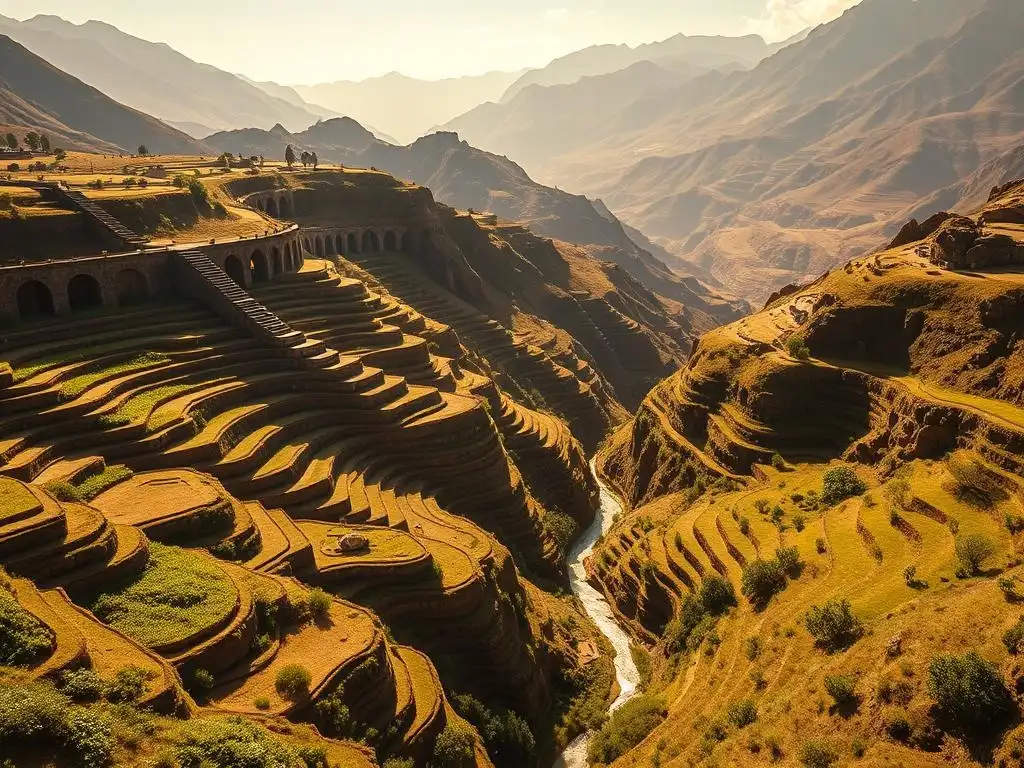
The ingenuity of Andean civilizations in harnessing water resources is profoundly demonstrated in their extensive irrigation systems. These weren't simply channels carved into the earth; they were sophisticated networks, meticulously planned and executed, often utilizing stone in innovative and enduring ways. The impact of these systems reverberates even today, offering valuable lessons in sustainable water management and highlighting the remarkable engineering skills of these ancient cultures.
The strategic placement of stones, their integration into canals, and the overall design of these irrigation networks reveal a deep understanding of hydrology, topography, and the properties of stone itself. This section will delve into the specific ways Andean civilizations utilized stone to create and maintain their vital irrigation infrastructure, focusing on the long-term sustainability and adaptability of their techniques.
We will explore the various types of stone used, the construction methods employed, and the enduring legacy of these impressive feats of engineering. Understanding these techniques provides valuable insights into the resourcefulness and resilience of Andean societies, crucial for understanding their success in thriving in challenging environments.
Lessons in Sustainable Water Management from Andean Civilizations
Andean stone irrigation systems offer compelling examples of sustainable water management. Unlike many modern systems that prioritize immediate yield over long-term environmental impact, the Andean approach prioritized sustainability. This is evident in several key aspects:
- Minimizing environmental disruption: The careful selection of stone and its integration with the existing landscape minimized the environmental footprint of the irrigation works. The use of locally sourced materials reduced transportation costs and environmental impact.
- Water conservation: The design of channels, often incorporating terraces and carefully graded slopes, maximized water flow efficiency and minimized water loss through seepage or evaporation. This approach, particularly crucial in arid and semi-arid climates, ensured optimal use of limited water resources.
- Resilience to natural disasters: The robust construction of stone channels and structures ensured the longevity of the irrigation systems, making them resilient to earthquakes, floods, and other natural disasters that frequently affect the Andes. The inherent strength of stone proved invaluable in maintaining consistent water supply even during extreme weather events.
- Adaptability to changing conditions: The modular nature of many Andean stone irrigation systems allowed for repairs and modifications over time, adapting to changing environmental conditions and the needs of evolving agricultural practices. This flexibility ensured the long-term viability of the systems.
The enduring legacy of these systems underscores the importance of integrating ecological considerations into water management strategies. Their success offers valuable insights for developing sustainable irrigation solutions in contemporary contexts, particularly in regions facing water scarcity and environmental challenges. Careful study of these ancient practices can inform the development of more environmentally responsible and resilient irrigation infrastructure for the future. The principles of sustainability embedded in these ancient Andean systems are more relevant than ever in the face of modern environmental concerns.
The Preservation of Ancient Stone Irrigation Structures
The preservation of ancient Andean stone irrigation structures presents both significant challenges and opportunities. Many structures are threatened by factors such as erosion, human activity, and neglect. However, their preservation is crucial for understanding past technologies and informing future sustainable practices.
- Challenges: Erosion from natural processes like rainfall and wind, coupled with human encroachment and agricultural expansion, pose significant threats. The deterioration of stone due to weathering and the lack of ongoing maintenance contribute to the degradation of these invaluable historical sites. Furthermore, a lack of awareness and funding often hinders preservation efforts.
- Opportunities: Improved documentation and research can contribute to a better understanding of the construction techniques and materials used. This knowledge can inform restoration projects and help develop more effective preservation strategies. Community involvement and education programs can foster a sense of ownership and responsibility towards these historical sites, leading to improved protection and maintenance. The promotion of Andean stone irrigation systems as heritage sites can attract tourism, generating revenue for local communities and funding preservation efforts. By recognizing the cultural and historical significance of these systems, we can ensure their long-term survival and continued contribution to our understanding of Andean ingenuity and sustainable water management.
The preservation of these structures is not merely an exercise in historical preservation; it is also an investment in the future. Learning from the past can help us build more resilient and sustainable water management systems for generations to come. The careful study and preservation of Andean stone irrigation systems are crucial for both historical and practical reasons.
Modern Applications of Andean Stone Engineering Principles
The principles underlying Andean stone irrigation systems continue to hold relevance in modern engineering. The focus on sustainable resource management, adaptability, and resilience to natural hazards offers valuable lessons for contemporary infrastructure projects.
- Sustainable design: The emphasis on locally sourced materials and minimal environmental impact in Andean construction is a model for contemporary sustainable engineering. This approach minimizes transportation costs and reduces the carbon footprint of construction projects.
- Resilient infrastructure: The robust construction techniques employed in Andean stonework resulted in structures that withstood the test of time, providing valuable lessons for building resilient infrastructure in regions prone to natural disasters. The use of durable materials and careful site selection are key elements in ensuring the longevity of structures.
- Water management innovation: The innovative water management techniques developed by Andean civilizations, such as terraced agriculture and efficient channel design, continue to inspire modern irrigation solutions. These techniques offer effective ways to manage water resources sustainably, particularly in arid and semi-arid regions.
The study of Andean stone irrigation systems provides valuable insights into the development of environmentally sound and resilient infrastructure. By incorporating these principles into modern engineering practices, we can create more sustainable and adaptable solutions for the challenges of the 21st century. The legacy of Andean engineering is a testament to the importance of integrating traditional knowledge with modern technology to build a more sustainable future. The application of these principles could lead to more efficient and environmentally friendly irrigation systems globally.
The Future of Andean Stone Irrigation Knowledge
The study of Andean stone irrigation systems is far from over. Much remains to be uncovered and understood about these remarkable feats of engineering. Continued research and new discoveries promise to significantly enrich our knowledge, challenging existing theories and revealing previously unknown aspects of these sophisticated water management techniques.
The intricate interplay between societal organization, technological innovation, and environmental adaptation continues to fascinate researchers. Understanding the full extent of this knowledge requires a multidisciplinary approach, combining archaeology, hydrology, anthropology, and engineering perspectives. This collaborative effort will allow for a more holistic understanding of the ingenuity and resilience of Andean civilizations.
Continuing Research and Archaeological Discoveries
Ongoing archaeological excavations in various Andean regions are constantly yielding new insights into the construction and function of stone irrigation systems. For example, recent discoveries in the [specific location pending] region have revealed previously unknown canal networks, indicating a far more extensive and complex system than previously thought. These findings are not only expanding our geographical understanding of irrigation networks, but also offering valuable clues about the techniques used in their construction and maintenance.
Advanced dating techniques, such as radiocarbon dating and luminescence dating, are also improving our ability to precisely date the construction and use of these systems, allowing for a more accurate timeline of technological development. The analysis of sediment cores from within the canals themselves is revealing valuable information about water flow patterns, sediment build-up, and the impact of environmental changes on the systems' functionality over time. These ongoing investigations are crucial for filling knowledge gaps and refining our understanding of Andean water management strategies.
The detailed study of individual stones, including their sourcing and the craftsmanship involved, is also providing insights into the social organization and labor practices involved in the construction of these monumental projects. The meticulous nature of this work is slowly unveiling the secrets of these ancient water systems.
The Importance of Protecting Andean Water Heritage
The preservation of these remarkable Andean stone irrigation systems is paramount. These are not merely historical artifacts; they are a testament to the ingenuity and sustainability of ancient Andean civilizations, offering valuable lessons for contemporary water management challenges. Climate change and increased human activity pose significant threats to the long-term survival of these fragile systems. Erosion, vandalism, and the encroachment of modern infrastructure all contribute to their deterioration. Therefore, implementing effective conservation strategies is of utmost importance. This involves a multi-faceted approach, including:
- Archaeological Monitoring: Regular monitoring of sites to detect and address any signs of damage or deterioration.
- Community Involvement: Engaging local communities in conservation efforts, fostering a sense of ownership and responsibility.
- Sustainable Tourism Practices: Developing tourism strategies that minimize environmental impact and promote responsible visitation.
- Governmental Support: Securing governmental funding and support for conservation projects and research initiatives.
- Educational Programs: Raising public awareness about the importance of preserving Andean water heritage through educational programs and outreach initiatives.
The protection of Andean stone irrigation systems is not just an archaeological concern; it's a matter of preserving a crucial part of human history and learning from the sustainable practices of past civilizations to address the pressing water challenges of today. The unique blend of engineering skill and environmental awareness demonstrated by these systems offers invaluable insights for future generations. The preservation of this invaluable heritage is a shared responsibility, demanding collaboration between researchers, governments, and local communities to ensure these remarkable achievements endure for centuries to come. 🌎
Frequently Asked Questions
What role did stone play in Andean irrigation systems?
Stone was a fundamental material in Andean irrigation infrastructure. It was used to build canals, aqueducts, and reservoirs, showcasing impressive engineering skills. The durability of stone ensured the longevity of these systems.
Why was stone preferred over other materials for irrigation?
Stone's durability and resistance to erosion made it ideal for the harsh Andean environment. Unlike wood or other organic materials, stone could withstand the elements and provide long-lasting water management solutions. Its availability also contributed to its widespread use.
What are some examples of Andean stone irrigation structures?
Many impressive examples exist, including the extensive canal systems of the Inca and the complex reservoirs of the Nazca. These structures demonstrate the sophisticated understanding of hydraulic engineering possessed by these civilizations.
How did the Andean civilizations utilize stone in different aspects of irrigation?
Stone was used not only for the construction of canals but also for water control structures, such as spillways and sluice gates. It facilitated the precise management of water flow, essential for successful agriculture in the challenging Andean terrain.
What is the significance of Andean stone irrigation systems today?
These systems represent a remarkable feat of engineering, adapted to the difficult Andean environment. Their study provides valuable insights into sustainable water management and offers lessons for modern-day irrigation practices.
Final Reflection: The Enduring Legacy of Andean Stone
The ingenious use of stone in Andean irrigation systems remains a testament to human ingenuity and a powerful symbol of sustainable resource management, a lesson urgently needed in our era of climate change and resource depletion. These ancient systems, built with meticulous care and a deep understanding of their environment, continue to offer valuable insights into water management strategies that are both effective and environmentally conscious. Their survival through centuries speaks volumes about the durability and adaptability of this approach.
The enduring impact of Andean stone irrigation systems extends far beyond their practical function; they represent a profound connection between humans and their environment, a relationship built on respect and sustainability. These systems are not merely structures; they are living testaments to a culture that understood the delicate balance of nature. The mountains are our mother, the rivers our veins, and the land our sustenance.
This sentiment, though perhaps not directly from an ancient Andean source, encapsulates the deep spiritual and practical connection these people held with their environment, a connection reflected in the careful construction and enduring legacy of their irrigation systems.
Consider the implications of this legacy. You, the reader, are now aware of the ingenuity and foresight demonstrated in these ancient systems. What can we learn from their resourcefulness and sustainable practices? How can we apply these principles to our own challenges in water management and sustainable development? Let the enduring strength of Andean stone inspire you to seek innovative and sustainable solutions for the future, ensuring that our relationship with the environment is one of respect, understanding, and lasting harmony.
Unveil the Timeless Wisdom of Andean Irrigation!
Thank you for exploring the fascinating world of Andean irrigation infrastructure and discovering how ingenious stonework has shaped enduring agricultural practices. Now, let's work together to keep this knowledge alive!
- Learn more: Research historical irrigation systems in your region using online resources or local archives. You might be surprised by what you discover!
- Share your discoveries: Discuss the importance of sustainable, historical agricultural practices with friends and family—you might inspire a new generation of conservationists.
- Join our community: Sign up for our newsletter to receive more articles, updates, and exclusive content from fellow Andean enthusiasts. We'd love to have you!
What innovative approaches can we adopt to preserve these ancient techniques for future generations?