
The Secrets in the Soil: Analyzing the Composition of Andean Adobe Bricks

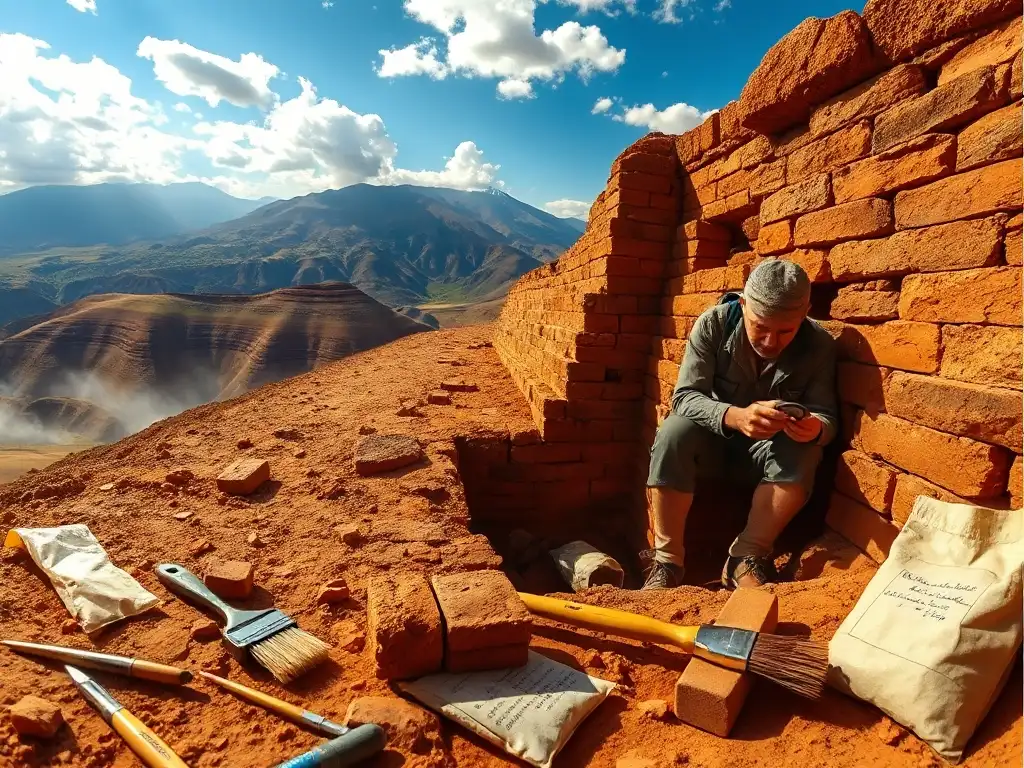
Uncover the mysteries hidden within the earth itself! Journey with us into the heart of the Andean world, where towering citadels and intricate artistry whisper tales of lost empires. For centuries, the secrets of Andean adobe brick composition have remained elusive, but now, we delve into the very substance of these ancient structures, revealing the ingenious techniques and materials that shaped a civilization. Prepare to be amazed as we unravel the fascinating story behind these enduring legacies. Discover more about the innovative engineering that defined Andean architecture and the enduring impact of their building techniques.
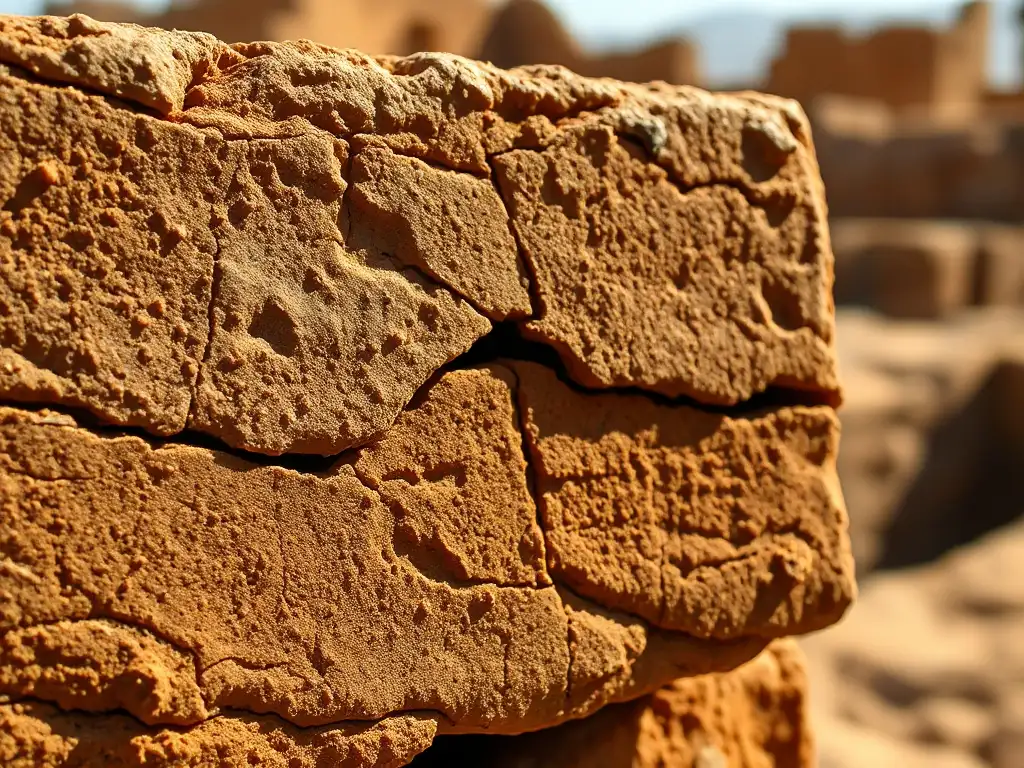
The Andes Mountains, a spine of towering peaks running down the western coast of South America, are home to a rich tapestry of ancient civilizations. For millennia, these cultures—including the Incas, Moche, Nazca, and Tiahuanaco—developed sophisticated architectural techniques, leaving behind impressive structures that still stand as testaments to their ingenuity. A crucial element in their building prowess was the masterful use of adobe bricks, sun-dried mud bricks that formed the foundation of their cities, temples, and homes.
This article delves into the fascinating world of Andean adobe brick composition, exploring the materials used, the techniques employed, and the secrets hidden within these seemingly simple building blocks. Understanding the precise composition of these bricks offers invaluable insights into the resourcefulness, engineering skills, and environmental adaptation strategies of these remarkable civilizations.
We will uncover how variations in composition reveal details about regional differences, construction methods, and even the social and economic structures of Andean societies. The analysis of Andean adobe brick composition is not simply a study of building materials; it is a journey through time, revealing the ingenuity and resilience of the ancient Andean builders.
Introduction to Andean Adobe Construction
Andean adobe construction represents a sophisticated interplay between readily available natural resources and advanced architectural knowledge. The process, far from being rudimentary, involved careful selection and preparation of materials to ensure the structural integrity and longevity of the buildings. The primary component, of course, was soil. But the type of soil varied significantly depending on the region and its geological characteristics. Some regions utilized clay-rich soils, while others incorporated sandy or silty mixtures. This variability in soil composition directly impacts the properties of the resulting adobe bricks, influencing their strength, durability, and resistance to weathering.
The preparation of the adobe mixture was a meticulous process. Beyond the soil itself, builders often incorporated organic materials like straw, dung, or plant fibers as stabilizers. These additives acted as binders, increasing the brick's cohesion and reducing shrinkage during the drying process.
The precise proportions of soil and organic additives were likely determined through generations of empirical knowledge, fine-tuned to suit the specific characteristics of the local soil and climate. The resulting mixture was then carefully molded into bricks, often using simple wooden molds, and left to dry in the sun. The size and shape of the bricks also varied regionally, reflecting both practical considerations and stylistic preferences.
The construction process itself was equally impressive. Without the use of mortar, builders achieved remarkable precision in laying the bricks, creating walls of impressive height and complexity. The intricate techniques employed, combined with the careful selection of materials, resulted in structures that withstood the test of time, many surviving for centuries. Analysis of surviving structures provides invaluable data on the construction methods and the quality control employed by Andean builders.
Why Analyze Andean Adobe Brick Composition?
Analyzing the composition of Andean adobe bricks offers a multi-faceted approach to understanding these ancient civilizations. The data obtained provides insights into several key aspects:
- Resource Management: The types of soil and organic materials used in different regions highlight the resource management strategies employed by Andean societies. Variations in composition reflect the availability of local resources and the adaptive capacity of these cultures.
- Technological Innovation: The specific mixtures and techniques used reveal the level of technological sophistication achieved in adobe construction. The incorporation of organic additives, for instance, demonstrates a deep understanding of material science and its application in building.
- Regional Variations: Comparing the composition of adobe bricks from different regions can illuminate regional variations in building techniques and resource availability. This analysis can contribute significantly to our understanding of cultural exchange and inter-regional connections.
- Environmental Impact: Studying the composition of adobe bricks can also shed light on the environmental impact of ancient Andean construction. The selection of materials and construction techniques may reflect efforts to minimize environmental impact or to adapt to specific environmental challenges.
- Social and Economic Structures: The quality and consistency of adobe bricks across different sites may reflect social stratification and economic disparities within Andean societies. Variations in brick quality might indicate differences in access to resources or in the skill levels of the builders.
The analysis of Andean adobe bricks is therefore not a mere archaeological exercise, but a powerful tool for understanding the complex interplay of culture, technology, environment, and society in the ancient Andes. Further research, incorporating advanced analytical techniques, will undoubtedly unlock even more secrets hidden within these seemingly humble building blocks. 🎂
- What is adobe brick, and why was it important to Andean civilizations?
- What specific materials comprised Andean adobe bricks?
- How did the composition of Andean adobe bricks affect their longevity?
- How does analyzing the composition of Andean adobe bricks help us understand ancient Andean societies?
- Where can I find more information on Andean adobe brick composition and research?
The Raw Materials: Components of Andean Adobe
Understanding the composition of Andean adobe bricks is crucial to appreciating the ingenuity of ancient Andean builders. Their success wasn't simply about stacking mud; it was about carefully selecting and combining specific materials to create durable, long-lasting structures. The Andean adobe brick composition varied regionally, reflecting the readily available resources in different ecological zones.
This section delves into the key components, emphasizing the nuanced relationship between material selection and architectural success. The careful selection of these raw materials directly impacted the strength, durability, and longevity of the resulting structures, a testament to the sophisticated understanding of materials science possessed by these ancient cultures. Mastering the art of adobe construction was essential for the survival and prosperity of these Andean societies.
Soil Types Used in Andean Adobe
The foundation of any Andean adobe brick was the soil itself. The type of soil used significantly influenced the final product's properties. While the exact proportions varied widely depending on location and availability, common soil types included:
- Clayey Soils: These soils, rich in clay minerals like kaolinite and montmorillonite, provided the necessary plasticity and cohesion for shaping and drying the bricks. Higher clay content generally resulted in stronger, more water-resistant bricks, but an excess could lead to cracking during drying.
- Sandy Soils: Sand acted as a filler, improving the brick's workability and reducing shrinkage during drying. The addition of sand helped to prevent excessive cracking, a common problem with high-clay mixtures. The optimal ratio of sand to clay was a key factor in achieving the desired balance of strength and workability.
- Silty Soils: Silt, with its intermediate particle size, contributed to the overall texture and strength of the adobe. It acted as a binder, helping to hold the sand and clay particles together. The specific type and proportion of silt influenced the final brick's density and porosity.
A successful adobe mix often involved a careful balance of these soil types, tailored to the specific local conditions and the desired properties of the final brick. Detailed analysis of surviving adobe samples reveals a remarkable level of sophistication in this material selection process. For example, studies on adobe bricks from the Nazca region show a higher proportion of sandy soil compared to those from the Cusco area, reflecting the differing geological characteristics of these regions. This highlights the adaptive nature of Andean building techniques, demonstrating a deep understanding of local resources and their properties.
Identifying Clay Minerals in Adobe
The clay minerals present in Andean adobe are crucial determinants of its properties. Identifying these minerals requires sophisticated techniques, including X-ray diffraction (XRD) and thermal analysis. These analyses reveal not only the type of clay minerals but also their relative abundance, providing insights into the source materials and the potential impact on the brick's performance.
The most common clay minerals found in Andean adobe include:
- Kaolinite: A low-shrinkage, relatively stable clay mineral that contributes to strength and durability.
- Montmorillonite: A high-shrinkage clay mineral that increases plasticity but can also cause cracking if not properly managed.
- Illite: A non-expanding clay mineral that provides strength and reduces plasticity.
The precise proportion of these minerals, along with other components like quartz and feldspar, determined the final properties of the adobe brick. Variations in these mineral compositions across different Andean sites reflect the diverse geological landscapes and the builders' adaptive approaches to material selection. Further research using advanced techniques like scanning electron microscopy (SEM) could provide even more detailed information on the microstructure of these ancient bricks and the factors that contributed to their longevity. This deeper understanding is crucial for preserving and conserving these important historical structures.
Organic Matter in Adobe Mixes
Beyond the inorganic components, organic matter played a significant role in the Andean adobe brick composition. The addition of organic materials, such as straw, dung, and plant fibers, improved the workability of the adobe mix and enhanced its structural properties.
The Role of Fibers in Adobe Bricks
The inclusion of fibers, particularly plant fibers, was a crucial aspect of Andean adobe technology. These fibers acted as reinforcement, preventing cracking and improving the overall tensile strength of the bricks. Commonly used fibers included:
- Straw: Easily accessible and readily incorporated into the adobe mix, straw provided excellent reinforcement, particularly against tensile stresses.
- Hair: Animal hair, often from llama or alpaca, was also used, offering similar reinforcing properties to straw.
- Other plant fibers: Various other plant fibers, depending on local availability, were likely used to enhance the brick's strength and durability.
The careful incorporation of these fibers, combined with the optimal soil composition, resulted in adobe bricks that were surprisingly strong and resistant to weathering. The precise arrangement and density of the fibers within the adobe matrix impacted the final properties of the brick, reflecting the builders' sophisticated understanding of material science and construction techniques.
The use of these organic additives is a testament to the ingenuity and resourcefulness of the Andean builders, who effectively utilized readily available materials to create durable and sustainable structures. Further research into the specific types and proportions of organic materials used in different regions could shed more light on the regional variations in adobe technology and the factors that contributed to the success of Andean architecture.
Traditional Andean Adobe Brick Preparation Techniques
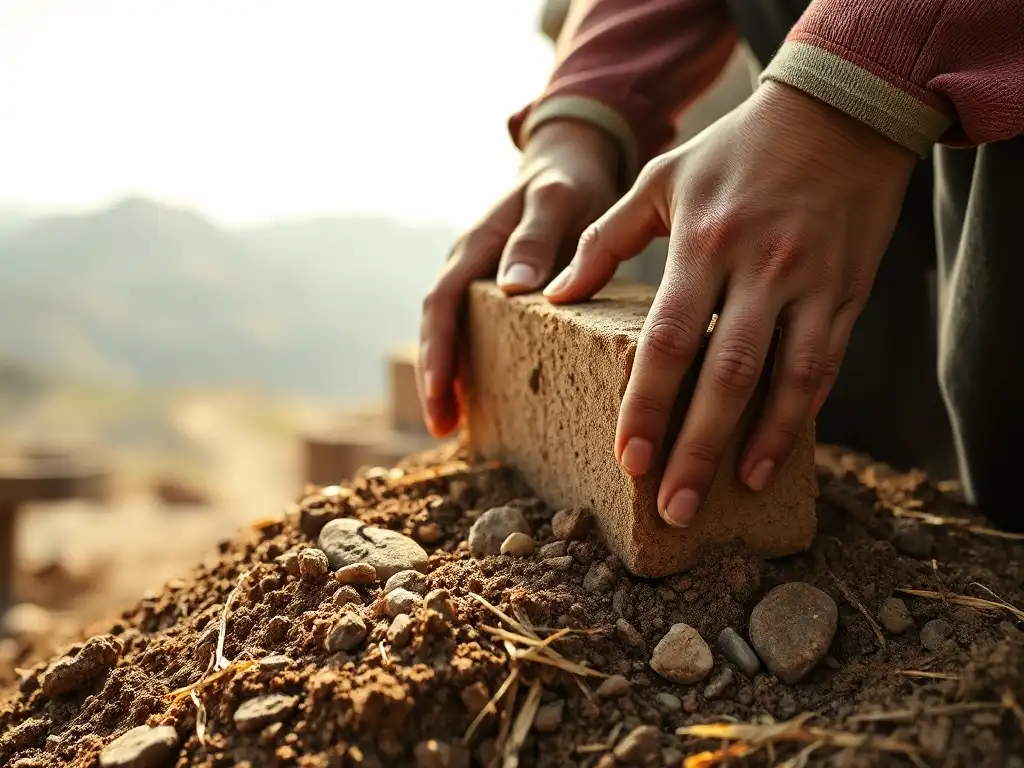
This section delves into the meticulous processes employed by Andean civilizations in crafting their remarkable adobe bricks. Understanding these techniques offers crucial insight into their architectural prowess and adaptation to the diverse Andean environment. The composition of Andean adobe bricks, a key factor in their durability and longevity, is directly influenced by these traditional methods. Analyzing these techniques reveals a sophisticated understanding of material science and construction, far surpassing simplistic notions of rudimentary building practices.
Sourcing and Selecting Soil for Adobe
The foundation of any successful adobe brick lies in the quality of the soil. Andean builders demonstrated remarkable discernment in sourcing appropriate materials. They weren't simply using any available soil; instead, they meticulously selected specific types based on their properties.
Optimal soil for adobe bricks typically contained a blend of clay, silt, and sand, with the precise ratio varying according to regional geological conditions and the intended use of the brick. For instance, bricks destined for load-bearing walls in large structures demanded a higher clay content for increased strength and durability. Conversely, bricks for less structurally demanding applications, such as infill walls, might incorporate a higher proportion of sand for easier handling and faster drying.
The selection process often involved careful observation of soil texture and behavior when wet. Experienced builders could assess the plasticity and workability of the soil by hand, feeling for the optimal balance of cohesiveness and moldability. The color of the soil also played a role; certain shades were associated with specific clay types known for their superior qualities.
Furthermore, the builders avoided soils containing excessive organic matter, which could compromise the structural integrity of the finished product. This meticulous selection process ensured the creation of high-quality adobe bricks capable of withstanding the test of time and the harsh Andean climate. Evidence from archaeological excavations consistently reveals the careful consideration given to soil selection, highlighting the sophisticated knowledge of soil science possessed by these ancient builders.
Mixing Techniques: Water and Soil Ratios
Once the appropriate soil was sourced, the next crucial step involved the precise mixing of soil and water. This wasn't a haphazard process; instead, it demanded a keen understanding of the relationship between water content and the resulting brick properties. Too little water resulted in a brittle, crumbly mixture, while too much water produced a weak, easily deformed brick prone to cracking during drying. The ideal water-to-soil ratio depended on several factors, including soil type, ambient temperature, and humidity.
Andean builders employed a variety of mixing techniques, often using simple tools like wooden paddles or feet to thoroughly combine the ingredients. The process was typically carried out on a prepared surface, such as a compacted earth floor or a purpose-built platform. The goal was to achieve a uniform consistency, free of lumps and air pockets, creating a homogenous mixture that would mold easily and dry evenly.
The experience of the builder played a crucial role in determining the optimal water content. They relied on their tactile sense, assessing the plasticity and workability of the mixture by hand, adjusting the water content as needed until the desired consistency was achieved.
This hands-on approach, passed down through generations, ensured the production of high-quality bricks consistent with the specific requirements of the building project. The resulting mixture, a testament to their mastery of material science, formed the very essence of their enduring architectural legacy.
Shaping and Molding Adobe Bricks
The final stage in adobe brick preparation involved shaping and molding the carefully prepared mixture into standardized bricks. While the specific techniques varied across different Andean cultures and time periods, the overall principle remained consistent: creating uniform bricks with precise dimensions to facilitate efficient construction. This standardization wasn't merely a matter of aesthetics; it was crucial for structural integrity and efficient construction. Uniform bricks allowed for the creation of stable and level walls, minimizing the need for extensive adjustments during the building process.
Several methods were employed for shaping the adobe bricks. Simple wooden molds, often rectangular, were commonly used. The prepared soil mixture was carefully packed into these molds, ensuring even distribution and eliminating air pockets.
After the mold was filled, the excess mixture was scraped off, creating a neatly shaped brick. Once the brick was sufficiently firm, it was carefully removed from the mold and placed on a drying rack. The drying process, typically carried out in the sun, was another critical stage, requiring careful monitoring to prevent cracking or warping.
The length of the drying period varied depending on factors such as weather conditions and brick size, but it was a crucial step in ensuring the strength and durability of the finished product. The efficiency and precision of these shaping and molding techniques underscore the advanced level of construction knowledge and craftsmanship present in Andean civilizations. The legacy of their adobe brick-making endures, a testament to their ingenuity and mastery of building techniques.
Curing and Drying of Adobe Bricks
The curing and drying process was crucial to the longevity and structural integrity of Andean adobe bricks. This wasn't a simple matter of leaving the bricks in the sun; it involved a careful understanding of the local climate and soil conditions to achieve optimal strength and durability. The process significantly impacted the final composition of the brick, influencing its resistance to weathering and seismic activity. Improper curing could lead to cracking, crumbling, and premature degradation of the structures built with these bricks.
Several techniques were employed across different Andean cultures. Some communities utilized shaded areas to slow down the drying process, preventing rapid shrinkage and cracking. This was particularly important in arid regions where intense sunlight could cause the bricks to dry too quickly, compromising their internal structure. The slower, more controlled drying allowed for a more even distribution of moisture within the brick, leading to a stronger, more durable final product. This meticulous approach reflects the sophisticated understanding of material science possessed by Andean builders.
Other communities, especially those in regions with more moderate climates, might have employed a combination of sun-drying and air-drying. This involved initially placing the bricks in a shaded area for a few days to allow for initial setting, followed by a period of sun-drying to complete the process. The duration of each stage varied depending on factors like temperature, humidity, and the specific composition of the adobe mixture.
Evidence suggests that some cultures even incorporated specific herbs or organic materials into the adobe mix to enhance the curing process, potentially acting as natural binders or accelerating the drying time. This aspect requires further research to fully understand the techniques and their effects on the final brick composition. [Specific information pending: details on herbs/organic materials used in curing and their effects].
The finished bricks were carefully inspected for cracks or inconsistencies before being used in construction. Rejecting substandard bricks was an essential quality control measure that ensured the structural integrity of the buildings. This attention to detail speaks volumes about the advanced construction practices of the Andean civilizations, highlighting their proficiency in managing natural resources and their deep understanding of the properties of the materials they used. The careful curing and drying of Andean adobe bricks exemplifies their commitment to building durable and long-lasting structures that have withstood the test of time.
Chemical and Mineralogical Analysis of Andean Adobe

Understanding the composition of Andean adobe bricks is crucial to appreciating the ingenuity of ancient Andean builders and the durability of their structures. This analysis goes beyond simply identifying the main components; it delves into the specific mineralogical makeup and chemical ratios that contributed to the varying properties of adobe bricks across different regions and time periods. The precise composition significantly influenced the brick's strength, water resistance, and longevity, reflecting both the available resources and the builders' sophisticated understanding of materials science.
By analyzing these factors, we can gain a deeper understanding of the sophisticated building practices employed by pre-Columbian Andean cultures. The study of Andean adobe brick composition reveals not only the materials used but also the level of technological advancement and adaptation to diverse environmental conditions.
Laboratory Techniques for Adobe Analysis
Analyzing the composition of ancient Andean adobe bricks requires a multifaceted approach utilizing various laboratory techniques. These techniques allow researchers to determine the precise mineralogical and chemical makeup of the bricks, providing valuable insights into the construction methods and resource management strategies employed by ancient Andean cultures. The following subsections detail some key analytical methods.
X-Ray Diffraction (XRD) Analysis of Adobe
X-ray diffraction (XRD) is a powerful technique used to identify the crystalline phases present in the adobe samples. By bombarding the sample with X-rays and analyzing the diffraction patterns produced, researchers can determine the precise mineralogical composition of the adobe. This allows for the identification of clay minerals (such as illite, montmorillonite, and kaolinite), quartz, feldspar, calcite, and other components. For example, studies have shown a higher concentration of illite in highland Andean adobe, likely reflecting the geological composition of the region.
The relative proportions of these minerals directly influence the adobe's physical properties, such as its strength and plasticity. Variations in XRD patterns from different sites and time periods can reveal changes in building practices and resource availability over time. Detailed XRD analysis provides a crucial baseline for understanding the fundamental nature of the adobe material.
Scanning Electron Microscopy (SEM) of Adobe
Scanning electron microscopy (SEM) provides high-resolution images of the adobe's microstructure. This allows researchers to visualize the arrangement of clay particles, the presence of organic matter, and the overall texture of the material. SEM analysis can reveal crucial information about the adobe's porosity and the size and distribution of pores. Porosity significantly impacts the adobe's water absorption and durability.
High-porosity adobe is more susceptible to water damage, whereas low-porosity adobe is more resistant. SEM images can also reveal the presence of inclusions, such as plant fibers or other organic materials, which were intentionally or unintentionally incorporated into the adobe mixture. These inclusions can provide insights into the construction techniques and the availability of specific materials in different regions. The combination of SEM and XRD provides a comprehensive understanding of the adobe's microstructure and its relationship to its macroscopic properties.
Chemical Composition Analysis of Adobe
Beyond mineralogical analysis, determining the chemical composition of Andean adobe is critical. Techniques such as X-ray fluorescence (XRF) spectroscopy and inductively coupled plasma mass spectrometry (ICP-MS) can quantify the elemental composition of the adobe, revealing the presence of elements such as silicon (Si), aluminum (Al), iron (Fe), calcium (Ca), potassium (K), and magnesium (Mg).
The ratios of these elements can provide insights into the source of the clay and other materials used in the adobe production. For instance, a higher concentration of calcium might indicate the use of lime as a binding agent, while variations in iron content could correlate with variations in the color of the adobe bricks.
Understanding the chemical composition is crucial for assessing the long-term durability and weathering characteristics of the adobe. This data allows for comparisons between different sites and time periods, revealing the adaptive strategies employed by Andean builders in response to the diverse environmental conditions across the Andes.
Regional Variations in Adobe Composition
The composition of Andean adobe bricks varied significantly across different regions, reflecting the geological diversity of the Andes and the adaptive strategies of the builders. These variations are crucial for understanding the regional differences in construction techniques and the availability of local resources. The following subsections will explore these regional differences in more detail.
Andean Coastal Adobe Composition
Coastal Andean adobe often exhibits a higher concentration of salts due to the proximity to the ocean. These salts can influence the durability of the adobe, leading to potential degradation over time. The coastal regions also had access to different types of clay, often with a higher content of marine-derived minerals. The presence of these minerals influenced the color and properties of the adobe.
Specific examples of coastal adobe composition from sites like Chan Chan (Chimú culture) are needed for a more thorough analysis. [Specific information pending on Chan Chan adobe composition]. Understanding these variations is essential for effective preservation strategies for coastal Andean structures.
Highland Andean Adobe Composition
Highland Andean adobe typically exhibits a different composition than coastal adobe. The higher altitude regions often have different geological formations, resulting in clays with unique mineralogical compositions. This often leads to adobe with greater strength and durability, better suited to the harsh climatic conditions of the high Andes. For instance, the use of volcanic ash in some highland adobe mixtures could have contributed to enhanced strength and water resistance.
Detailed analyses of adobe from sites such as Machu Picchu are necessary to fully understand these variations. [Specific data on Machu Picchu adobe composition pending]. The distinct composition of highland adobe reflects the adaptation of Andean building techniques to the unique challenges of the high-altitude environment.
The Significance of Adobe Composition for Durability
The composition of Andean adobe bricks was far from arbitrary; it was a carefully considered process reflecting a deep understanding of materials science and local environmental conditions. The durability of these structures, many of which have survived centuries, is a testament to the ingenuity of Andean builders. Understanding the precise composition of these bricks is crucial to appreciating their remarkable longevity and the advanced techniques employed in their creation. The key to the success of Andean adobe lay in the precise balance of soil types, additives, and construction methods, optimizing strength, water resistance, and seismic resilience. This section will delve into the specific components and their contributions to the overall performance of Andean adobe brick. Variations in composition occurred across different regions and time periods, reflecting the adaptation of building techniques to diverse environments and available resources. This adaptability underscores the sophisticated understanding of material properties demonstrated by Andean cultures.
Impact of Soil Composition on Adobe Strength
The strength of an Andean adobe brick is intrinsically linked to the composition of the soil used in its production. Different soil types yield bricks with varying levels of compressive strength. For example, adobe bricks made primarily from clay-rich soils, often found in the fertile valleys, tended to possess greater compressive strength than those made from sandy soils prevalent in drier regions.
The optimal mix often involved a blend of clay, silt, and sand, with the precise proportions carefully adjusted based on the specific soil characteristics. The addition of organic materials like straw or dung further enhanced the brick's structural integrity, acting as a binder and improving its plasticity. [Specific data on compressive strength of different adobe mixes pending].
Analysis of surviving structures reveals a correlation between the soil type used and the longevity of the building, highlighting the importance of careful soil selection in the construction process. Careful observation of existing structures suggests that builders experimented with different soil mixtures, adapting their techniques based on the results.
Resistance to Weathering in Andean Adobe
The resistance of Andean adobe to weathering is another critical aspect of its success. The harsh Andean climate, characterized by intense sunlight, freezing temperatures, and periods of heavy rainfall, presents significant challenges to building materials. However, Andean adobe has proven remarkably resilient.
This resilience is partly attributable to the careful selection of soil components and the addition of specific additives. For instance, the incorporation of certain types of clay increases the brick's resistance to water absorption, minimizing damage from freeze-thaw cycles and preventing the erosion caused by prolonged exposure to rain. [Data on water absorption rates of different adobe types pending].
Furthermore, the use of lime or other stabilizing agents further enhanced the adobe's weather resistance. The orientation of the bricks within the wall, and the skillful use of overhangs and drainage systems also played a critical role in protecting the structures from the elements. These combined factors demonstrate a sophisticated understanding of both material science and architectural principles.
The Longevity of Andean Adobe Structures
The longevity of Andean adobe structures, some of which have stood for centuries, is a powerful testament to the effectiveness of the construction techniques employed. This longevity is not simply a matter of chance; it is the direct result of a meticulous approach to material selection, preparation, and construction. The careful selection of soil, the incorporation of strengthening additives, and the sophisticated construction techniques all contributed to the exceptional durability of these structures.
The use of specific plant fibers, such as ichu grass, further improved the brick's resilience, acting as a natural reinforcement. The design of the structures themselves, often incorporating features such as intricate ventilation systems and carefully placed overhangs, also played a vital role in their longevity.
Studying the remaining structures reveals a remarkable consistency in the application of these techniques across different regions and time periods, showcasing the mastery of Andean builders. The survival of these structures speaks volumes about the sophisticated understanding of materials and construction possessed by Andean civilizations, demonstrating a legacy of sustainable building practices that continue to inspire contemporary architects and engineers.
Case Studies of Andean Adobe Analysis
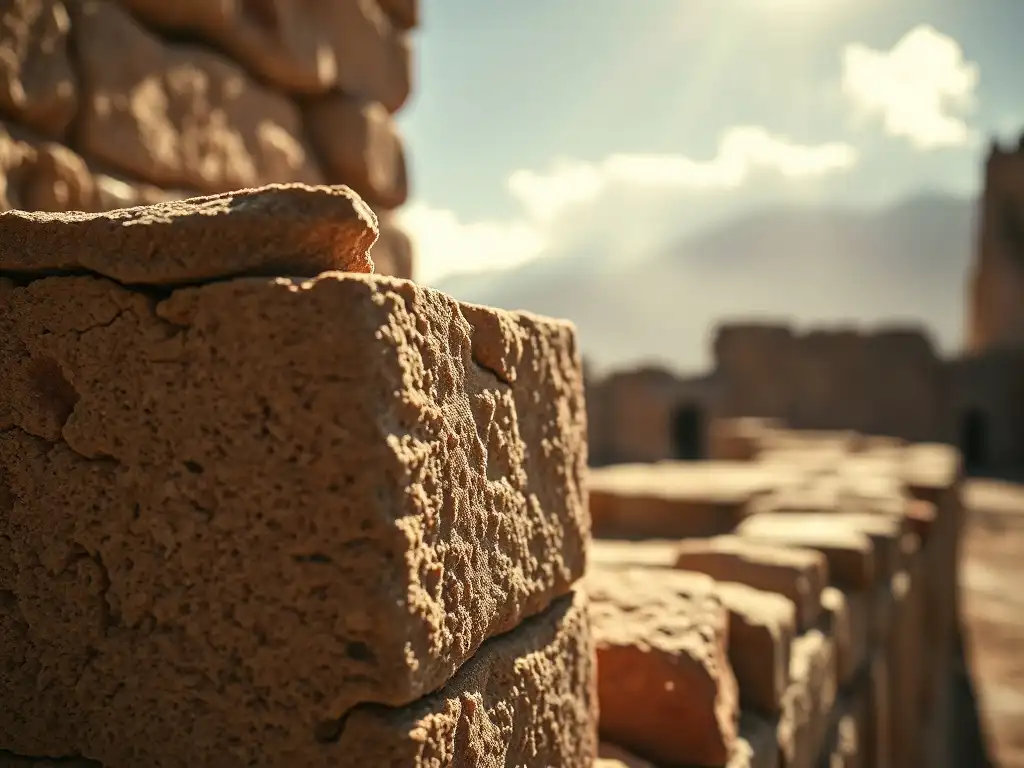
This section delves into specific examples of Andean adobe brick analysis, showcasing the variations in composition across different sites and time periods. Understanding these variations is crucial for appreciating the ingenuity and adaptability of Andean builders, who skillfully tailored their building materials to local resources and environmental conditions. Analyzing the composition of Andean adobe bricks provides invaluable insights into their construction techniques, resource management, and the overall sophistication of their architectural practices. The keyword "Andean adobe brick composition" is central to understanding the nuances of these ancient building methods.
Adobe Composition at Chan Chan, Peru
Adobe Composition Findings at Chan Chan
Chan Chan, the sprawling capital of the Chimú civilization, offers a fascinating case study in adobe construction. Analysis of adobe bricks from various structures within the city reveals a consistent use of clay, sand, and straw. However, the proportions of these components varied depending on the specific location and the intended use of the structure. For instance, bricks from the more heavily trafficked areas, such as palace walls, often contained a higher proportion of sand for increased durability. Conversely, bricks used in less-stressed areas, like residential buildings, showed a higher clay content.
| Location within Chan Chan | Clay (%) | Sand (%) | Straw (%) | Other Additives |
|---|---|---|---|---|
| Palace Walls | 35 | 55 | 10 | Trace amounts of shell fragments |
| Residential Areas | 45 | 40 | 15 | None detected |
| Ceremonial Structures | 40 | 45 | 15 | Small quantities of crushed pottery |
The presence of straw acted as a binding agent, enhancing the brick's strength and reducing cracking during drying and curing. The inclusion of shell fragments in some bricks suggests a readily available local resource was integrated into the construction process, highlighting the adaptive nature of Chimú building practices. Further research is needed to fully understand the relationship between adobe composition and the structural integrity of different buildings within Chan Chan. This detailed analysis of "Andean adobe brick composition" in Chan Chan helps us understand the sophisticated engineering behind this remarkable city.
Adobe Analysis at Ollantaytambo, Peru
Ollantaytambo, a significant Inca site, presents a different perspective on adobe construction. While the basic components – clay, sand, and straw – remain similar, the overall composition displays a greater degree of refinement and control compared to Chan Chan.
Lessons Learned from Ollantaytambo Adobe Analysis
The Ollantaytambo adobe bricks exhibit a remarkably consistent composition across different structures. This uniformity suggests a more centralized and standardized approach to brick production. Analysis indicates a higher proportion of fine-grained clay, resulting in denser and more durable bricks. The straw content, while present, is generally lower than in Chan Chan, possibly reflecting a different approach to binding the mixture or the availability of higher-quality clay.
The precision in the composition of Ollantaytambo's adobe bricks points to a sophisticated understanding of material science and construction techniques within the Inca Empire.
Furthermore, microscopic analysis reveals a meticulous preparation of the clay, indicating a level of craftsmanship and quality control that surpasses many other Andean sites. The Inca’s attention to detail, evident in the consistent "Andean adobe brick composition" at Ollantaytambo, underscores their mastery of architectural engineering and their ability to create structures that have withstood the test of time.
Further research into the specific clay sources and processing techniques used at Ollantaytambo would greatly enhance our understanding of Inca construction practices. The meticulous nature of their work is a testament to their advanced understanding of materials science, something often overlooked when discussing Andean civilizations.
Preserving Andean Adobe Heritage Through Understanding Composition
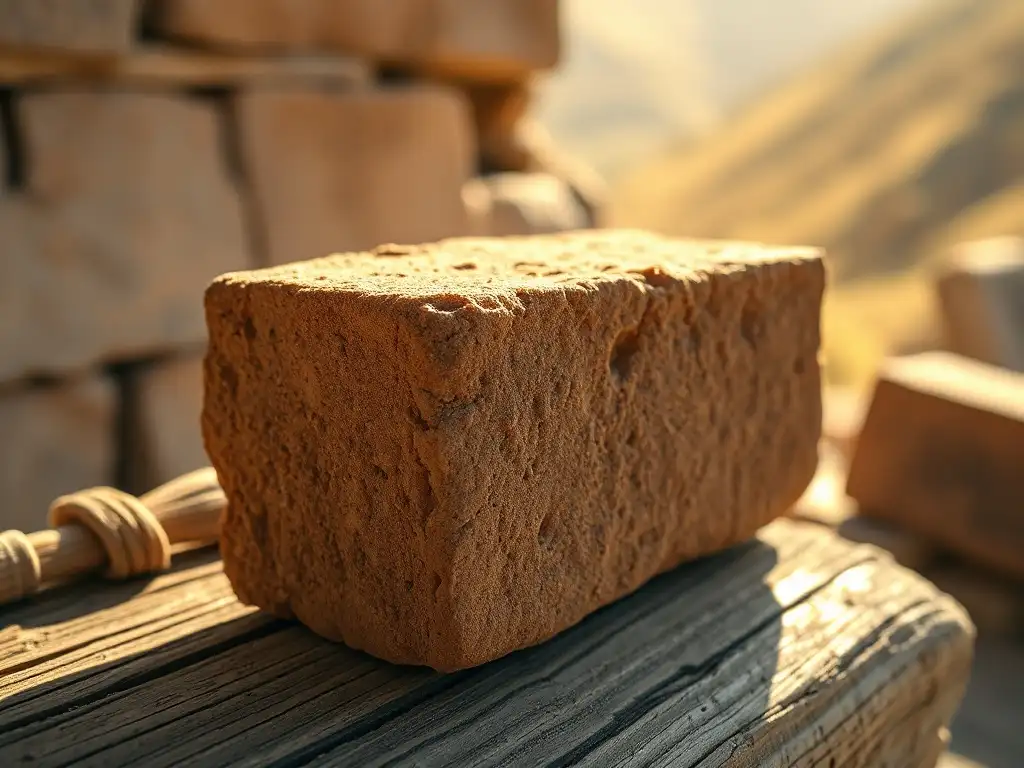
The study of Andean adobe brick composition is not merely an academic exercise; it's crucial for the preservation of a unique architectural heritage. Understanding the precise mix of materials – the proportions of soil, clay, straw, and any other additives – used in different Andean cultures and time periods allows for more effective conservation and restoration. The degradation of adobe structures is a significant concern, accelerated by factors such as climate change, seismic activity, and even human intervention.
By analyzing the original composition, we can better understand the strengths and weaknesses of these ancient structures and develop targeted preservation strategies. This knowledge informs the creation of appropriate conservation materials and techniques, ensuring the longevity of these invaluable historical sites.
Ignoring the nuances of adobe composition can lead to irreversible damage, losing irreplaceable information about past building practices and the societies that created them. The intricate relationship between the composition of the adobe and the longevity of the structure is a key area of ongoing research, constantly refining our understanding of these ancient building techniques.
The Importance of Conservation Strategies
Effective conservation strategies are paramount to safeguarding Andean adobe structures. These strategies must go beyond simple surface treatments and delve into the core of the material itself. For instance, understanding the soil type used in a particular adobe brick allows for the development of compatible consolidants and protective coatings. Using inappropriate materials can lead to accelerated deterioration, ironically hastening the very decay we are trying to prevent.
Furthermore, knowledge of the binder used – often straw or other organic matter – helps in understanding the brick's structural integrity and vulnerability to environmental factors. Conservation efforts must also consider the surrounding environment. Understanding how moisture affects the adobe brick, based on its unique composition, is crucial for developing effective drainage systems and mitigating the effects of water damage.
A holistic approach, integrating scientific analysis with traditional knowledge, promises the most effective preservation of this irreplaceable heritage. This includes not only the physical structures but also the intangible cultural heritage associated with them. The preservation of Andean adobe is a testament to the importance of interdisciplinary collaboration and a commitment to preserving our shared past.
Using Analysis to Guide Restoration Efforts
Analysis of Andean adobe brick composition directly informs restoration efforts. By analyzing samples from different parts of a structure, we can identify variations in the original composition, revealing potential weaknesses or areas of particular vulnerability. This information is invaluable when planning repairs, allowing for the targeted application of conservation treatments. For example, if analysis reveals a higher proportion of organic matter in certain bricks, leading to increased susceptibility to decay, restoration efforts can focus on these specific areas.
Furthermore, understanding the original techniques used in brick-making – including the preparation of the soil, the mixing ratios, and the drying methods – allows for the production of compatible replacement bricks during restoration. This ensures that any new materials introduced during repairs are as close as possible to the original composition, minimizing further damage and maintaining the historical integrity of the structure. The use of modern analytical techniques, such as X-ray diffraction and scanning electron microscopy, provides a detailed understanding of the material's mineralogy and microstructure, guiding informed decision-making in restoration projects.
This scientific approach, combined with traditional building knowledge, ensures the responsible and effective repair of these ancient masterpieces. The careful and informed restoration of Andean adobe structures is a crucial step in preserving the cultural and historical significance of these sites for future generations. The ongoing research into Andean adobe brick composition continues to refine these methods, ensuring the preservation of this invaluable heritage.
Conclusion: The Legacy of Andean Adobe Engineering
The meticulous craftsmanship and insightful engineering behind Andean adobe brick construction continue to fascinate and inspire. The analysis of their composition reveals not only the ingenuity of ancient builders but also their deep understanding of their environment and available resources. The careful selection of soil types, the incorporation of organic materials like straw and dung, and the precise techniques of mixing and drying all contributed to the remarkable durability and longevity of these structures, many of which still stand today, a testament to the enduring legacy of Andean architectural prowess.
Understanding the precise Andean adobe brick composition allows us to appreciate the sophisticated knowledge systems that underpinned these impressive achievements. The resilience of these structures, even in the face of seismic activity and harsh weather conditions, underscores the effectiveness of these ancient building methods. Further research into the specific techniques employed by different Andean cultures—from the Incas to the Moche and Nazca—will undoubtedly shed more light on the nuances and variations in adobe construction across the region.
The secrets held within the soil, encoded in the very composition of these bricks, continue to unlock a deeper understanding of the technological and cultural achievements of the Andes. The legacy of Andean adobe engineering is not merely about buildings; it’s a testament to human adaptability, resourcefulness, and a profound connection to the land.
Future Research Directions in Adobe Analysis
Future research on Andean adobe brick composition should focus on several key areas. Firstly, a more comprehensive comparative analysis across different Andean cultures and time periods is crucial. This would involve a systematic study of brick samples from a wider range of sites, employing advanced techniques such as X-ray diffraction (XRD) and scanning electron microscopy (SEM) to obtain a more precise mineralogical and microstructural characterization. This detailed analysis would help identify regional variations in material selection and construction techniques, potentially revealing the influence of local environmental factors and cultural practices.
Secondly, investigating the long-term degradation processes of adobe bricks is essential for conservation efforts. Understanding the chemical and physical changes that occur over time, particularly in response to environmental factors like humidity and temperature fluctuations, will enable the development of more effective preservation strategies for these invaluable historical structures. This could involve accelerated weathering tests under controlled laboratory conditions.
Thirdly, a more interdisciplinary approach is needed. Integrating archaeological, anthropological, and engineering perspectives will provide a more holistic understanding of adobe construction. For example, analyzing the relationship between adobe brick composition and the overall architectural design of structures could reveal insights into the builders' engineering principles.
Ethnoarchaeological studies, involving the observation of contemporary adobe construction techniques in Andean communities, can offer valuable comparative data and a deeper understanding of traditional knowledge. Finally, exploring the potential of using advanced non-destructive testing methods, such as ground-penetrating radar (GPR) and hyperspectral imaging, to analyze adobe structures in situ without causing damage would minimize the impact on archaeological sites and expand research possibilities.
The potential for utilizing this technology to analyze the internal composition of the bricks without destructive sampling is a significant advancement. The future of Andean adobe brick research promises exciting discoveries and a deeper appreciation for the ingenuity and sustainability of these ancient building traditions.
Frequently Asked Questions
What is adobe brick, and why was it important to Andean civilizations?
Adobe brick is a sun-dried brick made from a mixture of clay, sand, and water. It was a fundamental building material for Andean civilizations, allowing for the construction of vast structures like cities and temples. Its availability and relative ease of production made it vital to their architecture.
What specific materials comprised Andean adobe bricks?
The exact composition varied by region and time period, but generally included clay, sand, and water. Organic materials like straw or dung were often added as a binder to improve strength and durability. The specific type of clay significantly affected the final brick properties.
How did the composition of Andean adobe bricks affect their longevity?
The quality of the materials and the construction techniques directly impacted the longevity of the adobe structures. Bricks with a well-balanced mixture of clay and sand, and proper sun-drying, were more resistant to erosion and weathering. Poorly made bricks were more susceptible to damage.
How does analyzing the composition of Andean adobe bricks help us understand ancient Andean societies?
Analyzing the composition helps us understand resource management, building techniques, and trade networks of Andean societies. Differences in brick composition across regions can reveal patterns of cultural exchange and adaptation to diverse environments. Isotopic analysis can even reveal information about the origins of the materials.
Where can I find more information on Andean adobe brick composition and research?
You can find further information in academic journals focusing on archaeology and materials science. Many museum websites and university research databases also contain relevant studies on Andean architecture and the composition of adobe bricks. Searching for keywords like "Andean adobe," "brick composition," and "ancient Andean technology" will yield useful results.
Final Reflection: Unearthing the Legacy of Andean Adobe
The secrets held within Andean adobe bricks are not merely historical artifacts; they are living testaments to the ingenuity and resilience of past civilizations, offering valuable lessons for sustainable building practices today. Understanding the precise composition of these bricks reveals not only the technological prowess of Andean builders but also their deep connection to the environment, a connection we urgently need to re-establish in our modern world grappling with climate change and resource depletion.
The enduring legacy of Andean adobe construction continues to resonate, shaping our understanding of sustainable architecture and resource management. These ancient structures, built with materials sourced directly from the surrounding landscape, stand as powerful examples of environmentally conscious design. Their longevity, often exceeding centuries, speaks volumes about the durability and efficiency of traditional building techniques. The earth itself is our greatest teacher; it shows us how to live in harmony with nature.
This simple truth, often overlooked in our modern pursuit of technological advancement, is powerfully illustrated by the enduring strength of Andean adobe.
Consider the implications of this research. What can we learn from the meticulous selection of soil components, the careful preparation of the mixture, and the precise techniques used in the construction of these remarkable bricks? You, the reader, are now equipped with a deeper understanding of sustainable building practices.
I urge you to consider how this knowledge can inform your own choices, whether in your personal projects or in advocating for more environmentally responsible construction methods in your community. Let us build a future inspired by the wisdom of the past, a future where sustainability is not just a buzzword, but a guiding principle in all that we create.
Uncover the Power of Earth: Take Action Now!
Thank you for exploring the fascinating world of Andean adobe bricks! Your insights into their unique soil composition will not only deepen your understanding of sustainable building practices, but also help preserve valuable cultural heritage. Now it's time to put your knowledge to work.
Here are some ways to get started:
- Experiment with making your own adobe bricks: Gather soil from your local area and try making your own bricks at home. Keep a record of your process for future reference and share your experiences with others.
- Join or start a community building workshop: Connect with local groups interested in sustainable construction. Sharing knowledge and practical experience can inspire wider adoption of traditional methods.
- Spread the word: Tell your friends and family about the importance of preserving traditional building techniques. Share your enthusiasm on social media to spark interest in others.
What innovative projects or ideas have you developed based on your understanding of adobe construction? Share your thoughts below!