
The Hands That Built: The Social Organization of Andean Construction Projects

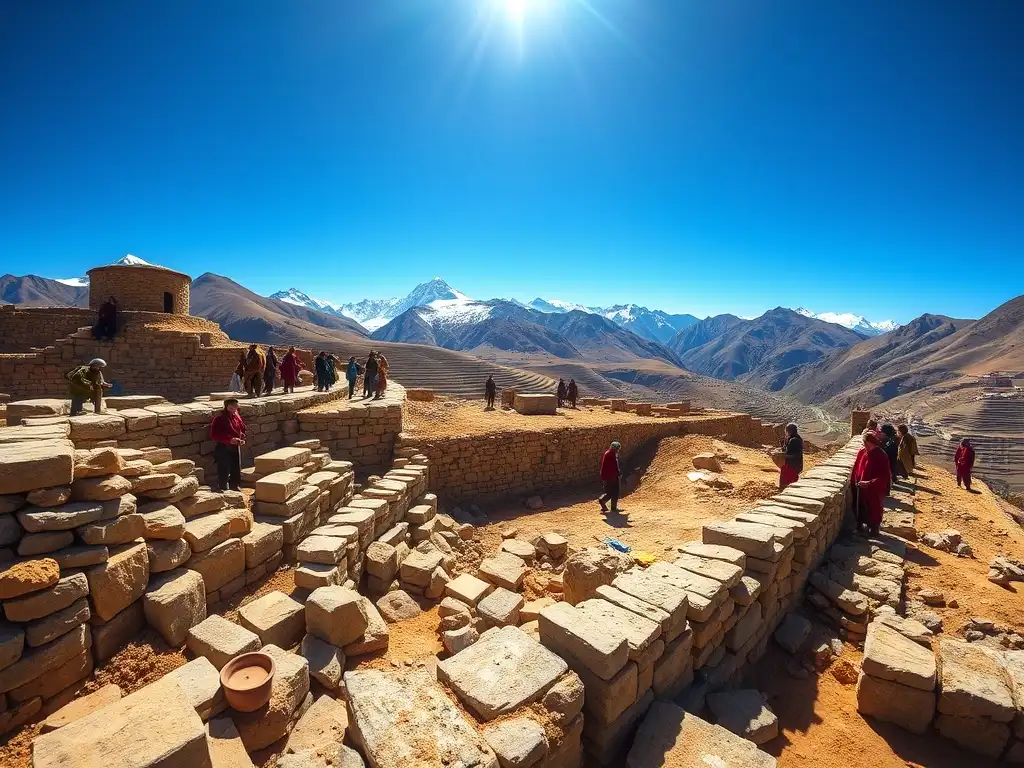
Uncover the secrets whispered in stone! For centuries, the towering structures and intricate artistry of the Andean civilizations have captivated the world. But what ingenious methods and social structures allowed for such monumental achievements? Dive into the fascinating world of Andean civilization construction methods and discover the astonishing ingenuity behind the empires that shaped the Andes. Prepare to be amazed by the sheer scale and sophistication of their engineering prowess in our exploration of "The Hands That Built: The Social Organization of Andean Construction Projects."
The awe-inspiring architecture of the Andes—from the intricate terraces of the Inca to the monumental structures of Tiahuanaco—stands as a testament to the ingenuity and organizational prowess of ancient Andean civilizations. Understanding these achievements requires looking beyond the impressive stonework itself and delving into the sophisticated social structures that made such ambitious projects possible.
This article explores the social organization behind Andean construction, examining the mobilization of labor, the roles of different social groups, and the specialized skills that contributed to the remarkable engineering feats of these cultures. We will uncover how the effective management of human resources was as crucial as the mastery of stonework and engineering techniques to the construction of the impressive Andean structures, revealing the intricate interplay between social organization and technological advancement that defined Andean civilization construction methods.
This exploration will shed light on the complex systems that enabled these societies to build and maintain their impressive cities, temples, and infrastructure, offering a deeper appreciation for the human ingenuity behind these enduring legacies.
Introduction to Andean Civilization Construction Methods
Andean civilization construction methods varied significantly across different cultures and time periods. However, several common threads unite these approaches. A deep understanding of the local environment, including geology and topography, was paramount.
This allowed builders to select appropriate materials and design structures that integrated seamlessly with the landscape. The use of stone, often meticulously cut and fitted without mortar, was a hallmark of Andean construction. Innovative techniques, such as the use of retaining walls for terracing and sophisticated drainage systems, demonstrate a remarkable understanding of engineering principles.
Furthermore, the monumental scale of many projects, such as Machu Picchu or the Nazca Lines, points to an advanced level of social organization and labor management, a crucial aspect we will analyze in detail. The precision and durability of these structures are a testament to the mastery of these methods and the deep understanding of the environment and the available resources. The following sections will analyze these methods more deeply, focusing on the social mechanisms that made them possible.
Labor Mobilization in Ancient Andean Societies
The construction of massive Andean structures depended on the effective mobilization of labor. Unlike many other ancient civilizations that relied heavily on slave labor, the Andean societies employed a complex system that combined state-organized projects with significant community participation. This system, while demanding, was also integrated into the social fabric, demonstrating a remarkable level of social cohesion and cooperation.
The scale of these projects, ranging from extensive irrigation systems to monumental temples, necessitates a detailed examination of the mechanisms that allowed for their successful completion. The intricacies of this system reveal a sophisticated understanding of resource management and social engineering, key factors that contributed to the success of the Andean civilizations.
Mit'a: The Core of Andean Labor Systems
The mit'a system, a form of mandatory public service in the Inca Empire, was a cornerstone of labor mobilization. This system required able-bodied individuals to contribute a specific amount of time to public works projects, including construction. While it could be demanding, the mit'a was not solely exploitative; it provided essential services like infrastructure development and also offered opportunities for social mobility and reciprocal benefits.
The organization and management of the mit'a required a sophisticated bureaucratic apparatus, reflecting the advanced administrative capabilities of the Inca state. The effectiveness of the mit'a system in mobilizing labor for large-scale projects is evident in the numerous impressive structures built during the Inca empire. Further research is needed to fully understand the nuances of the mit'a system and its impact on Andean society.
Community Participation in Construction Projects
Beyond the mit'a, community participation played a crucial role in Andean construction. Local communities often contributed labor and resources to projects that benefited their immediate surroundings, such as irrigation canals or local temples. This participation fostered a sense of collective ownership and responsibility, further strengthening social bonds and ensuring the long-term maintenance of these structures. This collaborative approach, combined with the state-organized labor, ensured a continuous and efficient flow of resources and manpower. The success of these collaborative efforts is a testament to the strong sense of community and shared purpose within Andean societies.
Specialized Labor and Craftsmanship
Andean construction wasn't just about sheer manpower; it also relied on highly skilled specialists. Master stonemasons, architects, and engineers played vital roles in designing and executing complex projects. Evidence suggests the existence of hereditary crafts, with specialized knowledge and skills passed down through generations.
These specialists, often held in high esteem within their communities, were essential for the precision and artistry evident in many Andean structures. The intricate stonework, sophisticated engineering techniques, and the overall aesthetic quality of the buildings are a testament to their expertise and dedication. The integration of specialized skills into the broader social organization of construction projects highlights the sophisticated social and economic structures of these ancient societies.
Planning and Organization of Andean Construction
Andean civilization construction methods were remarkably sophisticated, reflecting a complex social organization dedicated to large-scale projects. Planning wasn't a haphazard affair; instead, it involved meticulous foresight and coordination across various levels of society. Evidence suggests a hierarchical structure, with specialized roles and responsibilities clearly defined. This allowed for efficient resource allocation, task delegation, and overall project management, even without the benefit of modern technology.
The scale of projects like Machu Picchu and the Sacsayhuamán fortress is testament to this organizational prowess. The precision and integration of architectural elements within these sites underscore the detailed planning that went into their creation. Archaeological findings, including tools, storage facilities, and even potential planning maps (though their exact interpretation is still debated), all point to a highly organized approach to construction.
Role of the Inca Empire in Construction Management
The Inca Empire, known for its vast infrastructure projects, formalized many pre-existing Andean construction practices. They established a centralized system for managing labor and resources, utilizing the mita system – a form of mandatory public service – to mobilize a large workforce for construction endeavors. This system ensured a consistent supply of labor for projects across the empire, although it’s important to note that this was not solely a system of forced labor; it also involved reciprocal obligations and benefits for participating communities.
Furthermore, the Inca implemented standardized building techniques and designs, ensuring uniformity and efficiency across different regions. Imperial officials oversaw projects, ensuring adherence to plans and quality control, demonstrating a sophisticated understanding of project management. The standardization of building styles is evident in the similar architectural features found across the empire's vast territory.
Pre-Inca Construction Planning Strategies
Long before the Inca Empire, Andean societies developed impressive construction skills. The Moche, Nazca, and Tiwanaku civilizations, for example, executed ambitious projects that required extensive planning and coordination. While the precise details of their organizational structures remain somewhat elusive, evidence suggests sophisticated methods for resource management, workforce organization, and project scheduling.
The intricate designs of Nazca lines, the monumental architecture of Tiwanaku, and the elaborate irrigation systems of various coastal societies all hint at advanced planning capabilities. Analyzing the layout of these sites reveals a clear understanding of spatial planning, suggesting the use of surveying techniques and a deep knowledge of the surrounding environment.
Resource Management and Logistics in Andean Building
The successful completion of Andean construction projects depended heavily on meticulous resource management and logistics. This included acquiring and transporting vast quantities of building materials, managing labor, and ensuring a consistent supply of food and water for the workforce. The movement of heavy stones, for instance, required sophisticated engineering solutions, such as ramps, rollers, and possibly even systems of levers and pulleys.
Evidence suggests the use of complex storage facilities for materials and provisions, demonstrating an understanding of inventory management and supply chain logistics. The efficient management of these resources is crucial to understanding the scale and complexity of Andean construction achievements. A breakdown in any part of this system would have significantly hampered progress.
Materials and Techniques Used in Andean Construction
The choice of building materials and construction techniques varied depending on the environment and the specific needs of the project. Andean builders demonstrated remarkable adaptability, employing a wide range of materials and techniques to create durable and aesthetically pleasing structures. Their mastery of stonework, earthworks, and other techniques is a testament to their ingenuity and skill. The diverse landscape of the Andes – ranging from high-altitude mountains to arid coastal plains – presented unique challenges and opportunities, shaping the development of construction practices.
The Use of Stone in Andean Architecture
Stone was a dominant material in many Andean constructions, especially in monumental architecture. Andean builders demonstrated exceptional skill in quarrying, shaping, and fitting stones with remarkable precision. They employed various techniques, including dry-stone masonry (without mortar), to create structures that have endured for centuries. The precise fitting of stones in sites like Sacsayhuamán is awe-inspiring, showcasing a deep understanding of engineering principles. The selection of stone type also varied, depending on its availability and suitability for the intended purpose. The quality and durability of the stone, combined with the skilled craftsmanship, contributed to the longevity of these structures.
Earth and Adobe Construction Practices
In addition to stone, earth and adobe were widely used, particularly in residential and less monumental constructions. Adobe, a sun-dried brick made of clay and other materials, provided a readily available and relatively inexpensive building material. The techniques used in earth and adobe construction varied across different regions and time periods, but they generally involved carefully preparing the earth mixture, forming bricks, and constructing walls.
These structures, while perhaps less visually striking than the stone edifices, were functional and well-suited to the climate. The use of earth and adobe highlights the pragmatic approach of Andean builders, adapting their techniques to available resources.
Transportation of Building Materials
The transportation of building materials, often over challenging terrain, presented a significant logistical challenge. Andean builders devised innovative solutions, utilizing a combination of human labor, animal power (llamas, alpacas), and possibly simple mechanical devices to move materials from quarries and other sources to construction sites. The construction of ramps and pathways, sometimes traversing steep slopes, facilitated the movement of heavy stones and other materials.
The sheer scale of some projects, such as the transport of massive stones for Sacsayhuamán, indicates a highly organized and efficient system for material transport. This element of logistical planning is often overlooked but is essential to understanding the construction methods of the Andes.
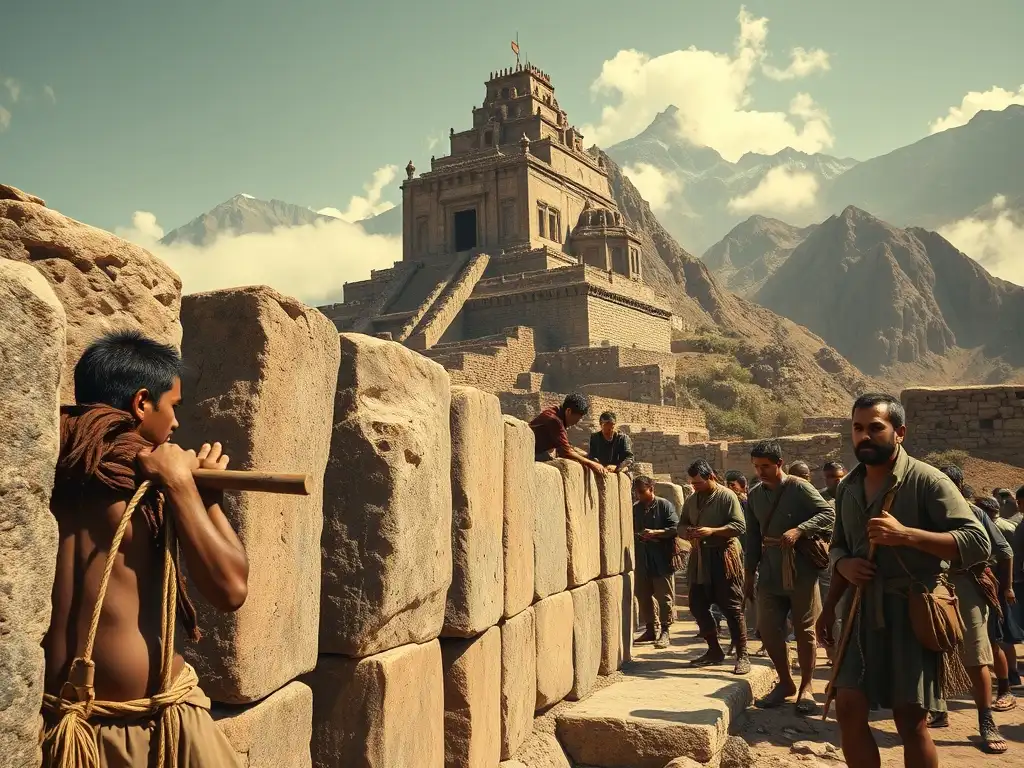
The monumental architecture of the Andes wasn't built by a homogenous workforce. Understanding Andean civilization construction methods requires acknowledging the intricate social hierarchies that shaped the labor process. The organization was far from chaotic; it was a carefully orchestrated system reflecting the power dynamics of the respective societies.
From the Inca Empire's meticulously planned projects to the earlier achievements of civilizations like the Moche and Nazca, social stratification played a crucial role in determining who worked, how they worked, and the level of skill required for different tasks. The elite controlled resource allocation, project management, and the overall vision, while the commoners provided the bulk of the manual labor. The effectiveness of this system is evident in the sheer scale and complexity of the surviving structures.
This hierarchical structure, while seemingly rigid, also allowed for a degree of social mobility based on skill and demonstrated ability, potentially influencing future assignments and social standing within the community. The system's efficiency, however, depended heavily on the stability of the ruling power and the effective management of resources and labor. Disruptions, such as internal conflicts or external invasions, could easily destabilize the entire construction process, leading to delays or even the abandonment of projects.
The Role of Elites in Construction Projects
Elites in Andean societies held significant sway over construction projects. They weren't merely overseeing the work; they were the driving force behind the planning, design, and execution. Evidence suggests that rulers, priests, and nobles were deeply involved in the conceptualization and supervision of major construction endeavors.
Their influence extended to resource allocation, determining the materials used, the workforce deployed, and even the aesthetic aspects of the final product. For instance, the intricate astronomical alignments found in many Andean structures point to the involvement of priestly elites who understood celestial movements and incorporated this knowledge into the architectural design. Furthermore, the elites' control over resources – including food, tools, and specialized labor – ensured the continuous flow of necessary inputs for the projects.
Their decisions directly impacted the project's scope, timeline, and the overall aesthetic and symbolic meaning embedded within the structure itself. Without their active participation and control, the ambitious construction projects of the Andes would have been impossible to undertake. Their influence extended beyond the practical aspects; the elite also likely used these projects to consolidate their power and legitimize their rule, showcasing their wealth, organizational prowess, and divine connection.
The Impact of Labor Systems on Andean Society
Andean civilization construction methods were intrinsically linked to the prevailing labor systems. The mita system of the Inca Empire, for example, is well-documented, obligating able-bodied citizens to contribute a certain amount of labor to public works. This system wasn't solely about construction; it extended to agriculture, mining, and other essential activities. However, the impact on Andean society was profound, shaping its social structure and economy.
While providing a workforce for large-scale projects, the mita also placed significant burdens on individuals and communities. The demands of labor could disrupt agricultural cycles, affecting food production and potentially leading to hardship. This impact underscores the complex interplay between the demands of large-scale construction and the overall well-being of the Andean population.
The system's effectiveness depended on a delicate balance between the needs of the state and the capacity of the communities to fulfill their obligations. The potential for abuse and exploitation existed, necessitating careful management and a degree of social control to prevent widespread unrest or rebellion. The system's long-term consequences are still being debated by scholars, highlighting the need for further research into its social and economic impact.
Social Dynamics of Building Teams
The construction of Andean structures involved diverse teams with varying levels of skill and specialization. While the mita system contributed a large pool of general laborers, specialized artisans and engineers played critical roles. Stone masons, for instance, possessed highly refined skills, passing down their knowledge through generations. Their expertise was essential for creating the precise and intricate stonework seen in sites like Sacsayhuaman.
The dynamics within these teams likely involved a complex interplay of cooperation, competition, and hierarchy. Supervisors, often appointed by the elites, played a key role in managing the workforce, assigning tasks, and ensuring the project’s progress. Communication and coordination were crucial, especially in large-scale projects involving thousands of workers. The success of these projects hinged on the effective organization of these teams, their ability to collaborate efficiently, and the effective management of resources and labor.
Further research is needed to fully understand the internal social dynamics of these teams, including the mechanisms for conflict resolution, reward systems, and the social standing of different specialized workers within the broader Andean society. Did specialized skills translate into higher social standing? What incentives motivated workers to perform their duties effectively? These are important questions that continue to shape our understanding of Andean civilization construction methods.
Case Studies of Andean Construction Projects
Examining specific projects reveals crucial insights into Andean civilization construction methods and their social organization. The scale and complexity of these undertakings highlight the organizational capacity and technological sophistication of these ancient societies.
Machu Picchu: A Study in Inca Engineering
Machu Picchu, the iconic "Lost City of the Incas," stands as a testament to Inca engineering prowess and social organization. Its construction, likely undertaken during the height of the Inca Empire, showcases a remarkable mastery of stonework, terracing, and water management. The precise fitting of stones, without the use of mortar, demonstrates a high level of skill and coordination among the masons.
The intricate agricultural terraces carved into the mountainside reveal a sophisticated understanding of water management and soil conservation. The organization of labor required for such a complex project suggests a highly centralized system, with specialized teams working in coordination. The logistical challenges of transporting materials and feeding the workforce across such rugged terrain underscore the effectiveness of the Inca’s administrative and logistical capabilities.
The site's design, combining residential areas, agricultural terraces, and religious structures, reflects the integration of different aspects of Inca society within a single complex. Machu Picchu serves as a powerful example of how sophisticated social organization and advanced engineering techniques combined to create a truly remarkable achievement.
Sacsayhuaman: A Showcase of Andean Masonry
Sacsayhuaman, located near Cusco, Peru, is renowned for its massive, precisely fitted stone blocks. This impressive fortress, built by the Inca, represents a pinnacle of Andean masonry techniques. The sheer size of the stones and their remarkable fit, without the use of mortar, are a testament to the Inca's engineering skills and organizational capacity. Moving and placing these enormous blocks required incredible feats of engineering and a well-organized workforce.
The arrangement of the stones, with their intricate interlocking patterns, demonstrates a deep understanding of structural mechanics. The social organization necessary to construct Sacsayhuaman involved the coordination of thousands of workers, specialized artisans, and supervisors. The project’s scale and the precision of the work highlight the sophisticated social and technological capabilities of the Inca civilization. The site’s strategic location and defensive features also underscore the importance of military organization and the role of construction in securing the Inca Empire's power.
Chan Chan: A City Built of Adobe
Chan Chan, the capital of the Chimú kingdom, stands as a unique example of a large-scale urban center constructed primarily from adobe. Unlike the stone structures of the Inca, Chan Chan showcases the impressive architectural capabilities using readily available local materials. The city's extensive network of palaces, temples, and residential areas demonstrates the sophisticated urban planning of the Chimú.
The construction of these structures, using millions of adobe bricks, required a substantial and well-organized workforce. The intricate designs of the palaces, with their decorative friezes and geometric patterns, reveal the artistic and engineering skills of the Chimú artisans. The city's layout, with its distinct residential areas and specialized zones, reflects a complex social organization.
Chan Chan's construction highlights the adaptability of Andean civilization construction methods, demonstrating that impressive achievements could be accomplished using different materials and techniques, tailored to local resources and environmental conditions. The city's eventual decline and abandonment also provide valuable insights into the fragility of even the most impressive urban centers and the impact of social and political changes on their long-term sustainability.
The Legacy of Andean Construction Techniques
The ingenuity of Andean civilization construction methods continues to fascinate and inspire. Their mastery of stonework, particularly in the precision-fitting of massive blocks without mortar, remains a testament to their advanced understanding of engineering principles and social organization.
The intricate irrigation systems, spanning vast distances across challenging terrain, showcase their sophisticated hydraulic engineering skills and their ability to manage complex water resources. These achievements weren't merely feats of technical prowess; they reflected a deep understanding of the environment and a commitment to sustainable practices, aspects that are increasingly relevant in modern construction.
The impressive scale of many projects, such as the monumental structures at Machu Picchu or the intricate Nazca Lines, highlights the remarkable ability of Andean societies to mobilize and coordinate large workforces, achieving remarkable feats of collective effort. This legacy isn't just about the physical structures; it's about the enduring principles of planning, resource management, and community involvement that underpinned their success.
Influence on Modern Construction Practices
Andean construction methods, while seemingly ancient, continue to hold relevance for modern practices. The principles of earthquake-resistant construction, evident in the Inca's use of interlocking stones and adaptable building designs, are now studied and incorporated into modern seismic engineering. The innovative use of local materials, minimizing environmental impact, offers valuable lessons for sustainable construction in the 21st century.
Furthermore, the Andean emphasis on community involvement in construction projects provides a valuable model for collaborative and participatory approaches to modern infrastructure development. Studies analyzing the durability and resilience of ancient Andean structures offer insights into material science and construction techniques that could enhance the longevity and stability of modern buildings.
For instance, the study of Inca stonework has led to innovations in dry-stone walling techniques, demonstrating the continued value of ancient knowledge for modern applications. The efficient use of resources and the integration of structures into their environment provide valuable lessons for contemporary architects and engineers aiming for environmentally conscious design.
Preservation of Ancient Andean Sites
The preservation of ancient Andean sites presents significant challenges, demanding a delicate balance between conservation and accessibility. Understanding the original construction methods is crucial for effective preservation strategies. For instance, knowledge of Inca stone laying techniques informs restoration projects, ensuring authenticity and structural integrity. The use of modern materials and techniques must be carefully considered to avoid damaging the original structures.
Preservation efforts also involve mitigating the impact of environmental factors such as erosion and seismic activity. This often requires employing cutting-edge technologies and collaborating with local communities to ensure the long-term survival of these invaluable historical sites. Furthermore, sustainable tourism practices are essential to balance the economic benefits of these sites with their preservation. Careful planning and management are crucial for preventing further deterioration and ensuring that these cultural treasures remain accessible for future generations.
Understanding Andean Culture Through its Buildings
The buildings of Andean civilizations offer a unique window into their social structures, beliefs, and values. The monumental architecture, such as the impressive temple complexes at Tiahuanaco, reflects the power and organization of their societies. The intricate designs and symbolic elements incorporated into the structures provide insights into their religious beliefs and cosmological views.
The layout of urban centers, such as Cusco, reveals information about their social hierarchy and urban planning capabilities. Analyzing the construction methods and materials used in different regions helps researchers understand trade networks and resource management strategies. The careful consideration of astronomical alignments in some structures suggests a sophisticated understanding of astronomy and its importance in their culture.
By studying these aspects, we gain a deeper appreciation of the complexity and richness of Andean cultures beyond simply their impressive architectural achievements. The buildings are not just structures; they are tangible expressions of their worldview, society, and beliefs.
Conclusion: The Enduring Impact of Andean Construction Methods
The study of Andean civilization construction methods provides invaluable insights into the ingenuity, resilience, and social organization of these remarkable societies. Their achievements in engineering, resource management, and community collaboration continue to inspire and inform modern practices. From the principles of earthquake-resistant design to sustainable building techniques and the importance of community involvement, the legacy of Andean construction endures. The preservation of these sites is not just a matter of historical preservation; it is a testament to the enduring value of understanding and learning from the past. The continued research and analysis of these remarkable constructions are crucial for both understanding the past and shaping a more sustainable and resilient future. The legacy of Andean construction is a powerful reminder of human ingenuity and the enduring impact of well-planned and collaboratively executed projects. Their innovative approaches to construction remain relevant today, providing valuable lessons for sustainable development and resource management.
- Introduction to Andean Civilization Construction Methods
- Labor Mobilization in Ancient Andean Societies
- Planning and Organization of Andean Construction
- Materials and Techniques Used in Andean Construction
- Social Hierarchies and Andean Construction
- Case Studies of Andean Construction Projects
- The Legacy of Andean Construction Techniques
- Conclusion: The Enduring Impact of Andean Construction Methods
- What role did social organization play in Andean construction projects?
- How did the Incas manage to build such impressive structures with limited technology?
- What materials were commonly used in Andean construction?
- Were all Andean civilizations' construction methods the same?
- How did Andean construction methods reflect their worldview?
Frequently Asked Questions
Andean construction relied heavily on complex social structures. Mita labor systems and the authority of the ruling elite were crucial for mobilizing the workforce and resources needed for massive projects like Machu Picchu.
How did the Incas manage to build such impressive structures with limited technology?
Inca builders utilized advanced engineering techniques, including precise stone cutting and fitting, sophisticated irrigation systems, and an intricate understanding of terracing and hillside construction. Their social organization was key to managing these complex tasks.
What materials were commonly used in Andean construction?
Stone was a primary material, often expertly fitted without mortar. Other materials included adobe bricks, wood, and thatched roofs. The choice of material depended on the environment and the intended use of the structure.
Were all Andean civilizations' construction methods the same?
While many shared characteristics, like mastery of stonework, there were significant regional variations. The Nazca's expertise in geoglyphs, for example, differed from the Inca's focus on massive stone structures. Tiahuanaco's monumental architecture also displayed unique characteristics.
How did Andean construction methods reflect their worldview?
Andean construction practices reflected a deep connection to the natural world and a belief in the power of collective effort. The monumental scale of many projects showcases their social and spiritual values, aiming to create landscapes that reflected their cosmology.
Final Reflection: Echoes of Ingenuity in Stone
The intricate social structures that underpinned Andean construction projects remain a powerful testament to human ingenuity and collaborative potential, a model strikingly relevant to our modern challenges of large-scale infrastructure development. Understanding these ancient methods isn't just about admiring past achievements; it's about gleaning wisdom applicable to sustainable and equitable construction practices today. The efficiency and community-driven nature of these projects offer valuable lessons for a world grappling with climate change and resource scarcity.
The enduring legacy of Andean construction techniques extends far beyond the impressive ruins that still stand. Their impact resonates in our understanding of social organization, resource management, and the power of collective action. The sophisticated systems of labor organization, the integration of diverse skill sets, and the deep respect for the environment demonstrated by these civilizations offer a compelling counterpoint to the often exploitative and unsustainable practices of modern construction. The mountains themselves were not merely a source of materials, but a living entity that demanded respect and careful stewardship.
This perspective, though expressed in modern terms, captures the essence of the Andean approach.
Consider the implications of this ancient wisdom for your own life. How can we, in our own communities and projects, emulate the collaborative spirit and sustainable practices of the Andean builders? Let the echoes of their ingenuity inspire you to build not only structures, but also stronger, more equitable, and environmentally conscious societies. Embrace the challenge of creating a future where innovation and sustainability go hand in hand, leaving a legacy as enduring as the magnificent structures of the Andes.
**Unveil the Legacy of Andean Builders! **
Thank you for exploring the remarkable world of Andean construction projects! Your interest in the organizational prowess and ingenuity of these ancient societies is truly inspiring. Let's delve deeper into this fascinating topic.
Here are some ways you can engage with this rich heritage:
- **Explore local Andean architecture:** Visit a museum or cultural center showcasing artifacts and stories from Andean civilizations. Witness firsthand the remarkable achievements of these builders.
- **Connect with fellow enthusiasts:** Share your thoughts and experiences related to Andean culture and construction techniques with others who share your passion. Join online forums or local groups dedicated to Andean history.
- **Participate in preservation efforts:** Get involved with organizations dedicated to preserving Andean heritage. This hands-on experience will provide invaluable insights into traditional building methods and the importance of conservation.
What aspect of Andean construction captivates you most, and how would you like to learn more about it?