
The Sacredness of Water in Andean Cosmovision and its Management

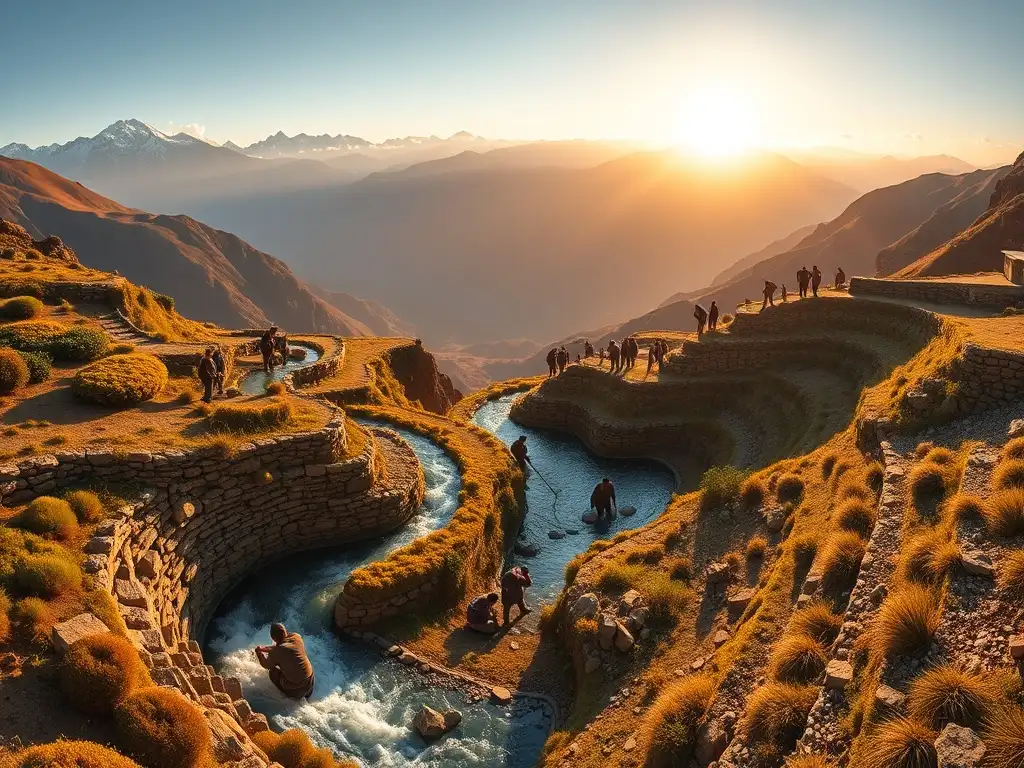
Step into a world lost to time, yet echoing with the ingenuity of a vanished empire. Discover the secrets of the Andes, a landscape shaped not just by towering mountains, but by the mastery of its ancient inhabitants. We delve into the fascinating world of Andean water management techniques, revealing how these civilizations harnessed the power of the sacred rivers and transformed the harsh terrain into thriving empires.
Prepare to be amazed by their sophisticated engineering and the profound spiritual connection they held with water – a connection that continues to inspire awe today. Uncover the mysteries that lie within…
Water, far from being a mere resource, held a deeply sacred place within the Andean cosmovision. This belief system, shared across various pre-Columbian Andean cultures like the Inca, Moche, Nazca, and Tiahuanaco, profoundly influenced their societal structures and, crucially, their sophisticated water management techniques. This article explores the inextricable link between the spiritual significance of water and the ingenious engineering solutions developed by these ancient civilizations to harness and control this vital element, showcasing the impressive advancements in Andean water management techniques.
We will delve into the religious practices, societal organization, and technological innovations that demonstrate the profound respect and understanding these cultures had for water, a resource essential for their survival and prosperity. Understanding this interconnectedness provides crucial insight into the remarkable achievements of Andean engineering and its lasting legacy.
Water as a Life-Giving Force: Religious and Ritualistic Aspects
The Andean worldview saw water as a powerful, life-giving force, inextricably linked to the fertility of the land and the prosperity of the people. Numerous deities and spirits were associated with water sources, from mountain springs to underground aquifers. Rituals and ceremonies, often involving offerings and prayers, were performed to appease these entities and ensure a continuous flow of water.
These practices weren't merely superstitious; they reflected a deep understanding of the hydrological cycle and the need for respectful stewardship of water resources. The intricate network of canals and aqueducts wasn't just a feat of engineering; it was also a manifestation of their spiritual relationship with water, demonstrating a harmonious integration of the sacred and the practical.
For example, the Inca considered mountain springs sacred, often constructing elaborate structures around them to protect and venerate these sources. This reverence extended to all water sources, highlighting their understanding of water's importance in maintaining ecological balance.
Ingenious Andean Water Management Techniques: Canals, Aqueducts, and Reservoirs
The Andean civilizations developed remarkable water management techniques to address the challenges of their diverse and often arid environments. Their mastery of hydraulic engineering is evident in the extensive networks of canals, aqueducts, and reservoirs that crisscrossed the landscape. These weren't simply haphazard constructions; they were carefully planned and executed systems designed to efficiently distribute water to agricultural lands and urban centers.
The construction of these systems required advanced knowledge of topography, hydrology, and materials science. For instance, the Nazca lines, while famous for their enigmatic nature, are also believed to have played a role in water management, potentially guiding water flows or marking significant water sources.
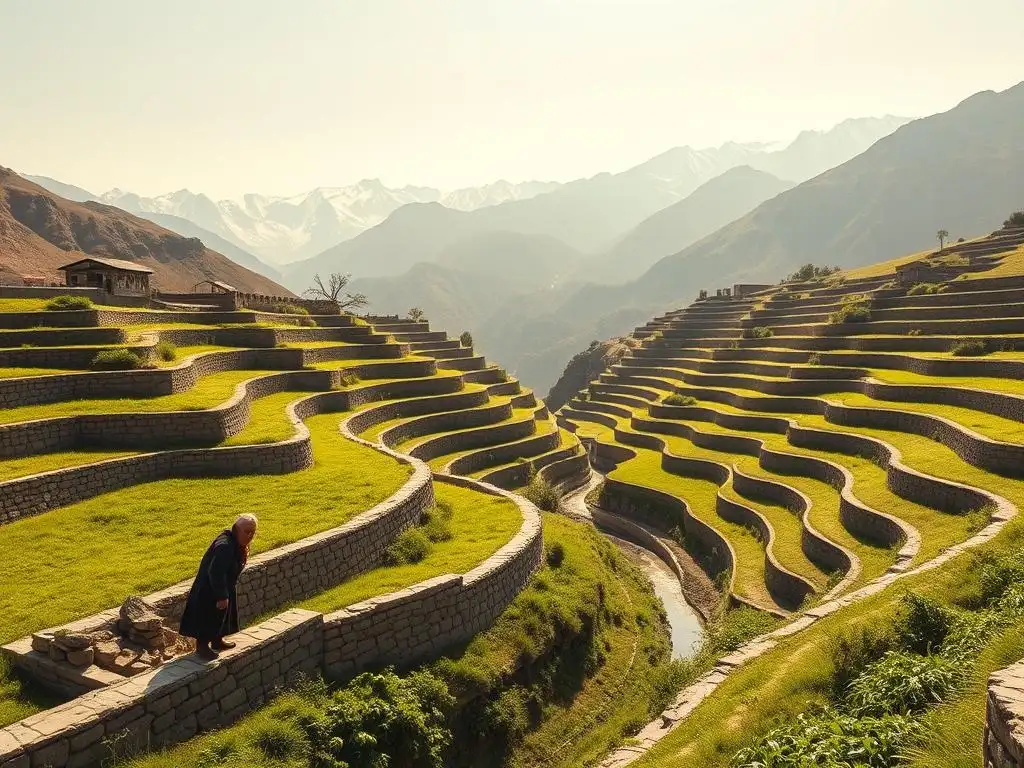
The Incas, known for their impressive empire, perfected the art of terracing, creating level platforms on steep slopes to optimize water retention and agricultural productivity. This sophisticated approach to water management allowed them to cultivate diverse crops, ensuring food security for their vast population.
The success of Andean water management wasn't solely due to technological advancements; it was also facilitated by a robust social organization. Water distribution was often managed through community-based systems, requiring cooperation and collaboration among different groups. This communal approach ensured equitable access to water and prevented conflicts over this precious resource. The intricate social structures of Andean societies fostered a sense of shared responsibility for water management, ensuring the long-term sustainability of these systems.
This collective effort underscores the importance of social cohesion and shared values in achieving effective water management. Evidence suggests that specific roles and responsibilities were assigned within communities, indicating a well-structured system of water governance. [Specific details on community organization pending further research]
The Legacy of Andean Water Management: Lessons for the Present
The ingenuity and sustainability of Andean water management techniques offer valuable lessons for contemporary societies grappling with water scarcity and environmental challenges. Their emphasis on respecting the environment and integrating spiritual beliefs with practical solutions provides a holistic approach to water management that remains relevant today. By understanding the Andean perspective, we can gain insights into more sustainable and equitable water management practices.
Their emphasis on community participation and long-term planning provides a valuable model for addressing the complexities of water resource management in the modern world. The enduring legacy of Andean water management lies not only in their impressive technological achievements but also in their holistic approach to this vital resource, demonstrating the importance of integrating ecological, social, and spiritual considerations in our approach to water resource management.
- Water as a Life-Giving Force: Religious and Ritualistic Aspects
- Ingenious Andean Water Management Techniques: Canals, Aqueducts, and Reservoirs
- The Social Organization of Water Management: Community Participation and Cooperation
- The Legacy of Andean Water Management: Lessons for the Present
Andean Cosmology and the Significance of Water
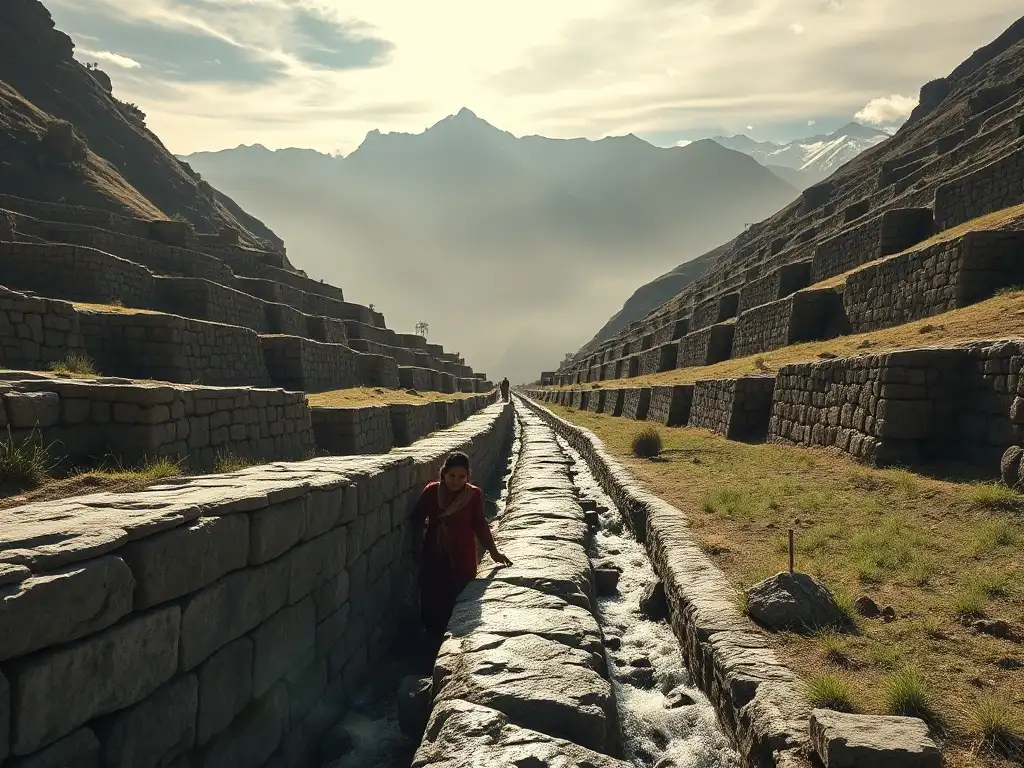
This section delves into the profound spiritual connection Andean civilizations held with water, a crucial element shaping their cosmology and profoundly influencing their sophisticated water management techniques. Understanding this deeply rooted reverence for water is key to appreciating the ingenuity and sustainability of their irrigation systems. The Andean worldview wasn't simply about practical resource management; it was a holistic approach interwoven with spiritual beliefs and rituals. The efficient and sustainable Andean water management techniques were not just engineering marvels, but also expressions of their spiritual relationship with the world.
The Andean Worldview: A Deep Connection with Pachamama
The Andean worldview centers on Pachamama, the Earth Mother, a powerful and life-giving deity. Pachamama is not merely the physical earth; she encompasses the entire cosmos, including the mountains, rivers, and all living creatures. Water, as a vital component of Pachamama, is considered sacred and imbued with spiritual energy.
This intimate connection fostered a deep respect for water resources, shaping societal norms and practices around its conservation and responsible use. The concept of reciprocity, ayni, is central to this relationship. People believed they had a responsibility to care for Pachamama and, in return, she would provide for their needs.
This reciprocal relationship extended to water management, emphasizing sustainable practices to ensure the continued well-being of both the community and the Earth. The impact of this worldview on the development of sophisticated Andean water management techniques cannot be overstated. It fostered a culture of responsible stewardship, ensuring the long-term sustainability of their water resources.
Water as a Source of Life and Fertility in Andean Beliefs
Beyond its life-sustaining properties, water was also seen as a symbol of fertility and abundance in Andean cultures. Rivers and springs were considered sacred sites, often associated with deities and spirits. Many rituals and ceremonies were performed near water sources to ensure bountiful harvests and prosperity. The annual agricultural cycle was intimately linked to the water cycle, with prayers and offerings made to ensure sufficient rainfall and the successful irrigation of crops.
This deep-seated belief in the life-giving power of water directly influenced the design and construction of their irrigation systems. The Andean water management techniques were not simply designed for efficiency; they were also imbued with spiritual significance, reflecting the profound importance of water in their cosmology. For example, the intricate canal systems were not just engineering feats but also symbolic representations of the life-giving power of water, connecting the sacred with the practical.
The Concept of "Yaku" (Water) as a Vital Energy
The Quechua word yaku encompasses more than just the physical substance of water; it represents a vital life force, an energy that animates the world. This concept extends beyond the simple understanding of water as a necessity for survival; it views water as a powerful force that shapes the landscape and influences the lives of humans and all living beings.
This understanding shaped the development of sophisticated Andean water management techniques, which were designed not only to control and distribute water but also to harness its spiritual energy. The meticulous construction of canals, reservoirs, and aqueducts was a testament to their reverence for yaku and their understanding of its vital role in maintaining ecological balance and spiritual harmony.
The integration of spiritual beliefs into practical water management practices highlights the unique and holistic approach of Andean civilizations. Their understanding of yaku as a vital energy propelled the development of sustainable and ingenious Andean water management techniques, ensuring the prosperity of their communities for centuries.
Ancient Andean Water Management Techniques
The Andes Mountains, a formidable yet life-giving landscape, presented unique challenges and opportunities for its inhabitants. Scarcity of water in certain areas, coupled with the need to cultivate crops at high altitudes, spurred the development of sophisticated and sustainable Andean water management techniques. These techniques, passed down through generations, demonstrate a profound understanding of hydrology and a deep spiritual connection to water, showcasing remarkable ingenuity and resilience.
The ingenuity in managing this precious resource is a testament to the deep understanding of their environment and their ability to adapt to its challenges. This section will delve into the specific methods employed by various Andean cultures, highlighting their remarkable achievements in water resource management.
Pre-Inca Civilizations' Ingenious Water Harvesting
Long before the Inca Empire, various Andean cultures developed impressive water management systems. The Nazca, for example, known for their enigmatic geoglyphs, also mastered complex canal systems to irrigate their arid coastal plains. These canals, often carved into the desert floor, channeled water from distant rivers and springs, allowing for agriculture in seemingly impossible locations.
Their understanding of water flow and topography was remarkably advanced, enabling them to create intricate networks that efficiently distributed water across vast areas. The precision and scale of these projects are particularly striking, considering the tools and technology available at the time. Evidence suggests that the Nazca utilized a sophisticated system of observation and measurement to ensure the efficient flow of water, possibly employing astronomical knowledge to predict rainfall patterns and manage water allocation effectively.
This meticulous approach to water management allowed for the flourishing of agriculture and the development of a complex society in a harsh environment. Furthermore, the Moche civilization, known for its intricate metalwork and monumental architecture, also implemented advanced irrigation techniques, utilizing gravity-fed canals and reservoirs to sustain their agricultural production. The ingenuity displayed by these pre-Inca cultures serves as a foundation for later Andean water management systems.
Inca Engineering Marvels: The Qhapaq Ñan and Water Control
The Inca Empire, renowned for its extensive road network, the Qhapaq Ñan, also possessed a sophisticated understanding of water management. The Qhapaq Ñan wasn't merely a transportation system; it was strategically designed to facilitate water distribution and control. Aqueducts, canals, and reservoirs were integrated into the road network, ensuring access to water for settlements and agricultural lands along its length.
The Inca engineers demonstrated a mastery of hydraulic engineering, employing techniques such as diverting water from rivers, constructing tunnels to transport water across mountains, and building sophisticated irrigation systems capable of serving large populations. The integration of water management into the Qhapaq Ñan demonstrates the Inca's understanding of the importance of water for both sustenance and communication within their vast empire.
This integrated approach is a significant aspect of Andean water management techniques, demonstrating a holistic view of infrastructure development, combining efficient resource management with logistical capabilities. The scale and complexity of these projects were truly remarkable, showcasing the Inca's advanced engineering skills and their ability to mobilize significant labor forces for large-scale public works projects.
Terracing and Water Storage for Agricultural Sustainability
One of the most visually striking and effective Andean water management techniques is terracing. This involved carving hillsides into a series of steps, creating flat surfaces for agriculture. This method not only increased the amount of arable land but also significantly improved water retention. The terraces slowed the flow of rainwater, preventing erosion and allowing water to seep into the soil, nourishing crops.
This was particularly crucial in mountainous regions where steep slopes and intense rainfall could easily lead to soil degradation. In addition to terracing, the Andean people developed ingenious methods for water storage, such as building reservoirs and creating artificial ponds. These structures collected rainwater and melted snow, providing a vital source of water during dry periods. The construction of these reservoirs required significant engineering skill and careful planning, reflecting the Andean people's deep understanding of hydrology and their commitment to sustainable agriculture.
The combination of terracing and water storage systems provided a resilient and sustainable agricultural system, allowing the Andean civilizations to thrive for centuries in challenging environmental conditions. The enduring legacy of these techniques is evident in the landscape itself, demonstrating a lasting impact on the Andean environment and culture. Data on the precise capacity of these reservoirs and the overall efficiency of the terracing systems is still being collected and analyzed, revealing more about the sophistication of these techniques over time.
Andean Irrigation Systems: Design and Functionality
Andean water management techniques were not merely practical solutions to arid conditions; they were deeply intertwined with the spiritual beliefs and cosmological worldview of the Andean peoples. The intricate systems they developed, particularly their irrigation networks, demonstrate a sophisticated understanding of hydrology and a remarkable capacity for collaborative engineering. These systems weren't just about survival; they were a testament to their profound connection with the natural world and a reflection of their social organization.
The effectiveness of Andean water management is evident in the sustained agricultural productivity across diverse and challenging terrains. This success stemmed from a combination of innovative engineering, meticulous planning, and a strong sense of community responsibility.
Understanding these techniques requires examining not only the physical infrastructure but also the social structures that supported their creation and maintenance. The efficiency and longevity of these systems stand as a powerful example of sustainable resource management, relevant even in today's context of climate change and increasing water scarcity.
The Construction of Complex Canal Systems
The construction of Andean canal systems involved an impressive feat of engineering. These weren't simple ditches; they were complex networks of canals, aqueducts, and reservoirs, often carved into steep mountain slopes and across challenging terrain. The scale of these projects is breathtaking, requiring significant labor and coordination. For example, the network of canals surrounding the city of Cusco, the Inca capital, extended for many kilometers, diverting water from mountain streams to irrigate agricultural terraces on the valley floor.
Evidence suggests that the Incas employed sophisticated surveying techniques, using a combination of observation, practical knowledge, and possibly rudimentary instruments to determine the optimal routes for their canals. The canals themselves were carefully constructed, with varying gradients and cross-sections to manage water flow effectively. They often incorporated ingenious features like siphons, tunnels, and spillways to overcome obstacles and regulate water distribution. The materials used varied depending on the location and available resources, but often included stone, earth, and compacted clay, reflecting a deep understanding of local materials and their properties.
Furthermore, the construction process itself likely involved a highly organized workforce, with specialized roles and responsibilities, reflecting the advanced social organization of Andean societies. The precision and durability of these systems highlight the advanced engineering capabilities of Andean civilizations. Detailed studies of specific canal systems are still ongoing, revealing further insights into their construction techniques.
Precision in Water Allocation: Community-Based Systems
Andean water management was not solely a matter of engineering prowess; it was deeply embedded within the social fabric of Andean communities. The allocation of water was a carefully regulated process, often overseen by community leaders or specialized officials. These systems weren't based on individual ownership but on a collective responsibility for the equitable distribution of this precious resource. The intricate systems of ayllus (kinship-based communities) played a crucial role in managing water resources.
Water rights were often tied to land ownership and were passed down through generations, ensuring a degree of stability and predictability. However, these rights weren't absolute; they were subject to communal agreements and adjustments based on seasonal variations in water availability. This community-based approach ensured that water was distributed fairly among different users, minimizing conflict and promoting cooperation.
The success of this system is evidenced by the longevity of many Andean agricultural communities, which have thrived for centuries thanks to their sustainable water management practices. Furthermore, the integration of religious beliefs and rituals into water management practices reinforced the importance of collective responsibility and ensured the continued maintenance of the irrigation infrastructure. Detailed anthropological studies have documented the complex social dynamics that underpinned Andean water management.
The longevity of Andean irrigation systems testifies to a strong commitment to maintenance and repair. These weren't static structures; they required ongoing attention to ensure their continued functionality. This maintenance wasn't the responsibility of a centralized authority but was shared among the communities that benefited from the irrigation system. Regular inspections, cleaning of canals, and repairs to damaged sections were undertaken collectively, reflecting a strong sense of communal ownership and responsibility.
The involvement of the entire community in maintenance ensured that the systems remained in good working order, minimizing disruptions to agricultural production. Rituals and ceremonies connected to water further emphasized the importance of maintaining the infrastructure and respecting the spiritual significance of water. This communal approach to maintenance was crucial to the success of Andean irrigation systems, demonstrating the power of collective action in addressing shared challenges.
The absence of centralized, top-down control highlights the self-sufficiency and resilience of these communities. Further research is needed to fully understand the specific practices and organizational structures employed in the maintenance of these impressive systems. The effectiveness of this shared responsibility model offers valuable lessons for contemporary water resource management.
The Spiritual Dimension of Water Management
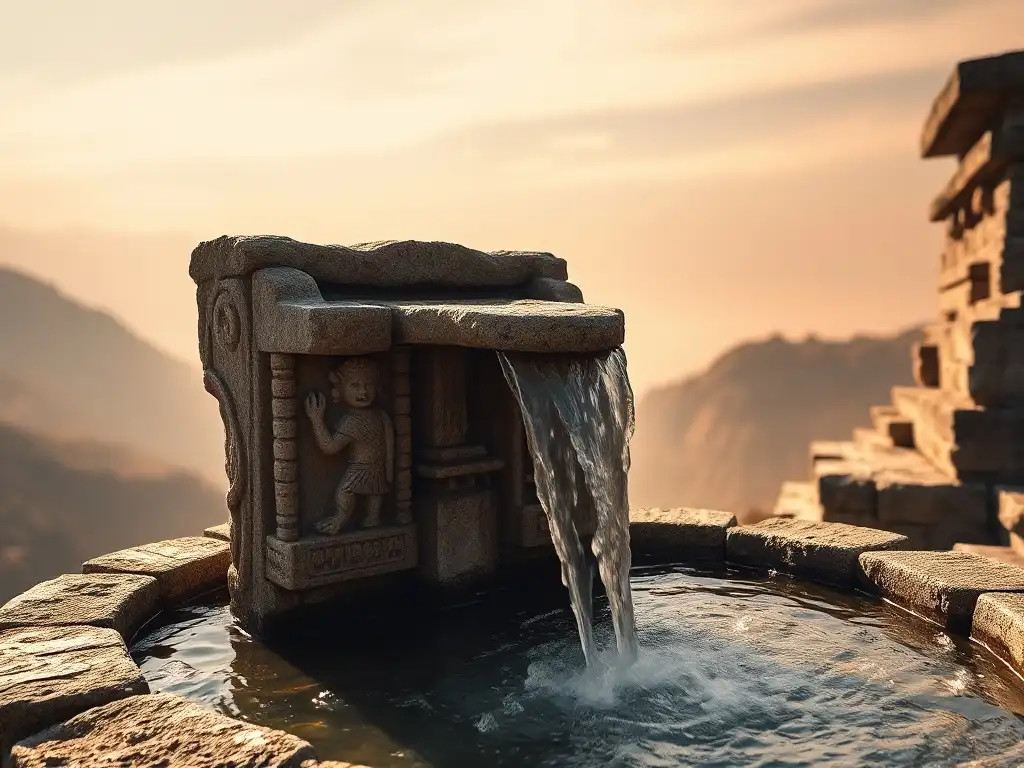
The Andean worldview deeply intertwined the practical aspects of water management with a profound spiritual understanding. Water wasn't merely a resource; it was a sacred entity, a life-giving force imbued with power and deserving of respect. This sacredness profoundly influenced how Andean civilizations, including the Inca, Nazca, and Tiahuanaco, approached water resource management. Their sophisticated irrigation systems weren't simply feats of engineering; they were expressions of their cosmological beliefs, reflecting a harmonious relationship between humanity and the natural world.
Understanding this spiritual dimension is crucial to fully appreciating the ingenuity and sustainability of Andean water management techniques. The meticulous planning and construction of canals, reservoirs, and aqueducts were guided by a deep reverence for water's spiritual significance, ensuring its responsible and sustainable use. This holistic approach ensured not only the physical survival of the communities but also the maintenance of their spiritual well-being.
Rituals and Ceremonies Honoring Water Deities
Andean cultures developed a rich tapestry of rituals and ceremonies dedicated to honoring the deities associated with water. These ceremonies varied across different groups and regions but shared a common thread: the acknowledgment of water's divine nature. For example, the Inca revered Mama Qucha, the goddess of the sea, and Apus, the mountain spirits believed to control the flow of water from the glaciers.
These deities were appeased through elaborate ceremonies involving offerings, prayers, and processions. Many rituals were tied to specific times of the year, such as the rainy season or the planting and harvesting cycles. The timing of these events was carefully determined based on the agricultural calendar and astronomical observations, reflecting a sophisticated understanding of both the spiritual and physical cycles of nature.
Evidence suggests that these ceremonies were not merely performed by religious leaders but actively participated in by the entire community, reinforcing the collective responsibility for water stewardship. Archaeological findings, such as ceremonial sites located near water sources, further support the significance of these practices in Andean water management.
Offerings and Prayers for Rainfall and Abundant Harvest
Prayers and offerings played a crucial role in securing abundant rainfall and successful harvests. Communities would leave ch’alla (offerings) at sacred springs, lakes, and rivers. These offerings often included coca leaves, alcohol (chicha), food, and other valuable items, symbolizing their gratitude and seeking divine favor for a plentiful water supply and a bountiful harvest.
The act of offering wasn't simply a passive gesture; it was a form of reciprocal exchange between humans and the supernatural, demonstrating respect and acknowledging the deities’ control over the life-giving water. The specific offerings and prayers varied depending on the specific deity being addressed and the nature of the request. Furthermore, the effectiveness of these rituals was believed to be directly related to the sincerity and devotion of the community.
A harmonious relationship with the spiritual world was seen as essential for ensuring the successful management of water resources and maintaining the stability of the community. The meticulous record-keeping of successful and unsuccessful harvests, often linked to the performance of these rituals, highlights the practical implications of their spiritual beliefs.
Yatiris and Paqos, Andean spiritual leaders, played a pivotal role in water-related practices. These individuals were not simply religious figures; they possessed specialized knowledge of astronomy, hydrology, and agricultural cycles. Their expertise was crucial in predicting weather patterns, managing water resources, and ensuring the efficacy of the rituals and ceremonies.
They acted as intermediaries between the community and the spiritual world, interpreting signs and omens related to water availability and guiding the community's actions accordingly. Their knowledge of Andean water management techniques was deeply intertwined with their spiritual understanding, allowing them to integrate the practical and spiritual aspects of water management.
The Yatiris and Paqos weren't just advisors; they were active participants in the construction and maintenance of irrigation systems, ensuring that these projects were undertaken in a manner that respected the sacredness of water and maintained harmony with the natural world. The decline of these traditional roles alongside the introduction of modern technologies has had far-reaching consequences for both the sustainability and cultural significance of Andean water management practices.
Modern Relevance of Andean Water Wisdom
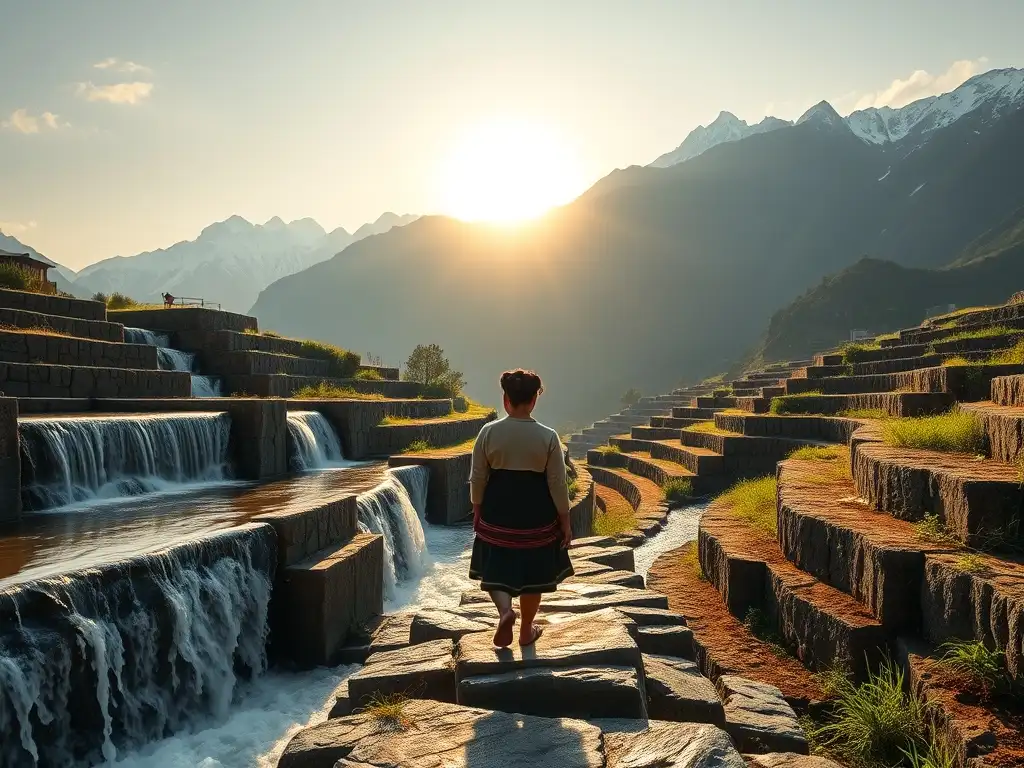
The ingenuity of Andean water management techniques continues to resonate in the 21st century, offering valuable lessons for sustainable water resource management globally. Facing increasing challenges like climate change, population growth, and water scarcity, understanding and adapting ancient Andean practices can provide crucial insights for modern solutions. The Andean civilizations, renowned for their sophisticated understanding of hydrology and their ability to thrive in challenging terrains, developed remarkably efficient systems for water harvesting, storage, and distribution.
These systems weren't merely functional; they were deeply intertwined with their spiritual beliefs, emphasizing the sacredness of water and promoting responsible stewardship. This holistic approach, combining practical engineering with a profound respect for nature, is particularly relevant today as we grapple with the complex challenges of water security. The emphasis on community participation and equitable resource allocation found in many traditional Andean water systems serves as a powerful model for contemporary water governance.
Lessons from Ancient Andean Practices for Sustainability
Ancient Andean civilizations mastered several key techniques for sustainable water management. Their understanding of water cycles, coupled with their advanced engineering skills, allowed them to create incredibly effective irrigation systems. These systems weren't static; they adapted to the specific needs of various microclimates and terrains. For example, the canales (canals) often incorporated ingenious features like check dams and diversion channels to control water flow and prevent erosion.
The construction of andenes (terraces) on steep slopes not only increased arable land but also helped to conserve soil moisture and prevent runoff. These practices reduced water waste and maximized the efficiency of water use, vital aspects of modern sustainable water management. Furthermore, the integration of water management into their social structures ensured equitable access and fostered a sense of collective responsibility.
This community-based approach is a sharp contrast to many modern, top-down approaches to water management and highlights the importance of participatory governance in achieving sustainable outcomes. The careful observation of natural water sources and the development of systems to harness and distribute water efficiently showcase the value of integrating traditional ecological knowledge with modern scientific understanding. This holistic approach offers a valuable pathway towards more resilient and sustainable water management strategies.
Community-Based Water Management in the Andes Today
Many Andean communities continue to utilize traditional water management systems adapted for contemporary needs. These systems, often rooted in centuries-old practices, demonstrate the enduring relevance of ancient Andean wisdom. The concept of ayllu, a traditional Andean community organization, often plays a central role in water governance. Within the ayllu, water rights and responsibilities are often collectively managed, ensuring equitable access and promoting cooperation among community members.
These community-based systems often incorporate traditional dispute resolution mechanisms to address conflicts over water resources, providing a more locally-appropriate and sustainable approach than many centralized systems. While modern infrastructure and technologies are sometimes incorporated, the fundamental principles of community ownership, shared responsibility, and respect for water as a sacred resource remain central. This highlights the importance of incorporating local knowledge and participatory approaches in modern water management projects.
The success of these community-based initiatives demonstrates that sustainable water management is not just a technical challenge, but also a social and cultural one. The strong social fabric and traditional governance structures within Andean communities contribute significantly to the effectiveness and sustainability of their water management practices. Further research into the social dynamics of these systems could offer valuable lessons for improving water governance in other regions.
Case Study: The Use of Amunas for Water Recharge in Peru
The amunas represent a striking example of Andean ingenuity in water management. These ancient structures, essentially underground reservoirs, were strategically constructed to capture and store rainwater, effectively recharging groundwater aquifers. Their design leveraged the unique geological characteristics of the Andean landscape, taking advantage of permeable soils and underground water flows. The construction of amunas involved considerable engineering skill, requiring careful planning and execution to ensure the long-term effectiveness of the system.
The use of amunas not only provided a reliable source of water during dry periods but also helped to prevent soil erosion and maintain the fertility of the land. While many amunas have fallen into disrepair over time, efforts are underway to revive and restore these ancient water systems. These restoration projects are not only important for preserving cultural heritage but also for enhancing water security in the face of climate change and increasing water scarcity.
The potential of amunas to contribute to sustainable water management in arid and semi-arid regions is significant, offering a viable alternative to energy-intensive and environmentally damaging modern water infrastructure. Documenting and replicating successful amuna restoration projects could provide valuable insights for sustainable water resource management in similar environments globally. The revival of this traditional Andean technique exemplifies the enduring value of adapting ancient wisdom to address contemporary environmental challenges.
Challenges and Future of Andean Water Management
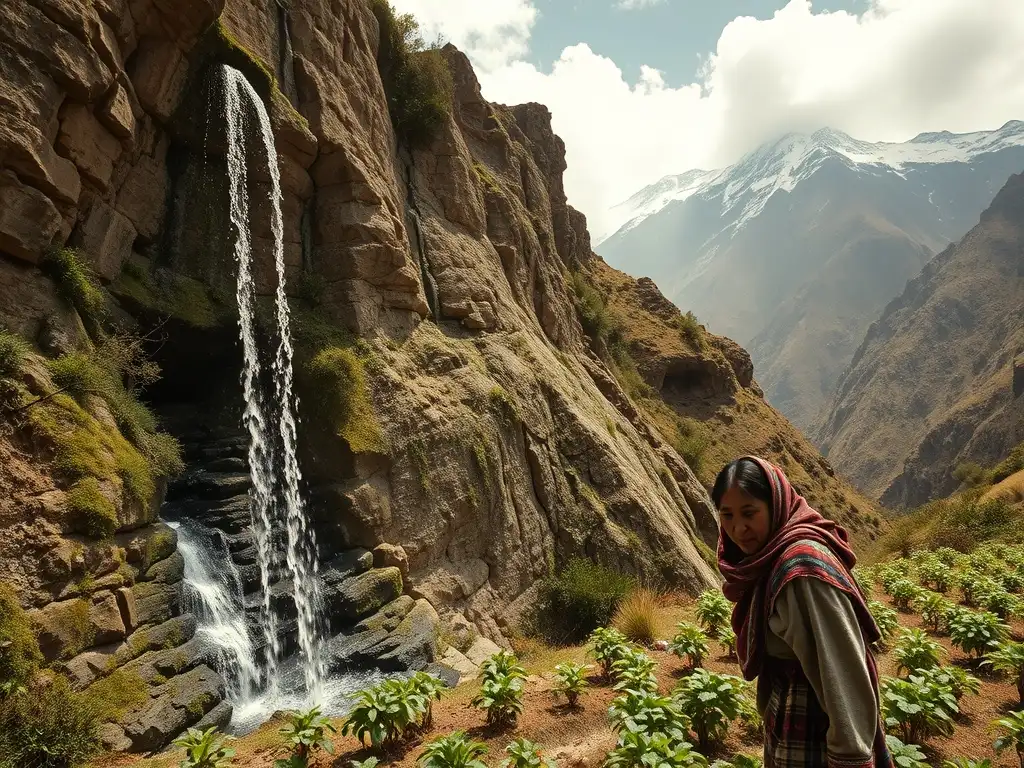
The Andes Mountains, a spine of towering peaks and deep valleys, have shaped not only the geography but also the very soul of Andean civilizations. Their sophisticated understanding of water, a resource both life-giving and potentially destructive, is reflected in their ingenious irrigation systems and water management techniques. However, the delicate balance achieved over millennia is now threatened by a confluence of modern challenges.
Understanding these challenges is crucial for preserving the legacy of Andean water wisdom and ensuring the future sustainability of the region. The effective management of water resources remains paramount for the well-being of Andean communities and the preservation of their unique cultural heritage. This section will explore some of the most pressing issues facing Andean water management today.
Glacier Melt and Water Scarcity in the Andes
The Andean glaciers, often referred to as the "white gold" of the region, are experiencing unprecedented rates of melting due to climate change. This accelerated melting initially leads to increased water availability in the short-term, but this is deceptive. The long-term consequences are devastating. As glaciers shrink, the dependable seasonal flow of meltwater crucial for irrigation and drinking water diminishes, leading to periods of severe water scarcity.
This impacts agriculture, the primary livelihood for many Andean communities, threatening food security and economic stability. For example, studies have shown a significant decrease in glacial lake volume in the Cordillera Blanca of Peru, directly correlating with reduced agricultural yields in downstream valleys. The resulting water stress exacerbates existing social inequalities, disproportionately affecting the most vulnerable populations.
Understanding the precise rate of glacial melt and its impact on water resources requires ongoing monitoring and sophisticated hydrological modelling, which is critical for developing effective mitigation strategies. The challenge lies not only in predicting future water scarcity but also in implementing sustainable water management practices that can adapt to these changing conditions. This necessitates a multifaceted approach, incorporating both traditional Andean knowledge and modern scientific techniques.
Integrating Modern Technology with Traditional Knowledge
The challenge of addressing Andean water scarcity effectively requires a careful balance between embracing modern technology and respecting the invaluable traditional knowledge passed down through generations. Traditional Andean water management, characterized by sophisticated systems of canals, reservoirs, and water distribution, demonstrates a deep understanding of local hydrology and environmental conditions. However, these traditional systems often lack the capacity to manage the unprecedented challenges posed by climate change and population growth.
Integrating modern technologies, such as remote sensing, GIS mapping, and weather forecasting, can significantly enhance the effectiveness of traditional water management practices. For instance, using satellite imagery to monitor glacier melt and reservoir levels can provide crucial data for proactive water resource planning. Similarly, employing weather forecasting models can help predict periods of drought and flood, allowing for timely interventions.
However, it is vital to integrate these technologies with traditional knowledge, not replace it. A collaborative approach that empowers local communities and incorporates their expertise in water management is essential to ensure the sustainability of any intervention. This integration requires careful consideration of cultural sensitivity and community participation in the design and implementation of any new technology.
Collaborative Conservation Initiatives and Research
Addressing the complex challenges of Andean water management requires collaborative efforts across various stakeholders. These initiatives must involve local communities, government agencies, research institutions, and international organizations. Collaborative conservation programs can foster a shared understanding of the challenges and develop sustainable solutions tailored to specific regional contexts. For example, initiatives focused on improving water infrastructure, promoting water-efficient agricultural practices, and raising awareness about water conservation are crucial.
Furthermore, ongoing research is essential to better understand the impacts of climate change on Andean water resources and to develop innovative solutions. This includes studies on glacier dynamics, hydrological modelling, and the assessment of the effectiveness of various water management strategies. The success of these initiatives hinges on strong community participation, ensuring that solutions are locally appropriate and culturally sensitive.
This collaborative approach is not merely a matter of efficiency, but a fundamental aspect of respecting the enduring relationship between Andean communities and their water resources. The future of Andean water management depends on fostering a shared responsibility for the sustainable use and conservation of this precious resource. The development of robust monitoring systems, coupled with continuous research and community-based initiatives, is crucial for ensuring the long-term resilience of Andean water resources and the preservation of their unique cultural heritage.
Conclusion: The Enduring Legacy of Andean Water Management
The ingenuity of Andean water management techniques continues to fascinate and inspire. From the intricate canal systems of the Nazca to the sophisticated hydraulic infrastructure of the Inca Empire, these civilizations demonstrated a profound understanding of hydrology and a deep respect for the life-giving power of water. Their achievements weren't merely feats of engineering; they were deeply intertwined with their spiritual beliefs, social structures, and overall worldview.
The legacy of these techniques is not just historical; it holds crucial lessons for contemporary water management strategies, especially in the face of increasing climate change challenges and growing populations. Understanding the Andean approach to water—its sacredness, its integration into daily life, and its role in societal stability—provides valuable insights for developing sustainable and equitable water resource management practices globally. The study of Andean water management techniques offers a powerful case study in the interconnectedness of culture, environment, and survival.
The Importance of Protecting Andean Water Resources
The Andean region, while boasting remarkable ingenuity in past water management, currently faces significant water-related challenges. Glacial retreat due to climate change is directly impacting water availability, threatening agricultural production and access to clean drinking water for millions. Pollution from mining and industrial activities further compromises water quality, exacerbating the existing vulnerabilities. Protecting Andean water resources is not simply an environmental imperative; it's crucial for the economic stability and cultural preservation of the region. This requires a multi-faceted approach involving:
- Sustainable agricultural practices: Promoting water-efficient irrigation methods and reducing reliance on water-intensive crops.
- Improved water infrastructure: Investing in the maintenance and modernization of existing water systems, as well as developing new infrastructure to address changing water availability.
- Stricter environmental regulations: Enforcing regulations to minimize pollution from mining and industrial activities.
- Community-based water management: Empowering local communities to participate in the management and protection of their water resources. This participatory approach recognizes the intimate connection between Andean communities and their water sources, building upon centuries of traditional knowledge.
- Increased investment in research: Further research is needed to understand the complex interplay between climate change, water availability, and the needs of Andean communities. This research should focus on understanding the impact of climate change on glacial melt and the development of resilient water management strategies.
The success of these initiatives hinges on international cooperation, governmental support, and the active participation of local communities. The preservation of these vital resources is paramount not only for the Andean people but also for the global understanding of sustainable water management. The legacy of sophisticated Andean water management techniques should serve as a call to action, highlighting the urgent need for responsible water stewardship.
The Intrinsic Link Between Water, Culture, and Well-being
The Andean cosmovision deeply integrated water into their cultural and spiritual practices. Water wasn't merely a resource; it was a sacred element, a life force, and a symbol of fertility and abundance. This profound understanding shaped their social structures, their agricultural practices, and their overall relationship with the environment. This holistic perspective is crucial to understanding the success of their water management systems.
The Inca, for example, developed complex societal structures and religious ceremonies centered around water distribution and conservation. This wasn't simply about practicality; it was about maintaining balance and harmony with the natural world, ensuring the well-being of both individuals and the community as a whole. Their water management systems were not just technical achievements but also expressions of their cultural values and spiritual beliefs. Ignoring this integral link between water, culture, and well-being risks undermining the efficacy of any modern water management strategy in the Andes.
Reflecting on the Future of Water Security in the Andes
The future of water security in the Andes depends on a nuanced understanding of the past, present, and future needs of the region. While the ingenuity of past Andean water management techniques provides a valuable foundation, adapting these techniques to the challenges of the 21st century requires a collaborative and forward-thinking approach. This includes:
- Integrating traditional knowledge with modern technology: Combining traditional Andean water management practices with modern scientific understanding and technological advancements.
- Promoting sustainable development: Balancing economic growth with environmental protection to ensure the long-term sustainability of water resources.
- Addressing climate change impacts: Developing strategies to mitigate the effects of climate change on water availability and quality.
- Strengthening community participation: Empowering local communities to play a central role in managing and protecting their water resources.
The challenge lies in navigating the complex interplay between cultural heritage, technological innovation, and environmental sustainability. The success of future water security in the Andes will depend on the ability to integrate these elements effectively, building upon the enduring legacy of Andean ingenuity while embracing the demands of a rapidly changing world. The lessons learned from studying the sophisticated Andean water management techniques are not confined to the Andes; they offer valuable insights for sustainable water management globally, highlighting the importance of a holistic, culturally sensitive, and environmentally responsible approach.
Frequently Asked Questions
How did Andean civilizations view water?
Andean civilizations held a deeply sacred view of water, considering it essential for life and deeply intertwined with their spiritual beliefs and cosmology. Water was not merely a resource, but a living entity deserving respect.
What were some key Andean water management techniques?
Andean societies developed sophisticated techniques like terracing, irrigation canals, and reservoirs to manage water effectively, particularly in challenging mountainous terrain. These systems were crucial for agriculture and sustained their populations.
How did the Incas manage water resources?
The Inca Empire implemented a complex system of canals, aqueducts, and storage facilities to distribute water efficiently across their vast territory. Their extensive infrastructure supported their large population and agricultural production.
What role did religion play in Andean water management?
Religious beliefs and rituals were closely tied to water management. Ceremonies and offerings were performed to ensure the continuous flow of water and appease the water deities, demonstrating the deep connection between spiritual and practical aspects.
How effective were ancient Andean water management systems?
Andean water management systems were remarkably effective and sustainable, allowing civilizations to thrive in challenging environments for centuries. Their ingenuity in adapting to diverse terrains and climates remains a fascinating example of human adaptation.
Final Reflection: The Enduring Legacy of Andean Water Wisdom
The crisis of water scarcity gripping our planet underscores the urgent need to re-evaluate our relationship with this precious resource, highlighting the timeless wisdom embedded within traditional water management practices. The Andean cosmovision, with its profound respect for water as a sacred entity, offers a powerful counterpoint to exploitative modern approaches, reminding us of the interconnectedness between human well-being and environmental sustainability.
The Andean understanding of agua as more than just a commodity, but a living force deserving of reverence, continues to resonate deeply. It challenges our anthropocentric worldview, prompting us to reconsider our own actions and their impact on the delicate balance of ecosystems. Water is the lifeblood of the earth, and its proper management is essential not only for survival, but for the spiritual well-being of all living things.
This sentiment, though not a direct quote from an Andean source, encapsulates the core philosophy explored throughout this article, demonstrating the enduring relevance of this perspective. The ongoing struggles faced by Andean communities in protecting their water sources from external pressures further emphasizes the importance of understanding and respecting their traditional knowledge.
Consider the profound implications of the Andean approach. How can we integrate this holistic perspective into our own lives and communities? You are not merely a consumer of water, but a participant in its sacred cycle. By embracing a more mindful and respectful relationship with water, by supporting sustainable practices, and by advocating for policies that prioritize environmental protection, we can contribute to a future where this vital resource is cherished and protected for generations to come. Let the wisdom of the Andes inspire you to become a steward of water, not just a user.
Embrace the Wisdom of Water Today
Thank you for exploring the sacred role of water in Andean cosmology! Your interest shows a commitment to understanding this vital resource and respecting the traditions that honor it. Now, let's put this knowledge into practice.
- Learn about local water rituals: Consider attending community events or ceremonies that celebrate water's importance in Andean culture. This is a powerful way to connect with the traditions and deepen your understanding.
- Share this information: Spread awareness of water conservation and respect by sharing this article with friends and family. Every small action counts in protecting this precious resource.
- Connect with nature: Spend time reflecting near a natural water source—a river, lake, or stream—to strengthen your personal connection with the environment. This mindful engagement fosters a deeper appreciation for water's significance.
How will you integrate this appreciation for water's sacredness into your daily life, and inspire others to do the same?