
Inca Roads and Empire: How Infrastructure Shaped a Civilization

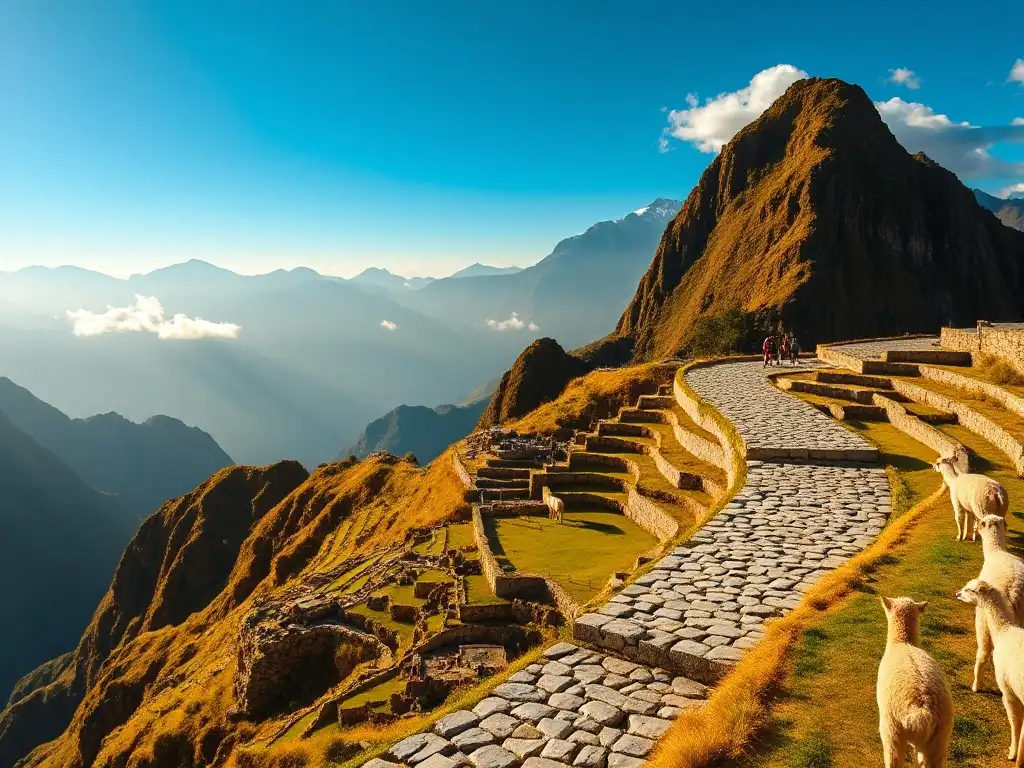
Step into a world lost to time, yet echoing with the whispers of a magnificent empire. Imagine a civilization that carved an intricate network of roads across the treacherous Andes Mountains, connecting distant cities and forging an unprecedented realm. Unravel the mysteries behind the Inca road system history, a testament to the ingenuity and power of Andean engineering. Prepare to be amazed as we delve into the architectural marvels and strategic brilliance that shaped the Inca Empire – and discover how their infrastructure defined their destiny.
The Inca Empire, a civilization that flourished in the Andes Mountains from the 15th to the 16th century, stands as a testament to human ingenuity and organizational prowess. Its remarkable achievements in architecture, agriculture, and governance were inextricably linked to its sophisticated infrastructure, most notably its extensive road network. This article delves into the history of the Inca road system, exploring how this marvel of engineering facilitated the expansion, administration, and cultural cohesion of one of the largest pre-Columbian empires in the Americas.
We will examine the strategic planning, construction techniques, and lasting impact of the Inca roads, revealing how this infrastructure shaped not only the physical landscape but also the very fabric of Inca society, its economy, and its enduring legacy. Understanding the Inca road system is key to comprehending the empire's power, its reach, and its ultimate fate.
The intricate network of pathways wasn't merely a collection of routes; it was the backbone of a thriving and expansive civilization, a testament to the Inca's remarkable ability to overcome geographical challenges and build a unified empire across a diverse and challenging terrain. This exploration will reveal the critical role this infrastructure played in shaping the history of the Inca and its lasting impact on the Andes region.
The Foundation of the Inca Empire: Understanding the Importance of Infrastructure
The Inca Empire's success wasn't solely due to military might; it was deeply rooted in its ability to efficiently manage resources and control vast territories. A crucial element of this success was its sophisticated infrastructure. Beyond the iconic roads, the Inca built impressive irrigation systems, meticulously planned agricultural terraces, and strategically placed storage facilities. These elements worked in concert, creating a robust and resilient system that allowed the empire to thrive in a challenging environment.
The Inca understood that efficient transportation of goods, people, and information was paramount for maintaining control and fostering unity across such a geographically diverse realm. Their infrastructure provided the logistical backbone that underpinned their political, economic, and social structures. The construction itself was a massive undertaking, requiring a highly organized workforce and sophisticated engineering knowledge.
The Inca’s mastery of stonework, their understanding of Andean geography, and their ability to mobilize vast numbers of laborers were essential to the creation of this incredible network. This organizational capacity, coupled with a highly centralized administrative system, allowed for the efficient execution of large-scale infrastructure projects. The impact on the empire's stability and longevity cannot be overstated.
The Inca Road System History: A Network Connecting a Vast Realm
The Inca road system, often referred to as the Qhapaq Ñan, was a remarkable feat of engineering, stretching over 40,000 kilometers (approximately 25,000 miles) across the Andes Mountains. This vast network connected the far-flung corners of the empire, facilitating communication, trade, and military movement. The roads weren't simply paths; they were meticulously constructed highways, often paved with stone and featuring sophisticated drainage systems. The Inca employed a variety of construction techniques, adapting to the diverse terrain. In some areas, roads were carved directly into mountain slopes, while in others, they were built across valleys using bridges and retaining walls.
The system included suspension bridges, some of which were remarkably long and sturdy, showcasing the Inca's advanced engineering skills. The construction of the Qhapaq Ñan involved the mobilization of a large workforce, a testament to the Inca's centralized government and its ability to organize and manage massive projects. The roads weren't just for the elite; they facilitated the movement of goods and people from all levels of society. This efficient transportation network played a crucial role in the empire's economic prosperity and social cohesion, fostering a sense of unity and shared identity across vast distances.
The strategic placement of tambos (roadside inns) along the routes provided resting places for travelers and facilitated the relay of messages across the empire. This sophisticated system of communication and logistics was essential to the empire's effective governance and military control. The Qhapaq Ñan stands as a profound example of how infrastructure can shape a civilization, demonstrating the Inca's remarkable ability to overcome geographical challenges and create a unified and prosperous empire. The legacy of this incredible road system continues to resonate today, a testament to the ingenuity and organizational skills of the Inca civilization.
- The Foundation of the Inca Empire: Understanding the Importance of Infrastructure
- The Inca Road System History: A Network Connecting a Vast Realm
Key Features of the Inca Road System
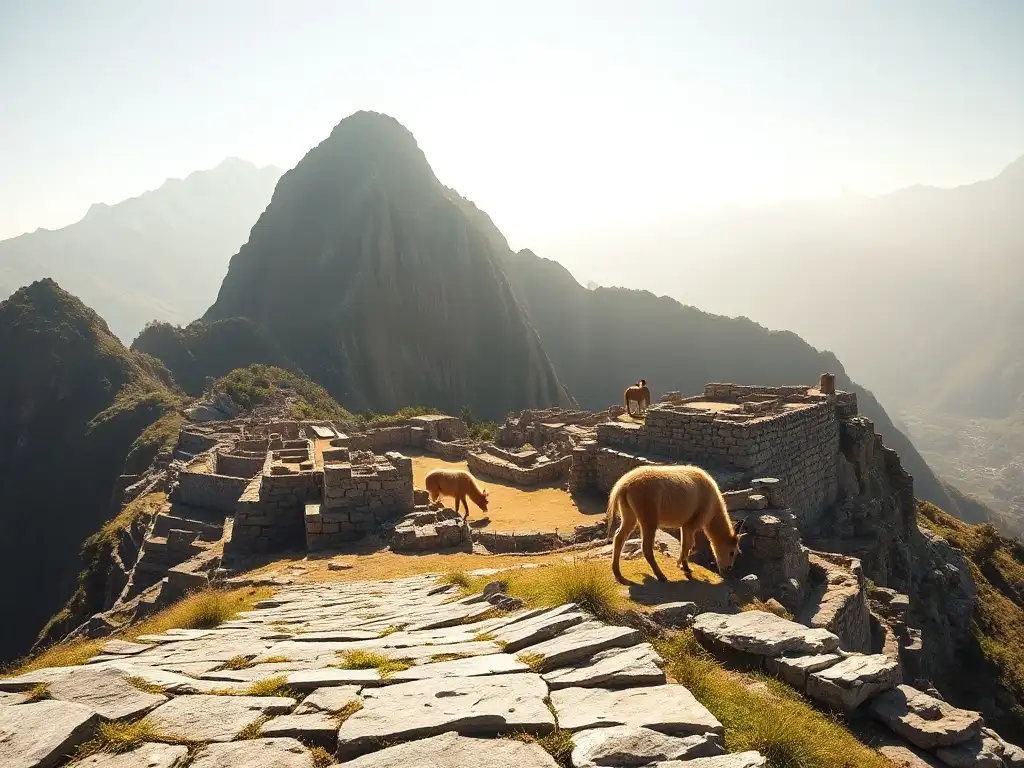
The Inca road system, a feat of engineering unmatched in its time, wasn't merely a network of paths; it was the very artery of the vast Inca Empire. Its strategic design facilitated communication, trade, and military movement across diverse and challenging terrains, ultimately contributing significantly to the empire's political and economic stability. Understanding its key features reveals the sophistication and foresight of Inca engineering.
The system's longevity, evidenced by surviving sections even today, speaks volumes about the quality of construction and the ingenuity of its creators. Key features included a remarkable adaptability to the environment, a standardized construction technique, and strategically placed infrastructure such as tambos (roadside inns) for travelers.
The sheer scale of the project, spanning thousands of miles across mountainous regions, deserts, and coastal plains, remains a testament to the Inca's organizational prowess and ability to mobilize vast labor forces. This intricate network played a crucial role in the Inca road system history, shaping the empire's trajectory and leaving a lasting legacy.
Qhapaq Ñan: The Royal Road and its Significance
The Qhapaq Ñan, meaning "Royal Road" in Quechua, was the principal artery of the Inca road network. This main thoroughfare stretched approximately 25,000 miles, connecting the far-flung corners of the empire from modern-day Colombia to Argentina. Its significance transcended mere transportation; it served as a powerful symbol of Inca imperial control and unity.
The Qhapaq Ñan facilitated the rapid movement of armies, allowing the Inca to swiftly quell rebellions and maintain order across vast distances. It also played a vital role in the empire's economy, enabling the efficient transport of goods, such as agricultural produce, textiles, and precious metals, between different regions. The strategic placement of tambos along the Qhapaq Ñan provided resting places and logistical support for travelers, further enhancing its efficiency and importance.
The road's construction, often carved into steep mountain slopes and across treacherous terrain, showcases the incredible engineering skills and organizational capabilities of the Inca civilization. Its enduring legacy continues to captivate researchers and tourists alike, providing invaluable insights into the Inca road system history and the civilization's remarkable achievements.
Types of Inca Roads: From Coastal Paths to Mountain Trails
The Inca road system wasn't monolithic; it comprised a variety of road types, each meticulously adapted to the specific geographic challenges of its location. Coastal roads, for instance, were often relatively straightforward, following the contours of the coastline. These paths facilitated trade and communication along the Pacific coast, connecting coastal settlements and ports.
In contrast, mountain roads were far more challenging to construct, often requiring intricate engineering solutions like carved terraces and retaining walls to overcome steep inclines and unstable terrain. These mountain trails, winding their way through the Andes, were crucial for connecting the highland communities and accessing resource-rich areas. The Inca also constructed roads specifically designed for different purposes, such as military roads, which were often wider and straighter to allow for the rapid movement of troops.
The diversity of road types within the Inca road system highlights the Inca's adaptability and mastery of engineering, reflecting a deep understanding of their environment and the needs of their empire. This nuanced approach to road construction underscores the sophistication of their road system and is a key aspect of Inca road system history.
Engineering Marvels: Bridges, Tunnels, and Causeways
The Inca road system is renowned not only for its vast scale but also for its remarkable engineering innovations. The Inca builders were masters of overcoming seemingly insurmountable geographical obstacles. They constructed impressive stone bridges, often spanning deep ravines and rivers, using ingenious techniques involving precisely fitted stones and sophisticated suspension systems.
In mountainous regions, they carved tunnels through rock faces, creating safe and efficient passageways. Causeways, built over marshy areas and swamps, further demonstrate their expertise in adapting to diverse terrains. These structures, often built using locally sourced materials, were integrated seamlessly into the surrounding landscape, showcasing a remarkable understanding of both engineering and environmental sensitivity.
These engineering marvels, such as the impressive suspension bridges and meticulously carved tunnels, are a testament to the Inca's advanced knowledge of construction and their ability to overcome significant geographical challenges. Their construction and integration into the broader road network are vital components of the Inca road system history, showcasing the ingenuity and skill of Inca engineers. The longevity of many of these structures, surviving centuries of weathering and seismic activity, is a testament to their exceptional construction techniques.
Tambos: The Strategic Rest Stops Along the Inca Roads
The Inca road system, a marvel of ancient engineering, wouldn't have been nearly as effective without its strategically placed tambos. These weren't simply roadside inns; they were vital components of the empire's infrastructure, serving multiple crucial functions that facilitated communication, trade, and military movements across the vast Andean terrain. Think of them as a sophisticated combination of rest stops, waystations, and even small administrative centers.
The construction of tambos varied depending on their location and purpose. Some were simple structures, perhaps just a cluster of huts providing basic shelter and supplies for travelers. Others, however, were quite elaborate, featuring multiple buildings, storage facilities, and even agricultural areas to support the tambos' inhabitants. The size and complexity of a tambo often reflected its strategic importance along the road network. A tambo situated at a high mountain pass, for example, would likely have been larger and more robust than one located in a more accessible valley.
The inhabitants of tambos played a critical role in the smooth functioning of the Inca road system. These individuals, often assigned as part of the mita labor system, were responsible for maintaining the roads, providing shelter and food to travelers (including messengers, officials, and traders), and relaying messages along the network. Their presence ensured the continuous flow of goods, information, and people across the empire.
This system of strategically placed tambos allowed the Inca to react quickly to events across their vast territory, maintain control, and efficiently manage resources. The tambos were not just places of rest; they were vital nodes in the intricate web of communication and logistics that underpinned the Inca Empire's power and longevity. Evidence suggests that they also served as important staging posts for the Inca army, allowing for rapid mobilization of troops in times of conflict.
Furthermore, the tambos played a significant role in the Inca economy. They served as collection points for taxes and tributes, facilitating the redistribution of goods throughout the empire. In essence, they functioned as mini-administrative centers, integrating seamlessly into the broader economic and political system. Archaeological findings consistently reveal evidence of storage facilities within tambos, suggesting their role in managing and distributing goods.
The organization and functionality of the tambos showcase the Inca's remarkable administrative capabilities and their understanding of efficient logistics. The impact of this system on the Inca's ability to control and govern their expansive empire cannot be overstated. The tambo system exemplifies the Inca's mastery of infrastructure and its crucial role in shaping their civilization.
The Functionality of the Inca Road Network
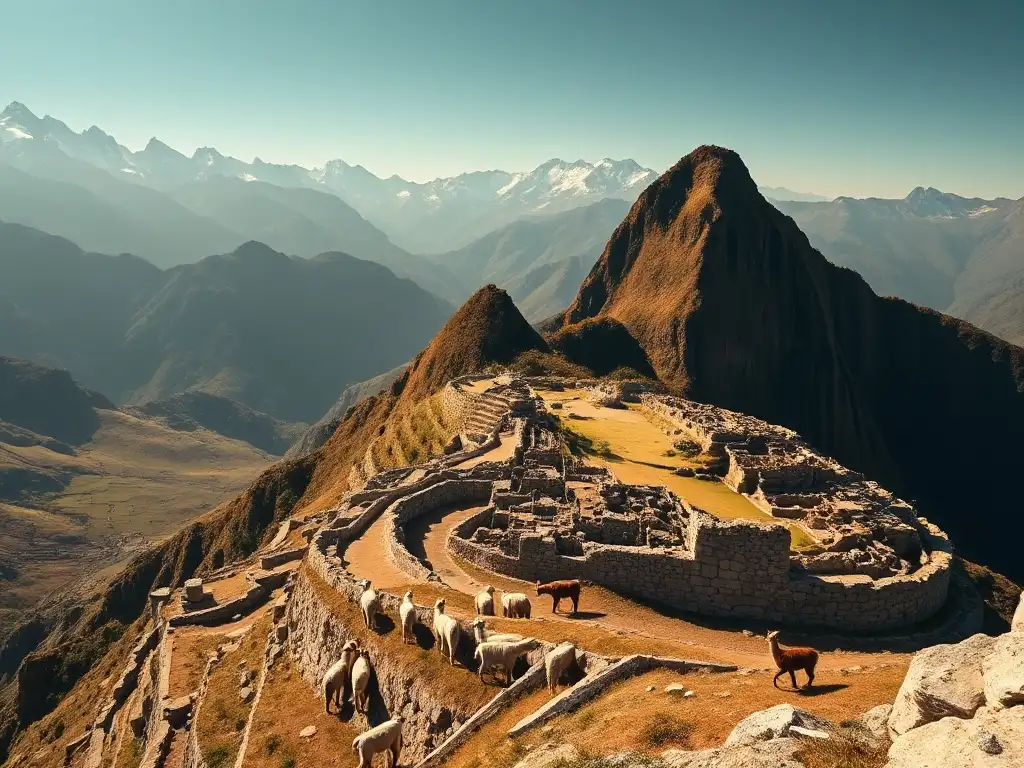
The Inca road system, a marvel of ancient engineering, wasn't merely a network of pathways; it was the very artery of the Inca Empire, crucial to its functionality and longevity. Its impact resonated across various aspects of Inca society, shaping communication, military strategy, and economic prosperity. Understanding the multifaceted role of this infrastructure is key to grasping the true extent of Inca power and organization. The system's design, incorporating diverse terrains and climates, showcases an impressive mastery of engineering and logistical planning, solidifying its importance in Inca road system history.
Facilitating Communication and Administration Across the Empire
The Inca Empire, vast and geographically diverse, relied heavily on efficient communication to maintain control and cohesion. The chasquis, a relay system of runners stationed along the roads at carefully planned intervals, were instrumental in this process. These runners, often chosen for their speed and endurance, could transmit messages—often using a system of knotted strings called quipus—across hundreds of miles in remarkably short periods.
This swift communication facilitated the rapid dissemination of imperial decrees, tax assessments, and vital information, ensuring the timely response to crises and the seamless functioning of the vast bureaucracy. The speed and efficiency of this communication network were unparalleled for its time and a key factor in the Inca Empire's success. Consider this: a message could travel from Cusco to Quito (a distance of roughly 1,500 miles) in a matter of days, a feat impossible using other contemporary communication methods.
This speed allowed for centralized control and a swift response to any challenges that arose across the empire's far-flung territories. The Inca road system history is inextricably linked to the empire's administrative efficiency.
Military Movement and Control Through Inca Roads
The Inca road system played a vital role in the empire's military capabilities. The strategically placed roads allowed for the rapid deployment of troops to quell rebellions, respond to external threats, or enforce imperial authority. The network's design, with its bridges, tunnels, and well-maintained surfaces, ensured that soldiers could move swiftly and efficiently across diverse landscapes, regardless of weather conditions. This logistical advantage gave the Inca army a significant edge over its adversaries.
Furthermore, the roads facilitated the transportation of supplies and equipment, ensuring that Inca armies were well-provisioned during campaigns, even in remote areas. The strategic placement of tambos (roadside inns) along the routes provided rest stops and storage for provisions, further enhancing the military's mobility and operational effectiveness. The effectiveness of the Inca military was, therefore, deeply intertwined with the functionality and strategic layout of its road network—a critical element of Inca road system history.
Trade and Resource Distribution Along the Road Network
Beyond communication and military applications, the Inca road system was crucial for facilitating trade and the distribution of resources throughout the empire. The roads connected diverse regions, allowing for the exchange of goods and the efficient movement of resources from surplus areas to those in need. This facilitated economic stability and prevented shortages, contributing to the overall prosperity and well-being of the Inca population.
From agricultural products like maize and potatoes to precious metals and textiles, the roads served as conduits for a complex and extensive trade network, strengthening economic ties within the empire. The smooth flow of resources enabled the Inca to maintain a highly organized and centralized economy, a key aspect of Inca road system history.
The system's effectiveness in resource management is evidenced by the empire's capacity to support a large population despite its challenging geography. The roads weren't just pathways; they were the veins and arteries of the Inca economy, ensuring the circulation of goods and sustenance across the vast and diverse landscape of the empire.
The Role of Chasquis: Inca Messengers and Runners
The Inca road system wasn't just a network of paths; it was a vibrant artery of communication, heavily reliant on the chasquis, a highly organized corps of runners. These weren't simply messengers; they were a crucial component of the empire's administrative and military might, ensuring swift transmission of information across vast distances. The chasquis' effectiveness stemmed from a sophisticated relay system.
Runners were strategically stationed at tambos, roadside rest houses spaced approximately two days' travel apart. When a message needed to be sent, a chasqui would run from one tambo to the next, handing off the message to a fresh runner, maintaining a continuous flow of information. This system allowed messages to travel hundreds of miles in a remarkably short time, a feat considered astonishing for the era.
The speed and efficiency of the chasqui system were essential for the Inca's ability to quickly respond to emergencies, mobilize troops, or disseminate imperial decrees across the far-flung corners of their empire. It's estimated that messages could travel up to 250 miles in a single day, a testament to the organization and physical prowess of the chasquis.
The training and selection of chasquis were rigorous. Runners were chosen for their stamina, speed, and loyalty to the Inca leadership. They underwent extensive physical conditioning to prepare them for the demanding tasks ahead.
Beyond mere physical fitness, the chasquis also needed to be trustworthy and discreet, capable of handling sensitive information with utmost confidentiality. The chasqui system was a key element in maintaining the Inca empire's control and stability, allowing for rapid communication between the capital, Cusco, and its distant provinces. This rapid response system, facilitated by the well-maintained roads and the dedicated runners, played a vital role in the empire's success and longevity.
It’s a powerful example of how infrastructure and human resources worked together to create an efficient and effective communication network, a hallmark of the Inca's sophisticated administrative capabilities. The chasqui system demonstrates the deep understanding the Inca had not only of infrastructure but also of human potential and its strategic deployment.
Construction and Maintenance of the Inca Road System
The Inca road system, a marvel of ancient engineering, wasn't simply built and then left to decay. Its longevity and effectiveness stemmed from a sophisticated approach to construction and a dedicated system of maintenance. Understanding these aspects is crucial to appreciating the true scale and ingenuity of Inca infrastructure and its contribution to the empire's success.
The Inca road system history is inextricably linked to these processes. The sheer scale of the project, spanning thousands of miles across diverse and challenging terrain, highlights the advanced organizational capabilities of the Inca state. This section will delve into the labor systems, materials, and techniques employed, as well as the ongoing maintenance strategies that ensured the roads' enduring functionality for centuries.
Inca Labor Systems: Mit'a and the Building of the Roads
The construction of the vast Inca road network relied heavily on the mit'a, a system of mandatory labor service. While often perceived negatively in modern contexts, the mit'a was an integral part of Inca society, providing a workforce for large-scale projects like road building. It wasn't simply forced labor; it was a reciprocal system where citizens contributed their labor in exchange for access to resources and services provided by the state.
Specialized workers, including stonemasons, engineers, and laborers, were organized and deployed according to their skills and the needs of the project. The mit'a system ensured a continuous supply of manpower, allowing for the rapid construction and expansion of the road network across the empire. Records, though limited, suggest a highly organized and efficient deployment of labor, with different groups specializing in specific aspects of road construction, from quarrying stone to paving and bridge building.
The efficiency of the mit'a system is a testament to the Inca's organizational prowess and its importance in shaping the Inca road system history. The system's flexibility allowed for adaptation to seasonal demands and regional variations in labor availability. Further research into regional variations in mit'a implementation could provide a richer understanding of the system's effectiveness across the diverse landscapes of the Inca Empire.
Materials and Techniques Used in Road Construction
The Inca road system's durability is a testament to the careful selection of materials and sophisticated construction techniques employed. The choice of materials varied depending on the local environment. In mountainous regions, sturdy stone was prevalent, often meticulously fitted together without mortar, showcasing remarkable precision and craftsmanship. In other areas, materials like earth, gravel, and wood were utilized, depending on availability and the specific needs of the road segment.
The roads were designed to withstand harsh weather conditions and heavy traffic. Stone paving was often used for sections with high traffic volume, while other sections utilized compacted earth or gravel. Bridges, often constructed from stone or wood, were strategically placed to cross rivers and ravines, demonstrating an advanced understanding of structural engineering. The Inca’s mastery of stonework is evident in the precision-cut stones used in many sections of the road.
These stones were often fitted together with such accuracy that even a knife blade couldn’t fit between them. This meticulous attention to detail significantly contributed to the longevity of the roads. Furthermore, the Inca's use of drainage systems, incorporated into the road design, helped prevent erosion and damage from water. This sophisticated approach to construction is a key component of the Inca road system history and highlights the advanced engineering capabilities of the civilization.
Road Maintenance and Repair: Ensuring Long-Term Functionality
The longevity of the Inca road system wasn't solely due to its initial construction; it was also a result of a dedicated system of maintenance and repair. The Inca understood that regular upkeep was vital for ensuring the roads' functionality and facilitating efficient communication and trade throughout the empire. Evidence suggests that designated teams were responsible for inspecting and repairing sections of the road network. These teams would address issues such as erosion, damage from weather, and wear and tear caused by traffic.
The mit'a system likely played a role in providing the labor force for these maintenance activities. Regular inspections allowed for the timely identification and resolution of problems, preventing minor issues from escalating into major disruptions. The Inca’s commitment to maintaining the road system demonstrates a long-term vision and a sophisticated understanding of infrastructure management. This commitment is crucial to understanding the Inca road system history and its impact on the empire's stability and prosperity.
Further research on the organization and specifics of the maintenance teams would provide a more complete understanding of their role in the empire's success. The system’s efficiency highlights a forward-thinking approach to infrastructure management, a characteristic often overlooked when discussing the Inca Empire's achievements. The continuous maintenance ensured the road network remained a vital artery of the empire for centuries.
Impact and Legacy of the Inca Road System

The Inca road system, a marvel of ancient engineering, wasn't merely a network of paths; it was the very artery of the Inca Empire, profoundly impacting its unity, expansion, and longevity. Its influence resonates even today, shaping modern Andean life and leaving an indelible mark on the region's history and culture. Understanding the full impact of this sophisticated infrastructure is crucial to appreciating the Inca's remarkable achievements and their lasting contribution to the world.
The sheer scale of the project – a system spanning thousands of miles across diverse and challenging terrain – speaks volumes about the Inca's organizational prowess and engineering skills. This intricate network facilitated efficient communication, rapid troop deployment, and the seamless flow of resources, ultimately bolstering the empire's power and stability.
The meticulous planning and execution involved in its construction highlight the empire's advanced societal organization and its capacity for large-scale, coordinated projects. Analyzing the Inca road system's impact reveals insights into the empire's political, economic, and social structures.
The Road System's Contribution to Inca Unity and Power
The Inca road system played a pivotal role in unifying the vast and diverse territories under Inca rule. Before the Inca, the Andes were a patchwork of independent ethnic groups, often engaged in conflict. The construction and maintenance of the roads acted as a powerful unifying force, connecting disparate communities and fostering a sense of shared identity.
The efficient movement of troops along these pathways allowed the Inca to swiftly quell rebellions and maintain control over distant provinces. This ability to rapidly deploy military forces was a crucial factor in the empire's expansion and consolidation of power. The roads also facilitated the efficient distribution of resources, ensuring that essential goods and supplies reached all corners of the empire.
This equitable distribution of resources helped to prevent unrest and maintain social stability, further strengthening the Inca's grip on power. The system wasn't just about military might; it was a vital component of the Inca's sophisticated administrative apparatus, enabling them to govern effectively across a massive and geographically diverse empire. This intricate network of roads is a testament to the Inca’s exceptional organizational and logistical capabilities, showcasing their mastery of resource management and their sophisticated understanding of statecraft.
Cultural Exchange and Diffusion Facilitated by the Roads
Beyond its military and administrative functions, the Inca road system significantly impacted cultural exchange and diffusion throughout the empire. The constant movement of people – officials, traders, messengers, and even common citizens – along these routes led to the widespread dissemination of ideas, beliefs, and customs. This facilitated a degree of cultural homogenization, albeit without completely erasing the unique characteristics of individual communities. The exchange of agricultural techniques, for instance, allowed for the efficient cultivation of diverse crops across different ecological zones.
This enhanced food security and contributed to the empire's overall prosperity. The roads also facilitated the spread of religious practices and beliefs. The Inca state religion, with its emphasis on the sun god Inti, was disseminated throughout the empire via the road system, reinforcing Inca authority and fostering a sense of shared religious identity.
This integration of cultural elements contributed to a stronger sense of unity within the vast and diverse Inca Empire. The movement of artisans and specialists along the roads also led to the spread of artistic styles and technological innovations, resulting in a rich tapestry of cultural exchange that enriched the lives of people throughout the empire. This interconnectedness fostered a dynamic and vibrant cultural landscape, enhancing the overall vitality of Inca society.
The Enduring Legacy of the Inca Roads in Modern Andean Life
Despite the collapse of the Inca Empire centuries ago, the legacy of its road system continues to resonate in modern Andean life. Many sections of the Inca roads are still used today, either directly or as the basis for modern roadways. These ancient pathways serve as a testament to the Inca's remarkable engineering skills and their enduring impact on the landscape. The Inca's innovative techniques in road construction, such as their use of sophisticated drainage systems and their ability to adapt to challenging terrain, continue to inspire modern engineers.
Studying the Inca road system provides valuable insights into sustainable infrastructure development, particularly in mountainous and challenging environments. The roads also hold significant cultural and historical value, attracting tourists and researchers alike. Their preservation and restoration are crucial for understanding the rich history and heritage of the Andes.
The Inca road system stands as a powerful symbol of Andean resilience and ingenuity, a lasting legacy that continues to connect communities and shape the lives of people in the region. Preserving and studying these ancient pathways is essential not only for understanding the Inca Empire but also for gaining valuable insights into sustainable development and cultural heritage preservation. The Inca road system, a testament to human ingenuity and perseverance, remains a vital part of the Andean landscape and a lasting tribute to the Inca civilization.
Inca Road System: A Comparative Look
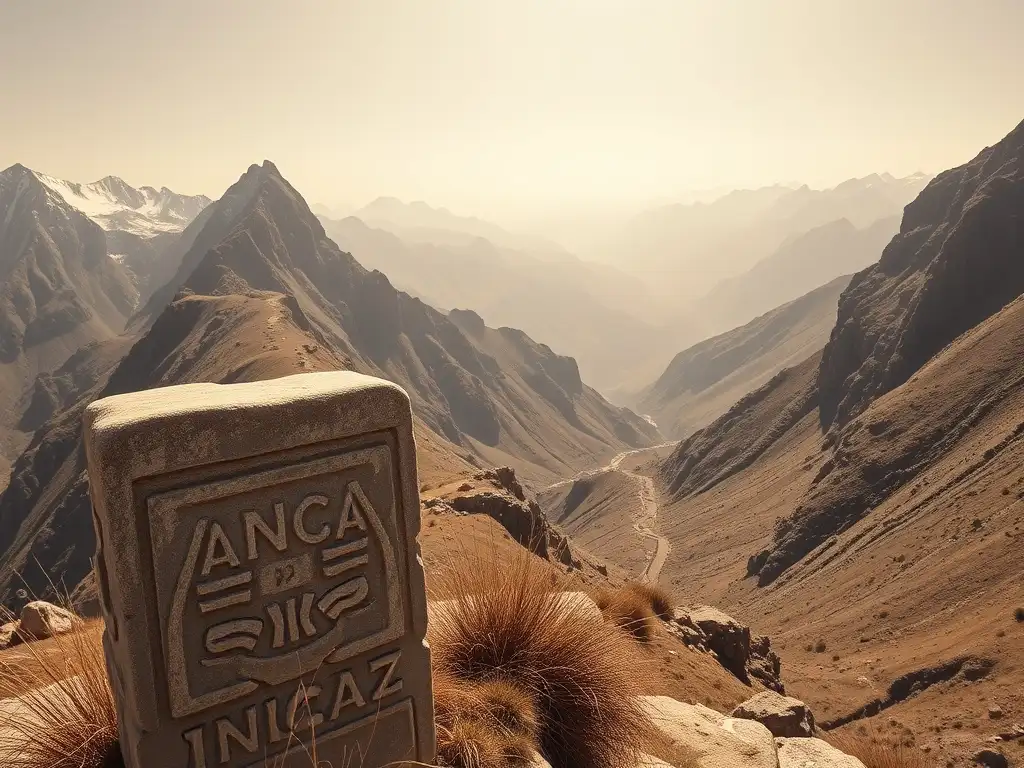
This section delves into the intricacies of the Inca road system, comparing it to other remarkable ancient infrastructure projects and analyzing its significance within the broader Andean context. We'll explore the engineering marvels, logistical challenges, and lasting impact of this extensive network. Understanding the Inca road system history requires acknowledging its unique features and comparing them to similar feats of ancient engineering.
Inca Roads vs. Roman Roads: A Comparison of Ancient Engineering
The Inca and Roman road systems, while geographically distant and built by vastly different cultures, represent pinnacles of ancient engineering. Both facilitated trade, communication, and military movement across extensive territories. However, key differences exist in their construction and purpose.
The Roman road system, famed for its straight lines and durable construction using stone, concrete, and gravel, prioritized military control and efficient long-distance travel. The roads were designed for wheeled vehicles, emphasizing speed and durability over adaptability to varied terrain. Their standardized construction techniques ensured consistency across the vast Roman Empire.
In contrast, the Inca road system, while also extensive, was far more adaptable to the challenging Andean terrain. Its construction utilized local materials – stone, earth, and wood – and adapted to the steep slopes, high altitudes, and diverse landscapes. The Inca roads weren't solely designed for wheeled vehicles; they were also crucial for foot traffic, pack animals (llamas), and runners (chasquis) who relayed messages across the empire. This flexibility allowed for effective communication and resource management across a geographically diverse empire.
| Feature | Inca Road System | Roman Road System |
|---|---|---|
| Materials | Stone, earth, wood, local materials | Stone, concrete, gravel |
| Terrain | Adaptable to diverse, challenging terrain | Primarily straight lines, less adaptable |
| Transportation | Foot traffic, pack animals, runners (chasquis) | Wheeled vehicles |
| Purpose | Communication, trade, military movement, religious pilgrimage | Military control, trade, efficient travel |
| Construction | Varied techniques, adapted to local conditions | Standardized techniques |
The Roman roads represent a feat of centralized, standardized engineering, while the Inca roads showcase a more organic, adaptable approach tailored to the specific needs of their environment. Both, however, represent remarkable achievements in ancient engineering and infrastructure.
The Inca Road System and Other Pre-Columbian Infrastructure
The Inca road system wasn't built in isolation. Other pre-Columbian Andean cultures also developed impressive infrastructure, though on a smaller scale. The Nazca lines, while not roads in the traditional sense, represent a sophisticated understanding of surveying and land management. Similarly, the Moche and Tiahuanaco cultures developed intricate irrigation systems crucial for agriculture, demonstrating advanced hydraulic engineering.
Comparing the Inca road system to these other pre-Columbian achievements highlights the Inca's unique contribution. While other cultures developed impressive infrastructure projects adapted to their specific needs, the Inca's network was unparalleled in its scale and integration across such a vast and diverse territory. The Inca road system's integrated design, encompassing bridges, suspension bridges, and strategically placed tambos (roadside inns), distinguished it from other pre-Columbian infrastructure projects.
This integrated approach facilitated not only efficient transportation but also the effective control and administration of the empire. Further research is needed to fully understand the interplay between these different infrastructural developments and the societal and technological exchanges between them. [Specific information pending on the extent of technological exchange between different Andean cultures].
The Significance of Inca Road System in the Andean Context
The Inca road system's significance transcends its purely logistical function. It played a vital role in shaping Inca identity, facilitating cultural exchange, and contributing to the empire's political and economic stability. The roads weren't just pathways; they were arteries of communication, trade, and religious pilgrimage, connecting disparate communities and reinforcing Inca power.
The system facilitated the movement of goods, people, and ideas across the Andes, fostering a sense of unity and shared identity within the empire. The strategically placed tambos provided rest stops and facilitated trade along the routes, further strengthening economic ties. The roads also played a crucial role in the Inca's religious practices, with certain routes leading to sacred sites and pilgrimage destinations.
The impact of the Inca road system is still felt today, with sections of the road still used as trails and pathways, illustrating the remarkable longevity of this ancient infrastructure. The Inca road system history is thus inextricably linked to the history of the Inca Empire itself, showcasing the profound influence of infrastructure on the development and success of a civilization. The system represents a testament to Inca engineering prowess and its crucial role in shaping Andean society and culture.
Specific Examples of Inca Road Sections and Their Stories
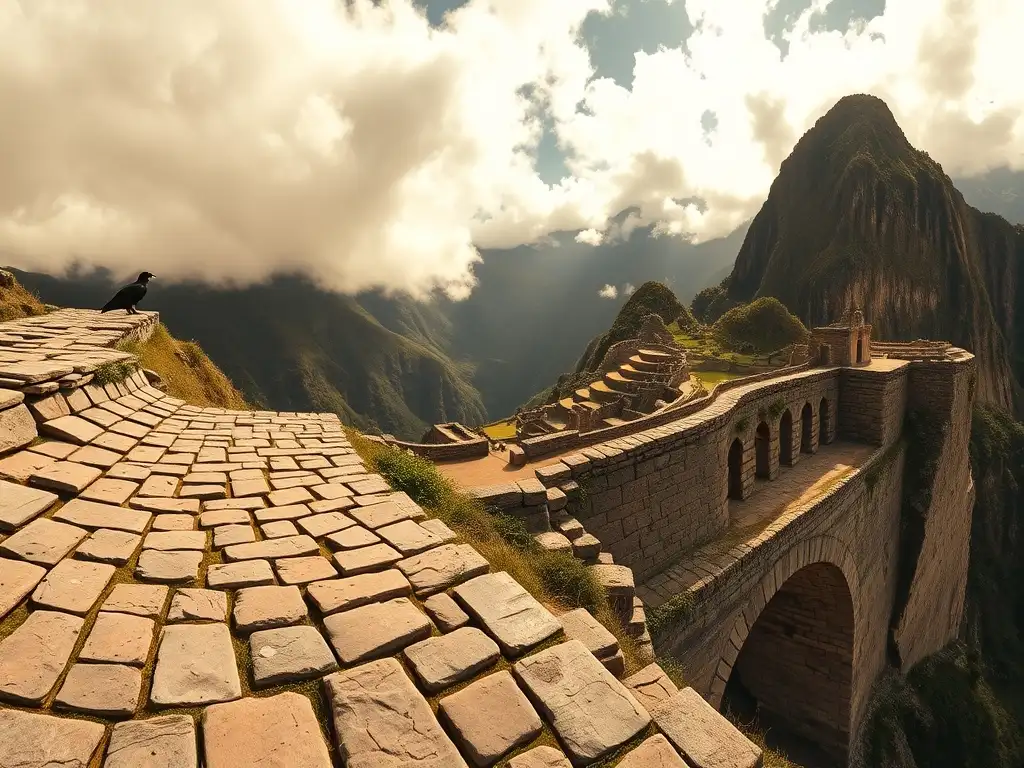
The Inca road system, a marvel of ancient engineering, wasn't a single, unified highway. Instead, it was a complex network of pathways, bridges, and resting places stretching thousands of kilometers across diverse and challenging Andean terrain. Understanding the Inca road system history requires examining specific sections, each with its own unique story reflecting the ingenuity and adaptability of Inca builders. The network's design facilitated efficient communication, trade, and military movement, ultimately contributing significantly to the Inca Empire's expansion and control.
The roads weren't merely pathways; they were vital arteries of the empire, reflecting the sophisticated understanding of geography, logistics, and social organization characteristic of Inca civilization. Studying these individual sections provides a nuanced understanding of the overall Inca road system's complexity and strategic importance. This intricate network facilitated the movement of people, goods, and messages across vast distances, showcasing a level of engineering unparalleled in its time.
Case Study: A Detailed Look at the Road to Machu Picchu
Machu Picchu, the iconic "Lost City of the Incas," wasn't isolated. Its strategic location, high in the Andes, was carefully connected to the wider Inca road network via a challenging yet meticulously engineered path. This road, a testament to Inca road system history, showcases the empire's ability to overcome significant geographical obstacles.
The route incorporated innovative techniques such as strategically placed bridges spanning deep gorges and carefully carved terraces to navigate steep inclines. The construction involved significant labor and expertise, with stonework showcasing the precision and mastery of Inca stonemasons. Evidence suggests that the road wasn't just a means of access; it was also integral to the city's function, facilitating the transport of essential goods and maintaining communication with other parts of the empire.
The road's design, incorporating features like resting places and strategically positioned water sources, ensured the safe and efficient passage of travelers and supplies, highlighting the careful planning and execution that characterized Inca infrastructure projects. The preservation of sections of this road today allows us to appreciate the remarkable engineering skills and logistical prowess of the Inca civilization. Further research into the construction materials and methods employed on this specific route could provide even more insight into Inca road system history.
The Importance of Cusco as a Hub for the Inca Road Network
Cusco, the Inca capital, served as the crucial central hub of the entire road network. Its strategic location in the Andes, combined with its sophisticated infrastructure, allowed for efficient communication and movement across the vast empire. The Inca road system history is inextricably linked to Cusco's central role. Roads radiated outwards from Cusco, connecting it to all corners of the empire.
These roads were meticulously maintained, ensuring the swift passage of messengers, soldiers, and goods. The city's layout itself was designed to facilitate this connectivity, with major roads passing through the city's heart. The design of the roads ensured that the capital remained well-supplied and effectively connected to its far-flung provinces.
This efficient system of communication and transportation played a crucial role in the empire's stability and growth. The strategic placement of tambos (roadside inns) along these routes further reinforced the importance of Cusco as the central administrative and logistical center of the Inca Empire. Analyzing the layout of Cusco and its connection to the radiating road network offers valuable insights into the sophisticated urban planning and administrative capabilities of the Inca civilization, significantly impacting our understanding of Inca road system history.
The Role of Inca Roads in the Conquest by the Spanish
The Inca road system, a testament to Inca road system history, played a paradoxical role in the Spanish conquest. While initially facilitating the Inca's control and defense, it ironically aided the Spanish advance. The pre-existing network allowed the Spanish conquistadors to rapidly traverse the empire, bypassing many natural obstacles and significantly reducing travel time.
The well-maintained roads, designed for efficient movement of Inca troops and supplies, became a strategic advantage for the Spanish army. This ease of movement allowed the Spanish to swiftly conquer large swathes of territory, disrupting Inca communication and hindering their ability to mount effective resistance. The Spanish conquest highlights the double-edged sword of the Inca road system.
While a symbol of Inca power and organization, it ultimately became a tool that facilitated their downfall. Further research is needed to fully quantify the impact of the Inca road system on the speed and efficiency of the Spanish conquest, offering a crucial perspective on Inca road system history. The existing literature suggests a correlation between the efficient Spanish movement and the pre-existing infrastructure, but more in-depth analysis would be beneficial to definitively assess the impact.
Frequently Asked Questions
What was the significance of the Inca road system?
The Inca road system, or Qhapaq Ñan, was essential to the Inca Empire's political and economic control. It facilitated communication, trade, and military movement across vast distances, unifying the empire.
How extensive was the Inca road network?
The Inca road system was incredibly extensive, stretching over 25,000 miles, connecting the far reaches of the empire from present-day Colombia to Argentina. This network included main highways and smaller connecting paths.
What materials were used to construct the Inca roads?
Inca roads were built using locally sourced materials, such as stone, earth, and wood. The construction techniques were remarkably sophisticated, resulting in durable and long-lasting infrastructure.
How did the Inca road system impact daily life?
The road system profoundly affected daily life, enabling efficient transportation of goods and people. It also facilitated religious pilgrimages and cultural exchange across the empire.
What is the current status of the Inca road system?
While much of the Inca road system is ruined or overgrown, significant sections remain. UNESCO has recognized the Qhapaq Ñan as a World Heritage Site, highlighting its historical and cultural importance.
Final Reflection: The Enduring Legacy of Inca Roads
The Inca road system wasn't merely a network of pathways; it was the very artery of an empire, a testament to human ingenuity and a powerful symbol of centralized power that continues to resonate today. Its sophisticated design, encompassing breathtaking feats of engineering across diverse and challenging terrains, stands as a remarkable achievement that challenges our modern understanding of infrastructure development and its societal impact. The echoes of this ancient network are still felt in the landscapes it traversed, a tangible link to a civilization that thrived centuries ago.
The Inca road system's influence extends far beyond its physical presence; it shaped the cultural and social fabric of the empire, facilitating trade, communication, and the swift movement of armies. It fostered a sense of unity and shared identity across vast distances, a feat rarely achieved in pre-industrial societies. The impact of this interconnectedness is profound, reminding us of the crucial role infrastructure plays in shaping societies, both then and now. A road is a ribbon of dreams.
This simple statement encapsulates the aspirational nature of the Inca road system, a network that connected not just places, but also people and their aspirations for a unified and prosperous future.
Consider the ingenuity and collaborative spirit required to construct such a vast and complex system. Now, reflect on how this same spirit of innovation and collaboration can be applied to the challenges we face today. You too can be a builder of connections, a weaver of networks, creating pathways towards a more sustainable and equitable future. Let the legacy of the Inca road system inspire you to think big, to dream boldly, and to build bridges—both literally and figuratively—that connect us all.
Unveil the Legacy of the Inca Empire!
Thank you for joining us on this journey through the remarkable infrastructure of the Inca Empire. Understanding their sophisticated road systems reveals a crucial aspect of their vibrant civilization. Now, let's explore ways to further engage with this fascinating history.
Here are some suggestions to delve deeper and share your newfound knowledge of the Inca legacy:
- Explore Local Indigenous Histories: Research the history of Indigenous communities in your area and discover connections to Inca culture and influence. Share your findings with friends, family, or online communities.
- Create an Inca-Inspired Trail: Inspired by the Inca's impressive road network, plan a local walk or hike that reflects their principles of connectivity. Enjoy the experience with friends or family.
- Join the Conversation: Connect with other history enthusiasts by participating in online forums or social media groups dedicated to Andean civilizations. Share your insights and learn from others.
What aspect of Inca infrastructure most captivates you, and how do you believe it enhances our understanding of ancient civilizations and their impact on the world today?