
The Art of Water Distribution: Andean Solutions for Arid Landscapes

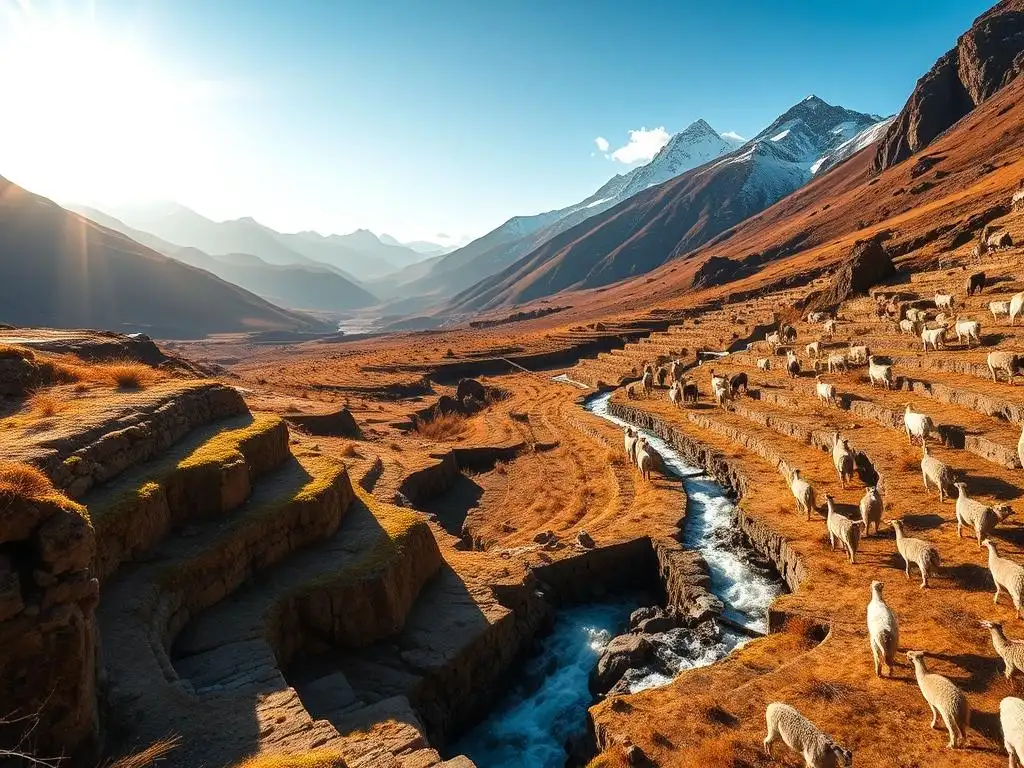
Step into a world lost to time, yet echoing with ingenuity. For centuries, the towering peaks of the Andes challenged the very survival of its inhabitants. But from the arid heights, a testament to human resilience emerged: masterful Andean water management systems. Discover how these ancient civilizations conquered the challenges of their environment, transforming harsh landscapes into thriving societies. Unravel the secrets behind their architectural marvels and delve into the fascinating story of their ingenious solutions—a tale of innovation that continues to inspire awe. Explore the ingenuity behind Andean water management systems and uncover the secrets of their survival.
The Andes Mountains, a spine of towering peaks stretching along the western coast of South America, present a dramatic and challenging environment. While breathtaking in their beauty, these altitudes are characterized by extreme aridity in many regions, making the survival and flourishing of ancient civilizations a remarkable feat of ingenuity.
This article delves into the sophisticated water management systems developed by Andean cultures, showcasing their remarkable adaptation to harsh conditions and their lasting impact on the landscape. We will explore the ingenious techniques employed by the Incas, Moche, Nazca, and other Andean societies, highlighting their understanding of hydrology and their ability to harness scarce water resources for agriculture, domestic use, and even ceremonial purposes.
Understanding these “Andean water management systems” is crucial to appreciating the remarkable achievements and resilience of these ancient cultures. We will examine not only the how but also the why – exploring the social, economic, and religious significance of water in Andean societies.
Introduction to Andean Water Management and Its Significance
The success of Andean civilizations hinged on their ability to master water management. Unlike societies blessed with abundant rainfall, Andean communities faced the constant challenge of scarcity. Their solutions weren't merely practical; they were deeply intertwined with their cosmology and social structures.
Water wasn't just a resource; it was a sacred element, vital for life and prosperity. This reverence is reflected in their intricate canal systems, terraced fields, and sophisticated reservoirs, all meticulously designed to capture, store, and distribute the precious liquid. The scale and complexity of these systems are a testament to the advanced engineering skills and organizational capabilities of these cultures.
For instance, the Inca's extensive network of canals, some stretching for dozens of kilometers, provided irrigation for vast agricultural areas, enabling the support of large populations and the development of complex urban centers. The precise techniques and materials used, often adapted to the specific challenges of the local environment, demonstrate a profound understanding of hydrology and a deep connection to their surroundings. The integration of these systems into the broader social and religious fabric of Andean life makes the study of their water management practices a fascinating exploration of human ingenuity and cultural adaptation.
The Challenge of Aridity in the Andes: A Historical Perspective
The aridity of the Andes wasn't a static condition; it varied across different regions and periods. Understanding the historical context of water scarcity is crucial to appreciating the adaptive strategies employed by Andean societies. Archaeological evidence suggests that periods of drought and fluctuating rainfall significantly impacted the development and decline of various cultures.
For example, the collapse of some pre-Inca societies has been linked to prolonged periods of water stress, highlighting the critical role of water security in the stability of these communities. The ingenuity of Andean water management systems is further emphasized by the fact that they were developed and refined over centuries, constantly adapting to changing environmental conditions and technological advancements. Different cultures developed distinct techniques, reflecting the unique challenges posed by their respective environments.
While some focused on elaborate canal systems, others prioritized the construction of sophisticated reservoirs or the creation of terraced agricultural fields. The diversity of these solutions reflects the adaptability and resourcefulness of Andean societies in the face of persistent water scarcity. The long-term consequences of these systems, both positive and negative, continue to be felt today, making the study of Andean water management a critical area of research for understanding both the past and the present.
- Introduction to Andean Water Management and Its Significance
- The Challenge of Aridity in the Andes: A Historical Perspective
- The Role of Terraces in Water Conservation
- Andean Canals and Their Design Principles
- The Use of Andean Reservoirs for Water Storage
- Water Distribution Techniques: The Use of Gravity-Fed Systems
- Canal Construction and Maintenance: A Collective Effort
- Reservoir Design and Management: Storing Water for Future Use
- How did Andean civilizations manage water in arid climates?
- What were some of the key technologies used in Andean water management?
- Which Andean cultures are most known for their advanced water systems?
- How did Andean water management impact agriculture and society?
- What can we learn from Andean water management today?
Pre-Incan Water Management Techniques: Laying the Foundation
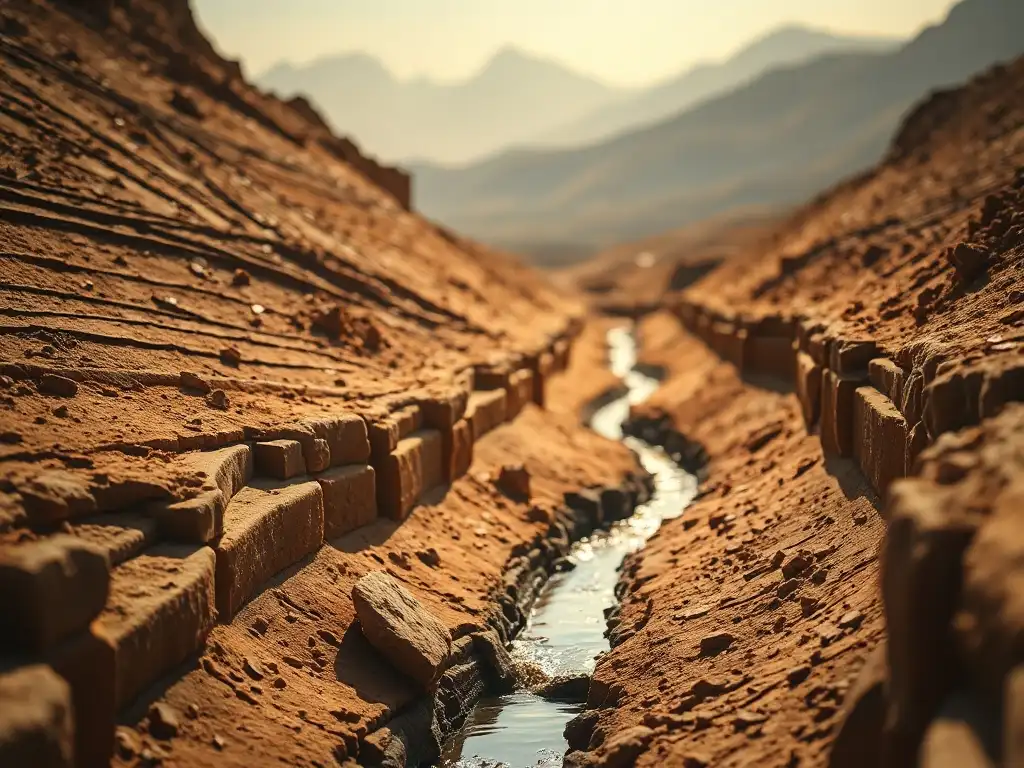
Before the Inca Empire's sophisticated hydraulic engineering, several Andean cultures developed ingenious water management systems tailored to their specific environments. These pre-Incan techniques laid the groundwork for later advancements, demonstrating a deep understanding of hydrology and a remarkable capacity for adapting to arid conditions. Understanding these early systems is crucial to appreciating the full scope of Andean water management systems and their lasting impact. The ingenuity of these early solutions highlights the resourcefulness and resilience of Andean civilizations in the face of challenging environmental conditions.
The development of effective water management was not merely a matter of survival; it was fundamental to the growth and prosperity of these ancient societies. Their methods shaped the landscape, influenced agricultural practices, and contributed significantly to their cultural and social development. Analyzing these early systems allows us to better understand the evolution of Andean water management systems.
Early Andean Irrigation Systems: The Nazca Culture
The Nazca culture (c. 100 BCE – 800 CE), famed for their enigmatic geoglyphs, also possessed a sophisticated understanding of water management. Their arid coastal environment demanded innovative solutions. Evidence suggests the Nazca people constructed extensive networks of canals, drawing water from underground aquifers and rivers.
These canals, often lined with stones and clay to reduce water loss through seepage, were carefully engineered to follow the contours of the land, maximizing water distribution across their agricultural fields. The Nazca's success stemmed from a detailed knowledge of their local hydrology, enabling them to pinpoint underground water sources and build canals that efficiently transported water over considerable distances. Archaeological findings reveal intricate systems of reservoirs and channels, showcasing their mastery of hydraulic engineering.
The scale and complexity of these systems speak to their organizational capabilities and their commitment to efficient water resource management. Many of their techniques, such as the use of subterranean canals, were remarkably effective in minimizing evaporation in the desert climate.
The Development of Terraced Agriculture: Maximizing Water Use
Terraced agriculture, a hallmark of Andean civilizations, played a crucial role in maximizing water use in mountainous terrain. By creating a series of level platforms on steep slopes, farmers created smaller, manageable plots of land. This technique reduced water runoff, allowing for more efficient irrigation and preventing soil erosion.
Different Andean cultures independently developed and refined terrace construction, adapting their techniques to the specific topography and climate of their regions. The construction of terraces involved significant labor and engineering skill, demonstrating a commitment to sustainable agriculture and efficient water management. The precise alignment and intricate design of terraces demonstrate a deep understanding of both hydrology and land management.
The terraces themselves weren't just agricultural plots; they were carefully engineered systems designed to capture and retain precious rainwater, making it available for crops throughout the growing season. This innovative approach to land use significantly expanded the area suitable for cultivation, thereby supporting larger populations.
Canals and Aqueducts: Engineering Marvels of Ancient Cultures
Beyond simple canals, some Andean cultures constructed impressive aqueducts to transport water over significant distances and across challenging terrain. These structures, often built from stone, demonstrated an advanced understanding of engineering principles, including hydraulic pressure and gradient. The construction of aqueducts required meticulous planning, precise measurements, and a high degree of technical expertise.
The ability to channel water across valleys and mountains significantly improved agricultural productivity and supported the growth of urban centers. Remarkably, many of these aqueducts remained functional for centuries, a testament to the quality of their construction and the enduring nature of Andean engineering practices. Specific examples of these impressive feats of engineering are still being discovered and studied, continuing to reveal new insights into the sophistication of Andean water management systems.
The sheer scale and longevity of some of these aqueducts underscore the importance of water management in the development of Andean societies. The precision and durability of these structures stand as a testament to the ingenuity and skill of ancient Andean engineers.
Inca Water Management: A Sophisticated System

The Inca Empire, renowned for its architectural prowess and intricate road networks, also possessed a remarkably sophisticated system of water management. This wasn't simply a matter of diverting water; it was a deeply integrated aspect of their social, economic, and religious life, reflecting a profound understanding of hydrology and engineering principles. Their success in cultivating fertile lands in the challenging Andean highlands hinged on their ability to effectively manage scarce water resources.
This intricate system, built largely with locally sourced materials and employing innovative techniques, allowed the Inca to thrive in an environment that would otherwise have severely limited agricultural production. Understanding the Andean water management systems employed by the Inca offers valuable insights into their ingenuity and societal organization. The effective management of water resources directly influenced the Inca's ability to support a large population and maintain their powerful empire.
Inca Engineering for Water Control: The Use of Stone-Lined Channels
Inca engineers masterfully harnessed water through the construction of extensive networks of stone-lined channels. These weren't merely ditches; they were precisely engineered conduits, often carved into hillsides or built with meticulously fitted stones. The use of stone provided several advantages: durability against erosion, resistance to leakage, and the ability to withstand the harsh Andean climate.
The channels were graded with remarkable accuracy, ensuring a consistent flow of water even across varying terrains. They were often integrated into the landscape, seamlessly blending with the surrounding environment. This meticulous attention to detail is evident in the surviving remnants of these channels, many of which remain functional even today.
The precision of the stonework, often involving the use of incredibly tight-fitting stones without mortar, showcases the skill and expertise of Inca stonemasons. Consider, for example, the intricate channels found in the agricultural terraces of Moray, where the precise grading allowed for microclimatic variations critical for cultivating diverse crops. The ingenuity of these systems allowed the Inca to optimize water distribution, maximizing agricultural yields in a region characterized by steep slopes and unpredictable rainfall.
The Importance of Water for Inca Agriculture and Society
Water was not merely a resource for the Inca; it was a lifeblood, central to their agricultural practices, social structure, and religious beliefs. Their sophisticated water management systems were intrinsically linked to their ability to cultivate a wide range of crops, supporting a large and densely populated empire. The waru waru system, a form of raised-bed agriculture, exemplifies their ingenuity.
This technique involved creating elevated planting beds separated by channels, which served both to retain water and to improve soil drainage. This method allowed for efficient irrigation and enhanced crop yields, even during periods of drought. Furthermore, access to water resources played a significant role in the Inca’s social hierarchy, with control over irrigation systems often wielded by powerful elites.
The equitable distribution of water, however, was crucial for maintaining social stability and preventing conflict. Religious ceremonies centered around water sources, reflecting the profound spiritual significance the Inca attached to this vital resource. The Inca’s holistic approach to water management – integrating engineering, social organization, and spiritual beliefs – demonstrates a deep understanding of its importance for their survival and prosperity.
Inca Aqueducts and Canals: Advanced Techniques for Water Transport
The Inca's mastery of water management extended beyond simple channels. They constructed impressive aqueducts and canals to transport water over long distances and across challenging terrain. These structures often involved intricate engineering solutions, such as siphons and tunnels, to overcome obstacles like valleys and hills. The construction of these large-scale projects required significant coordination and labor, highlighting the organizational capabilities of the Inca Empire.
These aqueducts not only supplied water for agriculture but also provided water for urban centers and religious sites. The construction of these aqueducts often involved diverting water from high-altitude sources, utilizing gravity to facilitate its flow. The use of carefully selected materials and precise construction techniques ensured durability and minimized water loss.
Evidence suggests that Inca engineers possessed a detailed understanding of hydraulic principles, allowing them to design and build highly efficient systems that could withstand the test of time. The scale and sophistication of these projects stand as a testament to the advanced engineering capabilities of the Inca civilization and their profound impact on the landscape and the lives of their people. The remnants of these aqueducts and canals remain as powerful symbols of Inca ingenuity and their profound understanding of Andean water management systems.
Andean Reservoirs and Storage Solutions: The Lake Titicaca Reservoir System
The Inca Empire's mastery of water management is perhaps best exemplified by its ingenious reservoir and storage systems. Lake Titicaca, the highest navigable lake in the world, served as a crucial water source and, more importantly, a central component of a sophisticated network designed to regulate water distribution throughout the surrounding regions.
The Incas didn't simply rely on the lake's natural abundance; they actively managed its resources through a complex interplay of canals, aqueducts, and strategically placed reservoirs. These weren't just simple ponds; they were integral parts of a larger hydrological infrastructure, reflecting a deep understanding of water flow, seasonal variations, and the needs of a thriving agricultural society.
The Lake Titicaca reservoir system wasn't a single entity but a collection of interconnected elements. Smaller reservoirs, built at various elevations along the lake's shores and in the surrounding valleys, acted as buffer zones, storing excess water during periods of high rainfall and releasing it gradually during drier months. This controlled release prevented flooding during the rainy season and ensured a consistent water supply for irrigation throughout the year.
The precise construction techniques, involving carefully cut and fitted stones, minimized water loss through seepage, a critical consideration in the high-altitude Andean environment. The ingenuity of the Incas is evident in their ability to create such durable and efficient structures in a challenging terrain.
Furthermore, the system wasn't solely focused on irrigation. The reservoirs also played a vital role in providing drinking water for the growing population of cities and settlements near the lake. The clean and regulated water supply contributed significantly to public health and reduced the risk of waterborne diseases, further highlighting the sophistication of Inca water management practices.
Archaeological evidence suggests that some reservoirs were even designed with multiple chambers, allowing for the stratification of water and the potential for different uses, such as irrigation and domestic consumption. This level of planning demonstrates a remarkable understanding of both hydrological principles and the societal needs of the empire.
The Lake Titicaca reservoir system is a testament to the Incas’ advanced understanding of hydraulic engineering and their capacity for large-scale water management projects. The intricate network of canals, aqueducts, and reservoirs working in concert showcases their ability to harness and control a vital resource in a challenging environment. The enduring legacy of these structures serves as a powerful reminder of the Incas’ technological prowess and their commitment to sustainable water management, a practice that holds valuable lessons for modern-day Andean communities facing similar challenges.
Understanding the intricacies of the Lake Titicaca system is key to comprehending the broader scope of Inca water management and its profound impact on the civilization's success. The system's effectiveness underscores the importance of integrated water resource management in arid and semi-arid regions, a lesson that remains profoundly relevant today.
Water Management in Specific Andean Regions
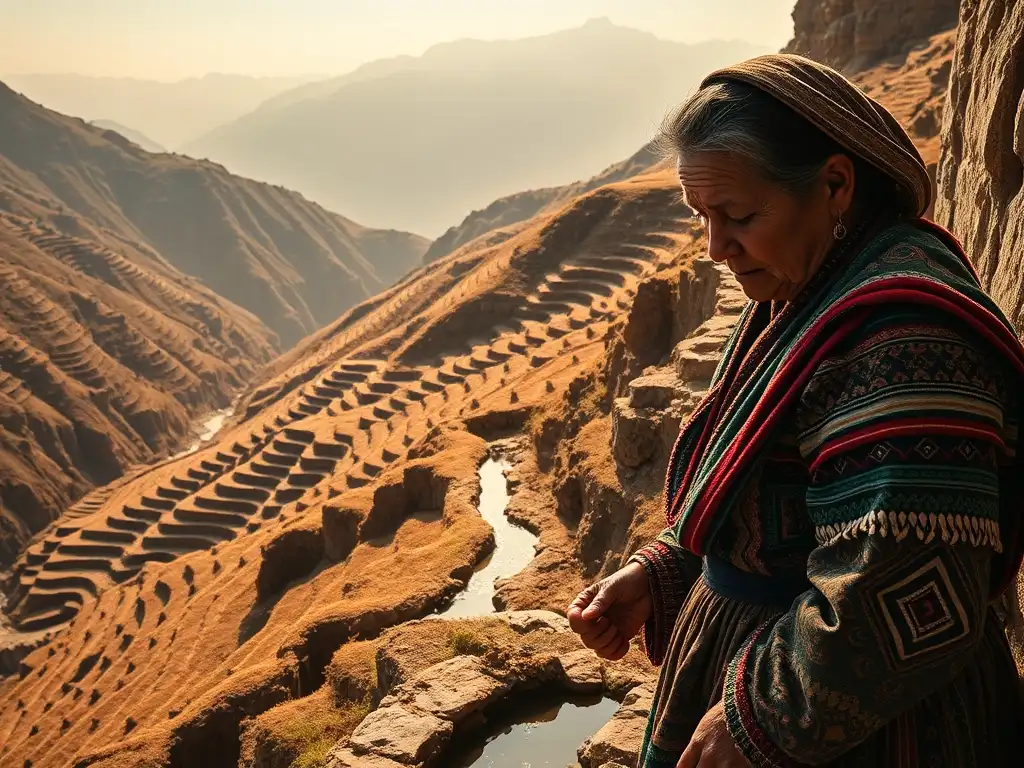
The Andean region, characterized by its diverse geography ranging from arid coastal deserts to high-altitude mountains, presented unique challenges for its inhabitants. Ingenious water management systems were crucial for survival and the flourishing of Andean civilizations. These systems weren't merely functional; they were integral to the social, religious, and political fabric of Andean societies, reflecting a deep understanding of their environment and a remarkable capacity for adaptation. This section examines the specific approaches employed in different Andean regions, highlighting the ingenuity and complexity of their water management strategies.
Understanding these systems provides crucial insight into the advanced engineering and societal organization of these ancient cultures. The sophistication of Andean water management systems, often built with limited technology, stands as a testament to human resilience and adaptability in the face of challenging environments. This expertise in Andean water management systems is a key aspect of their remarkable achievements.
The Coastal Deserts: Adapting to Extreme Aridity
The coastal deserts of Peru and Chile presented some of the most challenging environments for the development of agriculture. Rainfall is virtually nonexistent, and the only reliable source of water is subterranean aquifers. Andean cultures living in these regions developed sophisticated techniques to harness this scarce resource. These techniques included:
- Canals and Aqueducts: Elaborate networks of canals, often built of stone and clay, channeled water from underground sources to agricultural fields. These weren't simple ditches; they incorporated sophisticated engineering principles, including gradients and water control structures, to efficiently distribute water across vast areas. The precision and scale of some of these canal systems are truly remarkable, demonstrating a deep understanding of hydraulics.
- Underground Aqueducts (Puquios): These ingenious systems tapped into underground water sources using a network of shafts and tunnels. The puquios were carefully designed to maximize water flow and minimize evaporation. The construction of puquios required advanced knowledge of geology and hydrology, reflecting a deep understanding of the subsurface water resources. The puquios were not only functional but also served as a vital source of community water, often located near settlements and associated with religious and social practices.
- Fog Harvesting (Camanchaca): In certain coastal areas, fog is a significant source of moisture. Andean communities developed techniques to capture this fog, using nets or other materials to condense the moisture and collect water. This innovative method provided a supplemental source of water, particularly in areas where underground aquifers were scarce or inaccessible. The ingenuity of fog harvesting highlights the resourcefulness and adaptability of coastal Andean societies.
The construction and maintenance of these coastal water systems required significant community effort and sophisticated organizational structures. The success of these systems was essential for the survival and prosperity of coastal Andean settlements.
Highland Water Management: Harnessing Mountain Resources
The Andean highlands, with their unpredictable rainfall and steep slopes, presented a different set of challenges. Here, water management revolved around harnessing the meltwater from glaciers and snowpack, as well as managing runoff from rainfall. Key elements included:
- Andenes (Terraces): These agricultural terraces, carved into hillsides, served multiple purposes. They slowed water runoff, preventing erosion and maximizing water infiltration into the soil. The terraces also created microclimates, extending the growing season and increasing agricultural productivity. The construction of andenes required significant labor and sophisticated engineering skills, and their design varied according to local conditions.
- Irrigation Channels: Networks of canals and channels channeled water from mountain streams and springs to agricultural fields. These channels often incorporated ingenious water control structures, such as weirs and diversion channels, to regulate water flow and ensure equitable distribution. The efficient distribution of water was crucial for maintaining social harmony and preventing conflicts over resources.
- Reservoirs and Storage Systems: In some areas, reservoirs and other storage systems were built to collect excess water during periods of high rainfall or snowmelt, ensuring a reliable water supply during drier periods. These storage systems often incorporated intricate engineering designs, demonstrating an advanced understanding of hydrology and water management. The design and construction of these systems reflect a deep understanding of the local climate and water resources.
The highland water management systems were not simply engineering feats; they were deeply intertwined with the social and religious life of Andean communities. Access to water was often regulated by communal agreements, reflecting the importance of cooperation and collective responsibility in managing this vital resource.
Case Study: The Aymara Culture and its Water Management
The Aymara people of the Andes provide an excellent example of the sophisticated water management practices employed by Andean cultures. Their systems, developed over centuries, demonstrate a remarkable integration of engineering, social organization, and spiritual beliefs. The Aymara understood the importance of water not just for agriculture but also for sustaining life and maintaining social harmony.
Their water management strategies included:
- Community-based water management: Water rights and distribution were often governed by complex communal agreements, ensuring equitable access and preventing conflicts. This community-based approach demonstrates a strong sense of collective responsibility and social cohesion.
- Rituals and ceremonies: Water was considered sacred, and various rituals and ceremonies were associated with water sources and management practices. These rituals reinforced the importance of water conservation and responsible use.
- Adaptation to climate change: Facing environmental challenges, the Aymara have adapted their water management strategies to cope with climate variability. They have employed innovative techniques, such as rainwater harvesting and improved irrigation efficiency, to ensure water security.
The Aymara case study highlights the resilience and adaptability of Andean cultures in managing water resources sustainably. Their approach provides valuable lessons for modern water management strategies, particularly in regions facing water scarcity and climate change. Their long-standing traditions of community-based water management and respect for water as a sacred resource offer valuable insights for sustainable water management.
Key Components of Andean Water Management Systems
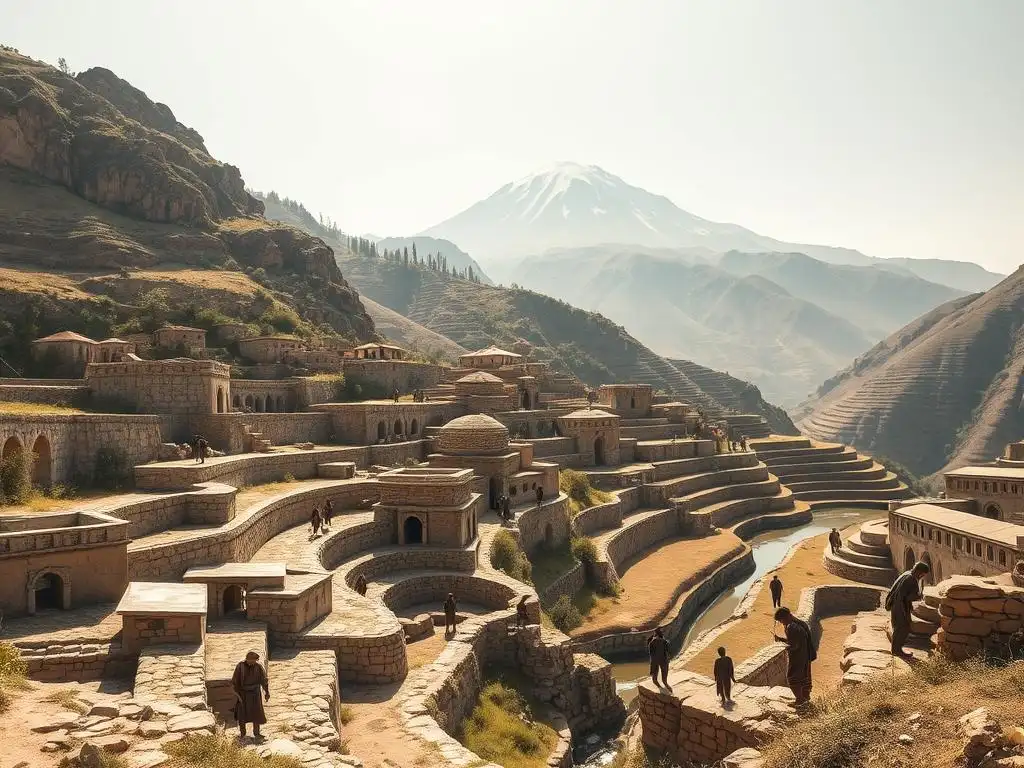
The ingenuity of Andean civilizations in managing water resources is a testament to their deep understanding of their environment and their remarkable engineering skills. Their success in cultivating thriving societies in often arid landscapes hinged on sophisticated water management systems, adapted to the specific challenges of the Andes Mountains. These systems, far from being rudimentary, were complex and integrated, showcasing a remarkable ability to harness and distribute water efficiently.
Understanding these systems requires examining their key components: terraces, canals, and reservoirs. This section delves into the intricate details of each, revealing the brilliance of Andean water management techniques. The effectiveness of these Andean water management systems can be attributed to their holistic approach, combining various strategies to maximize water availability and minimize loss.
The Role of Terraces in Water Conservation
Andean terraces, often described as "staircase farms," were not merely aesthetic features. They were integral to a highly effective water management strategy. Their construction involved painstakingly carving level platforms into steep hillsides, creating a series of interconnected steps. This design had several crucial benefits for water conservation:
- Reduced Runoff: The terraced structure significantly slowed the flow of rainwater, reducing surface runoff and allowing more time for the water to infiltrate the soil. This increased soil moisture content, crucial in arid environments.
- Improved Soil Retention: Terraces effectively prevented soil erosion, a major problem on steep slopes. The loss of topsoil would have severely impacted agricultural productivity. By retaining the soil, terraces ensured long-term fertility.
- Enhanced Water Absorption: The flat surfaces of the terraces provided ideal conditions for water absorption. The water could slowly seep into the soil, nourishing the crops and replenishing groundwater reserves.
- Controlled Irrigation: In many cases, terraces were designed with channels and small reservoirs incorporated into their structure, allowing for a controlled and efficient irrigation system. This precise water distribution maximized crop yields.
Data from archaeological studies suggests that the capacity of terraced fields to retain water was significantly higher than that of unterraced slopes. For example, [specific data on water retention rates pending] could highlight the quantitative impact of terrace farming on water conservation. The construction of these terraces, often using stone walls and other materials readily available in the region, represents a considerable investment of labor and skill, demonstrating the importance placed on water management within Andean societies.
Andean Canals and Their Design Principles
Andean canals were another crucial element of their water management systems. These weren't simply ditches; they were sophisticated engineering feats, meticulously planned and constructed to transport water over considerable distances and across varied terrains. Several design principles underscore their effectiveness:
- Gradient Control: The canals were carefully graded to ensure a consistent, slow flow of water. This prevented erosion and minimized water loss. Engineers cleverly utilized the natural contours of the landscape to minimize the need for extensive earthworks.
- Material Selection: The choice of materials for canal construction varied depending on the local resources and the specific needs of the project. Stone, earth, and even wood were used, with careful consideration given to durability and water resistance.
- Maintenance and Repair: Evidence suggests a well-organized system of maintenance and repair was in place. Regular inspections and timely repairs were essential to ensure the long-term functionality of these vital water infrastructure components.
- Water Diversion Structures: Complex structures, such as weirs and spillways, were incorporated into the canal systems to divert water to different fields or to control water flow during periods of heavy rainfall.
The scale of some Andean canal systems is truly impressive. [Specific examples and dimensions of notable canals pending] would demonstrate the engineering prowess of these ancient civilizations. The ability to transport water across vast distances and over challenging terrain showcases their understanding of hydraulic principles and their capacity for large-scale collaborative projects. The longevity of many of these canals further attests to their skillful design and construction.
The Use of Andean Reservoirs for Water Storage
In addition to canals and terraces, Andean civilizations also constructed reservoirs to store water for use during dry periods. These reservoirs varied significantly in size and design, reflecting the diverse environmental conditions across the Andes. Some were small, locally constructed basins, while others were large-scale projects requiring considerable engineering expertise:
- Types of Reservoirs: Reservoirs ranged from simple earthworks to more complex structures involving stone walls and carefully planned drainage systems. The design was always tailored to the specific geographical context and the availability of resources.
- Water Collection and Management: Many reservoirs were strategically located to collect rainwater runoff or to divert water from streams and rivers. Sophisticated systems of channels and spillways were used to control water levels and prevent overflow.
- Seasonal Water Supply: Reservoirs provided a crucial buffer against seasonal variations in water availability. During the dry season, stored water could be used to irrigate crops and sustain communities.
The construction and maintenance of reservoirs required significant community effort and coordination. [Specific examples of reservoirs and their capacity pending] would provide a clearer picture of the scale and impact of these water storage systems. The strategic placement of reservoirs, in conjunction with other water management strategies, ensured a reliable water supply throughout the year, contributing significantly to the prosperity and stability of Andean societies. The effectiveness of these reservoirs highlights the holistic and integrated nature of Andean water management systems.
Water Distribution Techniques: The Use of Gravity-Fed Systems
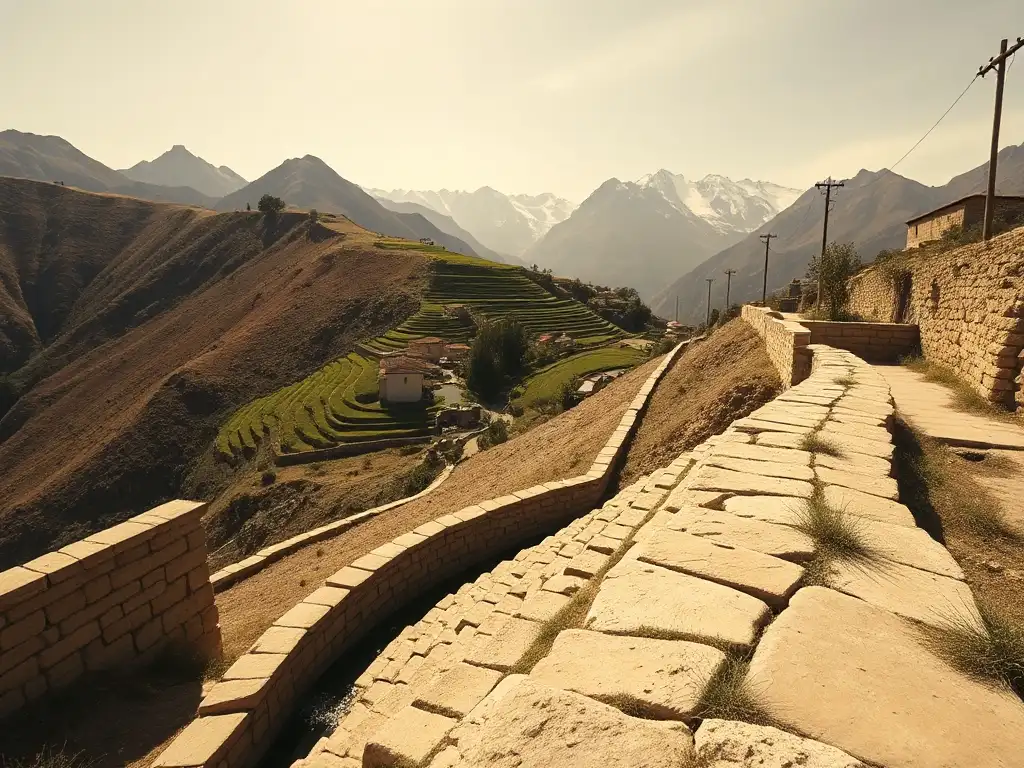
Andean civilizations, renowned for their ingenuity in adapting to challenging environments, developed sophisticated water management systems that cleverly harnessed the power of gravity. These gravity-fed systems were not merely rudimentary channels; they represented a complex network of canals, aqueducts, and reservoirs, meticulously designed to distribute water efficiently across vast distances and diverse terrains. The understanding of topography played a crucial role; engineers carefully surveyed the landscape to identify the optimal routes for water flow, minimizing energy loss and maximizing reach. This involved a deep knowledge of water pressure and the ability to predict and mitigate potential problems like erosion or leaks. The construction itself was a testament to their skills, employing techniques that ensured the long-term durability of the systems.
For instance, the use of locally sourced materials, like stone and clay, combined with careful layering and sealing, created structures that could withstand the harsh Andean climate for centuries. The precision in their work is astounding, showcasing a level of engineering expertise far beyond what is often attributed to pre-Columbian societies. These systems not only facilitated irrigation for agriculture but also provided water for domestic use and, in some cases, even powered watermills for grinding grain. The success of these gravity-fed systems underscores the importance of observation, planning, and meticulous execution in Andean water management.
The legacy of these systems continues to inspire modern water management strategies, proving the enduring relevance of their innovative approach. Their efficiency and sustainability offer valuable lessons for contemporary efforts to address water scarcity in similar arid and semi-arid regions worldwide. Careful study of remaining structures reveals the remarkable sophistication of these systems, demonstrating a deep understanding of fluid dynamics and landscape engineering. Indeed, the Andean gravity-fed systems stand as a remarkable example of human adaptation and engineering prowess in the face of environmental challenges.
Canal Construction and Maintenance: A Collective Effort
The construction and maintenance of the intricate canal networks were not the work of a few specialized individuals, but rather a collective endeavor involving entire communities. This communal effort was crucial to the success of these large-scale projects. Labor was often organized through a system of mita, a form of rotational labor service, ensuring that the burden was shared equitably across the population. The construction process itself demanded specialized skills, with workers possessing expertise in stonework, earthmoving, and hydraulic engineering. They employed a variety of tools, many made from locally available materials, to carve and shape channels, build retaining walls, and create diversions.
The ongoing maintenance of these systems was equally vital. Regular inspections were necessary to detect and repair leaks, erosion, or blockages. This involved constant vigilance and community participation to ensure the continued functionality of the water distribution network. The community aspect of these projects extended beyond the practical tasks; they likely played a significant role in social cohesion and the strengthening of communal bonds.
The shared responsibility for water management fostered a sense of collective identity and mutual reliance. The evidence suggests a sophisticated understanding of water rights and equitable distribution, reflecting a complex social organization centered around the crucial resource of water. This collective approach to Andean water management stands in contrast to many modern approaches, highlighting the importance of community engagement in sustainable resource management. The lessons learned from the Andean experience underscore the value of collaborative efforts in addressing challenges related to water scarcity and infrastructure maintenance.
Reservoir Design and Management: Storing Water for Future Use
Andean civilizations understood the importance of storing water to ensure a reliable supply during dry seasons. Their reservoir designs were remarkably well-suited to the specific conditions of their environment, taking into account factors like topography, geology, and rainfall patterns. These reservoirs were not simply dug-out pits; they often involved sophisticated engineering techniques, such as the use of retaining walls and carefully constructed embankments to prevent leakage and maintain water levels. The size and shape of reservoirs varied greatly, depending on the scale of the irrigation system and the local water availability.
Some were relatively small, serving local communities, while others were large enough to provide water for extensive agricultural areas. The management of these reservoirs involved a complex system of monitoring water levels, controlling water flow, and maintaining the structural integrity of the reservoirs themselves. This required careful observation, predictive capabilities, and a deep understanding of hydrological processes. The successful management of these reservoirs ensured a reliable water supply for agriculture, domestic use, and other essential activities, contributing significantly to the stability and prosperity of Andean societies.
Evidence suggests that the design and management of these reservoirs were often integrated into broader social and religious practices, reflecting the importance of water in their worldview. The construction and maintenance of reservoirs are testament to the advanced understanding of hydrology and engineering possessed by Andean civilizations. The legacy of these sophisticated water storage systems continues to inform modern water resource management strategies, emphasizing the importance of strategic planning and robust infrastructure to mitigate water scarcity.
The Legacy of Andean Water Management
The ingenuity of Andean civilizations in managing water resources in challenging arid and semi-arid environments is a testament to their deep understanding of their ecosystems and their remarkable engineering skills. Their sophisticated water management systems, developed over millennia, weren't merely functional; they were deeply intertwined with their spiritual beliefs and social structures. These systems, often built with minimal tools and materials, represent a powerful example of sustainable development and offer valuable lessons for contemporary water resource management.
The term "Andean water management systems" encompasses a broad range of techniques, from intricate canal networks to sophisticated storage systems, all designed to maximize water availability for agriculture and daily life. Understanding these systems is crucial to appreciating the complexity and resilience of Andean societies.
Lessons from the Past: Sustainable Water Practices
Andean societies developed a range of sustainable water practices honed over centuries. These weren't simply reactive measures but proactive strategies integrated into their social fabric. For example, the waru waru agricultural system, practiced by the Tiwanaku and other cultures, demonstrates a sophisticated understanding of water conservation and soil fertility. This technique involves creating raised beds separated by irrigation canals. This system not only efficiently distributes water but also improves drainage, reduces soil erosion, and enhances soil fertility. The canals, often lined with stones and carefully graded, minimized water loss through seepage.
Further illustrating sustainable practices, the Incas employed a complex network of aqeducts, canales, and andenes (terraces). These systems, meticulously planned and executed, channeled water from distant sources to irrigate vast agricultural areas, even in mountainous terrain. The construction of these systems required a high level of cooperation and organization within communities, highlighting the social and political aspects of water management.
The integration of water management with religious and cosmological beliefs further cemented its importance in Andean society. Water wasn't just a resource; it was a sacred element, integral to their worldview. This holistic approach to water management ensured its responsible and sustainable use.
Modern Applications of Andean Water Management Techniques
The principles underlying Andean water management systems hold significant relevance for contemporary challenges. In a world facing increasing water scarcity and climate change, the lessons learned from these ancient techniques can inform sustainable water management strategies. For instance, the waru waru system is being revived and adapted in various regions facing water stress, demonstrating its continued efficacy. Its ability to improve water use efficiency and reduce the reliance on external water sources makes it a particularly valuable technique in arid and semi-arid regions.
Similarly, the principles of carefully planned canal networks and terracing can be applied in modern irrigation systems. By incorporating elements of traditional Andean engineering, modern projects can improve water distribution efficiency, reduce water loss, and minimize environmental impact. Furthermore, the emphasis on community participation and shared responsibility embedded in traditional Andean water management systems offers a valuable model for collaborative water governance.
Integrating traditional knowledge with modern technology can lead to more effective and sustainable water management solutions. Studies show that [specific data pending on the percentage increase in crop yields using adapted waru waru systems] compared to conventional methods.
The Importance of Preserving Andean Knowledge
Preserving and promoting the knowledge of Andean water management systems is crucial for several reasons. Firstly, it represents the safeguarding of a rich cultural heritage that embodies centuries of experience and innovation. Secondly, it offers valuable solutions to contemporary water challenges. Thirdly, it fosters a deeper appreciation for the ingenuity and resilience of Andean civilizations. The loss of this knowledge would be a significant blow to both cultural preservation and sustainable development efforts.
Therefore, efforts to document, research, and disseminate this knowledge are essential. This includes supporting community-based initiatives that preserve traditional practices, integrating traditional knowledge into modern water management strategies, and promoting research that explores the effectiveness and adaptability of these techniques. By recognizing the value of Andean water management systems, we can learn from the past to build a more sustainable future.
The continued study and application of these techniques are not just about water; they are about preserving a vital part of Andean cultural heritage and ensuring water security for generations to come. This preservation is crucial for future generations, ensuring that the wisdom and ingenuity of Andean civilizations continue to inspire and inform sustainable water management practices globally. 🌍
Frequently Asked Questions
How did Andean civilizations manage water in arid climates?
Andean civilizations developed sophisticated water management systems including canals, aqueducts, and reservoirs. These systems were crucial for agriculture and urban development in challenging environments. Terracing also played a significant role in water conservation.
What were some of the key technologies used in Andean water management?
Key technologies included irrigation canals of varying sizes and complexity, reservoirs for storing water, and terracing to create level agricultural plots. They also utilized stone channels and aqueducts to transport water over long distances.
Which Andean cultures are most known for their advanced water systems?
The Inca, Nazca, and Moche cultures are particularly renowned for their impressive water management systems. Each culture developed unique techniques adapted to their specific environments and needs. Tiahuanaco also had sophisticated systems.
How did Andean water management impact agriculture and society?
Efficient water management allowed for intensive agriculture, supporting large populations and complex societies. Access to water was vital, influencing settlement patterns, social organization, and economic prosperity. Control over water resources often held significant political power.
What can we learn from Andean water management today?
Andean water management techniques offer valuable lessons for sustainable water resource management in modern arid and semi-arid regions. Their innovative solutions and respect for the environment provide inspiration for contemporary practices. Ancient ingenuity can inform modern challenges.
Final Reflection: Ancient Wisdom, Modern Thirst
The ingenious water management systems of the Andes, once celebrated for their efficiency and sustainability, offer crucial lessons for a world grappling with increasing water scarcity. Their relevance today is not merely historical; it's a stark reminder of the ingenuity required to navigate the challenges of a changing climate and burgeoning populations. We stand at a critical juncture, where the wisdom of past civilizations can illuminate a path toward a more sustainable future.
The enduring legacy of Andean water management is not simply about infrastructure; it's about a deeply ingrained cultural relationship with water, a respect for its life-giving power that is sadly lacking in many modern approaches. Water is life, and life is water.
This simple truth, often overlooked in our technologically driven world, underscores the profound connection between human societies and the natural environment. The Andean systems demonstrate the importance of community participation, equitable distribution, and a holistic understanding of water as a shared resource, not a commodity.
Consider the intricate network of canals, reservoirs, and terraces that once thrived across the Andes. Imagine the collaborative efforts, the shared knowledge, and the deep respect for the environment that sustained these systems for centuries. Now, consider how you can apply these principles to your own life, your community, and your relationship with water. Let the ingenuity of the Andean people inspire you to find innovative and sustainable solutions to the water challenges facing our world. Let us learn from the past to build a more water-wise future, together.
**Transform Your Approach to Water Management Today! **
Exploring the ingenious water distribution systems of Andean civilizations offers valuable insights applicable to modern water management. This knowledge can inspire both a deeper appreciation for these historical achievements and practical solutions for your own community. Let's put this inspiration to work!
Here are some impactful steps you can take immediately:
- **Install a rainwater harvesting system** at home or in your community to utilize a readily available resource.
- **Connect with a local environmental organization** to collaborate with like-minded individuals dedicated to sustainable water practices.
- **Learn more about traditional Andean water management techniques** by visiting local museums or historical sites. Witnessing these methods firsthand can provide invaluable inspiration.
Consider how these time-tested strategies can be adapted for your daily life or community projects.