
Inca Road Maintenance: How the Empire Kept the System Running

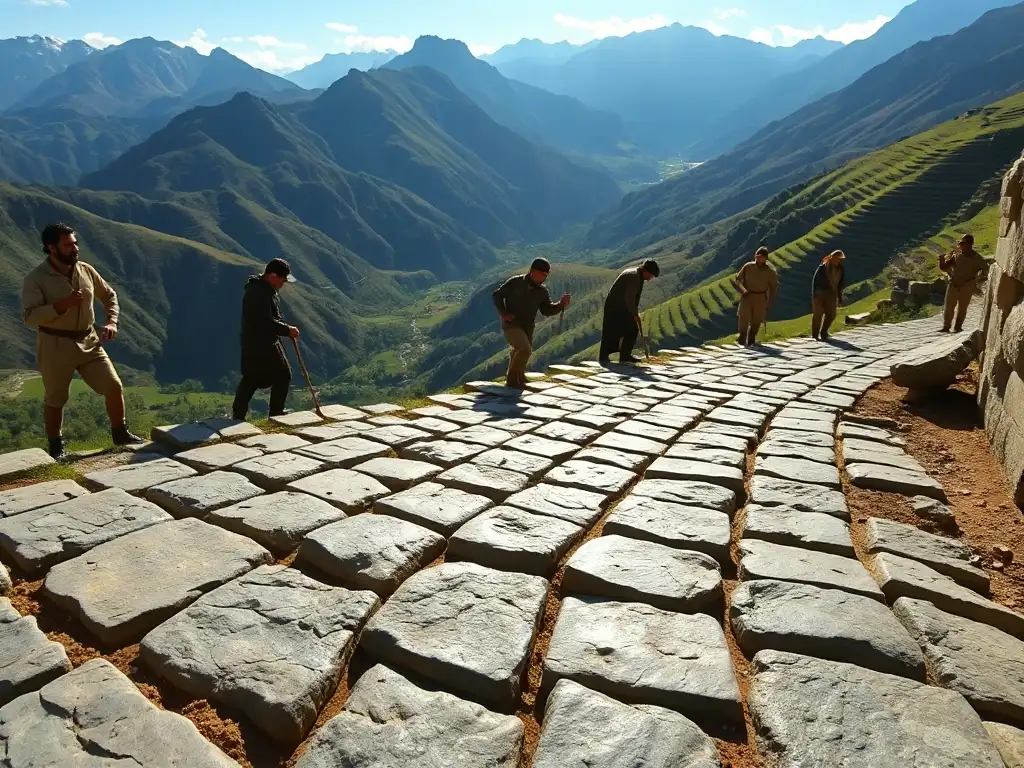
Unravel the mysteries of the Andes! Journey through millennia of breathtaking artistry, ingenious engineering, and vibrant cultures. But what secrets lie beneath the seemingly impassable mountains? Discover the astonishing Inca road maintenance techniques that fueled an empire's expansion and longevity – a testament to their unparalleled skill and organization. Prepare to be amazed as we delve into the Andean world, revealing the ingenuity behind their remarkable achievements.
The Inca Empire, renowned for its sophisticated architecture and engineering feats, controlled a vast network of roads spanning thousands of miles across the challenging Andean terrain. This intricate system, a marvel of its time, wasn't merely constructed; it required constant and meticulous maintenance to ensure its functionality and support the empire's efficient communication, trade, and military movements. This article delves into the ingenious techniques employed by the Inca to maintain their extensive road network, highlighting their understanding of engineering principles and their organizational prowess.
We will explore the diverse strategies they implemented to overcome the unique challenges posed by the Andes' harsh environment, revealing the crucial role road maintenance played in the empire's success and longevity. Understanding these Inca road maintenance techniques offers a fascinating glimpse into the logistical sophistication of a civilization that thrived in one of the world's most demanding landscapes.
The Organization of Road Maintenance
Maintaining such an extensive road network required a highly organized and efficient system. The Inca employed a sophisticated system of labor organization, leveraging the mita system – a form of mandatory public service – to allocate manpower for road repairs and upkeep. Specific groups, likely organized by ayllu (community) and overseen by skilled engineers and overseers, were responsible for designated sections of the roads.
This decentralized yet coordinated approach ensured that repairs were carried out promptly and effectively across the entire empire. Detailed records, possibly using quipus (knotted-string record-keeping), may have tracked the condition of each road segment and scheduled maintenance activities. The efficiency of this system is evident in the longevity and remarkable condition of many Inca roads that remain visible today.
Materials and Techniques Used in Road Repair
The Inca utilized readily available local materials for road maintenance. Stone, readily abundant in the Andes, was a primary material. They employed various techniques depending on the nature of the damage. Smaller cracks and potholes were likely filled with compacted earth, gravel, and possibly a binding agent like clay or even bitumen (though evidence for widespread use of bitumen is still under investigation).
Larger sections requiring more substantial repair likely involved replacing damaged stones, carefully fitting them together to ensure a smooth and durable surface. The Inca's expertise in stonework is evident in the precision of their road construction and the longevity of their repairs. They understood the importance of drainage and implemented methods to channel water away from the road surface to prevent erosion and damage.
Overcoming Environmental Challenges
The Andean environment presented unique challenges to road maintenance. High altitudes, extreme weather conditions (including heavy rainfall, snow, and freezing temperatures), and steep slopes all posed significant obstacles. The Inca demonstrated remarkable ingenuity in adapting their maintenance strategies to these conditions.
For instance, they employed retaining walls and terraces to stabilize slopes and prevent landslides, often using sophisticated drainage systems to divert water away from vulnerable sections. Their understanding of the local geology and climate played a crucial role in their ability to effectively maintain the roads in such a demanding environment. They likely adjusted their maintenance schedules seasonally, focusing on particular issues at specific times of the year.
The Legacy of Inca Road Maintenance
The Inca road system and the techniques used for its maintenance stand as a testament to the empire's engineering prowess and organizational skills. The roads not only facilitated communication and trade but also played a vital role in the empire's military and administrative capabilities. The ingenuity displayed in overcoming the challenges of the Andean environment continues to inspire awe and admiration.
Many sections of these roads still exist today, a lasting tribute to the skills and dedication of the Inca builders and the effectiveness of their maintenance strategies. Studying their methods provides valuable insights into sustainable infrastructure development and resource management, particularly relevant in today's world facing similar environmental challenges. Further research into the specifics of Inca road maintenance techniques is crucial to fully appreciate the complexity and sophistication of this remarkable achievement.
- The Organization of Road Maintenance
- Materials and Techniques Used in Road Repair
- Overcoming Environmental Challenges
- The Legacy of Inca Road Maintenance
- Labor and Organization in Road Maintenance
- The Mit'a System and its Role in Infrastructure Projects
- Specialized Workers: Road Keepers and Their Responsibilities
- Local Communities and Their Involvement in Road Upkeep
- The Role of Specialized Workers in Road Construction and Maintenance
- Materials and Techniques Used for Road Repair
The Importance of Inca Roads and Infrastructure
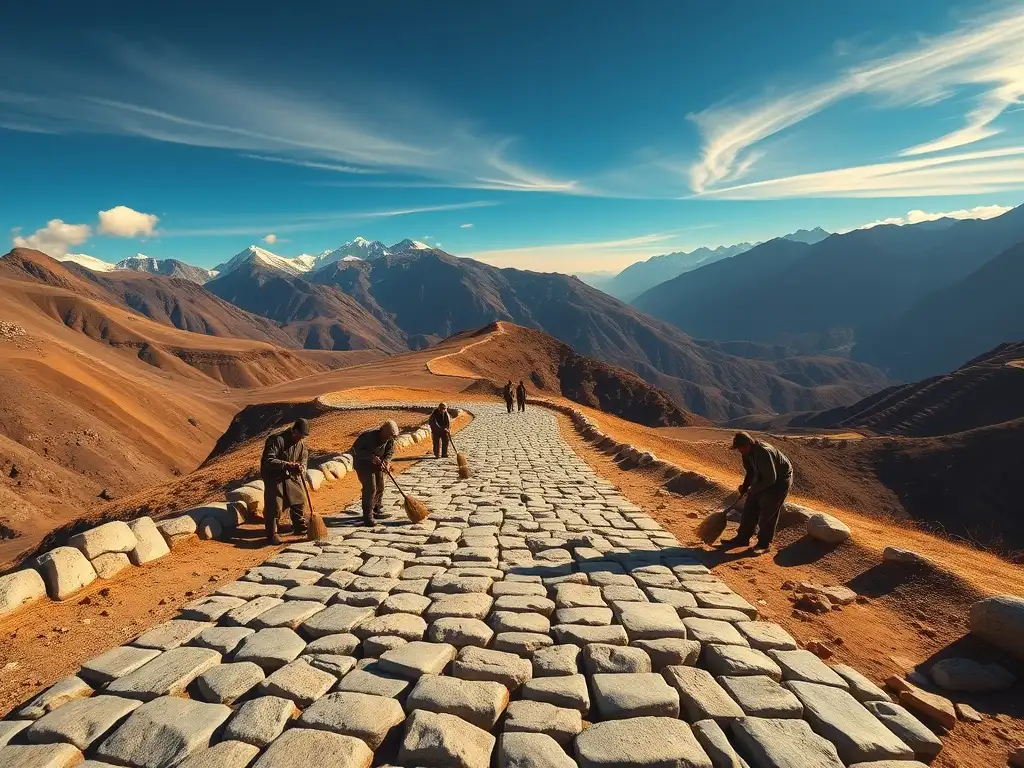
The Inca Empire, renowned for its sophisticated civilization, relied heavily on an extensive and remarkably well-maintained road network, the Qhapaq Ñan, to ensure its political, economic, and social stability. Understanding Inca road maintenance techniques is key to appreciating the ingenuity and organizational prowess of this Andean power.
The sheer scale of the project – thousands of miles of roads traversing diverse and challenging terrains – is a testament to the empire's engineering capabilities and its commitment to efficient communication and transportation. The roads weren't merely paths; they were the arteries of a vast, interconnected empire, facilitating the movement of people, goods, and information across immense distances.
This intricate system of roads played a pivotal role in the empire's success, its very existence intertwined with the empire's ability to effectively manage its resources and maintain control over its territories. The efficiency of Inca road maintenance directly impacted the empire's ability to respond to emergencies, mobilize armies, and ensure the smooth flow of trade and tribute.
The Qhapaq Ñan: A Vital Artery for the Inca Empire
The Qhapaq Ñan, meaning "Royal Road" in Quechua, was not a single road but a complex network of pathways stretching over 25,000 miles, connecting the furthest reaches of the Inca Empire. This impressive feat of engineering encompassed diverse terrains, from high-altitude mountain passes to coastal plains and dense jungles. The Inca's mastery of road construction is evident in their ability to adapt to these varied conditions.
They utilized different construction techniques depending on the environment, incorporating materials readily available in each region. For instance, in mountainous areas, they employed stone paving and retaining walls, while in flatter regions, they might have used earthworks and compacted surfaces. The Qhapaq Ñan wasn't just about connecting distant settlements; it also facilitated the movement of armies, messengers (chasquis), and vital resources like food, textiles, and building materials.
The efficiency of the road network was directly linked to the empire's capacity for swift communication and efficient resource allocation, crucial elements in maintaining control over such a vast territory. The strategic placement of tambos (roadside inns) along the Qhapaq Ñan provided resting places and supplies for travelers, further enhancing its functionality and enabling efficient long-distance travel.
Strategic Significance of the Inca Road Network
The Inca road network served a crucial strategic purpose, facilitating rapid military response and the suppression of rebellions. The ability to quickly move troops across vast distances was paramount in maintaining control over the empire's diverse and sometimes rebellious provinces. The strategic placement of bridges, tunnels, and fortifications along the roads enhanced their defensive capabilities. Furthermore, the roads facilitated the swift transport of vital supplies to garrisons and military outposts, ensuring their continued operational readiness.
The speed and efficiency with which the Inca could deploy their forces was a significant factor in their ability to maintain control and suppress any dissent. This strategic advantage, directly facilitated by the well-maintained road system, contributed substantially to the longevity and stability of the Inca Empire. The roads were not just for peaceful transit; they were integral to the empire's military strength and its capacity for rapid response to threats.
The Role of Roads in Inca Administration and Control
Beyond military applications, the Inca road network played a vital role in the empire's administration and control. The efficient transportation of tribute and goods, such as agricultural produce, textiles, and precious metals, was crucial for the empire's economic stability. The roads facilitated the collection of taxes and the distribution of resources, ensuring a centralized system of resource management.
The movement of officials, inspectors, and messengers along the roads allowed for effective monitoring and oversight of the provinces. This constant flow of information and personnel was essential for maintaining order and preventing uprisings. The system of chasquis, runners who relayed messages along the road network, provided an incredibly efficient communication system, far surpassing any other contemporary system in the Americas.
This swift communication enabled the rapid dissemination of imperial decrees and facilitated the efficient management of the vast empire. The intricate integration of the road network with the empire's administrative system highlights the roads' significance in maintaining the Inca's political and economic dominance. The meticulous maintenance of the Qhapaq Ñan was not just an engineering feat; it was fundamental to the very fabric of the Inca Empire's power and longevity.
Inca Road Maintenance Techniques: A Detailed Look
The Inca Empire's impressive road network, spanning thousands of miles across challenging Andean terrain, was not simply built and then left to deteriorate. Its longevity and effectiveness depended on a sophisticated system of maintenance, reflecting the empire's advanced organizational capabilities and understanding of engineering principles. Understanding Inca road maintenance techniques reveals a fascinating glimpse into their societal structure and technological prowess.
The sheer scale of the undertaking – maintaining thousands of miles of roads across diverse climates and altitudes – demanded meticulous planning, specialized labor, and a robust logistical system. This section delves into the key aspects of this remarkable feat of engineering and administration.
Labor and Organization in Road Maintenance
The maintenance of the Inca road system was a continuous process, not a one-time event. It involved a large workforce, carefully organized and managed to ensure efficiency and effectiveness. The task wasn't randomly assigned; rather, it was integrated into the fabric of Inca society, leveraging existing social structures and utilizing a hierarchical system to allocate responsibilities.
This system ensured that repairs were carried out promptly and that the quality of the roads remained consistently high. Evidence suggests that specific groups or communities were assigned responsibility for maintaining particular sections of the road network, based on proximity and other logistical considerations. This localized responsibility fostered a sense of ownership and pride in maintaining the vital infrastructure.
Furthermore, the system was flexible enough to respond to unexpected events, such as landslides or floods, allowing for rapid mobilization of resources to address urgent repairs. The organization of this labor force was crucial to the success of the Inca road maintenance system, highlighting the advanced administrative capabilities of the empire.
The Mit'a System and its Role in Infrastructure Projects
The mit'a, a form of mandatory labor service, played a pivotal role in Inca road maintenance. While often associated with mining and agriculture, the mit'a also contributed significantly to infrastructure projects, including road upkeep. Able-bodied individuals from various communities were obligated to contribute a certain amount of time to public works, including road repair and construction.
The duration and intensity of mit'a service varied depending on the scale of the project and the individual's capabilities. This system ensured a consistent supply of labor for road maintenance, allowing for regular inspections and repairs throughout the vast network. Importantly, the mit'a wasn't solely about forced labor; it was also a system of reciprocal obligation, with the state providing essential services and support to the communities in return for their contributions.
This ensured that the labor was not viewed solely as a burden, but as a necessary component of a larger social contract that benefited all participants. The Inca's skillful management of the mit'a system was instrumental in maintaining their extensive road network.
Specialized Workers: Road Keepers and Their Responsibilities
Beyond the broader application of the mit'a, the Inca Empire also employed specialized workers dedicated solely to road maintenance. These individuals, often referred to as "road keepers" (although the exact term may vary depending on the specific source and translation), held crucial roles in ensuring the ongoing functionality of the road system. Their responsibilities extended beyond simple repairs; they included regular inspections, preventative maintenance, and the management of resources.
These specialized workers likely possessed advanced knowledge of construction techniques, materials science, and engineering principles, enabling them to identify potential problems and implement effective solutions. Their expertise was essential in addressing complex issues, such as bridge repairs, drainage systems, and the stabilization of slopes. The existence of these specialized roles underscores the level of importance the Inca placed on road maintenance and highlights their commitment to maintaining a highly functional and efficient transportation network.
Further research is needed to fully understand the specific training, social status, and hierarchy within this specialized workforce. Detailed accounts of their tools and techniques would further illuminate their contributions to the empire's infrastructure. The role of these specialized "road keepers" in the Inca road maintenance system represents a sophisticated approach to infrastructure management.
Local Communities and Their Involvement in Road Upkeep
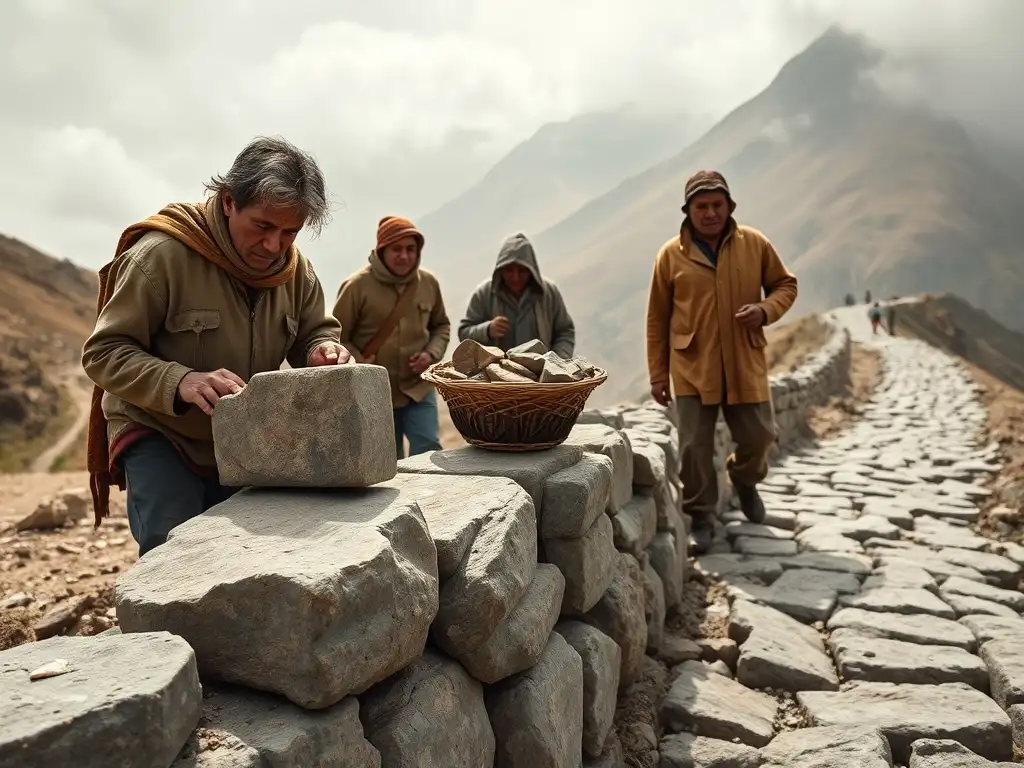
The Inca road system, a marvel of ancient engineering, wasn't solely maintained by a centralized imperial workforce. A crucial element of its enduring success was the active participation of local communities along its vast network. The mita system, a form of mandatory labor service, played a significant role. While often associated with large-scale projects like temple construction, the mita also obligated communities to contribute to the ongoing upkeep of the roads that ran through their territories.
This wasn't simply a matter of occasional repairs; it was an ongoing responsibility integrated into the fabric of community life. Villages were assigned specific sections of road, and their inhabitants were responsible for everything from clearing debris and repairing minor damage to undertaking more substantial reconstruction efforts as needed. This decentralized approach ensured that the roads received consistent attention, preventing minor problems from escalating into major disruptions. The system fostered a sense of collective responsibility and local pride in the empire's infrastructure.
The efficiency of this system is evidenced by the longevity and remarkable condition of many sections of the Inca road network that have survived to this day. Failure to maintain their assigned sections likely resulted in penalties, though the precise nature of these punishments is still debated by scholars, with some suggesting that it may have involved reduced access to resources or even community-level sanctions. The success of the Inca road system highlights the importance of community engagement in infrastructure maintenance, a lesson relevant even in modern times.
The Role of Specialized Workers in Road Construction and Maintenance
Beyond the contributions of local communities, the Inca Empire also employed specialized laborers skilled in road construction and maintenance. These individuals weren't simply unskilled workers; they were trained professionals possessing expertise in various aspects of road engineering, from surveying and drainage to stonework and paving. Archaeological evidence suggests the existence of specialized teams responsible for different tasks related to road upkeep. Some groups focused on quarrying and transporting the necessary stones, while others were experts in cutting, shaping, and fitting the stones to create durable, long-lasting pavements.
Still others focused on drainage systems, ensuring the roads remained passable even during the rainy season. The precise organizational structure of these specialist teams is not entirely clear, but it's evident that they played a vital role in maintaining the high standards of the Inca road network. Their skills were passed down through generations, ensuring that the knowledge and techniques necessary for road maintenance were preserved and refined over time.
This specialized workforce, working in conjunction with the mita system, ensured that the Inca roads were not only constructed to a high standard but also consistently maintained to that standard, contributing significantly to the efficiency and longevity of the network. The existence of these specialized workers highlights the sophisticated level of organization and planning inherent within the Inca Empire’s infrastructure projects. Their expertise underscores the importance of specialized skills in maintaining complex infrastructure networks, a concept that remains relevant today.
Materials and Techniques Used for Road Repair
The Inca's road maintenance techniques were as impressive as their initial construction methods. They utilized readily available local materials, demonstrating an understanding of sustainable practices. Stone, predominantly andesite and other durable volcanic rocks, formed the foundation of their roads. These stones, carefully selected for their strength and resistance to weathering, were expertly fitted together without mortar, a testament to the Inca's mastery of dry-stone wall construction.
For repairs, they employed similar techniques, carefully replacing damaged or deteriorated stones with new ones, ensuring a seamless fit. Beyond stone, they used other materials strategically. For example, in areas prone to erosion, they might employ layers of compacted earth or gravel to provide a stable base. In mountainous regions, they would utilize retaining walls to prevent landslides and stabilize slopes.
The use of these materials, in conjunction with sophisticated drainage systems, ensured that the roads were resilient and could withstand the challenges of the Andean environment. Their understanding of the local geology and climate played a crucial role in selecting appropriate materials and techniques for repairs, ensuring that the roads remained functional for centuries. The longevity of the Inca road network is a direct result of their careful selection of materials and their mastery of construction and repair techniques. Their approach to road maintenance offers valuable insights into sustainable and resilient infrastructure design.
Materials and Tools Used for Inca Road Preservation
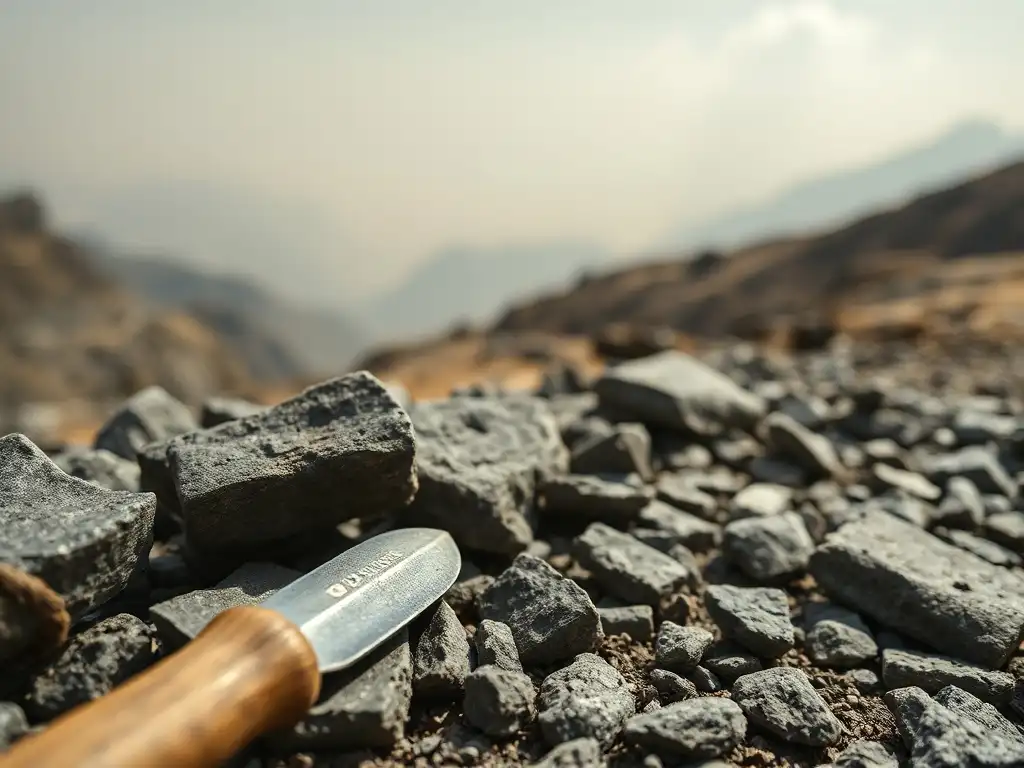
The Inca road system, a marvel of ancient engineering, required meticulous maintenance to ensure its longevity and efficiency across diverse and challenging Andean terrains. Understanding the materials and tools employed reveals the ingenuity and practicality of Inca road preservation techniques. The empire's success wasn't solely reliant on grand designs; it hinged on the consistent application of effective, readily available resources. This section delves into the specifics of these resources, showcasing the resourcefulness of Inca engineers.
Stone and Earth: Primary Construction Materials
The Inca's mastery of stonework is legendary, and this skill was fundamental to road maintenance. Locally sourced stone, varying in size and type depending on geographical location, formed the backbone of many road sections. Larger stones were used for foundational layers and retaining walls, while smaller stones filled gaps and provided a stable surface.
The selection wasn't arbitrary; engineers chose stones with properties suitable for the local conditions – durability against weathering, resistance to erosion, and ease of shaping. Earth, primarily compacted clay and gravel, played a crucial role as a binding agent and filler material. This meticulous layering, combining stone and earth, created a surprisingly durable and resilient road surface, capable of withstanding heavy traffic and harsh weather.
The use of readily available materials minimized transportation costs and maximized efficiency in road construction and repair. Careful observation of the natural landscape informed material selection, highlighting the Inca's deep understanding of their environment. For example, in areas prone to landslides, engineers might prioritize stronger, larger stones to reinforce the roadbed.
Inca Engineering and Construction Techniques
Inca road maintenance wasn't simply a matter of patching holes. It involved sophisticated techniques reflecting a deep understanding of engineering principles. The use of drainage systems, for instance, prevented water accumulation and erosion, significantly extending road lifespan. These systems comprised carefully placed stones to divert water away from the road surface, often channeled into strategically positioned ditches or culverts.
Another key technique was the layering of materials. Roads weren't simply a single layer of stone; they involved multiple layers, each with a specific function. This approach ensured stability and even weight distribution, minimizing the impact of heavy loads and preventing structural failure. Furthermore, the Inca employed techniques to ensure proper compaction of earth and gravel layers, vital for preventing settling and ensuring a smooth, stable surface.
This involved the use of specialized tools and labor-intensive methods, demonstrating the dedication to quality and long-term sustainability inherent in Inca road maintenance strategies. The precision and sophistication of these techniques underscore the advanced knowledge of Inca engineers and their commitment to building infrastructure that could withstand the test of time. This commitment to quality contributed significantly to the longevity and effectiveness of the Inca road network.
Specific Tools Used in Inca Road Construction and Repair
While much of the work involved manual labor, the Inca utilized a range of tools to facilitate road maintenance. These tools were largely made from readily available materials like wood, stone, and bone. Evidence suggests the use of:
- Stone hammers and chisels: For shaping and fitting stones in road construction and repairs. The precision of Inca stonework demonstrates the skill and effectiveness of these tools.
- Wooden mallets: Used for compacting earth and gravel layers, ensuring a stable road surface. The size and weight of these mallets varied depending on the task and material being compacted.
- Metal tools (possibly copper or bronze): While less common, some evidence suggests the use of metal tools for more specialized tasks, though the extent of their use in road maintenance remains a topic of ongoing research. [Specific information pending on the exact composition and frequency of metal tools use]
- Carrying tools (e.g., woven baskets, slings): Essential for transporting materials over challenging terrain. The efficient transport of materials was crucial for effective road maintenance across the vast Inca empire.
The simplicity and effectiveness of these tools highlight the ingenuity of Inca engineers. They focused on practicality and efficiency, utilizing readily available resources to create tools suitable for the specific demands of road maintenance in diverse Andean environments. The tools, combined with the labor-intensive nature of the work, ensured the long-term viability of the Inca road system, a testament to their advanced engineering capabilities and organizational prowess. Further research is needed to fully understand the diversity and specific applications of all tools used.
Adaptation to Different Terrains and Climates
The Inca road system, a marvel of ancient engineering, wasn't a uniform construction across the vast Andean landscape. Maintaining this intricate network required adapting techniques to the diverse terrains and climates encountered along its length. From the high-altitude puna grasslands to the humid coastal regions and the steep mountain slopes, the Inca engineers displayed remarkable ingenuity.
For instance, in the high Andes, where frost and harsh winds were prevalent, road construction and maintenance involved techniques to mitigate the effects of freeze-thaw cycles. This included the careful selection of durable stones resistant to cracking and the use of drainage systems to prevent water accumulation, a major factor in frost damage. The use of retaining walls made from locally sourced materials was crucial in stabilizing slopes prone to landslides, common in these mountainous areas.
In contrast, the coastal regions presented different challenges. The Inca road builders had to contend with sandy terrains, often subject to erosion from wind and rain. Their solutions included the use of compacted earth and stabilizing layers, reinforced with locally sourced materials like reeds and clay. The construction of elevated sections and the implementation of effective drainage channels helped to protect the roads from flooding and erosion, ensuring their longevity in this humid environment.
Furthermore, the variability in climate dictated the choice of materials. In drier areas, stone was often preferred for its durability, while in wetter regions, materials less susceptible to water damage were chosen. This adaptability is a testament to the Inca's deep understanding of their environment and their ability to leverage local resources effectively.
The careful consideration of local materials ensured that the roads were not only functional but also integrated seamlessly into the surrounding landscape. The selection was not just about practicality; it also demonstrated a sophisticated understanding of the interplay between material properties, climate, and terrain. This nuanced approach to road maintenance is a key factor in explaining the remarkable endurance of the Inca road system.
Specific Maintenance Practices of the Inca Road System
The Inca road system, a marvel of ancient engineering, wasn't simply built and left to decay. Its longevity and effectiveness stemmed from a sophisticated and ongoing maintenance program, a testament to the Inca's organizational prowess and understanding of infrastructure. Effective Inca road maintenance techniques ensured the smooth flow of communication, trade, and military movement across the vast empire. This section delves into the specific practices employed to keep this vital network operational. Understanding these techniques offers insight into the advanced logistical capabilities of the Inca civilization and highlights their profound impact on the empire's success.
Clearing Debris and Obstructions
Regular clearing of debris and obstructions was paramount to Inca road maintenance. The high-altitude environment presented unique challenges, including landslides, rockfalls, and snow accumulation. Evidence suggests that dedicated teams, possibly organized regionally or by mit'a labor (a system of mandatory public service), were responsible for this crucial task. These teams, equipped with simple tools like stone hammers, chisels, and shovels (although the exact nature of some tools remains debated by archaeologists), systematically removed fallen rocks, branches, and other impediments.
The frequency of these cleaning operations likely varied depending on location and season. Mountain passes, particularly susceptible to snow and ice, would have required more frequent attention than lower-elevation sections. Archaeological findings, including remnants of tools and evidence of cleared pathways, support the existence of organized debris removal.
The meticulous nature of this work ensured the roads remained passable, even in challenging conditions. Furthermore, the strategic placement of strategically located waystations (tambos) along the roads provided resting places and storage areas for tools and supplies used in this essential maintenance. This careful planning minimized delays and ensured the efficiency of the maintenance process.
Repairing Damage from Natural Disasters
The Andes are notoriously prone to earthquakes, floods, and landslides. These natural disasters posed significant threats to the Inca road system, necessitating robust repair mechanisms. The Inca's response to such events showcased their remarkable engineering skills and adaptability. Rather than simply patching damaged sections, they employed techniques designed to prevent future damage and enhance the road's overall resilience.
Evidence suggests that Inca engineers utilized a variety of materials, including locally sourced stone, earth, and timber, to repair damaged sections. They skillfully integrated these materials into the existing road structure, ensuring a seamless blend between old and new. This approach minimized disruption to traffic flow and maintained the structural integrity of the road. Furthermore, the Inca's deep understanding of Andean geology likely played a role in their repair strategies, enabling them to select appropriate materials and techniques based on the specific geological conditions.
This knowledge allowed them to create durable repairs that could withstand future natural disasters. For example, in areas prone to landslides, they may have constructed retaining walls or terraces to stabilize the slopes. The ingenuity evident in these repair strategies underscores the Inca's commitment to maintaining a functional and resilient road network.
Maintaining Drainage Systems: Preventing Erosion
A critical aspect of Inca road maintenance was the upkeep of the sophisticated drainage systems incorporated into the road's design. These systems, consisting of carefully constructed ditches, culverts, and channels, were vital in preventing erosion and maintaining the road's structural integrity. The effective management of water flow was crucial, especially in the mountainous regions, where heavy rainfall and melting snow could quickly damage the roads if left unchecked.
Maintaining these drainage systems involved regular cleaning and repair. Teams would remove sediment and debris that accumulated in the ditches and channels, ensuring unimpeded water flow. Damaged sections of the drainage infrastructure would be promptly repaired using techniques similar to those employed in road repairs, prioritizing the use of locally sourced materials.
The effectiveness of the Inca drainage systems is evidenced by the remarkably well-preserved sections of road that have survived to this day. Their meticulous attention to drainage reflects a deep understanding of hydrological principles and a commitment to long-term infrastructure maintenance. The Inca’s proactive approach to drainage significantly contributed to the longevity and resilience of their impressive road network, highlighting their sophisticated understanding of engineering and environmental factors.
Regular Inspections and Planned Repairs
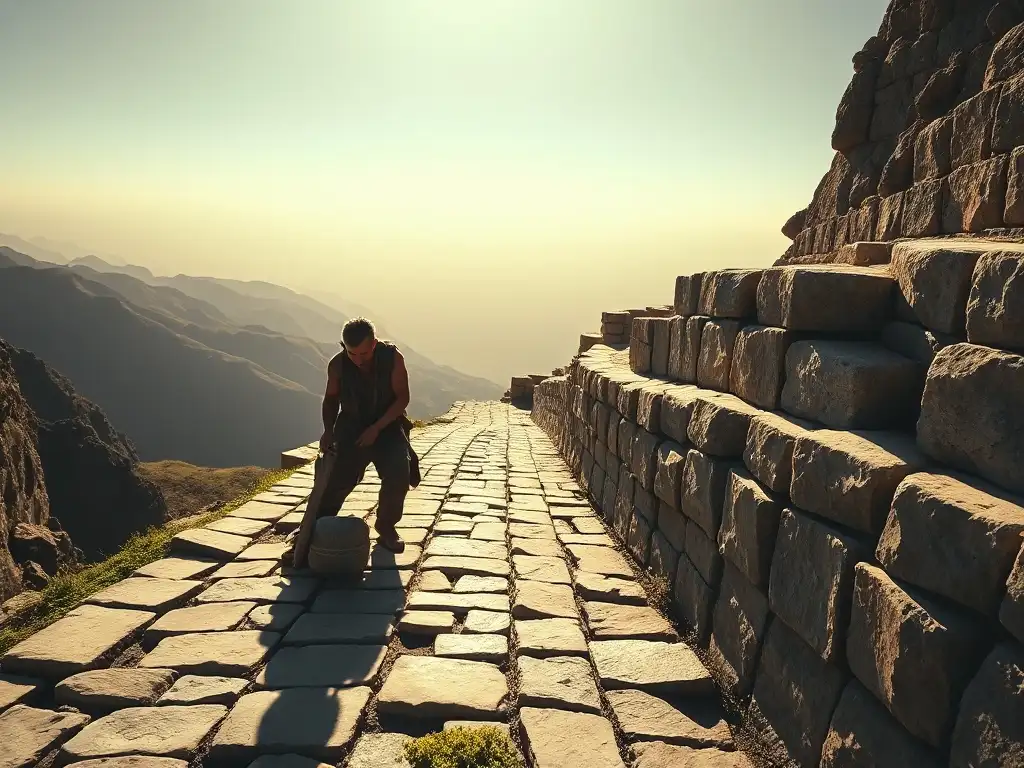
The Inca road system, a marvel of ancient engineering, relied heavily on a proactive approach to maintenance. Regular inspections were crucial to the longevity of the network. These weren't haphazard checks; they were systematic, planned events involving specialized personnel. Evidence suggests that teams of mitmaq (colonists) and local communities were responsible for these inspections, likely on a rotating schedule, ensuring consistent oversight.
These inspections weren't just visual; they involved thorough assessments of the road's surface, drainage systems, and supporting structures. Any signs of wear, cracks, erosion, or damage to bridges and retaining walls were meticulously documented. This systematic approach allowed for early detection of potential problems, minimizing the risk of major collapses and disruptions to the vital trade routes.
The information gleaned from these inspections formed the basis for planned repairs. Instead of reactive patching, the Inca prioritized preventative maintenance. Minor repairs, such as filling potholes or replacing loose stones, were carried out promptly. This prevented small issues from escalating into larger, more costly problems.
The Inca’s understanding of preventative maintenance is a testament to their sophisticated engineering knowledge and their appreciation for the importance of infrastructure to their empire's stability. The frequency of these inspections and repairs likely varied depending on the road's location, usage, and the prevailing environmental conditions. High-traffic routes in challenging terrains probably received more frequent attention than less-used paths in more stable areas.
Techniques for Road Stabilization in Mountainous Regions
Constructing and maintaining roads in the Andes' treacherous mountainous terrain presented unique challenges. The Inca engineers employed ingenious techniques to stabilize the roads and prevent landslides and erosion. One key strategy involved the use of retaining walls, often built from carefully fitted stones without mortar. These walls not only prevented the road from slipping down steep slopes but also helped to channel water away, mitigating erosion. The walls were constructed with remarkable precision, showcasing the Inca's mastery of stonework.
Their design considered the slope's angle and the type of soil, ensuring maximum stability. In addition to retaining walls, the Inca utilized sophisticated drainage systems to divert water away from the road surface. These systems consisted of carefully placed channels and ditches that effectively prevented water from accumulating and damaging the road structure. This was particularly crucial in mountainous areas prone to heavy rainfall and sudden flash floods.
Furthermore, the Inca cleverly incorporated natural features into their road designs. They often used existing rock formations and natural terraces to stabilize the roadbed, minimizing the need for extensive earthworks. This approach not only reduced the workload but also blended the roads seamlessly into the landscape. The choice of materials also played a vital role in road stabilization.
The Inca often used locally sourced materials, selecting stones and earth that were best suited to the specific environmental conditions. This ensured the longevity of the roads and reduced the need for frequent repairs. The combination of retaining walls, drainage systems, and a keen understanding of the natural environment enabled the Inca to construct and maintain a remarkably stable and durable road network, even in the most challenging of terrains. This highlights their deep understanding of engineering principles and their adaptability in overcoming environmental obstacles.
Challenges and Solutions in Inca Road Maintenance
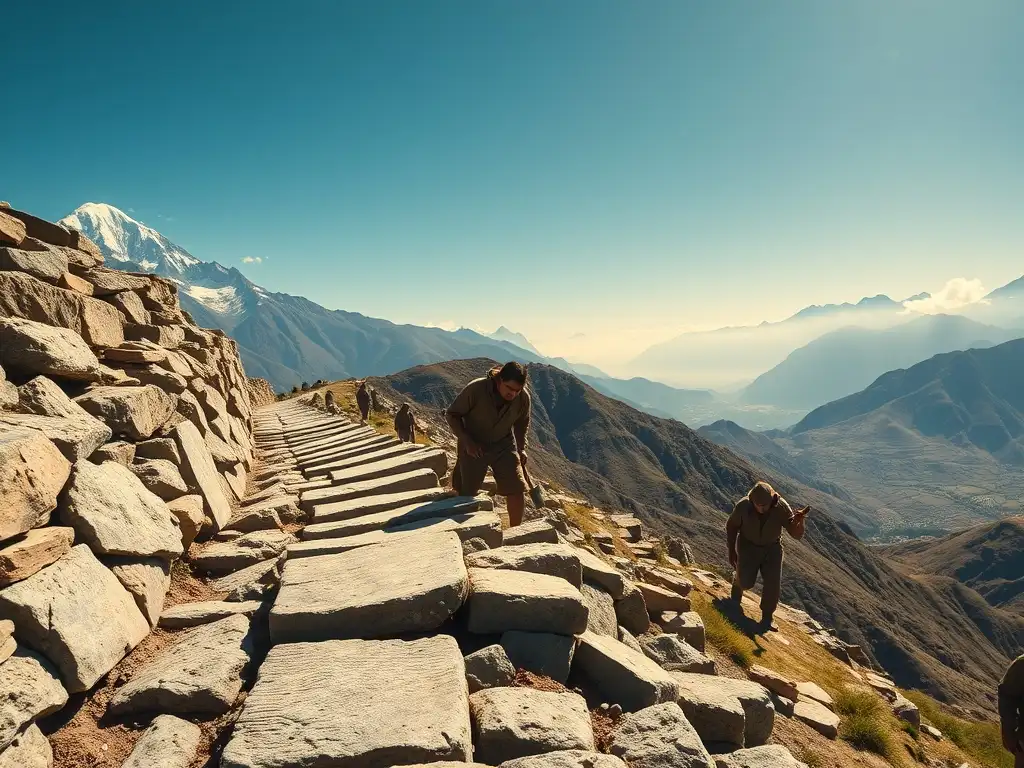
The Inca road system, a marvel of ancient engineering, stretched thousands of miles across diverse and challenging terrains. Maintaining this extensive network required sophisticated techniques and a deep understanding of the environment. Effective Inca road maintenance techniques were crucial for the empire's economic prosperity, military strength, and cultural unity. The sheer scale of the undertaking, coupled with the unpredictable Andean environment, presented significant hurdles. This section will delve into some of the key challenges faced by Inca engineers and the innovative solutions they implemented.
Dealing with Harsh Weather Conditions
The Andes Mountains are notorious for their extreme weather patterns. Intense rainfall, freezing temperatures, snow, and landslides frequently threatened the integrity of the Inca roads. Inca road maintenance techniques focused on mitigating these risks through several strategies. For instance, drainage systems were meticulously designed into the road construction itself.
These often involved carefully placed stones to channel water away from the road surface, preventing erosion and washouts. In areas prone to landslides, retaining walls constructed from locally sourced stone were built to stabilize slopes and divert debris. These walls, often impressively large and sturdy, were not merely barriers but integral parts of the road's design, demonstrating an advanced understanding of geotechnical engineering.
Furthermore, the use of durable materials like andesite, a hard volcanic rock resistant to weathering, further enhanced the roads' longevity. The selection of materials was directly influenced by the local climate and geological conditions, reflecting a highly localized approach to road maintenance that maximized resilience. Records of specific techniques used in different microclimates are unfortunately scarce, but archaeological evidence points to a sophisticated understanding of adapting construction and maintenance methods to the specific challenges of each region.
Managing Road Damage from Heavy Traffic
The Inca road system facilitated the movement of vast quantities of goods, people, and troops across the empire. This heavy traffic, particularly of llamas carrying goods, inevitably caused wear and tear on the road surfaces. Inca road maintenance techniques addressed this challenge through a combination of proactive and reactive measures. Regular inspections were likely conducted by specialized personnel, perhaps similar to modern-day highway patrols.
These inspectors would identify areas requiring repair and initiate timely interventions. Damage repair involved replacing damaged stones, filling potholes, and resurfacing sections of the road as needed. The use of readily available materials and a modular road design allowed for efficient repairs. The roads weren't monolithic structures; they were built in sections, making it easier to replace or repair damaged parts without disrupting the entire system.
This modularity is evident in the archaeological record, showcasing the practicality and efficiency of Inca road maintenance. While the exact frequency of these inspections and repairs remains uncertain, the well-preserved sections of road found today attest to the effectiveness of their maintenance strategies. The empire's logistical prowess was intrinsically linked to the ability to maintain its extensive road network under heavy and consistent use.
Overcoming Geographical Obstacles
The Inca road system navigated incredibly challenging terrain, including steep mountains, deep valleys, and treacherous passes. Inca road maintenance techniques for these areas required ingenuity and adaptability. In steep areas, Inca engineers used sophisticated techniques such as retaining walls, terraces, and switchbacks to create stable and traversable pathways.
These structures not only stabilized the roads but also minimized the impact of erosion and landslides. In areas crossing rivers or ravines, suspension bridges and ingenious stone bridges were constructed, often demonstrating a remarkable understanding of structural mechanics. Maintaining these structures required specialized skills and knowledge, likely passed down through generations of skilled artisans and engineers.
The meticulous craftsmanship evident in many surviving Inca bridges highlights the commitment to ensuring the functionality and longevity of the road network, even in the most challenging environments. The success of these techniques is a testament to the Inca's ability to adapt their engineering solutions to the diverse and difficult geography of their vast empire. Further research into specific bridge maintenance strategies would provide a deeper understanding of the intricacies of Inca road maintenance in these exceptionally demanding locations.
Ensuring Long-Term Durability of the Road Network
The Inca road system, a marvel of ancient engineering, wasn't simply built and left to the elements. Its longevity depended on a proactive and sophisticated maintenance program, focused on preventing deterioration before it became a major problem. This wasn't a simple matter of patching potholes; it was a complex system involving regular inspections, preventative measures, and the strategic use of readily available materials. The Incas understood that the cost of preventative maintenance was far less than the cost of extensive repairs later on. This forward-thinking approach significantly contributed to the network's remarkable endurance for centuries.
One key aspect of ensuring long-term durability involved the selection and preparation of construction materials. The Incas were meticulous in choosing stones that were both strong and resistant to weathering. They prioritized locally sourced materials whenever possible, minimizing transportation costs and environmental impact. Furthermore, the careful fitting of stones, with minimal mortar used, allowed for natural drainage and reduced the likelihood of cracks forming due to water accumulation. This precise stonework, combined with the use of durable materials, significantly increased the lifespan of the roads.
Beyond material selection, the Incas also employed ingenious drainage systems. The roads were often built with a slight slope to facilitate water runoff, preventing erosion and damage from pooling water. In areas prone to heavy rainfall or flooding, they constructed sophisticated drainage channels and culverts to direct water away from the road surface.
These systems not only protected the roads themselves but also prevented landslides and other geological hazards that could compromise the integrity of the entire network. The effectiveness of these systems is evident in the sections of Inca roads that have survived to this day. Archaeological studies continue to uncover the intricacies of these systems, highlighting the Incas' advanced understanding of hydrology and its crucial role in road maintenance.
Their approach serves as a valuable lesson in sustainable infrastructure design even today. The emphasis on natural drainage and the avoidance of unnecessary materials minimized long-term environmental impacts, a principle we're only beginning to fully appreciate in modern infrastructure projects.
The Legacy of Inca Road Maintenance
The Inca road system, a marvel of ancient engineering, wasn't simply built and then left to decay. Its longevity and effectiveness were due to a sophisticated and proactive approach to Inca road maintenance techniques. This wasn't a haphazard process; it was a meticulously planned and executed system integral to the empire's stability and control. The sheer scale of the network – stretching thousands of miles across diverse and challenging terrain – demands admiration for the organization and resources dedicated to its upkeep. The impact of this dedication is still felt today, influencing modern road construction and preservation efforts.
Influence on Modern Road Construction
Modern road construction owes a surprising debt to Inca ingenuity. While our methods employ vastly different technologies, several key principles echo across centuries. The Incas' understanding of drainage, for instance, remains strikingly relevant.
Their use of carefully graded surfaces, strategically placed ditches, and robust retaining walls to manage water runoff directly influenced modern techniques for mitigating erosion and preventing landslides. This is particularly important in mountainous regions, mirroring the challenging terrain the Incas mastered. Furthermore, their selection of durable materials, adapted to local conditions, highlights the importance of sustainable practices in infrastructure development.
The Inca's focus on adaptability – choosing materials like stone, earth, and wood based on availability and terrain – serves as a reminder of the environmental considerations crucial in modern road construction. Consider the use of locally sourced materials in modern projects to reduce transportation costs and environmental impact; this mirrors the Inca's practical and environmentally conscious approach.
Lessons Learned from Inca Engineering Practices
The Inca road system offers invaluable lessons for modern engineers and infrastructure managers. Their emphasis on preventative maintenance, rather than solely reactive repairs, is a crucial takeaway. The Incas established a dedicated workforce responsible for regular inspections and timely repairs, minimizing the risk of major disruptions.
This proactive approach contrasts with some modern systems where maintenance is often deferred until problems become critical and costly to fix. Their mastery of adapting construction techniques to diverse environments is another significant lesson. The Incas didn't employ a one-size-fits-all approach; their techniques varied depending on the terrain, climate, and available materials.
This adaptability is particularly relevant in today's world, where infrastructure must withstand increasingly extreme weather events and environmental challenges. Analyzing their meticulous record-keeping systems – though the details remain partially obscured – could offer insights into efficient project management and resource allocation for modern road networks. The systematic approach to Inca road maintenance highlights the importance of long-term planning and resource allocation in infrastructure projects.
Preserving Inca Roads for Future Generations
Preserving the remaining sections of the Inca road system is not just about preserving history; it's about learning from a remarkable feat of engineering. However, the task presents unique challenges. The passage of time, natural erosion, and human activity have taken their toll. Effective preservation requires a multi-pronged approach combining careful documentation, sustainable conservation techniques, and responsible tourism management.
Detailed surveys and studies are needed to fully understand the remaining structures and inform appropriate conservation strategies. This includes assessing the condition of the roads, identifying areas at risk, and developing tailored preservation plans. Furthermore, controlling the impact of tourism is crucial. Sustainable tourism practices, including limiting access to fragile sections and educating visitors about the importance of preservation, are essential for the long-term survival of these historical treasures.
The preservation of Inca roads requires a collaborative effort involving archaeologists, engineers, historians, and local communities, ensuring that this remarkable legacy continues to inspire and educate future generations. The challenge is to balance the need for preservation with the desire to make these historical sites accessible for study and appreciation. Careful planning and execution are key to achieving a sustainable balance.
The Lasting Impact of Inca Infrastructure
The Inca road system, a marvel of ancient engineering, continues to resonate even today. Its impact transcends mere historical significance; it profoundly shaped the landscape and the cultural identity of the Andean region. The strategic placement of roads facilitated trade, communication, and the movement of people across vast, challenging terrain.
This infrastructure wasn't simply a network of pathways; it was a vital artery sustaining the Inca Empire's political, economic, and social fabric. The echoes of this meticulous planning are still evident in the enduring features of the landscape, influencing modern road networks and inspiring awe in those who study its legacy. The ingenuity of Inca road building, particularly their mastery of adapting to diverse environments, serves as a testament to their advanced understanding of engineering principles.
The Inca's understanding of drainage systems, for example, is particularly noteworthy. Their roads were not simply laid on the ground; they were meticulously constructed to withstand the harsh Andean weather conditions. This involved sophisticated drainage techniques, including the use of carefully placed stones to divert water and prevent erosion.
Many sections of these ancient roads still function effectively as drainage systems, demonstrating their remarkable durability and the foresight of their creators. This practical knowledge continues to inform modern civil engineering practices, especially in mountainous regions where similar challenges exist. Researchers continue to study these techniques to understand how to create more resilient and sustainable infrastructure.
Furthermore, the Inca road system's impact extends beyond its physical presence. The roads facilitated the rapid dissemination of information and cultural practices throughout the empire. This connectedness fostered a sense of unity and shared identity among diverse populations, contributing to the empire's political stability and cultural cohesion. The legacy of this integrated network is still felt in the cultural landscape of the Andes, where communities maintain a sense of connection fostered by the historical routes.
The roads themselves became integral to the cultural narratives and traditions of the Andean peoples, shaping their sense of place and identity. This cultural impact is arguably as significant as the physical infrastructure itself. The stories and traditions associated with the Inca roads continue to be passed down through generations, enriching the cultural heritage of the Andes.
Frequently Asked Questions
What materials did the Inca use for road maintenance?
The Inca utilized readily available materials, including stone, earth, and wood. They cleverly adapted their techniques to the specific environment and challenges presented by the terrain.
How frequently did the Inca maintain their roads?
Maintenance was a continuous process, not a scheduled event. Teams of workers regularly inspected and repaired sections of the road network as needed.
What was the role of the mit'a system in road maintenance?
The mit'a, a labor tax system, provided the workforce for road construction and maintenance. Communities were assigned responsibility for sections of roads near their settlements.
Were there specialized workers for Inca road maintenance?
While the mit'a provided the bulk of the labor, specialized engineers and masons likely oversaw projects and provided expertise in complex repairs.
How did the Inca adapt their road maintenance to different terrains?
Inca road maintenance techniques were highly adaptable. They employed different materials and construction methods depending on whether they were working in mountains, deserts, or jungles.
Final Reflection: The Enduring Legacy of Inca Road Maintenance
The ingenuity of Inca road maintenance techniques remains a powerful testament to the empire's organizational prowess and its lasting impact on infrastructure development. Their sophisticated system, far exceeding the capabilities of many contemporary societies, offers valuable lessons for modern-day challenges in sustainable infrastructure and resource management. The echoes of their achievements resonate even today, prompting us to reconsider our own approaches to construction and preservation.
The Inca's commitment to maintaining their vast road network wasn't merely a logistical feat; it was a statement of their cultural values, a testament to their interconnectedness, and a crucial element of their societal stability. The roads were not just arteries of commerce and communication, but also veins carrying the lifeblood of the empire.
This quote highlights the profound social and political implications of their road system, a system that facilitated trade, communication, and the movement of resources across diverse terrains. Their dedication to upkeep, employing specialized teams and innovative techniques, serves as a powerful example of long-term planning and sustainable practices that we can learn from today.
Consider the challenges we face in maintaining our own infrastructure – from aging highways to crumbling bridges. The Inca’s dedication to preventative maintenance, their understanding of local materials, and their community-based approach offer a compelling alternative to our often reactive and unsustainable methods. You, the reader, are now equipped with a deeper understanding of these ancient techniques. I urge you to reflect on how these principles might inspire more sustainable and resilient infrastructure solutions in your own community, fostering a future where ingenuity and foresight guide our progress, just as they did for the Inca.
**Explore the Secrets of Ancient Infrastructure! **
Thank you for exploring the fascinating world of Inca road maintenance! You've gained valuable insights into how this remarkable civilization maintained its extensive road network. Now, let's put that knowledge to use.
Here are some practical next steps:
- **Join a local history group or online forum** dedicated to ancient civilizations. Share your knowledge and learn more about the Inca Empire and its engineering achievements.
- **Visit a museum or historical site** showcasing Andean culture to experience these engineering marvels firsthand.
- Explore and **document local trails** with historical or indigenous infrastructure significance. Share your findings to increase awareness and appreciation of these often-overlooked resources.
Reflecting on the ingenuity of the Incas, consider this: **How can modern infrastructure challenges benefit from ancient wisdom? ** Share your thoughts in the comments below!