
The Legacy of Innovation: The Impact of Andean Construction on Later Cultures

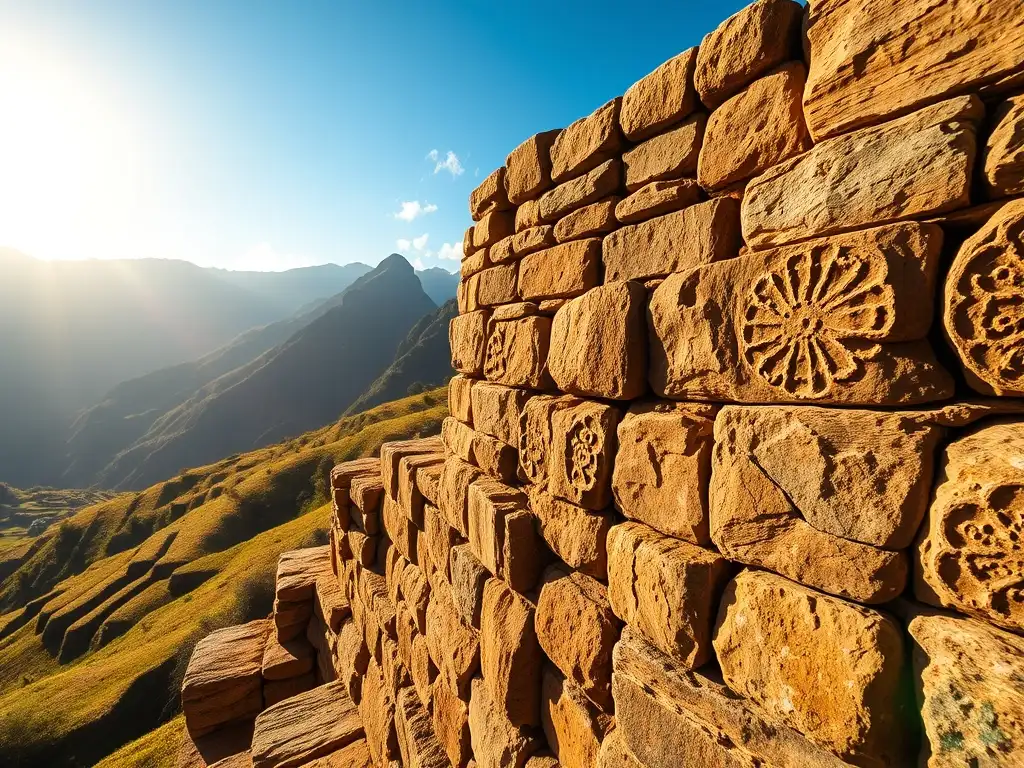
Step into a world lost to time, yet echoing with innovation. Imagine colossal structures defying gravity, intricate artistry carved into mountain sides, and ingenious engineering solutions born from the Andes’ challenging terrain. This is the legacy of the ancient Andean civilizations. Discover how Andean construction techniques impact continues to resonate today, unraveling the secrets behind their monumental achievements in our exploration of Andean Architecture and Engineering. Prepare to be amazed.
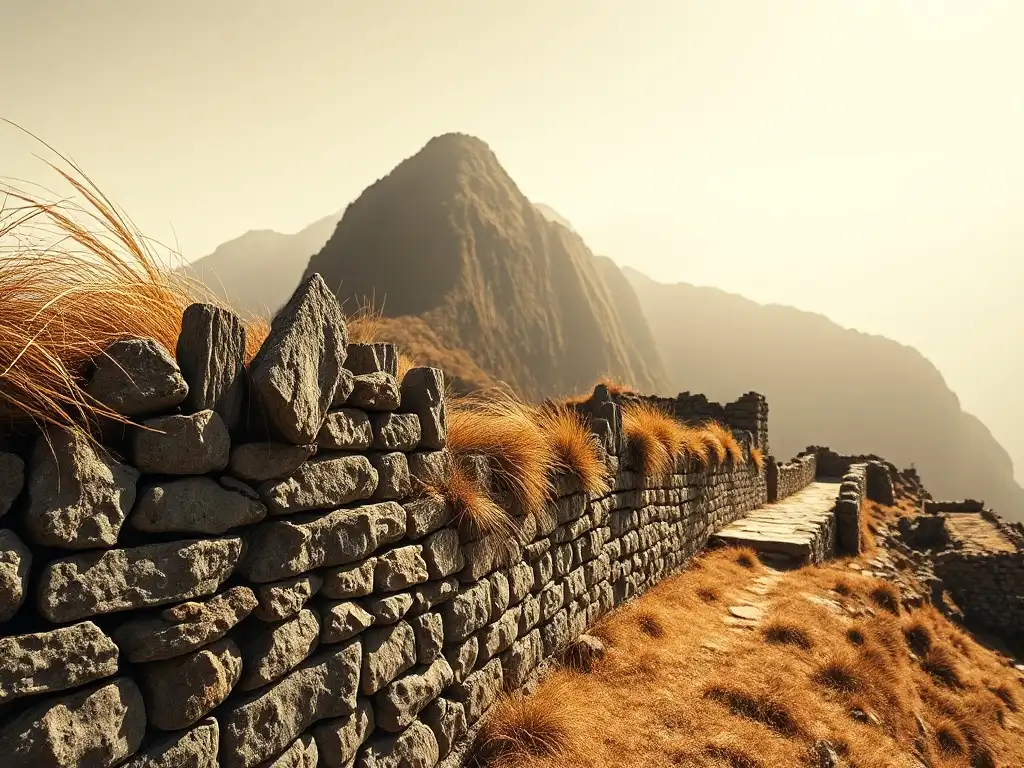
The Andes Mountains, a spine of towering peaks stretching along the western coast of South America, nurtured a remarkable tapestry of ancient civilizations. From the coastal deserts to the high-altitude plains, these cultures—including the Incas, Moche, Nazca, and Tiahuanaco—developed sophisticated architectural and engineering techniques that continue to inspire awe and wonder. This article delves into the profound impact of Andean construction methods, exploring how their innovative approaches influenced building practices across the globe, even impacting modern engineering.
We will examine the ingenuity behind their structures, revealing the enduring legacy of these remarkable achievements and highlighting the lasting influence of Andean construction techniques. This exploration will demonstrate how the "Andean construction techniques impact" is still felt today, showcasing the remarkable ingenuity of these ancient builders and their lasting contribution to architectural history.
Introduction to Andean Architectural Ingenuity
Andean architecture is characterized by its masterful adaptation to diverse and challenging environments. The builders faced steep slopes, seismic activity, and varied climates, necessitating innovative solutions. Their ingenuity is evident in the precise stonework, sophisticated water management systems, and monumental structures that still stand as testaments to their advanced understanding of engineering principles.
These achievements weren't solely driven by aesthetics; they were functional responses to environmental pressures, reflecting a deep connection between the people and their landscape. This deep understanding of material science, coupled with an innate architectural skill, allowed for the creation of structures that not only survived centuries but also provided essential functionalities like irrigation and defense.
The development of unique construction methods wasn't isolated; it was a continuous process of adaptation and refinement across different Andean cultures, leading to a rich and diverse architectural legacy. The impact of this legacy is undeniable, influencing architectural styles and engineering principles even in contemporary times.
Pre-Inca Andean Construction: Foundations of Innovation
Before the Inca Empire rose to prominence, numerous other Andean cultures laid the groundwork for their impressive architectural achievements. These earlier civilizations, such as the Caral and Chavín, developed sophisticated techniques that would later be refined and expanded upon by the Inca. Understanding these pre-Inca innovations is crucial to appreciating the full scope of Andean architectural influence.
The mastery of stonework, the development of sophisticated irrigation systems, and the construction of monumental platforms and temples all contributed to a rich architectural heritage that provided a solid foundation for subsequent Andean civilizations. The ingenuity displayed in these early constructions demonstrates a deep understanding of engineering principles, reflecting a remarkable level of technological advancement for their time. This foundation of innovation laid the groundwork for the even more impressive structures of later Andean cultures.
Early Andean Building Methods: A Look at Caral Techniques
The Caral civilization, flourishing around 3000 BCE, provides a fascinating glimpse into early Andean construction. Evidence suggests that they employed advanced techniques in the construction of their monumental structures, including large-scale earthworks and sophisticated adobe brick production. [Specific details on Caral construction techniques pending].
Their understanding of load-bearing structures, and their ability to organize large-scale labor projects, underscore their remarkable engineering capabilities. The precision and scale of their constructions indicate a highly organized society capable of complex planning and execution. This early mastery of construction techniques laid the groundwork for later advancements in Andean architecture, demonstrating the continuous evolution of building practices across millennia.
The Emergence of Monumental Architecture in the Andes
As Andean societies developed, so did their architectural ambitions. Monumental architecture, characterized by large-scale structures like temples, palaces, and fortifications, became a hallmark of many Andean cultures. The construction of these massive structures required advanced planning, sophisticated engineering, and a highly organized workforce. [Specific examples of monumental architecture and their construction methods pending].
The integration of stone, adobe, and other materials, along with the development of sophisticated techniques like dry-stone masonry, showcases the ingenuity and adaptability of Andean builders. These monumental structures not only served practical purposes but also held significant symbolic meaning, reflecting the power and sophistication of the ruling elites. The impressive scale and precision of these constructions demonstrate the remarkable engineering achievements of Andean civilizations and their lasting impact on architectural traditions worldwide.
Key Andean Construction Techniques and Their Influence
The ingenuity of Andean construction techniques left an indelible mark on subsequent cultures, shaping architectural practices and influencing agricultural innovations for centuries. Understanding the impact of these techniques requires examining their core components. The Andes weren't a monolithic entity; diverse cultures—including the Incas, Moche, Nazca, and Tiahuanaco—developed unique yet interconnected methods.
These methods, often adapted and refined over time, demonstrate a remarkable level of sophistication and a deep understanding of their environment. The legacy of this knowledge extended far beyond the Andean region itself, influencing architectural styles and engineering solutions in other parts of the world. The sheer scale and precision of some of these projects, such as the impressive terraces carved into the mountainsides, stand as testament to the advanced capabilities of Andean builders.
These weren't simply structures; they were expressions of societal organization, resource management, and a deep connection to the land. The enduring influence of these techniques is still apparent today, in both the surviving structures and the continuing adaptations found in modern Andean communities.
The Use of Ashlar Masonry in Andean Structures
Ashlar masonry, the precise cutting and fitting of large, rectangular blocks of stone, is a hallmark of Andean construction. The level of precision achieved in many Andean structures, with stones fitting together so tightly that a knife blade cannot be inserted between them, is truly remarkable. This technique, used extensively by the Incas and other Andean cultures, required advanced tools and a deep understanding of stone properties.
The Incas, in particular, perfected this technique, using it to create magnificent structures like Sacsayhuamán, a fortress near Cusco, where colossal stones are meticulously fitted together without mortar. The impact of this technique extends beyond its aesthetic appeal. The durability and stability of ashlar masonry structures ensured their longevity, often withstanding earthquakes and other natural disasters.
This technique has influenced masonry practices worldwide, showcasing the Andes' contribution to global architectural advancements. The precise craftsmanship displayed in these structures continues to inspire awe and wonder, highlighting the sophisticated engineering and artistry of Andean builders. The continued study of ashlar masonry techniques employed in Andean structures informs modern engineering and construction practices.
The Impact of Andean Terracing on Agricultural Practices
Andean terracing represents a profound adaptation to challenging mountainous terrain. This system of creating level platforms on steep slopes dramatically increased arable land, allowing for intensified agriculture in regions otherwise unsuitable for farming. The terraces were not just cut into the hillsides; they were carefully designed to manage water flow, minimize soil erosion, and optimize sunlight exposure.
This sophisticated understanding of hydrology and soil science allowed for the cultivation of a wide variety of crops, contributing to the sustenance and prosperity of Andean societies. The impact of Andean terracing extends beyond the immediate agricultural benefits. It also played a crucial role in shaping the landscape, creating visually stunning patterns that are still visible today.
The techniques developed by Andean cultures for terracing have influenced agricultural practices in mountainous regions around the world, demonstrating the enduring legacy of their innovative approach to land management. The precision and scale of many terrace systems serve as a powerful reminder of the ingenuity and environmental awareness of Andean civilizations.
Andean Engineering: Water Management and Irrigation Systems
Beyond terracing, Andean civilizations developed elaborate water management and irrigation systems to support their agriculture in arid and semi-arid environments. These systems involved complex networks of canals, aqueducts, and reservoirs, expertly designed to channel water from rivers and springs to agricultural fields. The Nazca lines, for example, are thought by some researchers to be part of a complex hydrological system, though their precise function remains a subject of ongoing debate.
The ingenuity of these systems is evident in their ability to provide water to crops in challenging environments, ensuring food security for large populations. The durability and efficiency of these systems underscore the advanced understanding of hydraulics possessed by Andean engineers. The legacy of Andean water management continues to influence modern irrigation practices, particularly in regions with limited water resources.
Their ingenious solutions to water scarcity provide valuable lessons for sustainable water management in the face of growing global challenges. The sophisticated knowledge of hydrology and engineering demonstrated in these systems highlights the remarkable adaptability and foresight of Andean cultures.
The Inca Adaptation and Expansion of Andean Construction
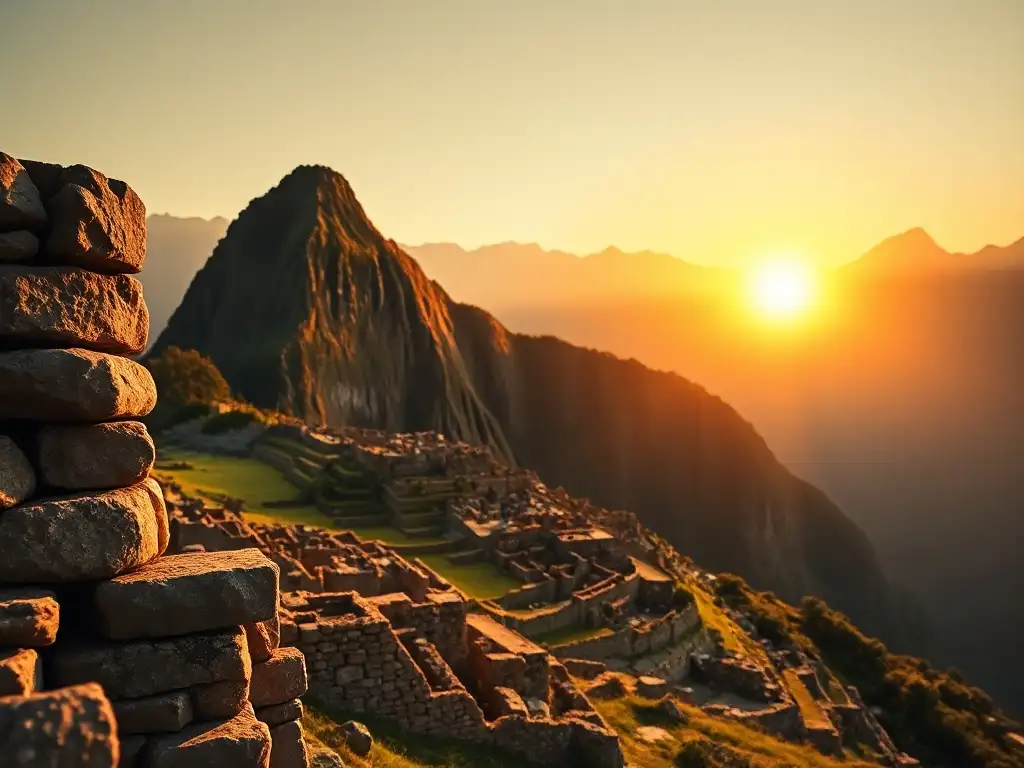
The Inca Empire inherited and significantly expanded upon the existing Andean construction traditions. Building upon the foundations laid by previous cultures, the Incas refined existing techniques and developed new ones, resulting in a distinctive architectural style characterized by grandeur, precision, and functionality. Their mastery of stonework, their extensive road network, and their innovative city planning all reflect their sophisticated understanding of engineering and construction.
The Inca's ability to adapt and improve upon existing techniques is a testament to their organizational skills and technological prowess. Their empire's vast geographical extent necessitated a flexible and adaptable approach to construction, allowing them to build in diverse environments using locally available materials.
This adaptability ensured the success of their construction projects and the longevity of their empire. The Inca's innovative approach to construction practices serves as a model for adapting building techniques to diverse geographical contexts and demonstrates the capacity of human ingenuity to overcome environmental challenges.
Inca Mastery of Stone Cutting and Fitting
Inca mastery of stone cutting and fitting reached unprecedented levels of precision. Their ability to cut and shape massive stones with such accuracy that they fit together without mortar is a testament to their advanced tools and techniques. This skill is vividly demonstrated in structures like Sacsayhuamán, where colossal stones, some weighing many tons, are seamlessly integrated into the walls. The precision of Inca stonework is not merely aesthetic; it also contributed to the structural integrity and seismic resistance of their buildings.
The techniques employed by the Incas involved a deep understanding of stone properties, including the ability to select appropriate stones and to cut and shape them to maximize their strength and durability. The Inca's expertise in stonework continues to inspire awe and wonder, showcasing the sophisticated engineering and artistry of their civilization. This advanced skill significantly impacted the longevity and stability of their constructions.
The Inca Road System: A Feat of Engineering
The Inca road system, spanning thousands of miles across the Andes Mountains, is a monumental achievement of engineering and logistical planning. This network of roads connected distant parts of the empire, facilitating communication, trade, and military movements. The construction of these roads involved overcoming significant environmental challenges, including steep slopes, treacherous terrain, and extreme altitudes. The Inca engineers employed innovative techniques, such as suspension bridges and meticulously engineered pathways, to navigate these obstacles.
The road system's design also incorporated features like waystations and rest stops, demonstrating a deep understanding of the needs of travelers. The Inca road system serves as a testament to their organizational and engineering capabilities, showcasing their ability to plan and execute large-scale infrastructure projects with remarkable efficiency. The impact of this system extended far beyond its practical uses, shaping the social and economic fabric of the Inca Empire.
How Inca Construction Techniques Enhanced Machu Picchu
Machu Picchu, the iconic Inca citadel nestled high in the Andes Mountains, stands as a prime example of Inca construction techniques. The city's remarkable integration into its mountainous environment, the precision of its stonework, and the sophistication of its water management systems all showcase the Inca's mastery of building. The construction of Machu Picchu involved overcoming significant logistical challenges, including transporting massive stones to the site and constructing terraces on steep slopes.
The city's design also incorporated advanced agricultural techniques, allowing for the cultivation of crops at high altitudes. Machu Picchu's survival for centuries, despite its remote location and exposure to the elements, is a testament to the durability and ingenuity of Inca construction methods.
The city's architectural marvels continue to inspire wonder and serve as a powerful symbol of Inca ingenuity and cultural achievements. The site showcases the seamless integration of architecture and engineering, demonstrating a deep understanding of the natural environment and the needs of its inhabitants.
The Enduring Impact of Andean Construction Techniques
The ingenuity of Andean construction techniques continues to resonate through the ages, influencing architectural practices far beyond the Andes Mountains. Their mastery of stonework, particularly in precise cutting and fitting without mortar, remains a testament to their advanced understanding of engineering principles. This sophisticated approach to building, utilizing readily available materials like stone and adobe, resulted in structures that not only endured the test of time but also adapted to the challenging Andean environment.
The seismic resilience of many Andean structures, a result of their innovative construction methods and understanding of local geology, is particularly noteworthy. This inherent stability, achieved without modern materials or equipment, provides invaluable insights for modern earthquake-resistant design. The meticulous planning and execution evident in their monumental projects, from intricate irrigation systems to towering temples, showcase an organizational capacity that few ancient civilizations could match.
The legacy of their expertise is palpable in the enduring structures that continue to stand as silent witnesses to their remarkable achievements. Understanding the principles behind their success is key to appreciating the full scope of their impact.
Andean Construction Techniques Impact on Colonial Architecture
The arrival of the Spanish in the 16th century marked a significant turning point in Andean history, yet the influence of pre-Columbian construction techniques remained surprisingly persistent. While colonial architecture introduced new styles and materials, it often incorporated and adapted existing Andean building methods. The readily available supply of skilled Andean masons and their profound knowledge of local stone and its properties proved indispensable to the colonial construction projects.
We see this adaptation clearly in many colonial churches and public buildings, which often feature elements of Andean stonework integrated into European architectural designs. For instance, the precise stone cutting and fitting techniques, perfected over centuries by Andean builders, were frequently utilized in the construction of colonial foundations and load-bearing walls, ensuring structural stability in the often-seismic Andean region.
This blending of styles demonstrates a pragmatic approach by the colonizers, leveraging existing expertise to achieve their construction goals efficiently. The legacy of this fusion is visible in the architectural landscape of the Andes to this day, showcasing a unique and enduring synthesis of cultures.
Modern Applications of Ancient Andean Building Methods
The principles underlying Andean construction techniques continue to inspire modern architects and engineers. The focus on sustainable and locally sourced materials resonates strongly with contemporary concerns about environmental impact and resource management. The inherent seismic resistance of many ancient Andean structures provides valuable lessons for building in earthquake-prone regions. Researchers are actively studying the precise techniques employed by Andean builders to replicate their success in modern construction.
For example, the use of interlocking stones without mortar, a hallmark of Andean masonry, is being investigated for its potential in creating more resilient and environmentally friendly buildings. The understanding of Andean building methods, including their integration with the landscape and their utilization of local materials, offers valuable insights into sustainable building practices. This renewed interest in ancient wisdom offers the potential for developing innovative and environmentally responsible construction methods for the future.
The Preservation of Andean Heritage Through Traditional Construction
The preservation of Andean heritage is intrinsically linked to the continuation of traditional construction methods. The knowledge and skills passed down through generations of Andean builders are invaluable for maintaining and restoring ancient sites. The use of traditional materials and techniques ensures the authenticity and longevity of these historical structures. Efforts to document and safeguard these traditional building practices are crucial for preserving both the physical heritage and the intangible cultural heritage associated with them.
The training of new generations of builders in these techniques is paramount to ensure the survival of this valuable knowledge. Furthermore, supporting local communities involved in traditional construction helps preserve not only the buildings themselves but also the livelihoods and cultural identity of the people who build and maintain them. By actively promoting and supporting traditional Andean construction, we contribute to the long-term preservation of a remarkable cultural legacy.
Lessons Learned from Andean Architectural Ingenuity
The study of Andean construction offers invaluable lessons for contemporary architecture and engineering. Their mastery of materials, their understanding of structural mechanics, and their adaptation to the environment provide insights that can inform modern building practices. The emphasis on sustainable and locally sourced materials is particularly relevant in today's world, where concerns about environmental impact are paramount.
The seismic resilience of many Andean structures offers a powerful example of how to design buildings to withstand earthquakes. By studying the principles behind their success, we can develop innovative and sustainable building methods that are both resilient and environmentally responsible. The meticulous planning and organizational capacity evident in their monumental projects offer valuable lessons in project management and construction logistics.
The enduring legacy of Andean architectural ingenuity continues to inspire and inform modern practices, reminding us of the importance of learning from the past to build a better future. The wisdom embedded within these ancient structures remains a powerful resource for shaping the built environment of tomorrow.
- Introduction to Andean Architectural Ingenuity
- Pre-Inca Andean Construction: Foundations of Innovation
- Key Andean Construction Techniques and Their Influence
- The Inca Adaptation and Expansion of Andean Construction
- The Enduring Impact of Andean Construction Techniques
- Lessons Learned from Andean Architectural Ingenuity
- What makes Andean construction techniques so unique?
- How did the Incas' construction differ from other Andean cultures?
- What impact did Andean construction have on later cultures?
- How did the environment influence Andean construction methods?
- Where can I learn more about the impact of Andean construction techniques?
Frequently Asked Questions
What makes Andean construction techniques so unique?
Andean construction was remarkably innovative, employing techniques like precise stone fitting without mortar, advanced irrigation systems, and terracing to adapt to challenging mountainous terrain. These methods showcased mastery of engineering and resource management.
How did the Incas' construction differ from other Andean cultures?
While all Andean cultures displayed impressive building skills, the Inca Empire is known for its extensive road network, large-scale stonework, and the use of highly standardized building blocks. Their empire-wide projects demonstrated impressive organizational capabilities.
What impact did Andean construction have on later cultures?
Andean building techniques had a lasting legacy, influencing subsequent architectural styles in the region and beyond. The durability and ingenuity of Andean structures continue to inspire awe and study.
How did the environment influence Andean construction methods?
The challenging Andean landscape directly shaped construction. Features like terracing to create farmland and stone structures adapted to seismic activity highlight a deep understanding of and adaptation to their environment.
Where can I learn more about the impact of Andean construction techniques?
You can explore further by researching specific Andean cultures (Inca, Moche, Nazca, Tiahuanaco) and their architectural achievements, as well as examining modern studies on Andean engineering. Many museums and academic institutions offer valuable resources.
Final Reflection: Echoes of Ingenuity Across Time
The ingenuity of Andean construction techniques continues to resonate today, a testament to the enduring power of human creativity and adaptation in the face of challenging environments. These weren't simply structures; they were expressions of a deep understanding of engineering principles, material science, and the delicate balance between human ambition and environmental harmony. Their impact extends far beyond the physical remains, shaping the cultural landscape and inspiring awe in generations to come.
The sophisticated understanding of seismic activity demonstrated in Andean architecture, for example, offers invaluable lessons for modern construction practices, particularly in earthquake-prone regions. The mountains themselves taught us how to build,
a phrase often attributed to Andean elders, encapsulates the profound connection between the environment and the development of these remarkable techniques. This holistic approach, integrating knowledge of geology, astronomy, and social organization, is a powerful reminder of the interconnectedness of human endeavor and the natural world. The legacy of this knowledge continues to inspire research and innovation in fields ranging from sustainable building practices to disaster resilience.
Consider the enduring power of these structures, their ability to withstand the test of time and inspire wonder. You, the reader, are now part of this ongoing conversation. Take a moment to reflect on the innovative spirit that shaped these ancient marvels, and consider how you can apply the principles of ingenuity, resilience, and sustainable practice in your own life and work. Let the echoes of Andean ingenuity inspire you to build a more sustainable and resilient future, one that honors the past while embracing the possibilities of tomorrow.
Unleash Your Curiosity: Dive Deeper into the Andean Legacy!
Thank you for exploring the fascinating blend of history and innovation in Andean construction! Your interest highlights the enduring influence of these ancient techniques on cultures worldwide. Let's delve further into this remarkable legacy.
- Explore the architectural wonders of the Andes through our in-depth guides on specific structures and their impact.
- Share your insights with friends, discussing how these ancient techniques can inspire modern design—you might even spark some innovative ideas!
- Join our community forum to connect with fellow history enthusiasts, exchange ideas, and learn from diverse perspectives on the impact of Andean civilization.
What aspect of Andean ingenuity most inspires you today? Share your thoughts below!